




























Activated Carbon Iodine Number & CTC Value: A Practical Selection Guide for Industrial Buyers
If your procurement sheet only lists "iodine 1000+" or "CTC 60%," you are missing half the story. These two numbers measure entirely different pore structures. Using the wrong specification is one of the most expensive mistakes in activated carbon procurement. This guide shows how to match the right parameter—and the right Purestar product—to your actual operating conditions.
What Is Iodine Number? (ASTM D4607)
Iodine number measures liquid-phase micropore capacity. Under ASTM D4607, carbon is saturated with iodine solution, and the result is reported in mg/g. Because the iodine molecule is roughly 0.56 nm in diameter, this test reflects micropore volume below 2 nm. A high iodine number means excellent capture of free chlorine and trihalomethane precursors. For municipal and industrial water systems, iodine number remains the most relevant activated carbon iodine number vs ctc value selection benchmark.
Typical ranges vary by raw material:
| Raw Material / Form | Iodine Range | Purestar Series |
|---|---|---|
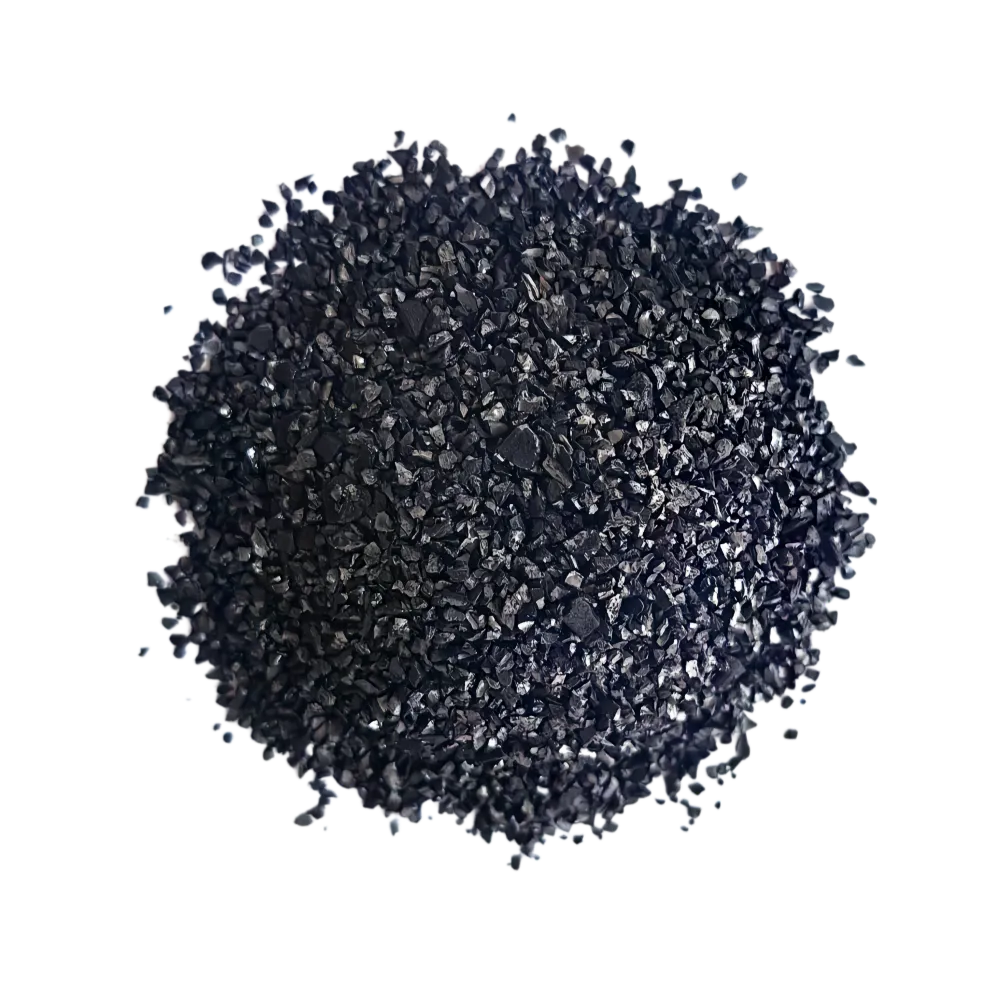
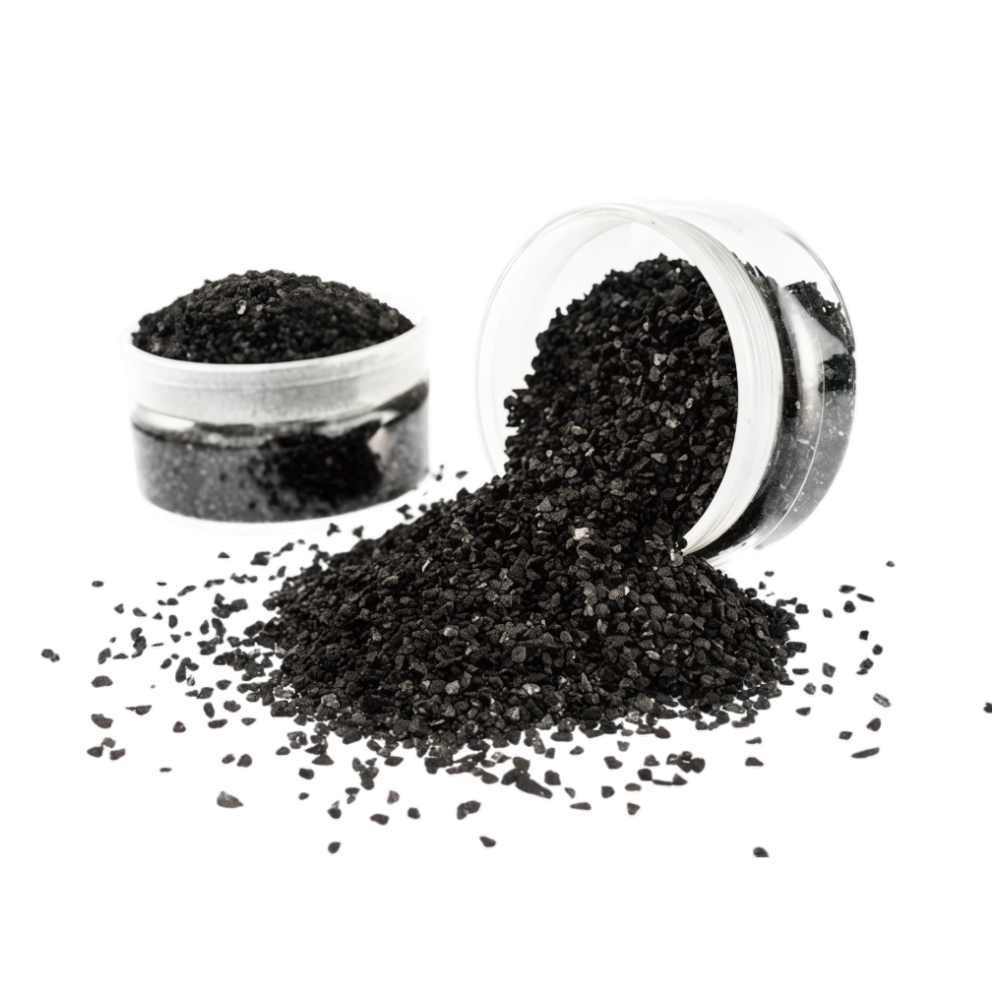
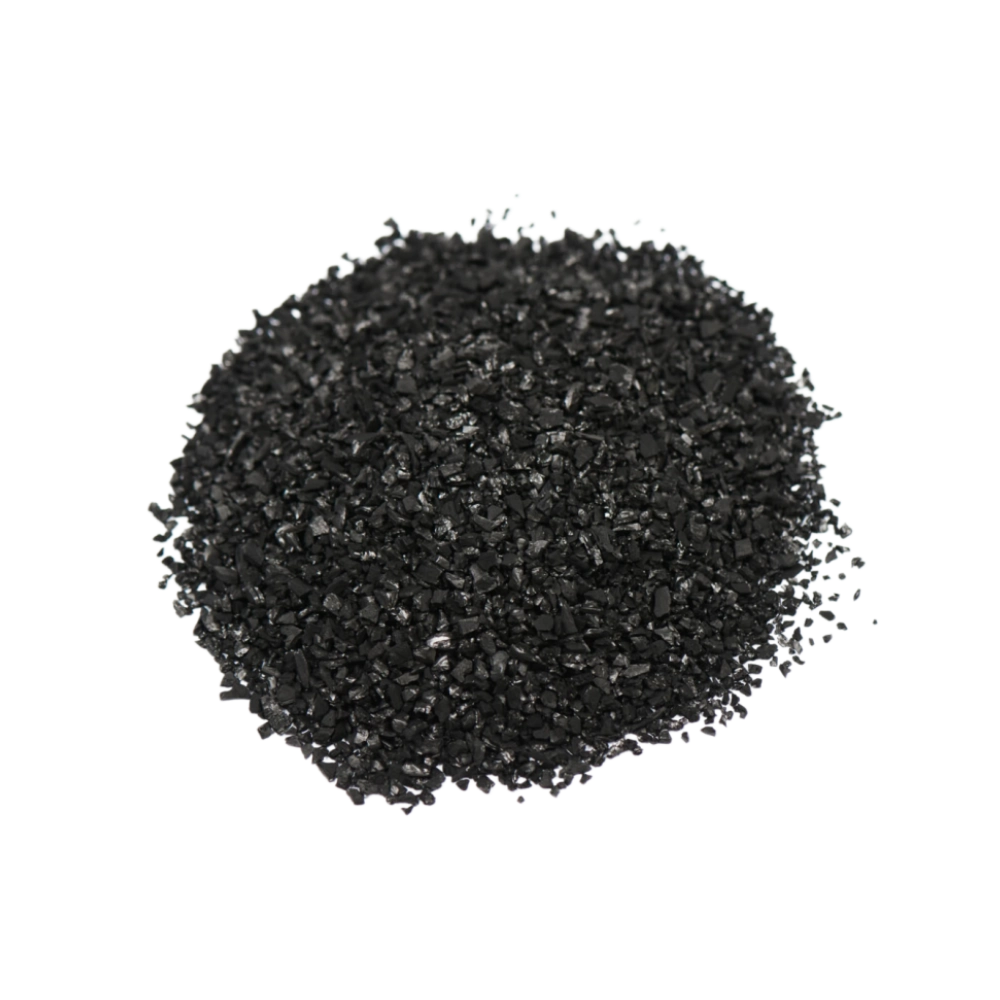
| Coconut Shell GAC | 950–1200 mg/g | GAC / GAC-P / LAC |
| Coal-Based GAC | 800–1050 mg/g | GAC / WT Series |
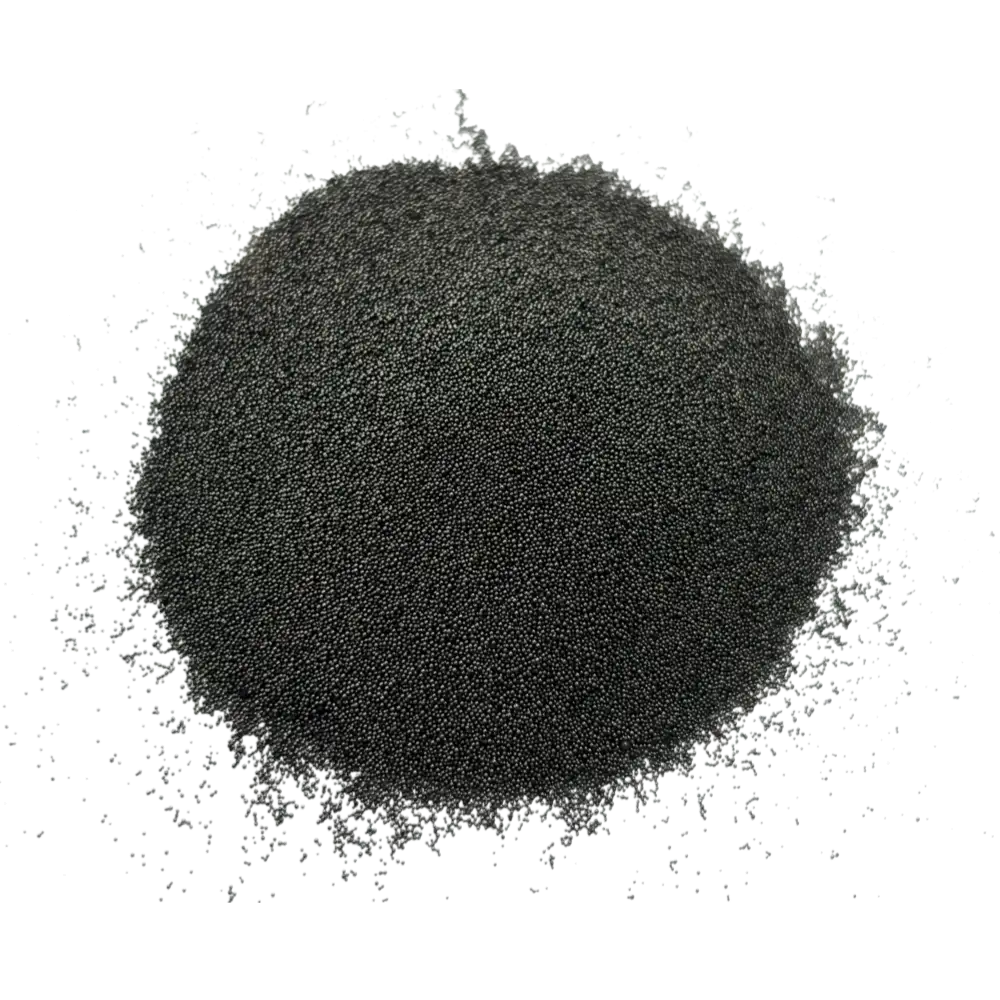
| Coal-Based Powder | 800–1050 mg/g | B-60 to B-A0 |
| Wood-Based Powder | 700–950 mg/g | F-14/16/18 |
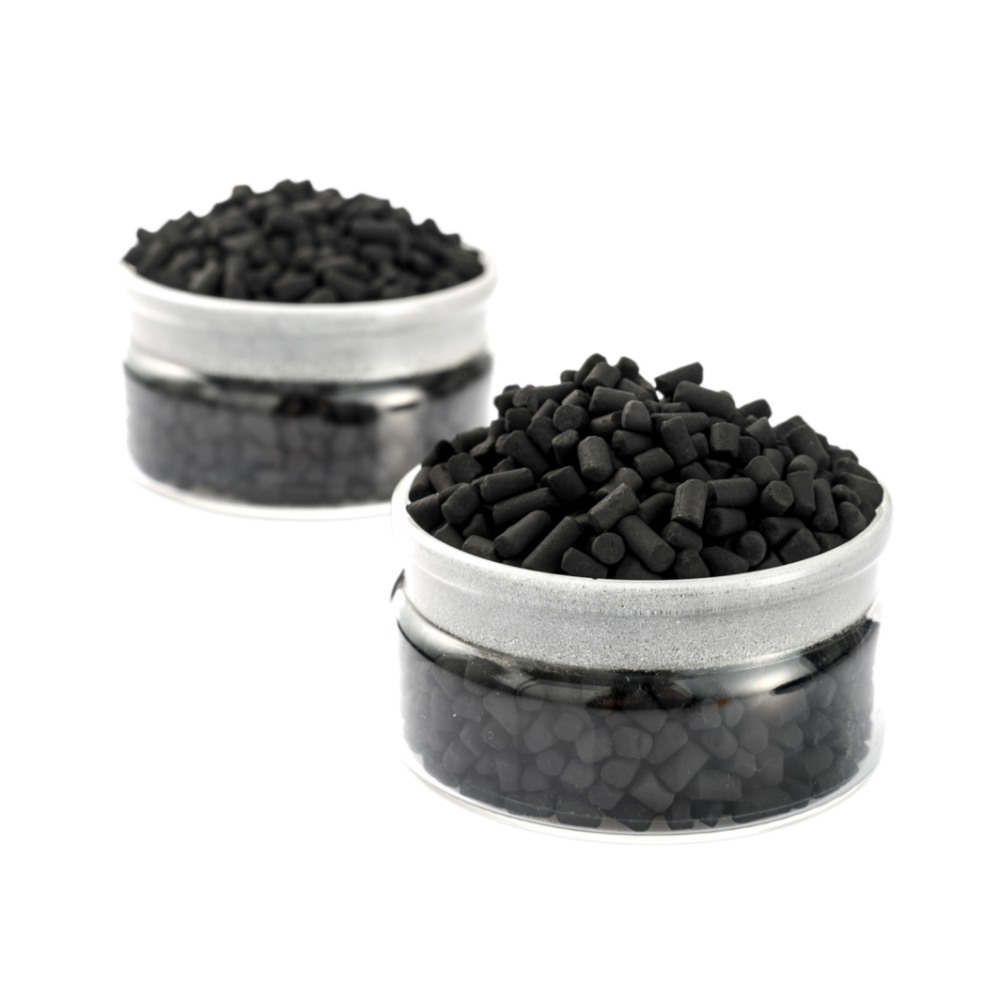
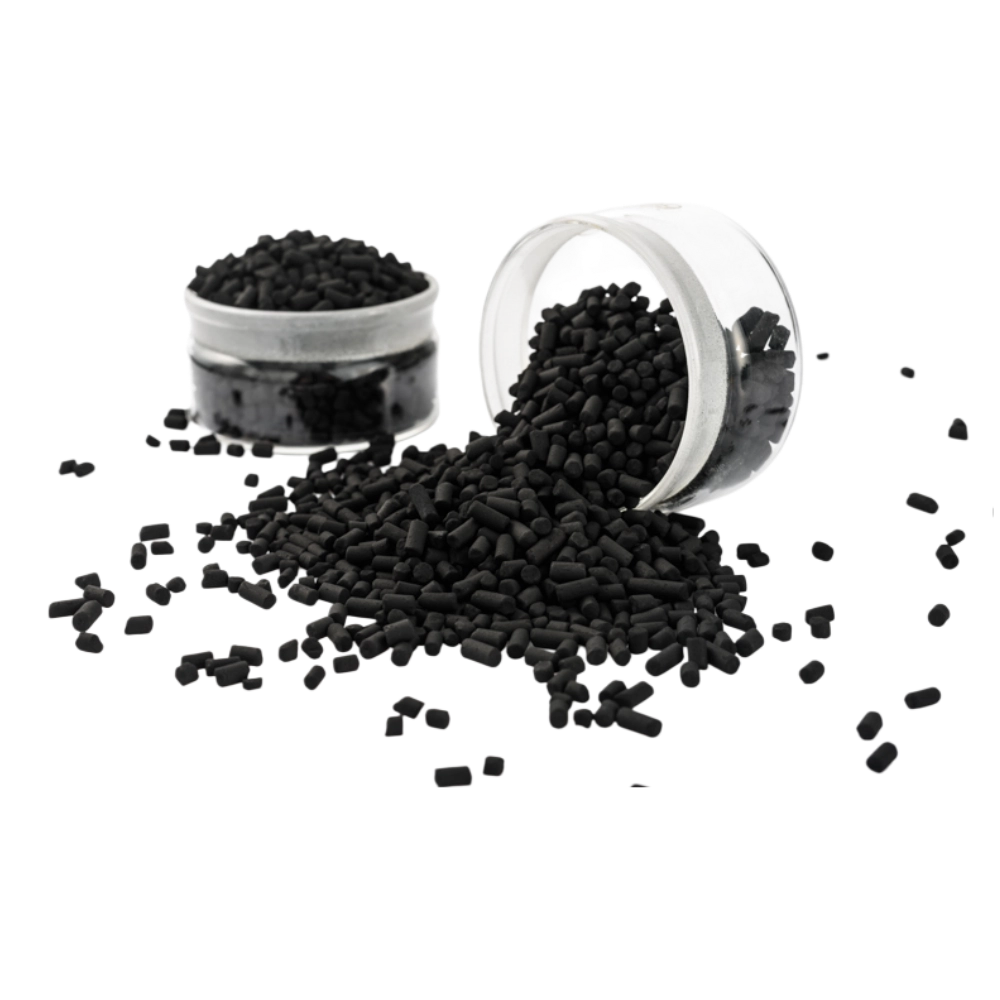
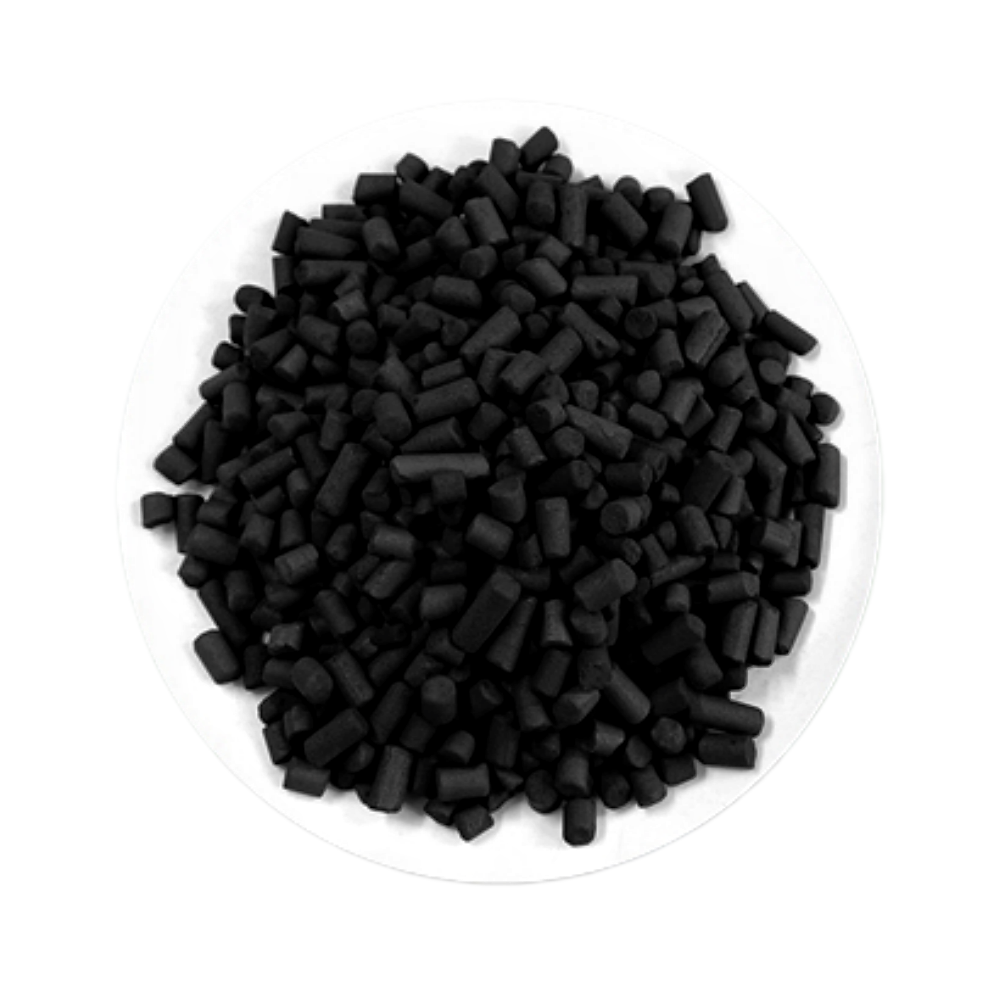
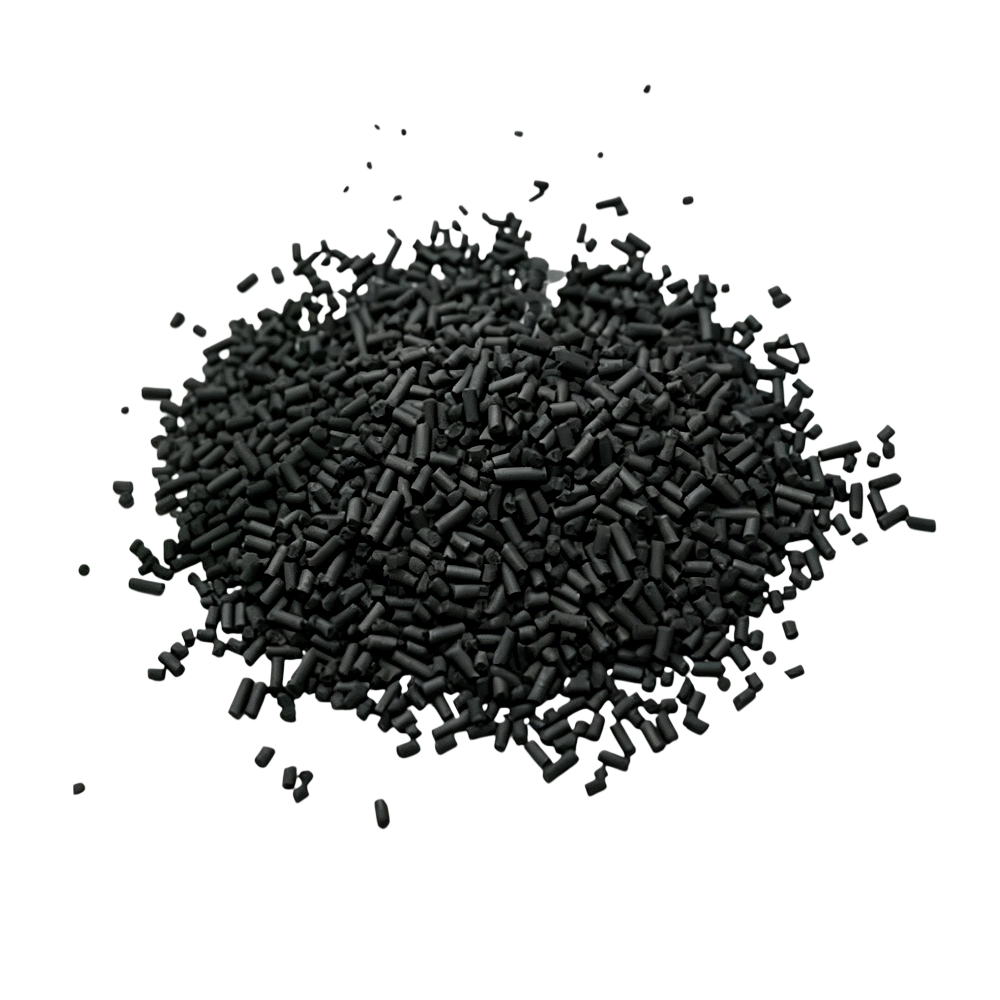
| Extruded Pellet | 850–1100 mg/g | P-80 / P-100 / PL |

What Is CTC Value? (ASTM D3467 / GB/T 7702.12)
CTC value measures gas-phase adsorption capacity. The test passes dry air saturated with carbon tetrachloride vapor through a carbon bed at 25 °C until saturation. The result is a weight percentage: a CTC of 60 % means one gram of carbon adsorbs 0.6 grams of CCl₄ vapor. Because the probe molecule is ~0.63 nm, CTC captures both micropores and small mesopores in the 2–5 nm range. This is why ctc value activated carbon specification for industrial buyers should always be required for air-treatment projects, not iodine number.
At Purestar, batch CTC testing is standard on every gas-phase lot. Typical ranges by product line:
| Carbon Type | CTC Range | Purestar Model | Key Advantage |
|---|---|---|---|
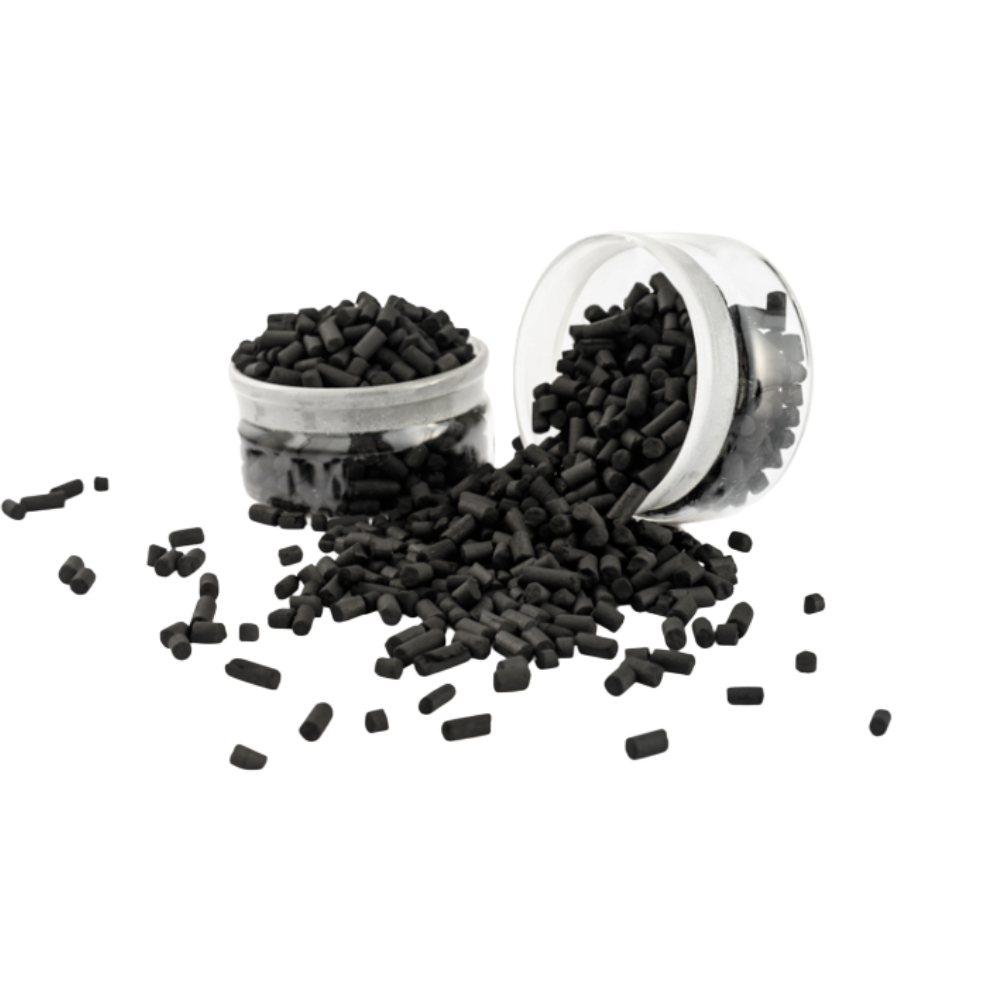
| Coal Pellet (Steam) | 50–80 % | P-80 (CTC 80 %) | High hardness, cost-effective |
| Coal Pellet (Deep) | 80–100 %+ | P-100 / PL (CTC 100 %) | Maximum solvent recovery |
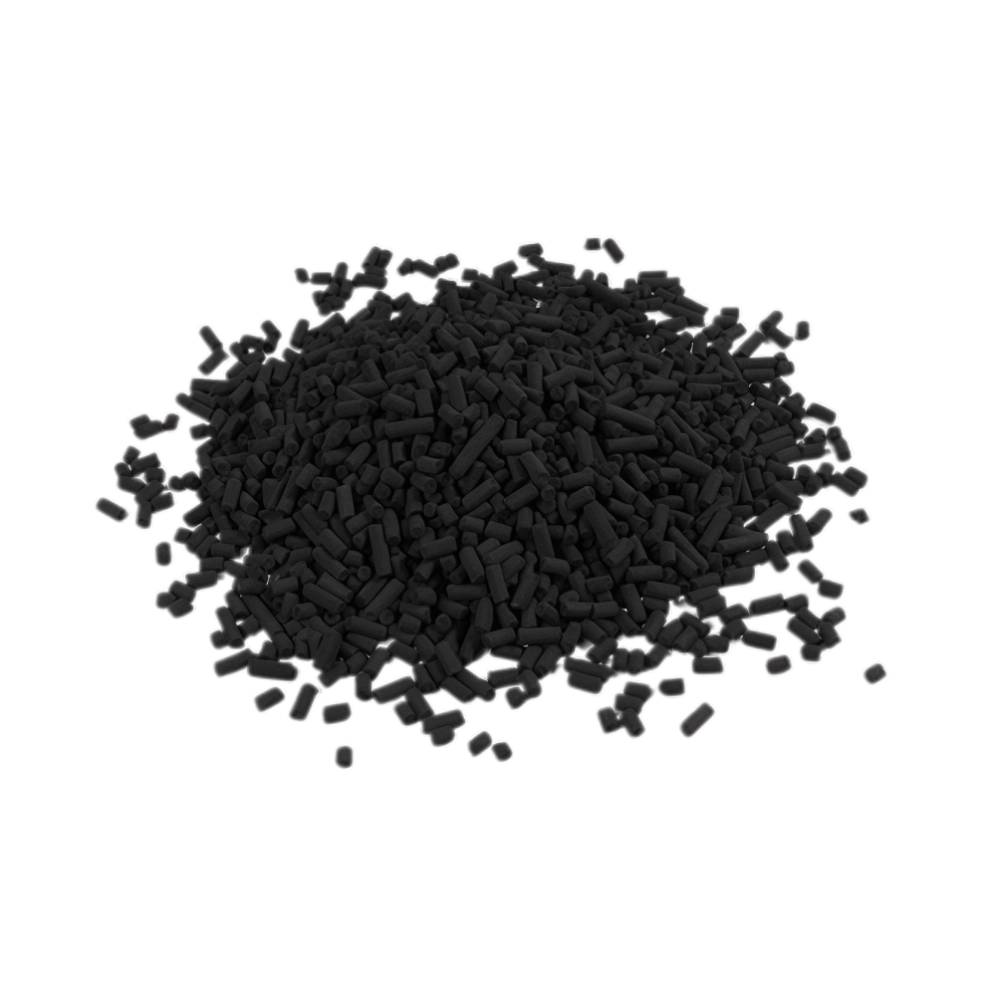
| Coconut Shell Pellet | 55–70 % | PLC-370 / PLC-470 | Superior abrasion resistance |
| Wood Pellet | 40–100 % | Wood CTC 100 | Broad mesopores for polar solvents |
| Coconut Shell GAC | 55–65 % | CFV / CTC-100 | Dual-use gas and liquid |

Understanding activated carbon pore structure iodine ctc correlation prevents the error of assuming identical performance from the same headline number.
Iodine Number vs. CTC Value: When to Use Which
The rule is simple: specify iodine number for liquid-phase purification and CTC value for vapor-phase capture. When to specify iodine number over ctc value? Always for drinking water, wastewater treatment, food decolorization, and pharmaceutical liquid polishing. How to choose activated carbon for vapor phase adsorption? Lead with CTC, then cross-check hardness and retentivity.
| Parameter | Iodine Number | CTC Value |
|---|---|---|
| Test Phase | Liquid | Vapor |
| Probe Size | ~0.56 nm | ~0.63 nm |
| Measures | Micropores only | Micro + small mesopores |
| Unit | mg/g | Weight % |
| Standard | ASTM D4607 | ASTM D3467 |
| Best For | Water, liquid purification | Air, VOC, solvent recovery |
A carbon can score 1050 mg/g iodine yet deliver only 55 % CTC if mesopore volume is low. Conversely, a heavily activated pellet can reach 100 % CTC while its iodine stays below 1000 mg/g because pore distribution shifts larger. For VOC abatement, 100 % CTC carbon may last 25–30 % longer; for water dechlorination, it offers no advantage over 950 mg/g coconut GAC. Matching the test to the phase is the first step in any activated carbon batch coa verification guide.
CTC Activity vs. Retentivity: The Hidden Spec
Most datasheets highlight CTC activity, but gas phase activated carbon ctc retentivity explained is what separates continuous-duty from intermittent-duty designs. Activity measures total saturation capacity. Retentivity measures adsorbate remaining after purge. Automotive canisters and cyclic solvent-recovery units depend on high retentivity to prevent vapor release during idle periods. Purestar provides batch-specific retentivity data on request for cyclic pellet grades.
Application-Based Selection with Purestar Models
Municipal and industrial water treatment: Specify iodine ≥950 mg/g. Purestar GAC, GAC-P, LAC, and PSD-A0/A1/S-grade carbons are engineered for this space. Our coconut shell GAC meets NSF/ANSI/CAN 61 for water treatment plant applications.
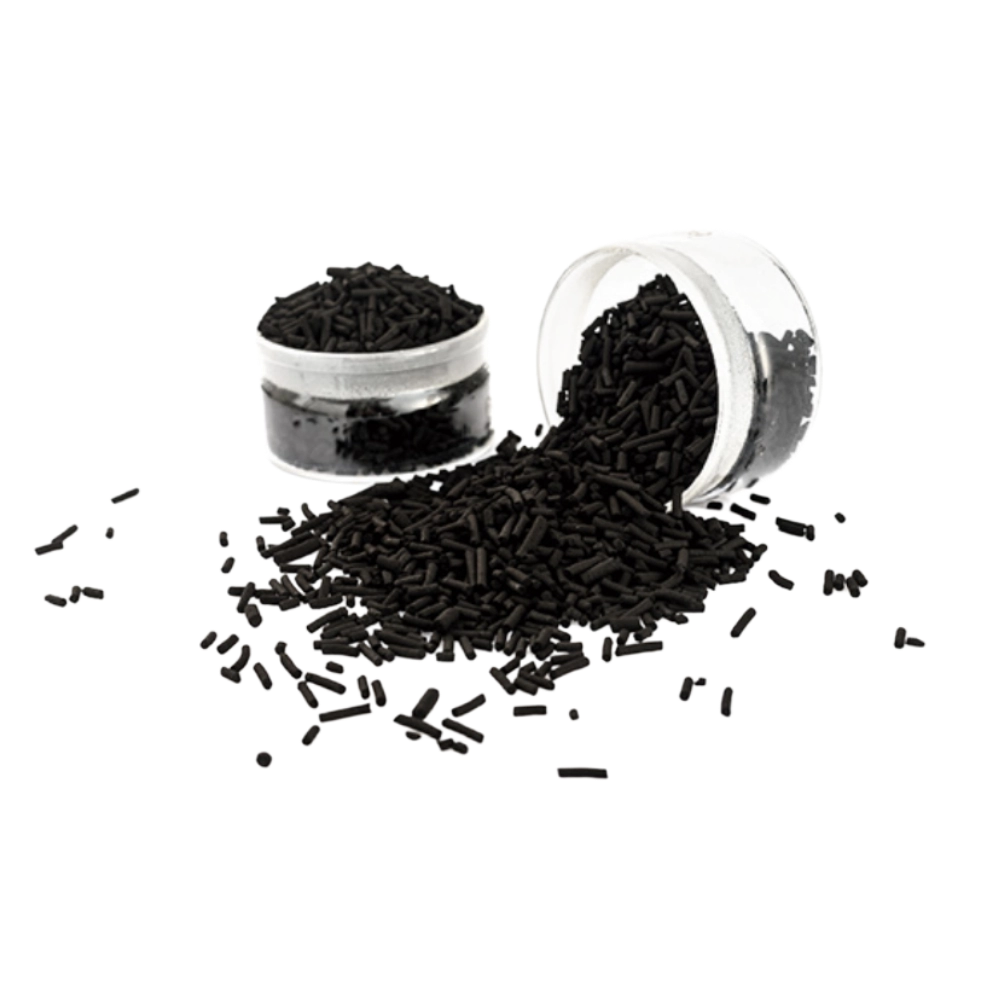
Solvent recovery and high-load VOC capture: This is where solvent recovery activated carbon ctc requirement becomes critical. Specify CTC ≥80 % for regenerable fixed-bed systems. Purestar P-100 and PL-series coal pellets deliver 100 % CTC with balanced hardness. For abrasive moving-bed systems, PLC-370/470 coconut shell pellets trade a small CTC discount for lower attrition. See CTC 60 vs 80 vs 100 Activated Carbon for VOCs.
Industrial off-gas and odor control: Moderate CTC of 55–70 % is usually sufficient. P-80 (CTC 80 %) offers headroom without the premium of deep-activation grades.
Gold recovery: Kinetics and abrasion resistance matter more than headline CTC. PSD-GOLD series is optimized for CIP/CIL circuits where low attrition preserves gold loading.
Food and beverage decolorization: High mesoporosity and low iron are key. F-14/16/18 wood powder and DC/DCS grades are selected for this duty. Read more in How to Select Activated Carbon for Food and Beverage Processing.
For raw-material comparison, see Coconut Shell vs Coal-Based Activated Carbon.
Buyer's Checklist: How to Verify Supplier Claims
Demand a batch-specific COA, not a generic spec sheet. Confirm the test standard: ASTM D3467 and GB/T 7702.12 can diverge by several points. Cross-check CTC against butane activity (ASTM D5742). If a supplier claims 90 % CTC but butane activity is anomalously low, the pore distribution may be skewed. Review ball-pan hardness alongside CTC. Activated carbon hardness vs ctc trade off is real: deeper activation increases pore volume but thins the carbon skeleton.
The Over-Specification Trap
Buying CTC 100 % carbon for a 55 % application wastes money and creates problems. Heavily activated pellets are more brittle. In systems with high face velocity or pneumatic conveying, premium grades generate fines that raise pressure drop and bypass the bed. Activated carbon over activation risks procurement teams overlook include shortened bed life and unexpected downtime. Match the spec to contaminant concentration, cycle length, and mechanical stress—not the highest number on the datasheet.
Frequently Asked Questions
Q: Can I use iodine number to buy gas-phase carbon?
A: No. Iodine number is a liquid-phase test and does not predict vapor-phase capacity. Specify CTC for air or gas applications.
Q: What CTC is needed for solvent recovery?
A: Specify CTC ≥80 %. Purestar P-100 and PL-series are designed for this duty.
Q: Does higher CTC always mean longer service life?
A: Not if the carbon attrites or retentivity is poor. Balance CTC with hardness and retentivity.
Q: Why do two carbons with the same CTC perform differently?
A: Pore size distribution, hardness, ash content, and raw material all affect field performance. CTC is a single data point, not the full picture.
Q: How should I store gas-phase carbon?
A: Keep it sealed and dry. Moisture occupies pore volume and reduces effective CTC. Re-test if storage exceeds twelve months.
Conclusion
Iodine number and CTC value are complementary, not interchangeable. One governs liquid-phase micropore performance; the other governs gas-phase total pore capacity. The right procurement decision starts with matching the test to the phase, verifying batch data, and balancing capacity against durability. For general quality verification, see How to Evaluate Activated Carbon Quality Before Purchasing. For batch-specific COAs, contact Purestar technical support.


