















Activated Carbon for Water Treatment: How to Select the Right Carbon Grade for Industrial Applications

Water treatment systems rely on activated carbon for removing organic compounds, improving water quality, and controlling unwanted taste and odor compounds. However, choosing the correct activated carbon grade is not simply a matter of selecting the product with the highest iodine number or surface area.
The actual performance of activated carbon depends on several factors, including raw material, pore structure, target contaminants, water chemistry, contact time, and system design. For industrial users, selecting a suitable carbon grade at the beginning can help improve treatment efficiency and reduce unnecessary replacement costs.
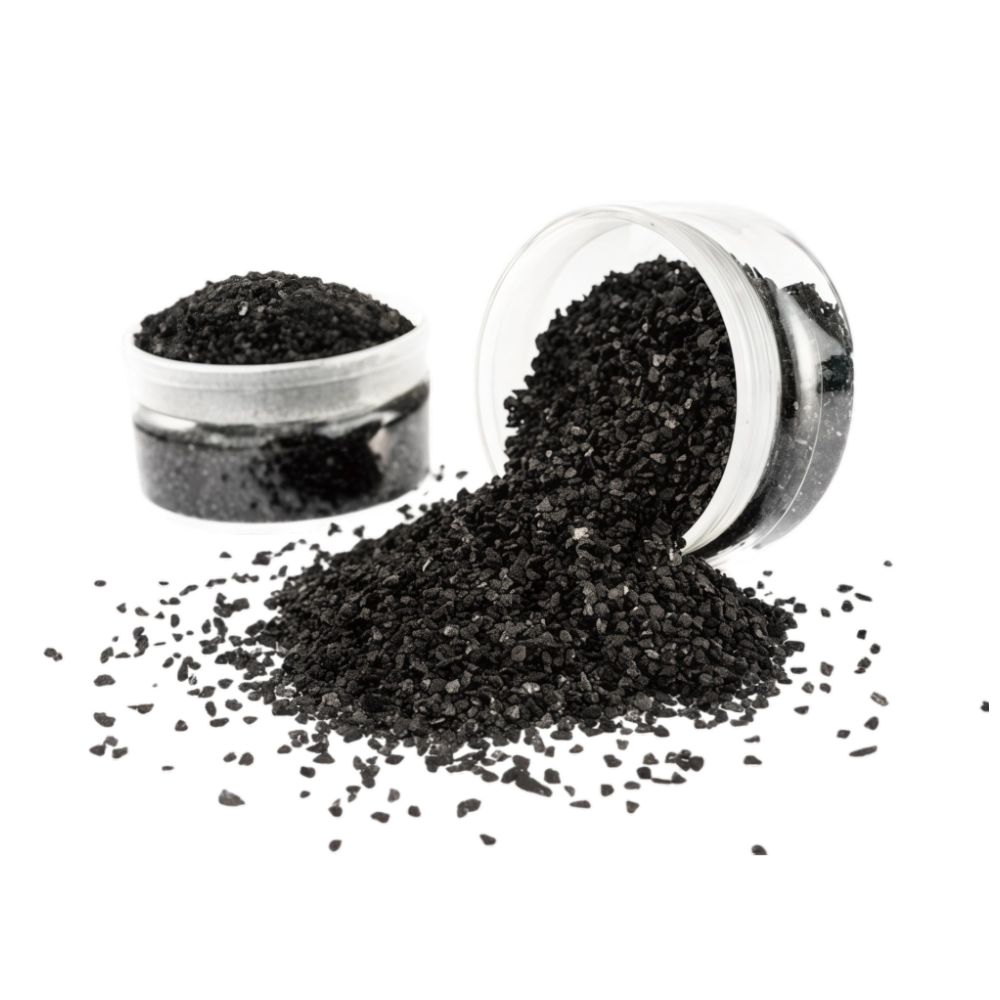
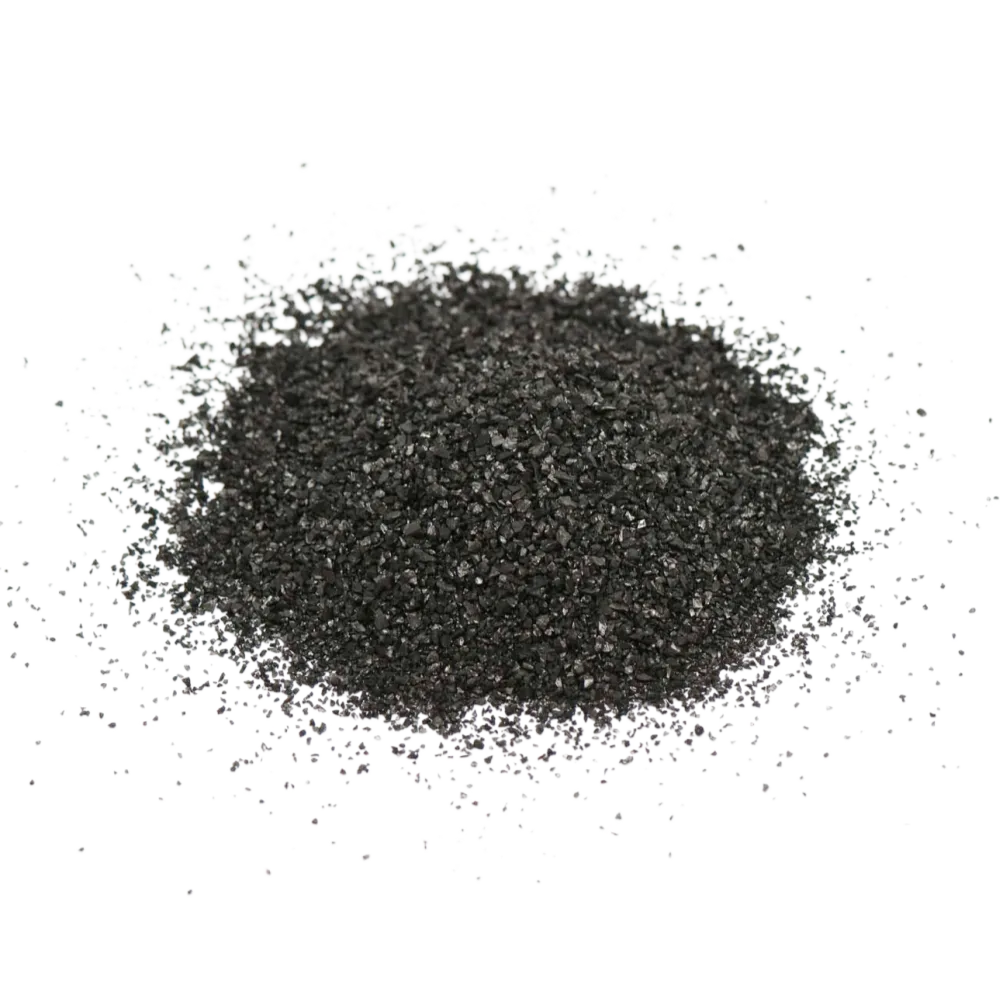
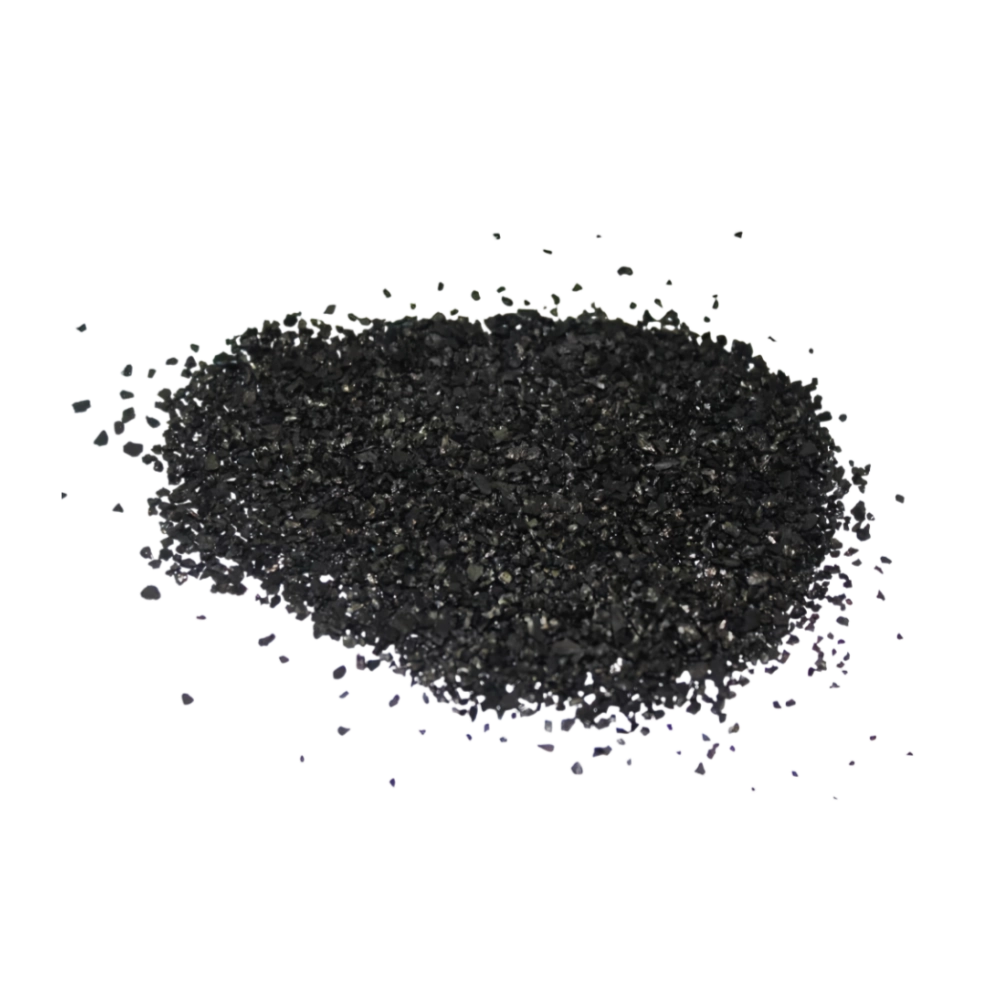
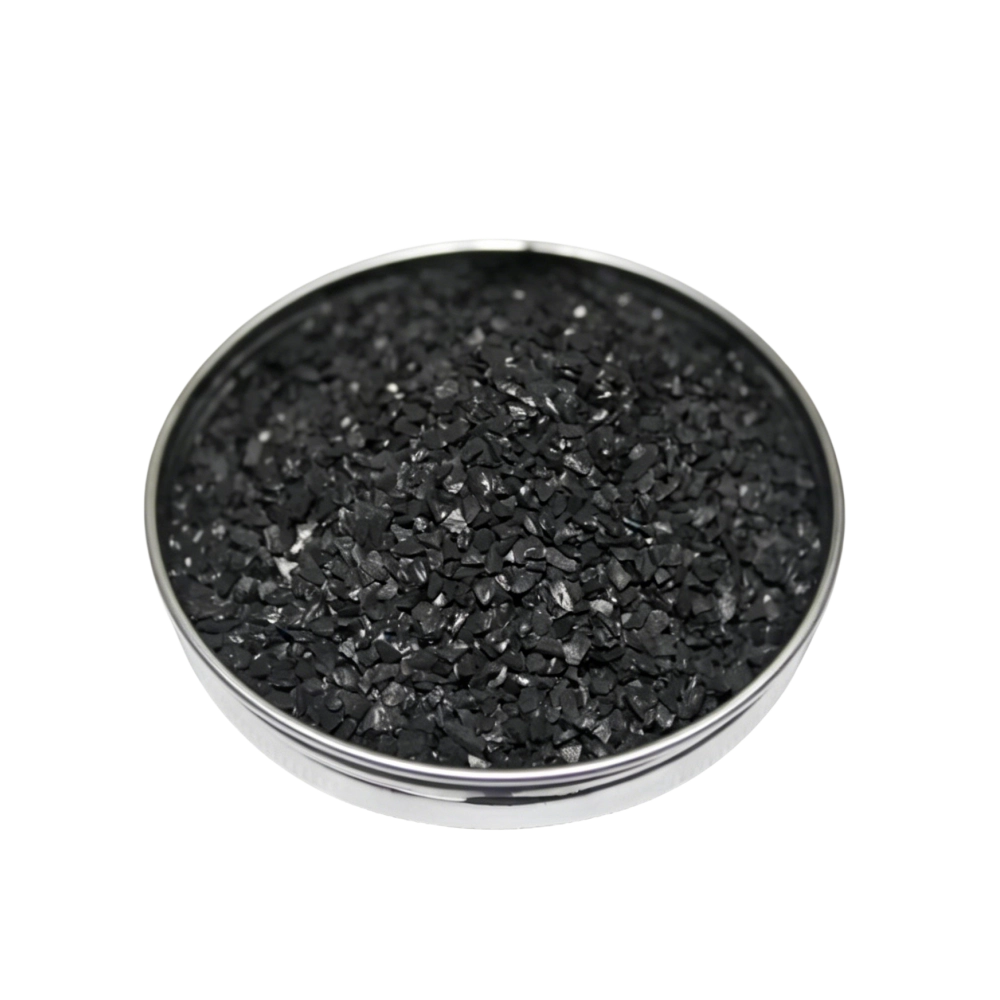
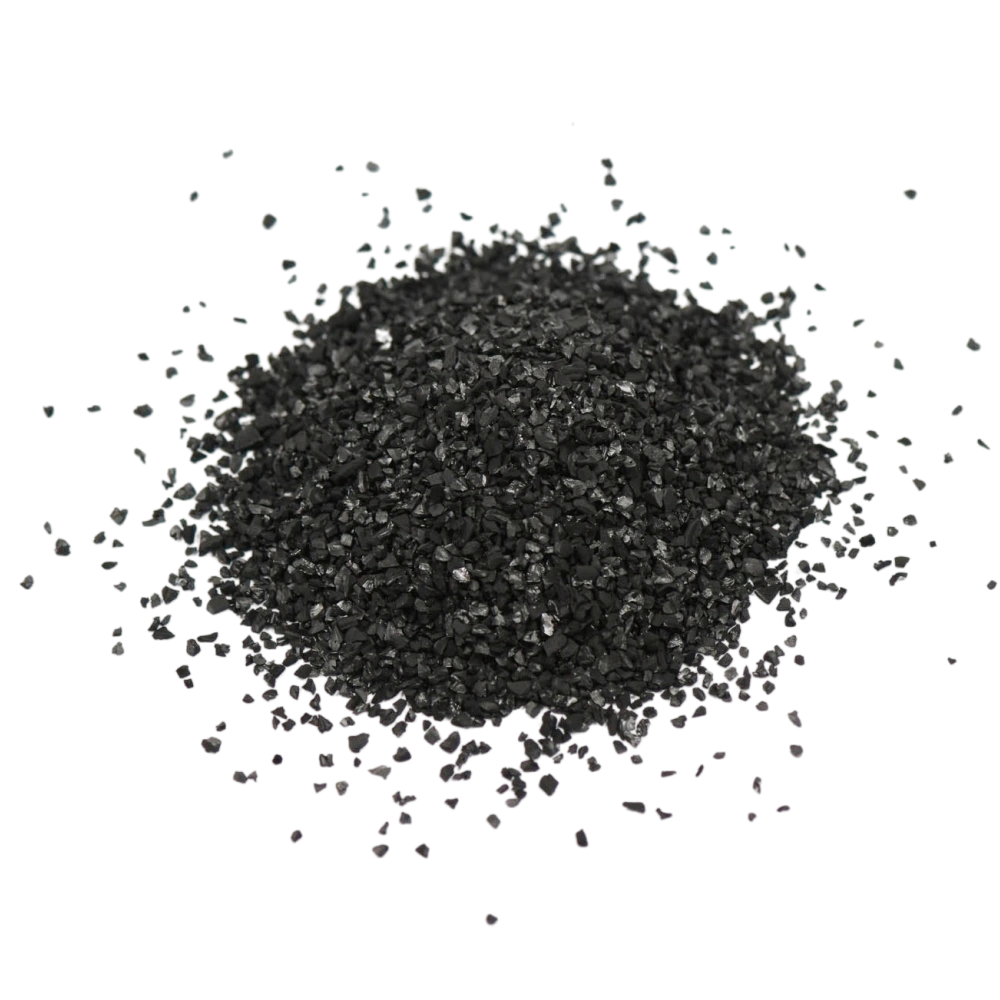
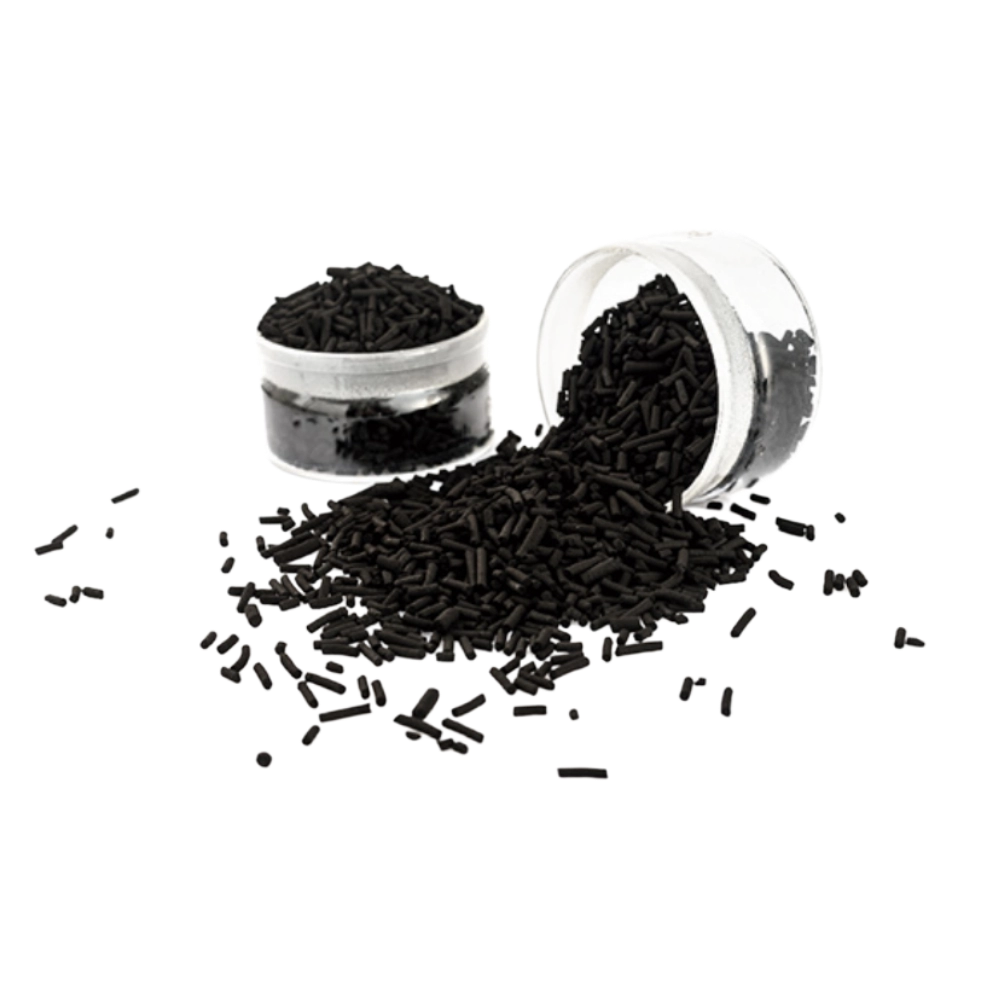
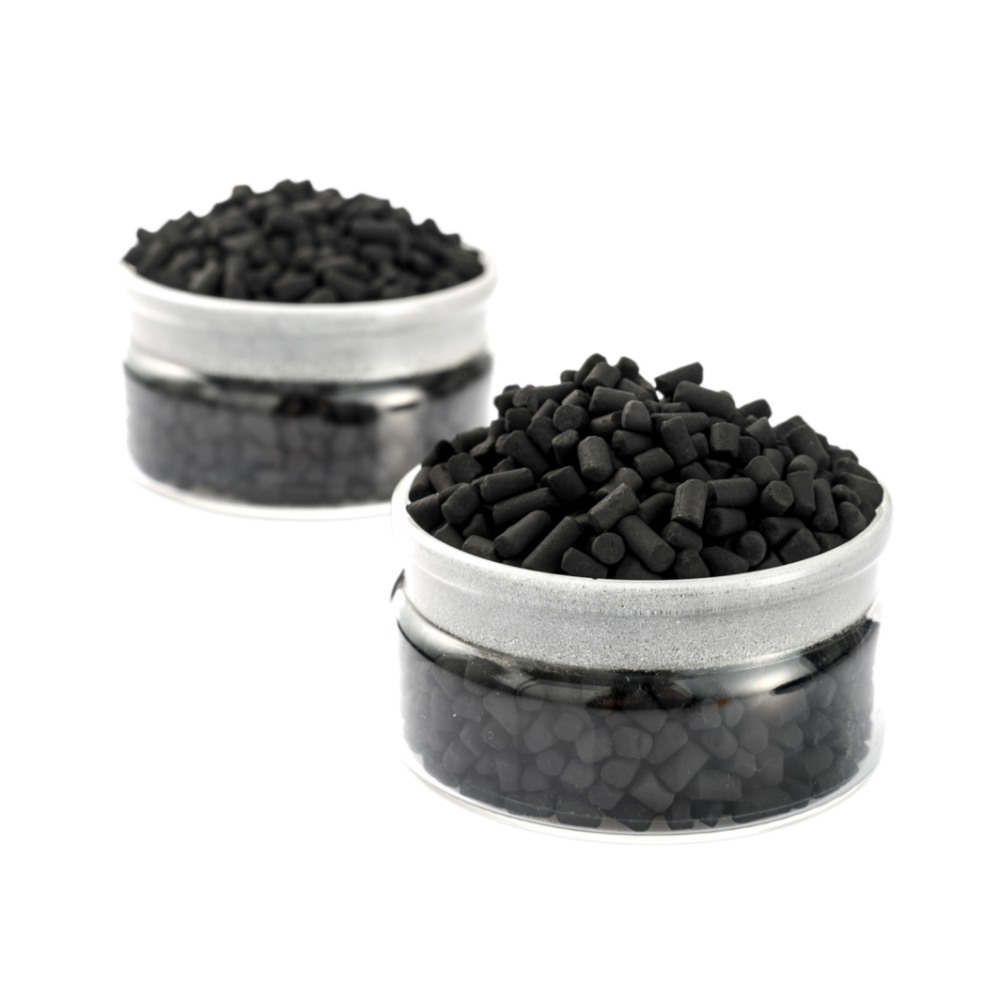
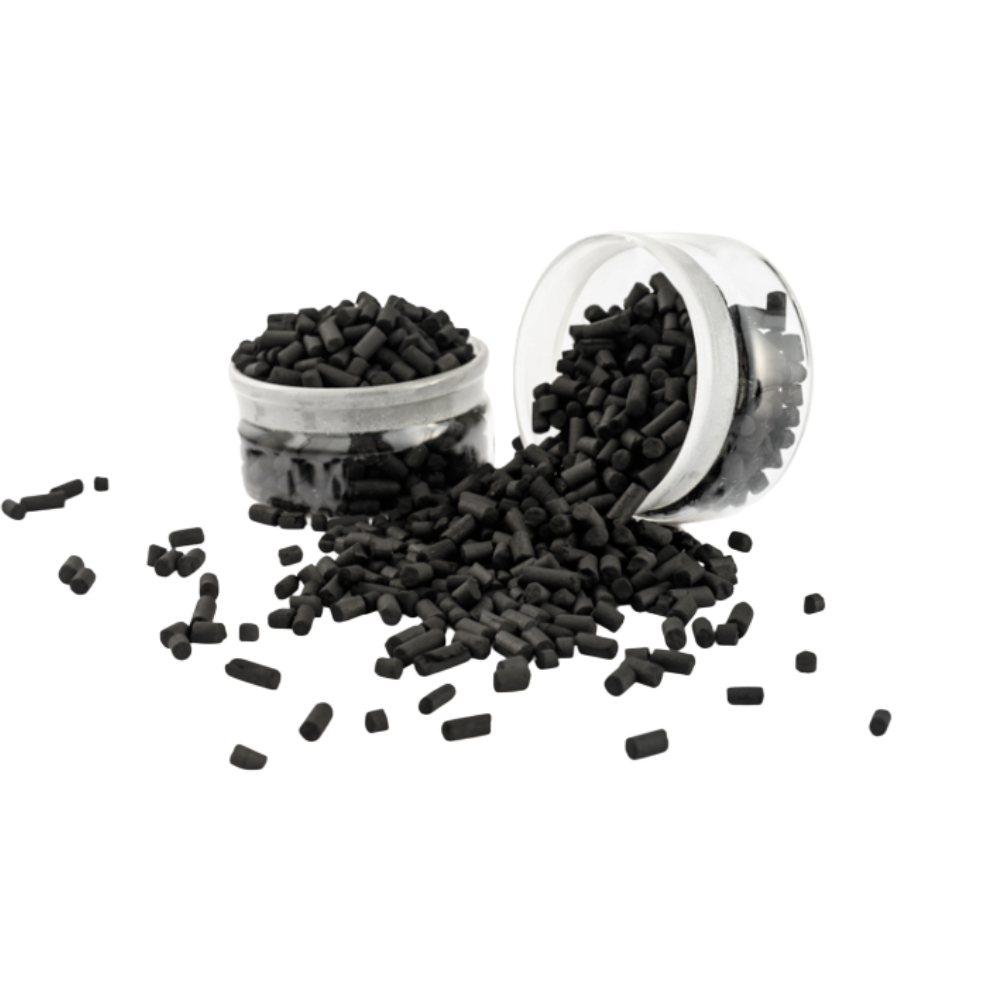
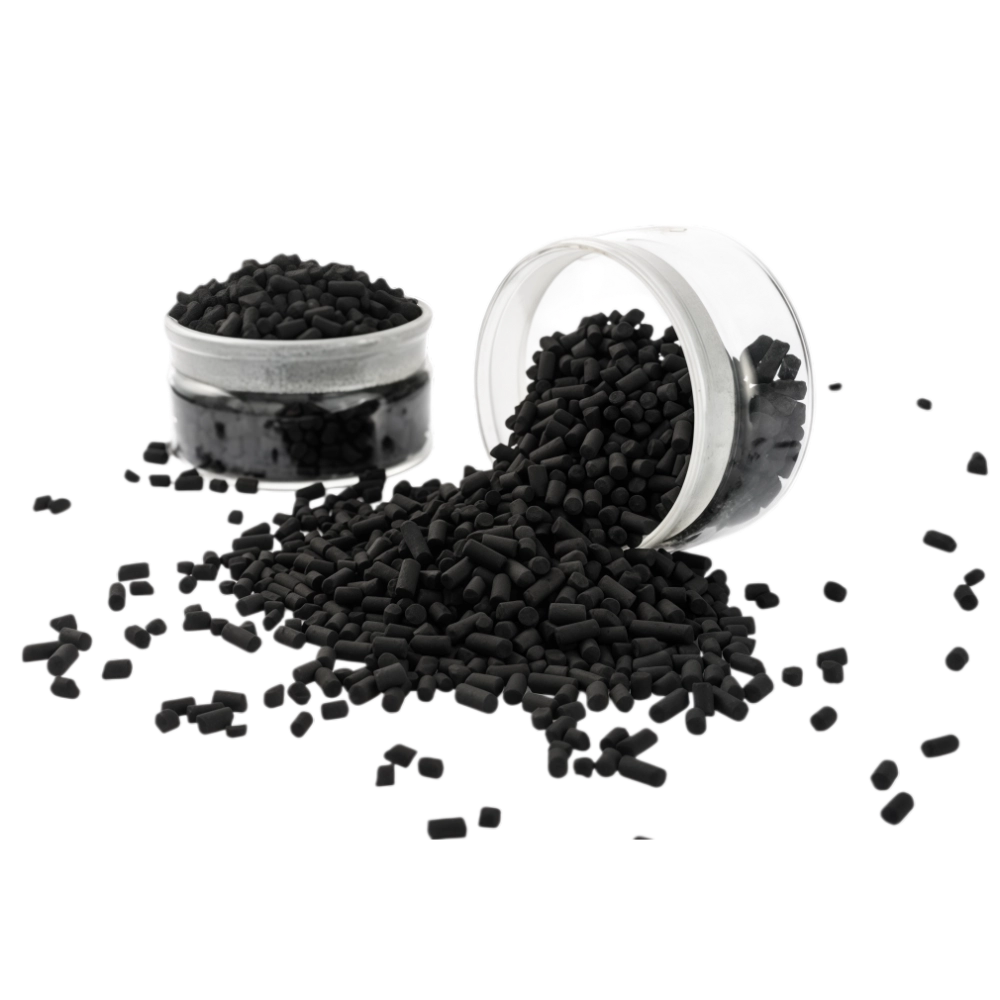
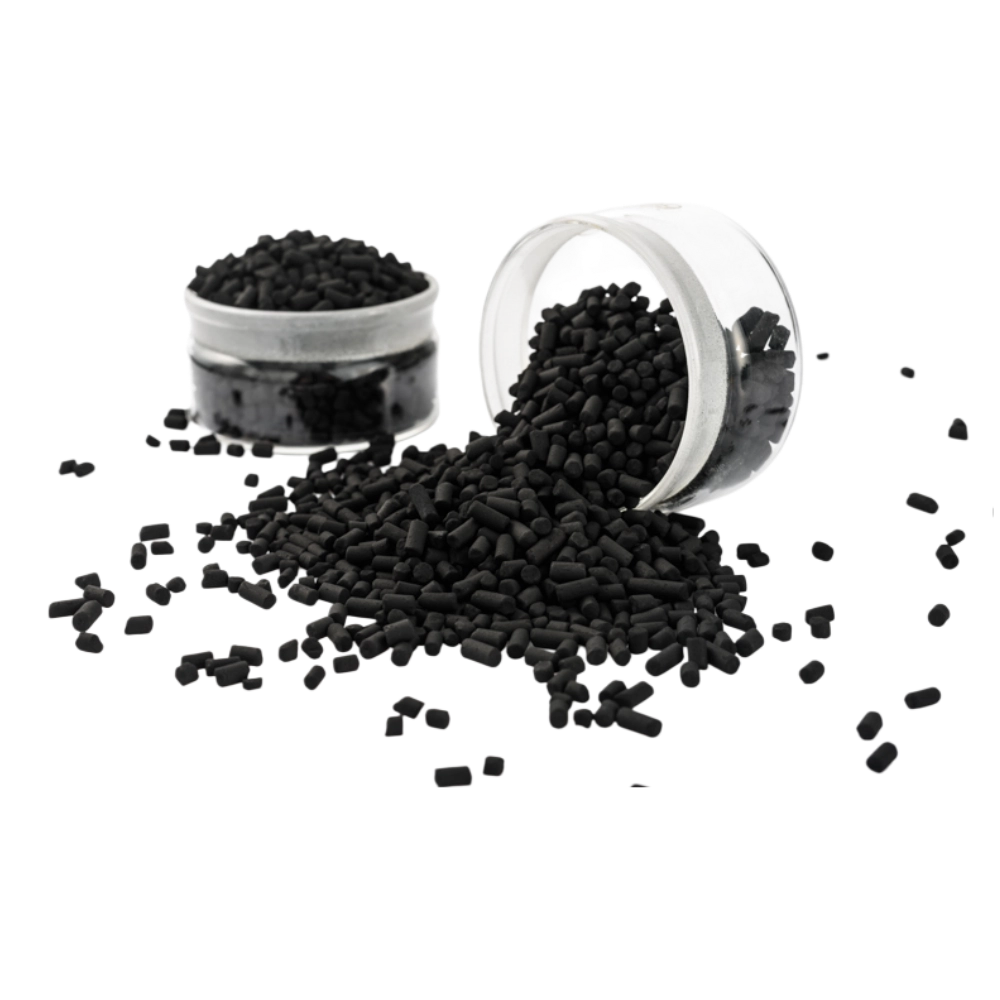
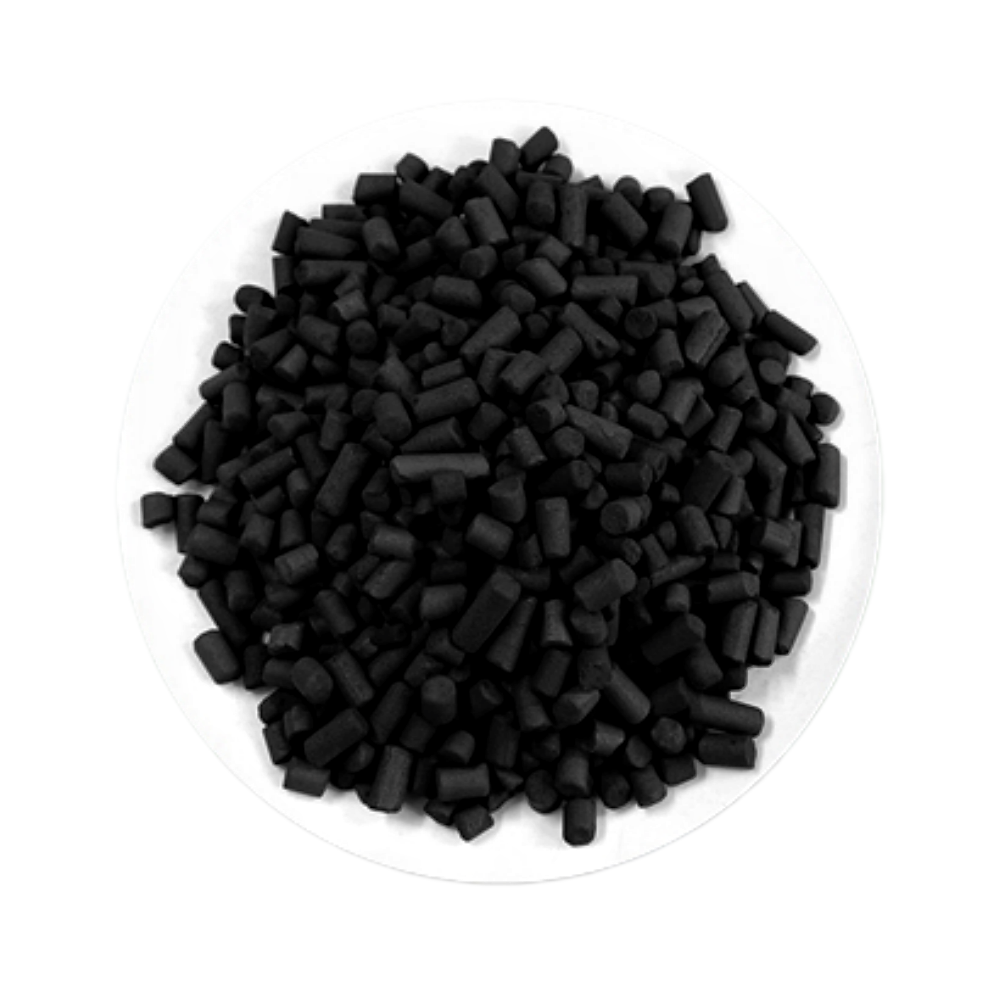
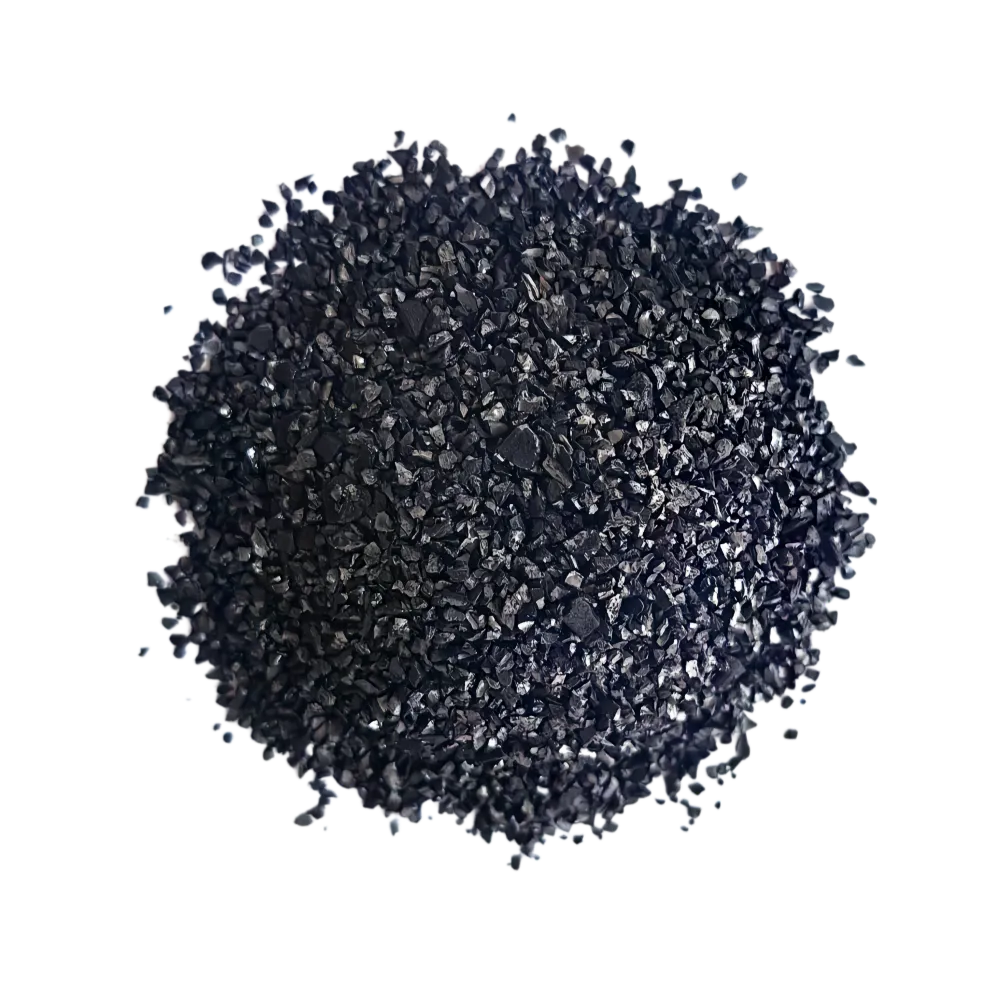
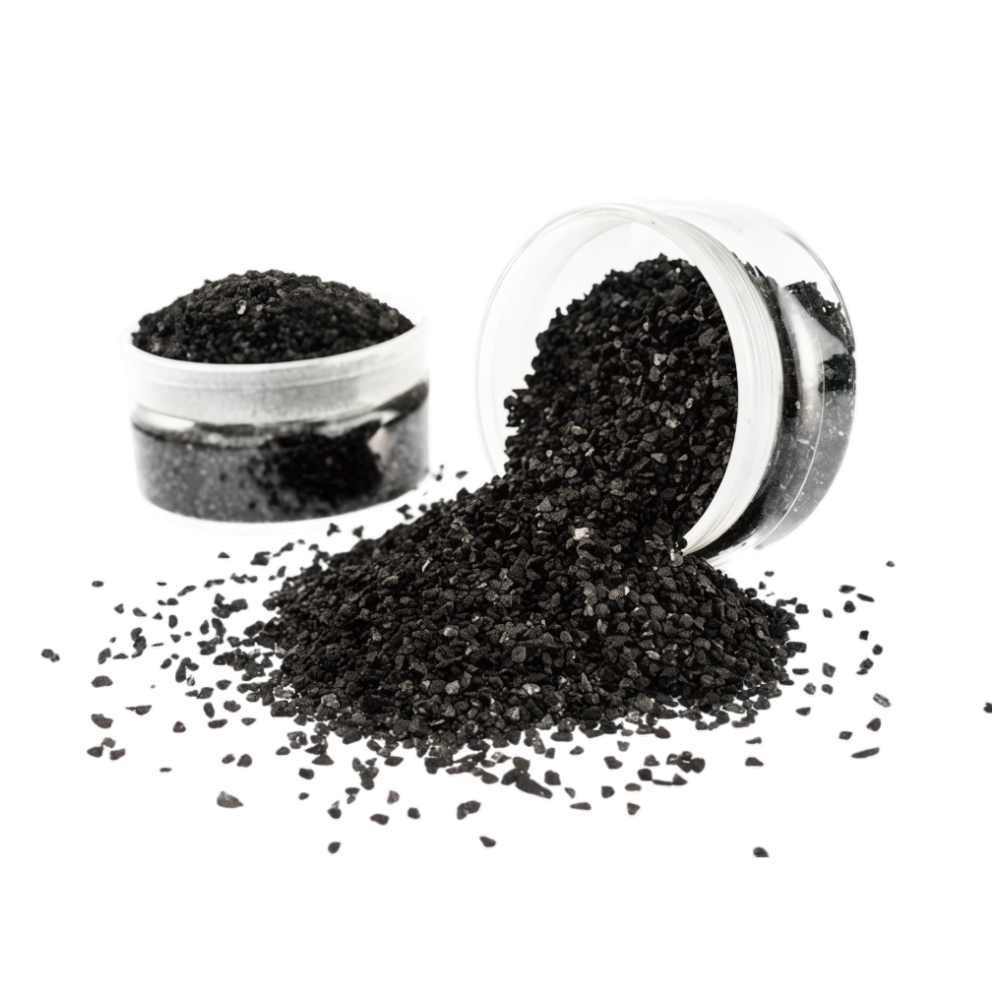
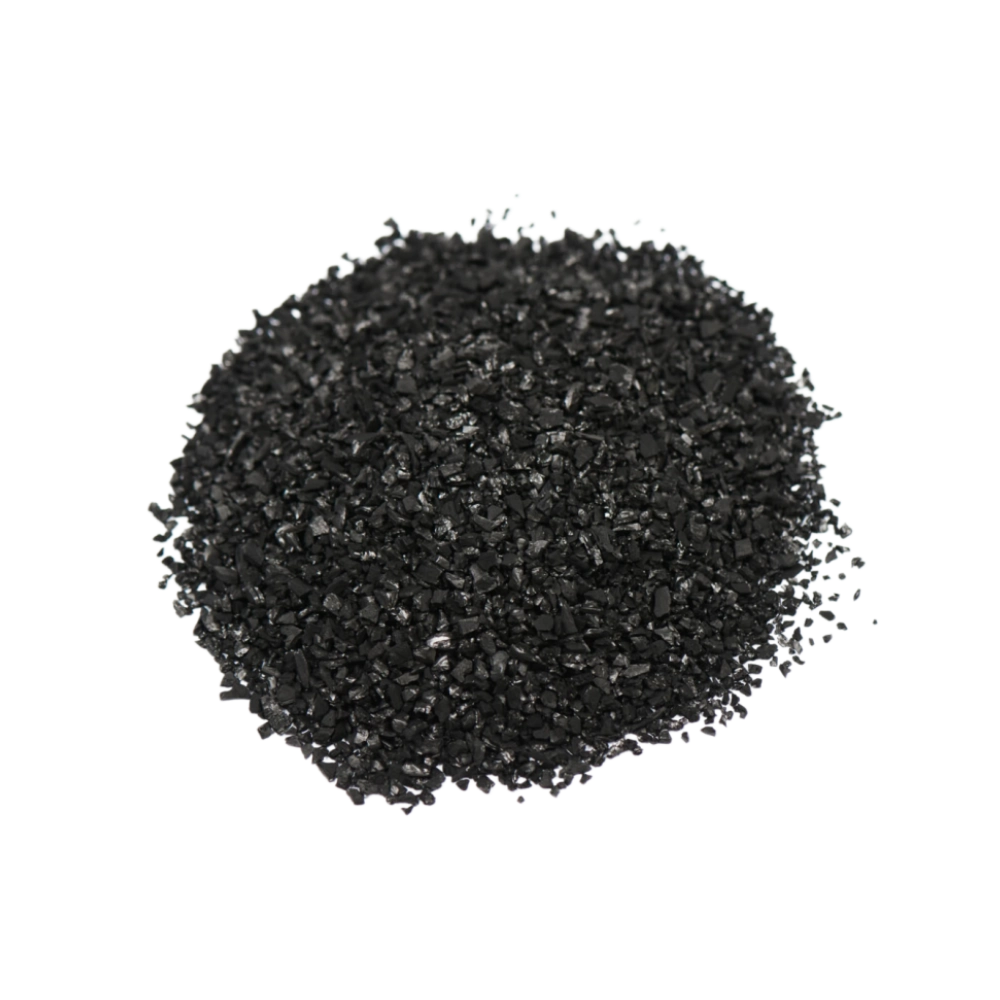
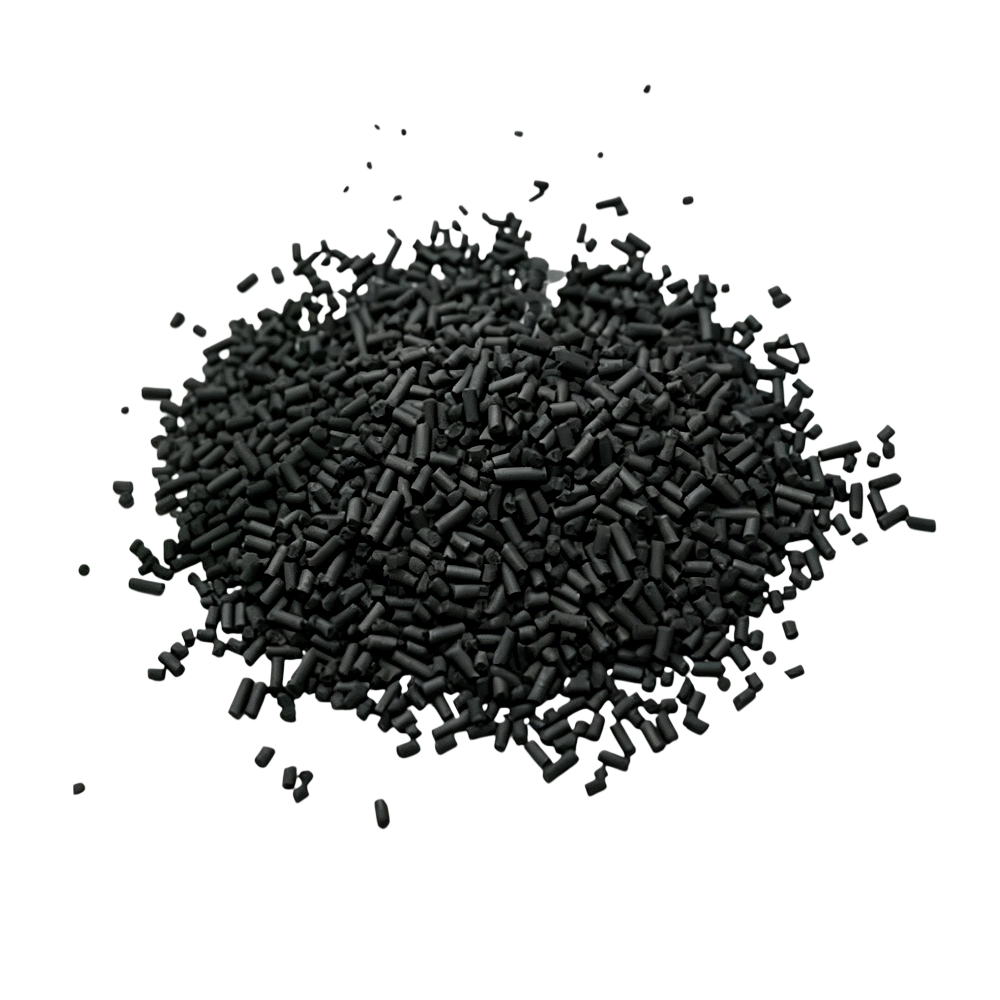
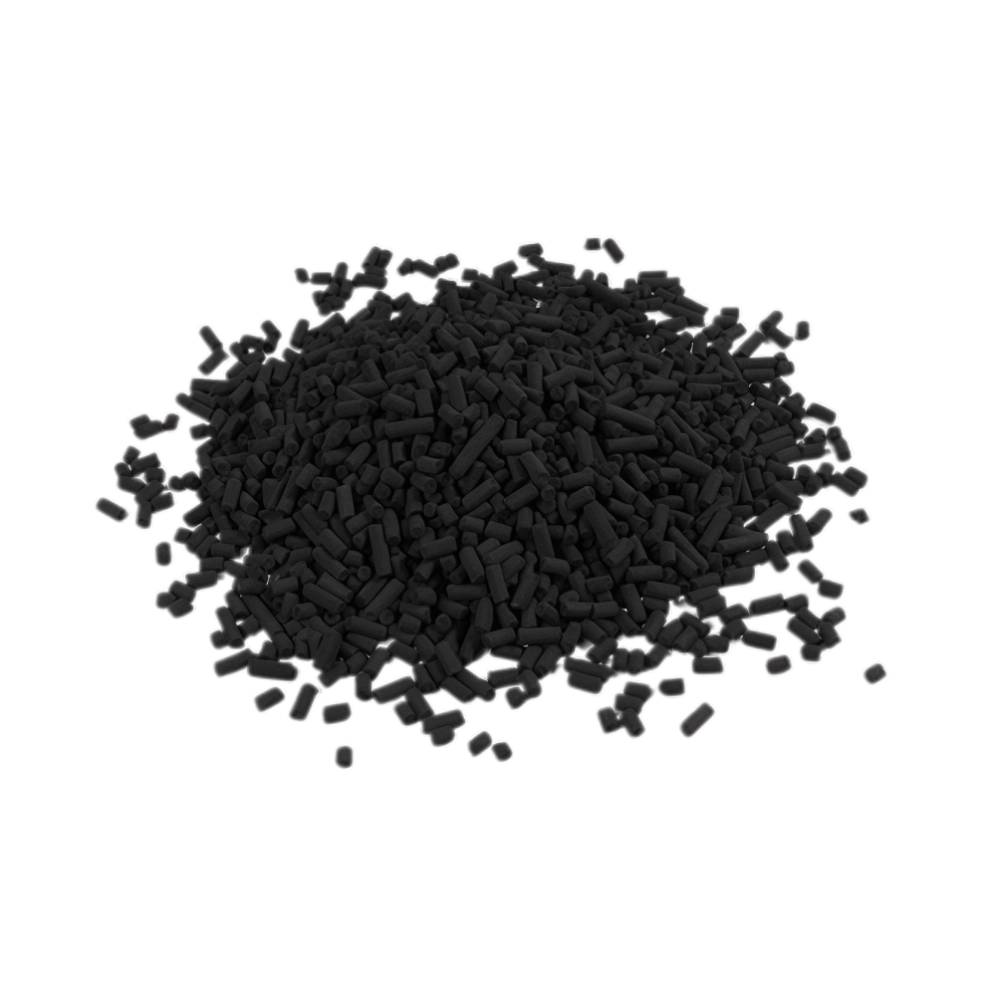
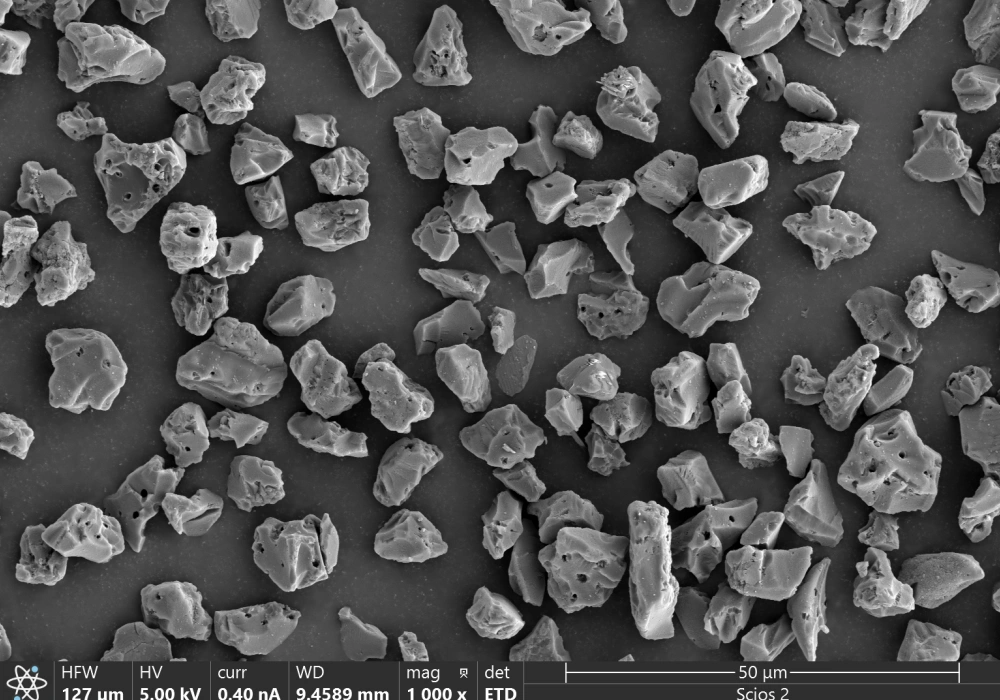
Granular activated carbon (GAC) is widely used in industrial and municipal water treatment systems because its porous structure provides adsorption sites for many dissolved organic compounds. For fixed-bed filtration applications,
granular activated carbon
is often selected due to its particle size, mechanical strength, and suitability for continuous operation.
Why Activated Carbon Is Used in Water Treatment
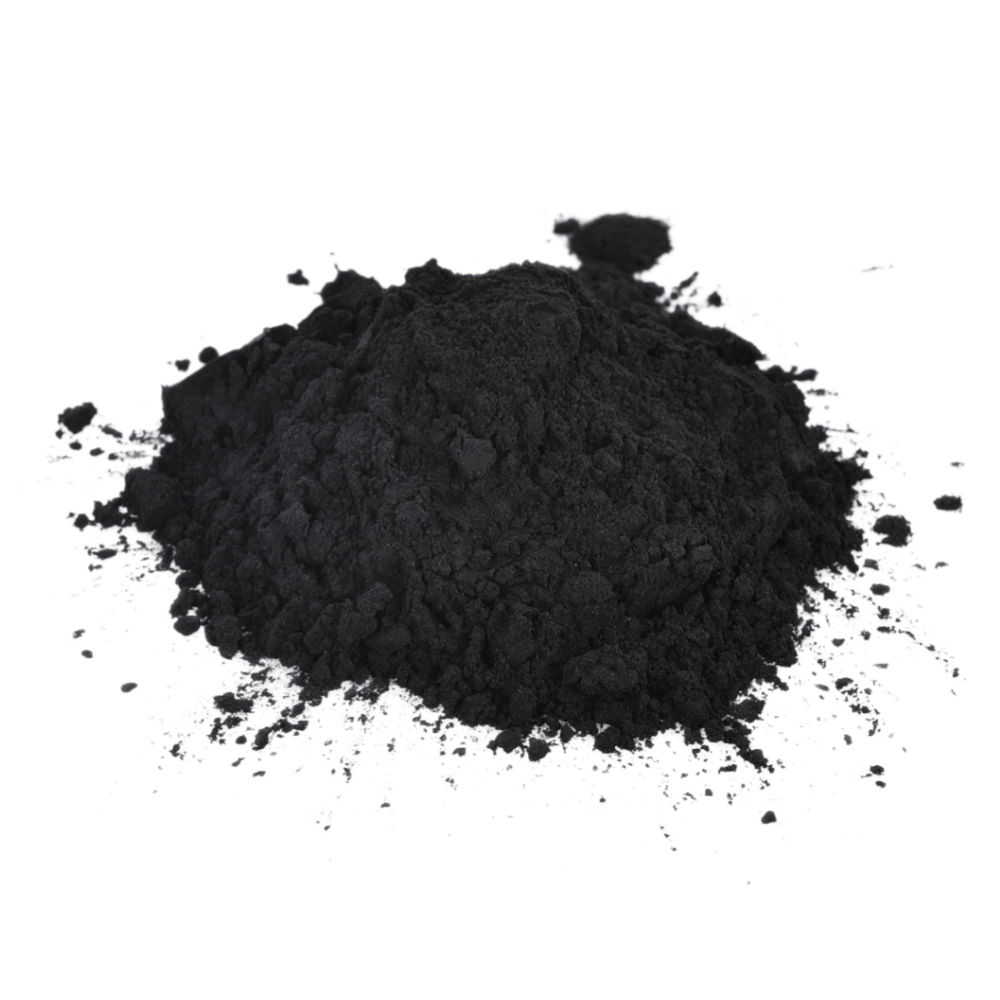
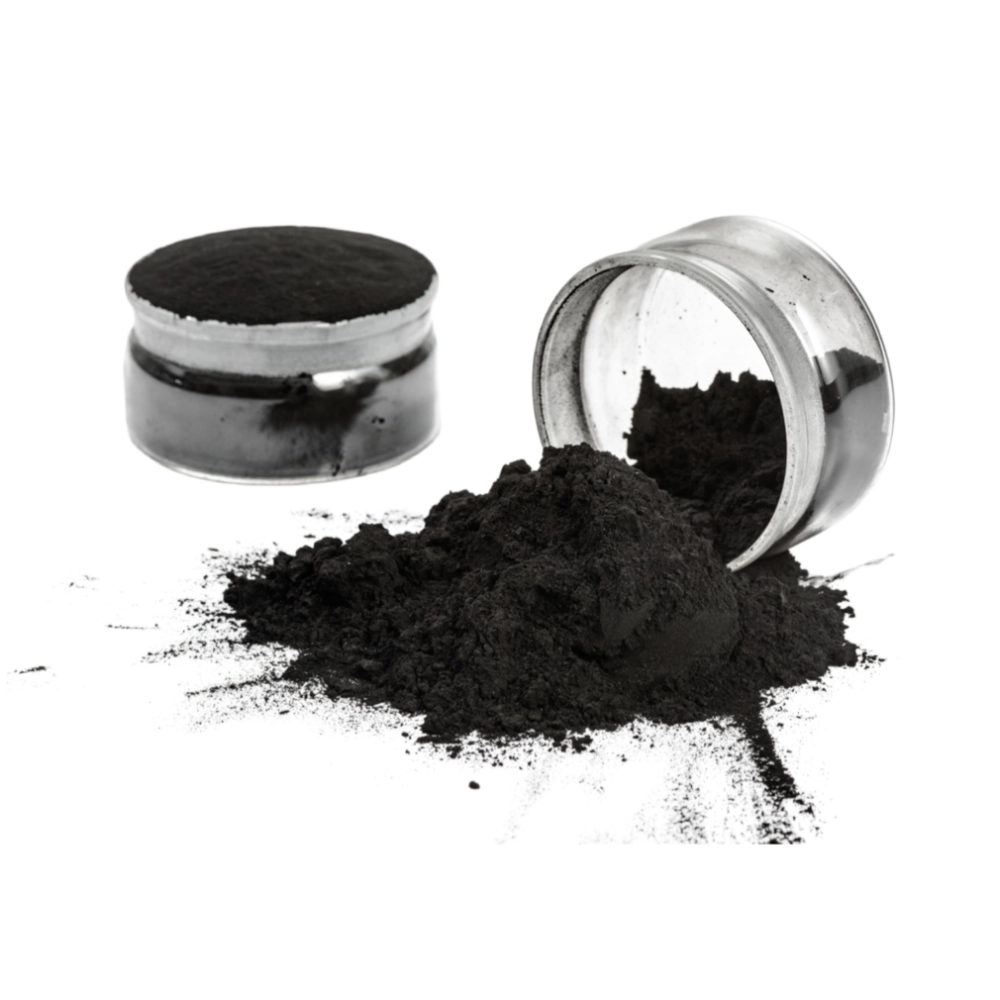
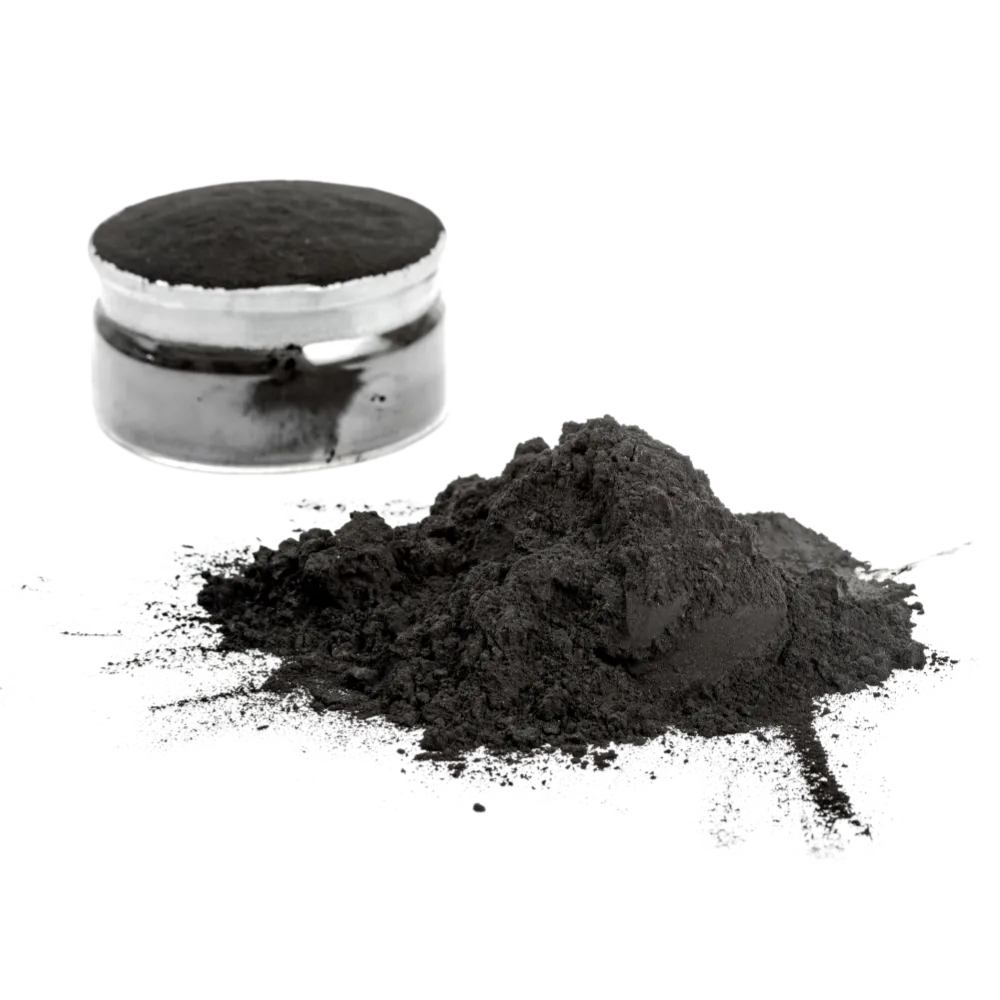
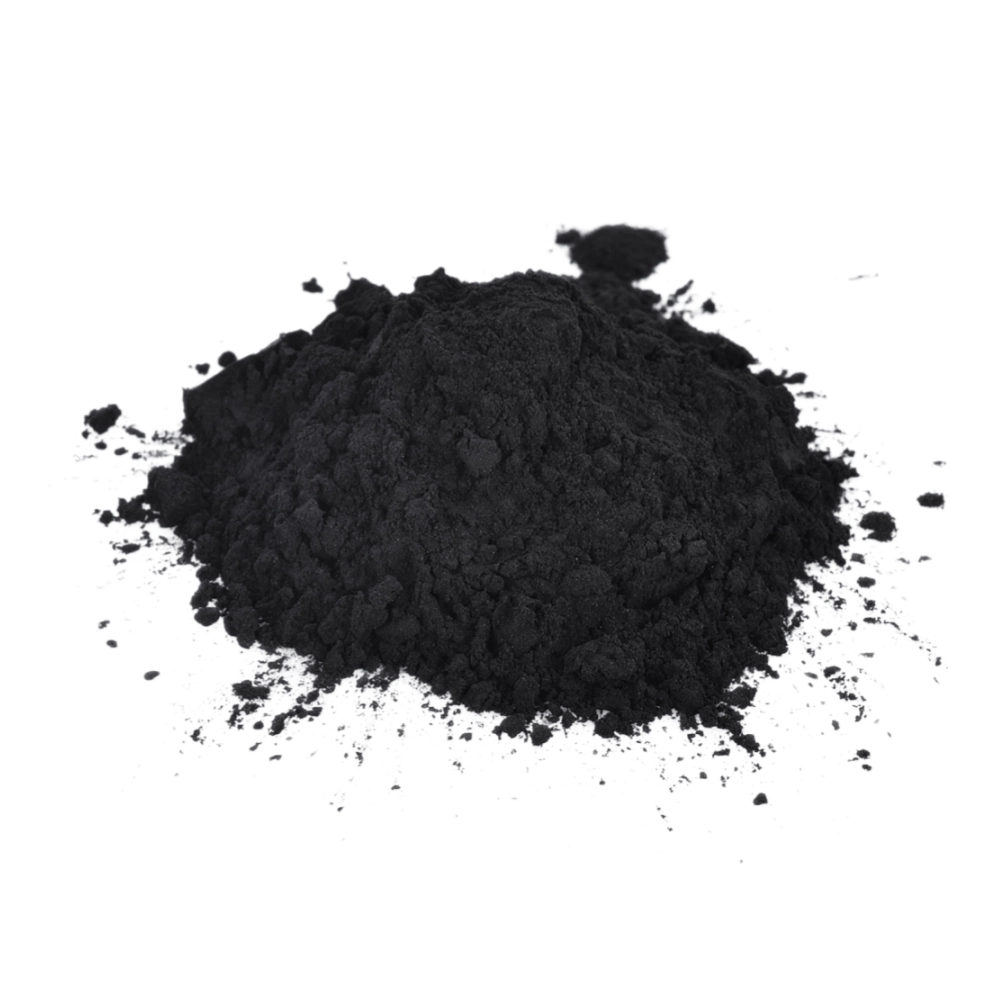
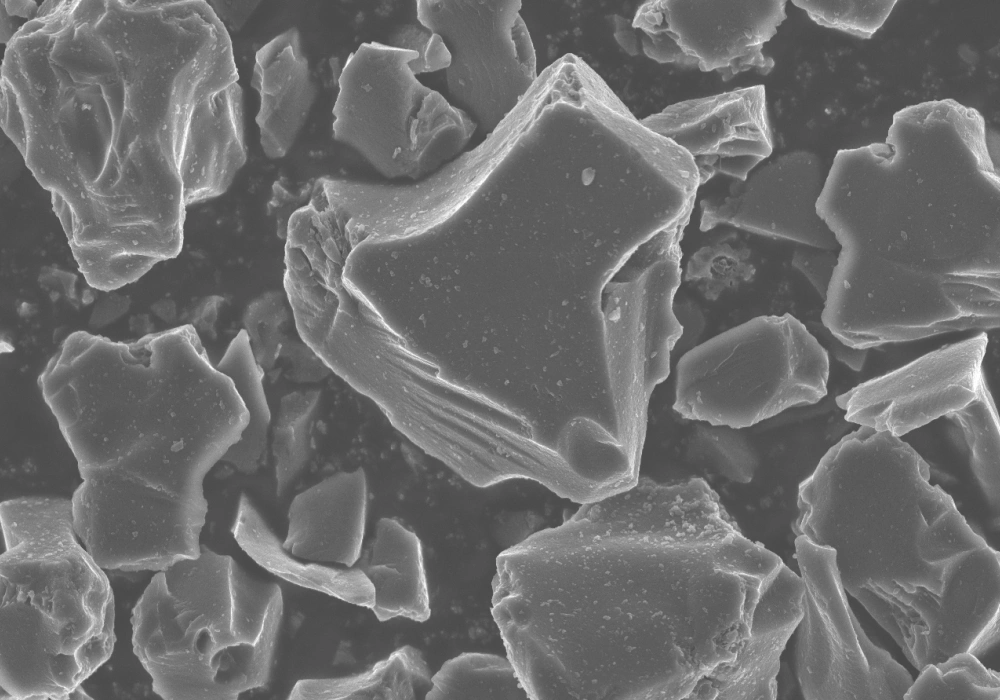
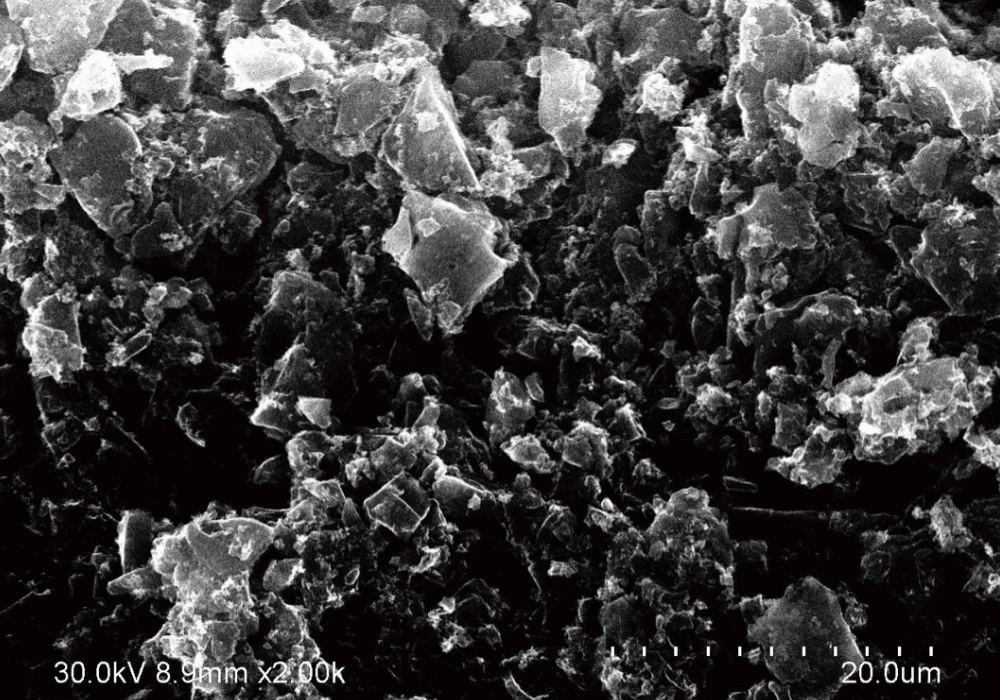
Activated carbon works through adsorption, a process where dissolved molecules attach to the internal surface of carbon pores. Unlike conventional filtration materials that mainly remove suspended particles, activated carbon is designed to capture dissolved organic substances.
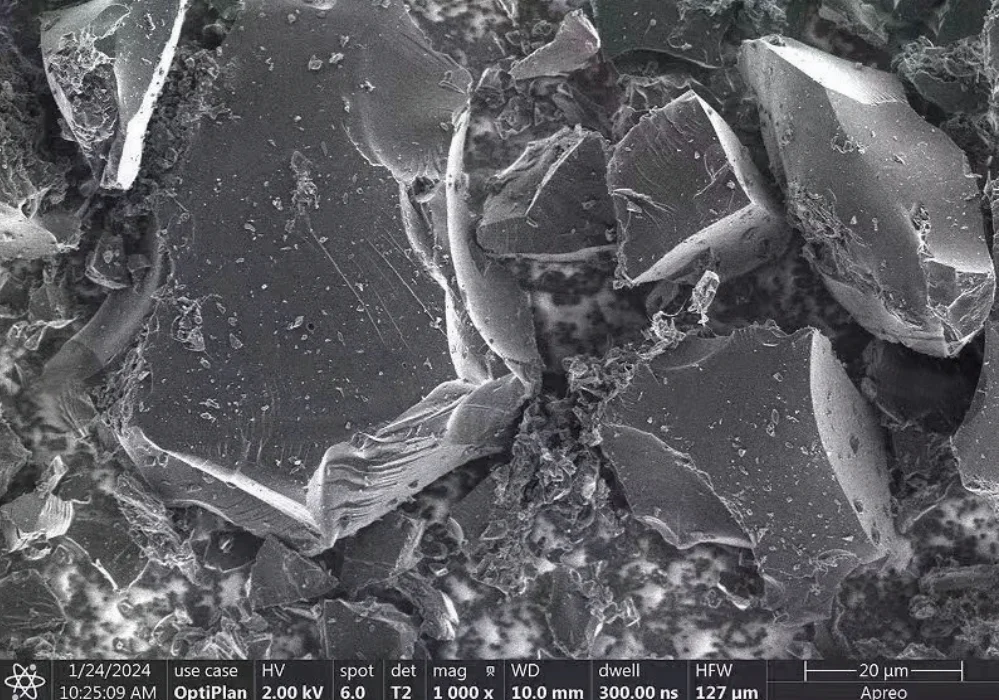
The adsorption performance of activated carbon is influenced by pore structure, surface chemistry, and raw material selection. Different applications require different carbon characteristics, which is why industrial buyers should evaluate the carbon grade according to their actual treatment requirements.
Key Factors When Selecting Activated Carbon for Water Treatment
1. Raw Material: Coconut Shell, Coal, or Wood Based Carbon
The raw material used to produce activated carbon directly influences pore distribution and adsorption characteristics.
| Carbon Type | Typical Characteristics | Common Applications |
|---|---|---|
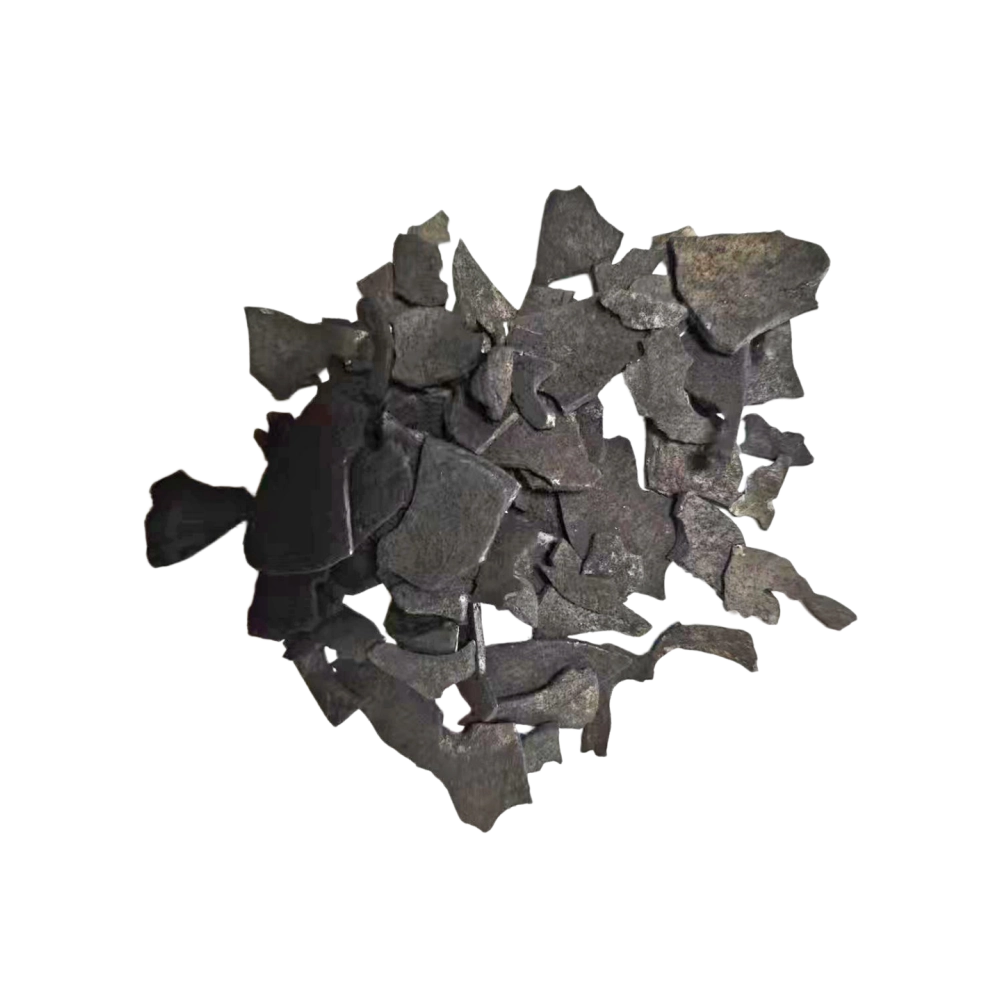
| Coconut Shell Activated Carbon | Developed microporous structure and strong adsorption capability for smaller organic molecules. | Drinking water purification, industrial water treatment, and fine chemical purification. |
| Coal Based Activated Carbon | Balanced micropore and mesopore structure suitable for various industrial adsorption requirements. | Wastewater treatment, industrial purification, and gas treatment applications. |
| Wood Based Activated Carbon | Larger pore structure suitable for adsorption of larger molecular compounds. | Food processing, liquid purification, and decolorization applications. |
For example, coconut shell activated carbon is commonly considered when microporous adsorption is important, while coal-based activated carbon may be preferred for applications requiring broader pore distribution.
2. Iodine Number and Surface Area Are Important, But Not the Only Criteria
Iodine number is one of the commonly referenced indicators for activated carbon adsorption capacity. However, a higher iodine number does not automatically mean better performance for every water treatment project.
Industrial buyers should also consider:
- BET surface area
- Pore size distribution
- Ash content
- Moisture content
- Hardness and abrasion resistance
- Particle size distribution
The most suitable activated carbon grade depends on the relationship between carbon properties and the target contaminants.
Selecting Activated Carbon According to Treatment Goals
Activated Carbon for Organic Contaminant Removal
Activated carbon is widely applied for removing dissolved organic compounds from industrial water systems. The selection of carbon grade depends on contaminant concentration, water flow rate, operating temperature, and required contact time.
Many industrial facilities use
activated carbon solutions for water treatment
to improve water quality and support processes requiring purified water.
Activated Carbon for Chlorine and Chloramine Control
Certain activated carbon grades are used for chlorine and chloramine reduction because adsorption performance is influenced by carbon surface characteristics and operating conditions.
Activated Carbon for PFAS Treatment
PFAS removal has become an important consideration in water treatment projects. Granular activated carbon is one of the commonly evaluated adsorption technologies for PFAS reduction.
For PFAS-related applications, factors such as carbon pore structure, bed depth, flow rate, competing organic compounds, and operating conditions should be carefully evaluated before selecting a carbon grade.
Granular Activated Carbon vs Powdered Activated Carbon
Both
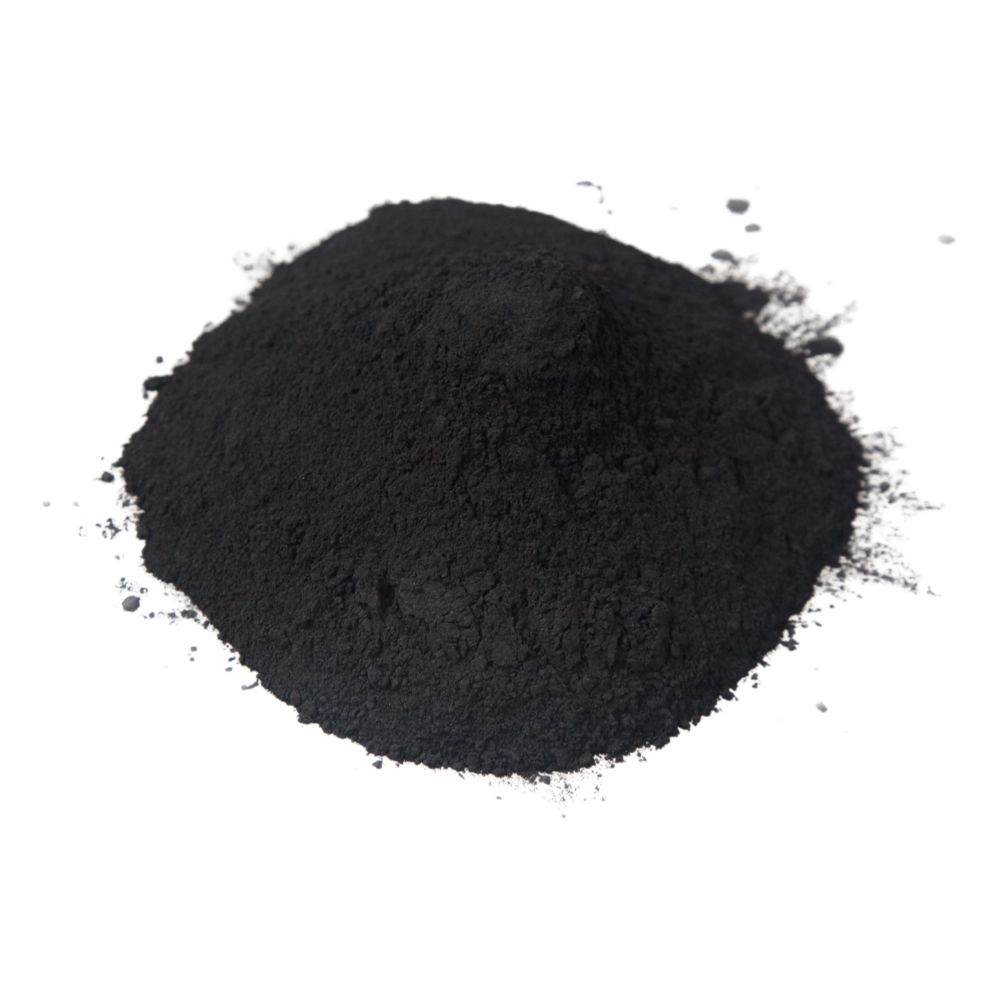
granular activated carbon (GAC)
and
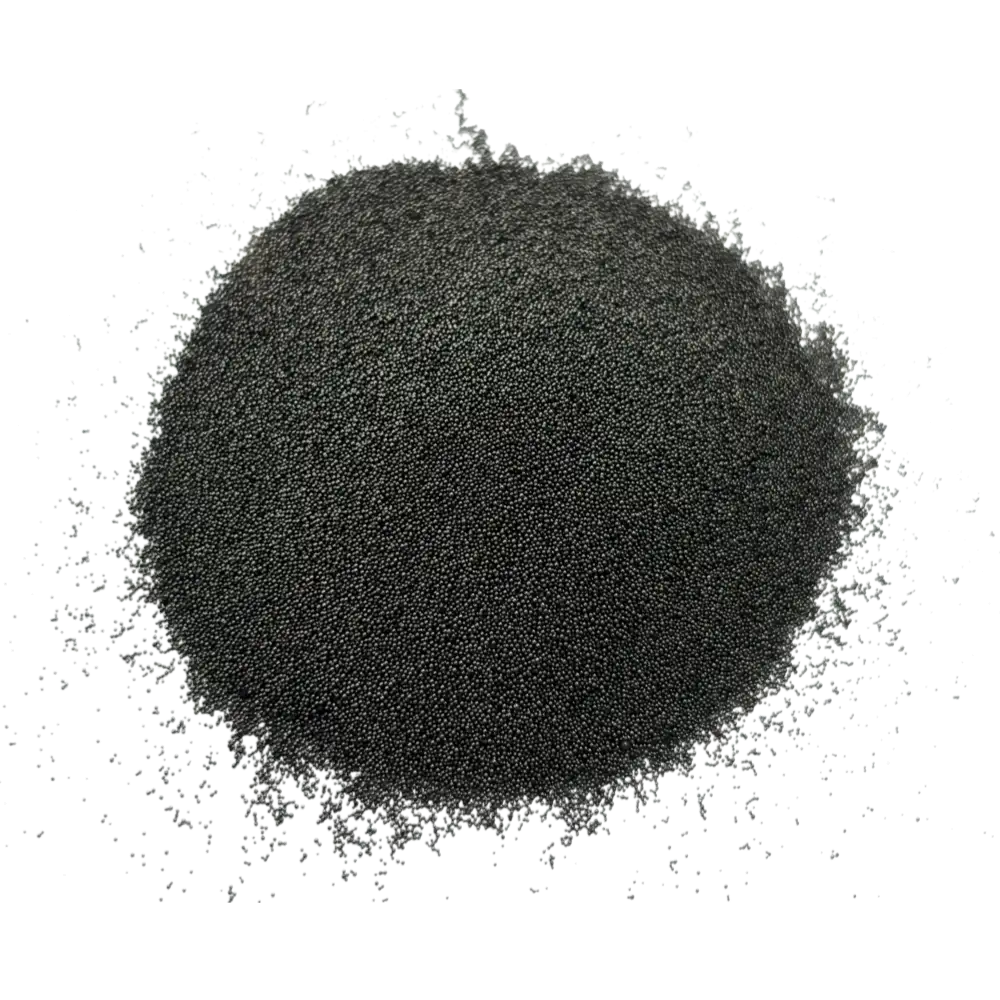
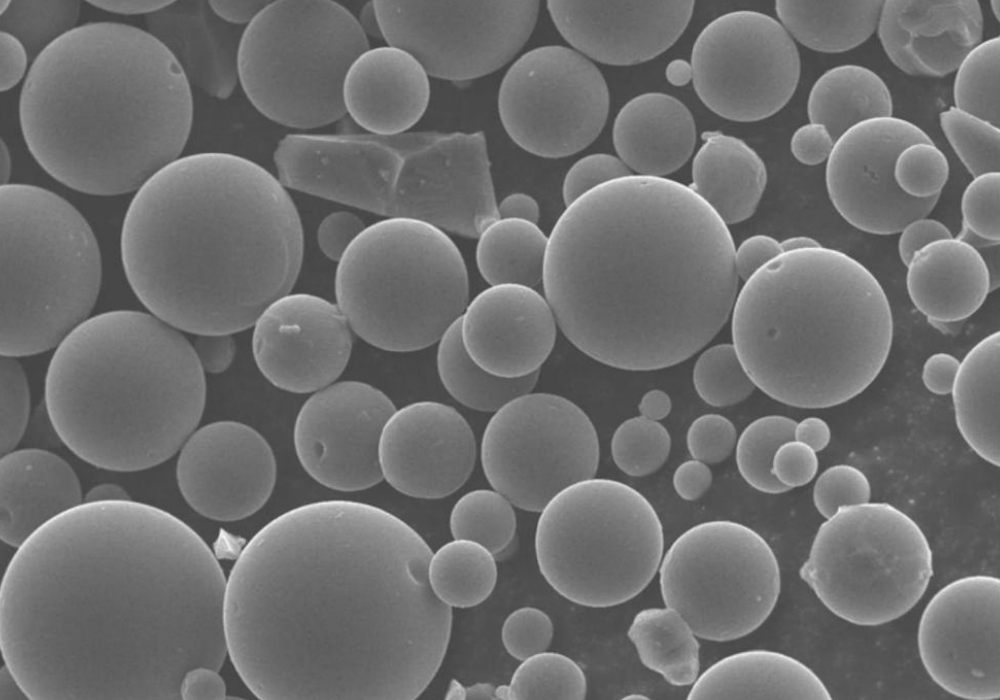
powdered activated carbon (PAC)
are widely used in water treatment, but they are designed for different operating methods.
| Feature | GAC | PAC |
|---|---|---|
| Particle Form | Granular particles | Fine powder |
| Main Usage | Fixed-bed adsorption systems | Direct dosing applications |
| Operation Method | Long-term filtration media | Short-term adsorption treatment |
What Industrial Buyers Should Confirm Before Purchasing Activated Carbon
Before purchasing activated carbon, industrial buyers should review several technical and supply factors:
- Raw material type and activation method
- Activated carbon grade and intended application
- Technical specifications and testing standards
- Particle size requirements
- Packaging options
- Availability of TDS, SDS, and COA documents
- Production capability and quality control procedures
Choosing the Right Activated Carbon Supplier
A suitable activated carbon supplier should provide not only carbon products but also technical information that helps customers select the correct grade for their applications.
For industrial sourcing, consistent product specifications, reliable documentation, export packaging, and quality control processes are important factors when evaluating suppliers.


