
















News
-
 29 2026.06
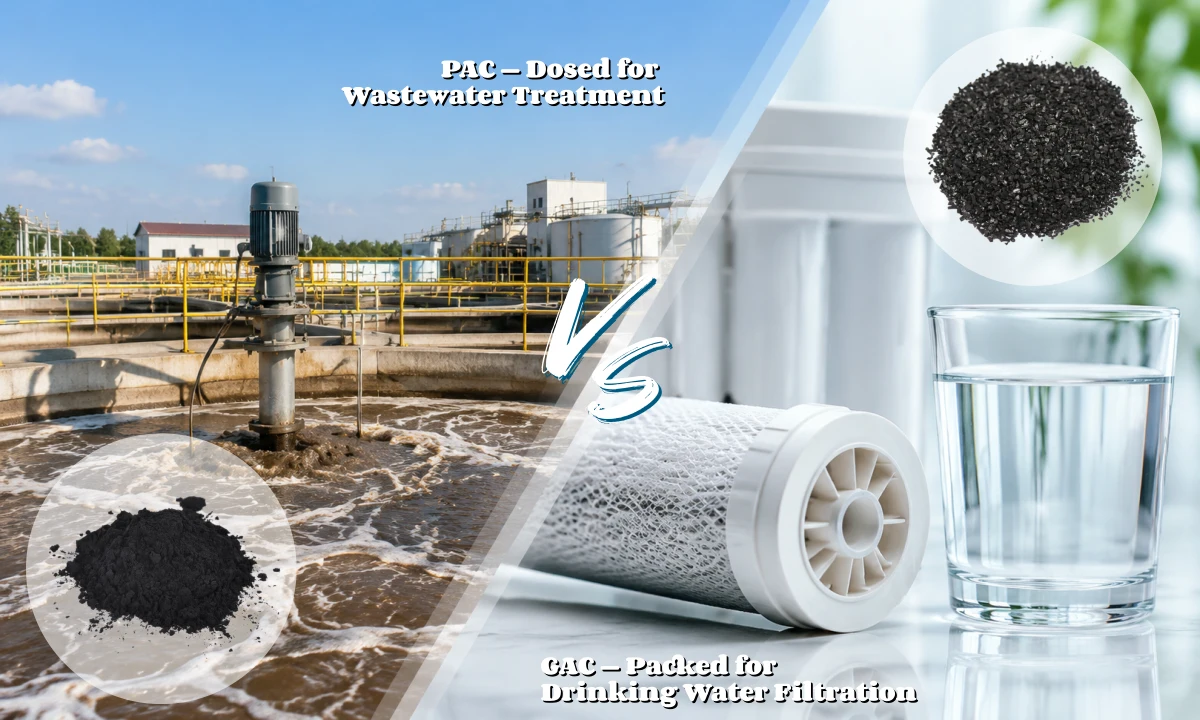
Powdered Activated Carbon vs Granular Activated Carbon for Water Treatment
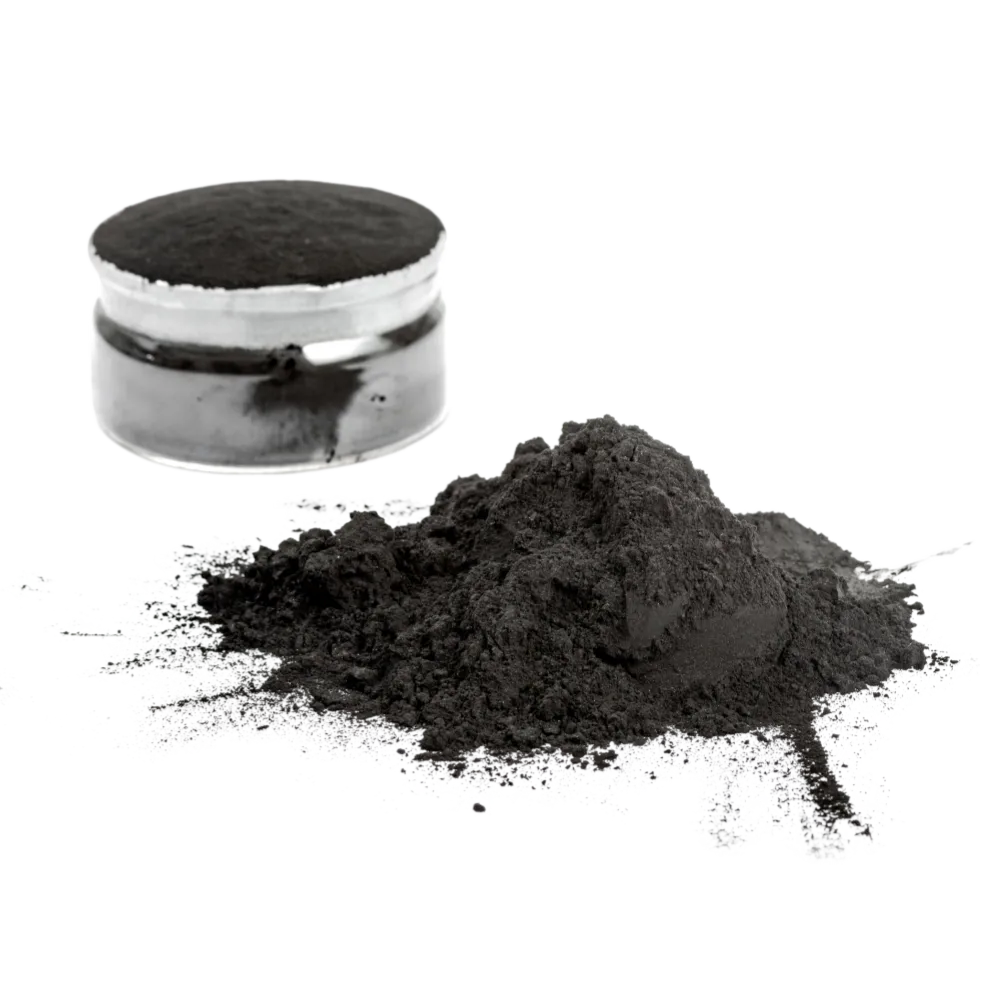
Activated carbon is one of the most widely used adsorption media in water treatment. It can help remove chlorine, taste, odor, color, organic compounds, trace contaminants and many other unwanted substances from water. However, when buyers start selecting activated carbon, one of the most common questions is: should we use powdered activated carbon or granular activated carbon? Powdered activated carbon, often called PAC, and granular activated carbon, often called GAC, are both effective adsorption materials. But they are ...
view details
-
 29 2026.06
Activated Carbon for VOC Removal: How to Choose the Right Carbon for Industrial Air Treatment
Volatile organic compounds, commonly known as VOCs, are a major concern in many industrial processes, including coating, printing, chemical manufacturing, rubber processing, electronics, packaging, painting, solvent use and waste gas treatment. If VOCs are not properly controlled, they can cause odor complaints, regulatory pressure, safety risks and higher operating costs. Among different VOC treatment technologies, activated carbon adsorption is widely used because it is flexible, effective and suitable for many low-to-med...
view details
-
 08 2026.06
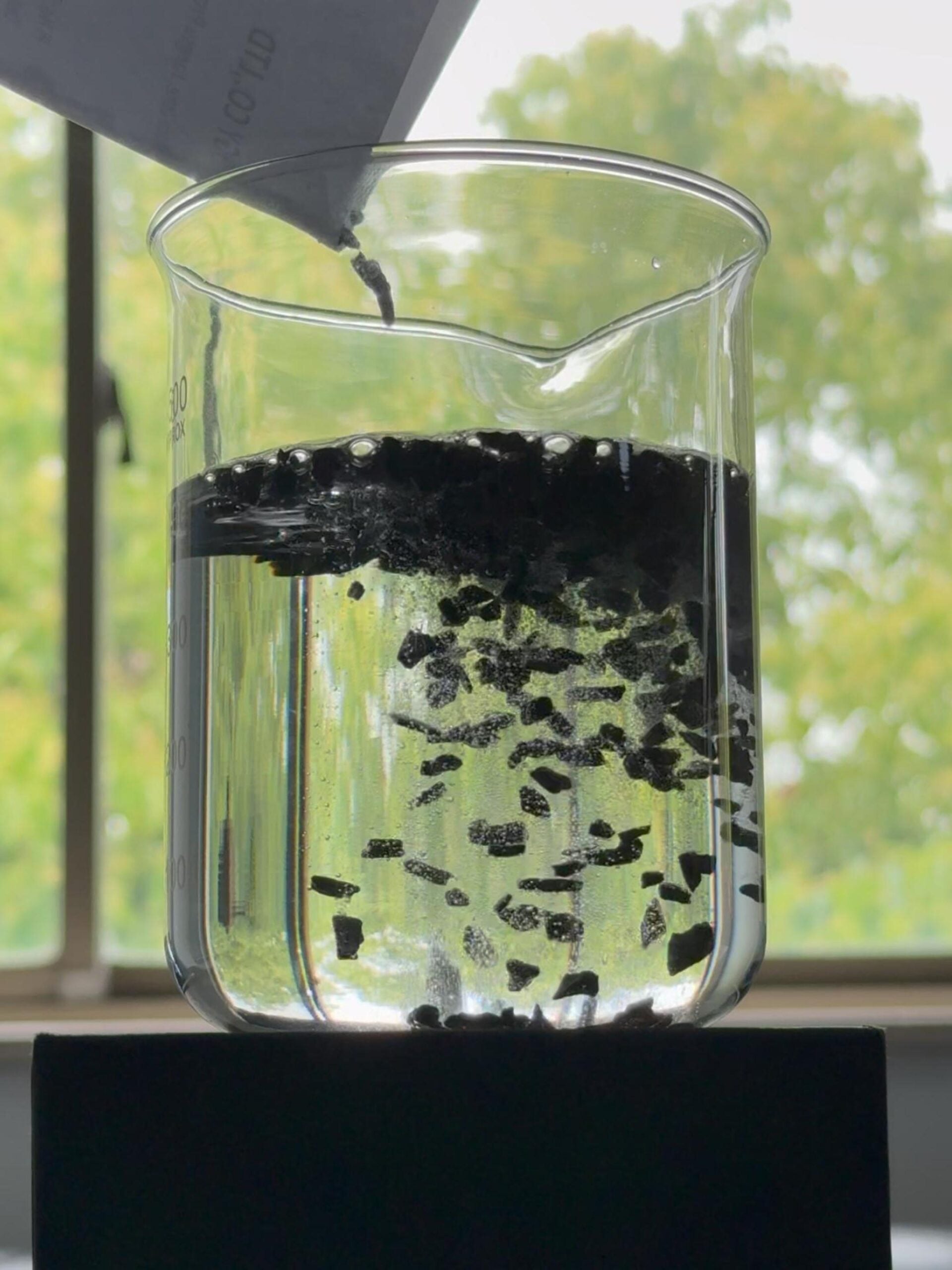
Why Good Activated Carbon Fizzes Aggressively: The Truth Behind the "Boiling" Water Test
Drop a handful of dry activated carbon into a clear beaker of water. Within seconds, the surface erupts with fine bubbles—thousands of tiny air pockets escaping from the black granules, sometimes lasting for minutes before settling. This simple demonstration is one of the fastest, most intuitive ways to judge activated carbon quality. But what exactly is happening beneath the surface, and how does that translate to real-world industrial performance? The Science Behind the Fizz Activated carbon is often called "bla...
view details
-
 14 2026.05
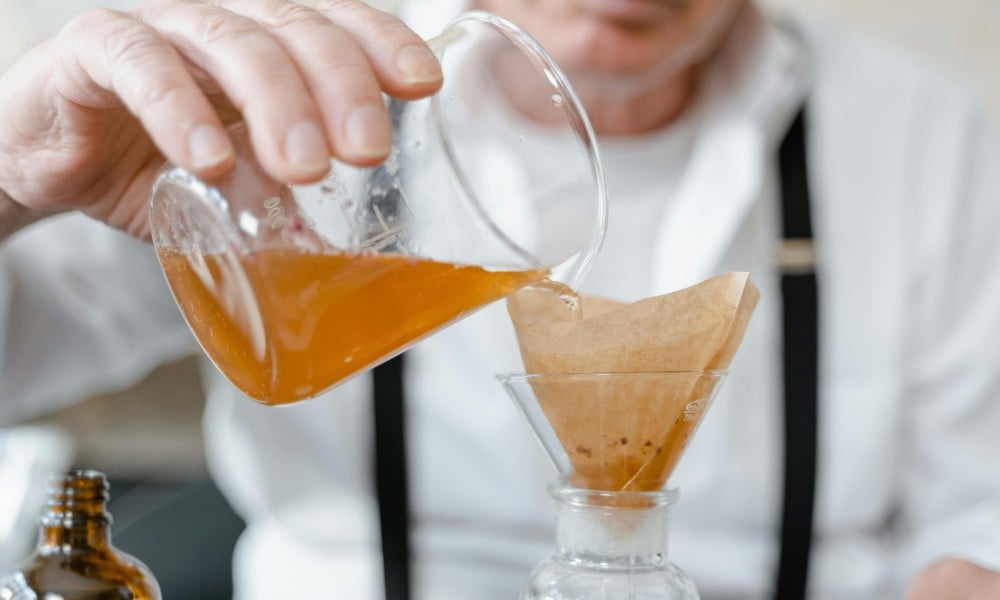
Why Is Activated Carbon Still the Gold Standard for Food Decolorization?
Food decolorization is one of the most critical quality-control steps in modern processing. Whether you are refining raw sugar, bleaching crude vegetable oil, or clarifying alcoholic beverages, unwanted pigments and impurities can ruin both the appearance and the market value of your final product. So why do the world’s leading food manufacturers continue to rely on activated carbon for food decolorization decade after decade? The answer lies in its unmatched adsorption power, operational flexibility, and cost efficiency. A...
view details
-
 14 2026.05
Activated Carbon for Petroleum and Oil & Gas Processing
Activated carbon for petroleum applications is used where hydrocarbon streams, produced water, natural gas, refinery solvents or odours must be purified without disrupting the main separation process. Its role is usually selective removal of trace contaminants rather than replacement of distillation, amine treating, dehydration, membranes or biological wastewater treatment. Purestar supplies granular, powdered, pelletized and impregnated activated carbon for oil and gas applications. The correct grade depends on the process str...
view details
-
 14 2026.05
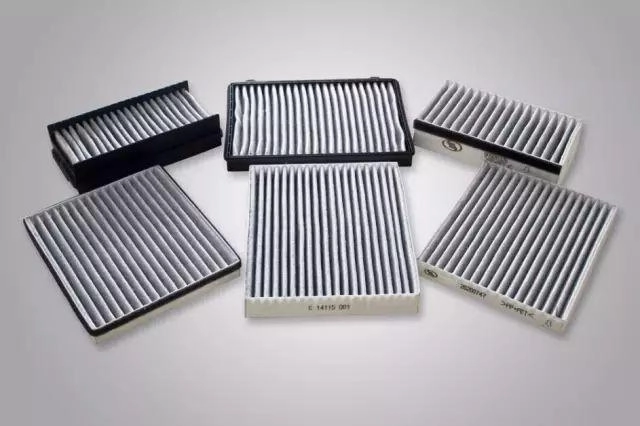
Activated Carbon Applications in Automotive Air Conditioning Filters
INTRODUCTION With the improvement of people's demand for in-vehicle air quality, automotive air conditioning filters play an increasingly important role in in-vehicle systems. With its excellent adsorption properties, activated carbon is widely used in automotive air conditioning filters to help purify the air inside the car and enhance driving comfort. In this article, we will discuss the application of activated carbon in automotive air conditioning filters and the benefits it brings. Characteristics and advantages of ...
view details