



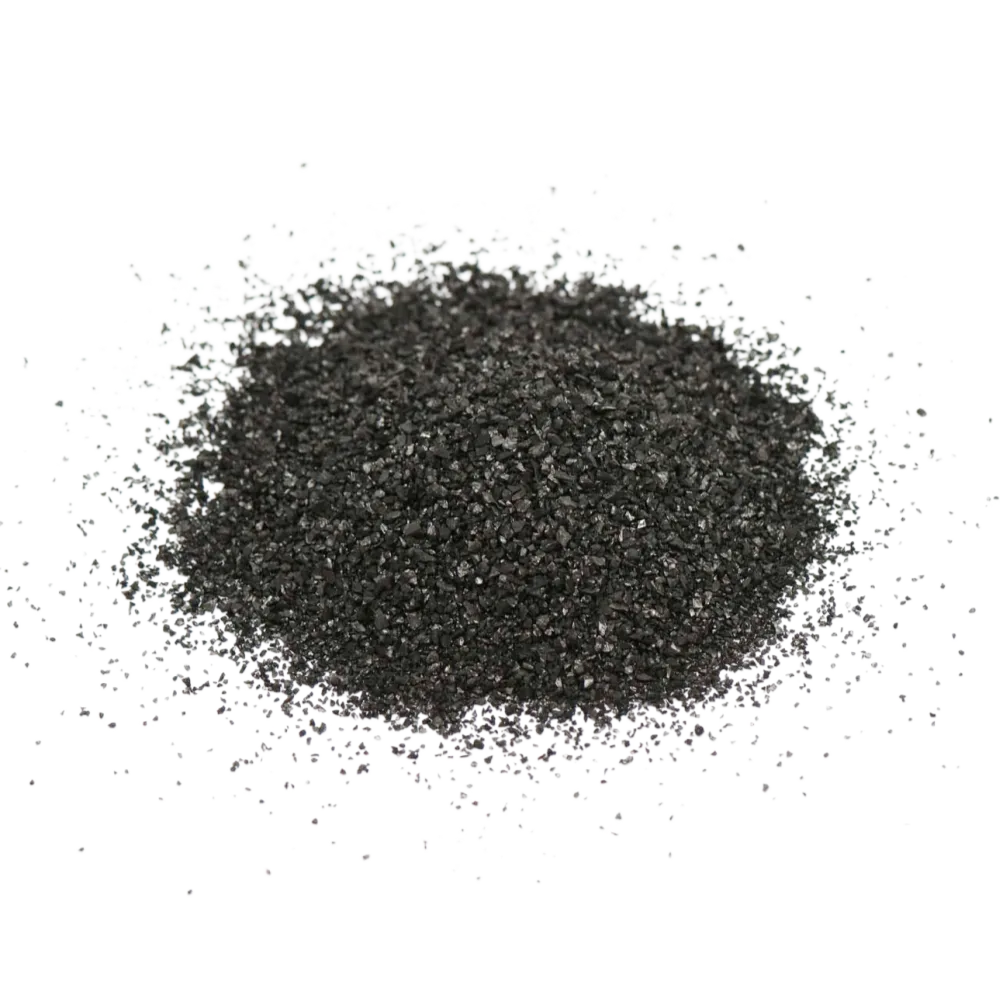
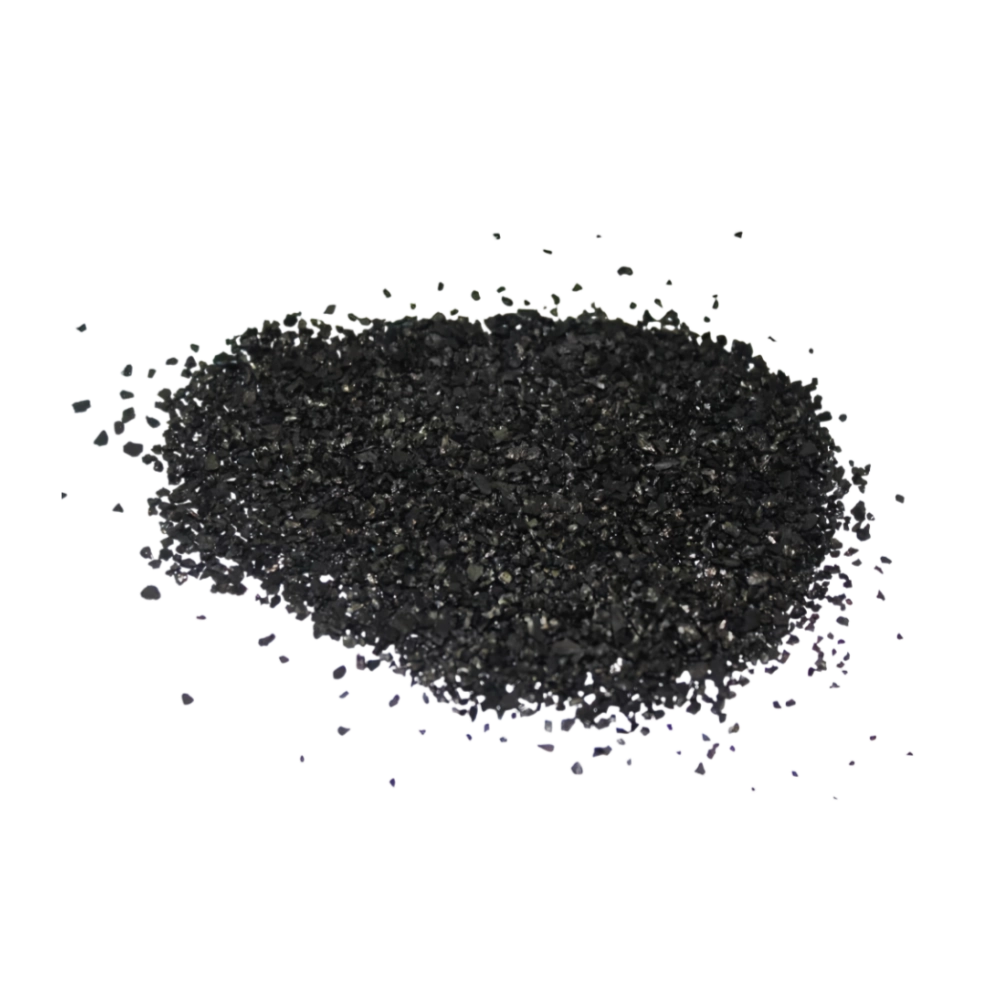
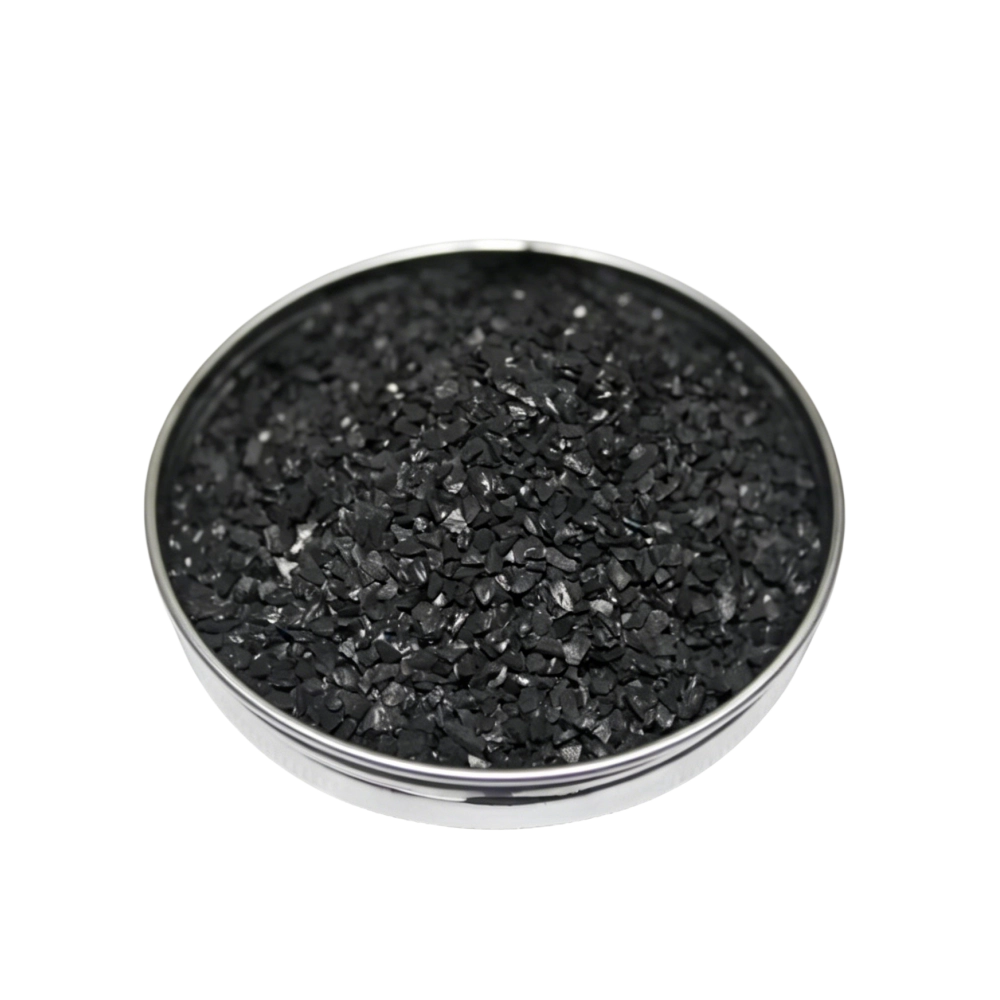



















How to Evaluate Activated Carbon Quality Before Purchasing: A Practical Guide for Industrial Buyers
Selecting activated carbon is not simply a matter of comparing prices or choosing the product with the highest iodine number. In industrial applications, the wrong material can lead to reduced adsorption efficiency, frequent replacement, increased operating costs, and even system downtime.
Whether you are sourcing activated carbon for water purification, wastewater treatment, food processing, air purification, or industrial manufacturing, understanding how quality is evaluated is essential before placing an order.
At PSD Carbon, we work with customers from multiple industries, each with unique operating conditions and performance expectations. Through years of manufacturing and supplying activated carbon products, we have found that successful projects are based on selecting the right material for the application—not simply choosing the highest specification on paper.
This guide explains the most important quality indicators, how they influence real-world performance, and what buyers should verify before purchasing activated carbon.
Why Product Specifications Alone Are Not Enough
Many buyers begin by requesting a specification sheet or Certificate of Analysis (COA). While these documents provide valuable information, laboratory values alone cannot predict how activated carbon will perform in an actual production environment.
For example, two products may both list an iodine number of 1000 mg/g, yet one may provide significantly longer service life because of better pore structure, higher mechanical strength, or more consistent particle distribution.
Performance depends on the combination of raw materials, activation technology, manufacturing consistency, and application matching.
This is why professional manufacturers evaluate activated carbon through multiple quality indicators rather than relying on a single specification.
1. Raw Material Selection Determines the Foundation of Quality
The first step in evaluating activated carbon begins with understanding the raw material. Different raw materials create different pore structures, adsorption characteristics, and mechanical properties.
Common raw materials include:
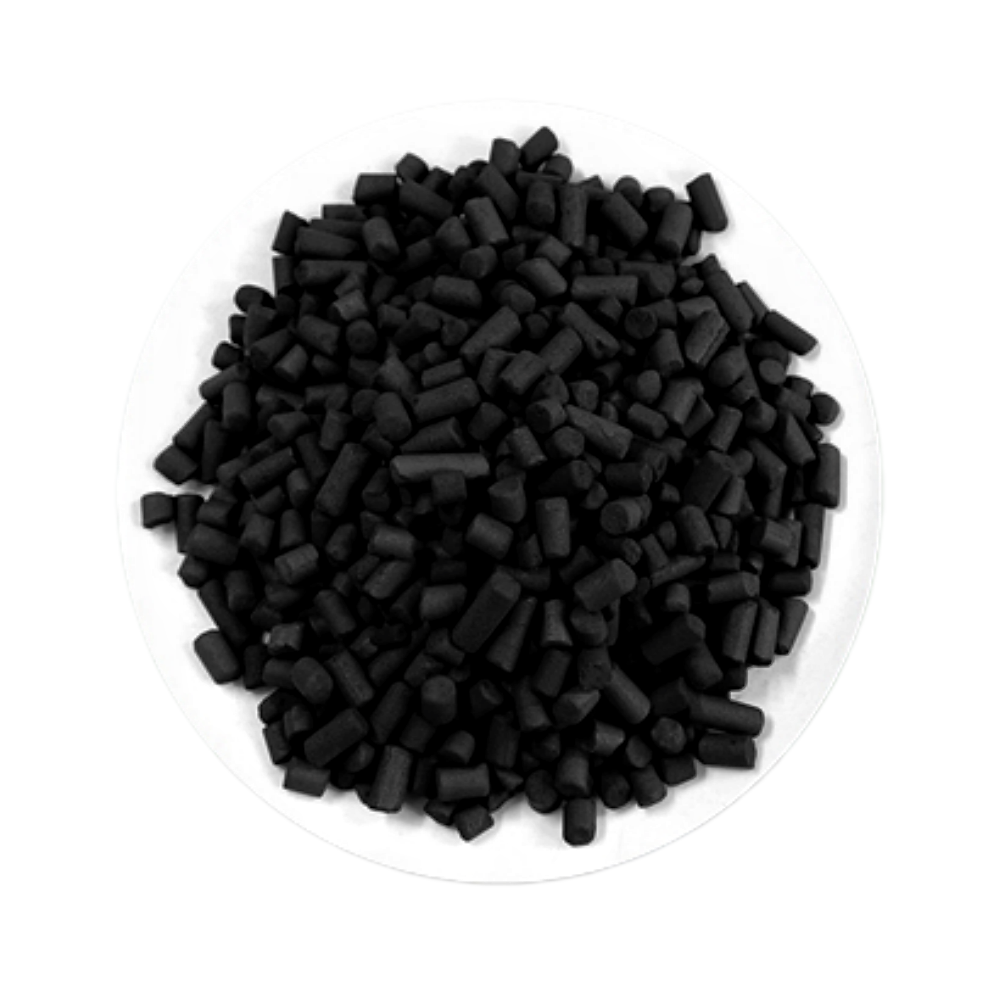
- Coconut shell
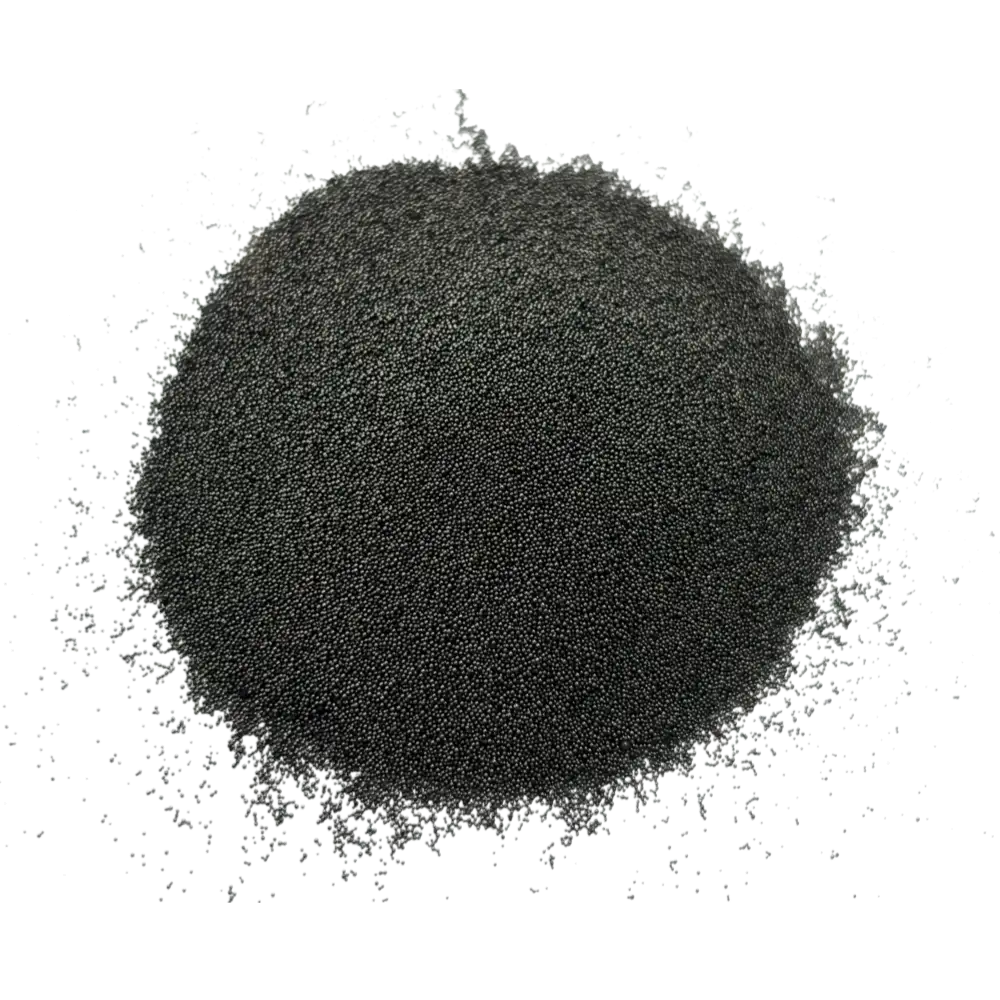
- Coal
- Wood
- Anthracite
- Special blended materials
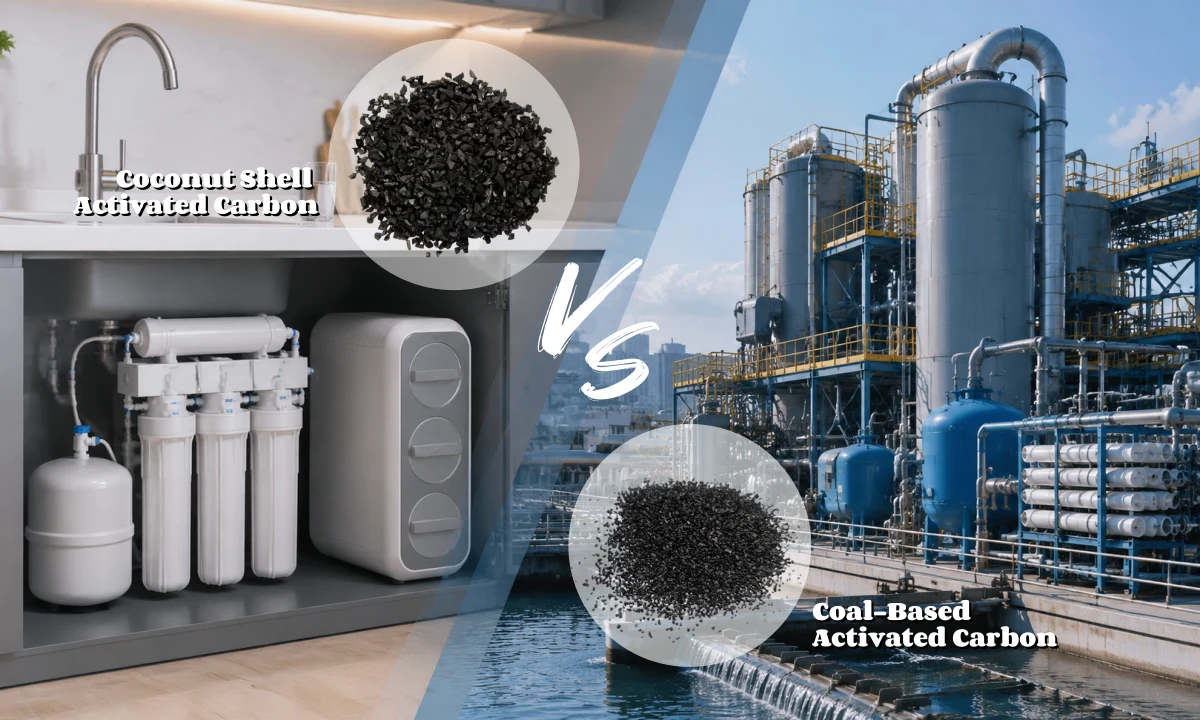
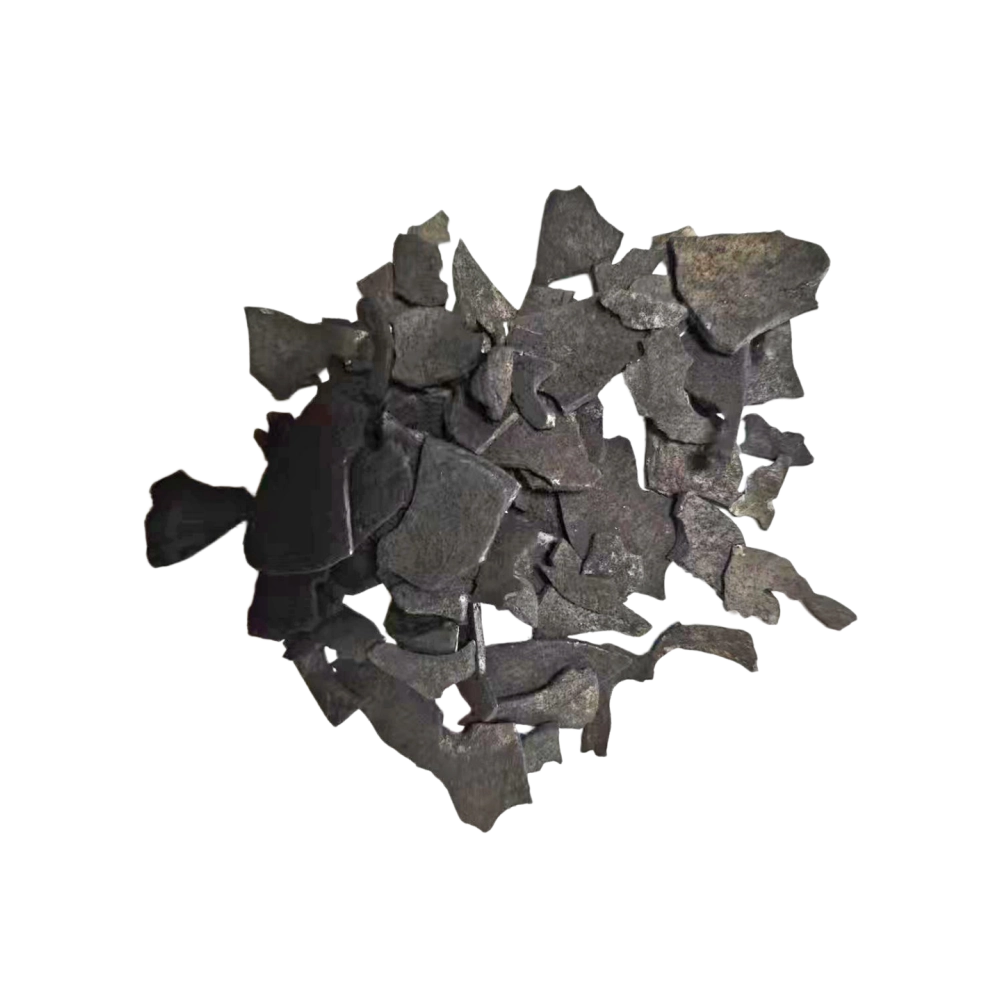
For example, coconut shell activated carbon is widely recognized for its high micropore volume and excellent adsorption capacity for small organic molecules. It is commonly used in drinking water treatment, food processing, and high-purity water systems.
For applications requiring high mechanical strength or large-scale industrial treatment, coal-based activated carbon may provide a better balance between durability and operating cost.
Choosing the correct raw material should always begin with the target contaminant rather than simply selecting the most popular product.
Explore our complete range of
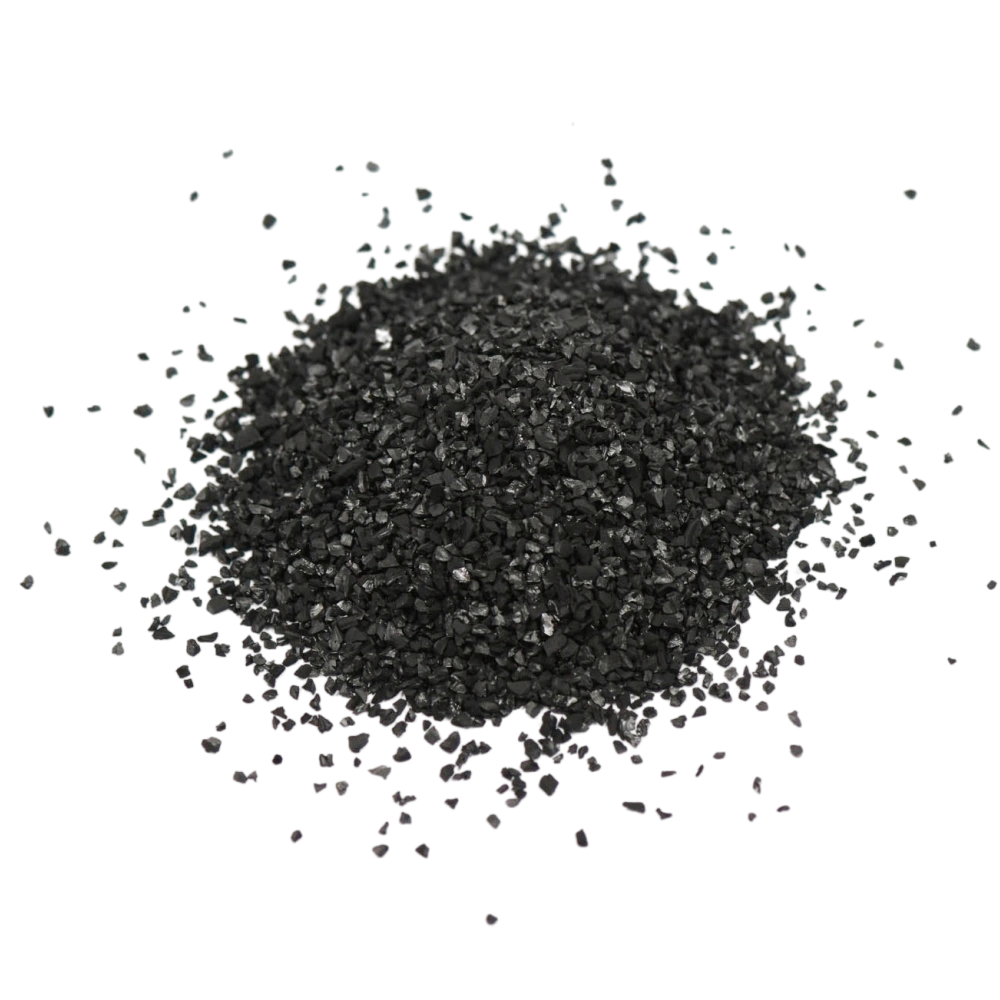
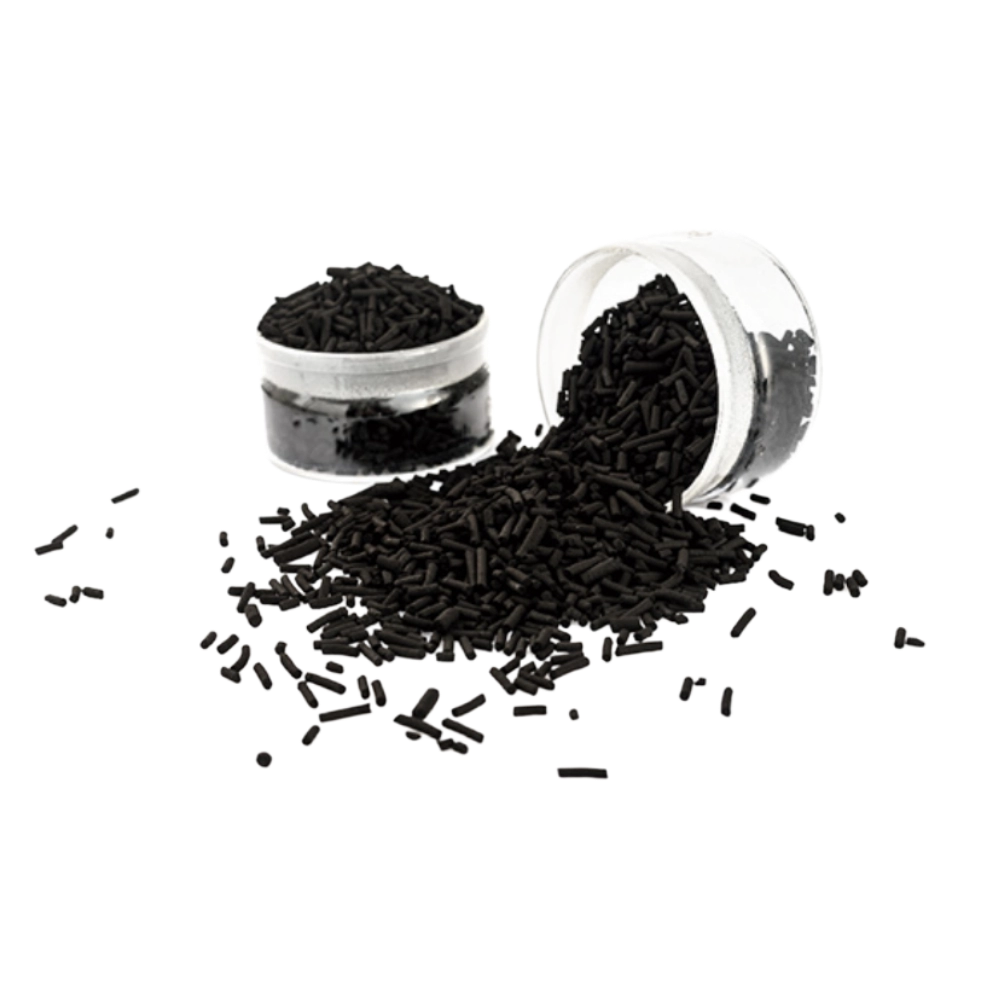
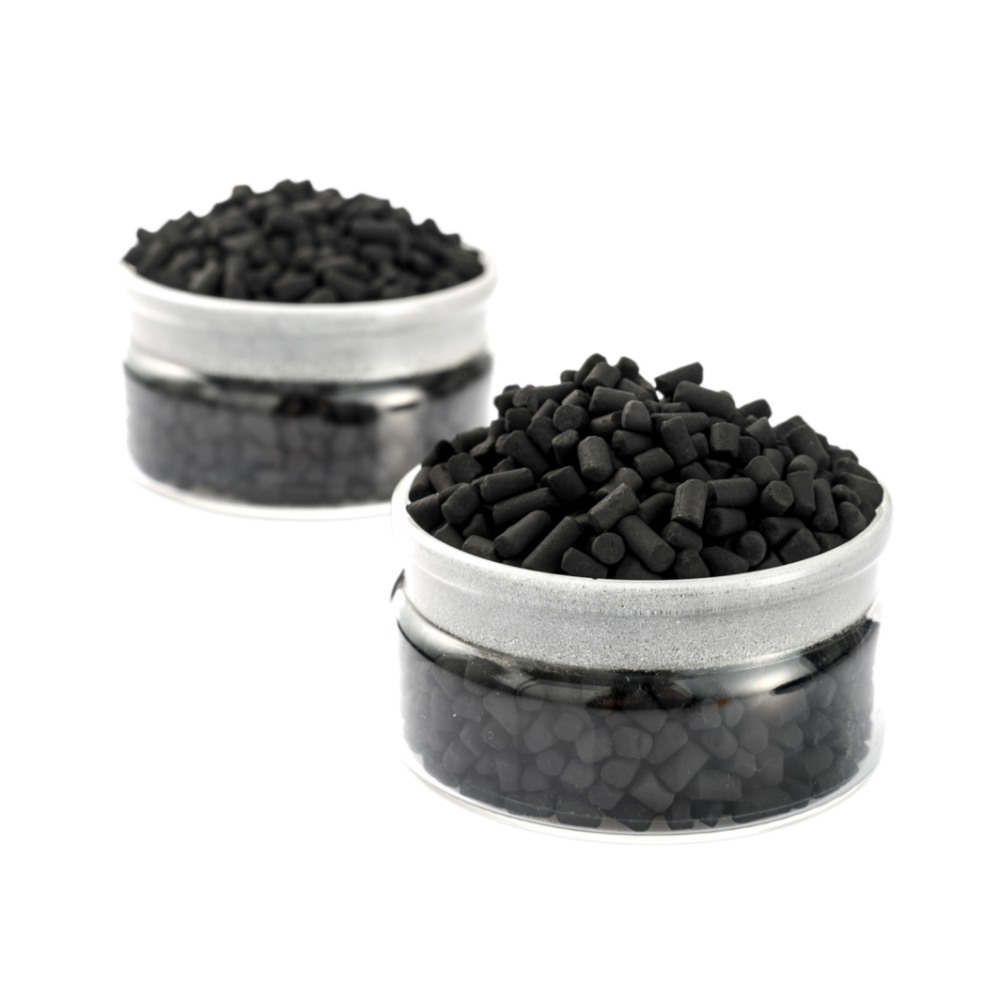
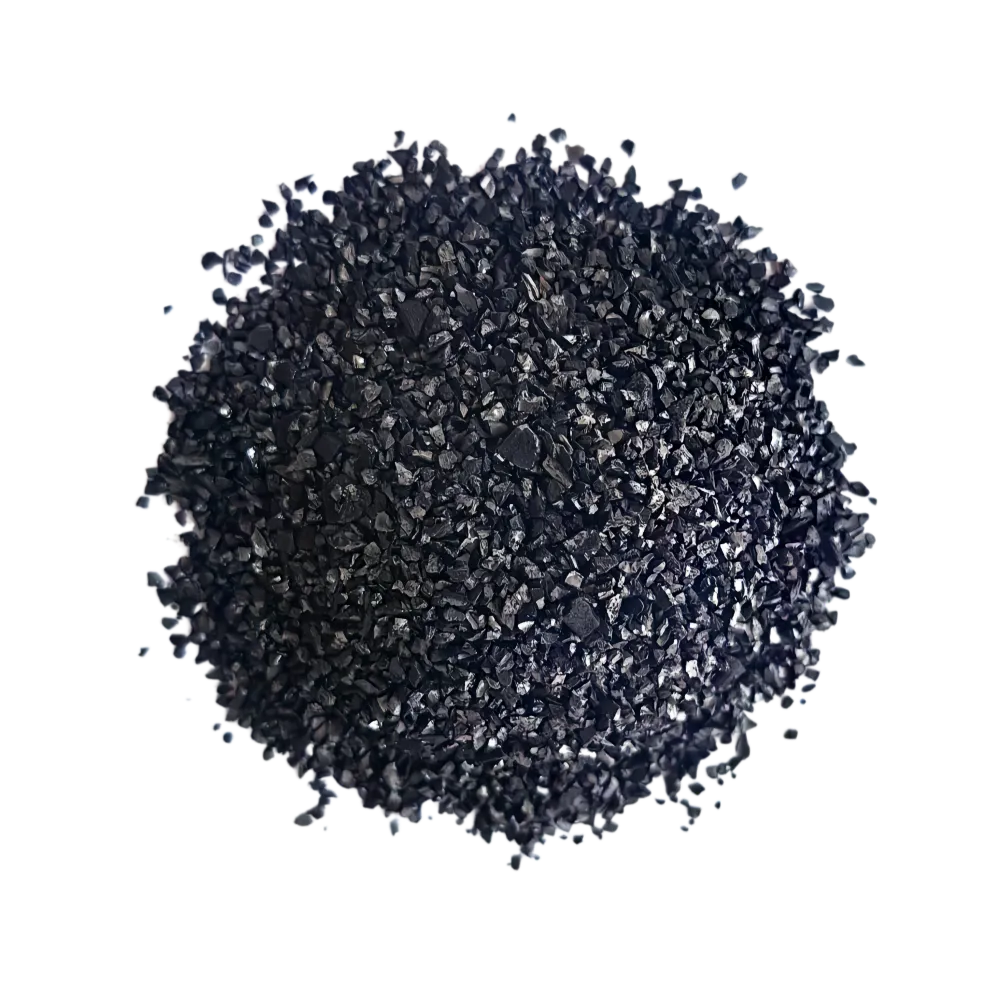
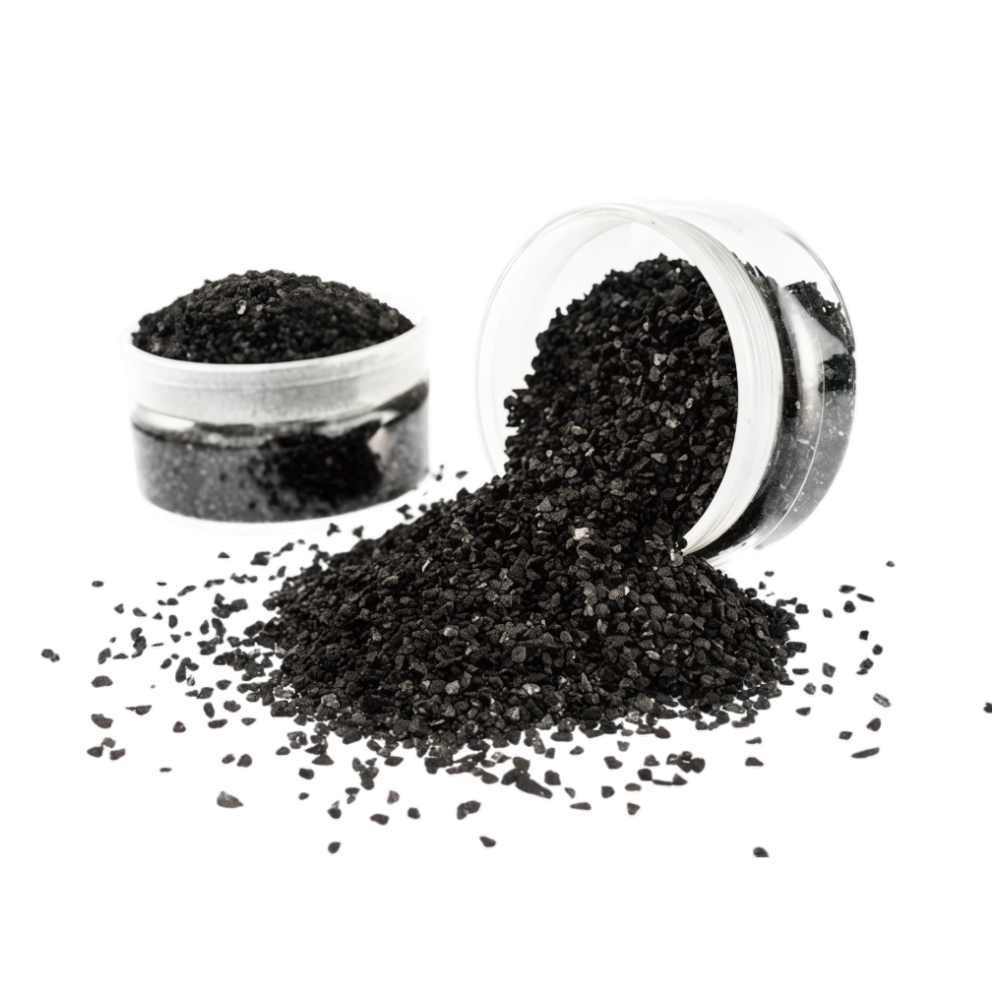
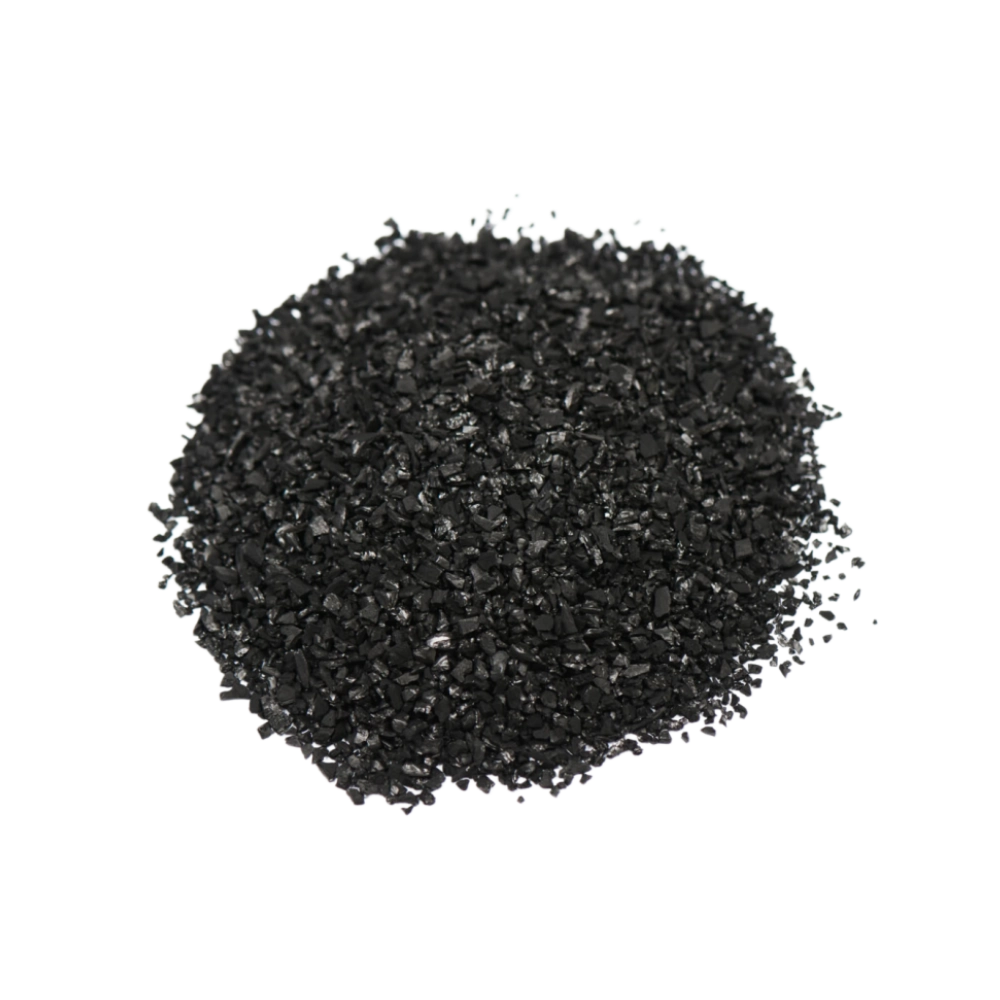
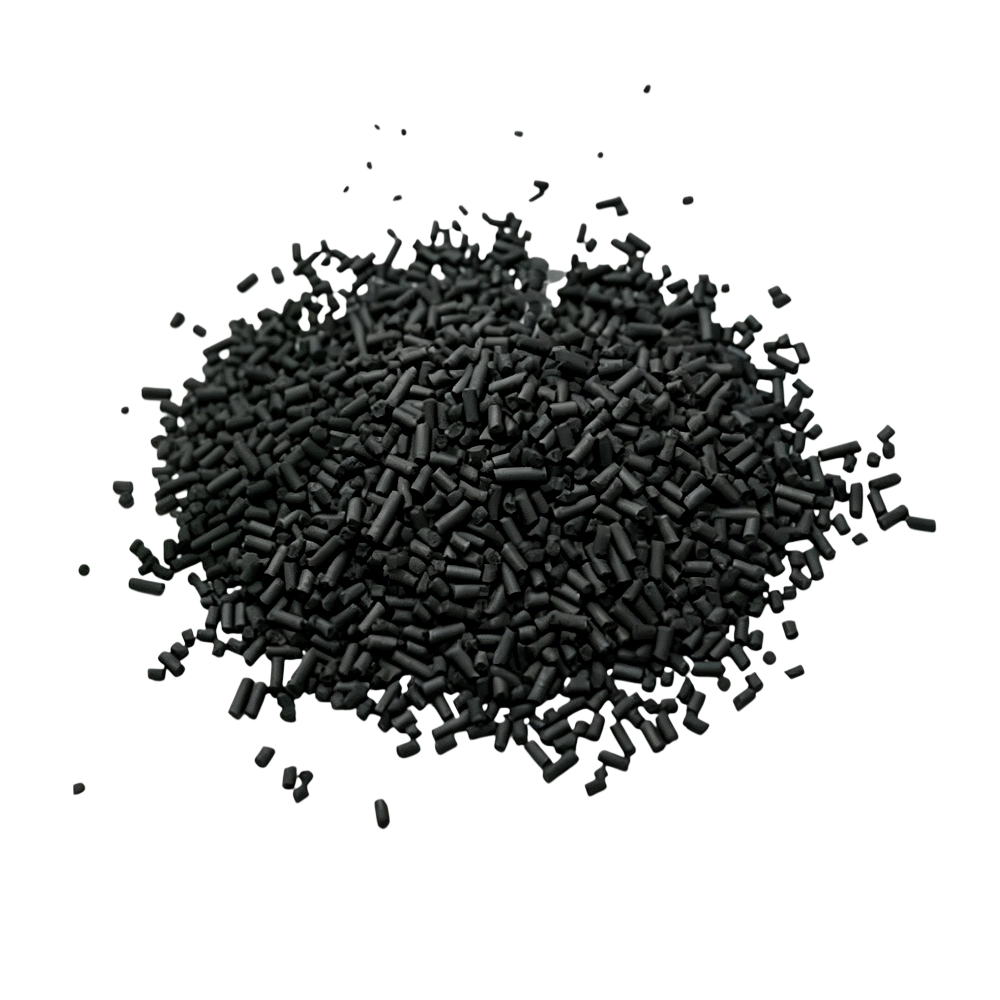
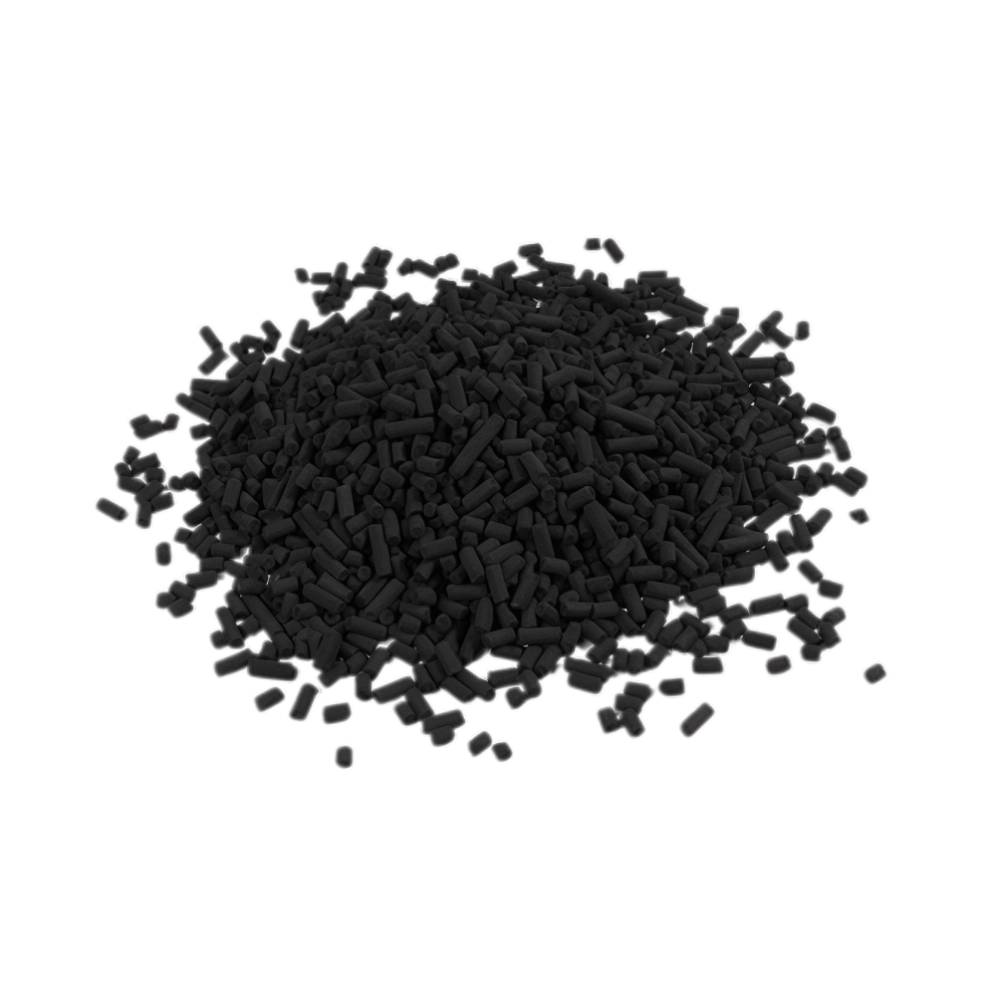
Granular Activated Carbon
to compare different raw material options for industrial applications.
2. Iodine Number: One Important Indicator, But Not the Only One
Iodine number is one of the most frequently requested specifications in the activated carbon industry because it provides an indication of micropore adsorption capacity.
Generally speaking:
- Higher iodine numbers indicate greater adsorption potential for small molecular contaminants.
- Higher values usually correspond to larger internal surface areas.
- Products with higher iodine numbers are often preferred for water purification.
However, buyers should avoid assuming that a higher iodine number automatically means better performance.
In actual industrial systems, adsorption efficiency depends on multiple factors, including:
- Contact time
- Water temperature
- Flow rate
- Contaminant concentration
- Pore size distribution
- Operating pressure
A product with a slightly lower iodine number but a more suitable pore structure may outperform a higher-rated material under specific operating conditions.
Therefore, iodine number should always be evaluated together with other performance indicators.
3. Surface Area and Pore Structure Influence Adsorption Efficiency
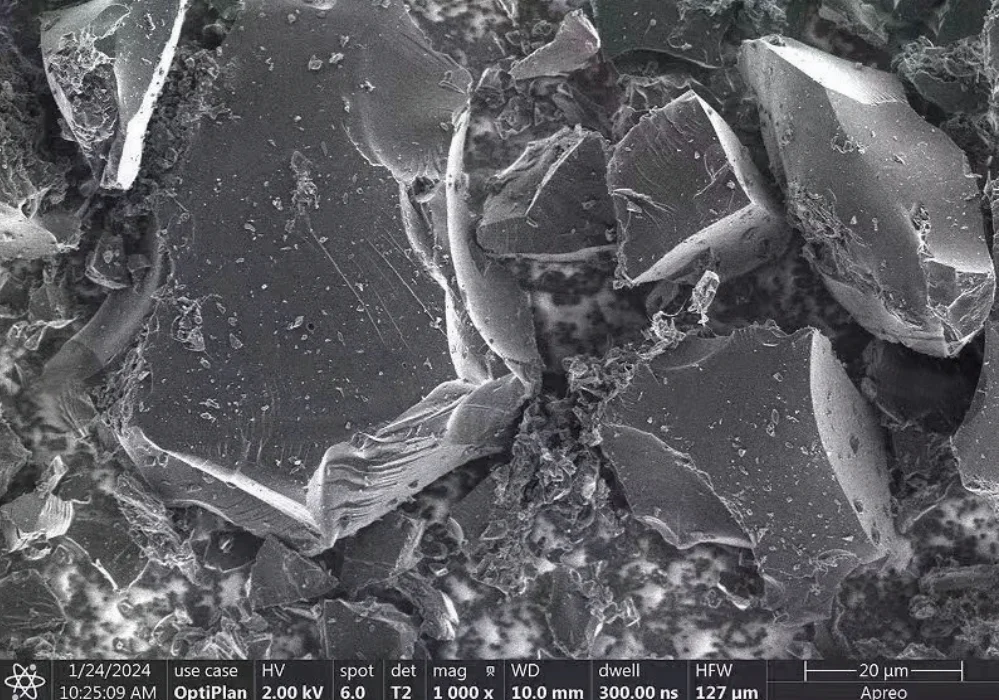
Activated carbon works because of its highly developed internal pore structure. The total internal surface area can reach hundreds or even thousands of square meters per gram.
However, total surface area alone does not explain adsorption performance.
Professional manufacturers also evaluate the distribution of:
- Micropores
- Mesopores
- Macropores
Each pore size contributes differently:
| Pore Type | Main Function |
|---|---|
| Micropores | Adsorb small molecules such as VOCs and dissolved organics. |
| Mesopores | Improve adsorption of larger organic compounds. |
| Macropores | Provide transport pathways for contaminants entering the carbon structure. |
A balanced pore structure often delivers better overall performance than simply maximizing one pore category.
For applications involving industrial wastewater with complex organic contaminants, selecting activated carbon with an optimized pore distribution can significantly improve adsorption efficiency and extend replacement intervals.
Learn more about activated carbon solutions for
Industrial Wastewater Treatment.
4. Mechanical Hardness Directly Affects Service Life
Hardness is often overlooked during procurement, yet it has a major impact on operating costs.
Activated carbon with insufficient mechanical strength gradually breaks down during transportation, backwashing, pneumatic conveying, or continuous operation. As particles fracture, pressure drop increases, filtration performance declines, and carbon loss accelerates.
High-quality activated carbon should maintain its particle integrity throughout repeated operating cycles.
Manufacturers typically evaluate hardness using standardized testing methods to ensure the product can withstand handling and long-term service.
In demanding industrial systems where activated carbon is subjected to frequent hydraulic movement or mechanical stress, hardness becomes one of the most important indicators influencing overall life-cycle cost.
5. Ash Content Influences Purity and Process Stability
Ash content represents the inorganic mineral residue remaining after carbonization and activation.
Although ash itself does not participate in adsorption, excessive ash content can reduce the effective adsorption capacity by occupying internal pore volume.
Higher ash levels may also introduce unwanted minerals into sensitive industrial processes, particularly in applications such as food processing, pharmaceuticals, electronics manufacturing, and ultrapure water production.
Professional manufacturers carefully control raw materials and activation conditions to maintain consistent ash content across production batches.
For buyers requiring strict process consistency, reviewing ash content together with application-specific testing provides a more reliable assessment than evaluating a single laboratory value.
6. Moisture Content Affects Shipping Weight and Adsorption Efficiency
Moisture content is another specification that deserves careful attention during supplier evaluation. Activated carbon naturally absorbs moisture from the surrounding environment, and while a certain moisture level is unavoidable, excessive water reduces the amount of active carbon contained in every kilogram purchased.
For example, if two products have identical selling prices but one contains significantly higher moisture, the customer is effectively paying to transport water instead of usable adsorption material.
More importantly, excessive moisture temporarily occupies pore volume and may reduce adsorption efficiency before the material reaches normal operating conditions.
Professional manufacturers control moisture through proper drying, storage, and packaging procedures to ensure consistent product quality throughout transportation.
7. Particle Size Distribution Determines Hydraulic Performance
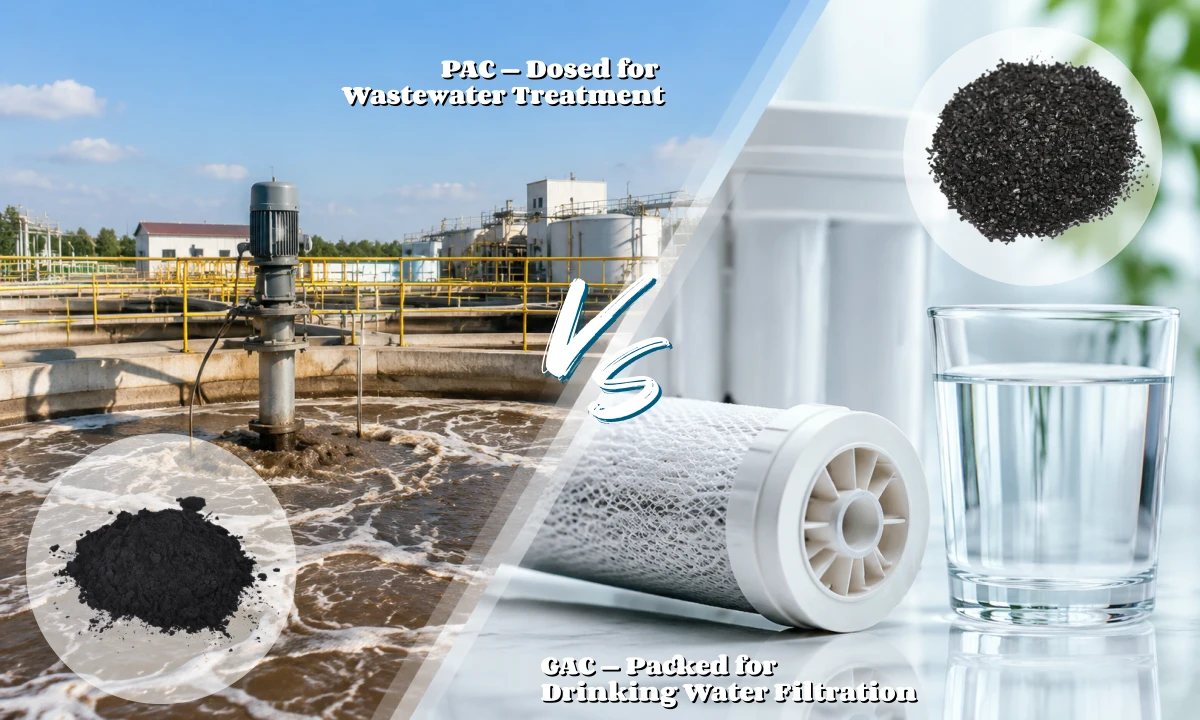
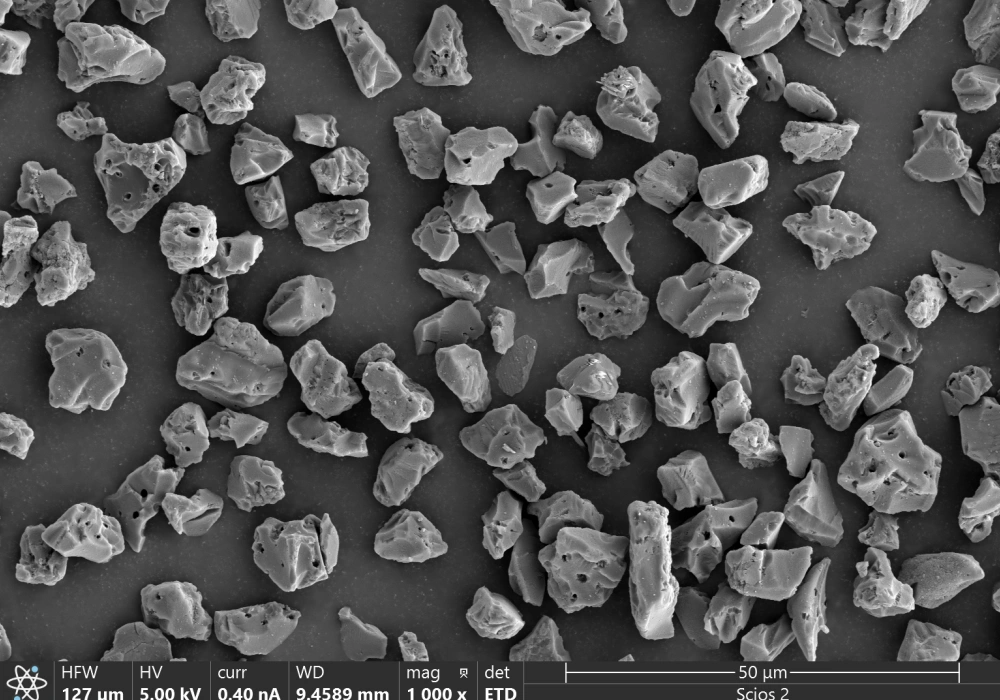
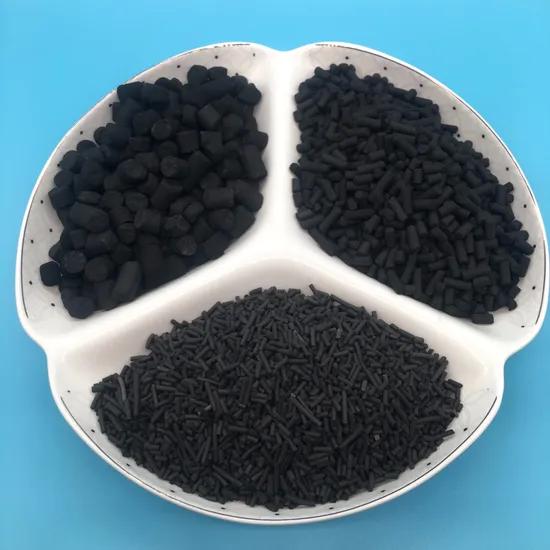
Particle size is far more than a packaging specification. It directly influences pressure drop, flow distribution, filtration efficiency, and replacement intervals.
Uniform particle distribution provides several important operational advantages:
- More stable water flow
- Lower pressure loss
- Reduced channeling inside carbon beds
- Improved adsorption efficiency
- Longer operating cycles
If particle sizes vary significantly within the same batch, water tends to flow through larger voids, reducing contact time and leaving portions of the carbon bed underutilized.
For this reason, reliable activated carbon manufacturers perform screening and particle size inspections during production rather than relying solely on nominal mesh sizes.
Laboratory Results Do Not Always Reflect Field Performance
One of the most common misunderstandings among first-time buyers is assuming that laboratory specifications directly predict performance in real operating conditions.
In reality, adsorption efficiency is influenced by numerous variables beyond the activated carbon itself.
These include:
- Influent contaminant concentration
- Water chemistry and pH
- Operating temperature
- Flow rate
- Bed depth
- Empty Bed Contact Time (EBCT)
- Backwashing frequency
- System maintenance practices
Two treatment facilities using the same activated carbon may experience completely different replacement intervals simply because their operating conditions differ.
This is why experienced suppliers usually ask detailed questions about the customer's process before recommending a product grade.
At PSD Carbon, product recommendations are based not only on laboratory specifications but also on application requirements, operating conditions, contaminant characteristics, and expected service life.
This approach helps customers select materials that deliver stable long-term performance instead of simply choosing the highest specification on paper.
Common Mistakes Buyers Make When Comparing Activated Carbon Suppliers
Industrial buyers often receive quotations from multiple suppliers. While comparing specifications and prices is important, several common mistakes can lead to higher operating costs over the lifetime of a project.
Choosing the Lowest Price Without Evaluating Total Operating Cost
A lower purchase price does not necessarily mean lower operating costs. Carbon with poor hardness, inconsistent particle size, or unsuitable pore structure may require more frequent replacement, increasing labor costs and production downtime.
Comparing Only Iodine Number
Iodine number is useful, but it should never be the only evaluation criterion. Ash content, hardness, moisture, particle size distribution, and application suitability are equally important.
Ignoring Manufacturing Consistency
Stable product quality between production batches is essential for industrial operations. Consistent manufacturing processes help ensure predictable adsorption performance and reduce unexpected maintenance.
Overlooking Technical Support
A reliable supplier should provide more than products. Technical consultation, application recommendations, and after-sales support are valuable resources that help customers optimize system performance.
How PSD Carbon Maintains Consistent Product Quality
Consistent activated carbon quality begins long before the finished product leaves the factory. Every stage of manufacturing influences the final adsorption performance.
At PSD Carbon, quality control focuses on process consistency rather than relying on final inspection alone.
Our manufacturing process includes:
- Careful raw material selection
- Controlled carbonization and activation conditions
- Particle size screening
- Routine laboratory testing
- Batch traceability
- Quality inspection before shipment
Each production batch is evaluated against established quality standards to help ensure stable physical properties and adsorption performance.
For customers with specialized applications, our technical team can also recommend activated carbon grades based on treatment objectives, operating conditions, and process requirements instead of simply recommending the highest specification available.
Whether the application involves municipal water treatment, food processing, industrial wastewater, air purification, or chemical manufacturing, selecting the appropriate activated carbon is essential for achieving reliable long-term performance.
Explore our complete portfolio of
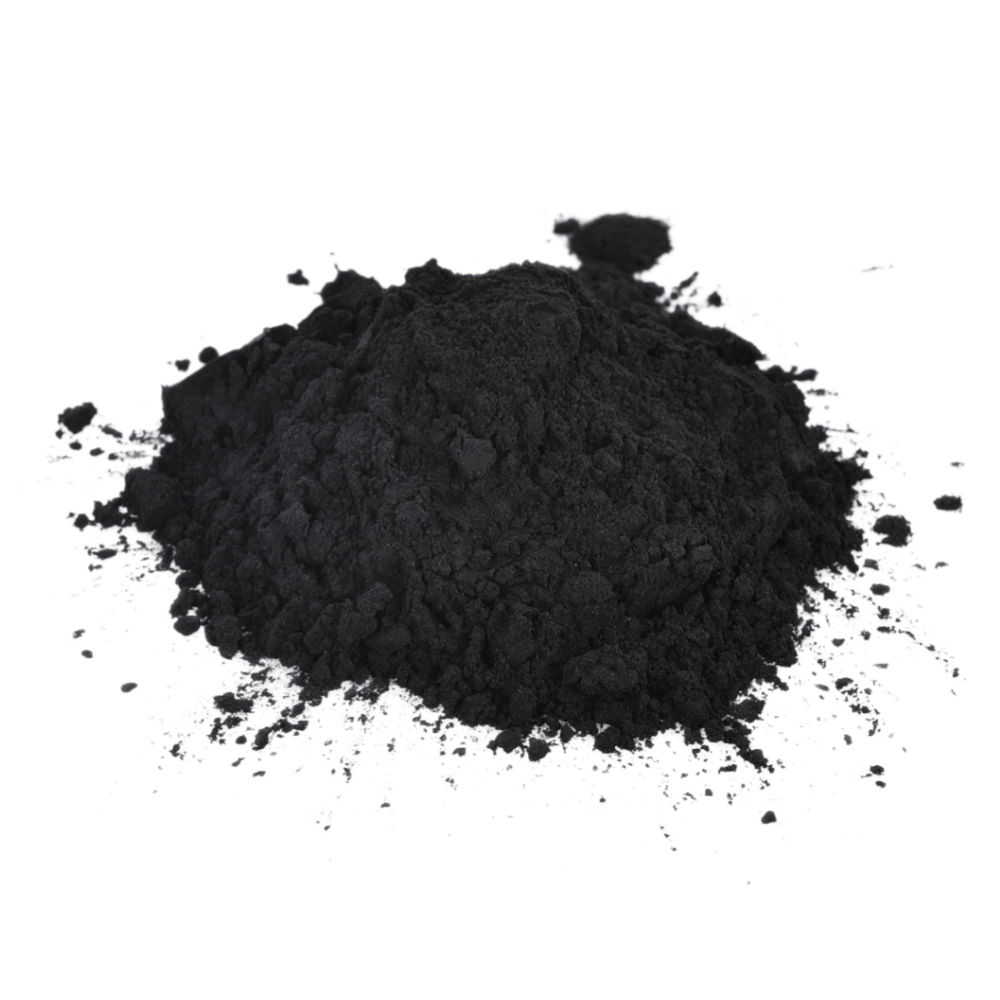
Activated Carbon Products
to compare different grades designed for various industrial applications.
Selecting the Right Activated Carbon Is a Long-Term Investment
Activated carbon should not be viewed as a commodity purchased solely on price. It is a critical process material that directly affects operating efficiency, maintenance frequency, production stability, and overall treatment cost.
By evaluating multiple quality indicators—including raw material, pore structure, iodine number, hardness, ash content, moisture, and particle size—buyers can make more informed purchasing decisions and reduce long-term operational risks.
Working with an experienced manufacturer also provides access to application expertise that extends beyond laboratory data, helping ensure the selected product performs effectively under real operating conditions.
As industrial treatment requirements continue to evolve, selecting the right activated carbon remains one of the most important factors influencing long-term system performance.
Need Help Selecting the Right Activated Carbon?
Every industrial application is different, and choosing the correct activated carbon requires more than comparing specification sheets.
PSD Carbon provides technical recommendations based on contaminant type, operating conditions, adsorption objectives, and expected service life to help customers identify the most suitable solution.
Whether you are designing a new treatment system or replacing existing activated carbon, our engineering team is ready to assist.
Contact PSD Carbon today to discuss your project or request technical support.
Frequently Asked Questions
Is a higher iodine number always better?
Not necessarily. While iodine number indicates micropore adsorption capacity, actual performance also depends on pore distribution, operating conditions, contaminant characteristics, and system design.
Which raw material is best for activated carbon?
There is no universal answer. Coconut shell, coal, and wood-based activated carbon each offer different advantages depending on the target application and contaminants being treated.
Why is hardness important?
Higher hardness helps reduce particle breakage during transportation and operation, extending service life and lowering replacement frequency.
Can laboratory specifications predict service life?
Laboratory values provide useful reference information, but actual service life depends on operating conditions such as flow rate, contaminant concentration, temperature, and maintenance practices.
How can I choose the right activated carbon for my application?
The best approach is to consult with an experienced manufacturer that understands both activated carbon production and industrial process requirements. Product selection should be based on application performance rather than a single specification.