



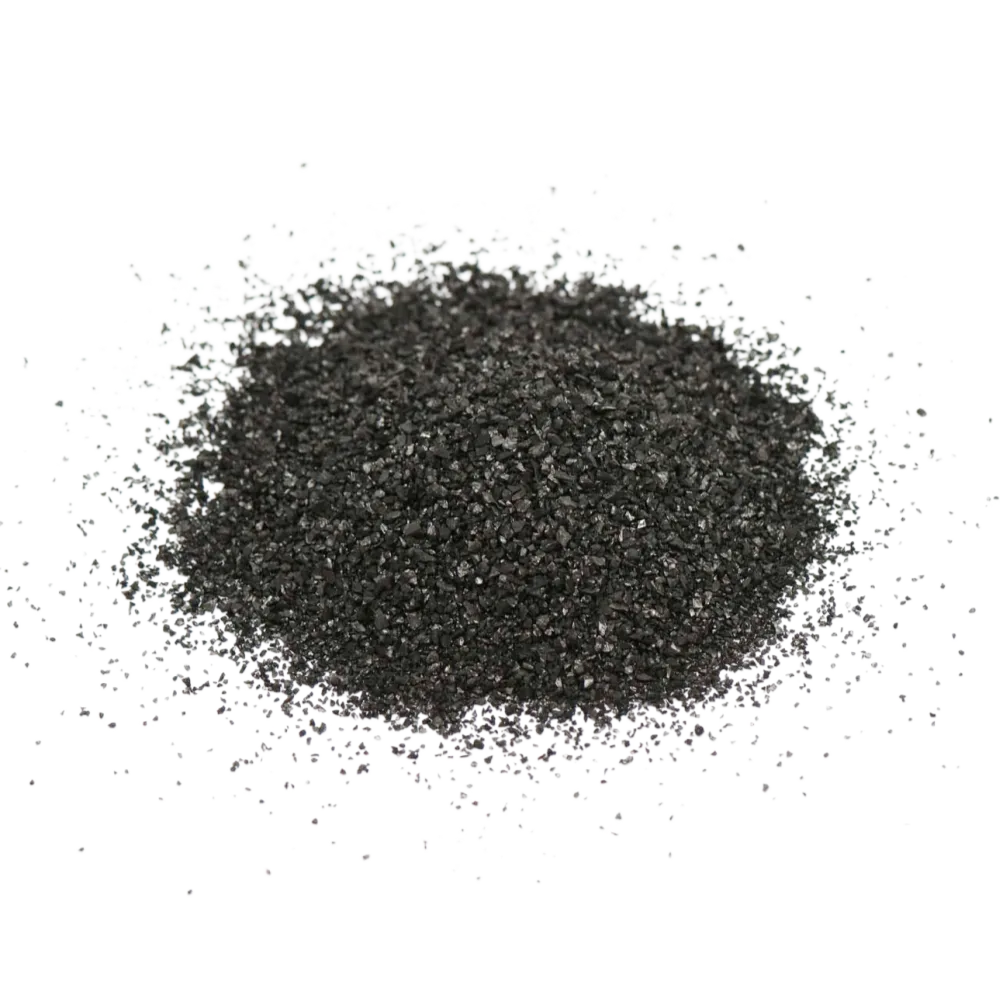
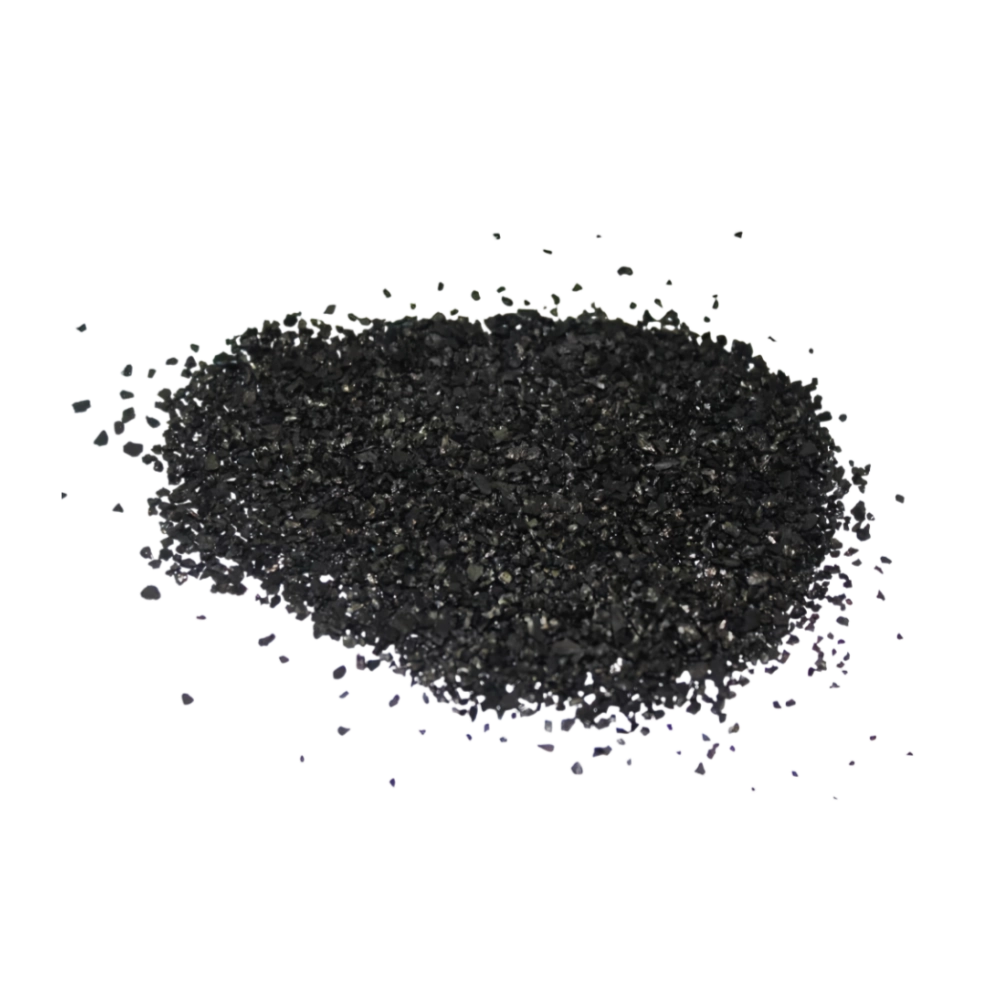
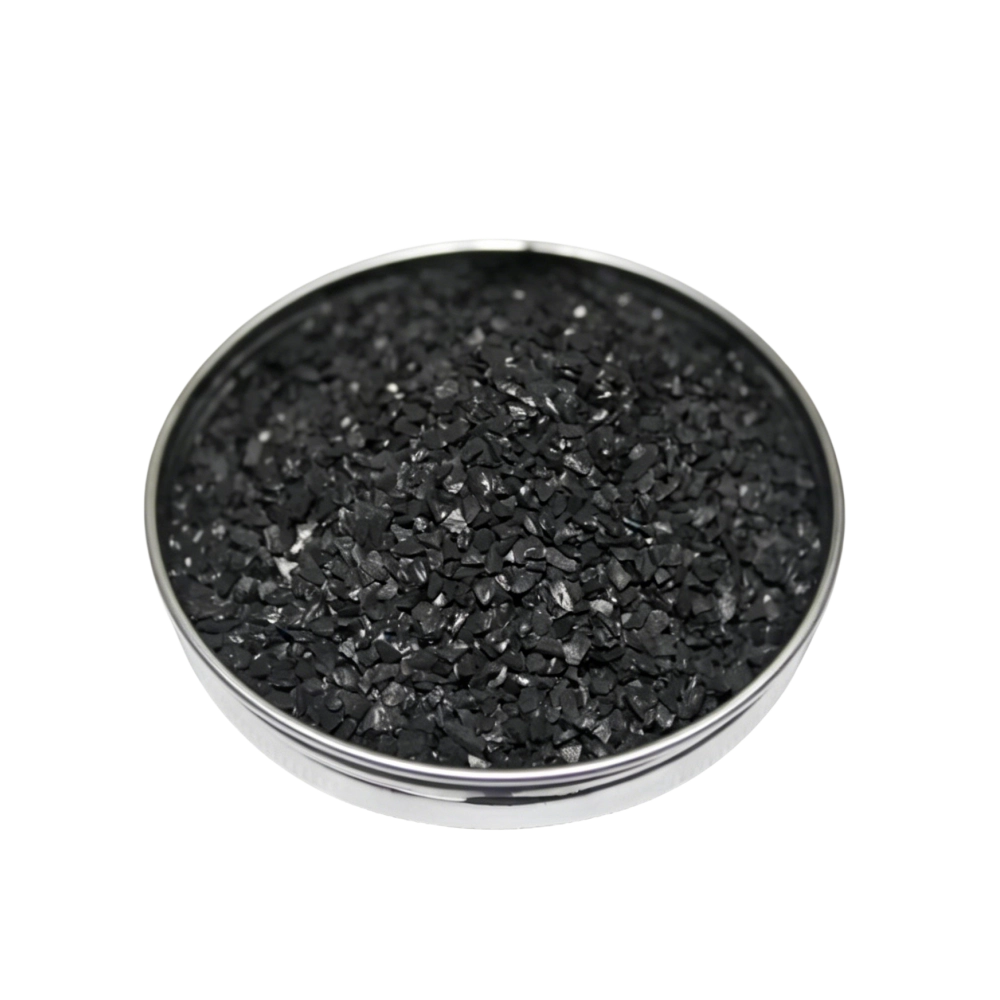

























Why Sugar and Syrup Decolorization Requires a Specialized Carbon
Raw and partially refined sugar solutions may contain caramelized compounds, melanoidins, polyphenols, colloidal material, oxidation products and other organic color bodies. These impurities can affect the appearance of the final sugar, syrup or sweetener product and may complicate downstream filtration and crystallization.
General-purpose water-treatment carbon is not automatically suitable for this application. Many drinking-water carbons are selected primarily for small organic molecules and chlorine removal. Sugar syrup color bodies can include larger and more complex molecules, making pore-size distribution and application-specific decolorization performance particularly important.
PureStar provides a dedicated
activated carbon solution for sugar and syrup decolorization
covering color removal and liquid-phase purification requirements.
Powdered Activated Carbon or Granular Activated Carbon
The first sourcing decision is whether the customer needs powdered activated carbon, commonly abbreviated as PAC, or granular activated carbon, commonly abbreviated as GAC.
| Carbon Form | Typical Treatment Method | Main Advantages | Main Purchasing Concerns |
|---|---|---|---|
| Powdered Activated Carbon | Direct dosing into a batch or process stream | Rapid contact, flexible dosage and strong decolorization potential | Filtration speed, dust, particle size and carbon carryover |
| Granular Activated Carbon | Fixed-bed or continuous column treatment | Continuous operation, easier carbon separation and durable media bed | Bed depth, flow rate, pressure drop, hardness and replacement cycle |
Powdered Activated Carbon for Batch Decolorization
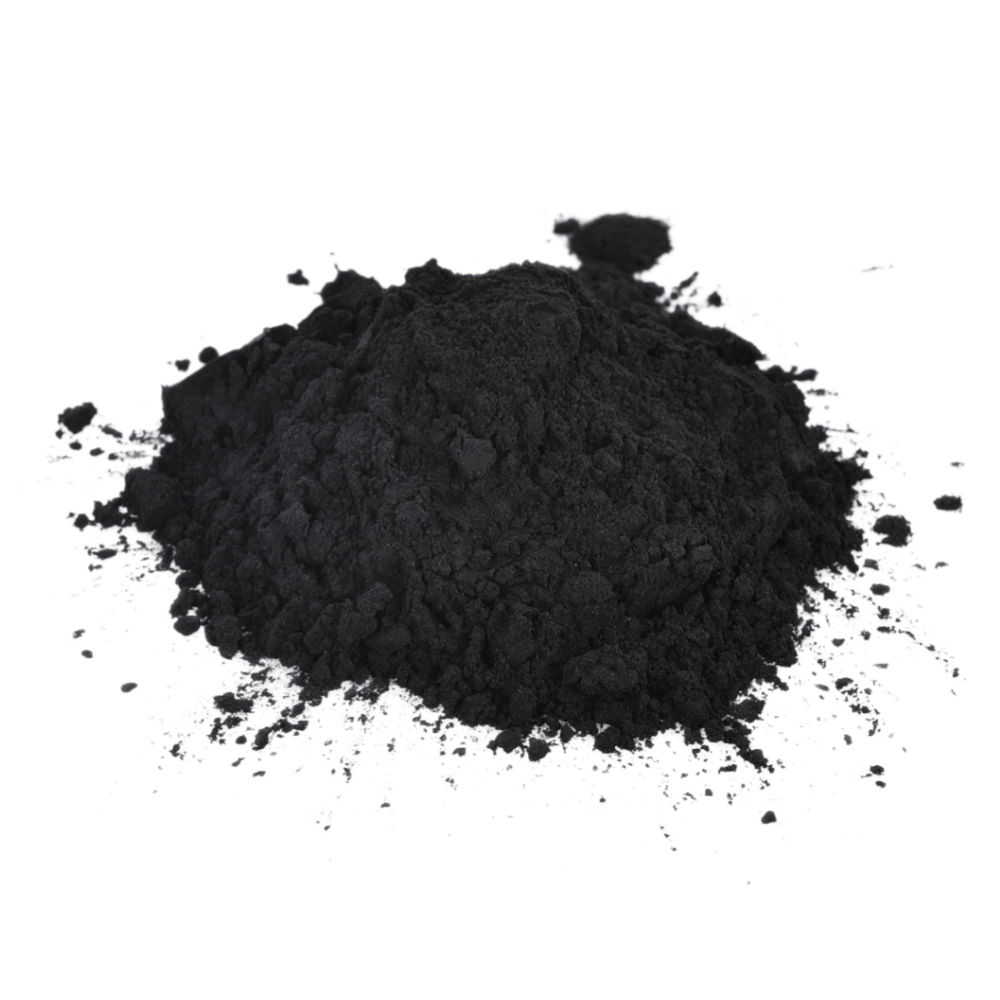
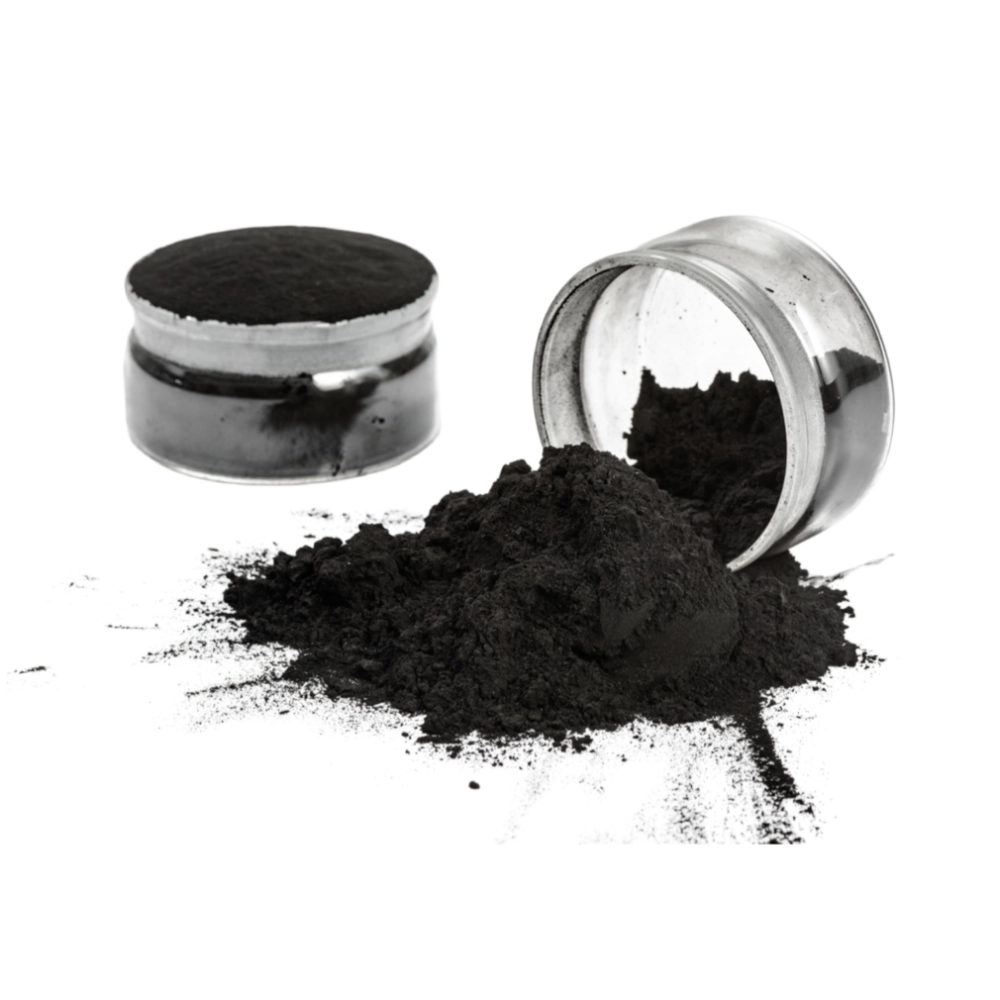
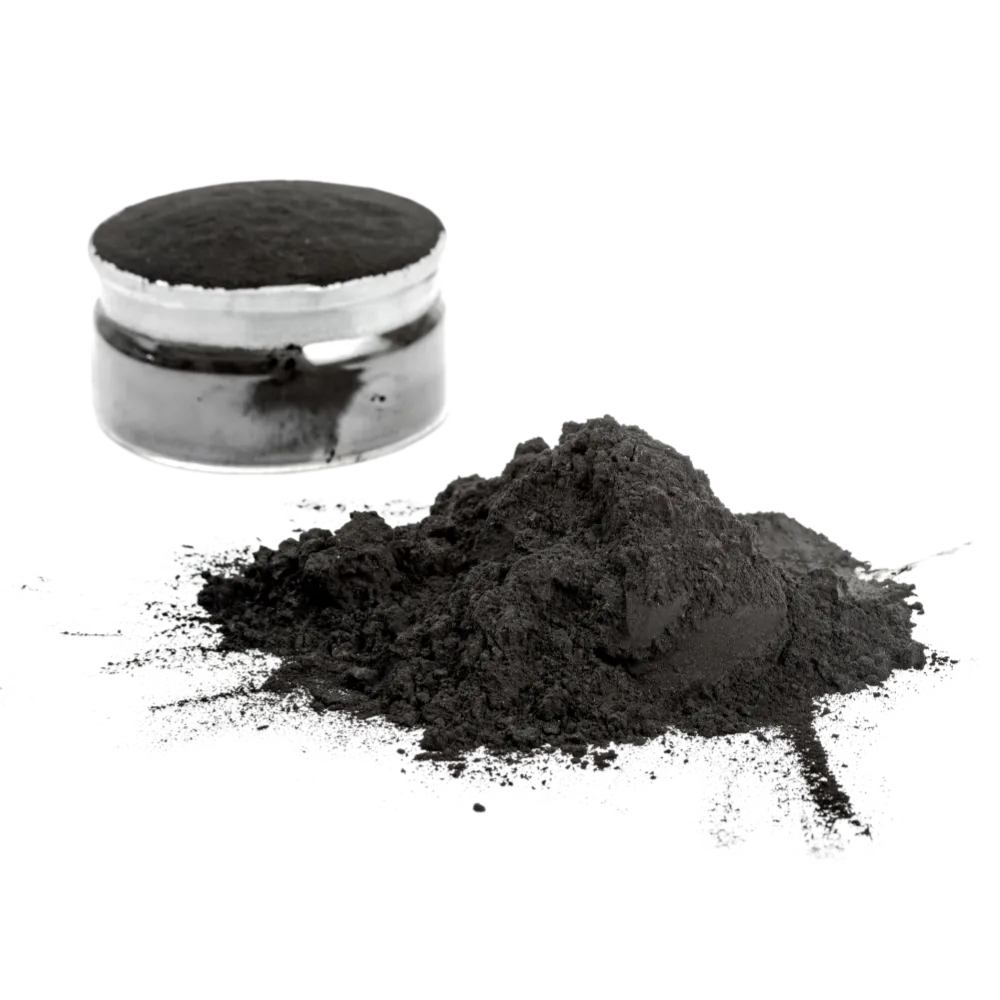
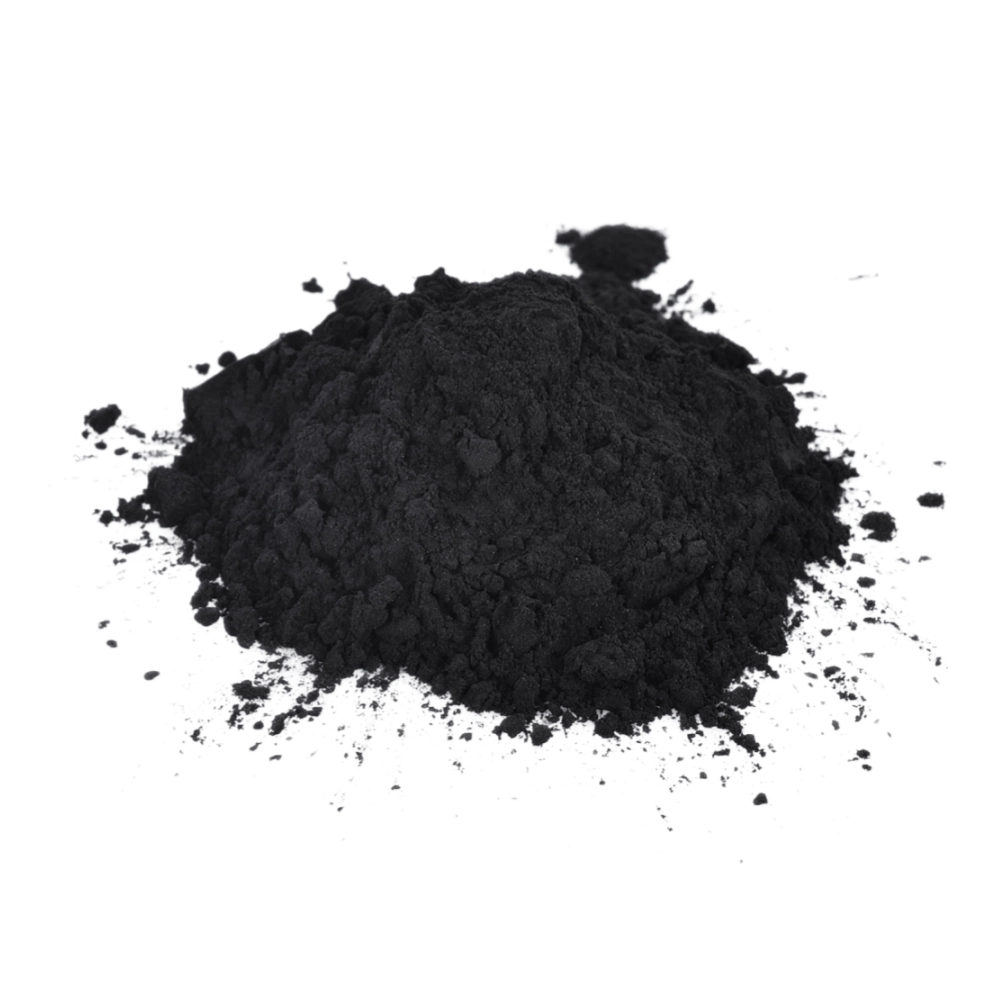
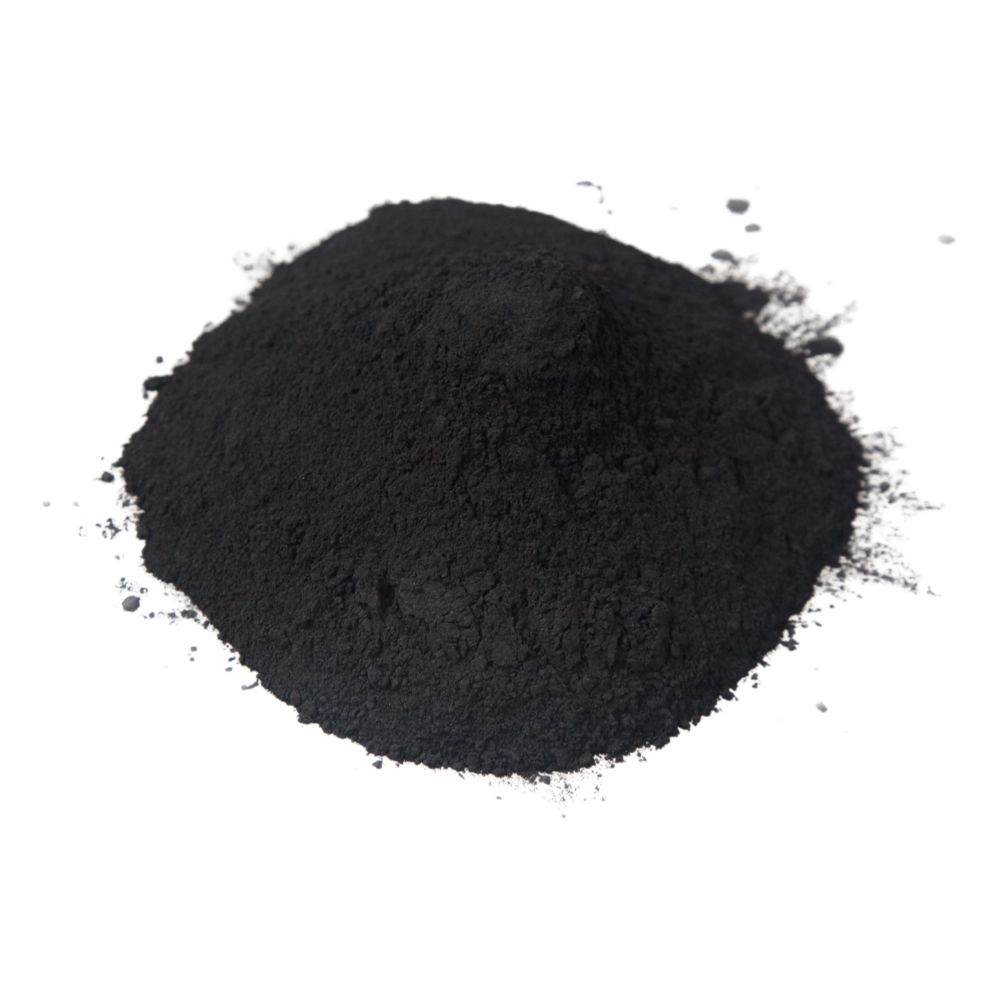
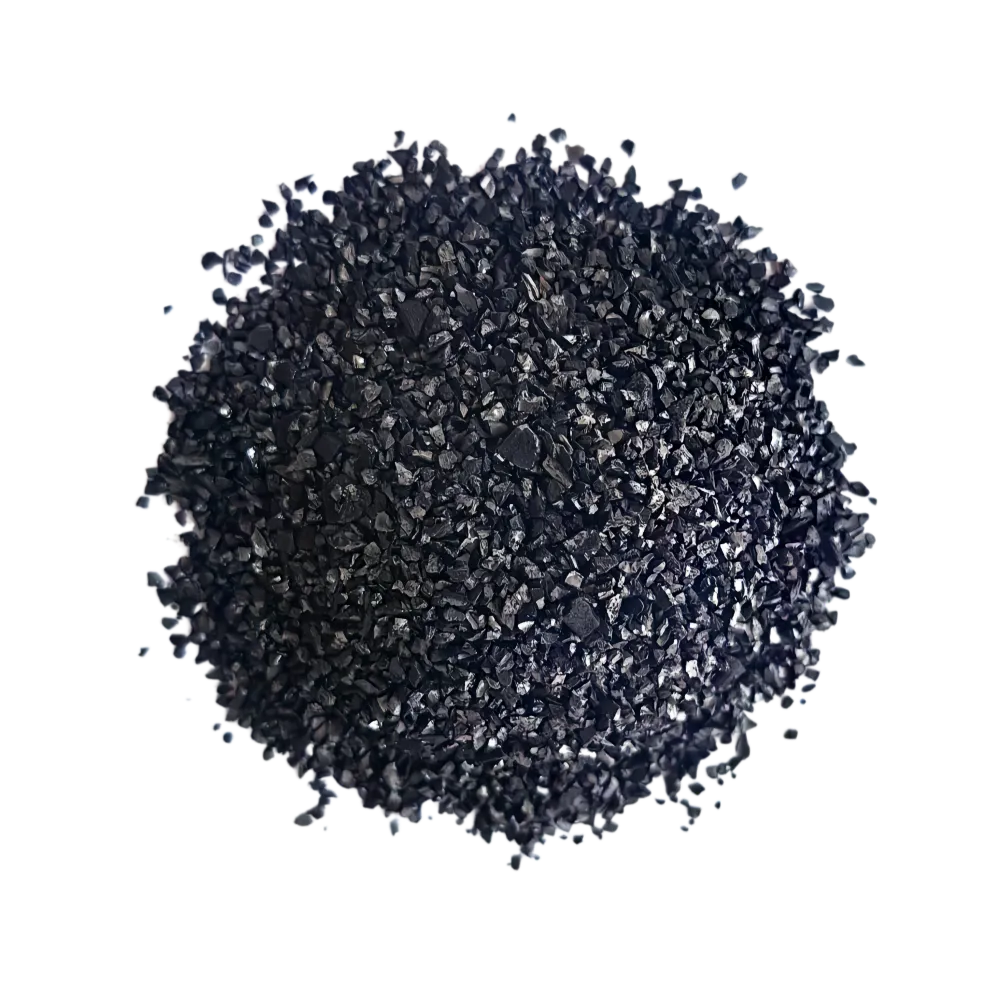
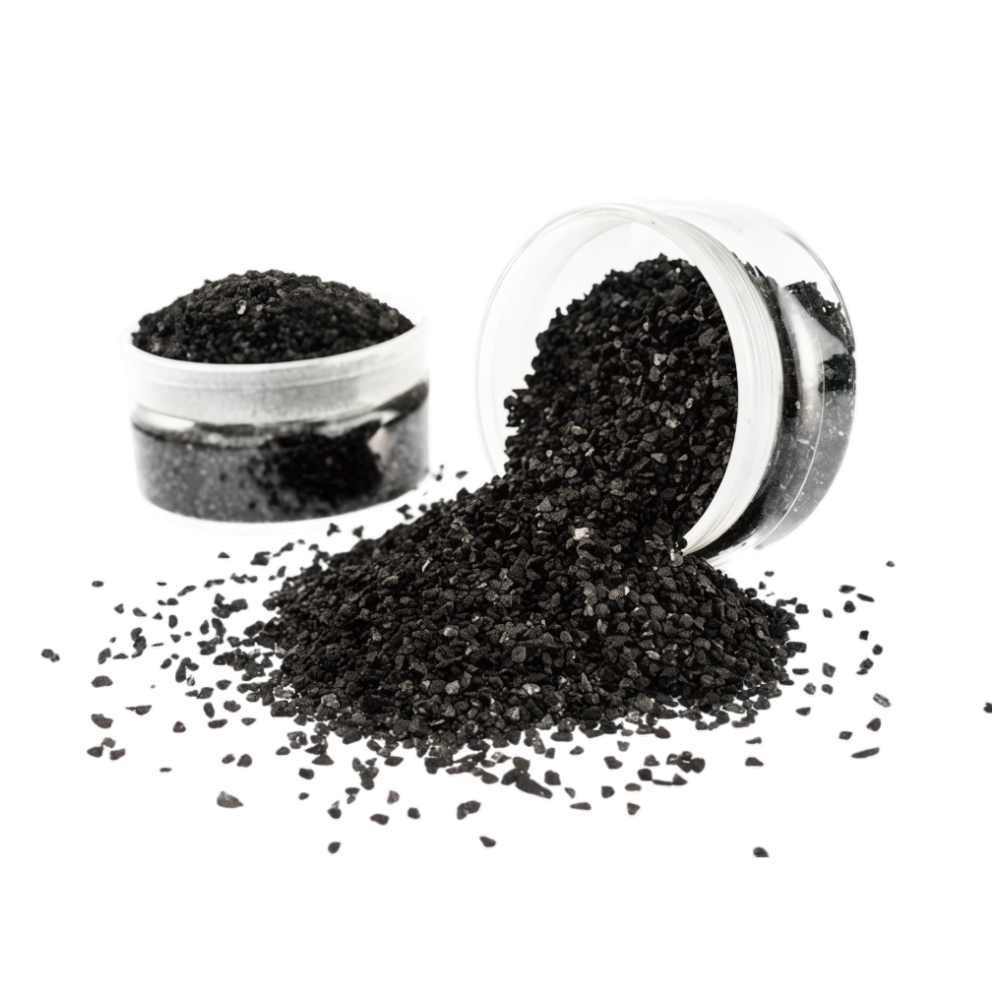
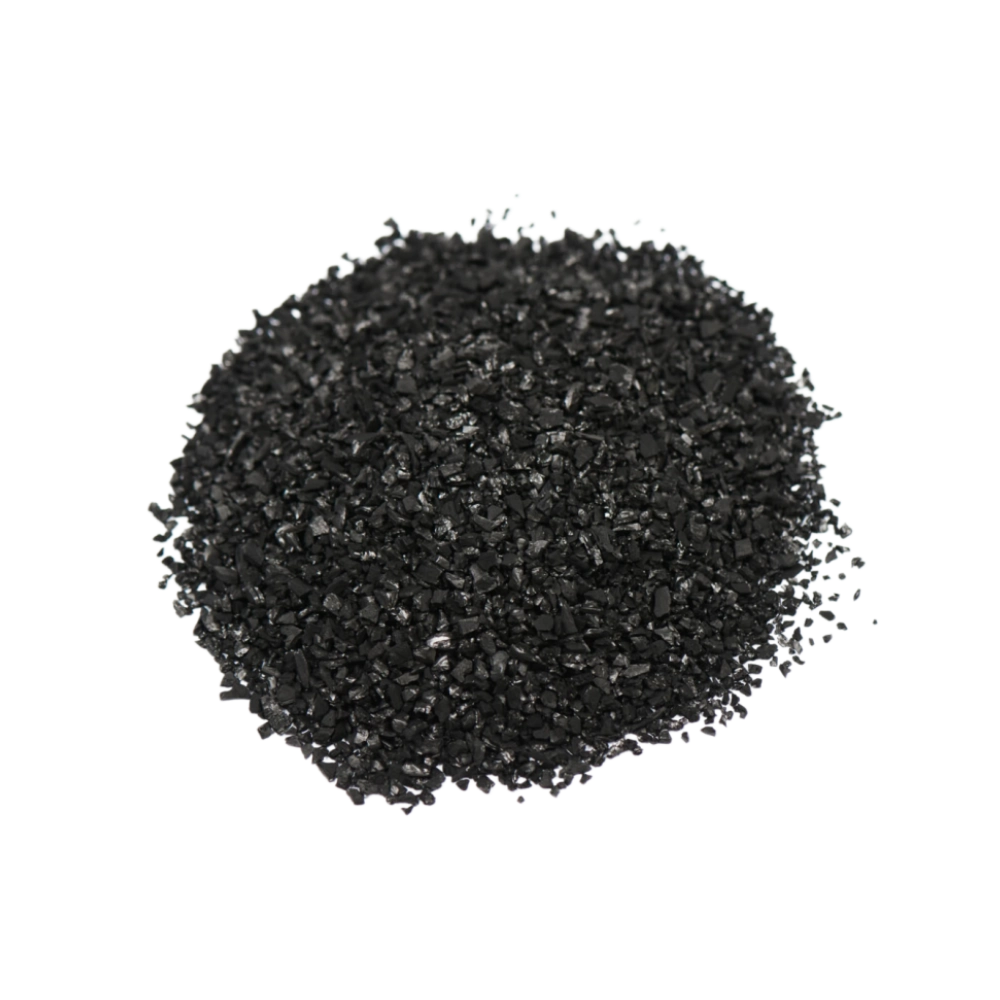
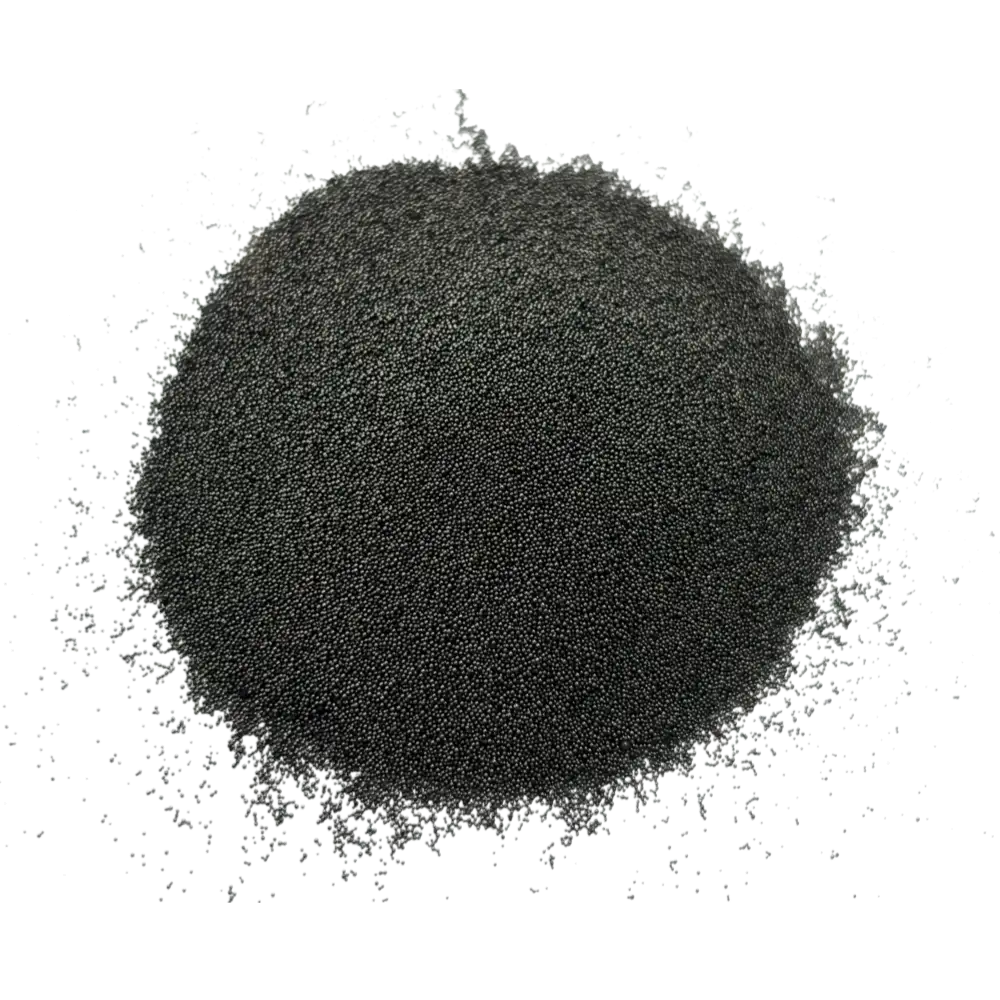
Powdered activated carbon is commonly selected when carbon is mixed directly with the syrup. The plant can adjust dosage according to the color load of each production batch and remove the carbon afterward using a filter press, leaf filter or another solid-liquid separation system.
Wood-based powdered carbon is often considered because wood-derived carbon can provide a pore structure suitable for larger color molecules. However, the raw material alone does not determine performance. Activation method, particle-size distribution, pH, ash content and filterability must also be evaluated.
Traders can compare PureStar’s
LPF phosphoric-acid-activated wood powdered carbon series
and
FHM physically activated wood powdered carbon
when discussing food-grade decolorization projects.
Granular Activated Carbon for Continuous Purification
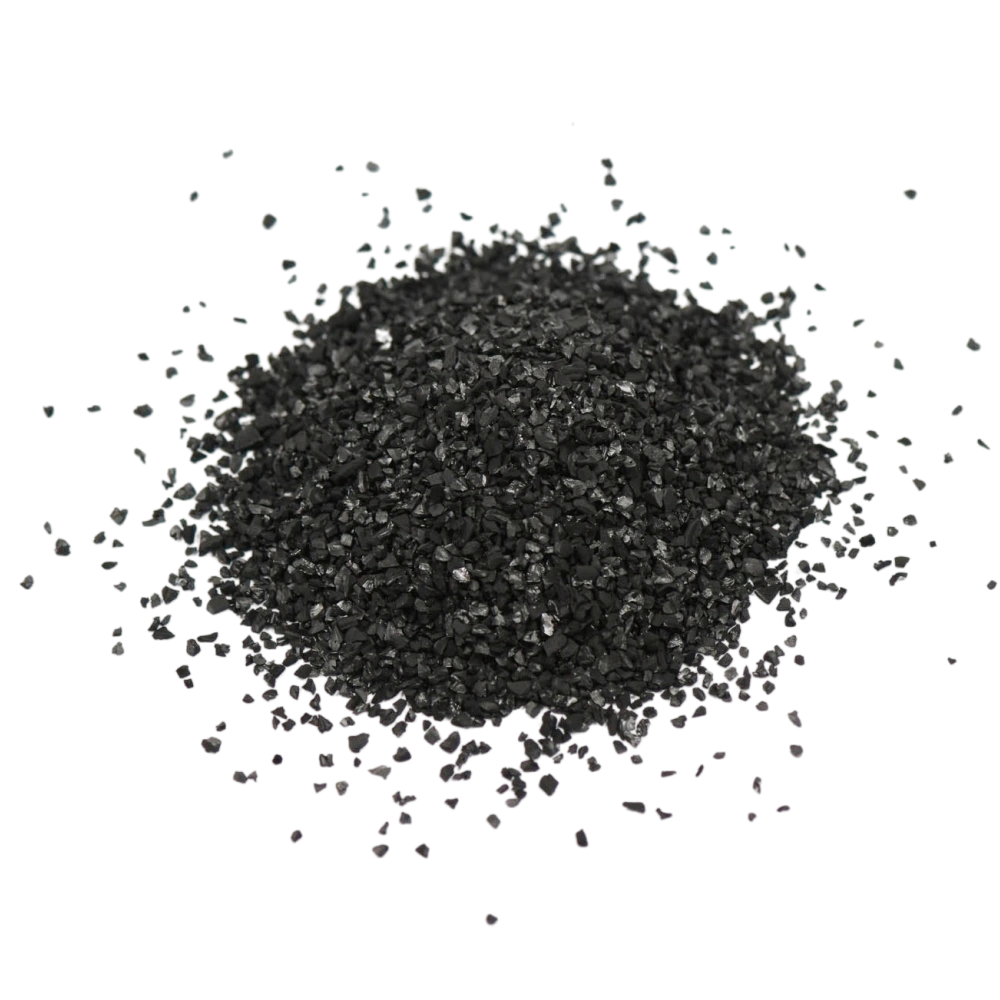
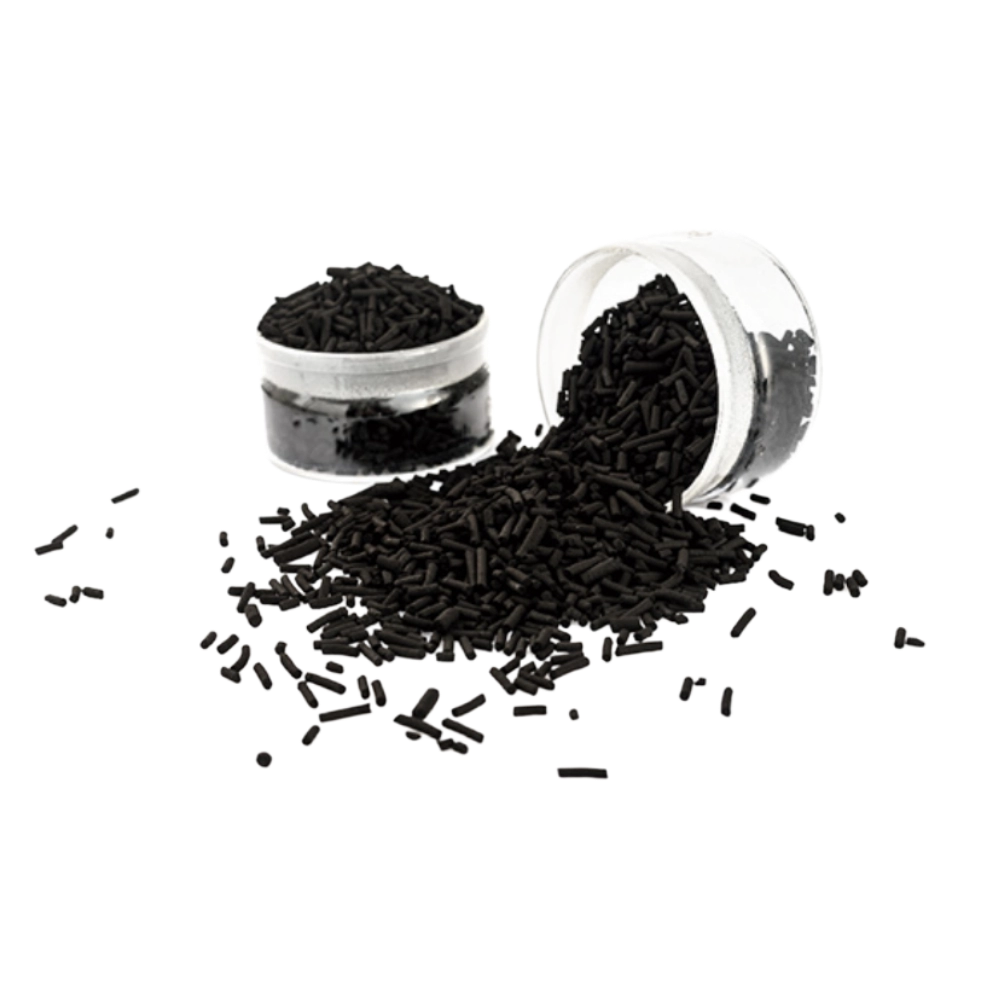
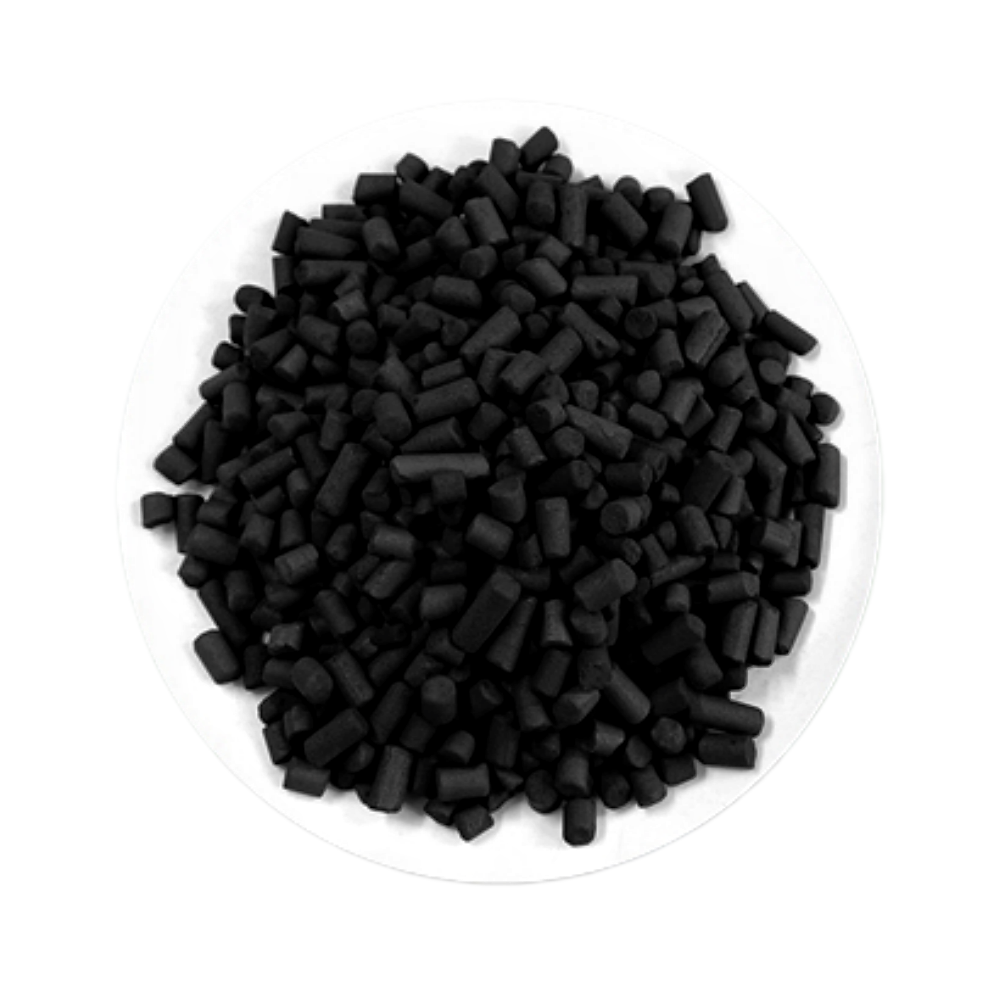
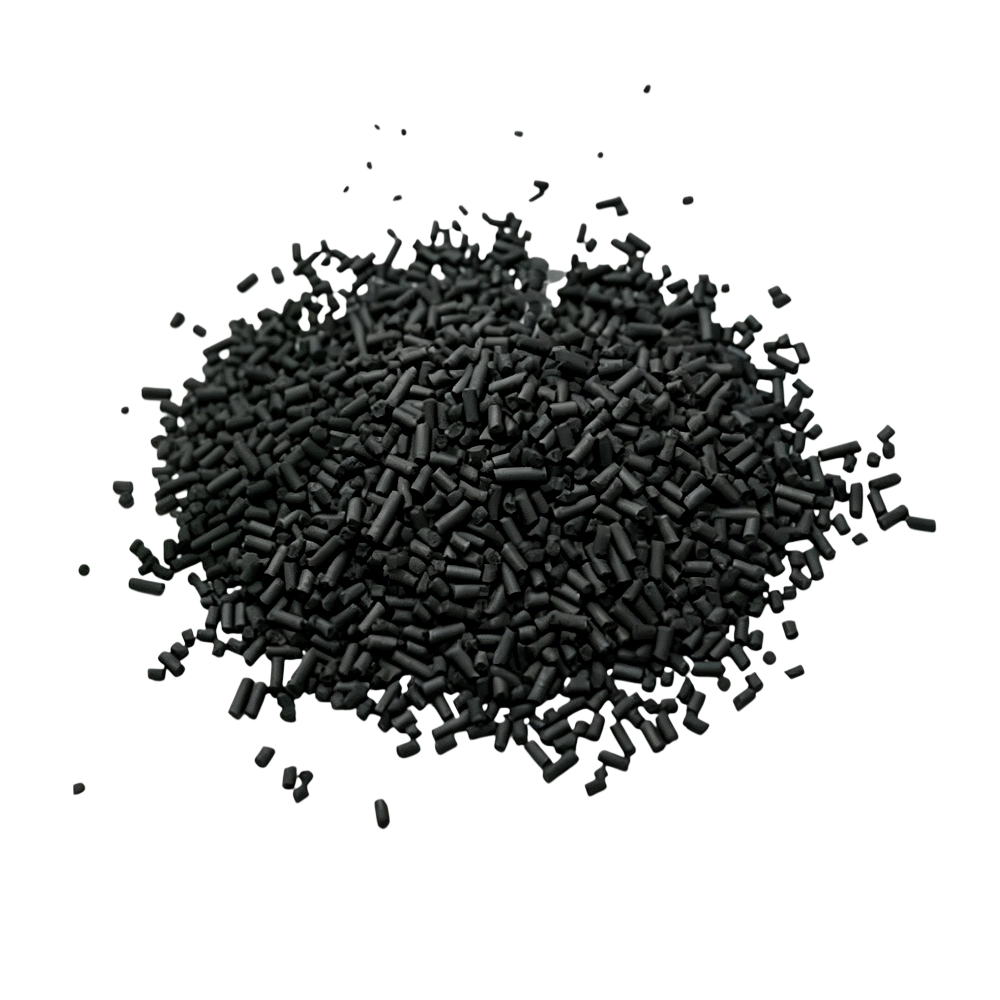
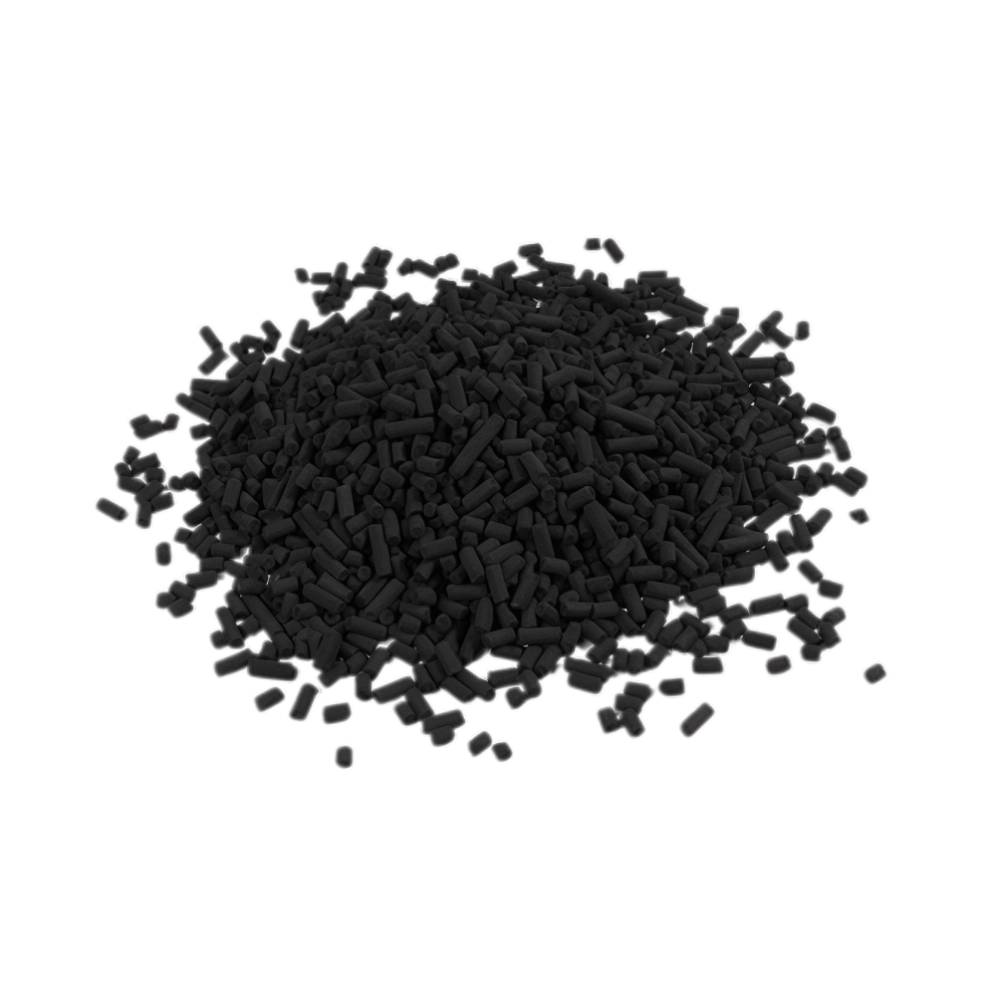
Granular activated carbon may be preferred when syrup or an intermediate liquid passes continuously through a carbon vessel. In this arrangement, the carbon remains in the column and must provide suitable adsorption capacity, mechanical durability and hydraulic performance.
PureStar’s
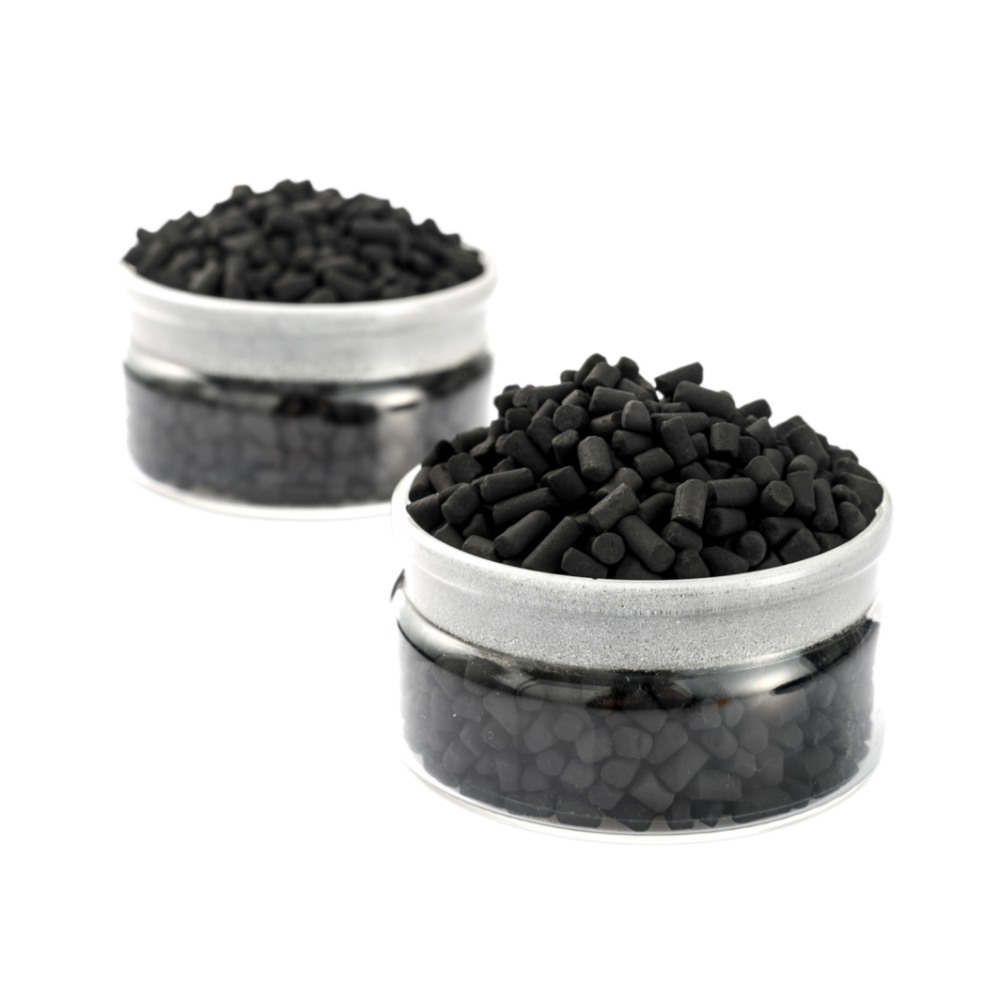
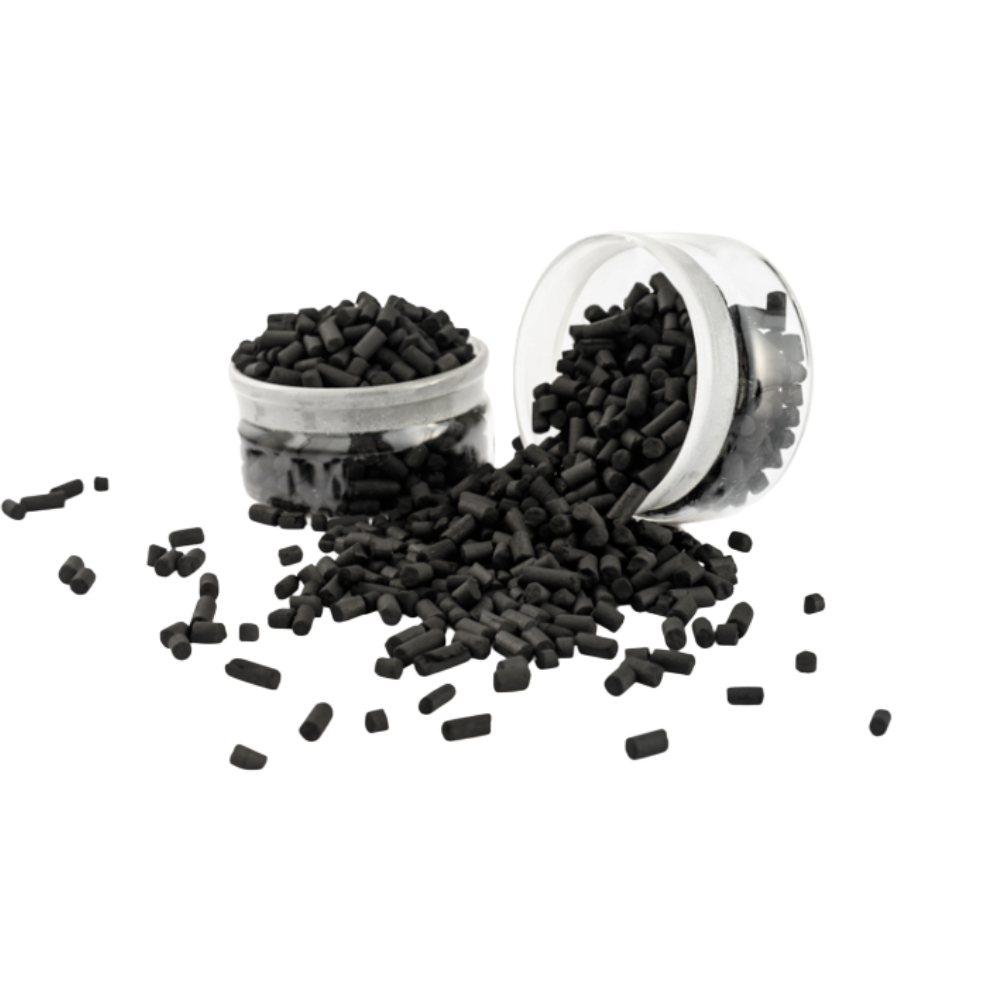
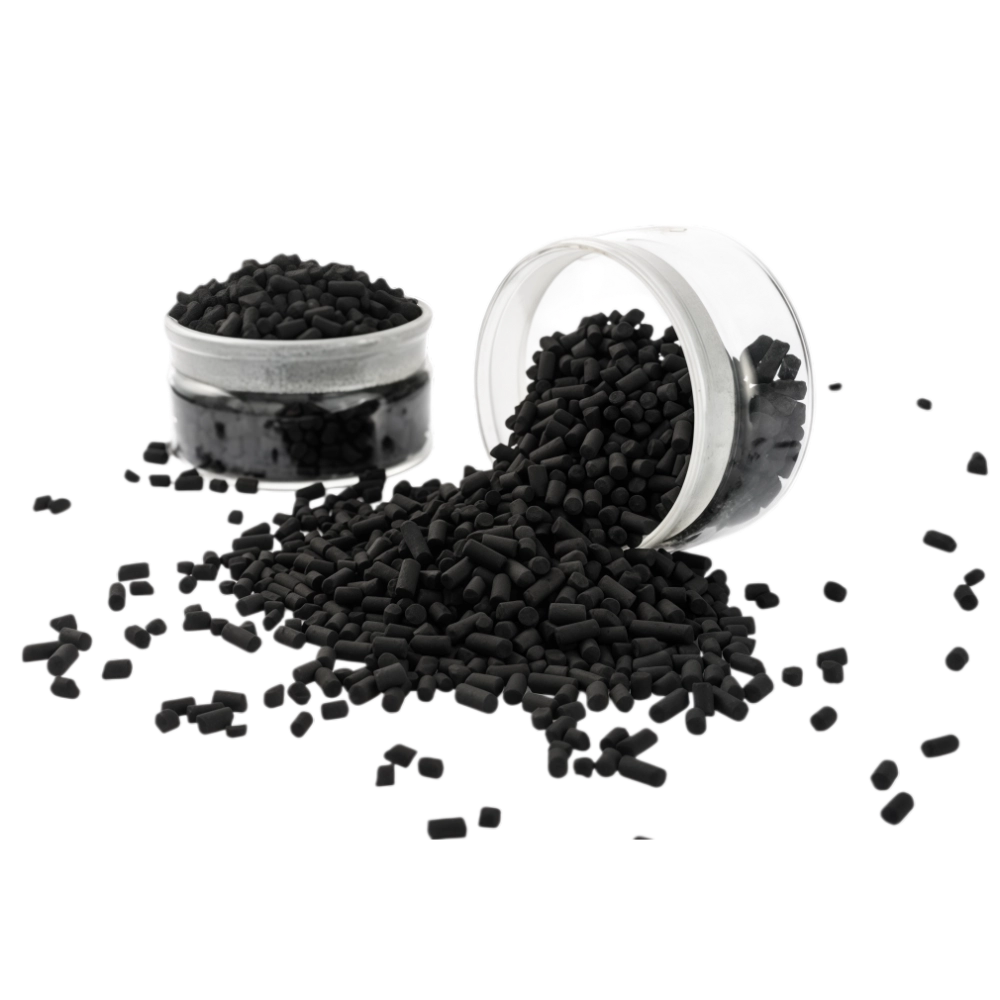
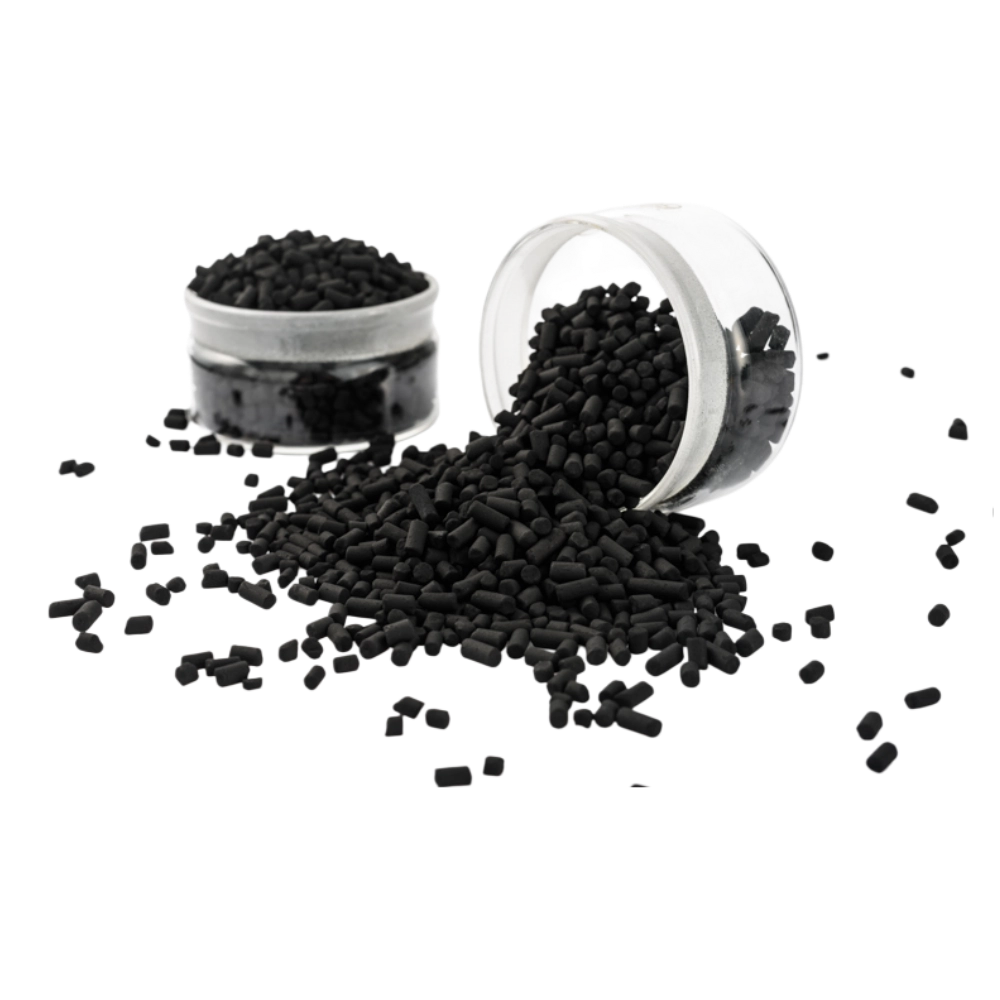
DC coal-based granular activated carbon
is designed for sugar purification, chemical processing and other liquid-phase adsorption applications.
Why Iodine Number Alone Is Not Enough
Iodine number is one of the most frequently requested activated carbon specifications. It is useful as a general quality-control indicator, but it should not be treated as a complete measurement of sugar decolorization performance.
Iodine adsorption mainly reflects access to relatively small pores and adsorption of smaller molecules. Sugar syrup may contain larger color bodies that require a more developed mesoporous structure. Two carbons with similar iodine values can therefore perform differently in the same syrup.
For sugar and syrup applications, the buyer may also need to review:
- Methylene blue adsorption or another large-molecule adsorption indicator.
- Molasses value or an application-specific color-removal test.
- Particle-size distribution.
- pH value.
- Total ash and acid-soluble ash.
- Moisture content.
- Iron and other relevant metal limits.
- Filtration time or relative filterability.
- Bulk density.
- Batch-specific decolorization performance.
The exact test requirements should be agreed with the customer before the order. Not every specification is necessary for every project, but relying on iodine number alone can lead to an unsuitable comparison.
Key Specifications Traders Should Confirm
1. Decolorization Capacity
The supplier should demonstrate performance using a relevant test method. A laboratory test completed with a standard reference solution can support routine quality control, but testing with the customer’s actual syrup provides more useful application data.
2. pH
Activated carbon can influence the pH of the treated liquid. The appropriate pH range depends on the syrup and production process. Traders should avoid describing every food-grade carbon as “neutral” unless the specification and batch COA support that statement.
3. Ash and Soluble Impurities
Ash represents the inorganic residue remaining in the carbon. Food and sweetener manufacturers may also establish limits for acid-soluble substances, iron or selected heavy metals. The relevant limits should appear in the product specification or customer-approved quality agreement.
4. Particle Size
Finer particles normally provide faster contact with the syrup, but they may create additional dust and filtration pressure. Coarser powder may filter more easily but require a longer contact time or higher dosage. Particle size should match the customer’s mixing and filtration system.
5. Filtration Performance
High color removal does not automatically mean high production efficiency. A carbon that forms a dense filter cake may extend filtration cycles and reduce daily plant output. During sample evaluation, customers should record both decolorization results and filtration time.
6. Moisture and Packing Weight
Moisture affects the quantity of dry active material delivered in each bag. Traders should confirm whether the quoted price is based on the product as supplied and whether the COA moisture limit matches the commercial specification.
7. Batch Consistency
A customer may approve a sample after several successful tests, but the commercial shipment must provide comparable performance. The trader should therefore confirm that the sample, COA and bulk order are connected to the same approved grade and manufacturing control system.
How to Organize a Sample Test
Sample approval should be based on a structured test rather than a visual comparison of dry carbon powder. The carbon must be tested in the actual liquid or in a representative laboratory solution.
A practical trial can compare several carbon dosages under the same operating conditions. The customer should keep the syrup volume, temperature, mixing speed, contact time and filtration method consistent.
Record the following information for each sample:
- Initial syrup color.
- Carbon grade and batch number.
- Carbon dosage.
- Contact temperature.
- Contact time.
- Initial and final pH.
- Final color after filtration.
- Filtration time.
- Carbon residue or visible fines.
- Product loss or filter-cake behavior.
Where possible, the customer should test the new sample against the carbon currently used in production. This creates a meaningful benchmark and helps the trader explain whether the proposed grade offers better color removal, lower dosage, faster filtration or improved consistency.
Documents to Request From the Manufacturer
A professional activated carbon trader should request documents for the exact grade being offered rather than collecting unrelated generic certificates.
| Document | What the Trader Should Check |
|---|---|
| Technical Data Sheet | Grade name, raw material, activation method, typical properties and intended applications |
| Certificate of Analysis | Batch number, production date, tested values, specification limits and approval signature |
| Safety Data Sheet | Product identification, dust precautions, storage, handling and transportation information |
| Food-Related Compliance Documents | Whether the documentation applies to the product, manufacturing site and target market |
| Heavy-Metal Test Report | Test method, detection limits, reporting units and batch relevance |
| Quality Certification | Certificate scope, issuing body, manufacturing-site name and expiry date |
| Packaging Specification | Bag material, net weight, palletization, moisture protection and labeling |
For a broader supplier review, see
how to evaluate activated carbon quality before purchasing
.
Food Grade Does Not Mean One Universal Standard
The expression “food grade” is frequently used in international trade, but it should not replace a review of the customer’s actual regulatory and process requirements.
The U.S. Food and Drug Administration lists activated carbon as a substance with a processing-aid technical effect. The Joint FAO/WHO Expert Committee on Food Additives also maintains an activated carbon specification monograph. These references are useful, but buyers must still confirm the regulations, purity limits and documentation applicable to the destination country and final food product.
Official references:
How to Compare Supplier Quotations
The lowest price per ton does not necessarily produce the lowest processing cost. Traders should compare the cost of the carbon at the dosage required to meet the target color.
For example, a lower-priced carbon may require a higher dosage, generate a slower filter cycle or produce greater carbon loss. A higher-priced grade may be commercially preferable when it reduces dosage or improves production consistency.
Compare quotations using the following factors:
- Product grade and raw material.
- Activation method.
- Approved dosage or trial performance.
- Dry-basis or as-supplied specification.
- Particle size and filterability.
- Packaging and palletization.
- Minimum order quantity.
- Production lead time.
- Port and Incoterm.
- Sample-to-shipment consistency.
- COA and regulatory documentation.
- Complaint and traceability procedure.
Common Sourcing Mistakes
Buying Only by Iodine Number
Iodine number is not a direct guarantee of syrup color removal. Application testing and larger-molecule adsorption indicators may be more relevant.
Assuming All Wood Carbon Is Equivalent
Wood species, activation method, washing, particle-size control and finishing processes can change the behavior of the final product.
Ignoring Filtration Time
A sample may remove color effectively but still be unsuitable for full-scale use when filtration is excessively slow.
Using an Unrelated COA
The grade name, batch number and tested parameters on the COA should correspond to the product being sampled or shipped.
Quoting Before Confirming the Application
A fast but inaccurate quotation can create more work later. Confirming the syrup type, treatment method and target specification first results in a more credible offer.
Promising Regulatory Compliance Without Evidence
Traders should verify the exact certificates and test reports available before stating that a product meets a specific national or customer standard.
PureStar Grades for Sugar and Syrup Purification
| PureStar Product | Carbon Type | Potential Use |
|---|---|---|
LPF Series |
Phosphoric-acid-activated wood powdered carbon | Batch decolorization of sugar, syrup, food ingredients and related process liquids |
FHM Series |
Physically activated wood powdered carbon | Food-grade decolorization where steam-activated wood carbon is preferred |
DC Series |
Coal-based granular activated carbon | Continuous liquid purification and fixed-bed sugar or chemical processing |
Final selection should be based on laboratory testing and the customer’s process conditions. Product descriptions provide a starting point, but they should not replace customer-specific evaluation.
Traders working across multiple food applications can also read
how to select activated carbon for food and beverage processing
.
Request a Sample, TDS and Quotation
PureStar supplies powdered and granular activated carbon for sugar syrup decolorization, food processing and liquid purification. Product selection can be based on your customer’s syrup type, target color, treatment conditions, filtration equipment and documentation requirements.
When submitting an inquiry, include the current carbon specification, expected dosage, required quantity, destination port and any mandatory COA parameters. This information helps the technical team recommend a more suitable grade and prepare a relevant commercial quotation.
Need Activated Carbon for a Sugar or Syrup Project?
Send the syrup type, initial and target color, current carbon dosage, filtration method, required documents and order quantity. PureStar can provide a recommended grade, TDS, available COA and sample information.
Frequently Asked Questions
Which activated carbon is best for sugar syrup decolorization?
Wood-based powdered activated carbon is commonly evaluated for batch decolorization, while granular coal-based carbon may be used in continuous treatment systems. The correct grade depends on the syrup, target color, pH, dosage and filtration method.
Is a high iodine number better for sugar decolorization?
Not necessarily. Iodine number is mainly an indicator related to smaller-pore adsorption. Sugar color bodies may require larger pores, so application testing, methylene blue adsorption, molasses value and filtration performance can be more relevant.
What dosage of activated carbon should be used in sugar syrup?
There is no universal dosage. It depends on the syrup composition, initial color, required final color, treatment temperature and contact time. A laboratory dosage series should be completed before full-scale use.
What documents should a trader request?
Request the product TDS, batch-specific COA, SDS, food-related compliance documents, relevant metal test results, quality certifications and packaging specification.
Can a supplier recommend a grade without testing the syrup?
A supplier can suggest a starting grade based on process information, but final approval should be based on laboratory or production testing using the customer’s actual syrup.
What information is needed for a quotation?
Provide the syrup type, carbon form, required specification, current dosage, annual quantity, packaging, destination country, delivery port, Incoterm and required documentation.