




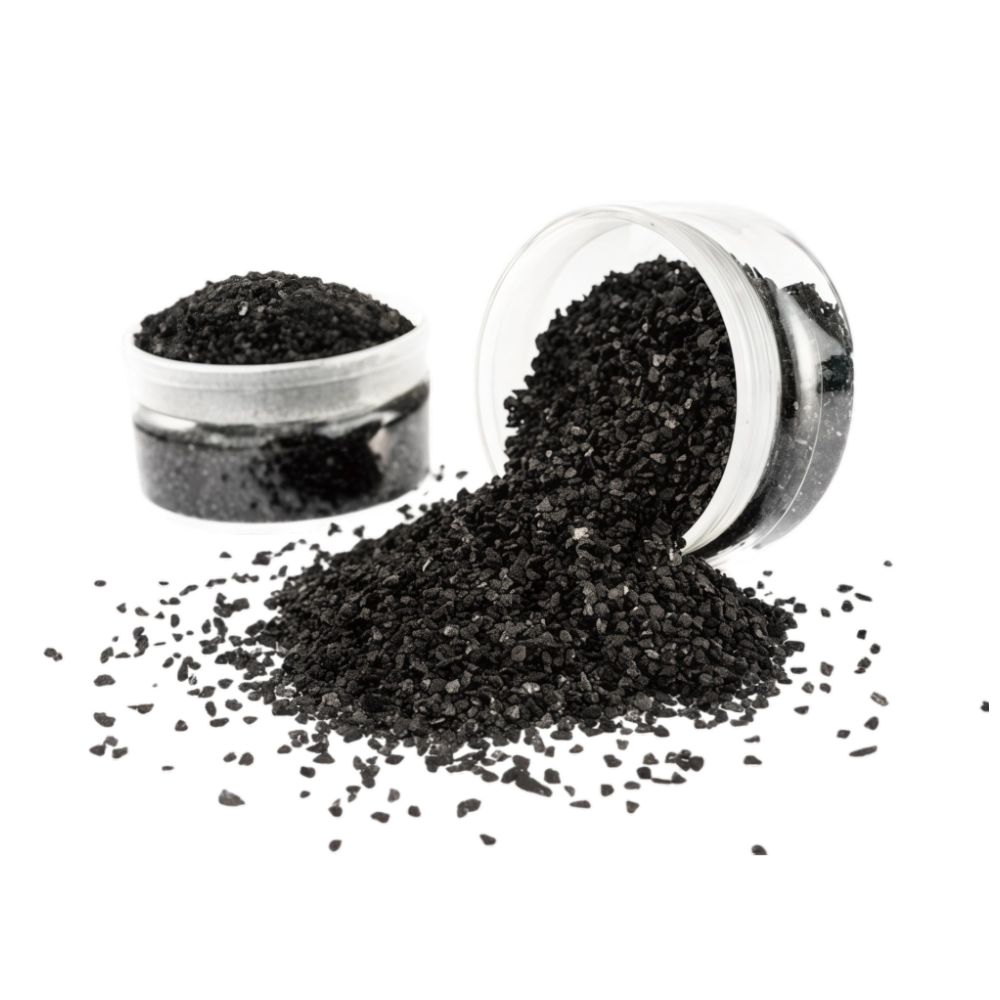
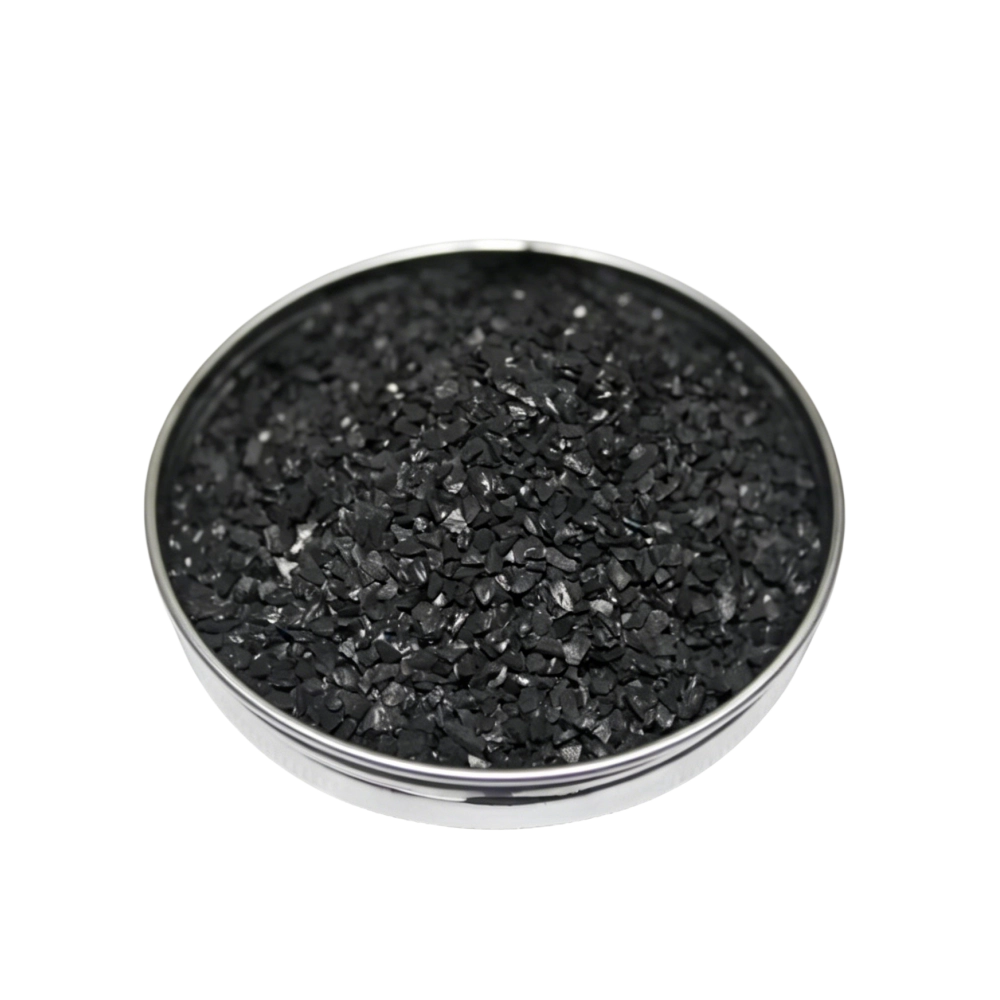
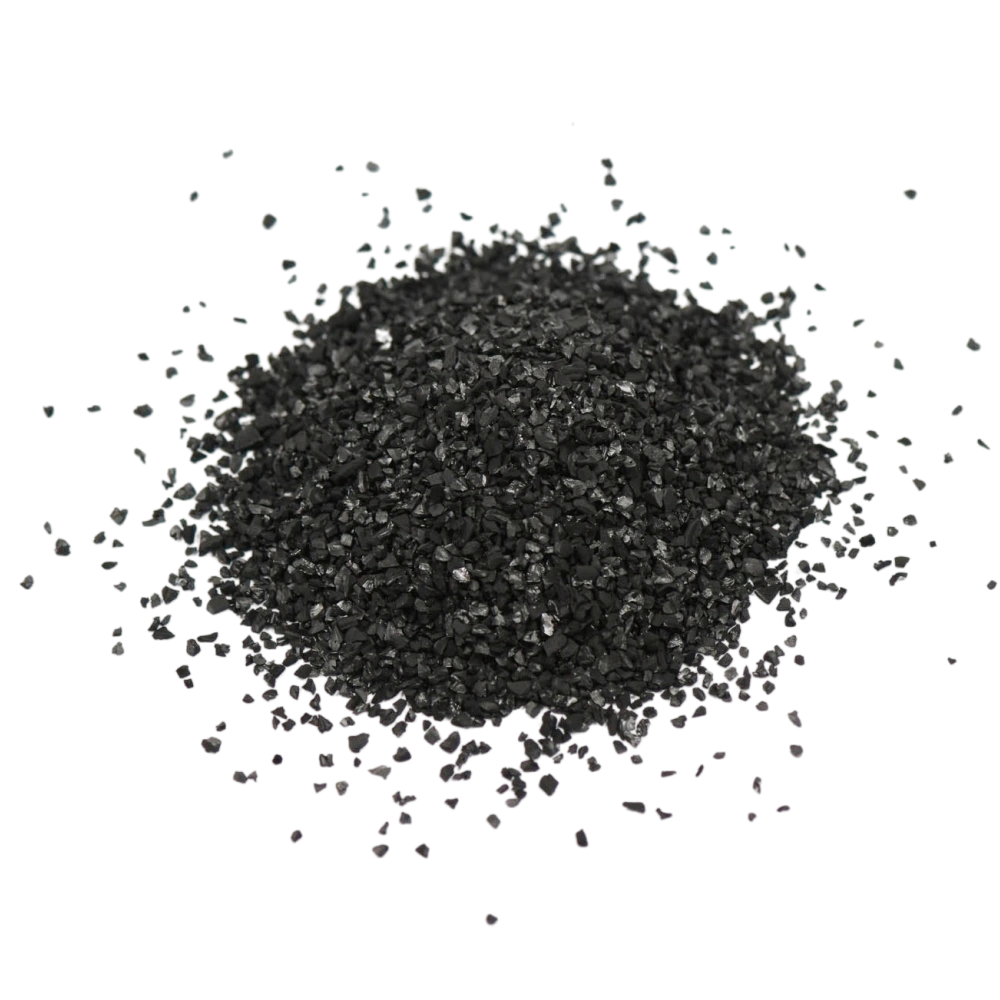
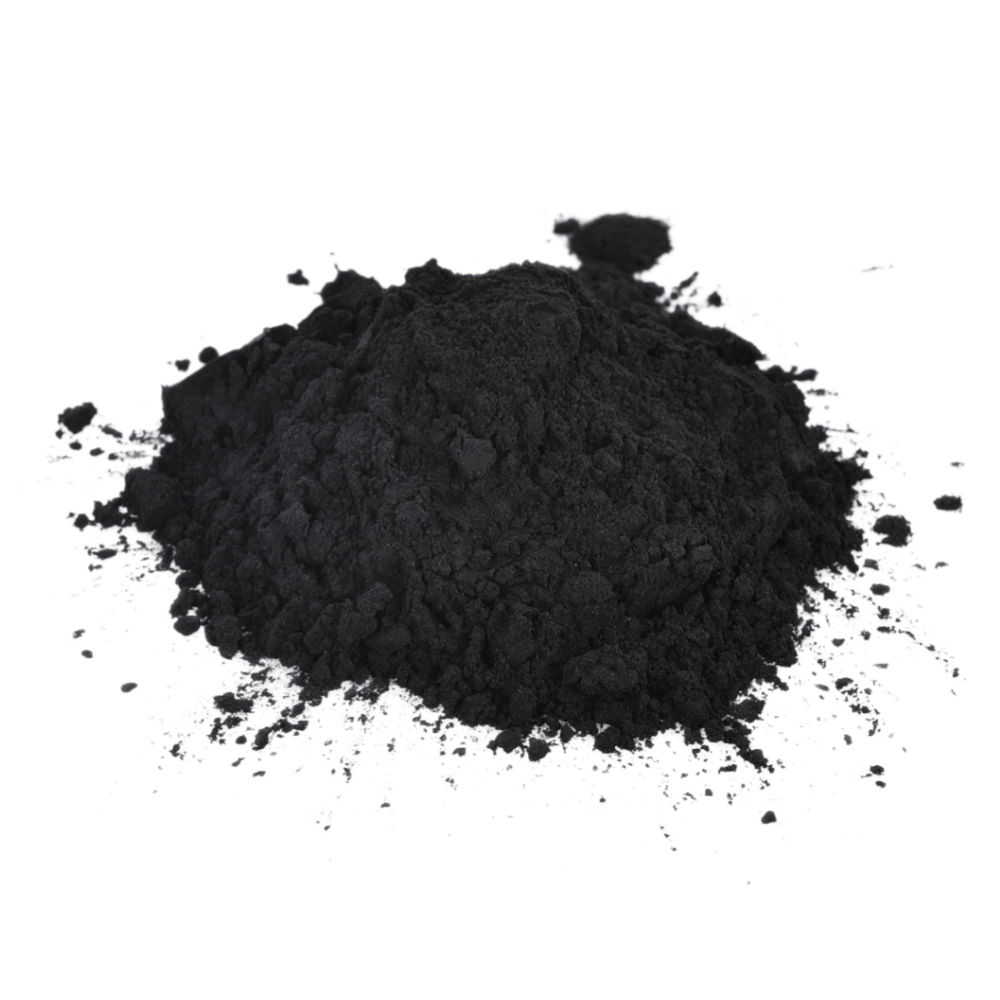
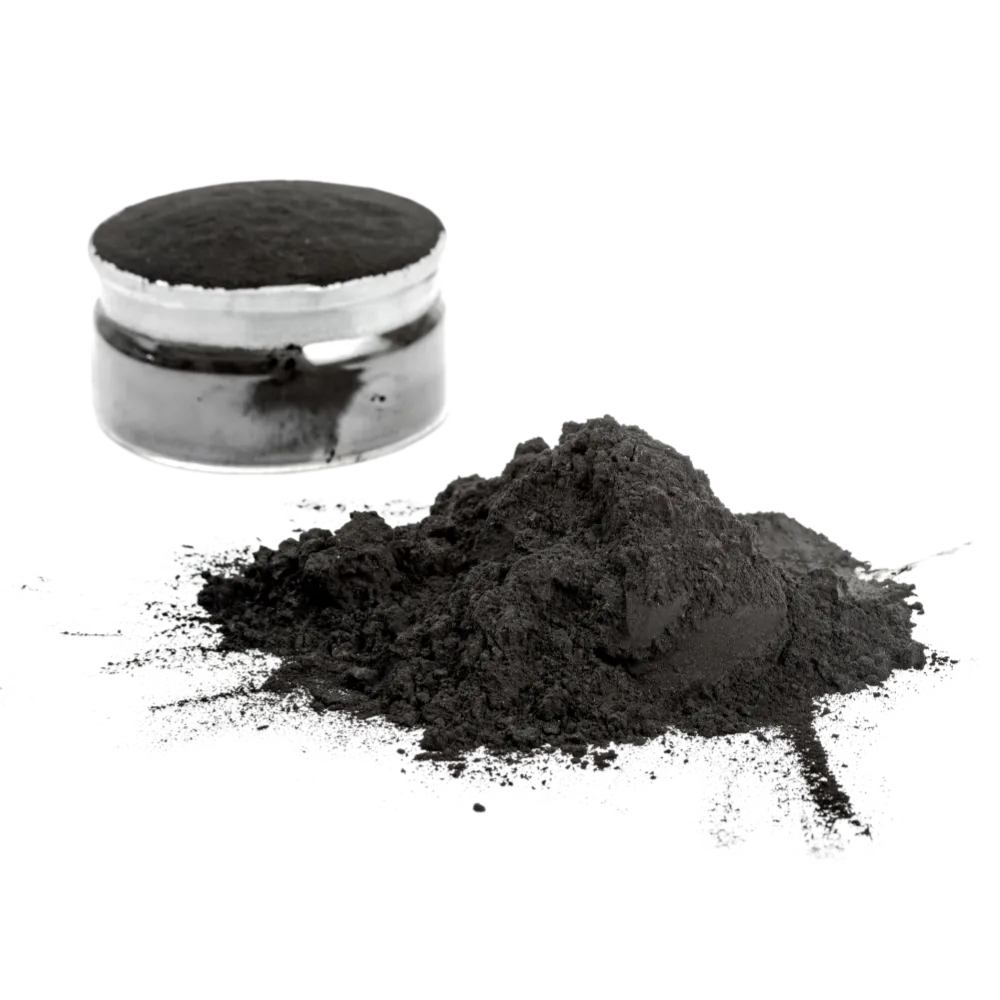































Activated carbon preserves food by physically trapping ethylene, moisture, and odor molecules inside its microporous structure. Unlike chemical preservatives, it leaves no residue and requires no complex equipment—making it increasingly attractive to food processors, cold-chain operators, and packaging engineers worldwide. As clean-label demand reshapes food safety standards, physical preservation methods are gaining traction across the global supply chain.
Key Takeaways
- Global food waste exceeds 1.3 billion tons annually, with post-harvest fruit and vegetable losses accounting for over 40%—ethylene gas is the primary hidden driver.
- Activated carbon extends the shelf life of climacteric fruits by 1.5 to 2 times through physical adsorption of ethylene, without chemical residues.
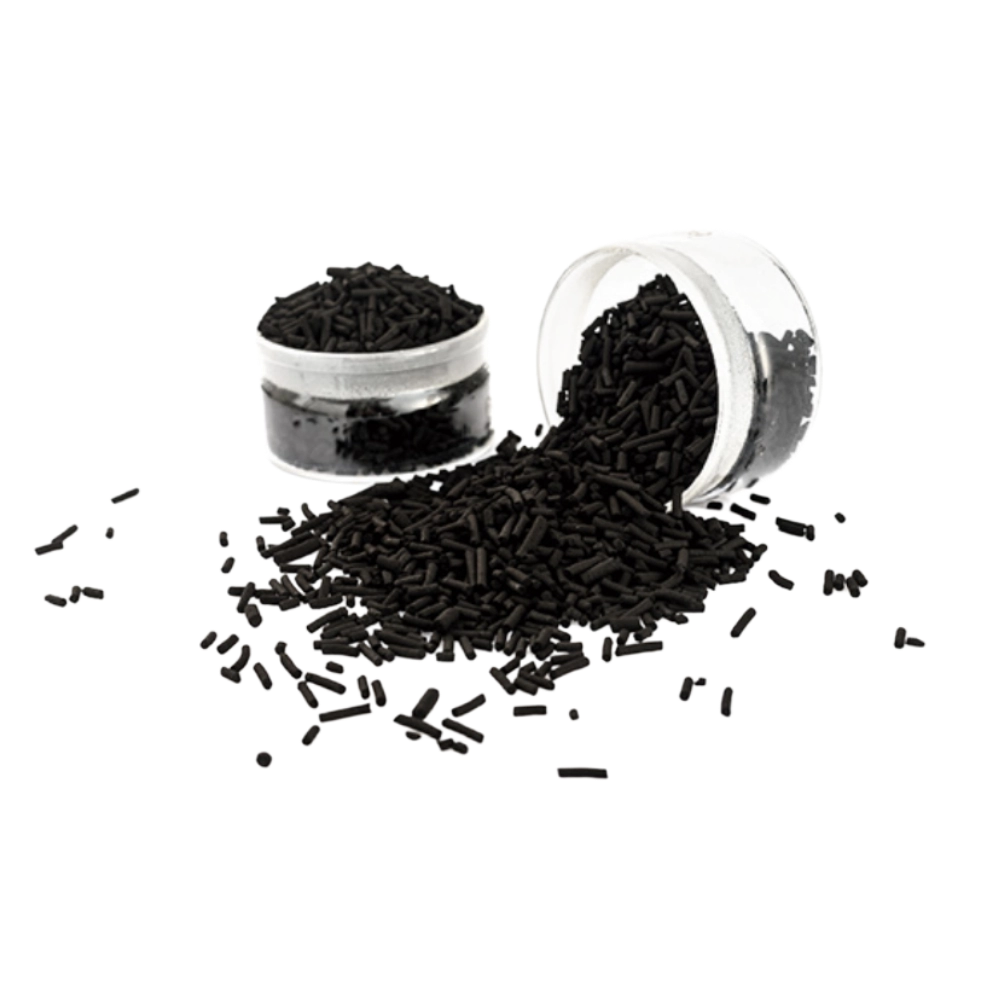
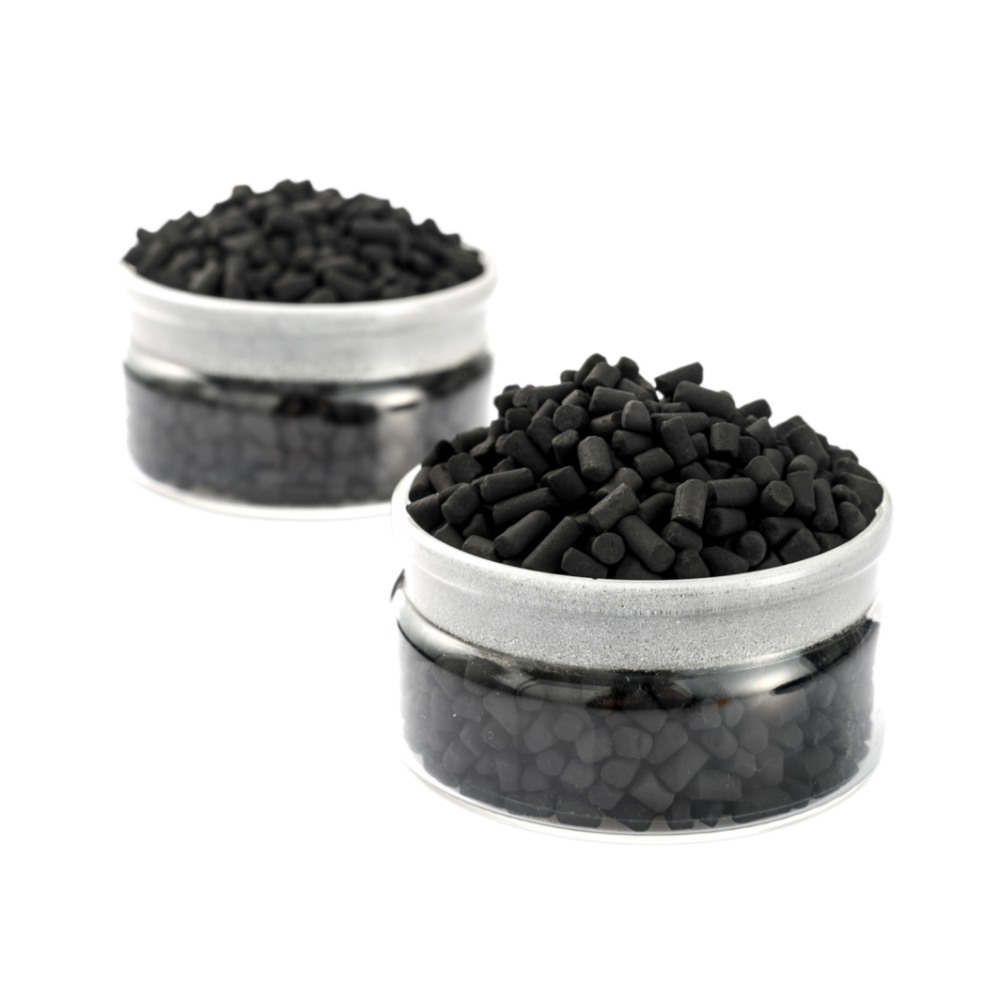
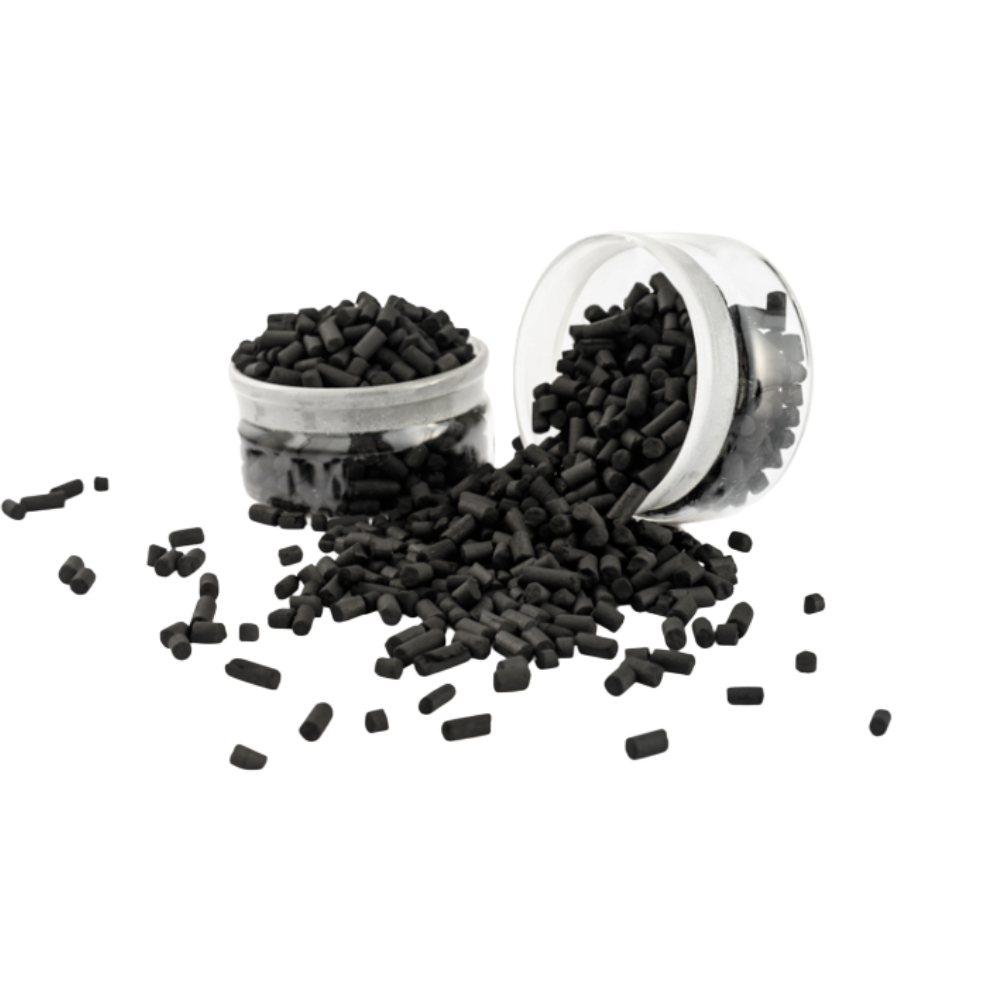
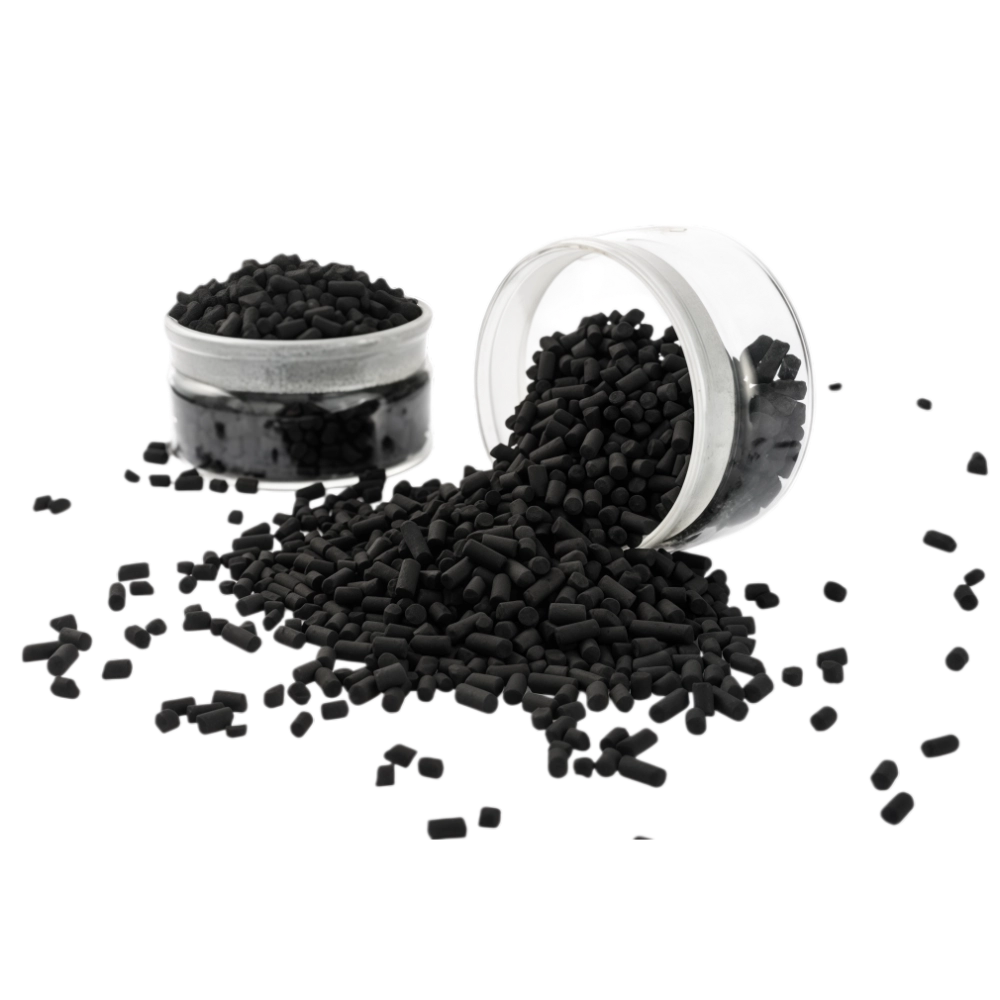
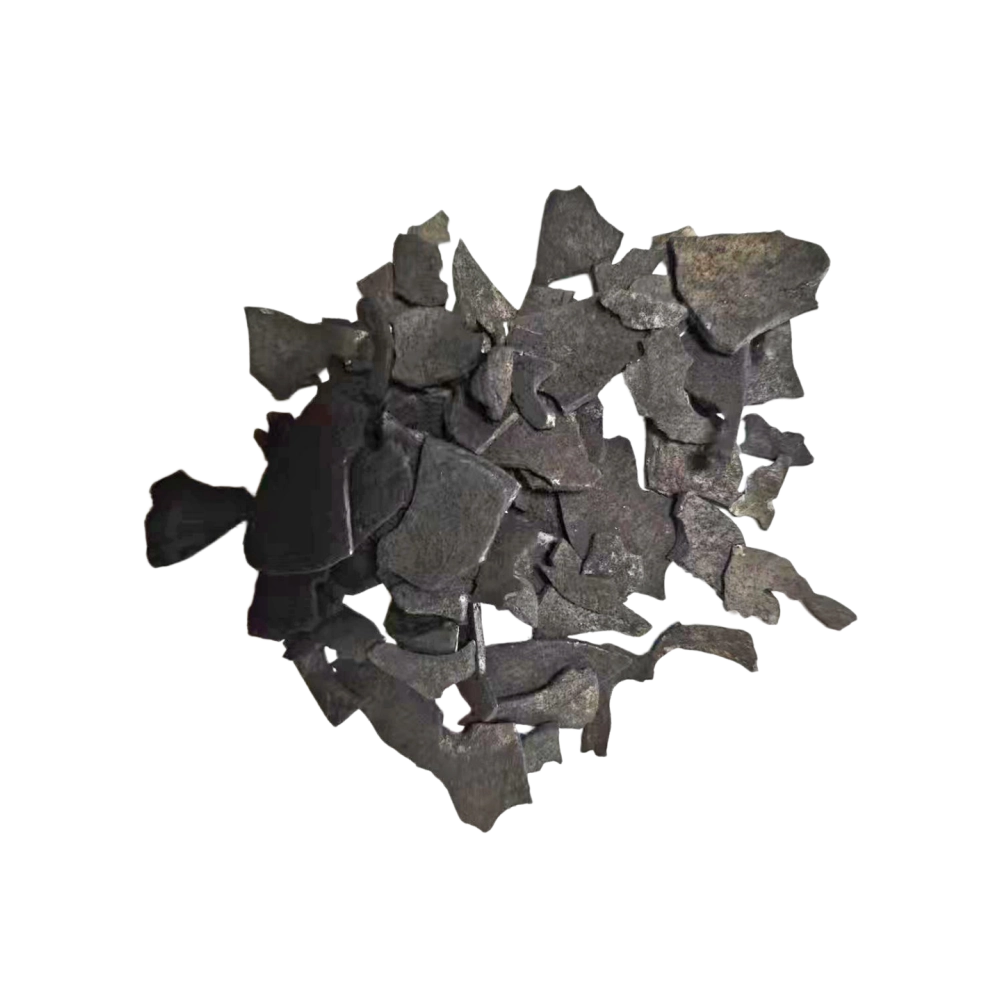
- Coconut shell–based granular activated carbon (GAC) offers a micropore-rich structure and surface area exceeding 1,000 m²/g, making it the optimal material for ethylene scavenging.
- Unlike 1-MCP or potassium permanganate, activated carbon is regenerable, non-toxic, and aligns with the global clean-label trend.
- Critical applications include modified atmosphere packaging (MAP), commercial cold storage, and refrigerated transport—each requiring specific carbon morphology and particle size.
The Hidden Cost of Ethylene in Food Preservation
What Is Ethylene and How Does It Affect Shelf Life?
Ethylene (C₂H₄) is a naturally occurring plant hormone that triggers and accelerates the ripening process. For climacteric fruits—such as bananas, apples, mangoes, tomatoes, and avocados—ethylene production surges after harvest. Even at concentrations as low as 0.1 ppm, ethylene can initiate softening, color change, and senescence.
The problem is compounding. A single overripe banana emits enough ethylene to trigger a chain reaction in an entire carton within 24 hours. In sealed environments like refrigerated containers, storage vaults, or retail packaging, ethylene accumulates rapidly, shortening the commercial window for fresh produce by days or even weeks.
The Economic Impact
Post-harvest losses represent one of the largest inefficiencies in the global food supply chain. The FAO estimates that one-third of all food produced is lost or wasted, with fruits and vegetables dominating that figure. For exporters shipping produce across oceans, a 2- to 3-week voyage can mean the difference between profit and total loss if ethylene is not controlled. For retailers, every day of shelf life lost translates directly into markdowns or discards, with spoilage rates increasing 5%–8% for each day of reduced freshness.
Why Traditional Methods Fall Short
| Method | Mechanism | Limitation |
|---|---|---|
| Low-temperature refrigeration | Slows metabolic rate | Does not remove ethylene already present; chain reactions continue |
| 1-Methylcyclopropene (1-MCP) | Blocks ethylene receptors | Restricted in organic supply chains; may cause physiological disorders in sensitive cultivars |
| Potassium permanganate (KMnO₄) | Oxidizes ethylene | Strong oxidizer with handling and disposal hazards; single-use |
| Silica gel desiccants | Absorbs moisture | Controls humidity only; has no effect on ethylene or odors |
This is where activated carbon offers a fundamentally different approach. It does not mask symptoms or introduce synthetic chemistry. It physically removes the ethylene molecule from the atmosphere surrounding the food, interrupting the ripening cascade at its source.
How Activated Carbon Works for Food Preservation and Shelf Life Extension
Ethylene Scavenging: The Core Mechanism
Activated carbon preserves food through physisorption, a surface-based process where gas molecules adhere to the internal pore structure of the carbon matrix. The key to ethylene removal lies in microporosity.
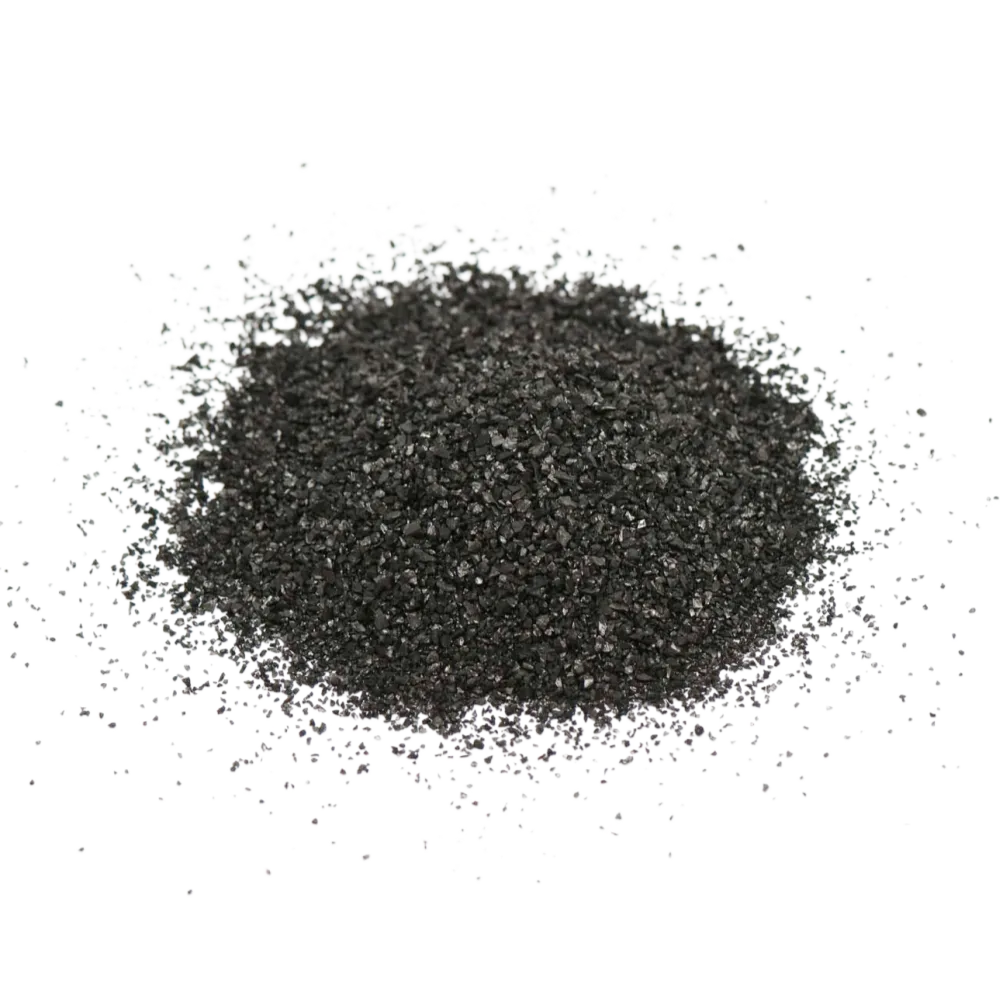
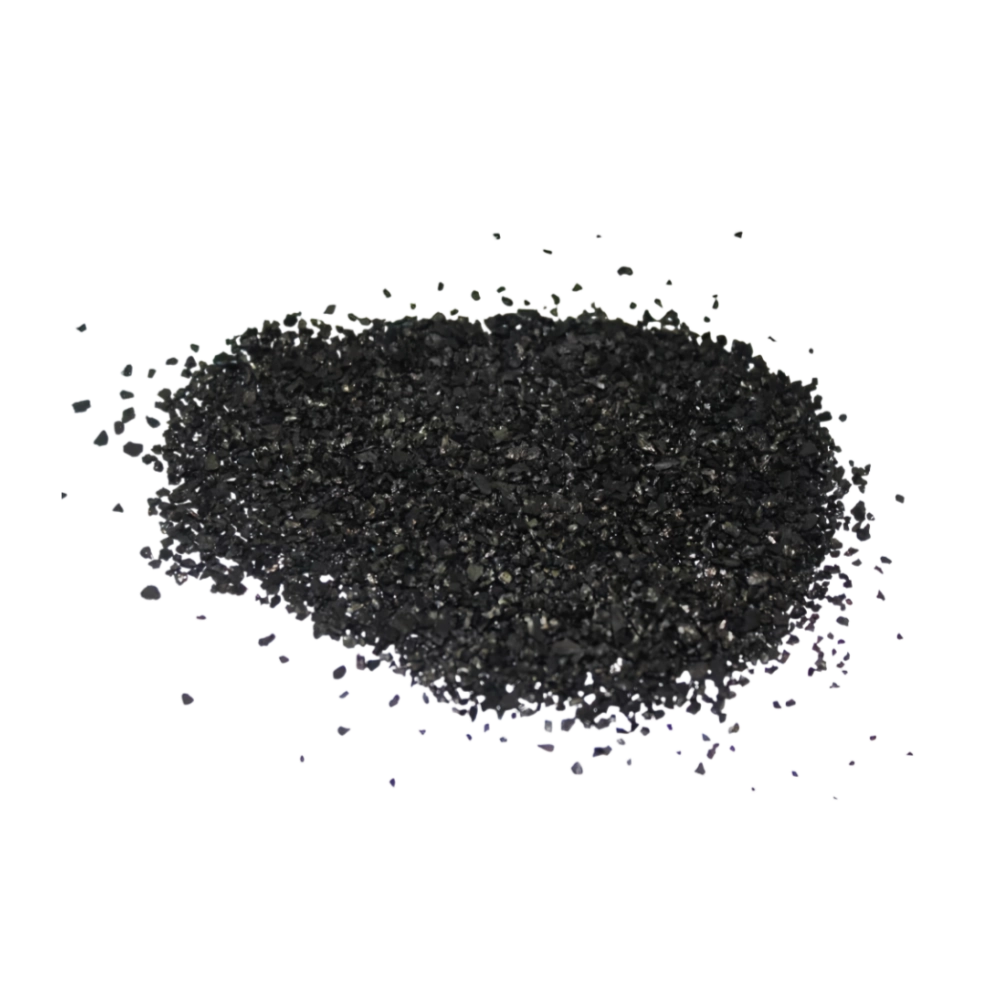
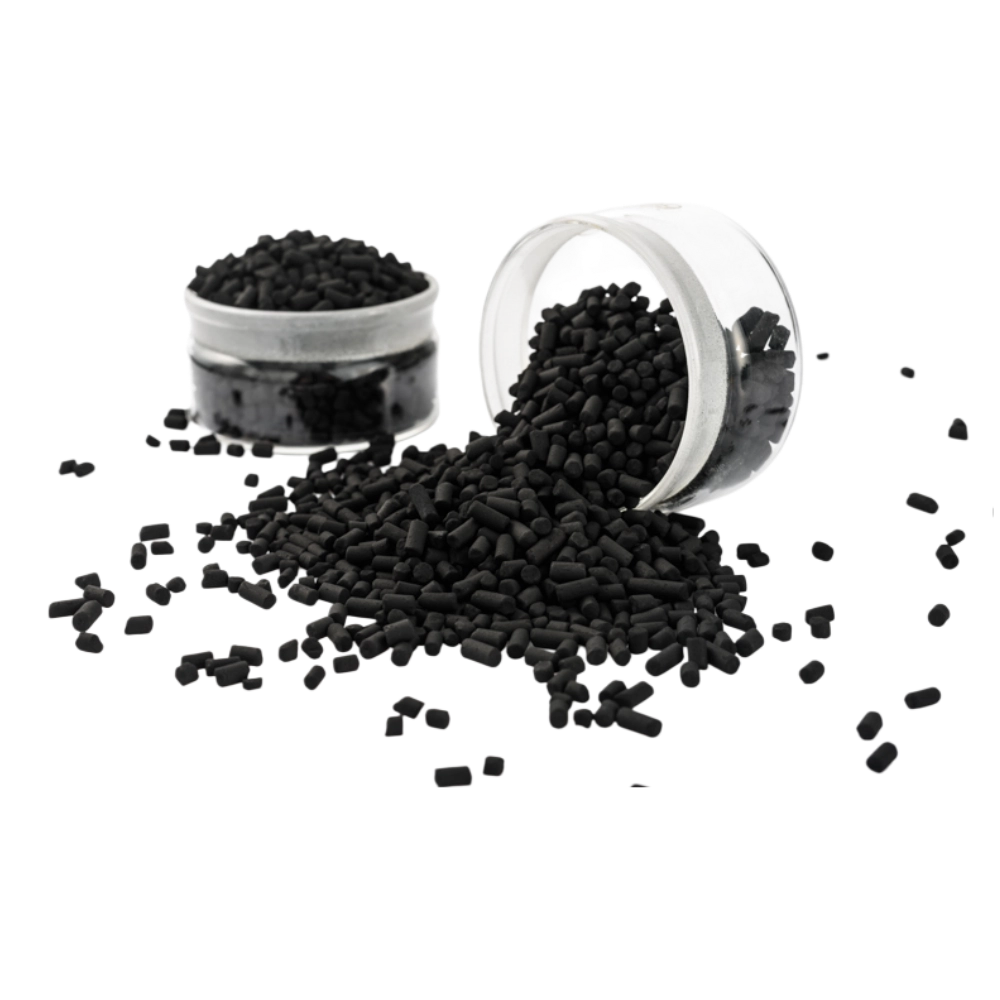
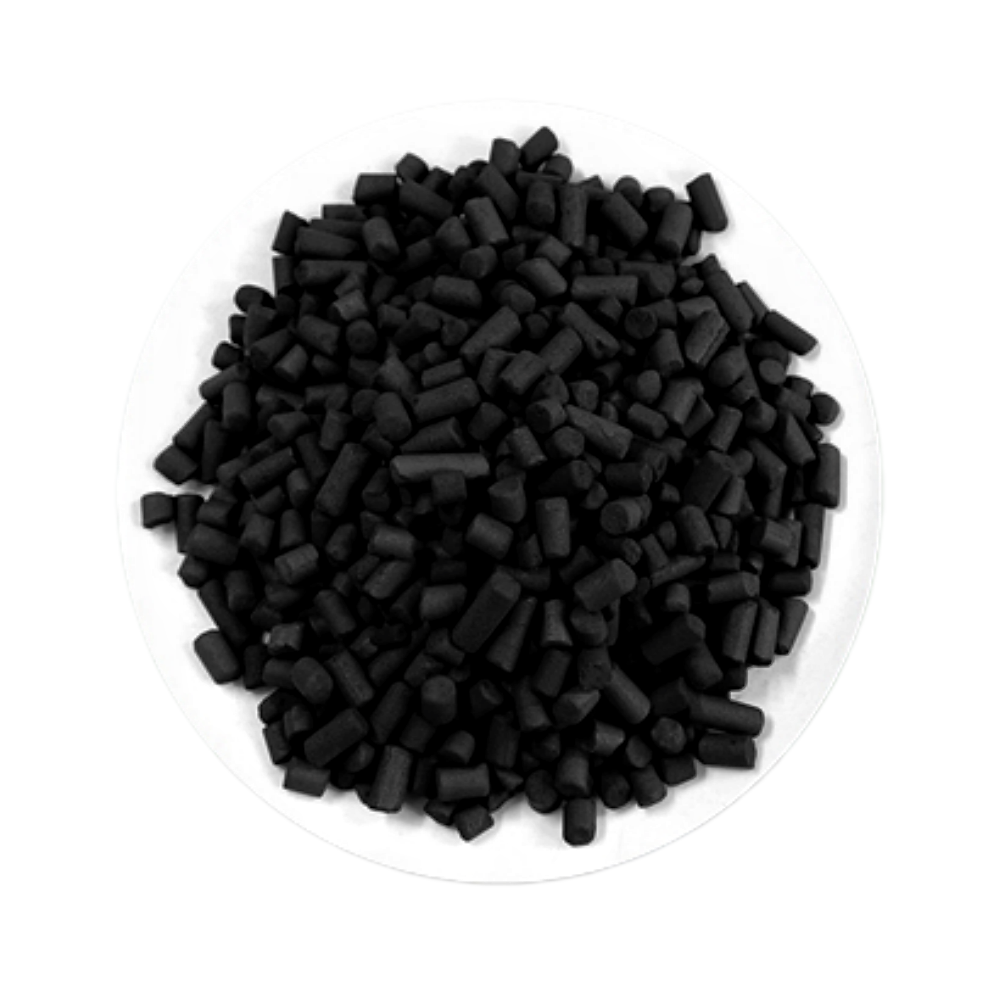
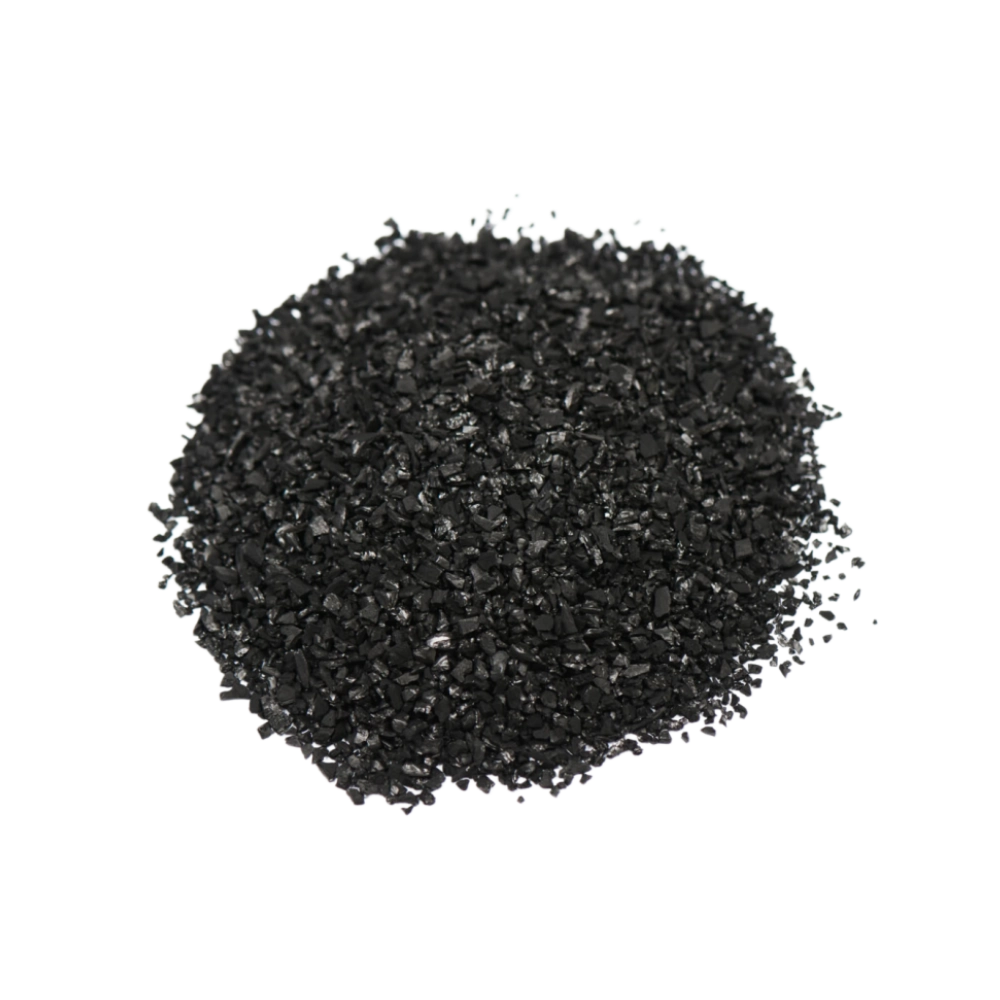
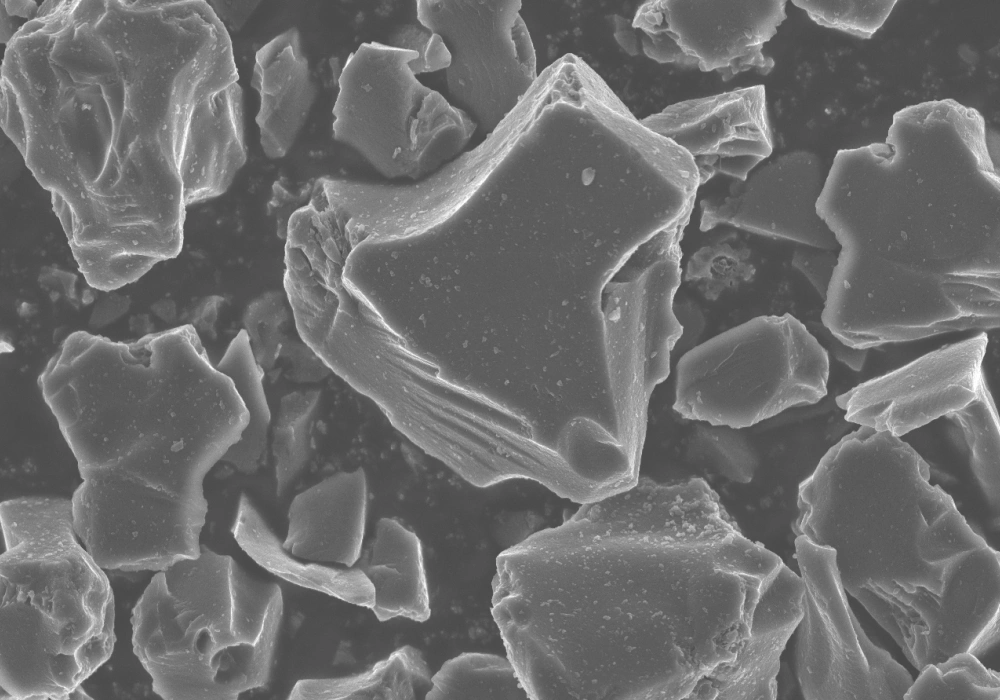
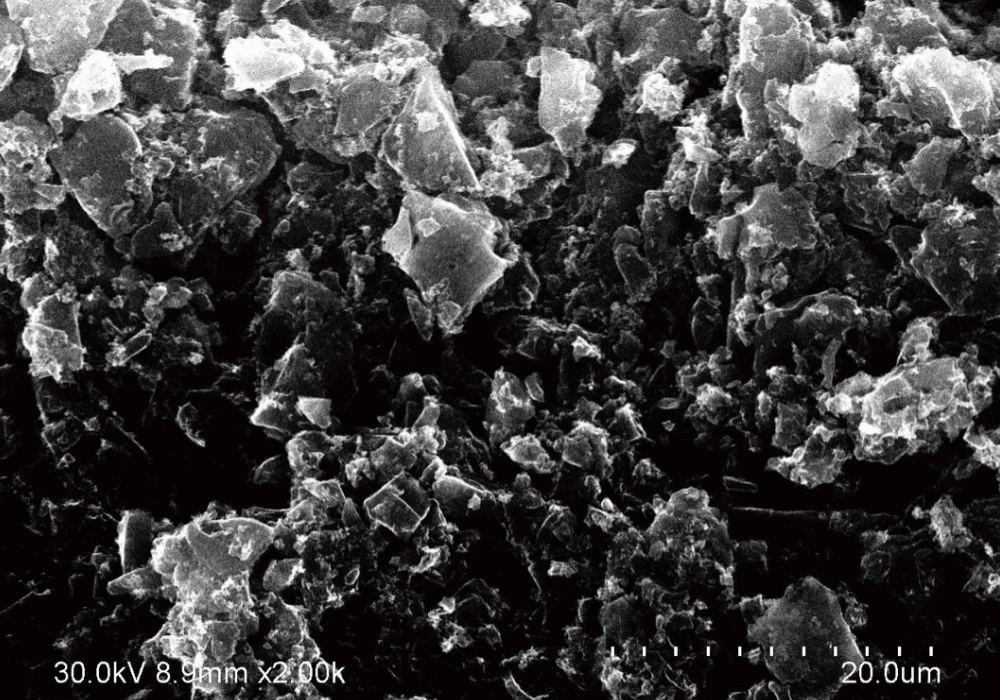
Ethylene has a kinetic molecular diameter of approximately 3.9 Å (0.39 nm). To trap it efficiently, the activated carbon must possess an abundance of micropores—typically defined as pores smaller than 2 nm—with a significant fraction exceeding that 3.9 Å threshold. Coconut shell–based GAC is particularly effective because its precursor material naturally develops a high micropore volume during steam activation, often achieving:
- Surface area: 1,000–1,200 m²/g
- Micropore volume: >0.5 cm³/g
- Iodine number: >1,000 mg/g
The adsorption process follows the Langmuir isotherm model at low concentrations: ethylene molecules form a monolayer on the carbon surface, and the total capacity is directly proportional to available micropore volume. In practical terms, a properly specified GAC bed can reduce headspace ethylene from ppm levels to near-zero, effectively putting the brakes on senescence.
Moisture & Gas Buffering
Beyond ethylene, activated carbon performs two additional functions critical to food preservation:
Moisture control. Activated carbon can adsorb 10% to 25% of its own weight in water vapor. In humid storage environments, this prevents condensation on produce surfaces—a primary cause of mold and bacterial decay.
Odor and VOC removal. Ripening produce releases aldehydes, alcohols, and sulfur compounds that accelerate spoilage and create off-flavors. Activated carbon’s broad-spectrum adsorption captures these volatile organic compounds (VOCs), maintaining sensory quality.
CO₂ buffering in MAP. In modified atmosphere packaging, activated carbon helps stabilize the internal gas composition by adsorbing excess carbon dioxide, preventing anaerobic fermentation and tissue browning.
Factors Affecting Adsorption Performance
| Factor | Impact on Performance |
|---|---|
| Surface area | Higher area = more adsorption sites for ethylene |
| Micropore volume | Determines total capacity for small gas molecules |
| Surface chemistry | Oxygen-containing functional groups influence polar molecule uptake |
| Temperature | Lower temperatures favor physical adsorption (exothermic process) |
| Relative humidity | 80–90% RH enables synergistic moisture and ethylene control |
| Particle size | Smaller particles increase kinetics but raise pressure drop |
| Pore diameter | Must exceed ~3.9 Å to accommodate ethylene molecules |
Activated Carbon Applications in Food Preservation: From MAP to Cold Storage
Modified Atmosphere Packaging (MAP) with Activated Carbon
For pre-cut salads, berries, and ready-to-eat fruit trays, ethylene accumulation inside a sealed package is the leading cause of shortened shelf life. Integrating a small activated carbon sachet or non-woven pad into the tray lid absorbs ethylene as it is released, maintaining quality for 7–10 days versus 3–4 days without intervention.
Activated Carbon for Cold Storage and Warehouse Preservation
Apples, pears, and kiwifruit held in long-term controlled-atmosphere warehouses require continuous ethylene scrubbing. A fixed-bed carbon filter installed in the recirculation air stream passively removes ethylene from thousands of cubic meters of air, preventing autocatalytic ripening across the entire inventory.
Refrigerated Transport: Mobile Ethylene Scavenging Solutions
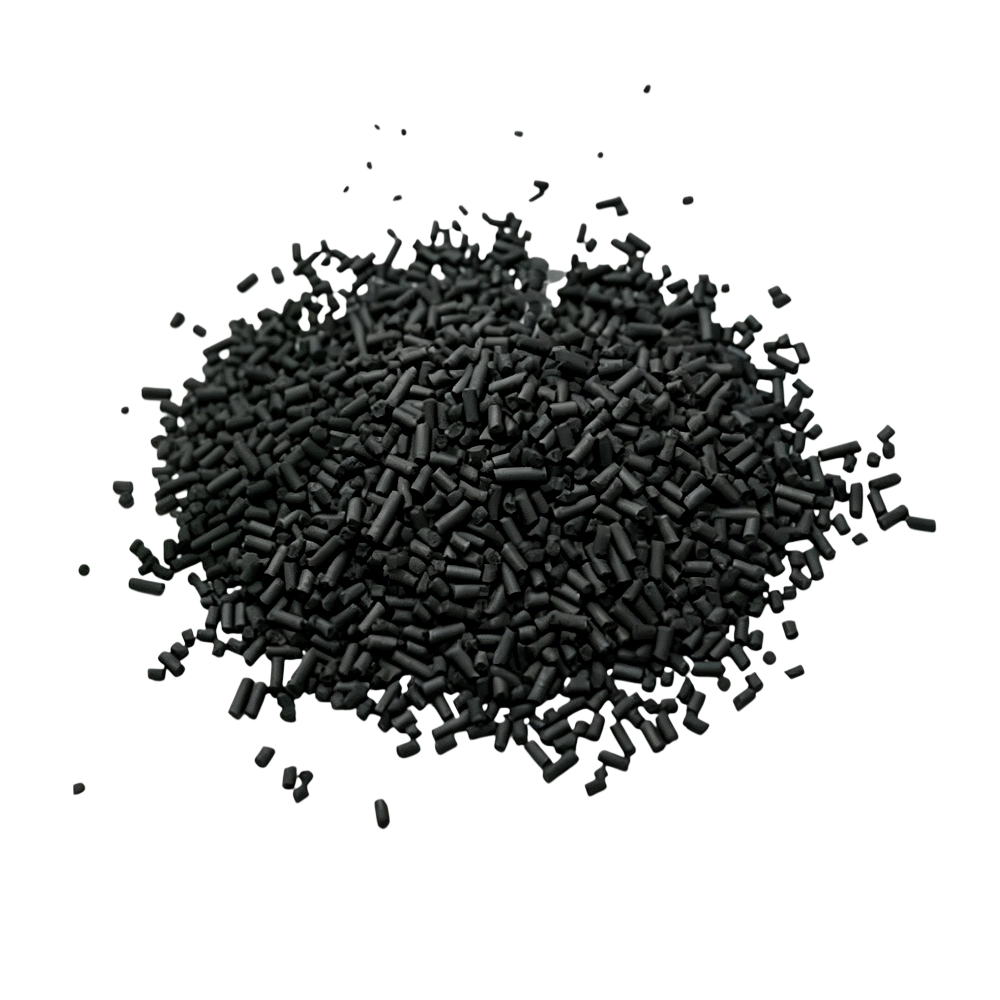
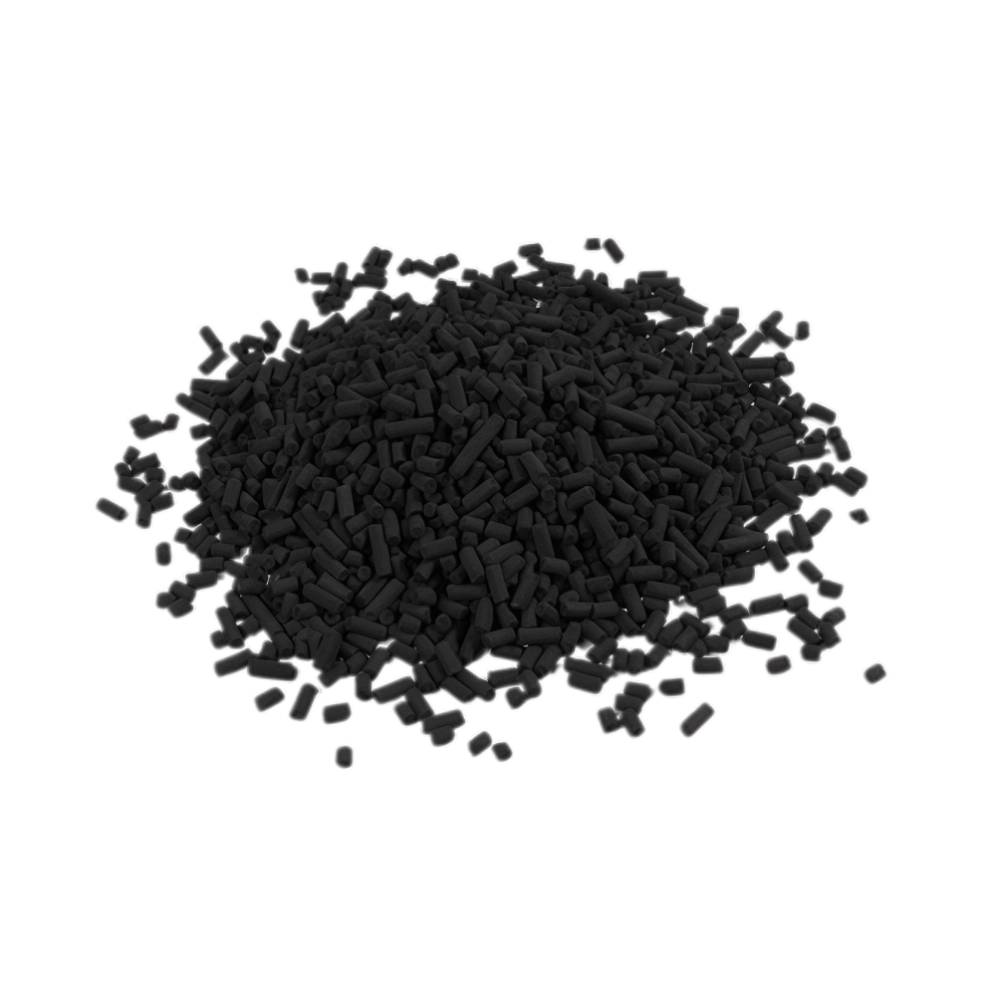
In refrigerated trucks and shipping containers, the enclosed volume traps ethylene with nowhere to go. A cylindrical carbon filter cartridge placed in the air-return path scrubs the recirculated air every cycle, protecting high-value exports like mangoes and avocados during transoceanic voyages.
Dry Goods & Nuts
While less sensitive to ethylene, grains, nuts, and dried fruits suffer from humidity and musty odors. Activated carbon sachets in bulk storage bins or retail pouches control both moisture and off-odors without the use of synthetic antioxidants.
Food-Grade Activated Carbon Selection Guide for Preservation
Selecting the right carbon for food preservation requires matching pore structure to the target molecule. The following criteria provide a baseline for specification:
| Parameter | Fresh Produce (Ethylene Control) | Dry Goods (Moisture & Odor) | Rationale |
|---|---|---|---|
| Raw material | Coconut shell | Coconut shell or wood | Coconut shell yields the highest micropore fraction |
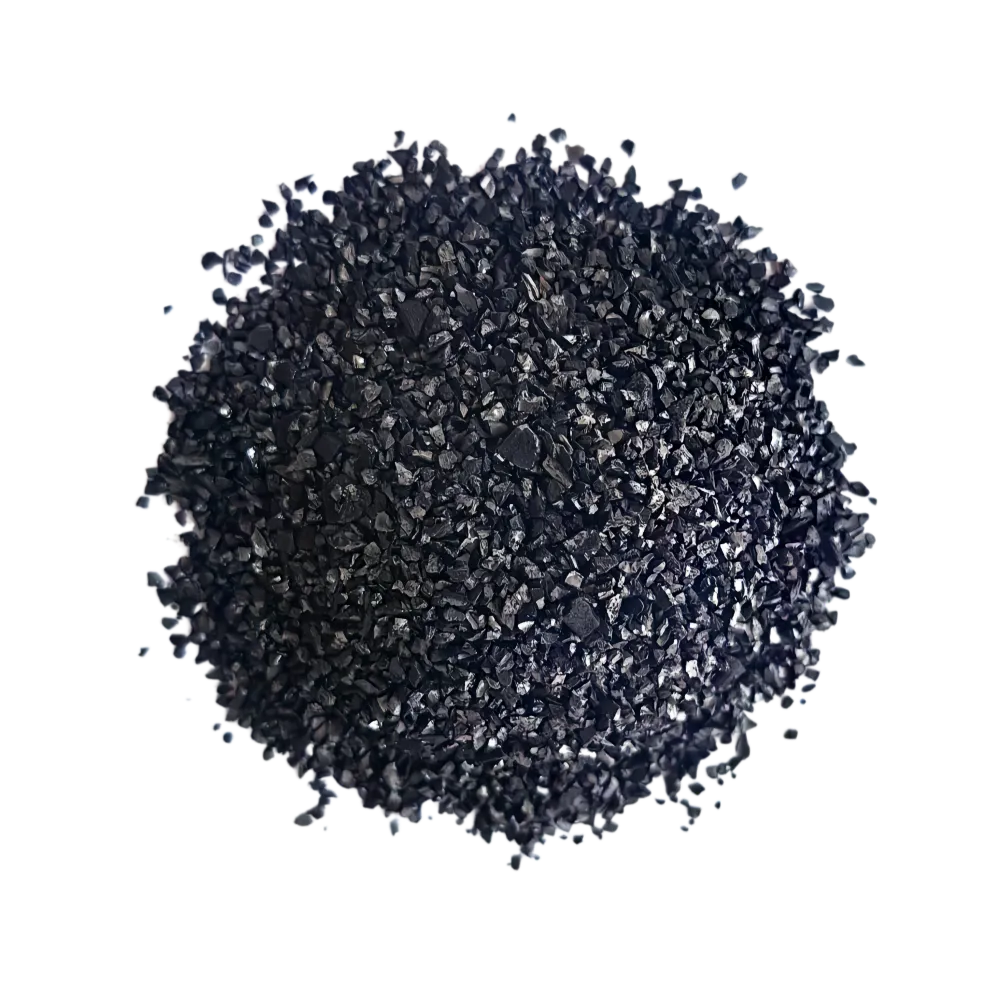
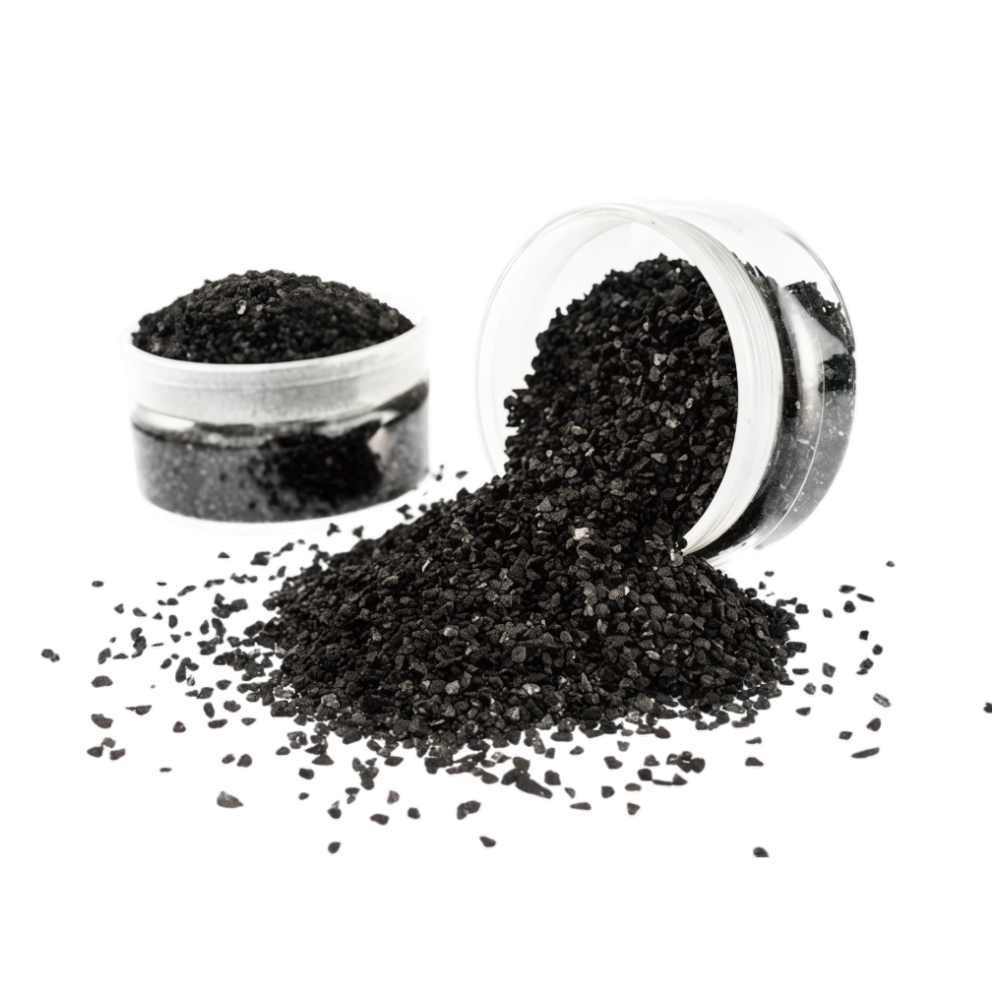
| Form | Granular (GAC) | Granular or powder | GAC balances flow properties and adsorption kinetics |
| Iodine number | ≥1,000 mg/g | ≥900 mg/g | Proxy for micropore volume and surface area |
| Micropore fraction | >60% | >50% | Ethylene is a small molecule; micropores dominate |
| Ash content | <5% | <8% | Low ash reduces inorganic leaching and taste impact |
| Moisture | <5% | <5% | Excess moisture pre-occupies adsorption sites |
| Mesh size | 4×6, 6×12, 8×16 | 8×16, 12×30 | Smaller sizes for rapid kinetics; larger for low pressure drop |
Food-Grade Safety and Compliance Standards
When specifying activated carbon for food preservation, the following regulatory frameworks define the safety baseline for food-contact and active packaging applications:
| Standard / Regulation | Region | Scope |
|---|---|---|
| FDA 21 CFR 182.1480 | United States | Lists activated carbon as GRAS (Generally Recognized As Safe) for food processing |
| EU Regulation 450/2009/EC | European Union | Governs active and intelligent food contact materials; requires migration testing |
| GB 29215-2012 | China | National food safety standard for activated carbon used as food additive/processing aid |
| ISO 22000 / HACCP principles | International | Food safety management systems applicable to manufacturing facilities |
Note: The above represents industry-standard compliance frameworks. End-users should verify that their supplier provides applicable test reports and certificates of analysis for each batch. Activated carbon intended for food preservation must be handled and stored separately from industrial grades.
Handling precautions:
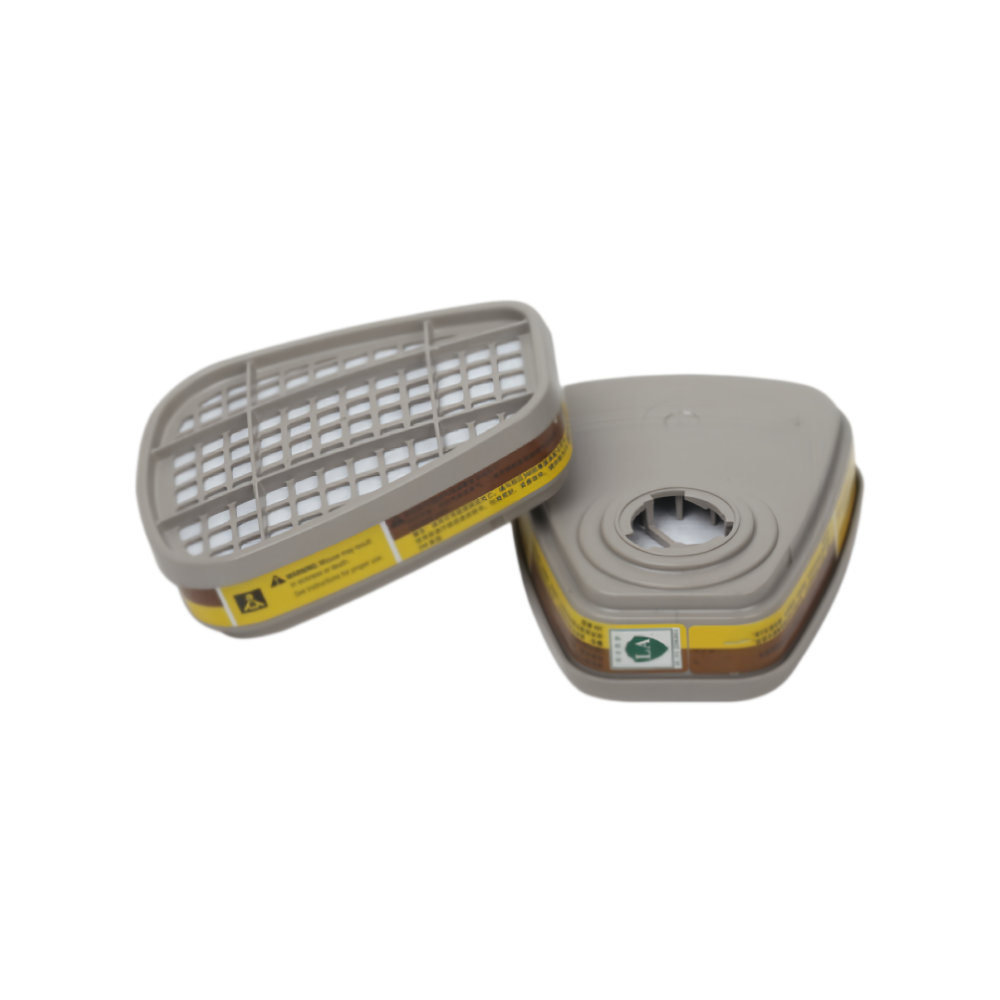
- Avoid inhalation of carbon dust; use respiratory protection during bulk transfer.
- Store away from strong oxidizers, acids, and alkalis.
- Do not use industrial-grade carbon in food-contact applications.
- Activated carbon should be used in sealed packaging or fixed-bed systems; direct mixing with food is not recommended unless the product is explicitly designed and labeled for that purpose.
Limitations and Risks of Using Activated Carbon for Food Preservation
Activated carbon is highly effective, but it is not a universal solution. Understanding its boundaries ensures proper deployment:
Dose sensitivity. Excessive carbon-to-air ratios in small packages can theoretically adsorb desirable aromatic compounds along with ethylene, subtly altering flavor profiles. Dosage should be calculated based on package headspace volume and respiration rate of the produce.
Dust generation. Granular activated carbon can generate fines during transport and filling. Systems should include dust filtration, and personnel should wear protective equipment during bulk handling.
Regeneration constraints. While industrial GAC beds can be thermally regenerated (typically >400 °C in a controlled furnace), small consumer sachets are generally single-use. Sustainability claims should be limited to industrial-scale systems with regeneration infrastructure.
High-fat foods. Oils and fats can coat micropore openings, blinding the carbon and rendering it ineffective. Activated carbon is not recommended for preserving oily snacks or fatty produce without barrier packaging.
FAQ
What is food-grade activated carbon?
Food-grade activated carbon is manufactured from approved raw materials (typically coconut shell or specific wood species) under controlled conditions to meet low-ash, low-heavy-metal, and neutral-pH specifications suitable for food-contact or food-proximity applications.
How does activated carbon compare to silica gel?
Silica gel is a desiccant that adsorbs water only. Activated carbon adsorbs ethylene, VOCs, and moisture simultaneously, making it multifunctional for produce preservation.
Can activated carbon sachets be reused?
Small sachets designed for consumer packaging are generally not regenerable. Industrial GAC beds in cold storage or transport systems can be regenerated via thermal treatment, restoring most of their original adsorption capacity.
Which foods benefit most from activated carbon?
Climacteric fruits—bananas, apples, pears, mangoes, avocados, tomatoes—benefit most due to their high ethylene production. Leafy greens and berries also show extended shelf life from combined ethylene and moisture control.
How do I select the right carbon for my packaging line?
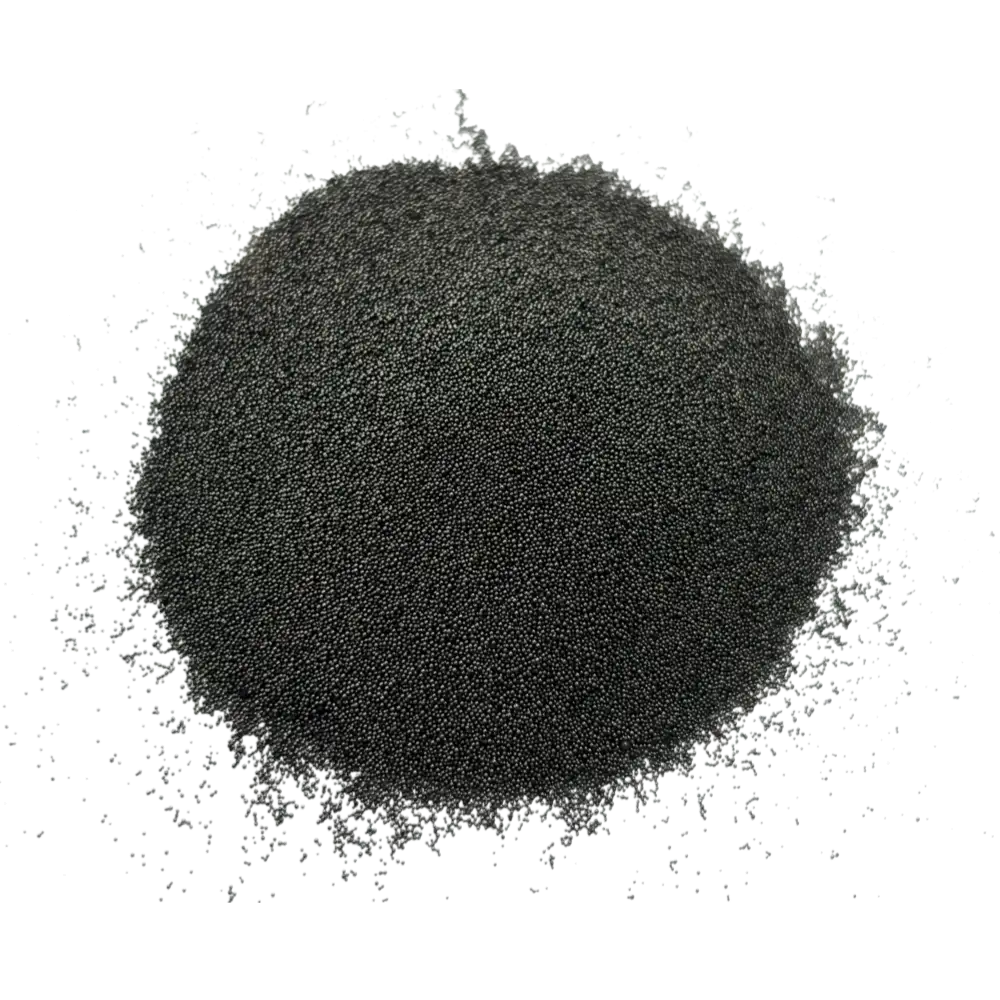
Match the carbon specification to your packaging format: granular carbon (4×6 to 8×16 mesh) for bulk beds and filters; finer mesh or non-woven composites for sachets and pads. Always verify iodine number (>1,000 mg/g for ethylene) and micropore volume.
Request a Technical Assessment
Ethylene control is not one-size-fits-all. Package geometry, respiration rates, cold-chain duration, and target shelf life all influence carbon selection.
Contact our application engineers to receive a sample, specification sheet, and dosage recommendation tailored to your preservation system.


