




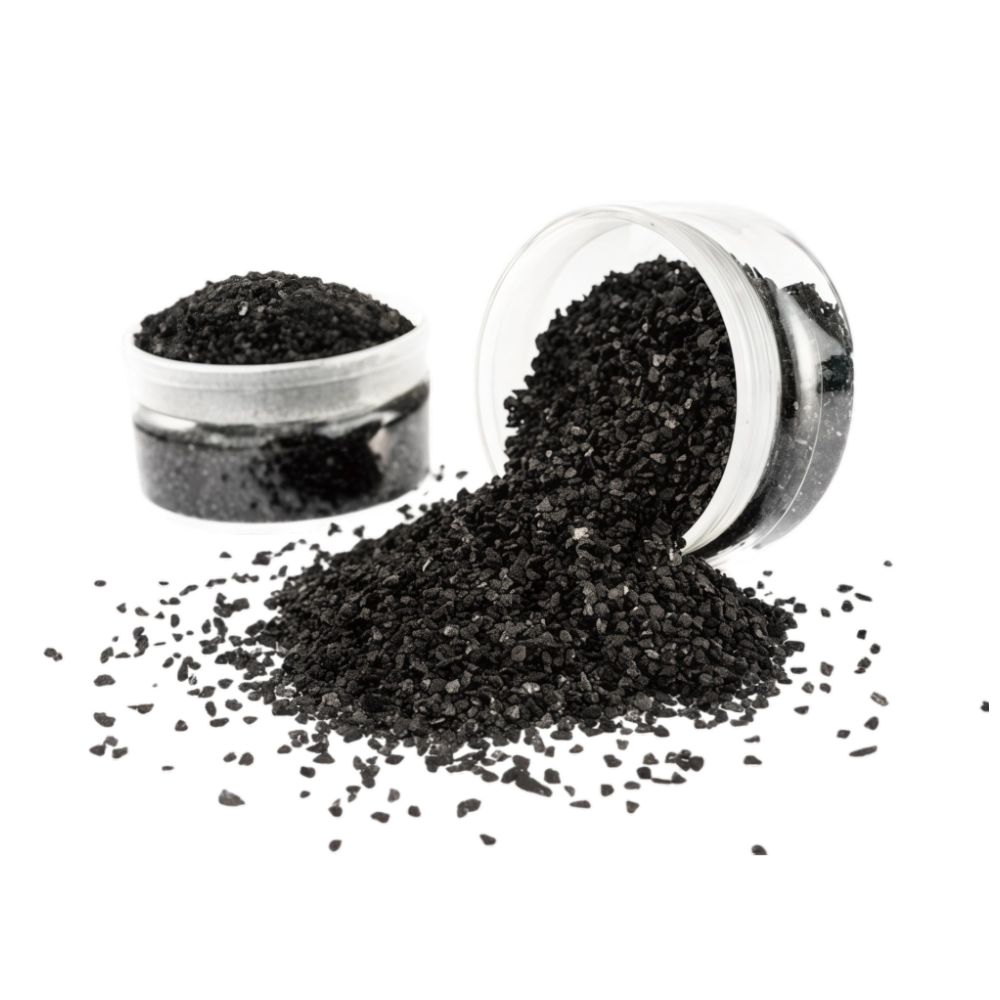
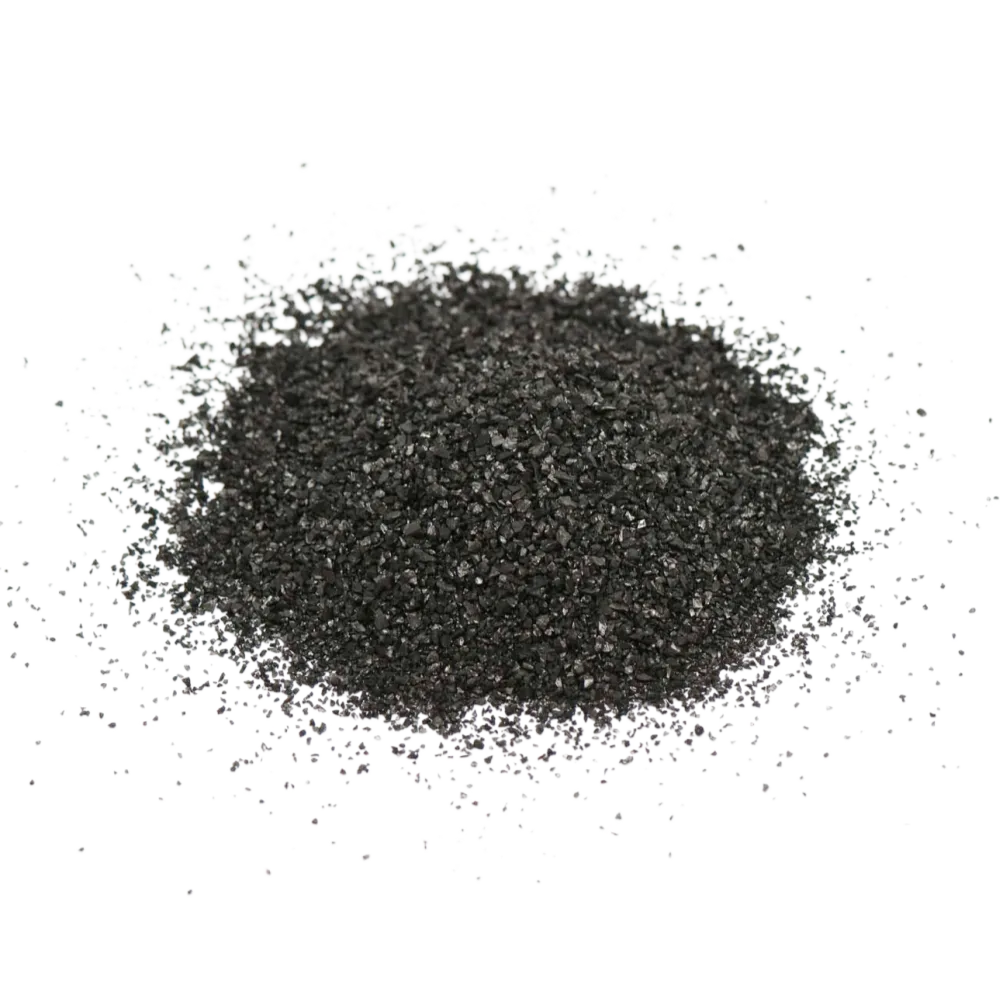
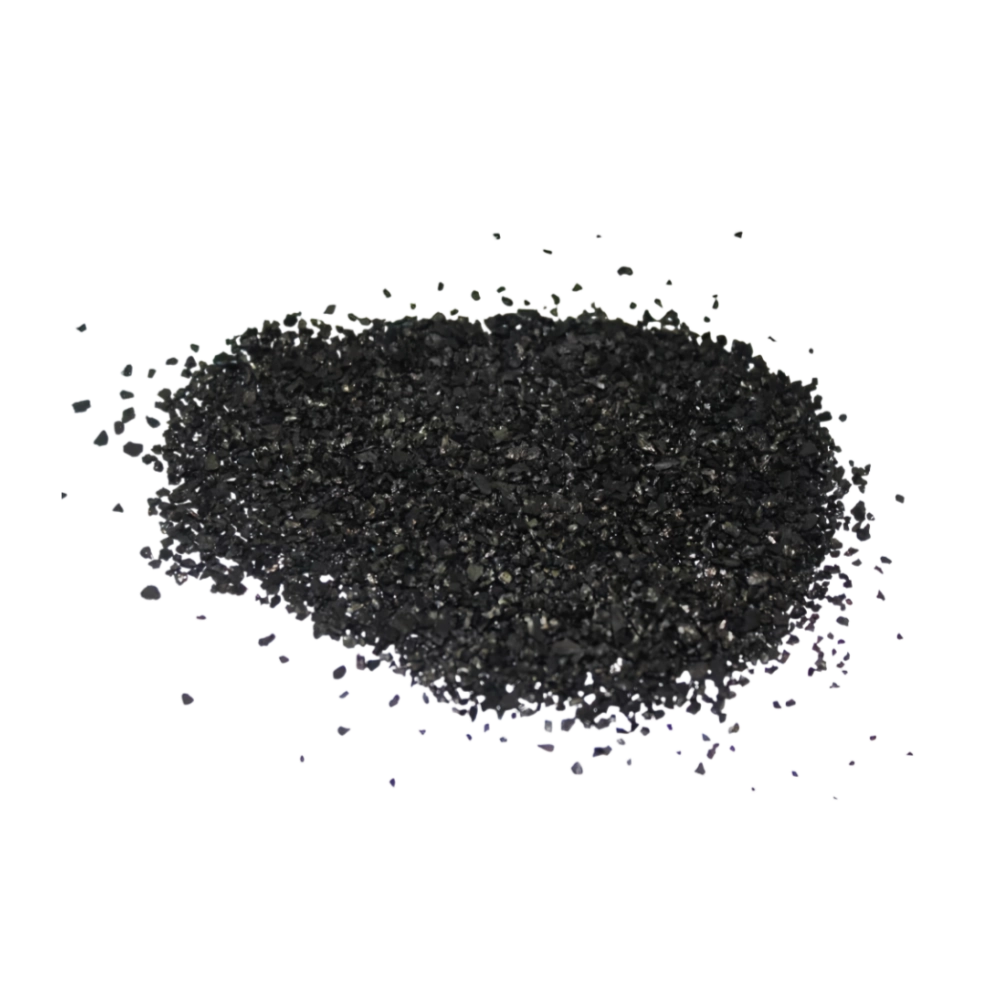
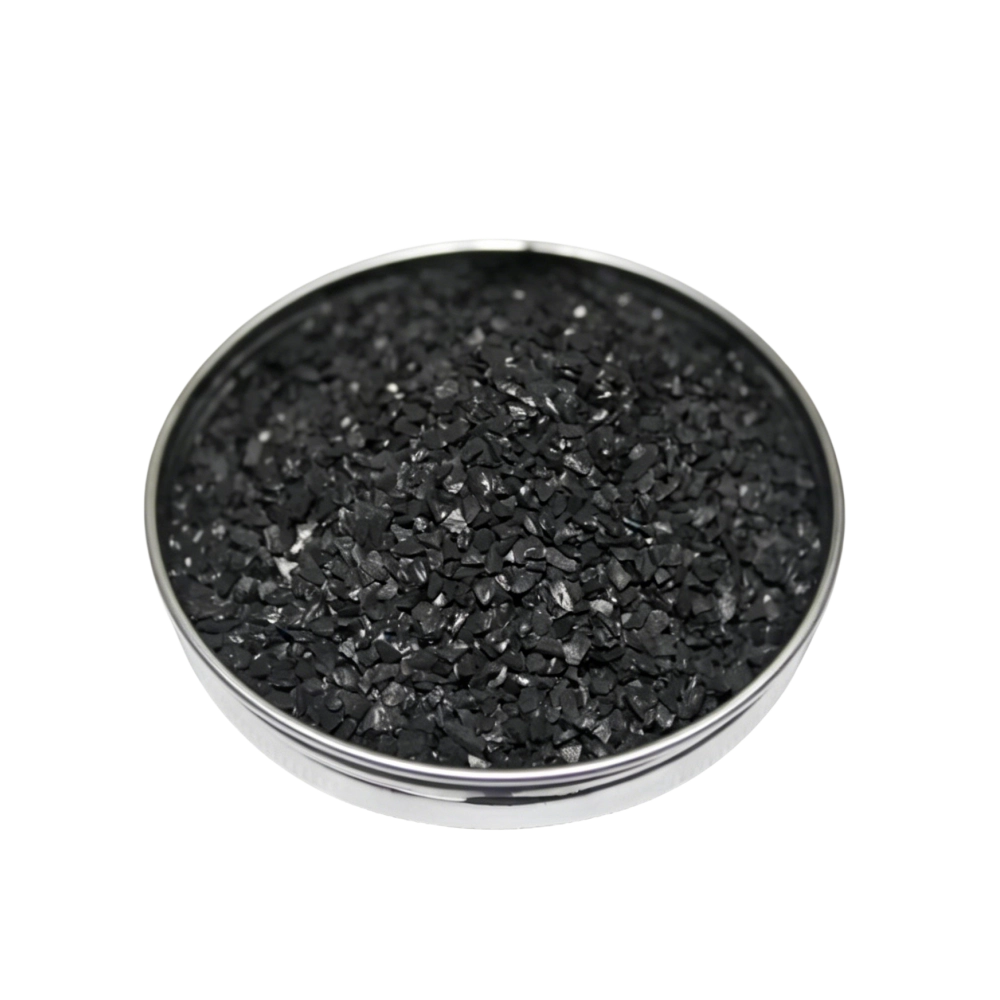
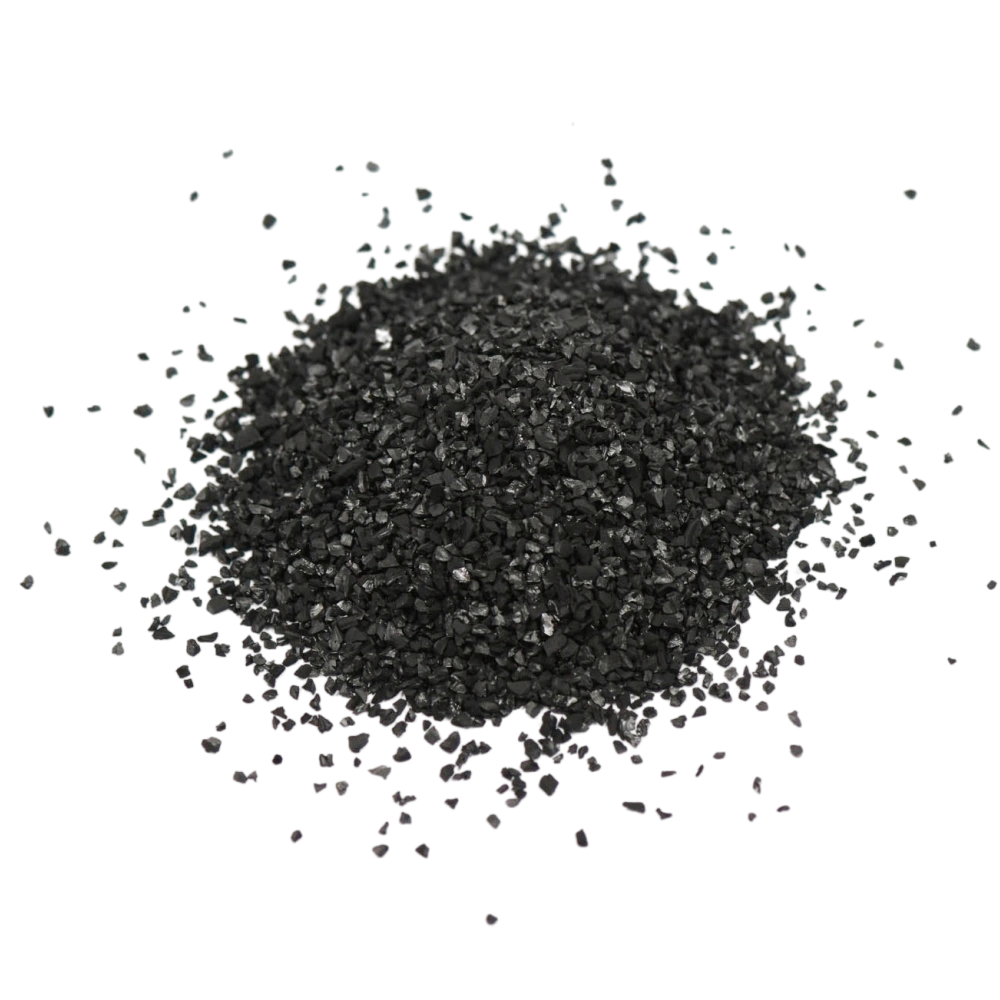
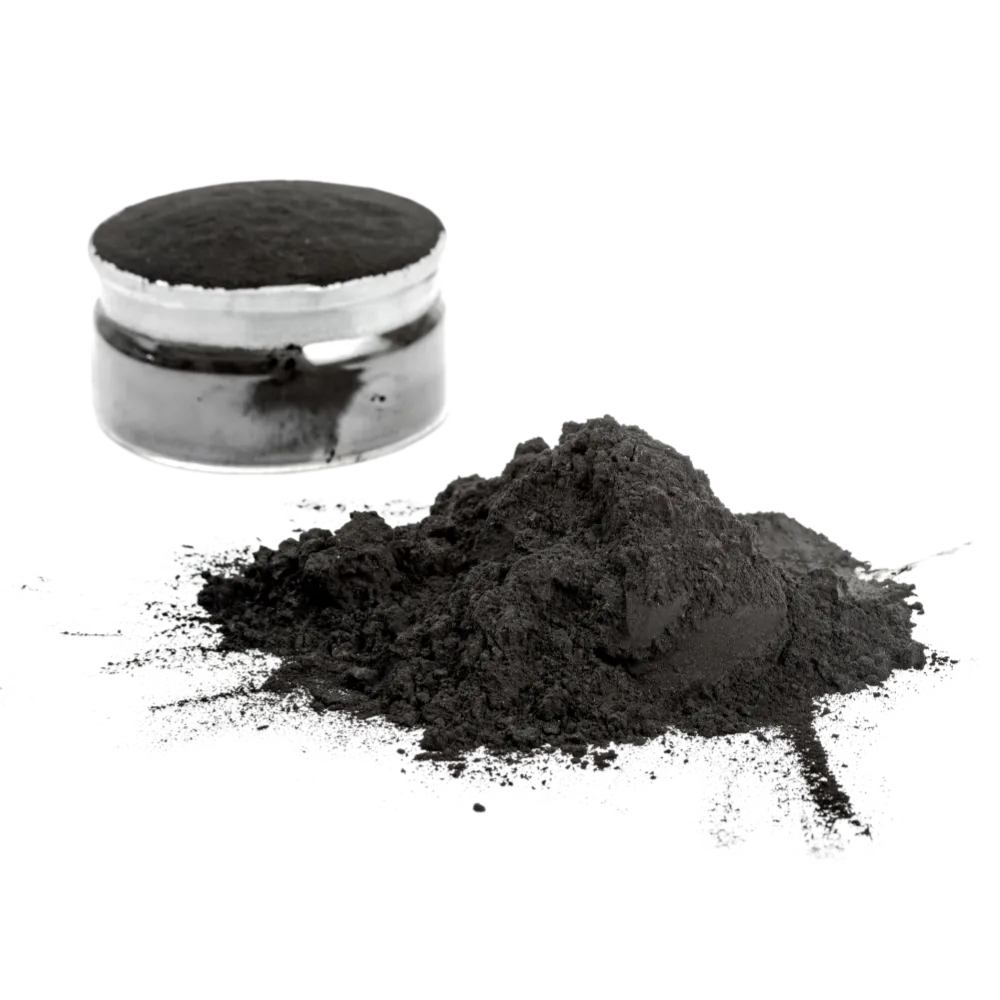
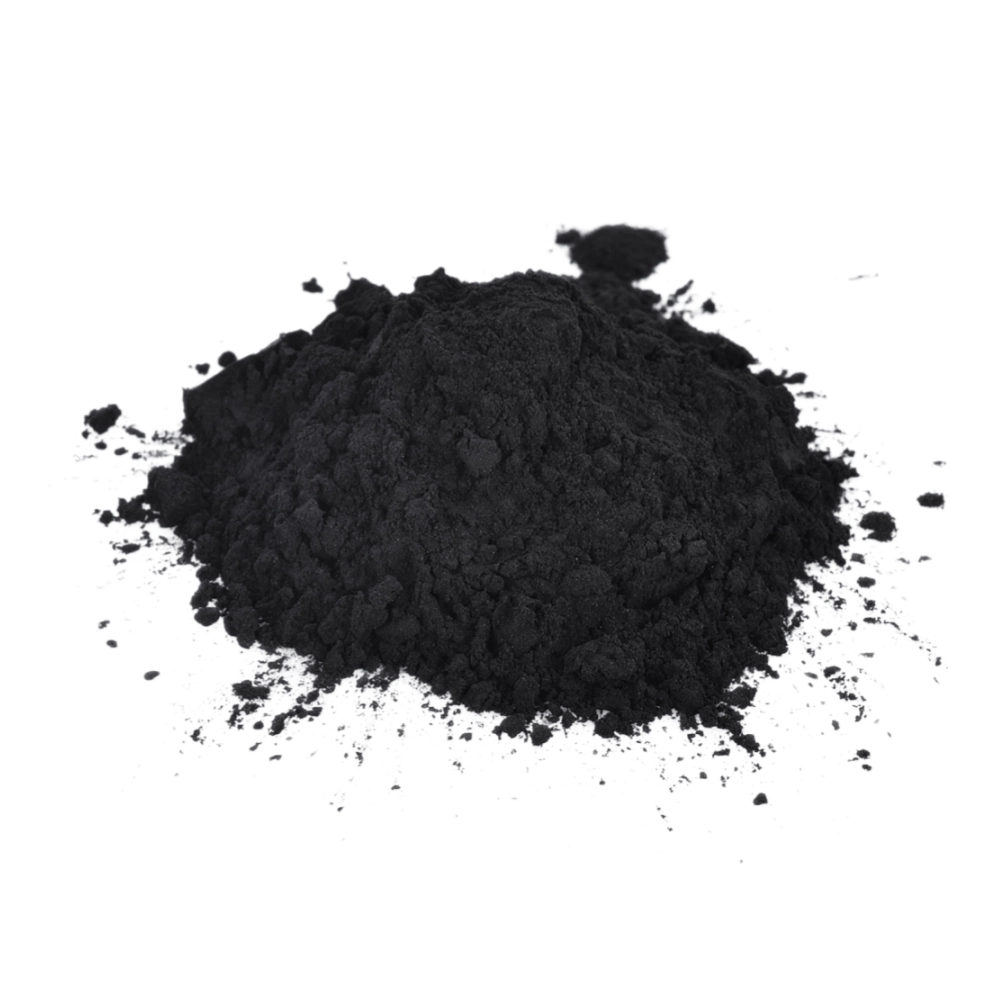
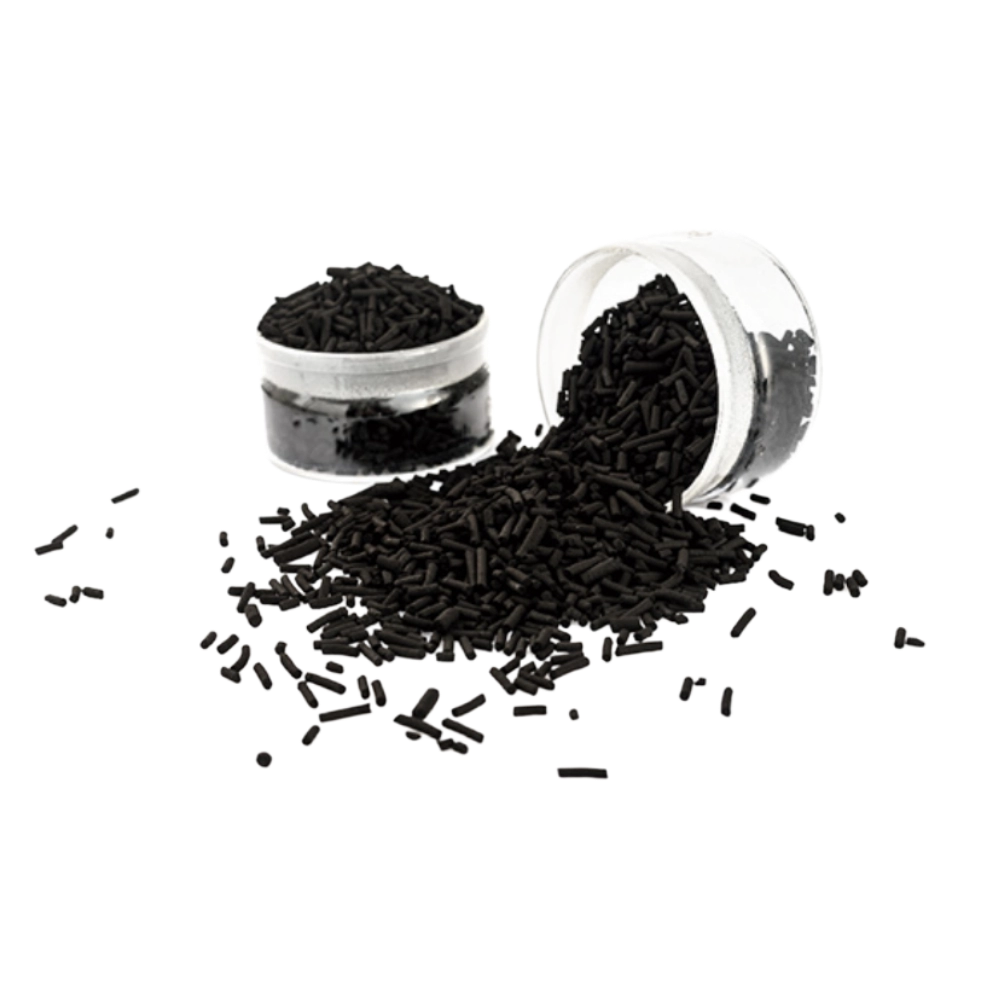
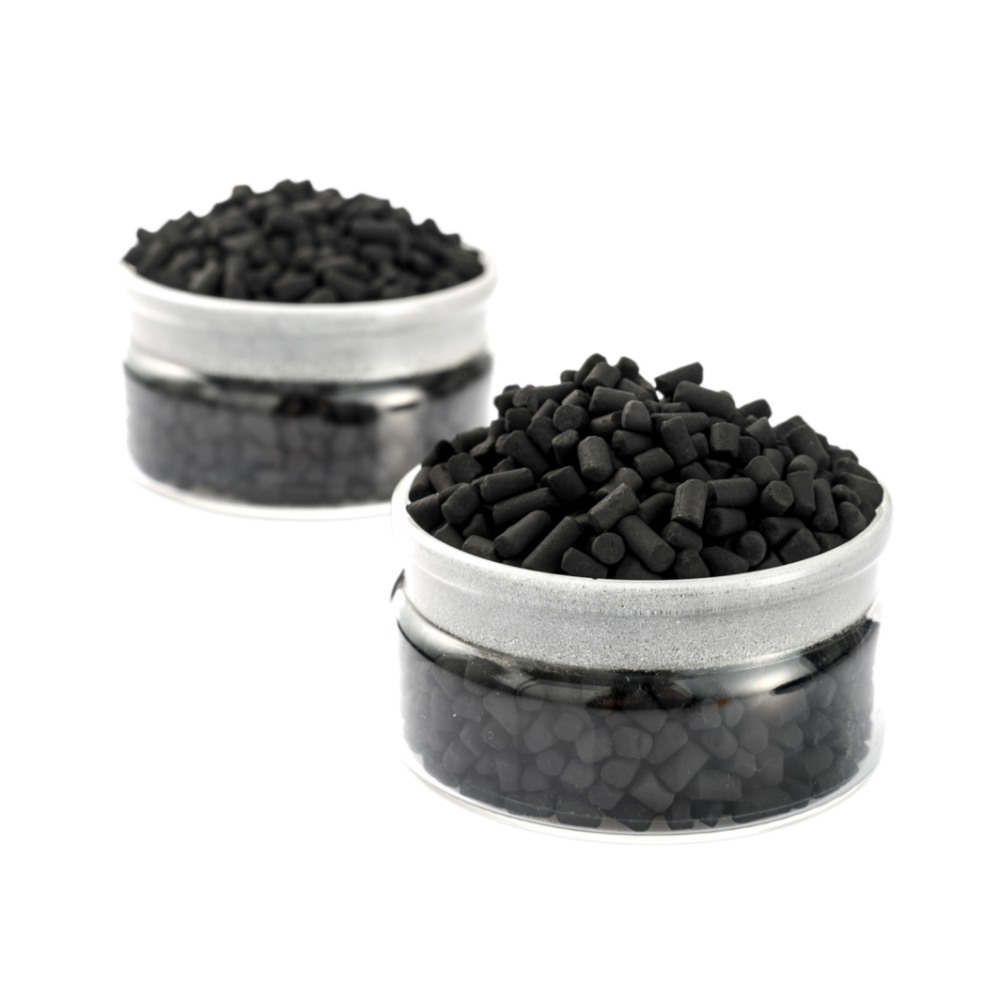
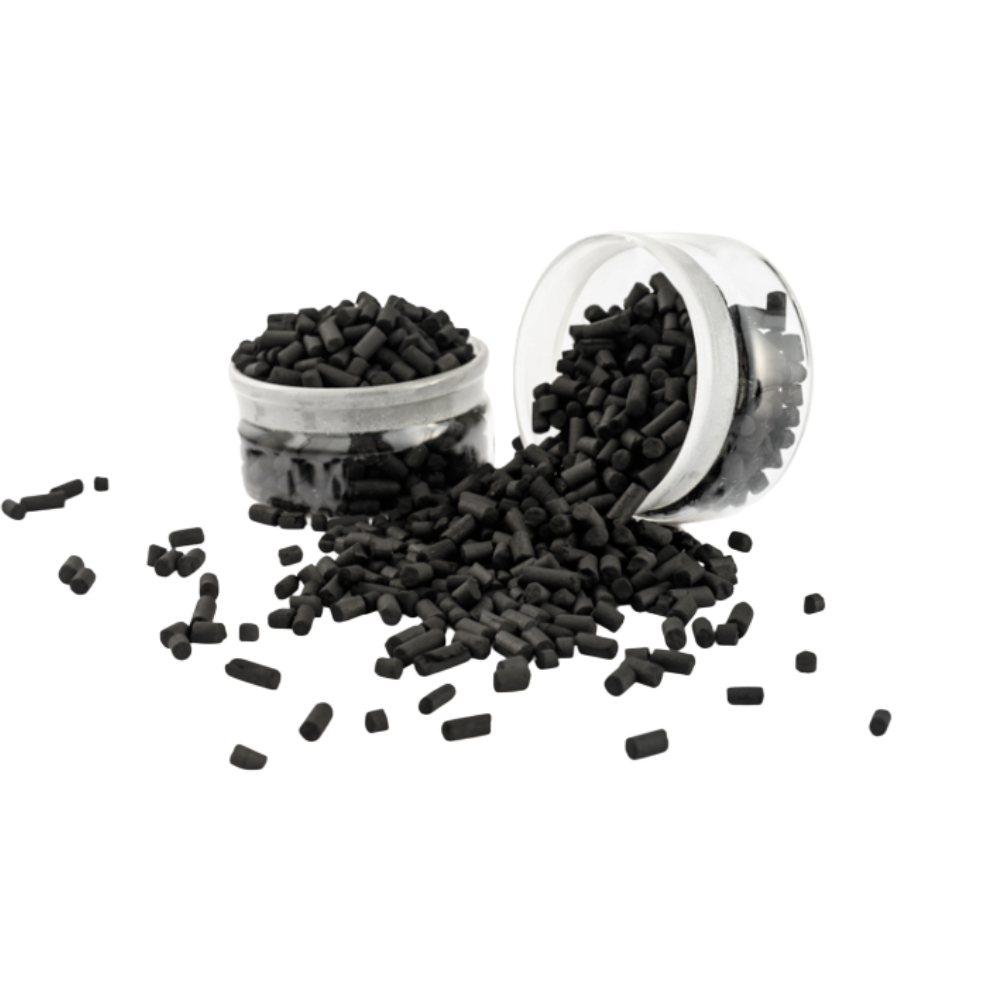
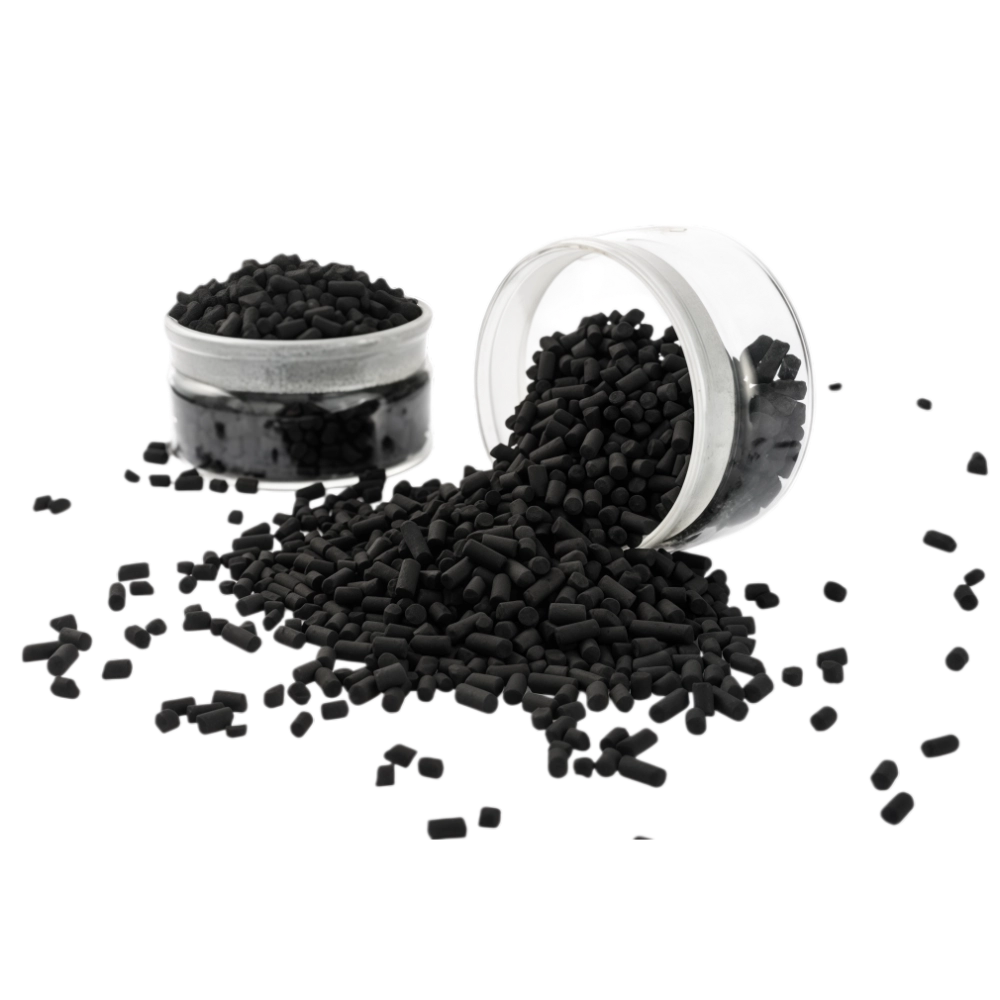
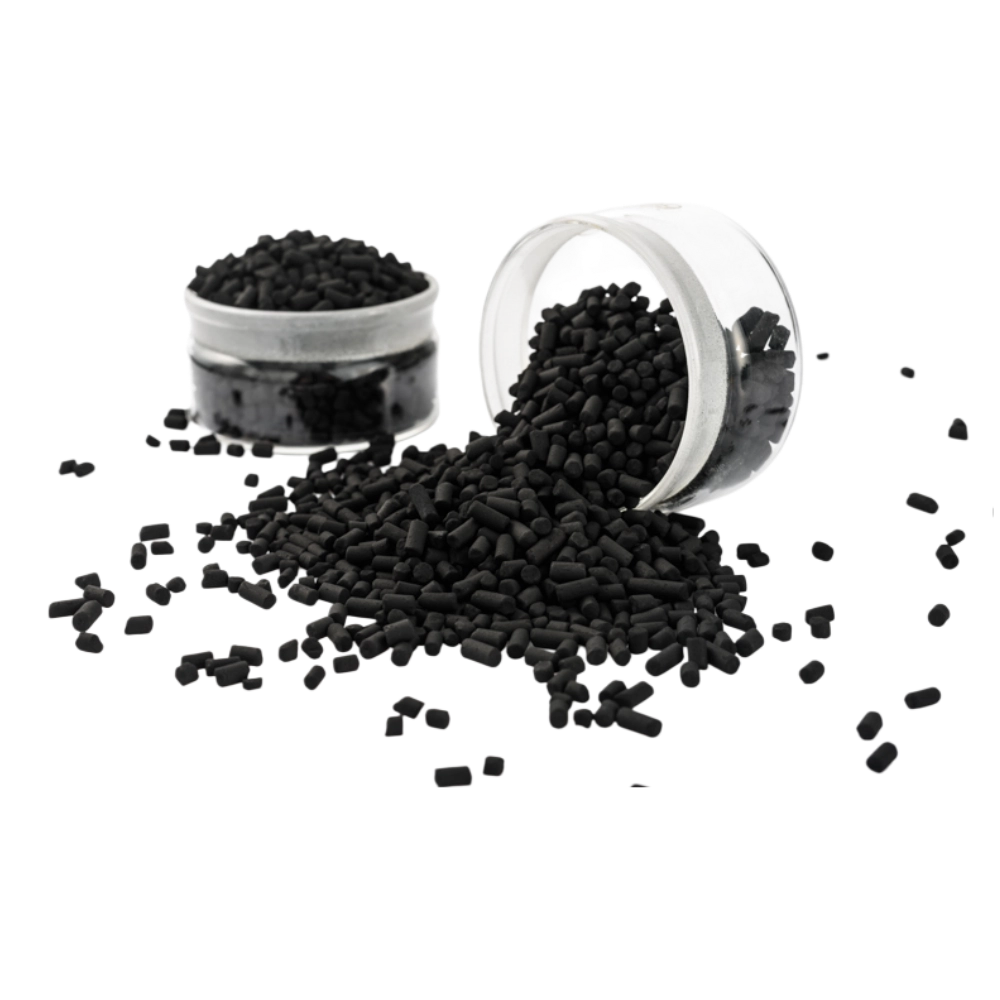
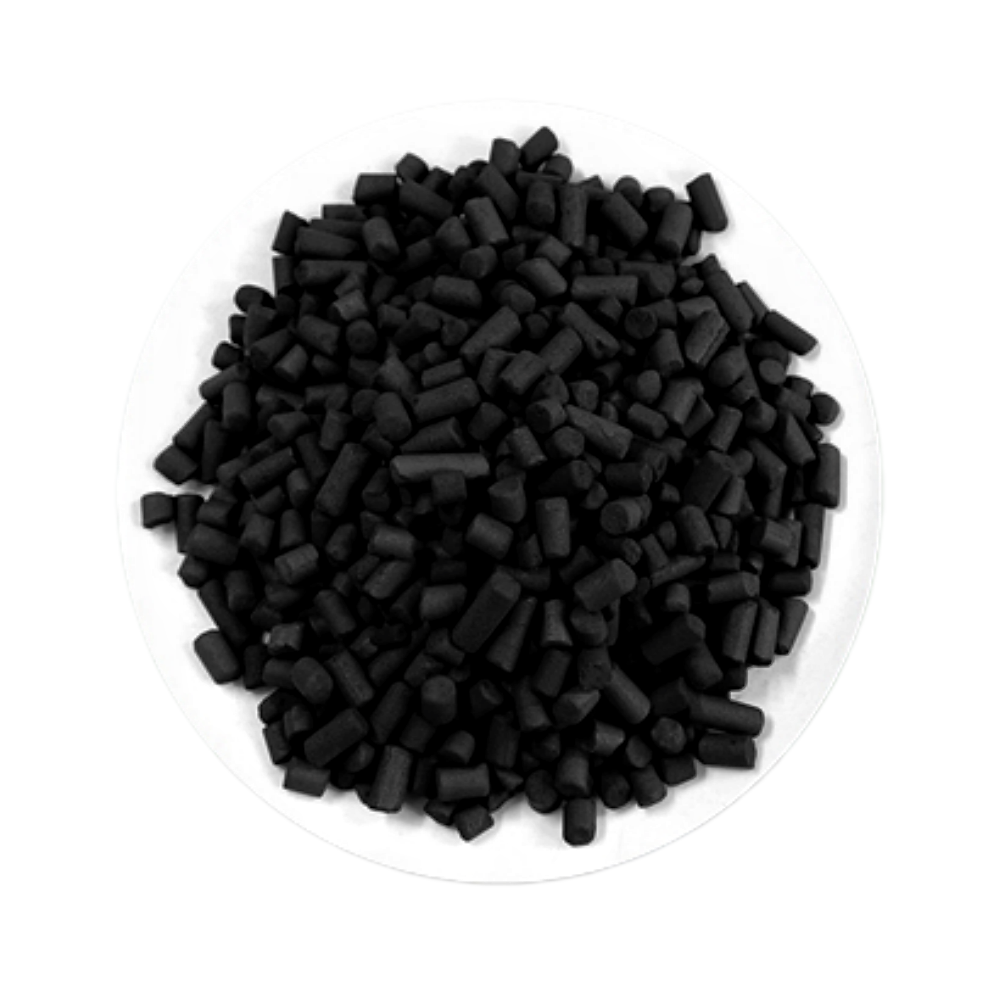
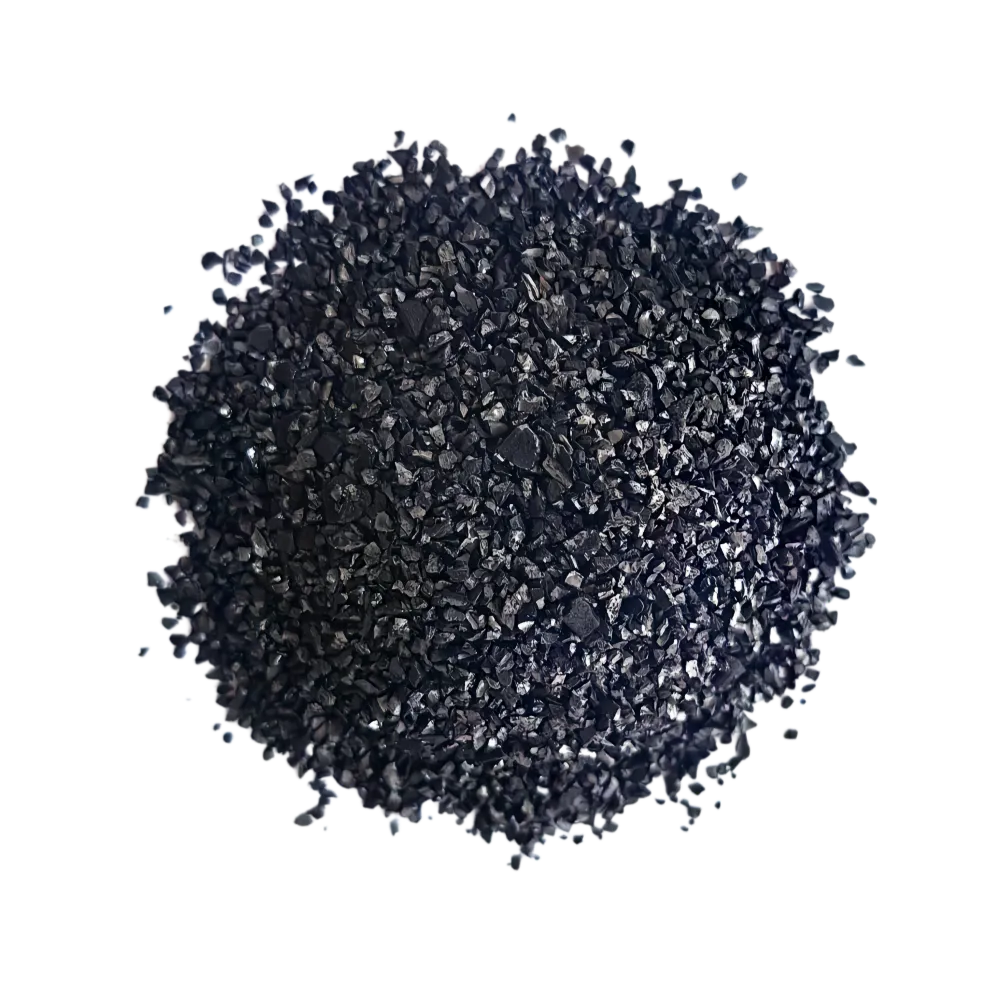
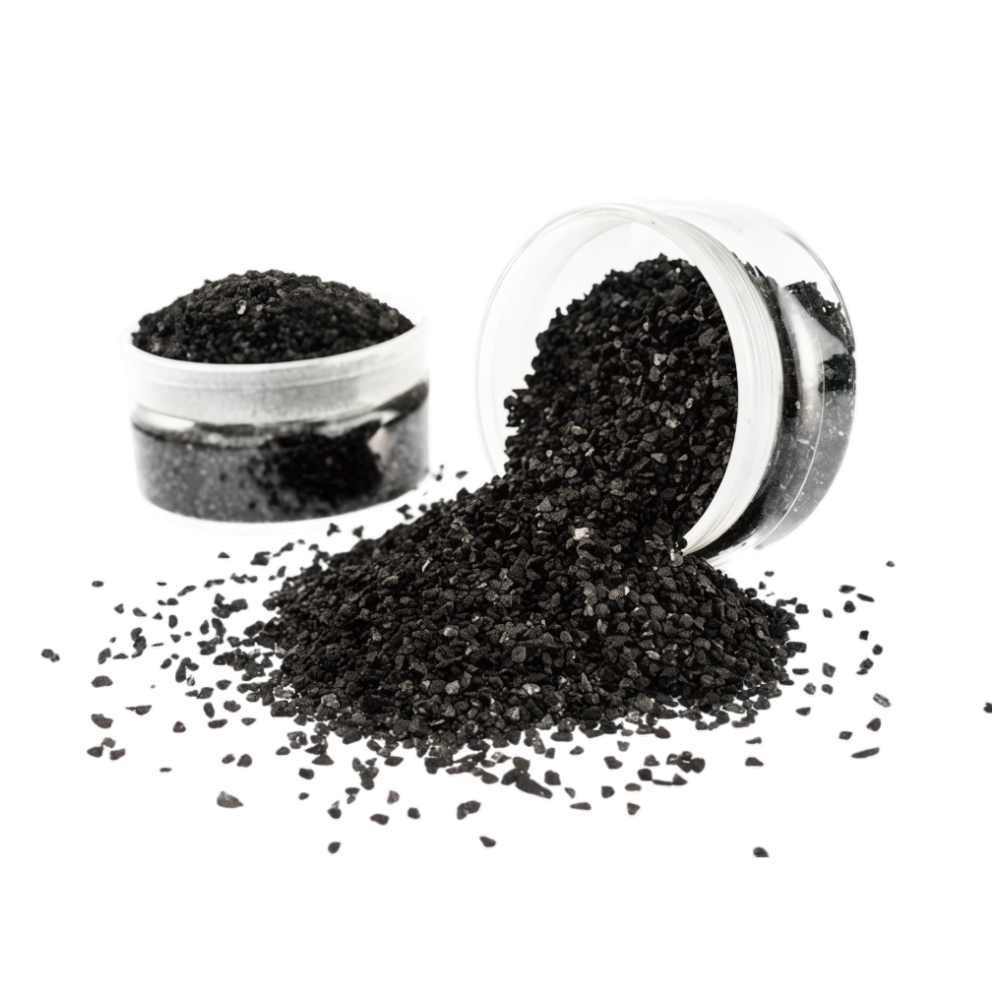
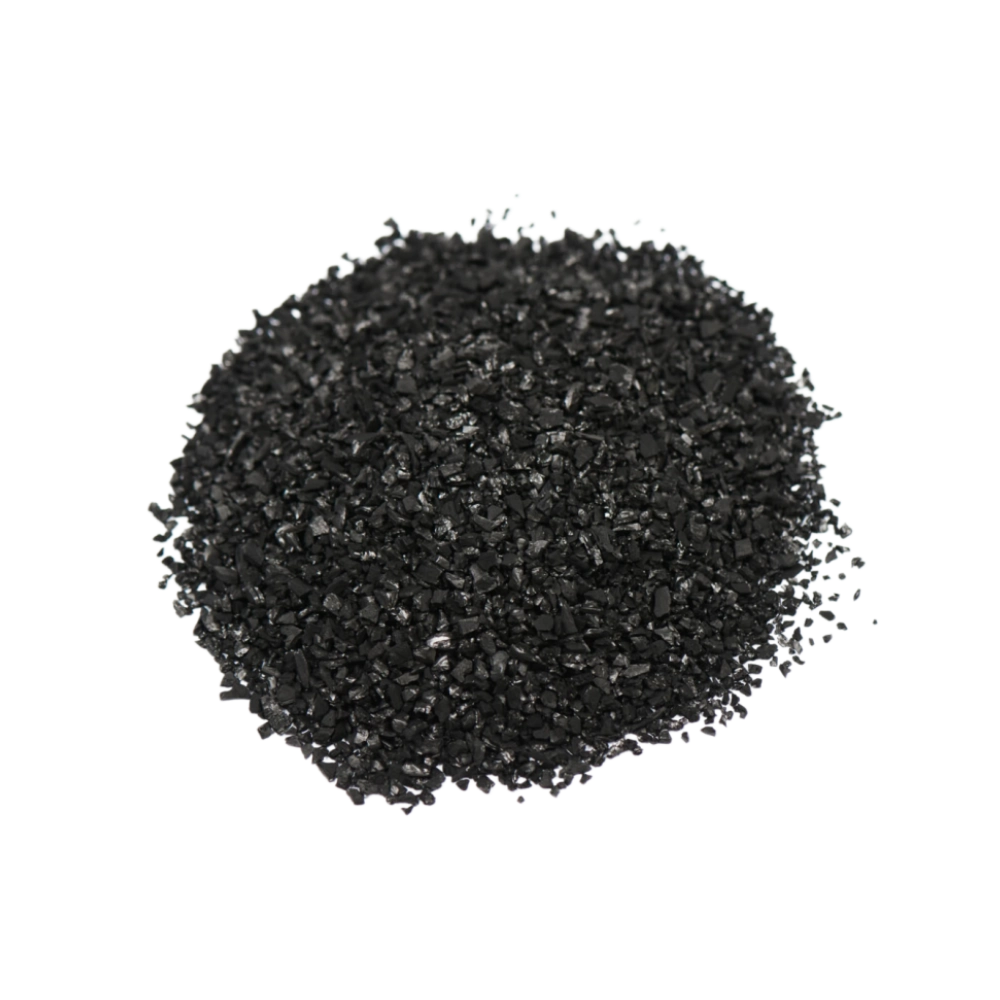
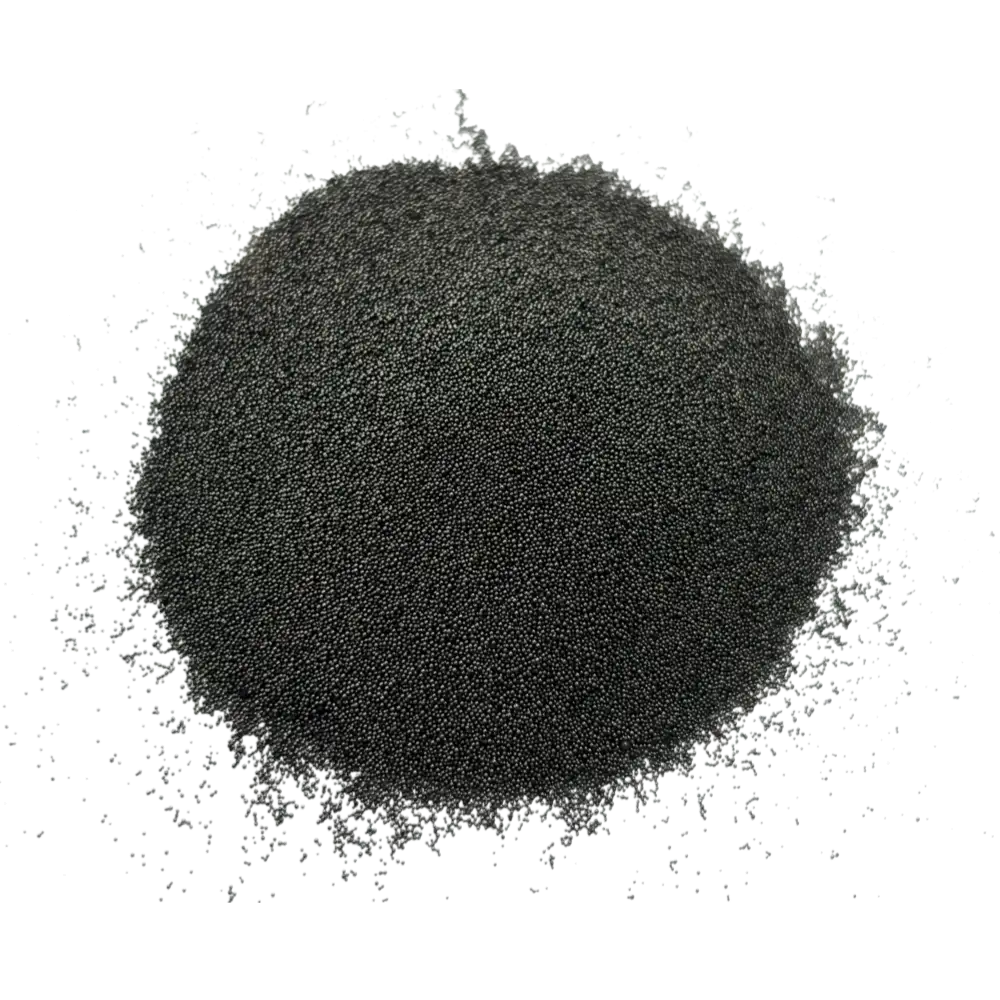
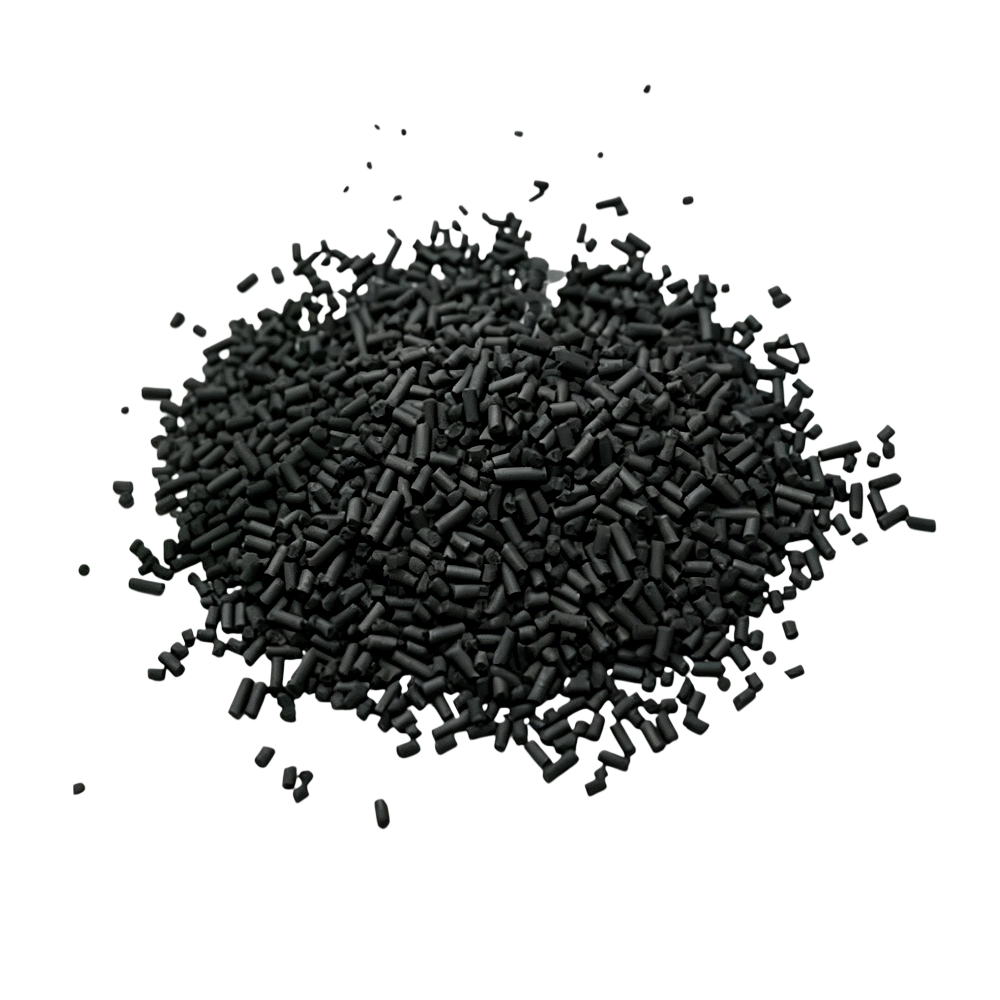
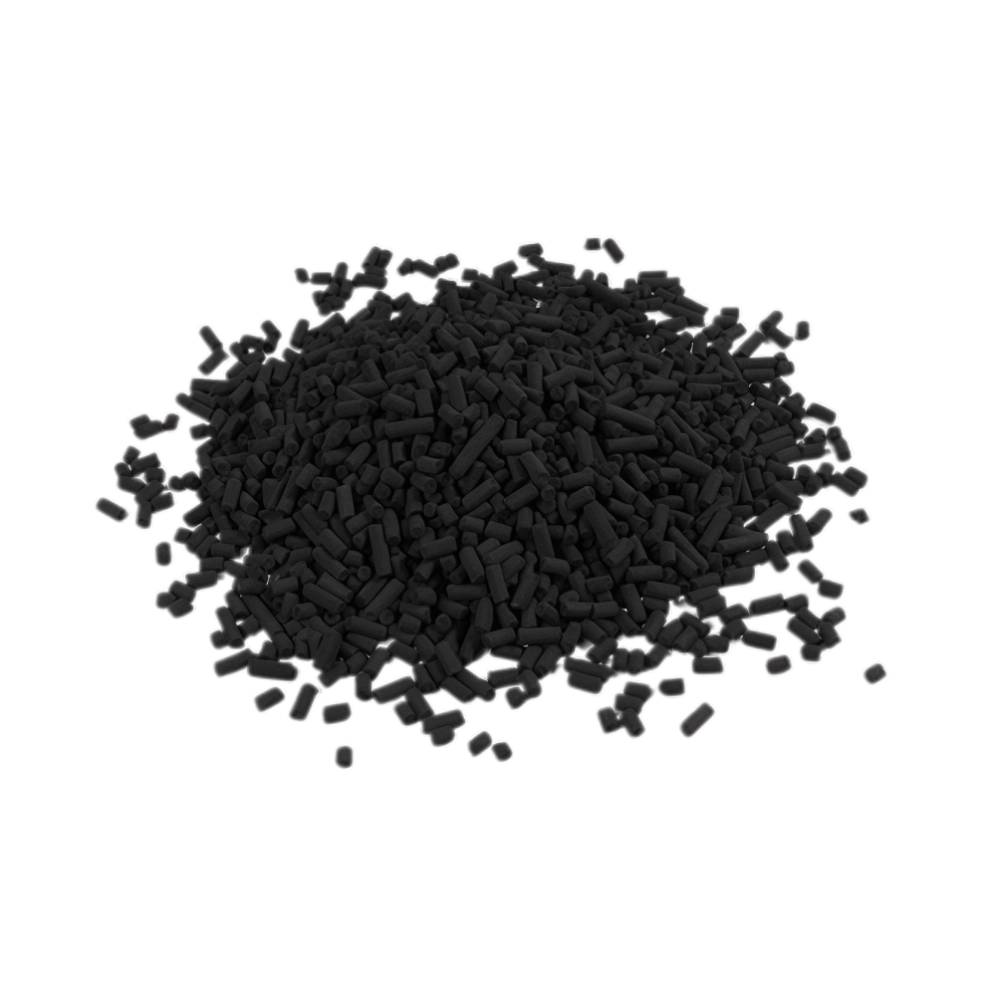

























Activated carbon plays a critical role in modern gold recovery circuits. In CIP, CIL and CIC systems, its performance can directly affect gold adsorption efficiency, carbon consumption, fines generation and overall operating cost.
For procurement teams, however, selecting gold recovery carbon based only on iodine number or price per tonne can be misleading. A suitable carbon must combine adsorption performance with mechanical strength, consistent particle size and resistance to repeated handling and regeneration.
This guide explains the key factors to consider when sourcing activated carbon for gold recovery and how requirements can differ between CIP, CIL and CIC processes.
CIP, CIL and CIC: What Is the Difference?
Activated carbon is used to adsorb dissolved gold complexes from cyanide-containing process solutions, but the operating environment differs depending on the recovery process.
- CIP (Carbon-in-Pulp): gold is first leached into solution before activated carbon is introduced into the pulp for adsorption.
- CIL (Carbon-in-Leach): leaching and carbon adsorption take place in the same circuit.
- CIC (Carbon-in-Column): clarified gold-bearing solution passes through columns containing activated carbon.
These differences affect how the carbon is exposed to slurry movement, screening, pumping and hydraulic conditions. Buyers evaluating a new carbon grade should therefore consider the actual process rather than relying on a single standard specification.
For a more detailed overview of the application, see our activated carbon for gold extraction in CIP, CIL and heap-leach circuits.

1. Mechanical Strength and Attrition Resistance
Mechanical durability is one of the most important characteristics of activated carbon used in gold recovery.
In CIP and CIL circuits, carbon particles are repeatedly exposed to agitation, pumping, screening, elution and regeneration. Weak particles can gradually break into fines during these operations.
This creates two potential problems:
- higher carbon make-up requirements;
- loss of gold-bearing carbon fines from the recovery circuit.
For this reason, buyers should pay close attention to hardness, particle integrity and attrition resistance when comparing gold recovery carbon suppliers.
2. Gold Adsorption Kinetics
Activated carbon must not only be capable of adsorbing gold—it must adsorb it at a suitable rate under actual operating conditions.
Adsorption kinetics influence how quickly dissolved gold complexes can move from the process solution into the internal pore structure of the carbon.
In a continuous gold recovery plant, slower adsorption may require additional carbon inventory or longer contact time to achieve the desired recovery performance.
This is why iodine number alone should not be treated as a complete indicator of gold adsorption performance.
3. Gold Loading Capacity
Gold loading capacity is another important consideration when evaluating activated carbon for precious-metal recovery.
A high-capacity carbon can retain a larger quantity of gold under defined conditions, but capacity should always be considered together with adsorption rate and elution behavior.
The objective is not simply to find a carbon with the highest theoretical adsorption value. The carbon must perform consistently within the actual residence time and operating conditions of the plant.
4. Particle Size Distribution
Consistent particle size helps maintain predictable screening, circulation and hydraulic behavior.
Gold recovery carbon that contains excessive undersized or fragile particles may generate more fines during use. Conversely, particle size that does not match the circuit design may affect adsorption or carbon handling.
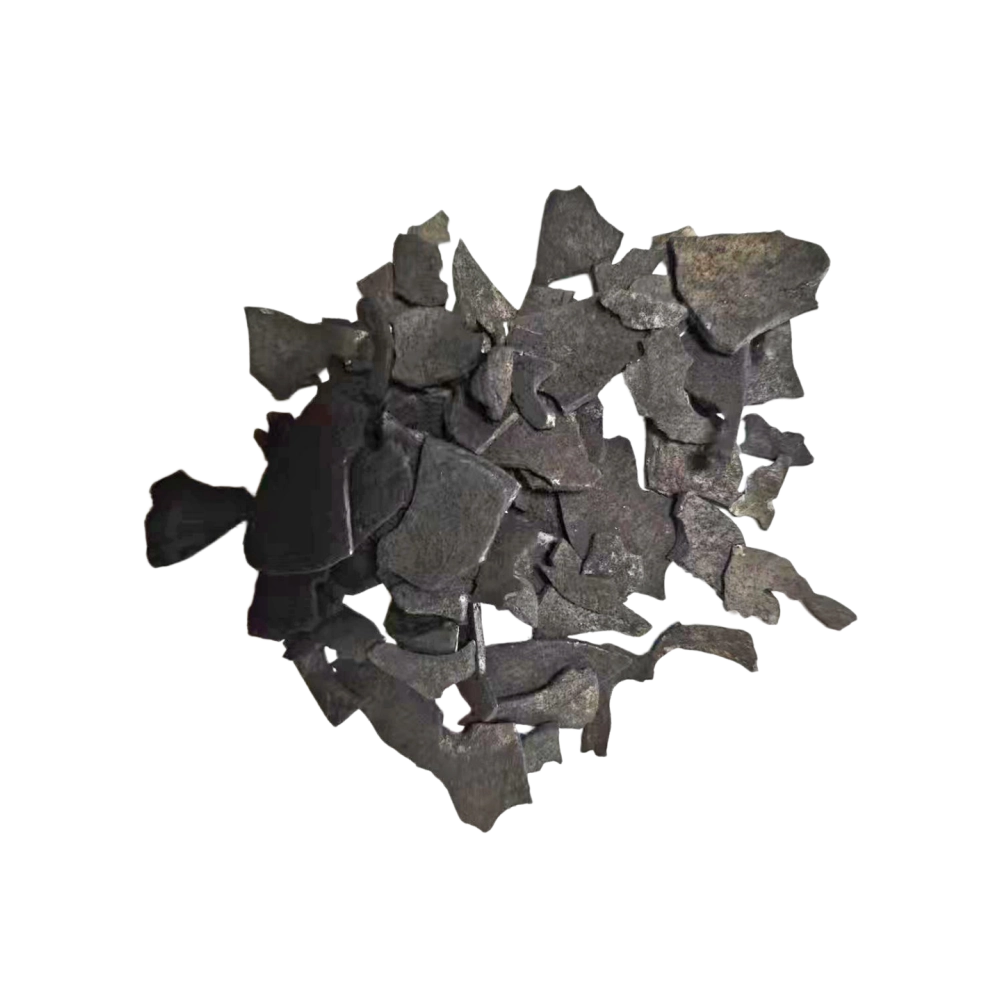
PureStar's coconut shell activated carbon for CIP, CIL and CIC gold recovery is designed specifically for precious-metal recovery and is available in defined particle-size ranges for mining applications.
5. Resistance to Repeated Regeneration
Gold recovery carbon is normally reused through multiple adsorption, elution and thermal regeneration cycles.
This means initial performance is only part of the purchasing decision.
A suitable carbon should maintain reasonable particle integrity and adsorption performance after repeated cycling. Excessive degradation can increase carbon consumption and reduce the economic benefit of regeneration.
When evaluating a supplier, buyers should therefore consider expected carbon life and regeneration stability in addition to the initial purchase price.
Why Coconut Shell Activated Carbon Is Widely Used for Gold Recovery
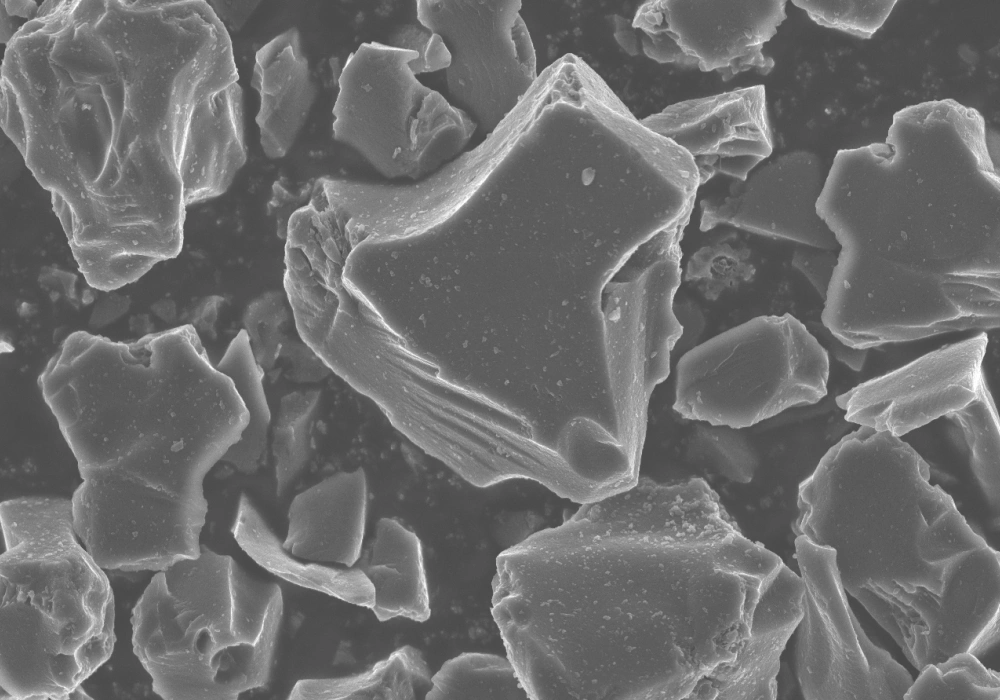
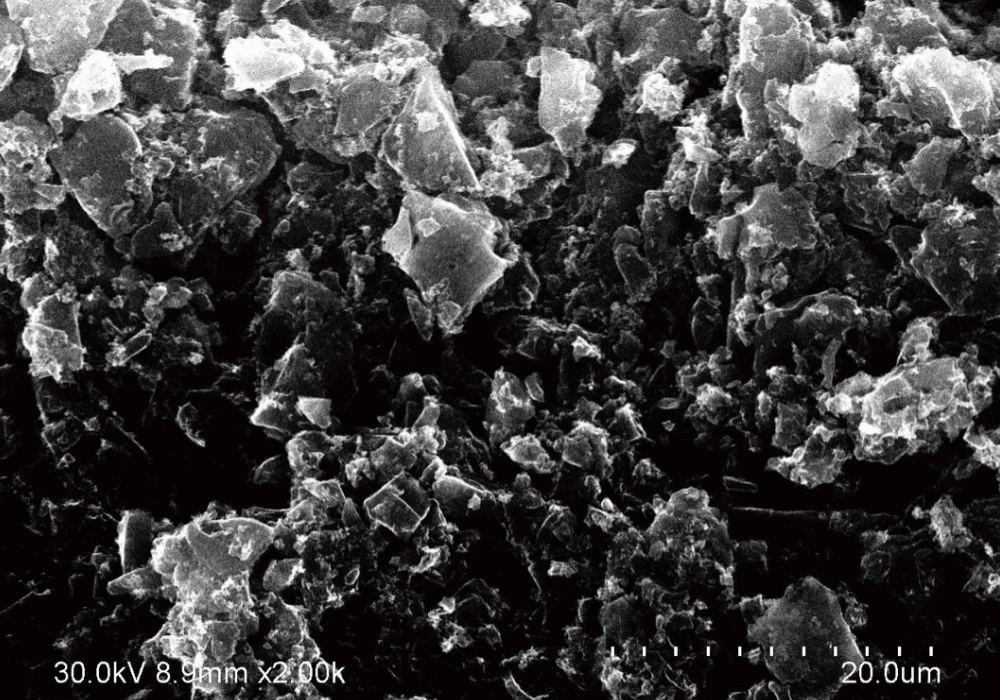
Coconut shell activated carbon is widely used in precious-metal recovery because its dense raw-material structure can provide good mechanical strength together with a microporous adsorption structure.
These properties are especially useful in demanding CIP and CIL circuits where the carbon is repeatedly circulated and mechanically stressed.
However, the words "coconut shell activated carbon" alone are not enough to guarantee performance. Activation conditions, pore structure, hardness, particle-size control and production consistency can differ significantly between suppliers.
Do Not Compare Gold Recovery Carbon by Iodine Number Alone
A common purchasing request is:
"We need coconut shell activated carbon with iodine 1000."
While iodine number is a useful general activated-carbon specification, it does not by itself show:
- how quickly gold will be adsorbed;
- how well the carbon resists attrition;
- how much carbon may be lost as fines;
- how the carbon performs after repeated regeneration;
- whether the particle size matches the plant's screens and circuit design.
For gold recovery, the complete technical profile is therefore more important than any single specification.
What Should You Ask an Activated Carbon Supplier?
Before selecting a new carbon supplier, procurement teams should request technical information that allows products to be compared on the same basis.
Useful documents and specifications include:
- Technical Data Sheet (TDS);
- batch Certificate of Analysis (COA);
- particle-size distribution;
- hardness or mechanical-strength data;
- iodine number and other relevant adsorption parameters;
- gold adsorption performance data when available;
- packaging options;
- sample availability;
- production and supply capacity.
Where possible, a representative sample should also be evaluated under the buyer's own process conditions before large-volume purchasing.
Information to Provide When Requesting a Recommendation
The more operating information you provide, the easier it is for a supplier to recommend an appropriate grade.
When contacting a supplier, consider including:
- whether the process is CIP, CIL or CIC;
- current activated carbon specification;
- required particle size;
- current carbon consumption or make-up rate;
- any existing fines or attrition problems;
- required technical specifications;
- estimated monthly or annual demand;
- destination country or port.
This allows the carbon to be evaluated against the actual operating requirements rather than simply quoting a generic mining-grade product.
Evaluate Total Recovery Cost, Not Only Carbon Price
For a gold processing plant, the lowest activated carbon price does not necessarily result in the lowest operating cost.
Carbon consumption, fines generation, gold losses, adsorption performance, regeneration life and plant stability all contribute to the real cost of the adsorption circuit.
A more useful purchasing question is therefore:
How much does this carbon cost per unit of gold successfully recovered?
That perspective allows procurement teams to compare activated carbon based on actual process value rather than price per tonne alone.
For additional mining applications and product options, explore our activated carbon solutions for mining and precious metals recovery.
Looking for Activated Carbon for Your Gold Recovery Circuit?
Tell us your CIP, CIL or CIC process, required particle size, current carbon specification, estimated consumption and destination. PureStar can recommend a suitable gold recovery activated carbon grade and provide technical specifications, COA, sample availability and quotation.


