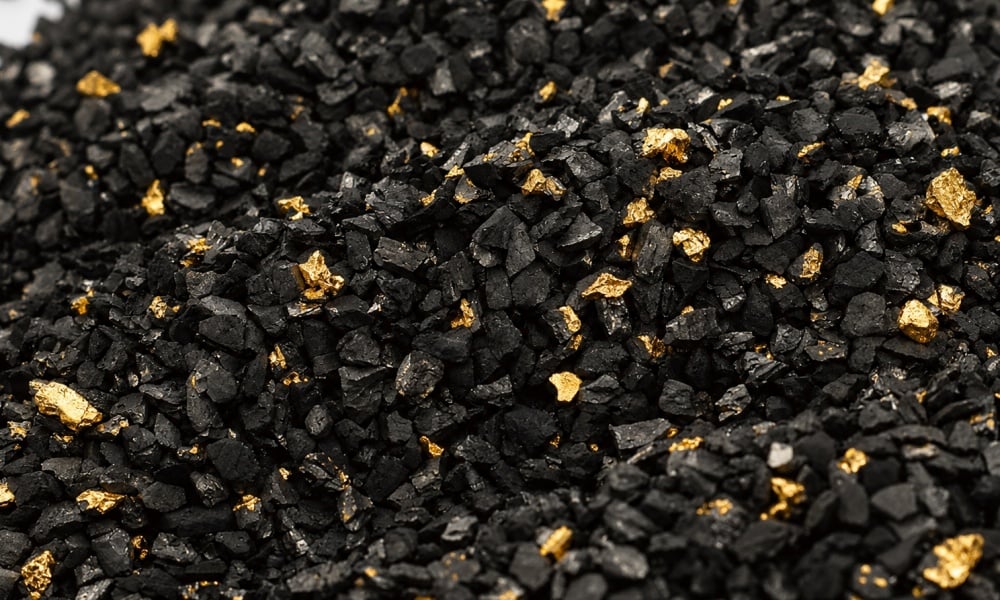




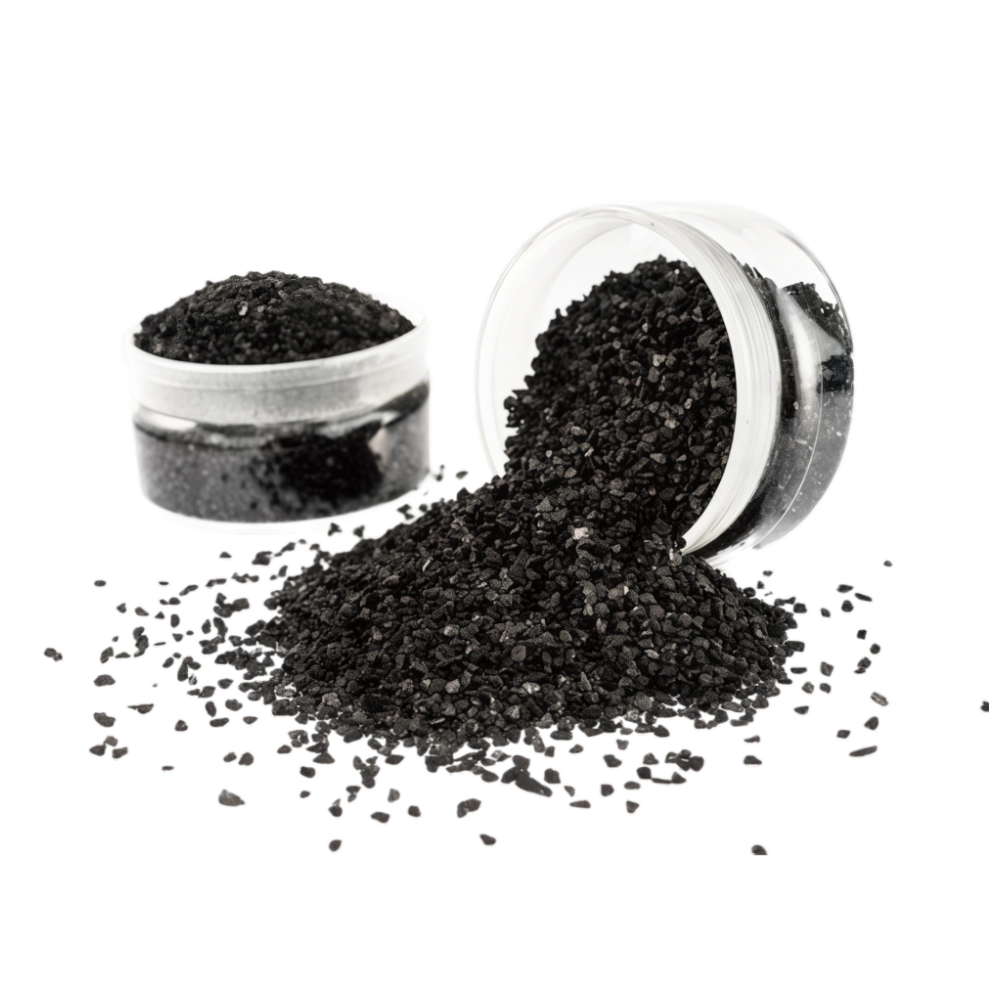
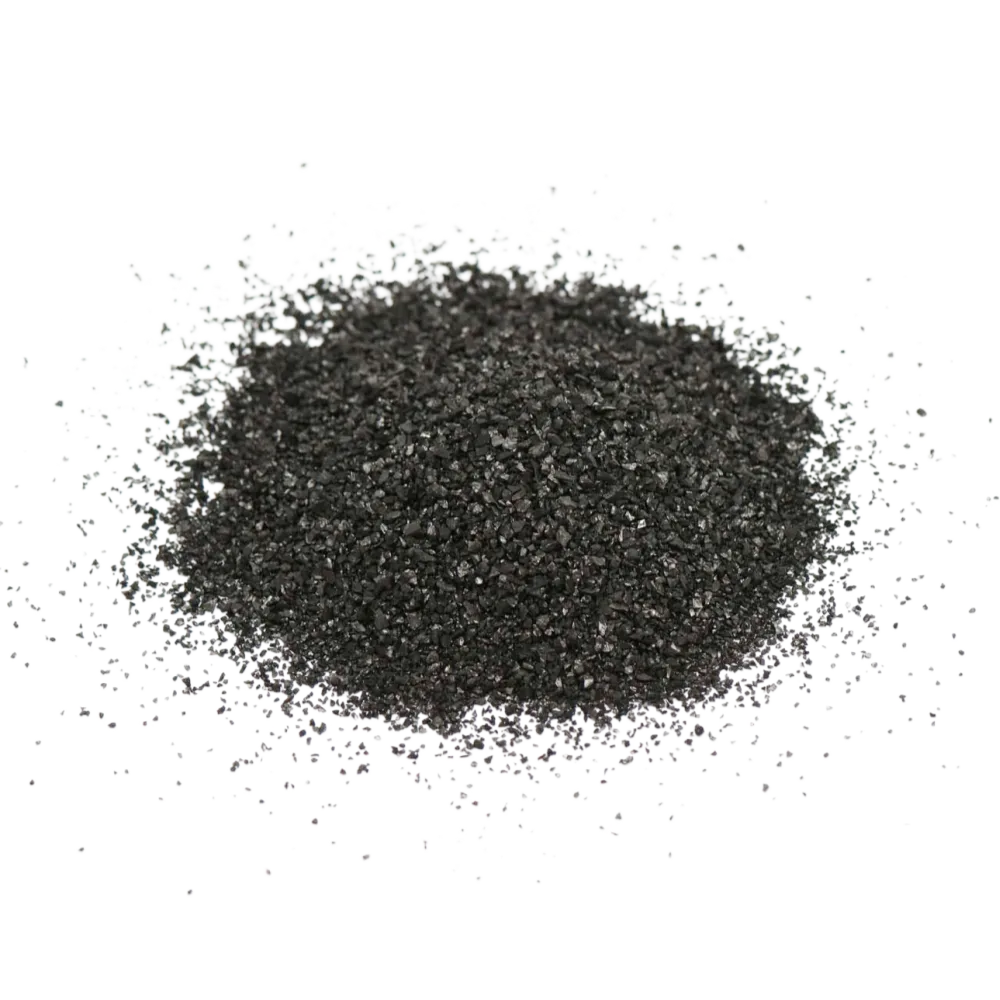
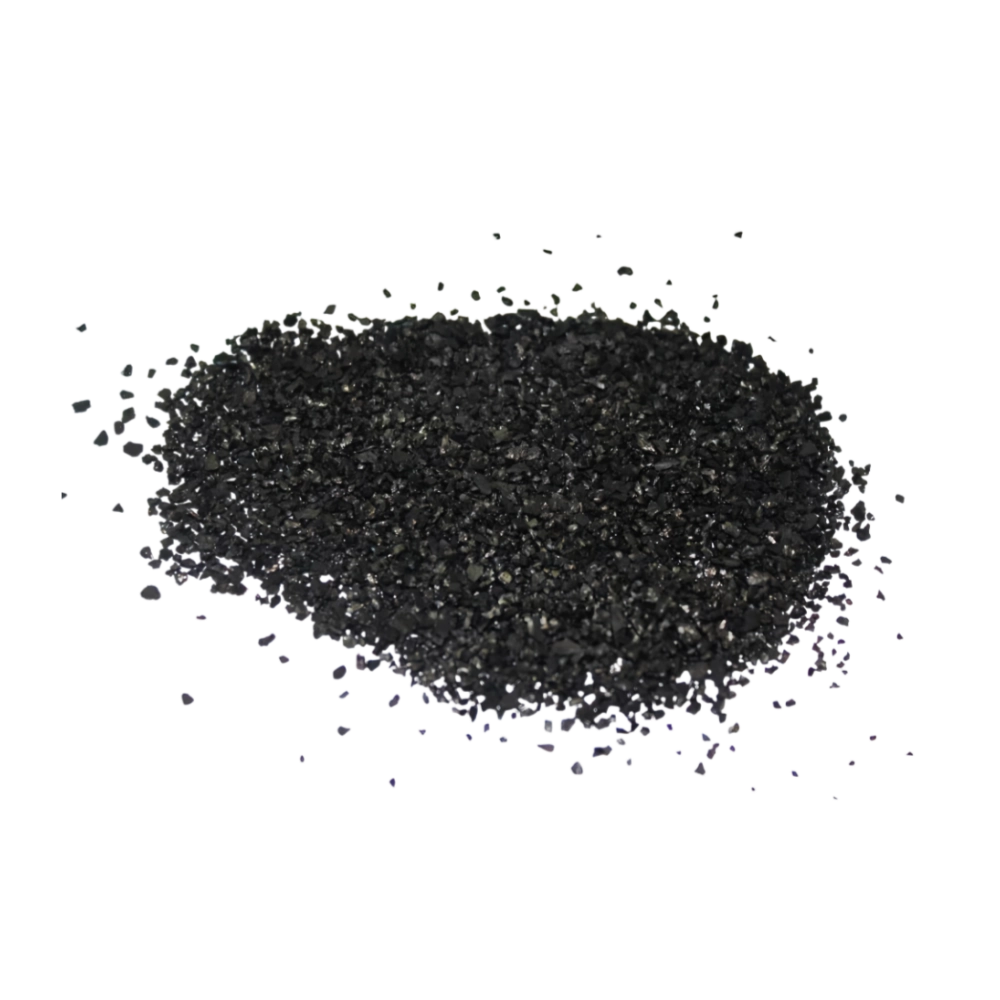
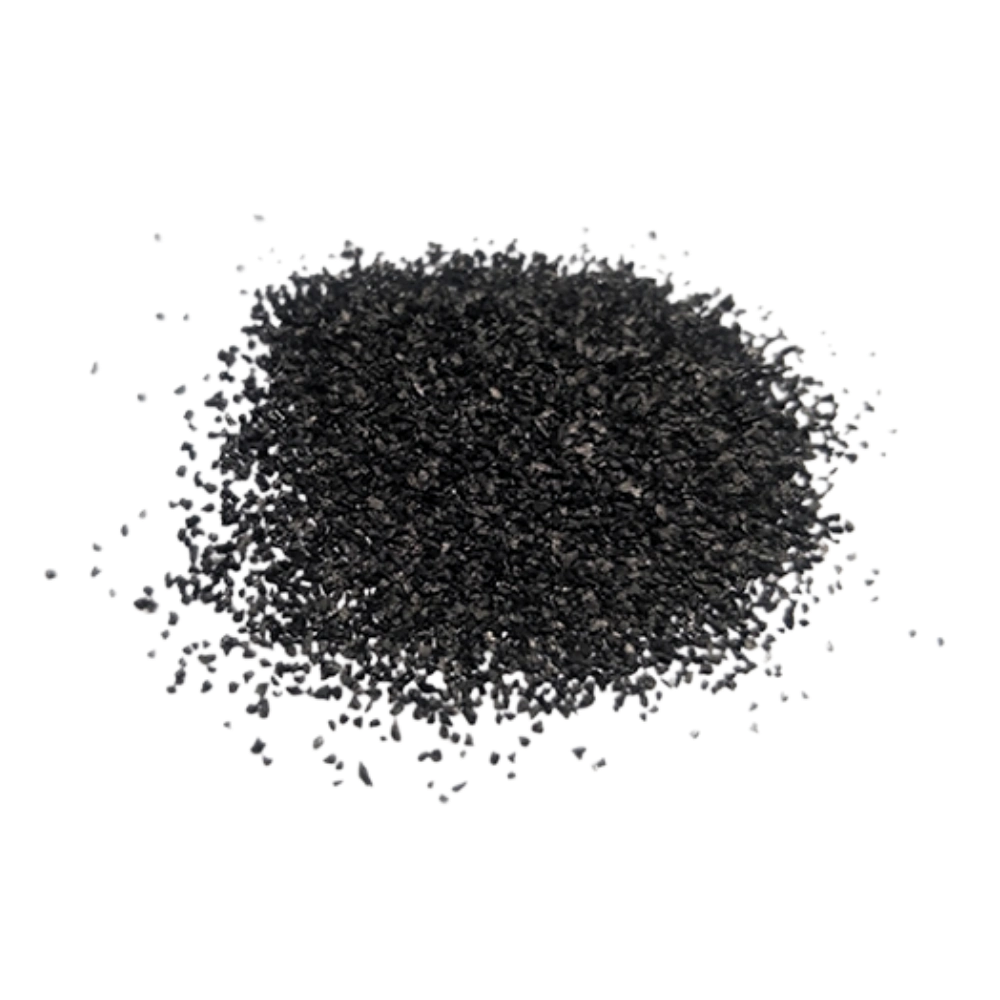
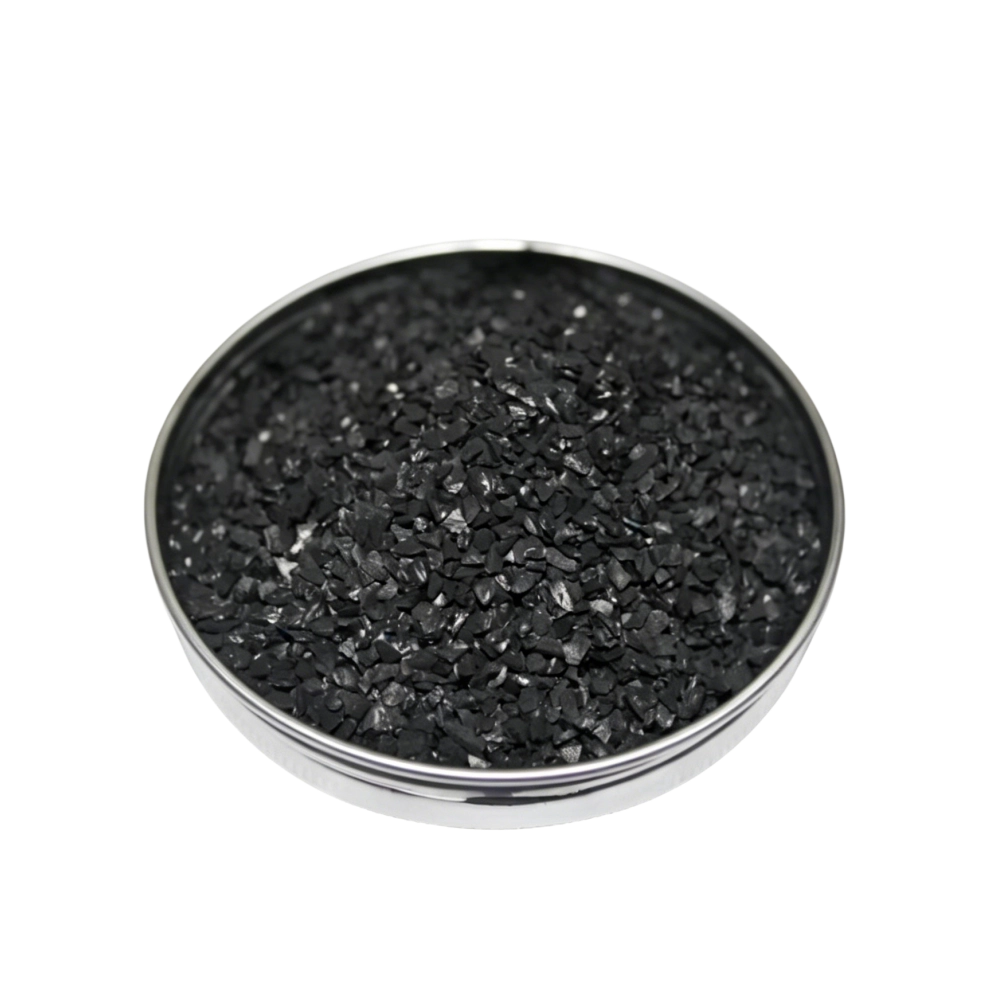
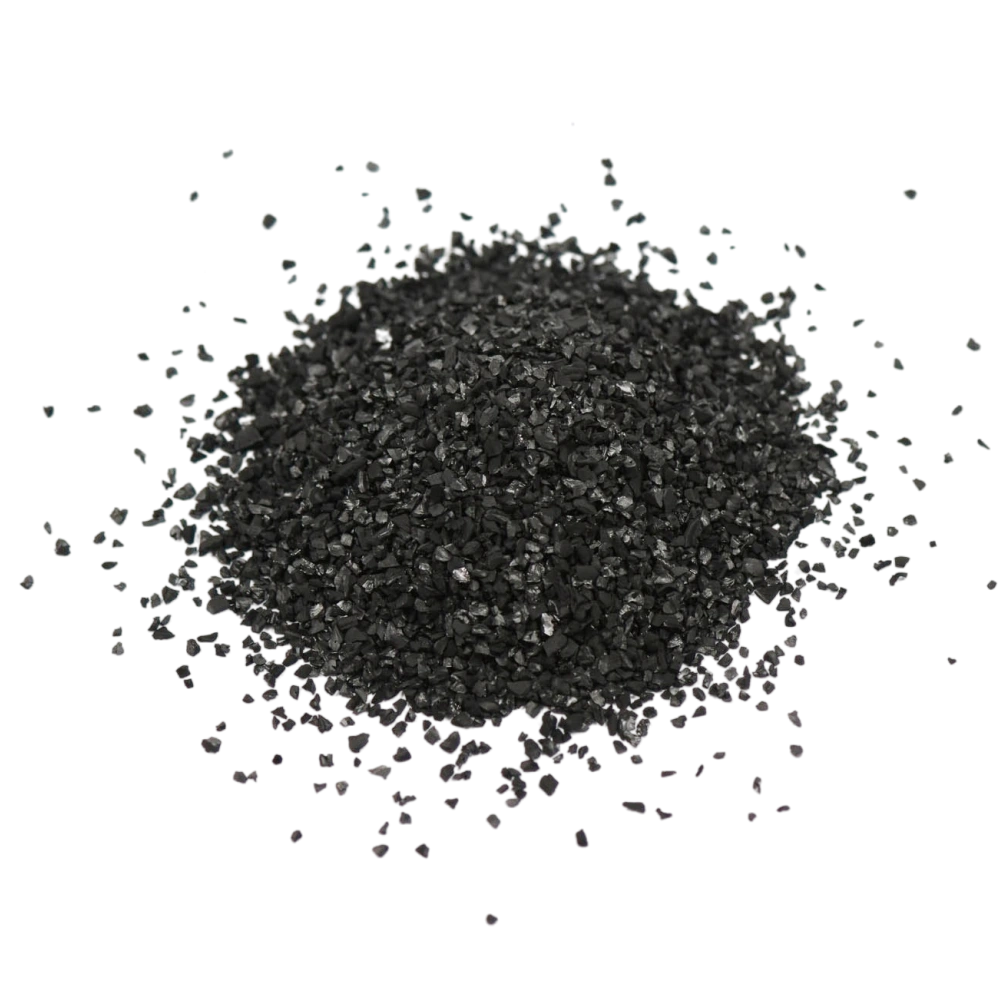
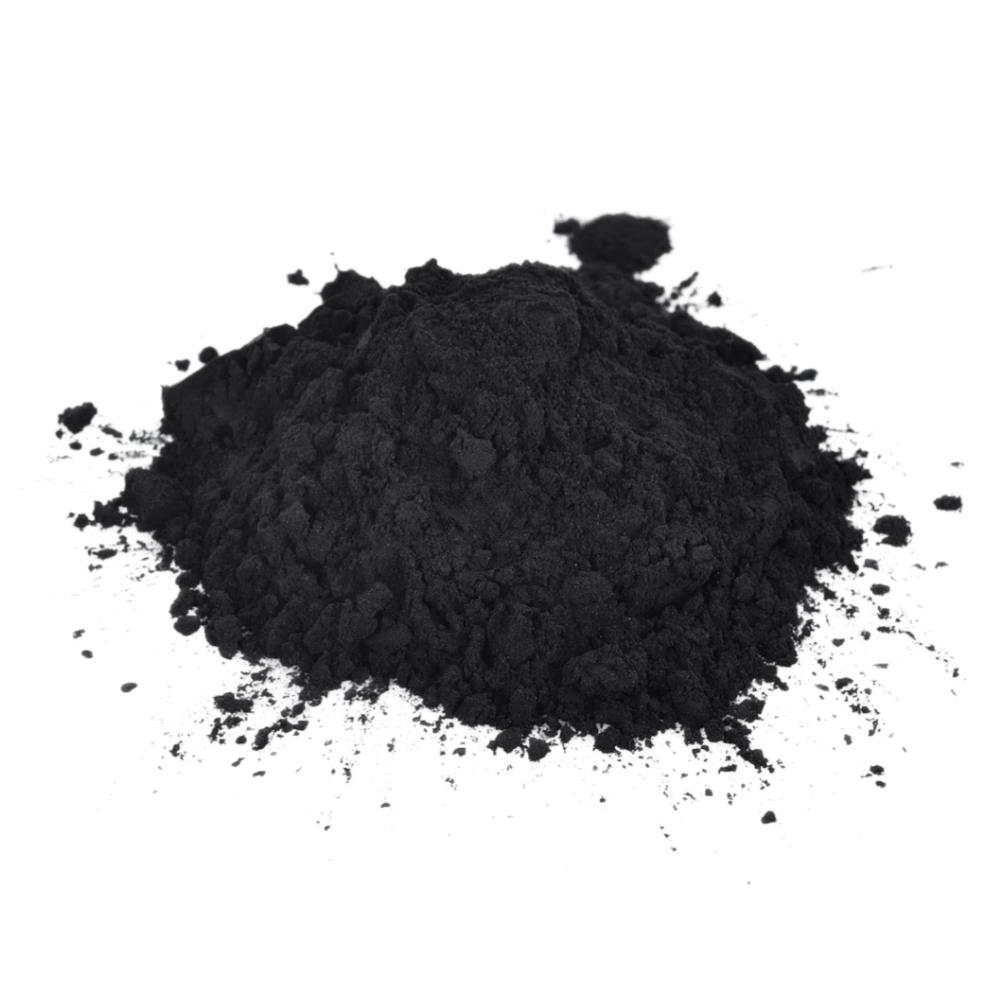
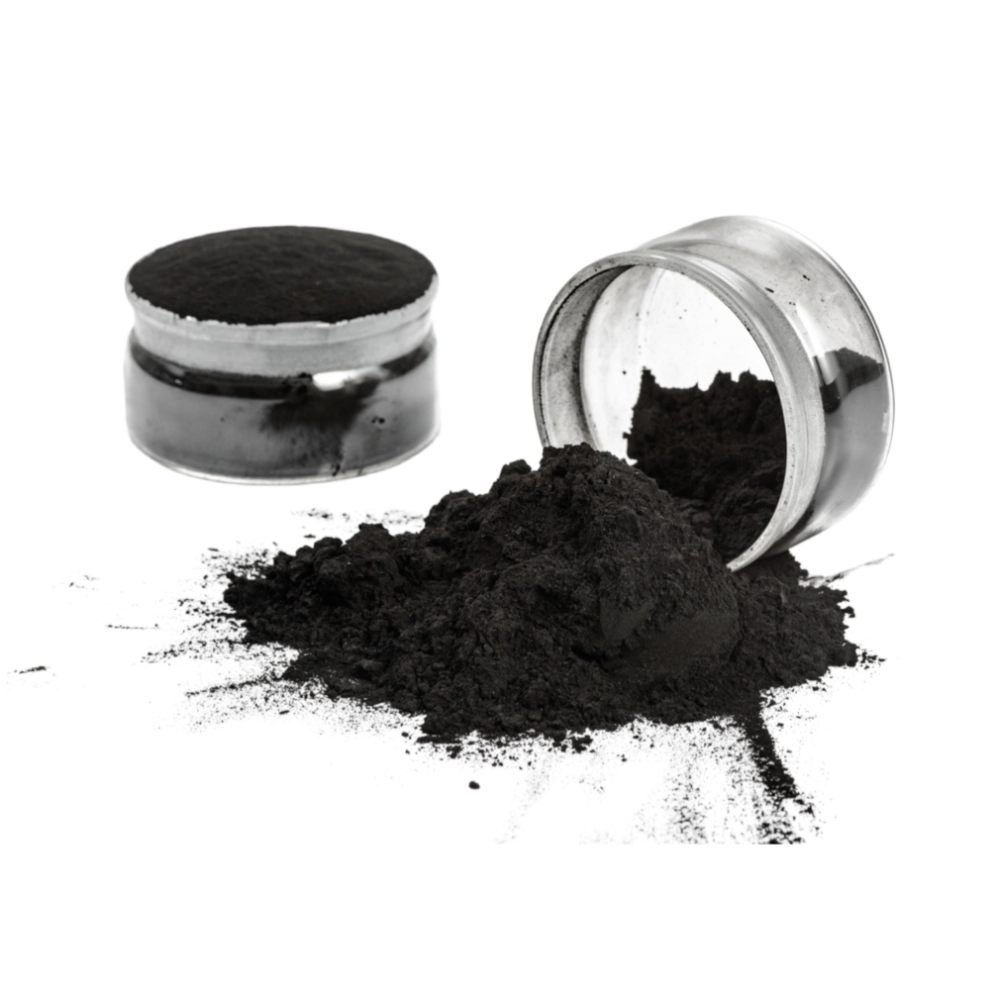
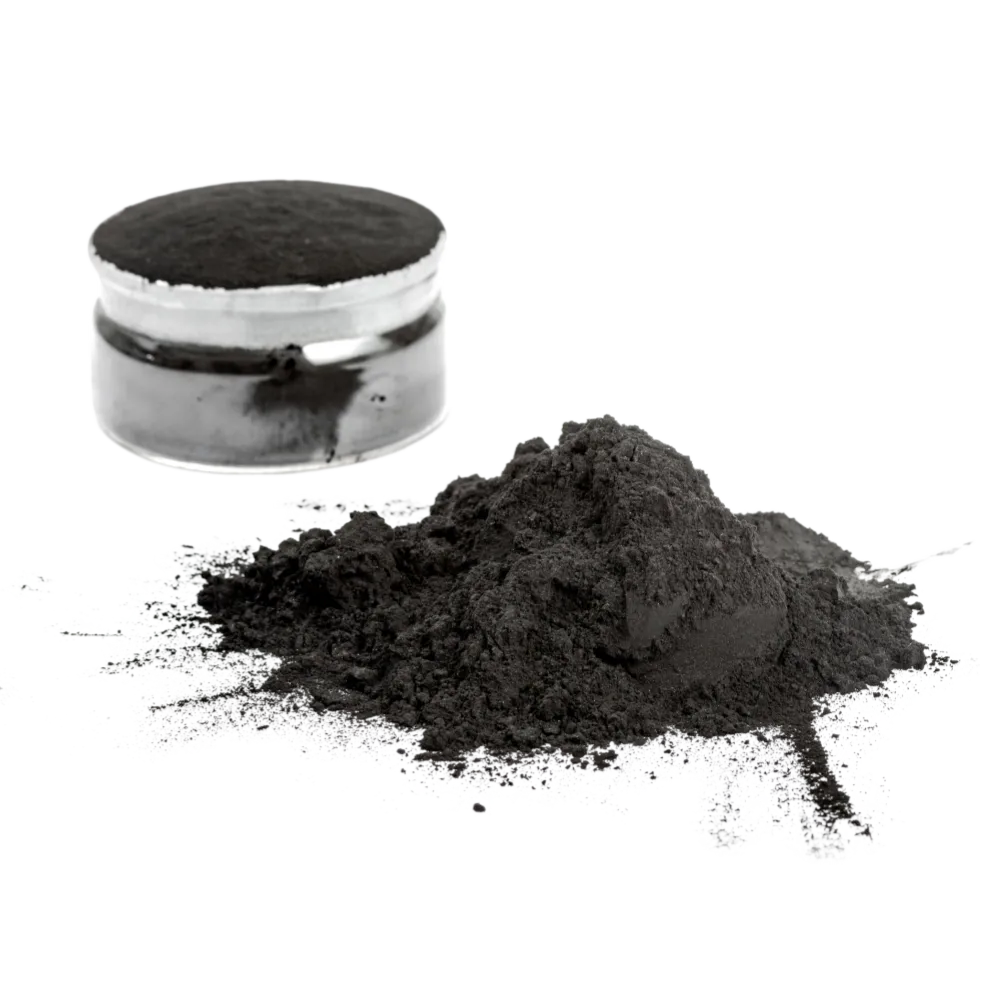
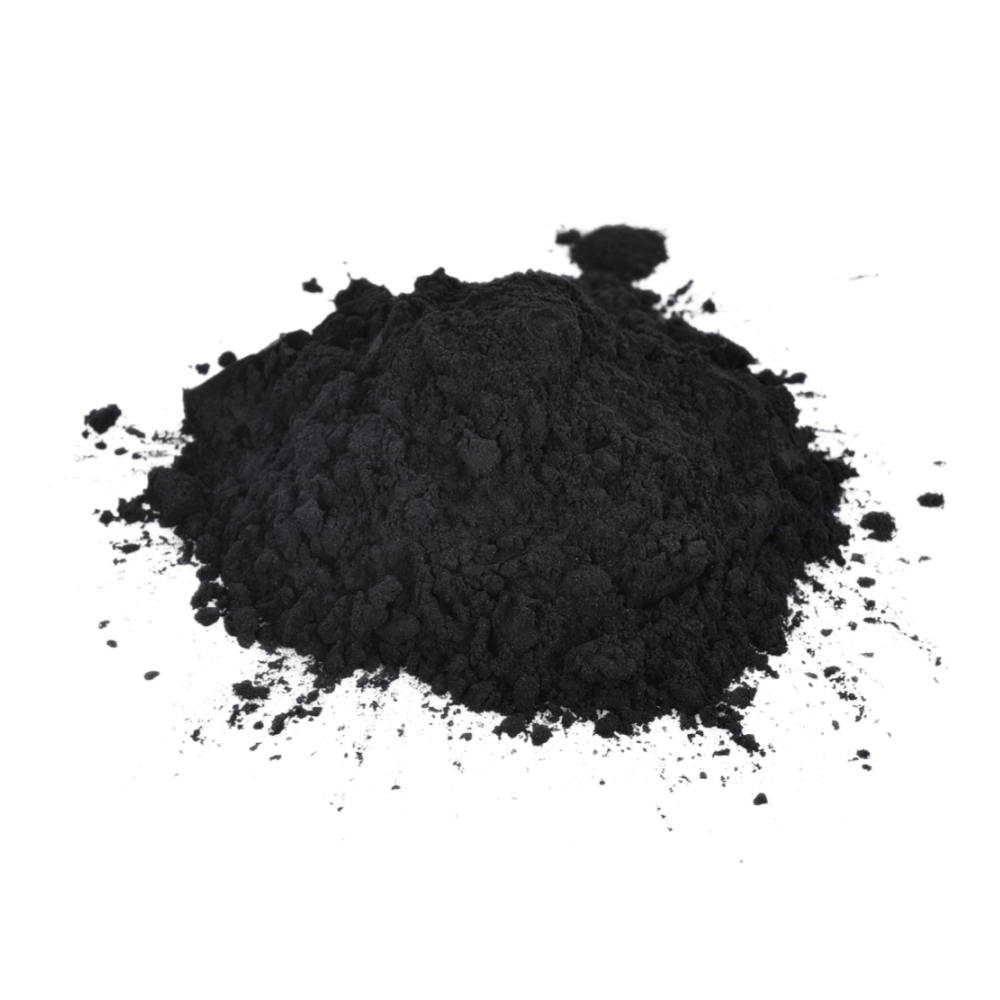
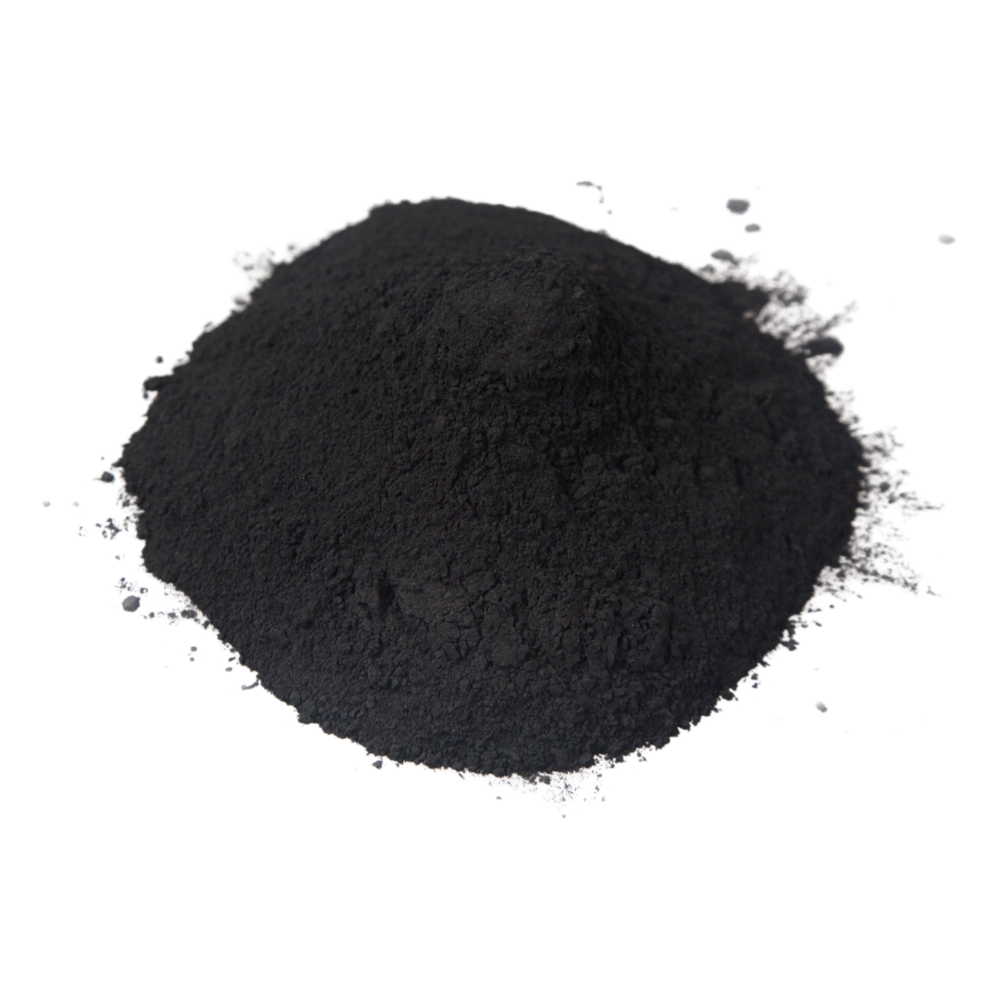
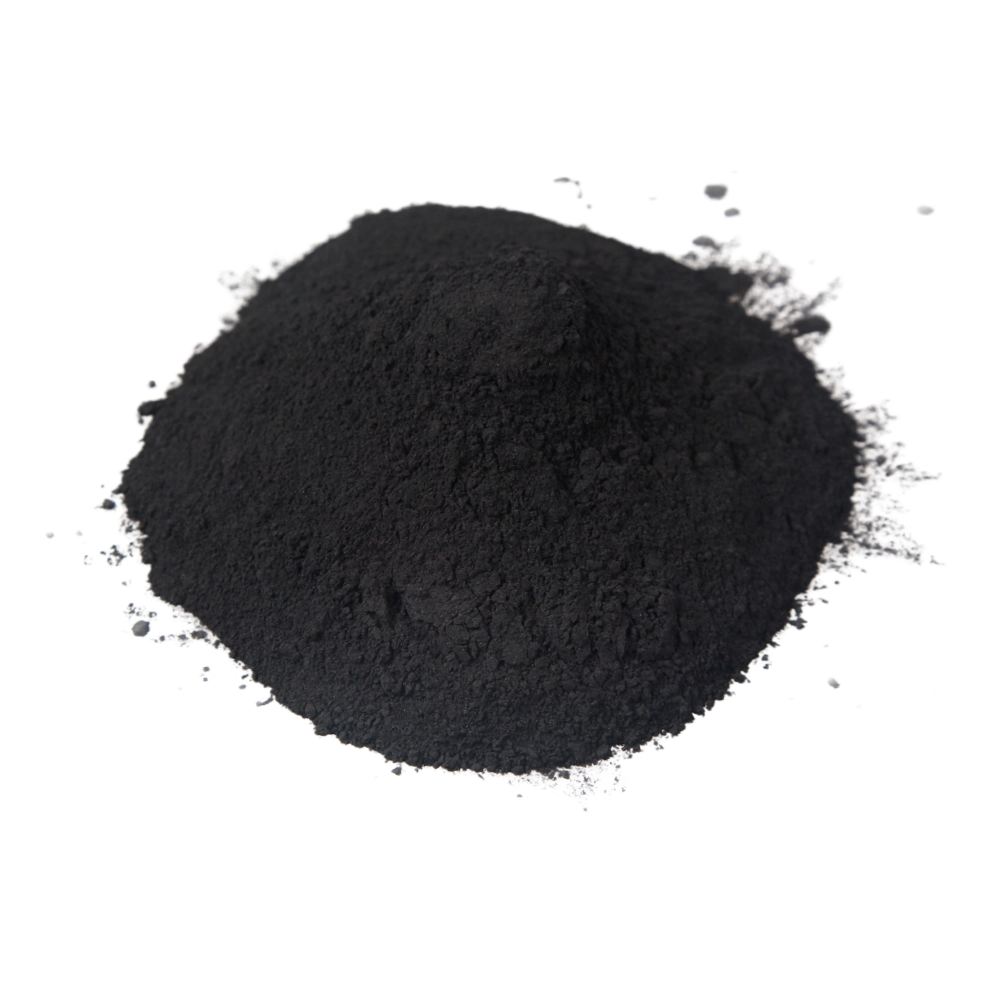
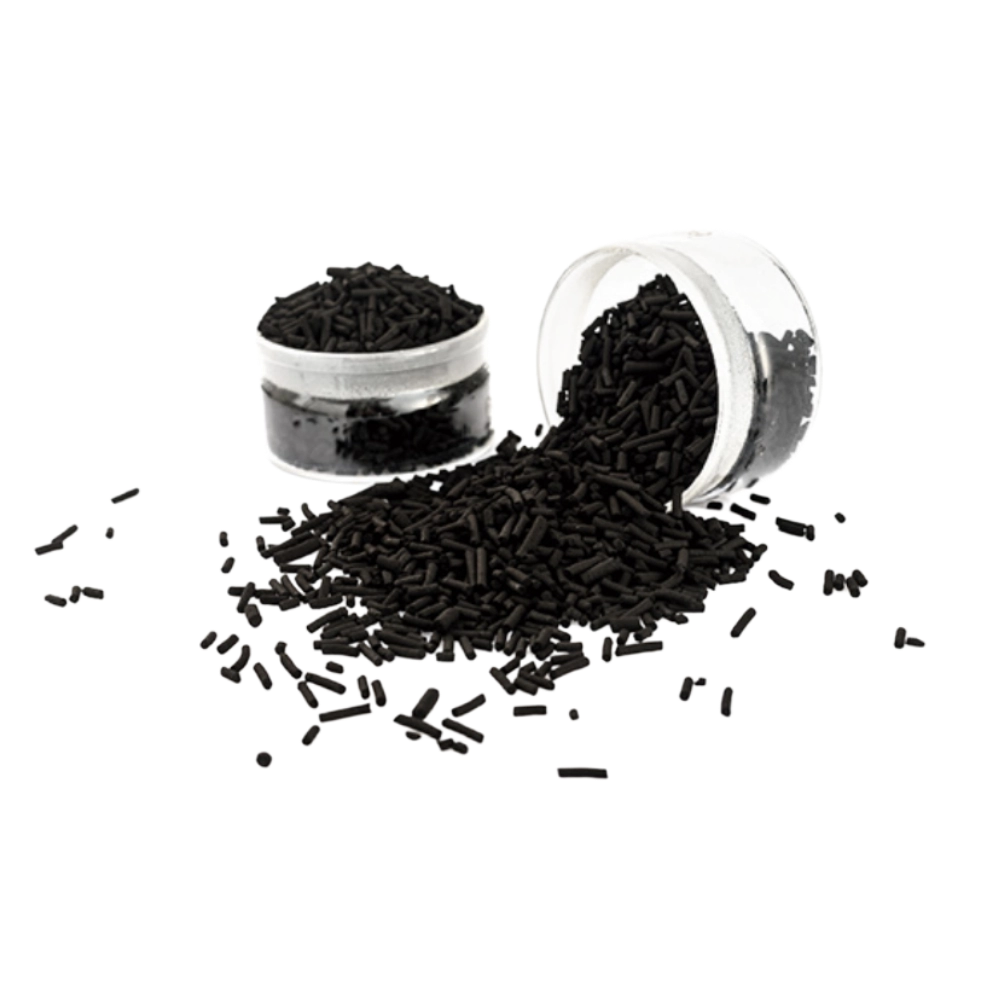
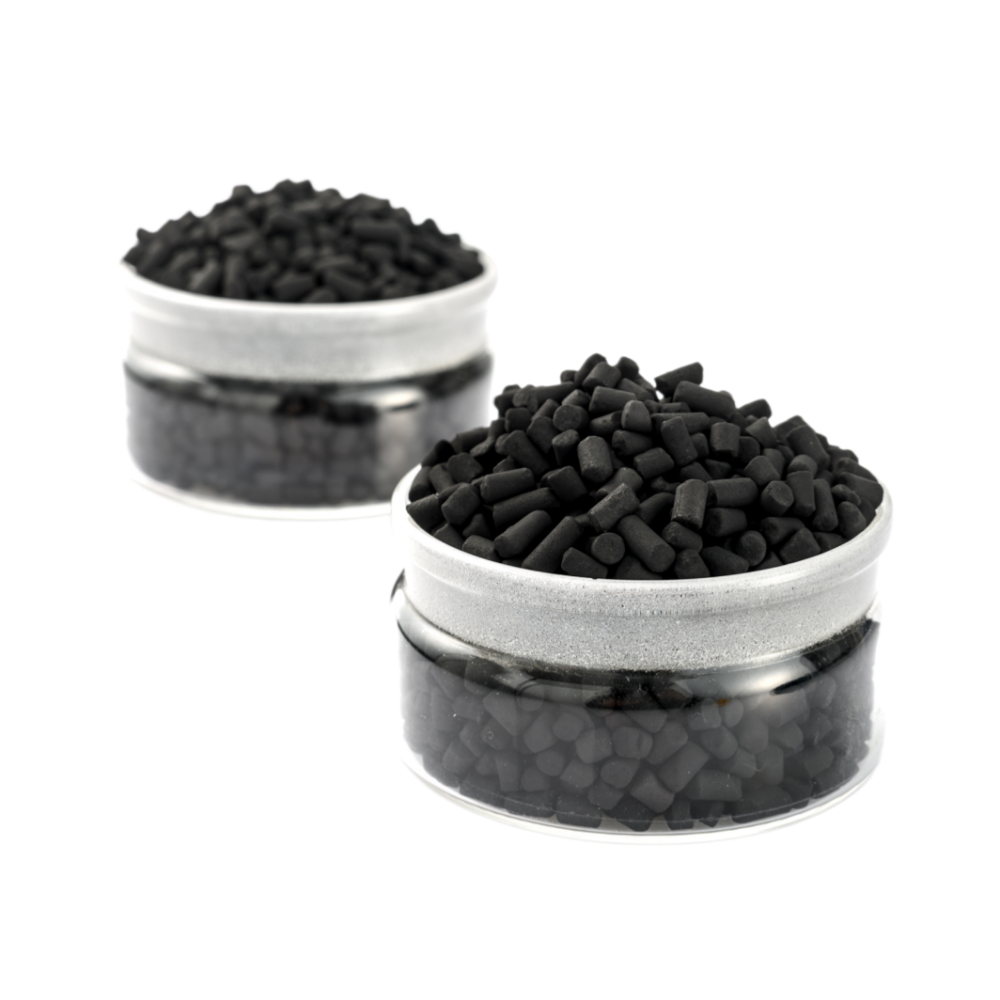
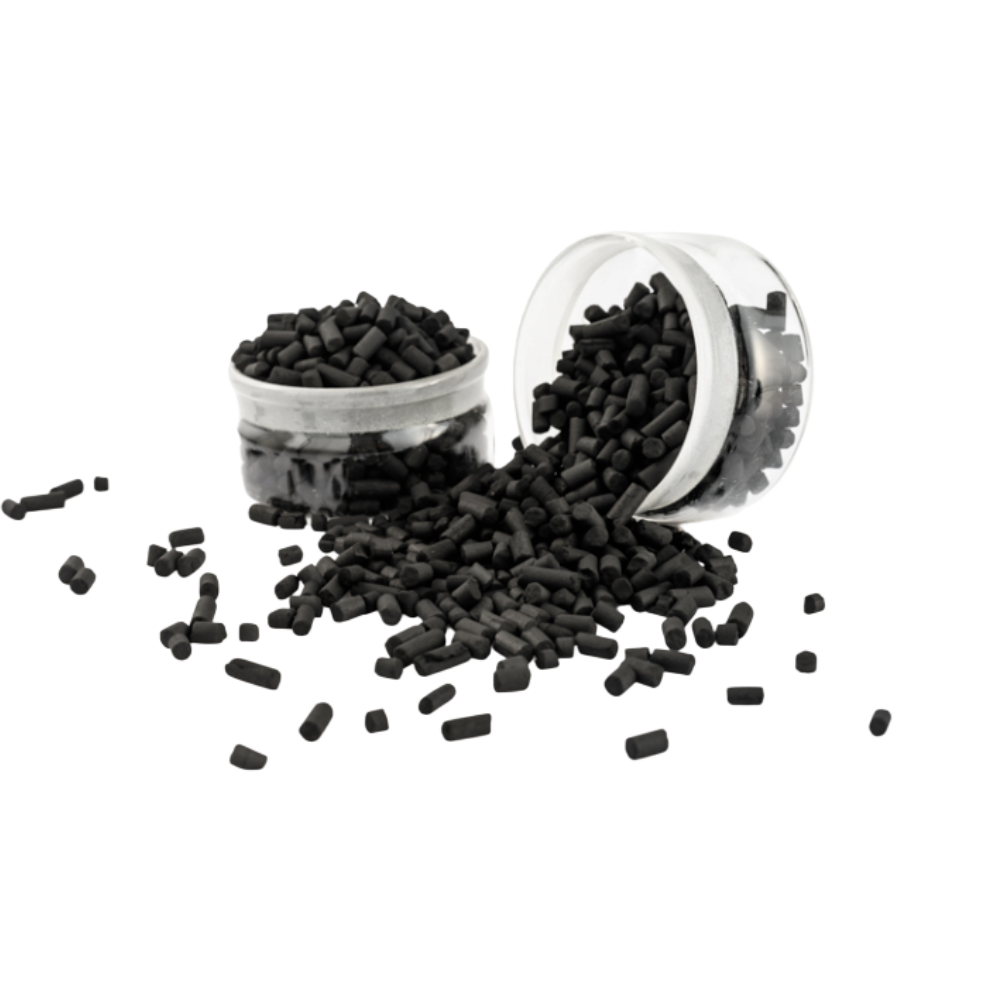
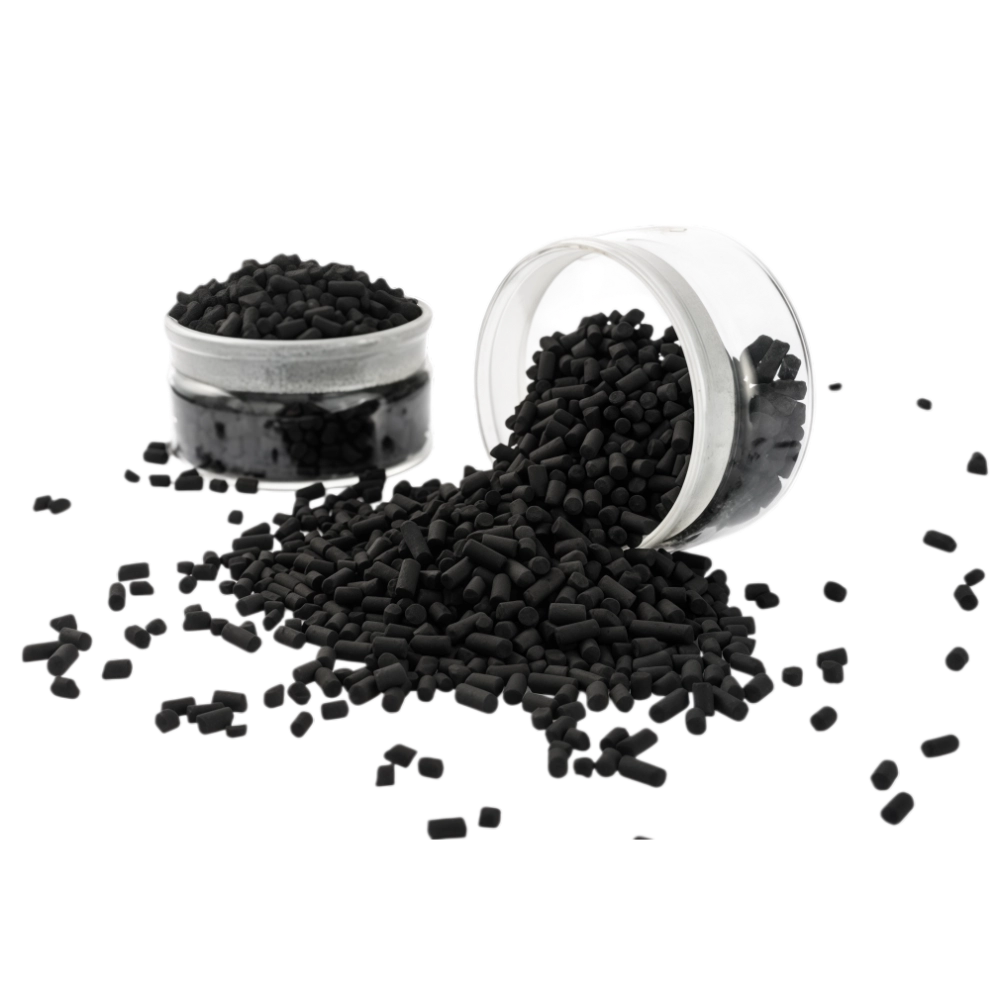
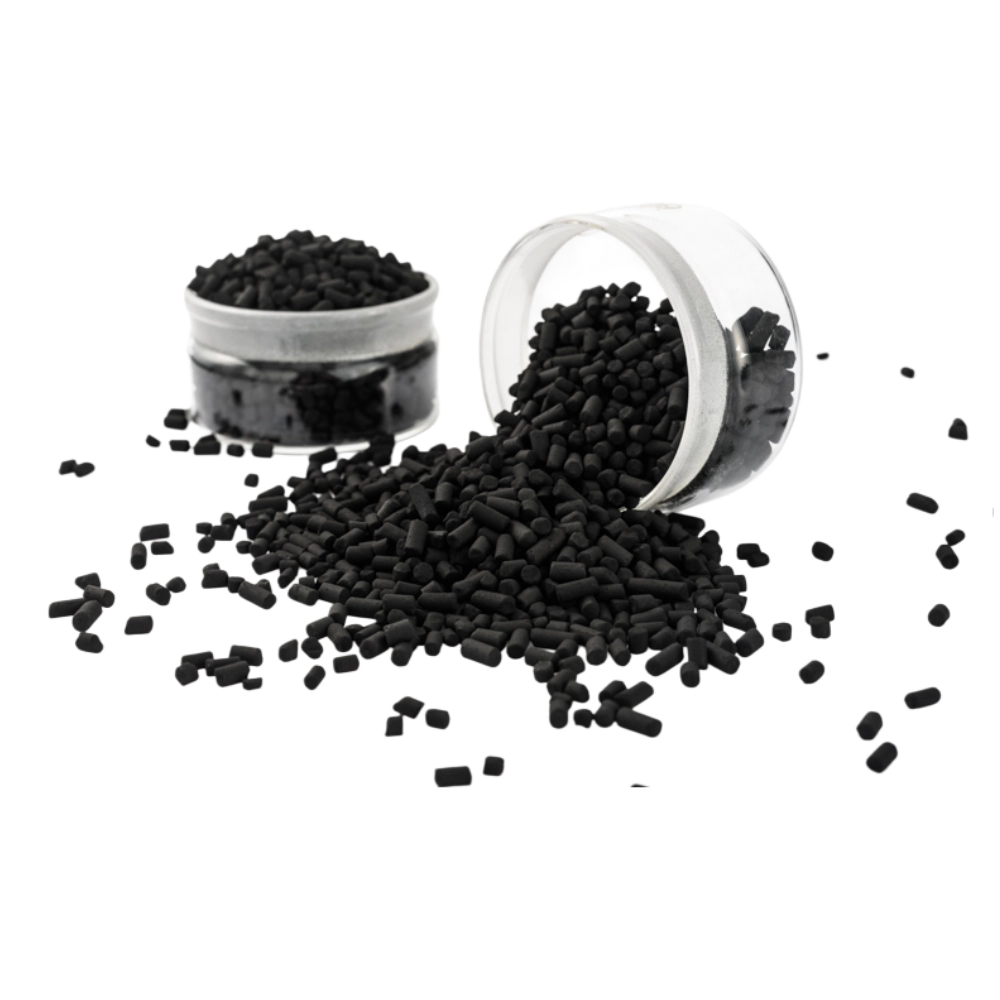
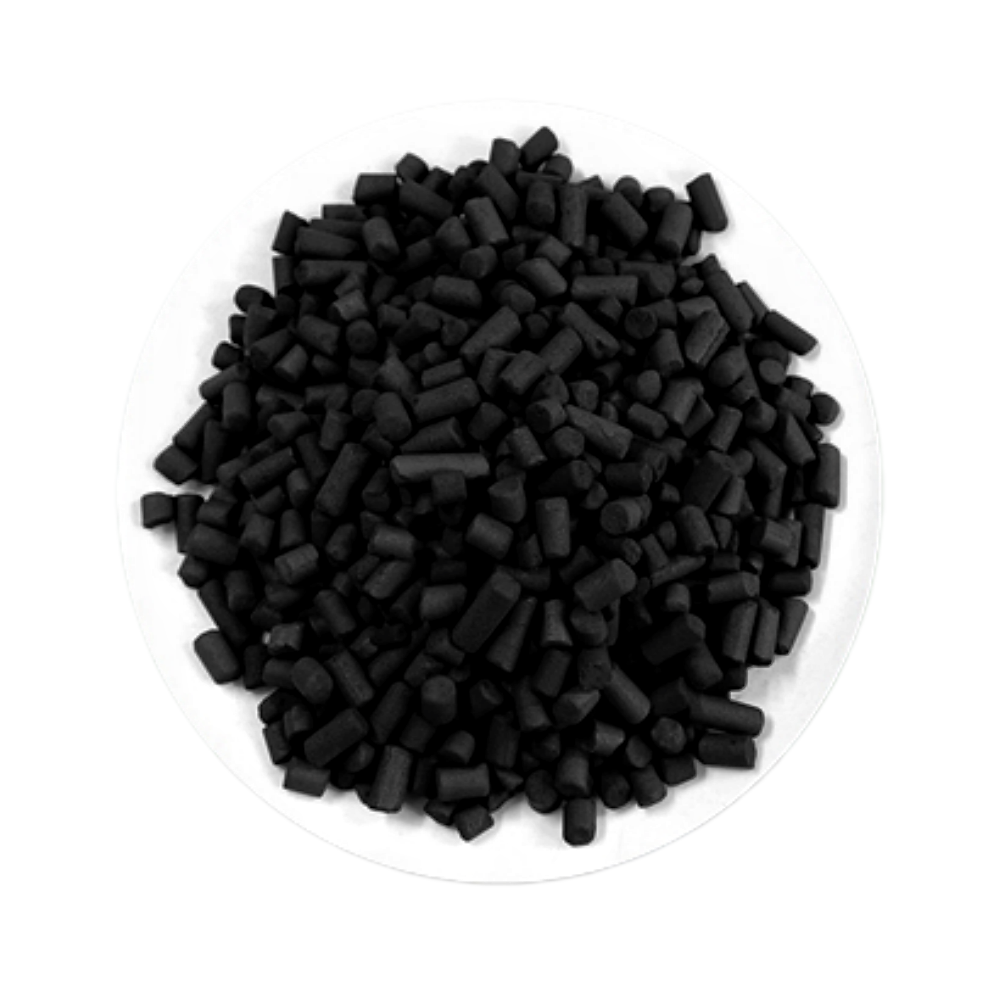
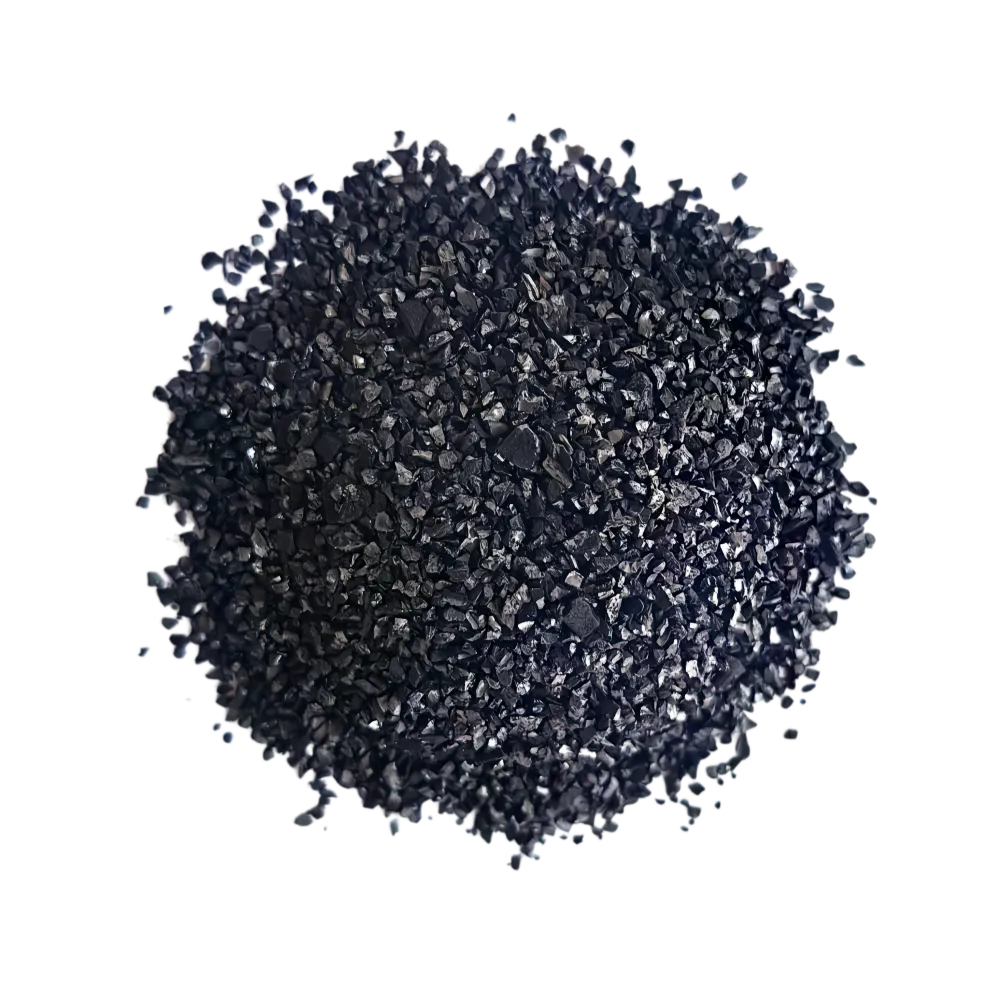
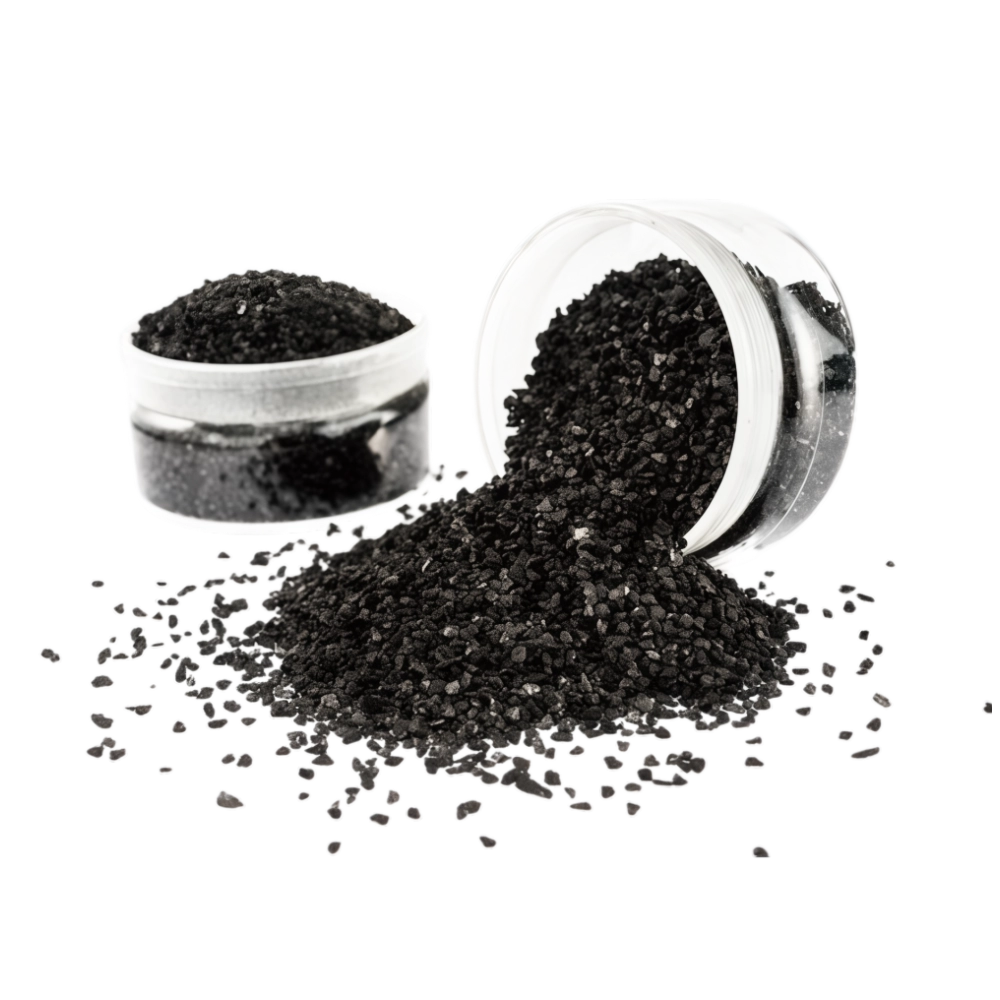
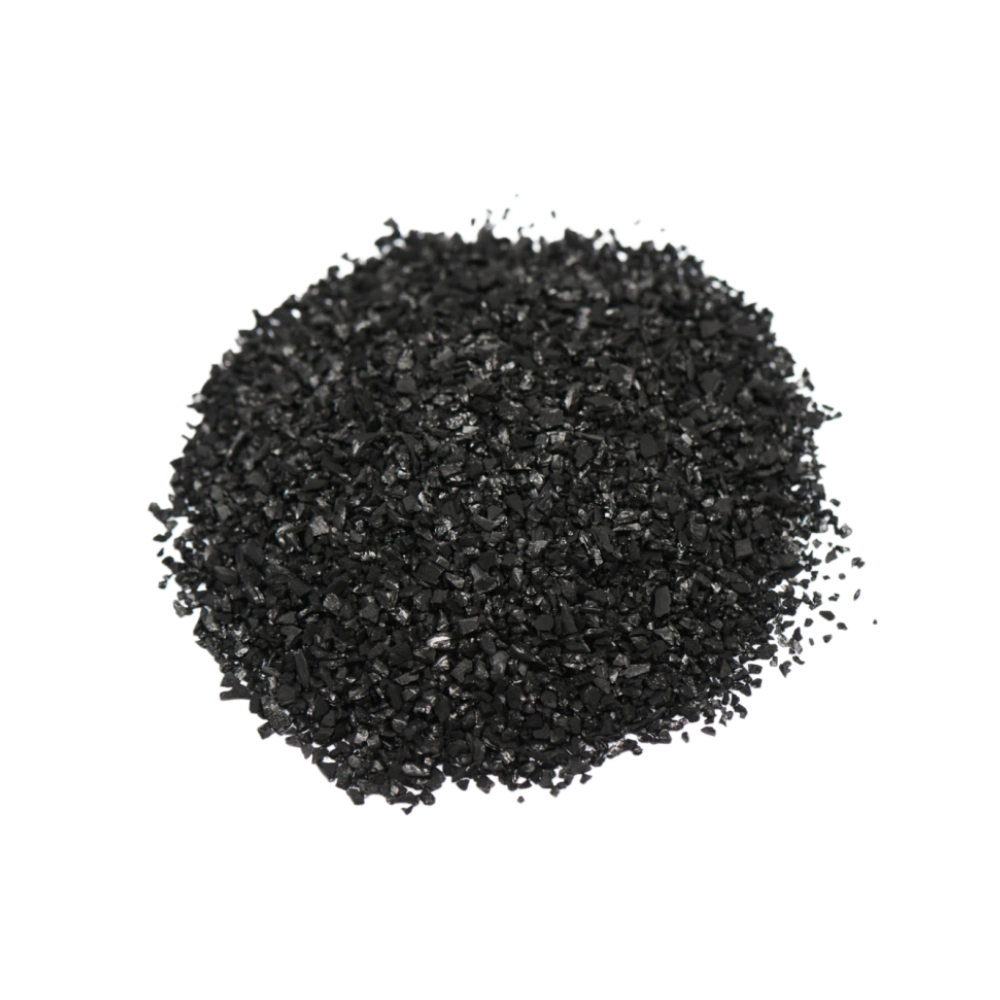
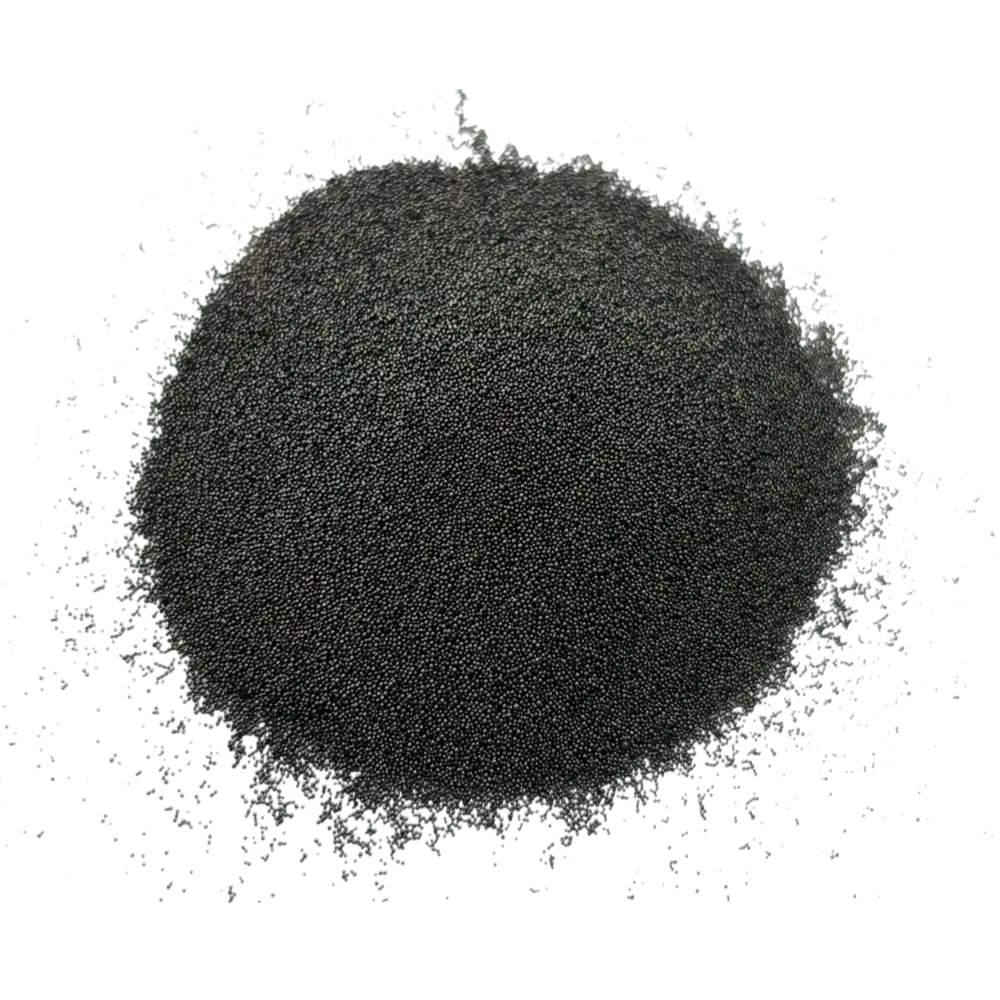
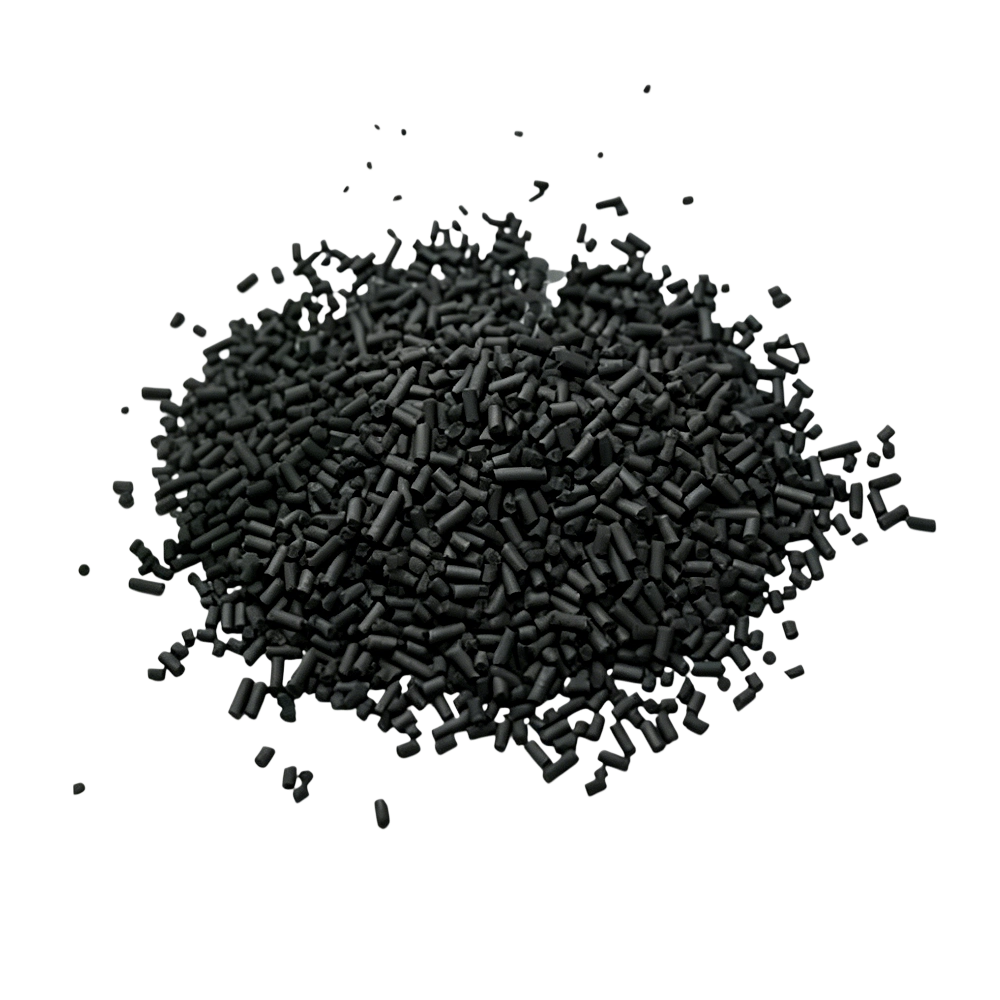
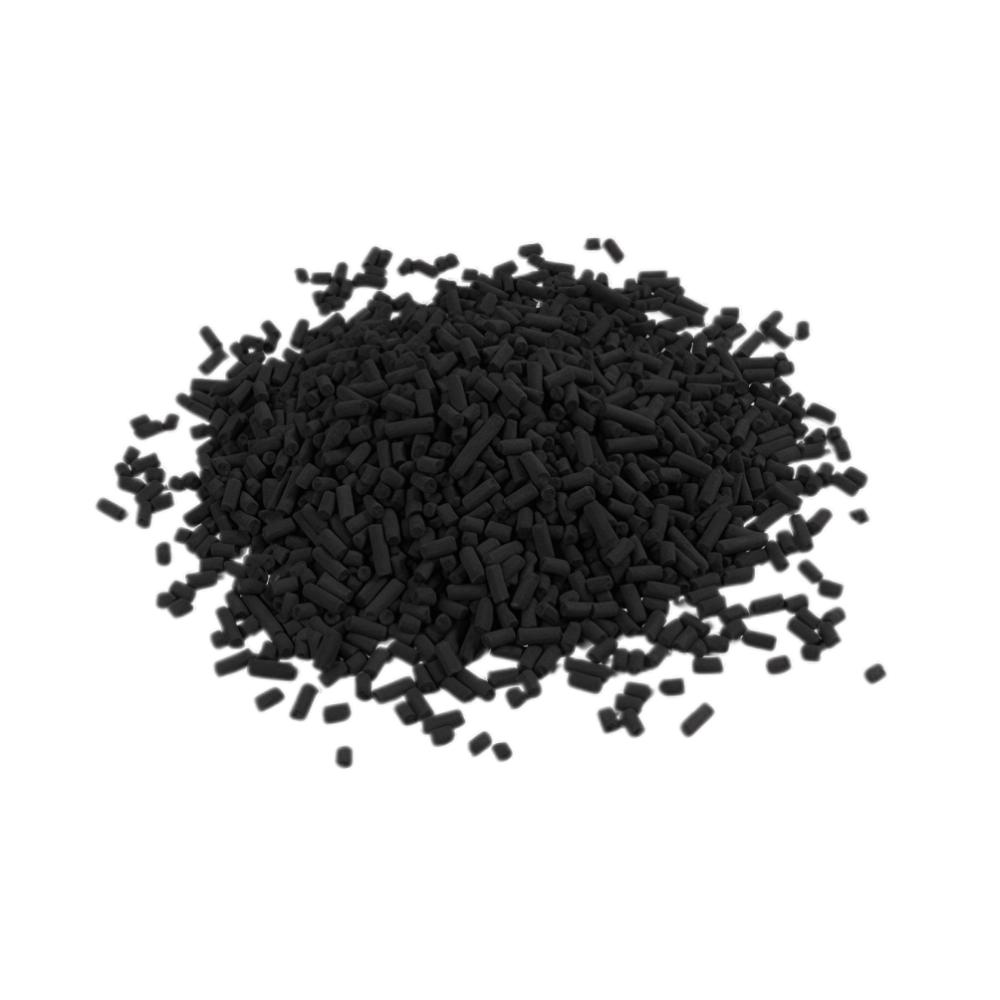
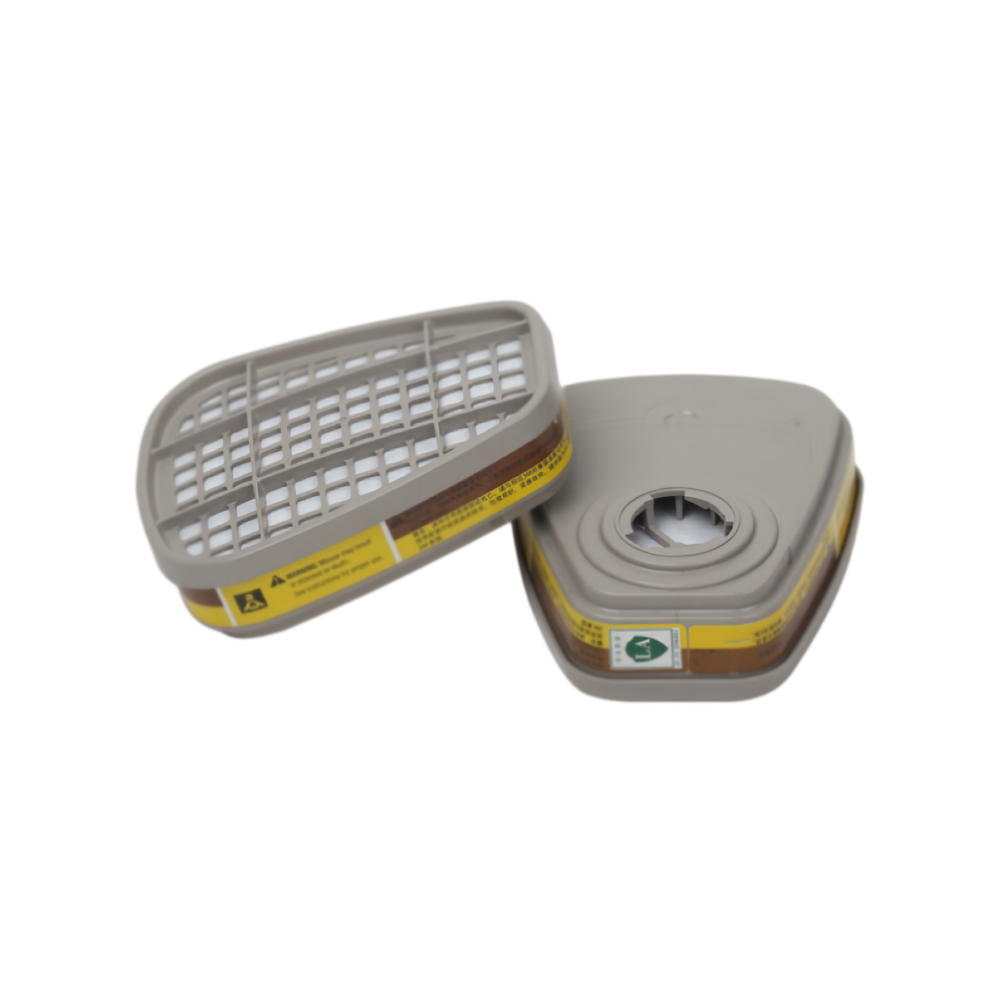
























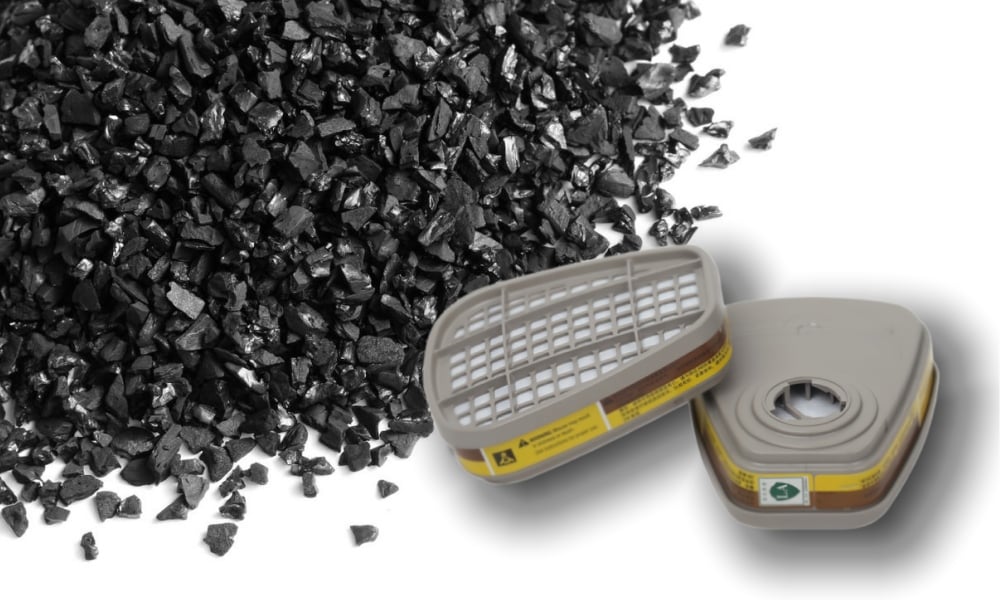
ABEK activated carbon is carbon media used in gas-filter designs for specified hazardous gases and vapors. The same material is often listed as ABEK type activated carbon or ABEK impregnated carbon. Performance depends on the substrate, treatment, particle size and physical properties, as well as the design and testing of the complete filter.
For respirator-cartridge manufacturers and PPE buyers, iodine value and surface area alone are not enough. Buyers also need to understand the material’s treatment, intended gas scope and supporting performance evidence.
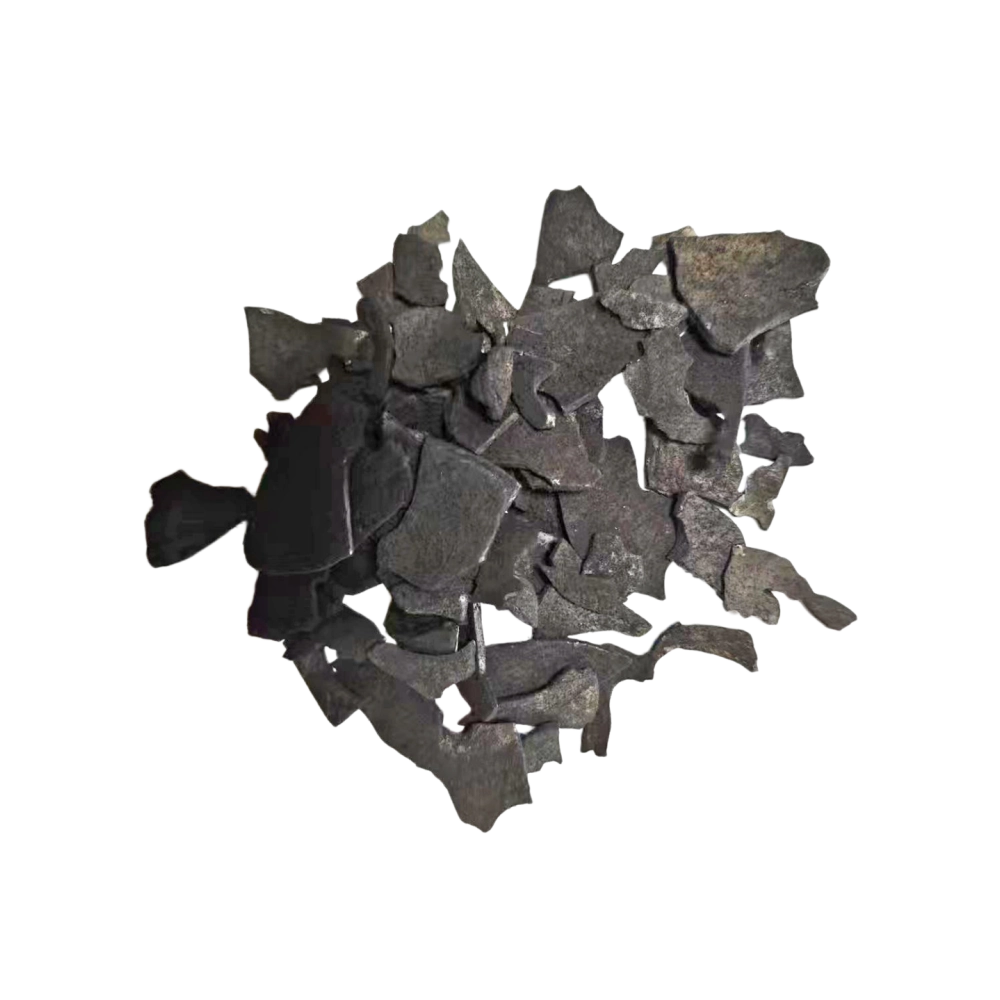
At Purestar, we manufacture ABEK-type protective carbon from coconut-shell activated carbon for respirator-cartridge applications. This guide covers what the ABEK classification means, how treated carbon works against specified gases, our documented specifications and cartridge performance data, and what to review with a supplier before you qualify a grade for your filter design.
What Is ABEK Activated Carbon?
ABEK activated carbon is a commercial term for activated-carbon media used in ABEK-type gas filters. A, B, E and K identify filter protection categories under the EN 14387 classification framework; they do not define a universal carbon substrate or formulation.
EN 14387 specifies requirements, testing, and marking for gas filters and combined filters used as replaceable components in respiratory protective devices. It covers the complete filter product rather than establishing a single recipe for the activated carbon inside it. See the EN 14387:2021 standard overview from NEN.
For filter manufacturers, four factors are particularly important when evaluating ABEK carbon:
- Base carbon: The raw material and pore structure influence adsorption characteristics and mechanical properties.
- Treatment formulation: Treatment is intended to support removal of specified target gases.
- Physical specifications: Particle size, hardness, moisture, dust level and bulk density affect handling and filter-bed design.
- Demonstrated performance: Relevant test data show how the material or a cartridge containing it performs under defined conditions.
What base material does Purestar use?
Purestar’s product data identify coconut-shell activated carbon processed through catalyst-carrier loading and further processing of the original substrate.
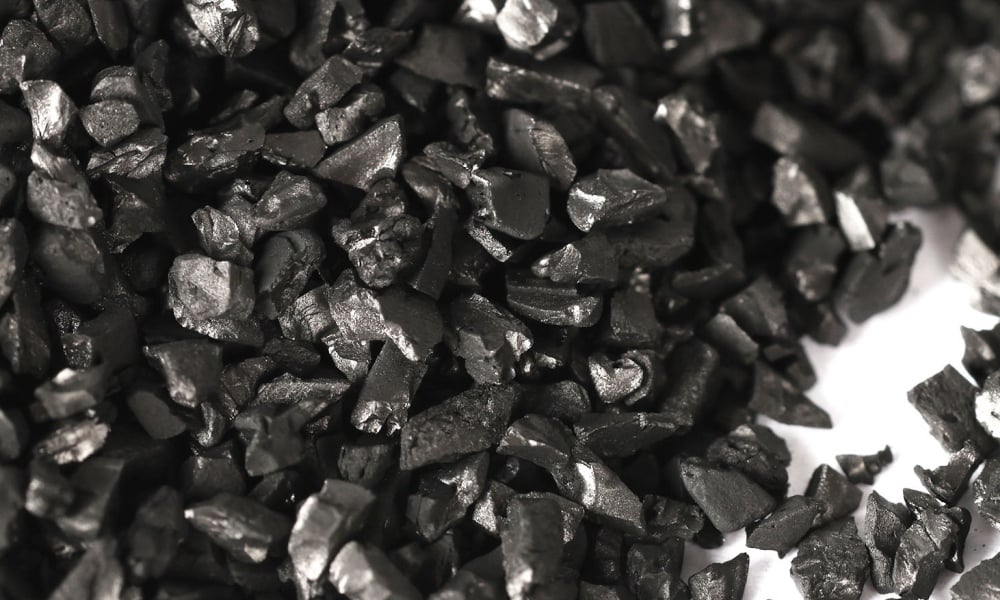
This description applies to Purestar’s product; ABEK carbon across the industry may use different substrates and formulations depending on the intended application.
The treatment formulation is proprietary and optimized for the declared gas scope. Our team can discuss relevant test evidence and application details with your engineering and procurement staff directly.
Buyers should assess suitability against the target gases and available performance evidence.
What Do A, B, E, and K Mean in ABEK Filters?
The letters identify gas or vapor protection categories under the EN 14387 classification system.
| Filter type | General protection category | Examples |
|---|---|---|
| A | Certain organic gases and vapors with boiling points above 65°C | Specified organic solvent vapors |
| B | Certain inorganic gases and vapors | Specified inorganic gases, according to the manufacturer’s declared scope |
| E | Sulfur dioxide and other specified acidic gases and vapors | Sulfur dioxide and hydrogen chloride |
| K | Ammonia and specified organic ammonia derivatives | Ammonia and certain amines |
These categories do not guarantee protection against every substance in a broad chemical family. Confirm the target gas against the specific filter’s declared scope and supporting test results.
An A classification, for example, does not automatically establish protection against formaldehyde or every organic compound; verify each claim against applicable product evidence.
The numbers in ABEK1 and ABEK2 indicate gas-filter capacity classes, not standardized carbon formulations. A P marking relates to particulate filtration and is separate from gas-filter capacity classification.
For Purestar’s product, the ABEK designation describes the intended protection category; suitability for a cartridge design should be assessed using the material specifications and gas-specific evidence.
Why Is ABEK Activated Carbon Treated, and How Does It Work?
Ordinary activated carbon removes many gases and vapors through physical adsorption, but adsorption alone may not provide sufficient performance for every target gas.
Physical adsorption provides the starting point
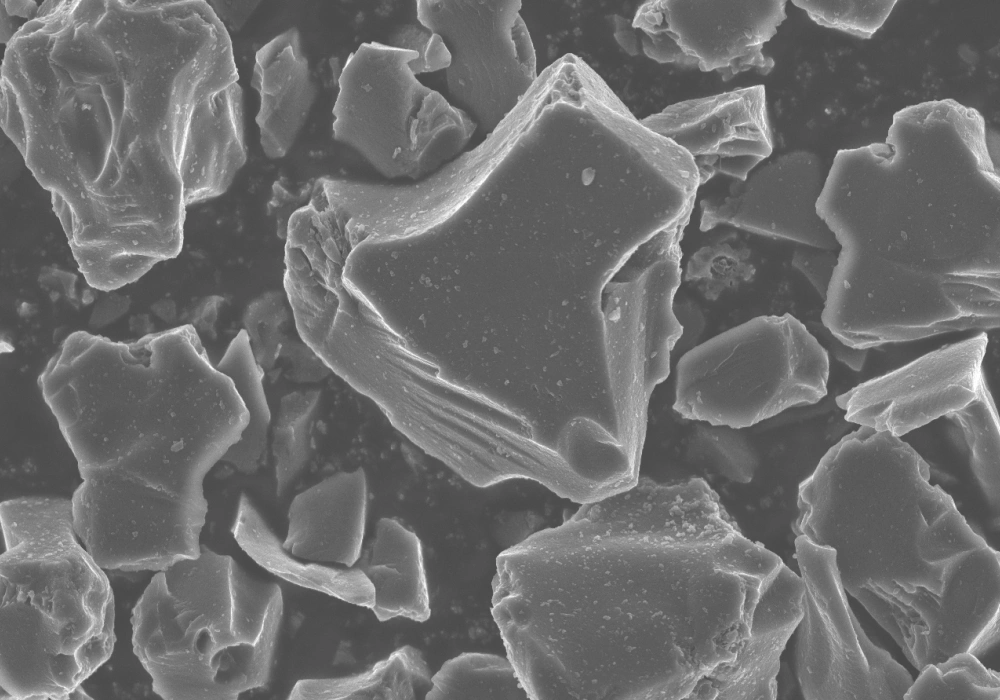
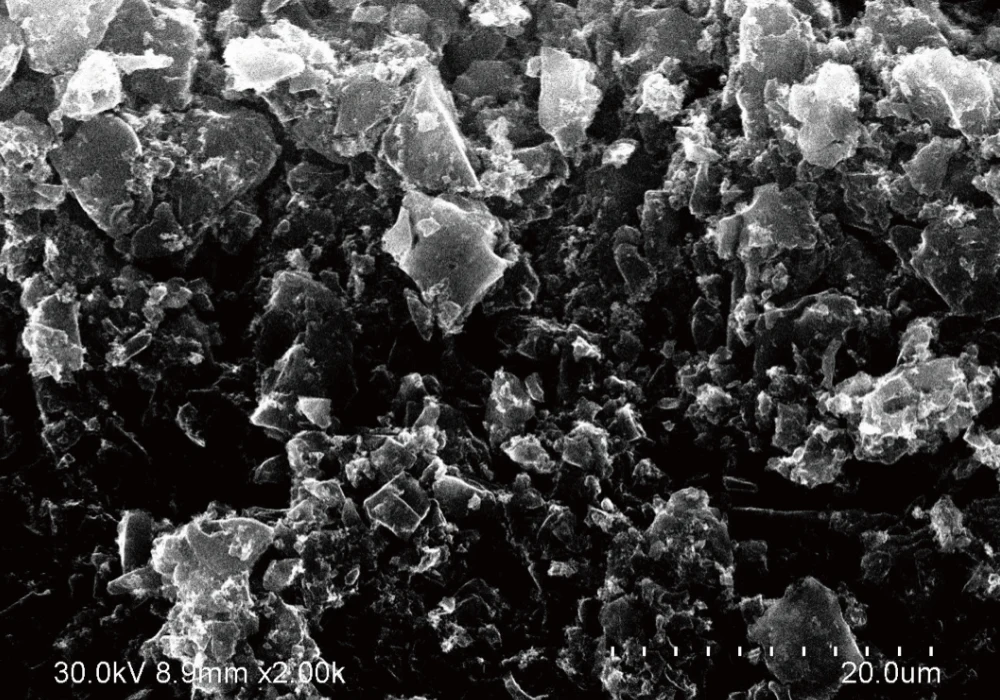
Activated carbon has a porous structure with a large internal surface area. Gas molecules enter its pores and interact with the carbon surface.
Adsorption performance depends on the target substance, pore structure, temperature, humidity and other operating conditions. A high surface area or iodine value alone does not establish performance against a specific gas in a respirator filter.
Treatment introduces additional functions
Impregnated activated carbon for ABEK filters may combine physical adsorption with chemical adsorption or other surface reactions. The mechanism depends on the formulation and target gas.
Purestar’s ABEK-type carbon uses a coconut-shell substrate processed through catalyst-carrier loading and further processing, with the treatment formulation optimized for the declared gas scope.
Why does formulation matching matter?
A material designed for organic-vapor filtration cannot automatically be assumed to perform equally well against ammonia or acidic gases; different targets may require different treatment chemistry and verification.
For filter manufacturers, the key question is whether the specific material and filter configuration have demonstrated suitable performance against the intended gases.
Gas-specific results under defined conditions are more informative than a general claim that a carbon is impregnated.
What Are the Specifications of Purestar’s ABEK Activated Carbon?
Purestar’s product data list the specifications below for our activated carbon for ABEK filters.
| Parameter | Purestar ABEK-type carbon |
|---|---|
| Base material | Coconut-shell carbon |
| Processing description | Catalyst-carrier loading and further processing of the original substrate |
| Particle size | 12 × 20 mesh (0.85–1.70 mm) |
| Alternative particle size | 14 × 25 mesh (0.71–1.40 mm) |
| Moisture content | Below 10 wt% |
| Bulk density | 580–630 kg/m³ |
| Hardness | Greater than 95% |
| Filter-cartridge carbon loading | Determined by cartridge design; contact Purestar for project-specific guidance |
These are product-specific values, not universal specifications for all ABEK carbon.
A full TDS with complete parameter lists is available on request.
Why do these specifications matter?
Particle size affects how carbon packs into a filter bed and may influence pressure drop, gas distribution and contact conditions. The suitable size depends on cartridge design and performance requirements.
Bulk density helps estimate filling mass and bed volume and should be considered alongside the filter’s dimensions and required carbon loading.
Hardness helps assess resistance to particle degradation during handling and filling. Comparisons should use the relevant test method.
Moisture content affects material consistency, storage and adsorption behavior. Buyers should set acceptable limits for their application.
Required carbon loading depends on cartridge geometry, airflow and target performance. Contact Purestar to discuss project-specific filling requirements.
What Performance Data Does Purestar’s ABEK1 Carbon Have?
Performance figures are most useful when read alongside the test standard, gas concentration, airflow, cartridge configuration, filling mass and other relevant conditions.
Purestar provides cartridge performance figures based on GB 2890-2022 testing, together with an anonymized batch COA for a specific cartridge configuration. For help reading supplier test documents, see our activated carbon specification and COA guide.
Cartridge performance figures
The following minimum times come from GB 2890-2022 testing of filter-cartridge configurations, not standalone test results for loose activated carbon.
| Test gas | Performance time reported by Purestar (filter-cartridge testing) |
|---|---|
| Ammonia | ≥50 minutes |
| Sulfur dioxide | ≥30 minutes |
| Cyclohexane | ≥80 minutes |
| Cyanogen chloride | ≥25 minutes |
Compare results only when the test conditions and tested filter configuration are relevant to the intended product.
Purestar’s batch COA cites EN 14387:2004, and cartridge performance is also documented under GB 2890-2022. EN 14387:2021 replaced EN 14387:2004+A1:2008 and includes technical changes to gas-capacity values and test conditions. If your project targets the 2021 edition or another market-specific requirement, share the applicable standard with our team so testing and documentation can be aligned to your market. See the BSI standard update.
An anonymized batch COA: ABEK1 cartridge testing
Purestar provides an anonymized batch COA dated September 18, 2026 for an ABEK1-1425 cartridge configuration.
The COA cites GB/T 12496 and EN 14387:2004. Results recorded for this configuration are shown below. The moisture and hardness limits in the COA were agreed with the customer for this project, not universal specifications for every Purestar ABEK grade.
| Test item | Requirement shown in the COA | Recorded result |
|---|---|---|
| Cyclohexane protection time | ≥70 minutes | 100 minutes |
| Ammonia protection time | ≥50 minutes | 68 minutes |
| Sulfur dioxide protection time | ≥20 minutes | 62 minutes |
| Moisture content | ≤5% | 1.4% |
| Hardness | ≥90% | 96.2% |
| 14–25 mesh particle-size fraction | No numerical limit stated | 93.34% |
| Dust observation | No obvious black powder | No obvious black powder |
The COA records a flow rate of 15 L/min for each gas-capacity test, with challenge concentrations of 1,008 ml/m³ for cyclohexane, 1,019 ml/m³ for ammonia and 1,024 ml/m³ for sulfur dioxide.
The recorded single-cartridge filling weights were 69.01 g for the cyclohexane test, 68.54 g for the ammonia test and 68.67 g for the sulfur dioxide test.
These values show how the product was tested in a defined cartridge configuration. The recorded filling weights are case-specific test details, not a general loading recommendation.
What does this case demonstrate?
The case links gas-test results with physical properties and filling conditions, giving procurement and engineering teams concrete data to review during qualification.
For purchasing decisions, confirm that the available reports match the intended cartridge configuration and applicable filter-level requirements. Results from one configuration cannot automatically be transferred to another.
How to Select ABEK Activated Carbon for Filter Manufacturing
Start with the intended gas application, then assess performance evidence, physical specifications and supplier documentation.
1. Define the target gases and test conditions
Identify the target gases, including the composition of any gas mixture.
Define the relevant concentration, temperature, humidity, airflow, intended application and target market.
These parameters form the basis for interpreting performance and selecting material; the label ‘ABEK’ alone is not enough.
2. Match the treatment and base carbon to the application
Purestar’s documentation identifies a coconut-shell carbon substrate processed through catalyst-carrier loading and further processing of the original substrate.
For impregnated activated carbon for ABEK filters, confirm that the product’s declared gas-protection scope matches the intended application. Request evidence for the target gases rather than assuming that a result for one gas proves performance against all others.
Even when formulation details are commercially confidential, ask for relevant test evidence and a clear statement of the material’s intended application.
3. Evaluate performance reports, not just headline numbers
When comparing gas-capacity or breakthrough results, check the test gas, challenge concentration, flow rate, temperature, humidity, test configuration, endpoint and standard edition.
Results obtained under different conditions may not be directly comparable. A longer protection time does not necessarily mean a material is better for every cartridge or operating environment.
For Purestar’s ABEK1-1425 case, the report includes flow rate, challenge concentrations and filling weights. Check whether those conditions match the new project’s requirements before using the results for comparison.
4. Match physical specifications to the cartridge design
Purestar’s documented particle-size options are 12 × 20 mesh and 14 × 25 mesh.
The appropriate choice depends on cartridge geometry, required filling mass, airflow resistance, the filling process and performance targets. Assess particle size within the intended design because it can affect bed packing and gas-contact conditions.
Bulk density, hardness, moisture and dust level should also be considered together rather than optimized in isolation.
5. Check technical documentation and batch consistency
For repeat purchasing, confirm which documents are available and required for qualification. These may include:
- A Technical Data Sheet (TDS) covering product specifications.
- A Safety Data Sheet (SDS) for handling and safety information.
- A batch Certificate of Analysis (COA), where provided.
- Relevant gas-capacity, penetration-time, or breakthrough test reports.
- Batch identification and traceability information.
- Agreed packaging, storage, and quality-control requirements.
A TDS provides general product specifications, while a batch COA reports results for a particular batch or sample. For a detailed walkthrough of reading these documents, see our activated carbon specification and COA guide.
Before repeat orders, agree on the key controlled parameters and how material or specification changes will be communicated.
ABEK Activated Carbon vs. a Complete ABEK Filter
ABEK activated carbon is the adsorbent medium used in filter construction. A complete ABEK filter is the assembled product, including the medium, filter bed, housing and other design elements.
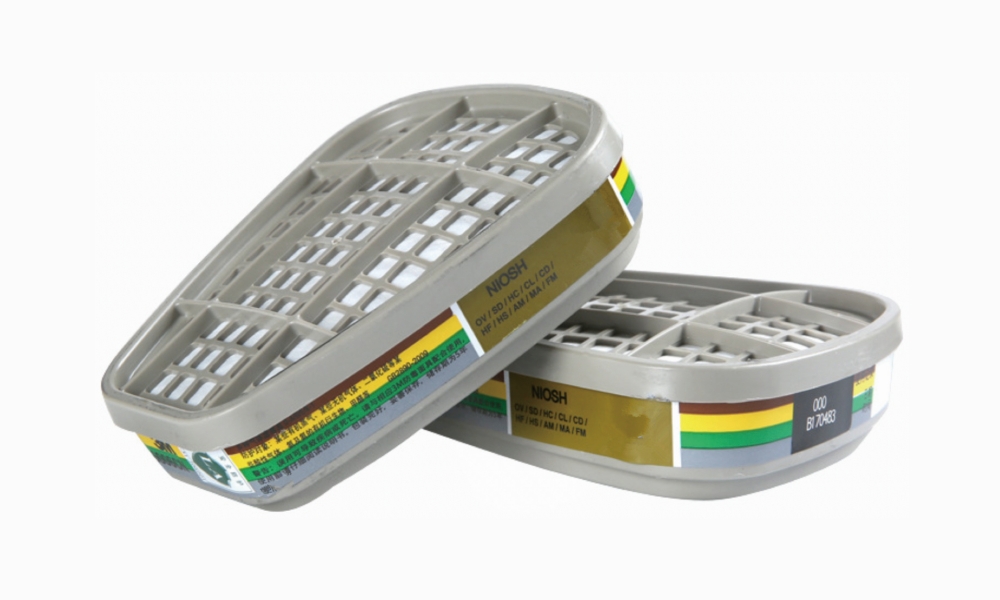
| Evaluation point | ABEK activated carbon | Complete ABEK filter |
|---|---|---|
| Product scope | Carbon medium supplied for filter construction | Finished gas filter or combined filter |
| Main considerations | Substrate, treatment, particle size, hardness, moisture, and bulk density | Carbon selection, bed design, housing, airflow, seals, and overall performance |
| Relevant evidence | Material specifications and supporting performance data | Applicable filter-level testing and conformity or approval documentation |
| Main purchasing question | Is the material suitable for the intended filter design? | Does the assembled filter meet the applicable requirements for its intended use? |
The batch COA reports performance for the tested ABEK1-1425 cartridge only; do not transfer these results automatically to other designs.
For European-market projects, verify the applicable EN 14387 edition and supporting documents for the finished filter.
For the U.S. market, NIOSH operates a separate respirator approval program. An activated-carbon specification or an ABEK product description should not be treated as evidence of NIOSH approval.
Frequently Asked Questions
Does ABEK Activated Carbon Protect Against All Gases?
No. ABEK describes broad filter categories, not universal protection against every gas or vapor. Suitability depends on the material, target gas, test results, cartridge design and applicable limitations.
Purestar’s product information lists the intended scope as organic gases, chlorine, chlorine dioxide, hydrogen chloride, sulfur dioxide, hydrogen sulfide (for escape use only), ammonia, methylamine and formaldehyde.
Check each gas-specific claim against the declared product scope and supporting test evidence; the ABEK designation alone is not proof of performance against every listed gas.
Are ABEK1 and ABEK2 Different Carbon Formulations?
No. ABEK1 and ABEK2 are filter capacity classifications, not standardized names for two universal carbon formulations.
Confirm the relevant capacity class against the applicable standard and complete filter design.
What Technical Documents Should I Request from an ABEK Carbon Supplier?
Start with the TDS, SDS, relevant batch-quality documents and supporting gas-capacity or penetration-time reports. Check the test gases, flow rate, challenge concentration, standard edition and report date.
For a filter-manufacturing project, also agree on particle-size range, physical specifications, filling requirements and batch-traceability expectations.
Can Carbon Test Results Prove That a Complete Filter Is Compliant?
No. Test results apply to the conditions and configuration stated in the report; they do not establish that every finished filter meets all applicable requirements.
Confirm that the report scope and standard edition match the intended product and conformity claim.
Is Surface Area or Iodine Number Enough to Select ABEK Carbon?
No. These indicators can help characterize activated carbon, but they do not by themselves establish performance against a particular gas in a respirator filter.
Selection should combine physical specifications with gas-specific evidence and assessment of the intended cartridge design. Request the grade-specific TDS for complete characterization data.
Conclusion: Choose ABEK Carbon with the Right Data and Technical Support
Selecting ABEK activated carbon requires more than matching a product name to a filter type. Consider target gases, substrate and treatment, particle size, physical properties, gas-specific performance and the requirements of the complete filter design.
Purestar’s ABEK-type protective carbon uses a coconut-shell substrate processed through catalyst-carrier loading and further processing of the original substrate. Documented specifications include two particle-size options, moisture below 10 wt%, bulk density of 580–630 kg/m³ and hardness above 95%.
Purestar provides GB 2890-2022-based performance figures for filter-cartridge testing, plus an anonymized ABEK1-1425 batch COA with gas-test results under the conditions stated in the report. The COA cites EN 14387:2004. Use these as a starting point and confirm that any required reports match the target gases, finished-filter configuration and applicable standard edition.
Looking for a coconut-shell-based carbon for ABEK filters to use in respirator cartridge manufacturing?
Contact Purestar to discuss target gases, particle size, cartridge design and project-specific filling requirements. Our team can review the relevant specifications and available test documentation and discuss sample evaluation.
To make the discussion more focused, share your target gas categories, intended cartridge configuration, required particle size and target market, including whether the project is based on GB 2890-2022 or a specific EN 14387 edition.