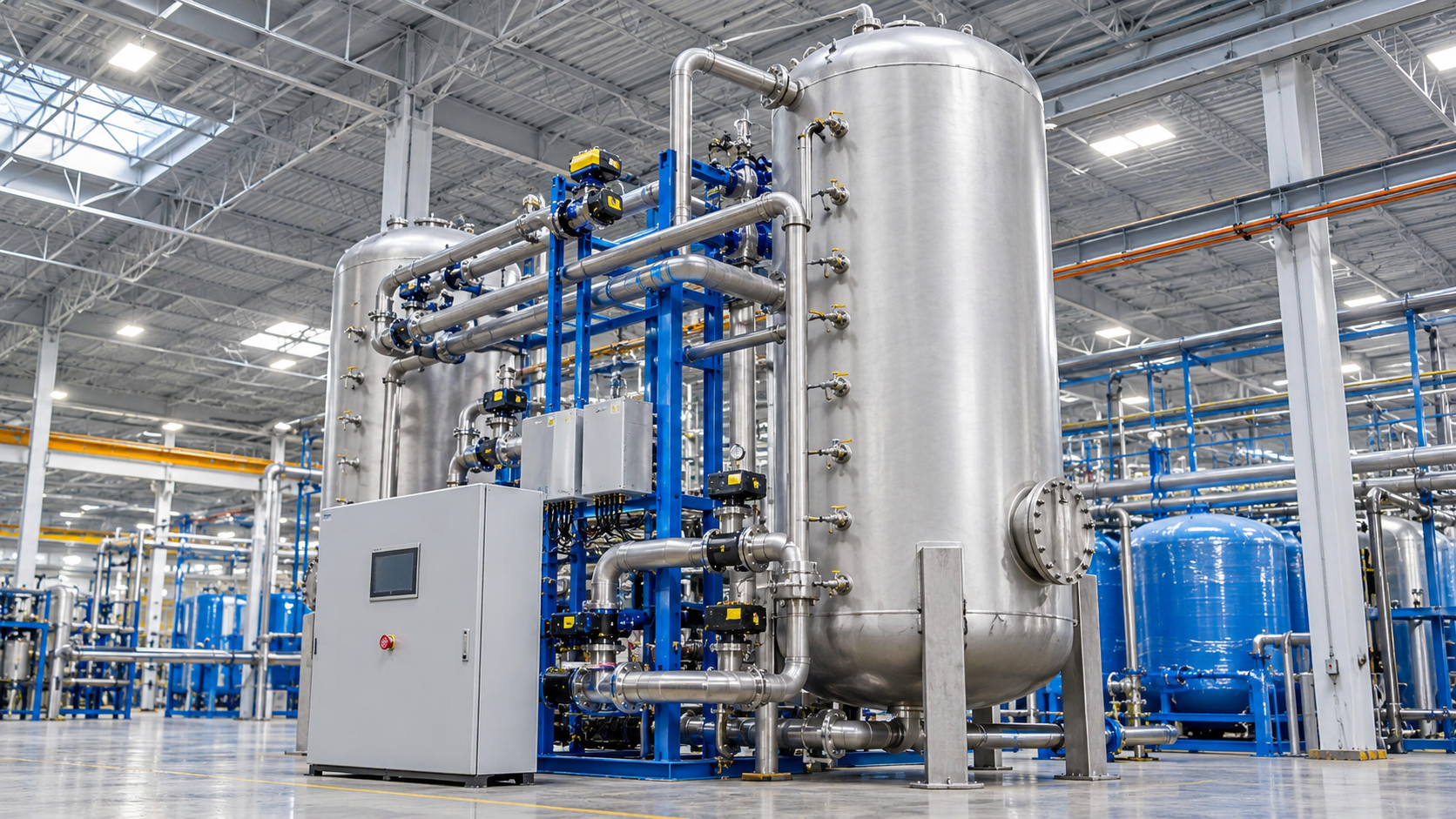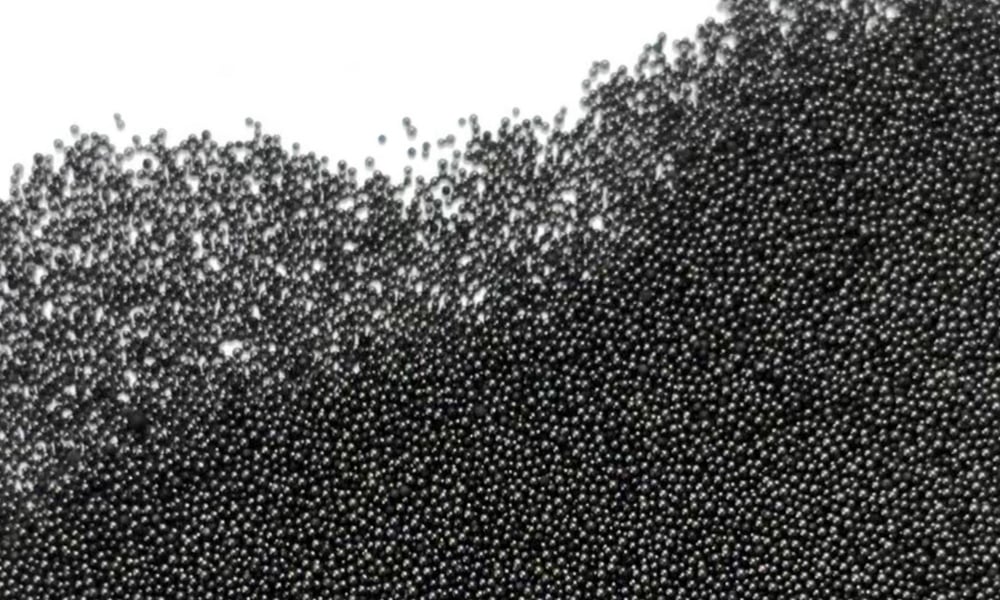




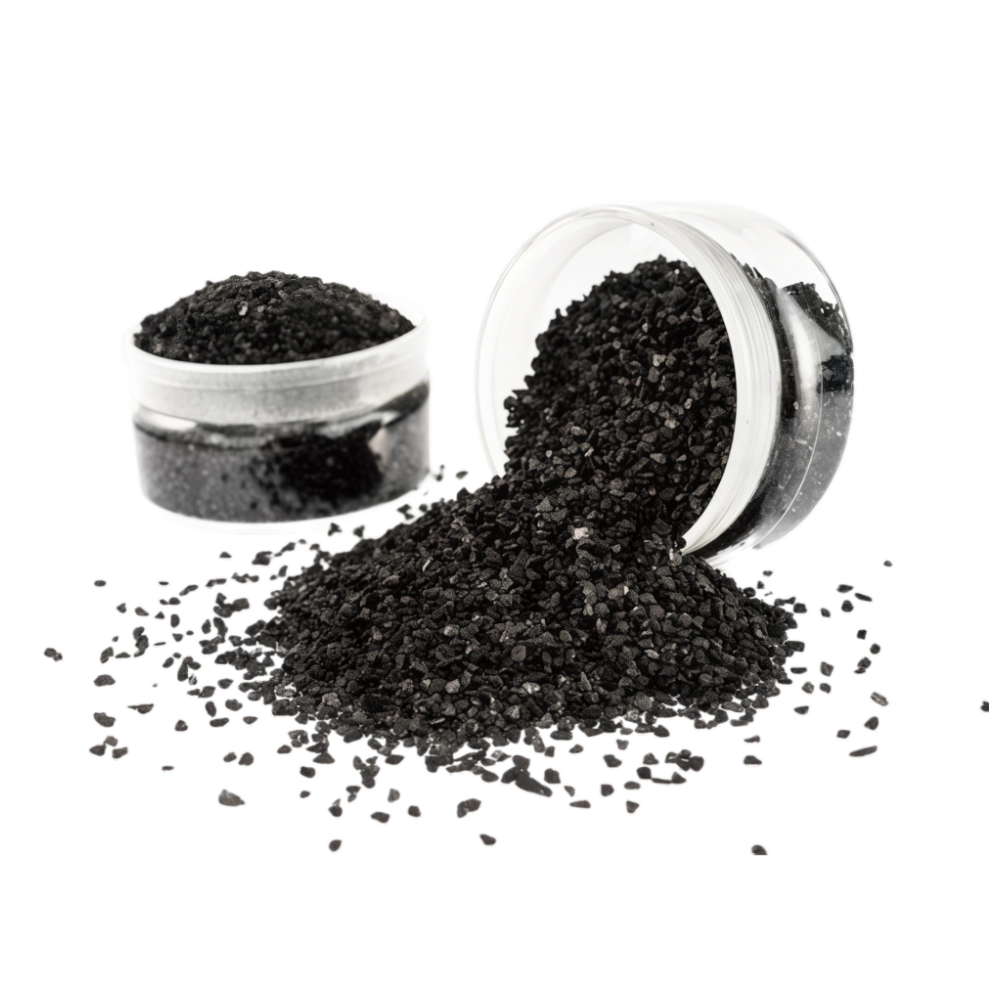
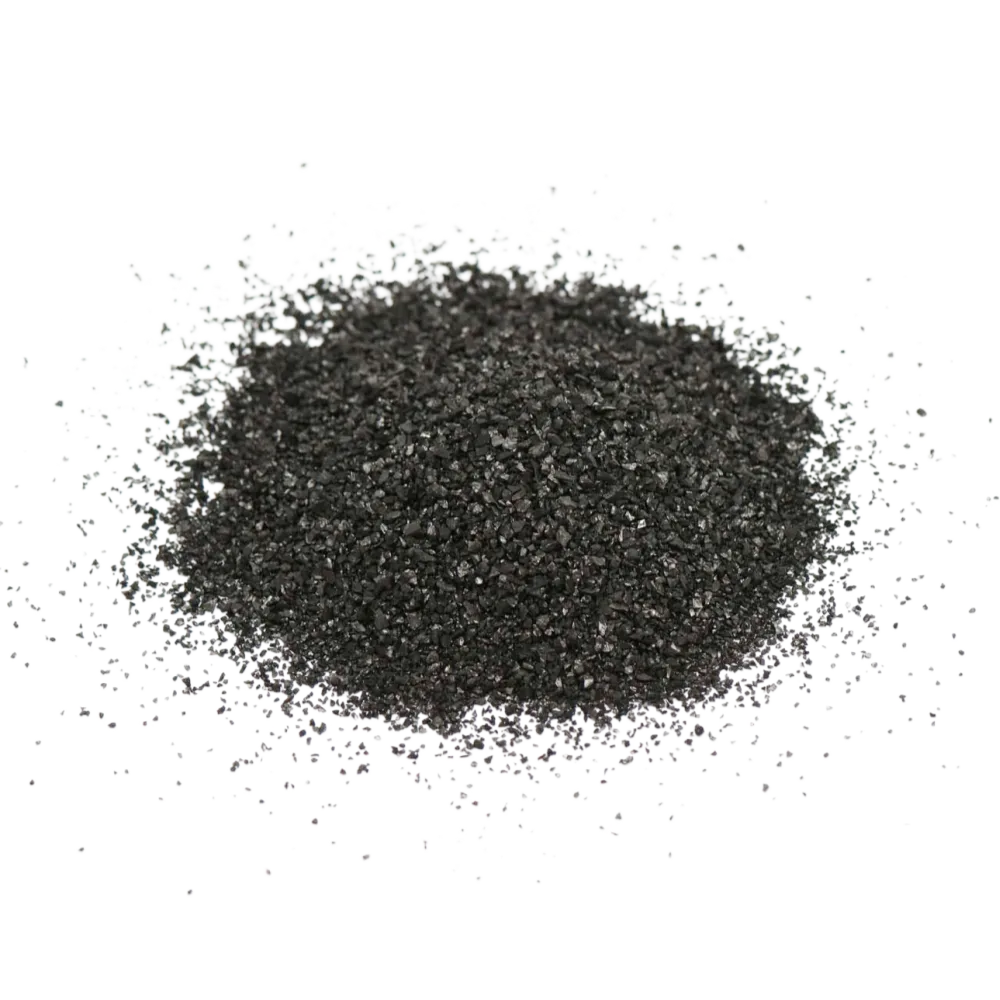
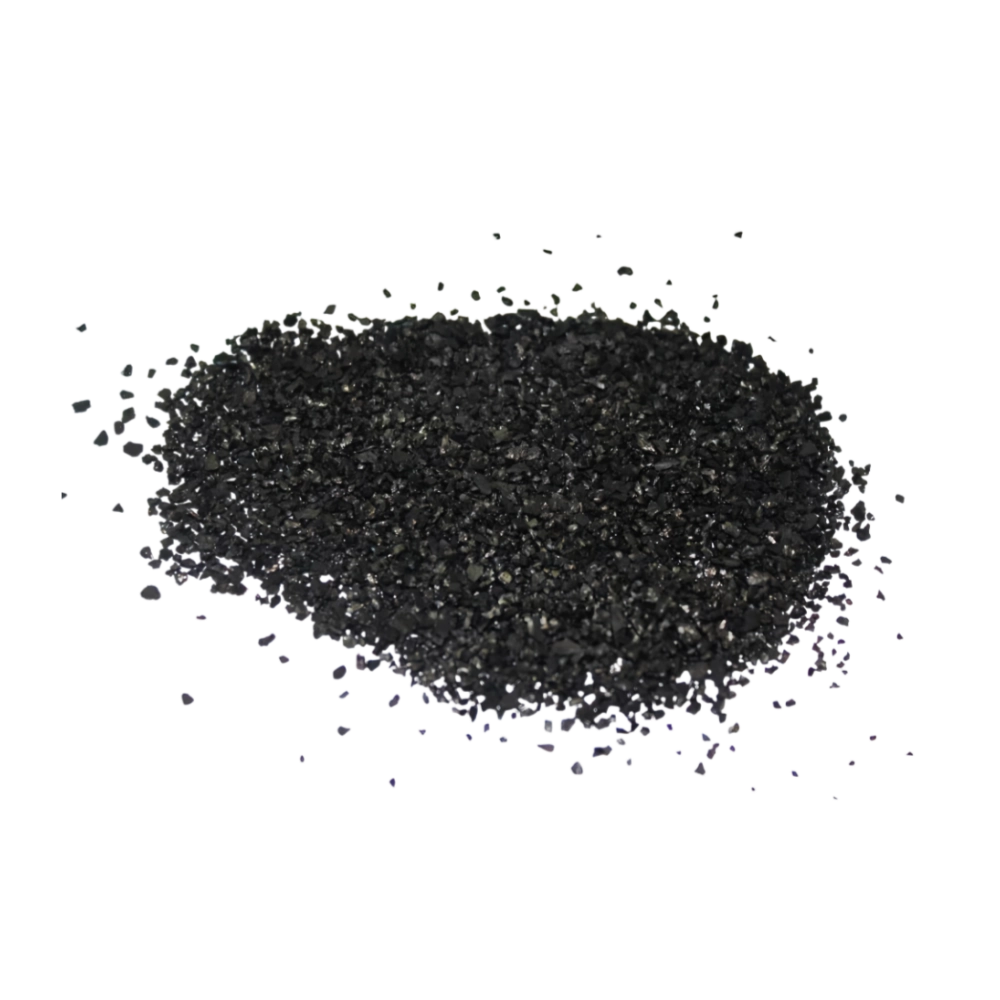
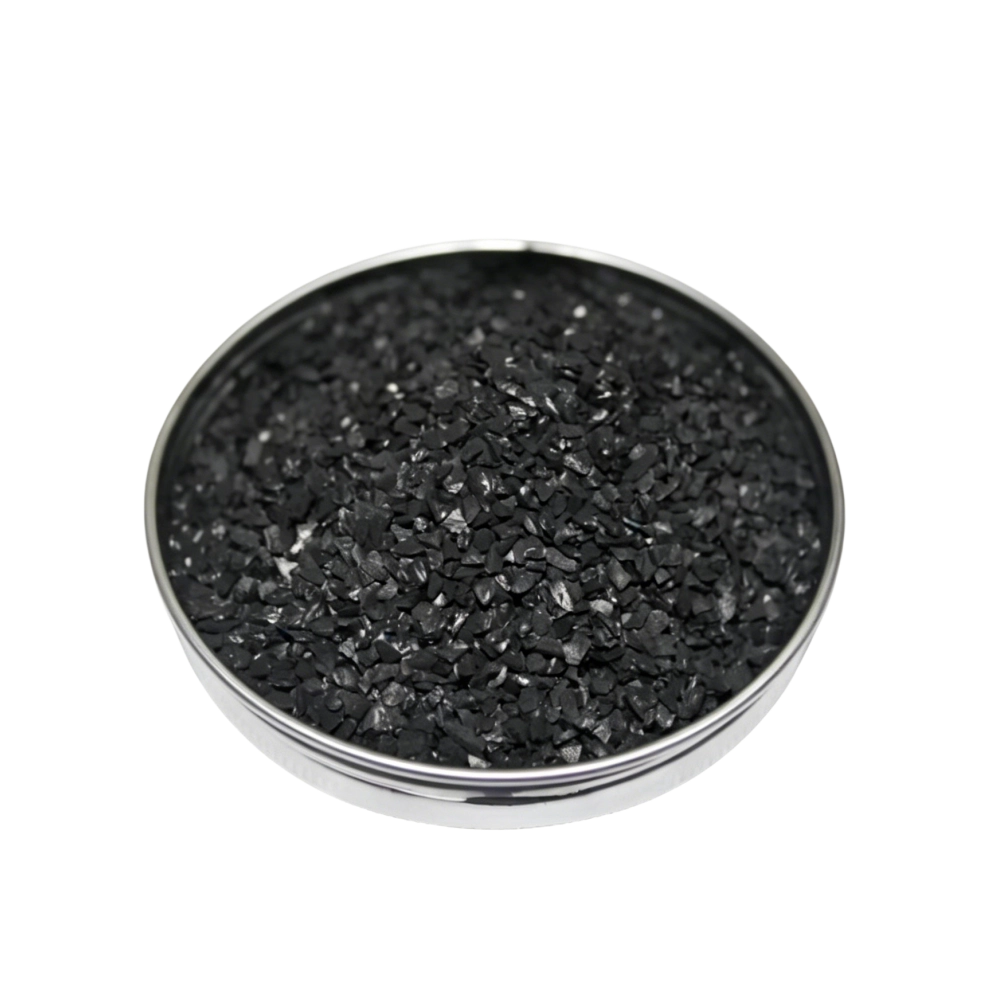
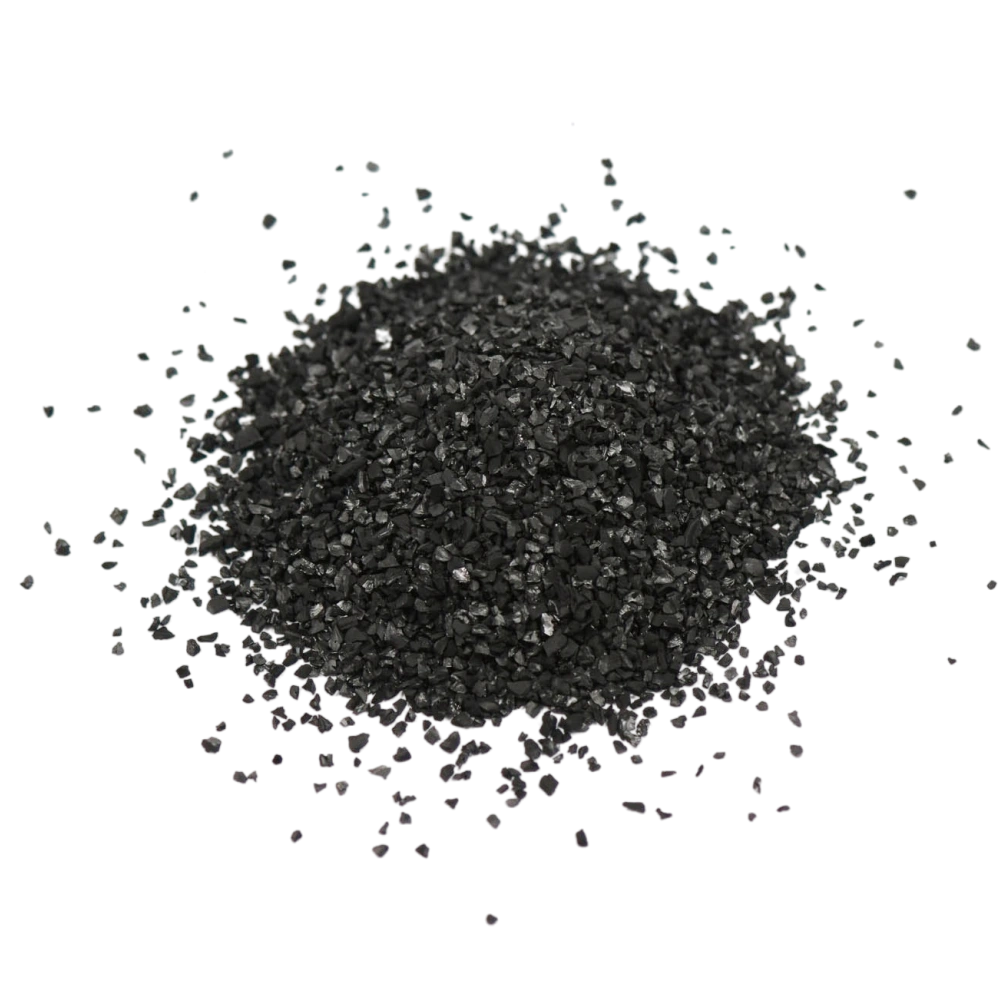
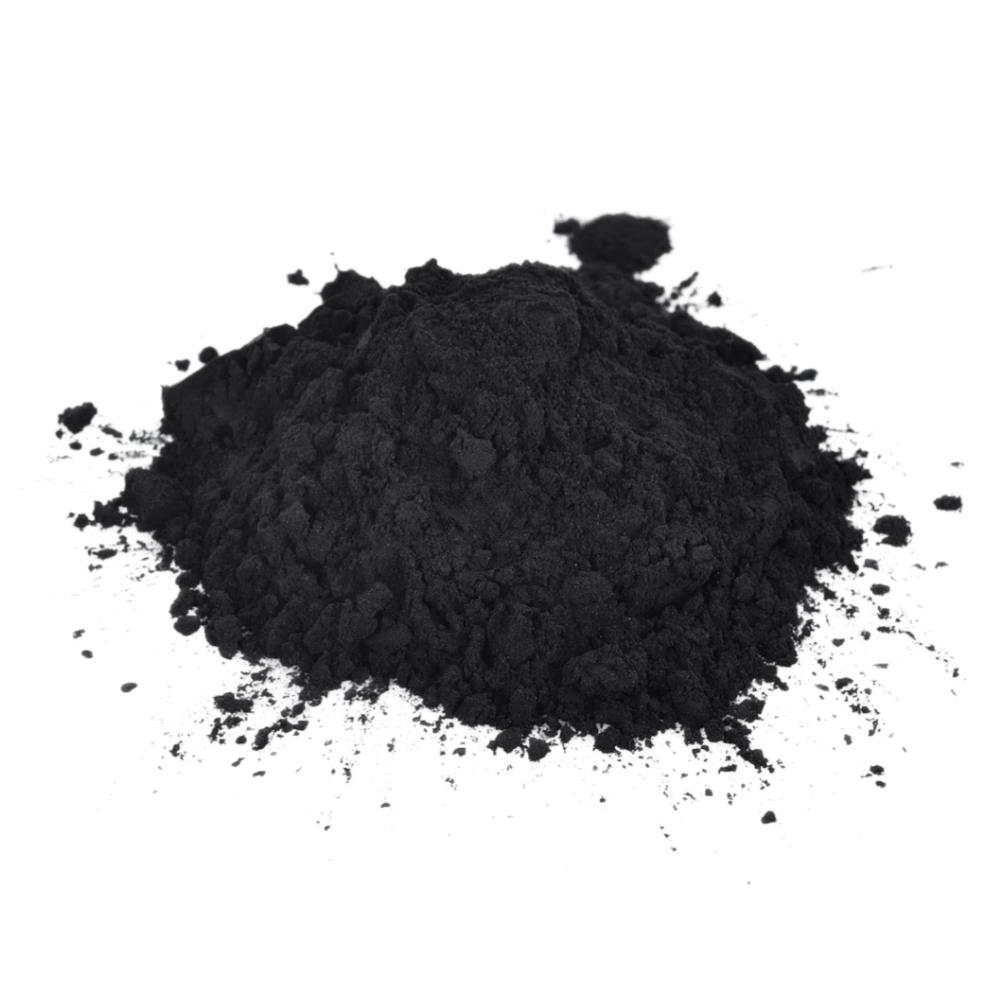
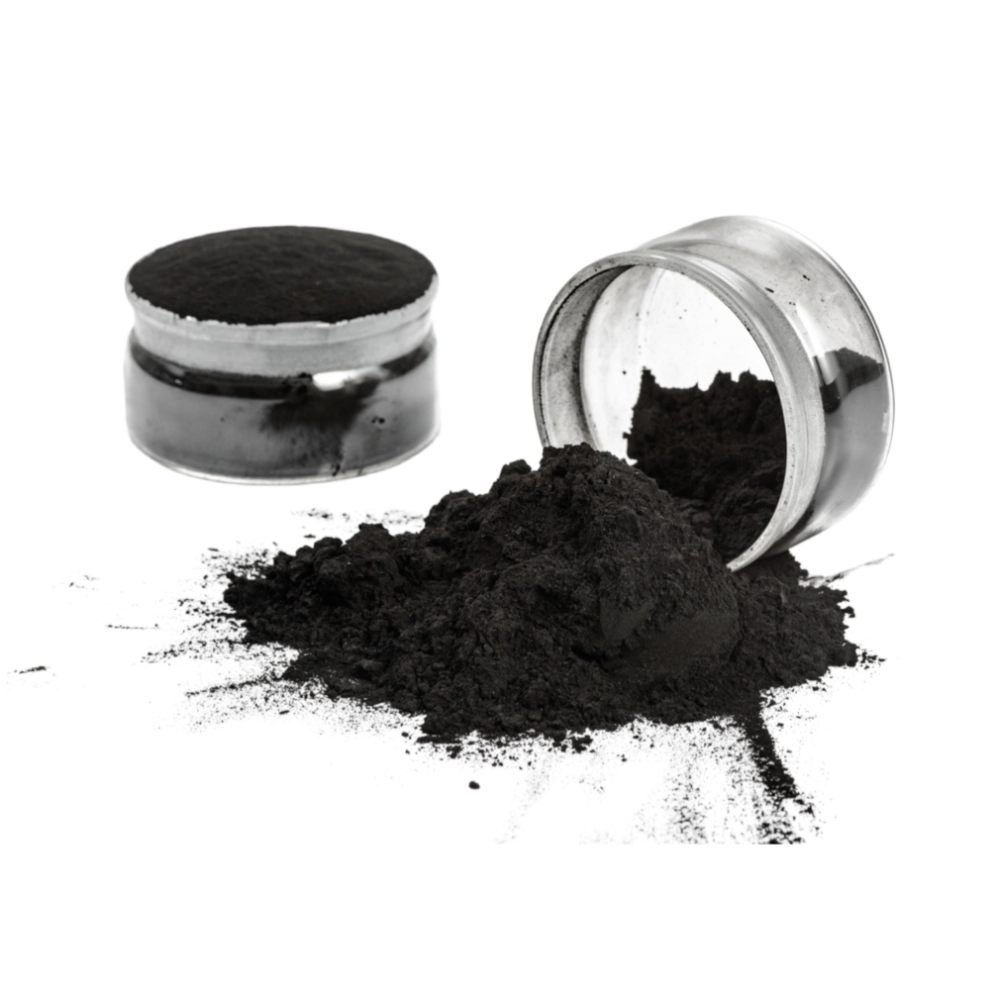
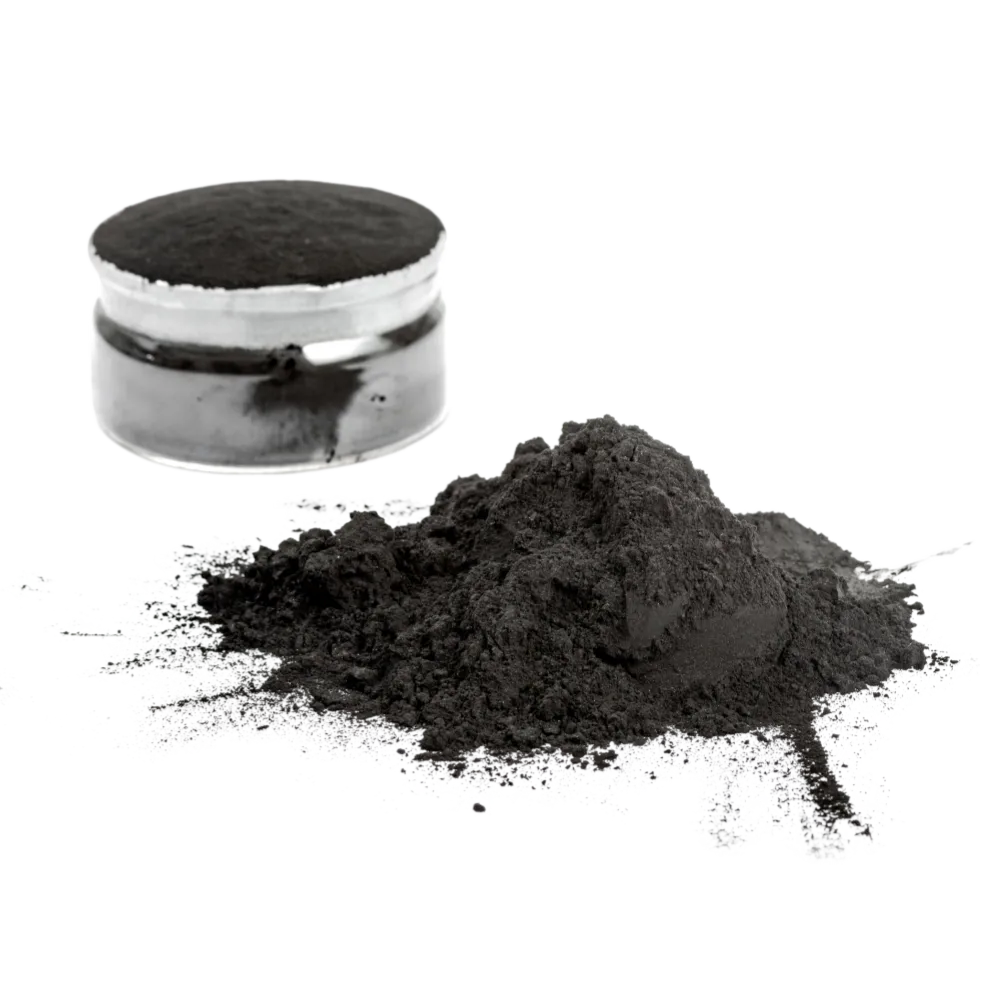
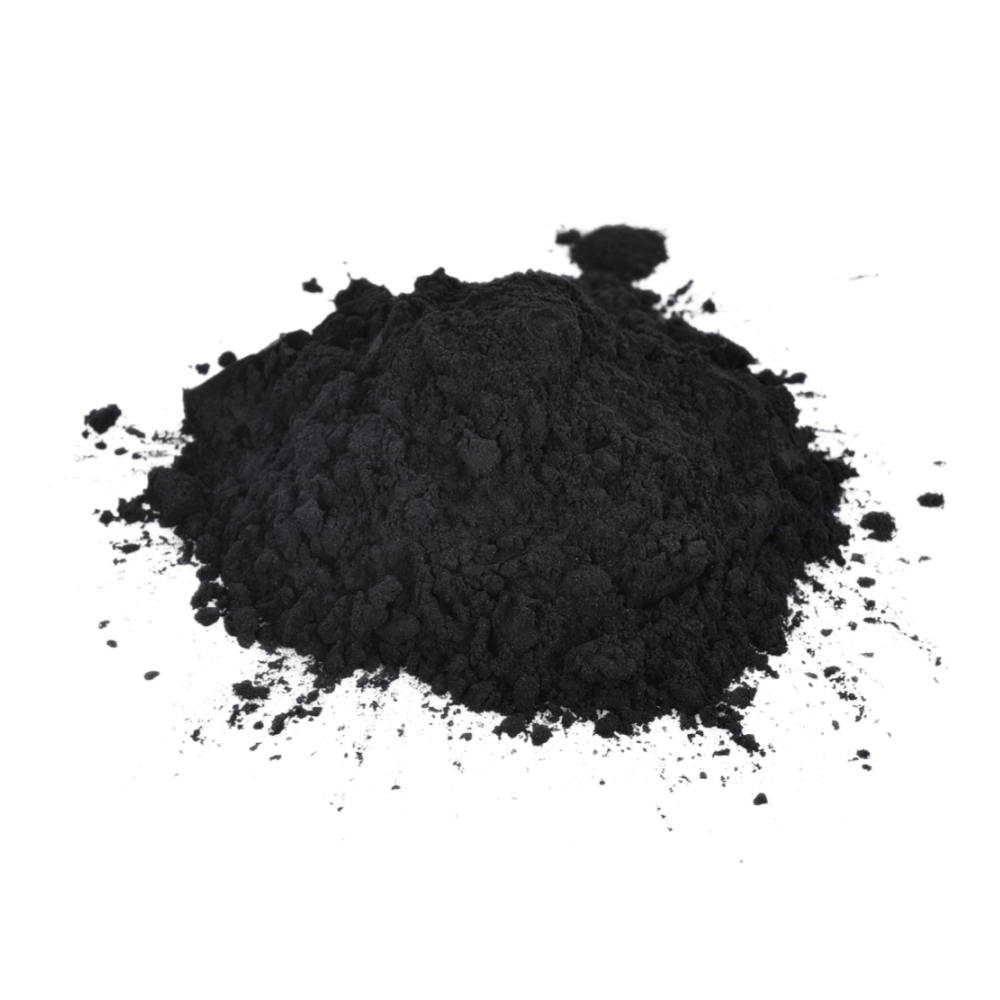
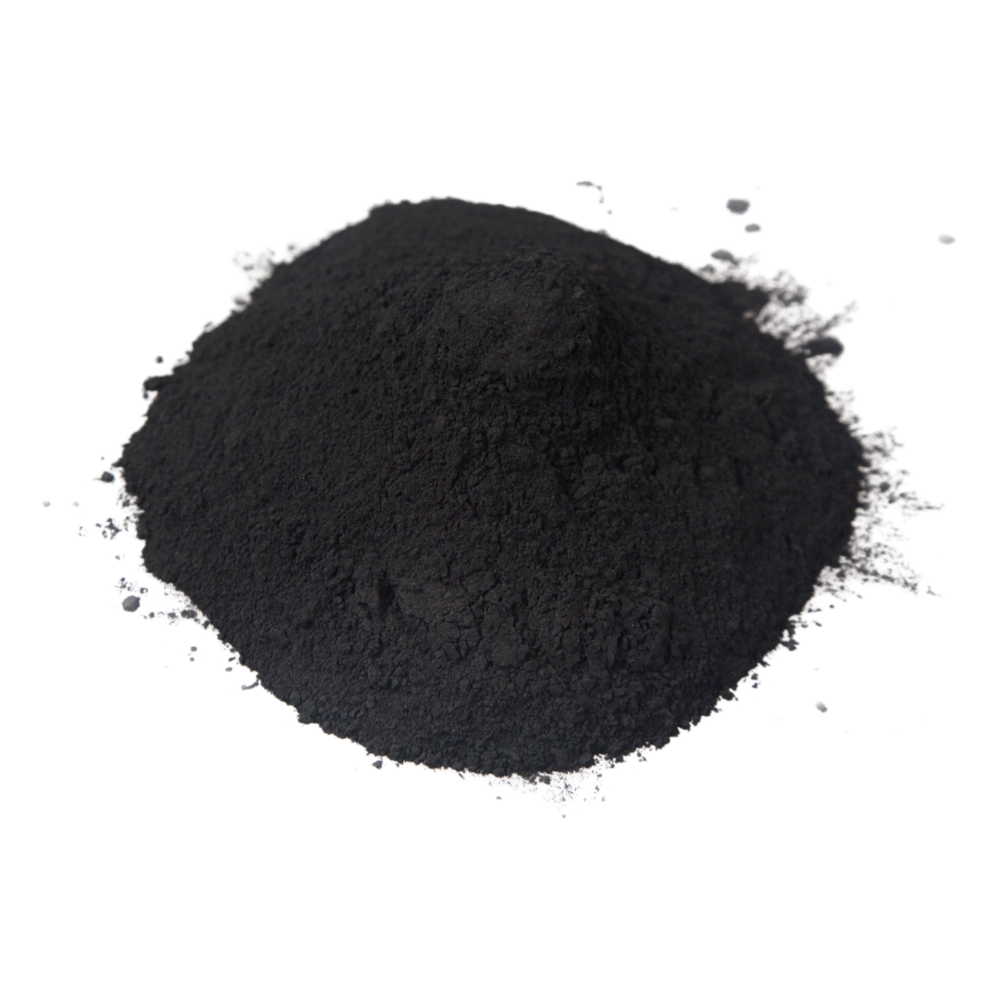
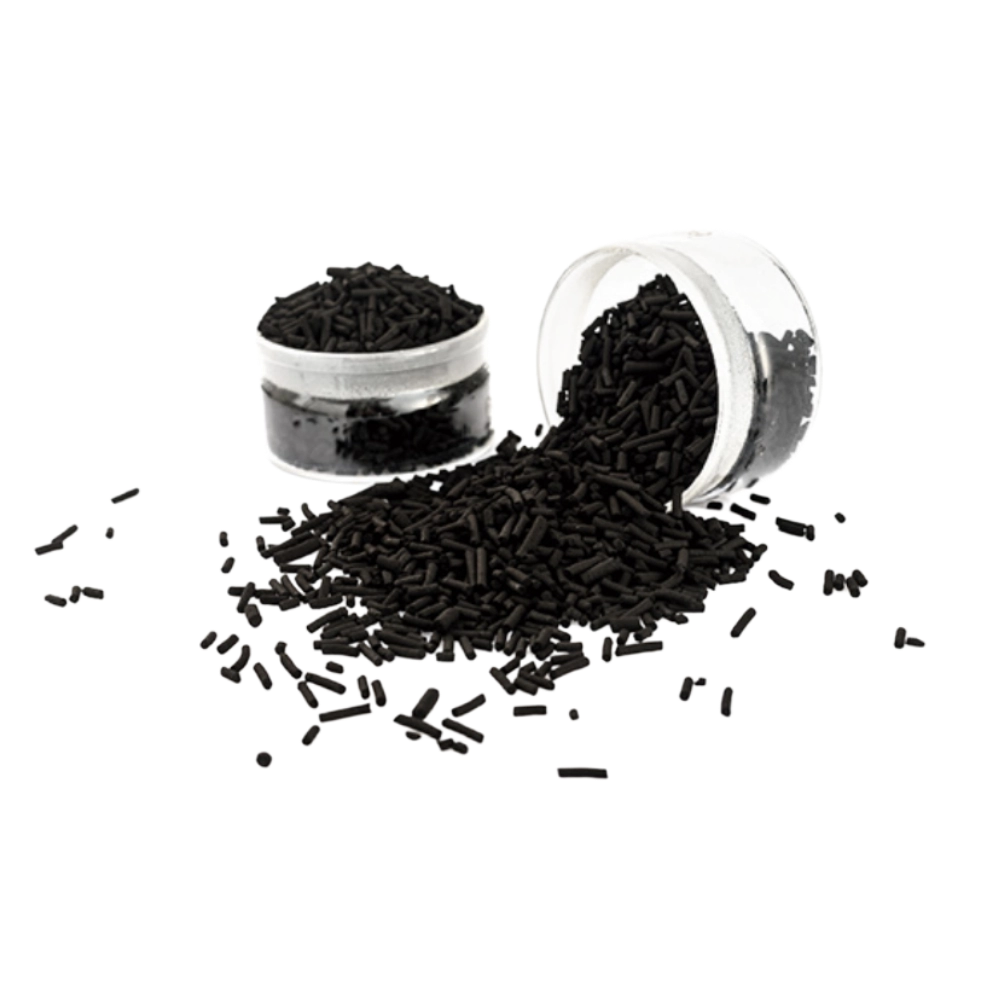
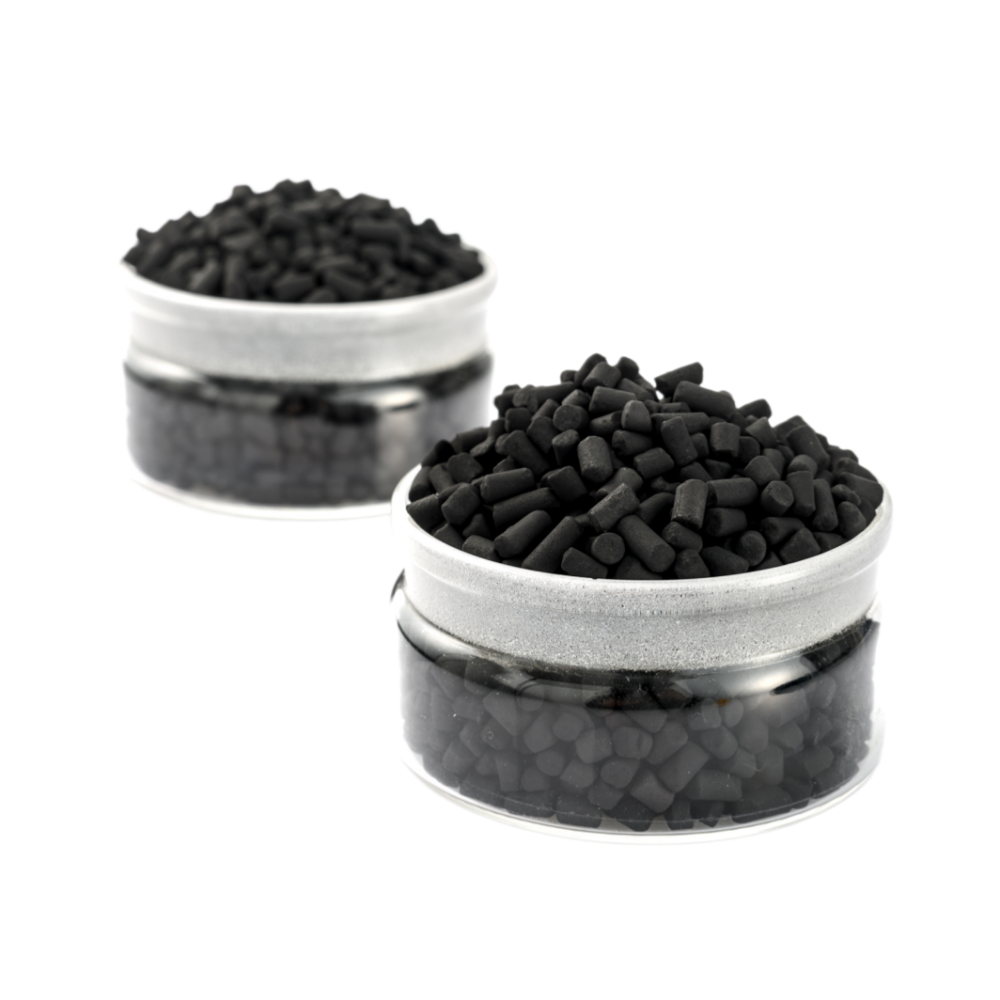
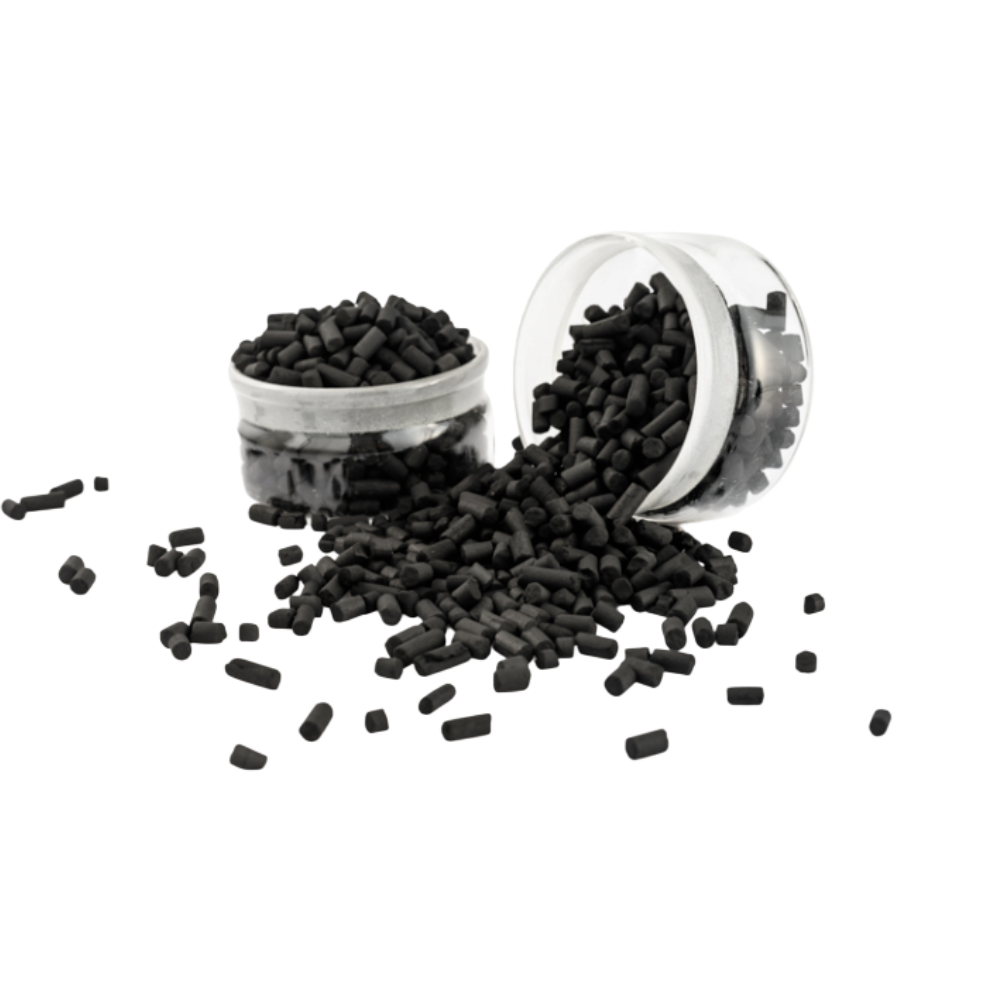
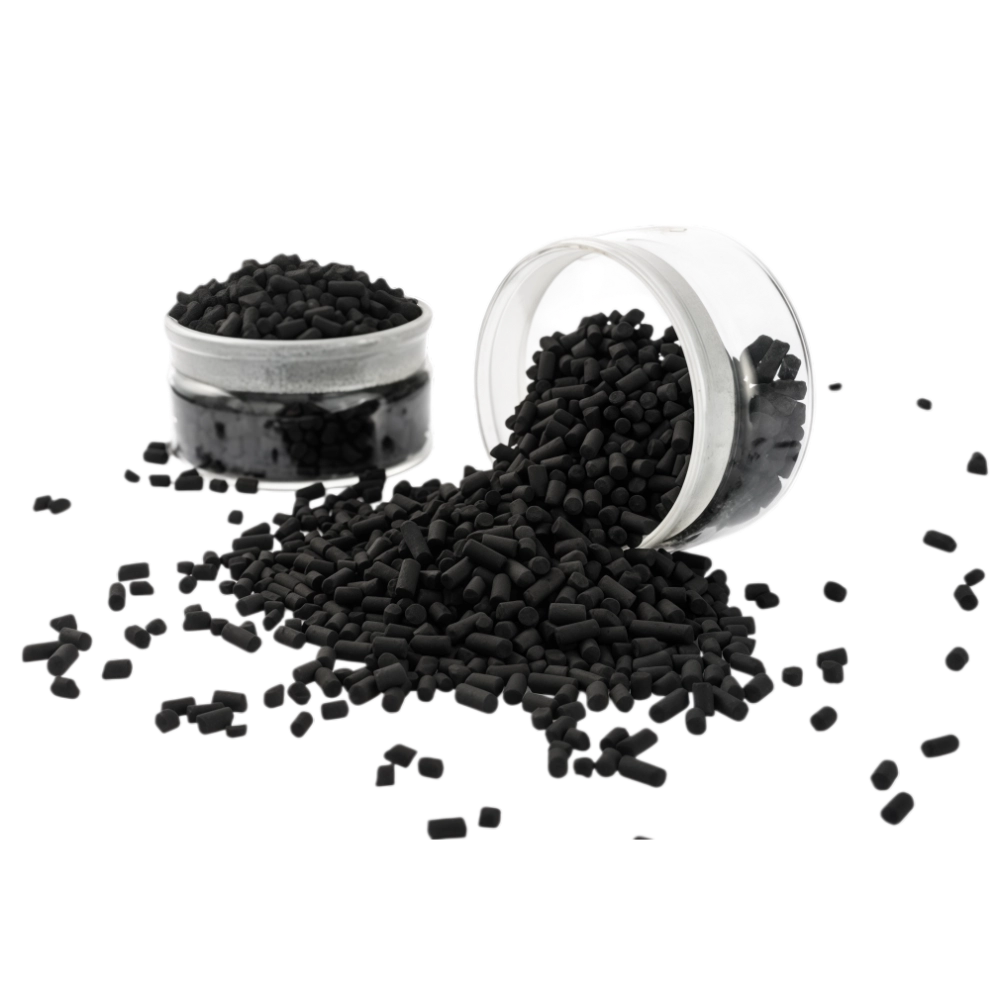
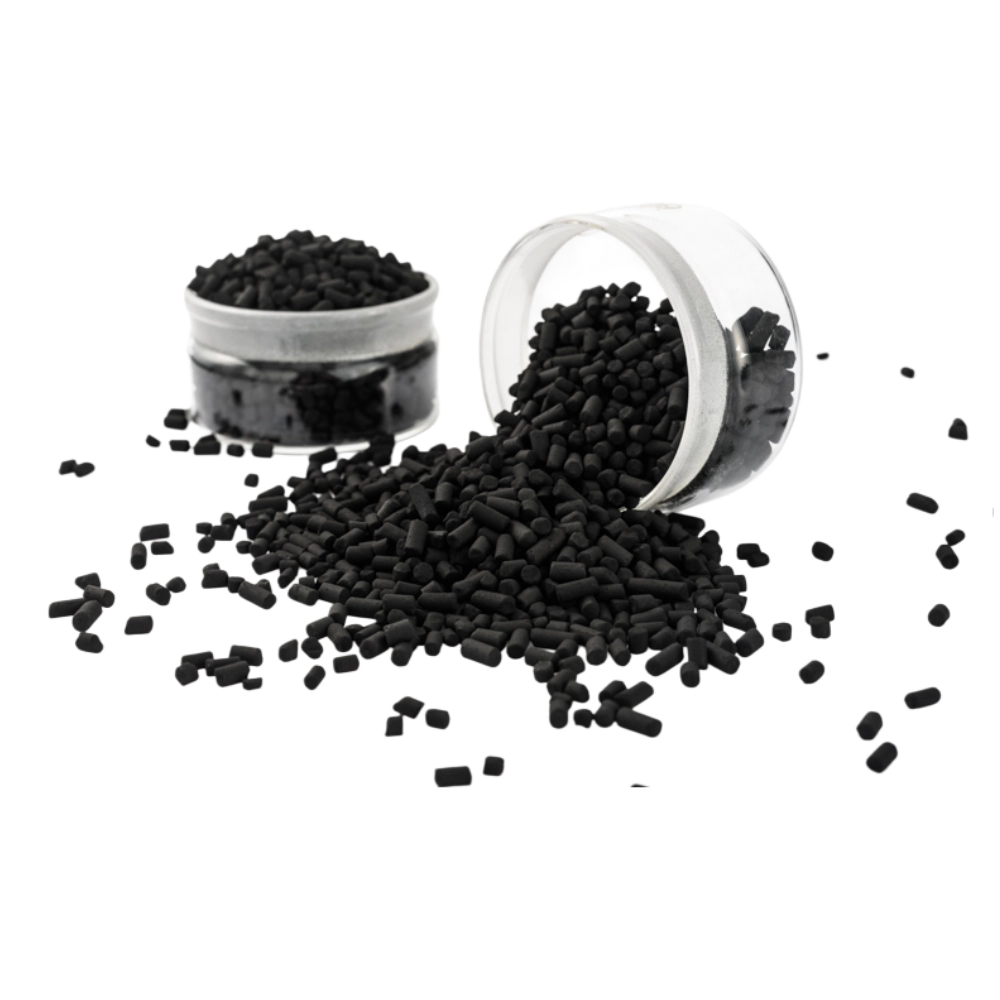
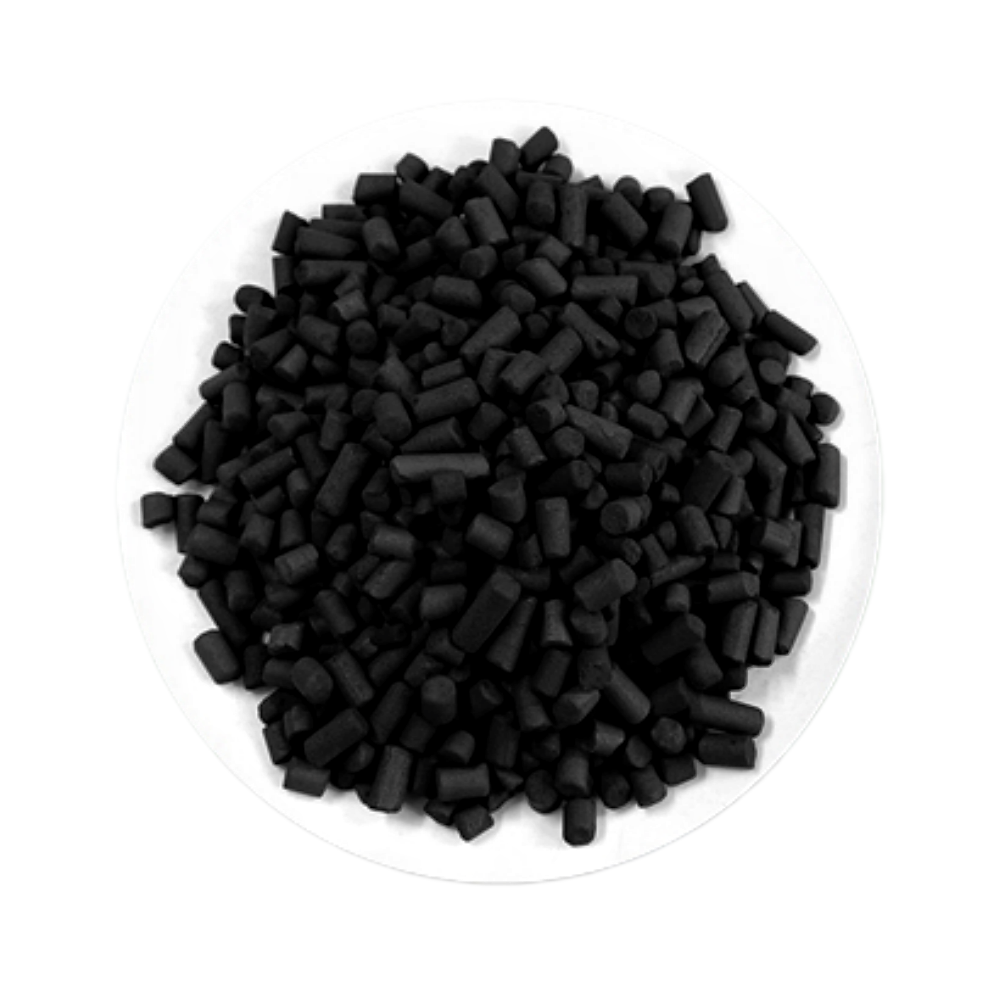
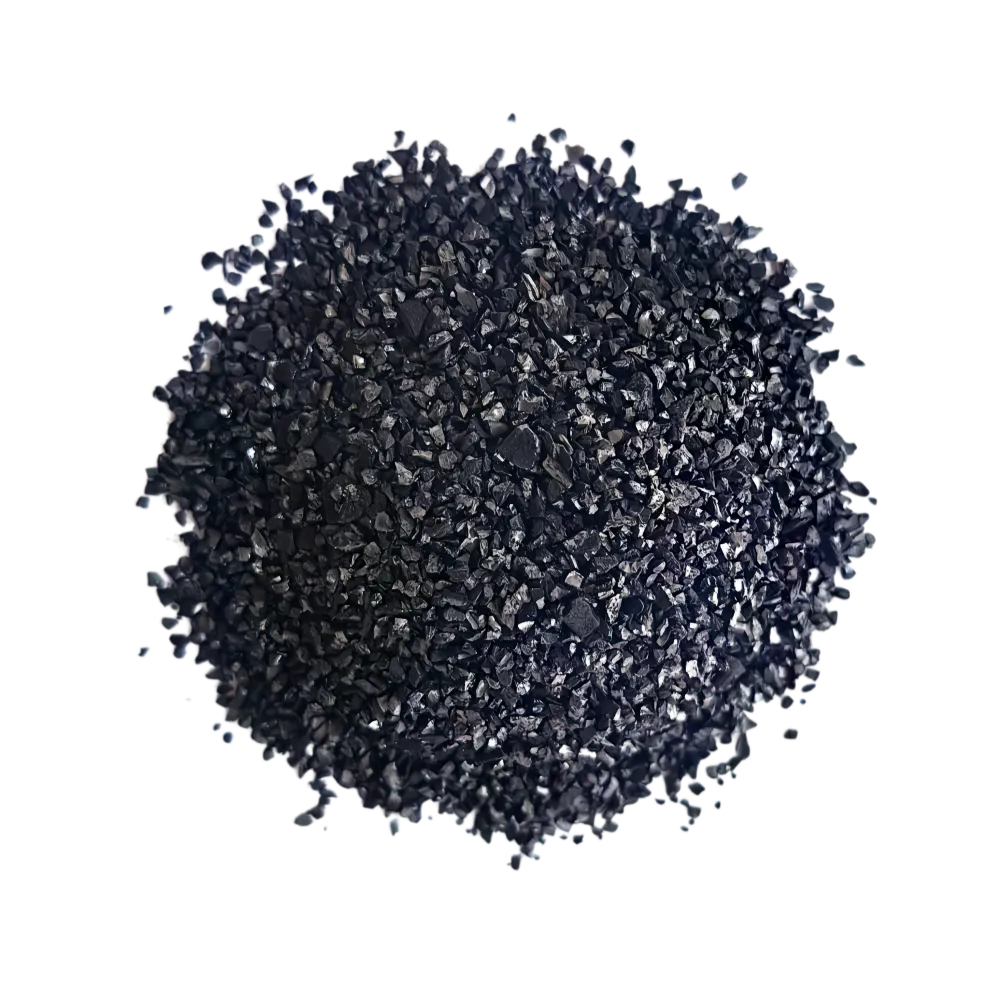
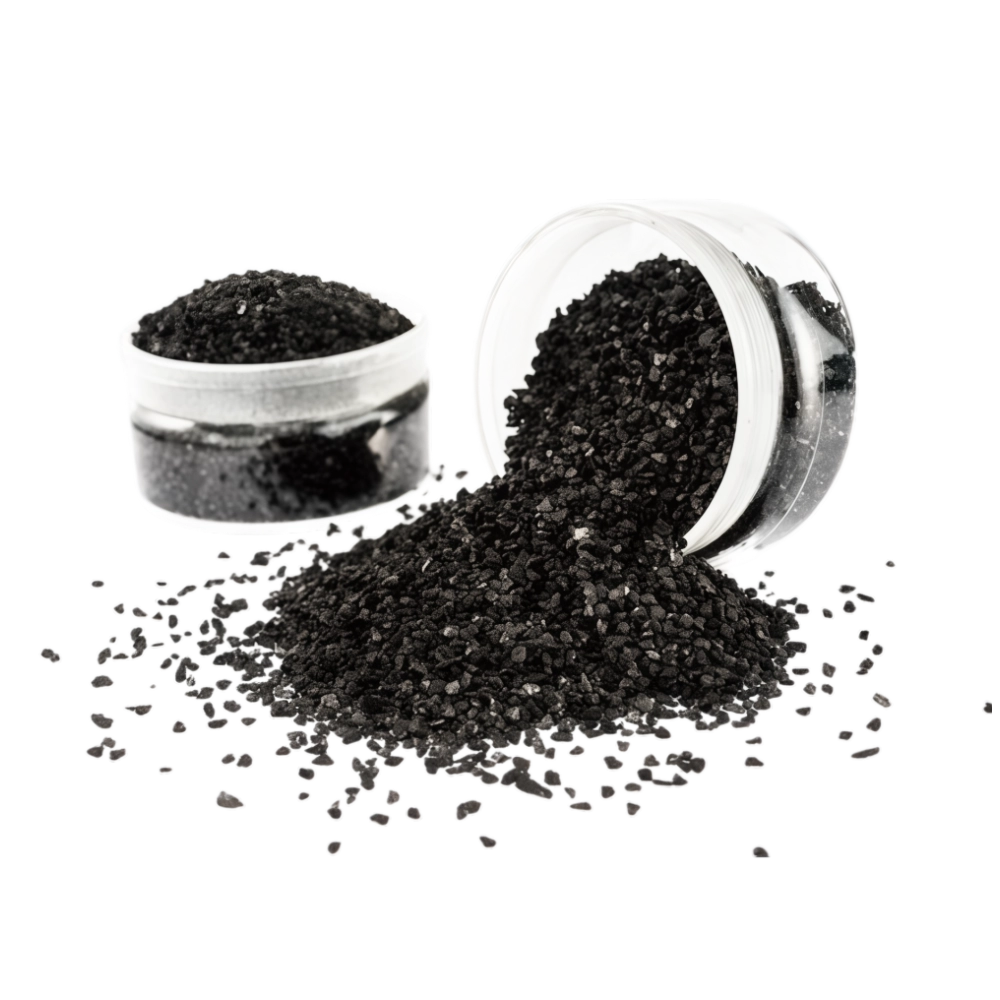
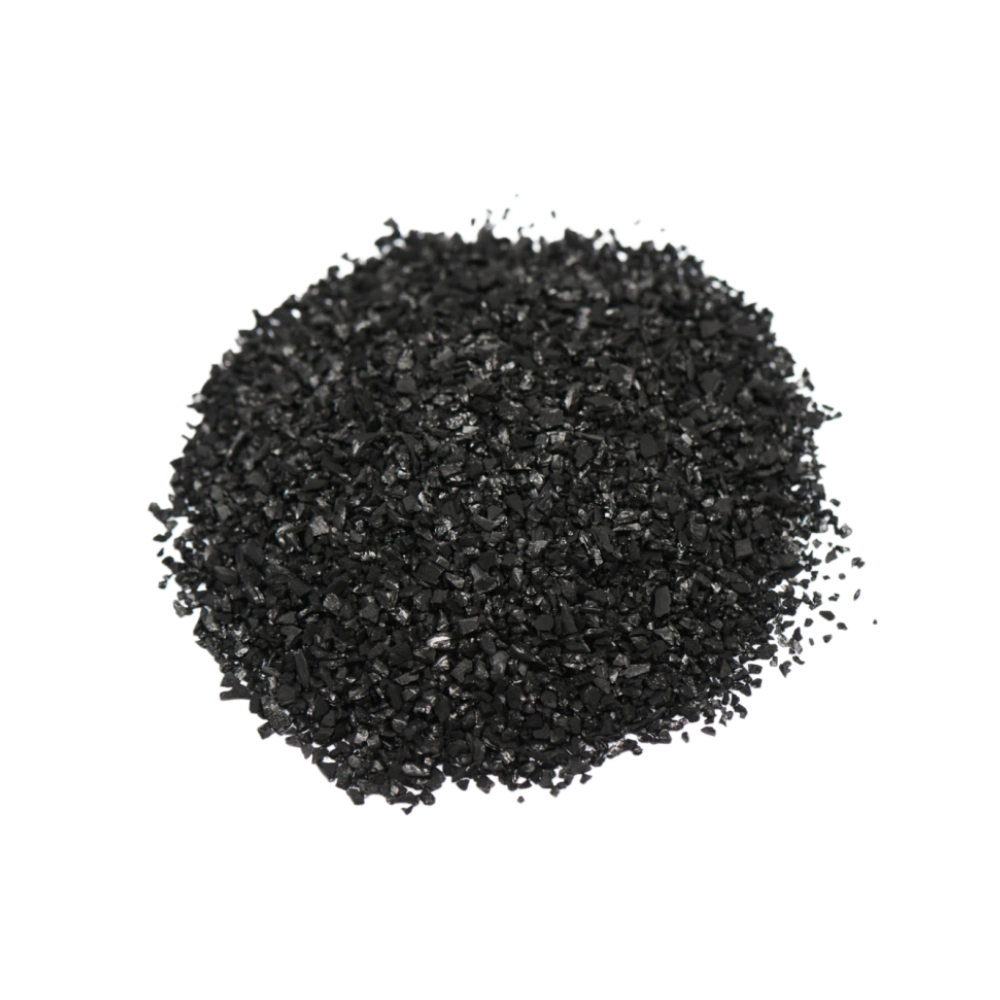
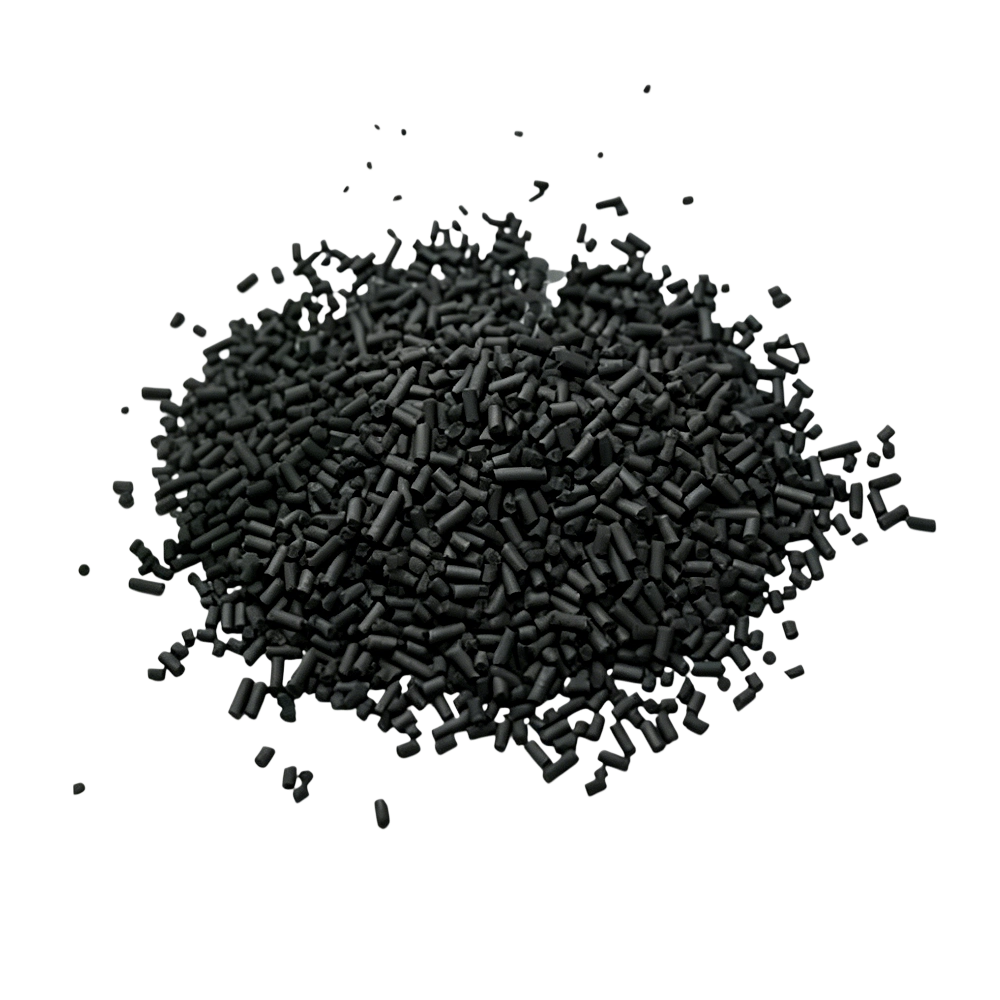
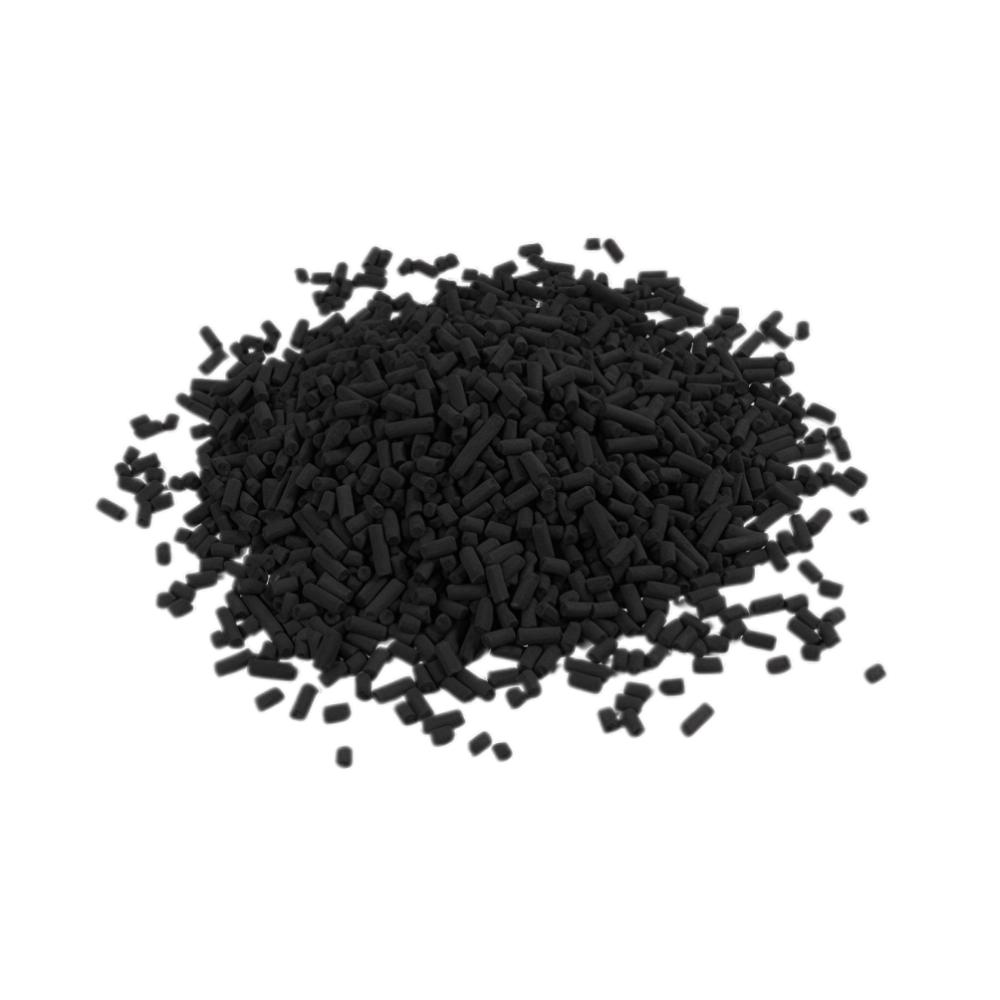
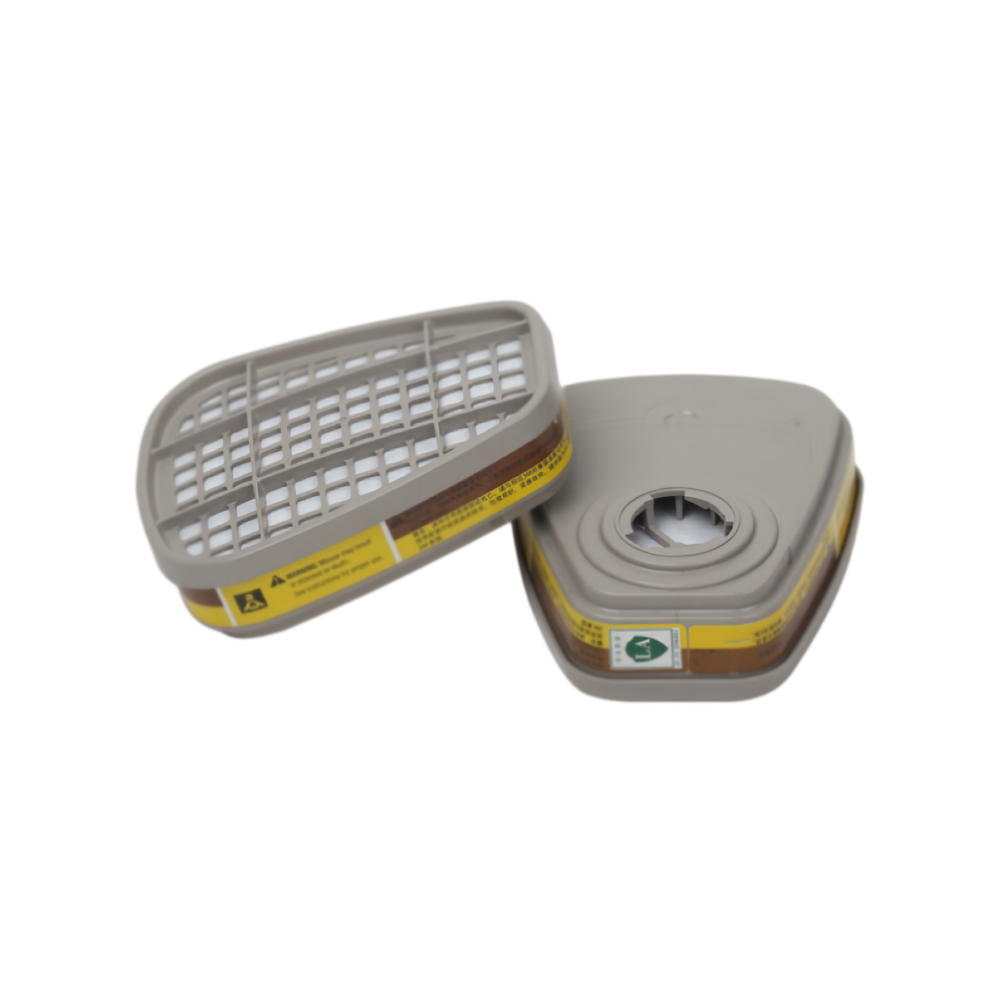
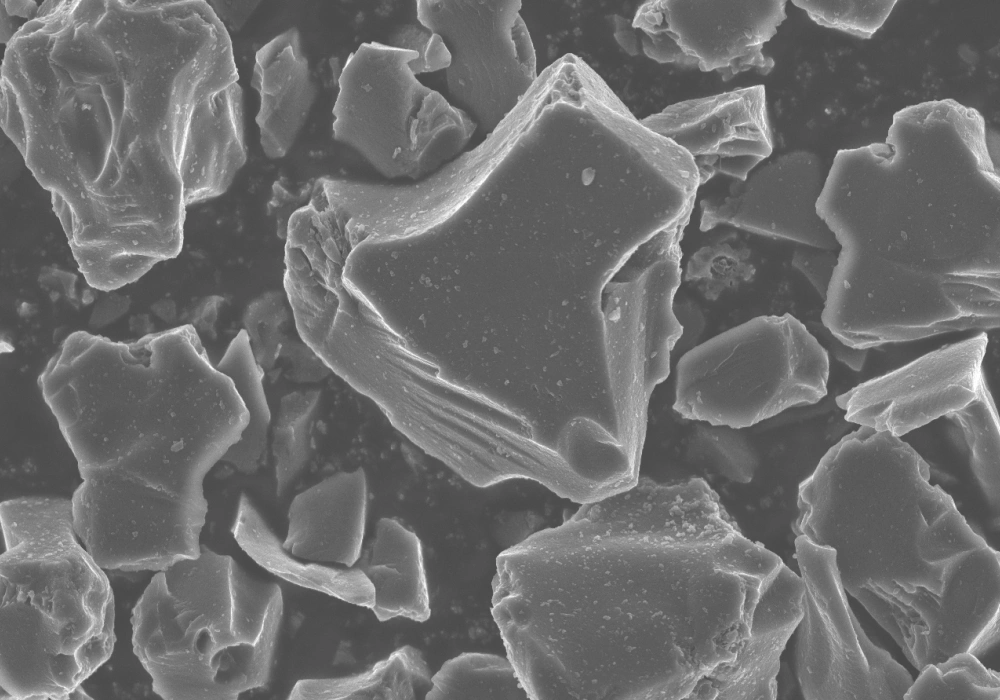
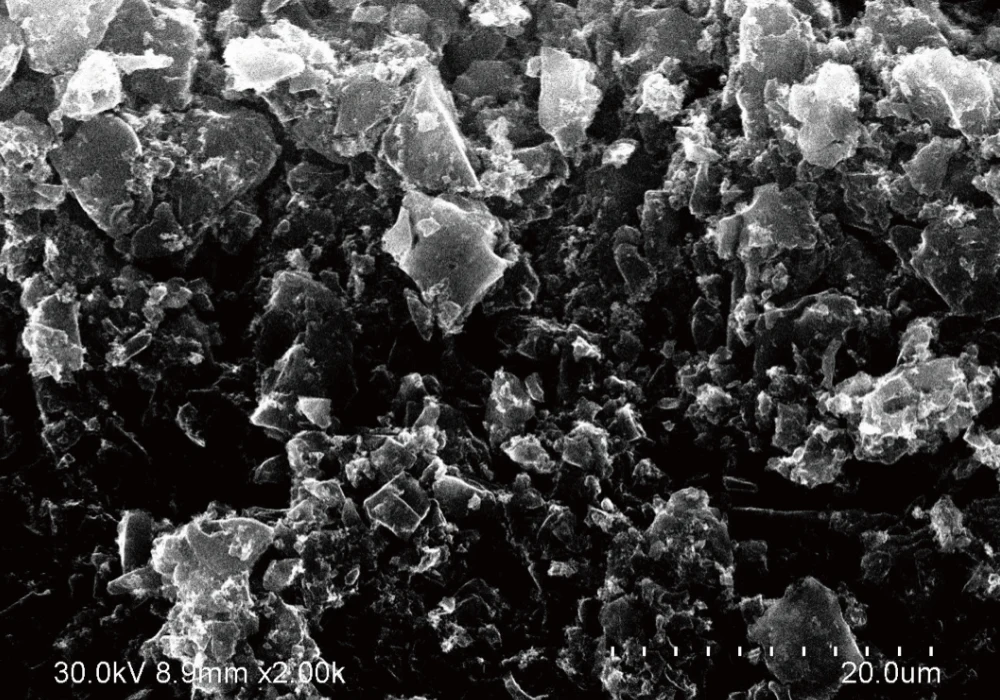
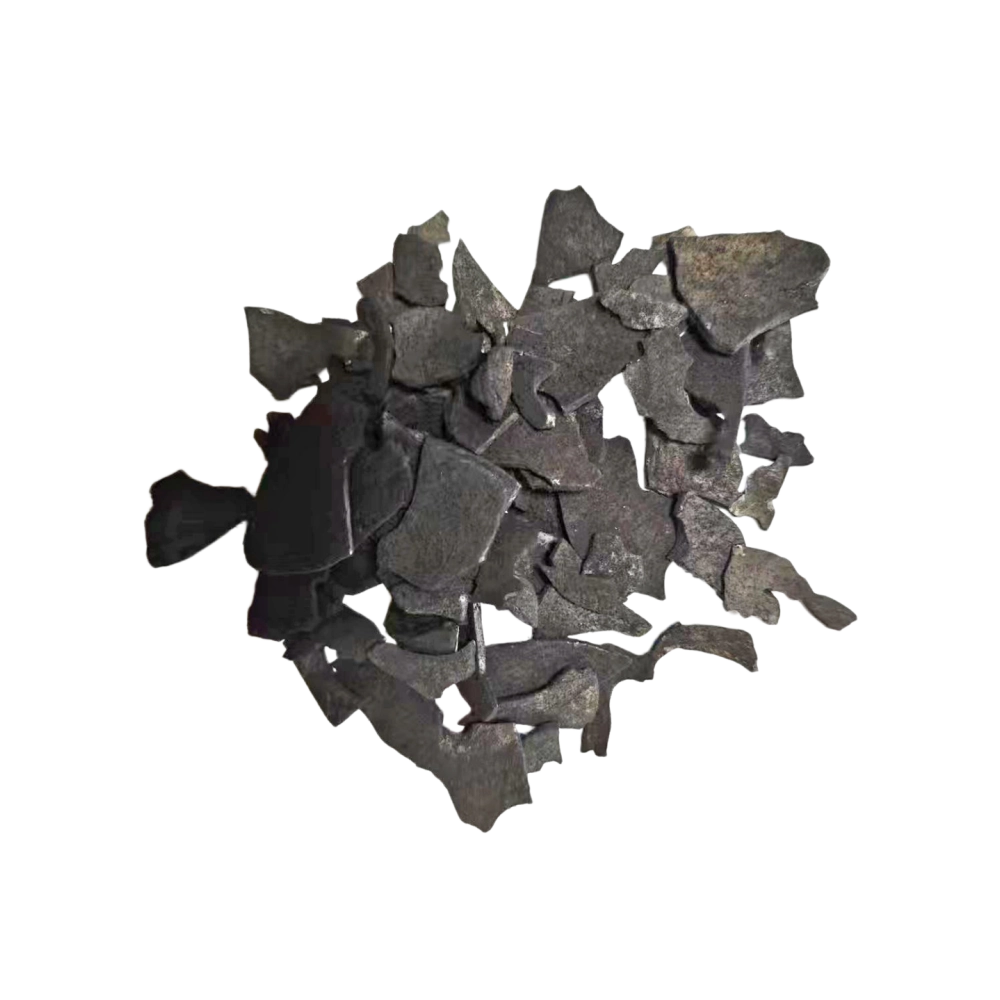
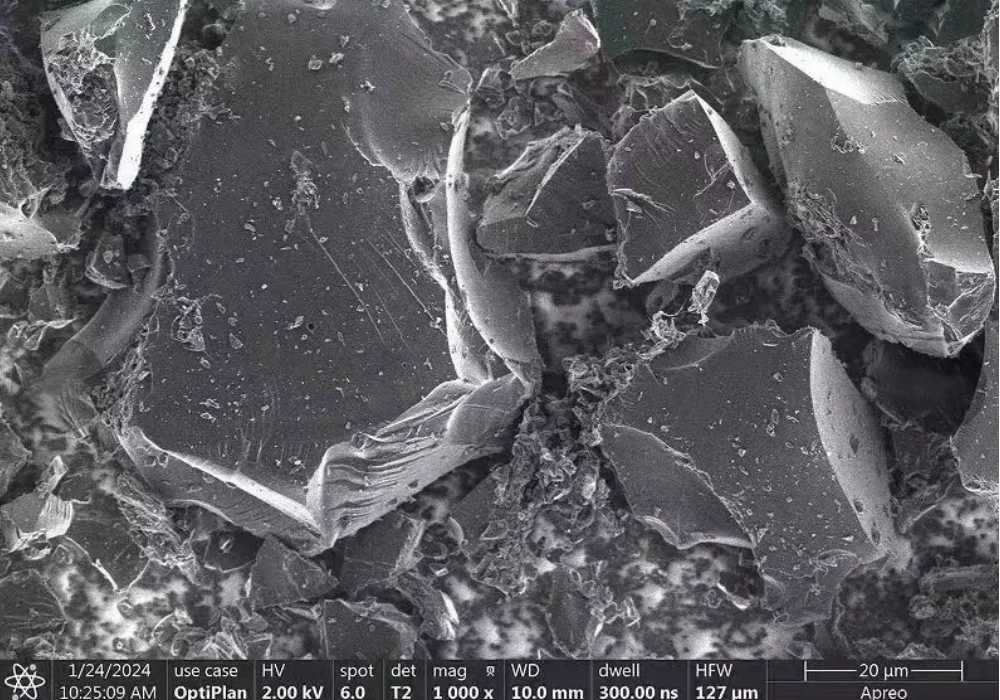

























If your gold processing plant uses carbon adsorption for gold recovery, granular activated carbon plays an important role in the adsorption stage. In CIP and CIL circuits, it contacts gold-bearing pulp; in CIC circuits, it adsorbs gold from pregnant leach solution in columns. So, how is activated carbon used to extract gold?
Here is the short answer. Cyanide leaching first dissolves gold from the ore into the leach solution. Activated carbon then adsorbs the dissolved gold cyanide complexes onto its porous surface, producing gold-loaded carbon. Operators strip the gold from that carbon through elution, recover it by electrowinning, and may reactivate the carbon for reuse, depending on the plant's process design and carbon condition.
One point matters more than any other: activated carbon does not pull solid gold out of the ore. It adsorbs dissolved gold complexes from the leach solution.
In this guide, we follow the same order as your circuit. We start with cyanidation, explain how carbon captures gold, show where carbon works in CIP, CIL and CIC, and then walk through what happens to gold-loaded carbon — screening, acid washing, elution, electrowinning and regeneration.
Understanding Gold Cyanidation
Activated carbon can only do its job after gold enters the solution. Gold cyanidation handles that step.
Crushing and grinding. The plant first crushes and grinds the ore to expose the gold-bearing minerals. Grinding is controlled to achieve sufficient liberation of gold-bearing minerals, allowing the leaching solution to contact the exposed gold. The optimum grind size depends on the ore mineralogy and plant design.
Gold cyanidation. In leaching tanks, the ground ore mixes with an alkaline cyanide solution in the presence of oxygen. The cyanide dissolves metallic gold and forms a soluble complex — chemists call it the dicyanoaurate ion, written as Au(CN)₂⁻. You do not need the full reaction kinetics for plant operations; just remember that cyanide turns solid gold into dissolved gold cyanide.
Pregnant leach solution. The leach solution now carries dissolved gold, along with silver and other metals. Operators call this the pregnant leach solution — in plain words, the gold-bearing solution.
Gold must first be dissolved into the leach solution before activated carbon can adsorb it. Once gold is in solution, activated carbon takes over the adsorption stage.
How Does Activated Carbon Adsorb Gold?
Activated carbon captures dissolved gold cyanide complexes on its internal surface. That surface-based capture is what we call adsorption, and it drives the entire carbon adsorption gold recovery process.
Adsorption, Not Absorption
These two words sound similar, but they describe different mechanisms. In adsorption, molecules attach to the surface and the pore walls of a material. In absorption, a substance enters the bulk of another material, like water soaking into a sponge.
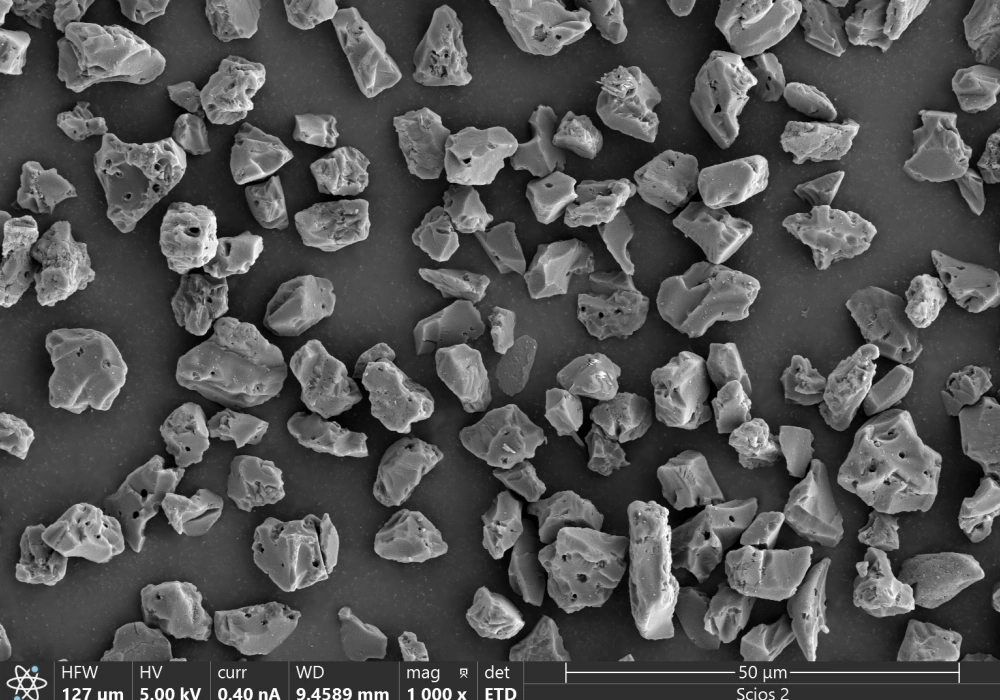
Gold recovery with activated carbon is adsorption. Gold cyanide complexes diffuse into the carbon's pore network and adsorb onto its internal pore surfaces, rather than being absorbed into the bulk carbon matrix. This is why pore structure, particle size and surface properties all matter in plant performance.
Why Can Activated Carbon Adsorb Gold Cyanide Complexes?
Activated carbon offers two things gold complexes respond to: an extremely high internal surface area and a well-developed pore network. Research on gold cyanide adsorption, including the classic work by Fleming and Nicol published in the Journal of the Southern African Institute of Mining and Metallurgy, shows that adsorption behavior depends on pore structure, surface chemistry, mass transfer conditions and the chemistry of the solution itself — not on a single physical property.
This brings up a common misconception in procurement. Iodine number is a routine quality indicator for activated carbon, and buyers like it because it is easy to compare on a certificate of analysis. But it does not directly measure how much gold a carbon can load or how fast it loads it. Treat iodine number as a screening reference, not as proof of gold adsorption performance.
From Fresh Carbon to Gold-Loaded Carbon
Fresh carbon enters the adsorption circuit with available adsorption capacity. As it contacts the pregnant leach solution, dissolved gold cyanide complexes diffuse into the pore network and adsorb onto the internal pore surfaces. As gold loading builds, the carbon becomes what the industry calls gold-loaded carbon.
Loaded carbon leaves the adsorption circuit and starts a separate journey. Section 4 covers that journey step by step.
Where Is Activated Carbon Used in Gold Recovery? CIP, CIL & CIC
In cyanidation-based gold recovery circuits that use carbon adsorption, activated carbon works at the adsorption stage. What changes between CIP, CIL and CIC is where adsorption takes place and how the carbon contacts the gold-bearing material.
Carbon-in-Pulp (CIP)
In a CIP circuit, leaching finishes first. Operators then add coarse granular activated carbon to a series of adsorption tanks. The carbon moves counter-current to the pulp — fresh pulp meets the most heavily loaded carbon first — which keeps the driving force for adsorption high along the tank train. Intertank screens hold the carbon inside each tank while the pulp flows to the next stage. This is the classic setup for carbon in pulp gold extraction.
Carbon-in-Leach (CIL)
In a CIL circuit, leaching and adsorption happen in the same tanks. Cyanide dissolves the gold, while activated carbon adsorbs the dissolved gold complexes as leaching proceeds. The extent of adsorption depends on the carbon's adsorption kinetics and the operating conditions of the circuit. In ores containing naturally occurring carbonaceous material, adding activated carbon during leaching can help compete with the ore for dissolved gold and reduce preg-robbing losses. For this reason, adsorption kinetics are particularly important in CIL circuits treating preg-robbing ores.
Carbon-in-Column (CIC)
In a CIC circuit, the solution separates from the solid ore before adsorption begins. The clarified pregnant leach solution — often from a heap leach operation — flows upward or downward through columns packed with granular activated carbon. The carbon remains in the columns while the solution flows through the adsorption train. Operators monitor solution gold concentrations and carbon loading profiles to determine when carbon should be advanced or withdrawn for elution, according to the plant's column configuration. Carbon in column gold recovery suits solution-based circuits where pumping pulp through tanks would be impractical.
Comparison Table
| Process | Where Activated Carbon Works | How It Contacts Gold-Bearing Material |
|---|---|---|
| CIP | Separate adsorption tanks after leaching | Gold-bearing pulp |
| CIL | Leaching and adsorption tanks | Gold-bearing pulp during leaching |
| CIC | Activated carbon columns | Pregnant leach solution |
A simplified view of each adsorption route:
- CIP: Leaching tanks → Carbon adsorption tanks → Loaded carbon
- CIL: Leaching + adsorption tanks (same circuit) → Loaded carbon
- CIC: Leaching → Solid–liquid separation → Carbon columns → Loaded carbon
Actual plant configurations and operating conditions vary from site to site. The US EPA's technical resource document on gold extraction and beneficiation describes these carbon adsorption methods and their typical arrangements. If you want a deeper comparison of process selection, our article on CIP vs CIL vs CIC covers the decision logic in detail.
What Happens to Gold-Loaded Activated Carbon?
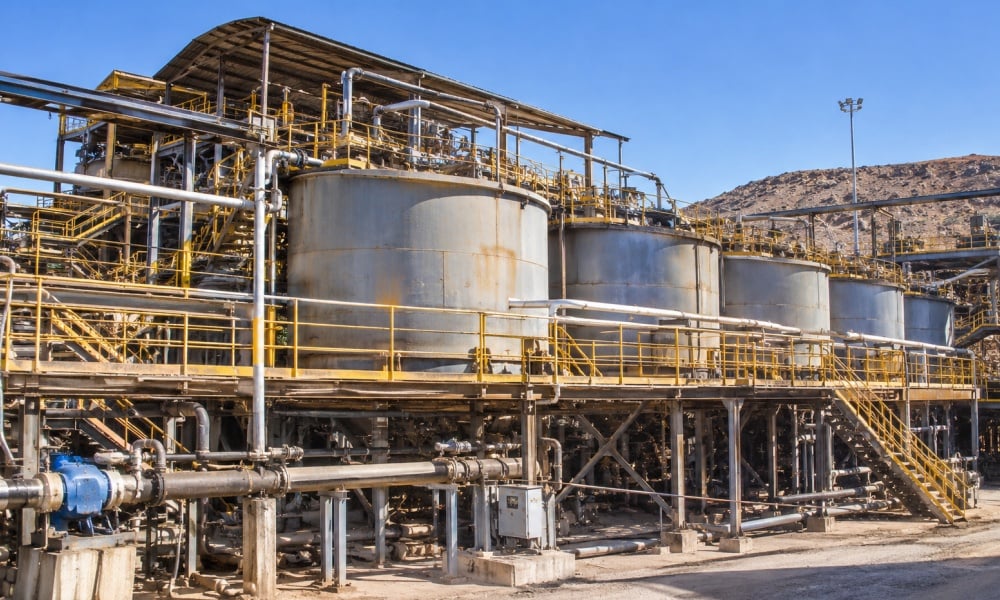
Once carbon becomes loaded with gold, it leaves the adsorption stage and enters the downstream recovery circuit. Depending on the plant design and carbon condition, operators may screen and transfer the carbon, apply acid washing where required, and then strip the gold through elution. The gold-bearing eluate is subsequently sent to electrowinning.
Loaded Carbon Separation and Transfer
In CIP and CIL circuits, intertank screens separate the coarse carbon from the finer pulp. Loaded carbon withdraws from the head of the circuit, passes over a dewatering screen, and transfers to the elution section.
In CIC circuits, the carbon never circulates with solids. It stays fixed in the columns, and operators remove a loaded column or discharge a batch of carbon according to the plant design. Do not assume the CIP screening arrangement applies to a CIC plant — the hardware and the transfer logic differ.
Acid Washing: Removing Mineral Impurities
During operation, inorganic deposits may build up in the carbon pores, depending on water quality and process chemistry. Calcium carbonate scale is a typical example. Acid washing with a dilute mineral acid, usually hydrochloric acid, dissolves these acid-soluble deposits and helps restore access to the pore network.
Keep two things in mind. First, plants place acid washing before or after elution depending on the process design — there is no single fixed order. Second, acid washing is a routine tool, not a universal step in every gold recovery plant, and it does not remove every form of ash or contamination. Process design decides where it fits.
Gold Elution or Stripping: Zadra vs. AARL
Elution, also called stripping, removes adsorbed gold from loaded activated carbon and transfers it into a gold-bearing solution for downstream recovery. The chemistry and operating sequence depend on the elution method. Two widely used approaches are the Zadra and AARL processes.
- Zadra process. A hot caustic-cyanide solution circulates through a column of loaded carbon, and electrowinning typically runs in the same loop. The same solution keeps cycling until the carbon gives up its gold.
- AARL process. Named after Anglo American Research Laboratories, this method typically preconditions loaded carbon with a caustic-cyanide solution before eluting the gold with hot water, often under pressure. The resulting gold-bearing eluate is then sent to electrowinning.
The key difference: Zadra recirculates one hot alkaline solution through the carbon, while AARL uses a preconditioning stage followed by a hot-water elution pass. Both methods are established in gold recovery operations. The choice depends on the plant's flowsheet, operating requirements and established operating practice. Neither method is universally preferable. Industry publications have compared both methods side by side — for example, the SME paper on Zadra and AARL elution operations at Carlin in Nevada.
Electrowinning and Gold Recovery
The pregnant eluate now carries a high concentration of dissolved gold. Electrowinning cells apply an electric current to the solution, and metallic gold deposits onto the cathodes — often steel wool. Operators then wash the gold-bearing cathodes and send the material to smelting, where the gold melts into doré bars along with any silver.
The gold has been transferred from activated carbon back into solution, which allows the downstream electrowinning stage to recover it. Every step so far — adsorption, elution, electrowinning — follows the same logic: move the gold from one phase to another, concentrating it each time.
Carbon Regeneration and Reuse
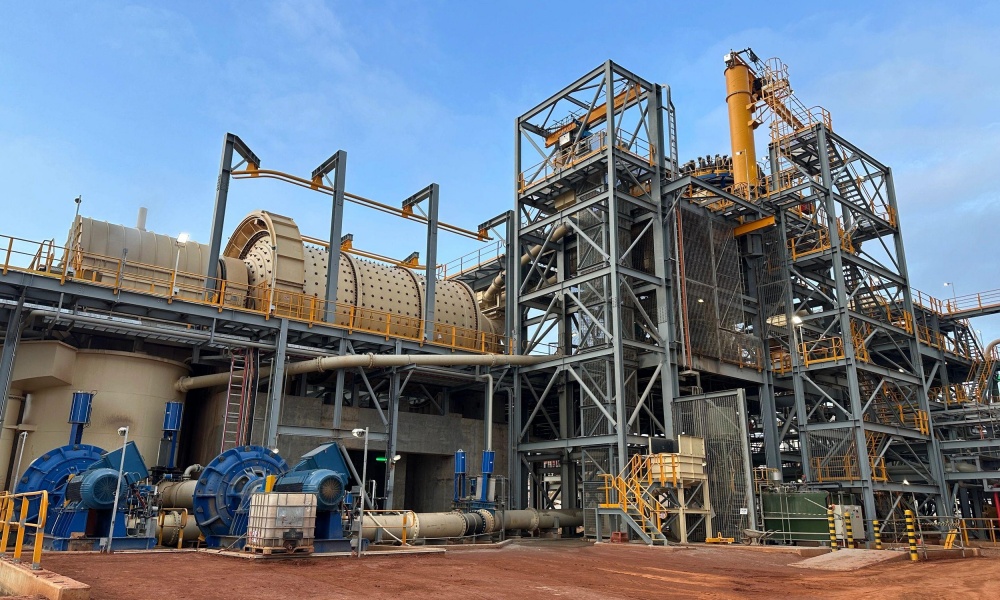
Gold recovery activated carbon is generally used in repeated cycles rather than as a single-use material. After elution, the carbon may undergo washing and thermal reactivation, depending on the plant's process design and the condition of the carbon, before returning to the adsorption circuit.
Why Does Activated Carbon Need Reactivation?
Each cycle leaves something behind. Organic contaminants may remain after elution, and inorganic deposits can accumulate in the pores. Over repeated cycles, these residues occupy surface sites and slow down adsorption. Handling and circulation also wear the carbon down mechanically. If residual contaminants are not adequately managed, activated carbon may gradually lose adsorption capacity or rate over repeated cycles. The extent of this decline depends on the ore, solution chemistry, elution efficiency and carbon management practices.
How Is Spent Carbon Reactivated?
Where thermal reactivation is part of the plant circuit, spent carbon is heated in a rotary kiln under controlled high-temperature conditions to remove residual organic contaminants and help restore adsorption performance. Steam may be introduced as part of the controlled kiln atmosphere, depending on the equipment and operating practice. After reactivation, the carbon is typically cooled, screened to remove fines, and returned to the adsorption circuit. The exact temperature profile and residence time depend on the kiln design and the carbon condition, so each plant tunes its own reactivation regime rather than copying a universal number.
Why Does Carbon Attrition Matter in Gold Recovery?
Think about the mechanical life of a carbon particle. During operation, activated carbon is exposed to agitation, screening and transfer processes. Depending on the plant design, it may also undergo repeated thermal reactivation. Carbon with insufficient mechanical strength is more prone to breakage, generating fines.
Those fines carry a real cost. Fine carbon that escapes the circuit may still hold adsorbed gold, so attrition can contribute directly to gold losses. It also increases the carbon make-up rate — the fresh carbon you must buy and add to keep the circuit inventory stable.
This is why gold recovery activated carbon must be evaluated not only for adsorption performance but also for mechanical strength and particle-size control. Mechanical strength can therefore affect operating costs through both carbon make-up requirements and potential gold losses.
What Should Buyers Evaluate in Gold Recovery Activated Carbon?
If you buy carbon for a CIP, CIL or CIC circuit, four evaluation factors cover most of what matters in daily operation.
Adsorption Capacity
Adsorption capacity tells you how much gold the carbon can load under defined test conditions. In gold recovery testing, the K-value is commonly used to express the equilibrium gold adsorption capacity of activated carbon under defined test conditions. It indicates how much gold the carbon can adsorb at a specified equilibrium gold concentration in solution. K-values should only be compared when the test methods and solution conditions are comparable.
Adsorption Rate
Adsorption rate tells you how fast the carbon picks up gold. The R-value is used to indicate the gold adsorption rate of activated carbon under a defined test method. It reflects how quickly the carbon takes up gold from solution. In fast CIL circuits, where activated carbon competes with the ore for dissolved gold, adsorption kinetics can be particularly important.
Rate and equilibrium are different concepts. A carbon can load a high final amount yet load it slowly, and the opposite also happens. Evaluate both.
Mechanical Strength
Mechanical strength connects directly to the attrition problem in Section 5.3. Strong carbon survives tank turbulence, screening, pumping and repeated reactivation with less breakage — which means fewer fines, less gold carried away with those fines, and a lower carbon make-up rate. Mechanical strength results should always be reported together with the specific test method. For granular activated carbon, ASTM D3802-23 is one example of a ball-pan hardness test method, while GB/T 20451-2006 is China's national standard for ball-pan hardness testing of activated carbon. These laboratory tests provide comparative hardness results but do not directly predict carbon loss under actual plant conditions. Ask suppliers for the test method and results, and consider plant-relevant attrition data where available.
Particle Size Distribution
Particle size affects both adsorption kinetics and carbon retention. Under otherwise comparable conditions, smaller carbon particles can adsorb gold faster, but they may be more difficult to retain on interstage screens. In CIC columns, particle size must also be considered alongside bed hydraulics and pressure drop. Coarser particles are generally easier to retain but may adsorb gold more slowly. Nominal mesh size alone is not enough to evaluate a carbon grade. Buyers should request the full particle size distribution, including undersize and oversize fractions, and match it to the plant's screening and process requirements.
Summary Table
| Evaluation Factor | Why It Matters |
|---|---|
| Adsorption Capacity | Influences the amount of gold carbon can load |
| Adsorption Rate | Influences how quickly gold is adsorbed |
| Mechanical Strength | Helps reduce attrition and carbon losses |
| Particle Size Distribution | Affects adsorption, screening and carbon management |
A Few Technical Notes Before You Compare Suppliers
- Iodine number is not a direct substitute for gold adsorption capacity.
- K-value and R-value only compare fairly when the test methods match.
- Do not accept performance numbers without verified test results behind them.Carbon performance must be judged in the context of your actual plant conditions — ore, solution chemistry, circuit design and regeneration practice.
- When comparing suppliers, request the full particle size distribution and the specific mechanical-strength test method, together with supporting results. Any gold-specific adsorption data should be accompanied by the test method and solution conditions so you can judge whether the results are relevant to your circuit.
Why Coconut Shell Activated Carbon Is Widely Used in Gold Recovery
Coconut-shell granular activated carbon is widely used in gold recovery because suitable grades can offer a combination of mechanical strength, low attrition and adsorption properties suited to repeated handling and regeneration. However, the performance of a specific carbon grade still depends on its activation process, pore structure and finished-product quality.
PSD-GOLD is Purestar's coconut-shell granular activated carbon developed for gold recovery applications in CIP, CIL and CIC circuits. It offers high adsorption capacity and gold loading, low attrition for repeated regeneration, and a well-developed pore structure. Available particle sizes include 6×12 and 4×8 mesh. For specifications, batch data and application support, For specifications, batch data and application support, see the PSD-GOLD product page and our overview of gold extraction applications If you are still comparing process routes, the article linked above on CIP vs CIL vs CIC will help you frame the right questions.
FAQs
Why is activated carbon used in gold recovery?
Activated carbon adsorbs dissolved gold cyanide complexes from cyanide leach solutions, concentrating the gold within its pore network. The resulting gold-loaded carbon can then be processed through elution, with the gold-bearing eluate sent to electrowinning.
What is gold-loaded activated carbon?
Gold-loaded activated carbon is granular activated carbon that has adsorbed gold cyanide complexes within its pore network during the adsorption stage. Depending on the process, it is screened or transferred from the adsorption circuit, washed where required, and sent to elution for gold recovery.
Can activated carbon be reused in gold recovery?
Yes. Activated carbon can be reused after gold elution. Depending on the plant's operating conditions and carbon condition, the carbon may undergo thermal reactivation to remove residual contaminants and help restore adsorption performance. Fresh carbon is also added periodically to compensate for carbon losses and maintain the circuit inventory.
What is the difference between CIP, CIL and CIC?
In CIP, leaching finishes first and carbon adsorbs gold from the leached pulp in separate tanks. In CIL, leaching and adsorption run simultaneously in the same tanks. In CIC, the pregnant solution is separated from the solids and passes through columns packed with activated carbon. Our comparison of the CIP, CIL and CIC gold recovery processes goes deeper on selection.
Conclusion
Gold cyanidation puts gold into solution. Activated carbon captures the gold cyanide complexes through adsorption, wherever your circuit places it — in pulp, during leaching, or in columns. Loaded carbon undergoes screening and, where required, washing before elution transfers the gold back into solution. The gold-bearing eluate then goes to electrowinning and subsequent smelting, while the carbon may be reactivated and returned to the adsorption circuit.
For buyers, one final reminder: the initial purchase price is only one part of the cost. Adsorption performance, mechanical strength, carbon attrition, carbon losses and regeneration behavior all shape what a gold recovery carbon really costs you per year of operation.
If you are working on a CIP, CIL or CIC circuit and evaluating activated carbon options, share your process type, required particle size, operating conditions and performance requirements with our team. We will discuss suitable coconut shell activated carbon options for your application — starting with your process, not our catalog.