


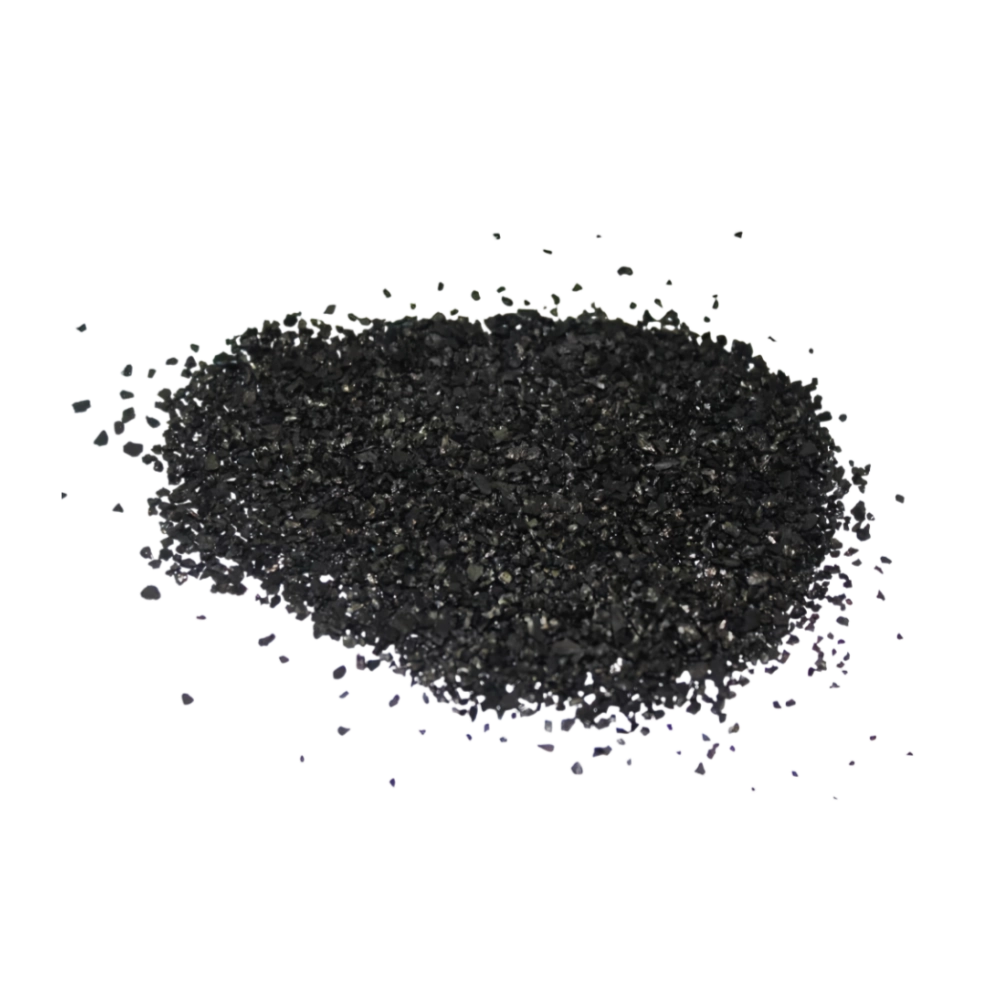
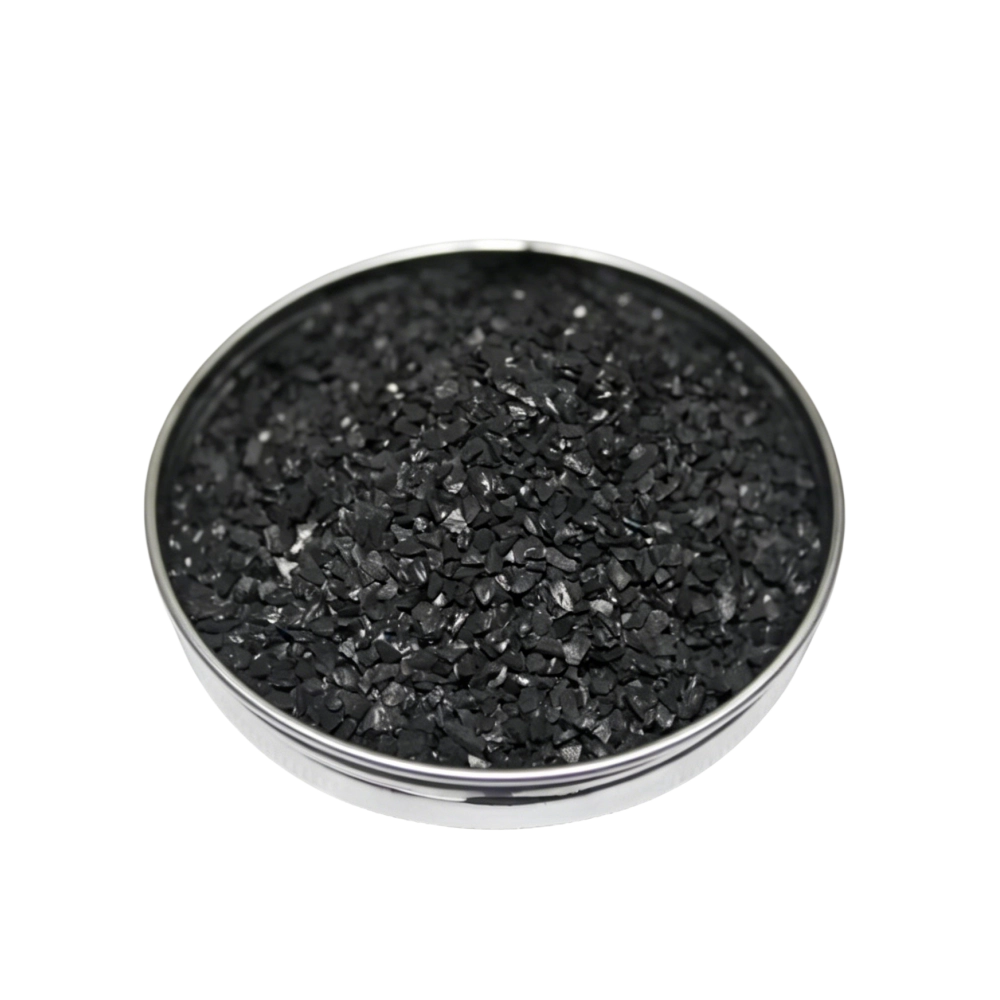
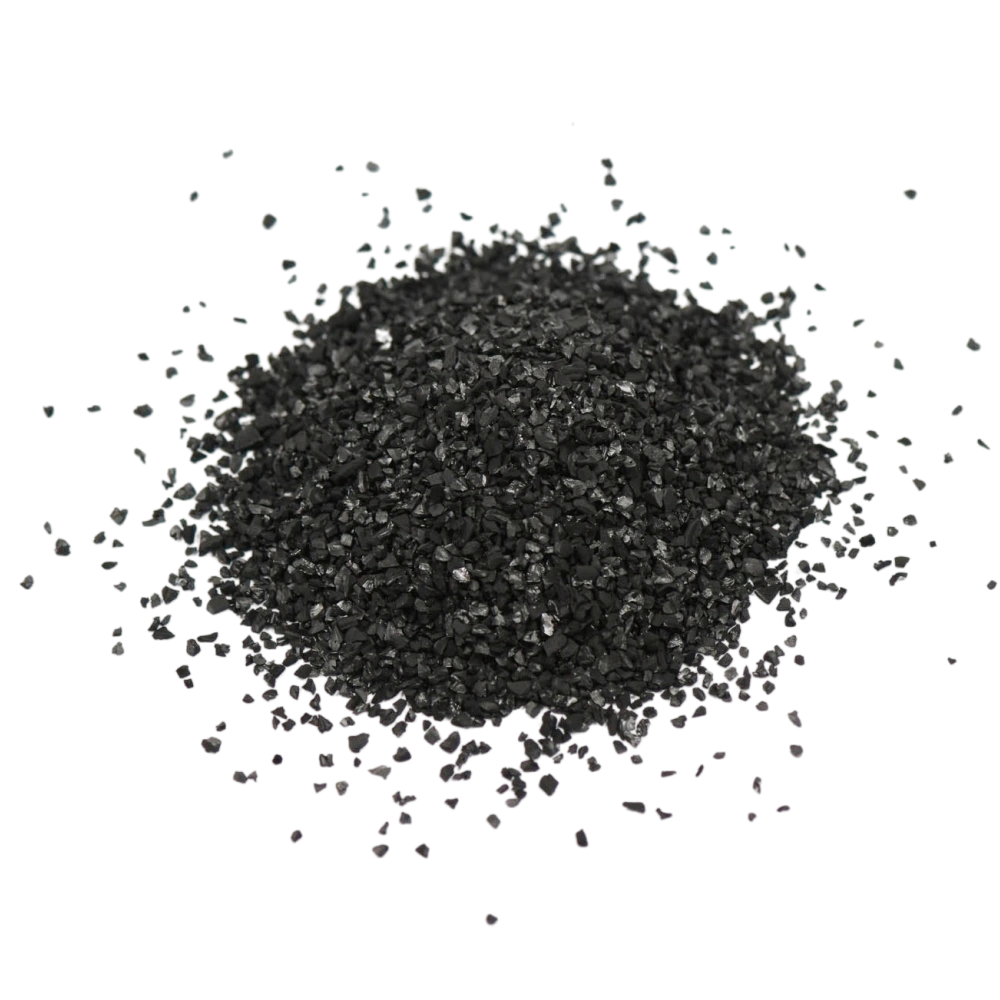









When engineers compare activated carbon for water treatment, the datasheet review usually starts with iodine number, CTC activity, and ash content. pH rarely makes the shortlist — until commissioning week, when effluent pH drifts a full unit above specification and the plant scrambles to add acid dosing it never budgeted for.
The truth is that pH is not a minor footnote in activated carbon selection. It shapes adsorption efficiency, effluent stability, and compatibility with downstream processes. In this guide, we will walk through what activated carbon does in water treatment, how its pH varies by raw material, how to test and control it, and how to match the right carbon to your water — before the mismatch becomes an expensive lesson.
In this article:
- What activated carbon does in water treatment
- The key properties to check before selection
- Why pH differs between coconut shell, coal, and wood carbons
- A practical selection table by application
- Field tips for managing pH in operating systems
- FAQ
What Does Activated Carbon Do in Water Treatment?
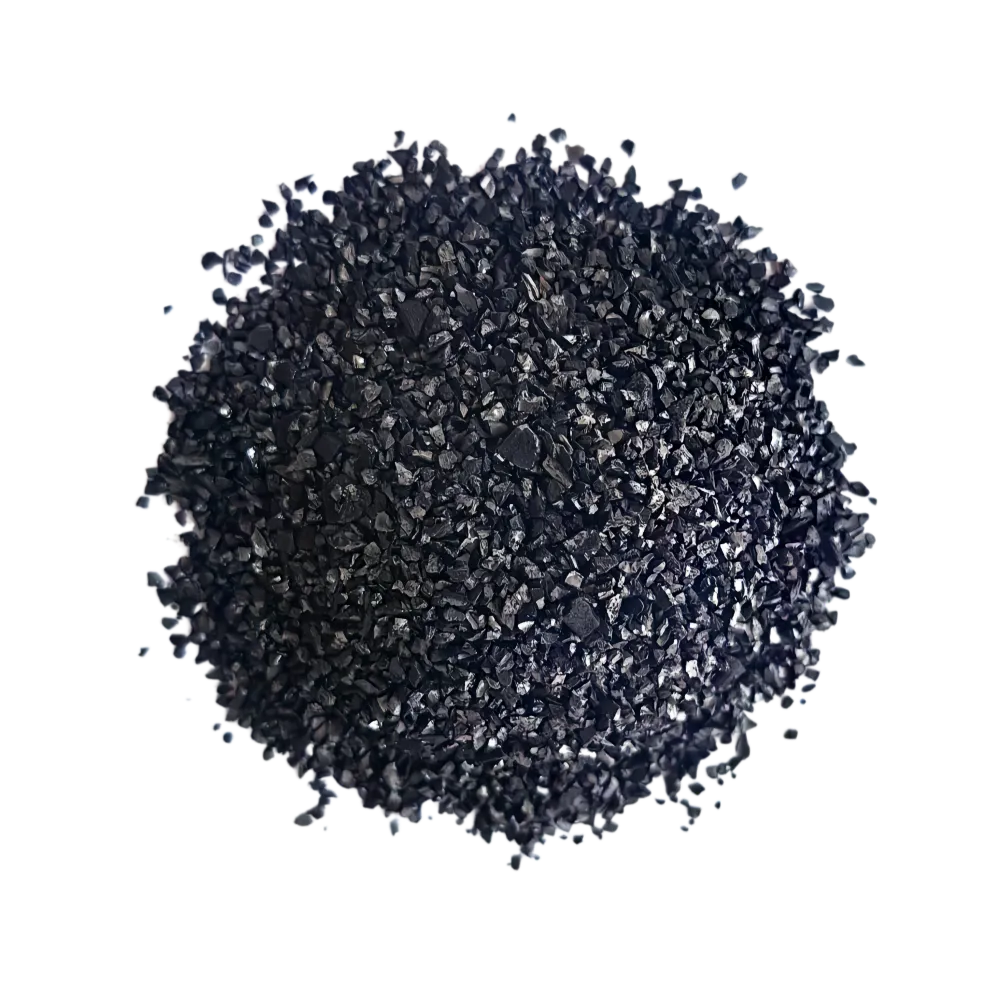
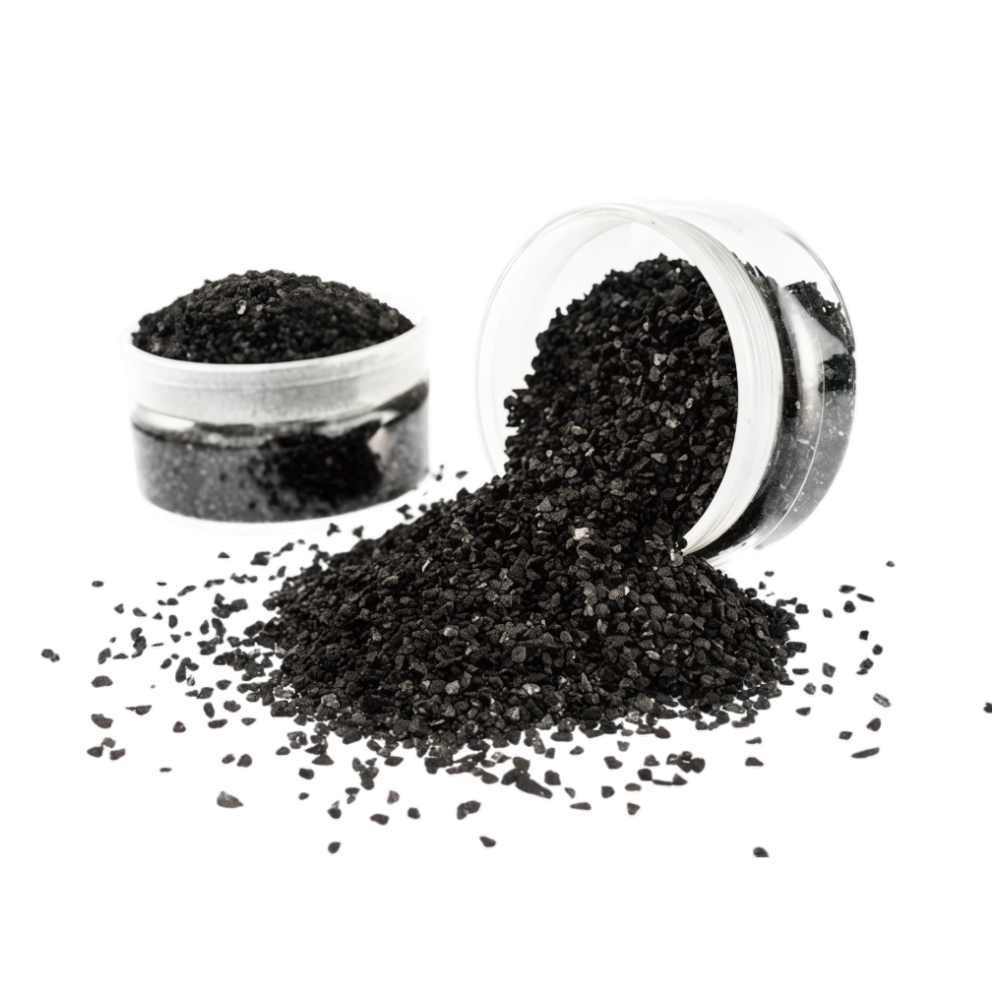
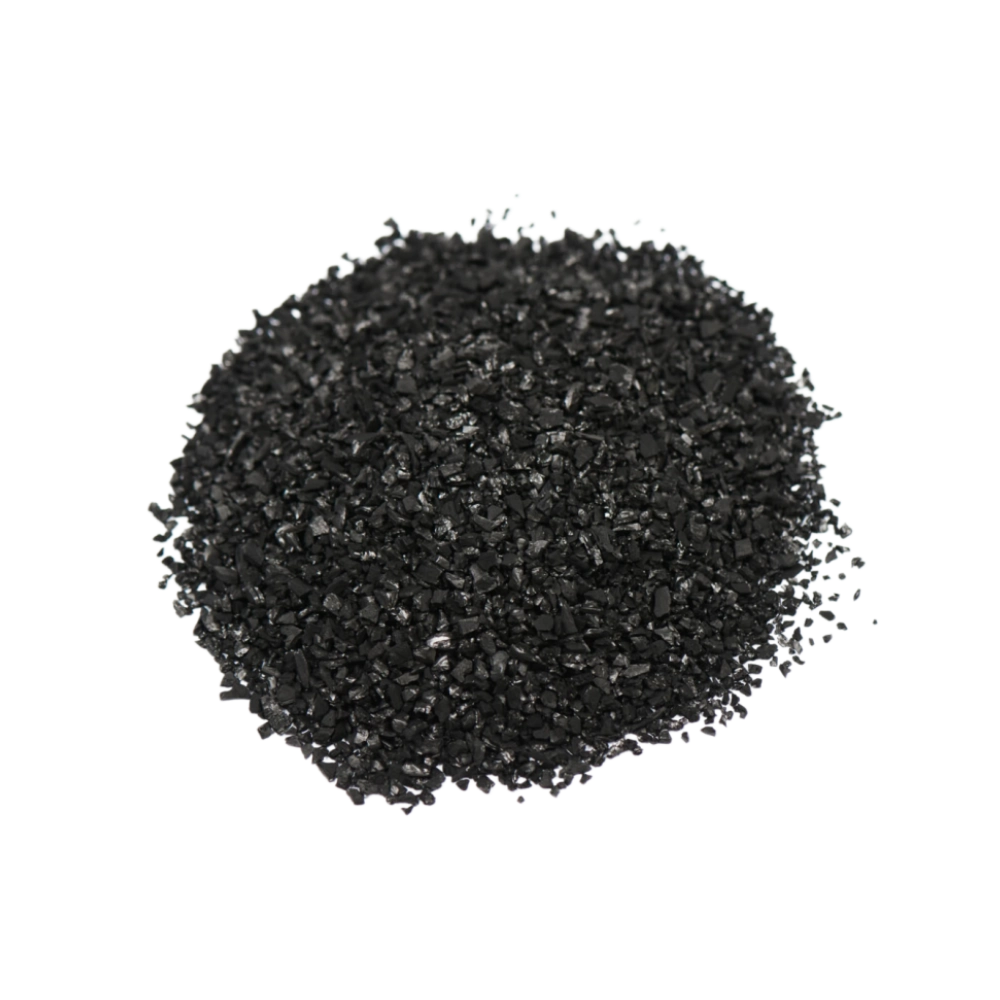
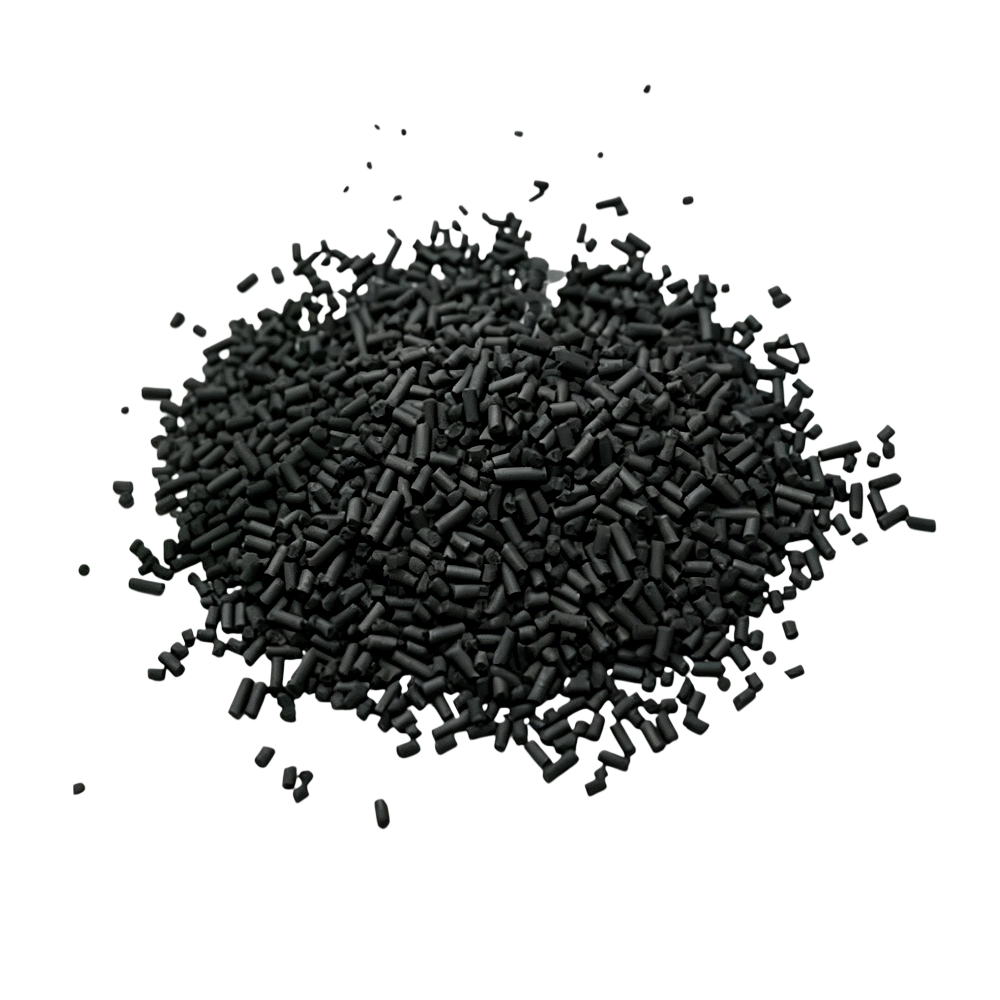
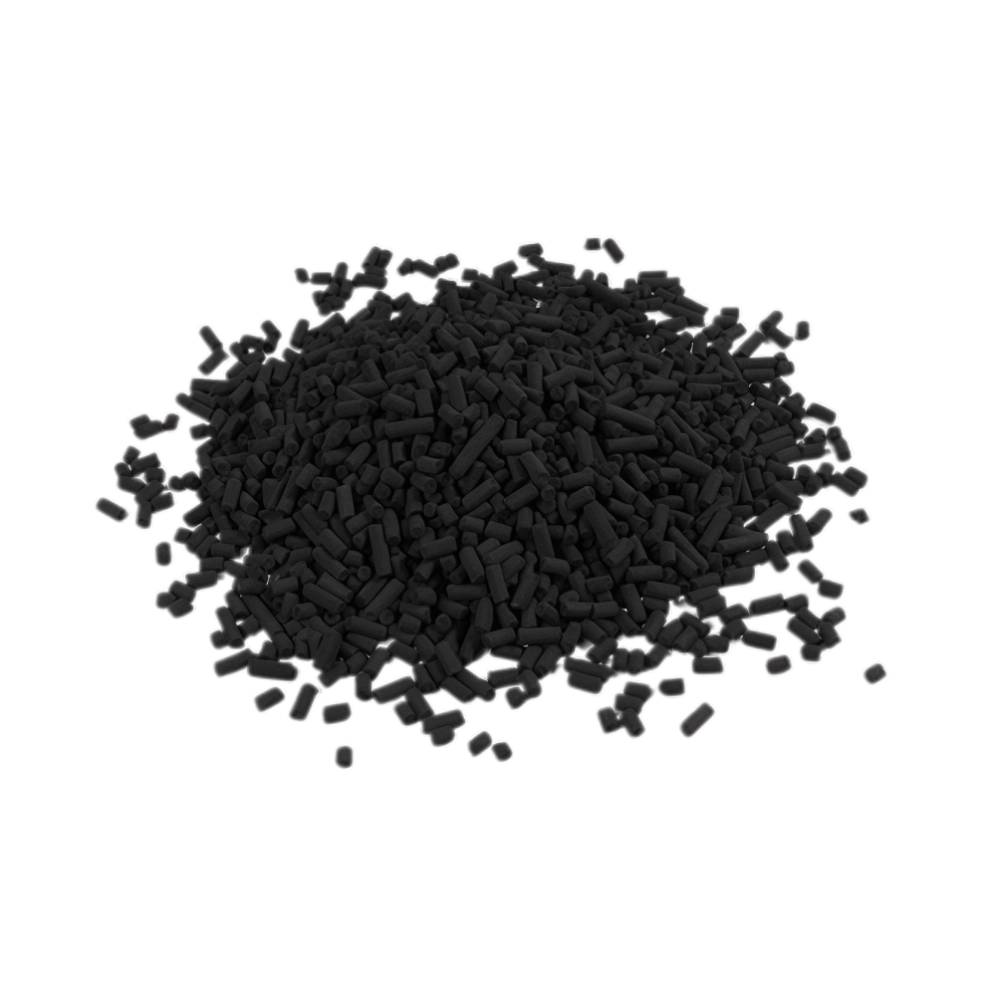
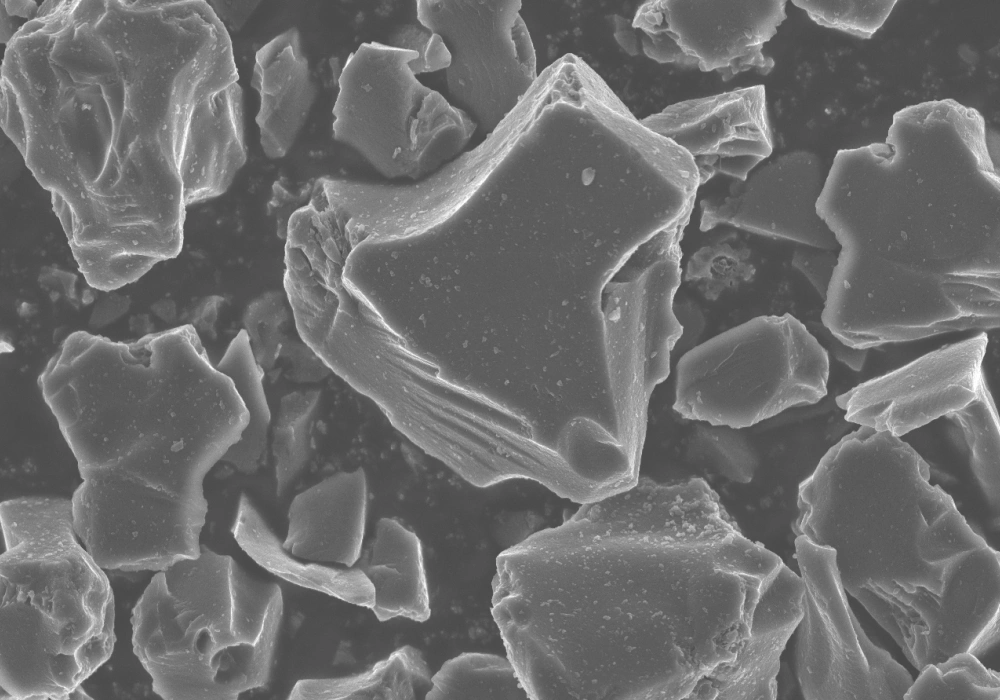
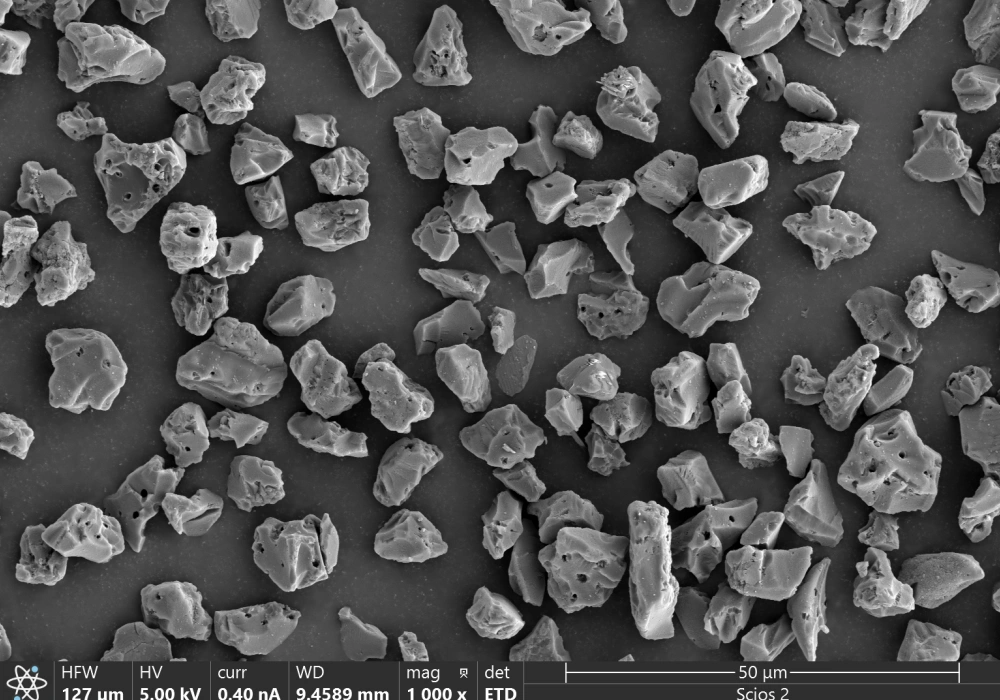
Activated carbon is the workhorse adsorbent of the water industry. Its highly porous structure — often exceeding 1,000 m²/g of internal surface area — removes dissolved organic matter, taste and odor compounds, chlorine and chloramine, micropollutants such as pesticides and pharmaceuticals, and increasingly, PFAS.
Two physical forms dominate water treatment, and they play different roles:
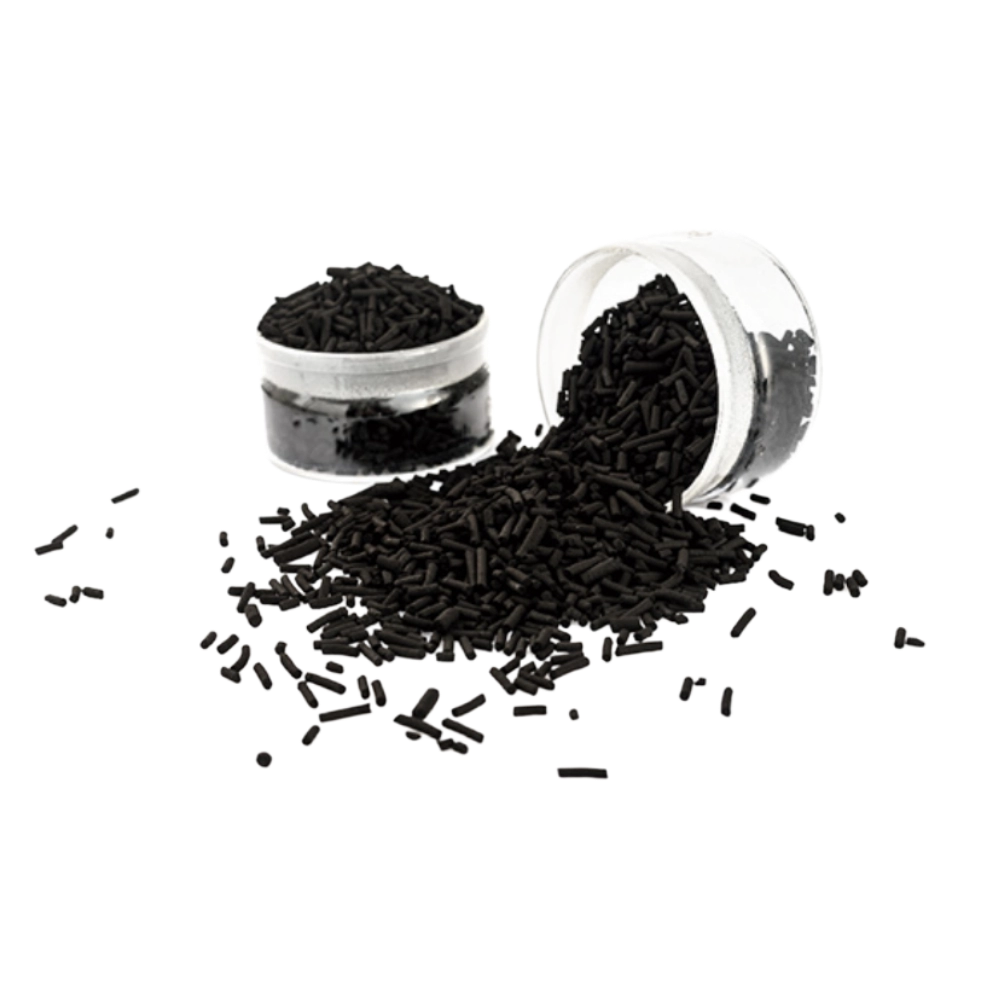
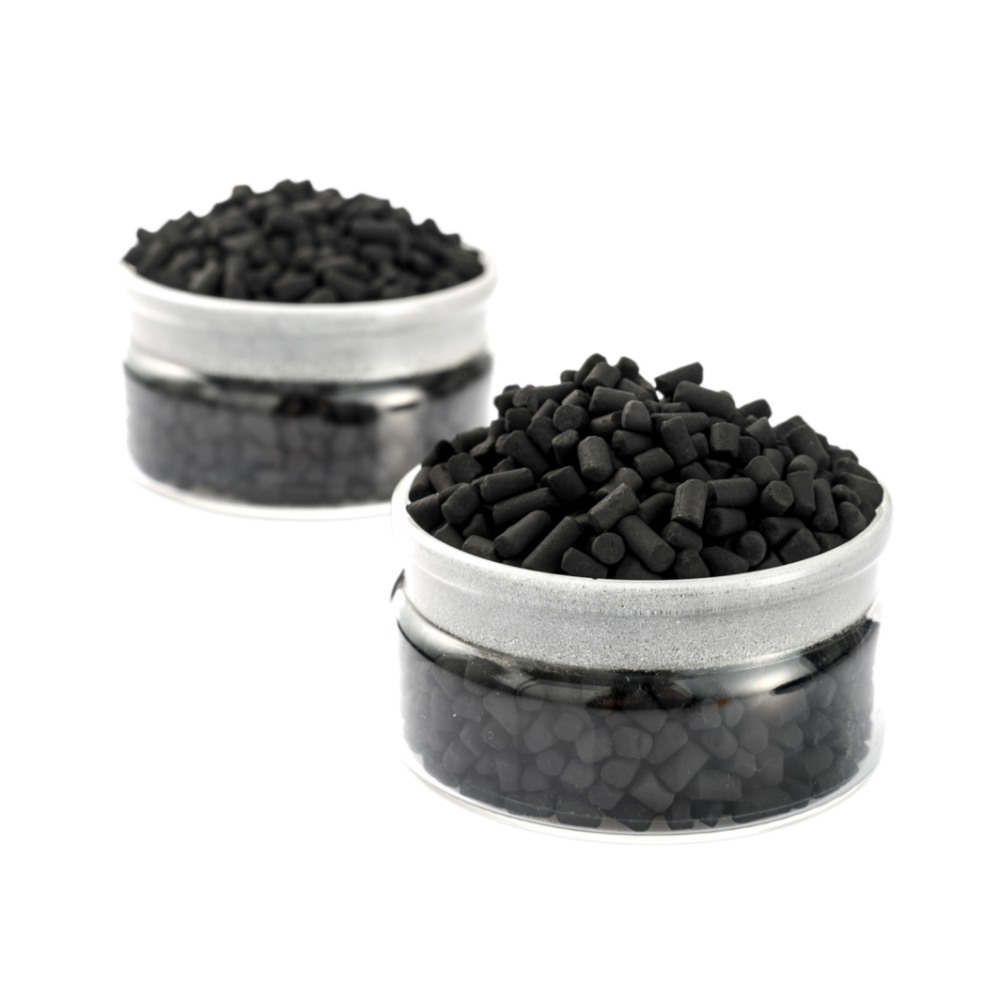
- Granular activated carbon (GAC) is used in fixed-bed filters and contactors. Water flows through the bed continuously, and the carbon is replaced or reactivated when its capacity is exhausted. GAC is the standard choice for municipal drinking water plants and industrial process water.
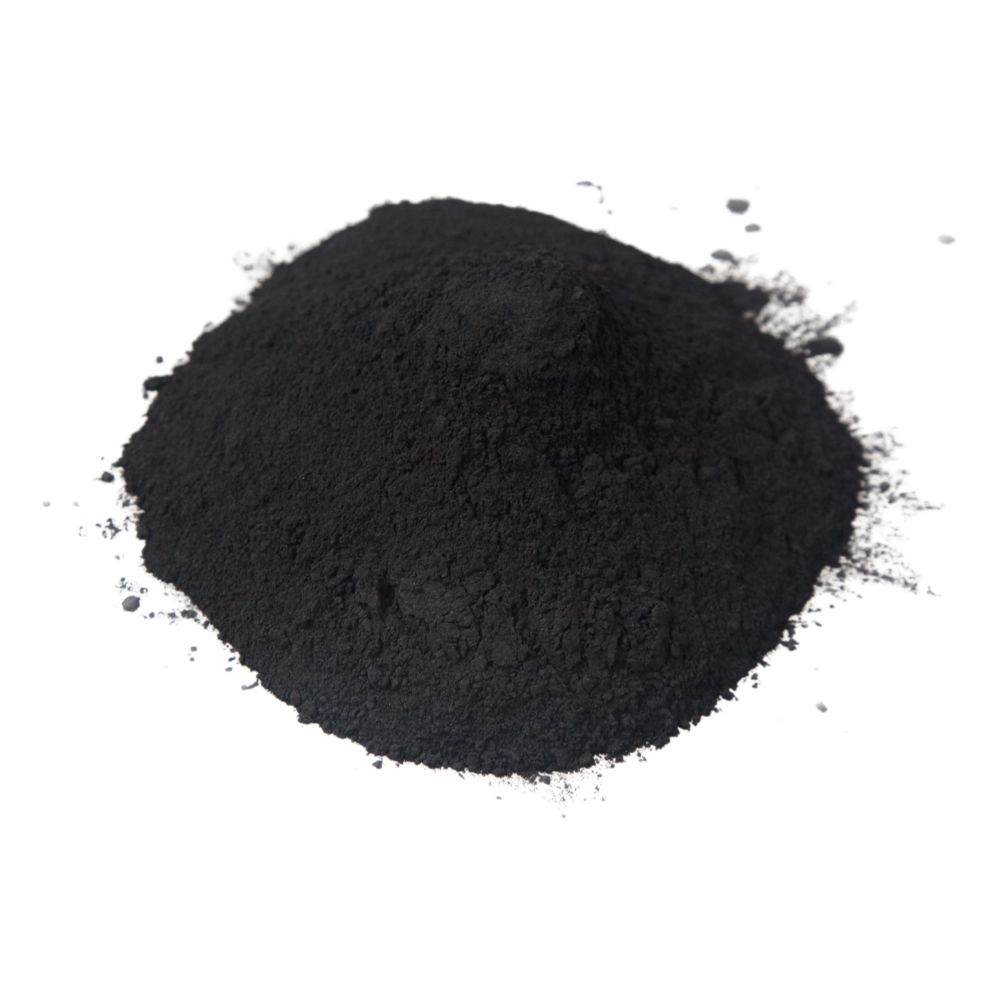
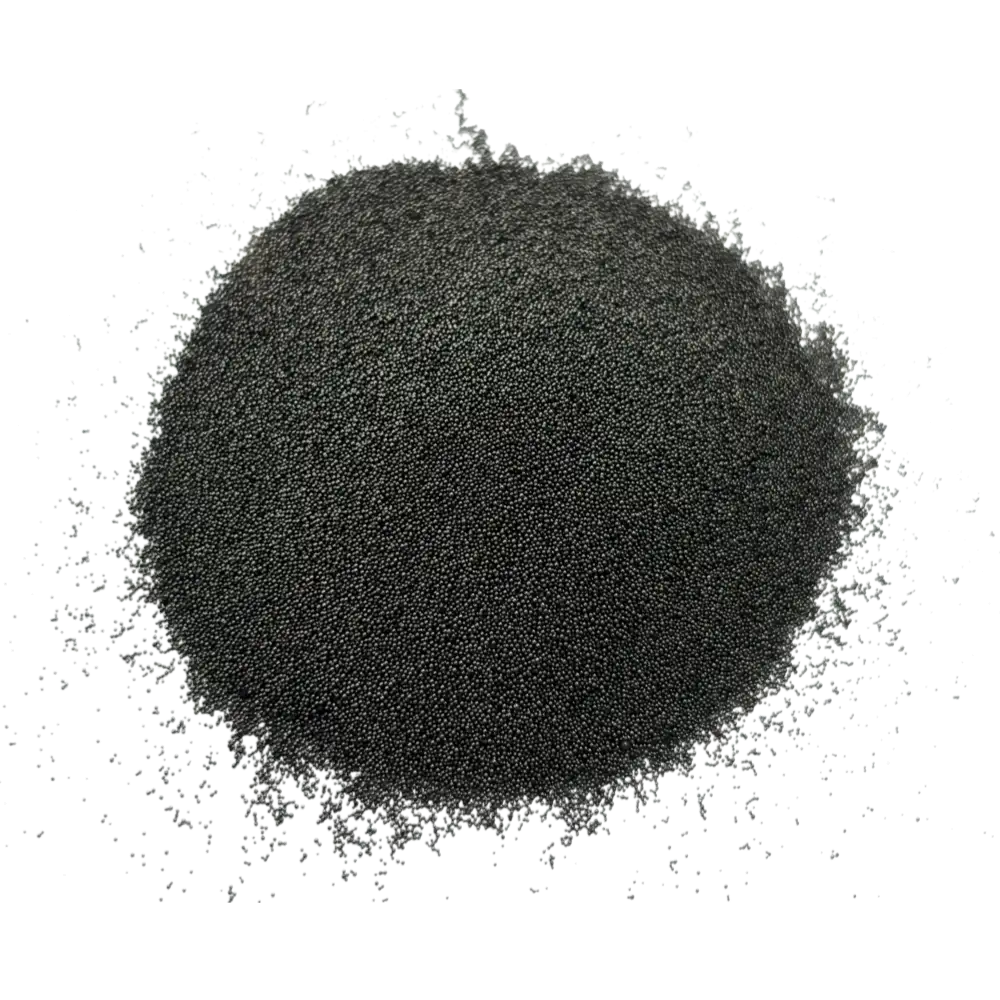
- Powdered activated carbon (PAC) is dosed directly into the water as a slurry, then removed by sedimentation or filtration. It is typically used for seasonal taste and odor events, emergency contamination response, or polishing steps in wastewater treatment.
Choosing between GAC and PAC is usually straightforward. The harder question — and the one this article focuses on — is what happens inside the carbon once it touches your water.
Key Activated Carbon Properties to Check Before Selection
A well-written activated carbon specification covers four chemical and physical dimensions:
1. Iodine value and methylene blue value. The iodine number indicates micropore capacity (small molecules), while methylene blue reflects mesopore capacity (larger organics and color bodies). Together they sketch the adsorption "size range" of the carbon.
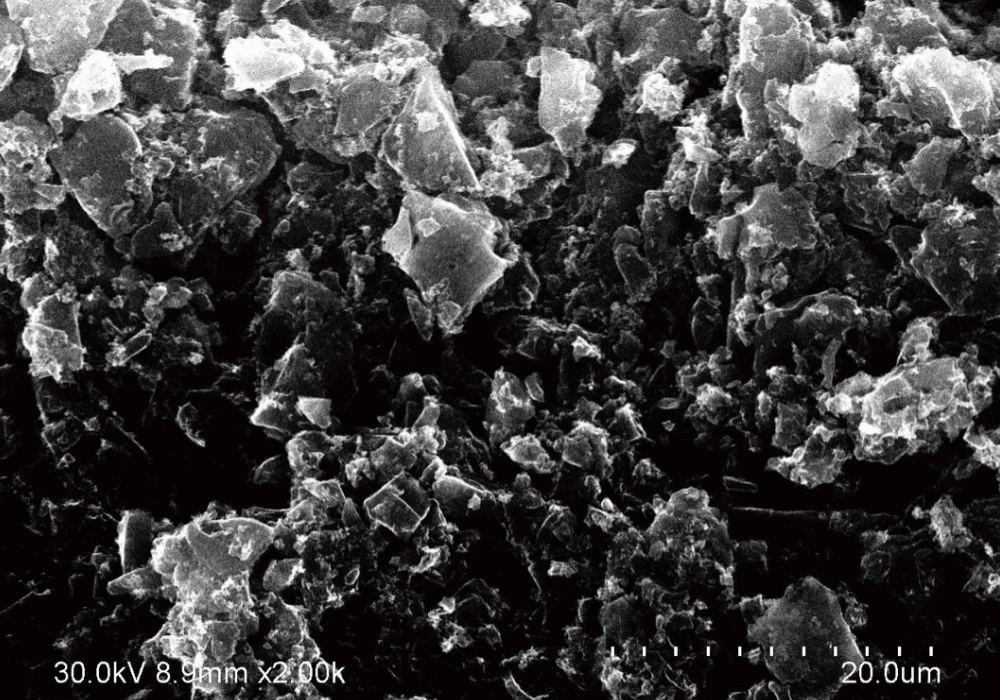
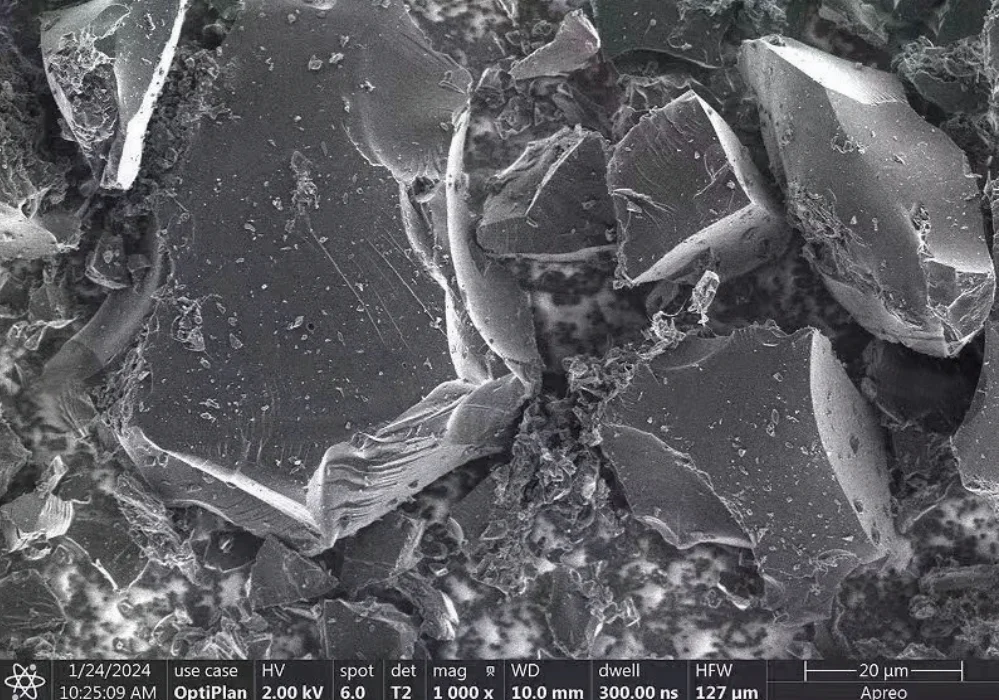
2. Surface area and pore size distribution. Raw material largely determines pore architecture: coconut shell carbon is predominantly microporous, coal-based carbon offers a balanced pore distribution, and wood-based carbon is rich in meso- and macropores. Match the pore structure to your target contaminant's molecular size.
3. Ash content and hardness. Ash is the inorganic residue left after activation. High ash can leach minerals into the treated water — which, as we will see, is directly linked to pH behavior. Hardness matters for GAC beds that undergo backwashing, where attrition losses add up over years of operation.
4. pH. This is where most datasheets go quiet, and where many selection mistakes begin. Let's look at it properly.
Activated Carbon pH in Water Treatment: The Overlooked Factor
Quick answer: The pH of activated carbon — measured as the pH of its water extract — typically ranges from 5 to 11 depending on the raw material. Coconut shell carbon is alkaline (pH 9–11), coal-based carbon is near-neutral to mildly alkaline (pH 7–10), and wood-based carbon is slightly acidic (pH 5–7). Acid washing can bring any of these into a tightly controlled neutral range.
What Is the pH of Activated Carbon?
Activated carbon itself is a solid, so "pH" here refers to the pH of the solution that forms when the carbon contacts pure water. It reflects the carbon's tendency to release hydrogen ions or hydroxide ions, which in turn depends on its mineral ash content and surface chemistry.
A related concept worth knowing is the point of zero charge (pH_PZC) — the pH at which the carbon surface carries no net charge. Below this point the surface is positively charged and favors anion adsorption; above it, the surface turns negative and favors cations. Two carbons with identical iodine values can behave very differently in the same water simply because their surface chemistry sits on opposite sides of your working pH.
How Does pH Vary by Raw Material?
| Raw Material | Typical pH Range | Why | Typical Fit |
|---|---|---|---|
| Coconut shell | 9–11 (alkaline) | Mineral ash rich in potassium and sodium oxides releases hydroxide ions when wetted | VOCs, small-molecule organics; acid-washed grades for drinking water |
| Coal-based | 7–10 (neutral to mildly alkaline) | Higher, more balanced mineral content; chemically stable surface | Municipal and industrial water, wastewater |
| Wood-based | 5–7 (slightly acidic) | Low ash; oxygen-rich surface groups (carboxyl, phenolic) release hydrogen ions | Decolorization, large organics, metal-complexing applications |
Ranges shown reflect typical commercial washed grades. Two factors can push values outside these bands: chemically activated (phosphoric acid) wood carbons can run as low as pH 2–4 if not thoroughly washed, and post-treatment washing or acid washing can shift any grade by several pH units. Always verify the actual datasheet value rather than assuming from the raw material alone.

How Does pH Affect Adsorption Performance?
pH influences adsorption through two simultaneous mechanisms, and this is where selection gets subtle:
- It changes the carbon's surface charge. Relative to the point of zero charge, the surface becomes increasingly negative as pH rises. Negatively charged surfaces attract metal cations — which is one reason solution pH strongly governs heavy metal removal.
- It changes the adsorbate itself. Ionizable contaminants (phenols, organic acids, many pharmaceuticals) shift between neutral and charged forms depending on their pKa. Adsorption is generally strongest when the molecule is in its neutral, undissociated form.
Practical implications for plant operation:
- Above pH 9, adsorption efficiency for many organics drops noticeably, and anionic species may even desorb. If your raw water is alkaline, verify capacity at your actual working pH — not at the pH of the vendor's isotherm.
- A high-pH carbon can shift your effluent pH, especially in low-alkalinity water with little buffering capacity. In drinking water applications this can push you out of compliance range or force corrective chemical dosing.
- pH drift destabilizes downstream processes. Ion exchange resins, RO membranes, and disinfection chemistry all have preferred pH windows. A carbon bed that swings influent pH creates problems that get blamed on everyone else.
How to Test the pH of Activated Carbon
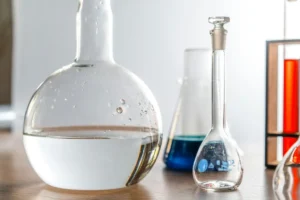
There is more than one accepted way to measure carbon pH, and the method matters. In our own QC laboratory, we follow the boiling-extraction approach defined in GB/T 12496.7 — conceptually similar to ASTM D3838:
1. Weigh 2.50 g of the as-received (undried) carbon, to the nearest 0.01 g, into a 100 mL conical flask.
2. Add 50 mL of CO₂-free water — distilled or deionized water freshly boiled to drive off dissolved carbon dioxide — and bring the slurry to a boil on a hot plate.
3. Maintain a gentle boil for 5 minutes (residual heat from the plate is usually sufficient).
4. Filter through qualitative filter paper and discard the first 5 mL of filtrate.
5. Cool the remaining filtrate to room temperature and measure with a pH meter calibrated with standard buffers immediately before use.

Two details in this procedure are easy to overlook but materially affect the reading:
- Dissolved CO₂ lowers the measured pH. Water that has absorbed carbon dioxide from the air forms carbonic acid, which drags the reading down — most noticeably on alkaline coconut shell carbons. This is why the water must be boiled fresh and used immediately, not drawn from a storage tank.
- The first portion of filtrate is discarded to eliminate contamination from the filter paper itself, and the filtrate is kept covered to keep out airborne dust.
Because published methods differ — solid-to-liquid ratios (1:10 vs. 1:20), room-temperature stirring versus boiling extraction — results between protocols can vary by ±0.2–0.3 pH units. When comparing supplier datasheets, always confirm both were measured under the same method before treating a small difference as meaningful.
For pharmaceutical, food-grade, and ultrapure water applications, the acceptable window is far tighter — typically pH 6.5–7.5 — which is difficult to hold with unwashed, high-ash carbons.
Acid-Washed Activated Carbon: When You Need a Neutral pH
Raw coconut shell carbon often leaves the kiln at pH 10 or above. For VOC adsorption this is harmless, but for drinking water and high-purity applications it is a problem: the fresh carbon can spike effluent pH and release leachable metals during the first weeks of service. The U.S. EPA's drinking water health advisory documentation explicitly flags this behavior and notes that it is typically mitigated through acid washing or forward flushing of the media.
Acid washing dissolves and removes the alkaline mineral fraction before shipment. The result:
- pH controlled in a tight neutral band (typically 6–8)
- Reduced leachable metals and ash
- Faster commissioning, with far less initial flushing water
- Stable effluent chemistry from day one
This is exactly the gap products like Purestar's YK-AC acid-washed coconut shell series (pH adjusted to neutral) and PSD-A0/A1 ultrapure water grades (pH 6.5–7.5) are designed to fill — worth knowing about if your application is pH-sensitive.
How to Choose the Right Activated Carbon pH for Your Application
Use this table as a starting point, then confirm with pilot testing on your actual water:
| Water Type / Treatment Goal | Recommended Carbon pH | Recommended Raw Material |
|---|---|---|
| Municipal drinking water (stable effluent pH required) | Near-neutral, 6–8 | Acid-washed coconut shell or coal-based GAC |
| Ultrapure / electronics-grade water | Strictly neutral, 6.5–7.5 | Acid-washed coconut shell |
| Industrial wastewater, heavy metal capture | Acidic, 5–7 | Wood-based |
| Acidic contaminant / acidic gas streams | Alkaline, 9–11 | Coconut shell |
| Wastewater with fluctuating chemistry | Near-neutral, 6–8 | Coal-based (tolerant, stable) |
The pattern to remember: alkaline carbon for acidic streams, acidic carbon for metal-complexing duty, neutral carbon whenever effluent pH stability is non-negotiable.
Practical Tips for Managing pH in Activated Carbon Systems
A few field-proven practices before you finalize a specification:
- Always run a pilot or bench test. Measure not just contaminant removal but effluent pH over the first two weeks of operation — that is when pH excursions are most likely.
- Flush new carbon thoroughly, or specify an acid-washed grade for drinking water service to shorten commissioning and avoid initial pH spikes.
- Check compatibility with ion exchange. If the carbon bed sits upstream of IX resins, confirm the carbon's pH behavior won't push the resin outside its optimal exchange window.
- Match the test method. When comparing supplier datasheets, confirm both used the same pH test protocol before treating a 0.5-unit difference as meaningful.
- For municipal and drinking water projects, look for third-party certification. Coconut shell GAC certified to NSF/ANSI/CAN 61 for water treatment plant applications provides independent verification that the media is safe for potable water contact — a useful trust signal when writing specifications.
Frequently Asked Questions
What is the typical pH of activated carbon used in water treatment?
Most water treatment carbons fall between pH 5 and 11, depending on raw material. Coconut shell carbon is alkaline (9–11), coal-based carbon is near-neutral (7–10), and wood-based carbon is slightly acidic (5–7). Acid-washed grades are controlled to a neutral 6–8.
Does activated carbon change the pH of water?
Yes, it can. Fresh carbon — particularly high-ash, unwashed grades — can raise effluent pH noticeably during the first weeks of service, especially in low-alkalinity water. The effect diminishes as the carbon equilibrates, and is largely eliminated by acid washing or proper pre-flushing.
Why is coconut shell activated carbon alkaline?
Coconut shell contains mineral ash rich in potassium, sodium, and calcium compounds. These survive activation and release hydroxide ions when wetted, pushing the water extract pH to 9–11. Acid washing removes this alkaline fraction.
What pH should activated carbon be for drinking water?
Aim for a near-neutral carbon, typically pH 6–8. This keeps effluent pH stable, avoids corrective chemical dosing, and shortens commissioning. For high-purity applications, specify 6.5–7.5.
How do you test the pH of activated carbon?
Mix the carbon with distilled water at a 1:10 ratio, stir for about 30 minutes, and measure the pH of the liquid with a calibrated meter. Standardized protocols such as ASTM D3838 exist; expect ±0.2–0.3 variation between different methods.
Is acid-washed activated carbon better for pH-sensitive applications?
Yes. Acid washing removes alkaline minerals, bringing the carbon to a controlled neutral pH and reducing leachable metals. For drinking water, ultrapure water, and any process with a tight pH window, acid-washed grades significantly reduce commissioning problems.
Which is better for water treatment: acidic or alkaline activated carbon?
Neither is universally better — it depends on the target contaminant and water chemistry. Alkaline coconut shell carbon excels at small-molecule organics, acidic wood-based carbon suits decolorization and metal-complexing applications, and near-neutral coal-based carbon is the stable all-rounder for municipal and industrial water.
The Bottom Line
pH is not an isolated number on a datasheet — it is the link between raw material, surface chemistry, and your effluent quality. Coconut shell, coal, and wood carbons each bring a different pH signature, and that signature determines adsorption behavior, commissioning stability, and downstream compatibility. Understand it before you select, confirm it with a pilot test, and specify acid-washed grades where pH stability is critical. The right carbon in the wrong pH class is still the wrong carbon.
Need help matching carbon pH to your water?
Purestar supplies the full range — acid-washed coconut shell, coal-based, and wood-based grades — with detailed pH test reports for every batch and custom pH adjustment on request. [Contact our technical team] for a free sample and a bench-test evaluation against your actual water chemistry.


