




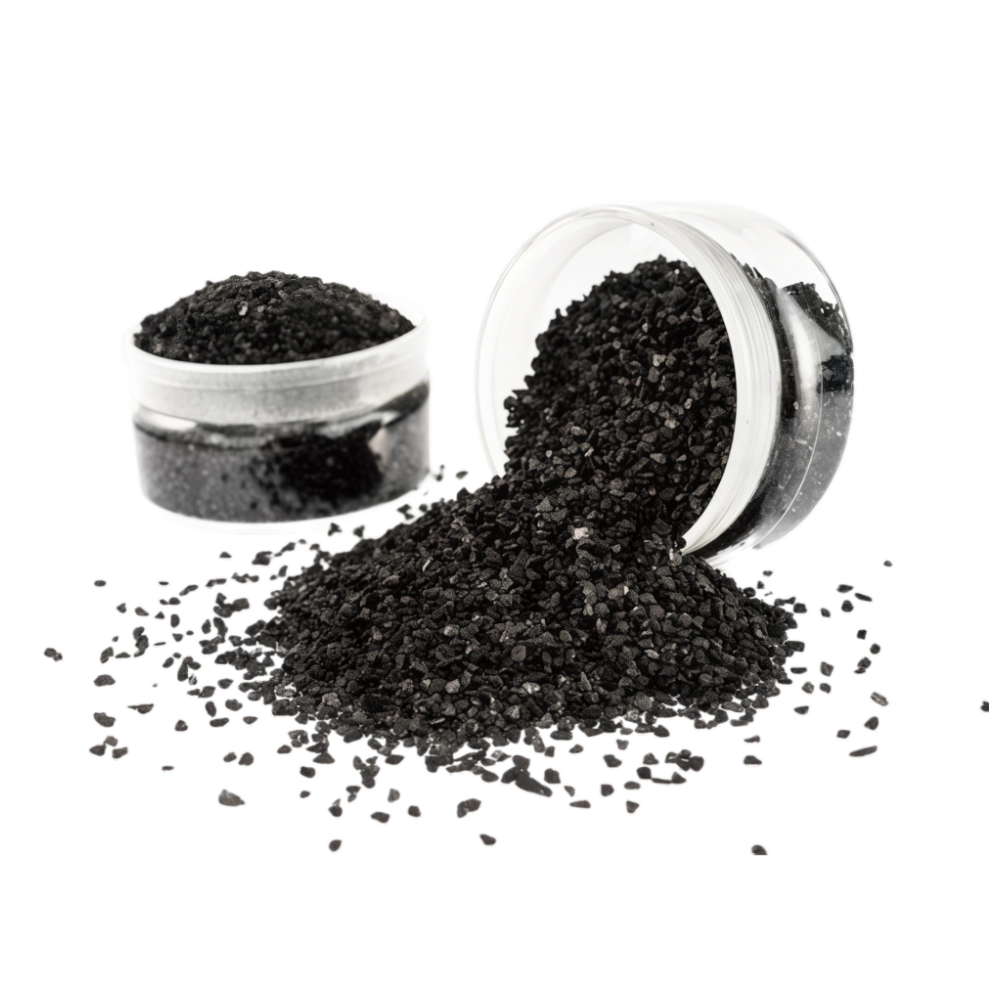
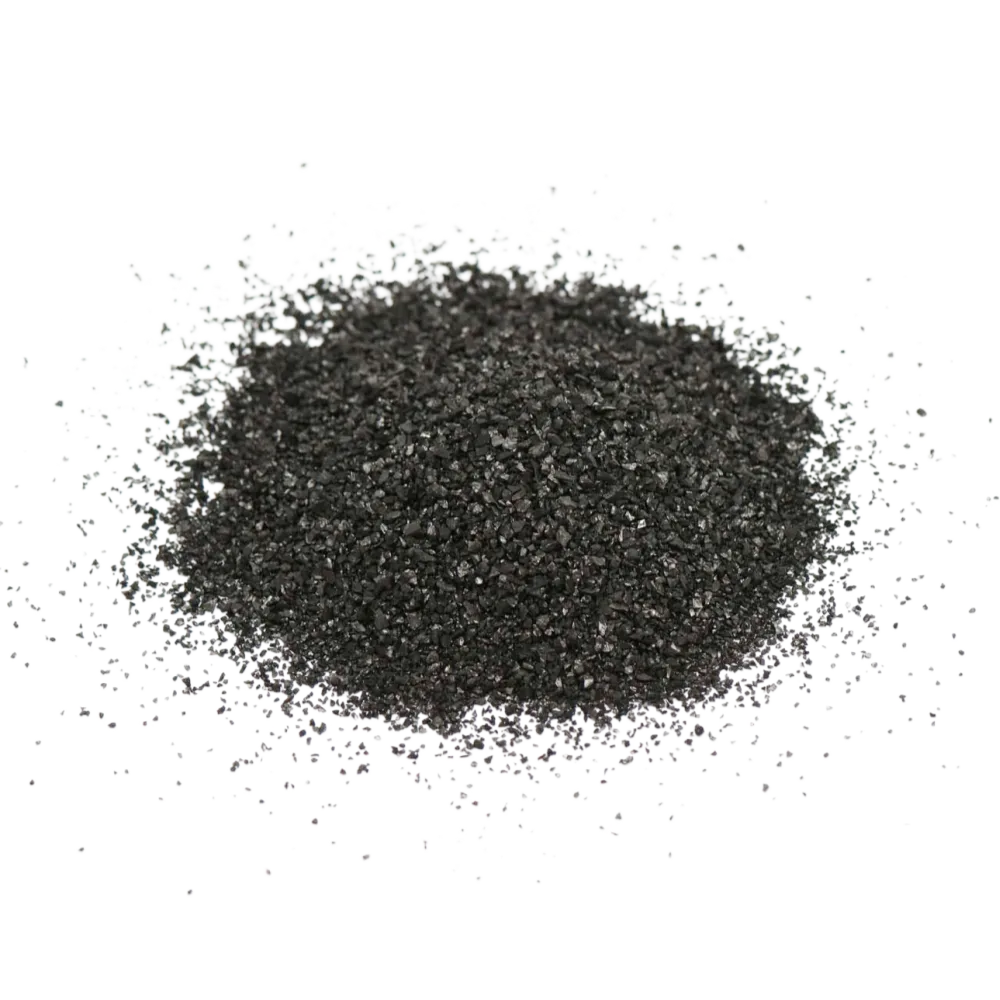
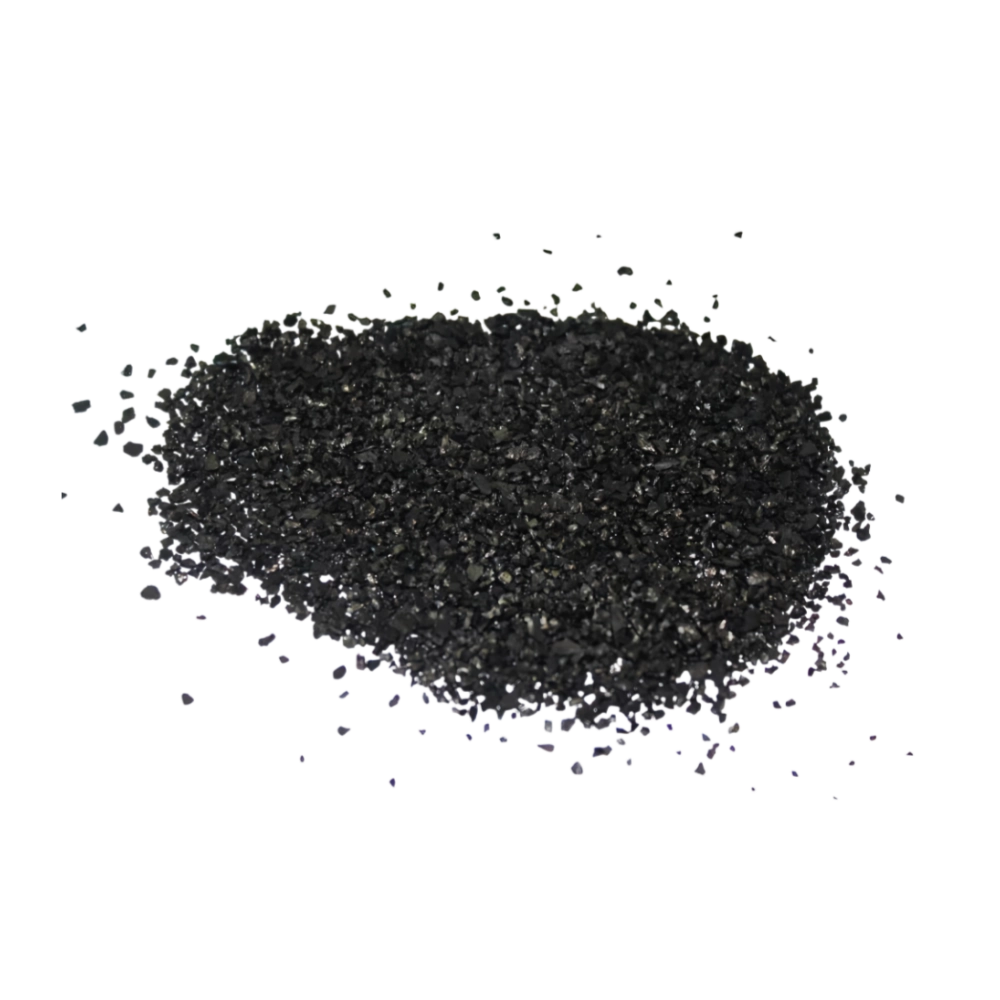
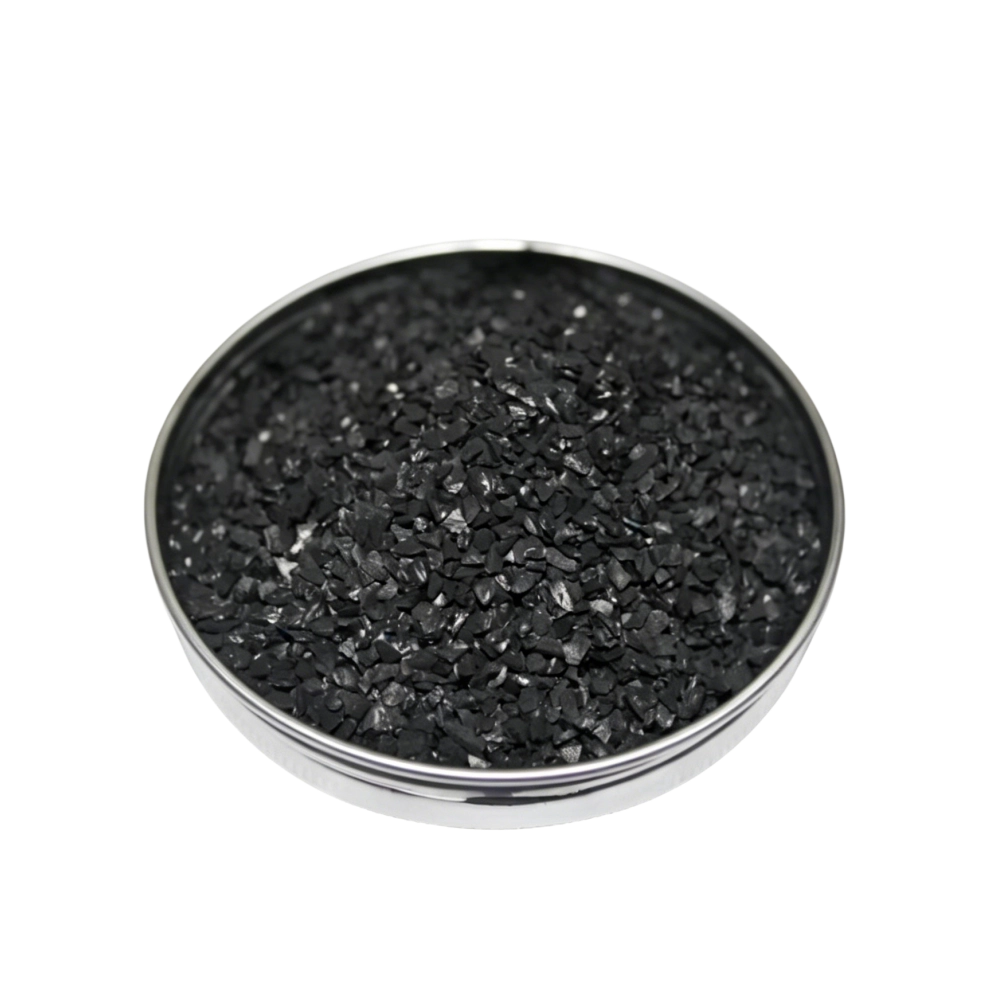
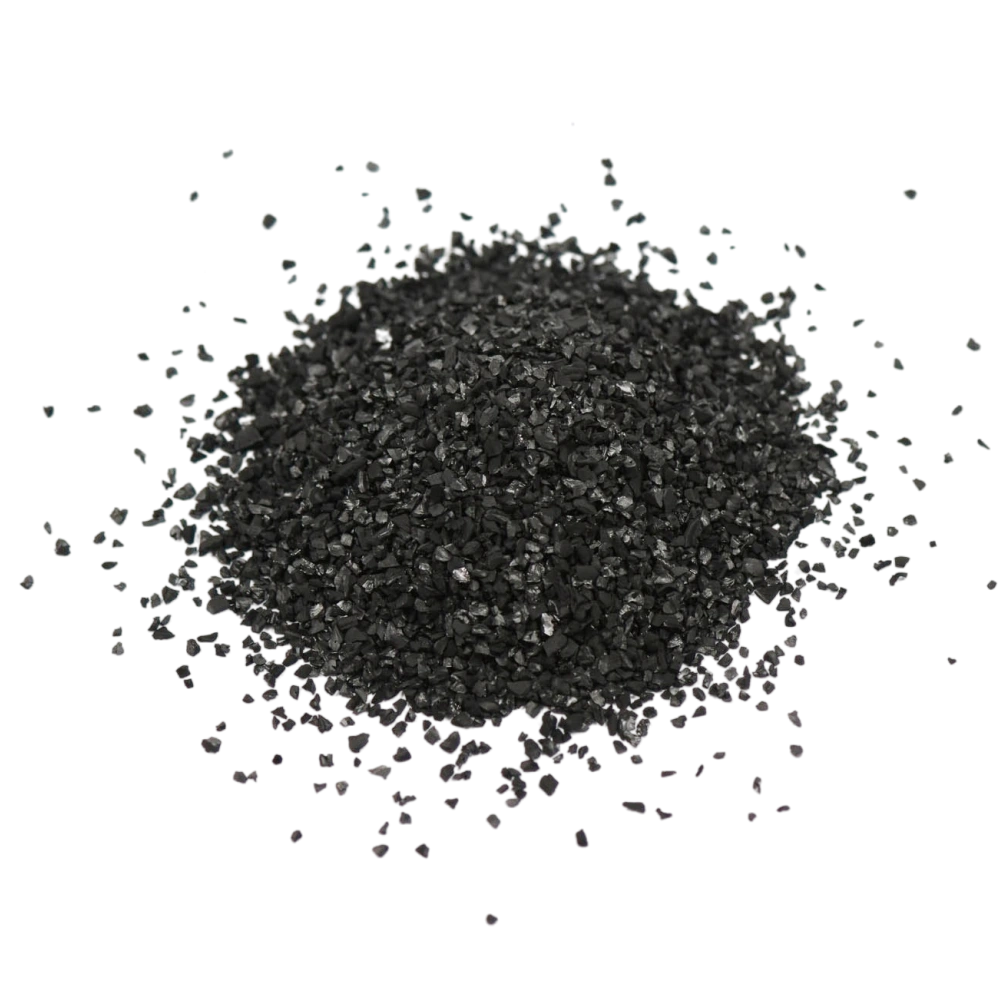
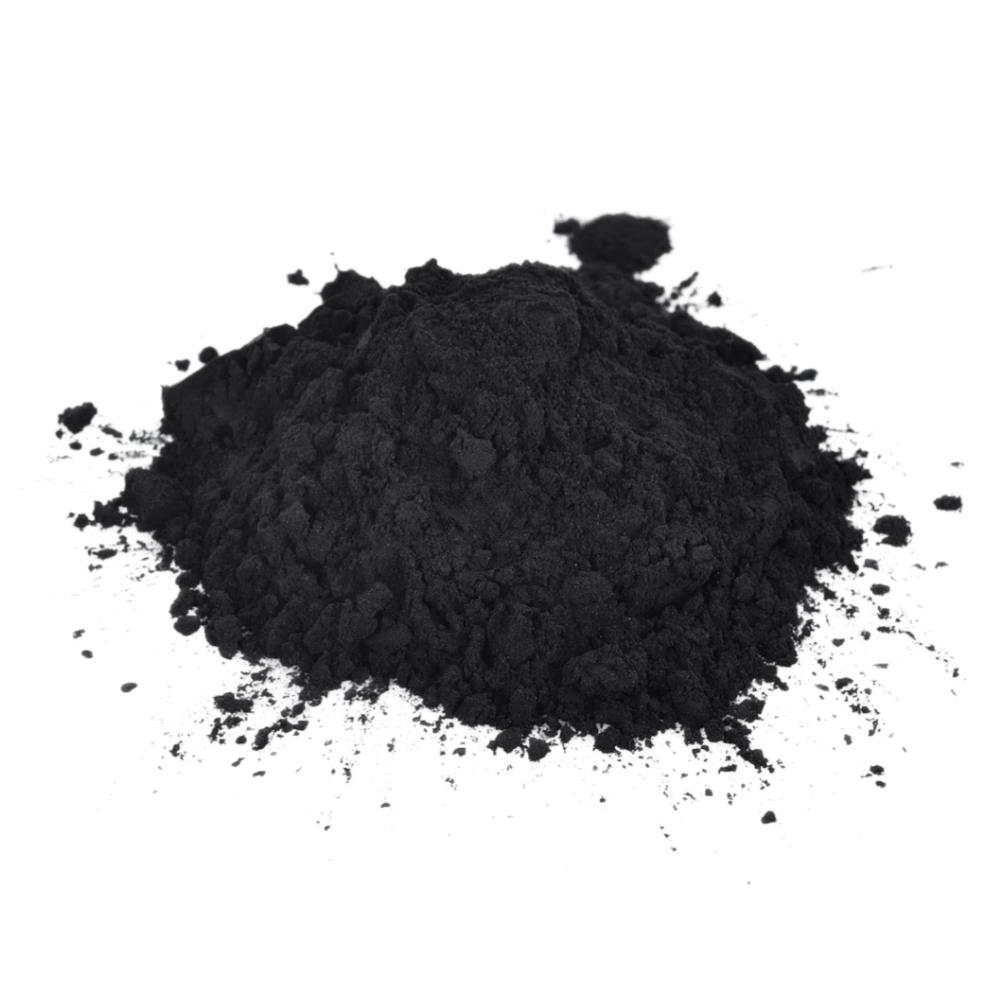
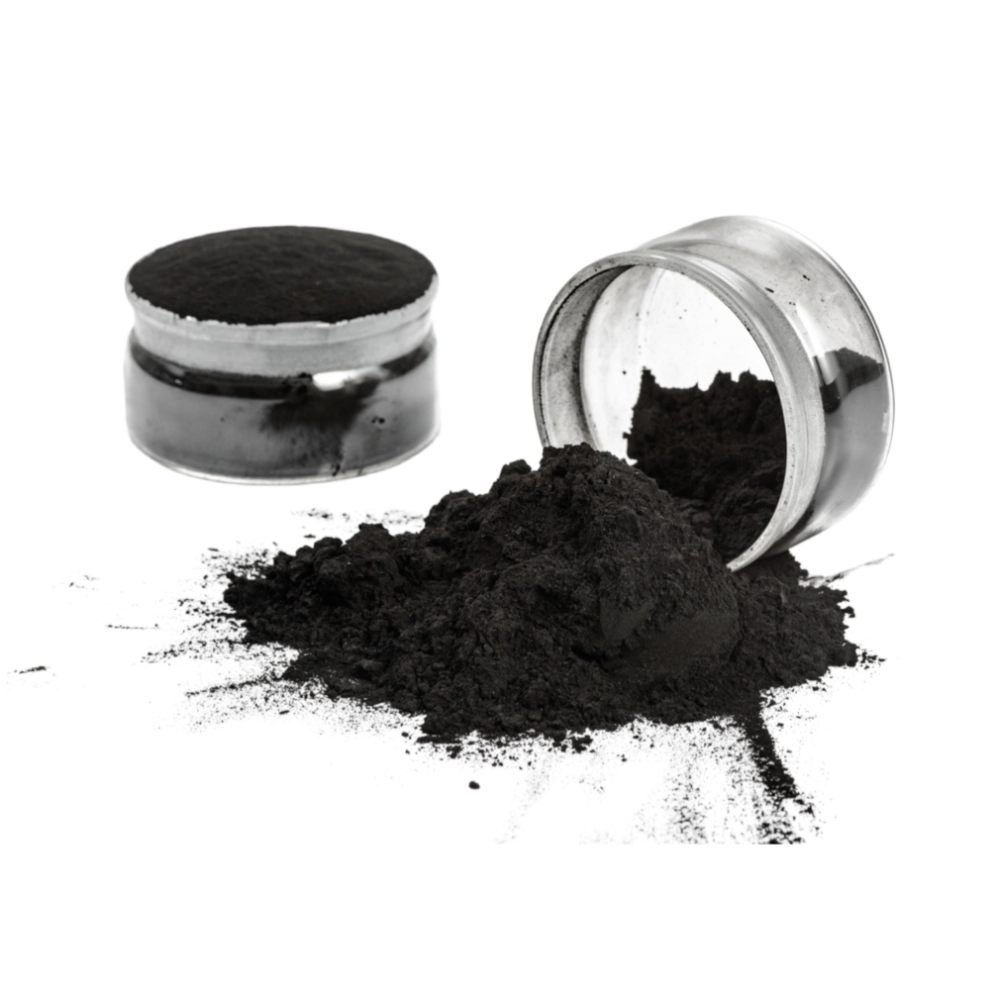
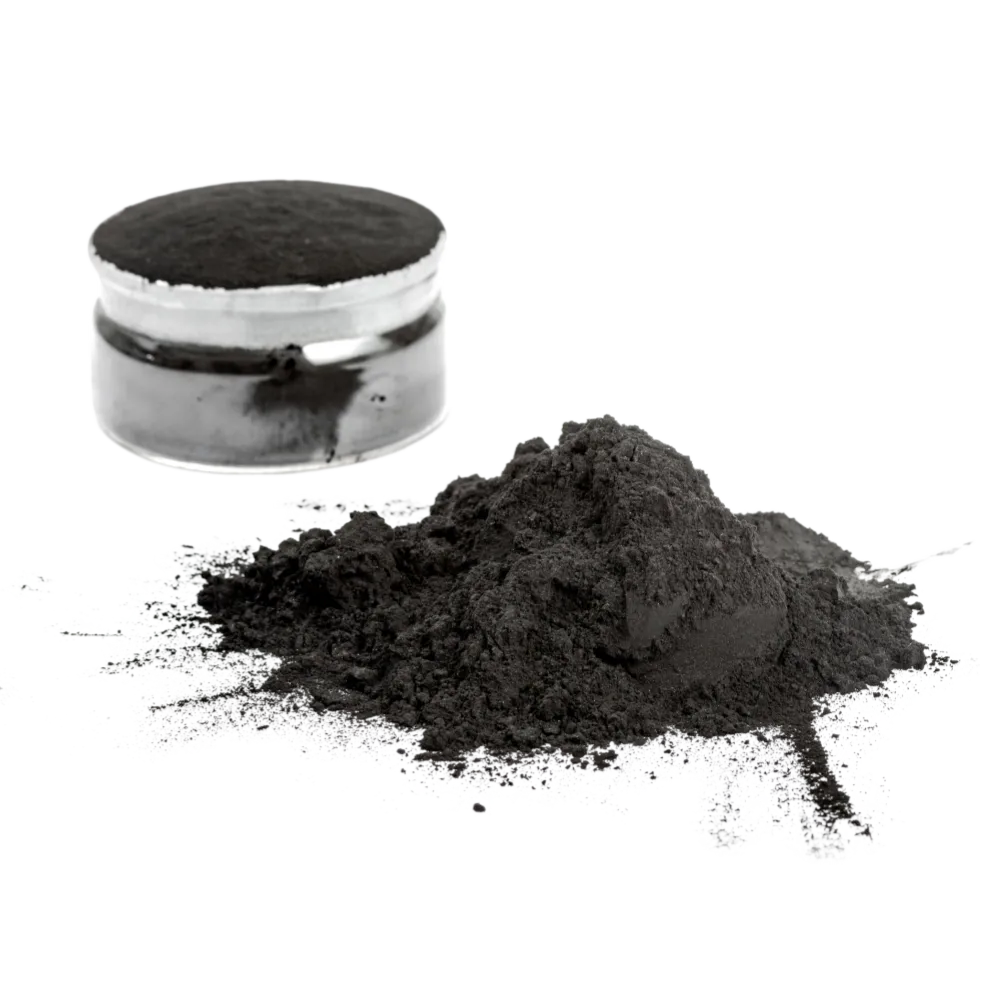
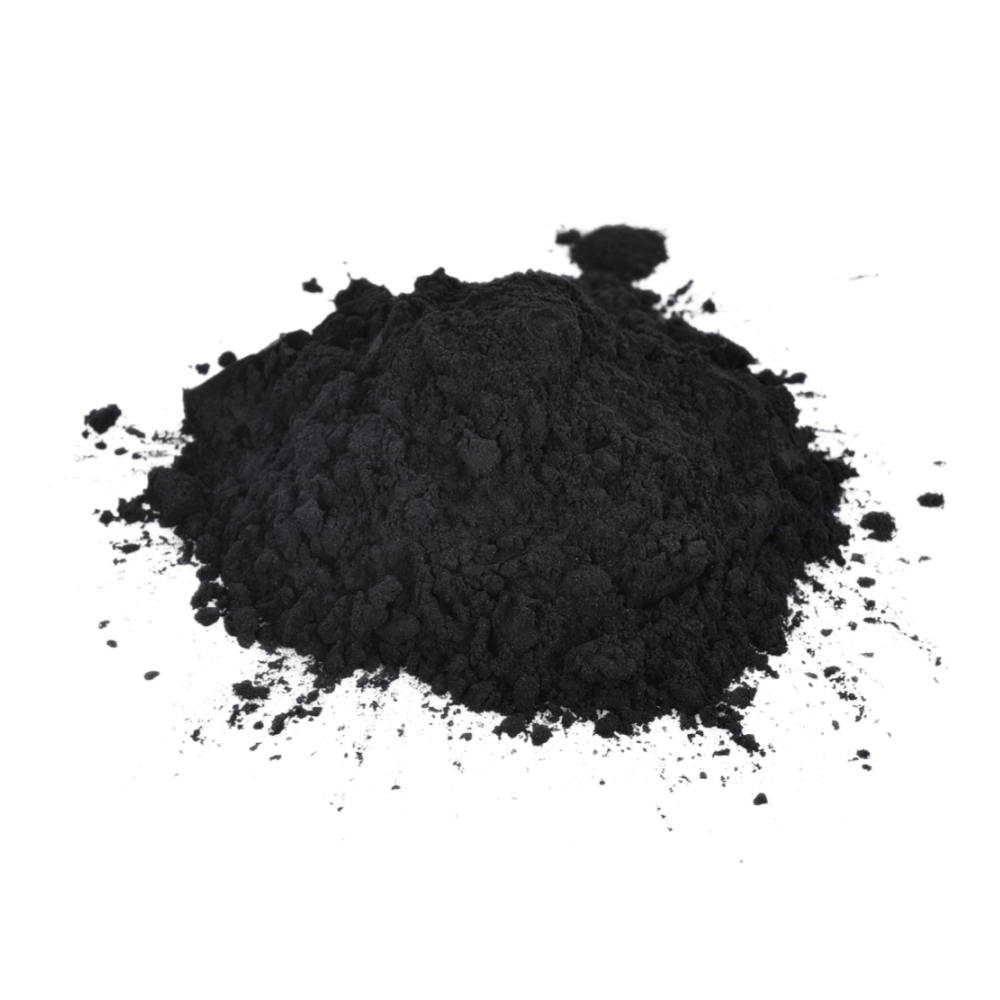
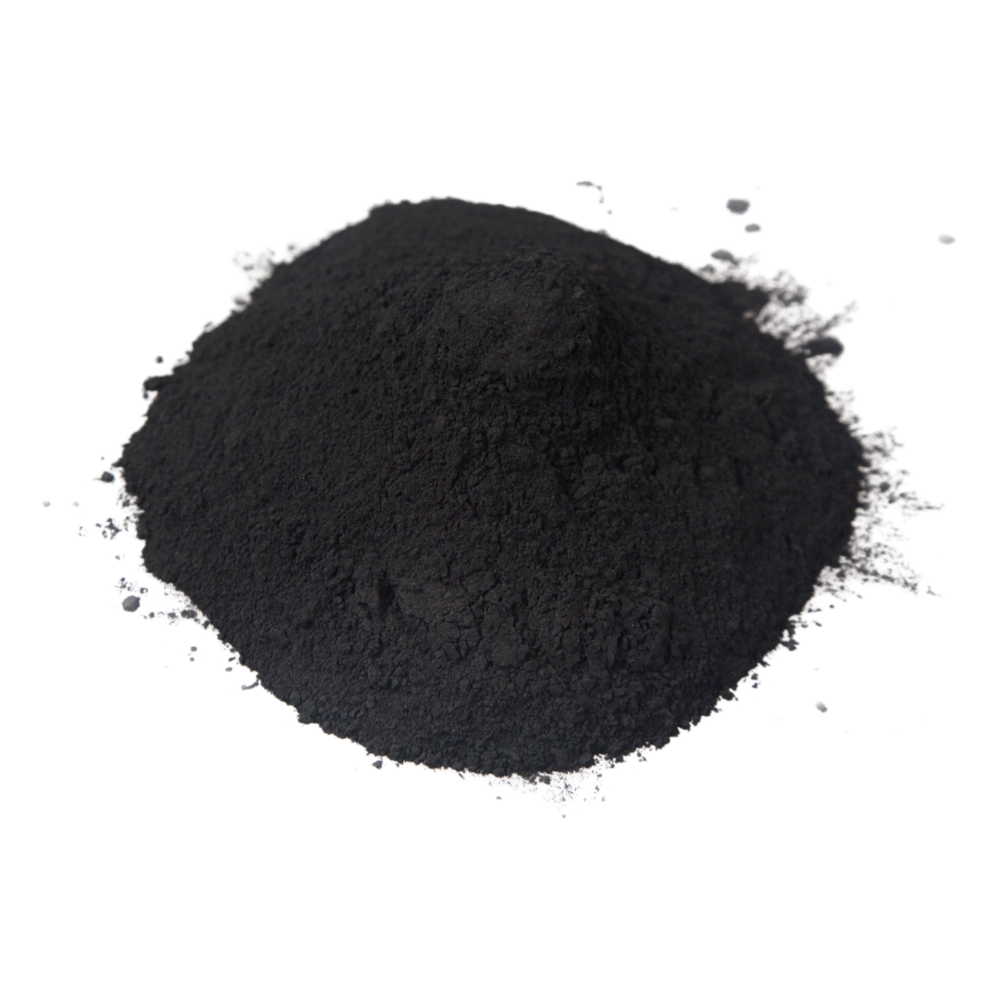
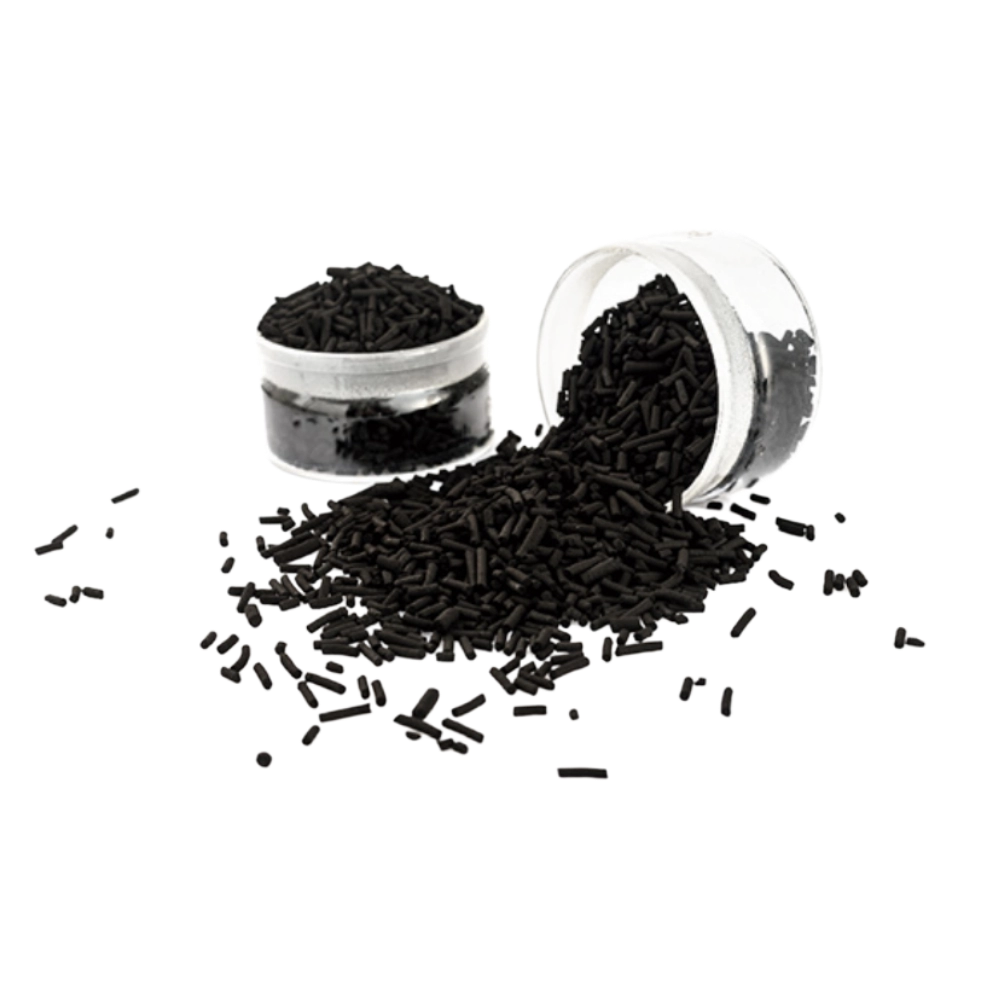
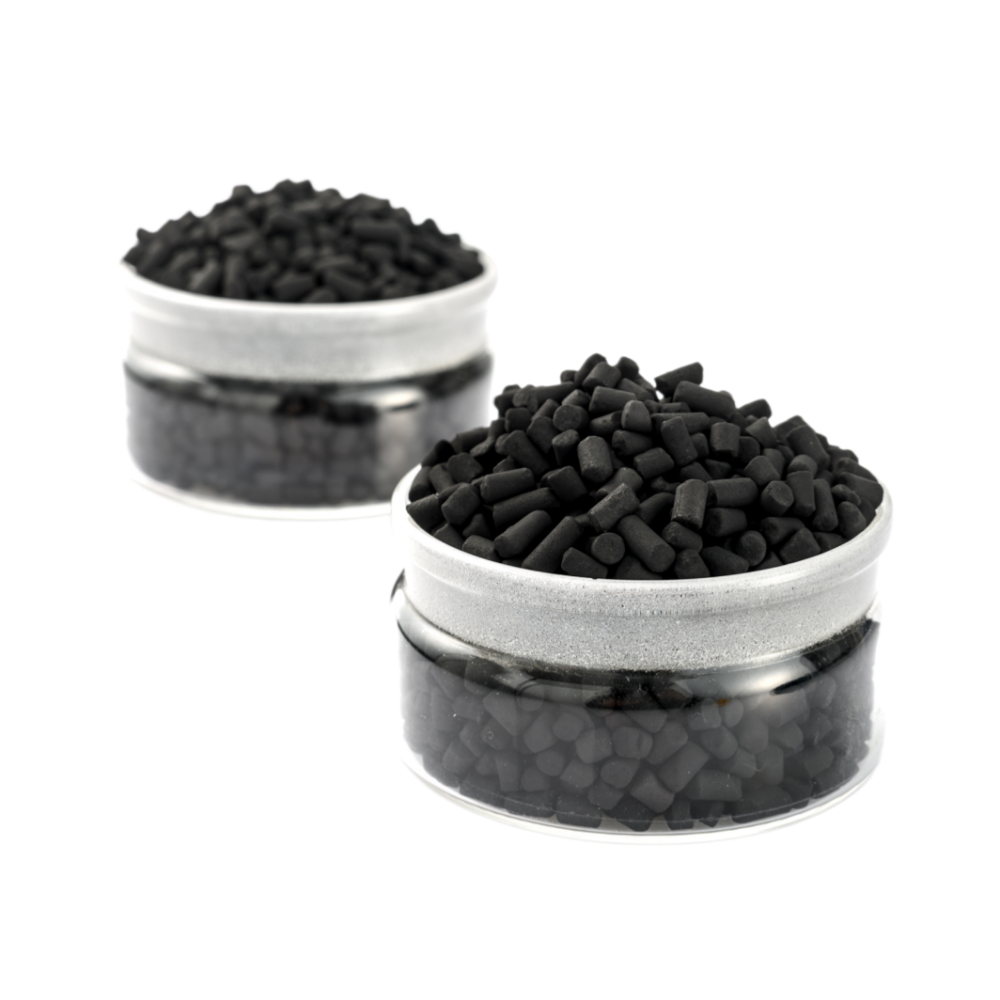
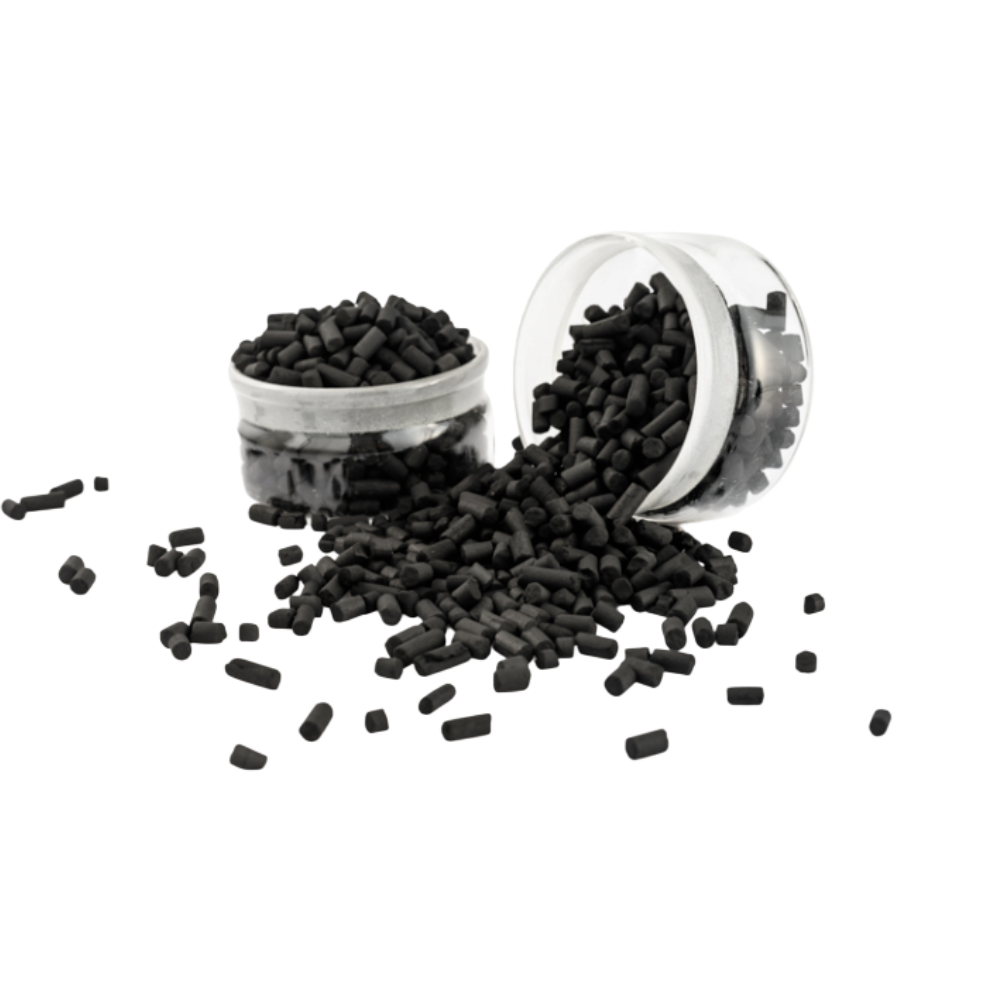
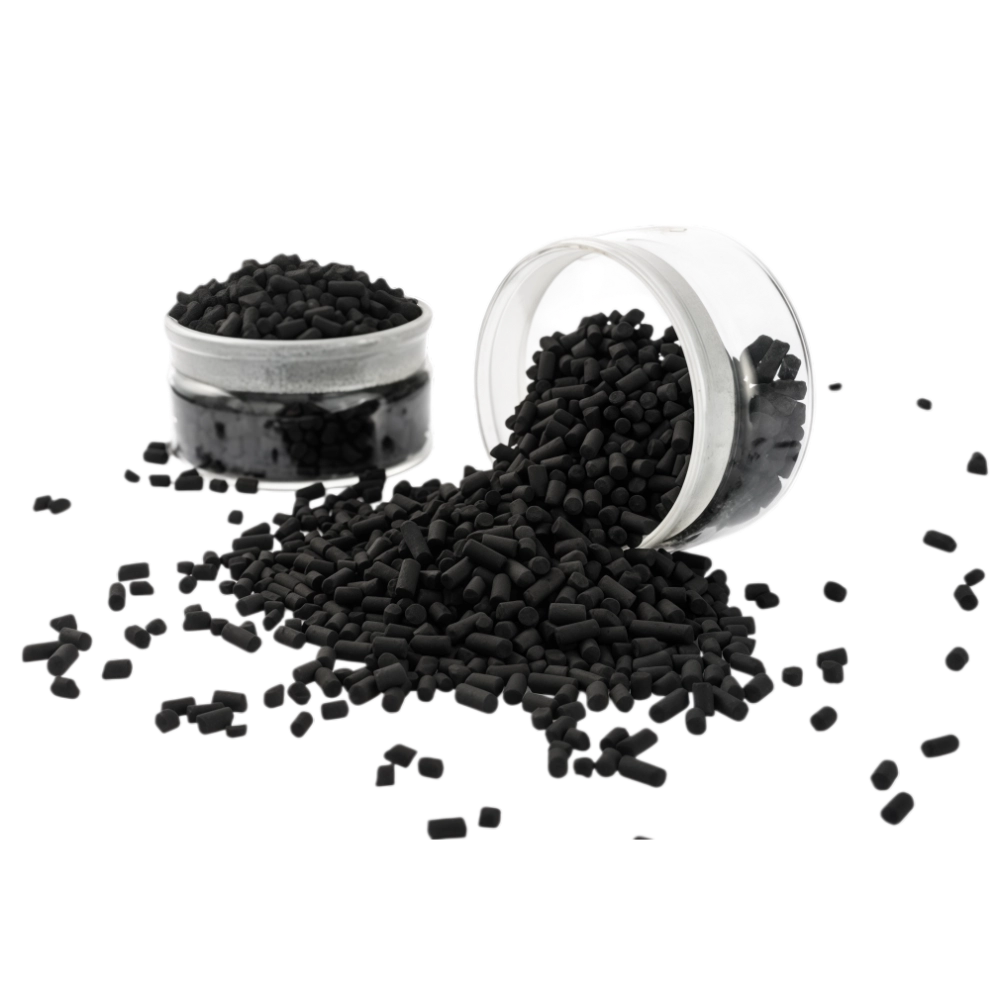
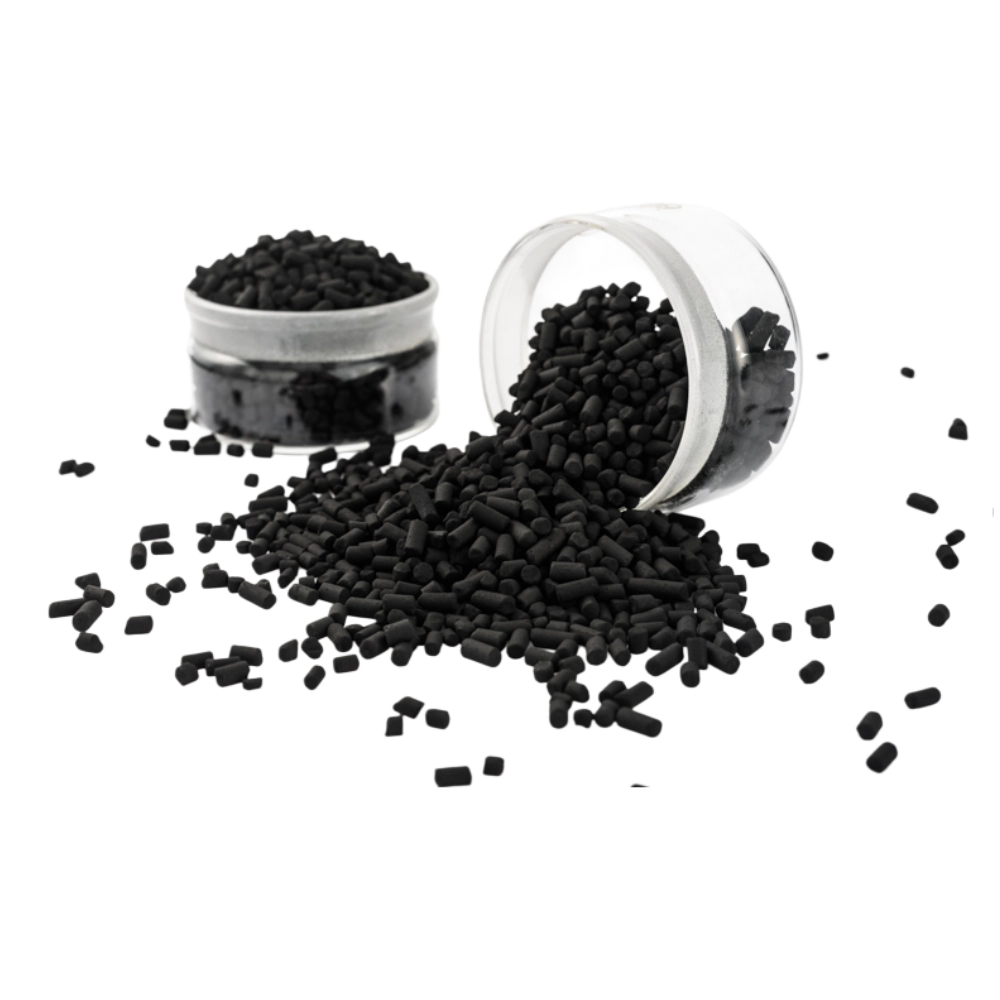
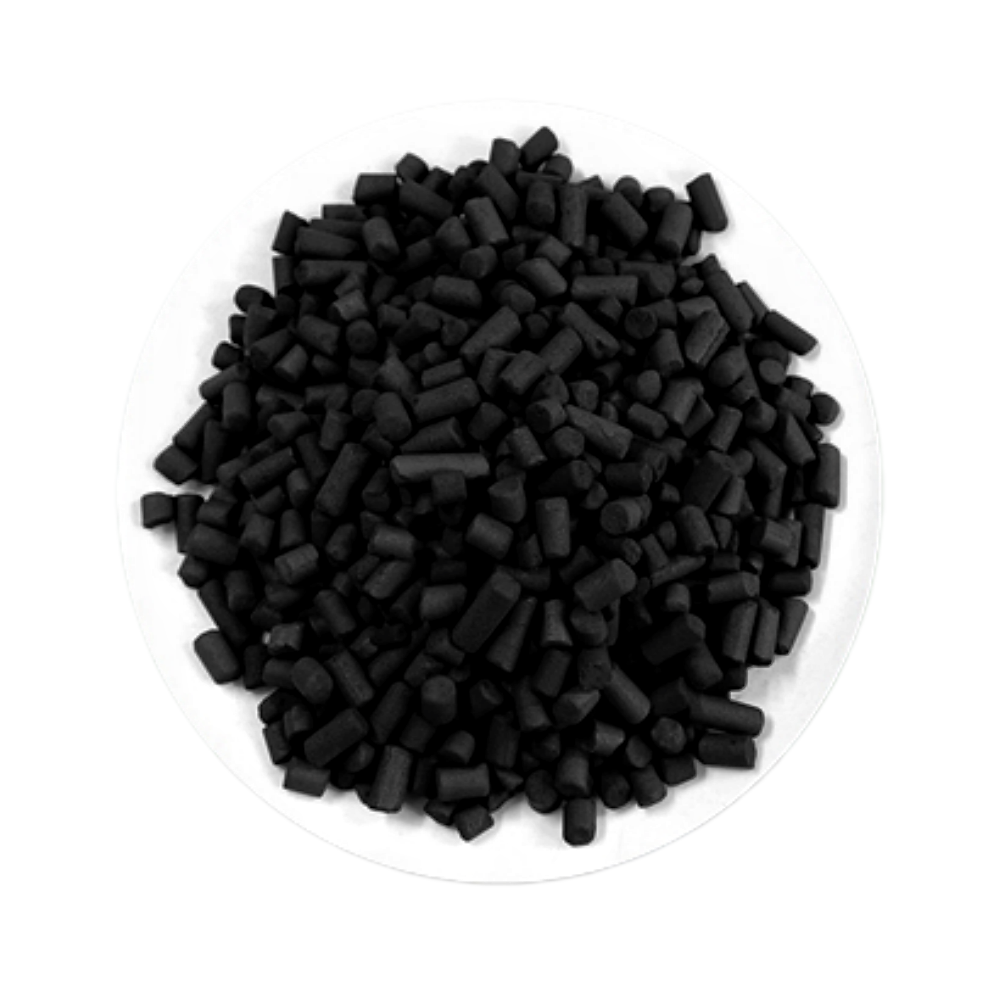
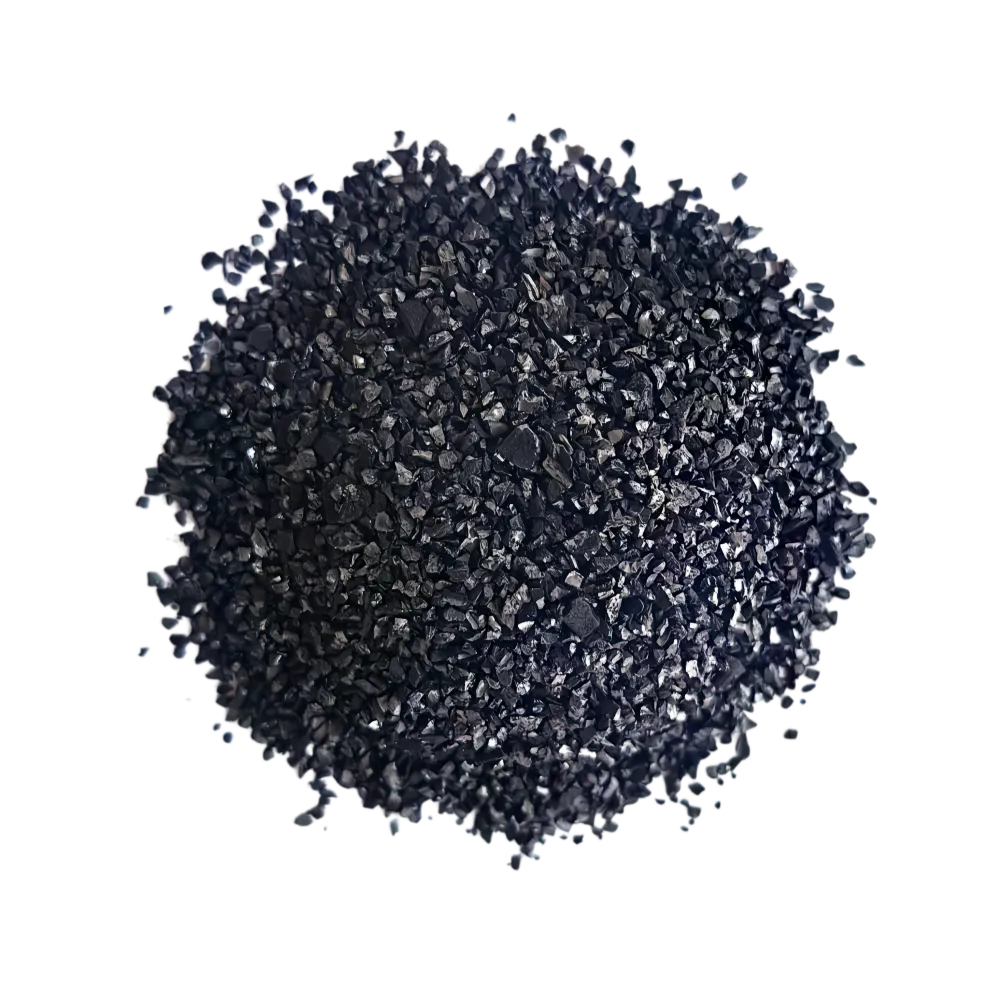
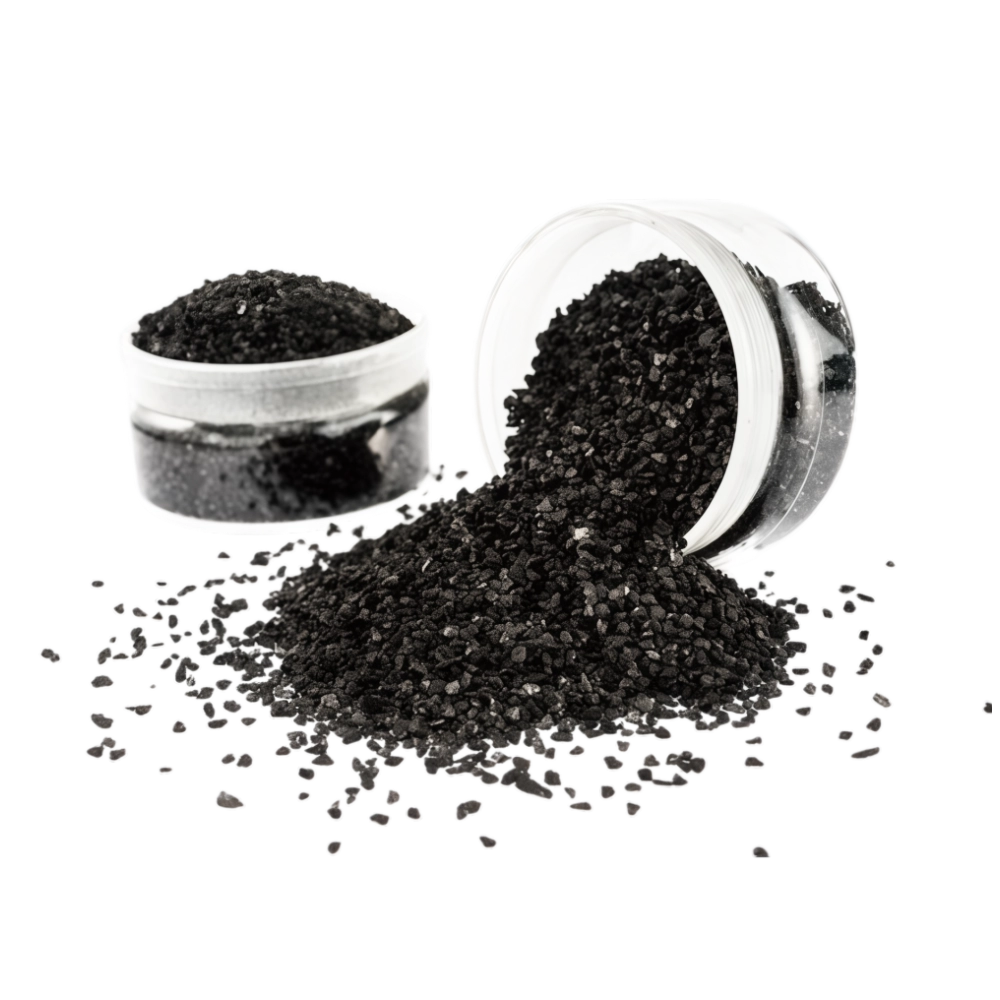
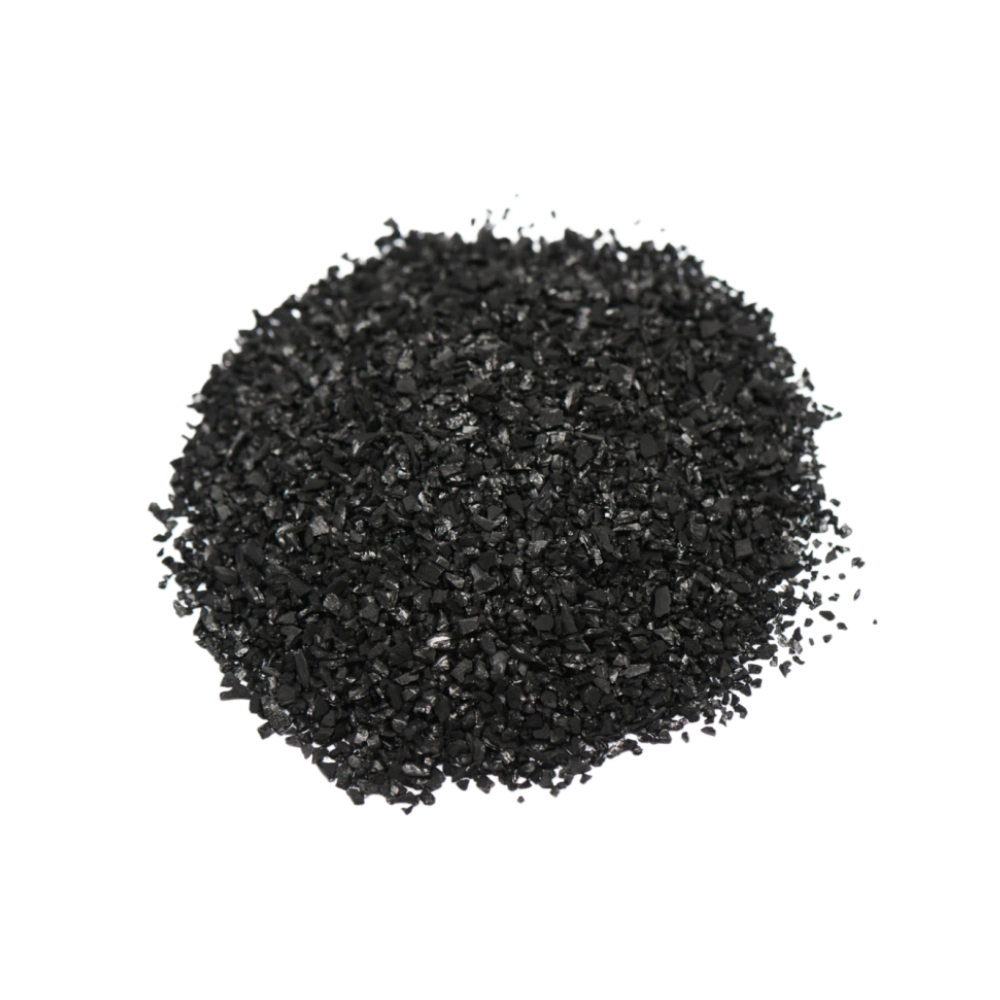
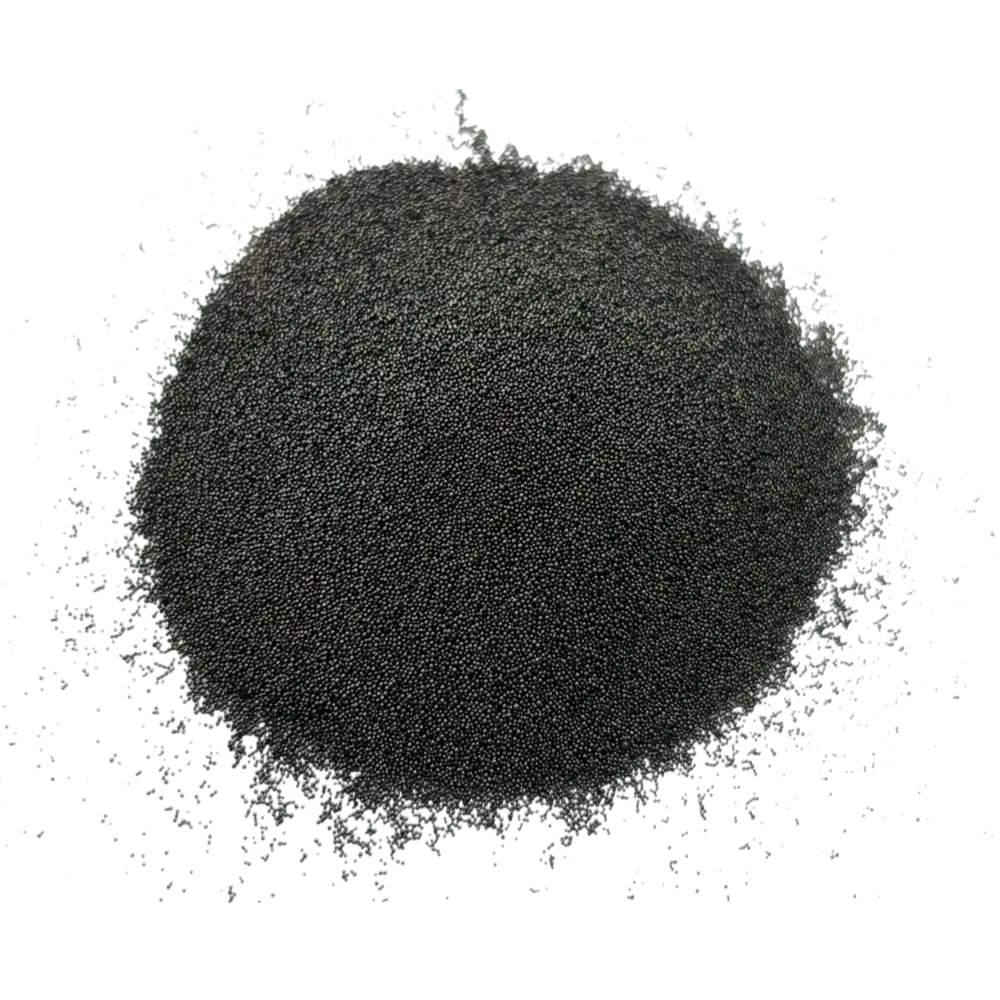
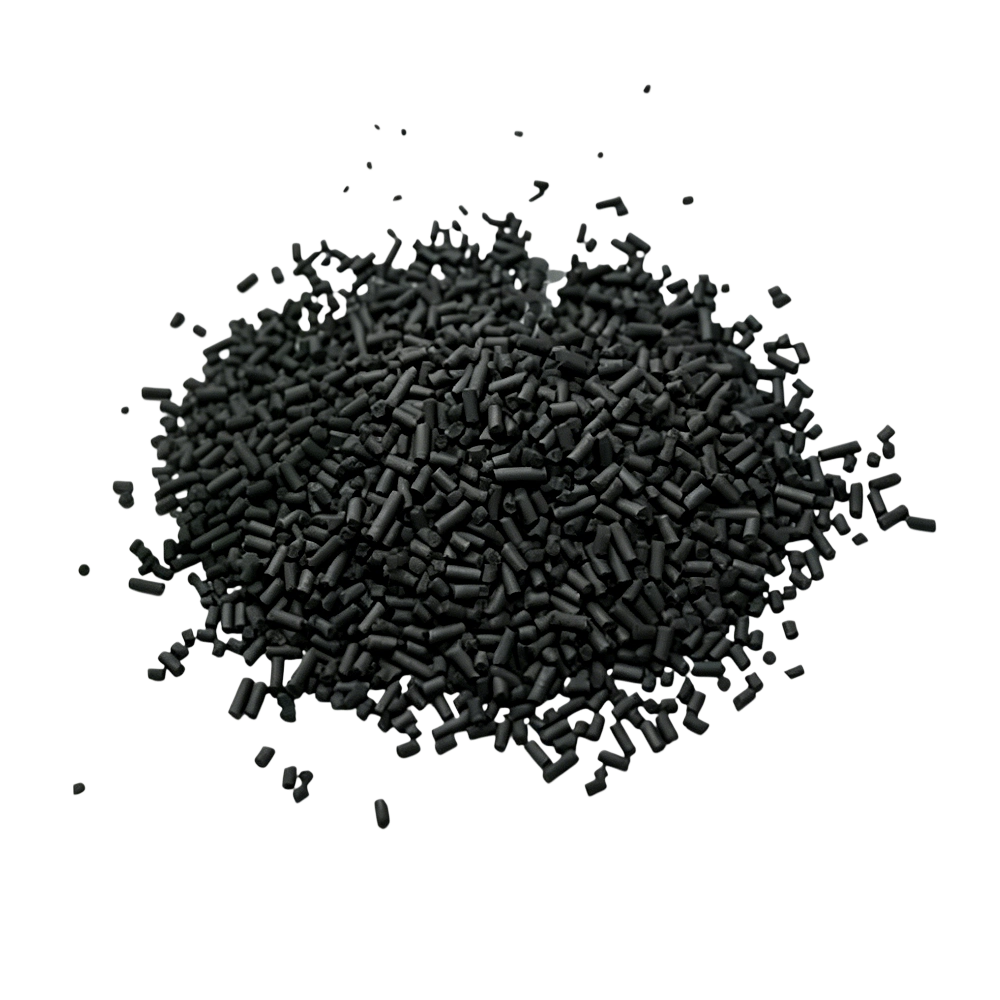
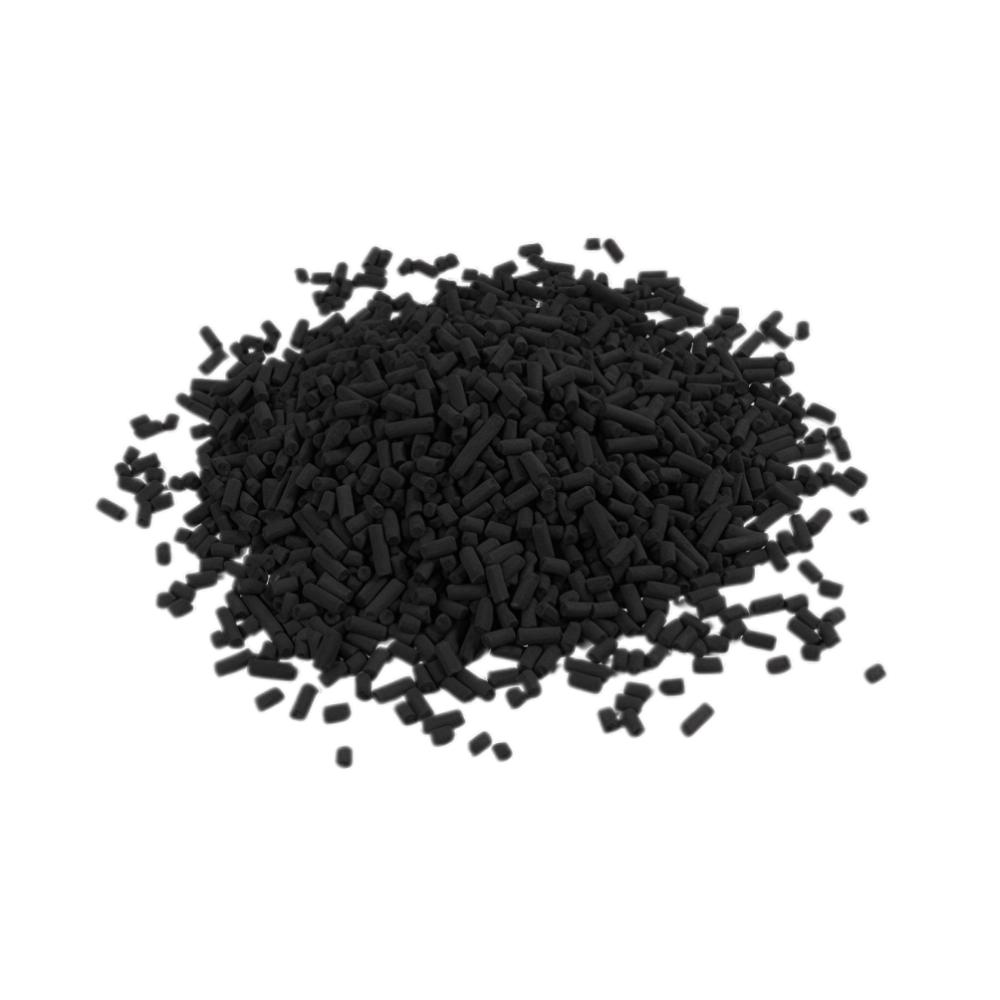
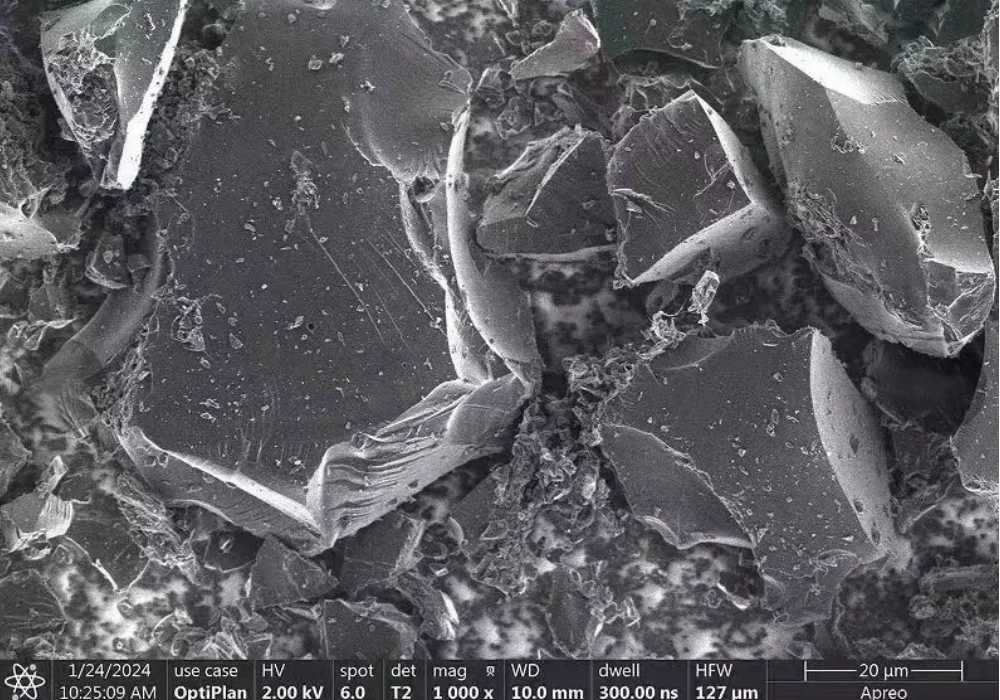
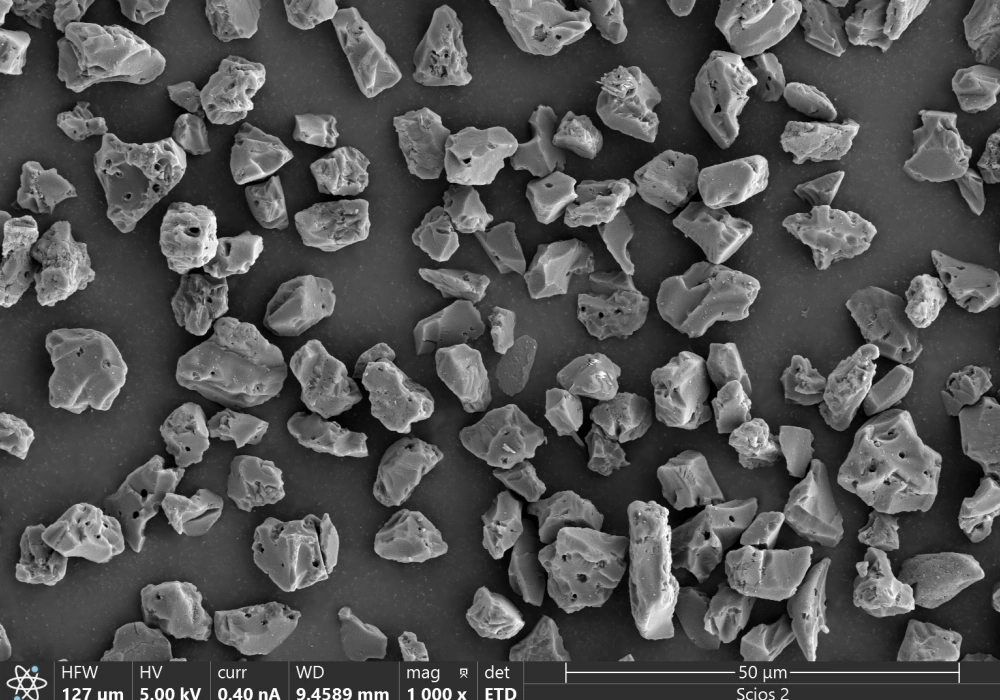
























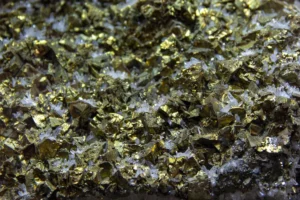






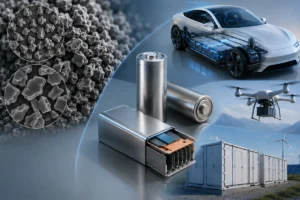
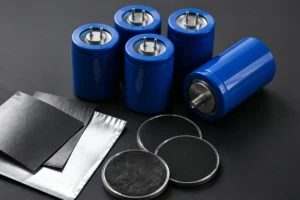


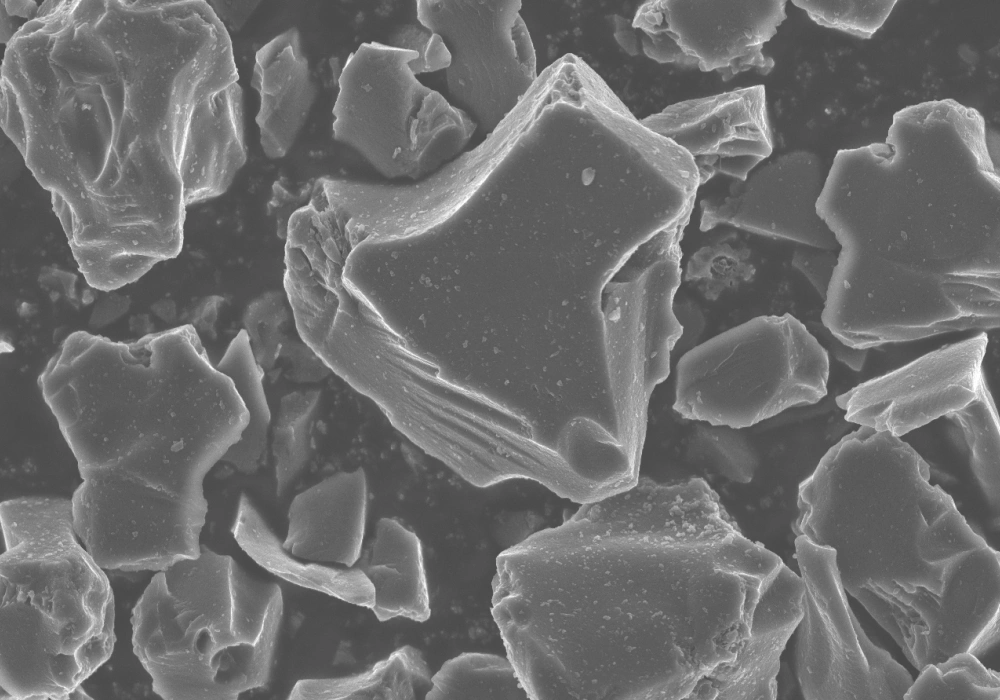
Hard carbon is one of the most practical anode materials for sodium-ion batteries because it can store sodium ions in disordered carbon structures without relying on the graphite intercalation mechanism used by lithium-ion cells.
For battery developers and material buyers, however, the useful question is not simply “which hard carbon has the highest capacity?” Sodium-ion anode powder must be evaluated as part of a complete electrode and cell design. Reversible capacity, first-cycle coulombic efficiency, particle size, tap density, impurities, processing behaviour and cycle life all influence whether a material is suitable for a specific battery platform.
This guide explains the characteristics to compare when sourcing sodium-ion battery anode powder and hard carbon materials.
Why Hard Carbon Is Used in Sodium-Ion Batteries
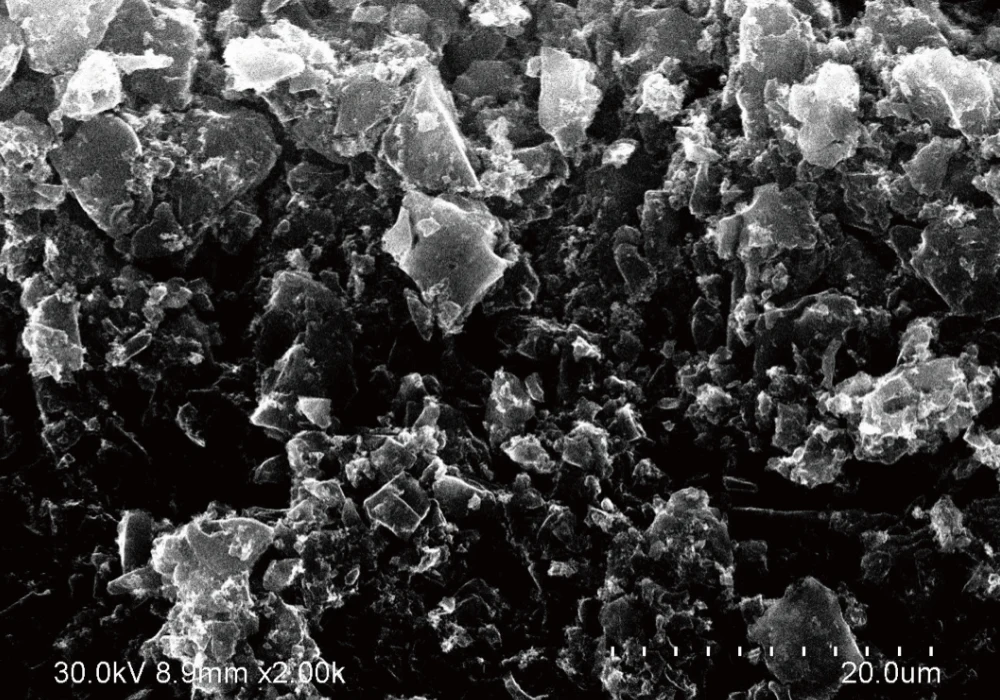
Graphite is widely used in lithium-ion batteries, but its layered structure is not ideal for the larger sodium ion. Hard carbon has a more disordered structure with nanoscale pores and defect sites that can accommodate sodium storage.
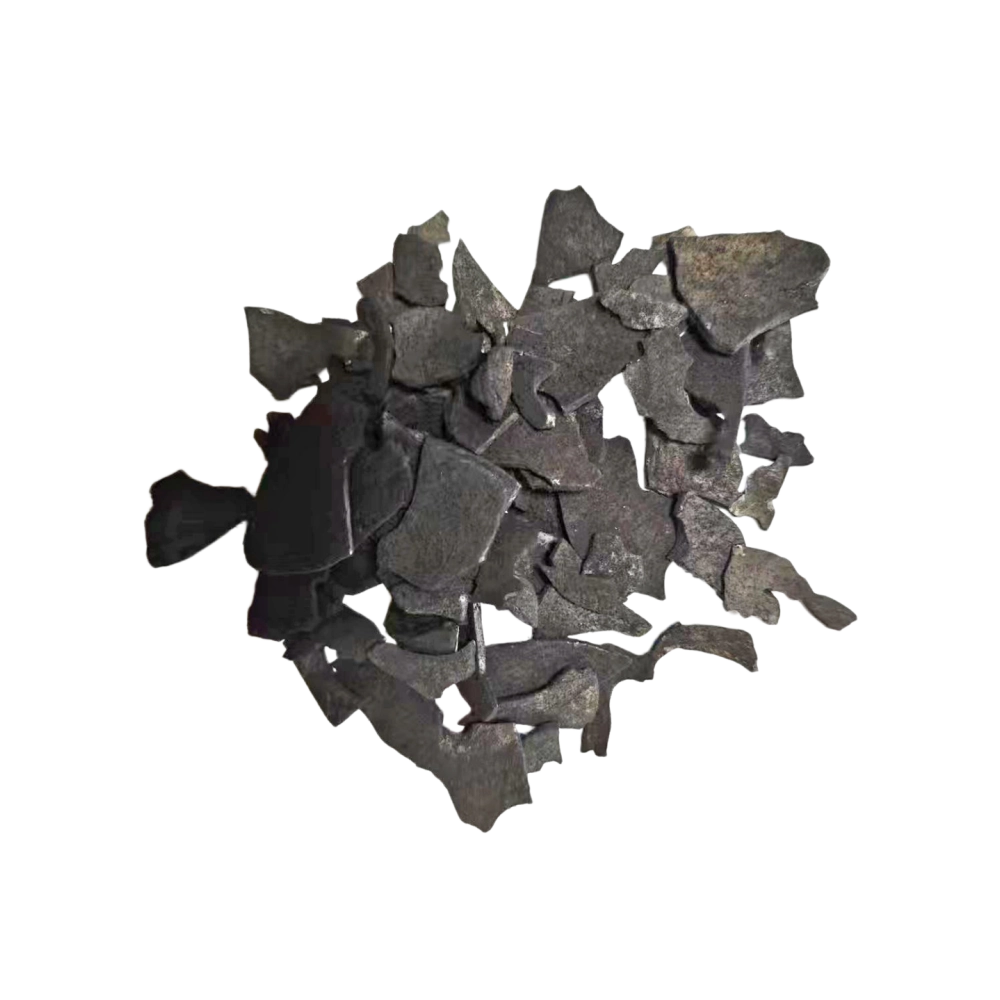
The exact storage behaviour depends on the precursor and manufacturing route. Biomass, resin and other carbon sources can produce hard carbon with different pore structures, surface chemistry and impurity profiles. Carbonization and purification therefore matter as much as the raw material.
For a cell developer, the objective is to find a hard carbon that balances:
- Reversible capacity
- First-cycle coulombic efficiency
- Rate capability
- Initial and long-term cycle stability
- Tap density and electrode coating behaviour
- Moisture and impurity control
- Consistent particle-size distribution
- Commercial availability and lot-to-lot reproducibility
1. Reversible Capacity Is Only One Number
Capacity is usually expressed in mAh/g and indicates how much charge the anode material can store per unit mass. A high reversible capacity can be useful, but it may come with trade-offs in efficiency, rate performance or cycle stability.
Ask the supplier for:
- Test voltage window
- Current density
- Counter electrode and electrolyte used
- Active-material loading
- Electrode formulation
- Whether the result is from coin cells, pouch cells or another format
Capacity figures are difficult to compare when the test conditions differ. A number without method details is not enough to make a purchasing decision.
2. First-Cycle Coulombic Efficiency
First-cycle coulombic efficiency shows how much of the initial charge remains available after the first cycle. Low first-cycle efficiency can reduce usable capacity and create complications for cell balancing and energy density.
Hard carbon performance can be influenced by surface area, defects, porosity and the formation of the solid electrolyte interphase. Suppliers may improve efficiency through precursor selection, carbonization conditions, purification or surface treatment, but the result must be confirmed in the intended electrolyte and cell design.
During sample evaluation, record first-cycle efficiency together with reversible capacity. Optimising one at the expense of the other may not improve the full cell.
3. Particle Size and D50
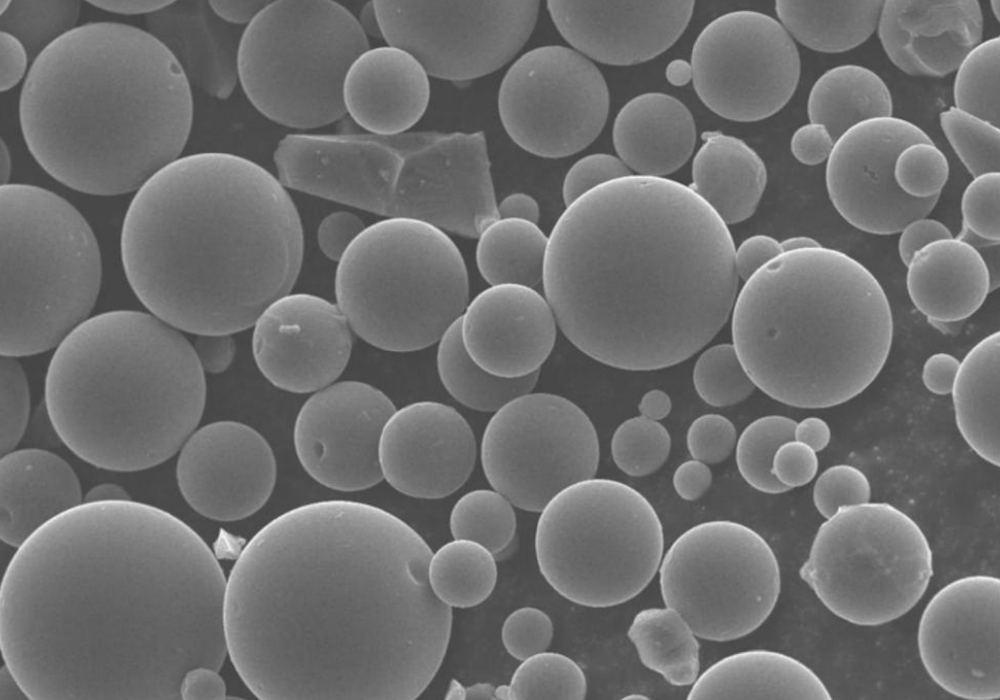
The particle-size distribution affects processing, electrode uniformity and sodium-ion transport.
Important data include:
- D10, D50 and D90
- Maximum particle size
- Particle-size distribution width
- Milling or classification method
- Lot-to-lot variation
D50 alone is not a complete specification. Two materials with the same median particle size can have different tails and different coating behaviour. A wide distribution or excessive coarse particles may create surface defects, while excessive fines can increase slurry viscosity and surface area.
The appropriate target depends on electrode thickness, coating method and rate requirements.
4. Tap Density and Electrode Density
Tap density provides an indication of how well the powder can pack. It is not the same as electrode density, but it can help predict processing behaviour and the achievable volume occupied by active material.
Ask for tap density using a defined method, then evaluate the material through:
- Slurry preparation
- Mixing time and viscosity
- Coating uniformity
- Press density
- Electrode adhesion and flexibility
- Porosity after calendering
A hard carbon with attractive electrochemical performance in a coin cell may still be difficult to process at production scale. Sample qualification should include the actual electrode process rather than powder testing alone.
5. Impurities and Moisture
Impurity control is important for battery safety, cycle stability and process consistency. The required limits depend on the cell chemistry, manufacturing process and customer specification.
Material buyers commonly review:
- Moisture
- Ash
- Iron and other magnetic impurities
- Other metals
- Chloride and sulfur where relevant
- Volatile content
- pH or water extract properties where specified
Request the test method, detection limit and acceptance criterion for each reported value. A statement such as “low impurities” is not a purchasing specification.
6. Surface Area and Surface Chemistry
Surface area can influence electrolyte contact, irreversible reactions and first-cycle efficiency. Very low surface area may reduce side reactions but affect kinetics; very high surface area can increase electrolyte consumption.
Evaluate surface area together with:
- Pore characteristics
- Initial efficiency
- Cycle life
- Gas generation
- Storage stability
- Electrode swelling where relevant
The optimum is cell-design dependent. Do not select a grade from a single BET surface-area target without electrochemical validation.
7. Test the Material in a Representative Cell
A powder certificate does not replace cell testing. Build a short qualification plan that reflects how the material will actually be used.
Screening stage
- Confirm particle-size distribution and moisture
- Check impurity reports against the material specification
- Prepare a standard slurry and electrode
- Measure coating and calendering behaviour
- Run initial capacity, efficiency and rate tests
Cell validation stage
- Test in the intended electrolyte and electrode formulation
- Measure first-cycle efficiency and reversible capacity
- Evaluate rate capability and low-temperature behaviour where relevant
- Run cycling and storage tests
- Inspect electrode swelling, cracking, delamination or gassing
- Compare against the current reference material
Scale-up stage
- Test at least two additional production lots
- Confirm lot-to-lot variation
- Review packaging, moisture protection and shelf life
- Establish incoming inspection and release criteria
8. Questions to Include in a Hard Carbon RFQ
A useful RFQ should include both cell requirements and material specifications:
- Intended battery format and application
- Required reversible capacity
- Minimum first-cycle efficiency
- Target D50 and particle-size range
- Tap density or electrode-density target
- Moisture and impurity limits
- Electrolyte system
- Electrode formulation and active-material loading
- Coating thickness and press density
- Rate and cycle-life targets
- Required test methods and COA content
- Sample quantity and delivery timing
- Packaging and moisture-protection requirements
- Expected annual volume
This information helps the supplier recommend an existing grade and identify where custom development may be needed.
Common Sourcing Mistakes
- Comparing capacity without test conditions. Voltage window, current density and cell format can change the result.
- Selecting on first-cycle efficiency alone. Reversible capacity, rate and cycle life must be reviewed together.
- Using D50 as the entire particle-size specification. D10, D90 and the shape of the distribution matter.
- Ignoring production electrode behaviour. Slurry viscosity, coating and calendering can eliminate a material that looked good in a coin cell.
- Approving one sample lot. Repeat testing is necessary to understand production consistency.
- Leaving impurity methods undefined. Specify the method, detection limit and acceptance criterion.
Discuss Your Sodium-Ion Anode Material
Send Purestar your target capacity, first-cycle efficiency, D50, tap density, impurity limits, electrode design and sample quantity. Our team can review the available sodium-ion battery materials and hard carbon anode powder against your programme requirements.
Contact our technical team to discuss samples, specifications and the testing information needed for your evaluation.