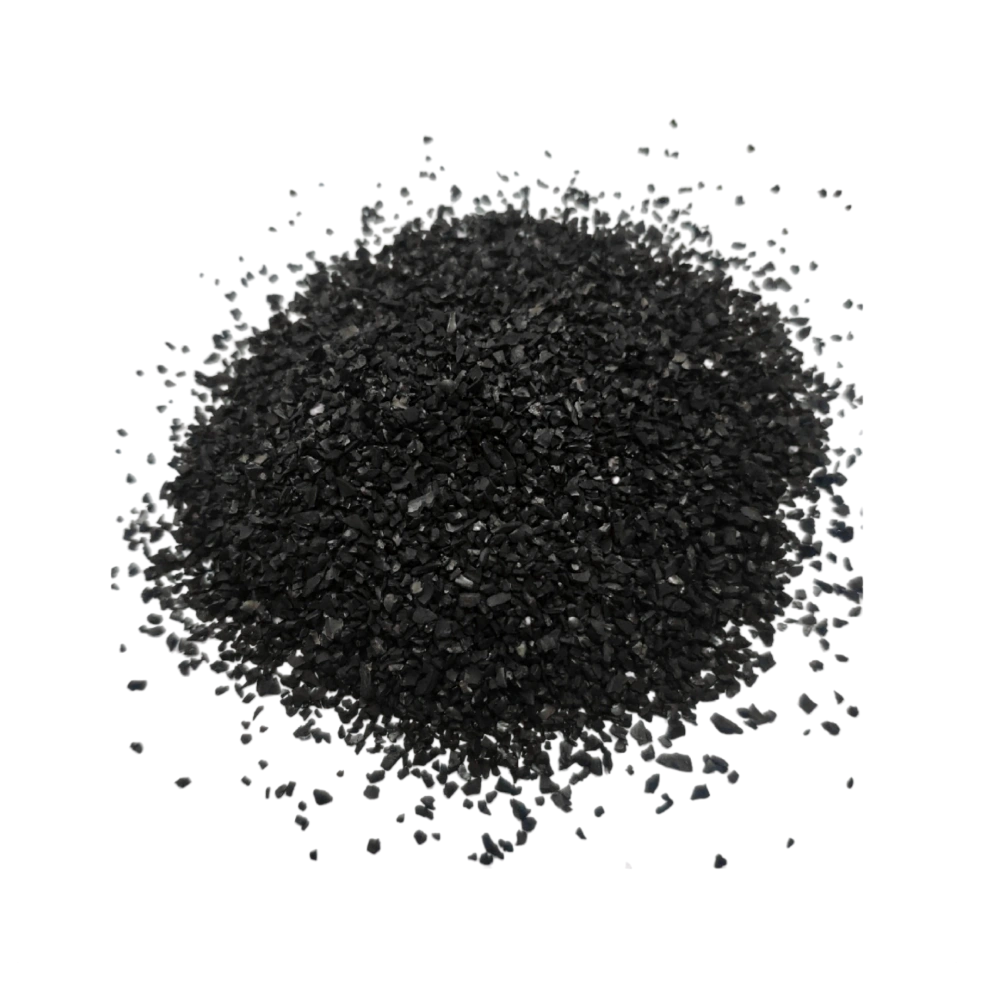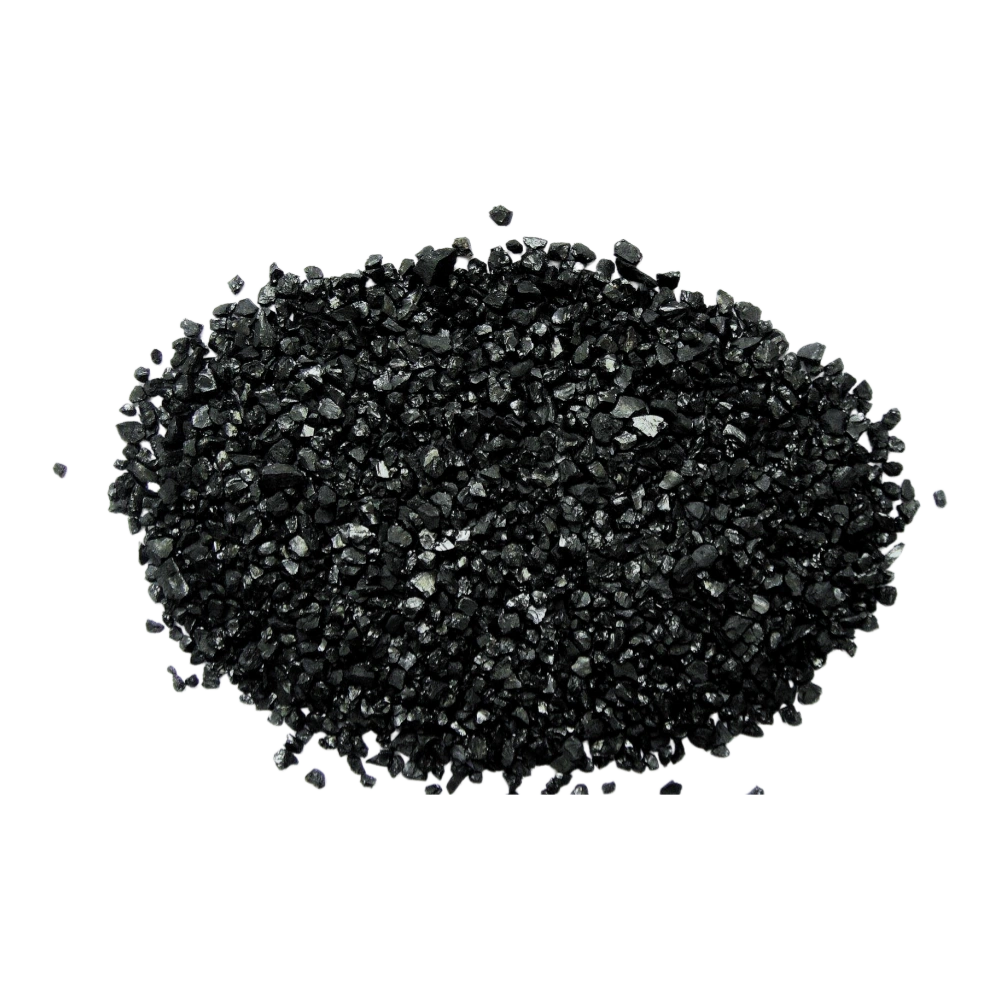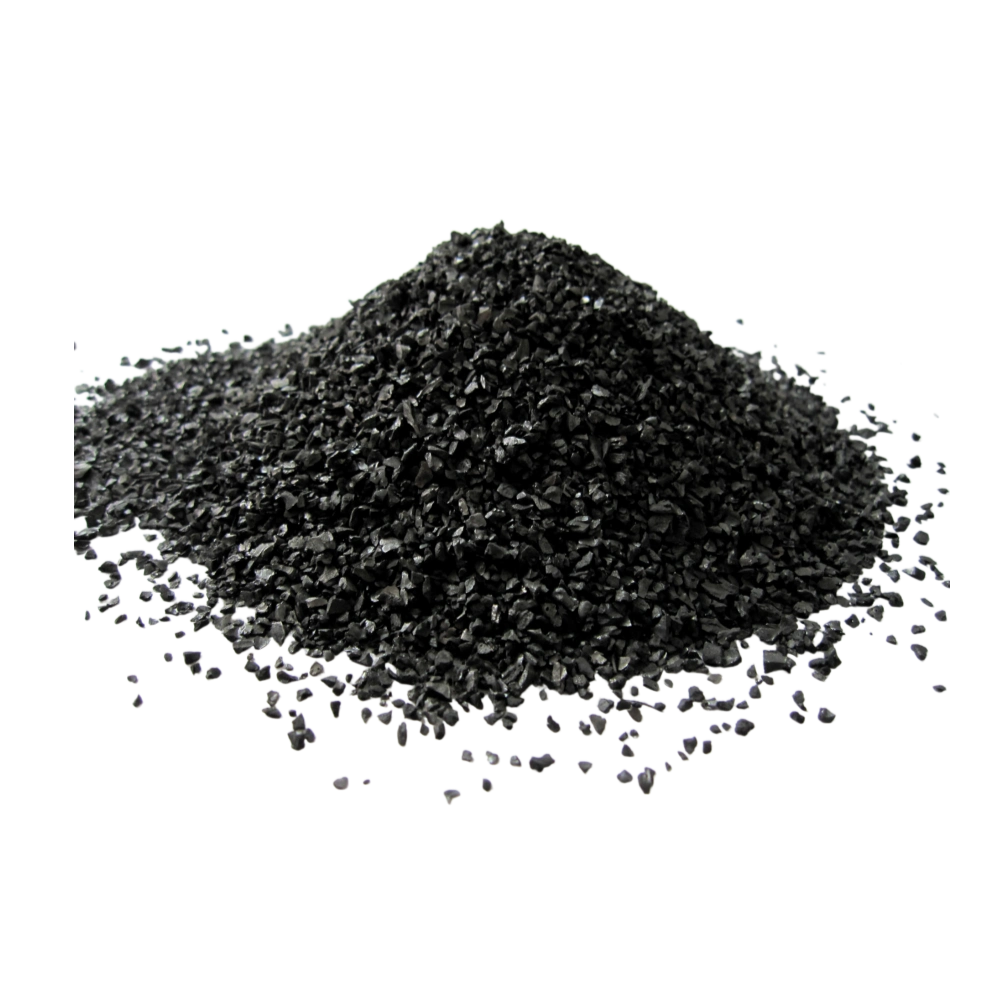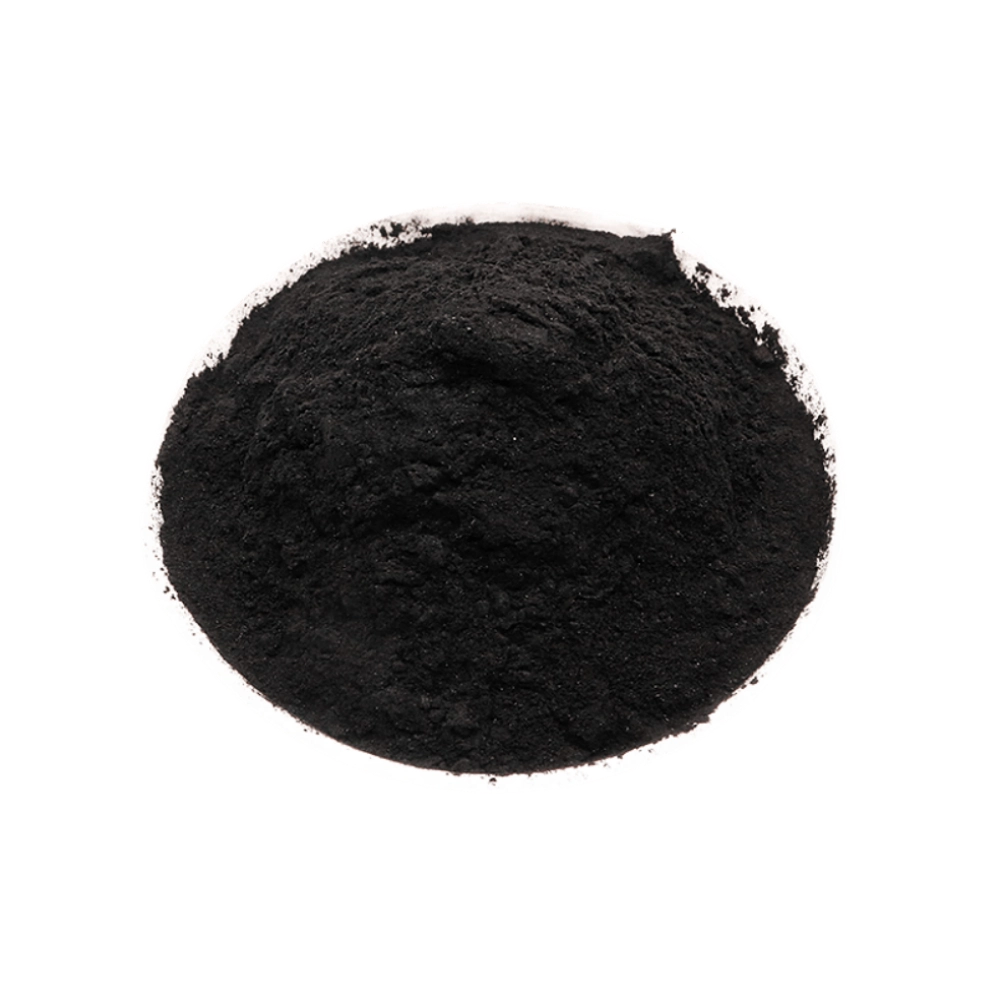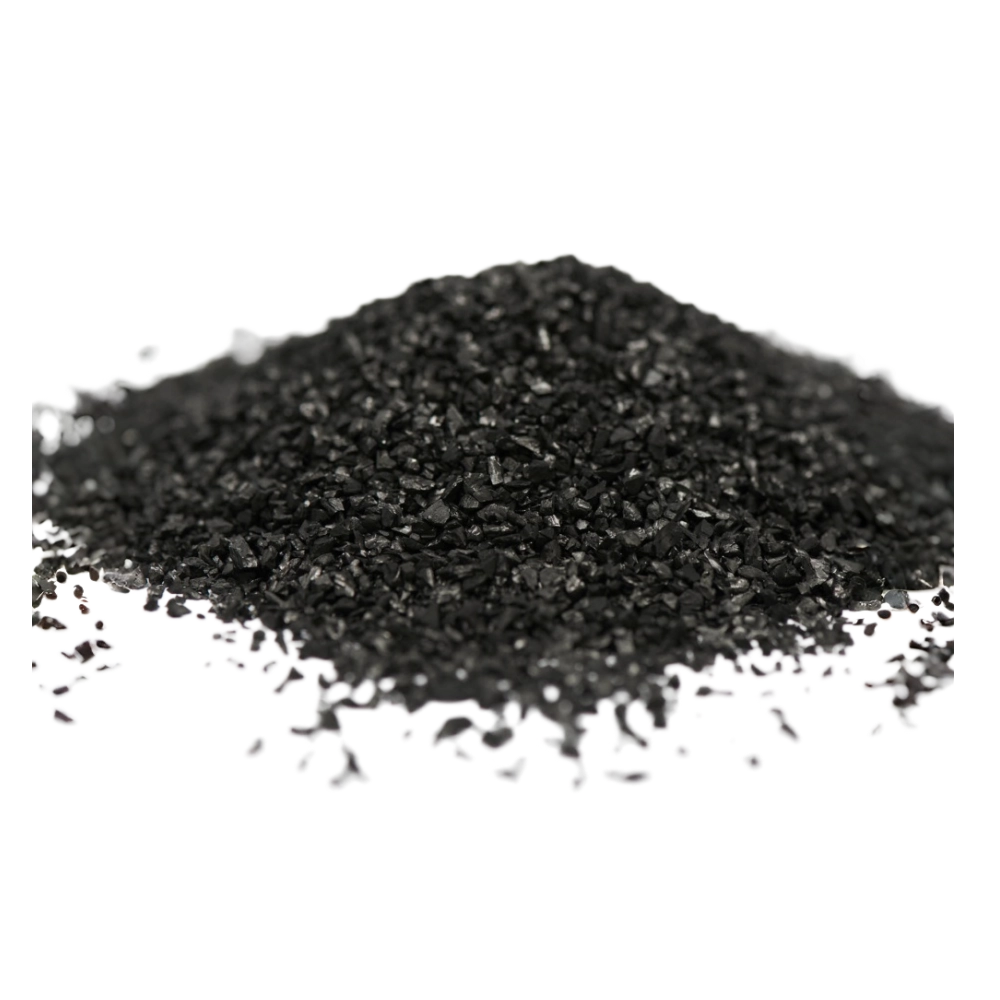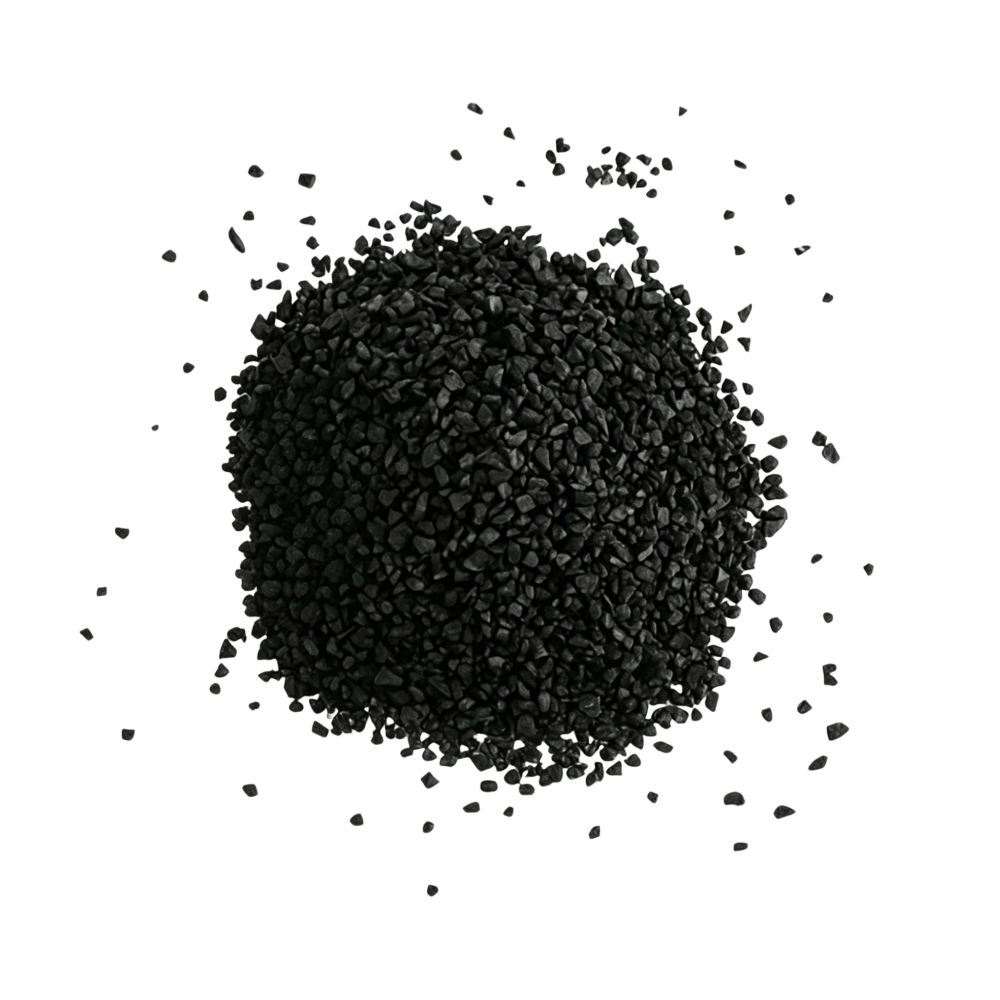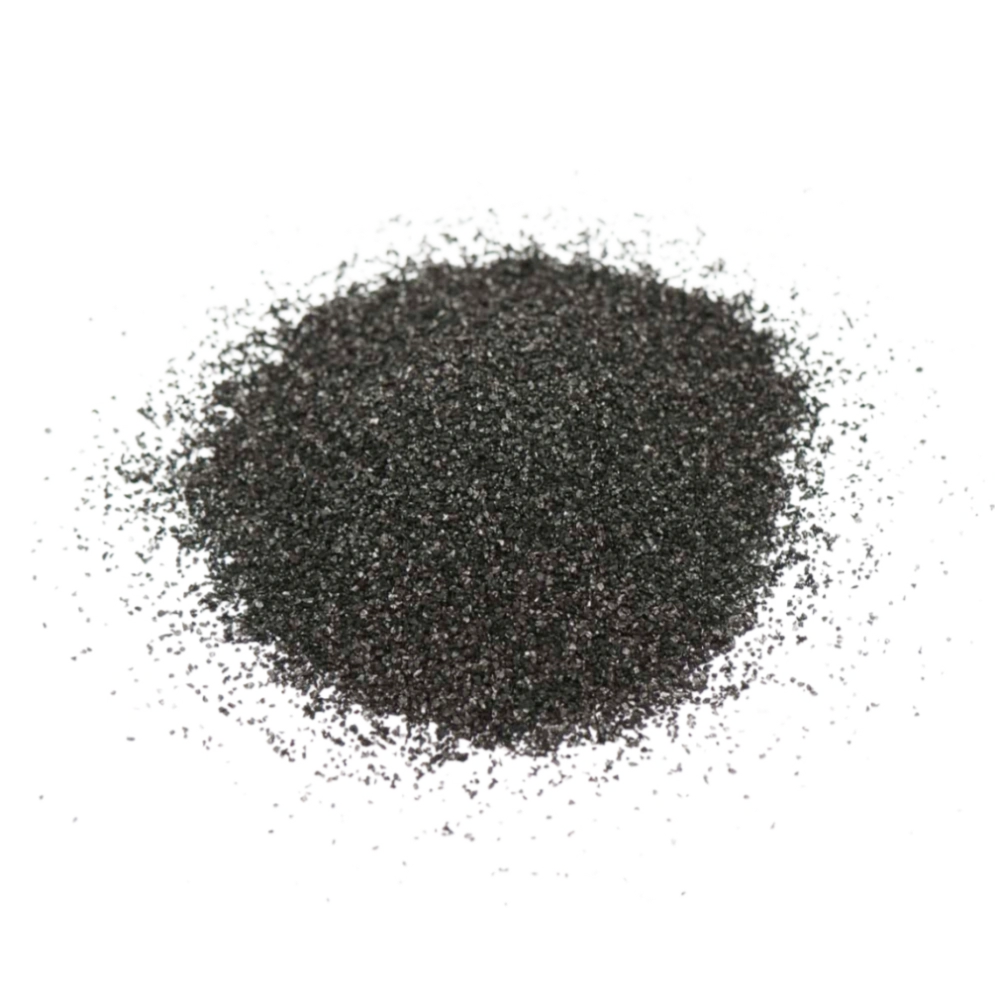




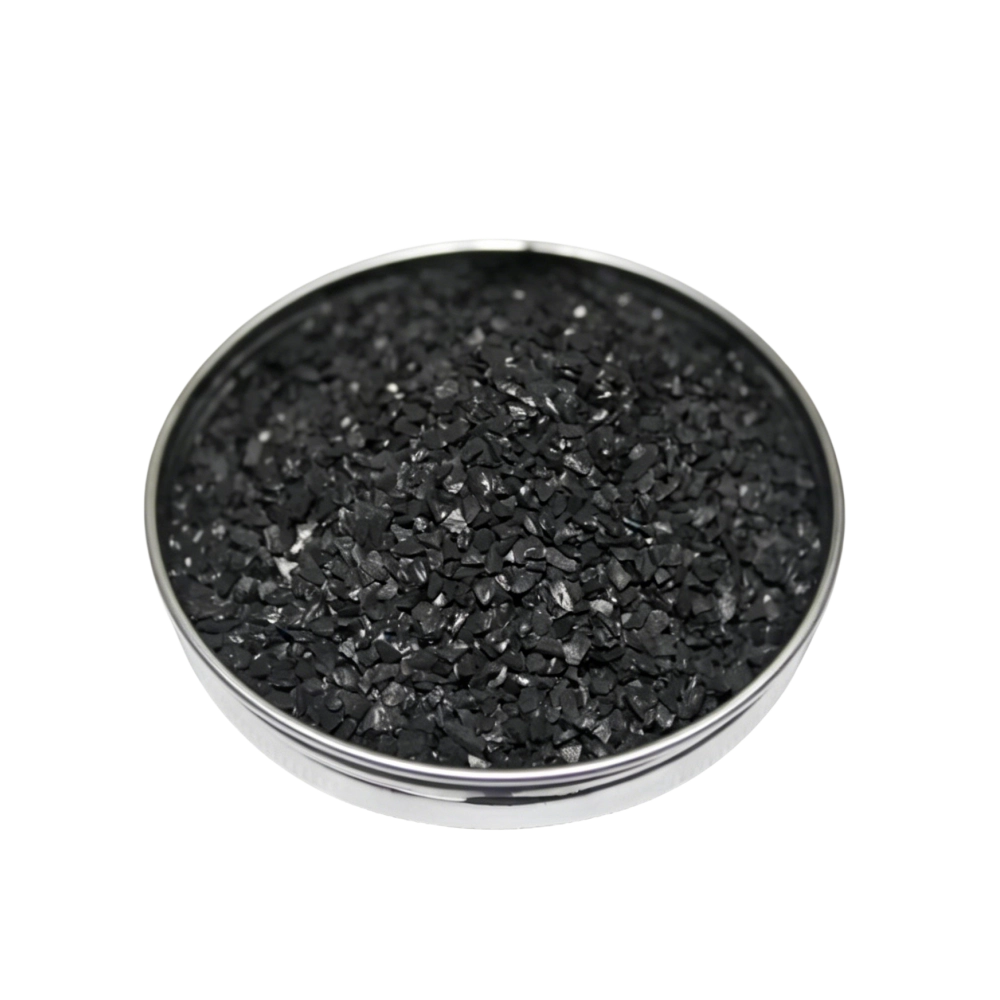
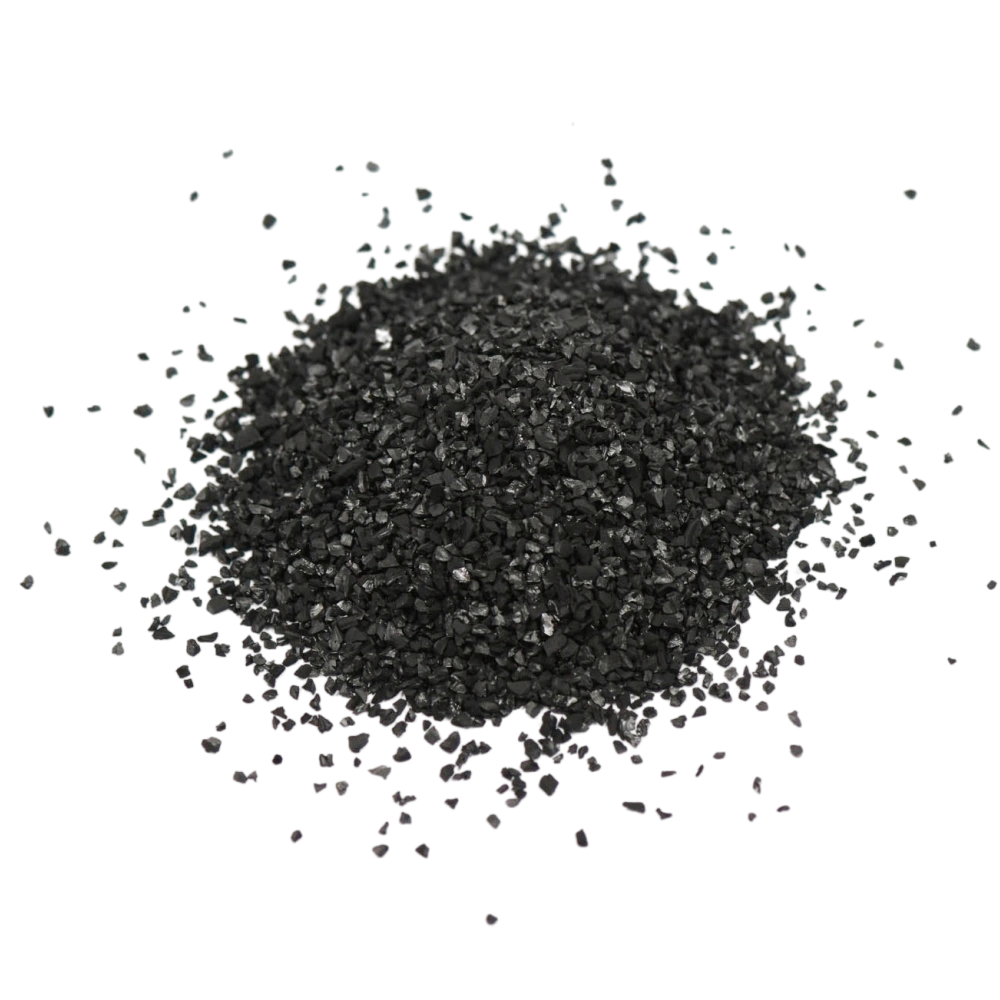
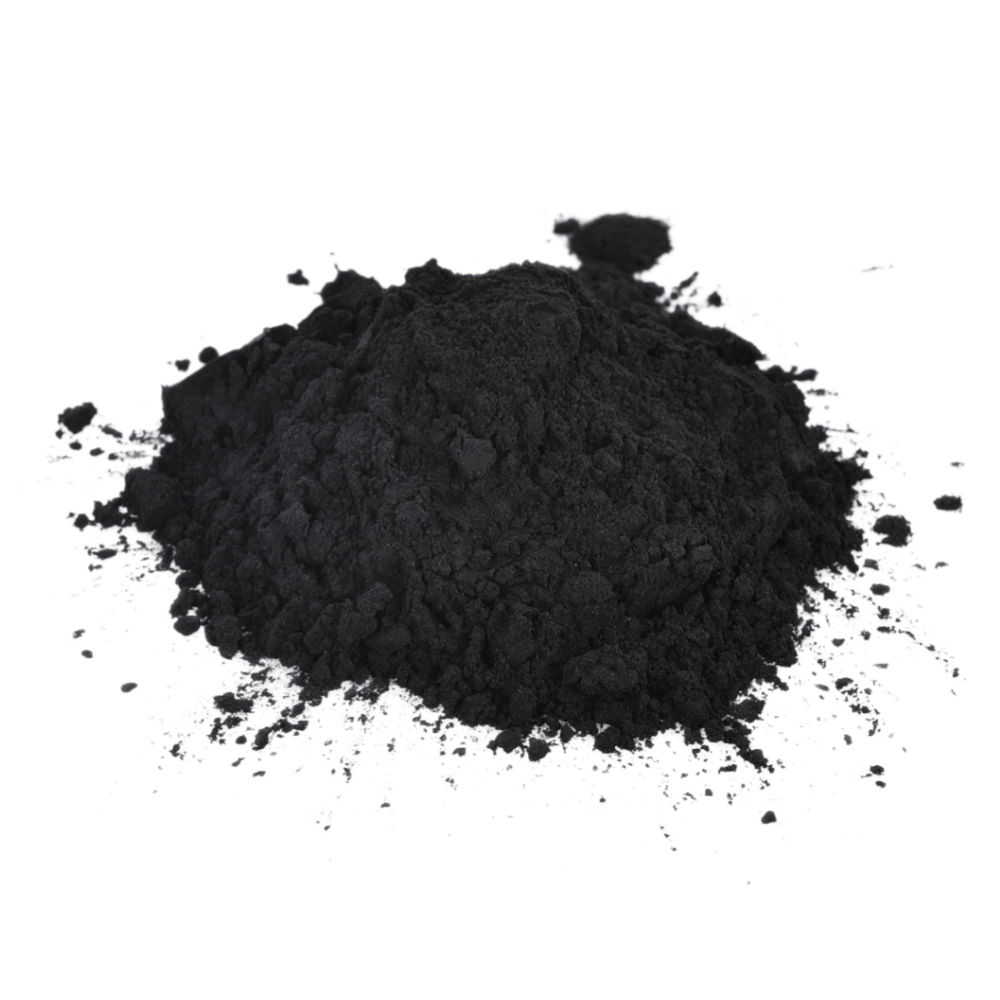
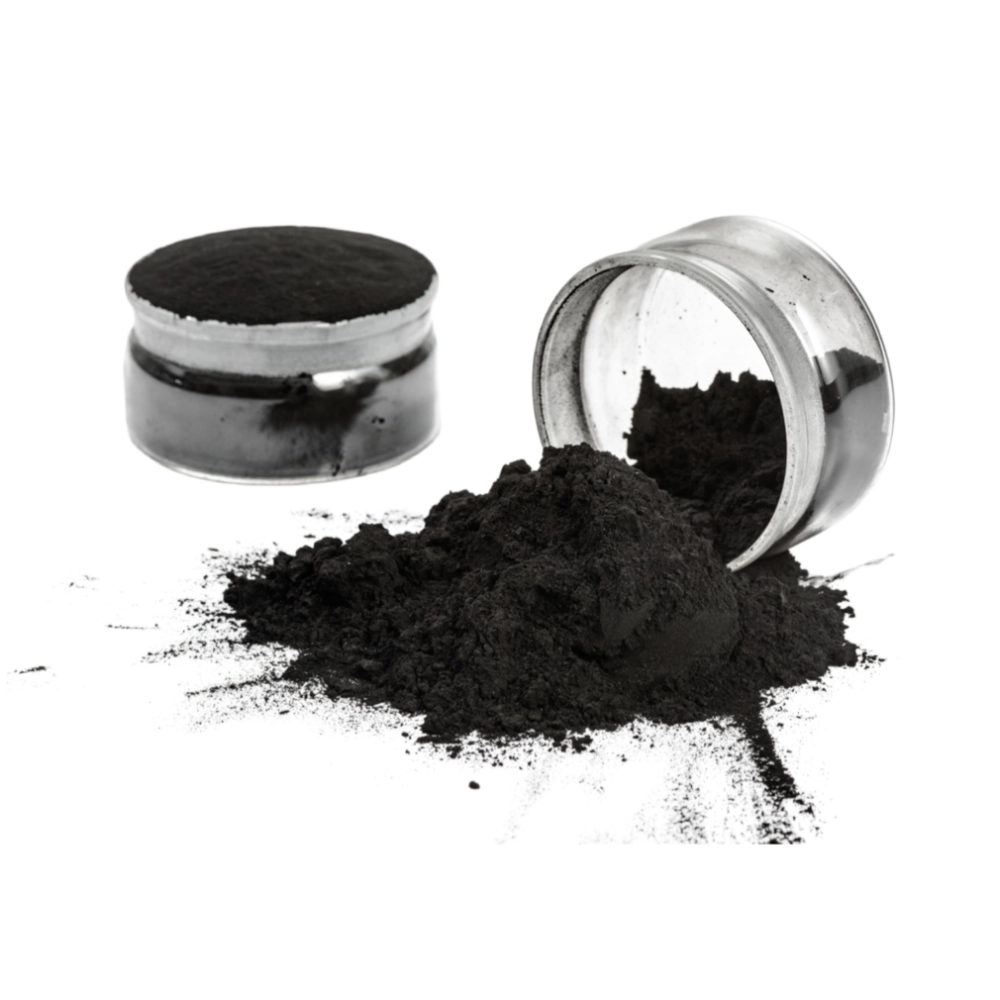
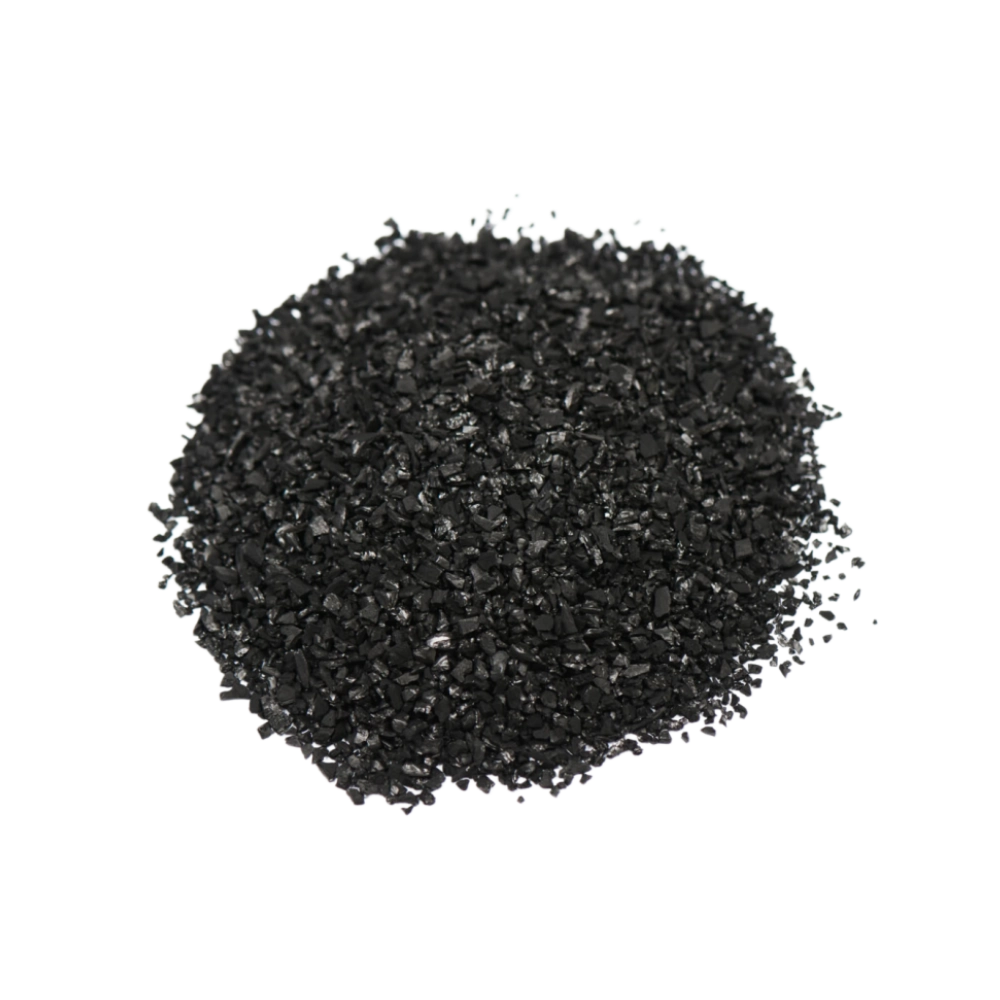
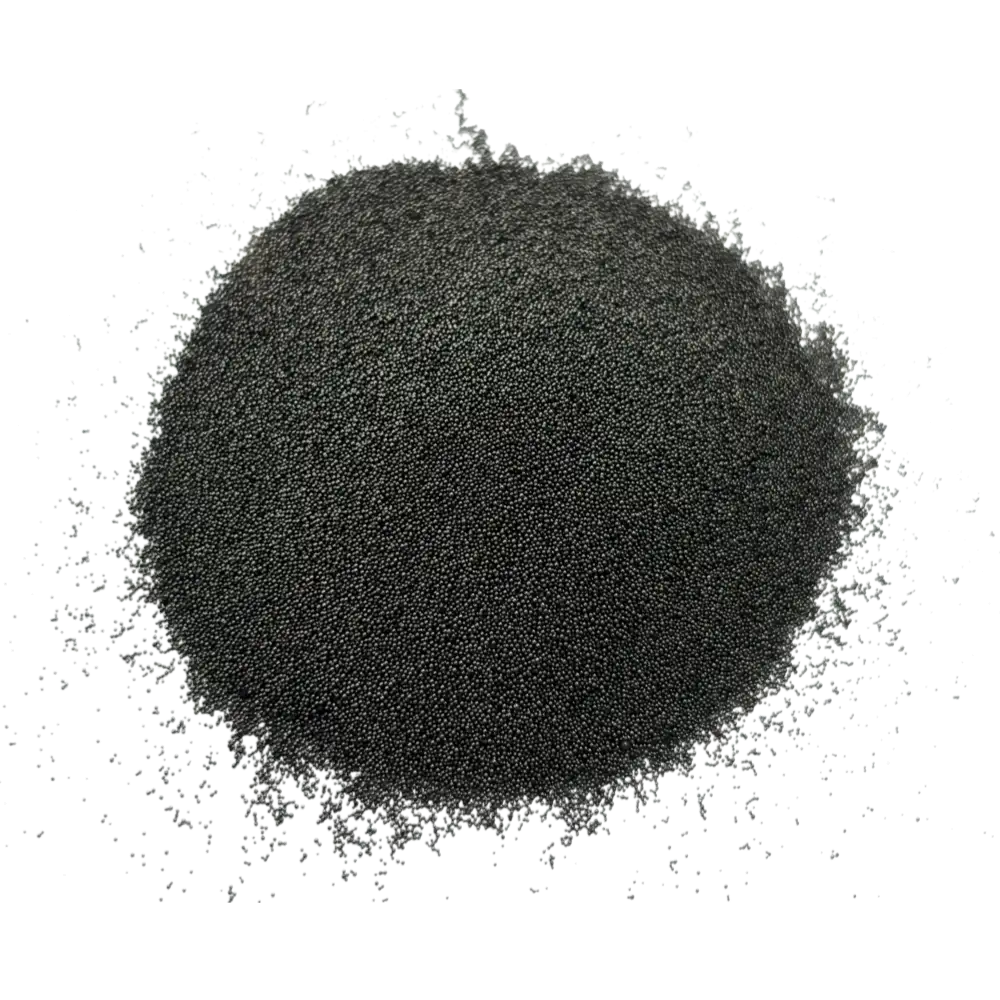
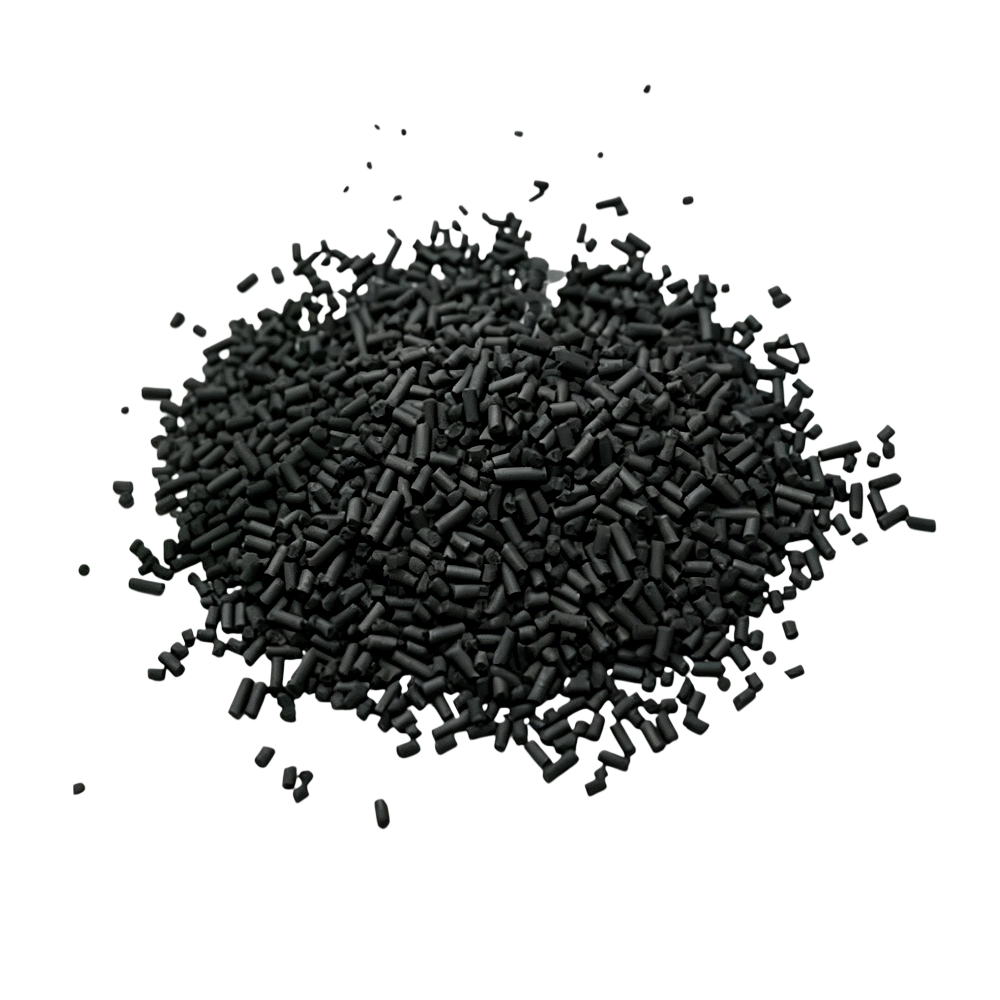
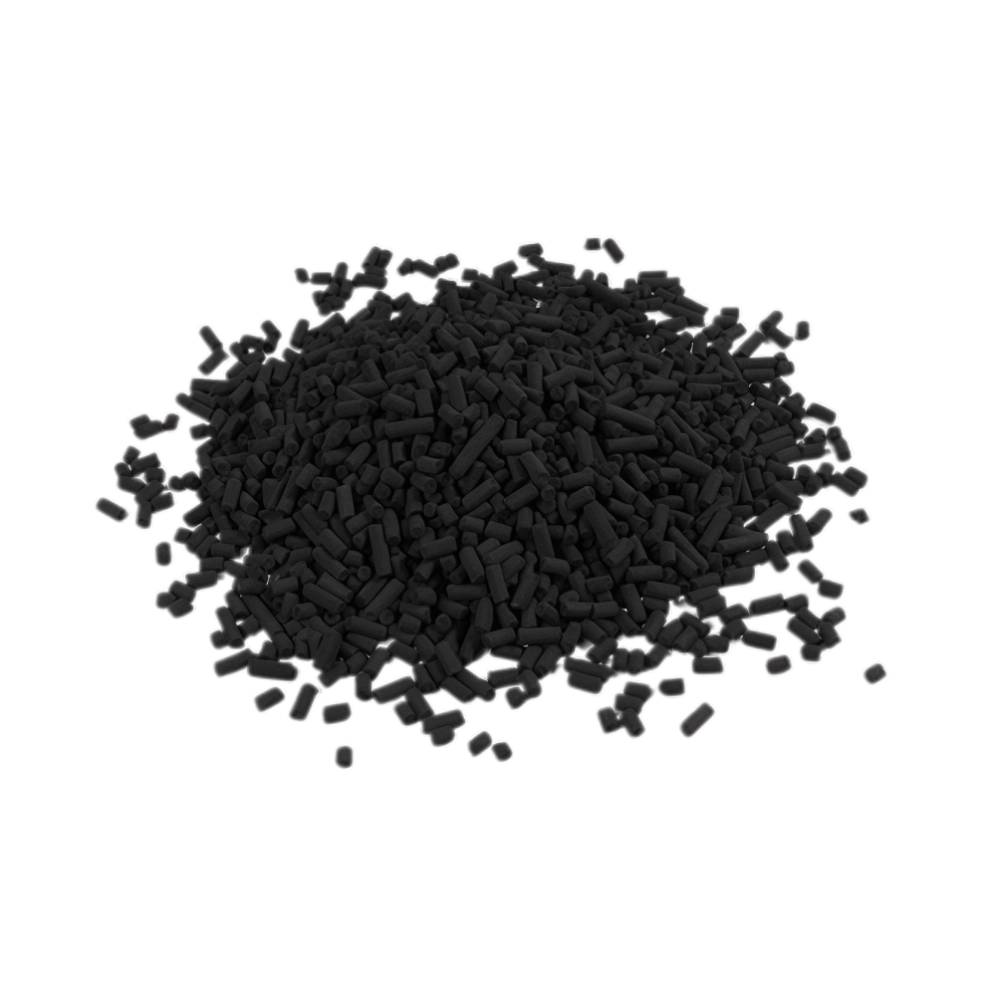










Food-Grade Pure Water
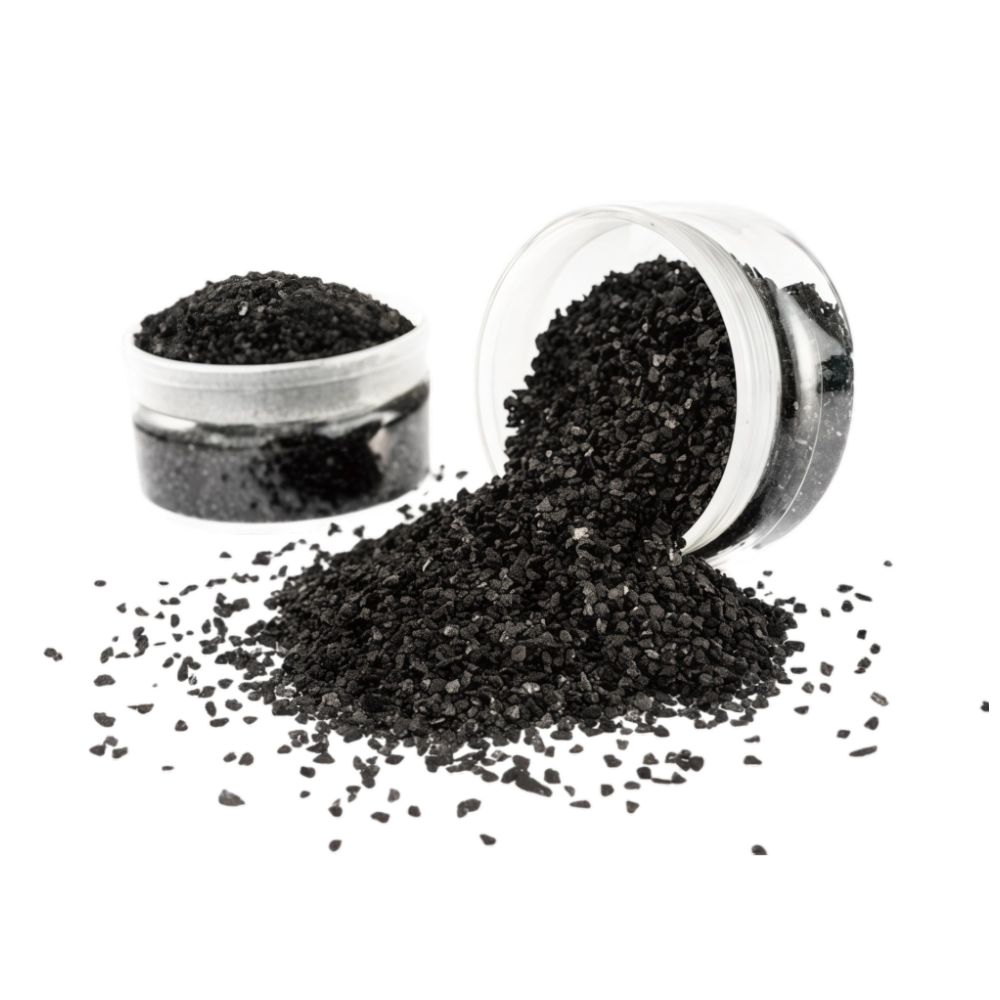
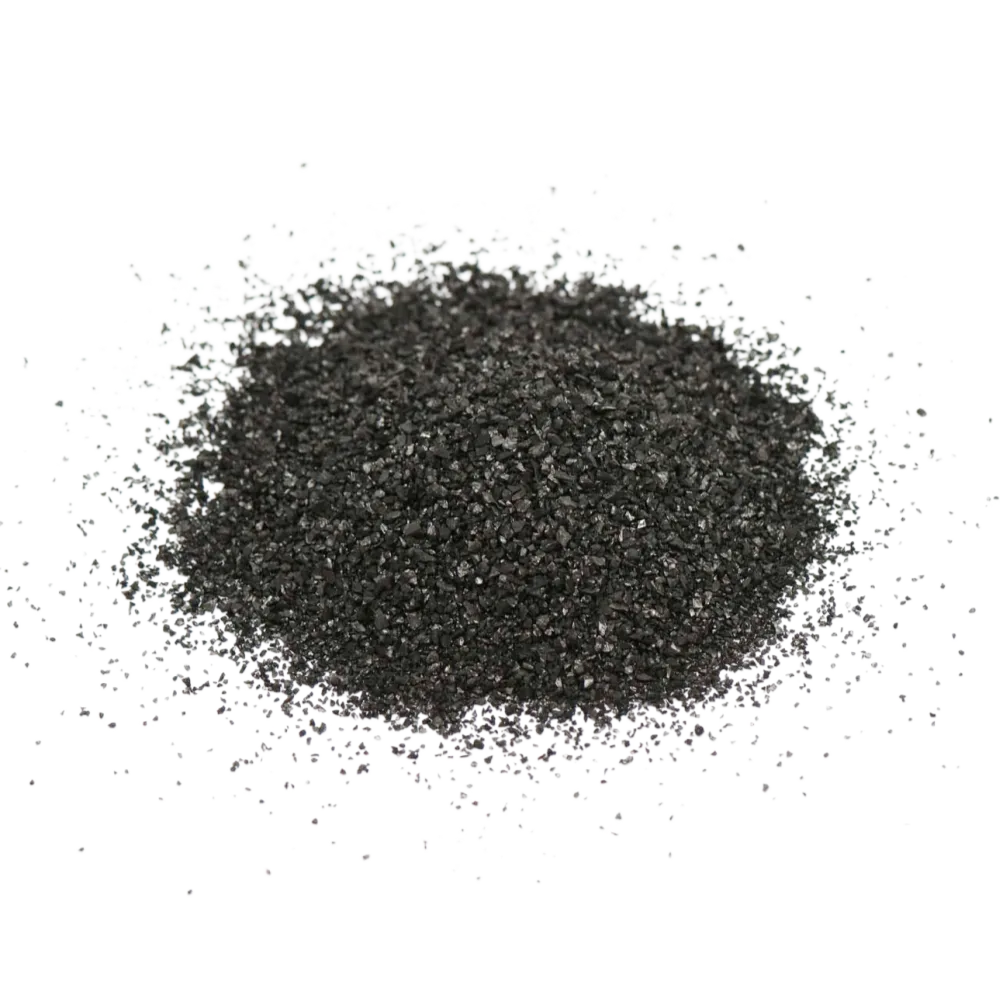
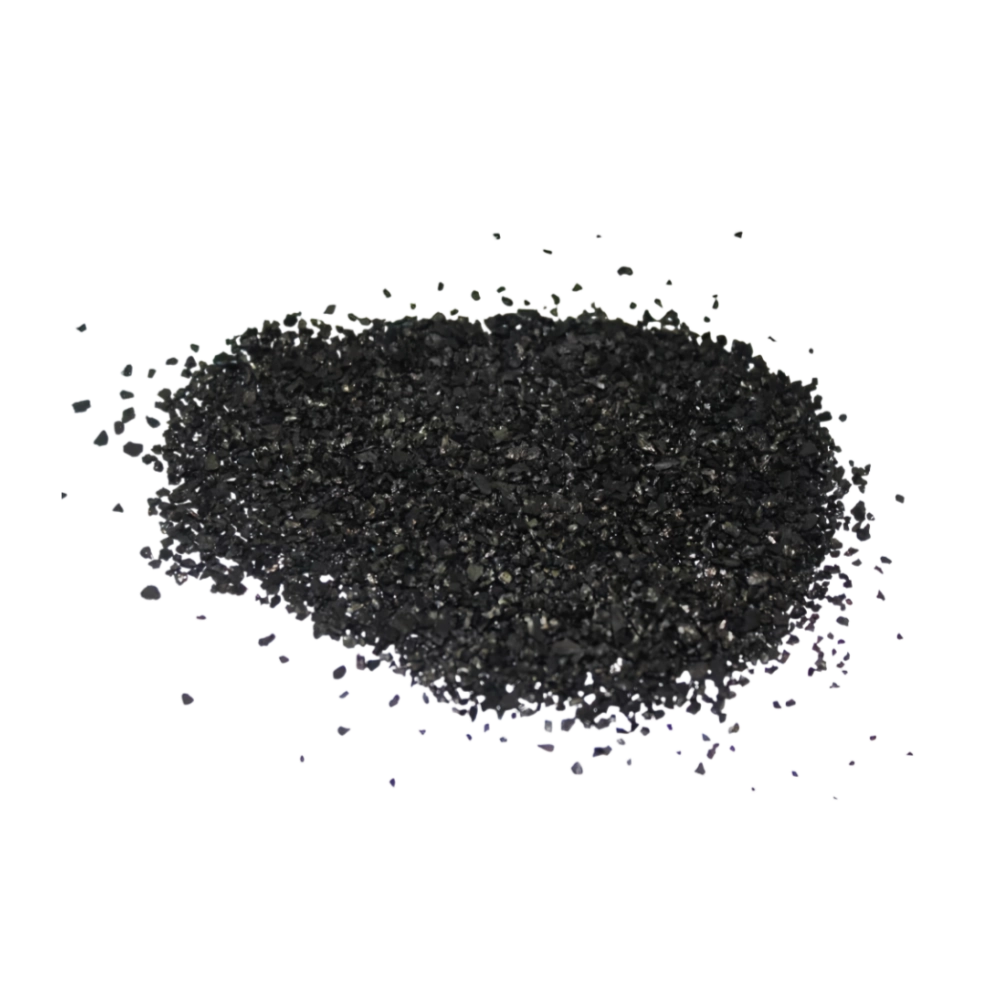
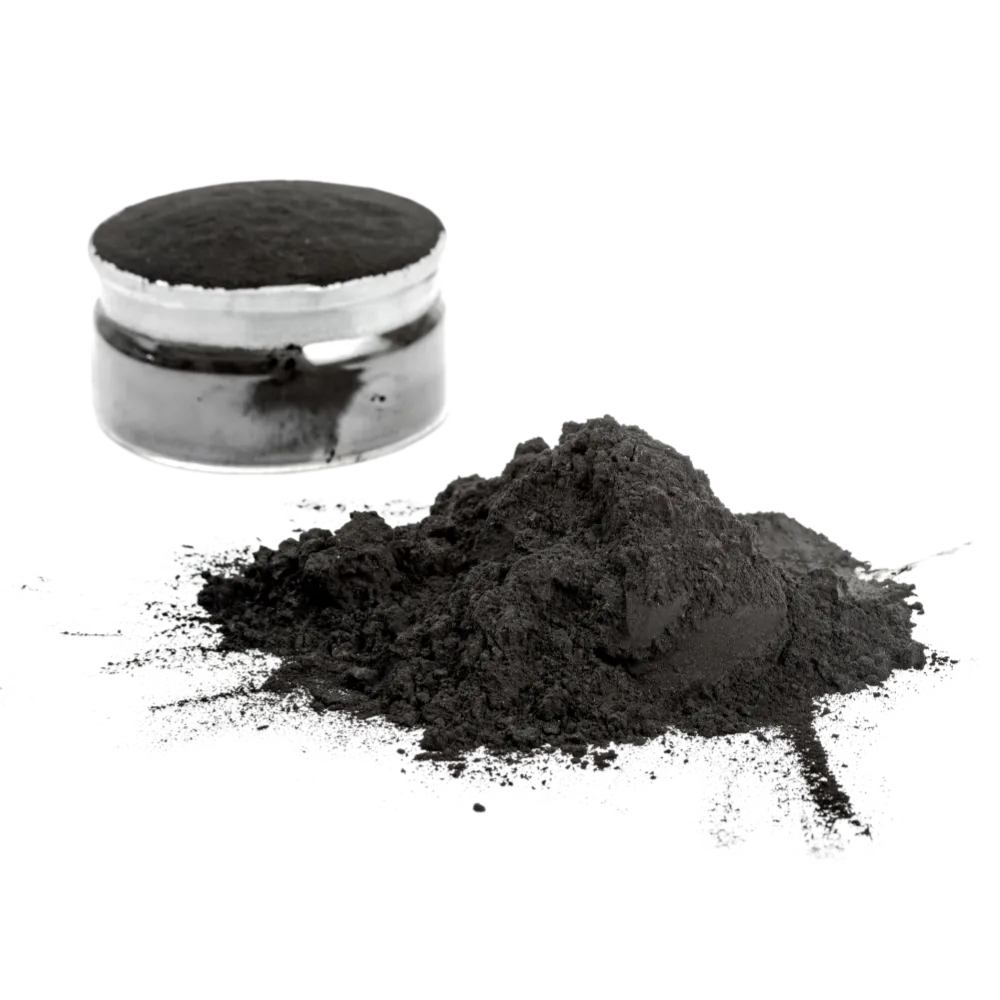
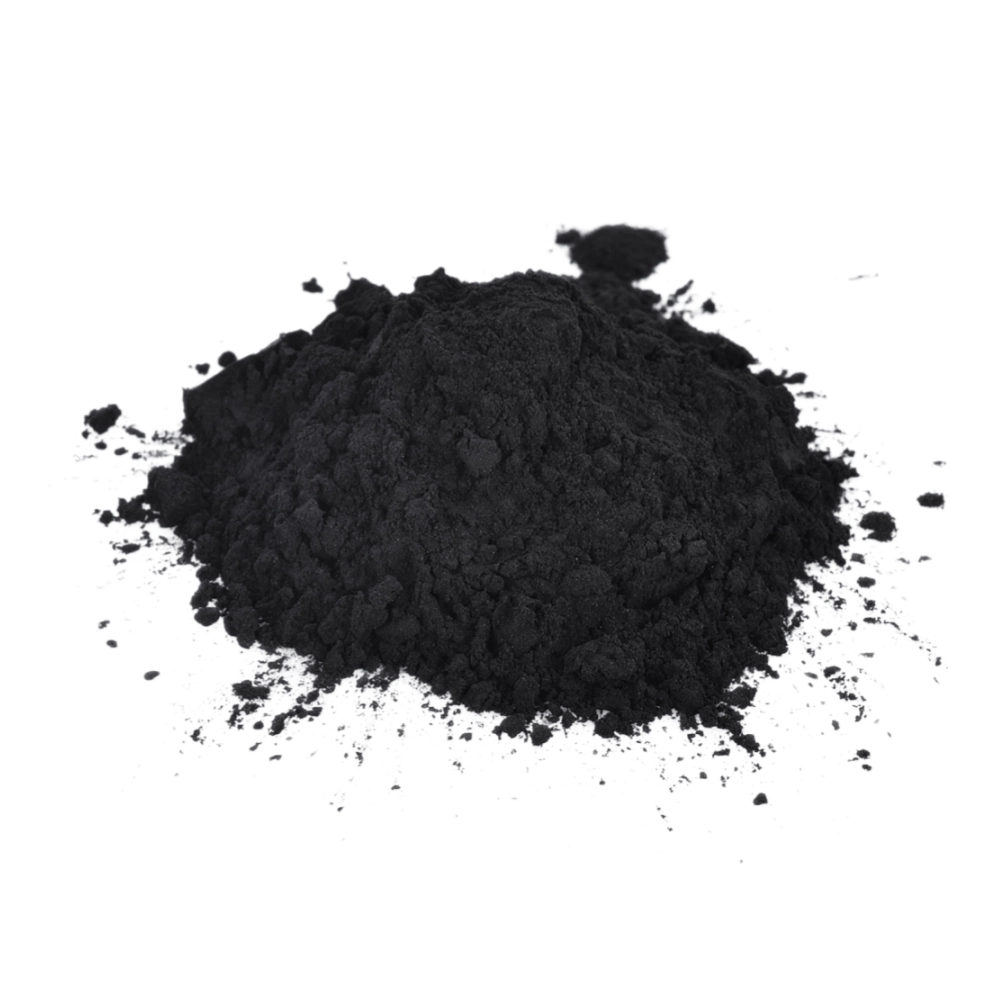
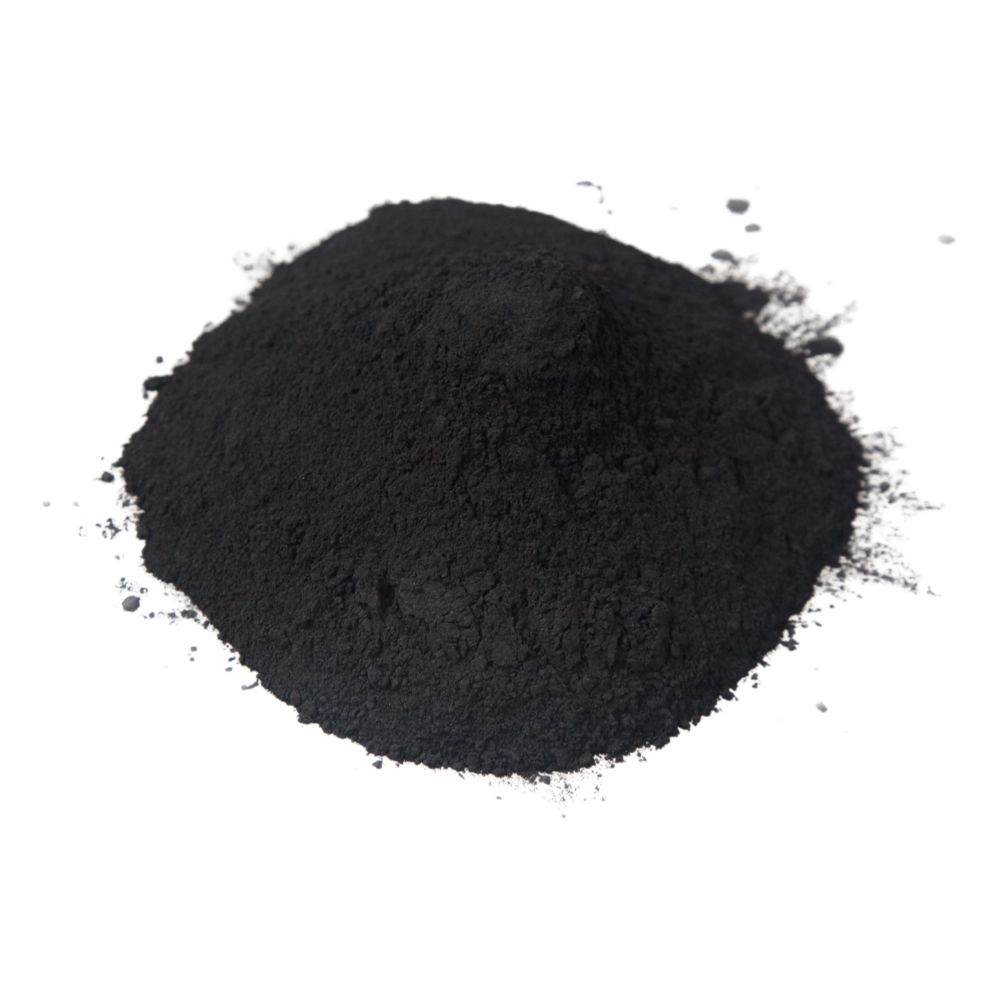
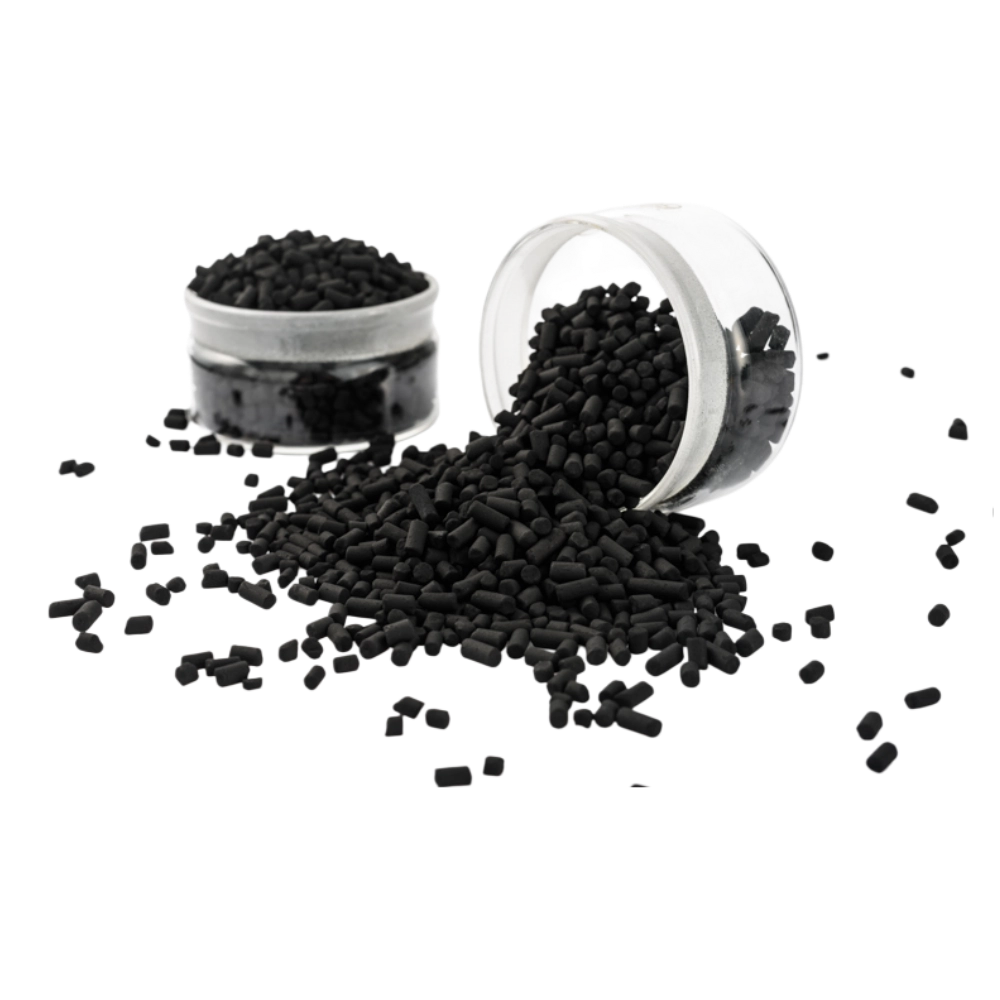
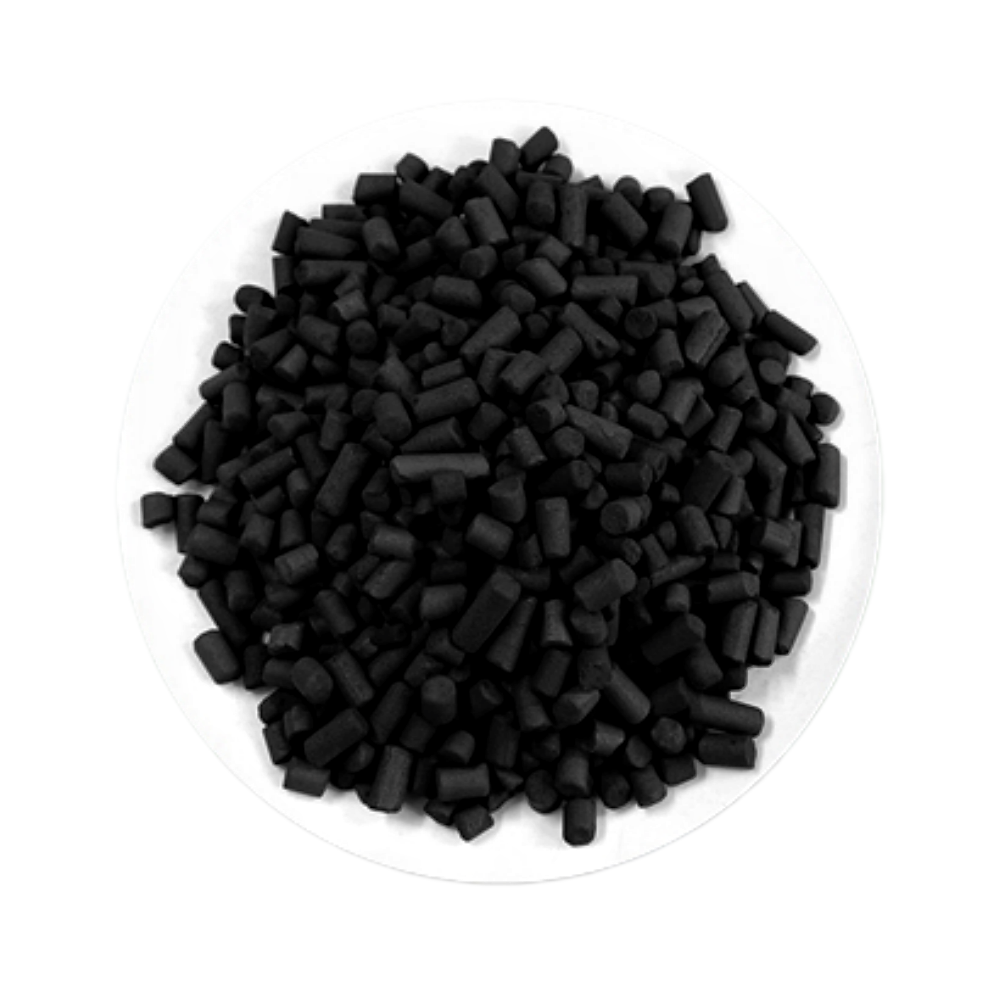
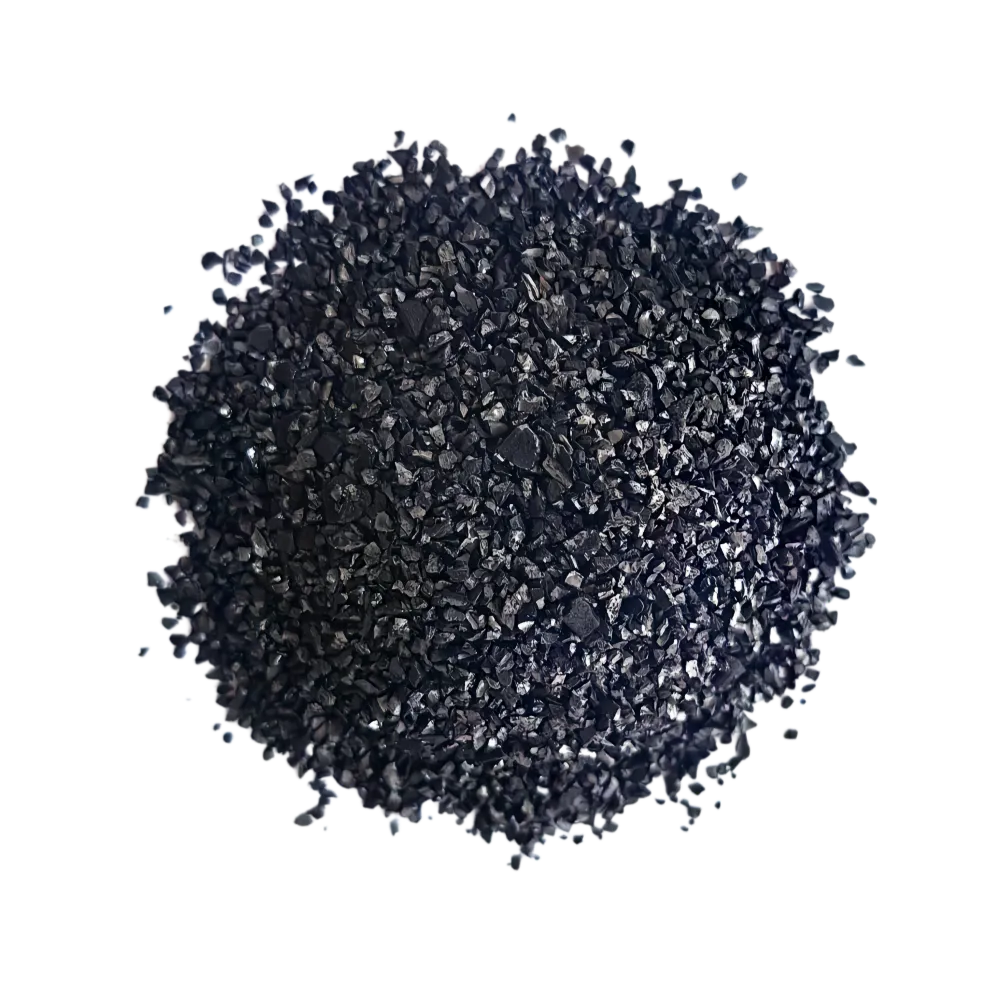
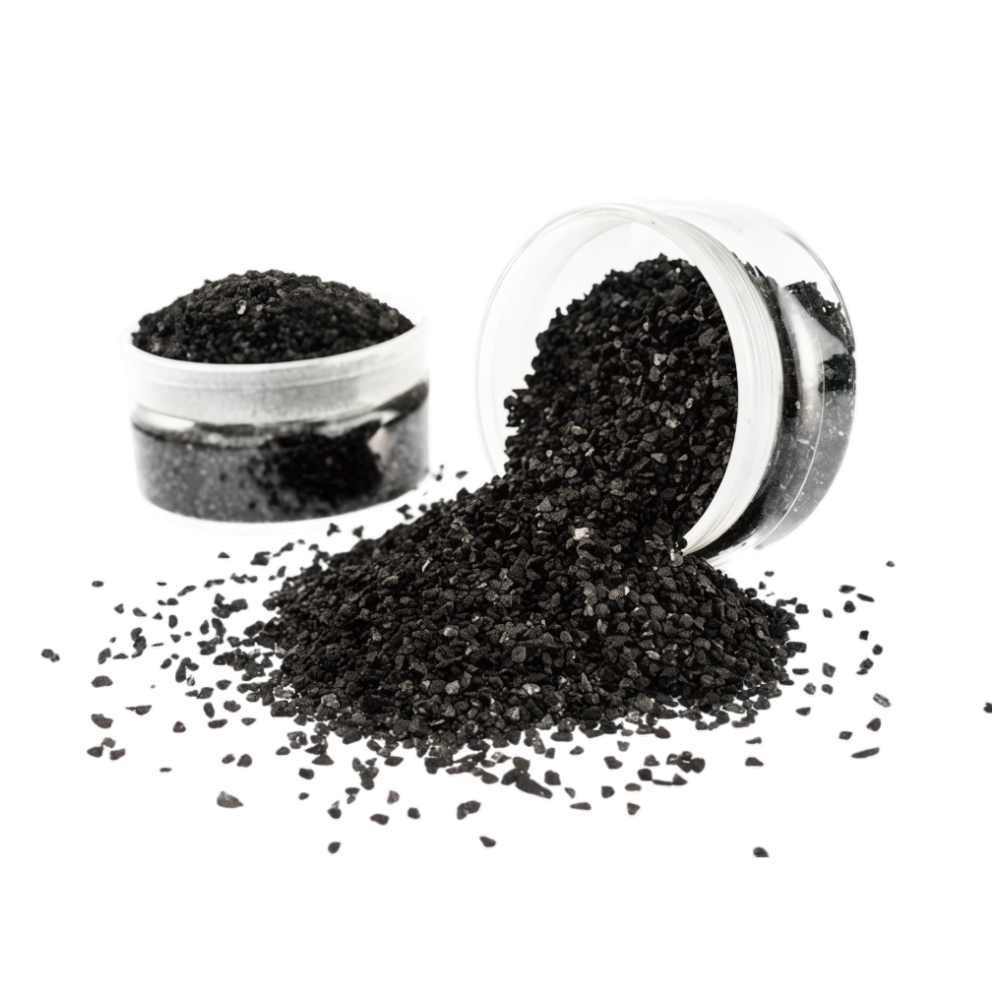
Activated Carbon for Food-Grade Pure Water Production
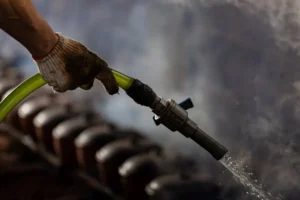
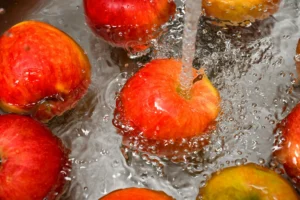
Food-grade pure water carbon is the invisible utility behind every safe food and beverage operation. From clean-in-place (CIP) systems to ingredient water, from boiler makeup to final rinse, the water must be free of chlorine, organics, and taste-and-odor compounds that could contaminate product or damage equipment. Yet it must also meet food-contact safety standards that go far beyond conventional industrial water treatment.
The Challenge & PureStar Approach
The Core Challenge: Dual compliance: process performance plus food safety.
A carbon that removes organics effectively but leaches ash, sulfur, or acid residues fails the food-grade test. A carbon that is food-safe but lacks the adsorption capacity for high-purity requirements fails the process test. Both failures are costly: product recalls on one hand, equipment fouling and rework on the other.
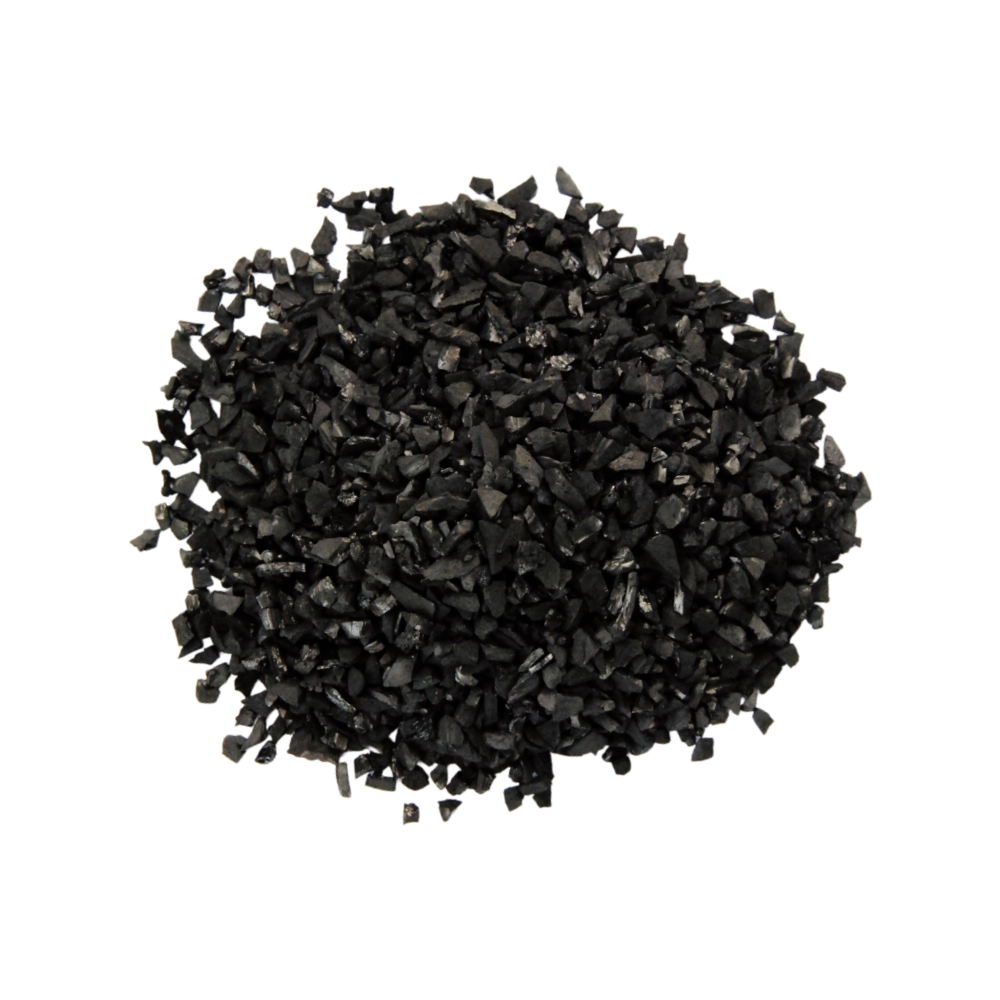
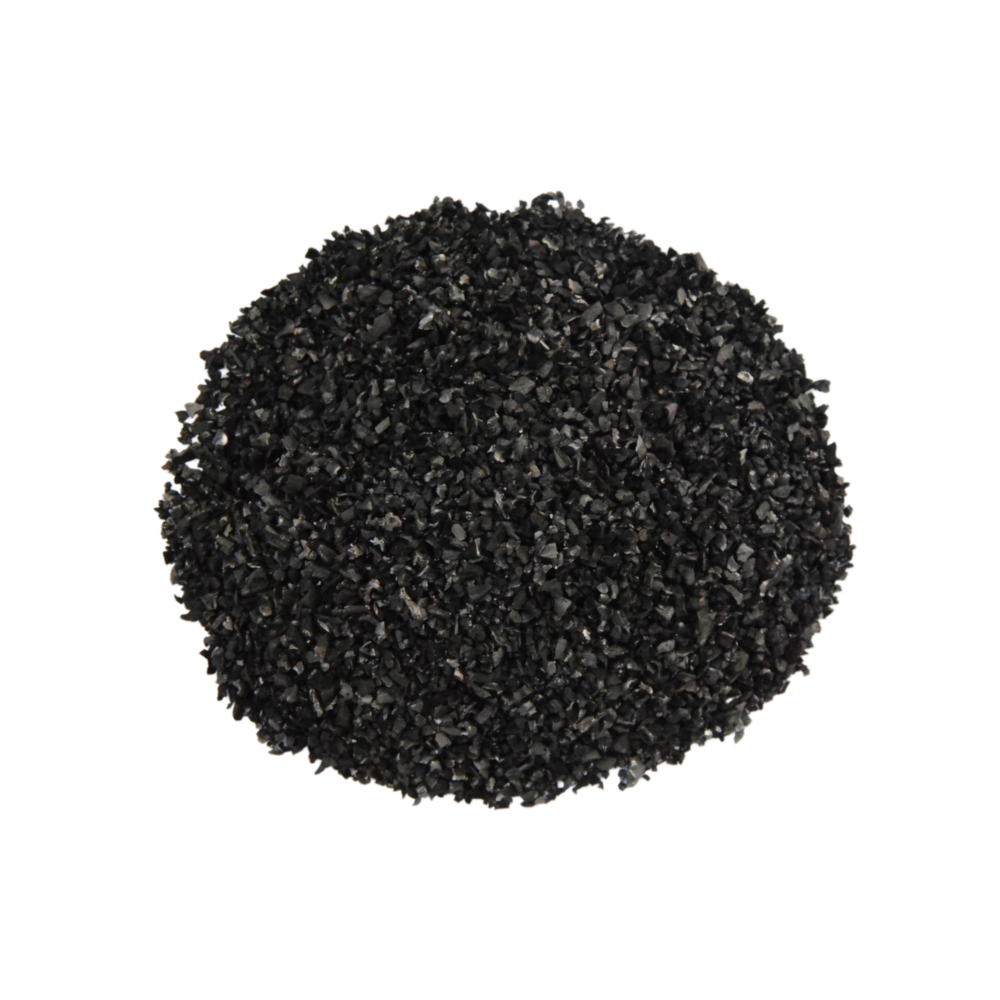
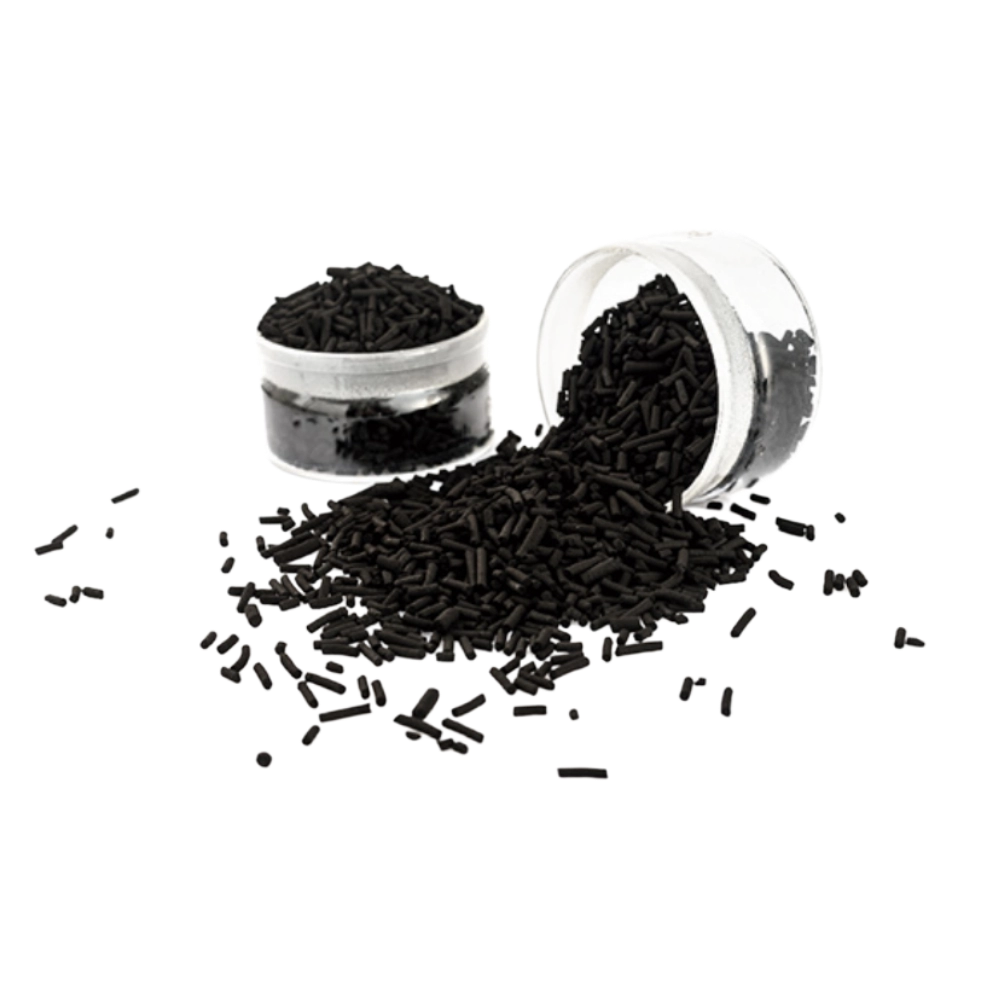
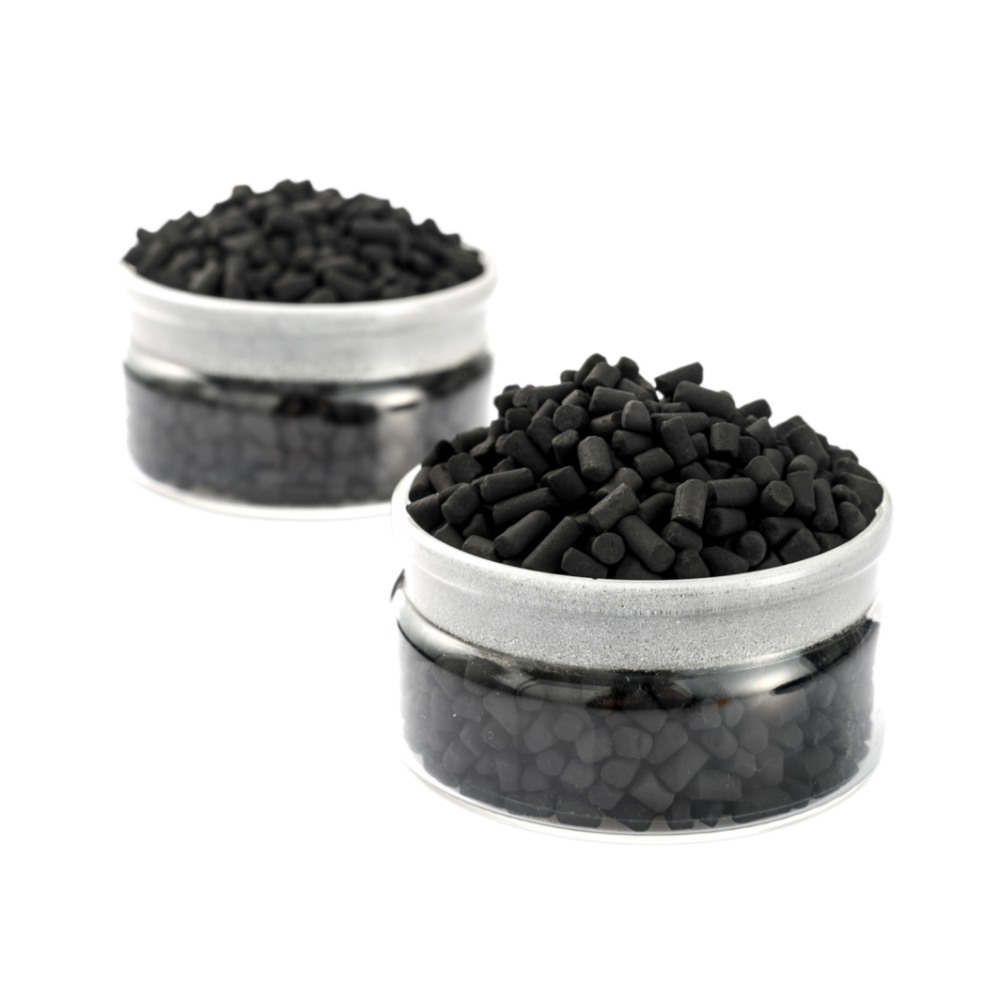
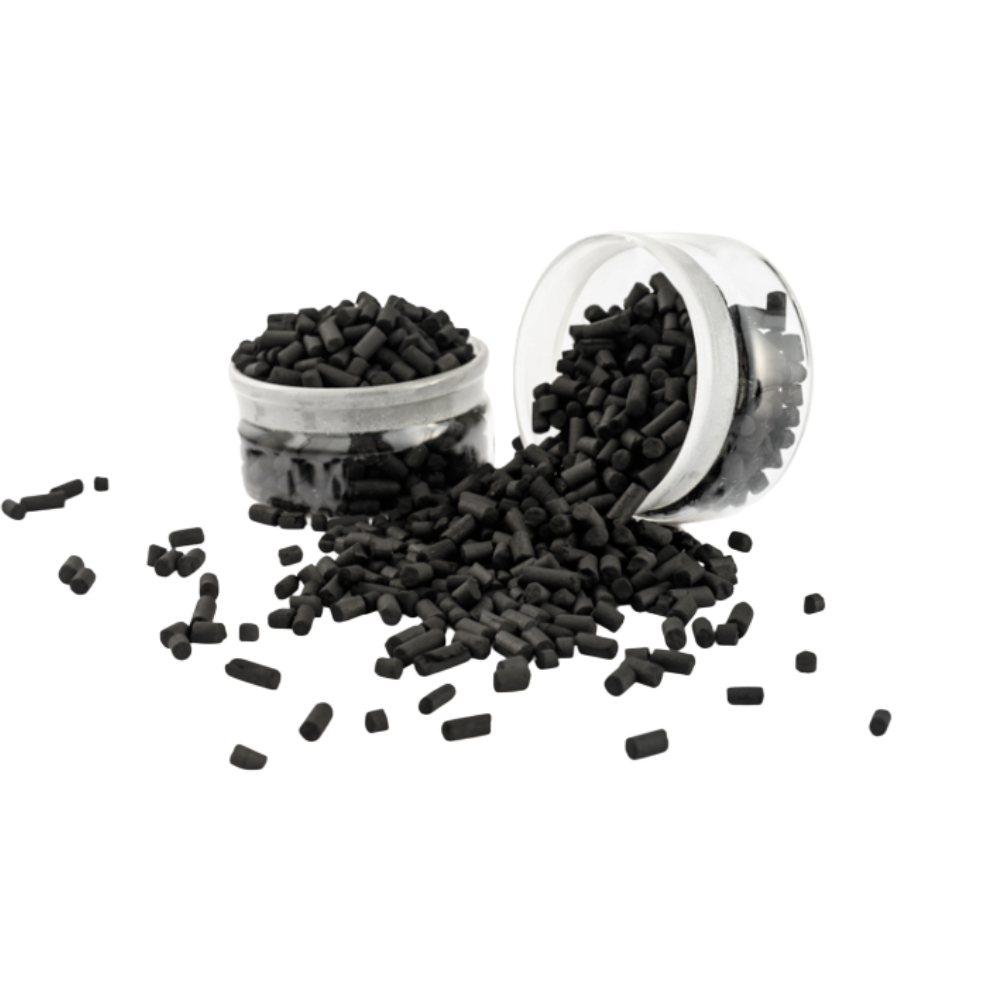
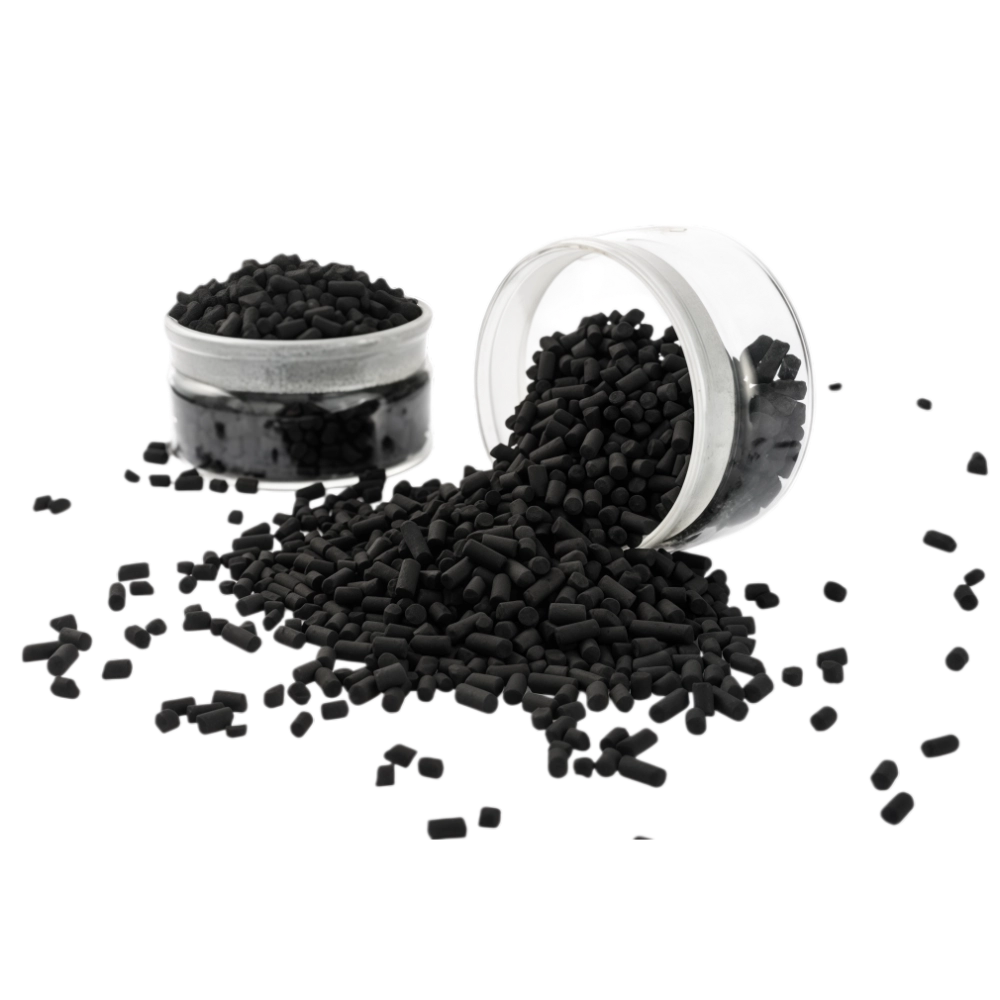
PureStar's food-grade pure water grades are manufactured under food safety management systems with full batch traceability. Our granular activated carbon is tested and certified to NSF/ANSI/CAN 61 for drinking water system components, with annual monitoring showing non-detect results for lead, arsenic, mercury and regulated organic compounds—eliminating the secondary validation burden for beverage and food processors.Low-extractable formulations ensure that the carbon itself does not become a contamination source in CIP loops or ingredient water systems.
FAQ
Q: What makes activated carbon "food-grade"?
A: Food-grade activated carbon is defined less by what it adsorbs and more by what it does not release. Low ash content, near-zero acid and sulfur extractables, controlled pH, and production under food safety management systems separate food grade pure water carbon from standard industrial grades. Certification to NSF/ANSI/CAN 61 and batch-level traceability complete the picture.
Q: Can activated carbon affect the taste of beverage water?
A: It works both ways. Quality carbon removes the chlorine and organic compounds that cause off-tastes in ingredient water. But a poorly washed or high-ash carbon can do the opposite—leaching minerals or residues that create new taste defects. This is why low-extractable, acid-washed grades matter more in beverage lines than in any other water application.
Q: Is food-grade pure water the same as drinking water treatment?
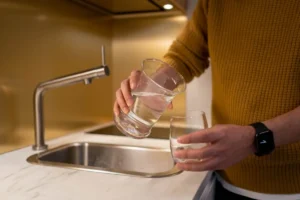
A: No. Drinking water must be safe at the tap; food-grade pure water must also be chemically neutral as a production input. It flows through CIP loops, boilers and product contact surfaces, so any impurity the carbon introduces is amplified across thousands of production units—not just one glass of water.