


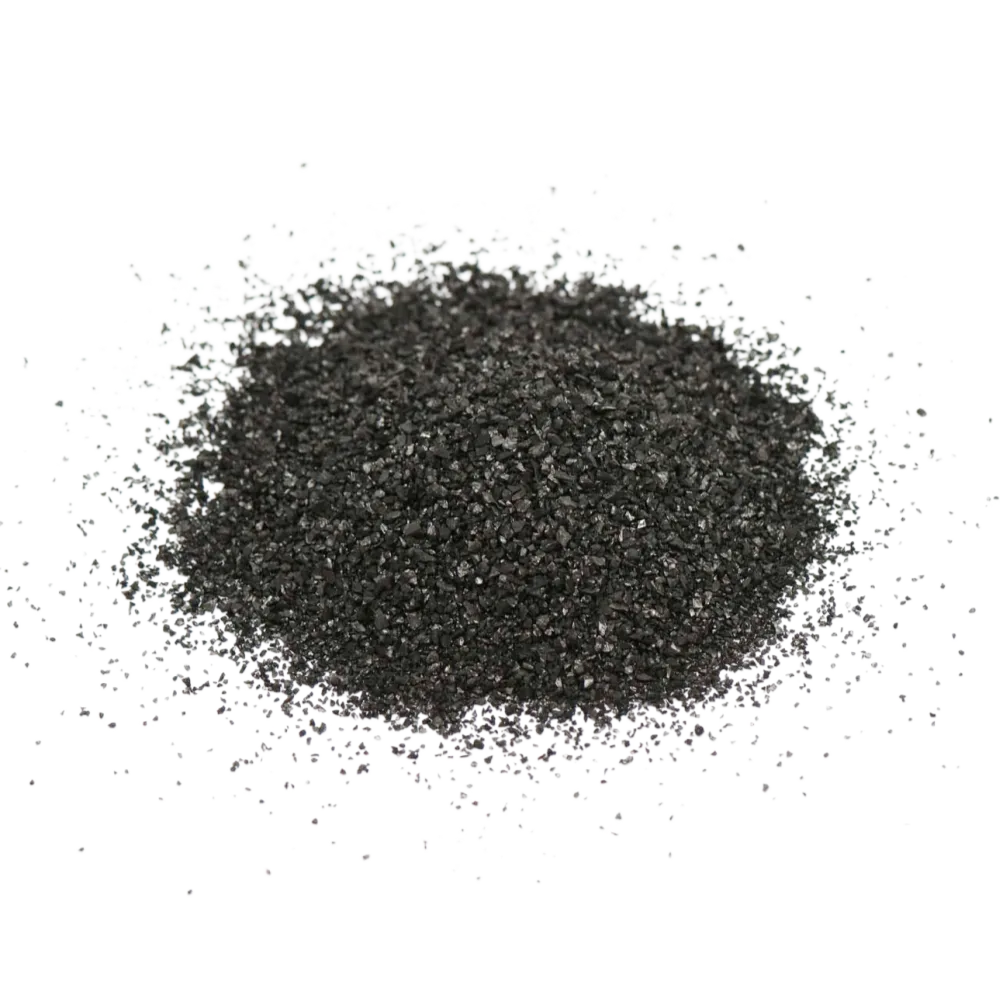
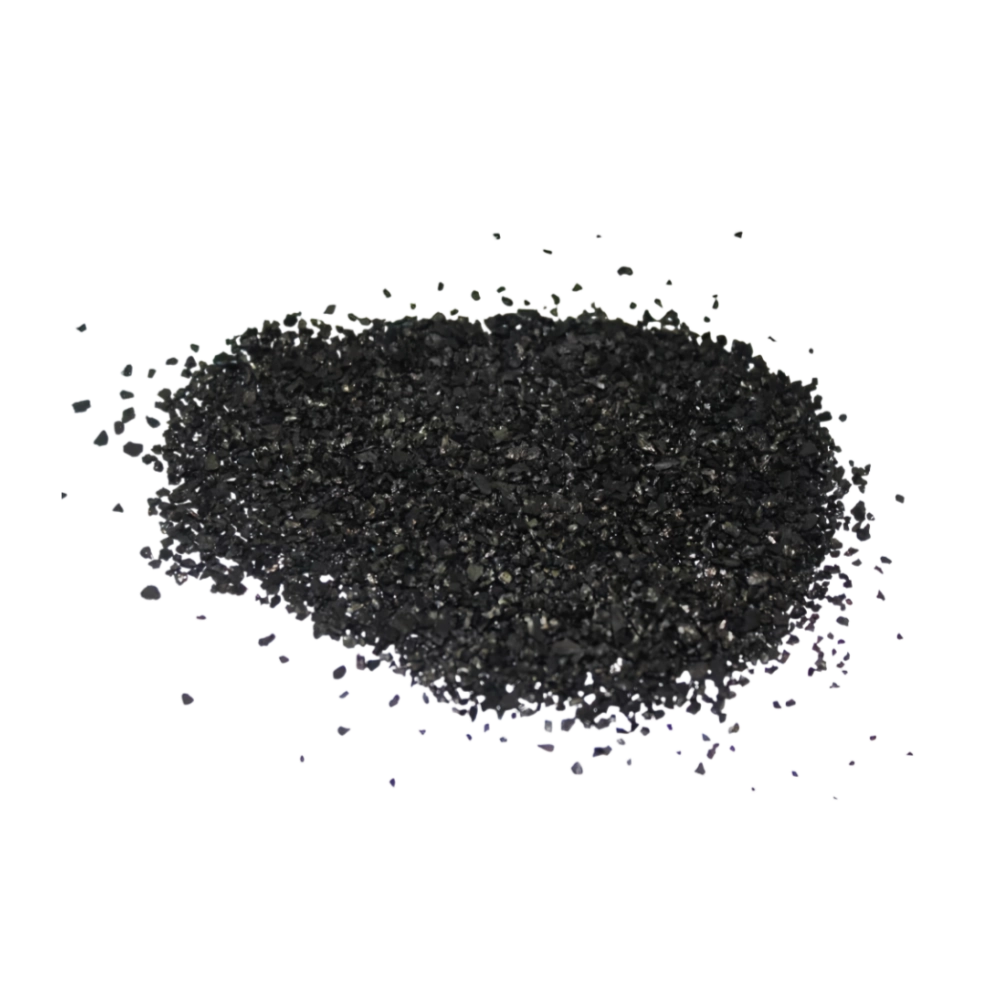
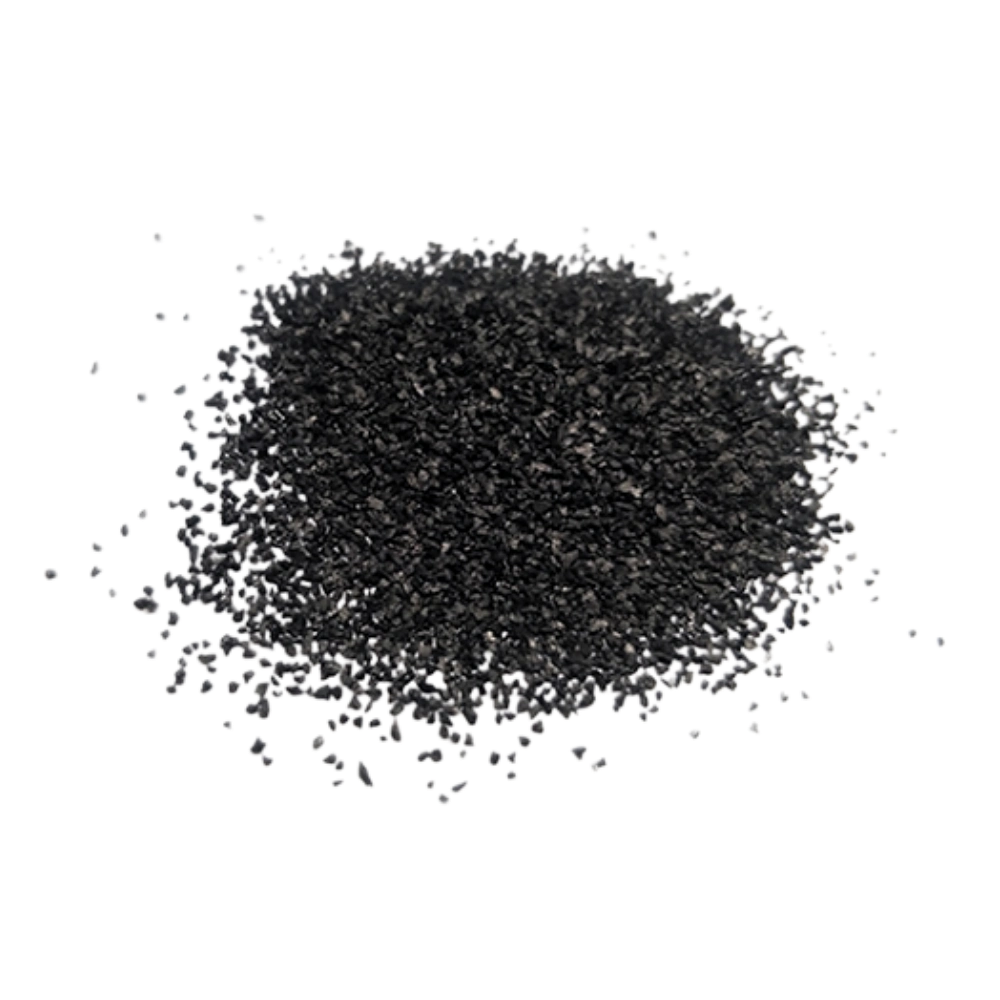
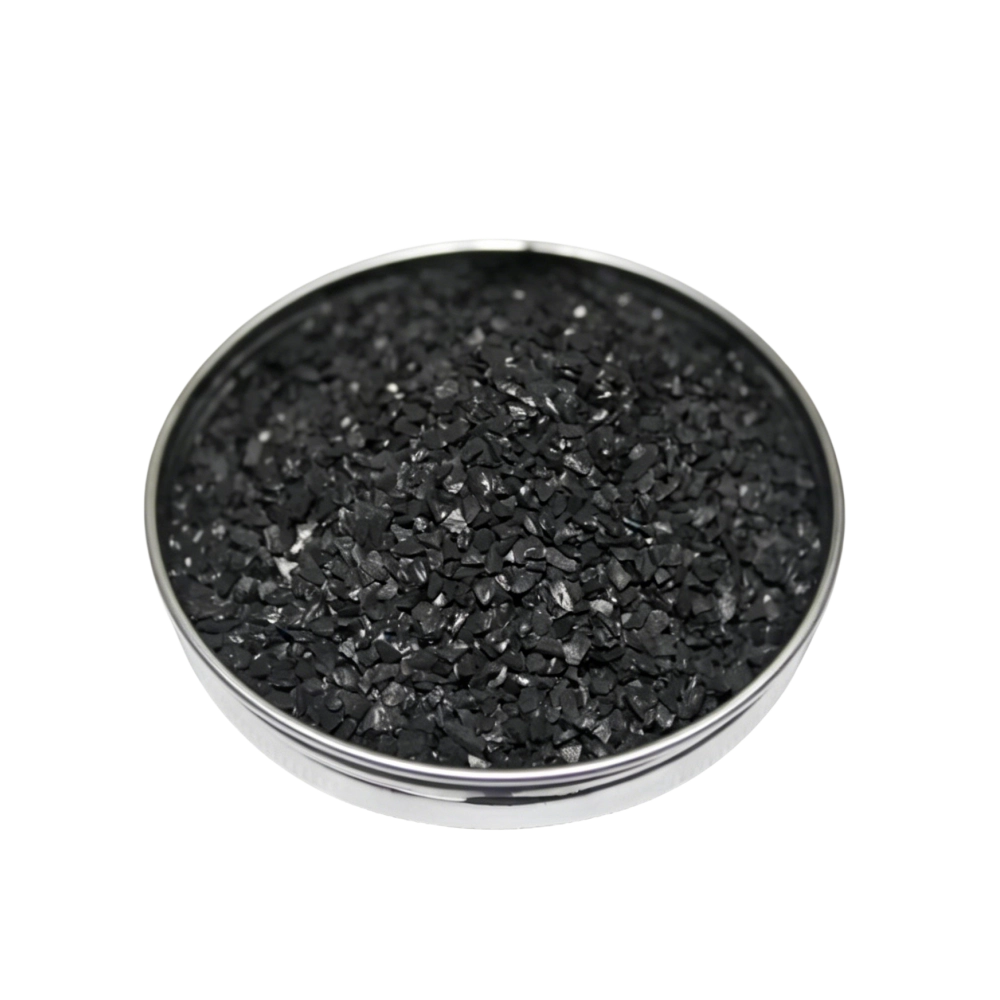











Activated carbon is one of the most widely used adsorption media in water treatment. It can help remove chlorine, taste, odor, color, organic compounds, trace contaminants and many other unwanted substances from water. However, when buyers start selecting activated carbon, one of the most common questions is: should we use powdered activated carbon or granular activated carbon?
Powdered activated carbon, often called PAC, and granular activated carbon, often called GAC, are both effective adsorption materials. But they are used in different ways, and they are not always interchangeable. Choosing the wrong form may lead to poor treatment efficiency, high operating cost, difficult filtration, excessive pressure drop or frequent media replacement.
What Is Powdered Activated Carbon?
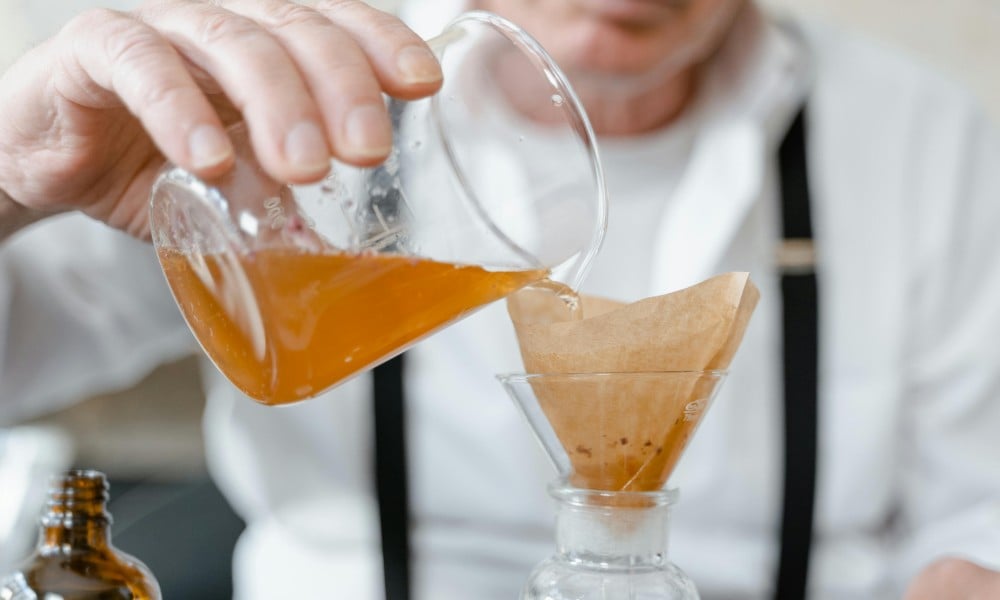
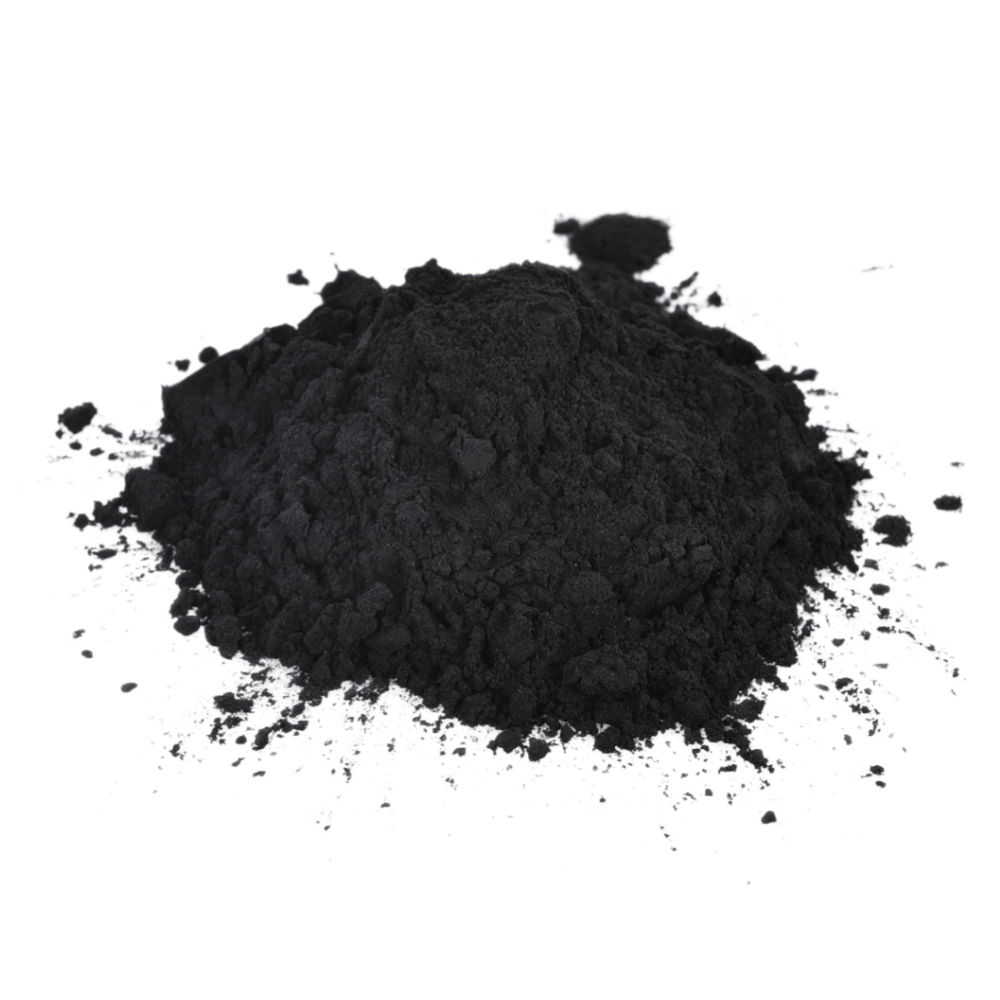
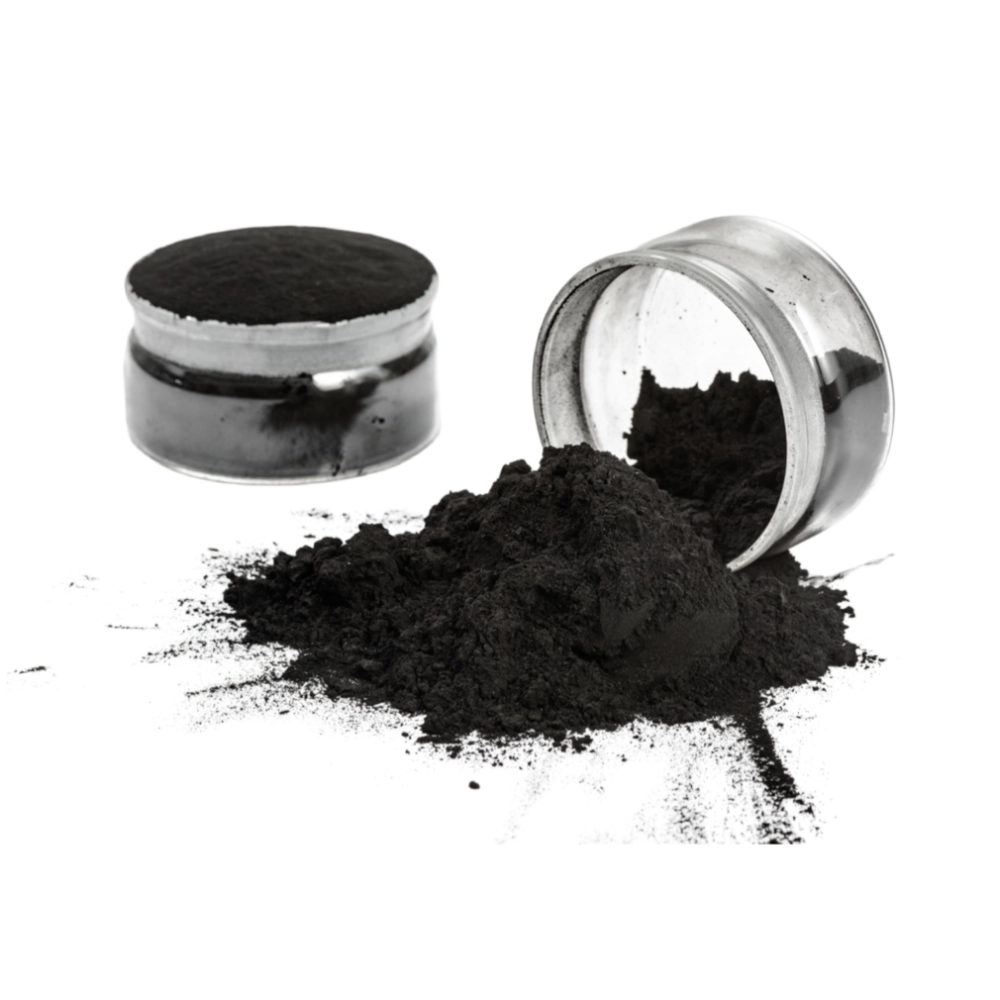
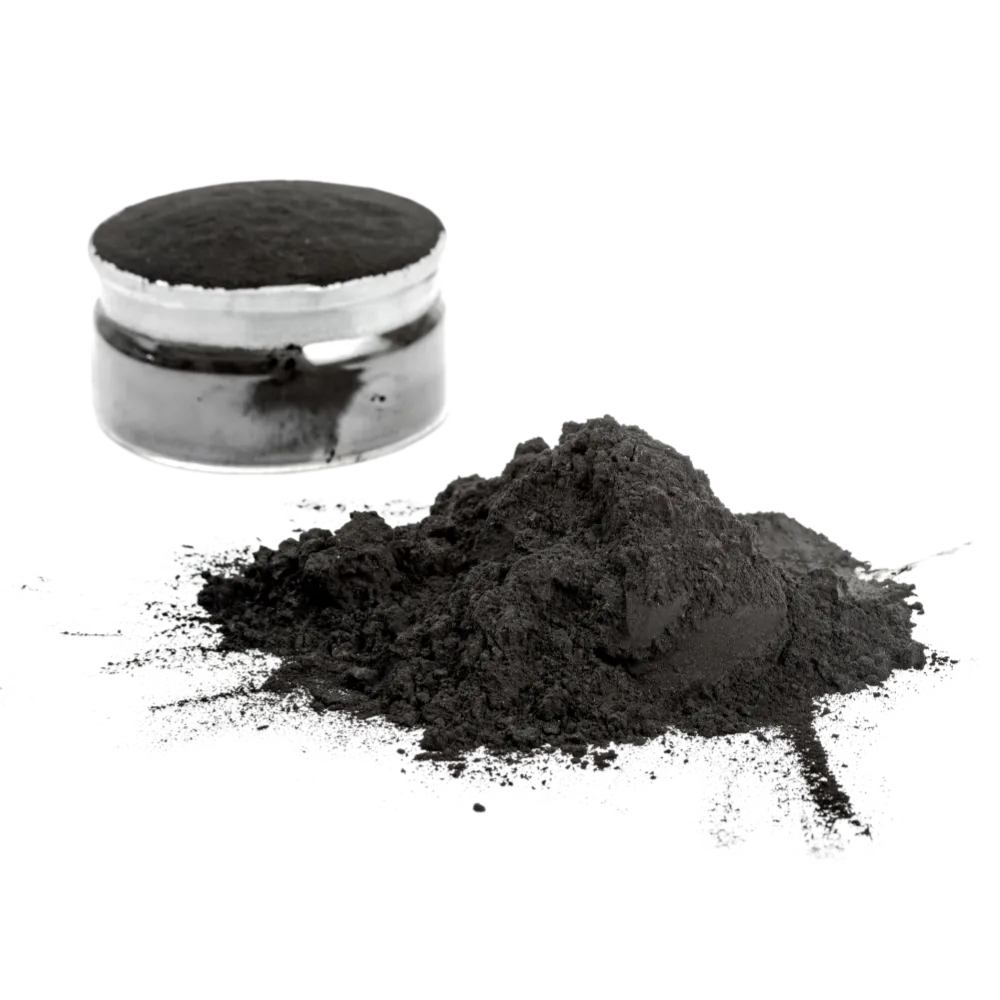
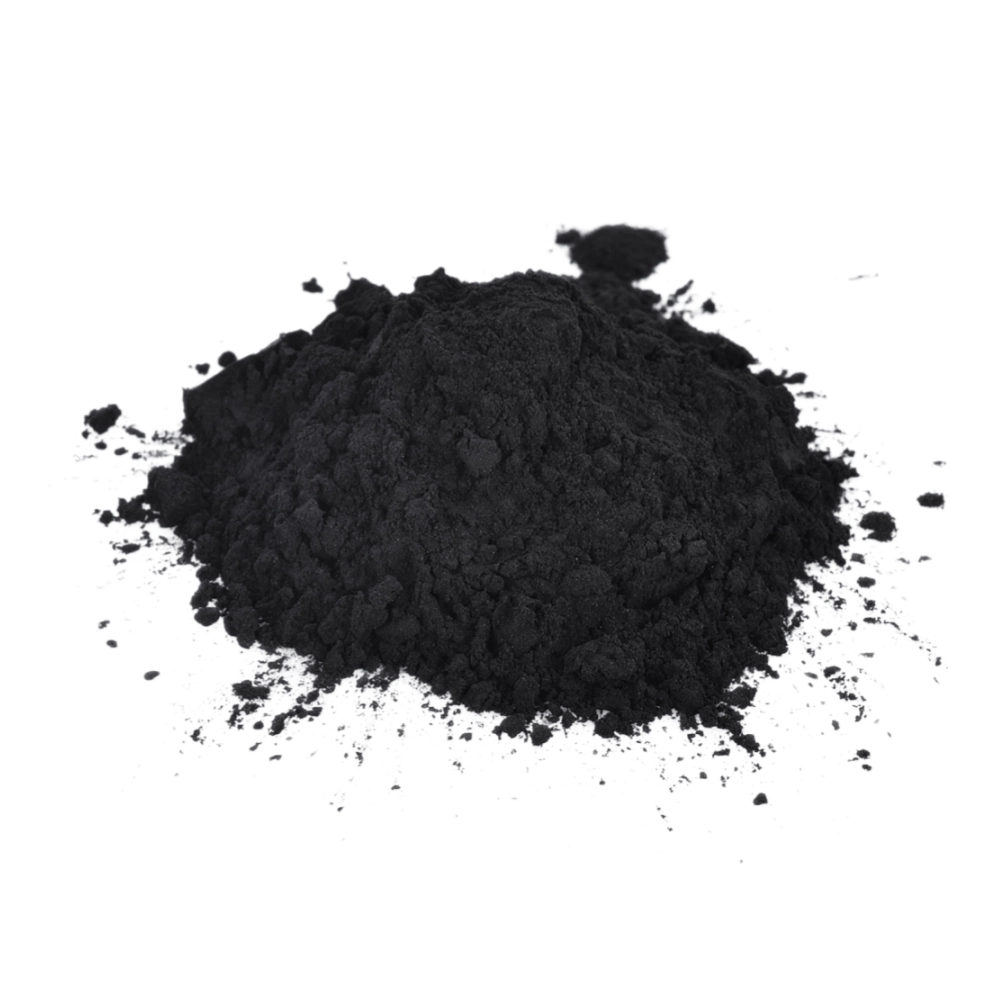
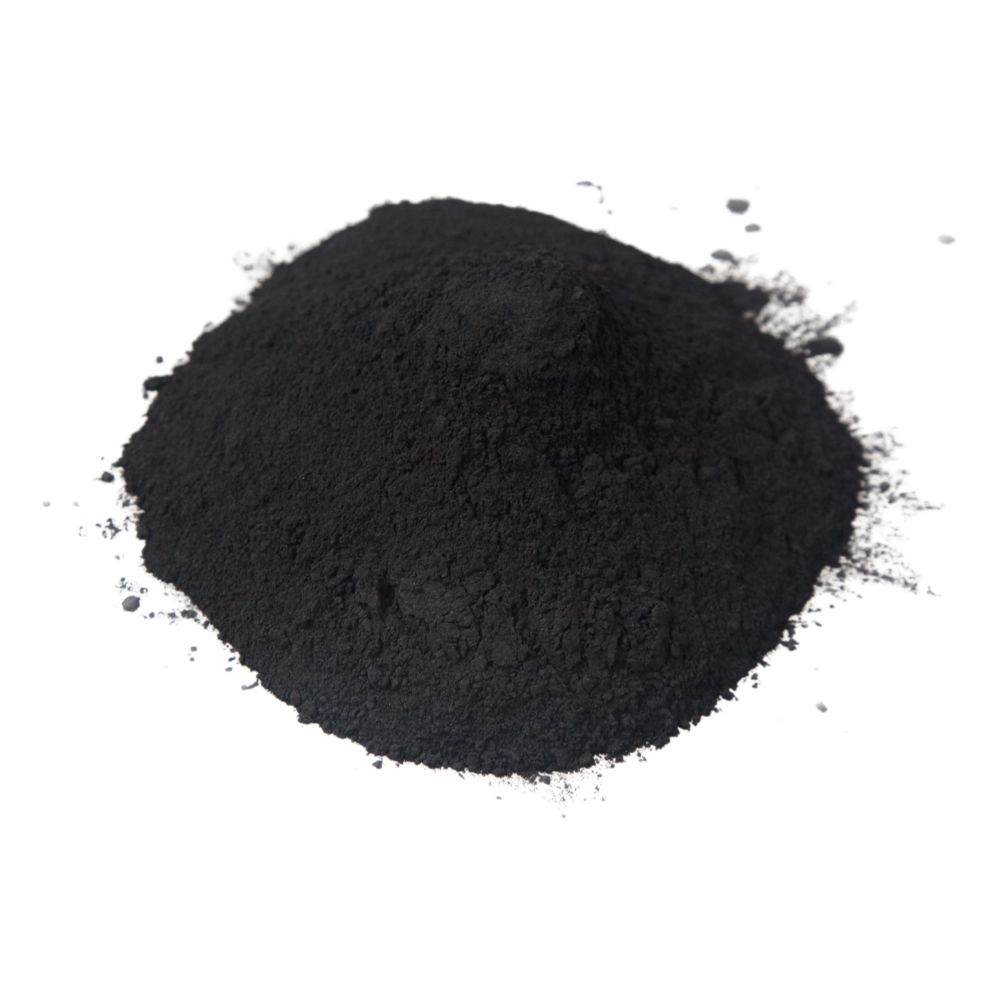
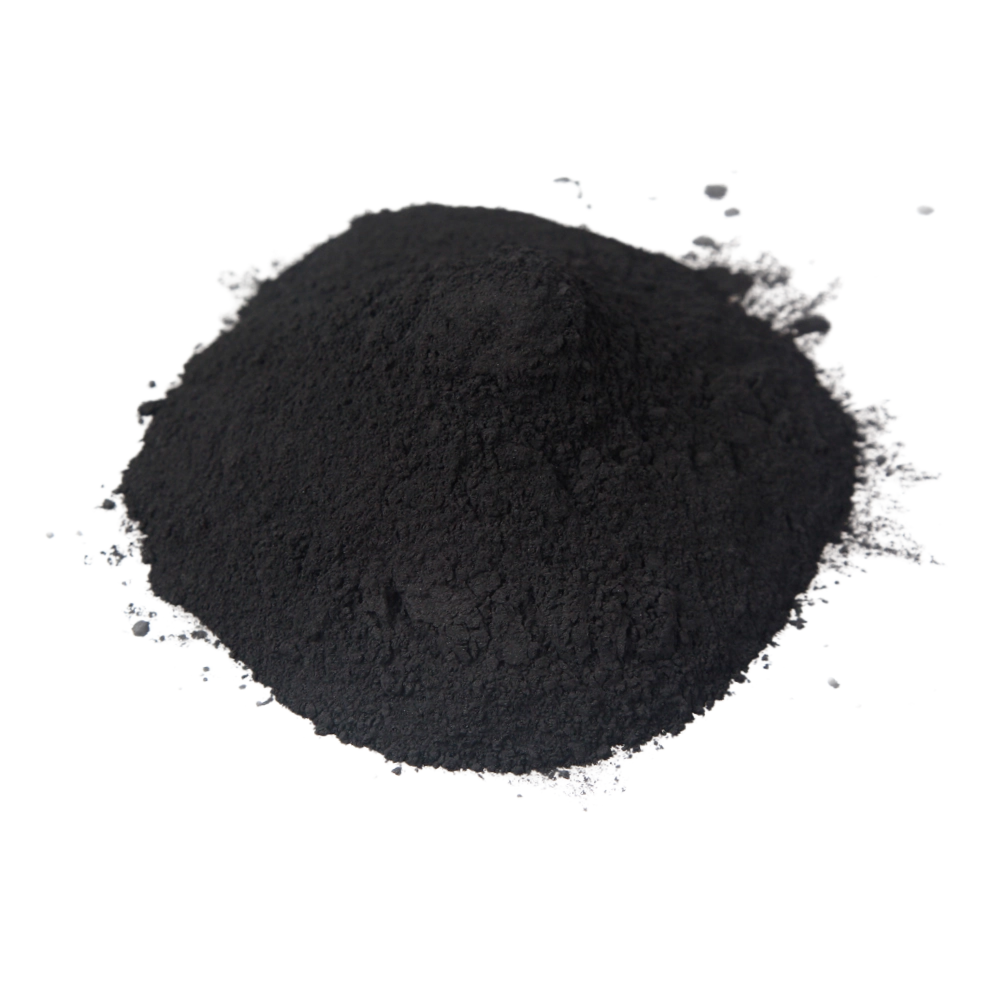
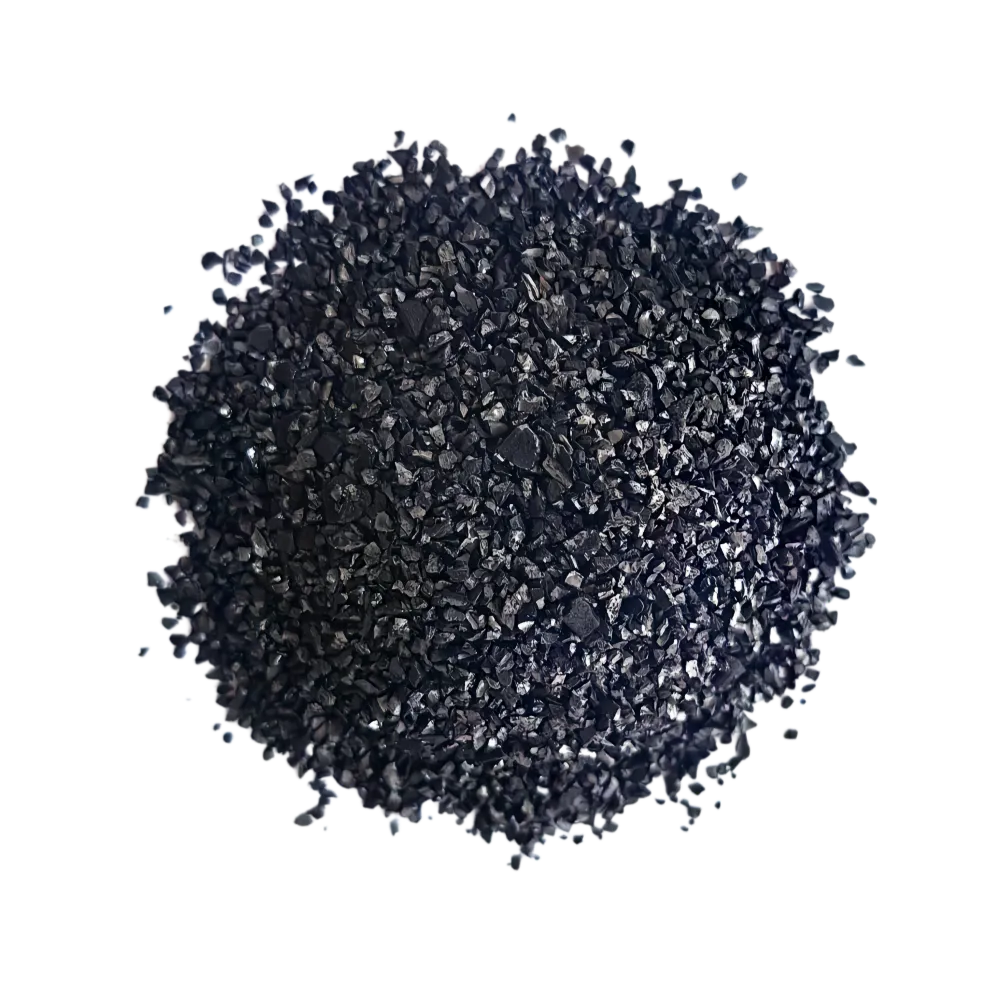
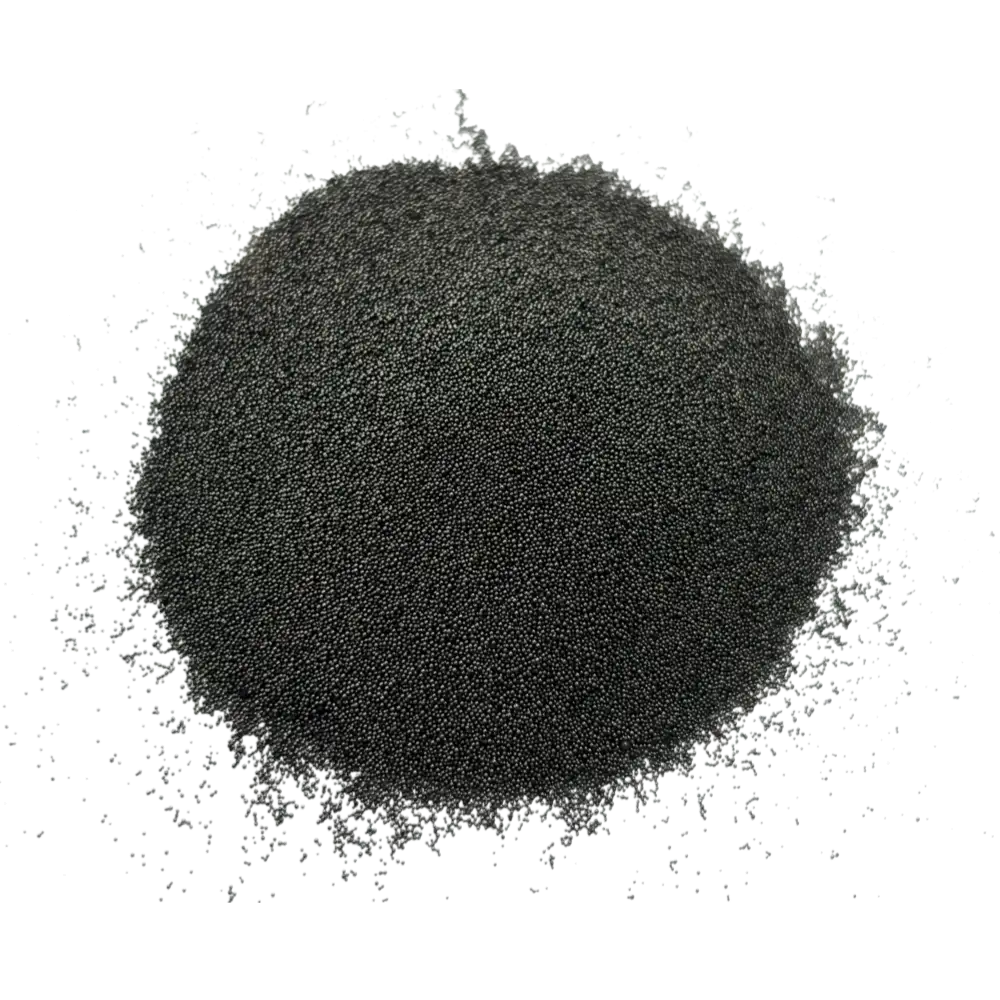
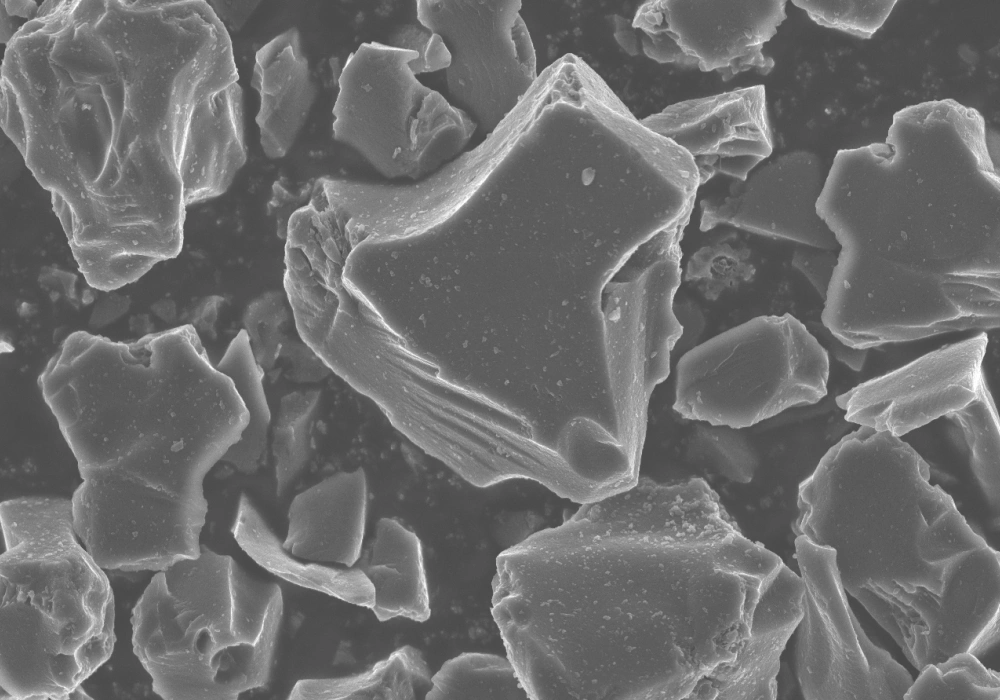
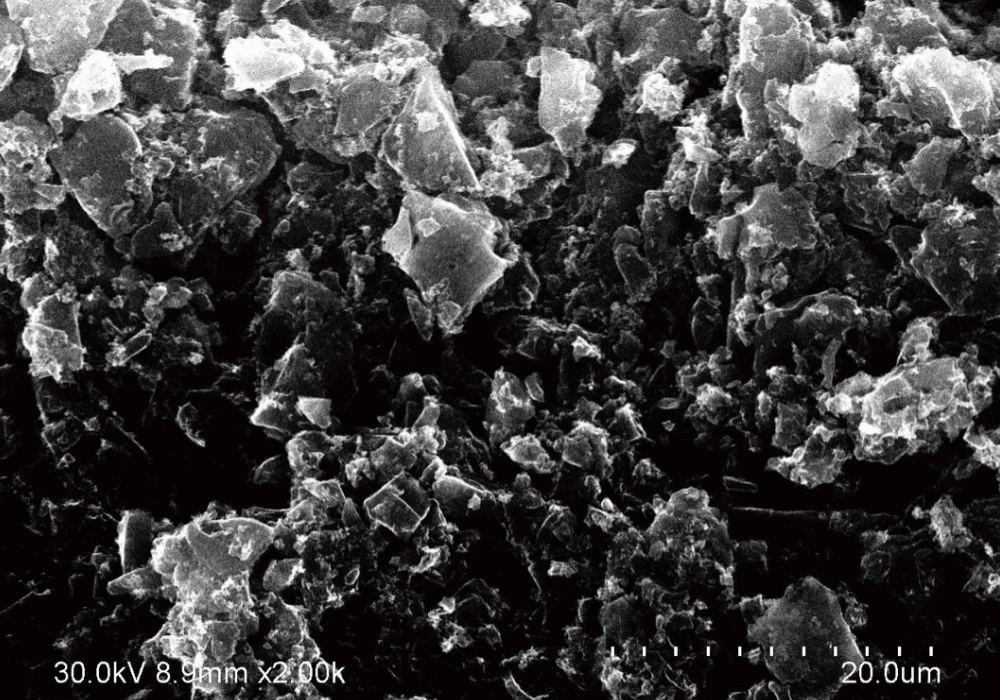
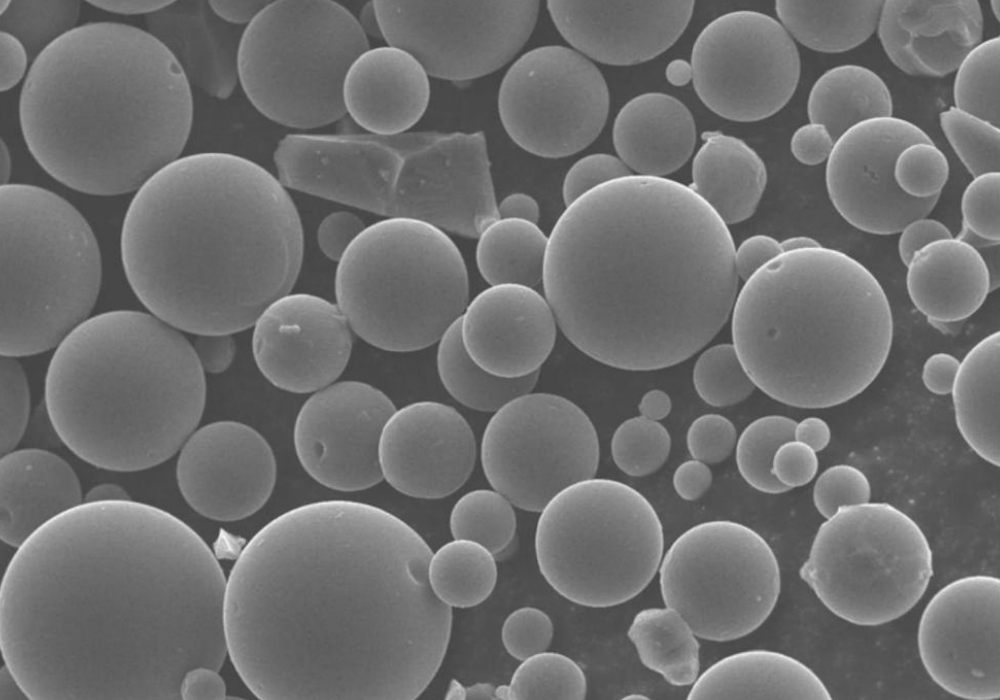
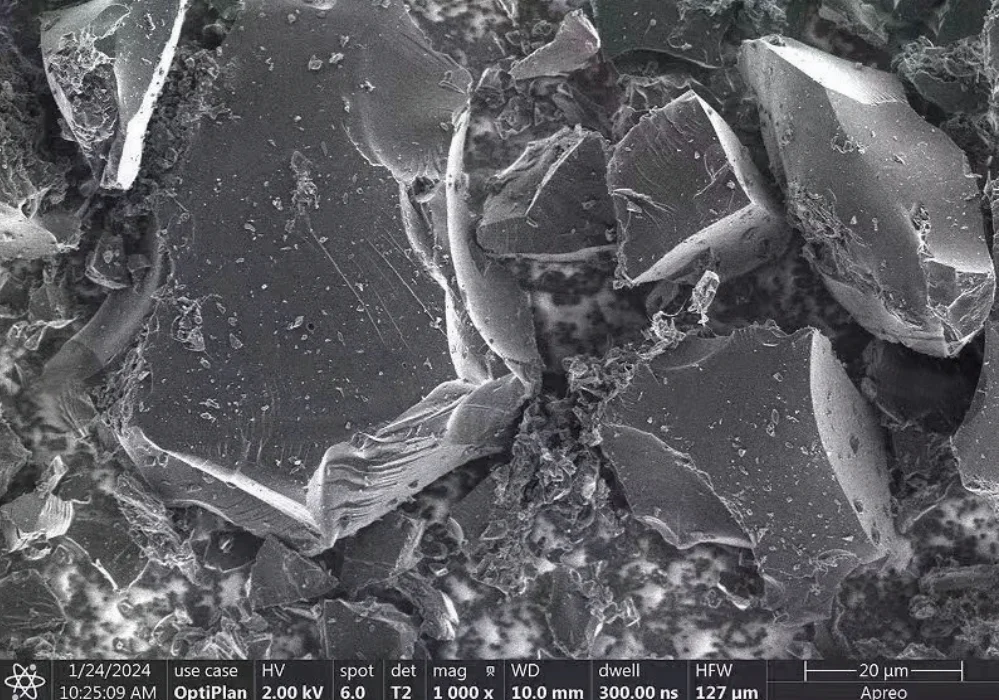
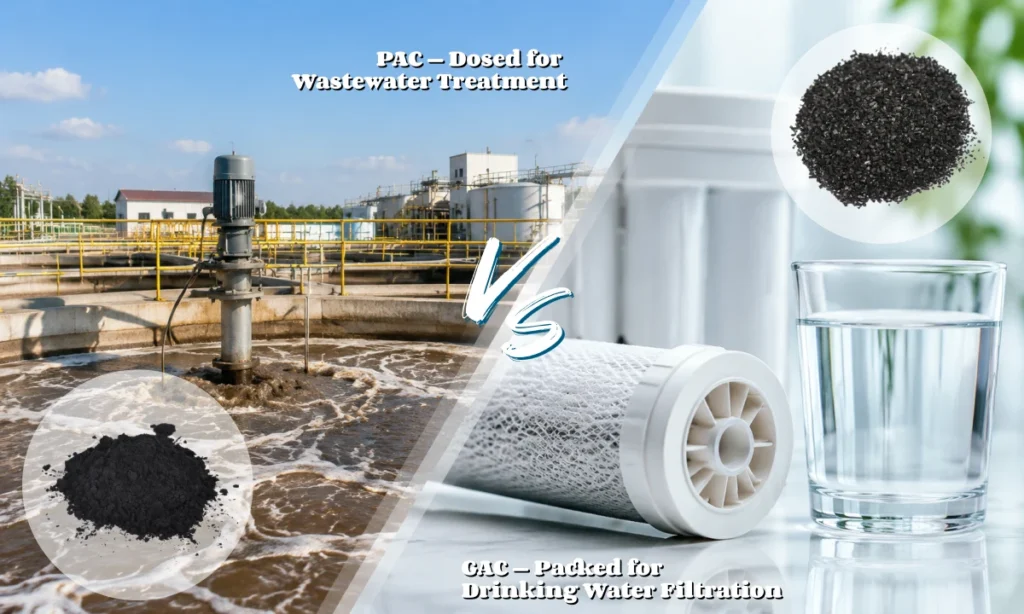
Powdered activated carbon is a fine activated carbon powder with a very small particle size. Because of its fine structure, it can disperse quickly in water and contact contaminants rapidly. PAC is usually added directly into water as a dosing material and then removed later through sedimentation, filtration, membrane separation or other solid-liquid separation processes.
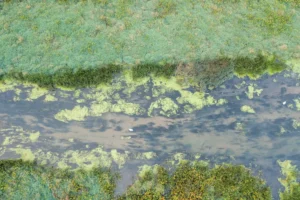
PAC is commonly used when fast adsorption is required. It is especially useful for temporary, seasonal or emergency water quality problems. For example, municipal water plants may use powdered activated carbon during algae bloom seasons to control taste and odor. Industrial plants may use PAC when incoming water quality changes suddenly or when wastewater contains shock loads of organic contaminants.
For applications that require fast adsorption in the water column, PAC-Q0 Powdered Activated Carbon for Water Treatment is designed for emergency water treatment, taste and odor control, algae bloom response and rapid contaminant adsorption.
What Is Granular Activated Carbon?
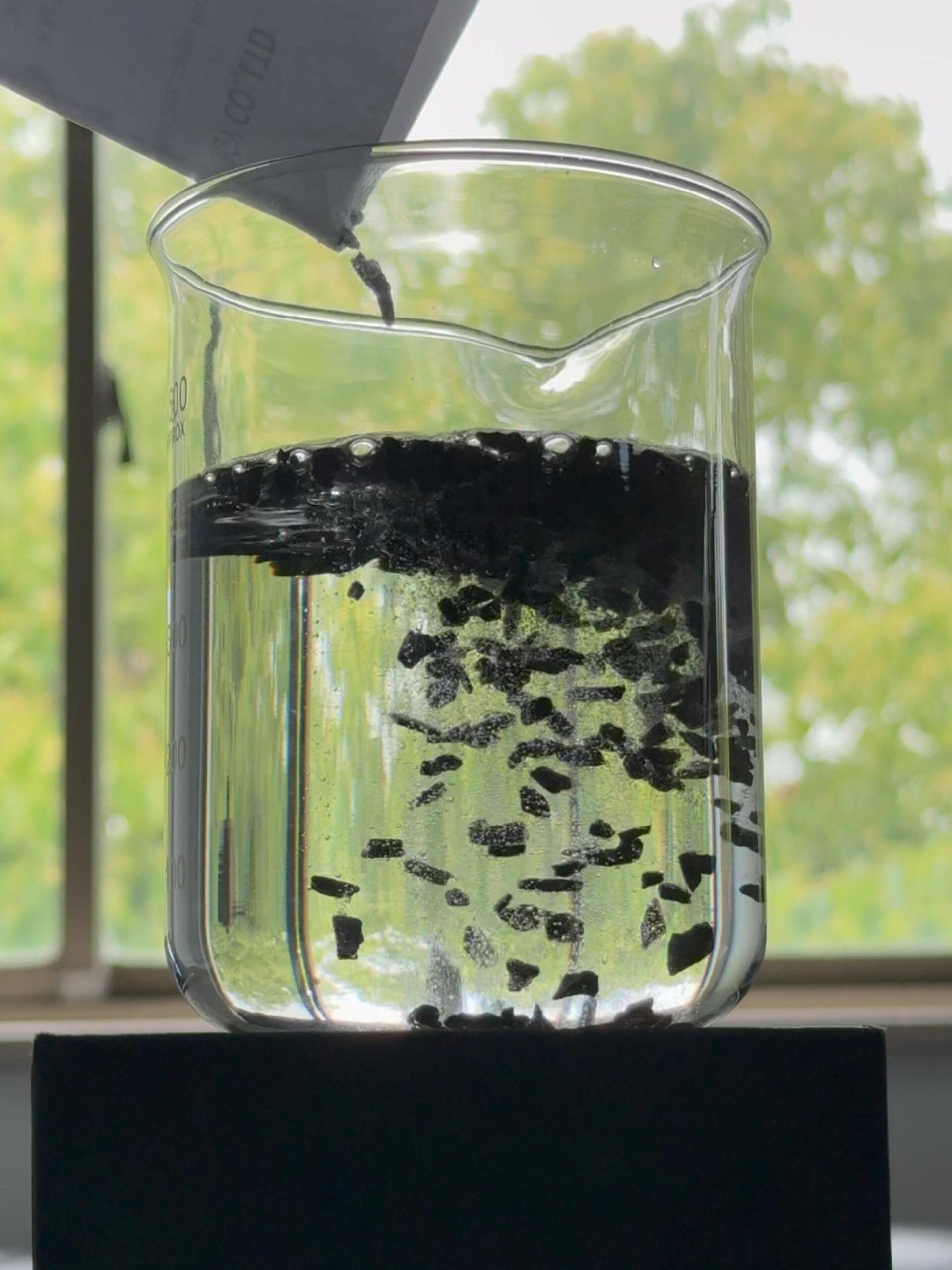
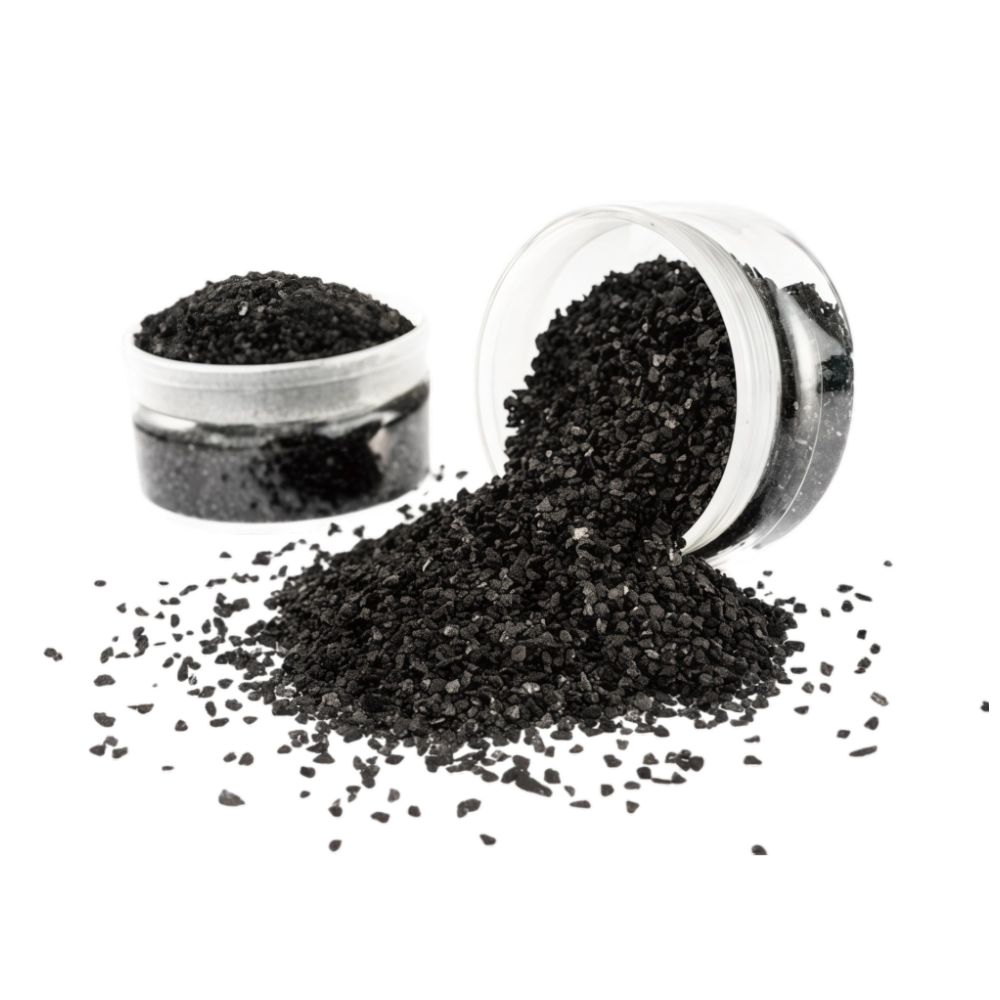
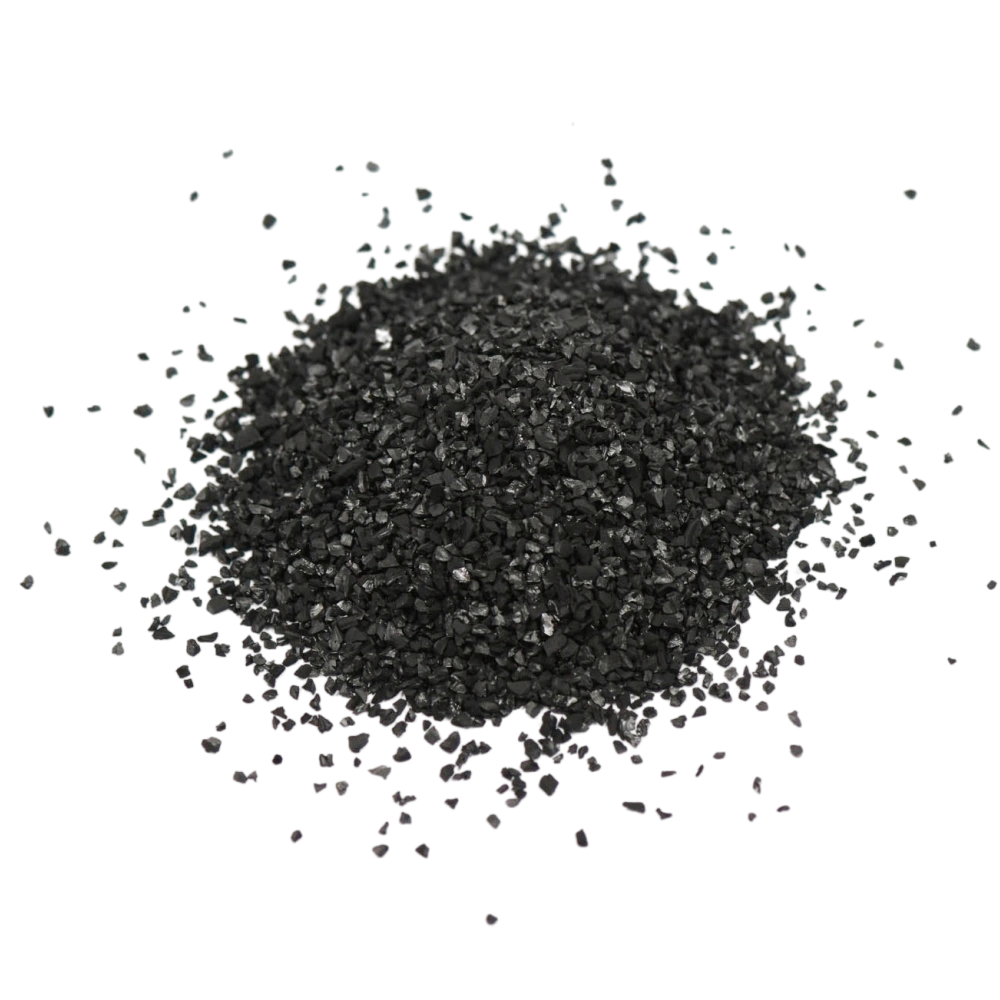
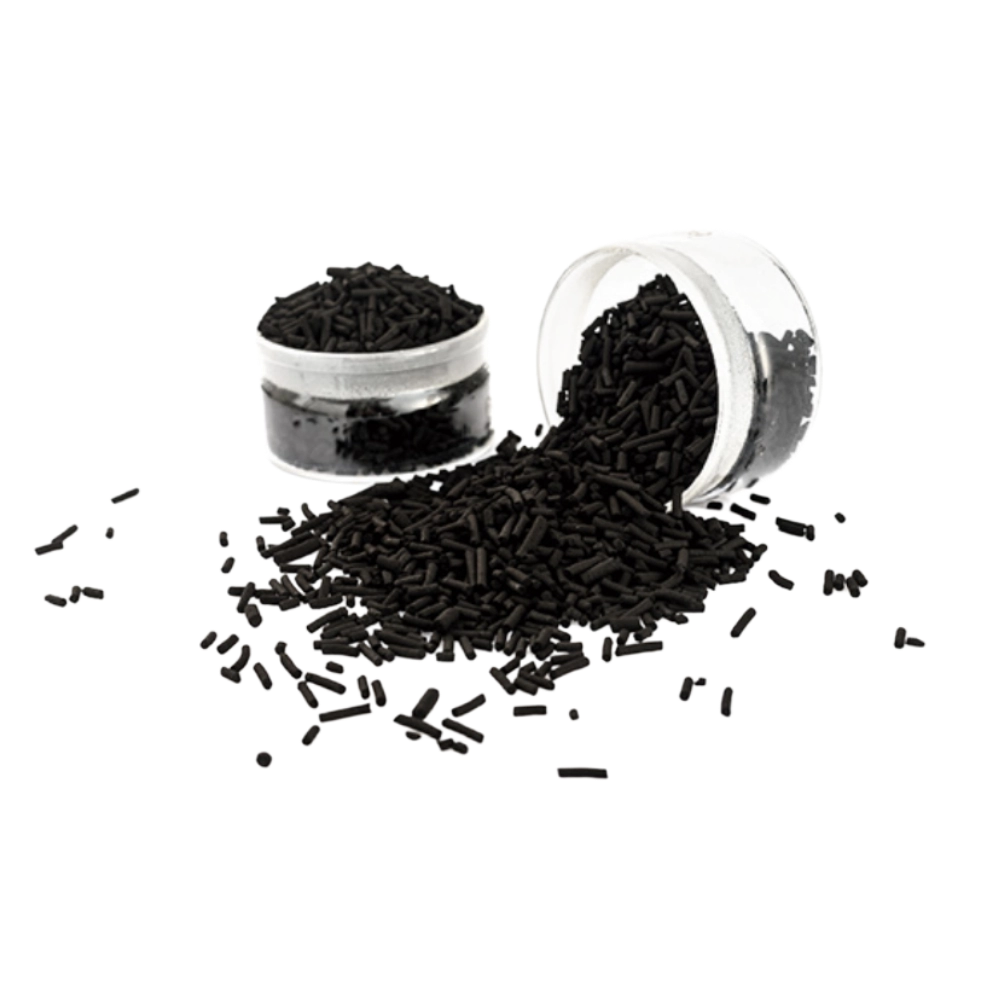
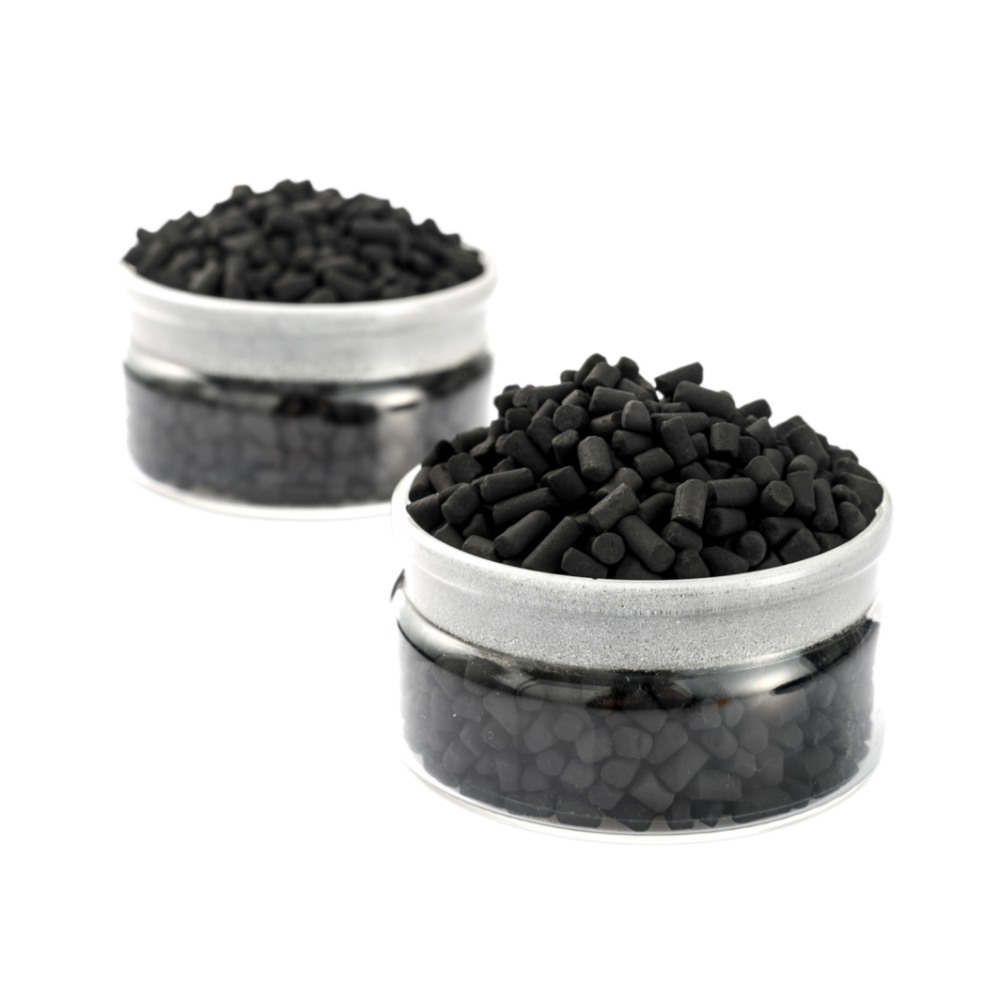
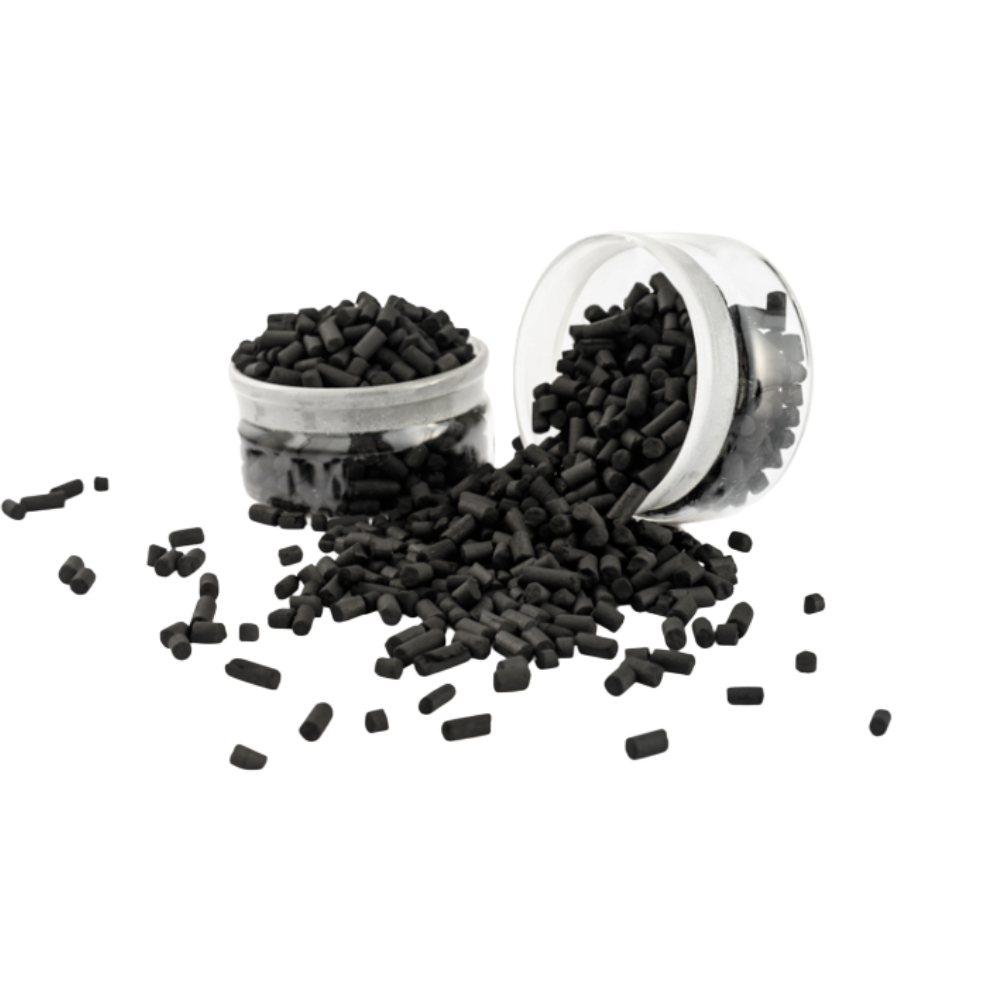
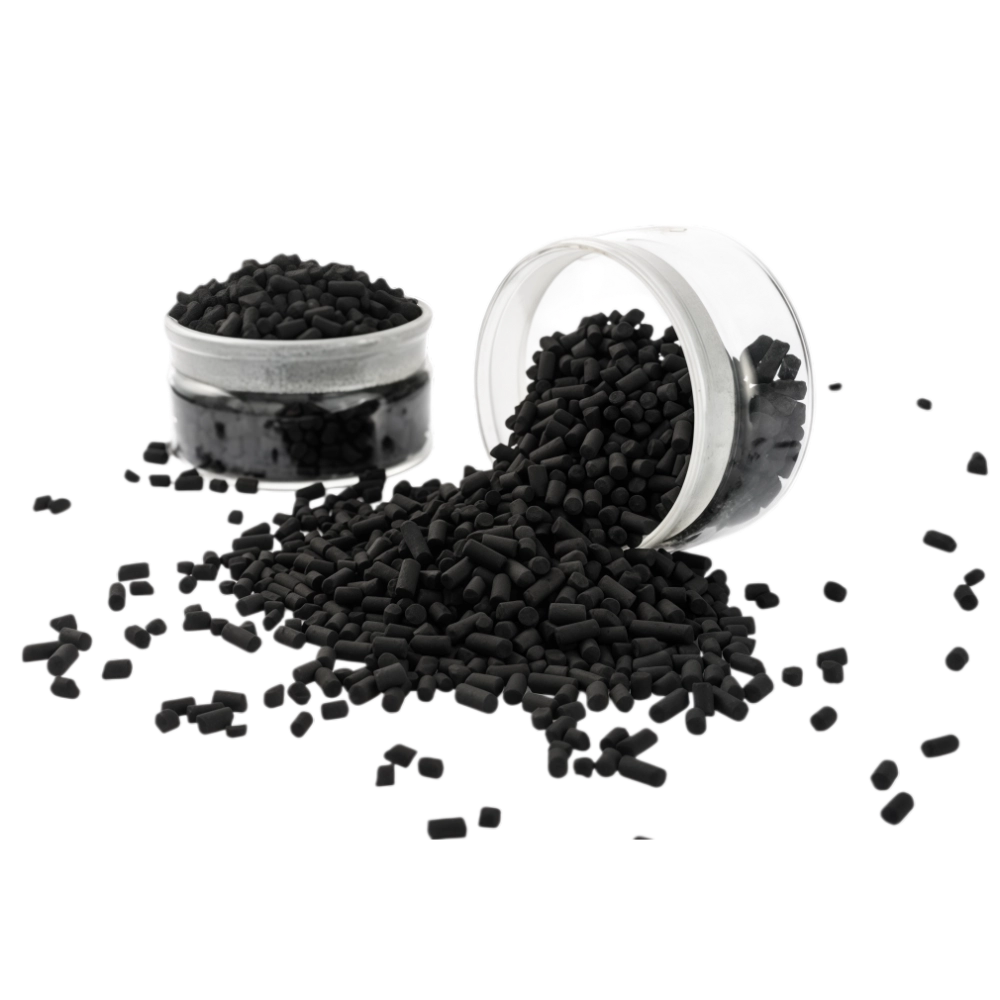
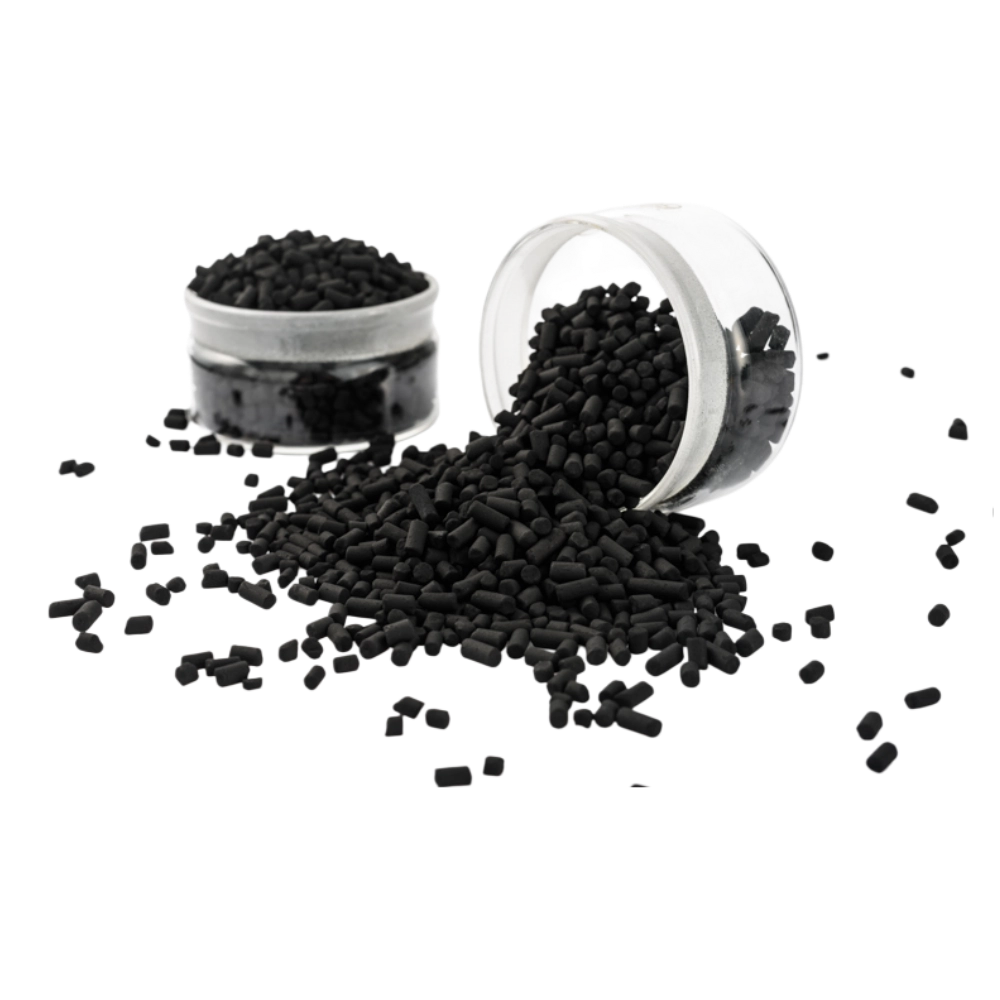
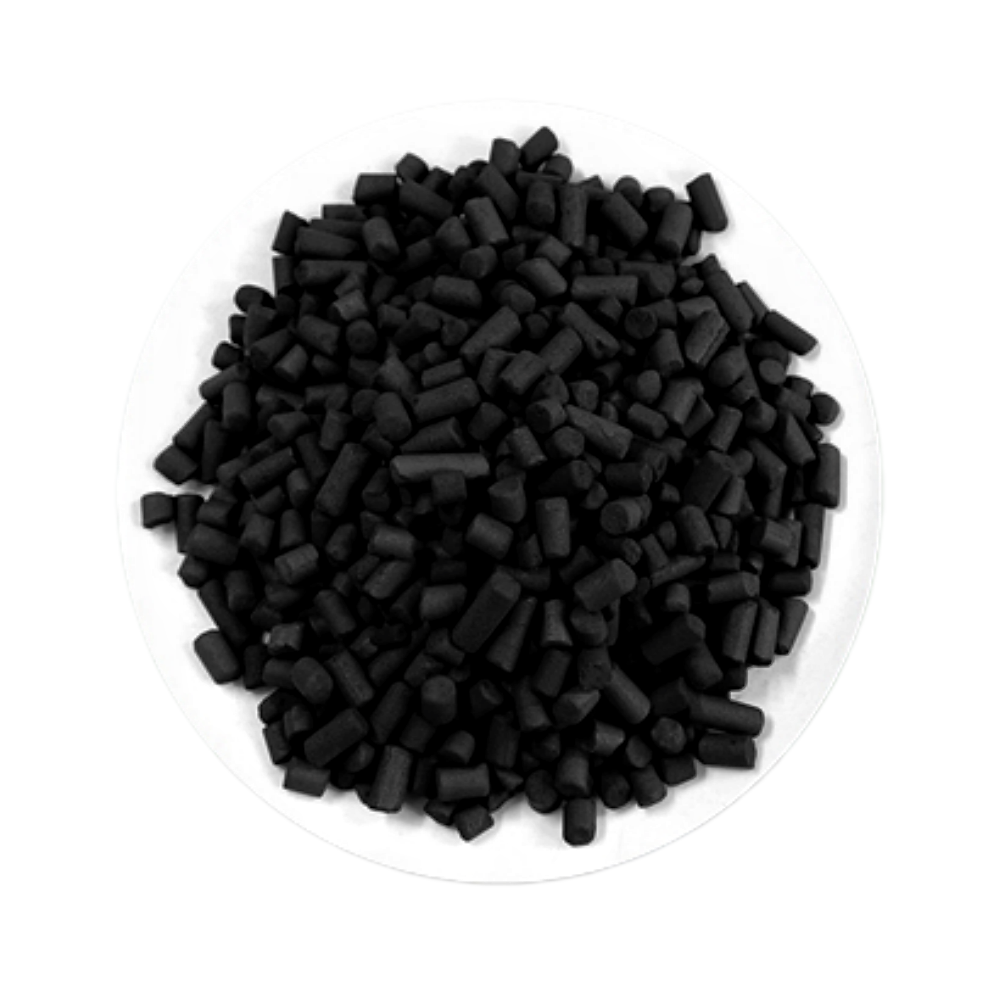
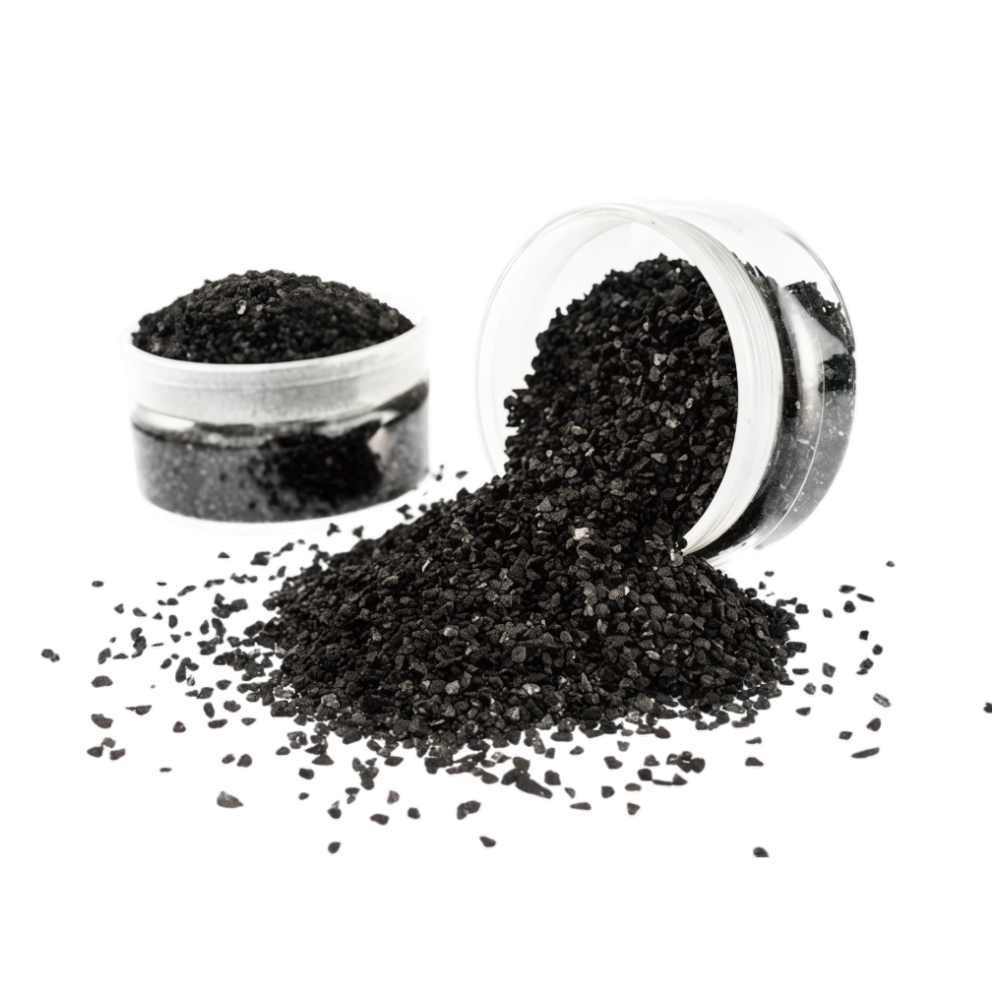
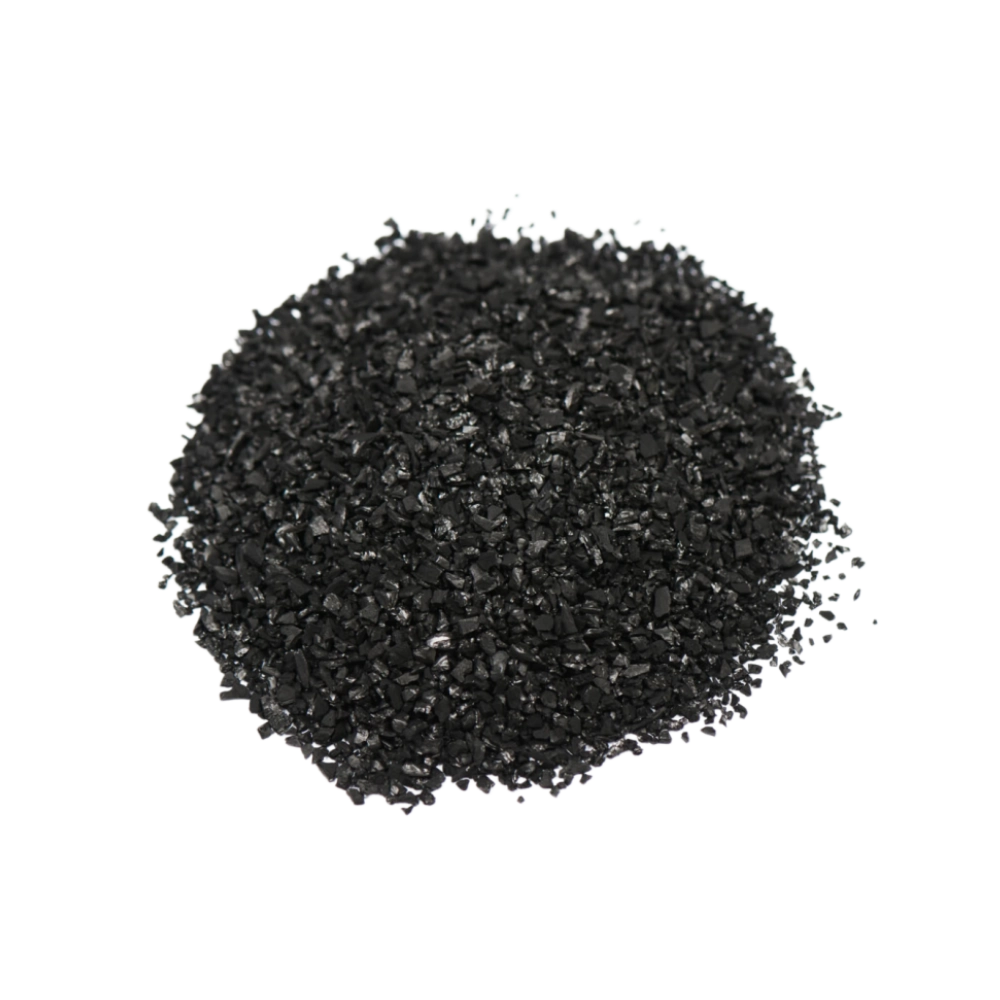
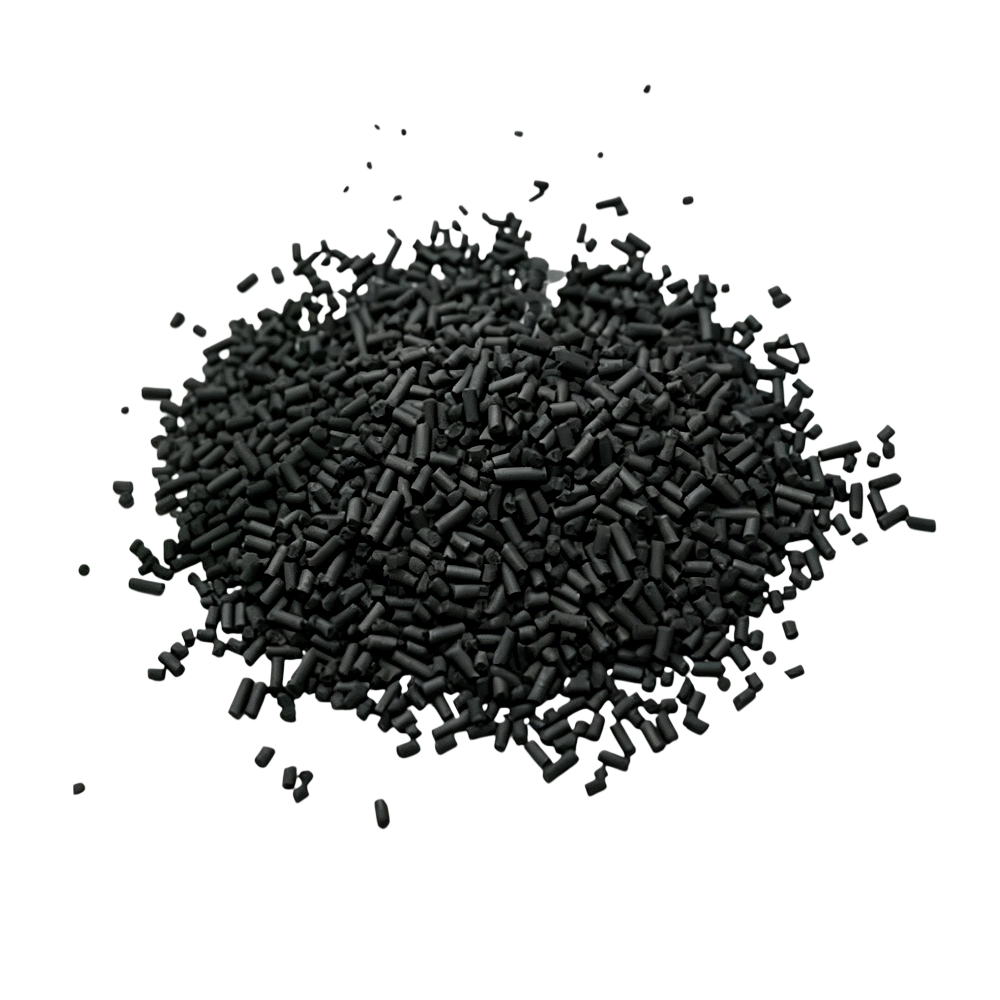
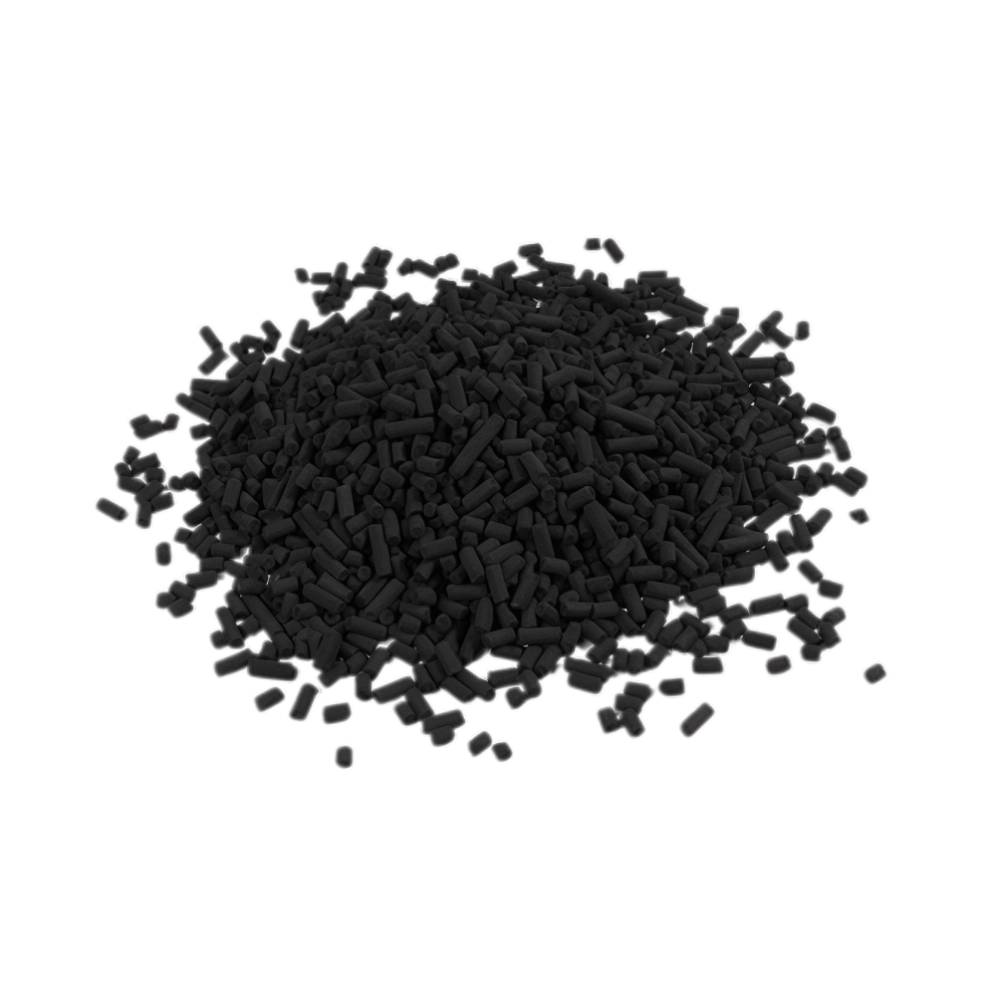
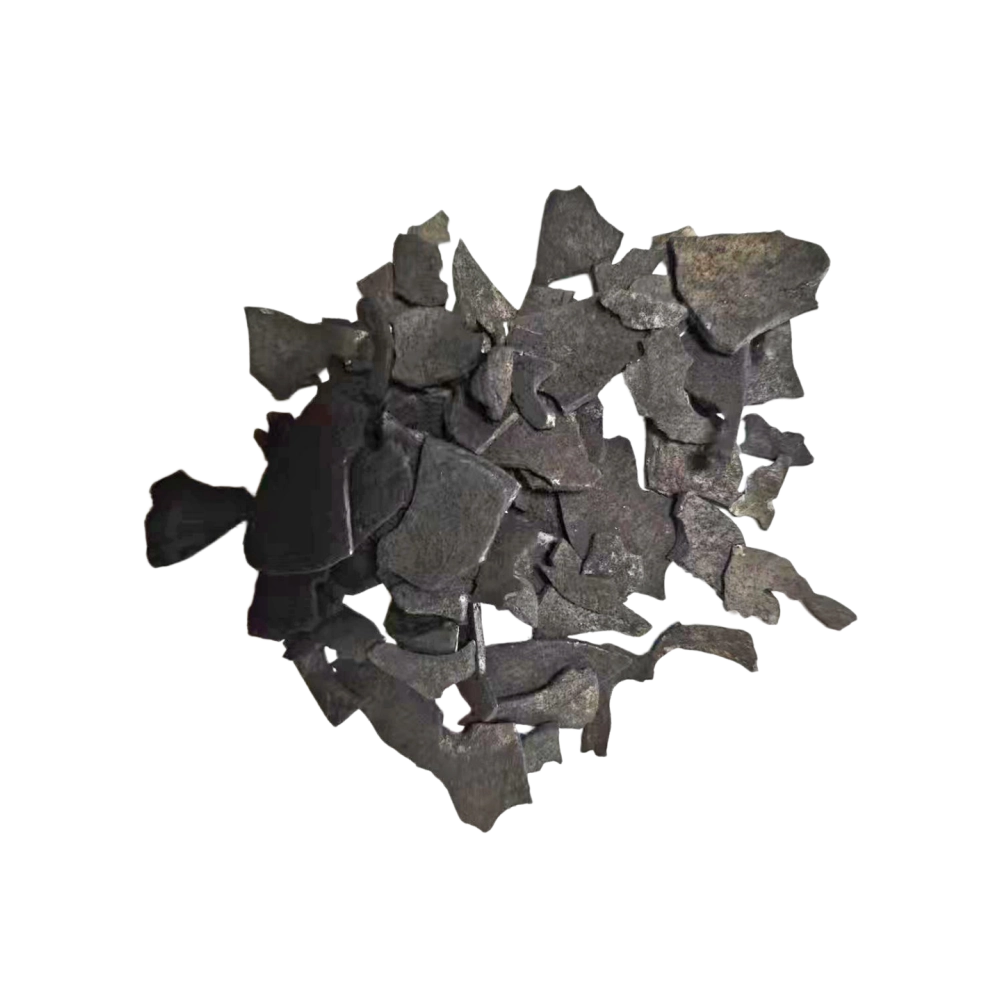
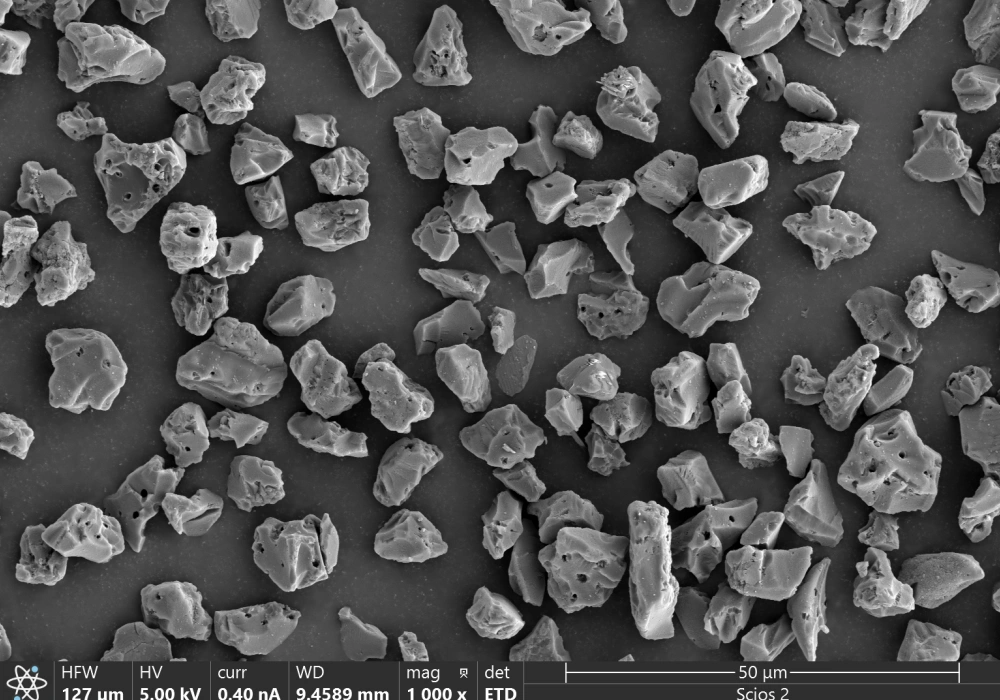
Granular activated carbon is activated carbon in particle form. Compared with PAC, GAC has larger particles and is usually packed into fixed-bed filters, pressure vessels, cartridges or filtration tanks. Water passes through the activated carbon bed, and contaminants are adsorbed as the water flows through the media.
GAC is widely used in continuous water treatment systems. It is suitable for drinking water plants, whole-house water filters, point-of-use filters, industrial process water treatment, wastewater polishing and many other filtration systems.
For fixed-bed water treatment systems, PSD-A1 Coconut Shell Granular Activated Carbon is suitable for water treatment, air purification and industrial filtration. It can be used for municipal drinking water treatment, industrial wastewater pretreatment and general-purpose purification projects.
PAC vs GAC: The Main Difference
The biggest difference between PAC and GAC is not only particle size. The real difference is how they are used in the treatment process.
| Item | Powdered Activated Carbon | Granular Activated Carbon |
|---|---|---|
| Form | Fine powder | Granular particles |
| Typical Use | Dosed into water | Packed in fixed-bed filters |
| Adsorption Speed | Fast | Moderate, depends on contact time |
| Operation Type | Flexible dosing or batch treatment | Continuous filtration |
| Removal Method | Needs separation after dosing | Stays inside the filter vessel |
| Best For | Emergency response, taste and odor events, wastewater shock loading | Drinking water filters, POU systems, whole-house filters, industrial water treatment |
When Should You Choose Powdered Activated Carbon?
Powdered activated carbon is a good choice when the treatment system needs fast response and flexible dosage control. Since PAC is added directly into water, operators can adjust the dosage according to changes in water quality.
PAC is often selected for the following situations:
- Seasonal taste and odor control in drinking water treatment
- Algae bloom response in municipal water plants
- Emergency treatment after accidental contamination
- Industrial wastewater with sudden organic shock loads
- Batch decolorization in food, beverage or chemical processing
- Temporary treatment when water quality is unstable
For example, when a water treatment plant faces a sudden taste and odor issue, installing a new fixed-bed GAC system may not be practical immediately. PAC can be dosed directly into the process, allowing operators to respond quickly. This makes powdered activated carbon useful for short-term or variable treatment needs.
Advantages of PAC
- Fast adsorption because of fine particle size
- Flexible dosage according to water quality
- Suitable for emergency or seasonal treatment
- Can be used in existing treatment processes
- Effective for short contact time applications
Limitations of PAC
- Requires separation after treatment
- Can increase sludge volume
- Not ideal for simple cartridge filter systems
- Handling and dust control may require attention
- Continuous dosing may increase operating complexity
When Should You Choose Granular Activated Carbon?
Granular activated carbon is a better choice when the system needs stable, continuous and long-term filtration. GAC is placed inside a vessel or filter cartridge, and water flows through the carbon bed during operation.
GAC is often selected for:
- Municipal drinking water filtration
- Whole-house water treatment systems
- Point-of-use water filters
- Industrial process water purification
- Wastewater tertiary treatment
- Pre-treatment before RO membranes or ion exchange systems
- Chlorine, taste, odor and organic matter removal
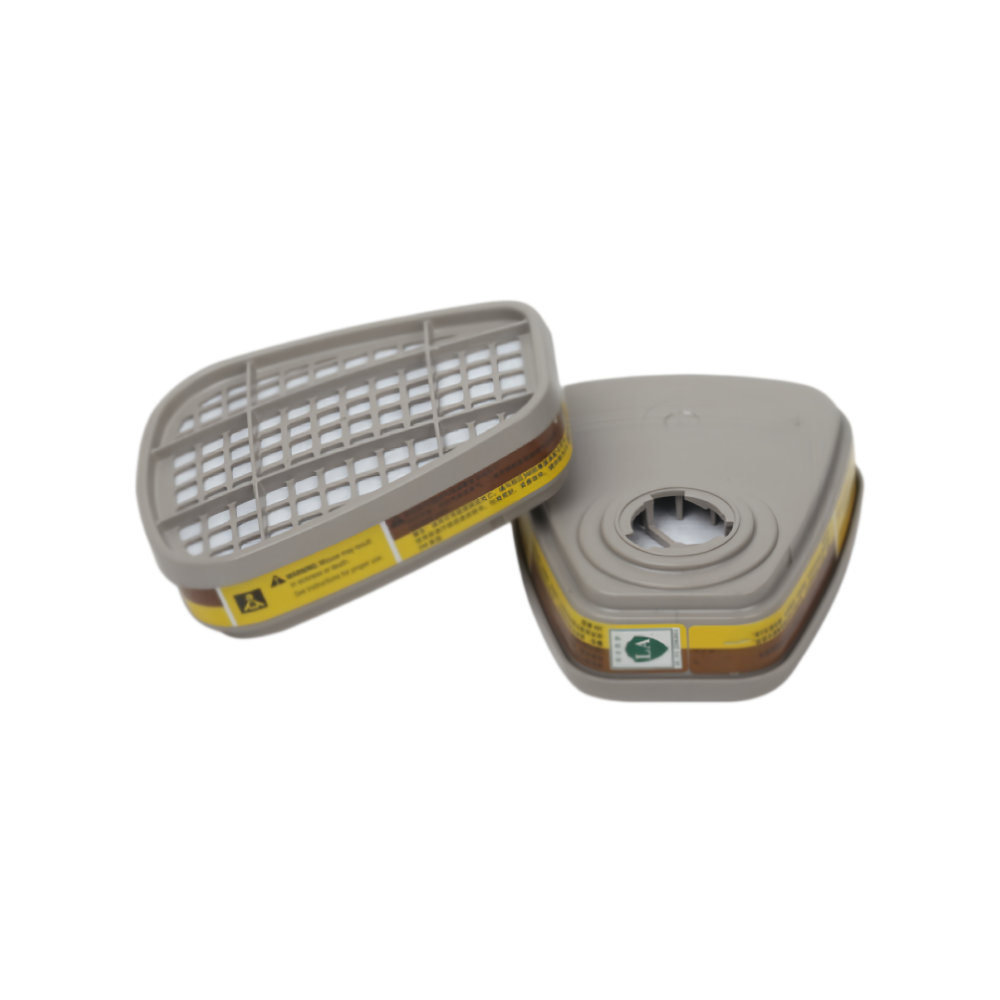
For residential and commercial filtration systems, GAC is commonly used because it is easy to pack, easy to replace and suitable for continuous flow. In systems such as POU water filtration and whole-house water treatment, granular activated carbon can help reduce chlorine, taste, odor, VOCs and organic impurities.
Advantages of GAC
- Suitable for continuous filtration
- Lower dust compared with powdered carbon
- Easy to use in fixed-bed filters and cartridges
- Can provide longer service life under stable conditions
- Good choice for drinking water and industrial water systems
Limitations of GAC
- Requires proper contact time
- May need backwashing in large systems
- Incorrect particle size can cause high pressure drop or poor adsorption
- Breakthrough must be monitored in continuous operation
- Not as flexible as PAC for sudden water quality changes
How Contact Time Affects Activated Carbon Performance
Contact time is one of the most important factors in activated carbon adsorption. Even high-quality activated carbon may not perform well if the water passes through too quickly.
For PAC, contact time depends on mixing, dosage and retention time in the treatment process. Because PAC has fine particles, adsorption can happen quickly, but operators still need enough mixing time for proper contact between carbon and contaminants.
For GAC, contact time is controlled by bed depth, flow rate and vessel design. If the water flows too fast through the carbon bed, contaminants may not have enough time to enter the pores. This can lead to early breakthrough and poor outlet water quality.
When selecting GAC for fixed-bed systems, buyers should consider empty bed contact time, flow rate, vessel diameter, bed height and expected replacement cycle. The goal is not only to buy activated carbon, but to match the carbon with the system design.
How to Choose Activated Carbon for Drinking Water Treatment
For drinking water treatment, activated carbon is commonly used to remove chlorine, taste, odor and organic matter. Depending on the system, either PAC or GAC may be used.
PAC is useful for seasonal taste and odor events, especially when water quality changes suddenly due to algae activity or source water variation. GAC is more suitable for continuous filtration in municipal systems, commercial water filters and residential water treatment products.
For drinking water projects, buyers should pay attention to:
- Iodine value
- Particle size
- Ash content
- Moisture
- Hardness
- pH value
- Dust content
- Food-grade or drinking water compatibility requirements
For higher-purity water or sensitive applications, low-ash coconut shell activated carbon may be preferred. For general municipal or commercial water treatment, cost-performance balance and stable supply are also important.
How to Choose Activated Carbon for Wastewater Treatment
Wastewater treatment is more complex than drinking water treatment because contaminant types and concentrations can vary significantly. Activated carbon may be used to reduce COD, remove color, adsorb organic micropollutants or polish effluent before discharge or reuse.
In municipal wastewater tertiary treatment, activated carbon can support effluent polishing and help improve water quality before reuse or discharge. For industrial wastewater, PAC may be preferred when the process needs flexible dosing, while GAC may be selected for continuous polishing after biological or chemical treatment.
| Wastewater Condition | Recommended Direction | Reason |
|---|---|---|
| Sudden organic shock load | PAC | Fast response and adjustable dosage |
| Continuous effluent polishing | GAC | Stable fixed-bed operation |
| Color removal in batch process | PAC | Good contact with liquid phase |
| Reuse water polishing | GAC | Suitable for continuous filtration |
| Variable influent quality | PAC or PAC + GAC | Flexible treatment strategy |
Can PAC and GAC Be Used Together?
Yes. In some water treatment systems, PAC and GAC can be used together. PAC may be used as a temporary or upstream treatment step to handle sudden contaminant peaks, while GAC provides continuous polishing downstream.
This combined approach can be useful when water quality changes frequently. PAC helps reduce the contaminant load before water reaches the GAC bed, which may extend the service life of the granular carbon filter. However, the system must be designed carefully to avoid excessive solids loading, filter clogging or unnecessary operating cost.
Important Specifications to Compare Before Purchasing
When requesting a quotation for activated carbon, buyers should not compare only the product name. The following specifications can strongly affect performance and cost:
| Specification | Why It Matters |
|---|---|
| Iodine Value | Indicates micropore adsorption capacity for smaller molecules |
| Particle Size | Affects adsorption speed, pressure drop and filtration behavior |
| Ash Content | Important for drinking water, food-grade water and high-purity systems |
| Moisture | Affects handling, shipping weight and available adsorption capacity |
| Hardness | Important for GAC service life and backwashing resistance |
| pH | Should match treated water and downstream process requirements |
| Bulk Density | Affects carbon loading volume and vessel design |
What Information Should You Provide to an Activated Carbon Supplier?
To get an accurate recommendation, buyers should provide more than just the application name. A reliable activated carbon supplier needs to understand the real operating conditions.
Before requesting a quotation, prepare the following information:
- Water source: drinking water, process water, wastewater or reuse water
- Target contaminants: chlorine, odor, color, COD, VOCs, PFAS, organic matter or other pollutants
- Current water quality data if available
- Flow rate or treatment capacity
- Required contact time or existing equipment size
- Whether the system uses dosing, filtration tank or cartridge filter
- Required outlet water standard
- Packaging requirement and estimated annual consumption
The more complete the information, the more accurate the carbon selection will be. This can help avoid under-performance, over-specification and unnecessary replacement cost.
Which One Is More Cost-Effective?
The cost-effectiveness of PAC and GAC depends on the application. PAC may be more cost-effective for short-term, emergency or seasonal treatment because operators can adjust dosage when needed. GAC may be more cost-effective for long-term continuous filtration because it can remain in the system and provide stable operation over time.
For procurement teams, it is better to calculate total operating cost instead of only comparing price per kilogram. Important cost factors include:
- Carbon dosage or bed volume
- Replacement frequency
- Labor and handling cost
- Sludge or spent carbon disposal
- Pressure drop and energy consumption
- Downtime caused by media replacement
- Stability of outlet water quality
A cheaper activated carbon may become more expensive if it requires higher dosage, creates more sludge, breaks down easily or reaches breakthrough too quickly.
Conclusion: Choose PAC or GAC Based on Your Process
Powdered activated carbon and granular activated carbon both play important roles in water treatment, but they are suitable for different operating conditions.
Choose powdered activated carbon when you need fast adsorption, flexible dosing, emergency treatment or seasonal water quality control. Choose granular activated carbon when you need continuous filtration, stable long-term operation and fixed-bed treatment for drinking water, POU filters, whole-house systems or industrial process water.
The best choice depends on your water quality, target contaminants, flow rate, contact time, equipment design and operating cost target. Working with an experienced activated carbon manufacturer can help you select the right carbon grade and avoid unnecessary trial-and-error.
If you are choosing activated carbon for drinking water, wastewater, POU filtration, whole-house water treatment or industrial water purification, contact PSD Carbon with your application details. Our team can help recommend a suitable powdered or granular activated carbon solution based on your treatment process.
FAQ
1. Is powdered activated carbon better than granular activated carbon?
Not always. Powdered activated carbon is better for fast adsorption and flexible dosing, while granular activated carbon is better for continuous filtration and fixed-bed systems. The right choice depends on the treatment process.
2. Can granular activated carbon be used for drinking water?
Yes. Granular activated carbon is widely used for drinking water treatment, point-of-use filters, whole-house filtration systems and municipal water treatment because it is suitable for continuous flow filtration.
3. When should powdered activated carbon be used in water treatment?
Powdered activated carbon is often used for seasonal taste and odor control, algae bloom response, emergency contamination treatment, industrial wastewater shock loading and batch decolorization processes.
4. Does activated carbon remove chlorine from water?
Yes. Activated carbon is commonly used to reduce chlorine, taste and odor in water treatment systems. The removal performance depends on carbon type, contact time, flow rate and system design.
5. What information is needed before selecting activated carbon?
Buyers should provide water source, target contaminants, flow rate, water quality data, equipment type, contact time, outlet requirement and annual consumption. This helps suppliers recommend a more suitable activated carbon grade.