



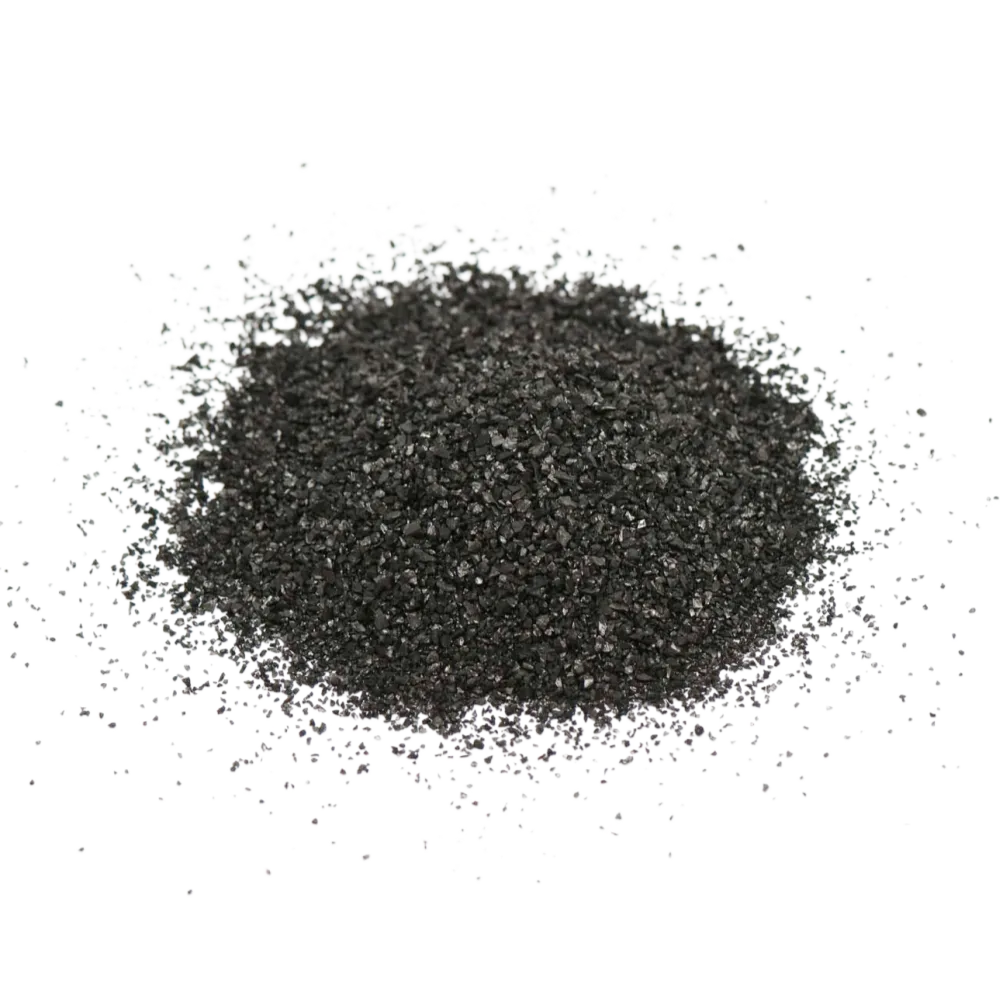
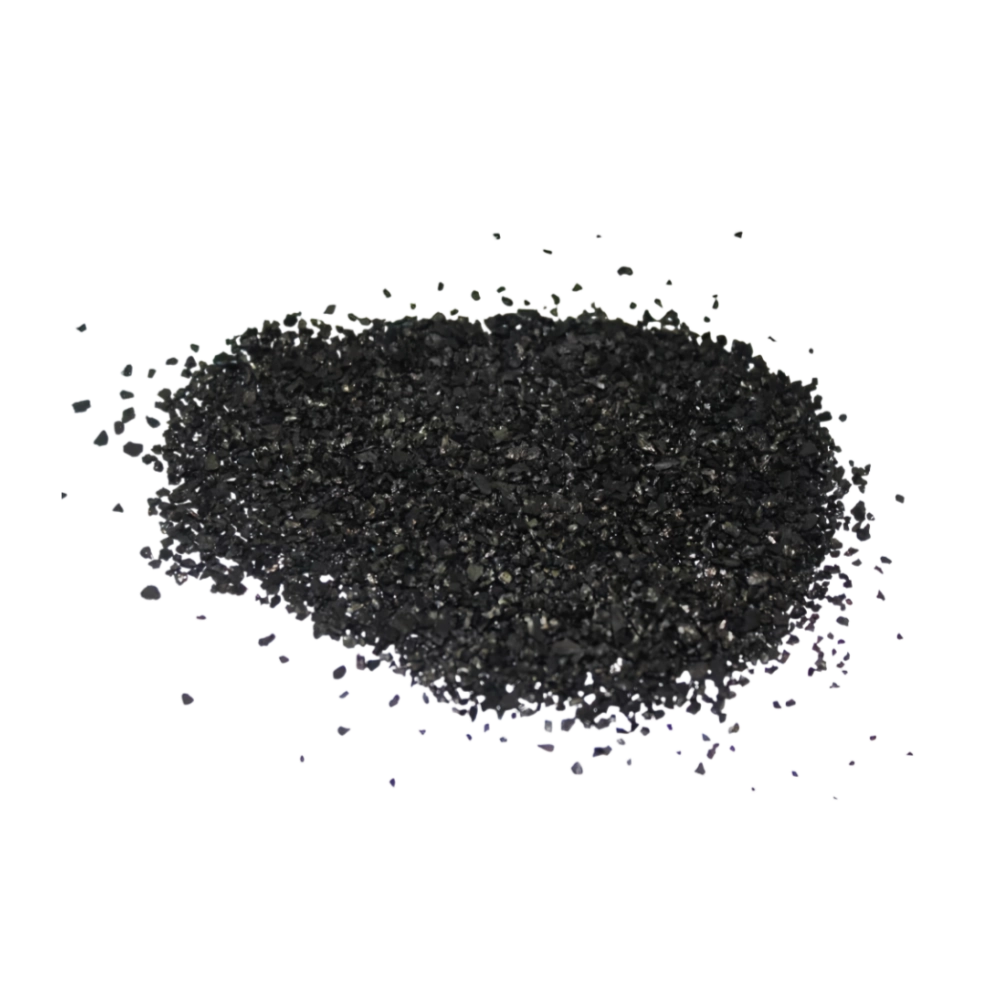
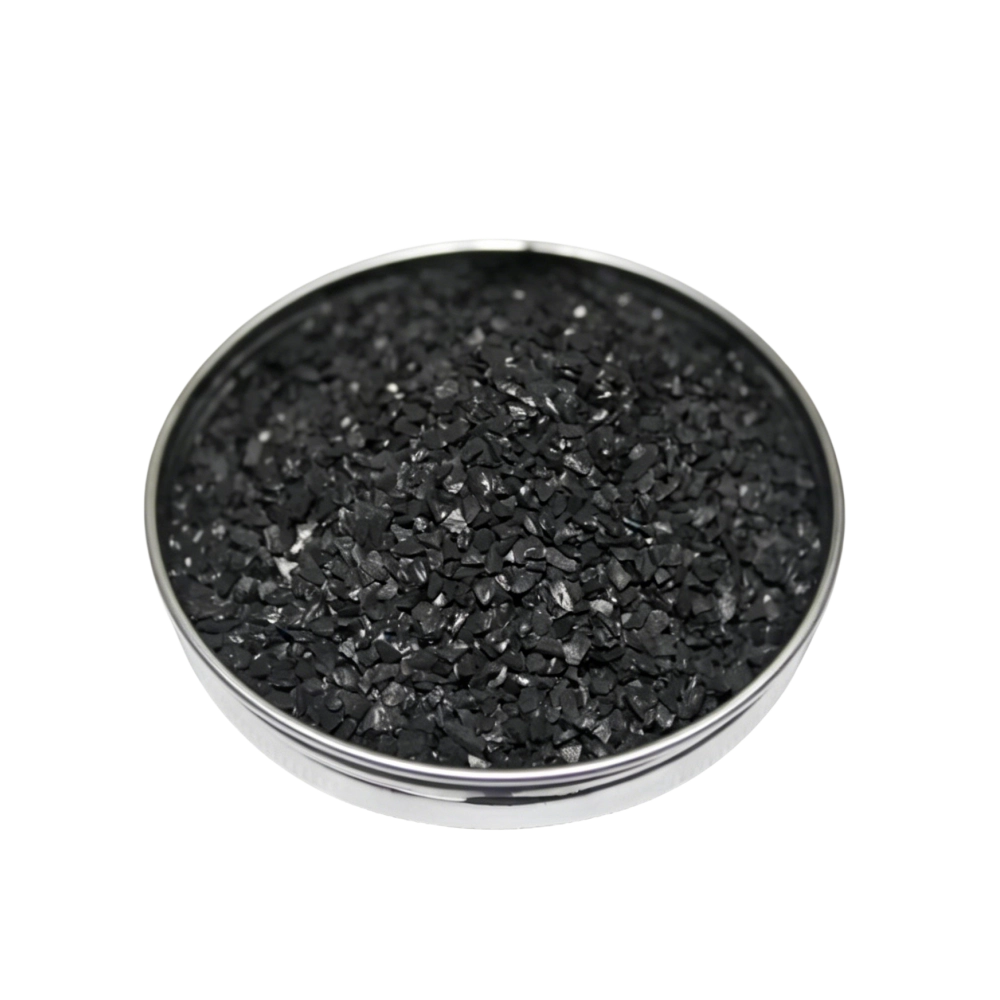
















Spherical Activated Carbon for Pet Detox: Why the "Sphere" Matters in Veterinary Emergency Care
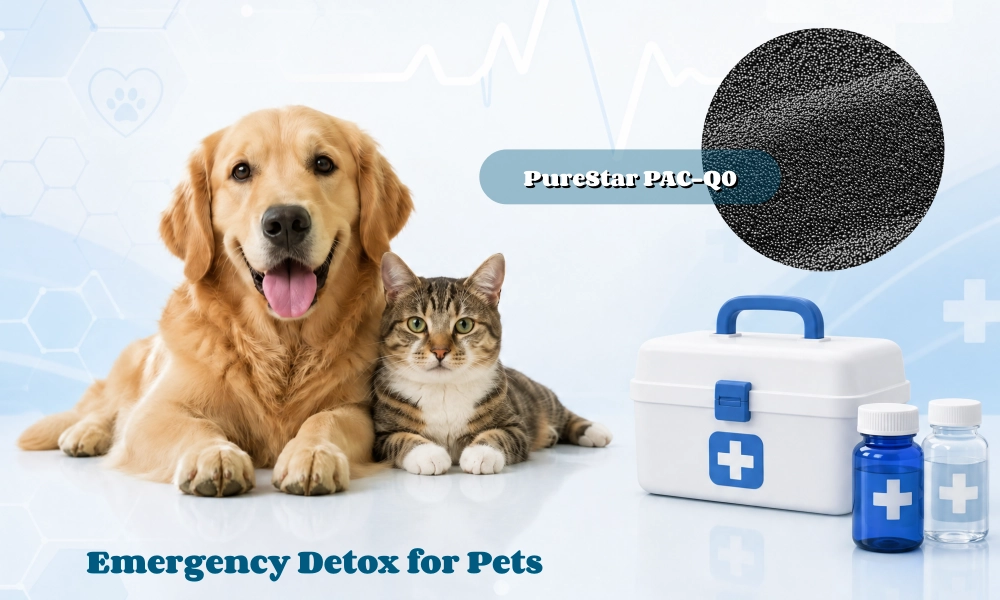
The Hidden Danger in Every Home: When Curiosity Turns Toxic
A chocolate bar left on the coffee table. A spilled antifreeze puddle in the garage. A lily bouquet on the kitchen counter. For dogs and cats, these everyday items can turn deadly within minutes. In veterinary detoxification, the first hour after ingestion is everything. The faster a toxin can be intercepted inside the gastrointestinal tract, the better the outcome. That is why emergency clinics keep activated carbon for pets on hand—but not all carbon is created equal. The form it takes can mean the difference between a smooth recovery and a complicated night in the ICU.
The Science Behind the Black Beads: How Activated Carbon Actually Works
Forget the myth that activated carbon "neutralizes" poison. It does not. What it does is physical adsorption.
Through weak but numerous Van der Waals force interactions, toxin molecules are drawn into the carbon's vast internal network of micropores and mesopores and held there. The larger the surface area, the more molecular traps exist. A single gram of high-grade carbon can offer over 1,000 square meters of binding territory.
However, carbon is not magic. There are clear activated carbon contraindications pets owners must know:
Activated carbon CANNOT effectively adsorb:
- Alcohol and ethylene glycol (antifreeze)
- Heavy metals (lead, zinc, mercury)
- Strong acids or strong bases
- Petroleum products
Knowing when carbon works—and when it does not—is as important as the treatment itself.
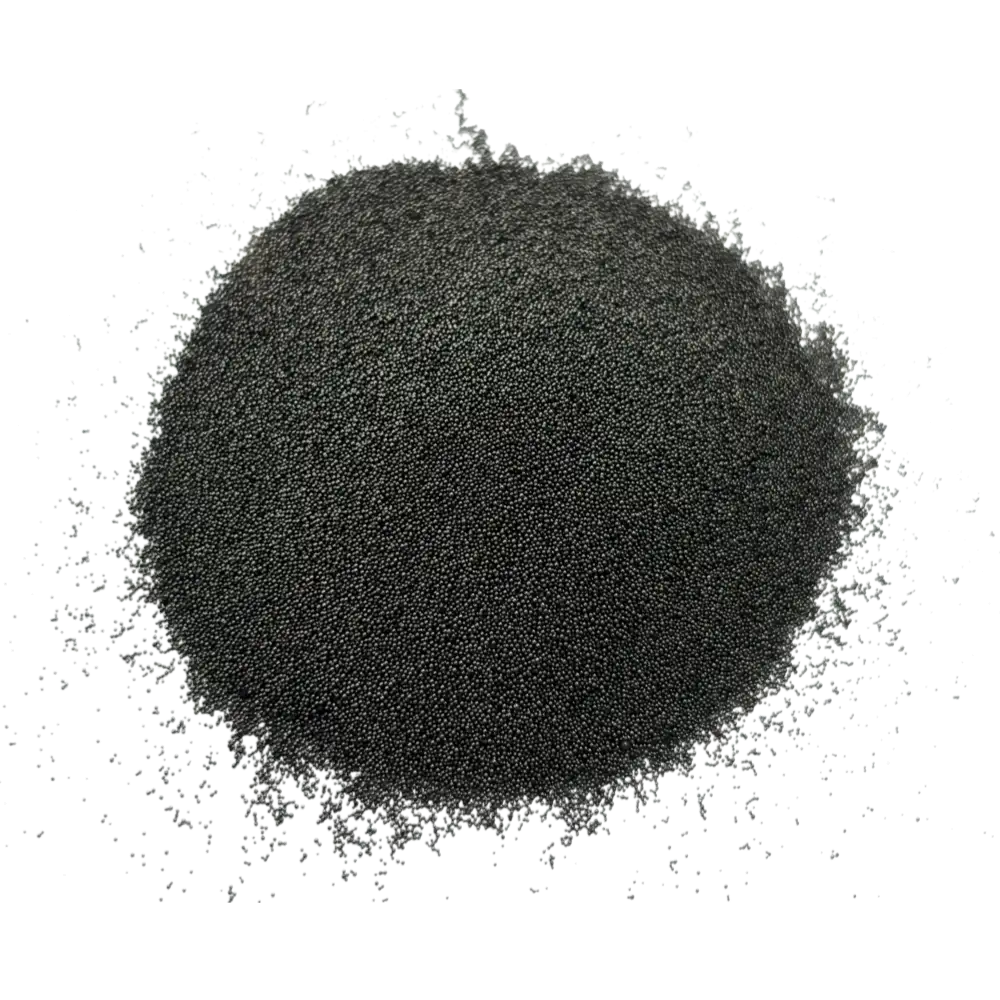
Why Spherical Carbon Outperforms Powder and Granules
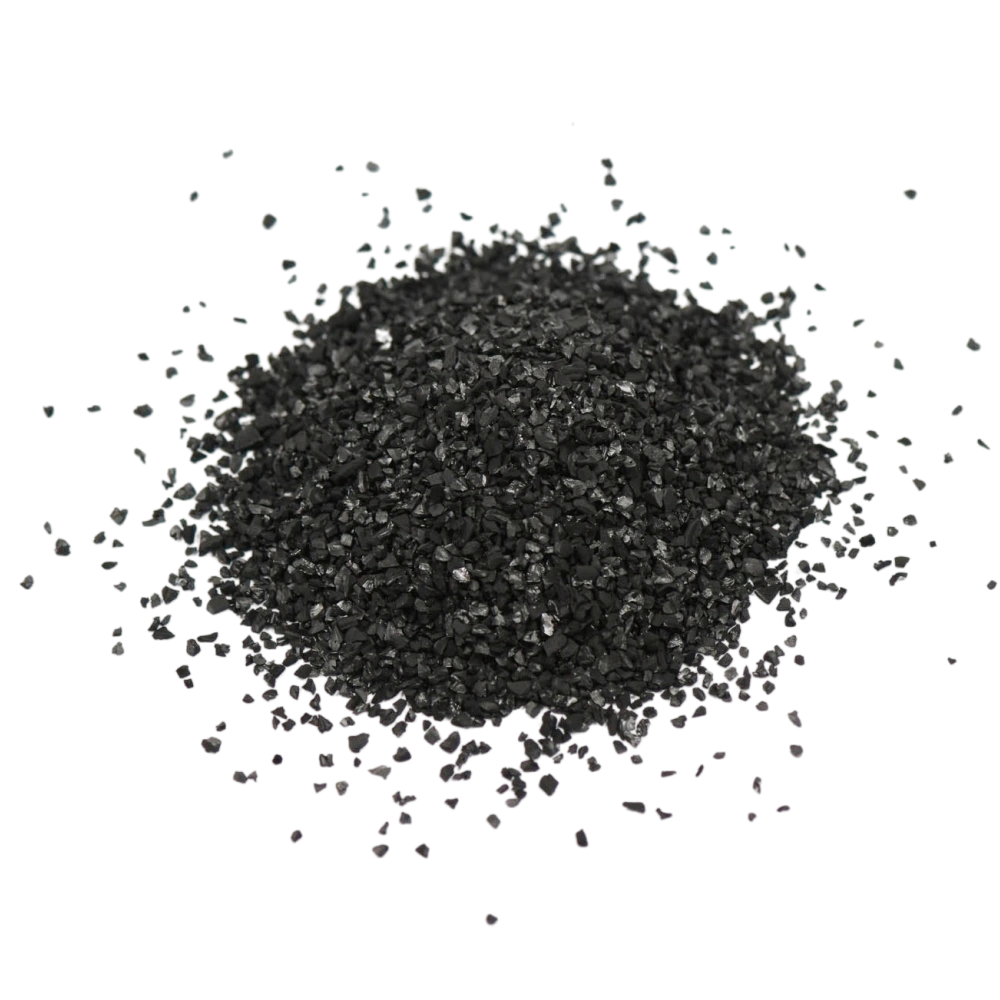
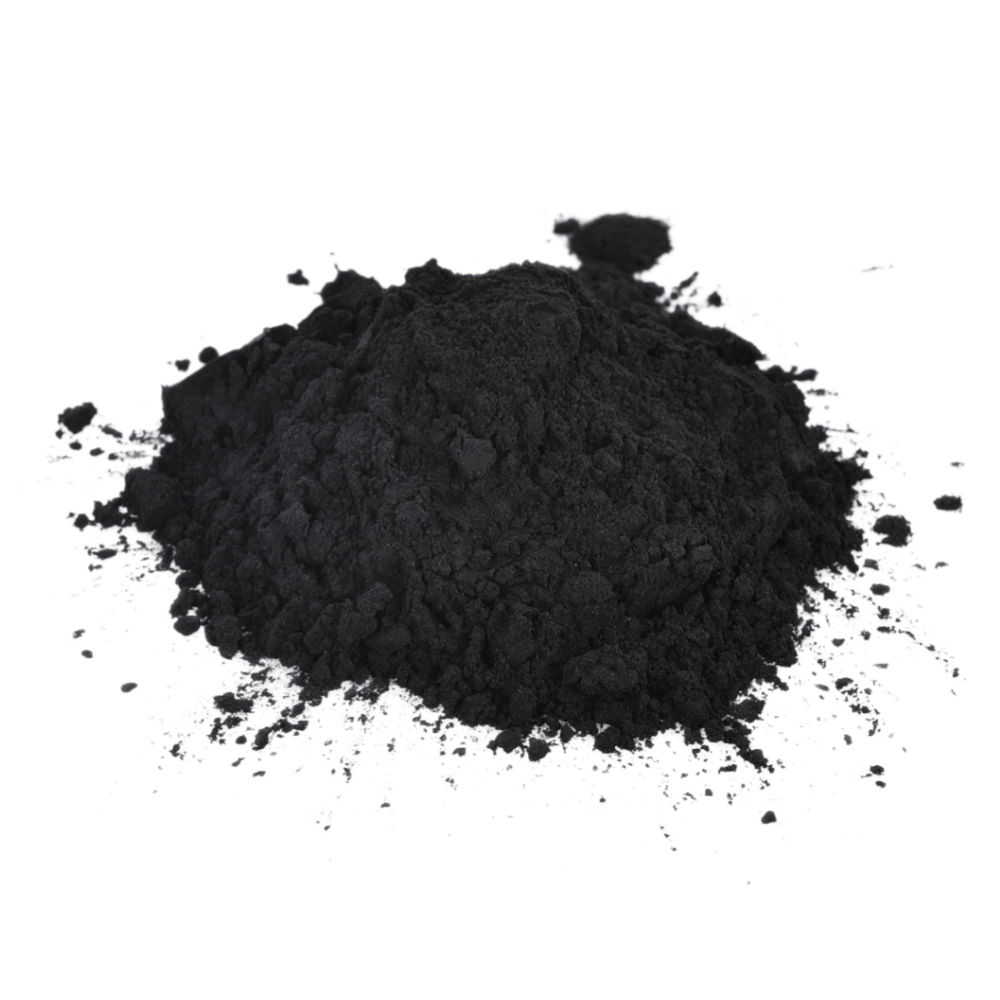
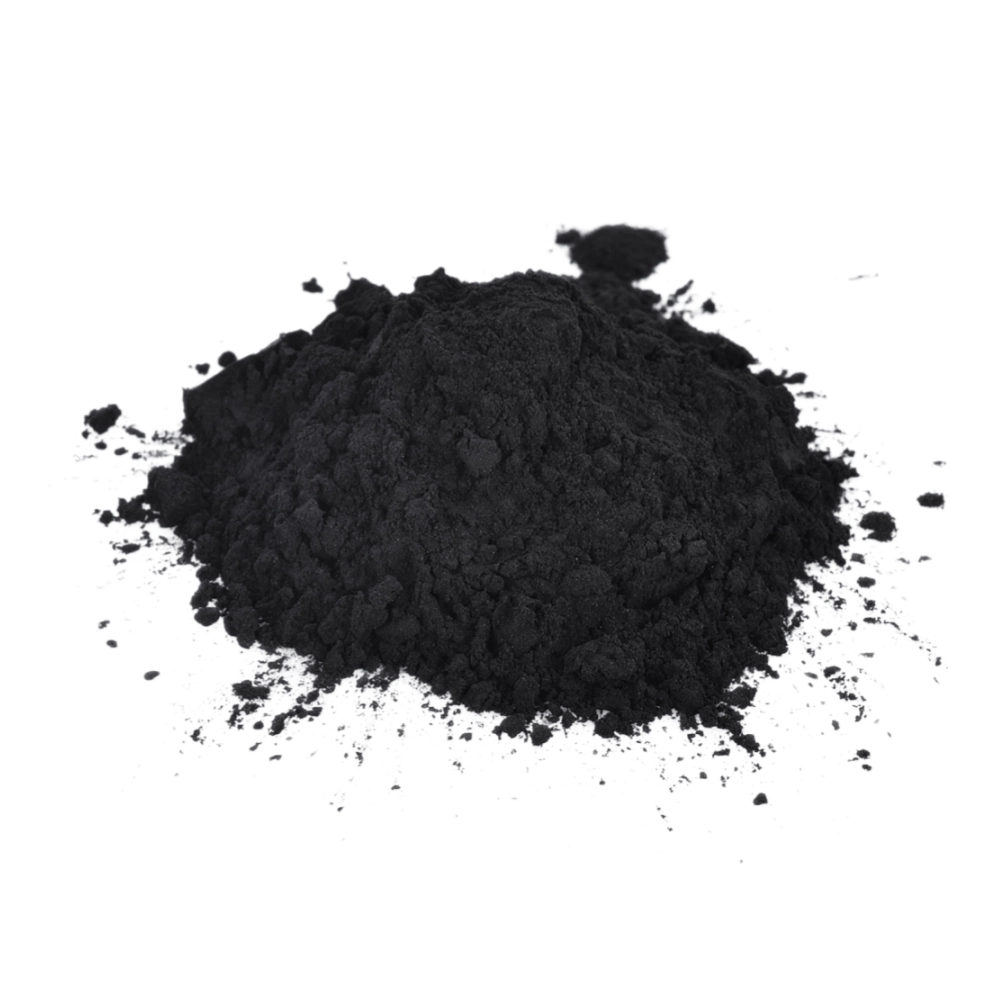
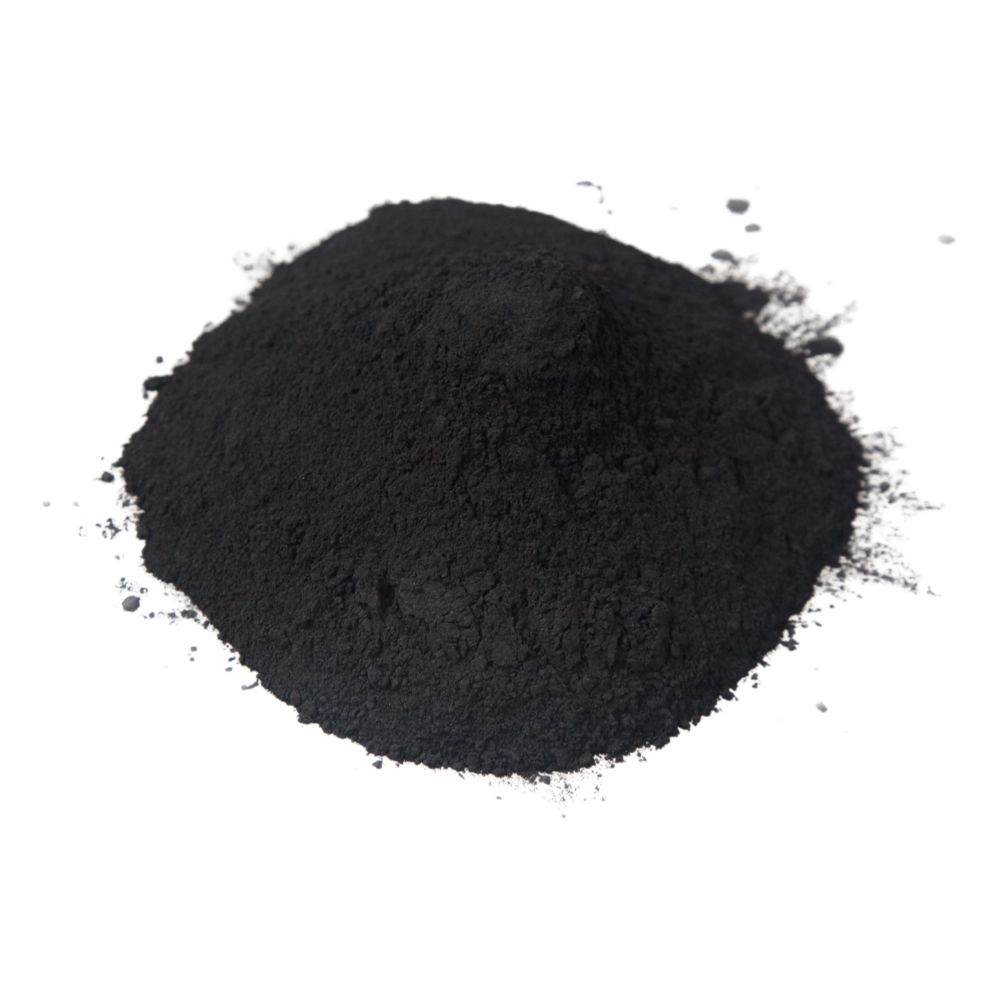
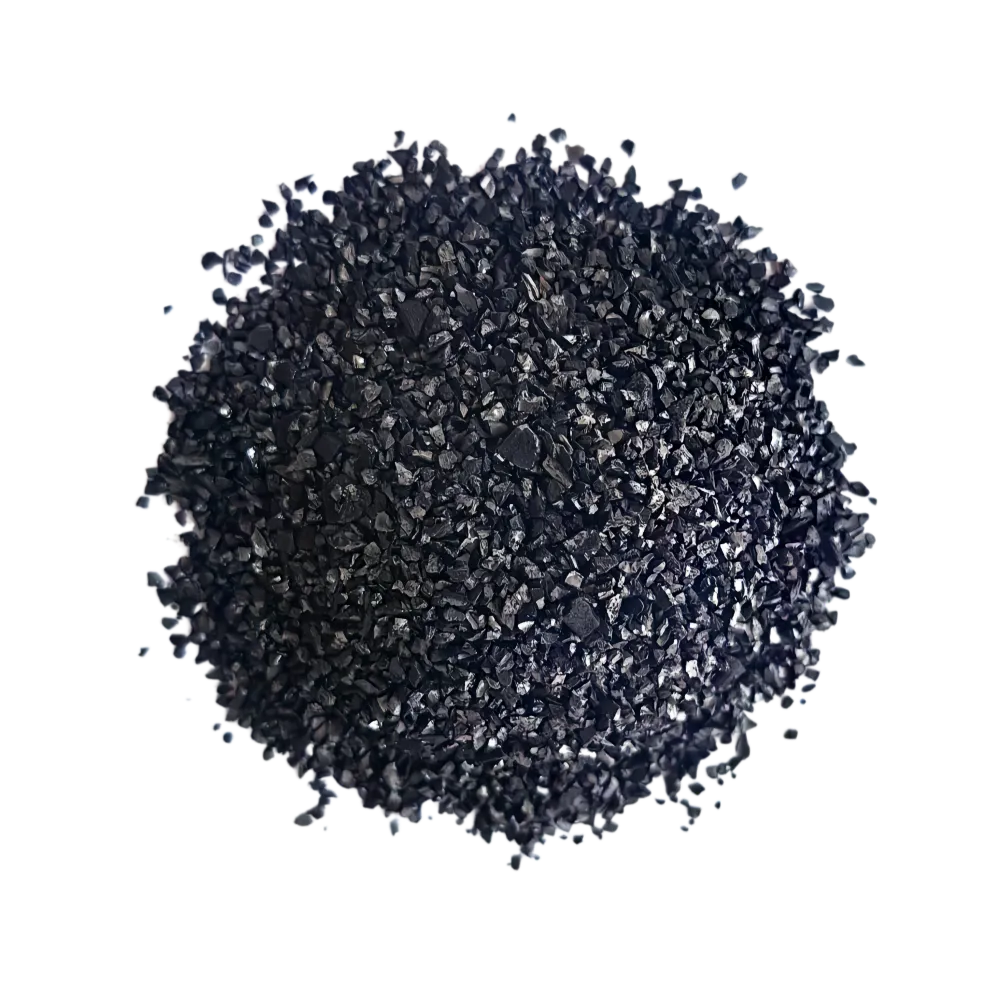
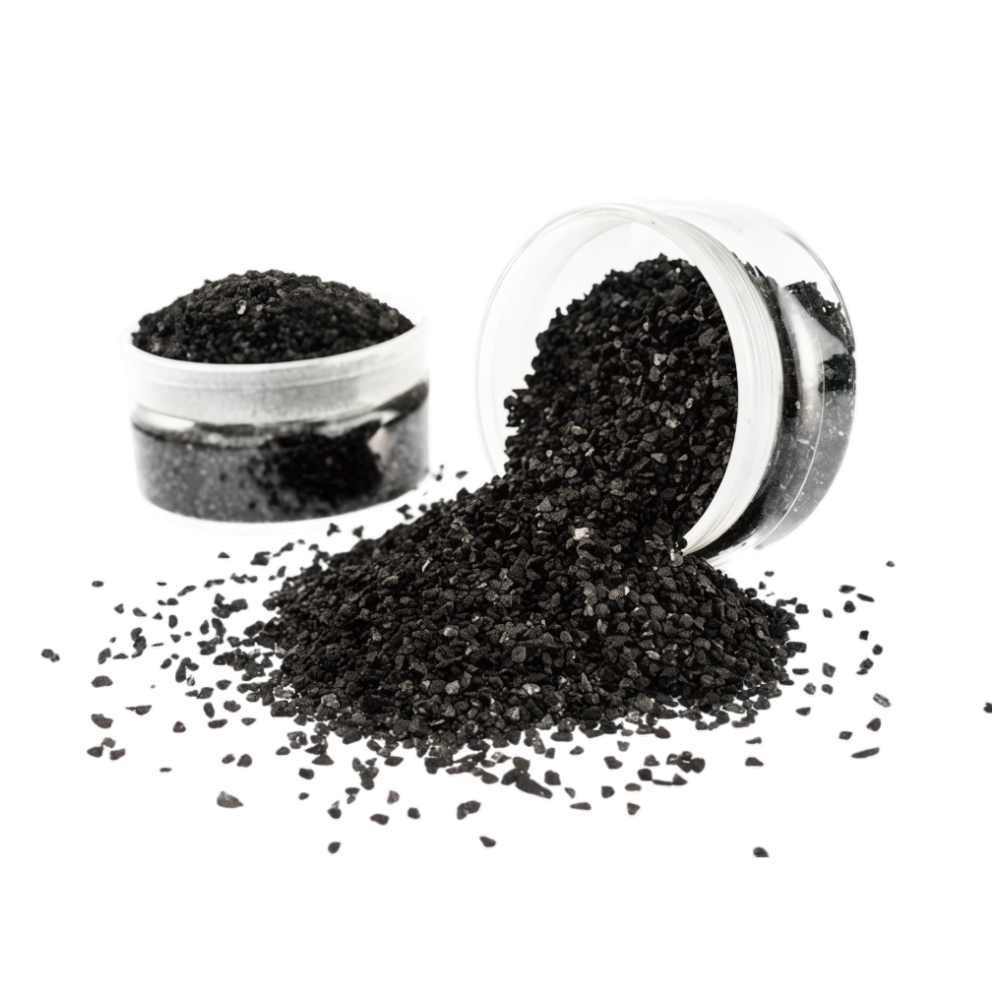
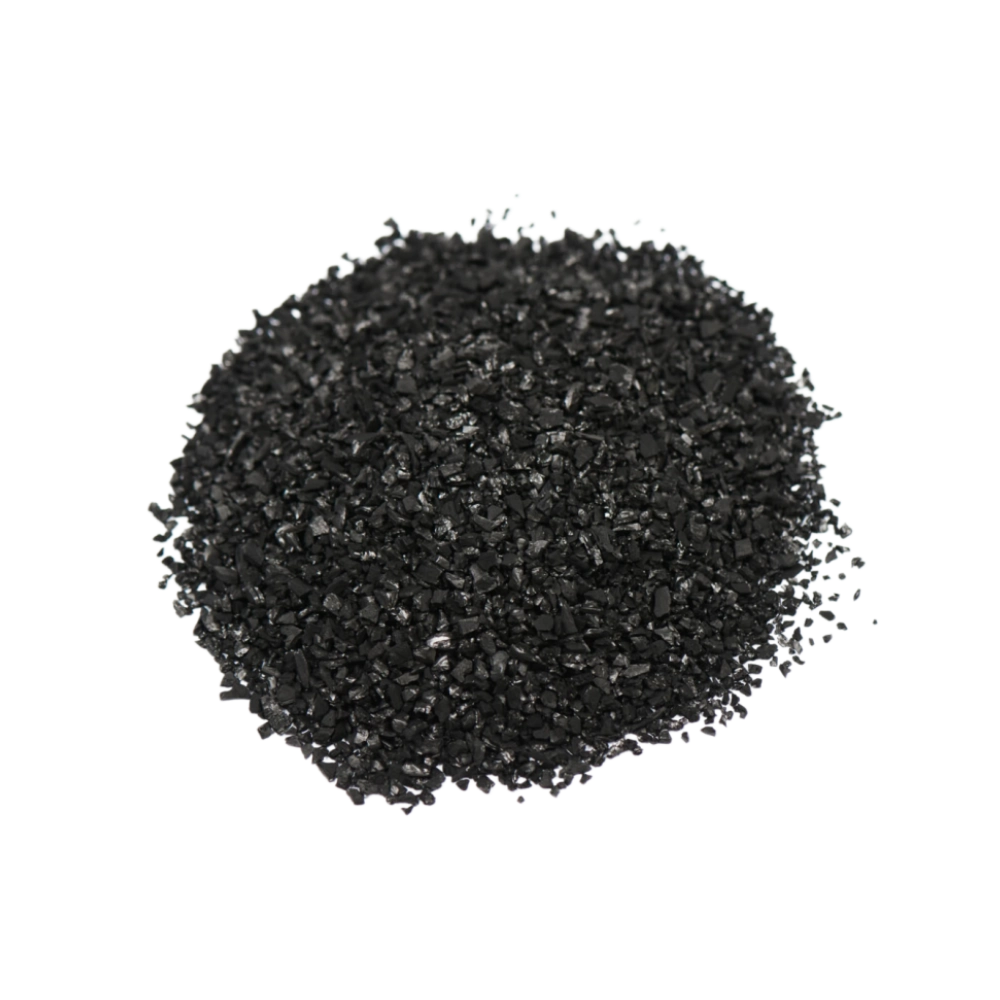
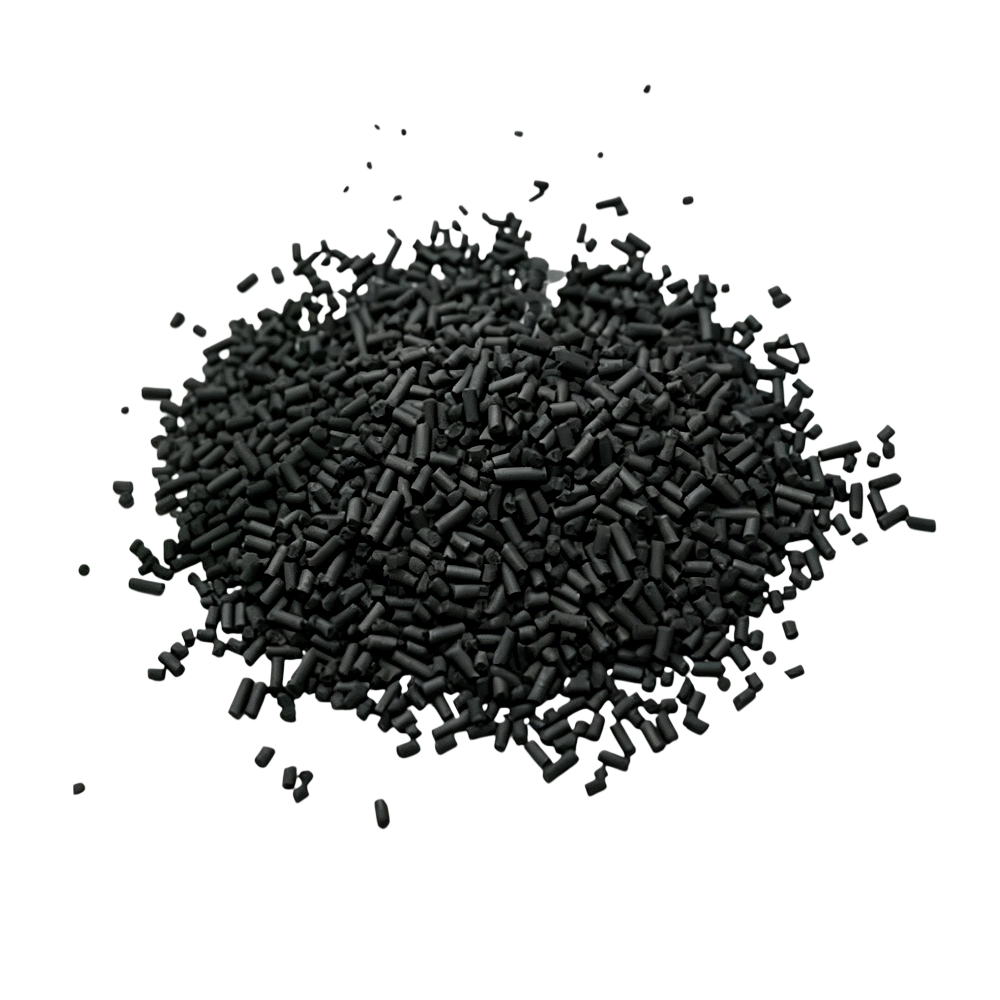
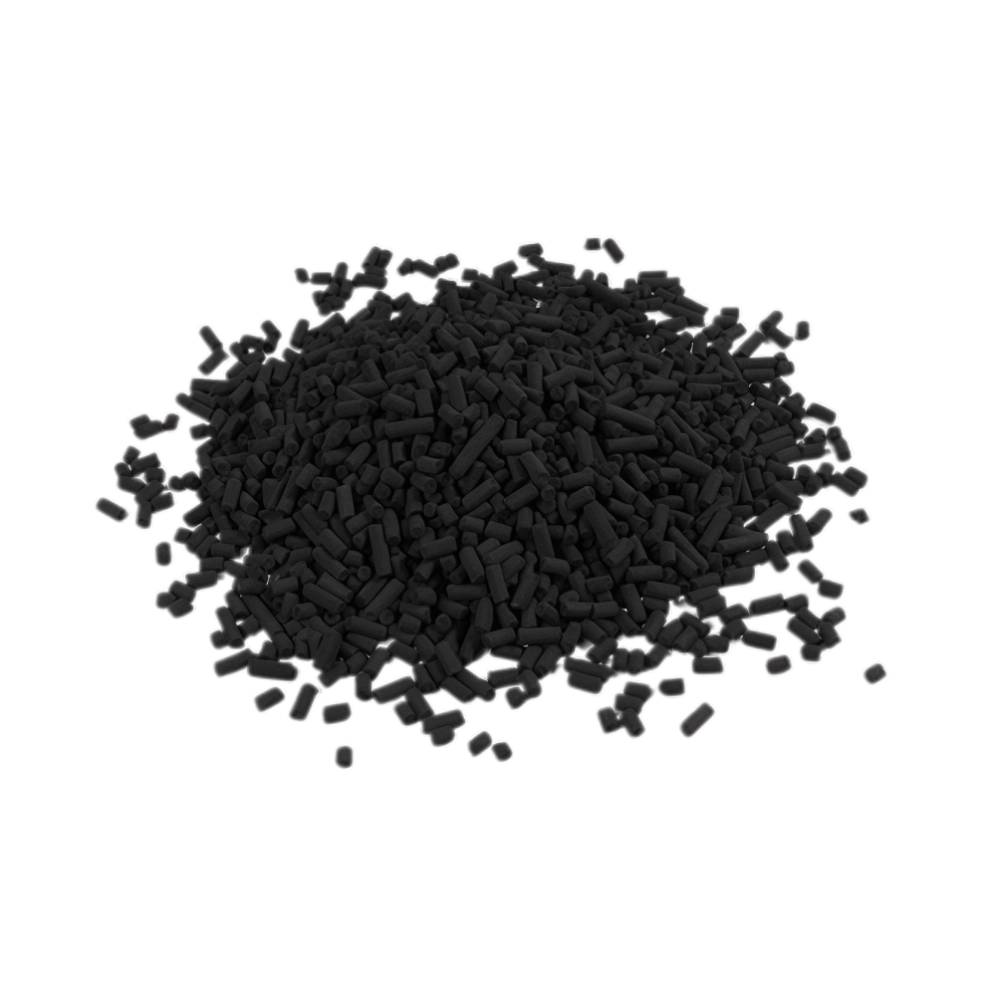
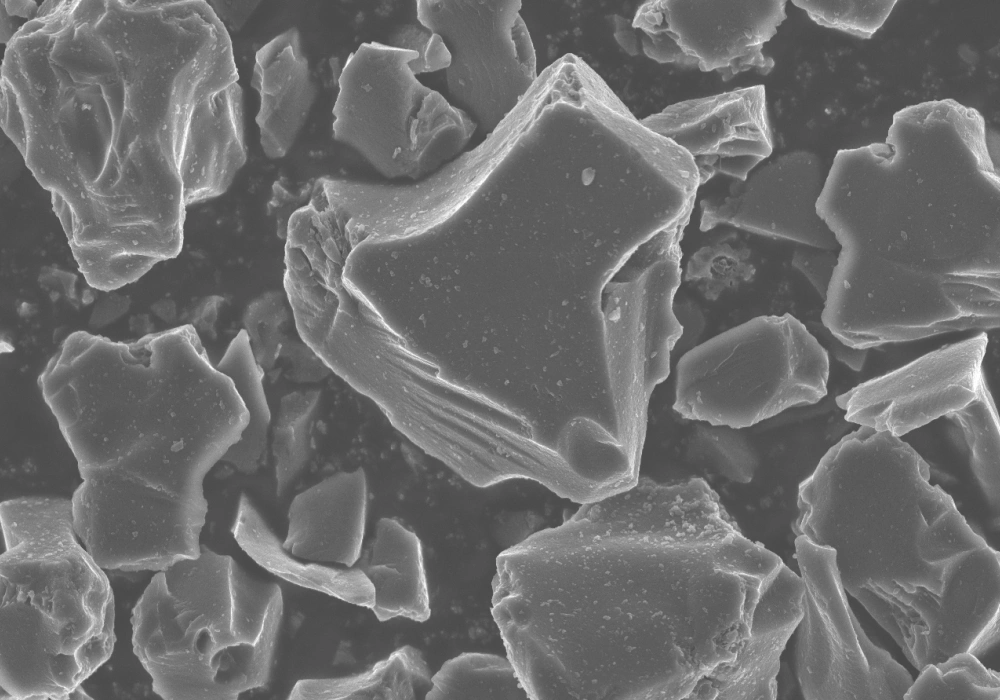
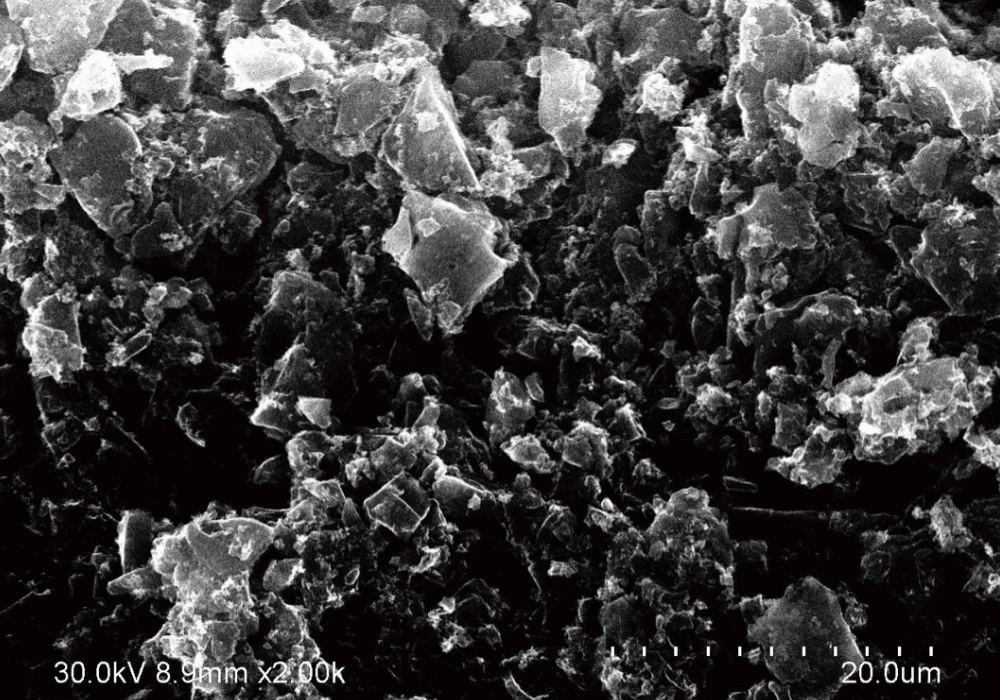
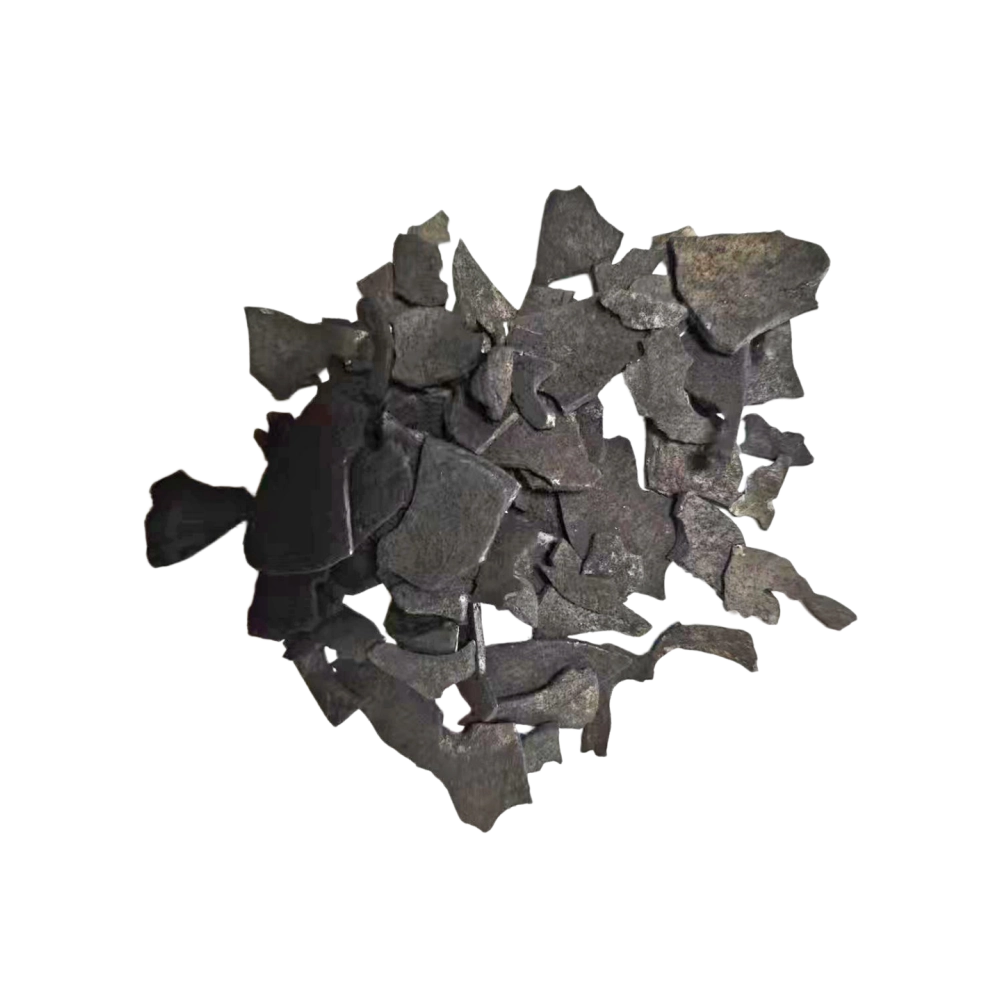
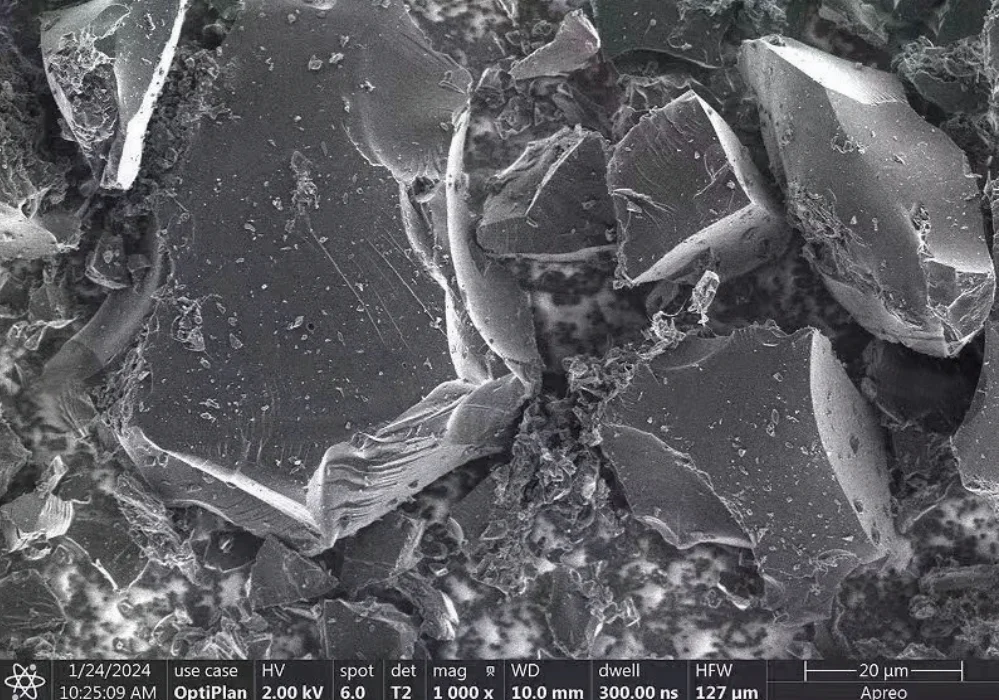
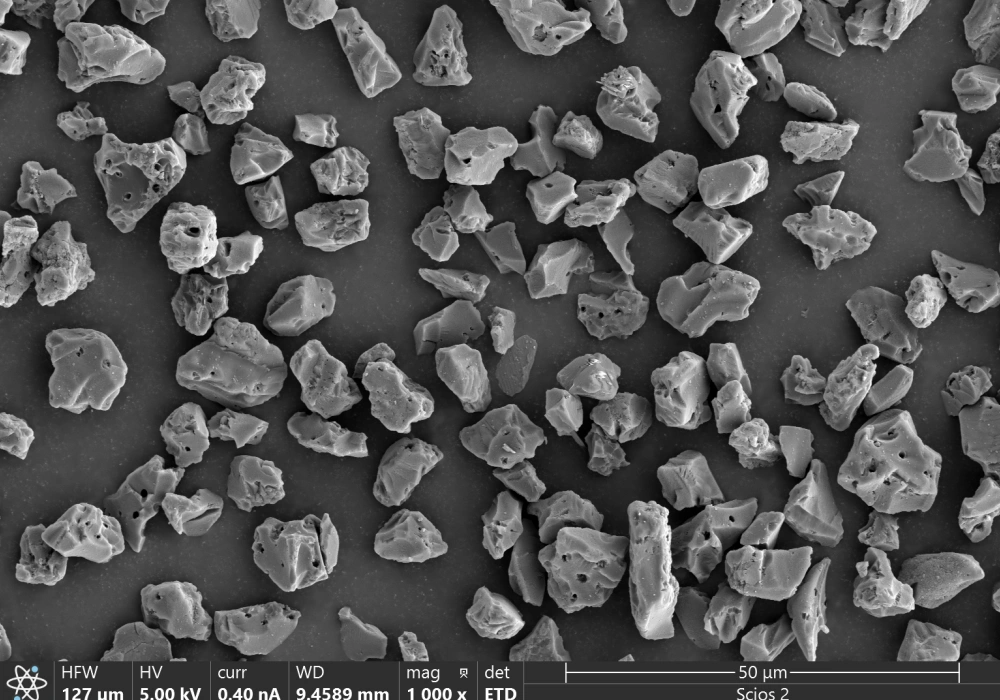
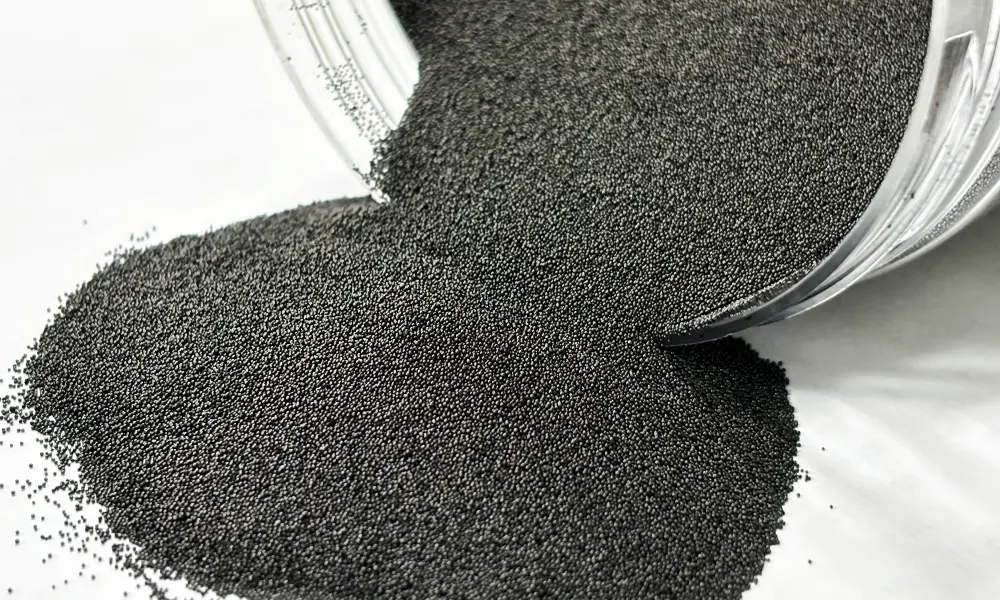
If you have ever tried mixing powdered charcoal into a slurry, you know the frustration: it separates, stains, and can become an inhalation hazard if a nauseated pet regurgitates. Irregular granules are no better—they vary in size, create abrasive suspensions, and raise the activated carbon aspiration risk pets face when swallowing reflexes are already compromised.
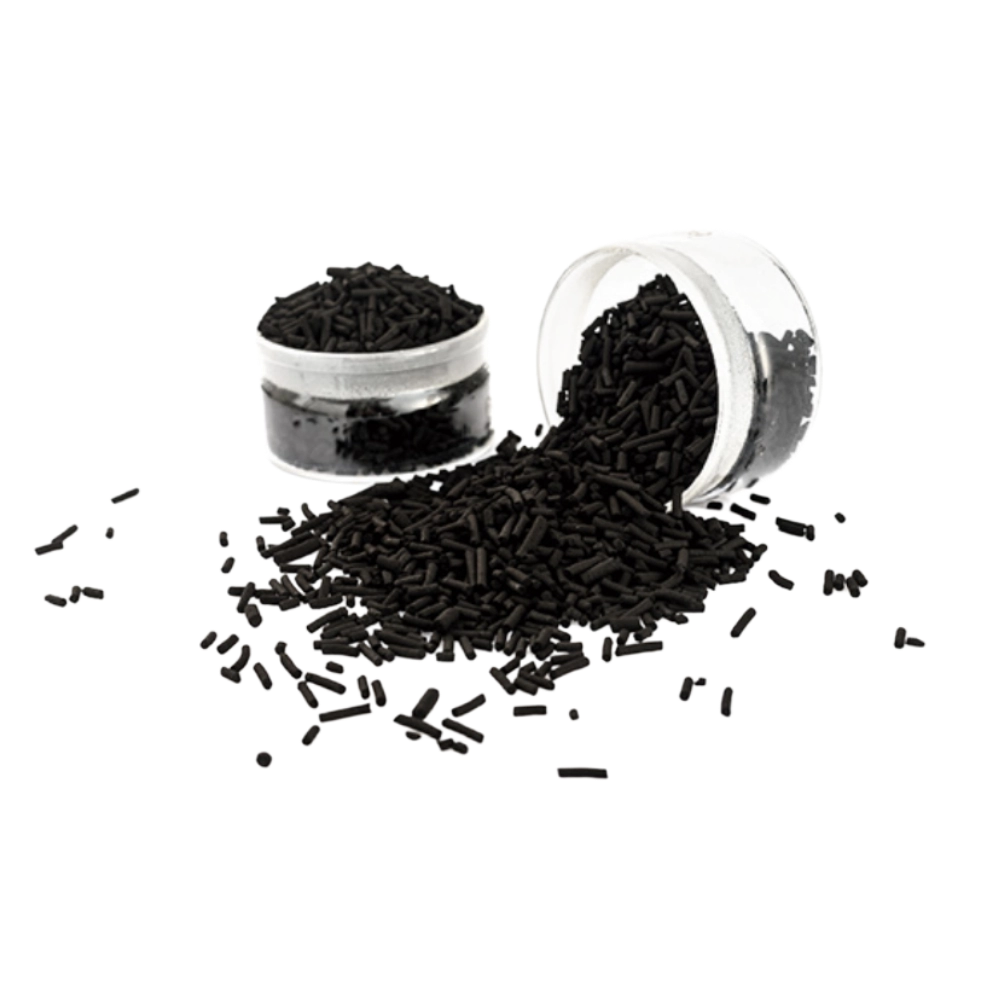
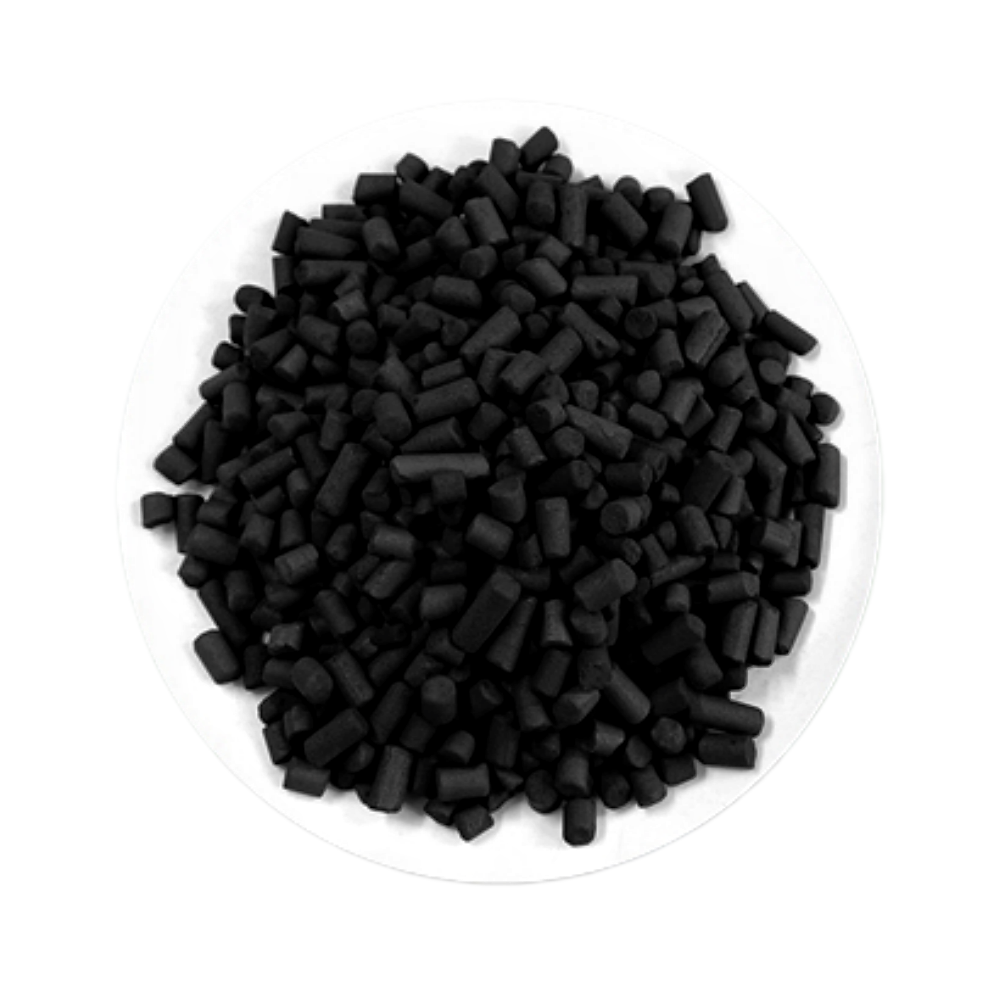
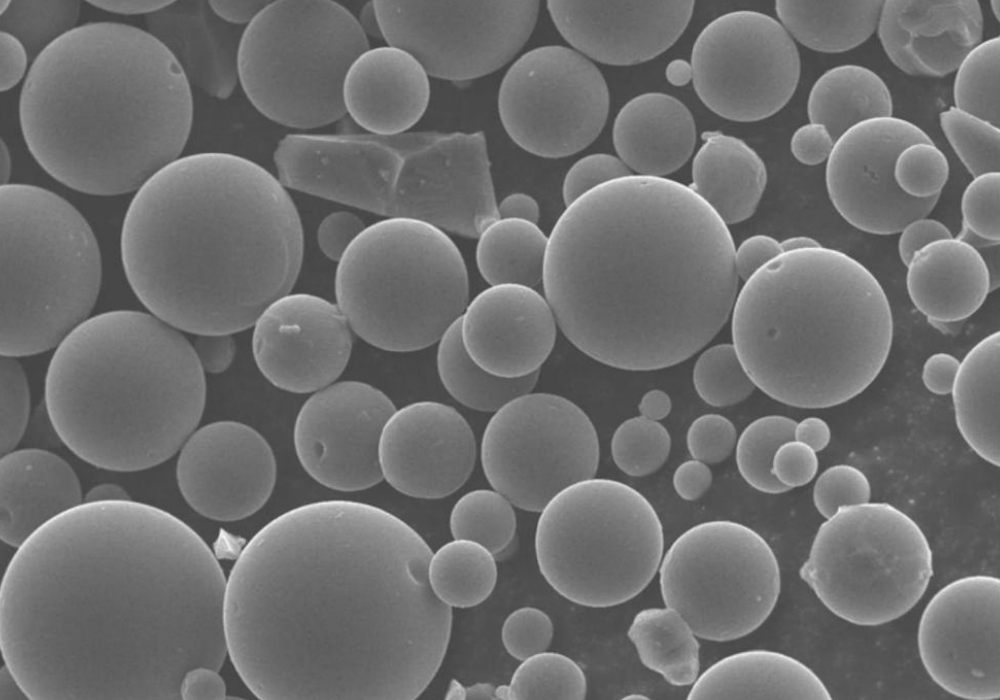
Spherical activated carbon solves these problems by design:
- Flow and dispersion: Perfect spheres create uniform suspensions that glide through dosing syringes and nasogastric tubes without clogging.
- Precision dosing: With tightly controlled diameters, veterinarians can calculate doses by body weight with far more accuracy than irregular grains allow.
- Structural integrity: The beads resist fracturing in the stomach, maintaining their shape and adsorptive capacity all the way through the intestines.
Why Resin-Based Spherical Carbon Sets a Higher Safety Standard
A pet's digestive system is not a water treatment plant. Sensitivity to ash, heavy metals, and natural impurities makes material purity non-negotiable. This is where resin-based activated carbon for pets earns its place.
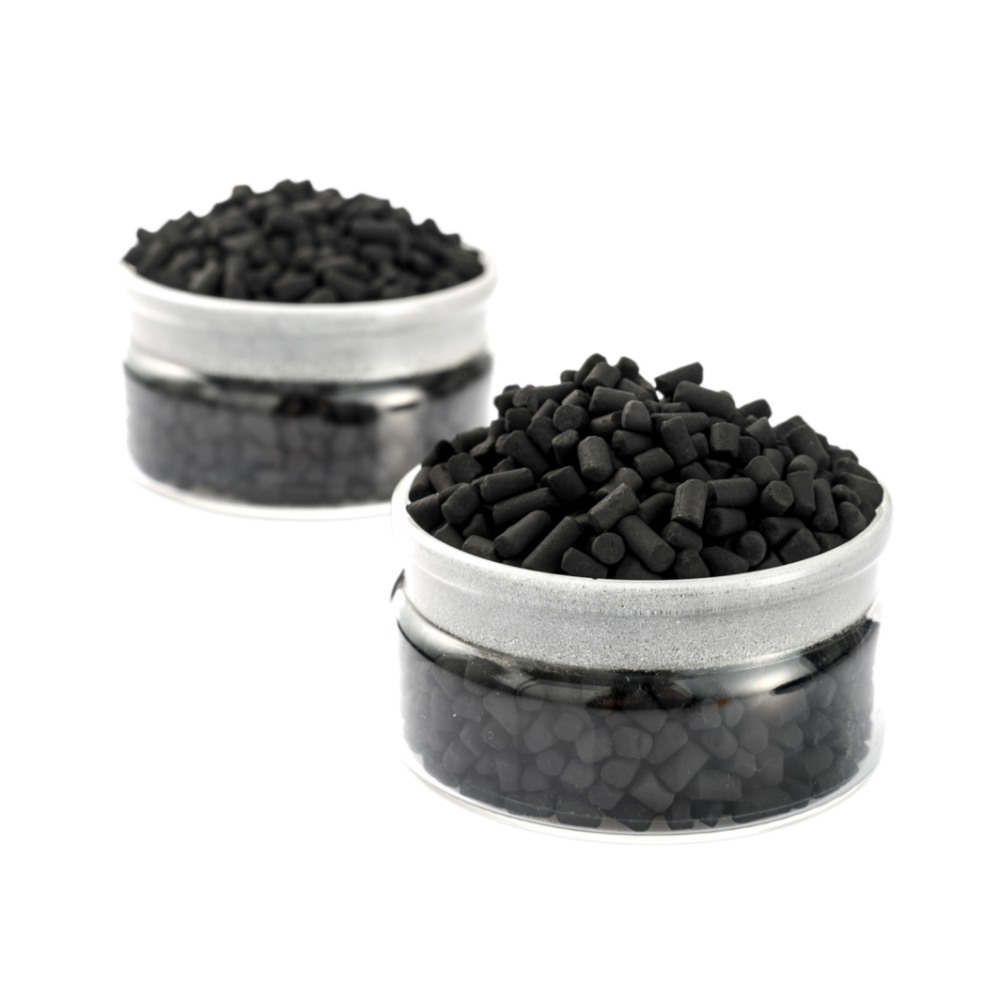
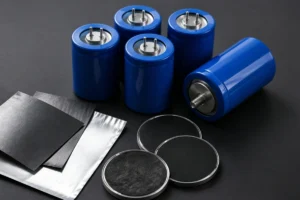
Products like PAC-Q0 are manufactured from synthetic polymer precursors rather than coal or wood. The result is high purity activated carbon with ash content below 2% and minimal moisture—batch after batch.
Two technical traits make this especially valuable in poisoning cases:
- Single pore size distribution: The pore network is remarkably uniform. There are no oversized escape routes for small molecules, and no blocked channels wasting capacity.
- Difficult desorption: Once a toxin is trapped inside the bead, it stays trapped. The carbon-toxin complex is expelled naturally, with no secondary release back into the bloodstream.
Compared with conventional wood-based or coal-based carbons, this level of consistency gives veterinarians a predictable tool in unpredictable emergencies.
Inside the Gut: The "Trap-and-Lock" Mechanism
Here is what happens after administration during that critical golden window—ideally within the first hour, sometimes extending to four:
- The spheres disperse evenly through gastric and intestinal fluids.
- Organic toxin molecules—theobromine from chocolate in an activated carbon for dogs chocolate poisoning event, for example—collide with the bead surface.
- Van der Waals forces pull the molecules into the pores.
- The bound toxins are physically prevented from crossing the intestinal wall into circulation.
- The loaded carbon is eliminated naturally. Black stool is normal and expected.
The process is purely physical, mechanically reliable, and remarkably direct.
Dosage Guidelines (Veterinary Supervision Required)
The following are general reference ranges only. Dosage must be determined by a licensed veterinarian based on the specific toxin, pet weight, and clinical condition.
| Factor | Typical Reference |
| Standard dose | 1–4 grams per kg of body weight |
| Administration form | Oral suspension or gel prepared from spherical carbon |
| Onset of action | 30–60 minutes after ingestion |
| Repeat dosing | Sometimes required every 4–6 hours for certain toxins |
| Maximum single dose | Must be determined by the veterinarian |
Important: Activated carbon is most effective when given within 1 hour of toxin ingestion. After 4 hours, efficacy drops significantly for most substances.
Side Effects & Contraindications
Common side effects:
- Black or dark stools (expected, harmless)
- Mild constipation
- Nausea or vomiting
- Abdominal bloating
When NOT to use activated carbon:
- Pet is unconscious, seizing, or lacks a gag reflex (aspiration risk)
- Suspected gastrointestinal perforation or obstruction
- Ingestion of corrosive substances (acids/alkalis) or petroleum distillates
- Ingestion of ethylene glycol (antifreeze)—carbon is ineffective; specific antidotes are required
- Pet has a history of Crohn's disease, diverticulitis, or recent GI surgery
If any of the above apply, do not administer carbon orally. Contact emergency veterinary services immediately.
What Pet Owners Should Do Before Reaching the Vet
If you suspect poisoning, speed and safety are everything:
- Document: Photograph the toxin and packaging. Note the time of ingestion.
- Call immediately: Contact your emergency veterinarian. Do not attempt to induce vomiting or give home remedies.
- Ask about formulation: If carbon is indicated, ask whether a spherical suspension is available. Its smooth flow properties and precise dosing (similar to activated carbon dose dog ml/kg calculations) make administration safer and more accurate.
- Know the limits: If your pet is unconscious, seizing, or lacks a gag reflex, oral carbon is off the table due to activated carbon aspiration risk pets.
- Separate medications: Carbon adsorbs other oral drugs. If your pet is on medication, tell the vet immediately.
FAQ
Q1: Can I give activated carbon to my pet at home without a vet?
No. While carbon is generally safe, the wrong dose or the wrong toxin can make things worse. Always consult a veterinarian first.
Q2: How quickly does spherical activated carbon work?
Onset is typically 30–60 minutes. It works best when given within 1 hour of toxin ingestion.
Q3: Is spherical carbon better than powdered charcoal for pets?
Yes. Spherical carbon creates smoother suspensions, allows more precise dosing, and has lower aspiration risk than powder.
Q4: Will activated carbon help if my dog ate antifreeze (ethylene glycol)?
No. Ethylene glycol is not effectively adsorbed by activated carbon. This requires immediate veterinary intervention with specific antidotes.
Final Word: Better Carbon, Better Odds
Spherical activated carbon for pet detox is not a marketing gimmick. It is a structural and material upgrade that addresses real clinical problems: dosing precision, aspiration risk, purity consistency, and sustained adsorption. For emergency veterinarians, it is a tool that behaves predictably when every minute counts.
Keep a pet-specific emergency kit at home, but remember: technology supports care; it does not replace it. When in doubt, call the professional.