













Product Overview
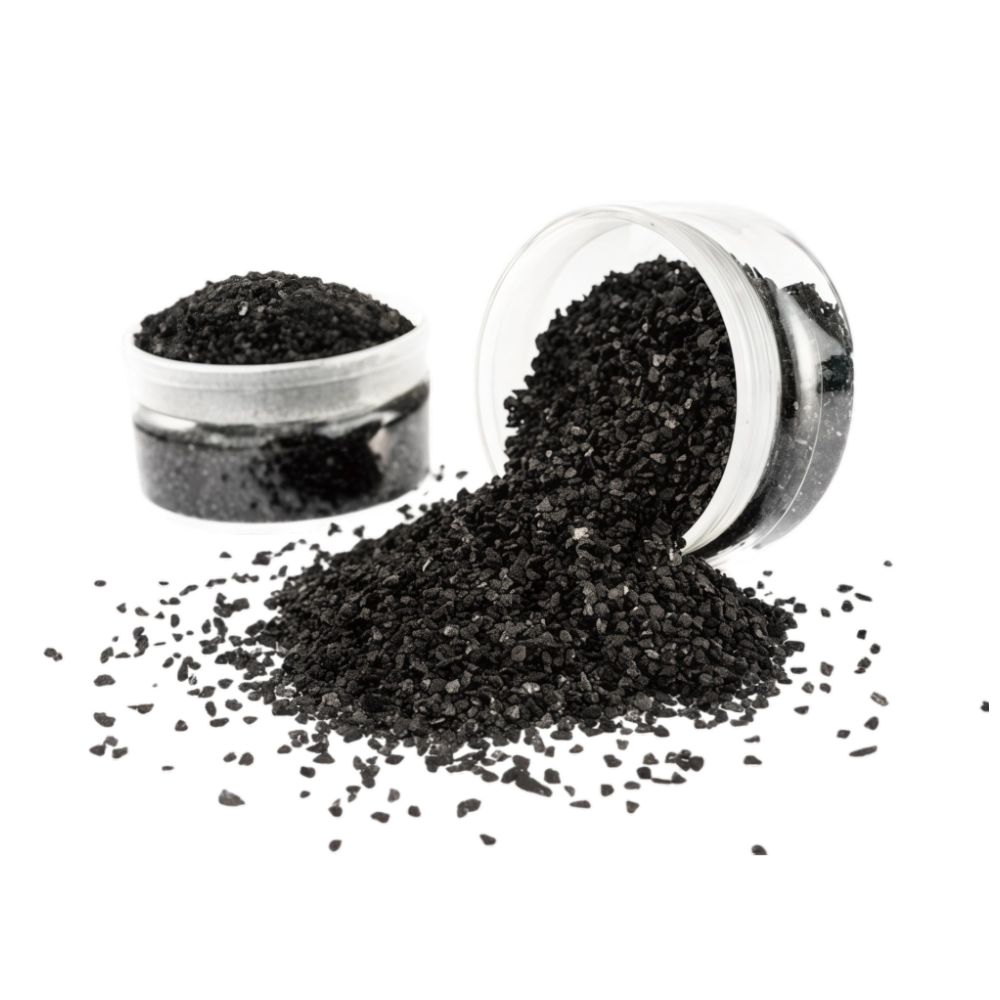
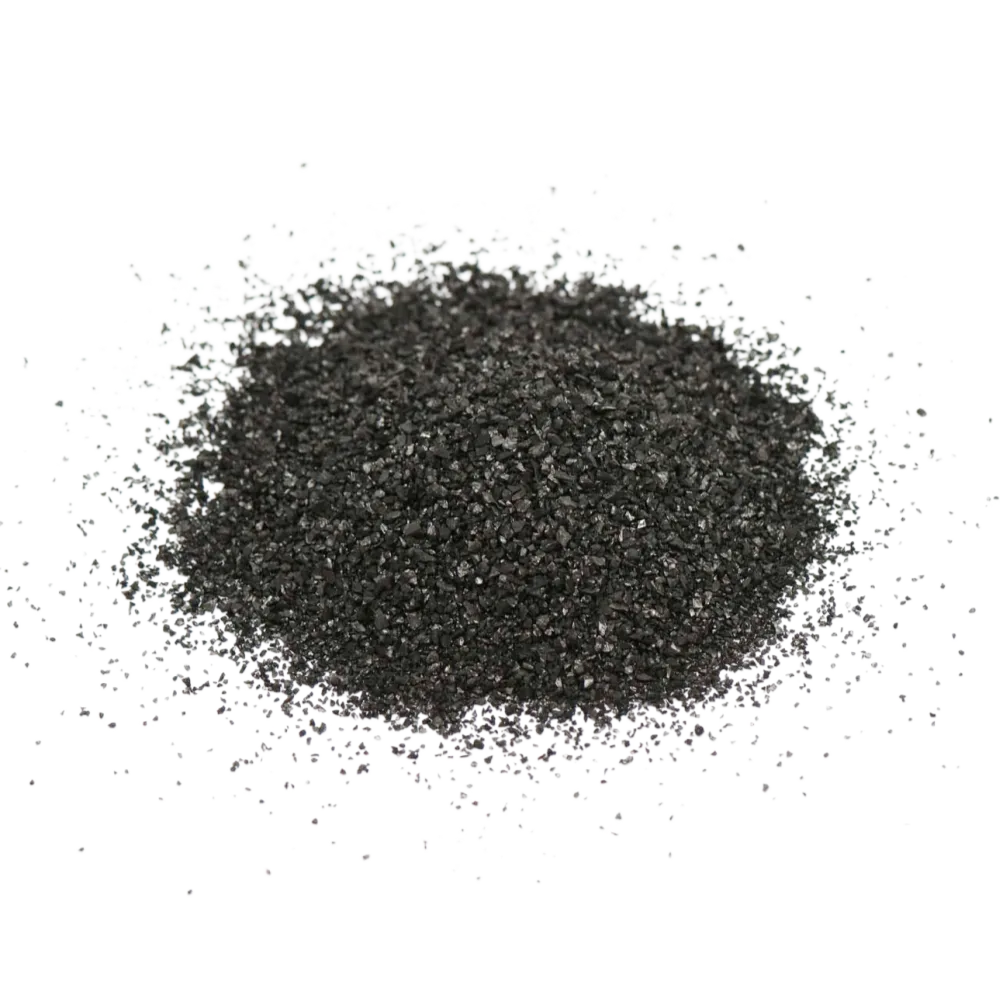
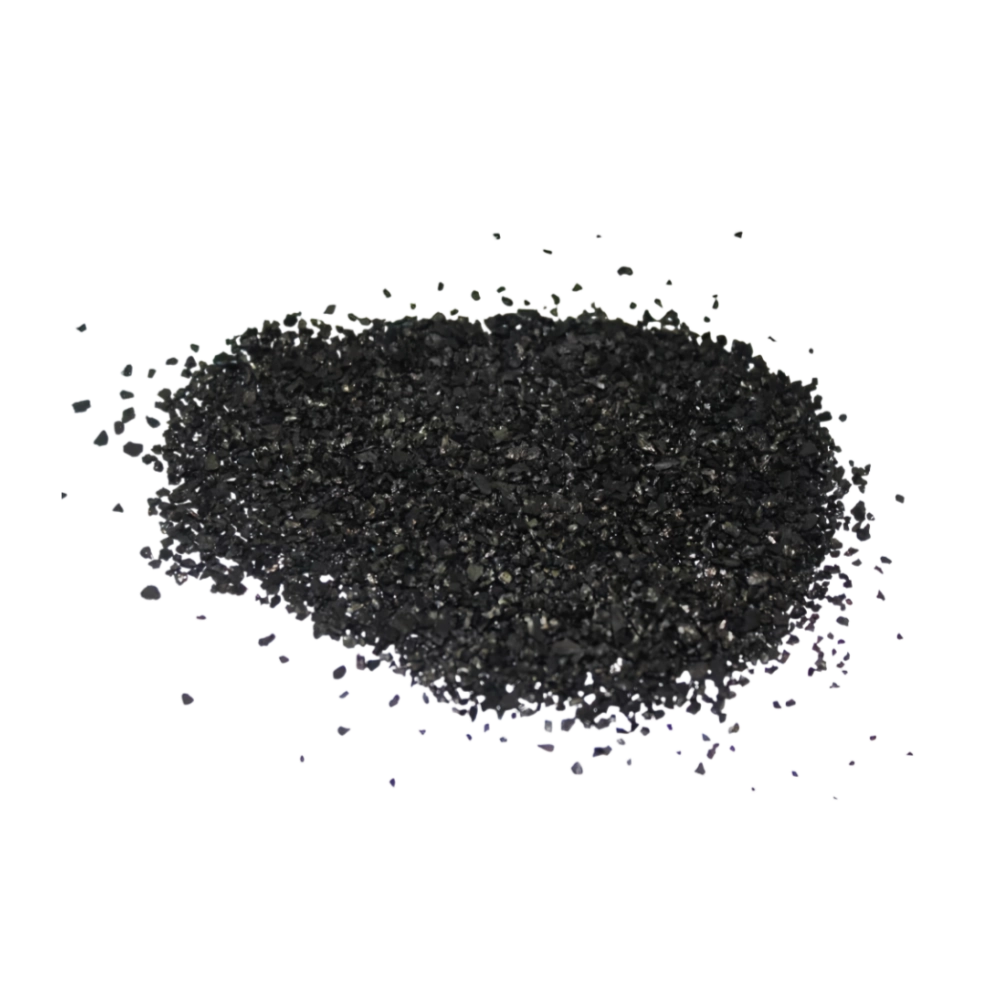
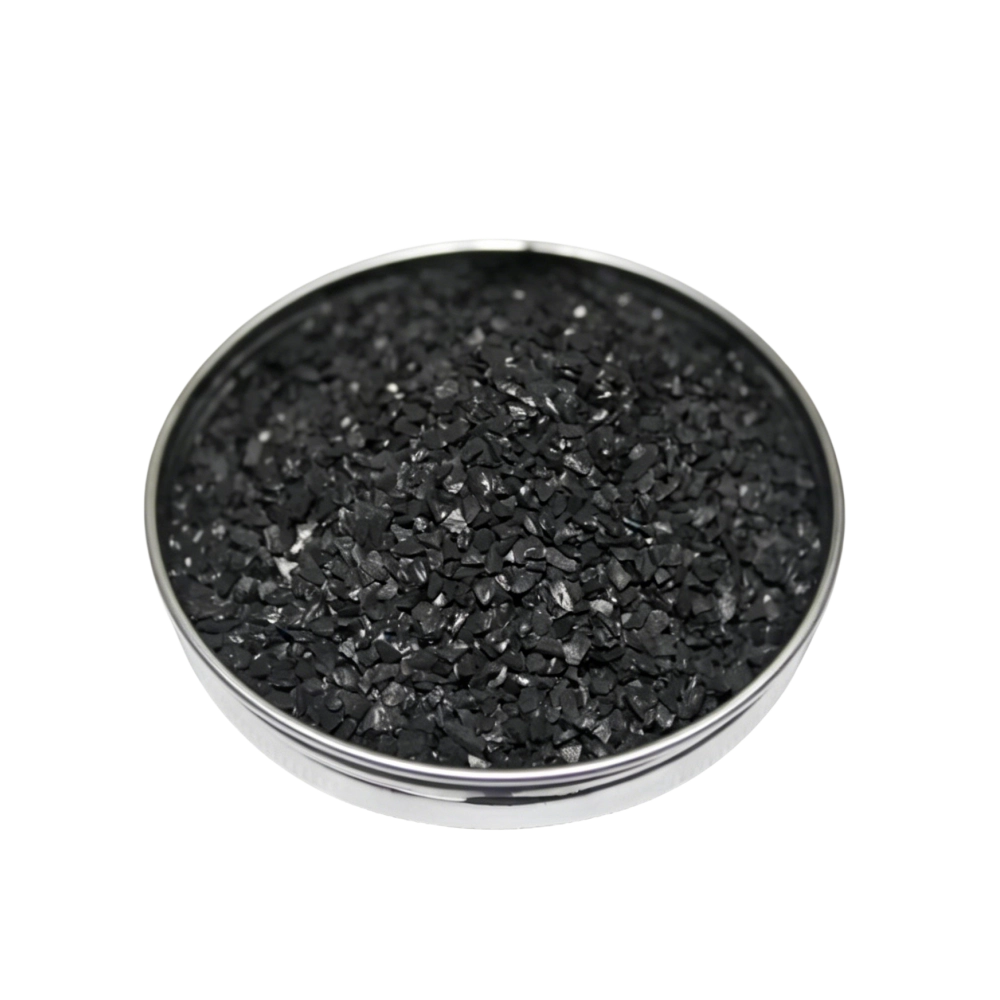
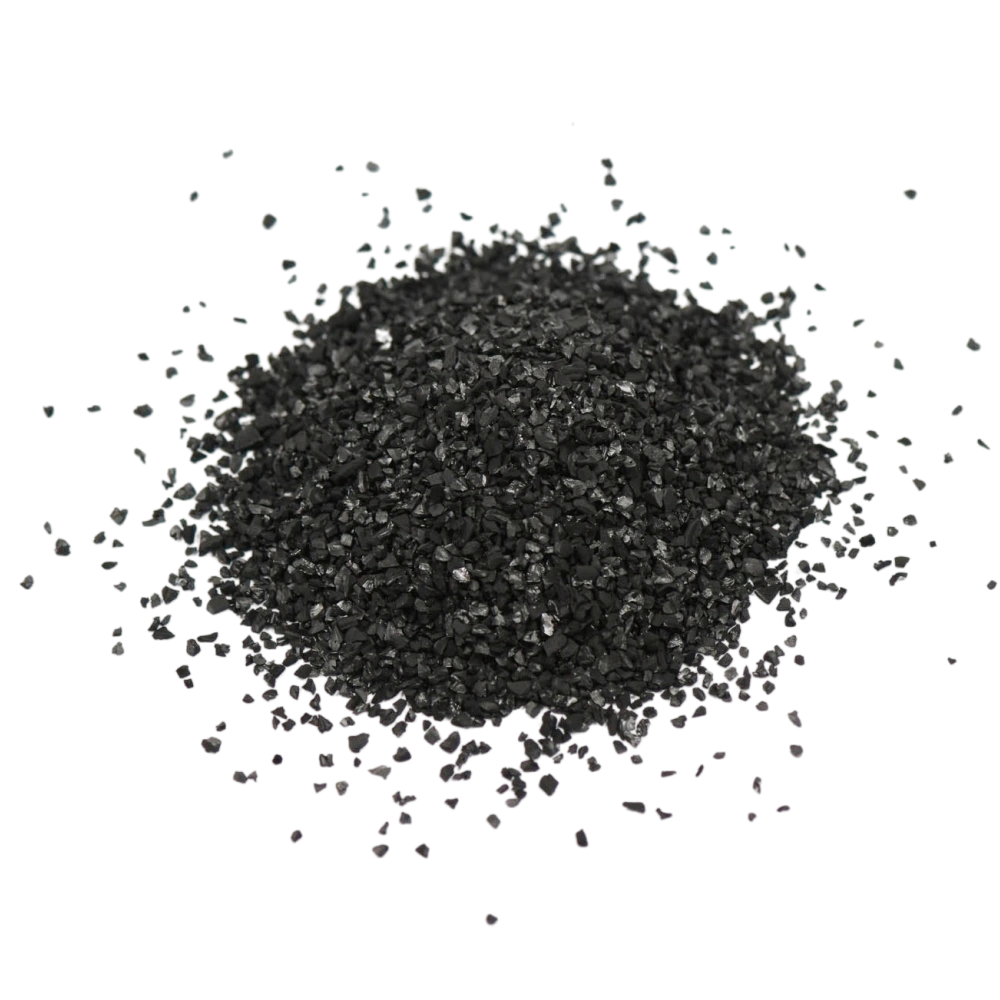
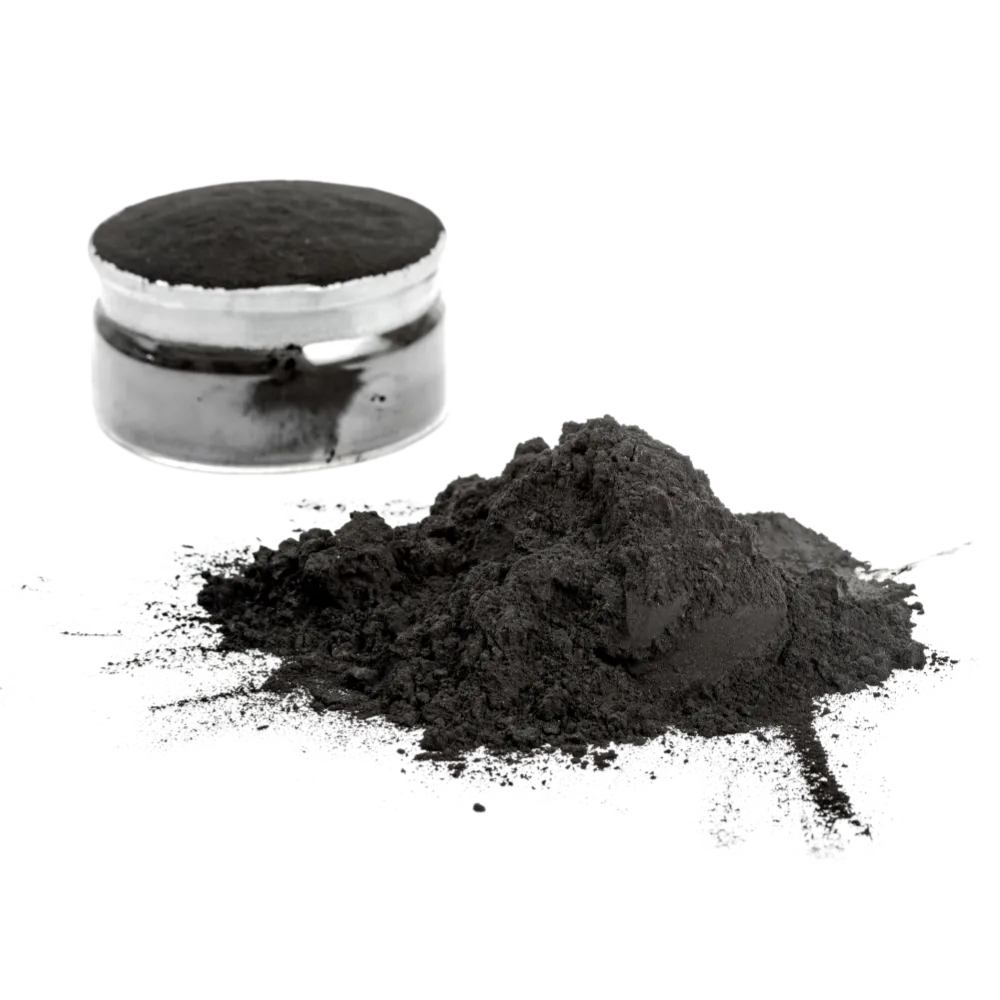
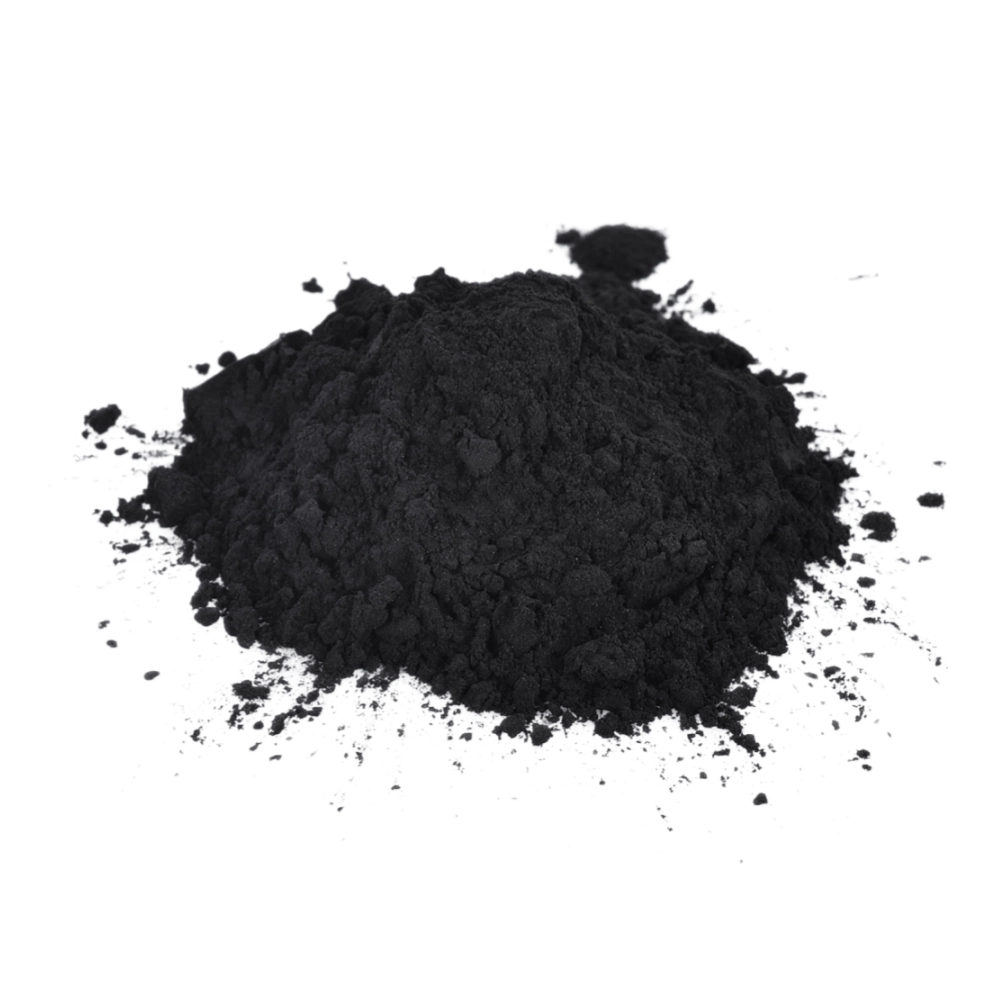
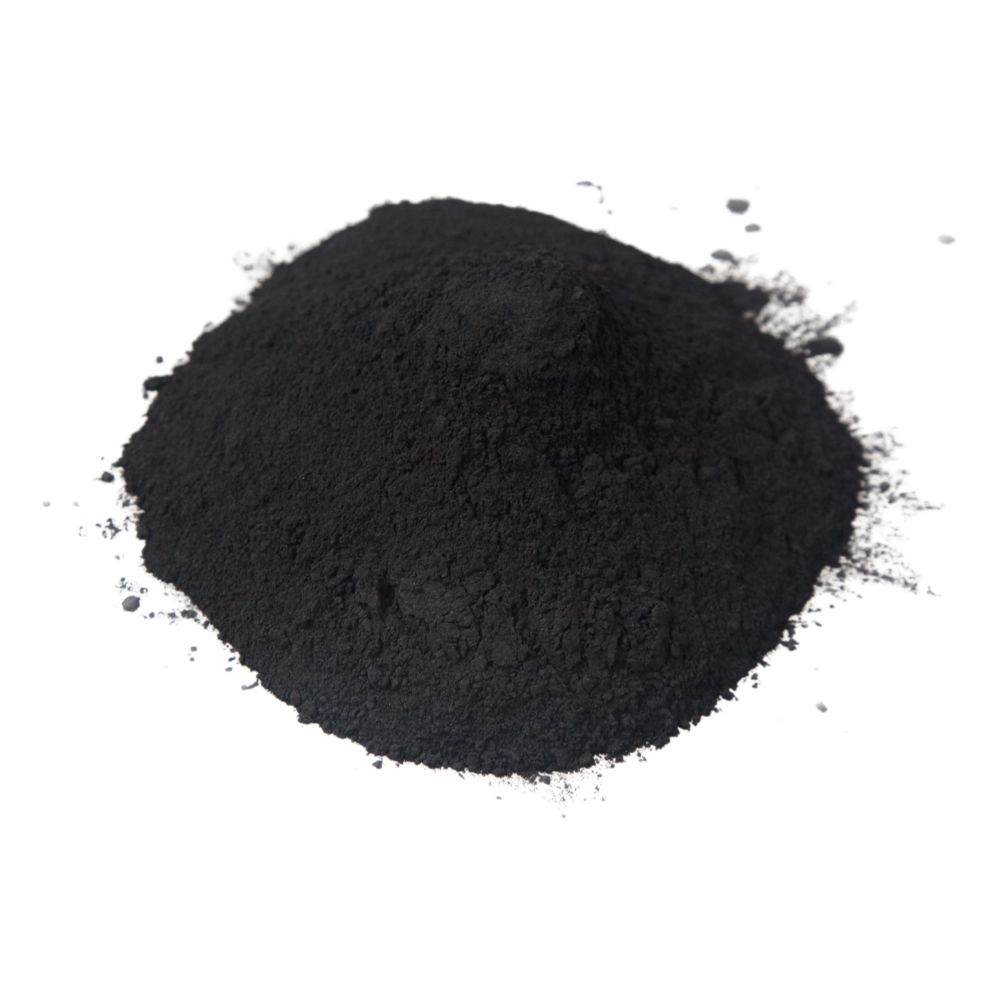
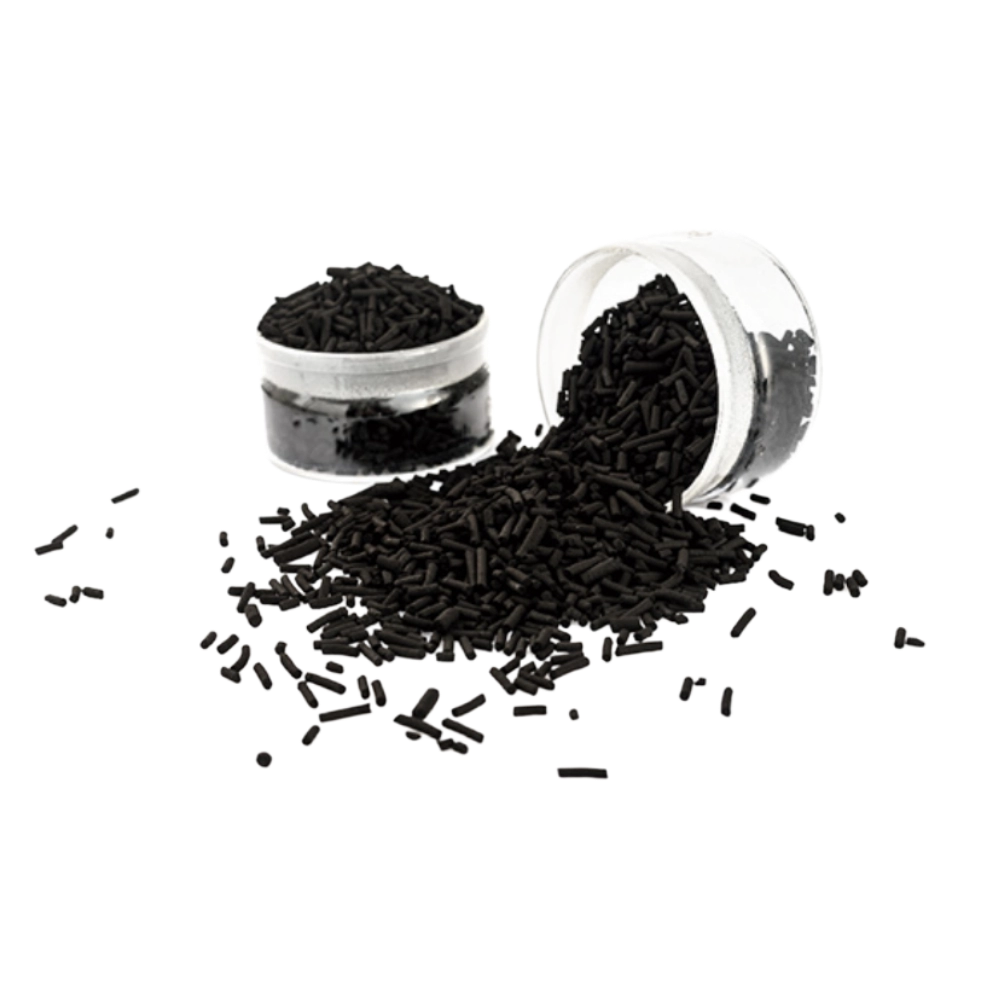
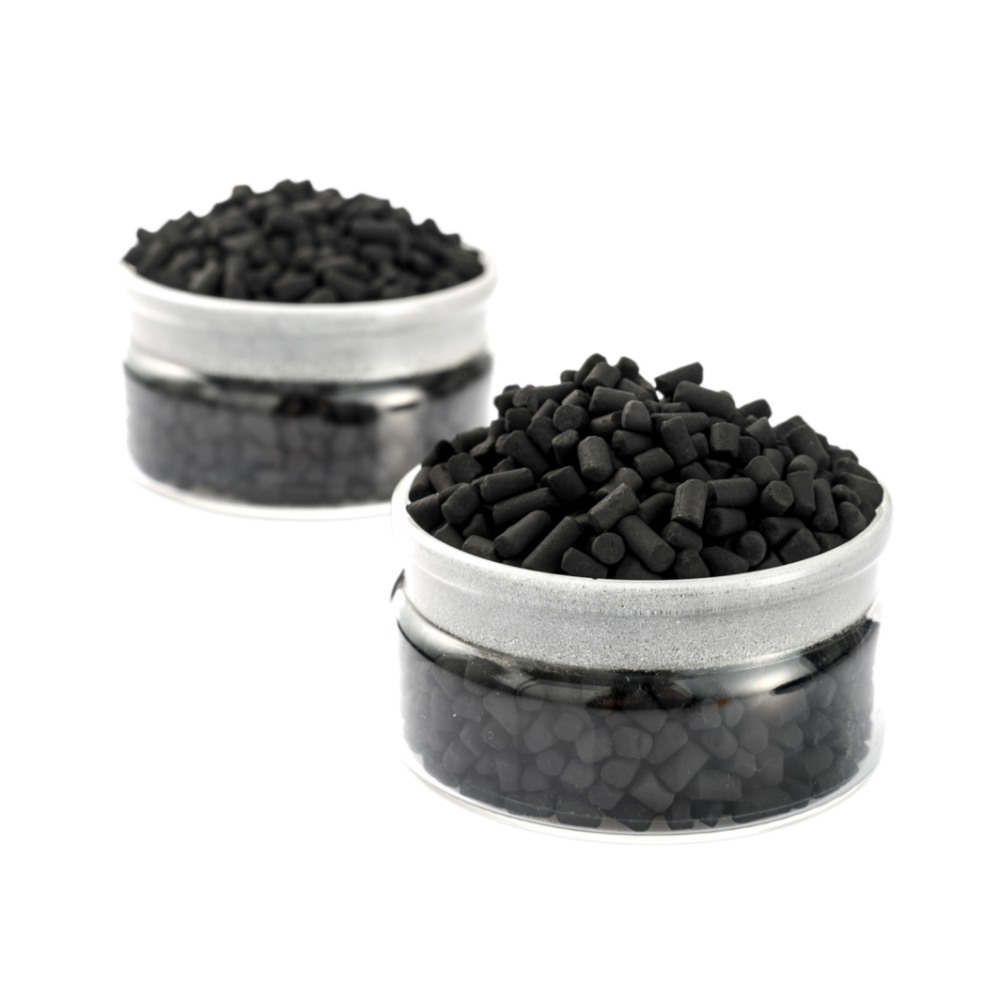
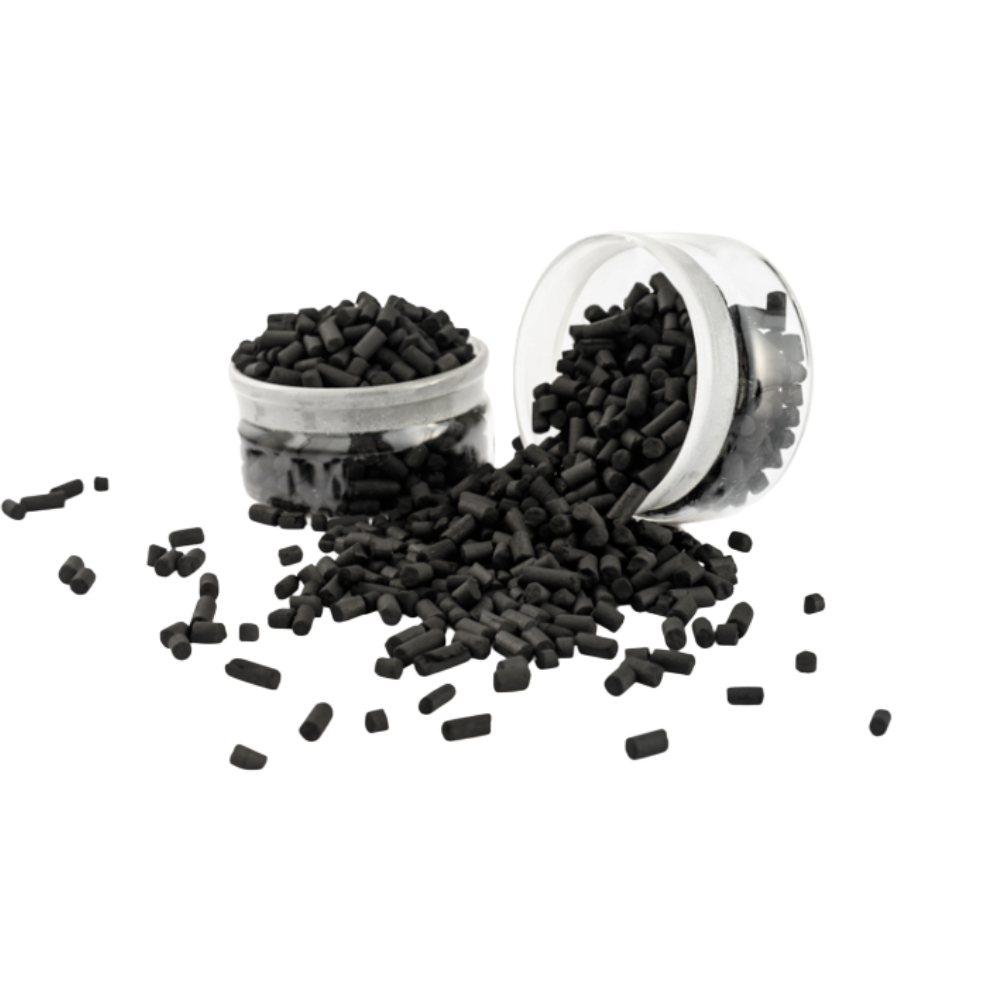
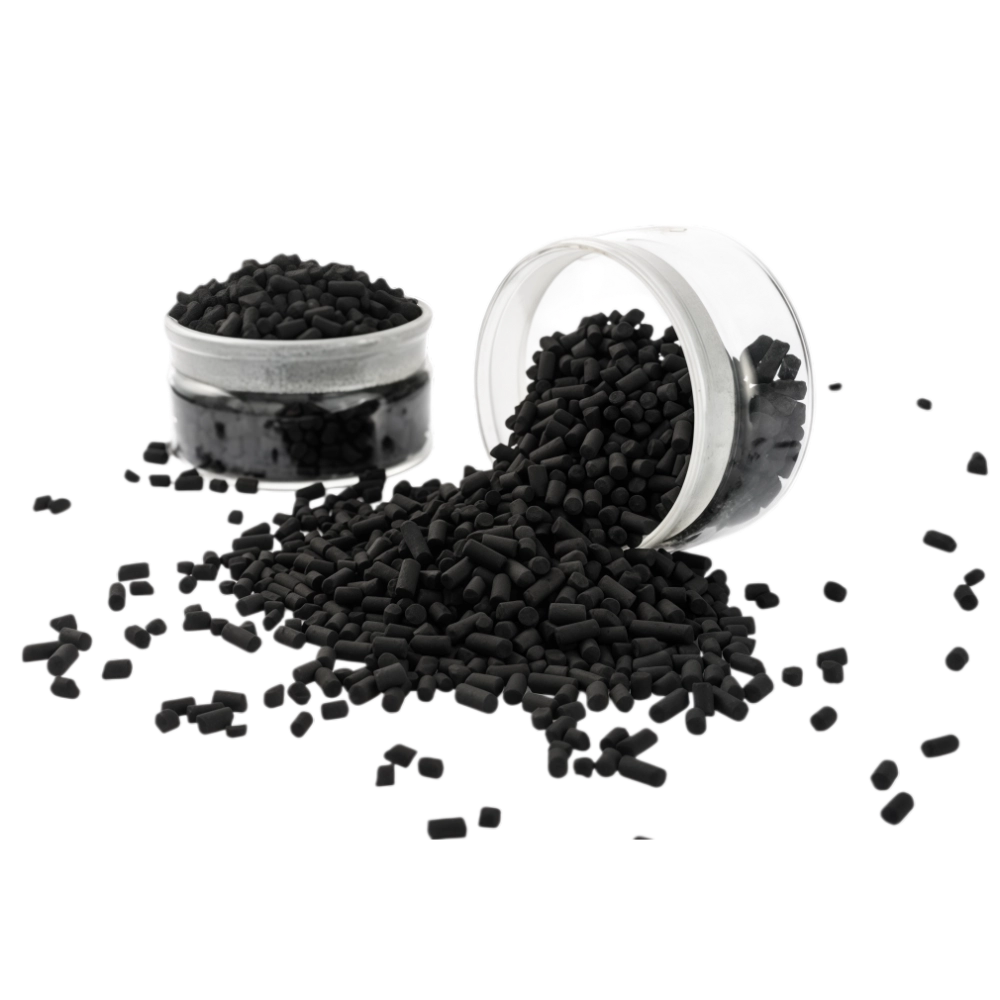
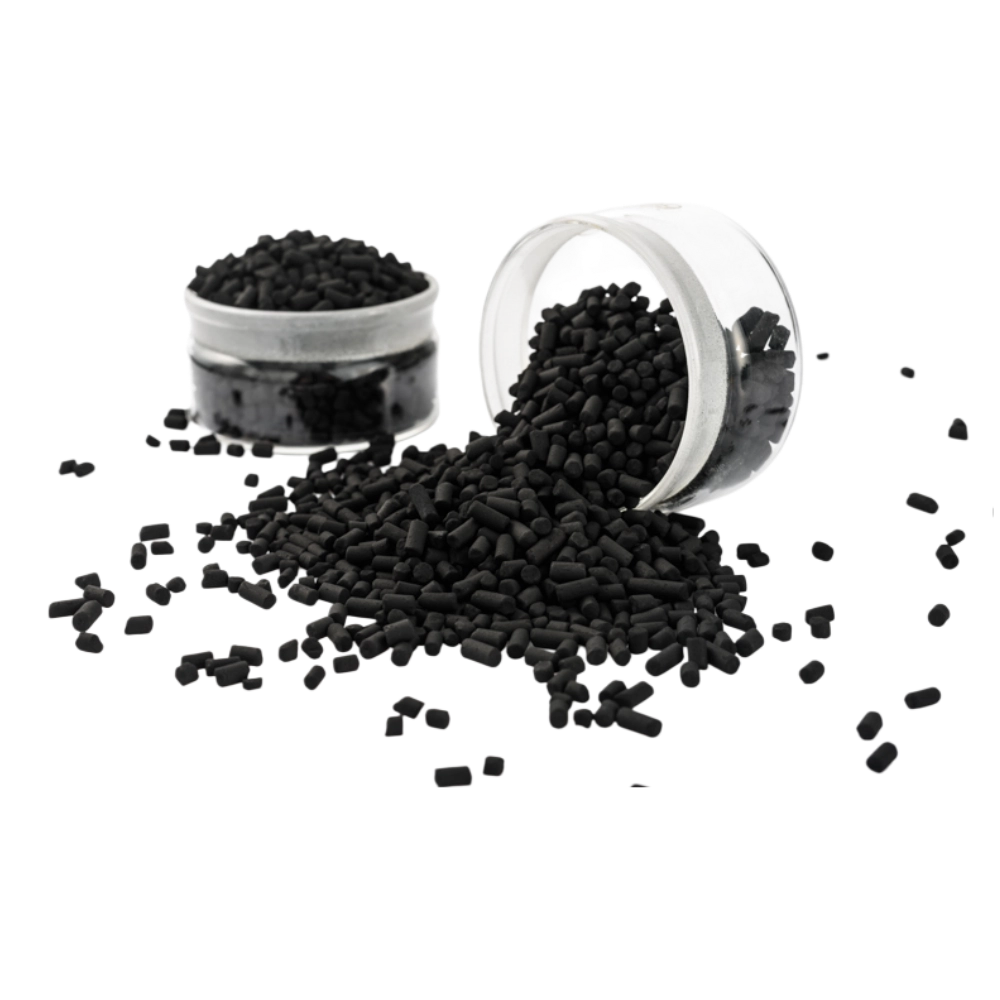
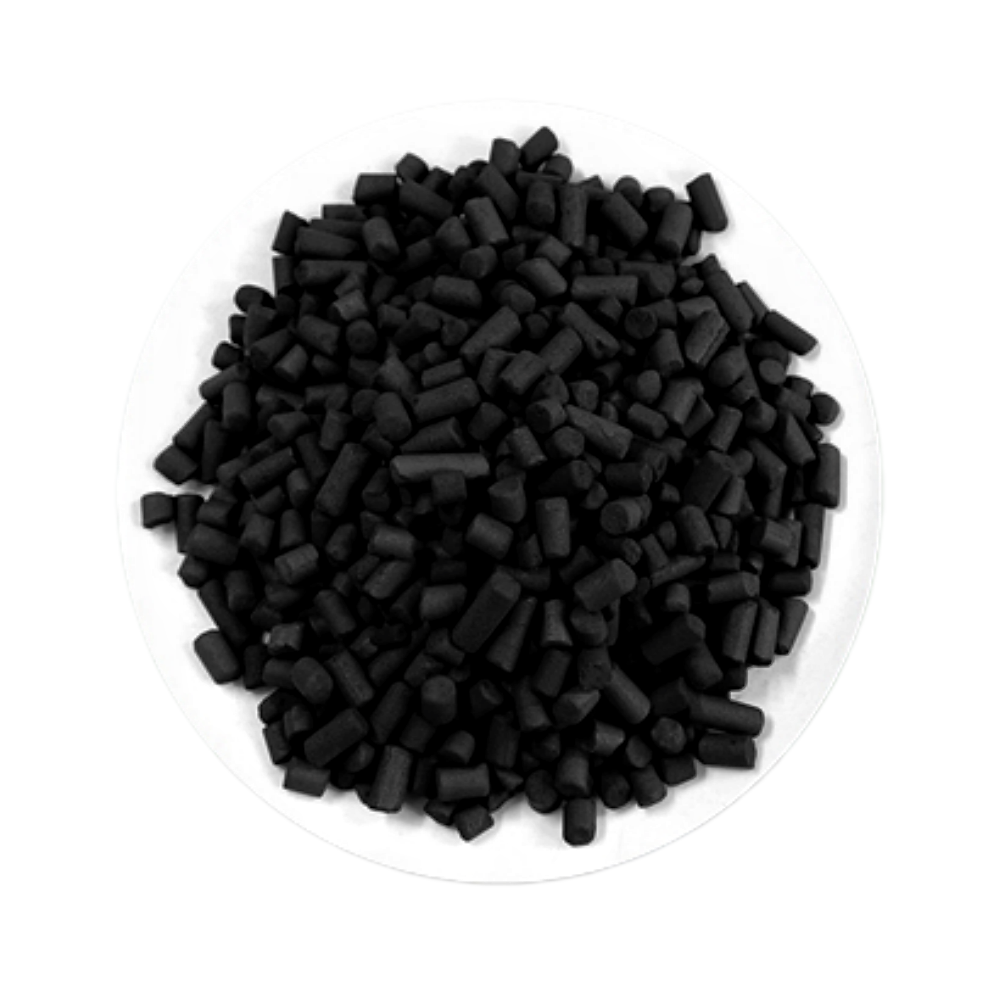
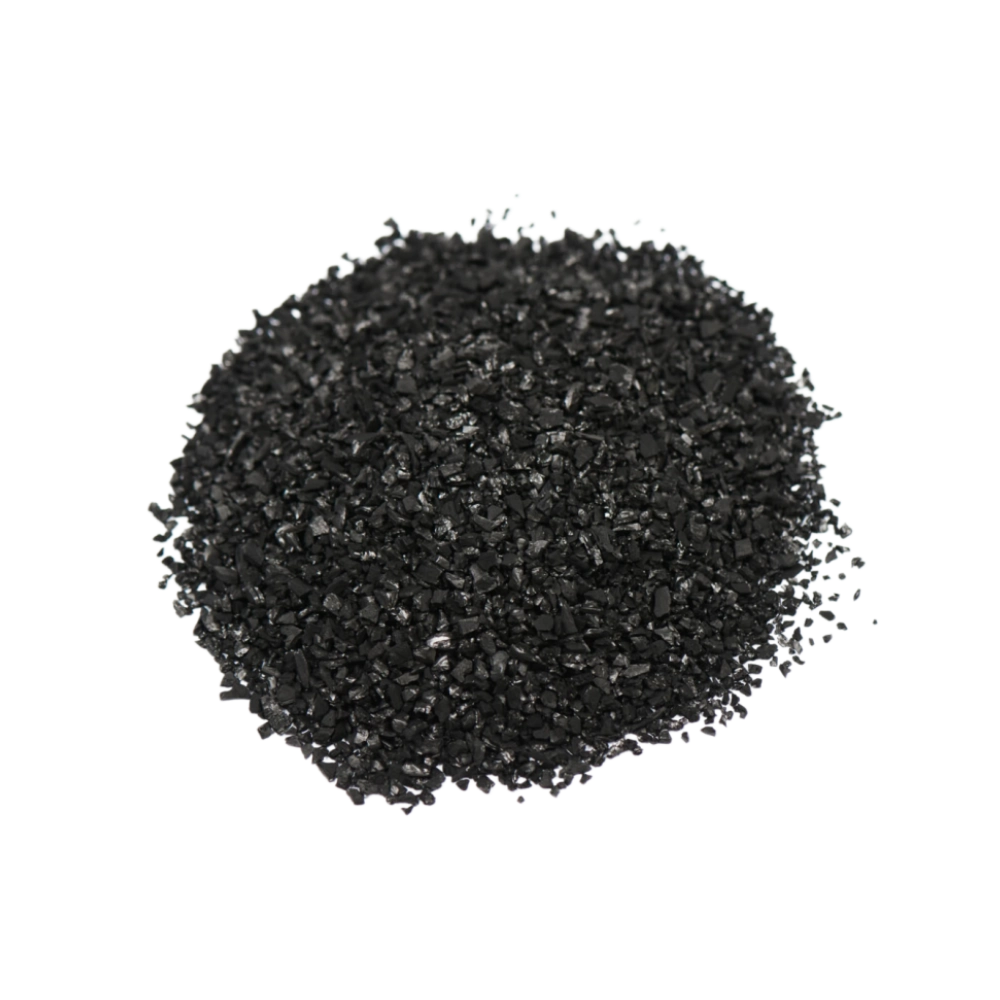
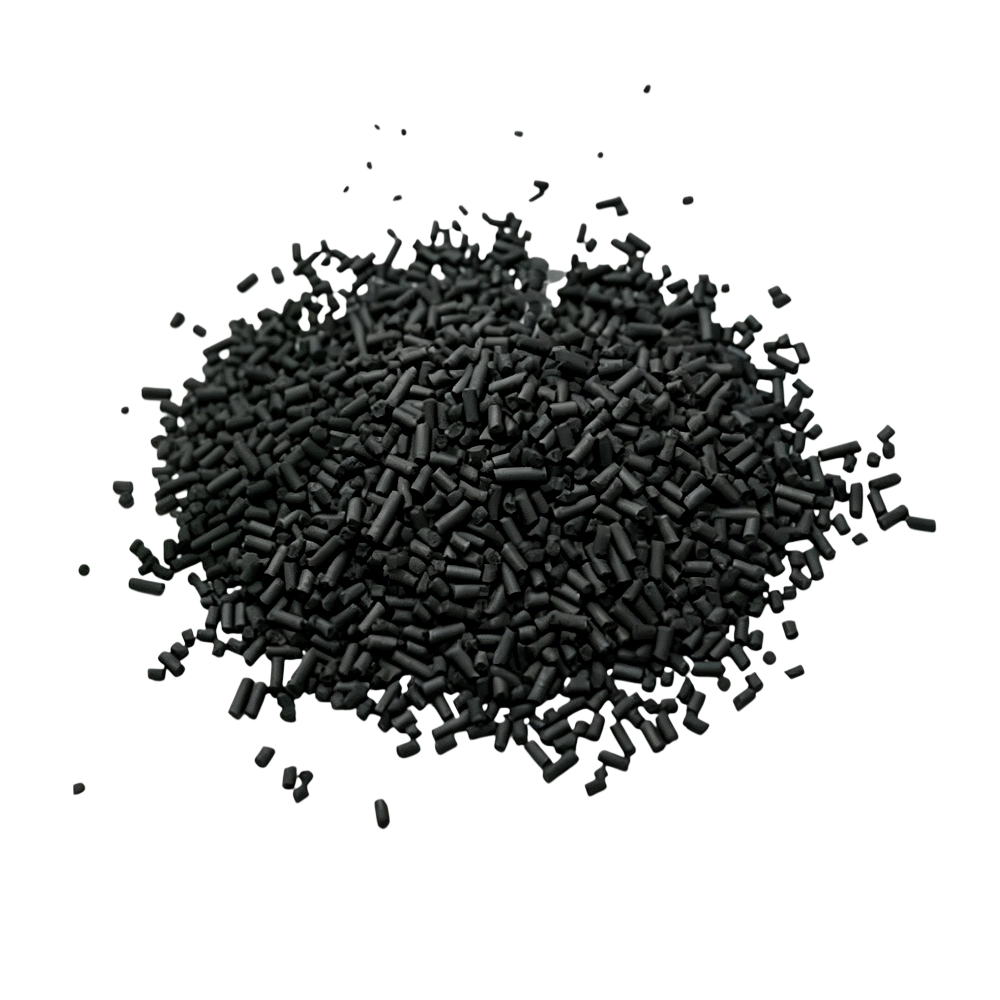
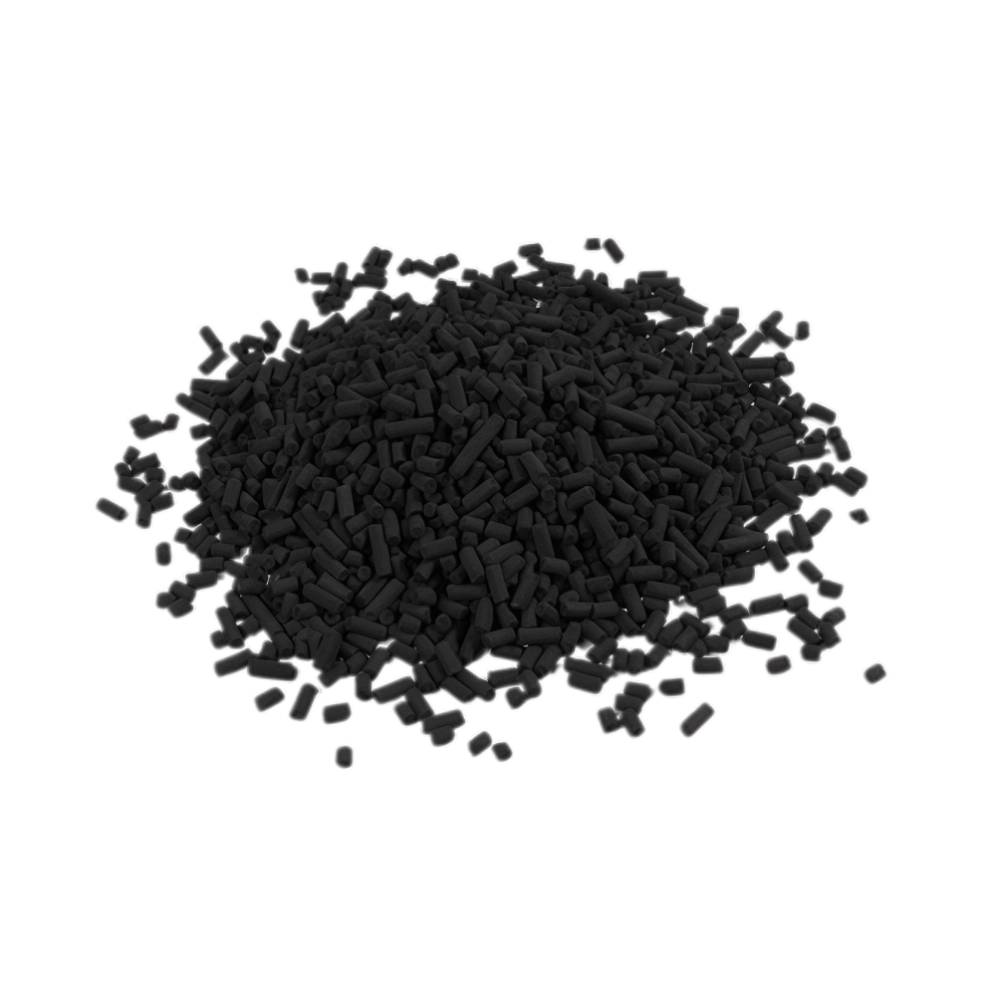
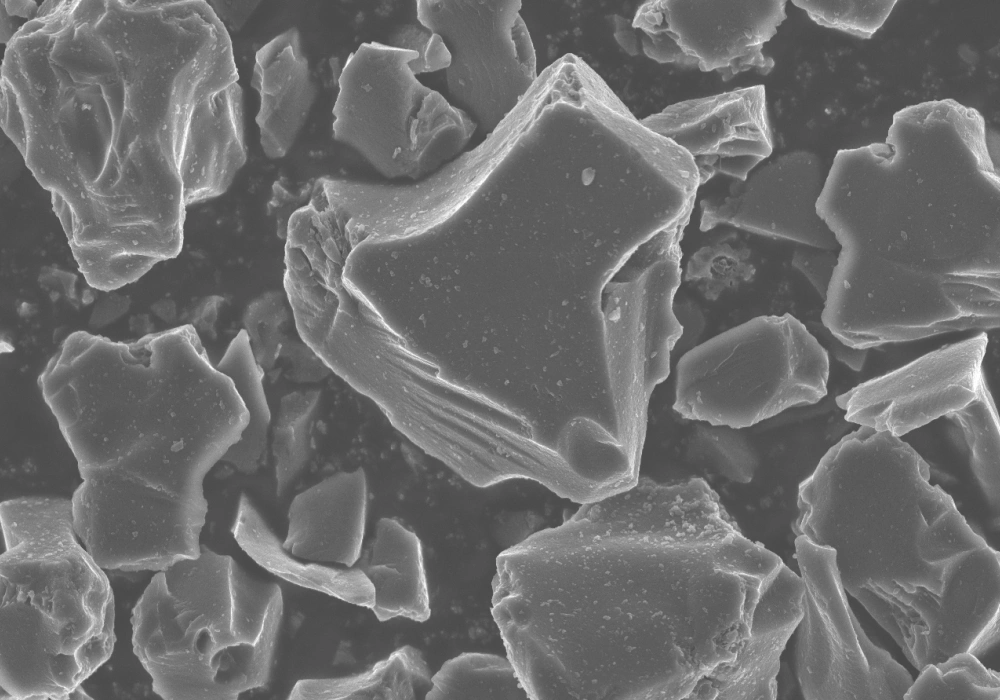
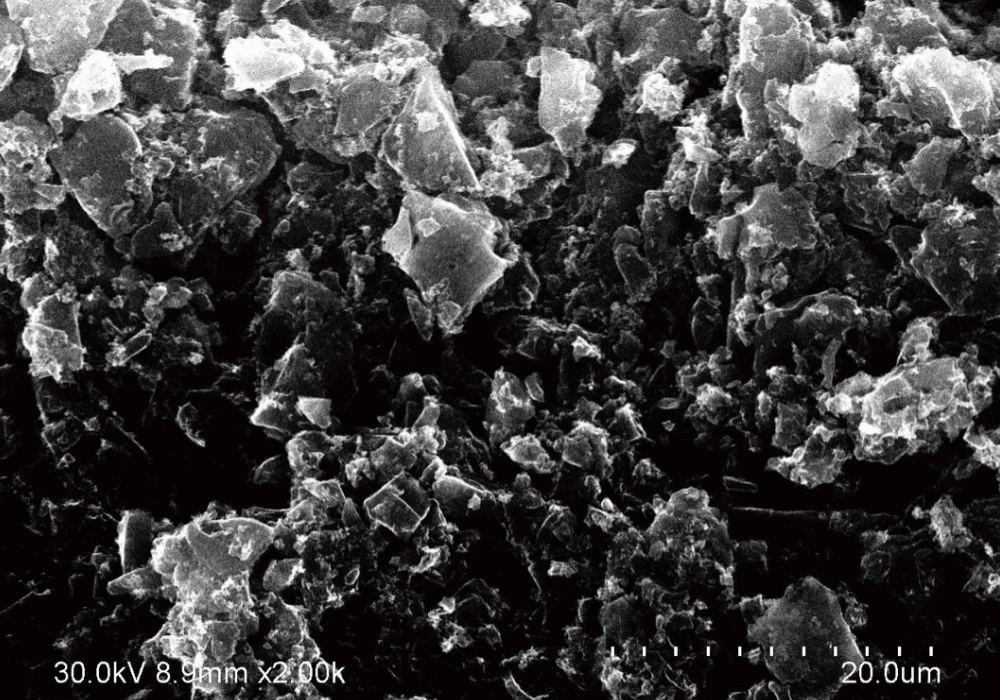
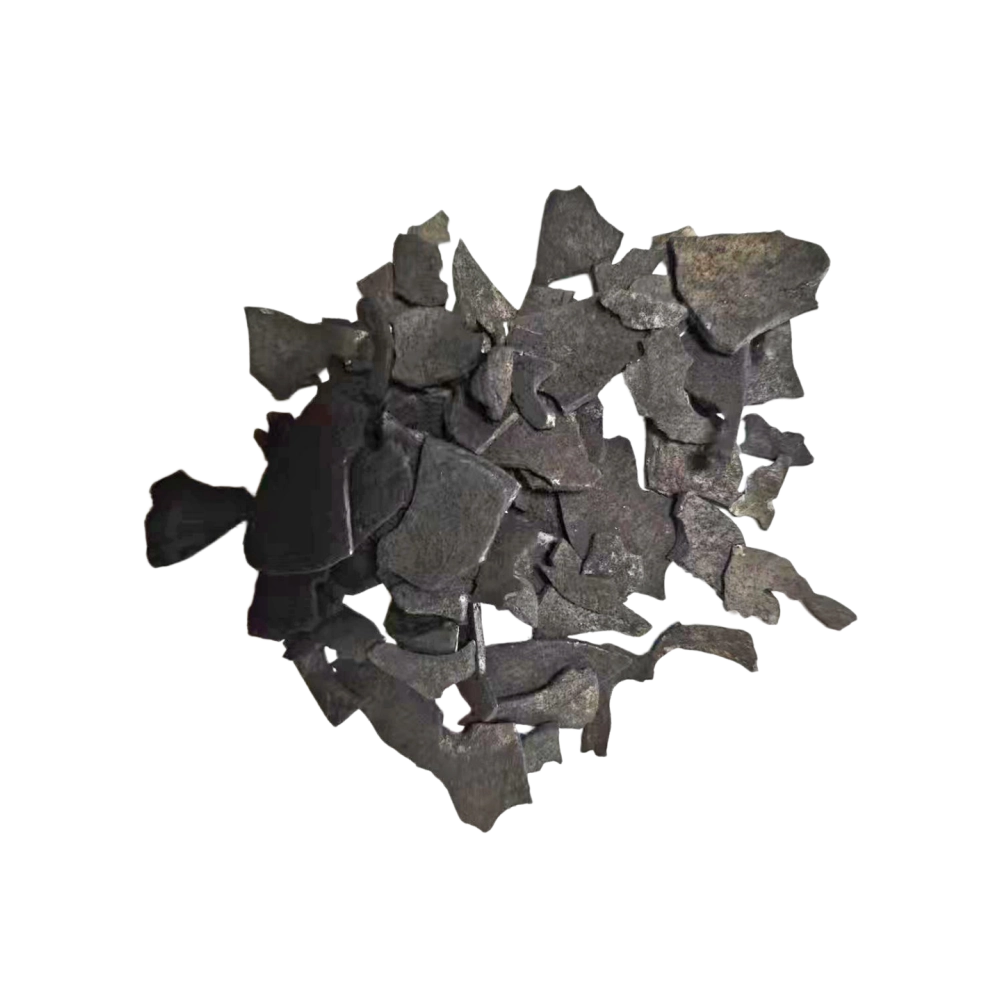
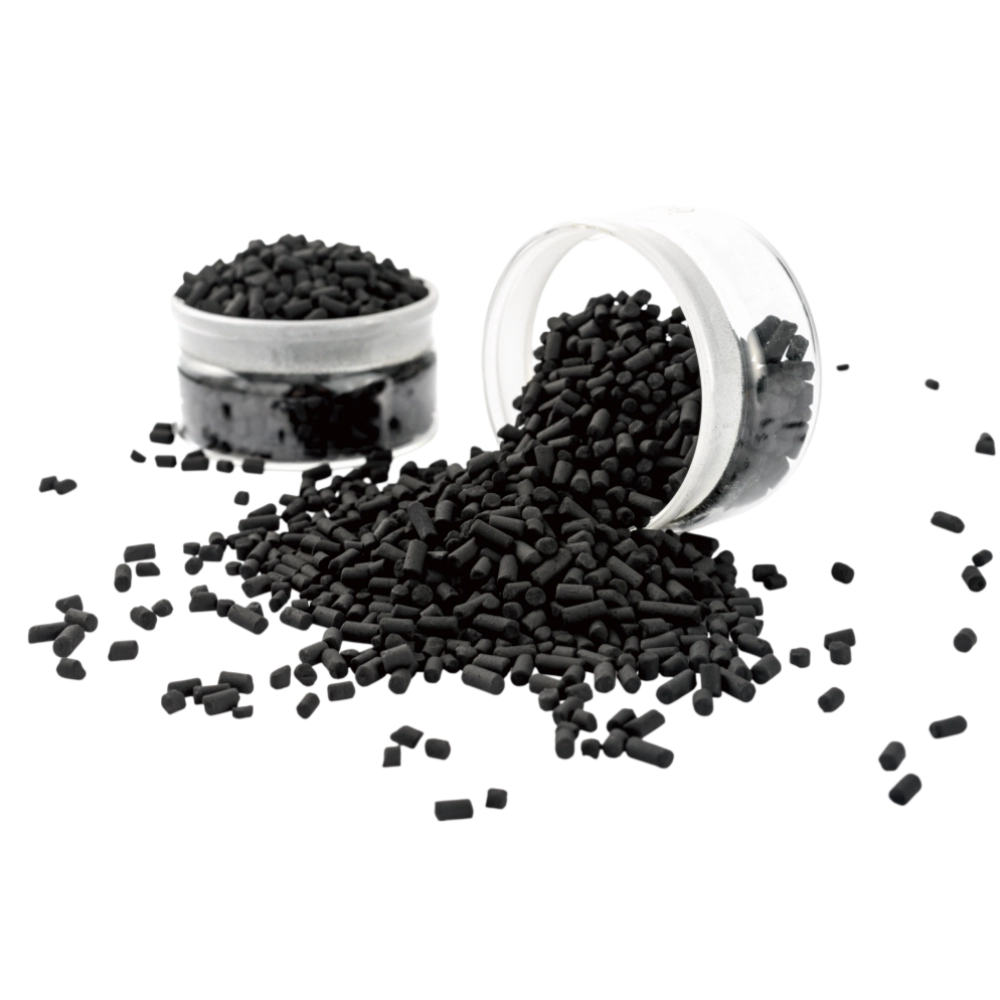
Our activated coke(TLX) sits between standard activated carbon and metallurgical coke: a harder, denser carbon material made from coal through controlled carbonization and activation, built for conditions that destroy ordinary carbon. In dry flue gas desulfurization and denitrification, the bed runs hot, moves constantly and takes continuous mechanical punishment from bed circulation and pneumatic transport — and this grade is designed exactly for that duty.
Its catalytic surface removes SO2 and NOx simultaneously, and thermal regeneration restores both adsorption and catalytic activity for repeated service. We produce it in-house under ISO 9001 and supply power plants, steel mills, cement kilns and industrial boiler operators with consistent quality and application support.
How Active Coke Removes SO2 and NOx in Dry Flue Gas Treatment
In a moving bed of active coke, desulfurization happens in two steps: SO2 adsorbs onto the carbon surface and is catalytically oxidized — in the presence of oxygen and flue gas moisture — to sulfuric acid held in the pore network. When ammonia is injected upstream, the same catalytic surface also drives the reduction of NOx to nitrogen and water, so one bed handles both pollutants.
Regeneration is what makes the economics work. Heating the loaded coke releases the stored sulfur as a concentrated SO2 stream — a feedstock for sulfuric acid production — and restores both adsorption capacity and catalytic activity. The coke then returns to the adsorber, cycle after cycle. That closed loop is why mechanical strength matters more in this duty than in almost any other carbon application.
Specifications
| Technical Specifications | TLX | Unit |
| Iodine adsorption value | > 350 | mg/g |
| Moisture content | < 3 | %-wt |
| Ash content | < 20 | %-wt |
| Bulk density | 550~650 | - |
| pH | 9.5~11.5 | - |
| Desulfurization value | > 20 | mg/g |
Available particle size
- 5.0 mm
- 7.0 mm
- 9.0 mm
Packaging
- 1000 kg/Bag
Key Application Areas
- Power plant flue gas treatment — SO₂ and NOx removal from coal-fired boilers
- Steel mill sinter plant off-gas — multi-pollutant control
- Cement kiln exhaust — sulfur and nitrogen oxide reduction
- Industrial boiler emission control — compliance with tightening standards
- Waste incinerator flue gas — acid gas and heavy metals capture
Active Coke Advantages
- Extreme Hardness: Withstands the abrasive conditions of moving bed and circulating systems
- High Operating Temperature: Effective at temperatures where standard activated carbons would degrade
- SO₂ and NOx Co-Removal: Catalytic surface chemistry enables simultaneous sulfur and nitrogen oxide reduction
- Regenerable: Thermal regeneration restores both adsorption and catalytic activity
For H2S and sulfur removal in biogas and vent gas streams, see our impregnated sulfur removal carbons.
Active Coke and Standard Activated Carbon: Different Tools for Different Duties
Standard activated carbon is the right material for water treatment and ambient-temperature gas purification — duties where its fine pore structure excels. Flue gas treatment is a different world: bed temperatures above 100 °C, continuous circulation and pneumatic transport would quickly wear a softer adsorbent down to fines. Active coke is engineered for exactly that environment — denser and harder by design, with a catalytic surface built for SO2 and NOx work. Across a plant's environmental systems, the two materials complement each other rather than compete.
Design Considerations for Moving-Bed Flue Gas Systems
The key design parameters are bed temperature (typically 120–160 °C at the adsorber inlet), space velocity, ammonia dosing for denitrification, and regeneration temperature. Our technical team works from your flue gas flow, SO2/NOx inlet concentrations and outlet limits to size the adsorber and regeneration loop, and we can support pilot runs before a full-scale commitment.
Technical Support & Supply
We manufacture our active coke in-house under ISO 9001 quality management, with batch certificates of analysis covering the mechanical strength and activity indicators that matter in moving-bed service. Custom size distributions are available on request. Share your flue gas composition, SO2/NOx inlet loads and bed configuration — our technical team will assess suitability, estimate regeneration cycles and provide samples for pilot testing.