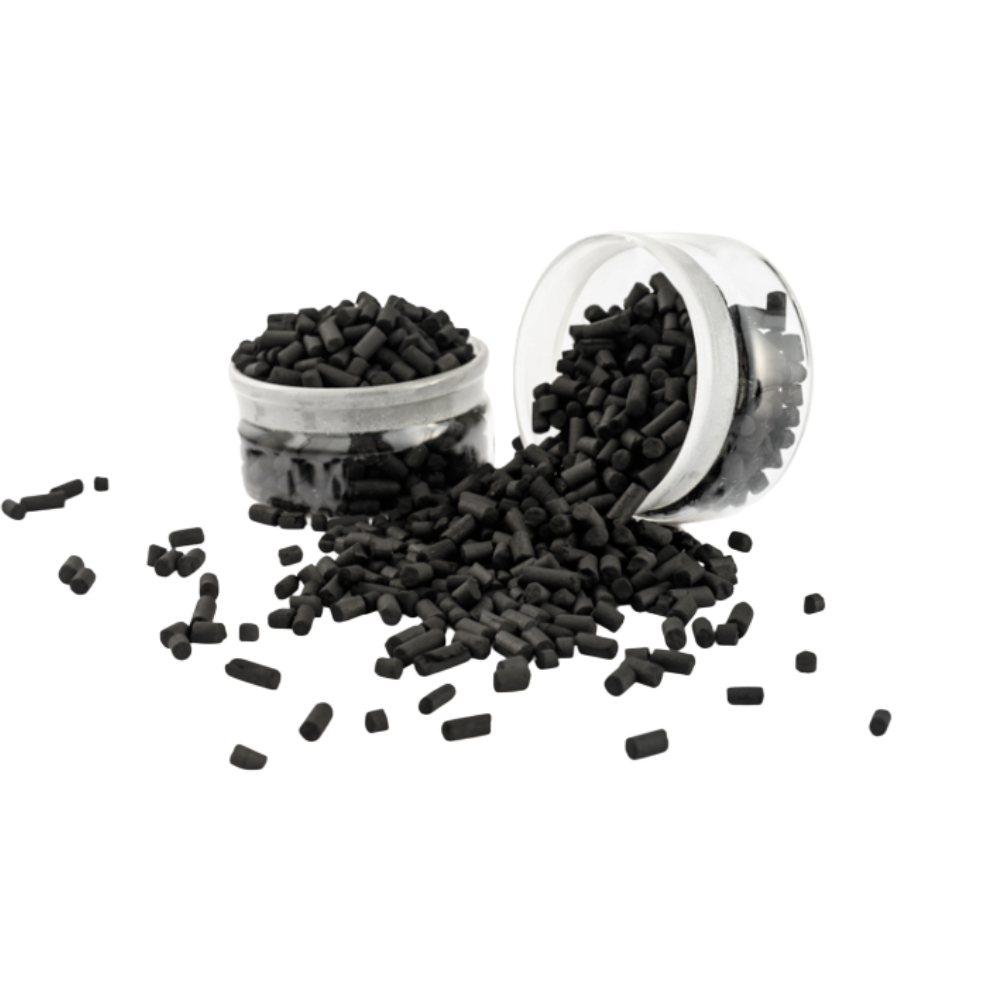
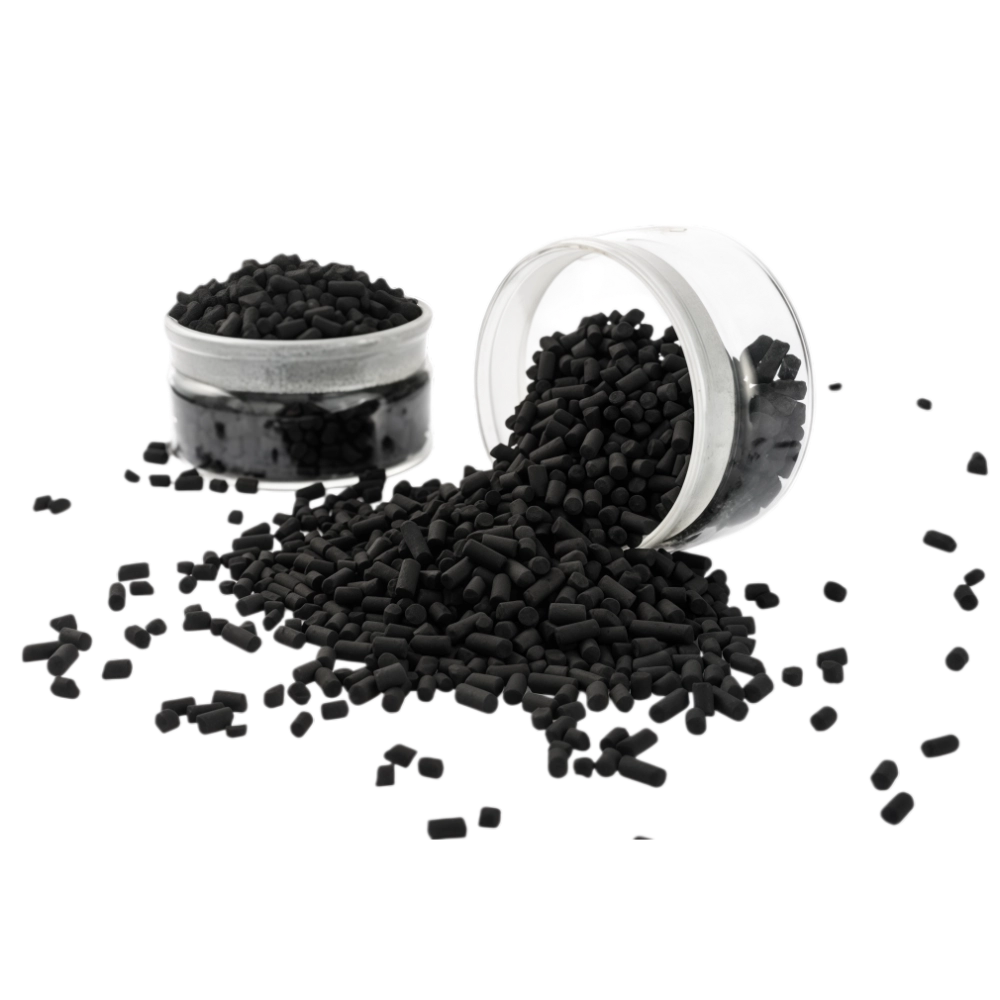
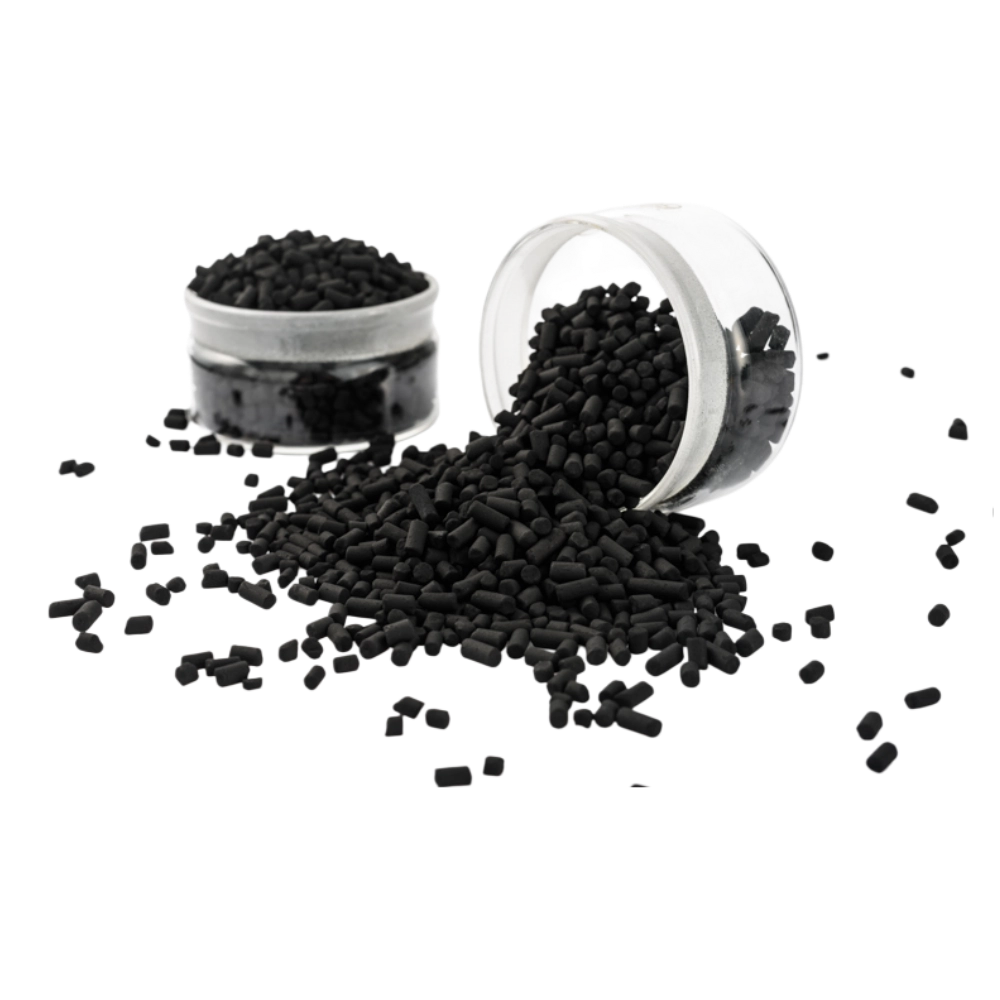
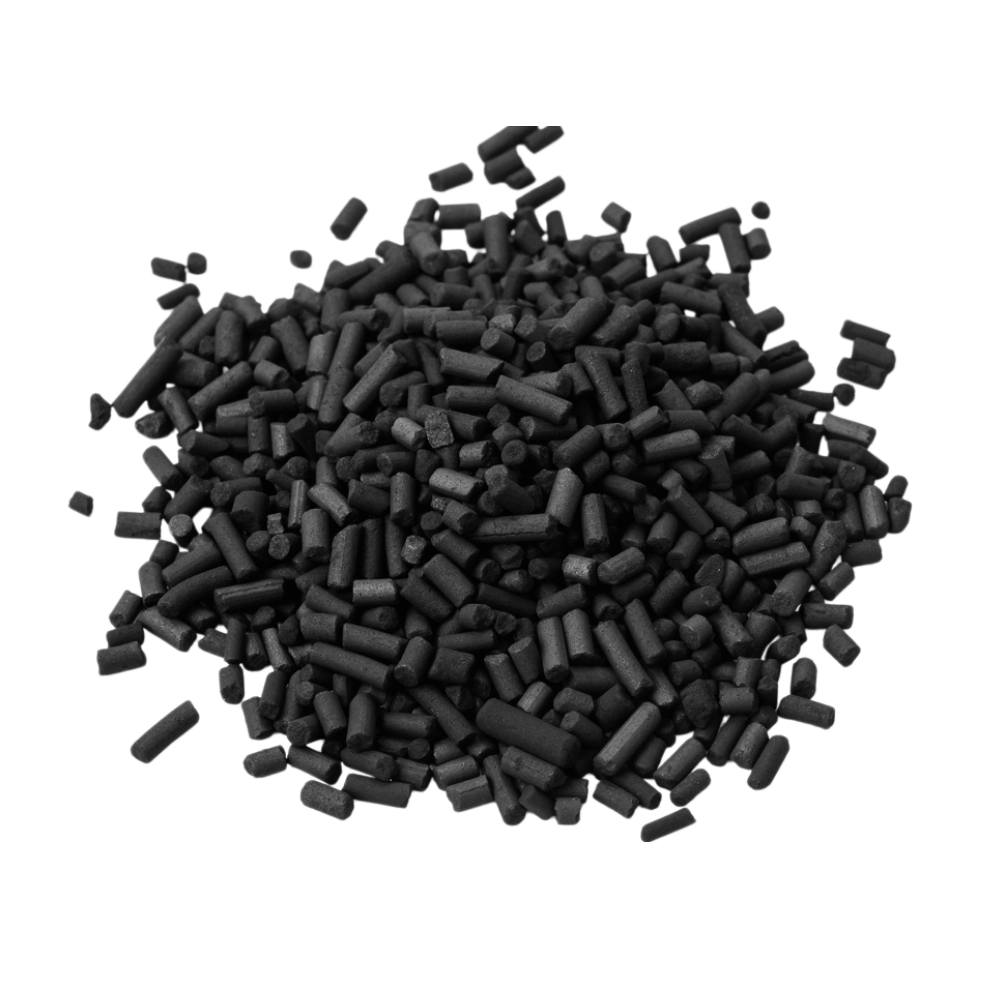
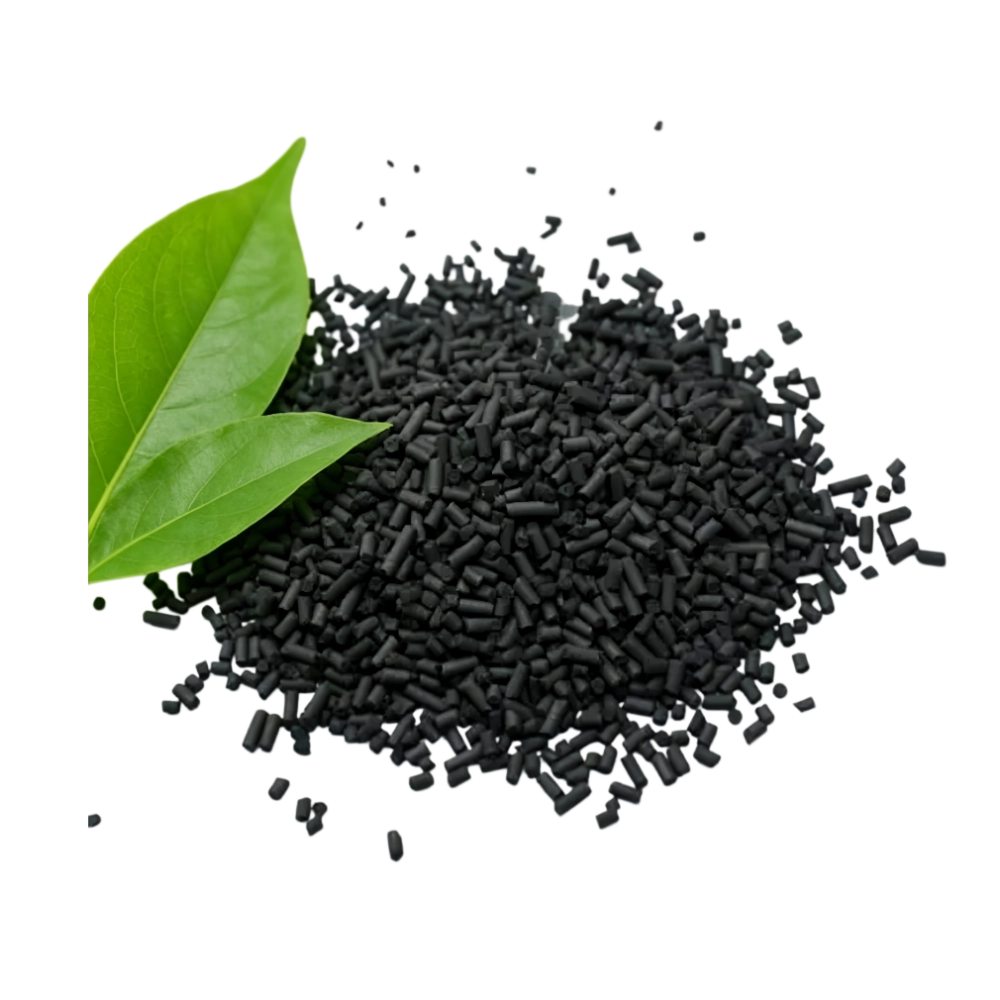
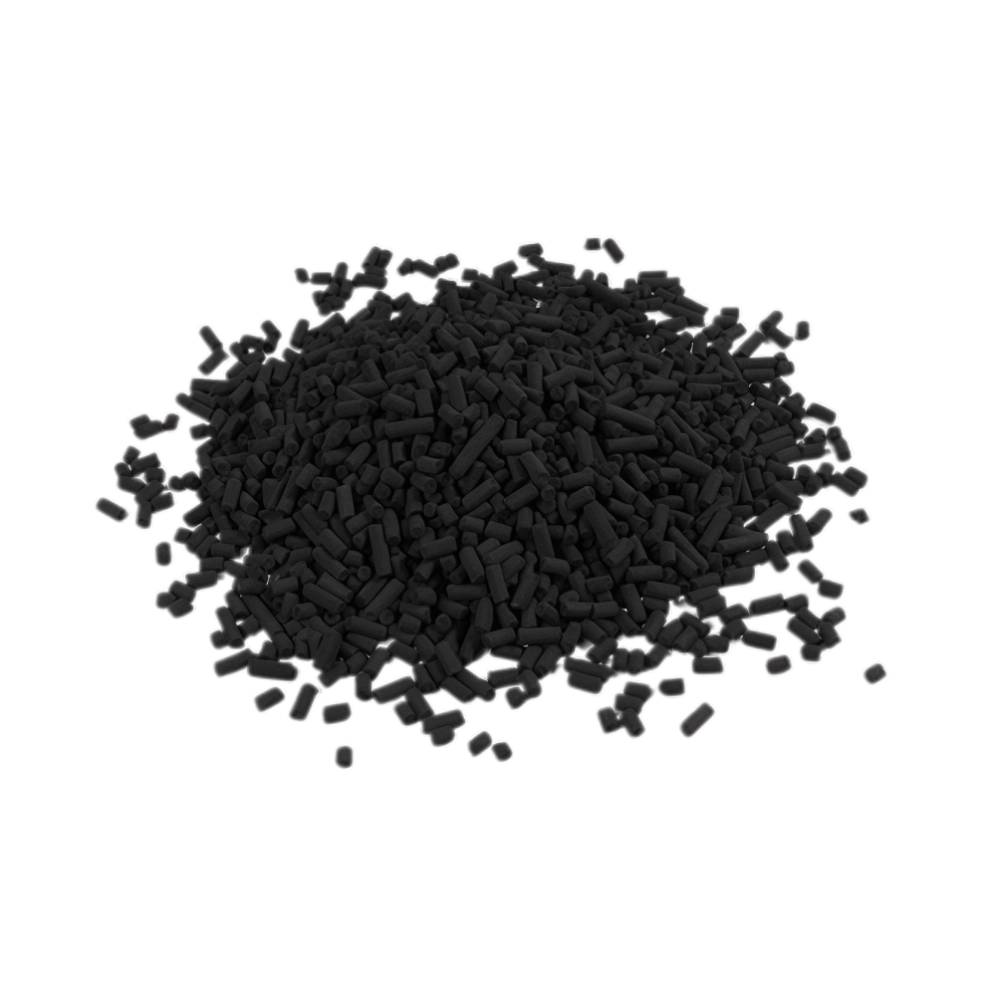
Product Overview
The "1200D" designation tells you exactly what you're getting: a coconut shell carbon with an iodine number exceeding 1200 mg/g, placing it in the top tier of commercially available activated carbons. The "D" indicates our direct-activation process that maximizes micropore development without the pore-blocking effects of excessive binder use.
This product is for operators who measure success in parts per billion, not parts per million. When your process demands the highest possible adsorption capacity—whether for trace contaminant removal, precious metal recovery, or critical air purification—1200D delivers the performance margin you need.
Key application areas
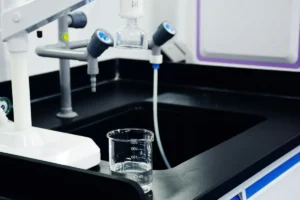
- Ultra-pure water systems — semiconductor, pharmaceutical, and laboratory applications
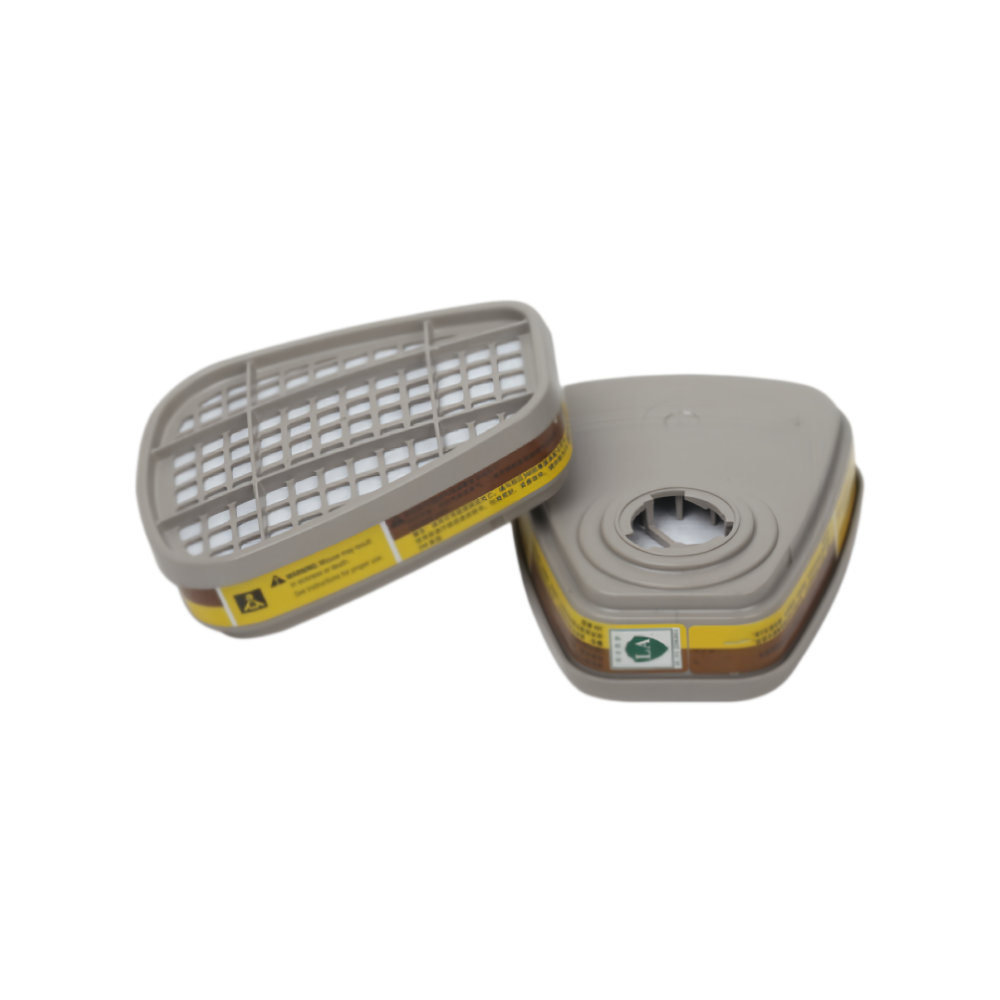
- Critical air filtration — cleanrooms, museums, and archival storage
- Precious metal recovery — secondary recovery from dilute process streams
- Specialty chemical purification — removing trace impurities that affect product quality
- High-end residential water treatment — for discerning homeowners who want the best
Performance Profile
The exceptional iodine number reflects an extensive micropore network with pore diameters optimized for small molecular adsorbates. This makes 1200D particularly effective for:
- Chlorine and chloramine residuals
- Trihalomethanes (THMs) and other disinfection byproducts
- Volatile organic compounds (VOCs) with molecular weights under 200
- Pesticides and herbicide traces in surface water
-
Q
What makes 1200D different from standard coconut shell activated carbon?
A
1200D features an iodine number exceeding 1200 mg/g, placing it in the top tier of commercially available activated carbons. The ""D"" indicates our direct-activation process that maximizes micropore development without pore-blocking from excessive binder use. This translates to superior adsorption capacity for trace contaminants and precious metal recovery.
-
Q
What contaminants does 1200D remove most effectively?
A
1200D is optimized for small molecular adsorbates including chlorine and chloramine residuals, trihalomethanes (THMs), volatile organic compounds (VOCs) with molecular weights under 200, and pesticide traces in surface water. The extensive micropore network with pore diameters under 20 angstroms targets these specific contaminants.
-
Q
Is 1200D suitable for semiconductor ultra-pure water systems?
A
Yes. With ash content below 3% and specific surface area exceeding 1200 m²/g, 1200D meets the stringent purity requirements for semiconductor manufacturing, pharmaceutical production, and laboratory applications where parts-per-billion level contamination control is essential.
-
Q
What is the typical bulk density and why does it matter?
A
1200D has a bulk density of 380–480 kg/m³. The lower density range indicates highly developed internal pore structure, which maximizes adsorption sites per unit weight. This is particularly valuable for fixed-bed systems where media volume is constrained but maximum contaminant removal is required.