
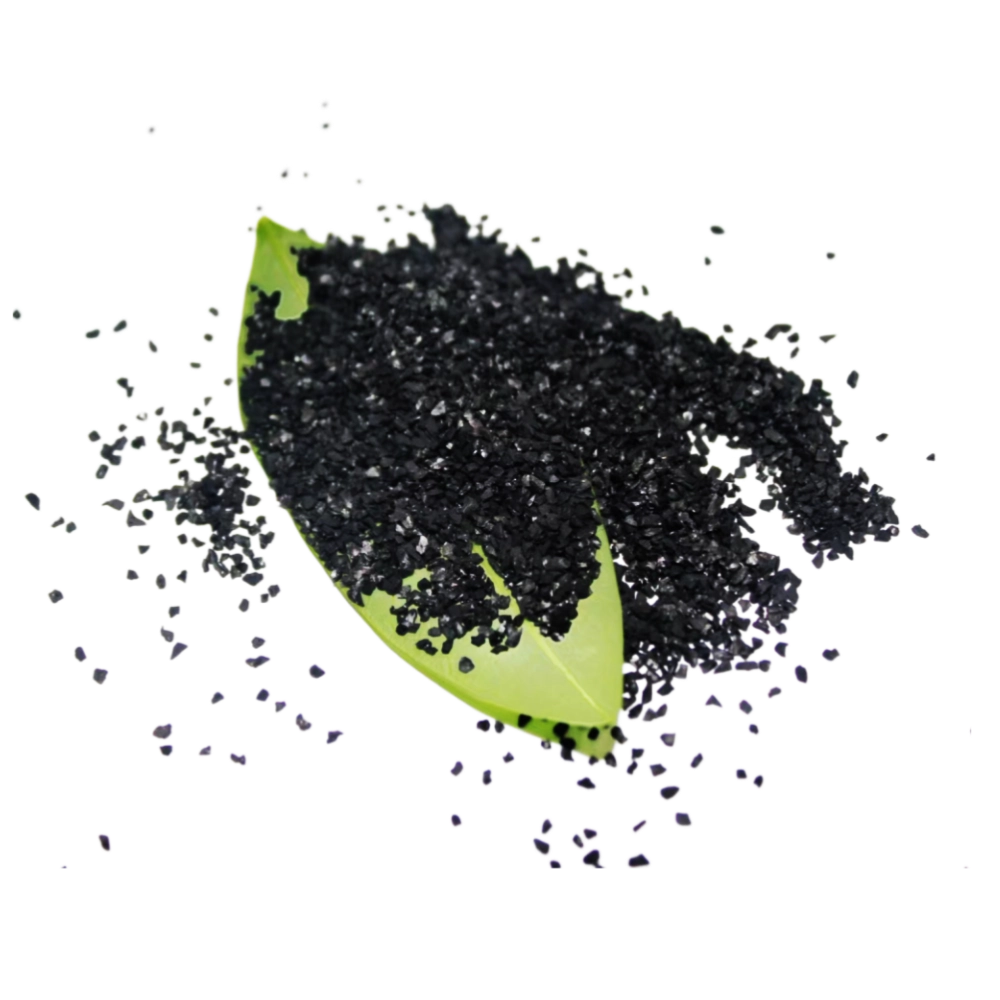
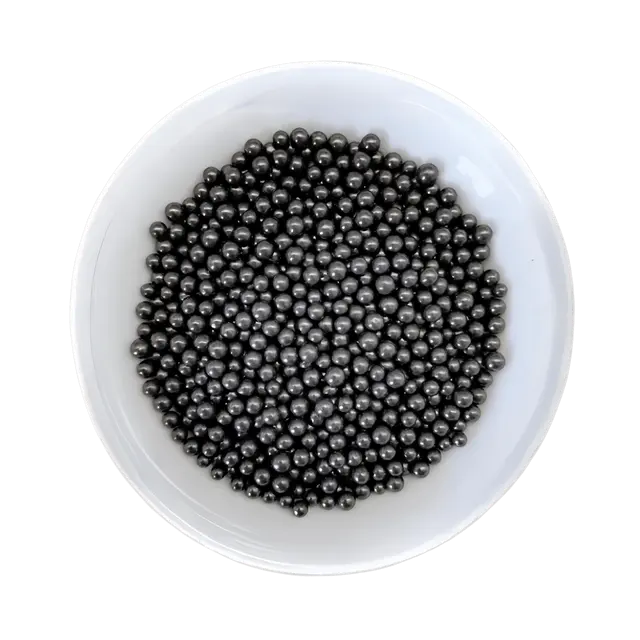
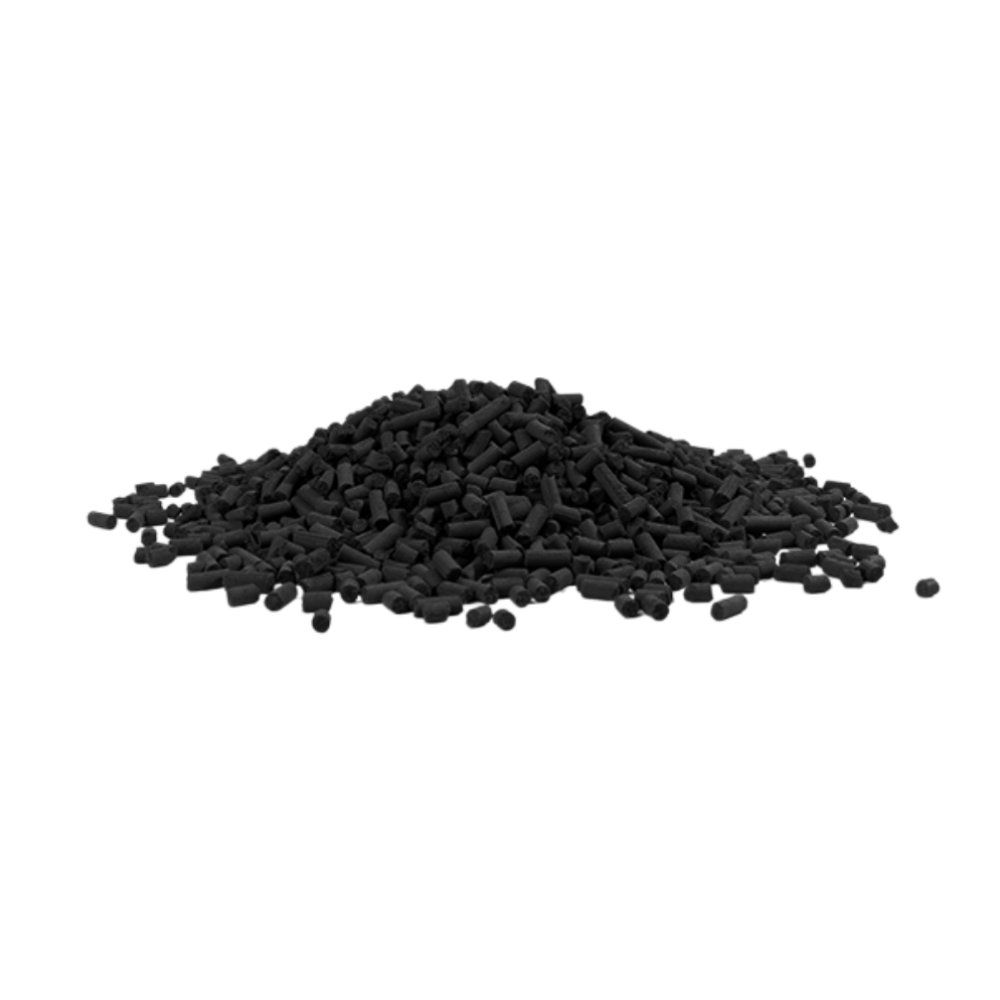
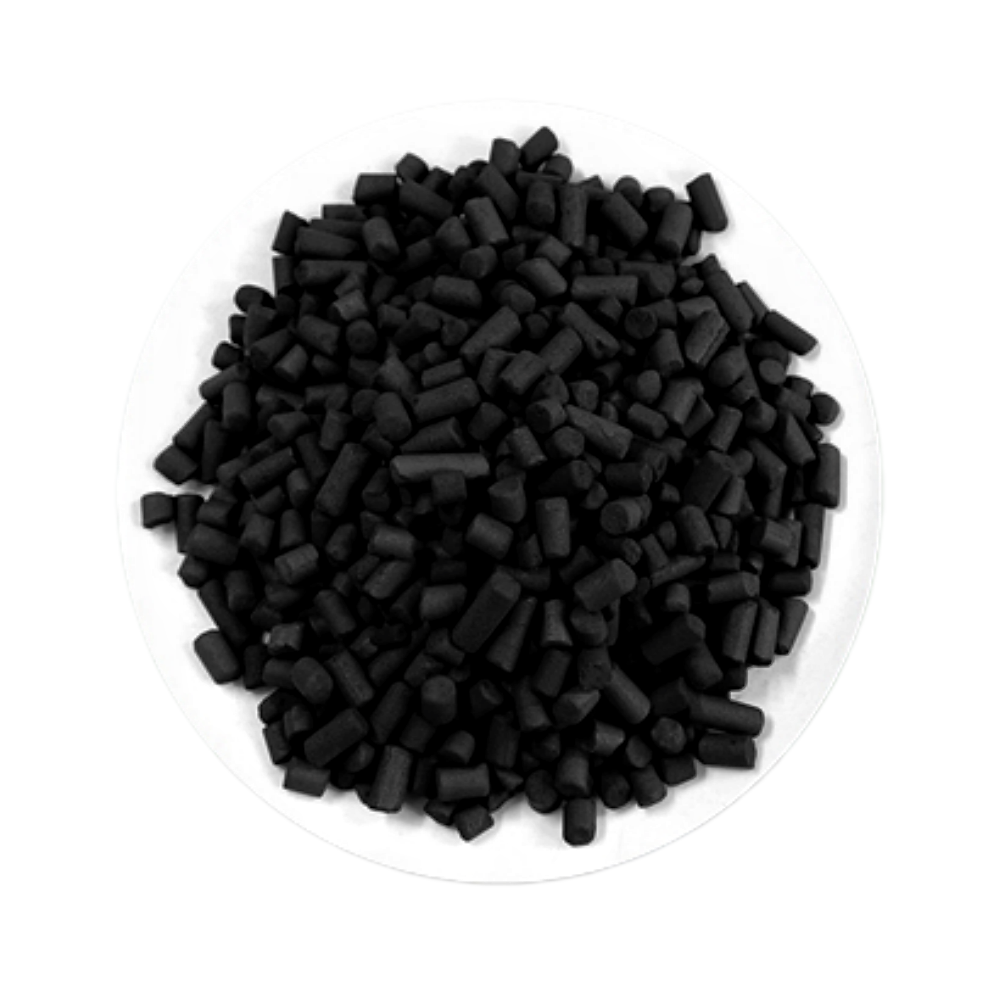











LPF Wood Phosphoric Acid Powder Carbon | Low-pH Specialty Grade

Low-pH wood-based phosphoric acid activated carbon for acidic process streams, wine clarification, and pH-sensitive decolorization.

Share:

Applications:

Product Overview

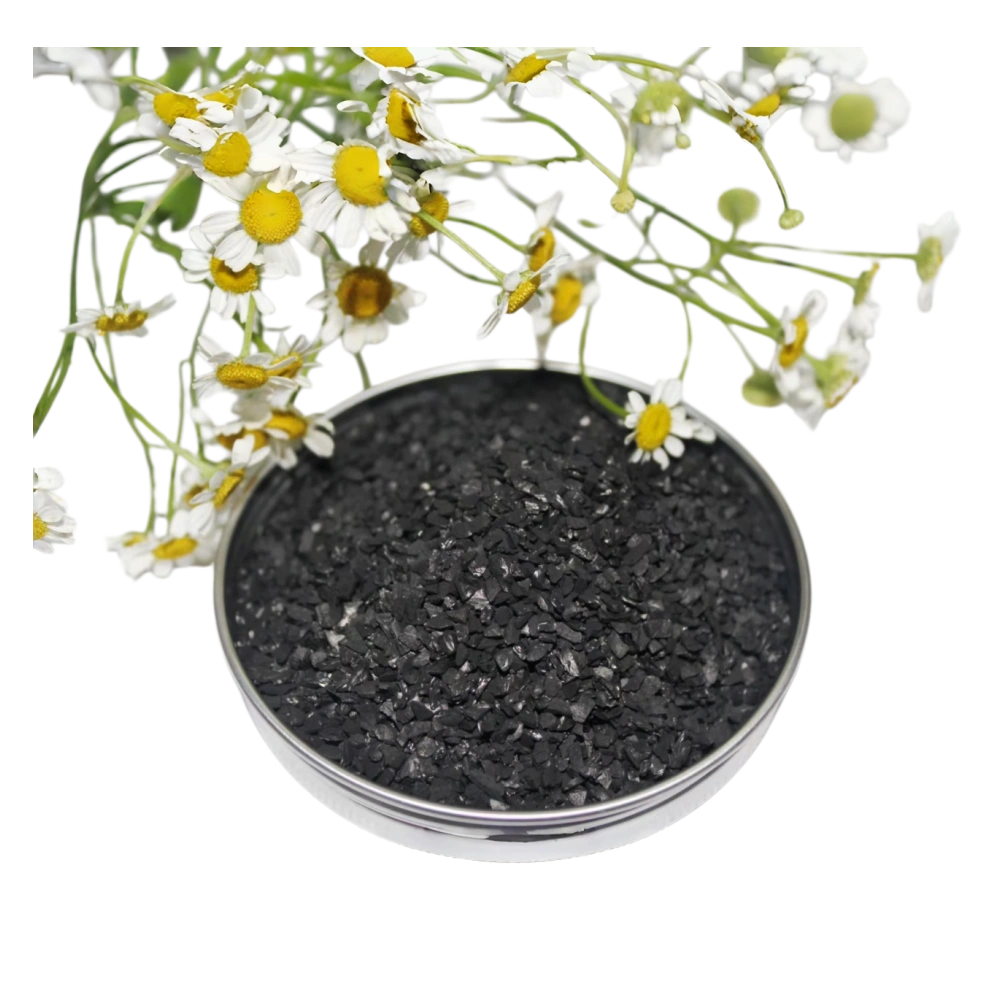
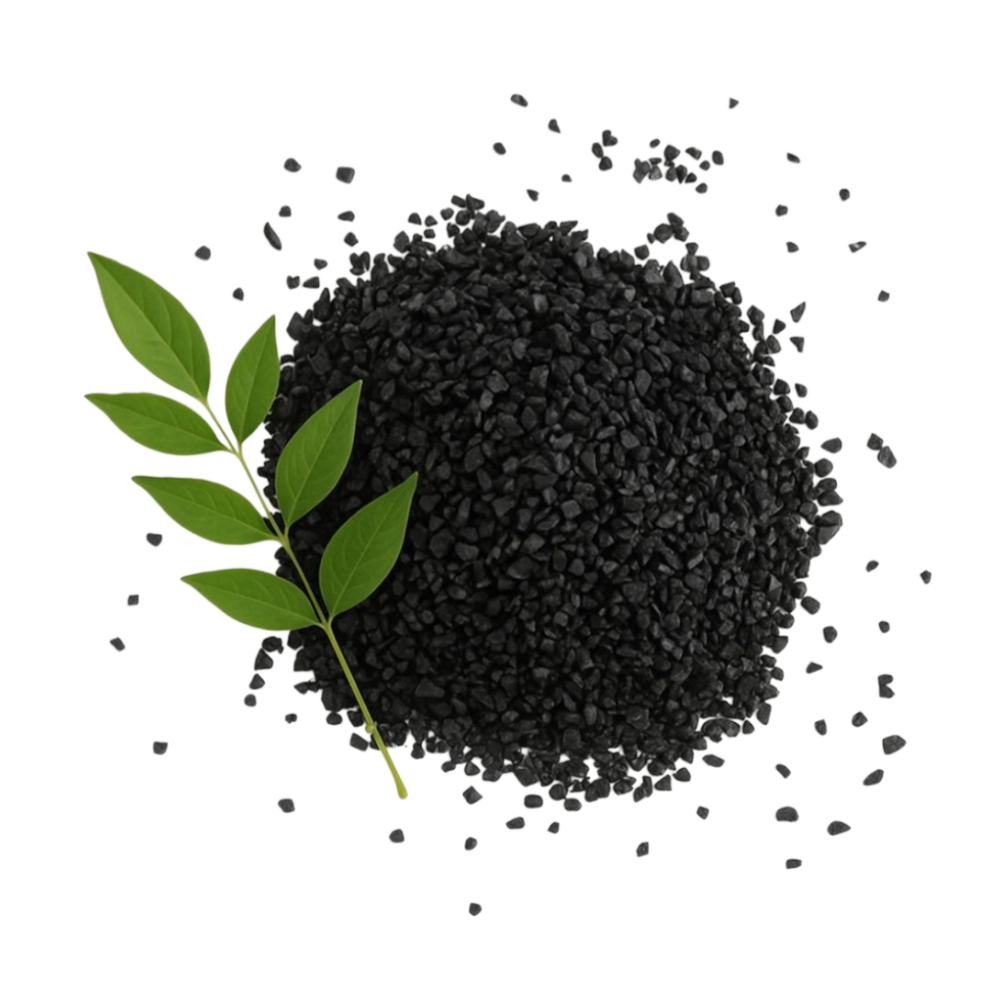
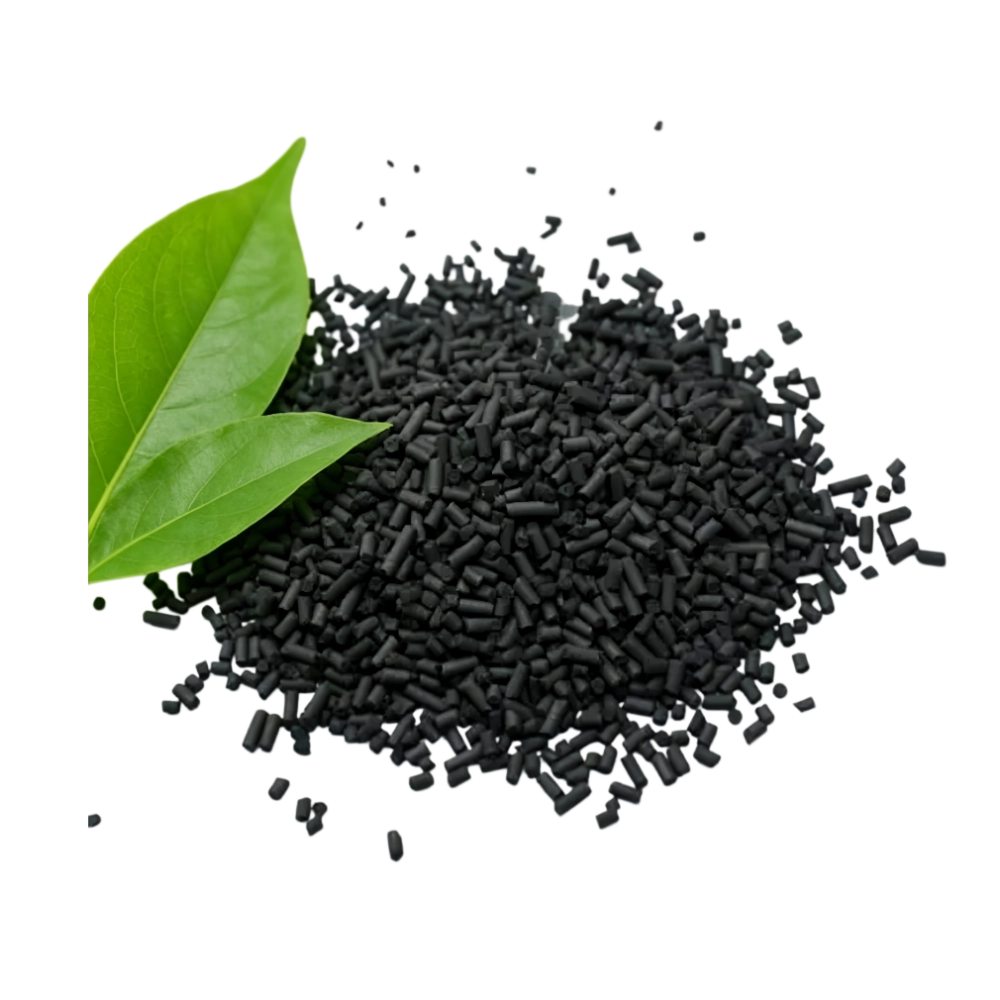
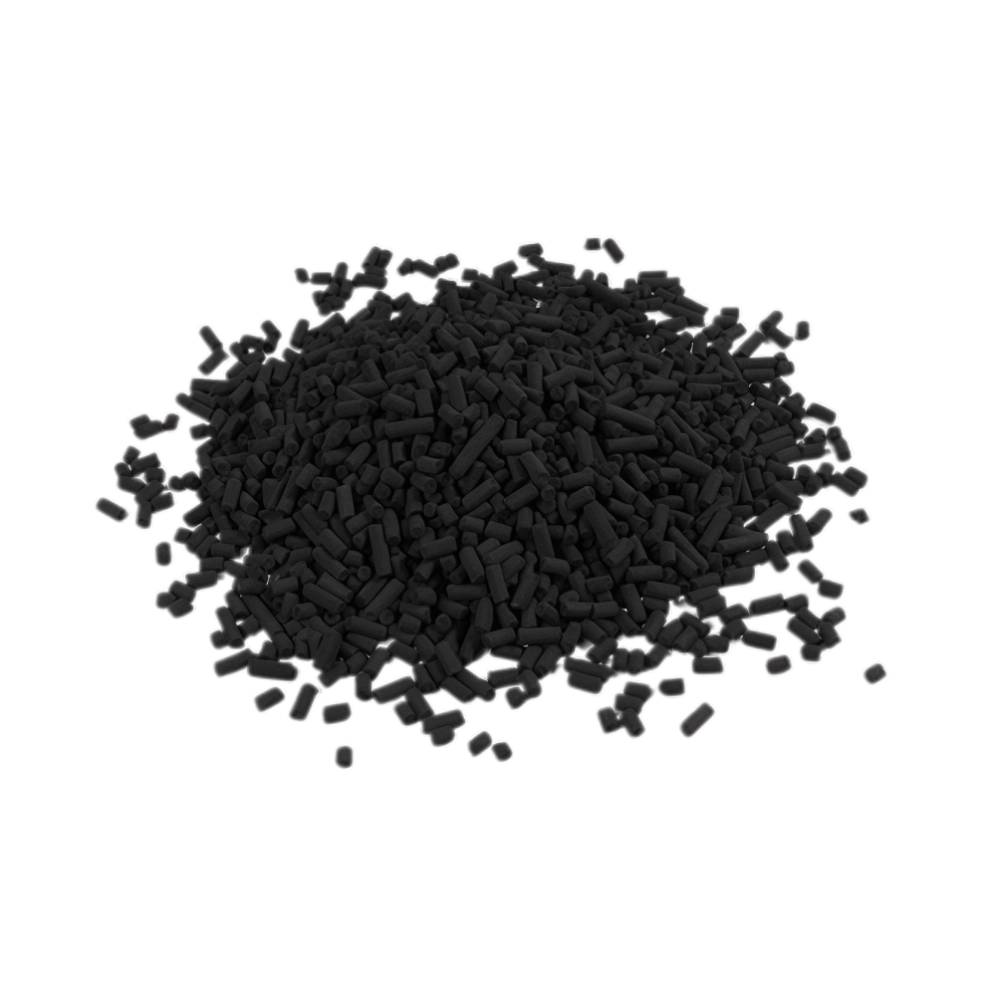
LPF is our low-pH specialty wood carbon, formulated for applications where the natural acidity of phosphoric acid activation is either beneficial or must be carefully controlled. The "LPF" designation indicates Low-pH Formulation, with a controlled pH range of 2–5 that can be leveraged for specific process advantages.

In wine and juice processing, the mild acidity of LPF can help stabilize color and prevent browning reactions. In chemical applications, the acidic surface can catalyze certain reactions or enhance adsorption of basic (alkaline) contaminants through ionic attraction.

Specifications

Technical SpecificationsLPFUnit
Methylene blue adsorption> 240mg/g
Moisture content< 10%-wt
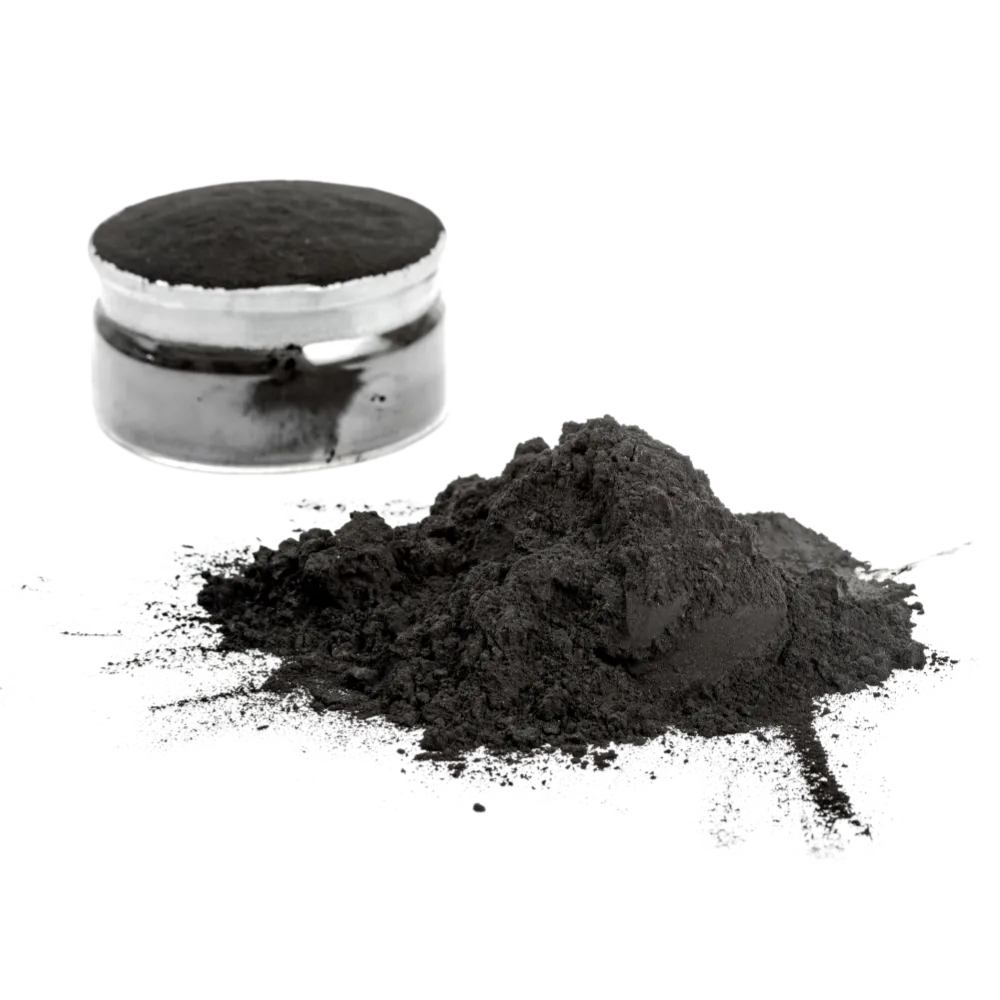
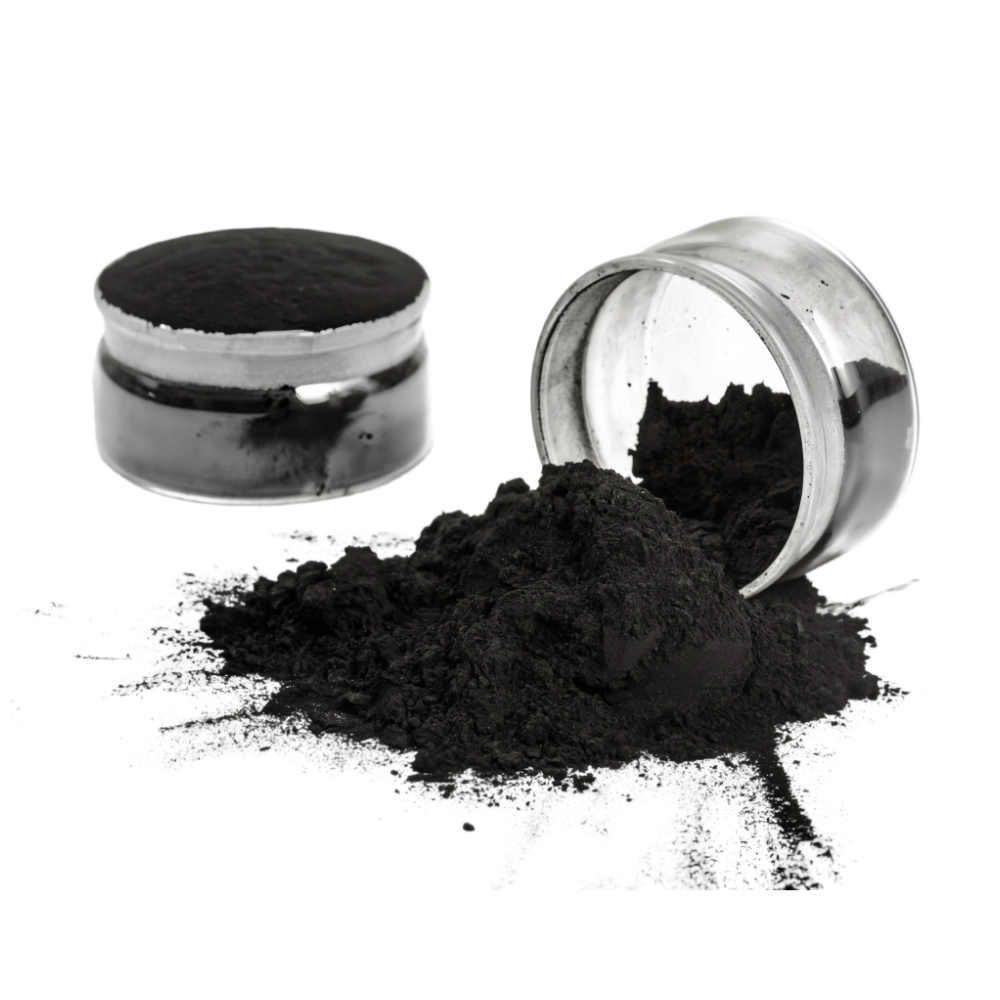
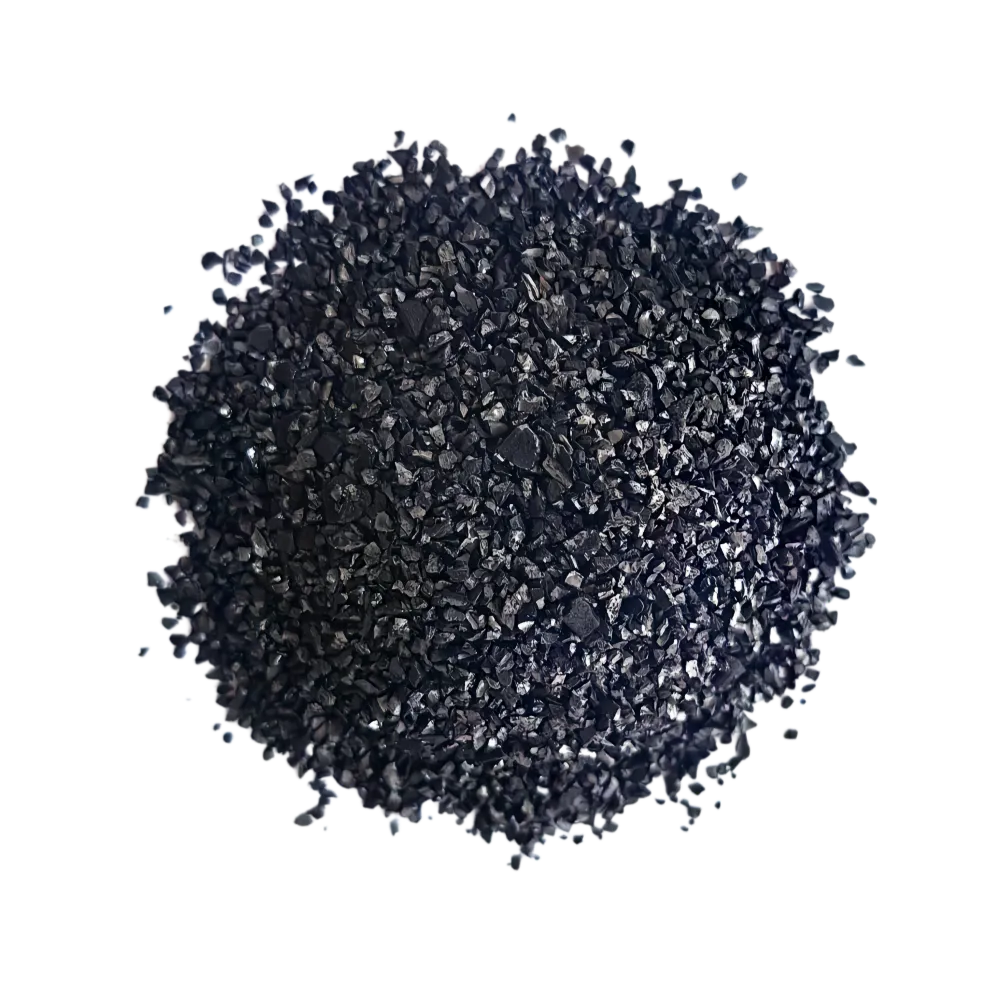
Particle size<200mesh>90%
Packing density280-320Kg/m³
PH2-5-
Ash<8%
Grain size > 6 item (3.35mm)> 95%-wt

Key Application Areas

  • Wine and juice clarification — color stabilization and haze removal
  • Acidic chemical process streams — maintaining pH while removing impurities
  • Basic contaminant removal — amines, alkaloids, and cationic dyes
  • PH-sensitive product protection — preventing alkaline degradation
  • Laboratory and analytical applications — controlled pH adsorption studies

PH-Controlled Performance

The 2–5 pH range is achieved through:

  • Controlled washing protocols that retain beneficial acidity
  • pH buffering during manufacturing to prevent drift
  • Batch testing and certification to ensure specification compliance
  • Q
    What applications benefit from LPF's controlled low pH?
    A

    LPF's pH range of 2–5 is leveraged for wine and juice clarification where mild acidity stabilizes color and prevents browning reactions. In chemical applications, the acidic surface catalyzes specific reactions and enhances adsorption of basic contaminants including amines, alkaloids, and cationic dyes through ionic attraction.

  • Q
    How is the 2–5 pH range achieved and maintained?
    A

    Controlled washing protocols retain beneficial acidity while removing excess phosphoric acid. pH buffering during manufacturing prevents drift outside the specified range. Batch testing and certification ensure every lot meets the 2–5 pH specification, providing consistency for processes where pH affects product quality or reaction selectivity.

  • Q
    Can LPF be used for pH-sensitive product protection?
    A

    Yes. LPF prevents alkaline degradation in pH-sensitive formulations. The acidic surface neutralizes trace alkaline contaminants that could destabilize sensitive products during storage or processing. Laboratory and analytical applications also use LPF for controlled pH adsorption studies where surface acidity must be reproducible.

Packaging & Shipping

Packaging:

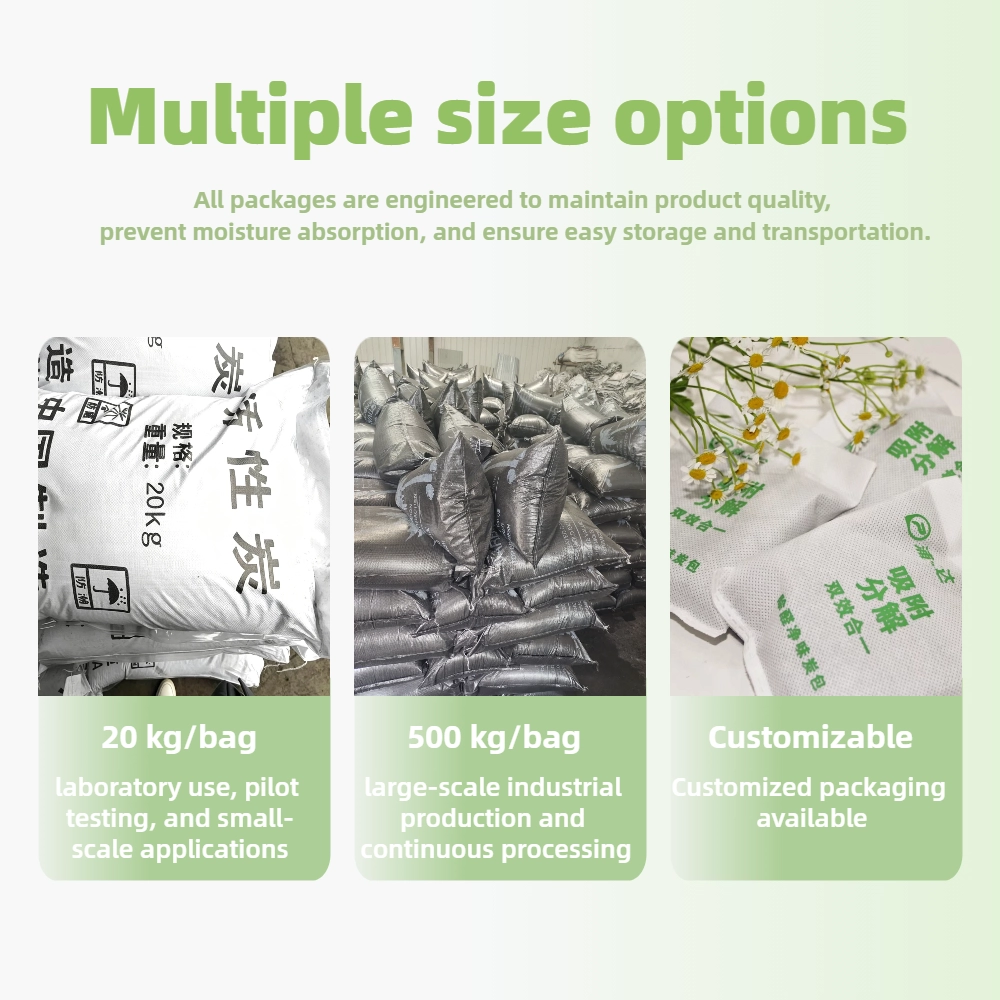
To meet diverse customer requirements, our activated carbon is available in multiple packaging options:

  • 20 kg/bag – Ideal for laboratory use, pilot testing, and small-scale applications.
  • 500 kg/bag – Bulk packaging designed for large-scale industrial production.
  • Customized packaging available upon request.

All packages are engineered to maintain quality and prevent moisture absorption.

Shipping:

  • Fast delivery within 15-30 days
  • Export standard packaging
Free to contact us