

















Product Overview
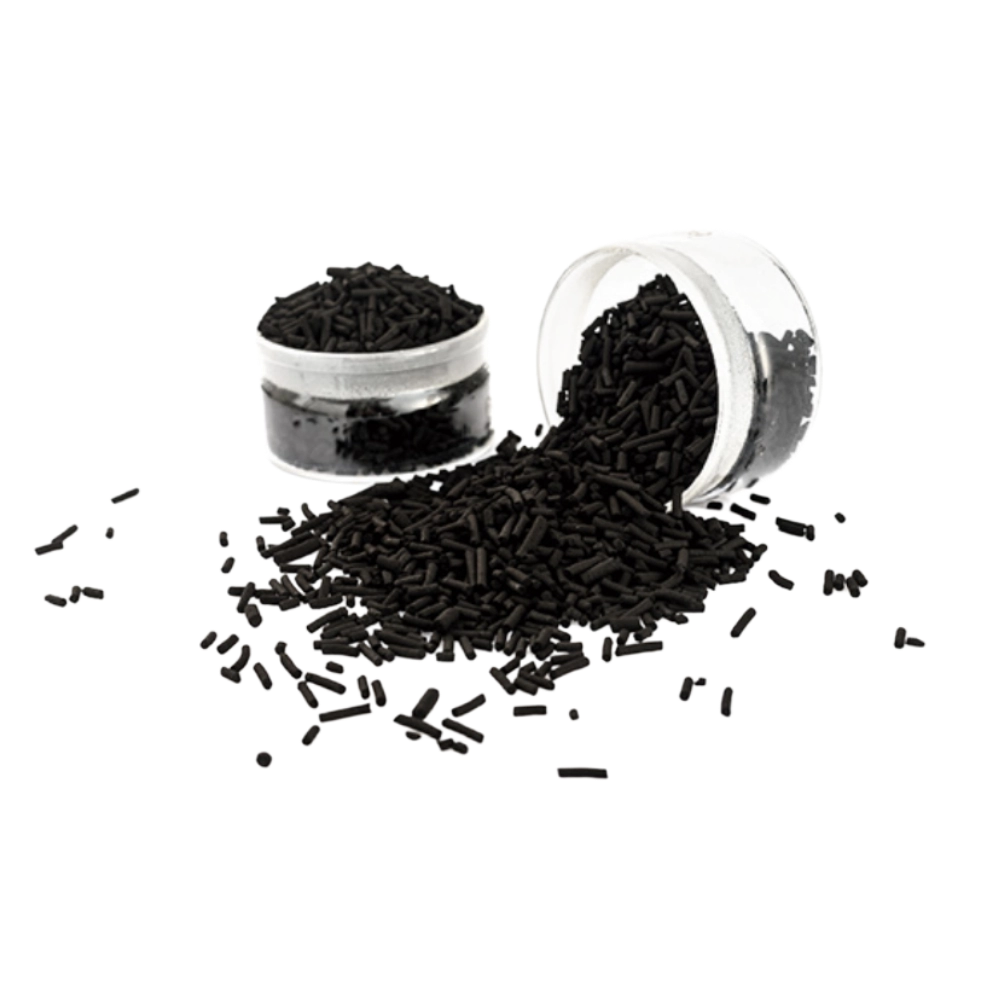
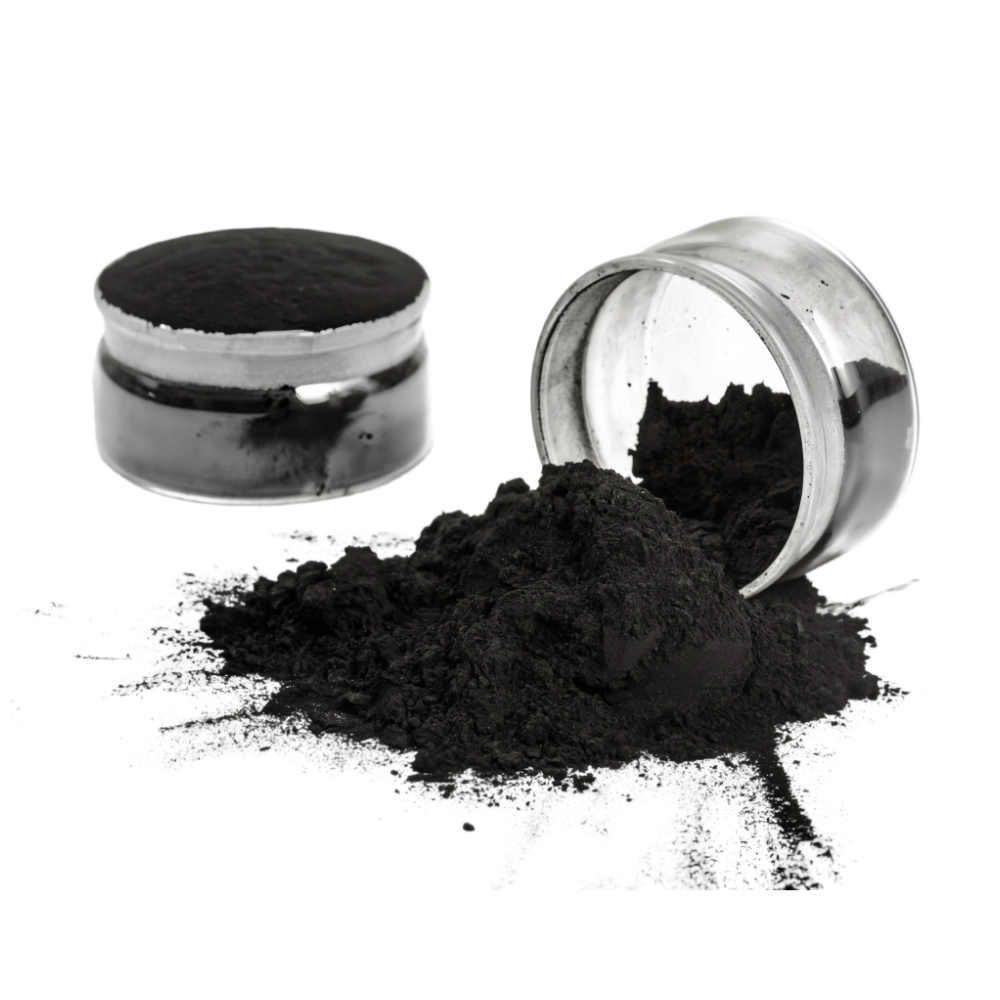
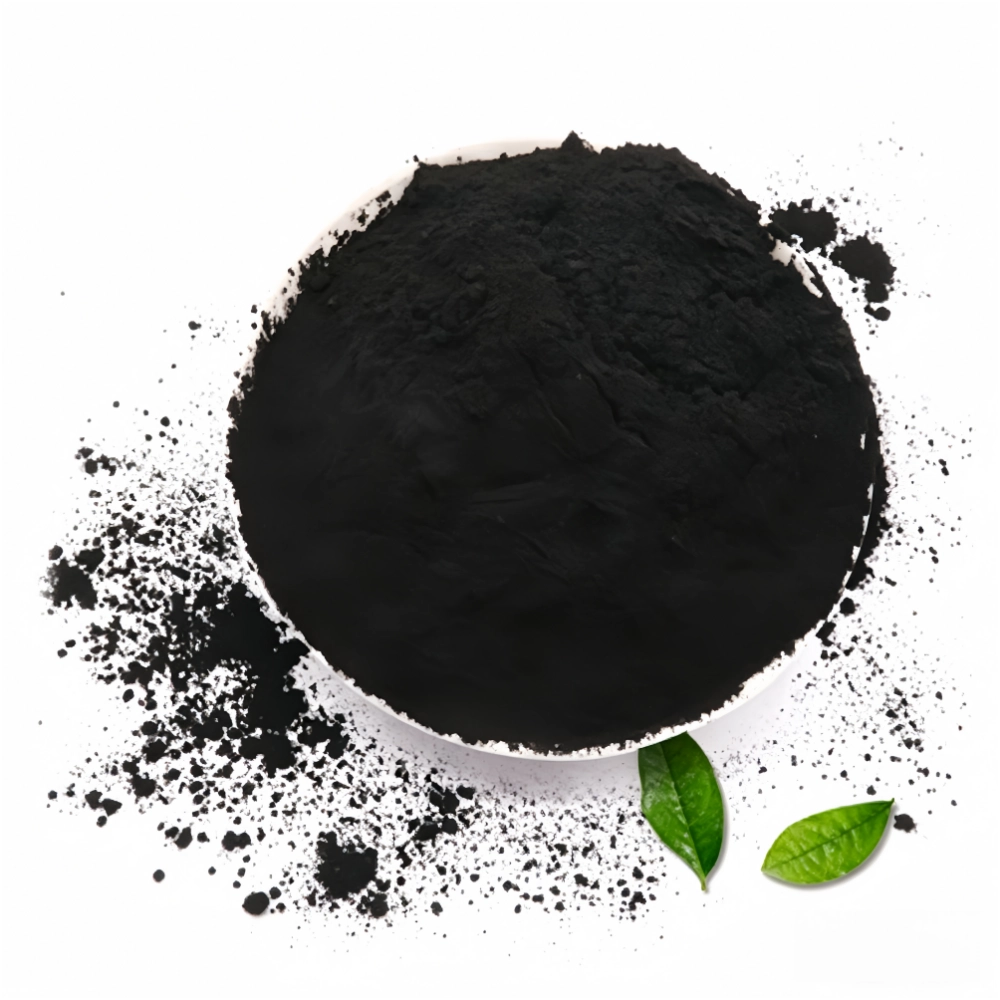
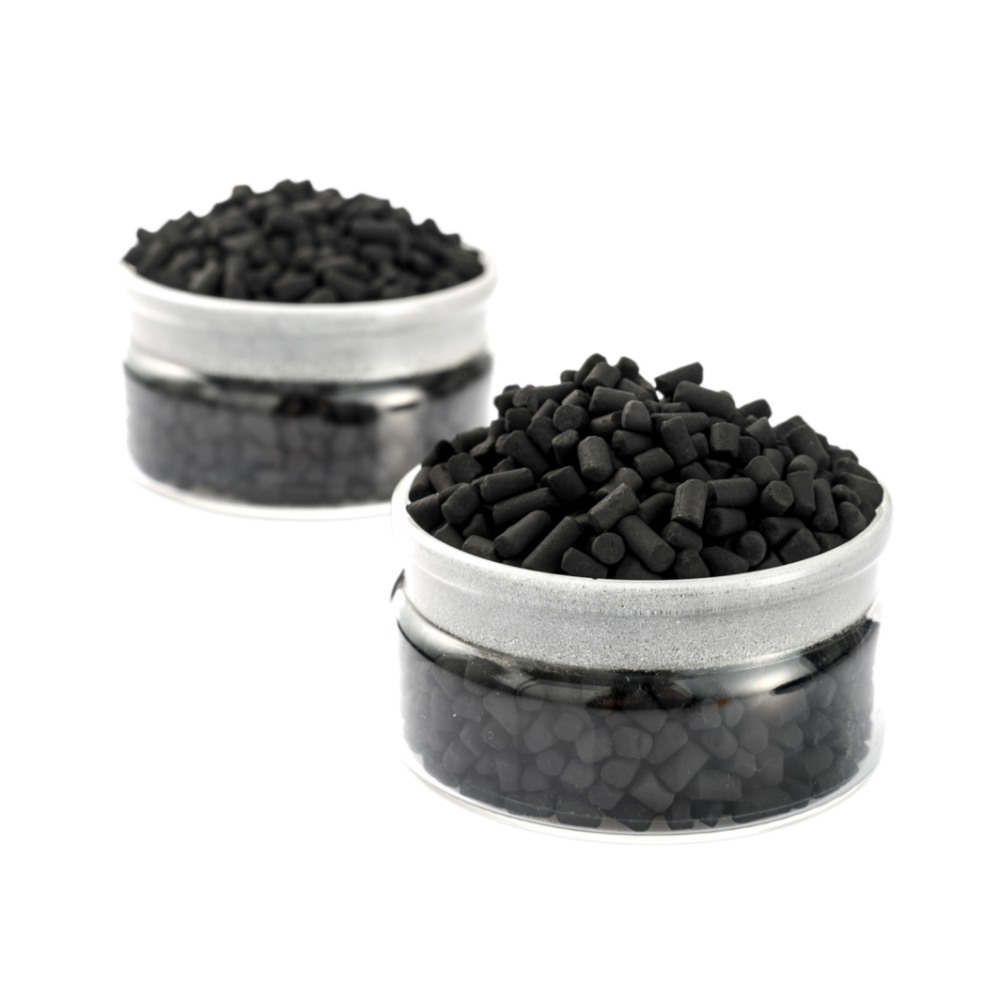
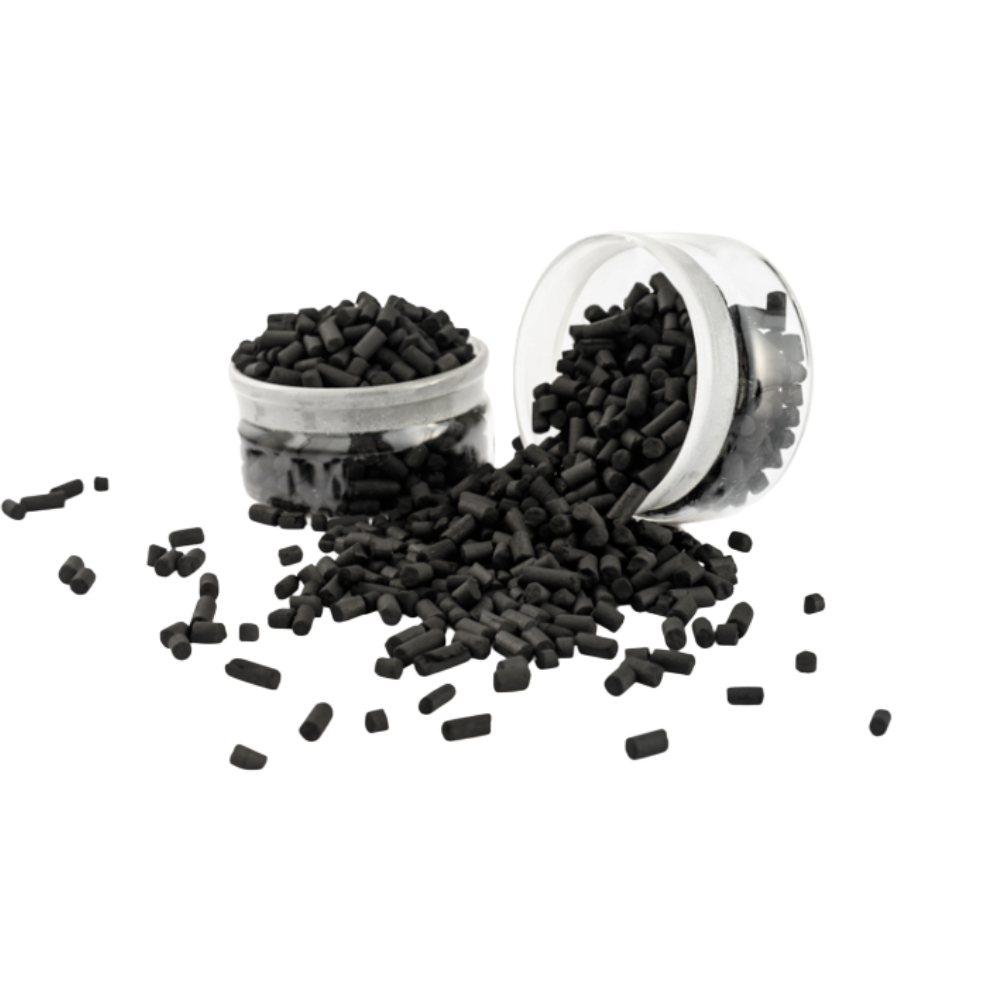
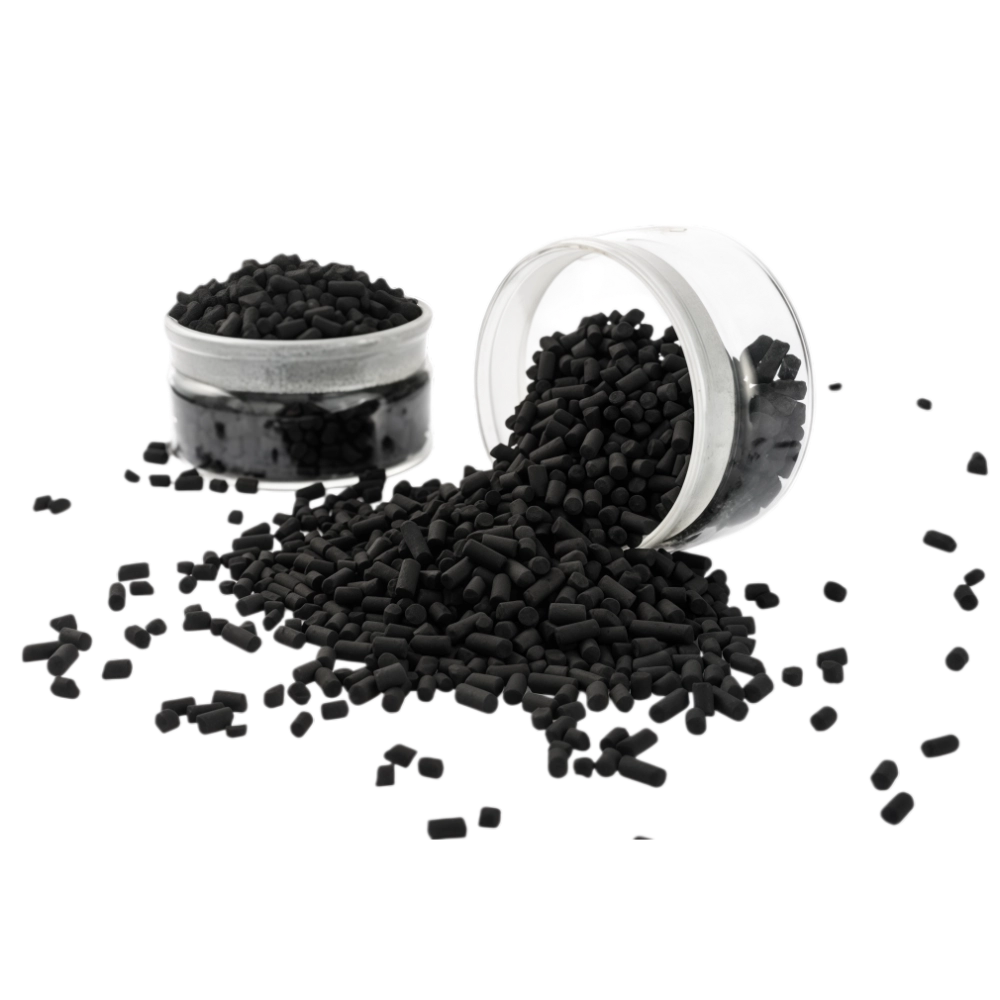
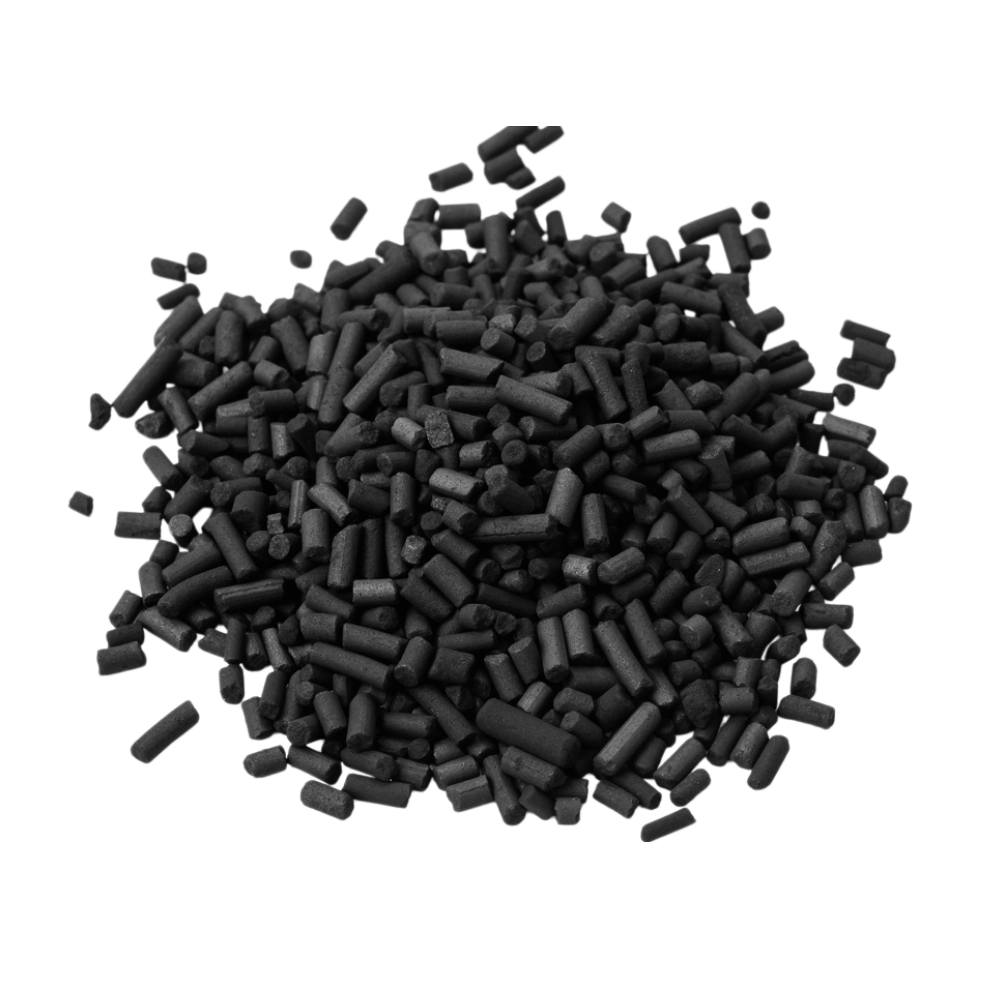
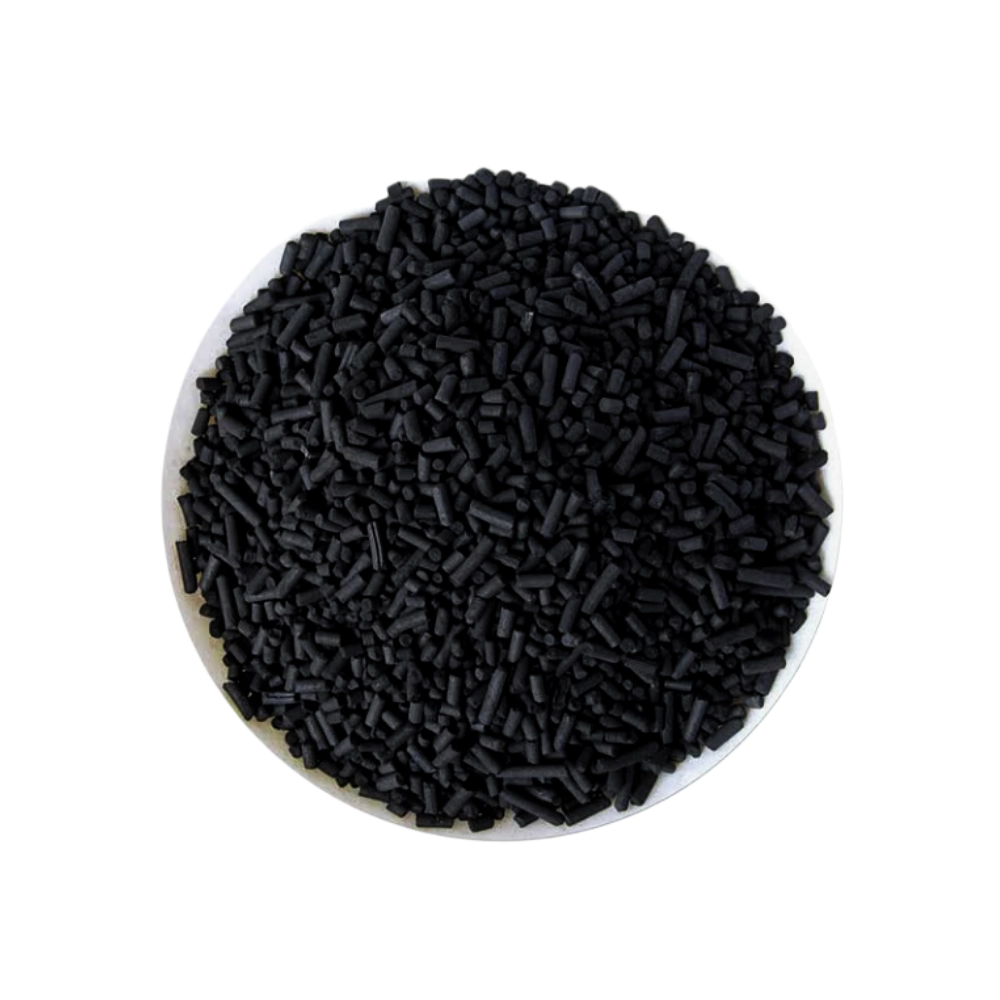
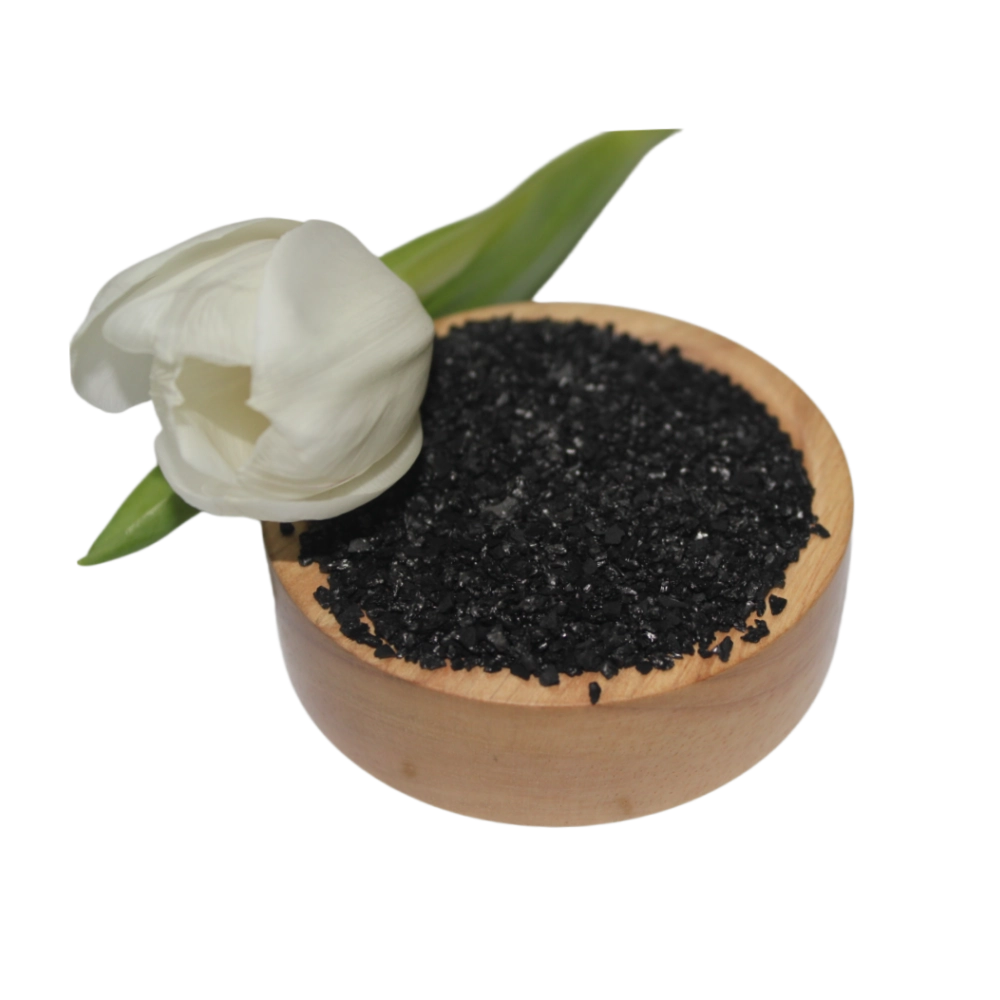
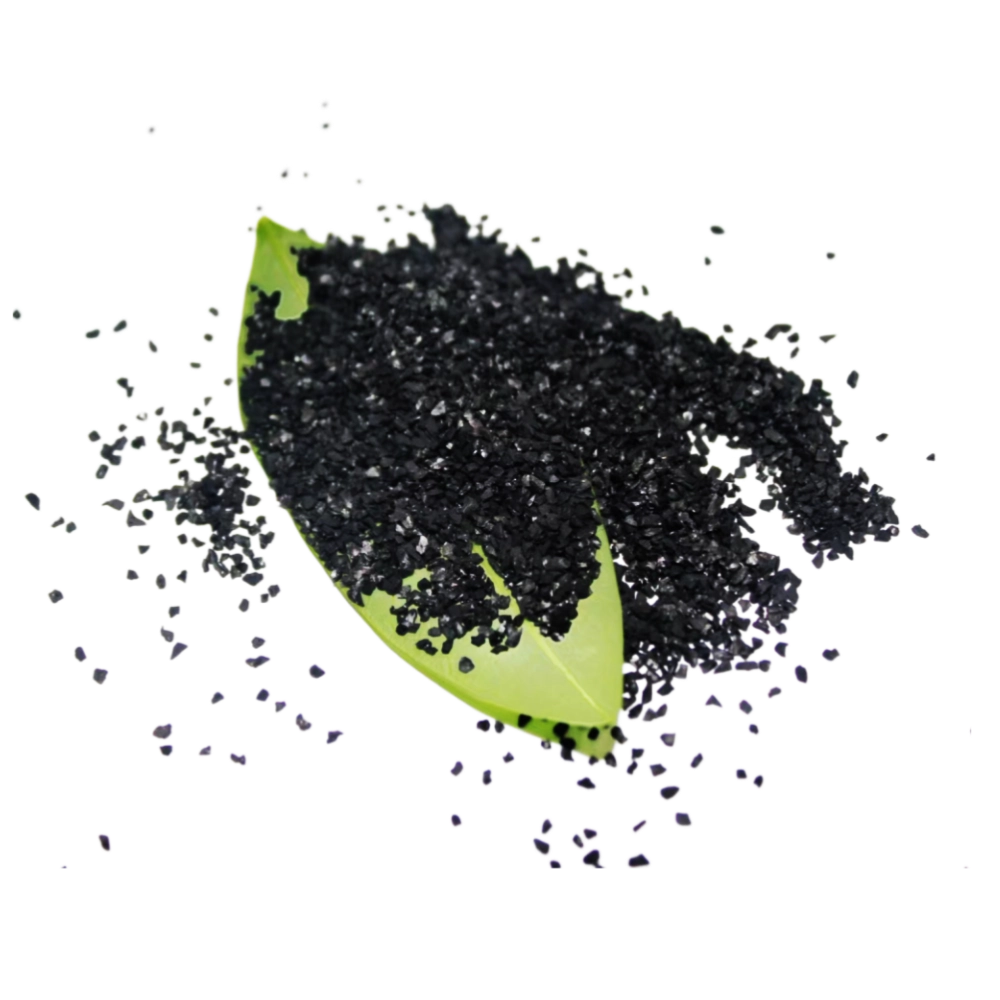
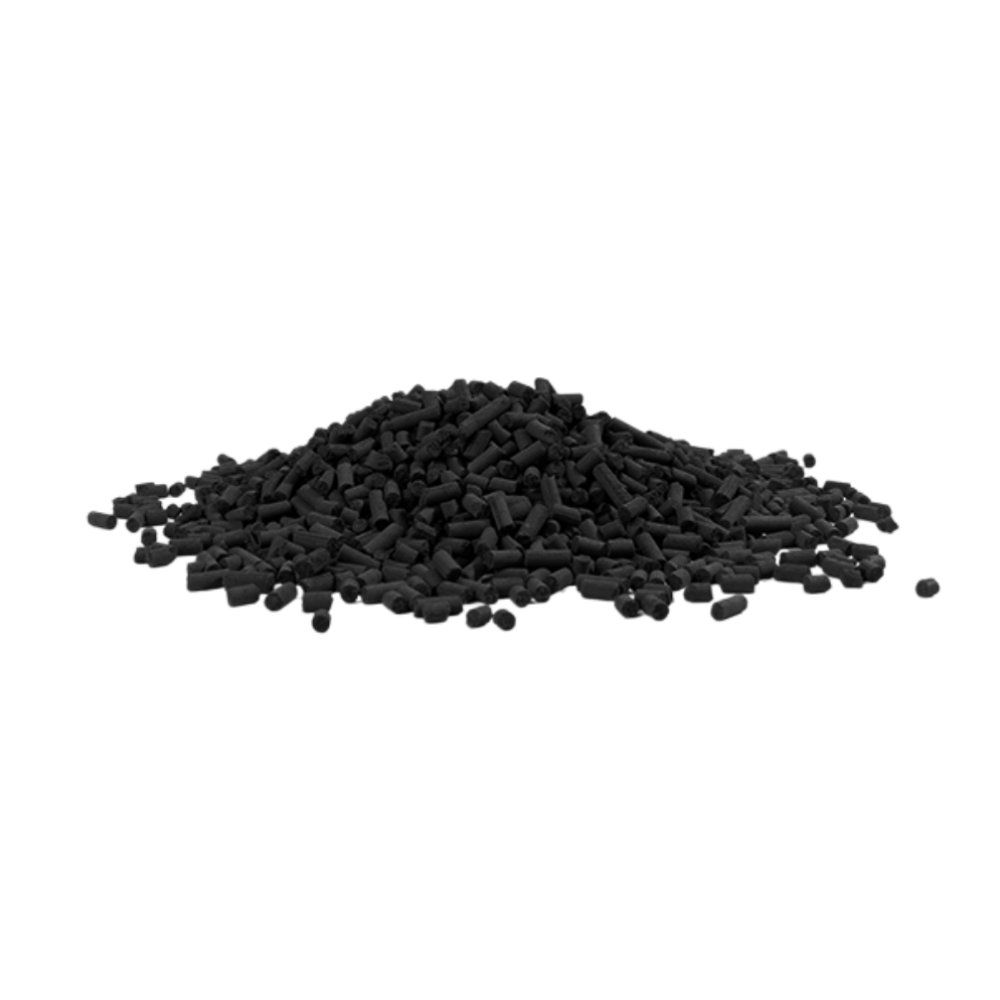
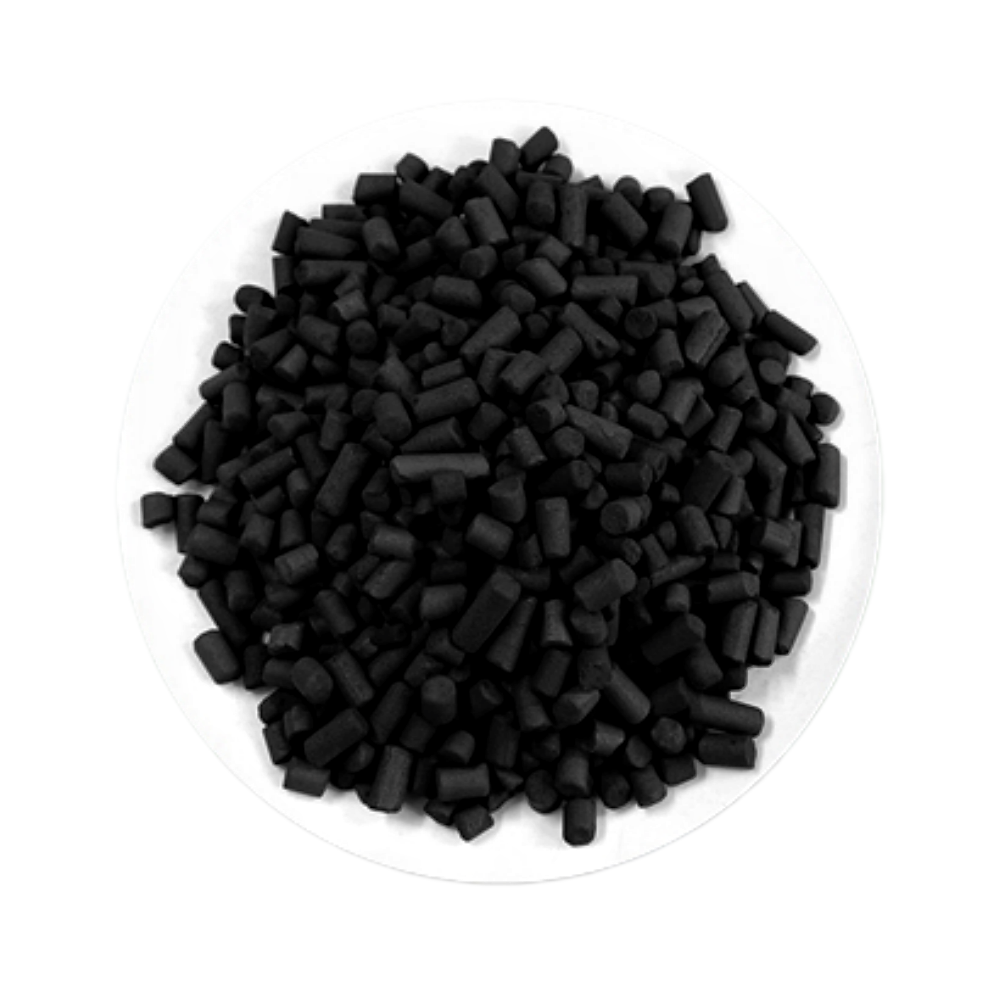
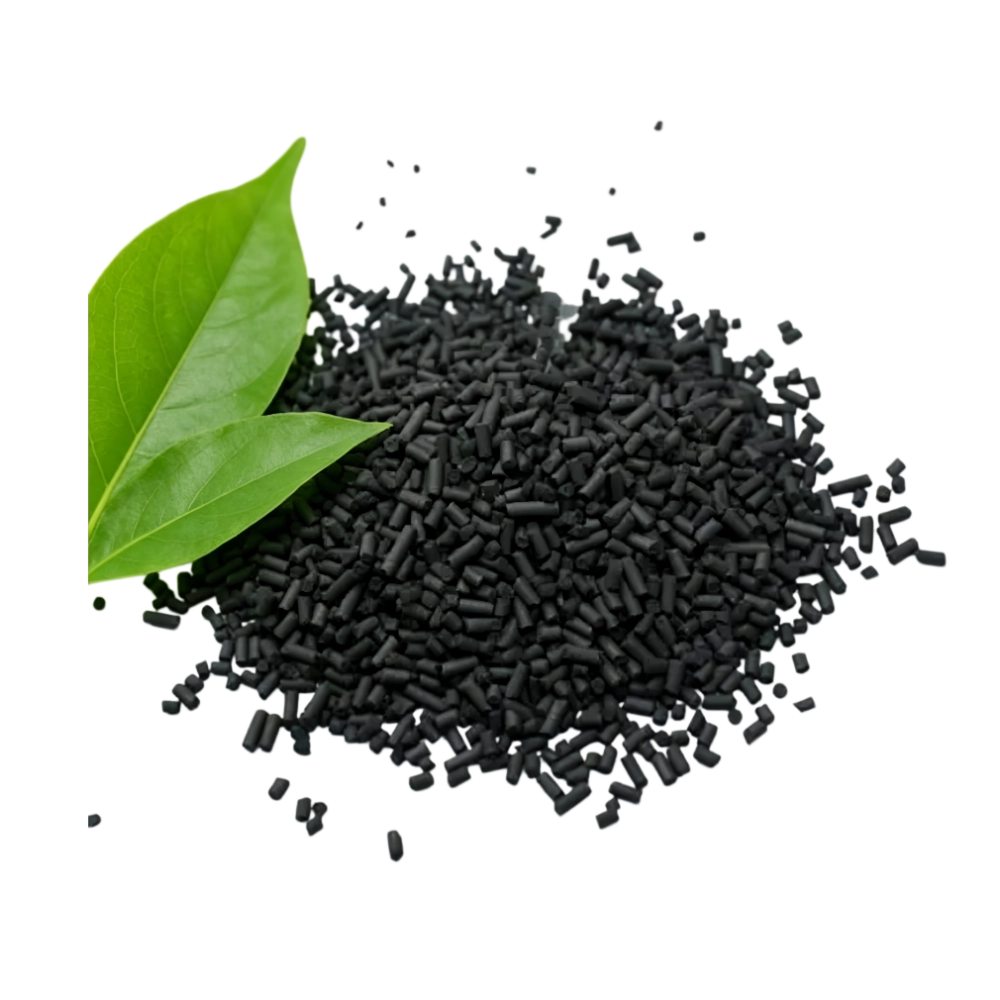
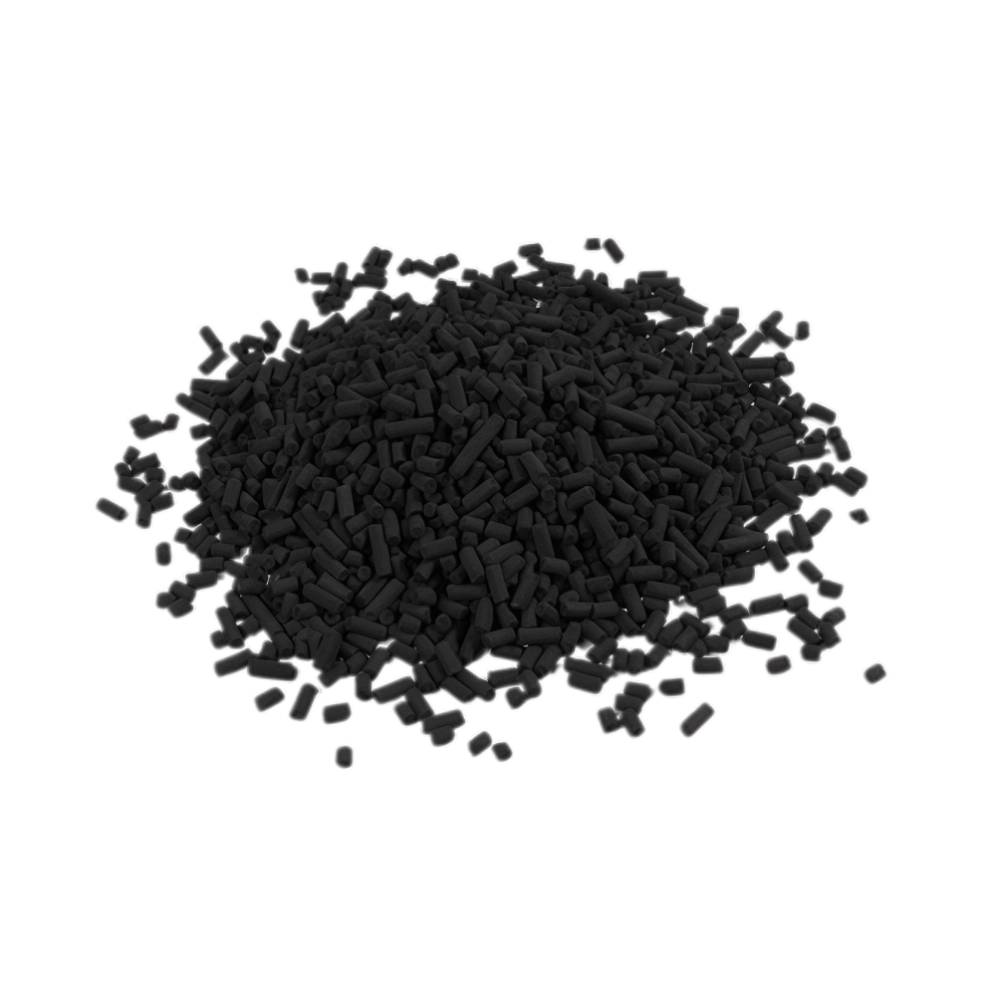
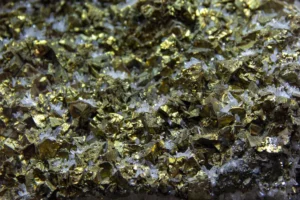
ARC-A columnar activated carbon is produced from high-quality bituminous coal, crushed, extruded with binder, and activated by high-temperature steam to create a durable 4 mm pelletized form. Through controlled activation, the carbon surface develops enhanced catalytic functionality that accelerates the decomposition of chloramines—including monochloramine (NH₂Cl), dichloramine (NHCl₂), and trichloramine (NCl₃)—through catalytic reduction, not mere physical adsorption.
When water containing chloramine passes through the ARC-A bed, the chlorine–ammonia bond is broken at the carbon surface. Chlorine is reduced to harmless chloride ions (Cl⁻), while ammonia is released in a form manageable by downstream processes. This catalytic action occurs without rapidly depleting the carbon's adsorptive capacity, leaving ample pore structure available for concurrent removal of organic contaminants, taste and odor compounds, and disinfection by-products such as trihalomethanes (THMs).
Specifications
| Technical Specifications | ARC-A | Unit |
| CTC value (base charcoal) | > 60 | % -wt |
| Moisture content | < 25 | % -wt |
| Column carbon diameter | 4 | mm |
| Stacking density | 780 ~ 820 | kg/m³ |
| Intensity | > 90 | % |
| Specific surface area (base charcoal) | > 900 | m²/g |
| Grain size > 6 Item (3.35 mm) | > 95 | %-wt |
Key Application Areas
- Municipal drinking water treatment — primary or secondary chloramine reduction at water treatment plants
- Reverse osmosis (RO) pretreatment — protection of polyamide RO membranes from chloramine-induced oxidation
- Residential & commercial POE/POU filtration — whole-house and under-sink systems for chloramine-free water
- Wastewater & reclaimed water — removal of residual disinfectants prior to discharge or reuse
- Food & beverage process water — ensuring chloramine-free water for brewing, bottling, and ingredient washing
- Pharmaceutical & dialysis water — compliance with strict total residual chlorine / chloramine limits
- Aquaculture & aquarium systems — maintaining safe water environments sensitive to chloramine toxicity
Key Advantages
- Catalytic Chloramine Reduction: Surface-catalyzed decomposition converts chloramines into harmless chloride ions and ammonia rather than relying on physical adsorption alone, delivering significantly longer bed life and smaller vessel sizing
- Superior Mechanical Strength: 4 mm coal columnar extrusion provides >95% mechanical strength with low pressure drop, ensuring stable hydraulic performance in high-flow municipal and industrial fixed-bed systems
- Dual-Function Contaminant Removal: Simultaneously decomposes chloramines while adsorbing organic contaminants, taste/odor compounds, and THM precursors, reducing system complexity and capital cost
- RO Membrane Protection & Compliance: Engineered for polyamide RO membrane protection and manufactured under GB/T 7701.2 / GB/T 7702 water treatment carbon standards