
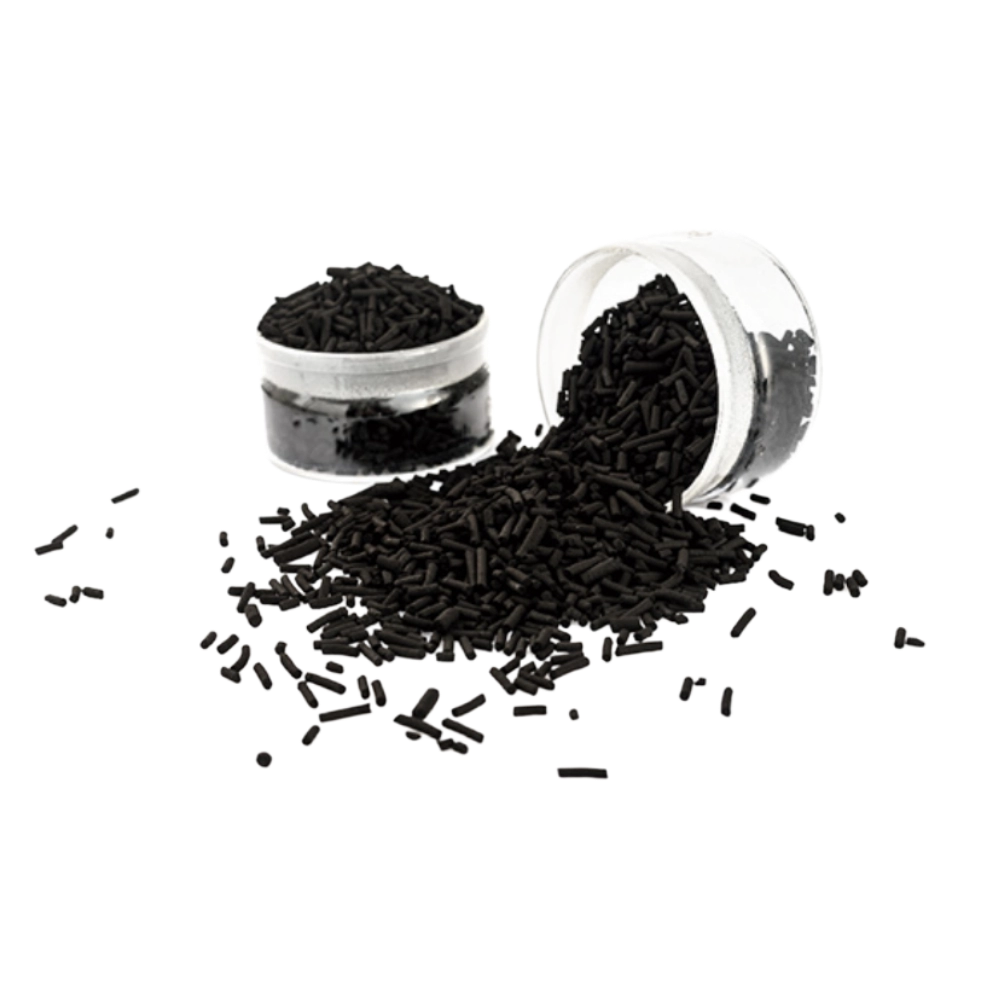
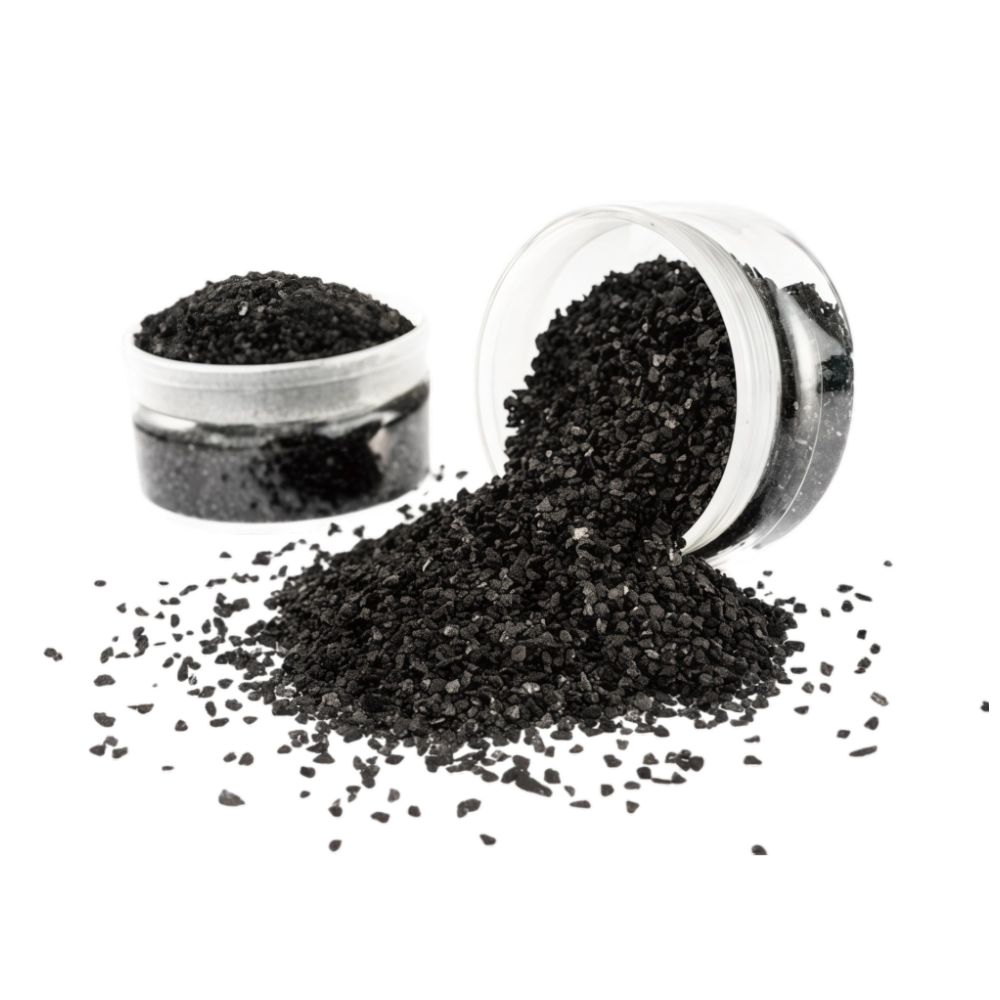
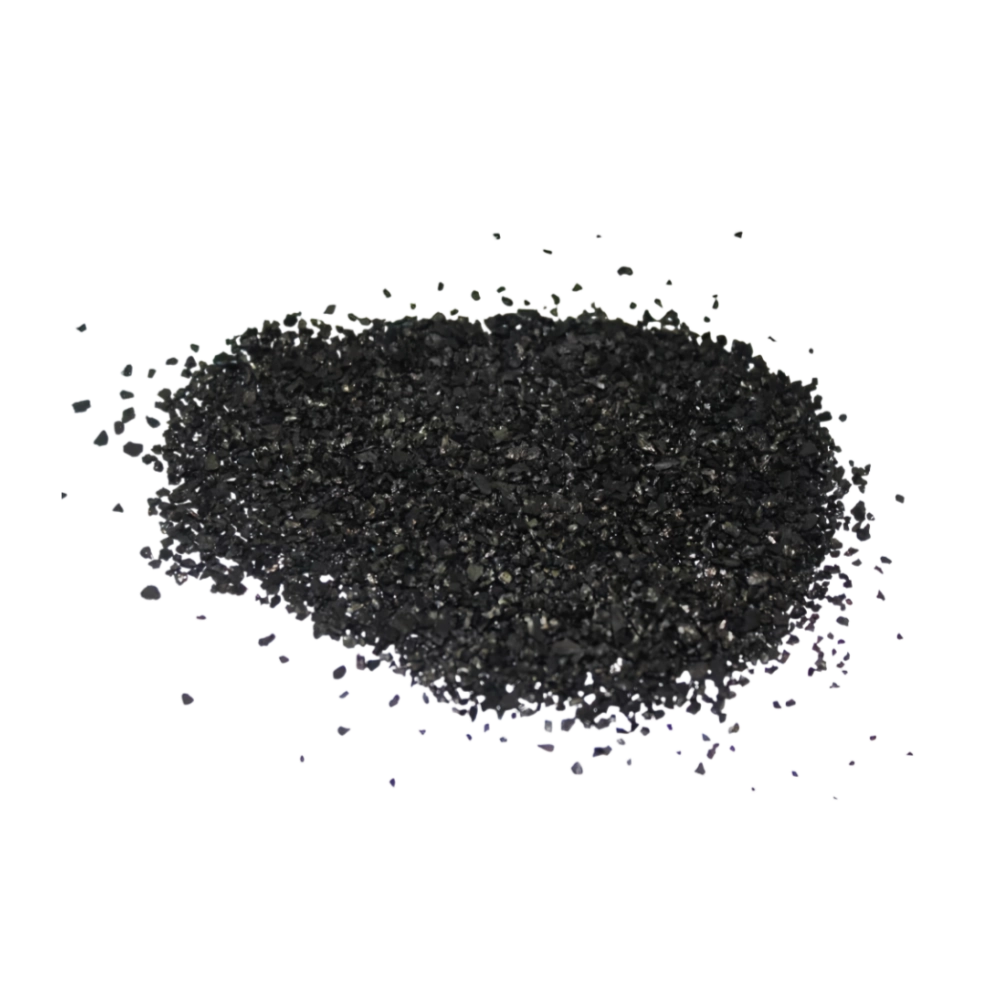
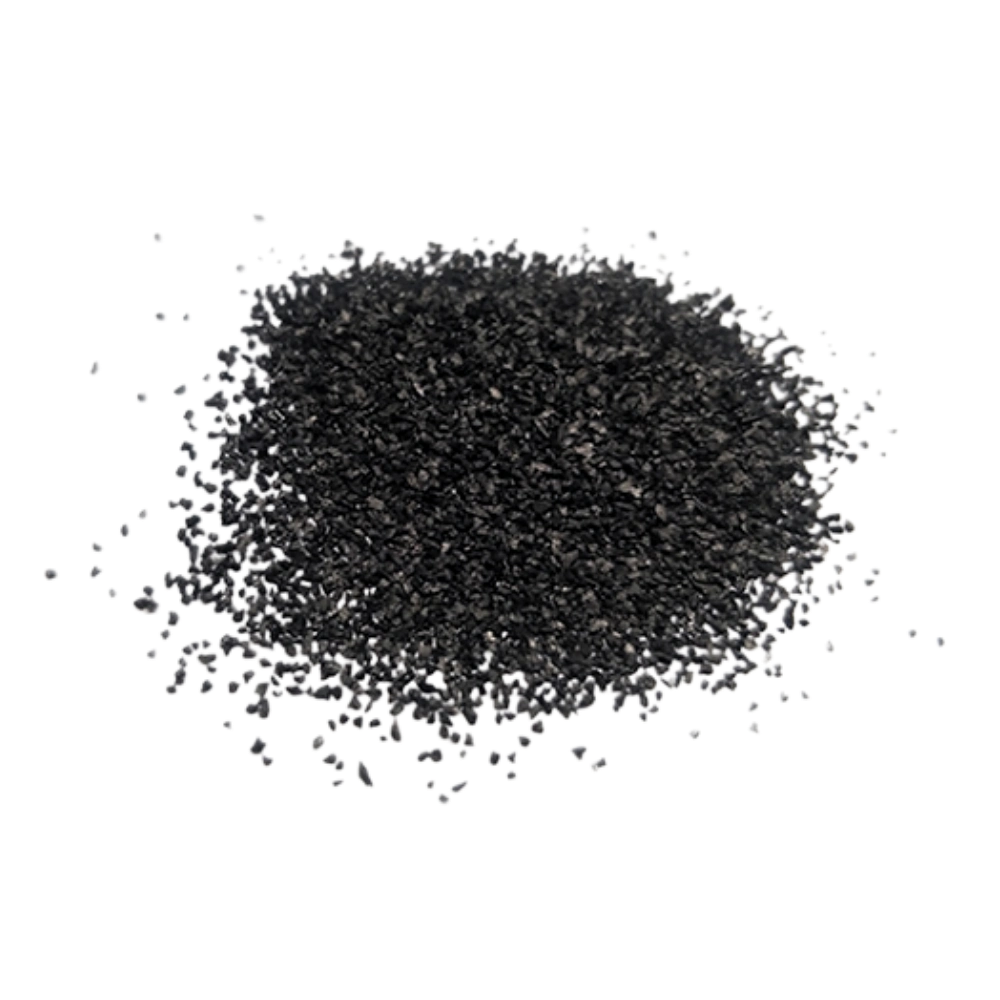
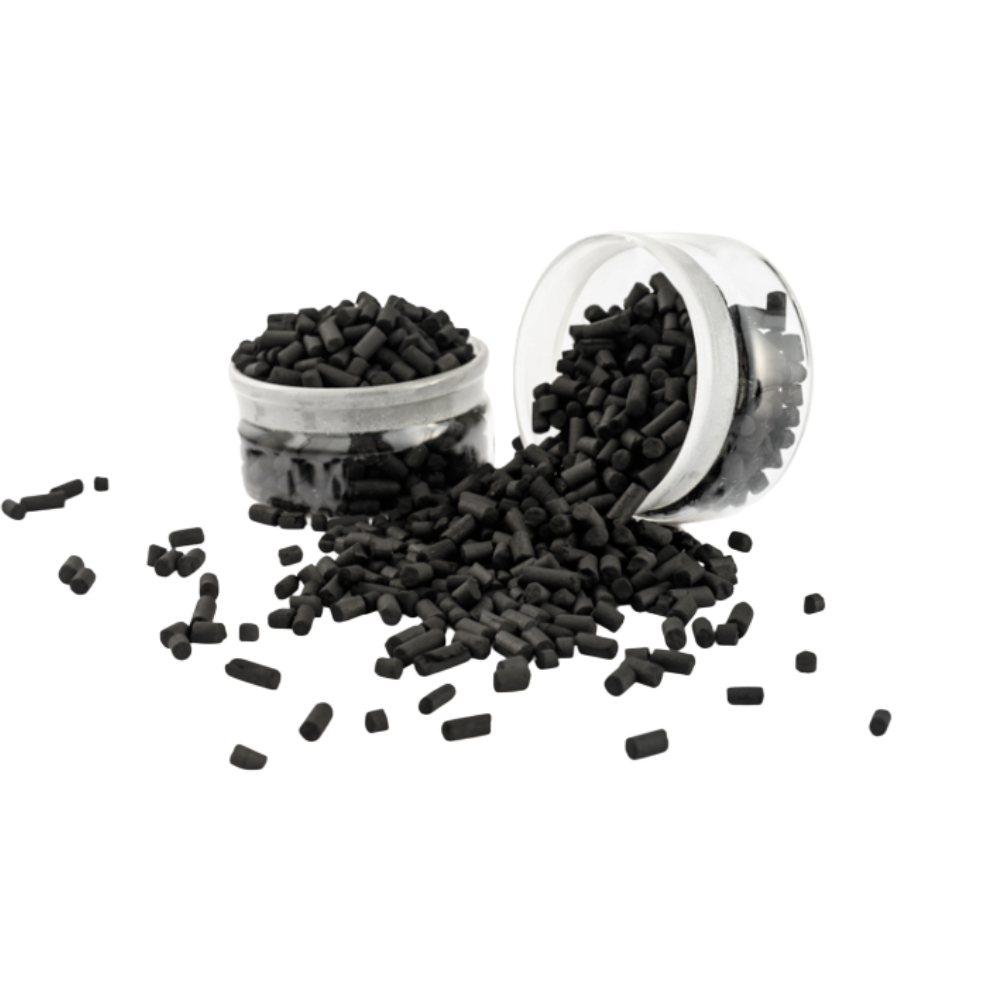
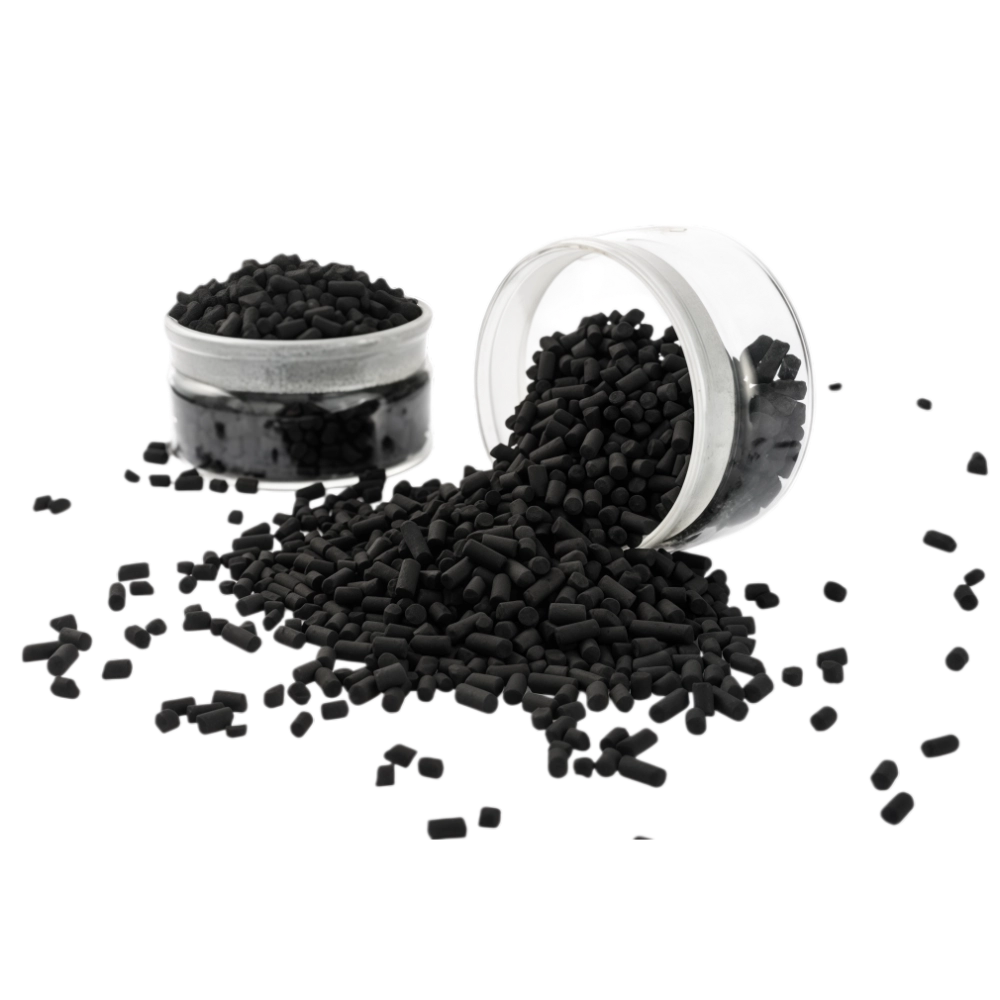
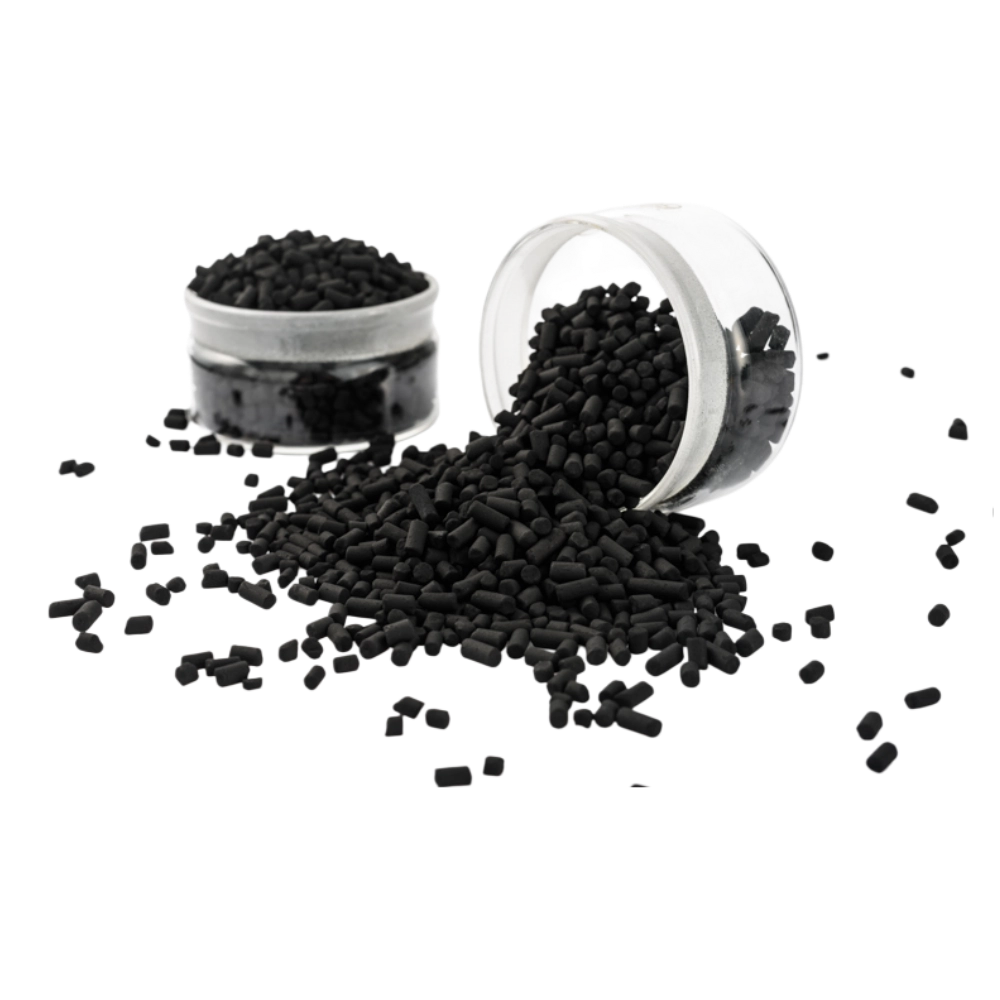
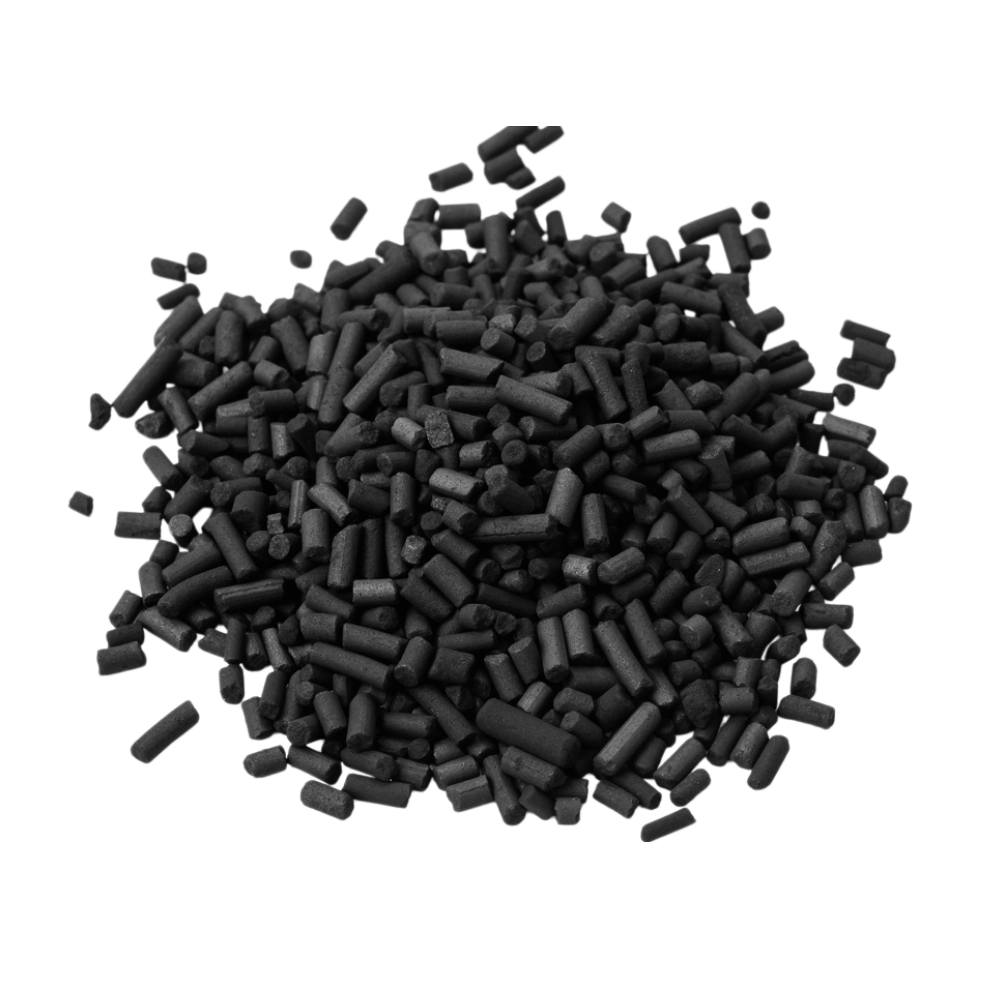
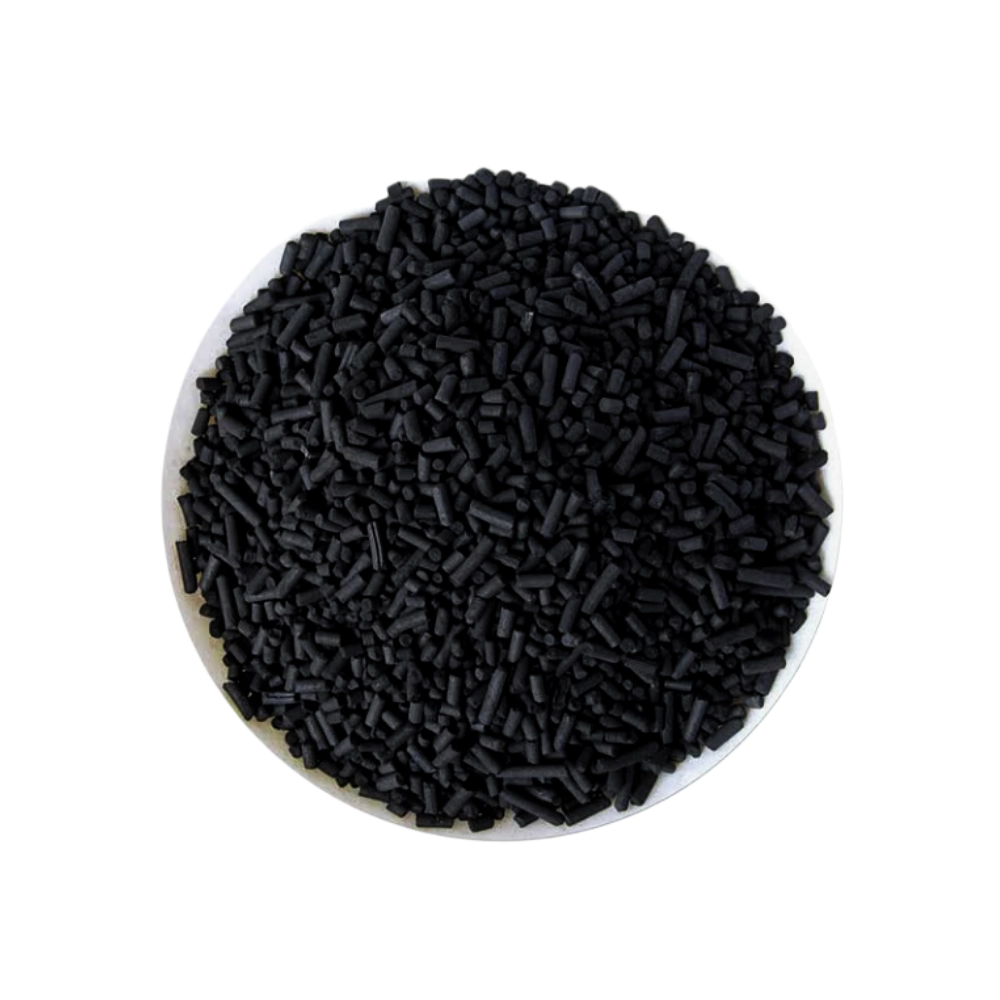
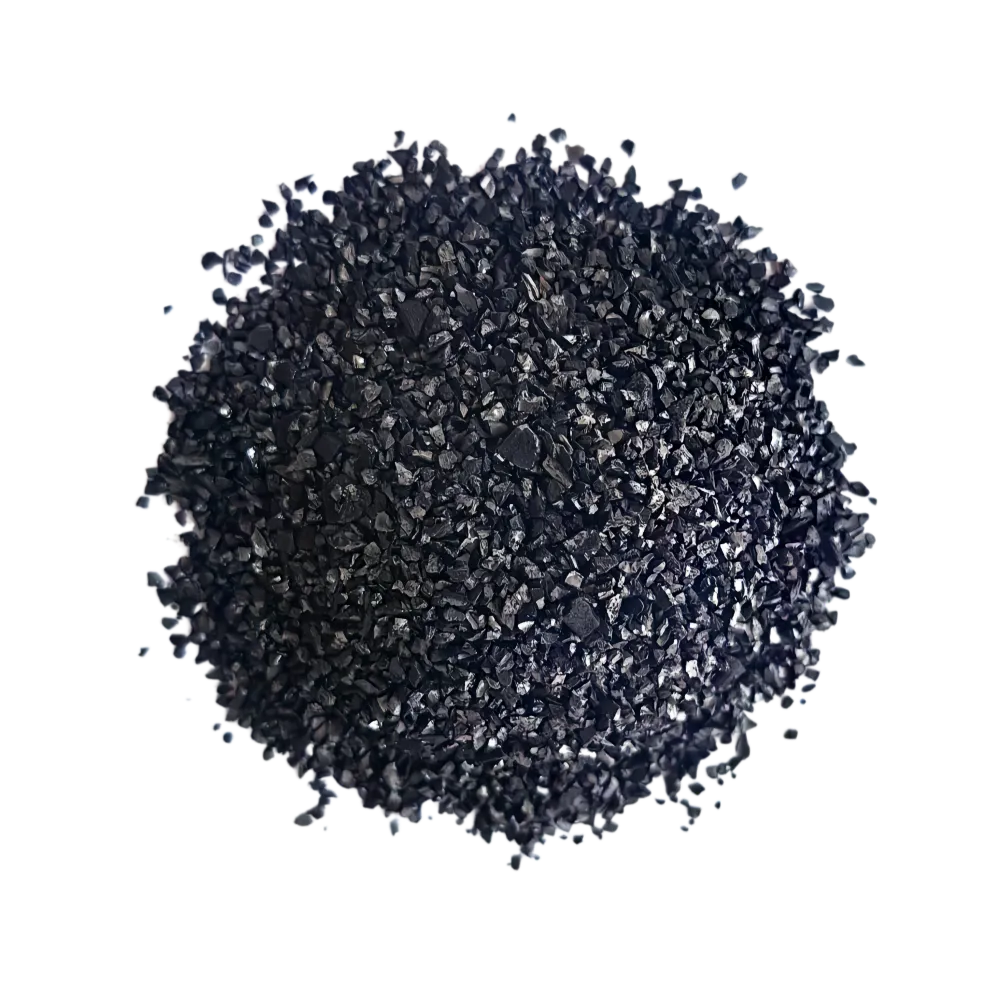
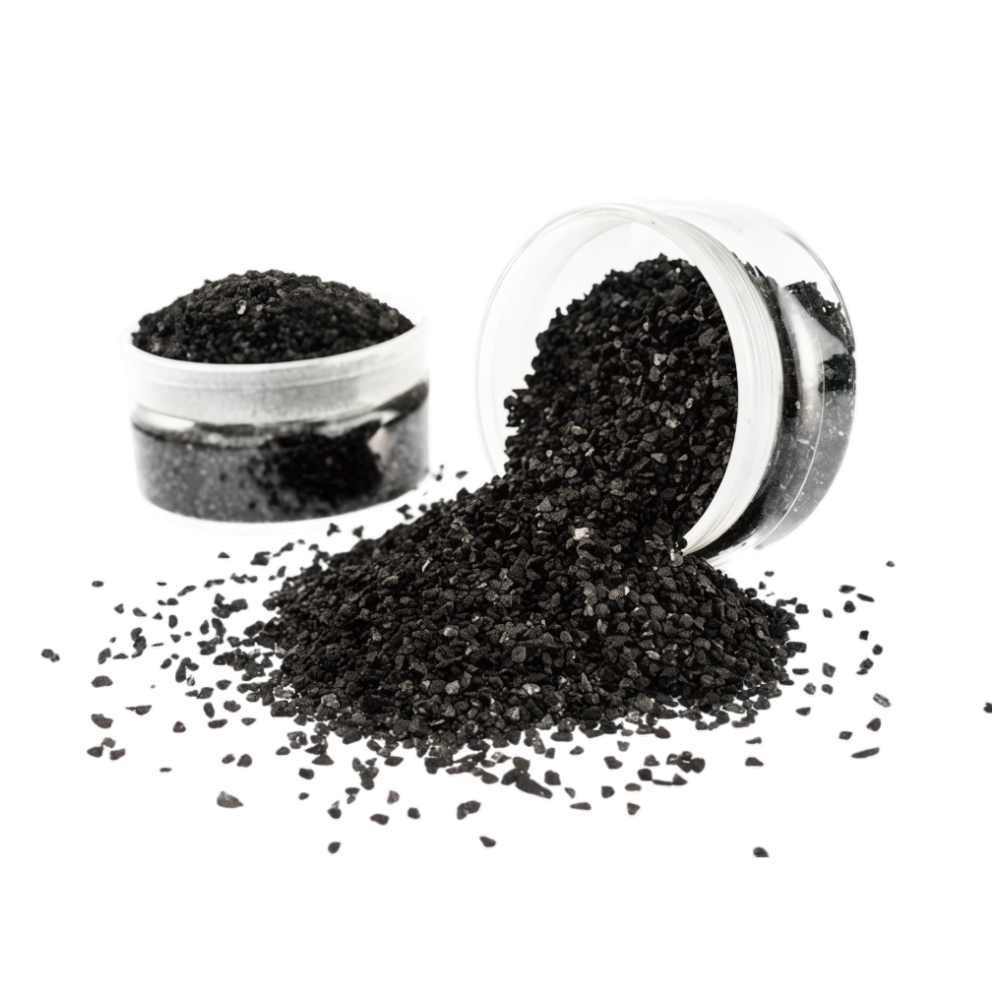




PFH-E Formaldehyde-Specific Carbon | Indoor Air Quality Solution

Formaldehyde-targeted activated carbon for residential, commercial, and industrial indoor air purification. Proven aldehyde removal performance.

Share:

Applications:

Product Overview

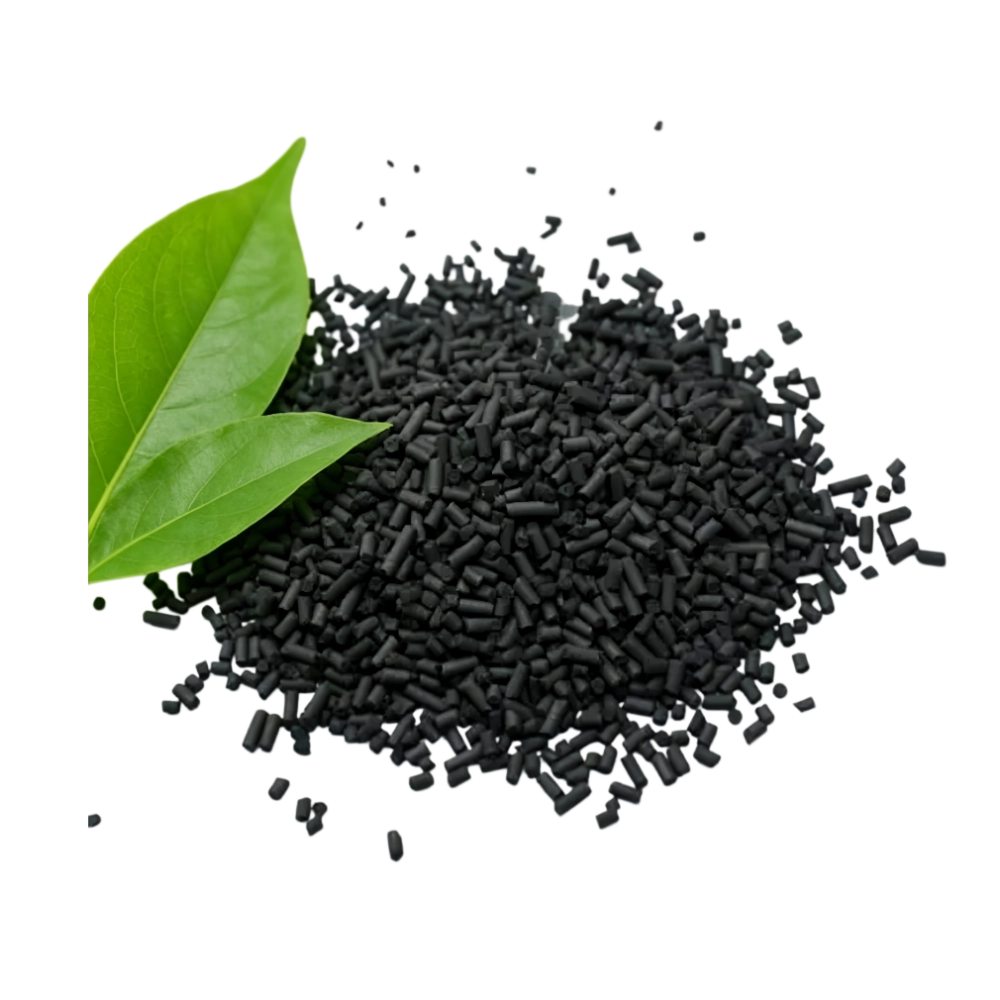
Formaldehyde is everywhere in modern buildings—released by pressed wood products, insulation, textiles, and cleaning products. It's also a potent irritant and carcinogen, making its control a health priority. But formaldehyde is notoriously difficult to remove with standard activated carbon because it's highly volatile and polar, resisting physical adsorption.

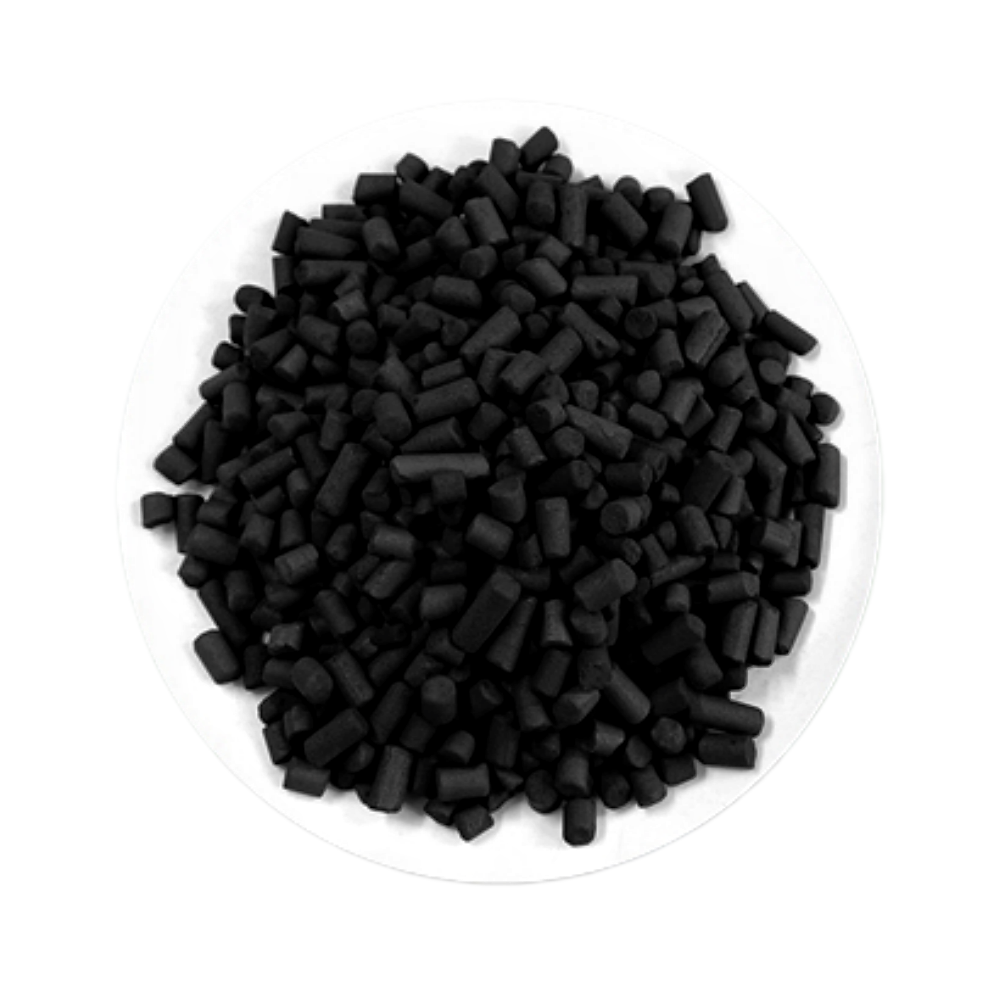
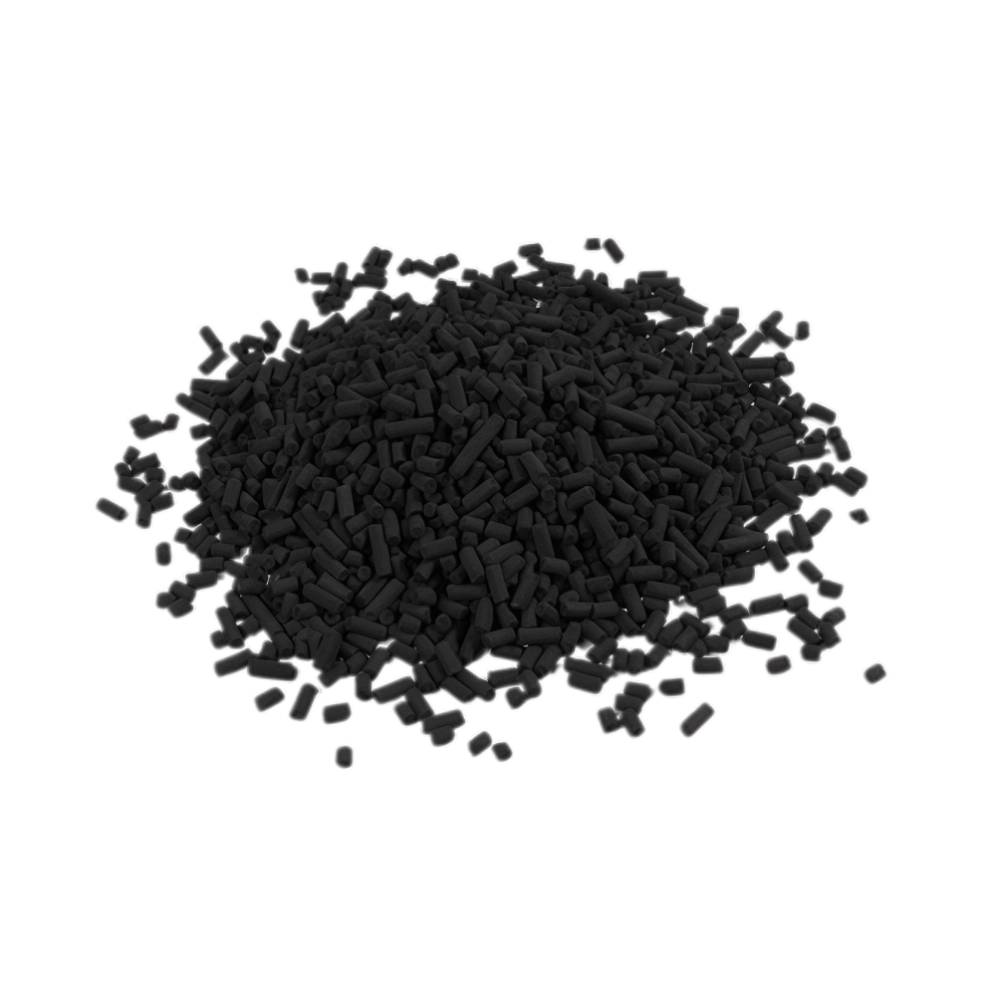
PFH-E solves this problem through a specialized impregnation that creates chemisorption sites specifically reactive with aldehyde groups. The "PFH" stands for PureStar Formaldehyde Hunter; "E" indicates the enhanced formulation with higher impregnant loading for demanding applications.

Specifications

Technical SpecificationsPFH-EUnit
Moisture content< 10%
Stacking density540-590kg/m³
Intensity> 95%
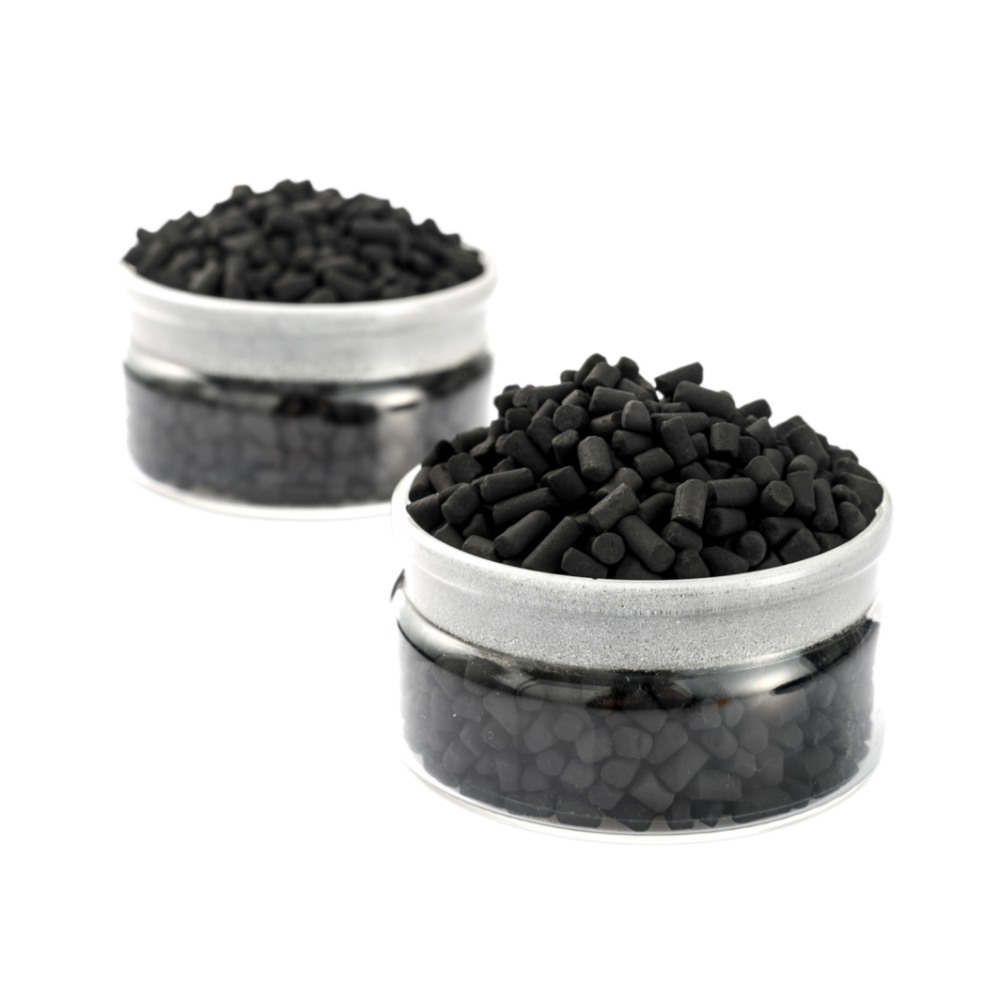
Floating ashHand grasp has no obvious black-
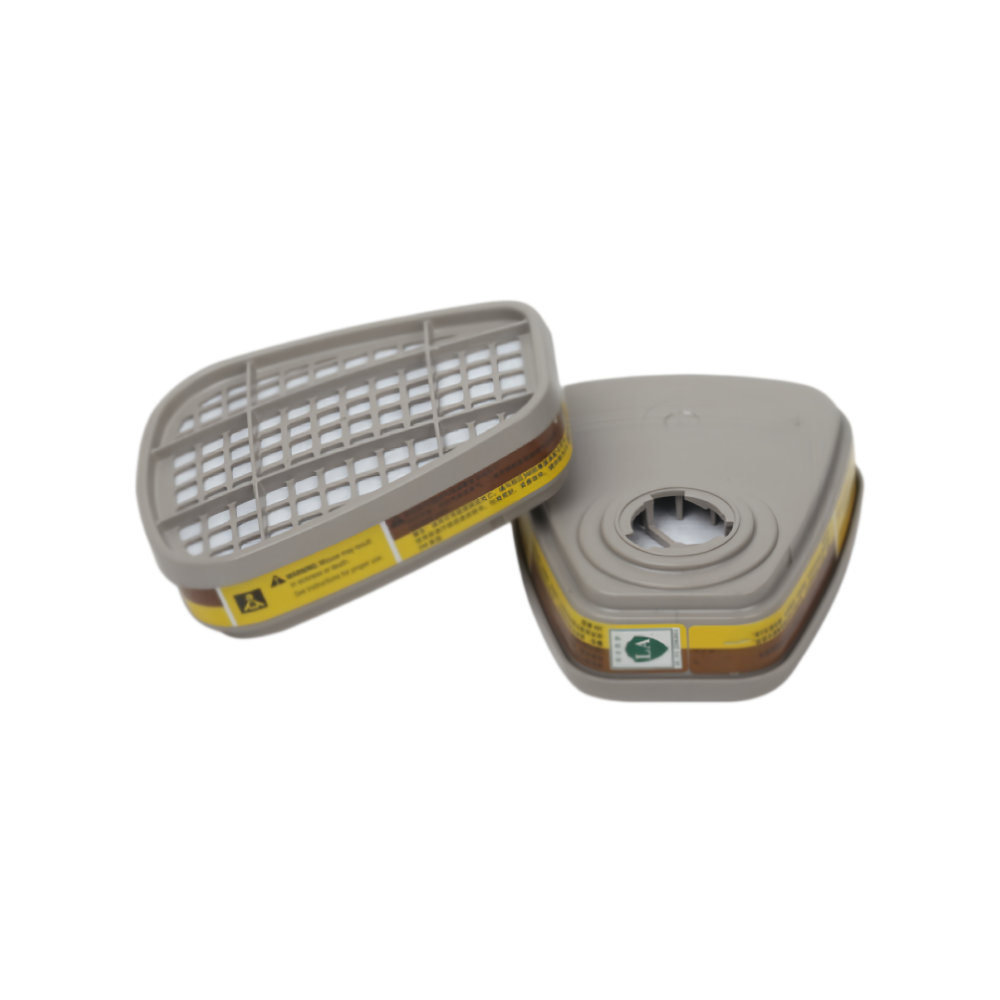
Filter box carbon volume60-70g
Protection time (National standard)≥25min
Protection time (as measured)30-35min

Key Application Areas

  • New construction and renovation projects — off-gassing control from building materials
  • Manufactured housing — formaldehyde emission control from composite wood products
  • Healthcare facilities — patient room air quality, operating suite preparation
  • Museums and archives — protection of sensitive collections from formaldehyde in display cases
  • Automotive interiors — new vehicle air quality improvement
  • Funeral homes and laboratories — formaldehyde-using operation protection

How It Works

The impregnated reactive sites undergo a chemical reaction with formaldehyde molecules, converting them into stable, non-volatile compounds that remain bound to the carbon surface. This is true destruction, not just temporary capture—formaldehyde cannot desorb and re-enter the air stream.
  • Q
    Why is formaldehyde difficult to remove with standard activated carbon?
    A

    Formaldehyde is highly volatile and polar, resisting physical adsorption by standard activated carbon. It is released by pressed wood products, insulation, textiles, and cleaning products in modern buildings, and is classified as a potent irritant and carcinogen. Standard carbon provides only temporary capture with high potential for desorption.

  • Q
    How does PFH-E achieve true formaldehyde destruction?
    A

    PFH-E uses specialized impregnation creating chemisorption sites specifically reactive with aldehyde groups. The "PFH" stands for PureStar Formaldehyde Hunter, and "E" indicates the enhanced formulation with higher impregnant loading. The reactive sites undergo chemical conversion with formaldehyde molecules, transforming them into stable, non-volatile compounds permanently bound to the carbon surface.

  • Q
    What is the demonstrated removal efficiency of PFH-E?
    A

    PFH-E achieves formaldehyde removal efficiency exceeding 90% at typical indoor concentrations. The base carbon maintains iodine number exceeding 950 mg/g, ensuring concurrent removal of other VOCs and odors. Bulk density of 450–550 kg/m³ provides predictable filter design parameters, with 25 kg/bag packaging and custom packaging available for air filter manufacturers.

Packaging & Shipping

Packaging:

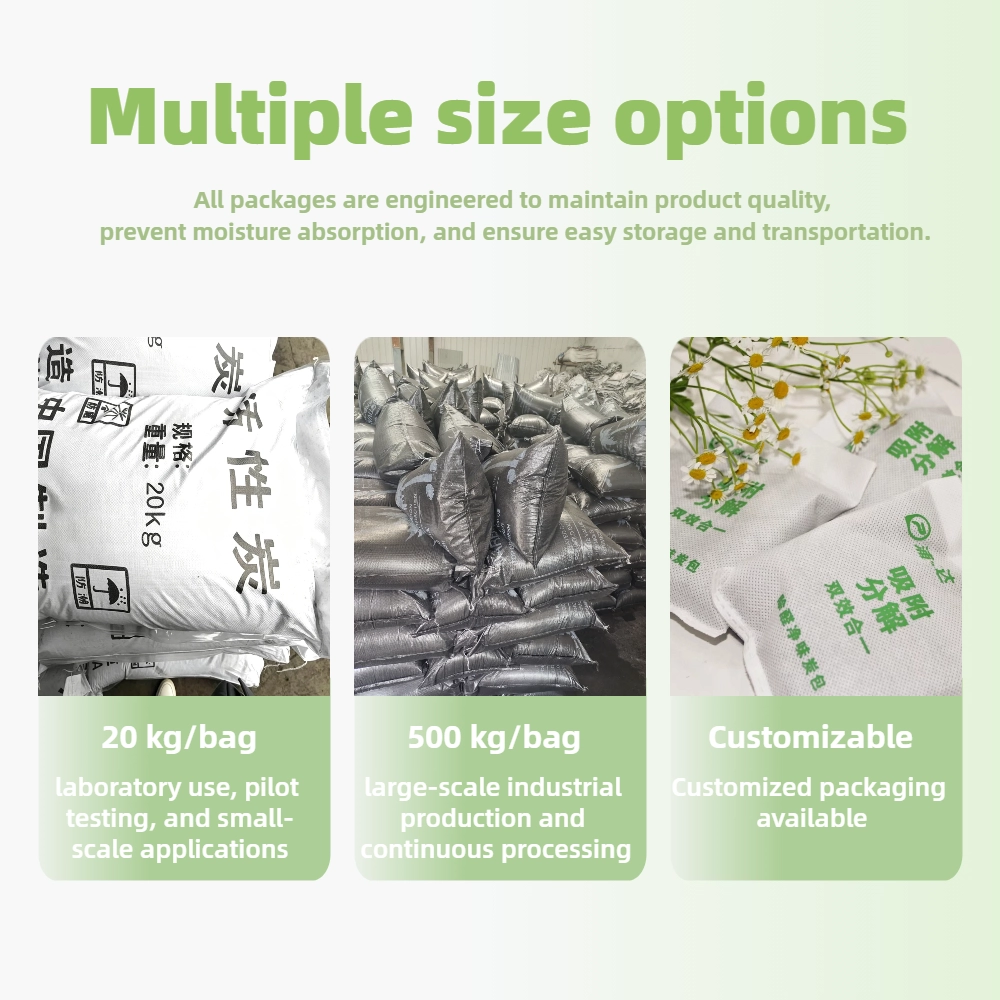
To meet diverse customer requirements, our activated carbon is available in multiple packaging options:

  • 20 kg/bag – Ideal for laboratory use, pilot testing, and small-scale applications.
  • 500 kg/bag – Bulk packaging designed for large-scale industrial production.
  • Customized packaging available upon request.

All packages are engineered to maintain quality and prevent moisture absorption.

Shipping:

  • Fast delivery within 15-30 days
  • Export standard packaging
Free to contact us