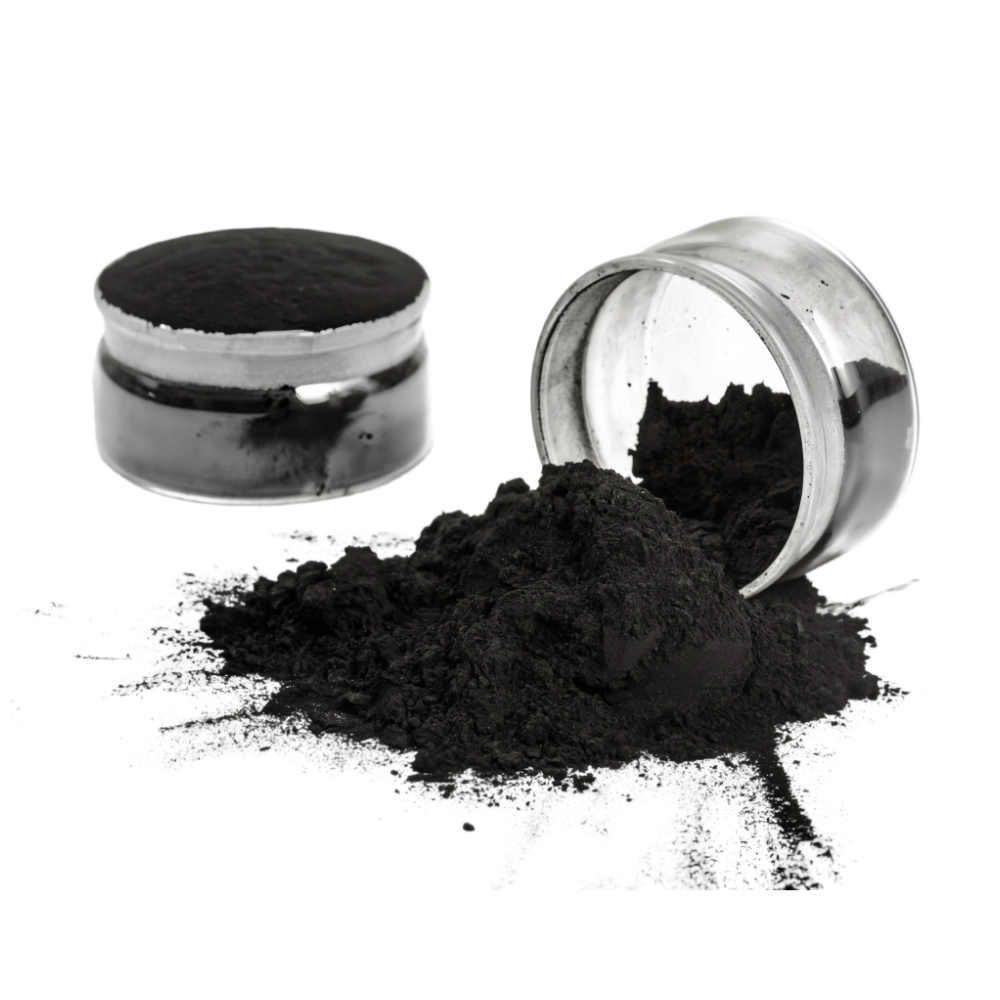
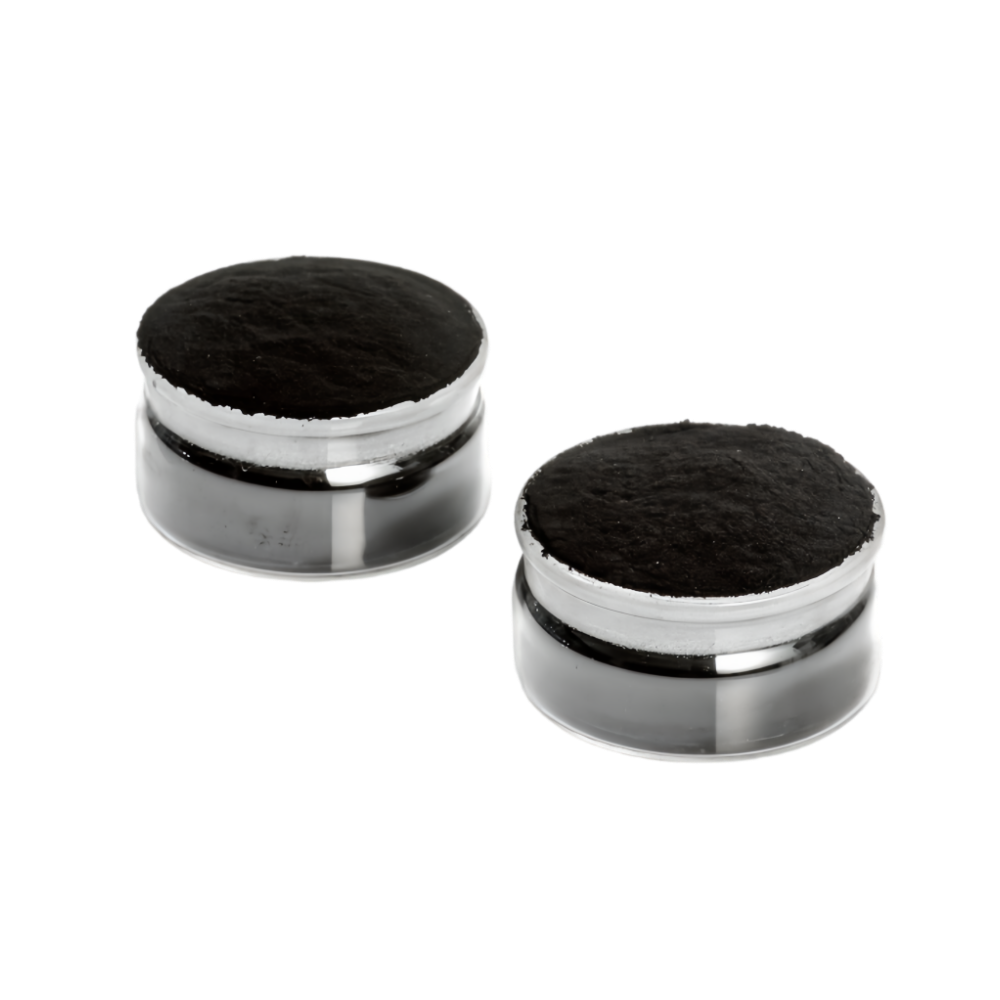
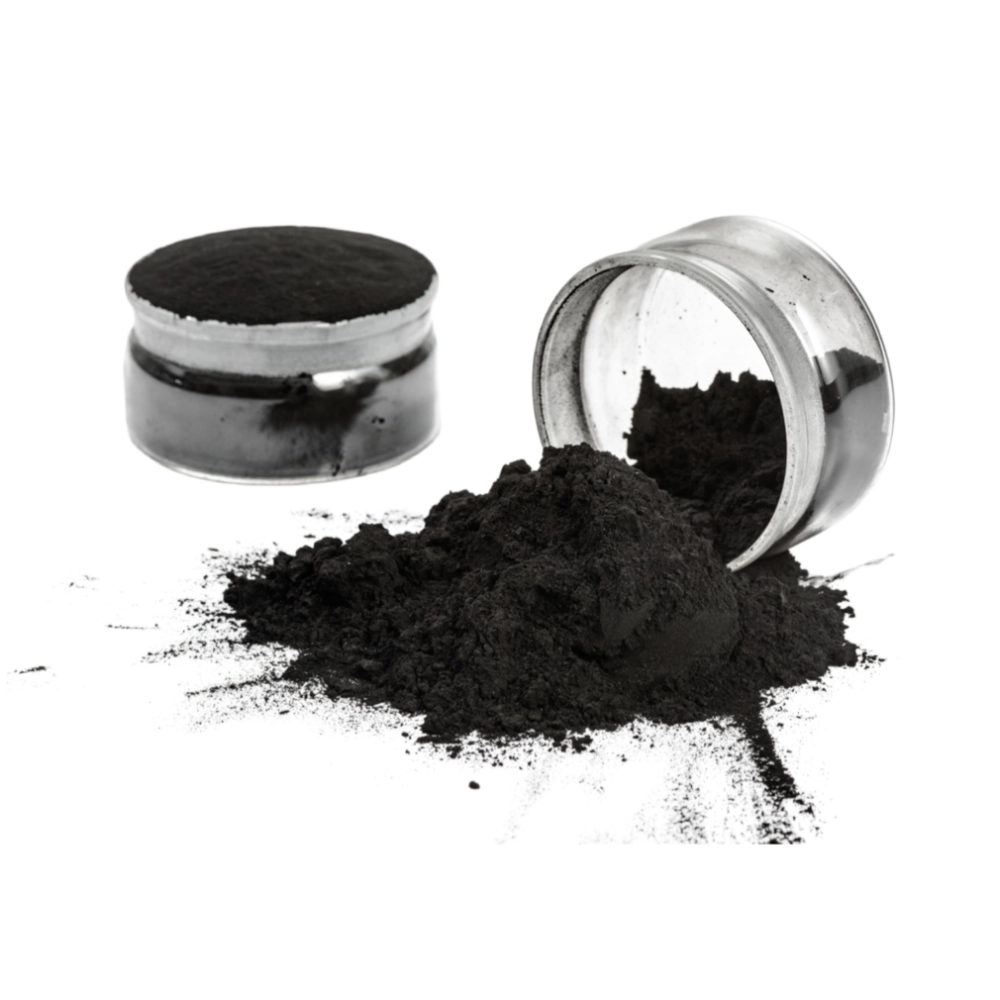
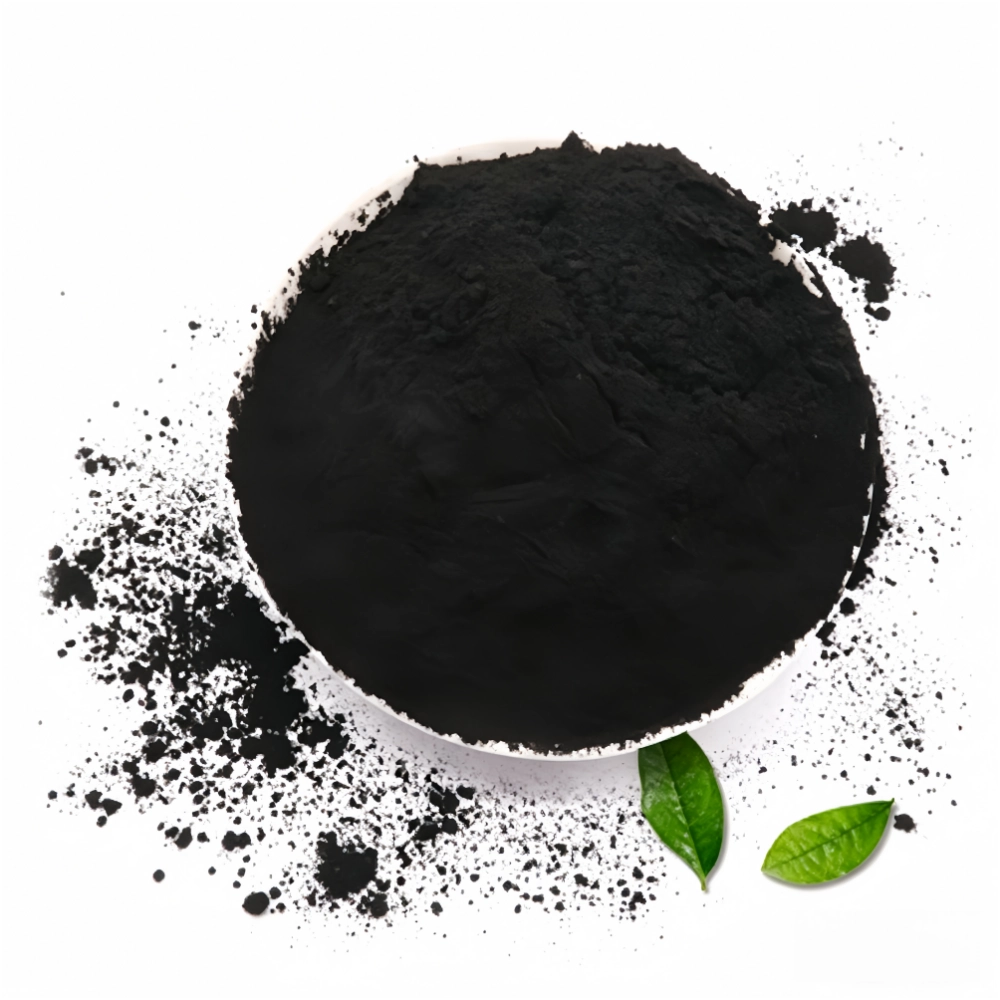
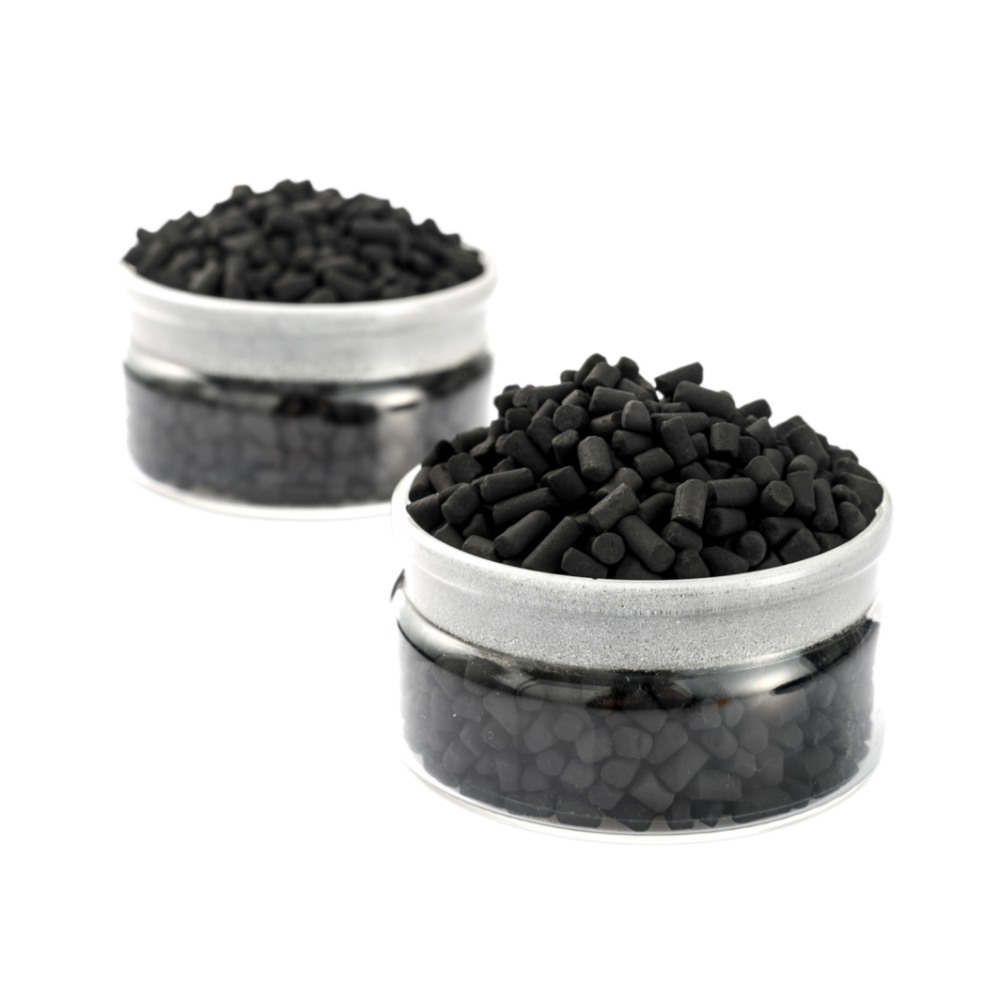
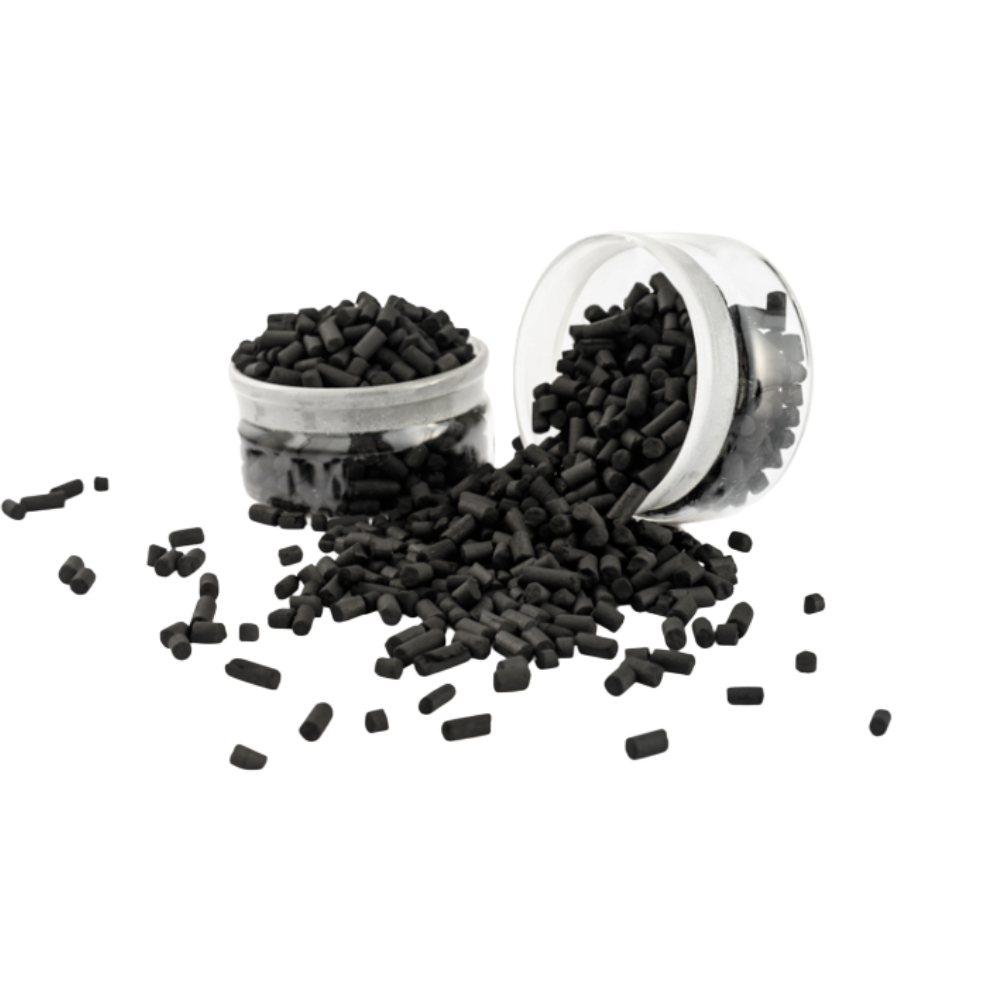
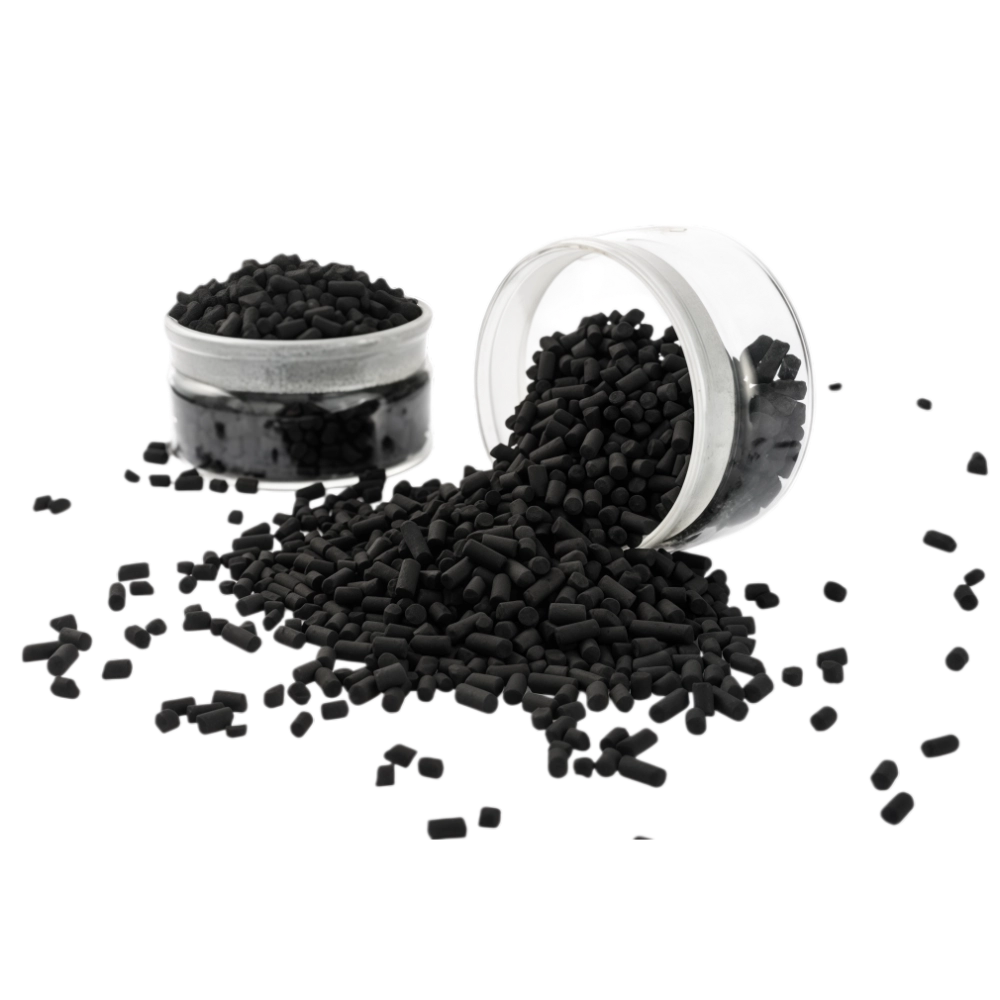
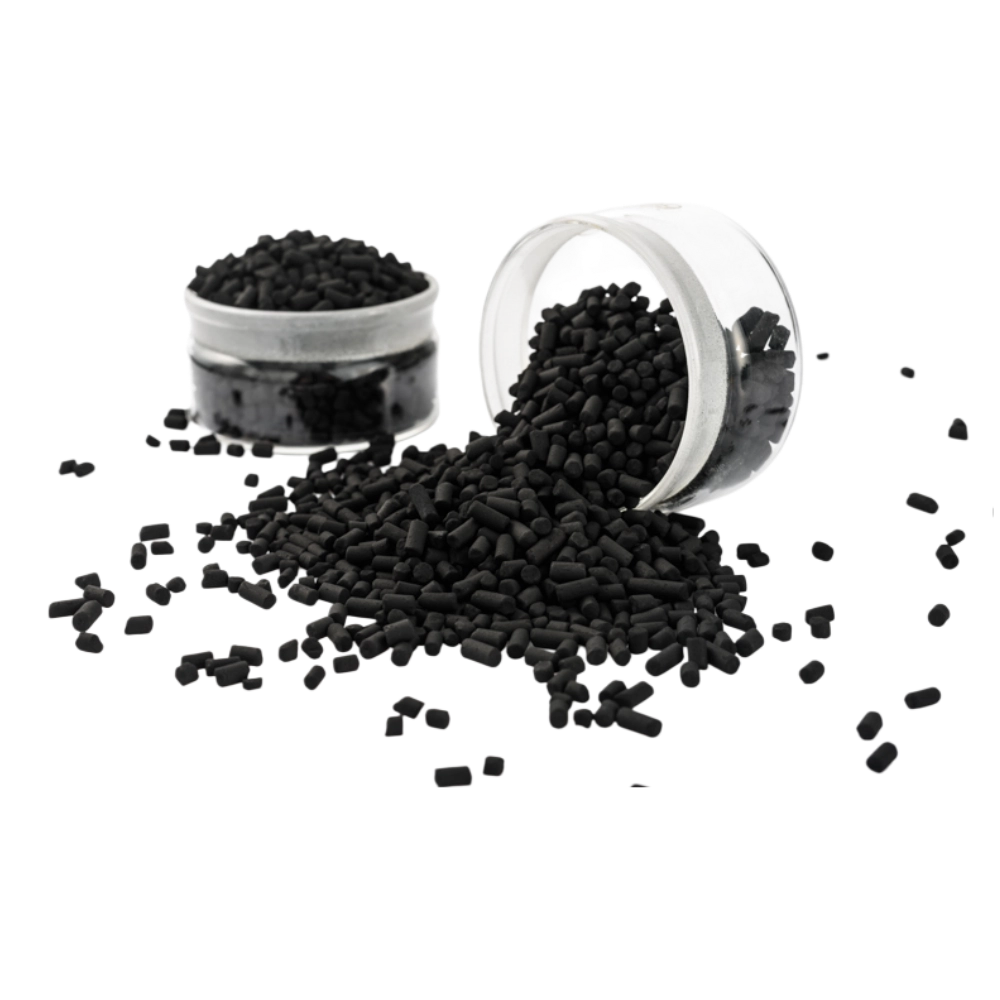






















Product Overview
Carbon tetrachloride activity (CTC) is the gold standard for measuring gas-phase adsorption capacity. A CTC value of 100% means the carbon can adsorb its own weight in carbon tetrachloride vapor—a demanding test that separates truly high-performance carbons from ordinary grades.
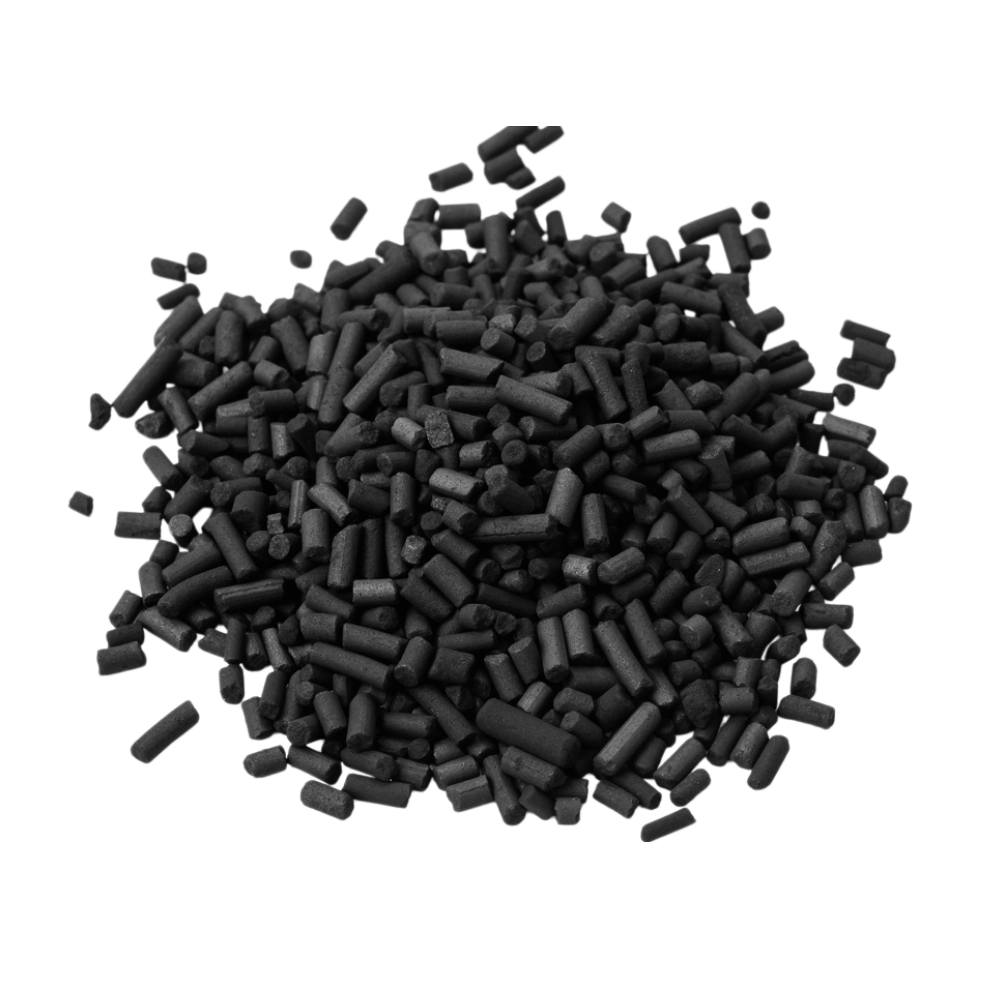
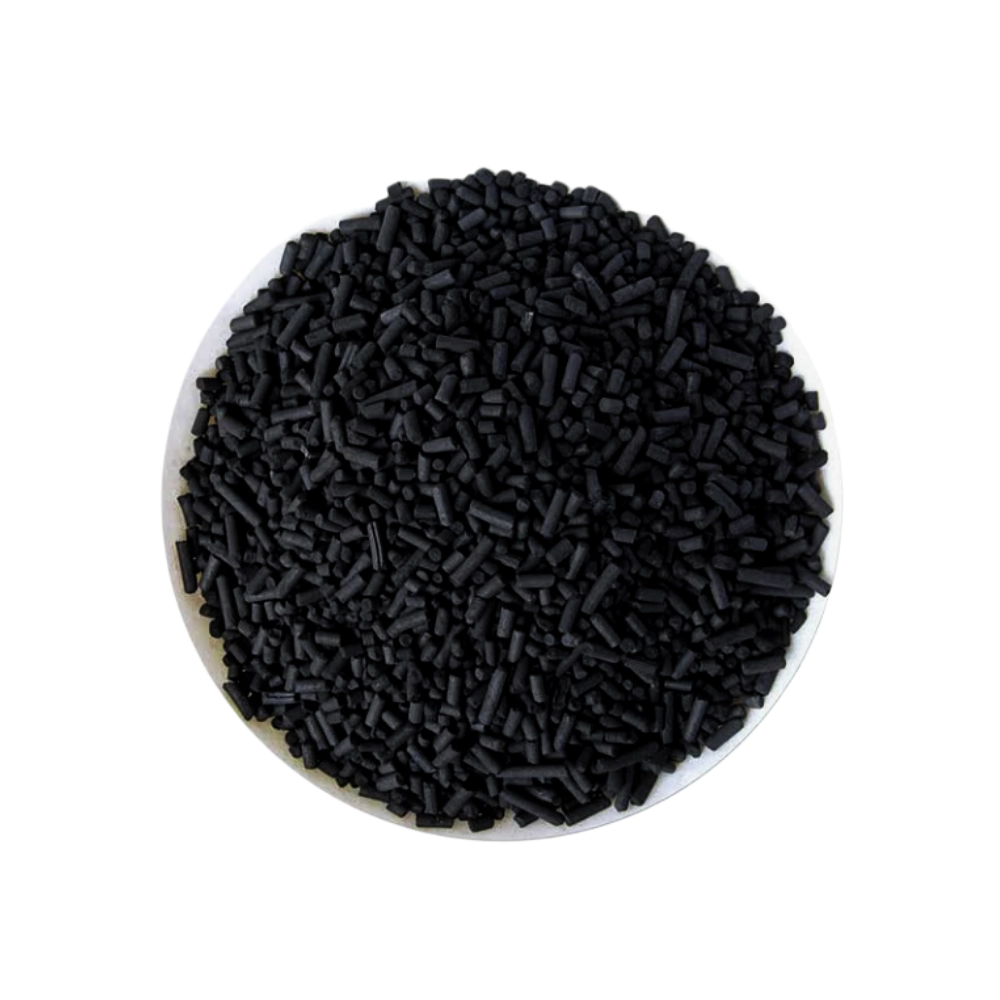
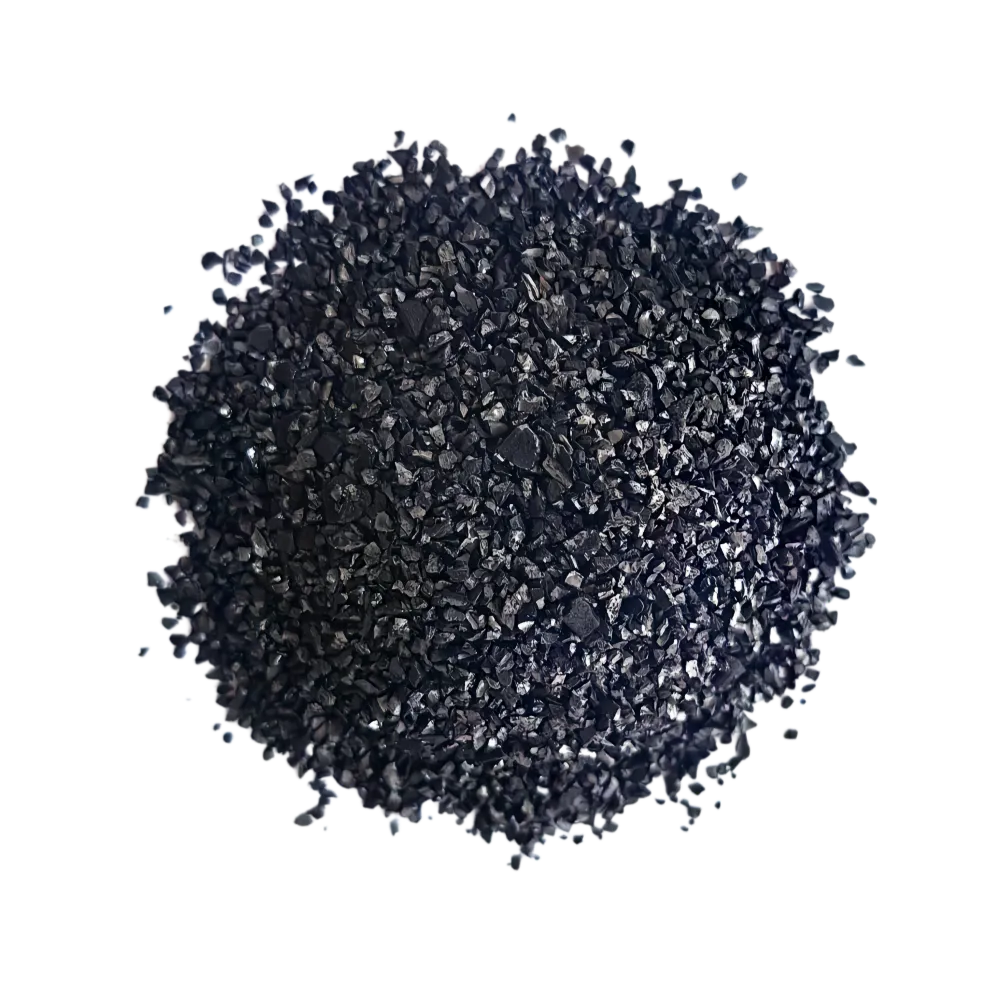
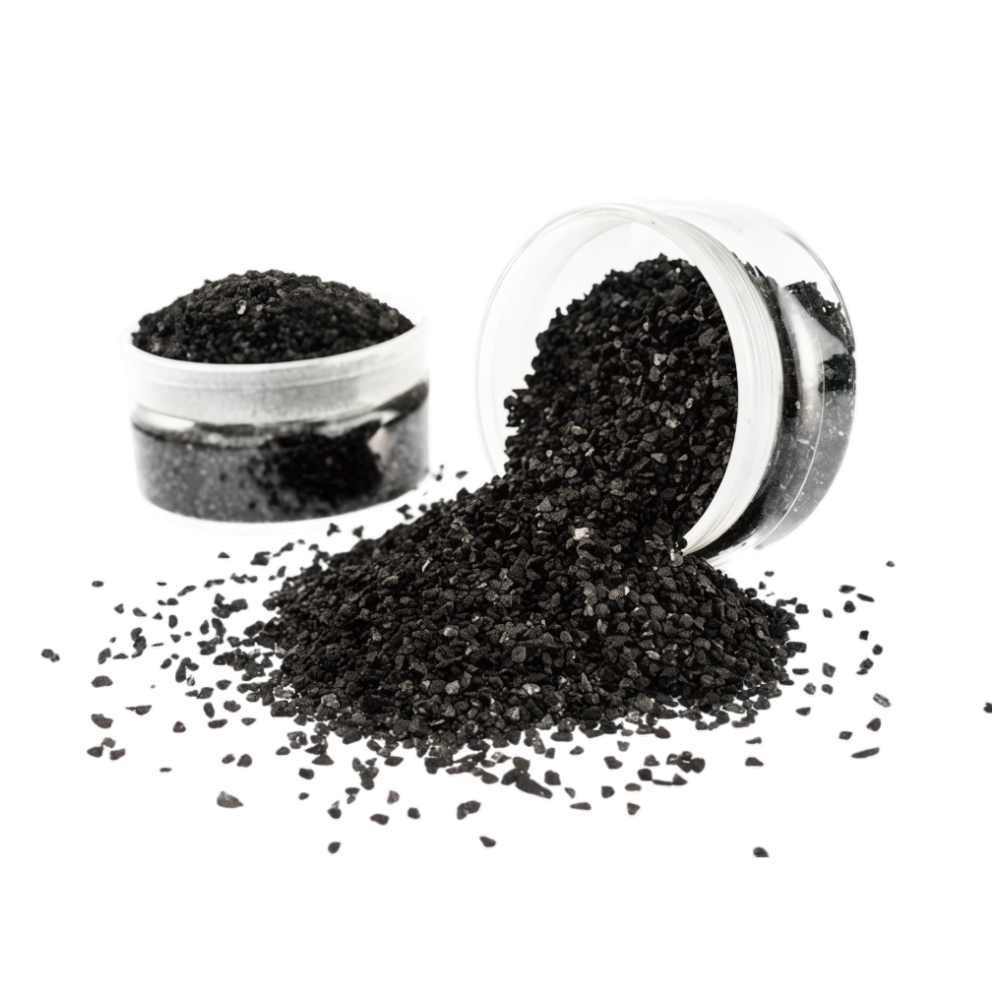
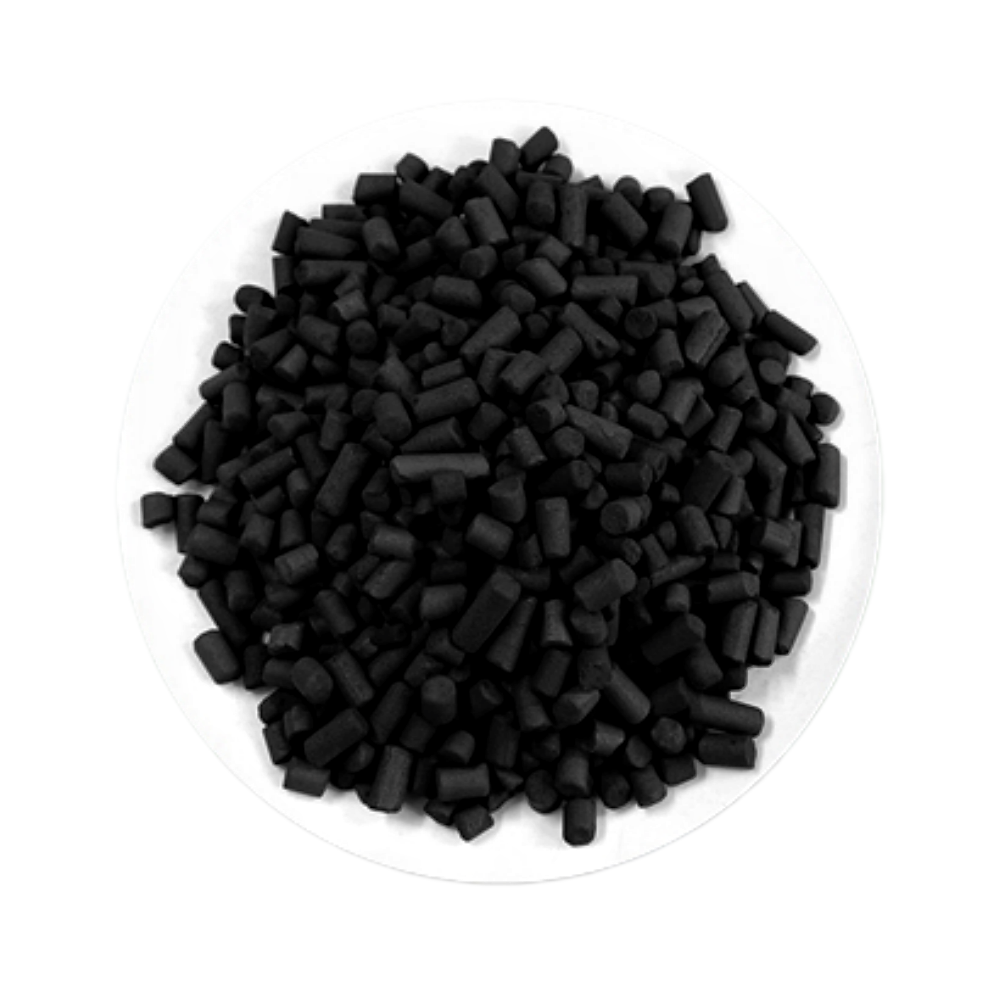
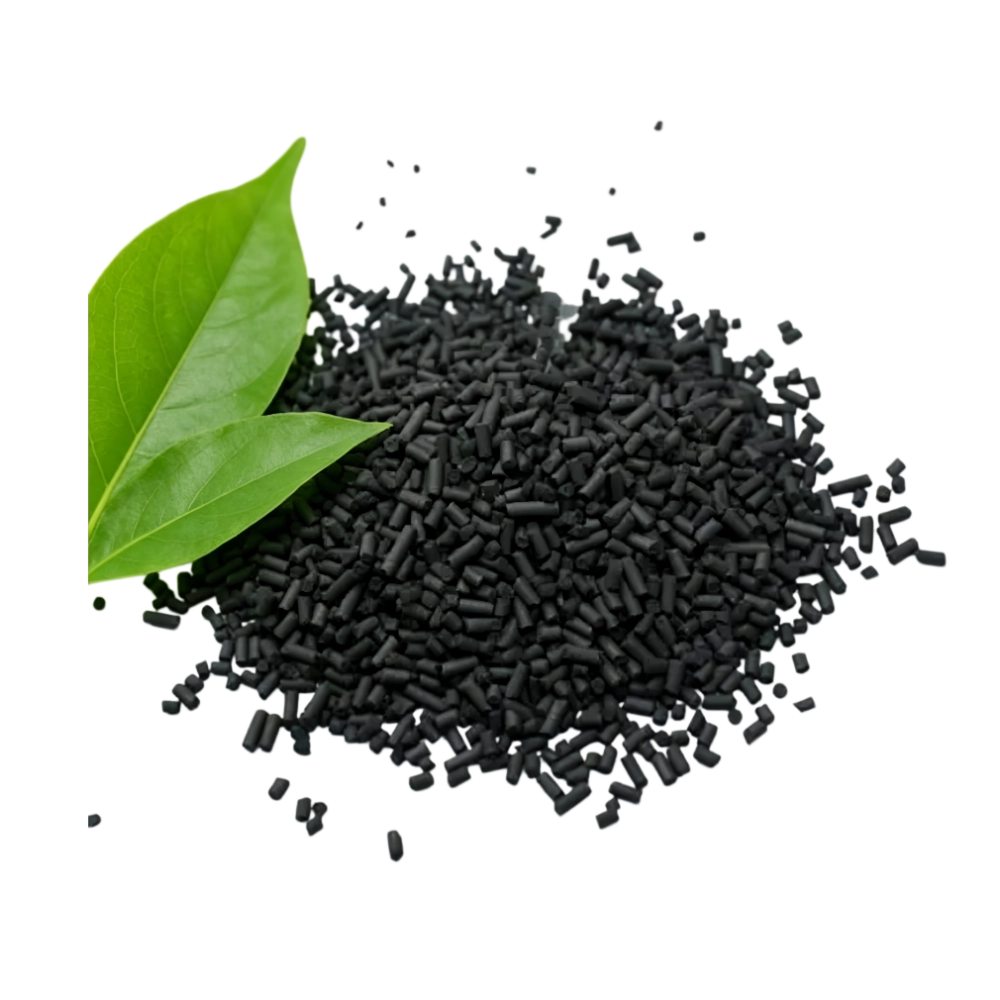
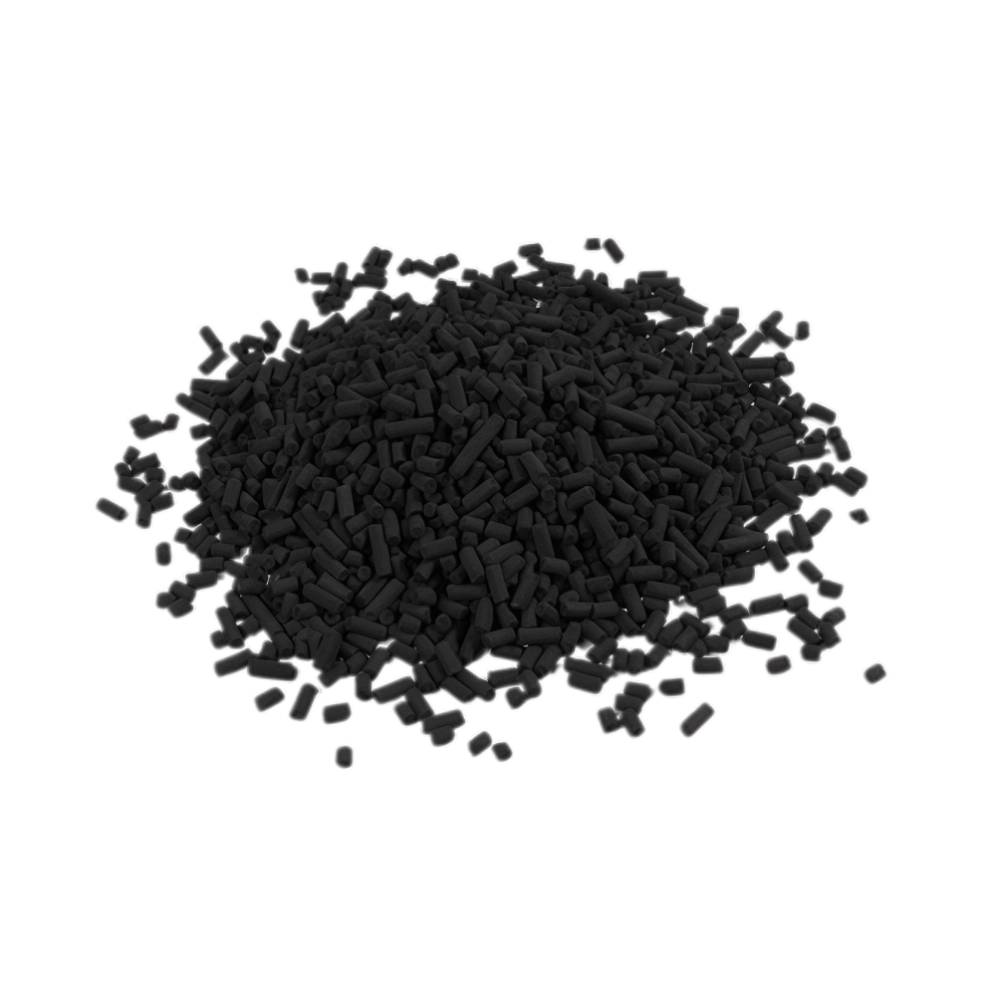
CTC-100 is our benchmark gas-phase carbon, consistently achieving CTC values at or above 100%. This exceptional performance comes from an activation process that maximizes the transport pore network—the meso and macro pores that allow vapor molecules to rapidly access the adsorptive micropores. Without this efficient transport network, even high micropore volume goes underutilized.
Specifications
| Technical Specifications | CTC-100 | Unit |
| Carbon tetrachloride value | > 100 | % -wt |
| Moisture content | < 10 | % -wt |
| Ash content | < 5 | %-wt |
| Intensity | > 90 | - |
| Particle size> 30 mesh (0.6 mm) | < 5 | %-wt |
| Grain size < 60 Item (0.25 mm) | < 5 | %-wt |
Key Application Areas
- Solvent recovery systems — acetone, toluene, ethanol, and other common industrial solvents
- Automotive painting operations — VOC capture from spray booths
- Printing and coating industries — ink solvent emission control
- Chemical storage tank vents — vapor loss prevention and product recovery
- Indoor air quality — formaldehyde and VOC removal in buildings
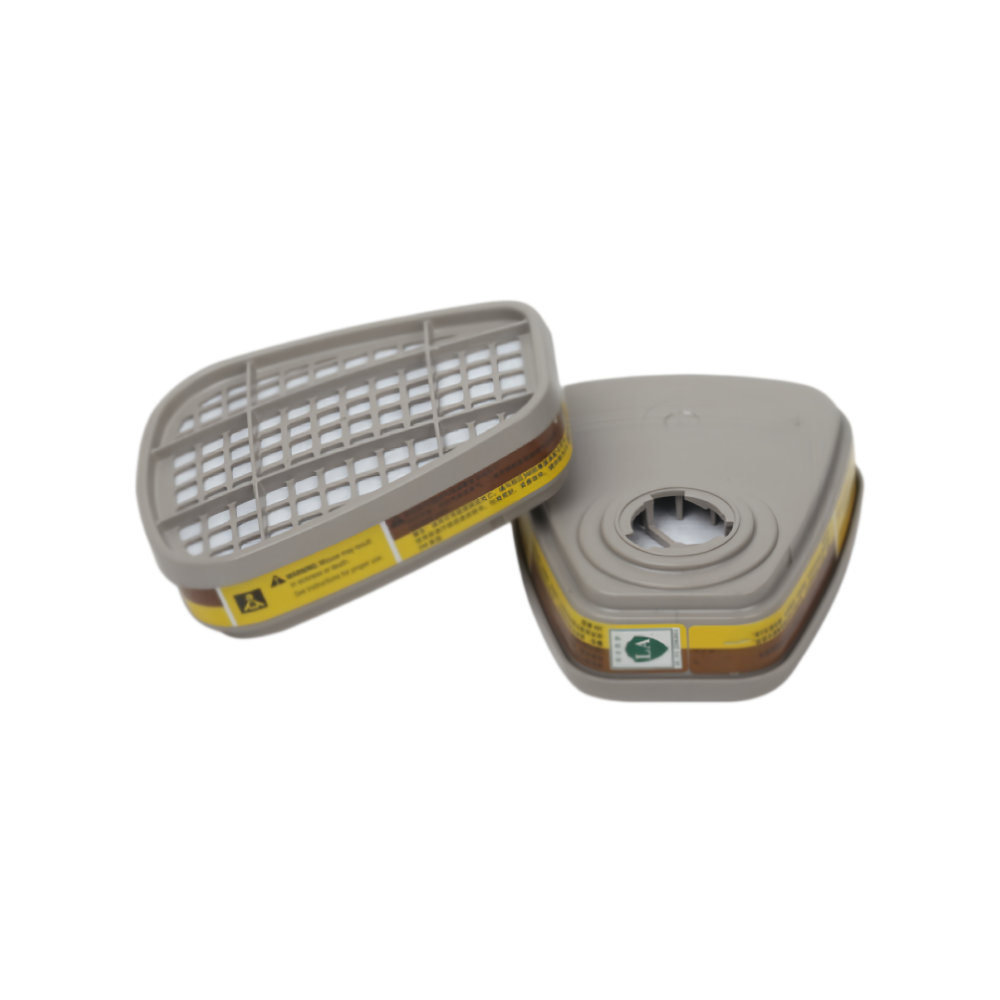
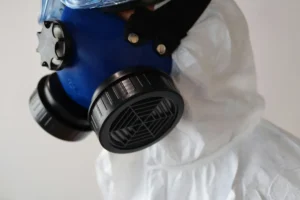
- Gas mask and respirator cartridges — high-capacity organic vapor protection
Engineering Advantages
- Rapid Breakthrough Curve: The extensive transport pore network means the carbon bed reaches equilibrium quickly, maximizing useful capacity
- Low Self-Heating: Optimized pore structure minimizes heat buildup during adsorption, reducing hot spot risks in large beds
- Thermal Reactivation Friendly: The robust pore structure withstands multiple steam reactivation cycles with minimal capacity loss