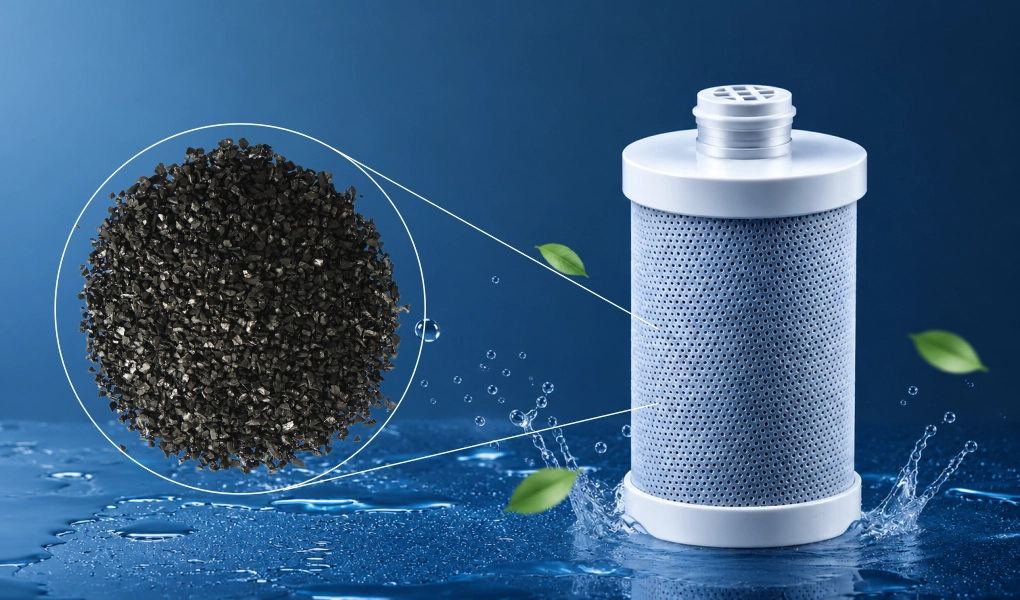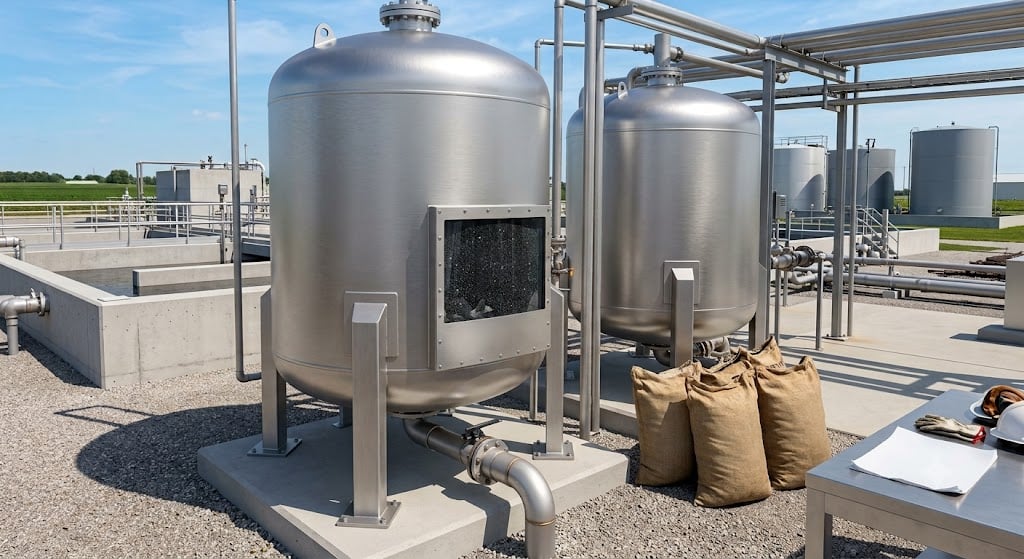




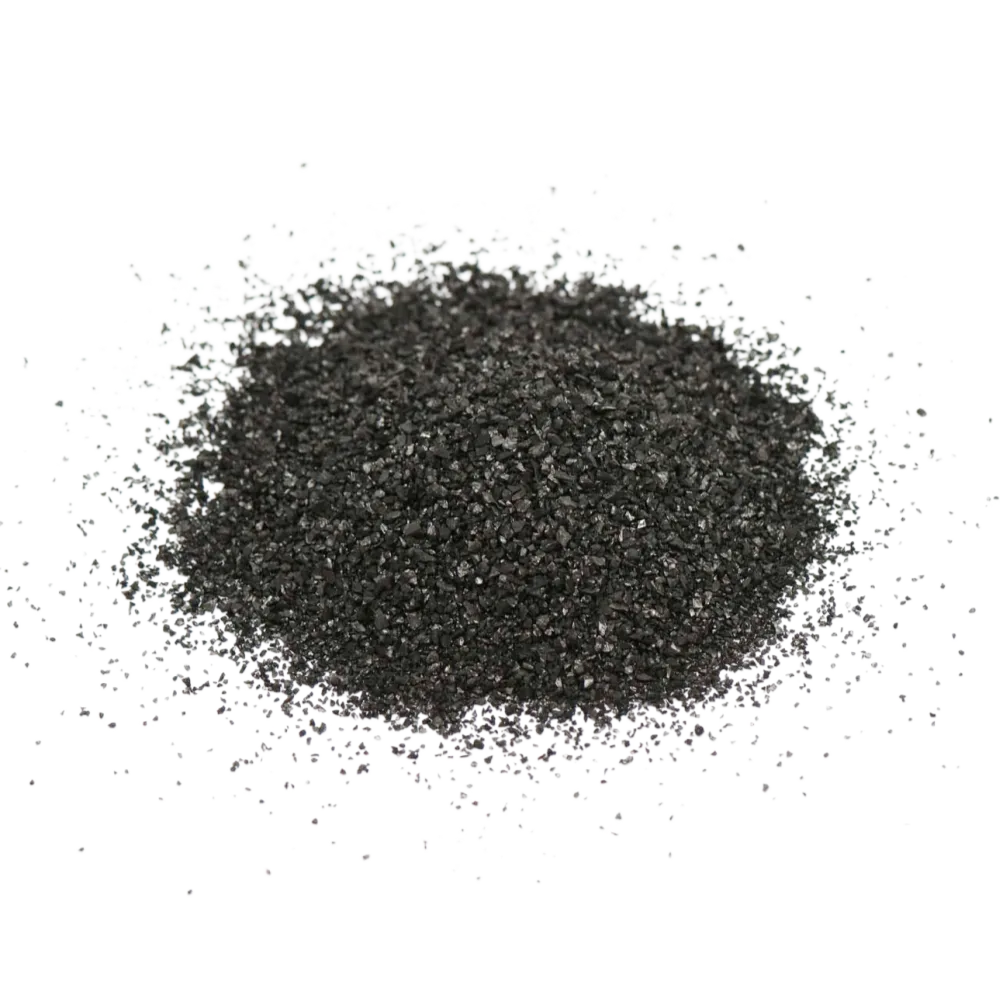
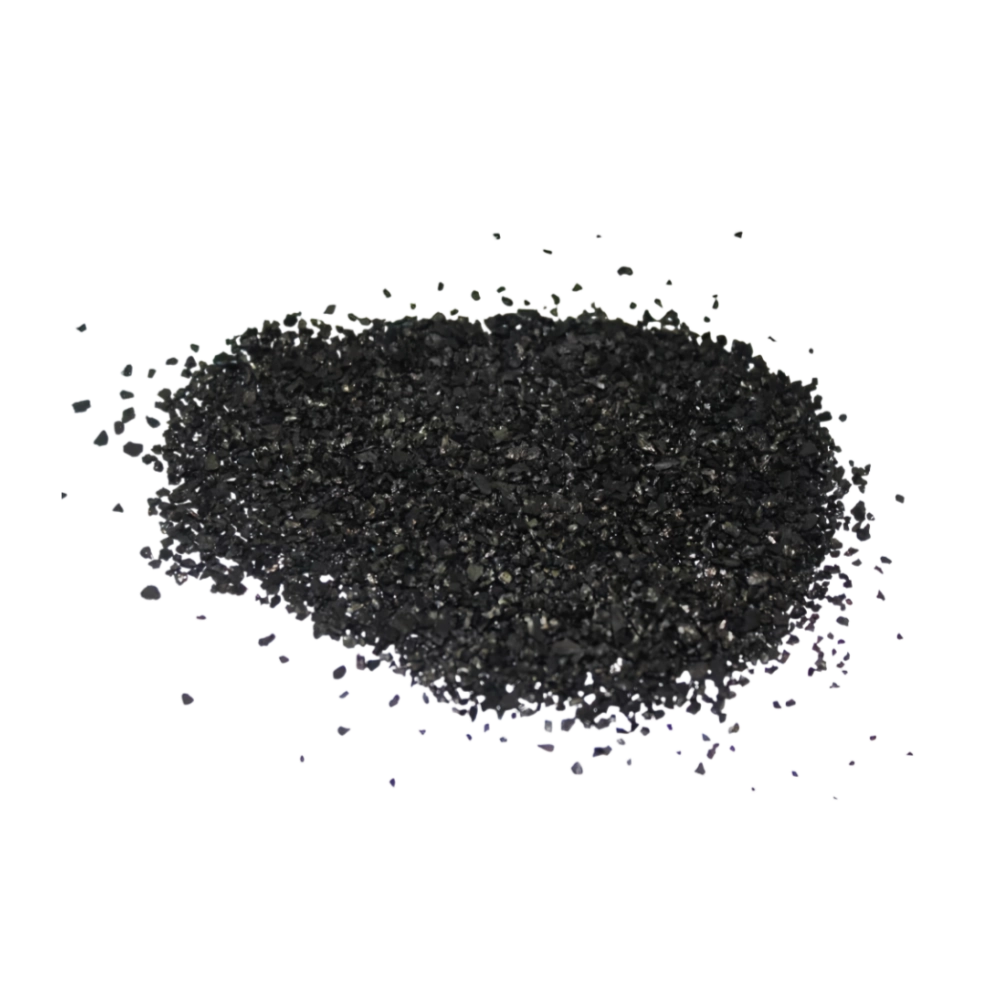
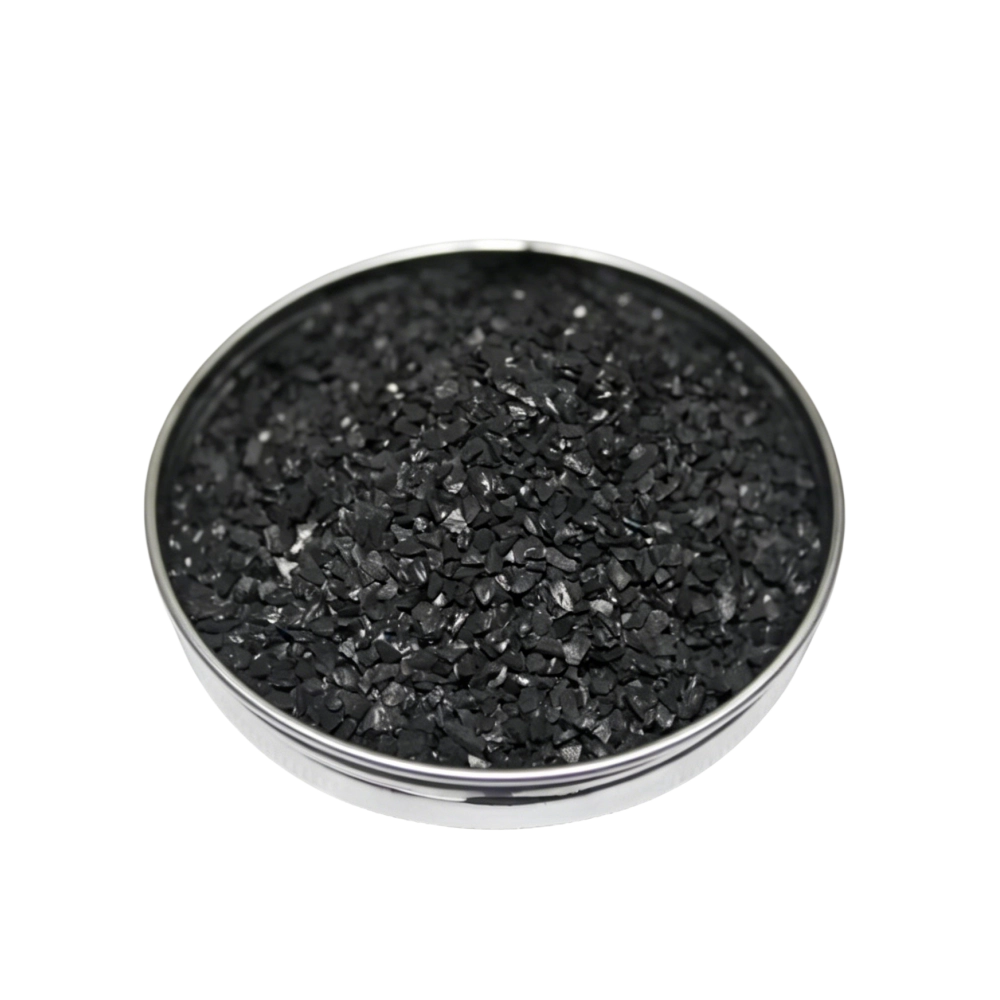
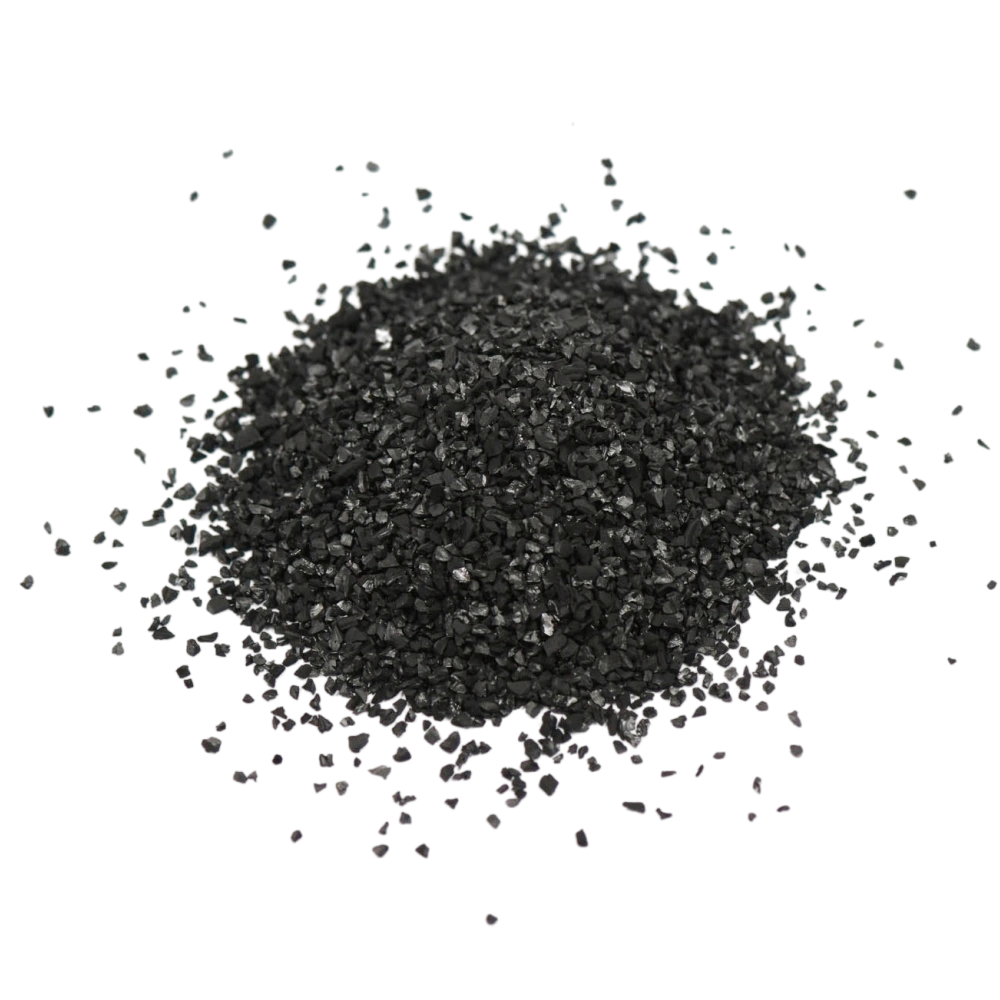
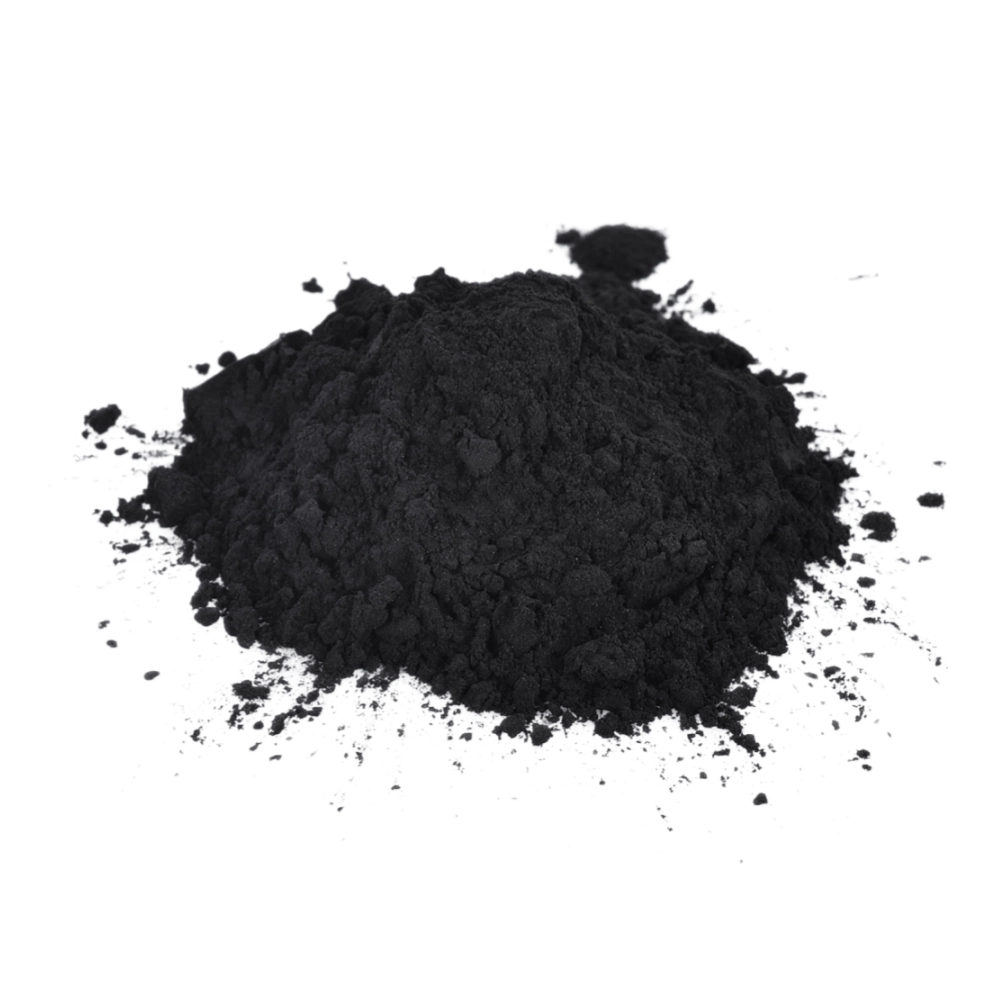
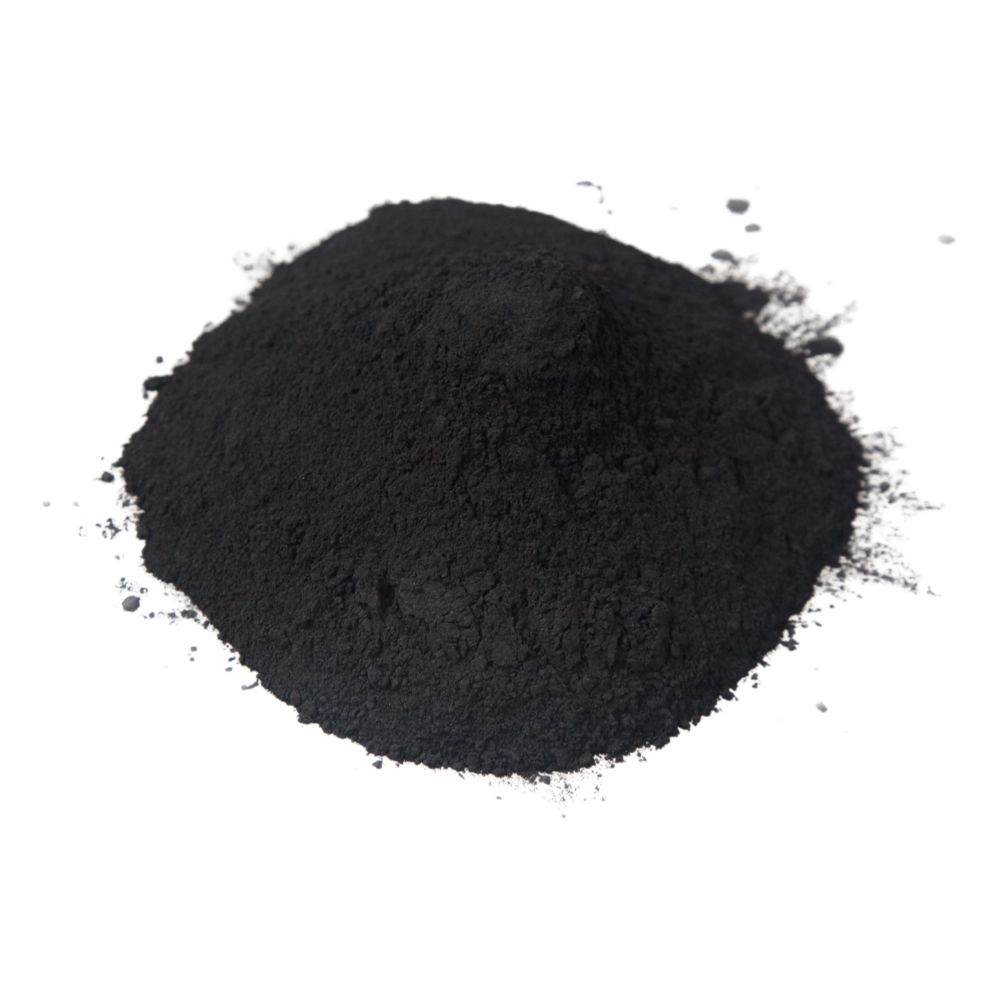
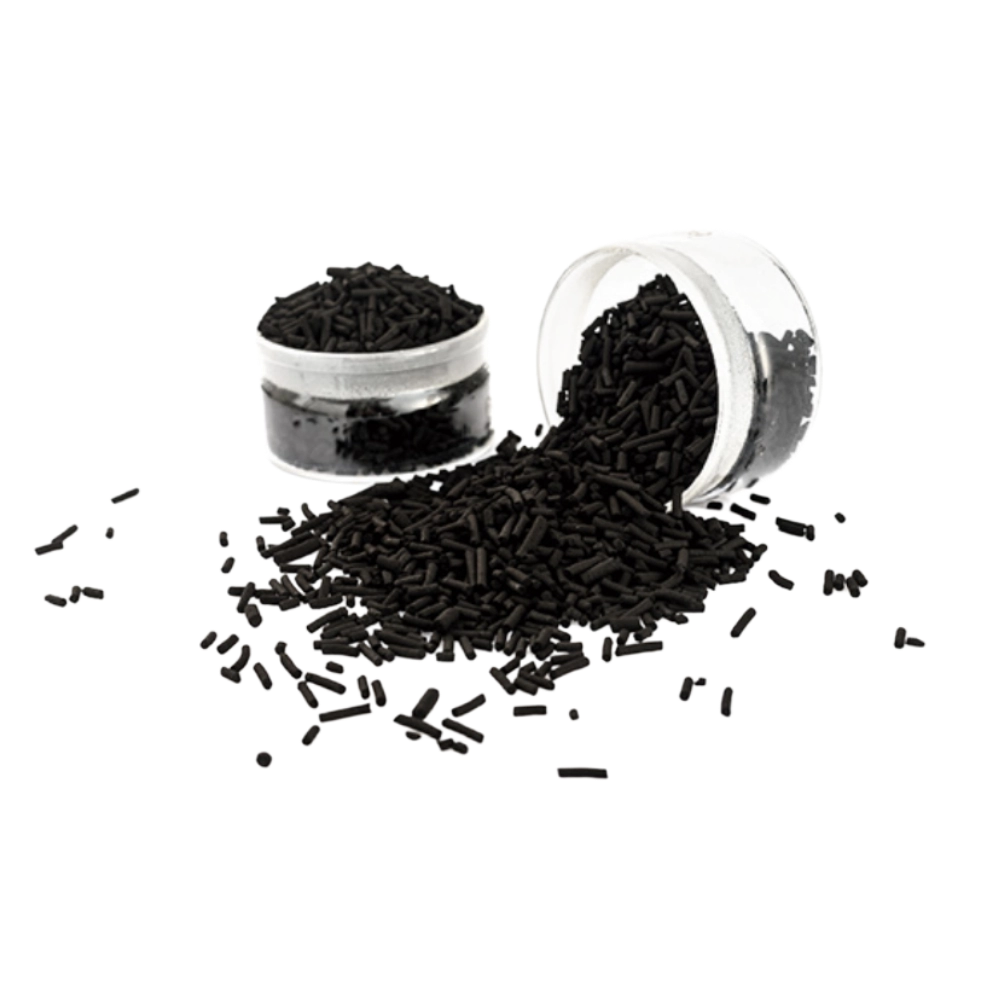
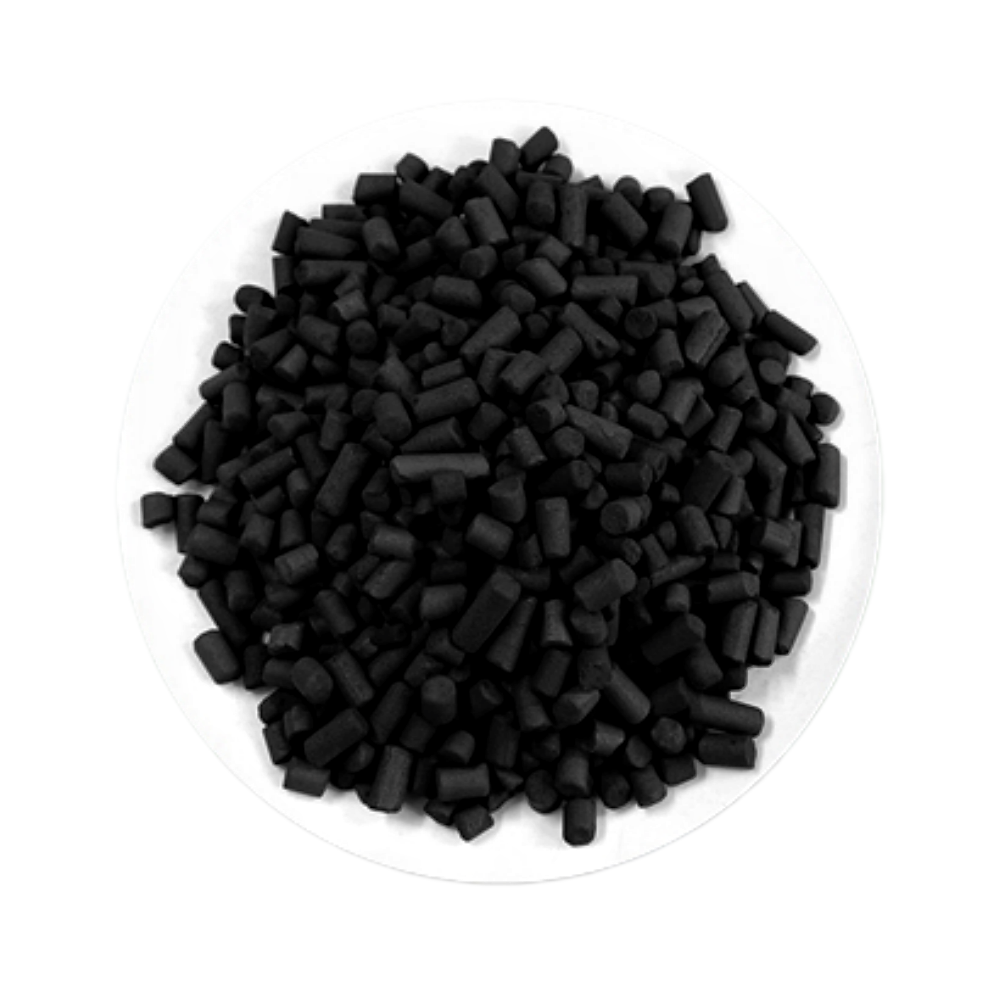
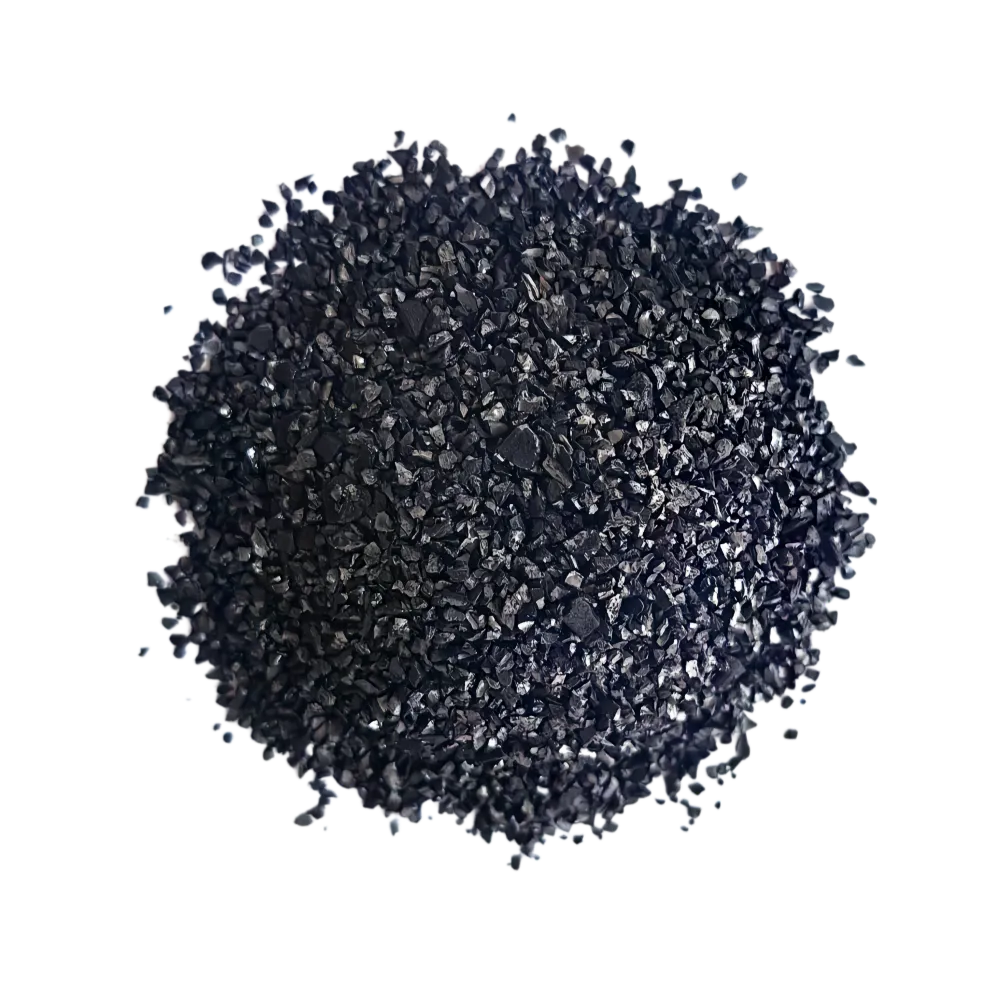
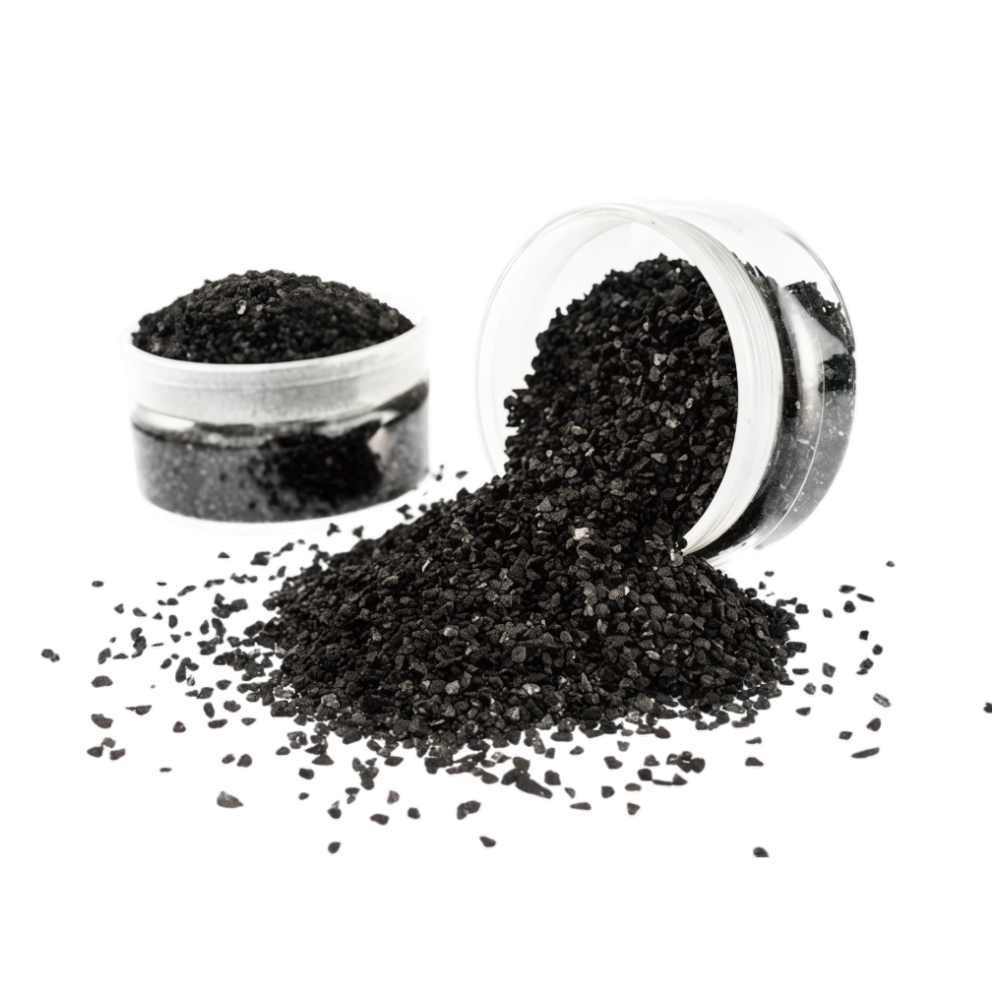
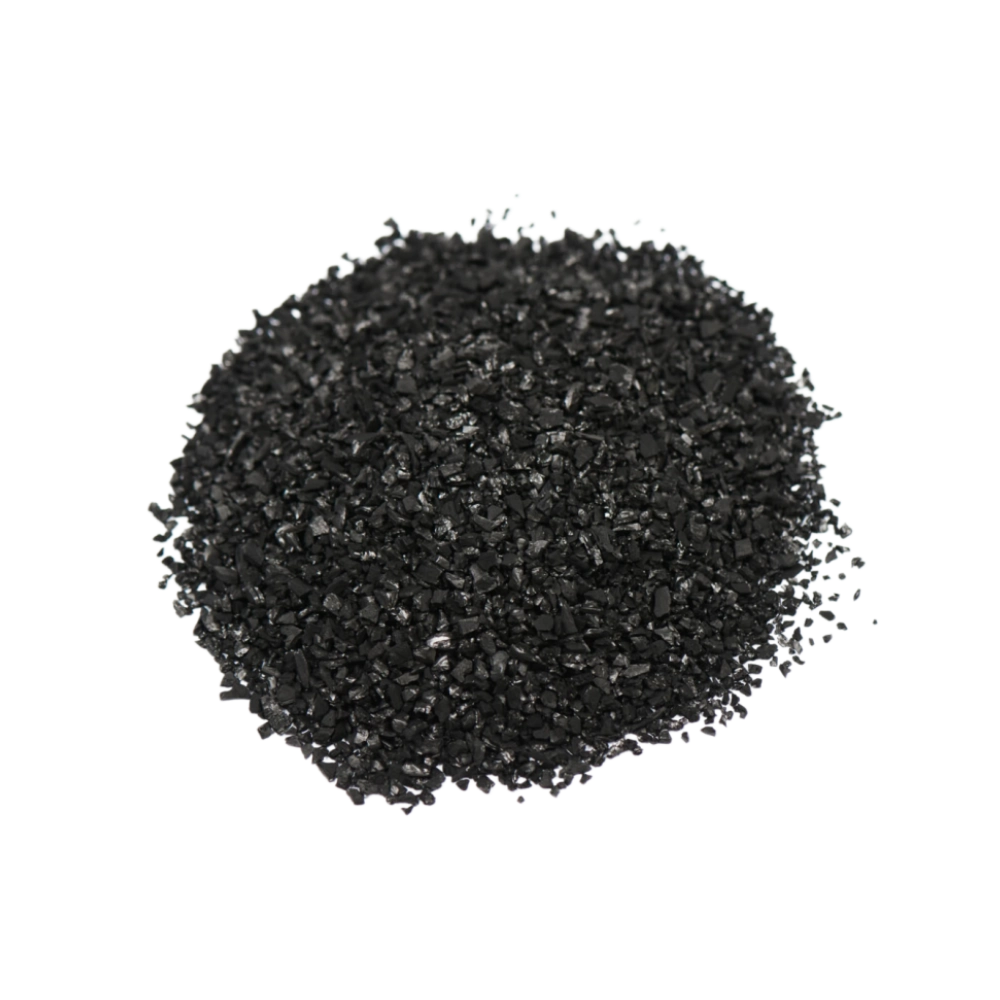
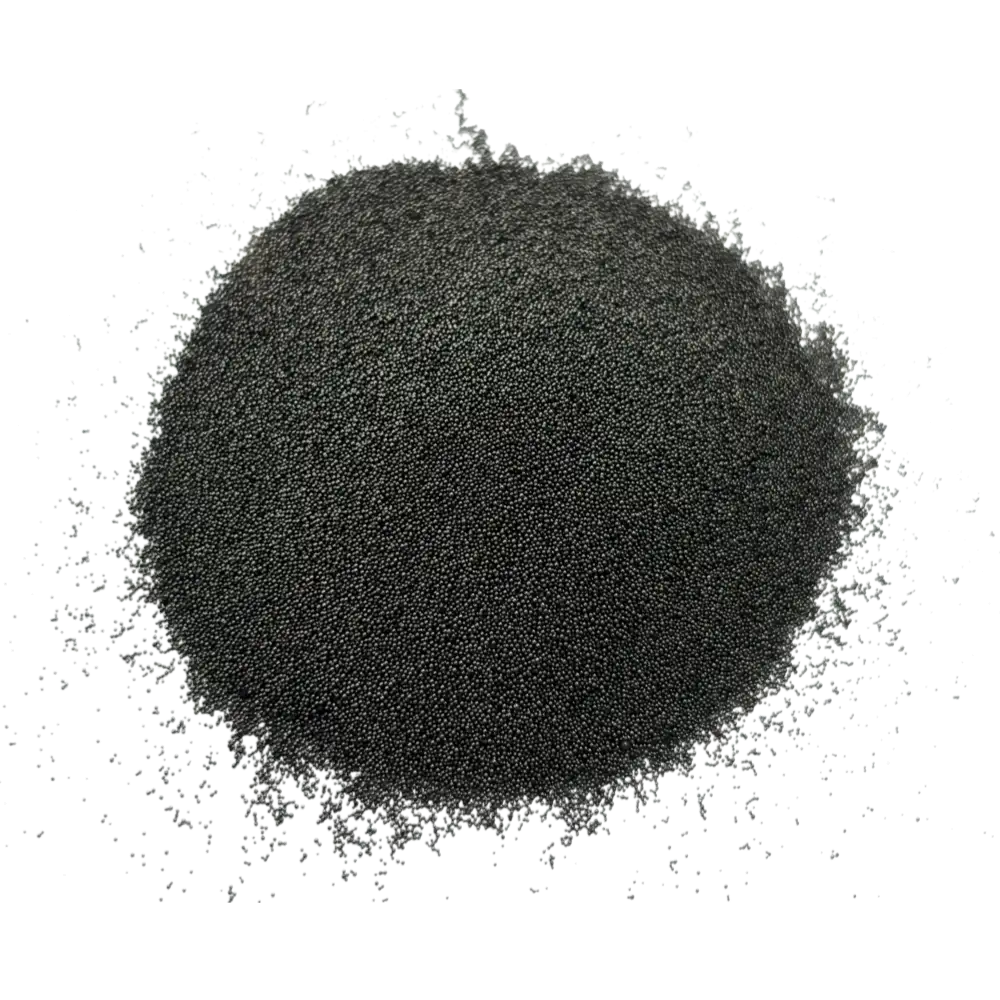
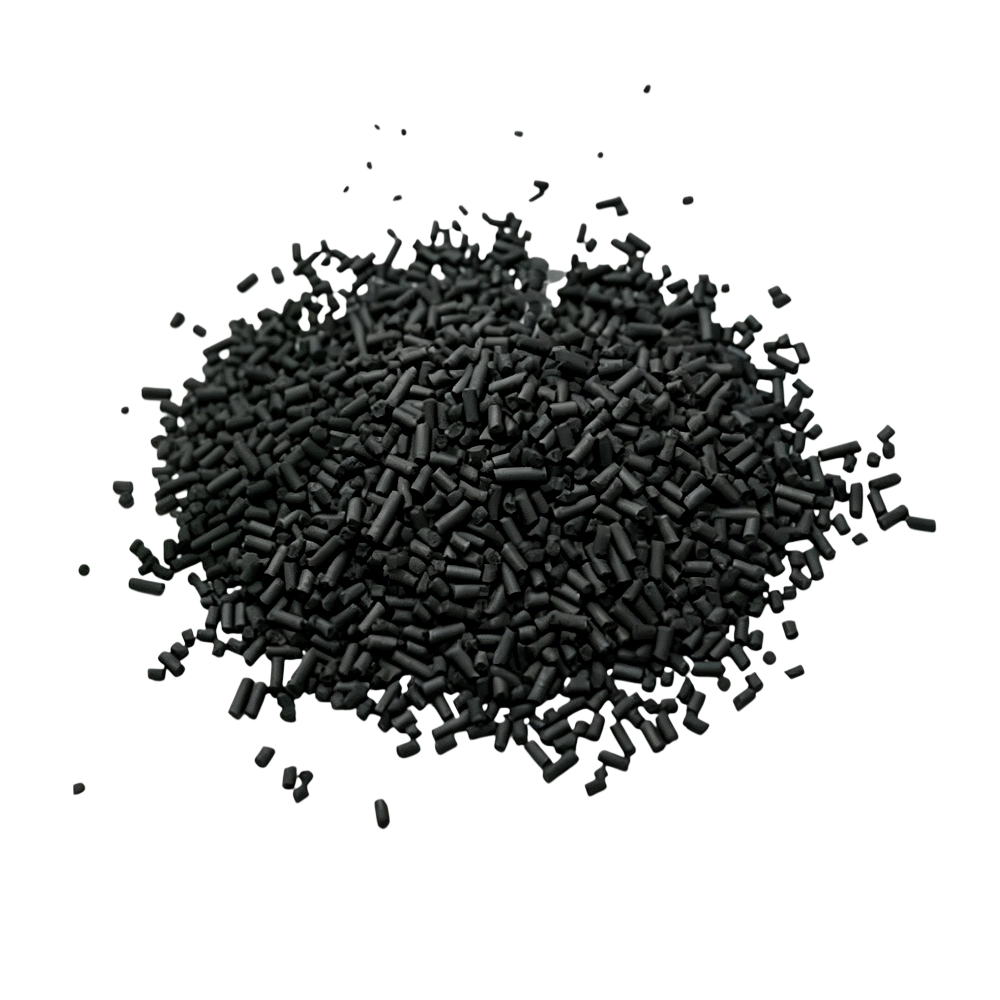
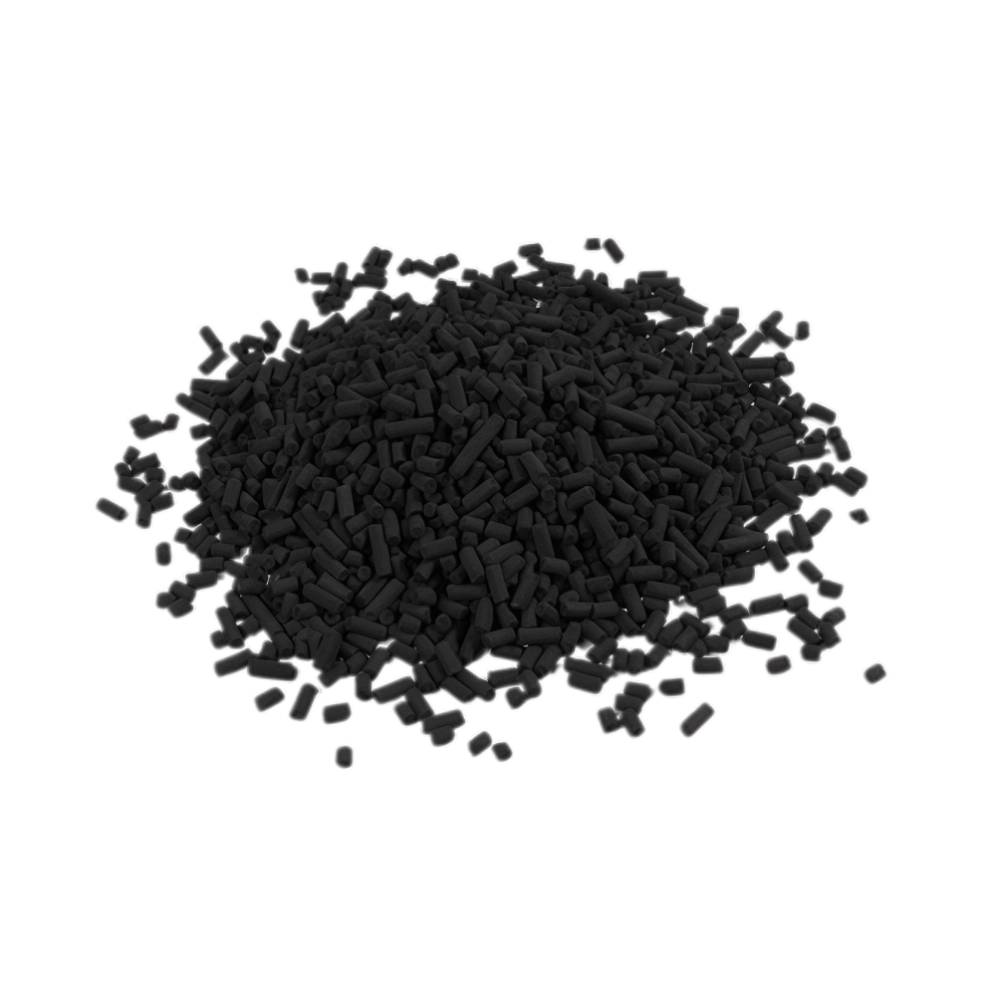
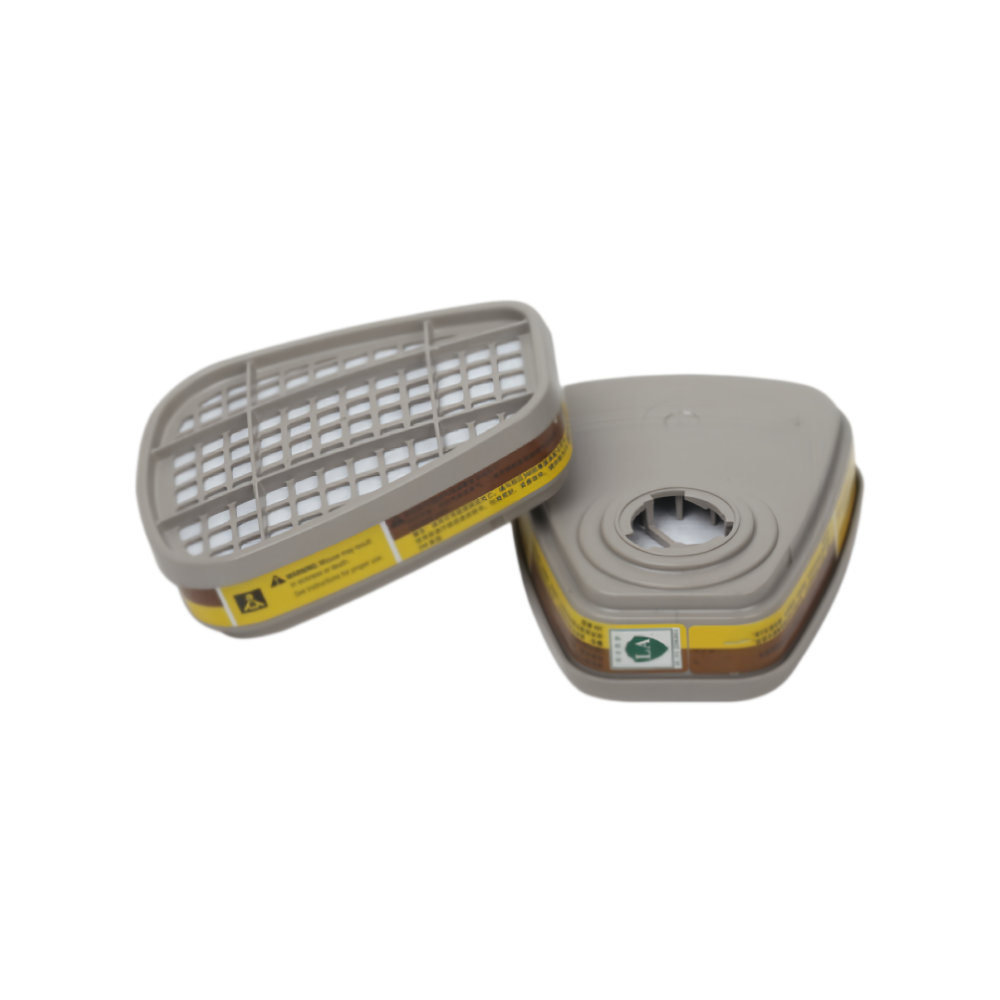


















In modern gold recovery, activated carbon for gold recovery is not a commodity—it is a process variable. Mines running CIP, CIL, or CIC circuits often optimize cyanide dosage and grind size while overlooking the single parameter that quietly drains their balance sheet: carbon attrition. Every percentage point of unnecessary attrition is not just lost carbon; it is gold walking out the door in fine dust. Understanding gold extraction carbon specifications is the first step to stopping that leak.
Why Carbon Adsorption Replaced Merrill-Crowe
Before the 1970s, Merrill-Crowe zinc precipitation demanded expensive solid-liquid separation and carried high zinc consumption. The shift to carbon adsorption changed the economics of gold mining. In modern circuits, activated carbon selectively adsorbs the gold cyanide complex Au(CN)₂⁻ directly from slurry or solution, eliminating separate thickening and filtration. The result is lower capital expenditure and a closed-loop system where carbon can be regenerated and reused.
CIP vs. CIL vs. CIC: How Process Dictates Carbon Selection
Not all activated carbon for CIP CIL circuits is interchangeable. The right carbon depends on where it sits in your flowsheet:
| Process | Environment | Carbon Priority | Common Mistake |
| CIP | Coarse slurry, high agitation | Hardness (mechanical abrasion) | Buying low-hardness carbon to save on unit cost |
| CIL | High cyanide, simultaneous leach/adsorb | Chemical resilience + low ash | Ignoring ash content, which blocks pores |
| CIC | Clear pregnant/barren solution | Uniform particle size (prevent channeling) | Wide mesh spread causing liquid bypass |
In CIP activated carbon and CIL carbon selection, hardness is the non-negotiable spec. Mechanical attrition in agitated tanks is the primary source of carbon loss—and the gold locked inside that dust.
Gold Extraction Carbon Specifications: The Parameters That Matter
Engineers often evaluate carbon by iodine alone. While iodine indicates micropore volume, it tells only half the story. For coconut shell gold recovery carbon, these five parameters govern real-world performance:
- Iodine Number (≥1050 mg/g) reflects micropore volume and directly correlates with gold loading capacity. A drop of 100 mg/g can reduce unit gold loading by 8–12%.
- CTC Activity (≥50%) measures mesopore development. In high-flow CIP circuits, mesopores accelerate adsorption kinetics. Slow adsorption means gold reports to tailings.
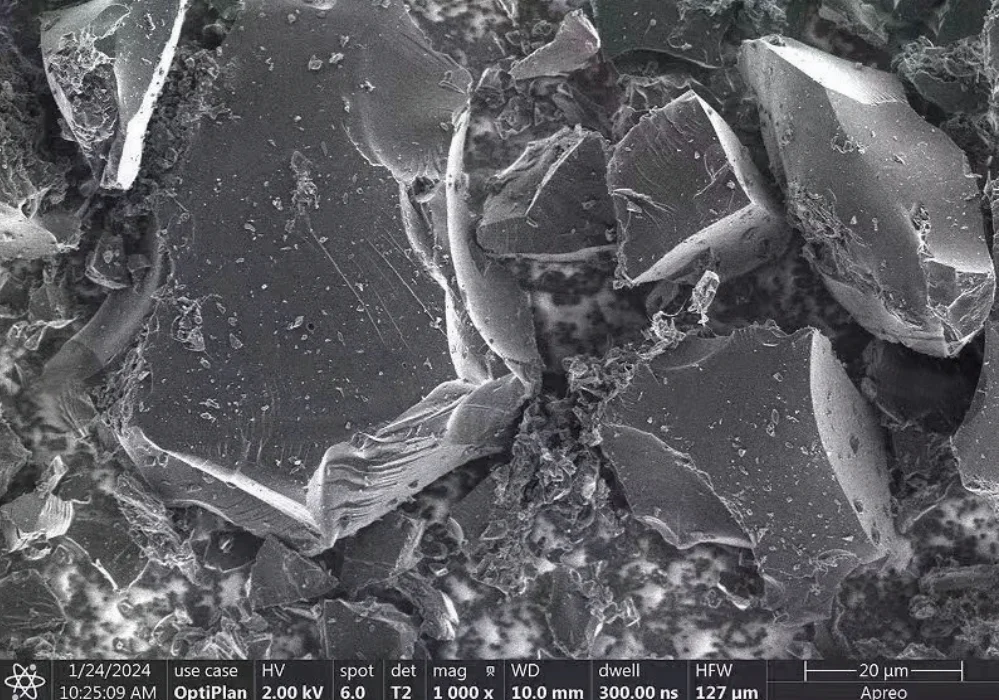
- Hardness (≥98%, ASTM D3802) is the gatekeeper of attrition. Low attrition gold carbon maintains particle integrity through thousands of hours of agitation. Soft carbon fractures, generates fines, and carries gold into tailings streams.
- Ash Content (≤5.0%) occupies pore volume but adsorbs nothing. High ash is effectively paying for inert freight.
The Hidden Cost of Carbon Attrition: A Practical Loss Calculation
Here is a calculation that rarely appears in mine planning meetings. Assume a mid-scale CIP plant consumes 500 tonnes of carbon annually with an attrition rate of 2%. That is 10 tonnes of carbon fines lost to tailings. If those fines carry an average gold loading of 2 kg Au per tonne, the operation loses 20 kg of gold per year. At $2,600 per troy ounce, that is roughly $1.67 million in annual gold loss—not from geology, but from carbon selection.
Reducing attrition from 2% to 1% by specifying higher-hardness carbon saves approximately $835,000 in gold retention alone, before counting reduced carbon make-up cost. The unit price premium for high-hardness carbon is typically a fraction of the value it preserves.
Low Attrition Gold Carbon: What Hardness Really Means
Hardness is not "the harder the better." Excessive activation can push hardness above 99% while destroying micropore structure, reducing gold loading. The engineering sweet spot is around 98% (ASTM D3802)—resilient enough to survive CIP agitation without sacrificing adsorption capacity. Low attrition gold carbon at this specification minimizes fines generation while maintaining the micropore volume needed for high gold loading.
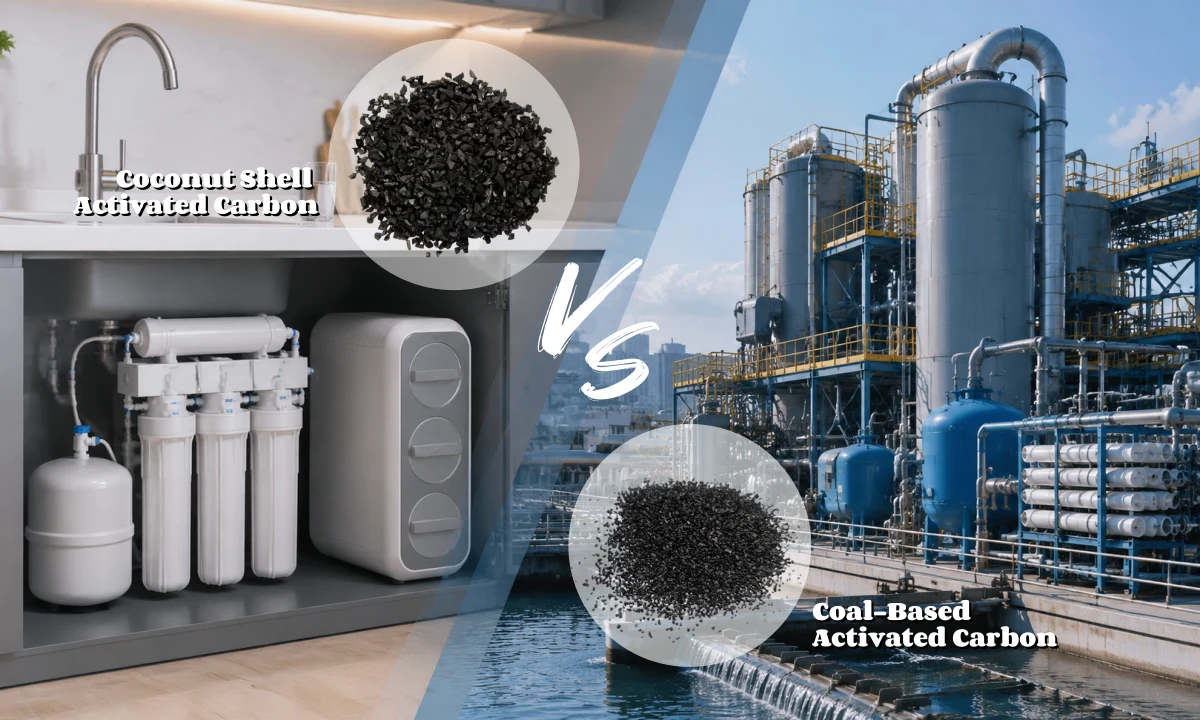
Coconut Shell vs. Coal-Based: Material Selection
For gold mining carbon selection, the raw material matters:
| Feature | Coconut Shell (PSD-GOLD) | Coal-Based |
| Hardness | Extremely high, CIP-ready | Lower, higher attrition loss |
| Regeneration cycles | 5–8 thermal cycles, stable | 2–3 cycles, strength degrades |
| Ash content | Naturally low (<5%), no acid wash | 6–10%, often needs pretreatment |
| Gold selectivity | High affinity for Au(CN)₂⁻ | Adequate, slightly lower selectivity |
For long-cycle CIP and CIL operations, coconut shell activated carbon is the lower-total-cost option despite a higher unit price.
Carbon Regeneration: When to Re-activate vs. Replace
From an operations perspective, four signals indicate carbon needs attention: rising tailings grade (gold loading saturation), post-regeneration iodine below 90% of virgin carbon, fines fraction exceeding 10%, and post-regeneration hardness dropping below 90%. Activated carbon regeneration extends carbon life, but only if the base material has the structural integrity to survive repeated thermal cycling.
PSD-GOLD: Engineered for High Loading & Minimal Attrition
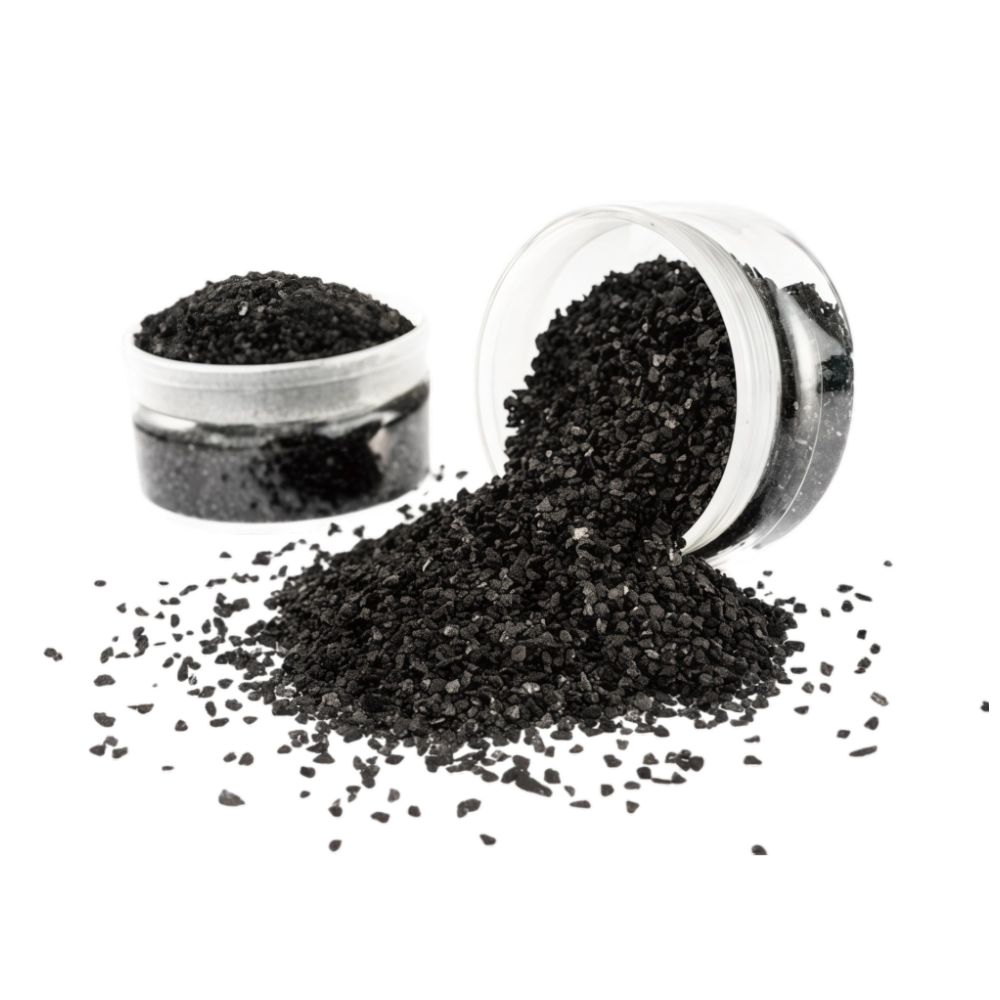
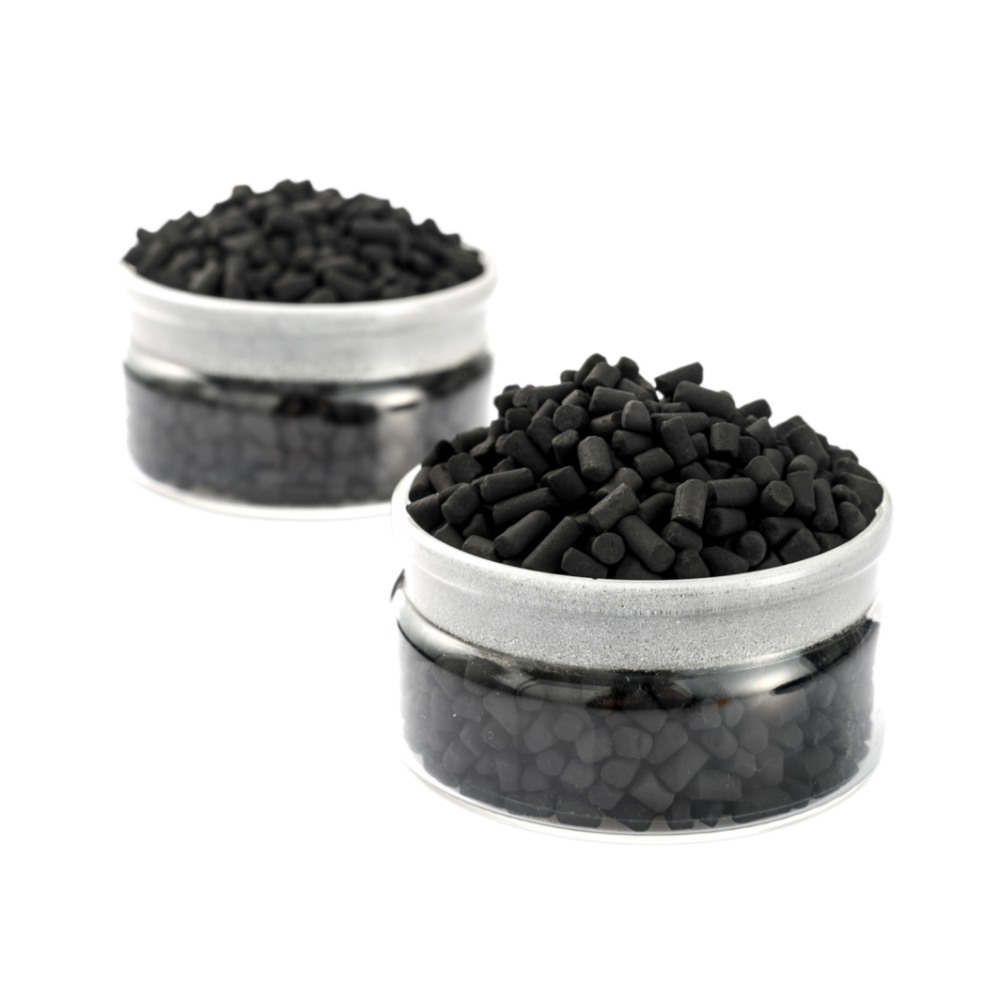
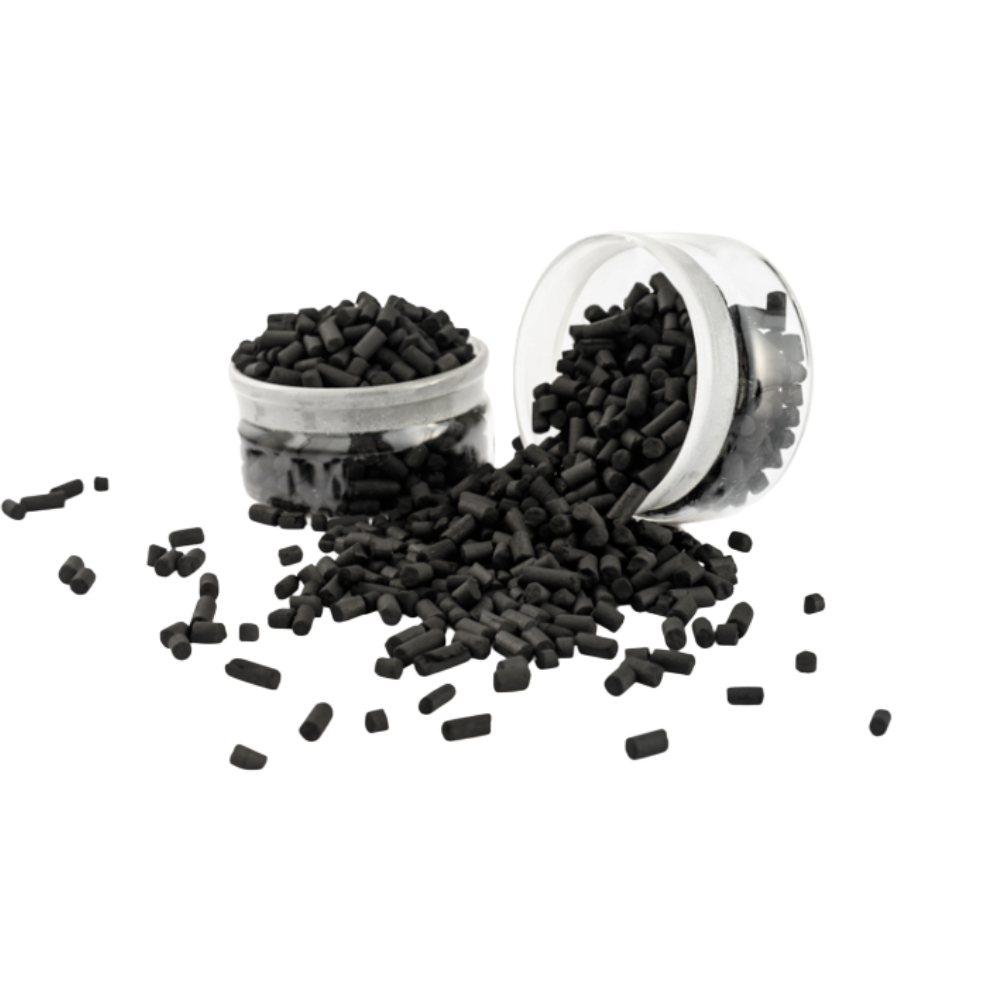
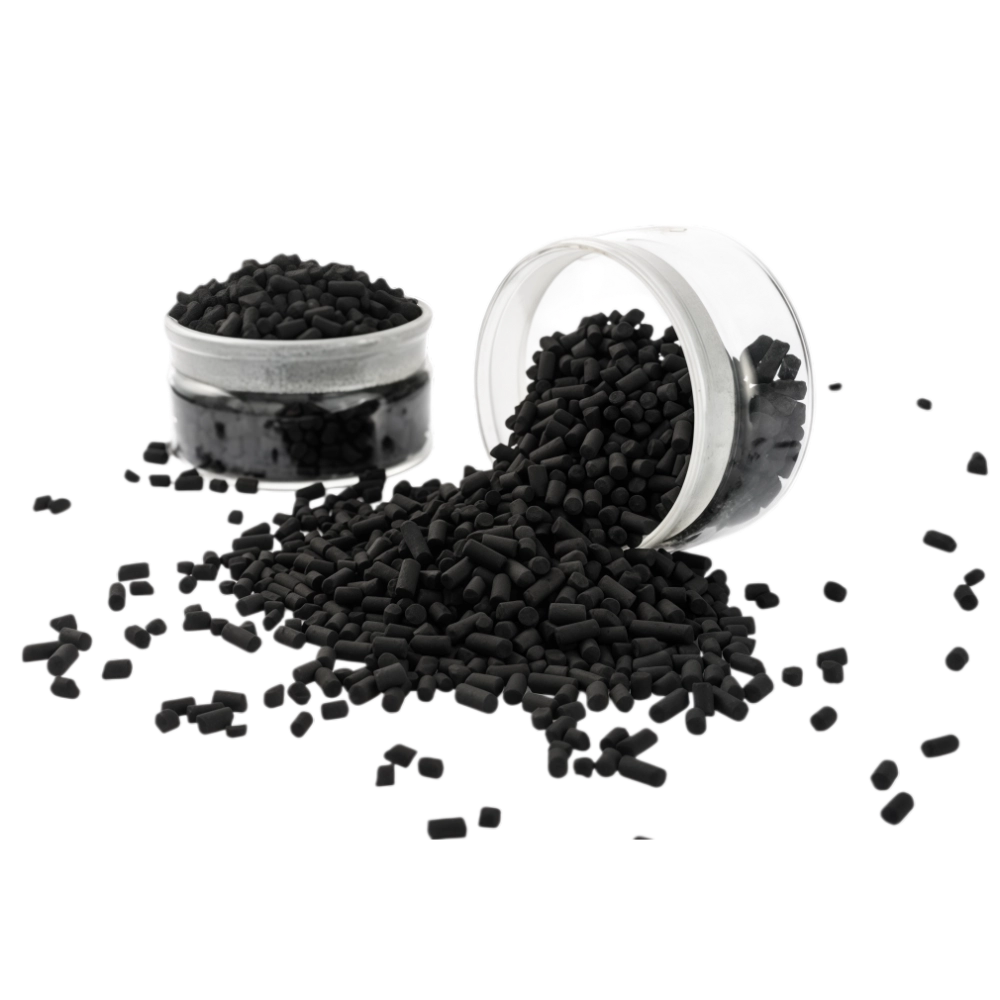
PSD-GOLD is a coconut shell activated carbon engineered specifically for CIP, CIL, and CIC circuits.
| Technical Specifications | PSD-GOLD | Unit |
|---|---|---|
| CTC Number | >50 | - |
| Iodine Number | >1050 | mg/g |
| Total Ash Content | <5.0 | % |
| Moisture | <10.0 | % |
| Hardness | >98 | % |
| Apparent Density | 0.45-0.54 | g/cc |
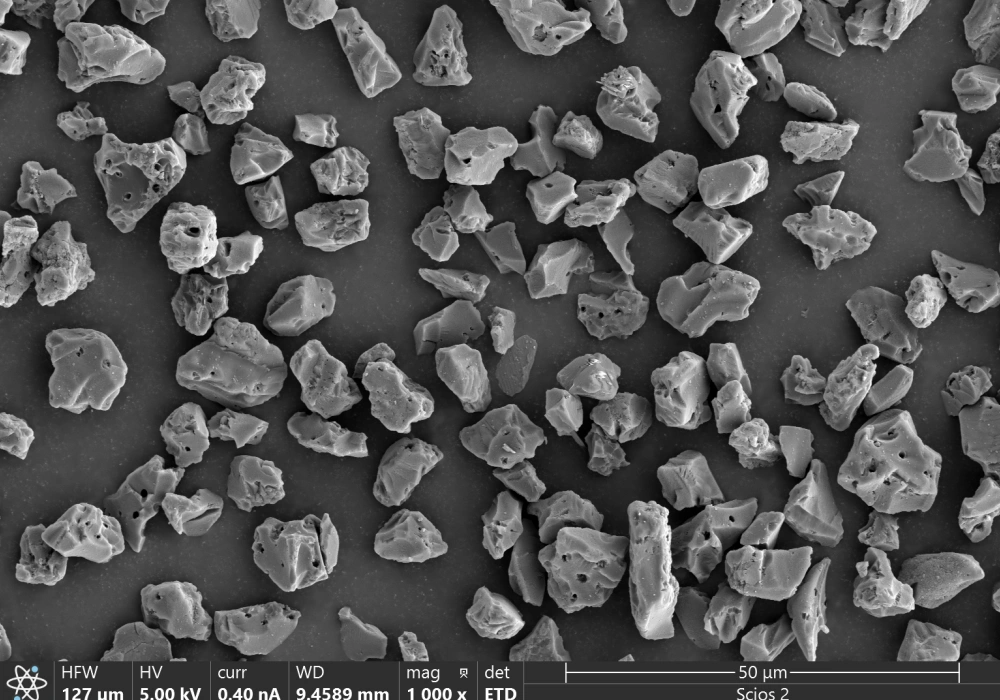
| Particle Size | 6-12 | mesh |
Because of its durable pore structure, PSD-GOLD maintains strength through multiple regeneration cycles, reducing long-term OPEX.
FAQ
What iodine number is required for gold extraction carbon?
A minimum of 1000 mg/g is accepted, but ≥1050 mg/g is preferred for high-grade circuits.
How often should carbon be regenerated in a CIP plant?
Typically every 24–48 hours, or when tailings grade rises.
Can coconut shell activated carbon be used in CIL circuits?
Yes. Its natural hardness resists the combined chemical and mechanical stress of CIL.
What is the difference between CIP and CIC activated carbon specs?
CIP activated carbon prioritizes hardness; CIC carbon prioritizes uniform particle size.
Ready to stop losing gold to carbon attrition? Contact Purestar for a PSD-GOLD technical datasheet and sample evaluation tailored to your circuit conditions.