

































How to Select Activated Carbon for Industrial VOC Treatment and Improve Removal Efficiency
Why Activated Carbon VOC Treatment Systems Underperform
When an activated carbon system experiences early breakthrough, high pressure drop or inconsistent outlet concentration, the carbon quality is not always the only cause. In many cases, the selected carbon does not match the gas stream or the adsorber operating conditions.
Common causes of reduced VOC removal efficiency include:
- Choosing carbon based only on iodine number or CTC activity.
- Using the same carbon for different solvents and mixed VOC streams.
- Ignoring humidity and inlet gas temperature.
- Selecting pellets that create excessive airflow resistance.
- Allowing dust, oil mist or aerosols to block the carbon pores.
- Replacing the carbon according to a fixed calendar rather than actual breakthrough data.
- Using standard activated carbon when chemically impregnated carbon is required.
PureStar’s industrial VOC treatment solutions are developed around gas-stream matching rather than one universal carbon grade. Importers should apply the same principle when preparing quotations for their customers.
Six Operating Conditions to Confirm Before Requesting a Quotation
A supplier cannot recommend a reliable industrial VOC activated carbon grade from the pollutant name alone. Importers should collect the following information from the end user before comparing products.
1. VOC Composition
Identify the main organic compounds in the exhaust stream. Examples may include toluene, xylene, acetone, ethyl acetate, alcohols, ketones, styrene or mixed solvent vapors.
Molecular size, polarity, boiling point and chemical reactivity influence adsorption behavior. A carbon that performs well for aromatic hydrocarbons may not provide the same working capacity for low-boiling or highly polar compounds.
2. Inlet VOC Concentration
Ask for both the normal concentration and the highest expected peak concentration. Average values alone may hide short production-cycle peaks that cause premature breakthrough.
Concentration should preferably be provided in ppm, mg/m³ or g/m³ together with the test method and sampling conditions.
3. Exhaust Airflow
Gas flow rate determines the required bed area, contact time and pressure drop. Importers should request the normal and maximum airflow in m³/h, together with the available adsorber dimensions.
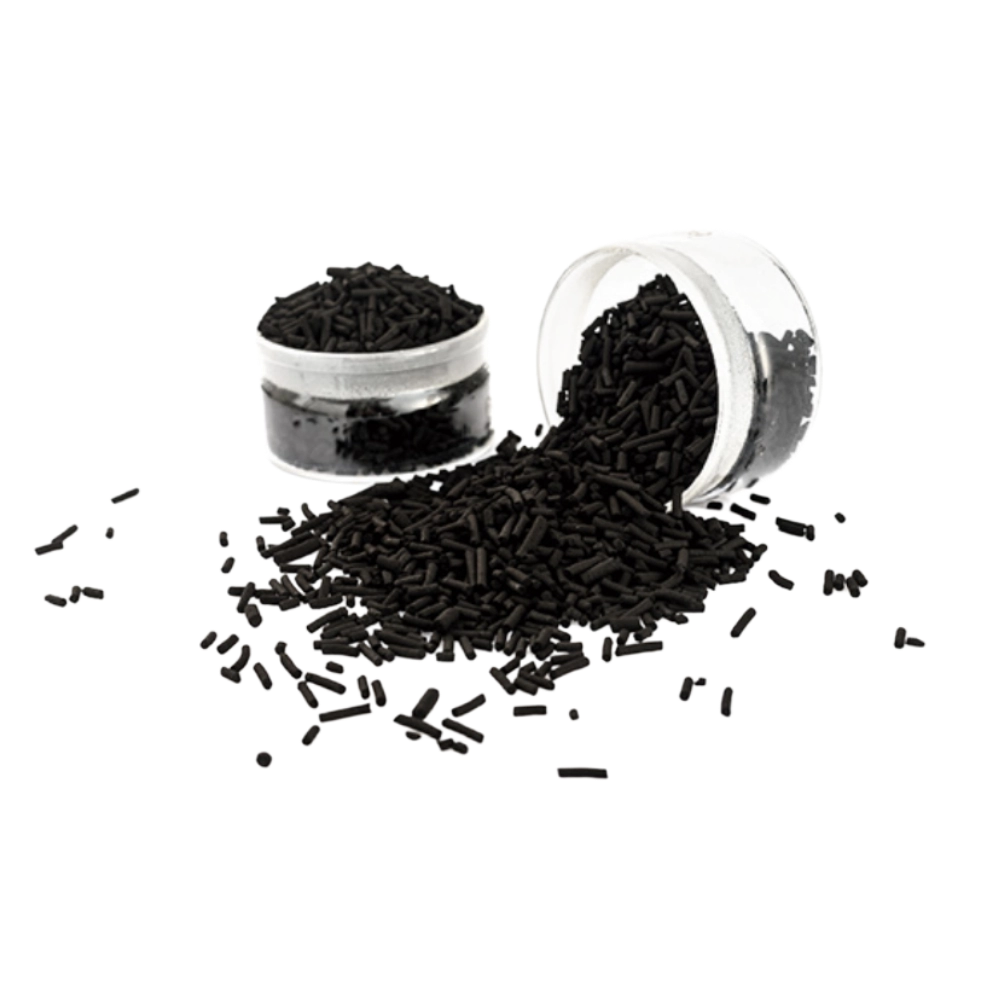
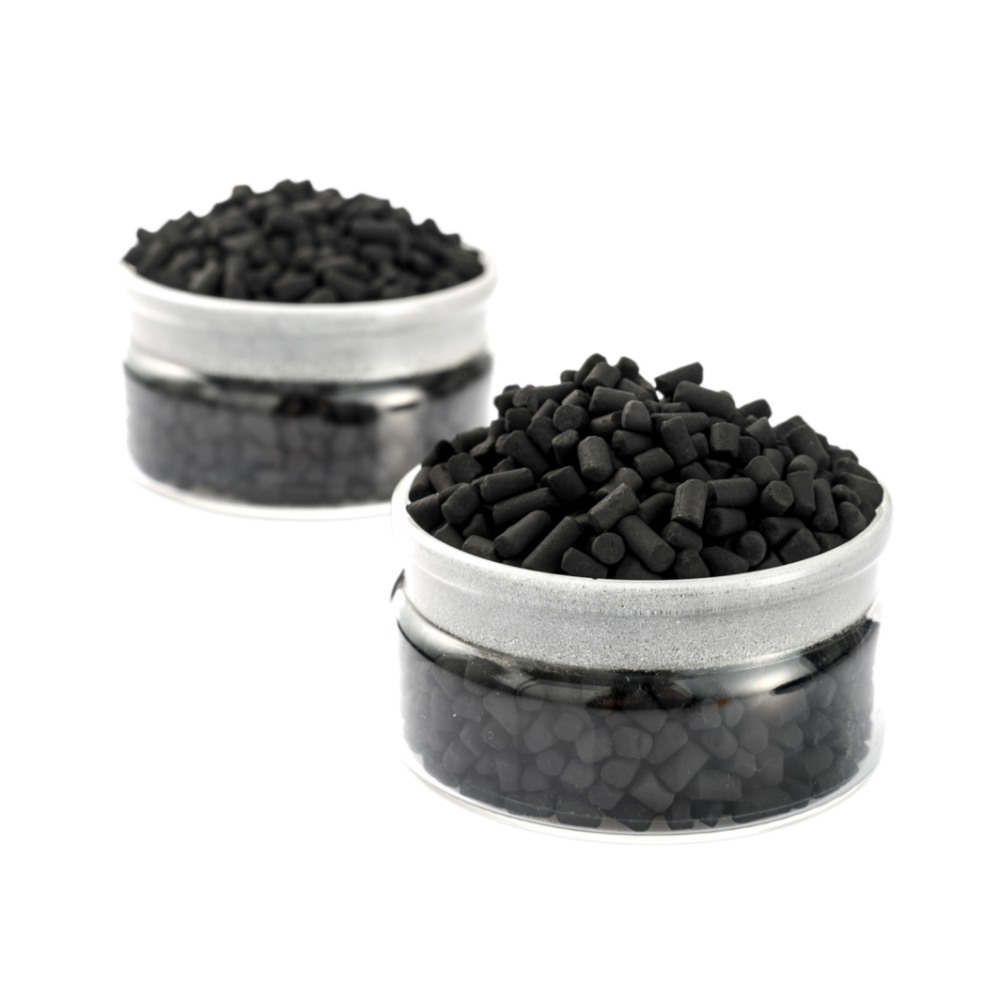
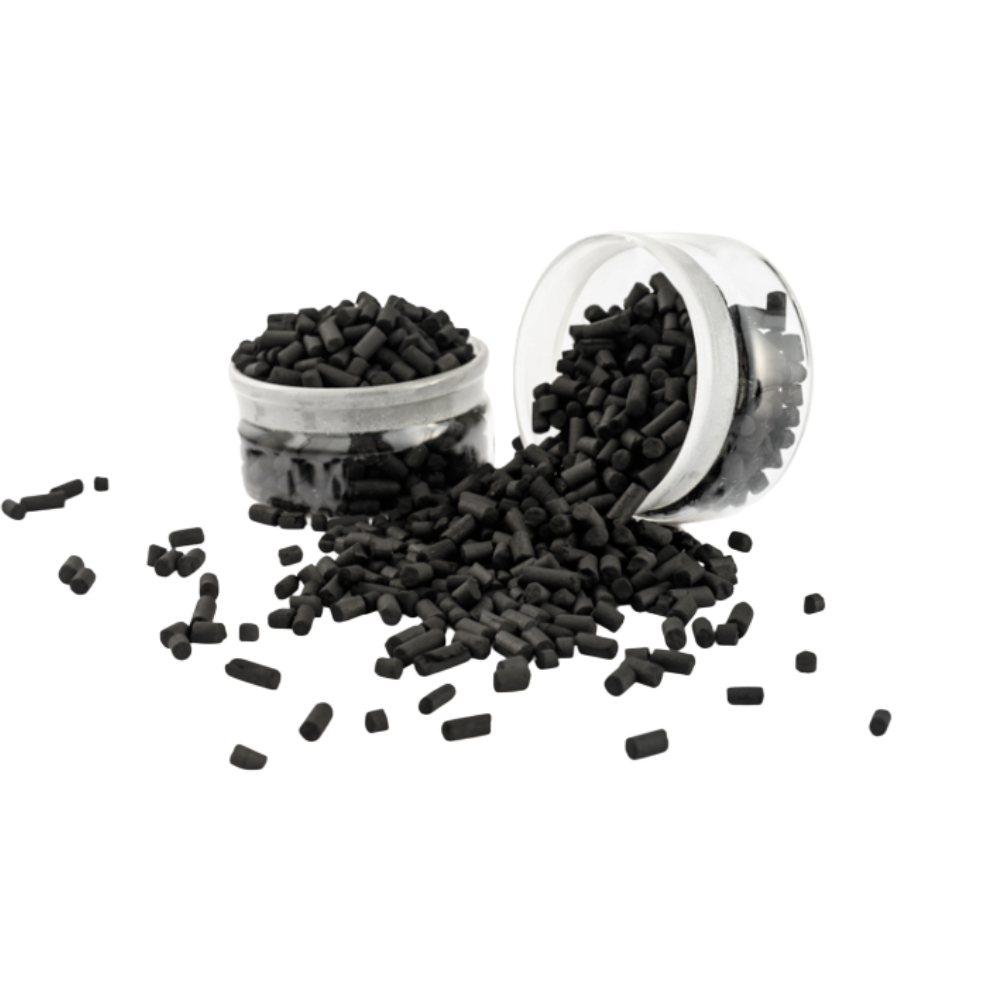
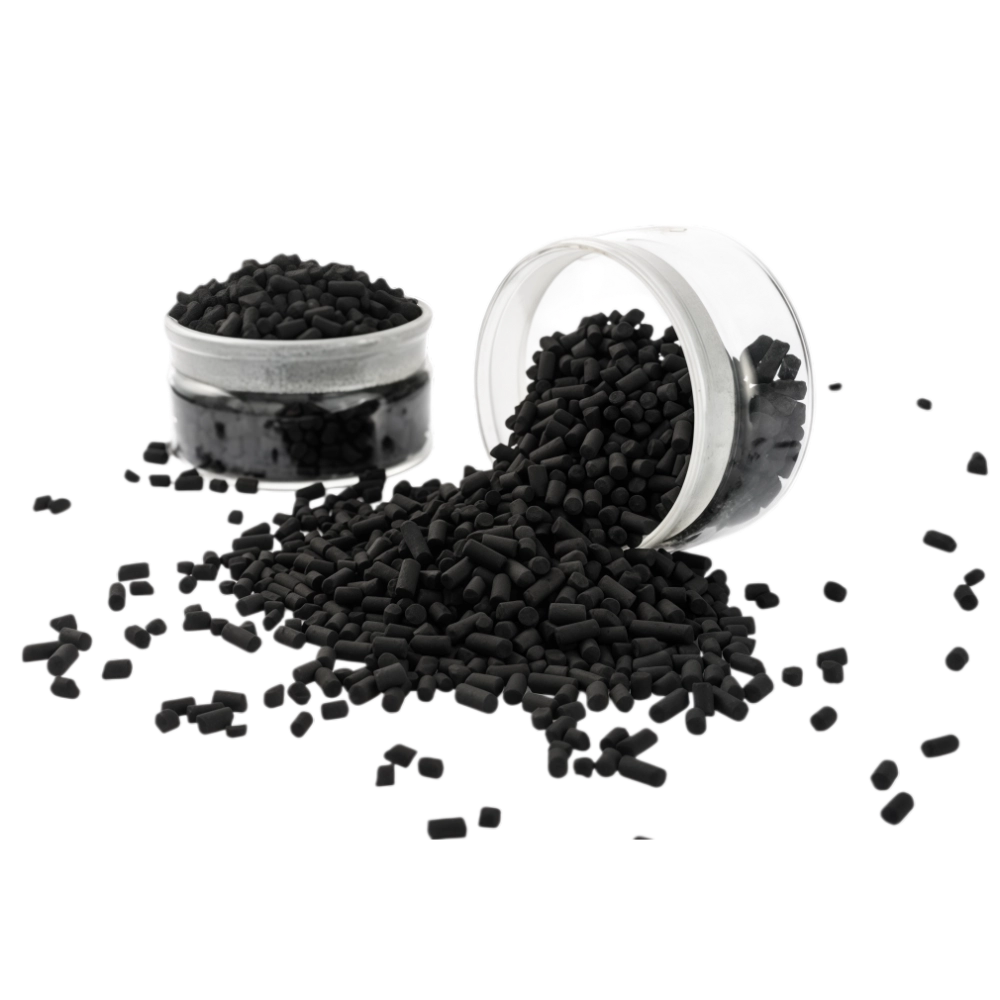
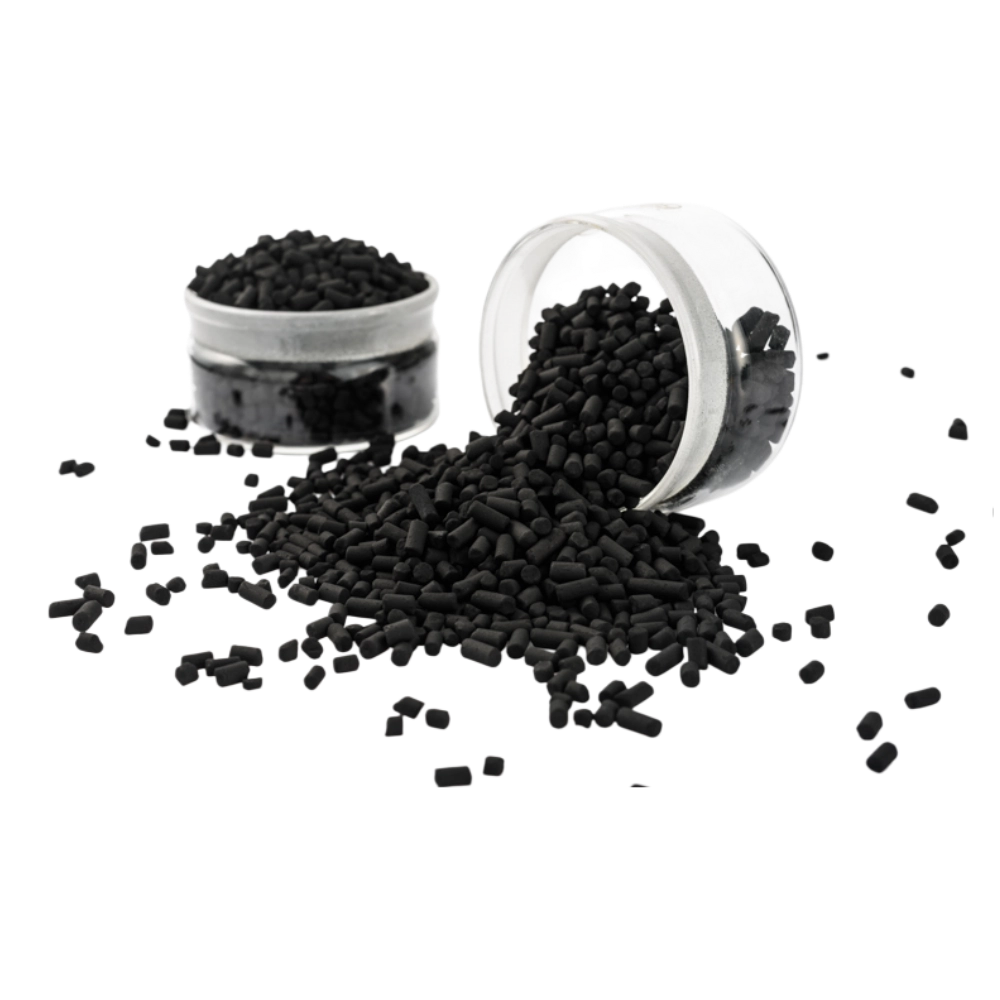
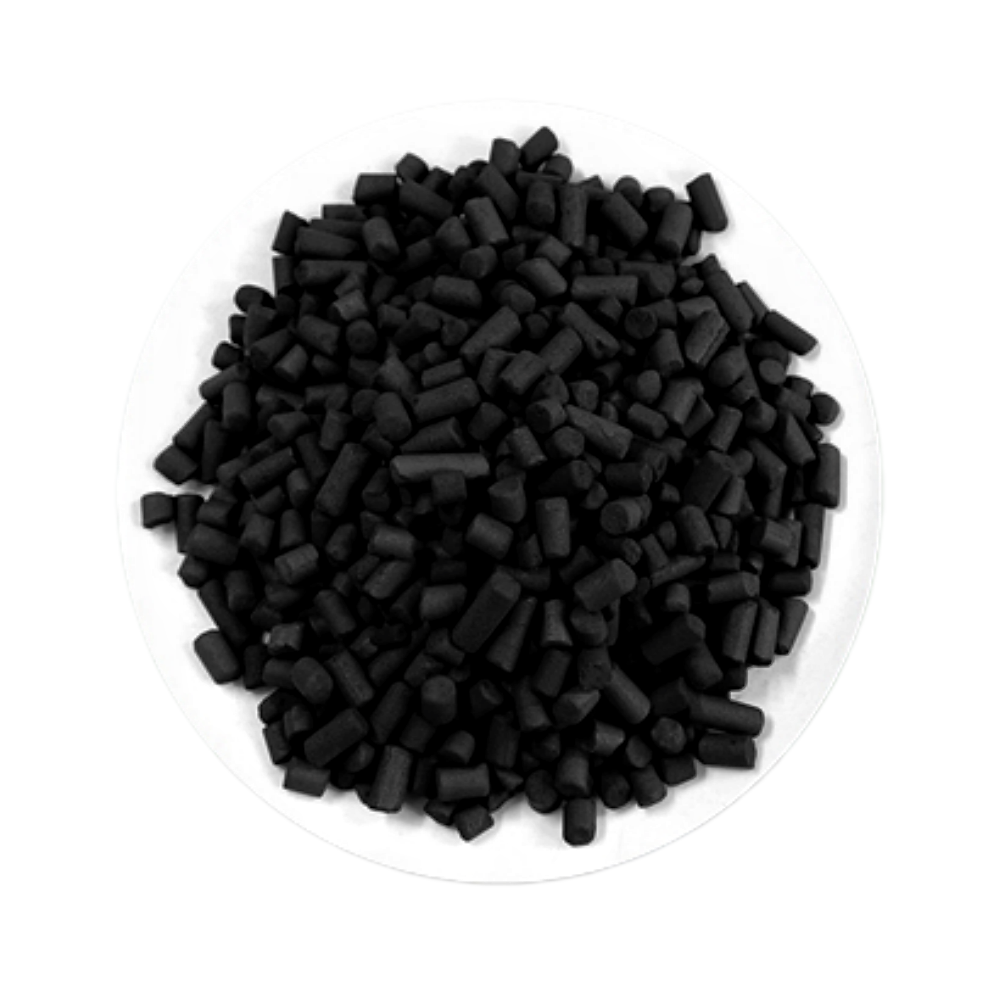
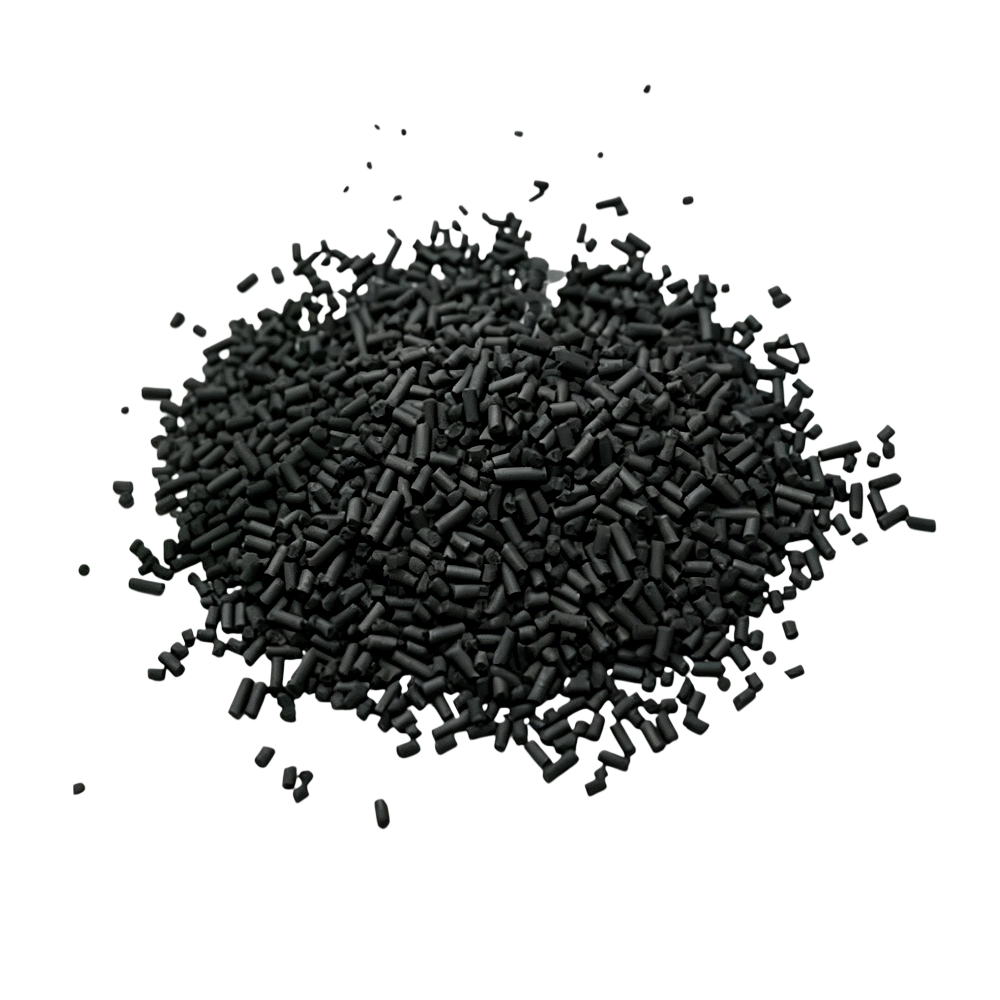
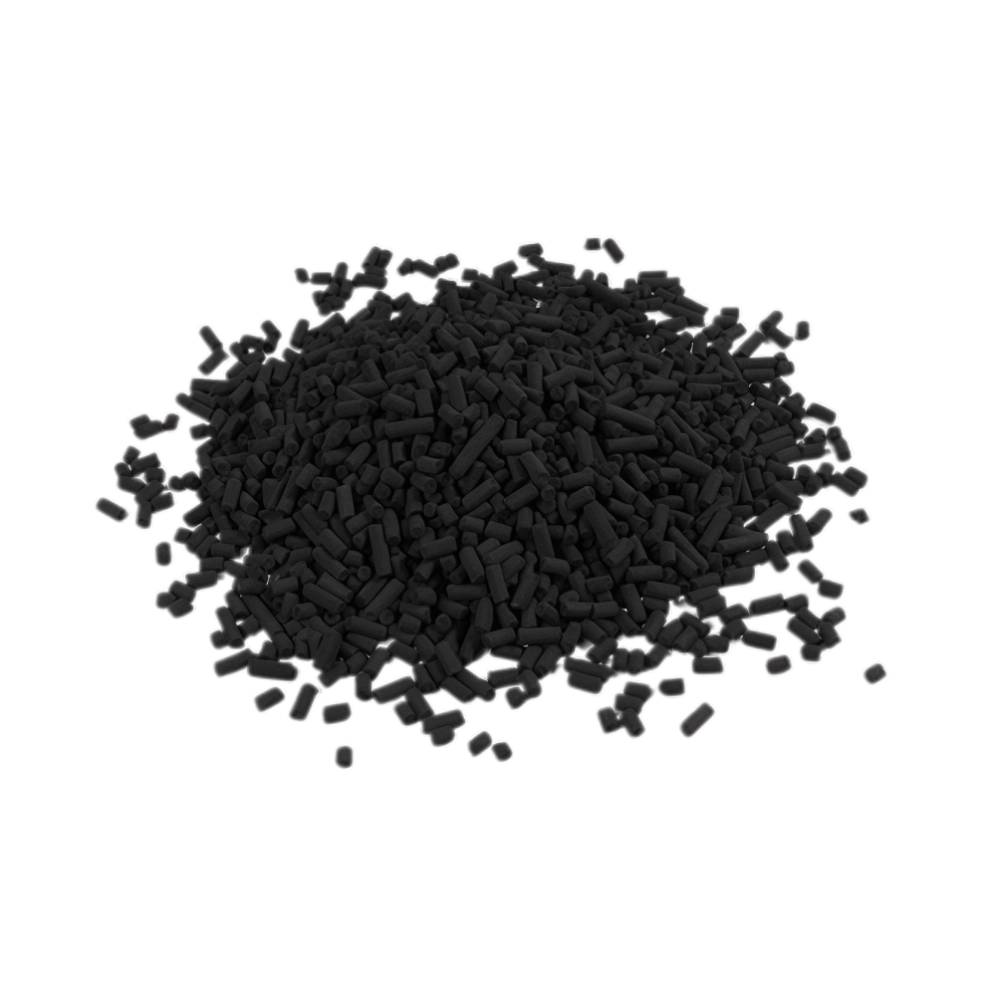
High-flow systems generally benefit from uniform pelletized activated carbon because its cylindrical geometry supports predictable gas distribution and lower resistance than irregular media.
4. Temperature and Relative Humidity
Higher gas temperature can reduce physical adsorption capacity. Moisture may also compete for pore space or change the performance of certain VOCs and impregnated formulations.
Buyers should therefore provide the actual inlet temperature range and relative humidity rather than relying only on ambient factory conditions.
5. Required Outlet Concentration
The required removal efficiency must be defined by the end user’s local emission limit, process requirement or solvent recovery target.
“Odor reduction” and “regulatory VOC compliance” are not the same specification. A system designed to reduce nuisance odors may require a different safety margin from a system that must continuously meet a strict outlet concentration.
6. Other Contaminants
Dust, paint mist, oil aerosols, acidic gases, sulfur compounds and ammonia can affect activated carbon performance. Appropriate pre-filtration may be necessary, while mixed organic and reactive gases may require separate bed zones or impregnated activated carbon.
Which Activated Carbon Specifications Matter Most?
CTC Activity
Carbon tetrachloride activity, commonly shown as CTC percentage, is frequently used as a gas-phase activated carbon specification. It provides a useful indication of pore development and adsorption activity, but it should not be treated as a complete prediction of performance for every VOC.
Higher CTC activity may provide greater adsorption capacity for suitable compounds, but it can also increase purchasing cost. The correct choice depends on the pollutant, working concentration, humidity, replacement frequency and required service life.
Pore Size Distribution
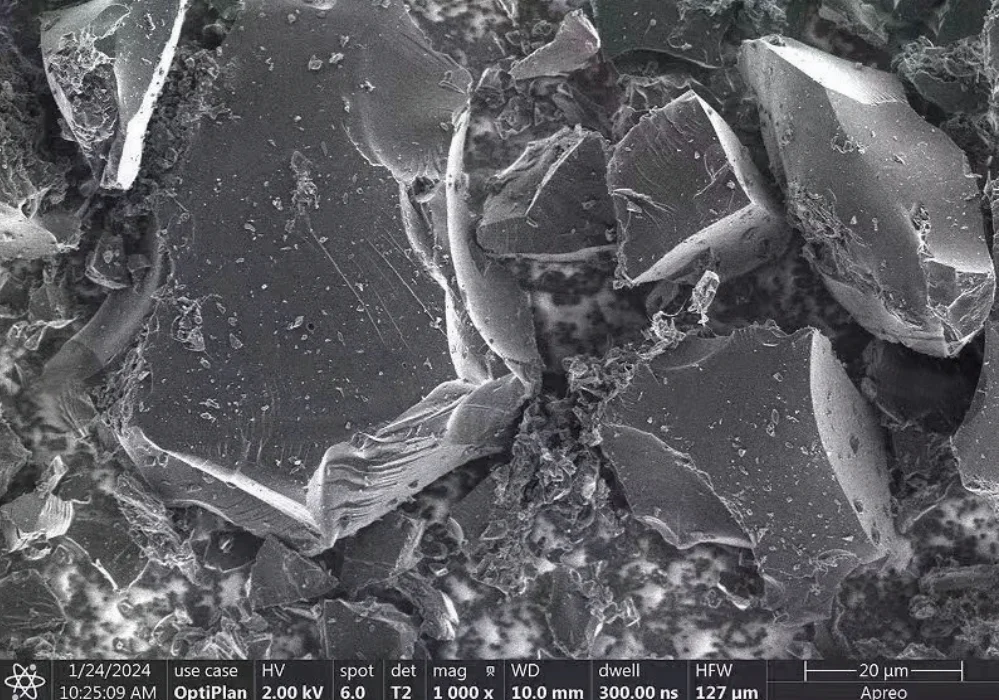
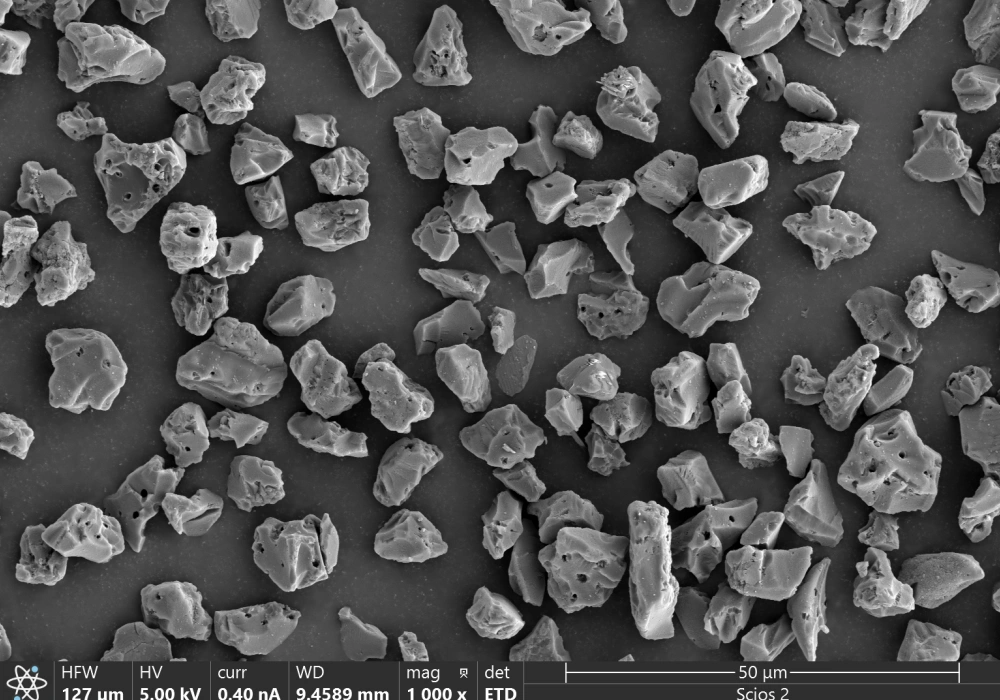
Total surface area does not reveal whether the available pores are accessible to the target VOC molecules. Micropores are important for many smaller organic vapors, while a balanced pore structure can improve mass transfer for larger molecules and mixed solvent streams.
Importers handling technically demanding projects should ask the supplier for application experience, adsorption test results or representative data rather than comparing BET surface area alone.
Pellet Diameter
Smaller pellets provide shorter diffusion paths and may support faster adsorption kinetics, but they generally create greater pressure drop. Larger pellets can reduce airflow resistance but may require sufficient bed depth and contact time.
A 3 mm or 4 mm pellet is commonly considered for industrial exhaust systems, while 2 mm products may be selected when higher activity and faster mass transfer justify the additional pressure-drop consideration.
Mechanical Strength and Dust Content
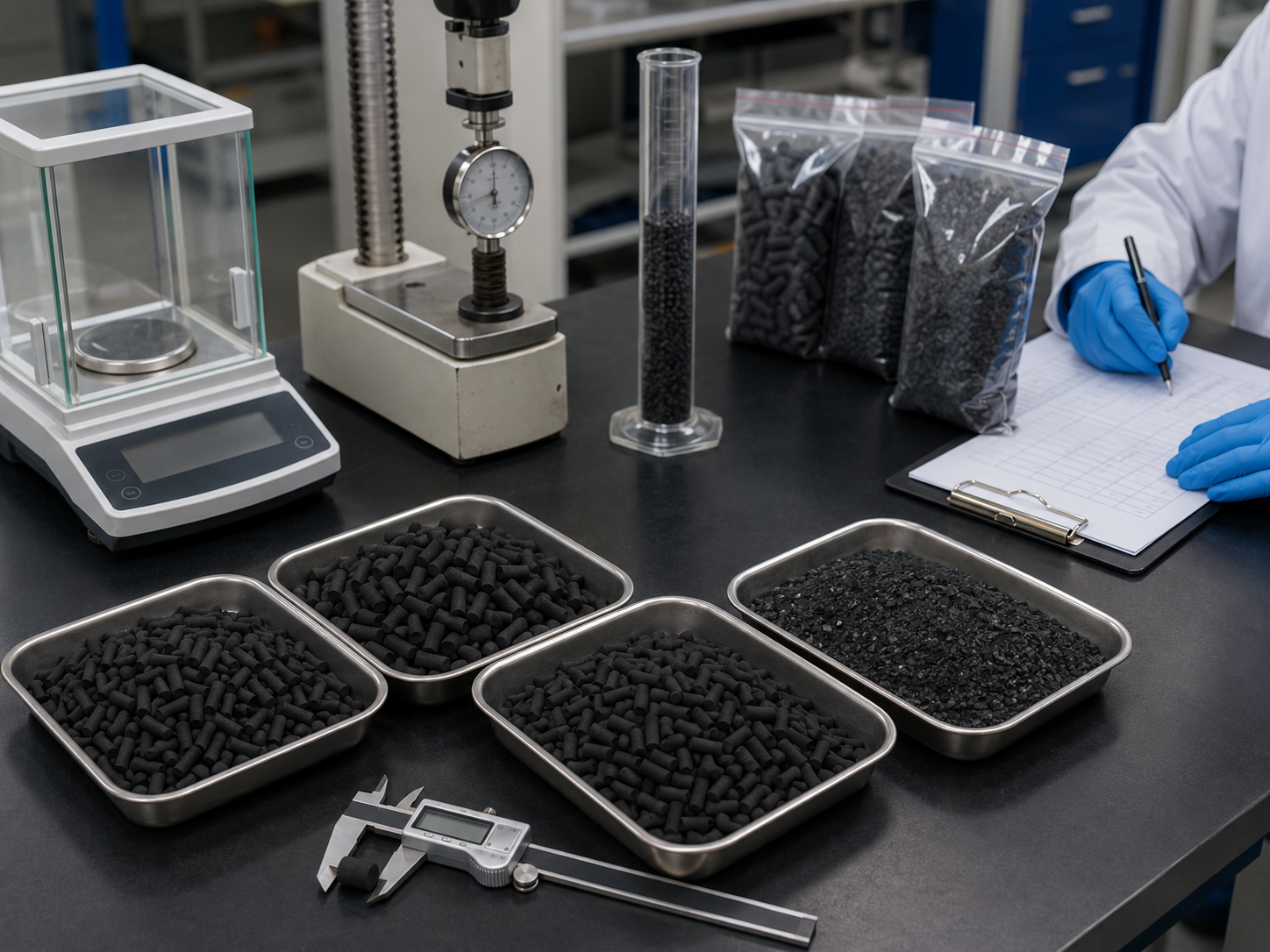
High mechanical strength helps the carbon withstand transportation, filling, vibration and repeated operating cycles. Excessive fines can increase pressure drop, contaminate downstream equipment and reduce effective gas distribution.
Importers should compare hardness, particle-size distribution, dust generation, packaging strength and loading method—not only adsorption values.
Bulk Density
Bulk density affects the quantity of carbon that can be loaded into a fixed vessel. It also influences shipping calculations, container loading and the total adsorption capacity available within a limited bed volume.
Practical Product Selection by VOC Treatment Duty
The following table provides a starting point for importer discussions. Final selection should be confirmed using the complete gas composition and operating conditions.
| Operating Requirement | Possible Starting Grade | Selection Consideration |
|---|---|---|
| Moderate VOC and odor load | PL-350/PL-450 Coal Columnar Carbon |
Cost-effective 3 mm and 4 mm options for general industrial exhaust and odor control. |
| Higher VOC loading or longer service interval | PL-360/PL-460 Enhanced VOC Removal Carbon |
Higher CTC activity for applications requiring additional adsorption capacity. |
| High-capacity solvent recovery | P-100 High-Activity Pelletized Carbon |
Designed for demanding VOC control and solvent recovery where high working capacity is important. |
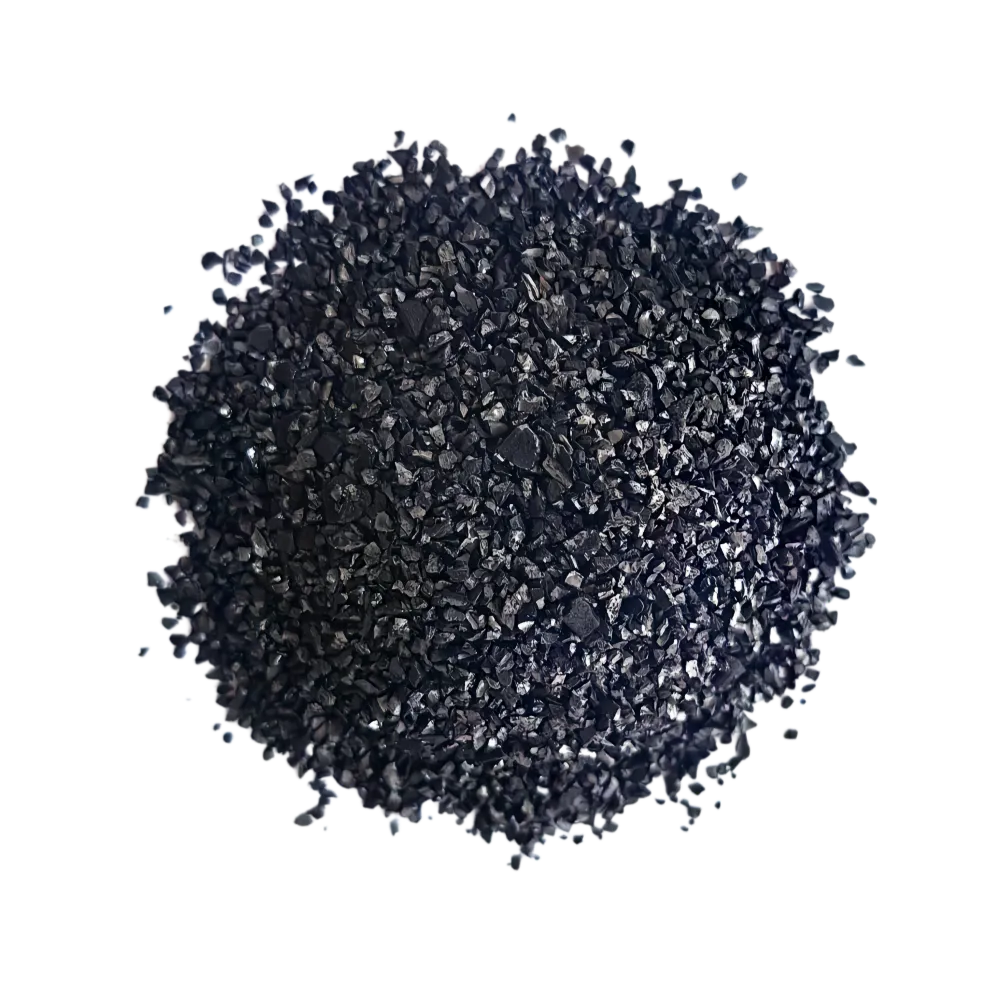
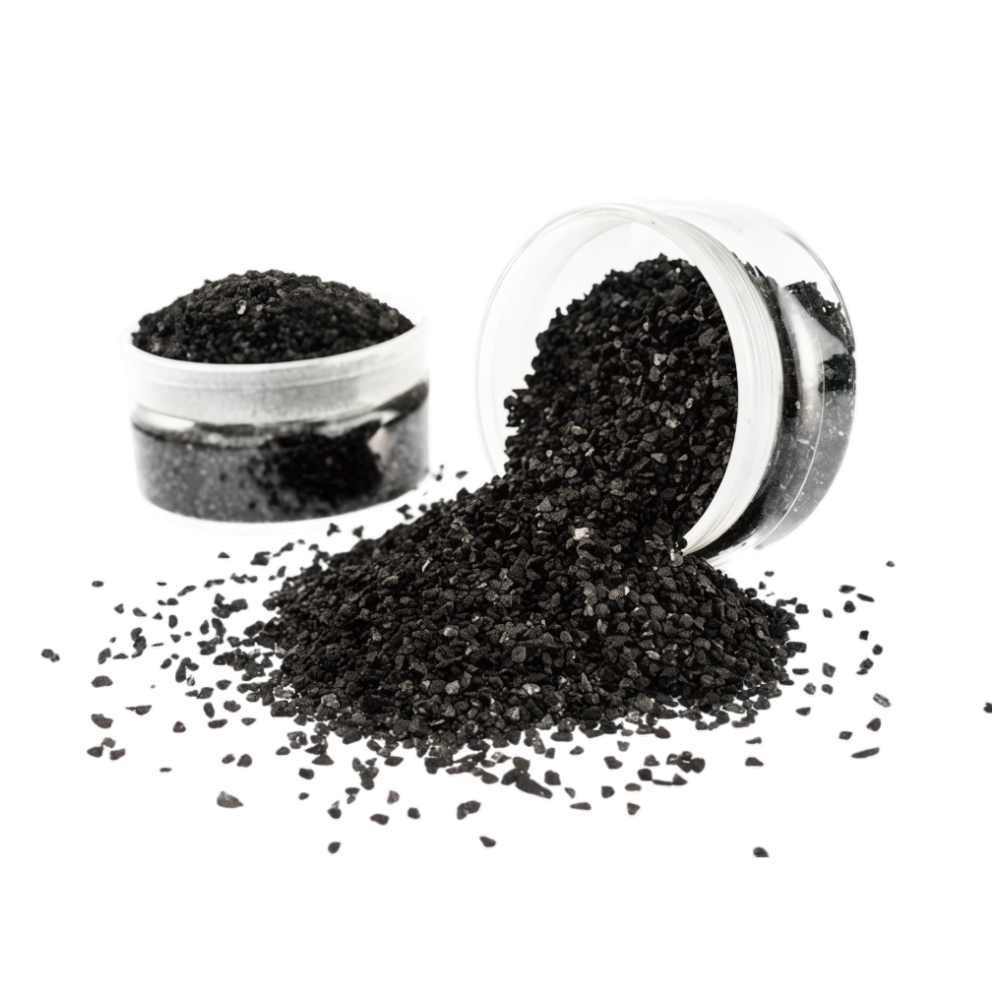
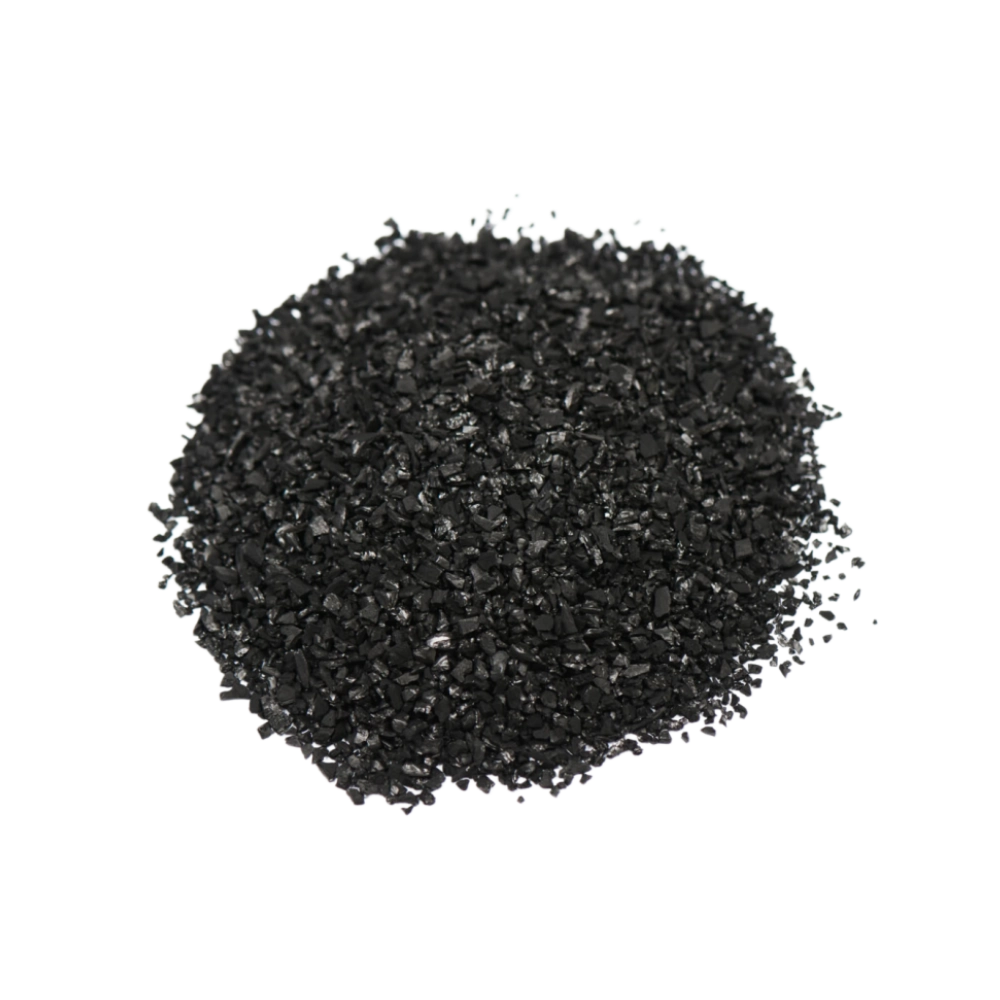
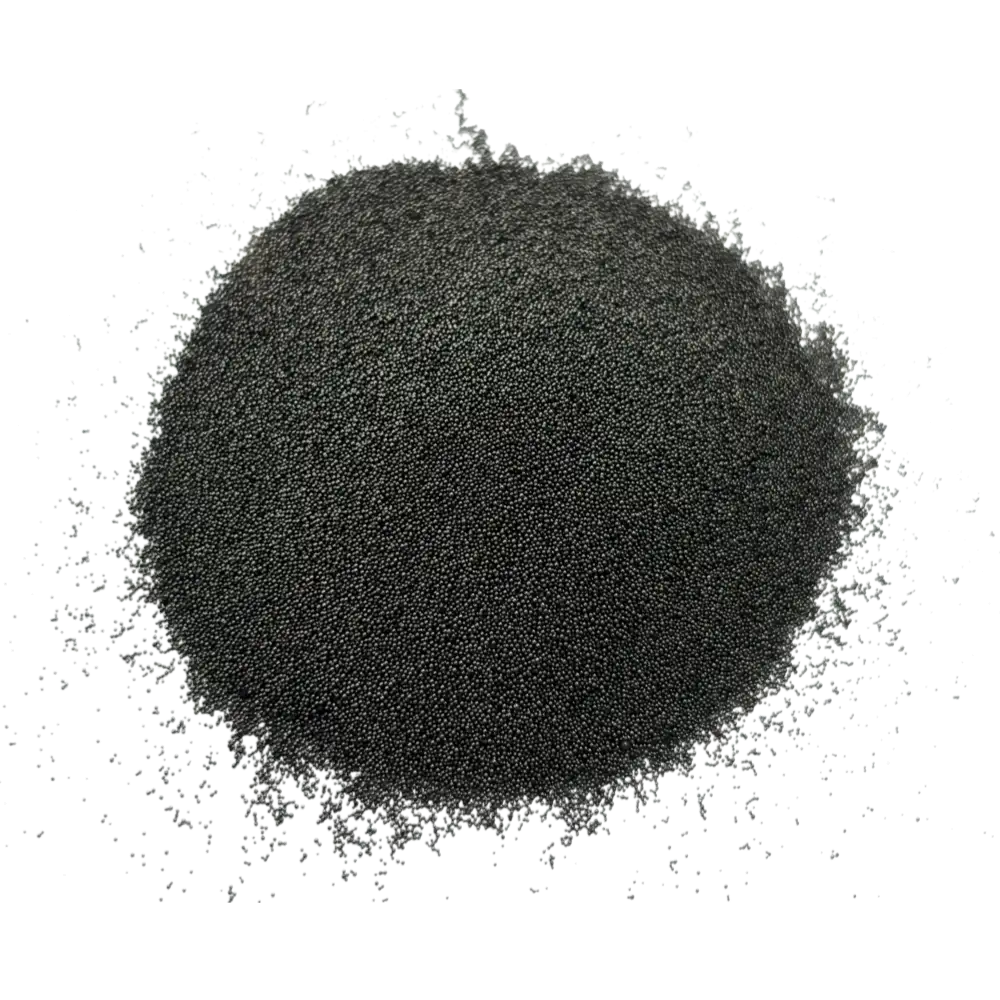
| High-flow vapor-phase filtration | CFV 4×8 Coconut Shell Activated Carbon |
Coarse granular structure can help balance adsorption capacity and pressure drop. |
| High-purity air and gas purification | PLC-370/PLC-470 Coconut Shell Carbon Pellets |
Coconut-shell-based pelletized grades for gas-phase purification and VOC adsorption. |
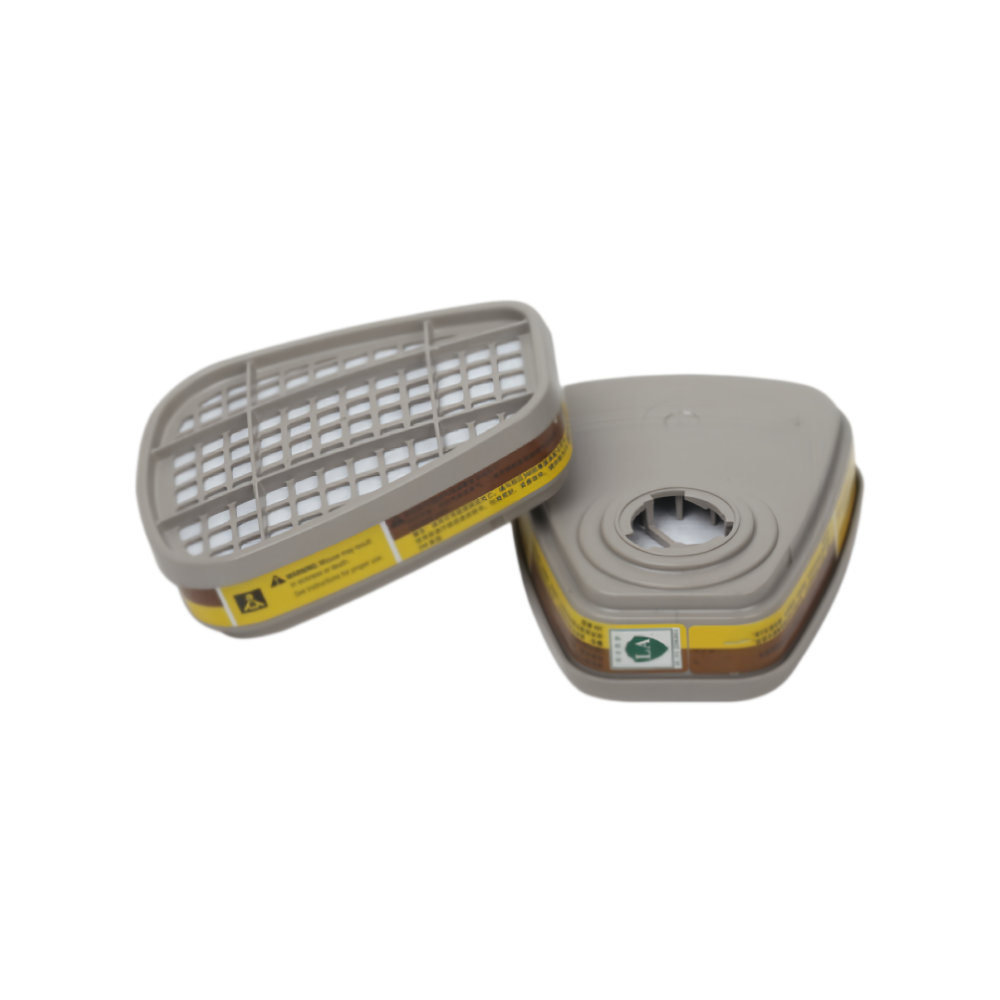
| Mixed VOCs with reactive gases | Custom Impregnated Activated Carbon |
Consider when the stream also contains acid gases, ammonia, sulfur compounds or other reactive contaminants. |
These product categories should not be interpreted as automatic replacements for on-site testing. The most reliable recommendation begins with a complete gas-stream data sheet and, where practical, a sample adsorption test.
How to Improve VOC Removal Efficiency After Carbon Selection
Control Inlet Temperature
Where the process allows, cooling the exhaust stream before adsorption can improve physical adsorption and protect the carbon bed from temperature-related performance loss.
Manage Humidity
Condensation should be prevented inside the adsorber. For humid gas streams, the supplier should evaluate moisture tolerance and whether pretreatment, dehumidification or an alternative carbon structure is necessary.
Remove Dust and Aerosols
Install appropriate pre-filters, demisters or particulate control equipment before the carbon bed. Paint mist, oil droplets and dust can cover the carbon surface and block access to the internal pore network.
Prevent Channeling
Uneven carbon filling, poor support screens and irregular gas distribution allow part of the exhaust to bypass the effective adsorption zone. Correct filling procedures and suitable distributor design help the entire bed contribute to treatment.
Monitor Breakthrough Instead of Guessing
The U.S. Environmental Protection Agency identifies outlet VOC concentration, carbon-bed activity, gas flow, temperature, moisture and pressure differential among the important indicators used to evaluate carbon adsorber performance.
A replacement schedule based on actual outlet concentration and pressure-drop trends is more reliable than changing carbon only after an odor complaint or compliance failure.
Evaluate Regeneration or Solvent Recovery
For suitable solvent streams, on-site or off-site regeneration may reduce long-term carbon consumption. The decision should consider the VOC mixture, desorption method, recovered solvent value, safety controls and residual heel capacity after regeneration.
What Importers Should Request from an Activated Carbon Supplier
A reliable quotation should include more than the product name and price per metric ton. Before placing a bulk order, importers should request:
- Technical Data Sheet with clearly defined test methods.
- Representative Certificate of Analysis.
- Particle diameter and particle-size distribution.
- CTC activity, moisture, bulk density and mechanical strength.
- Recommended VOC applications and operating limitations.
- Available sample quantity and sample lead time.
- Packaging options and pallet configuration.
- Container loading quantity.
- Production lead time and port of loading.
- Batch traceability and pre-shipment inspection options.
- SDS and export documentation.
- Customization or OEM packaging capability.
Buyers can also review PureStar’s manufacturing and quality-control background before requesting a product recommendation.
VOC Activated Carbon RFQ Checklis
Providing the following information will help the supplier recommend a more suitable grade and prepare a more accurate quotation:
- Target VOC names and approximate composition
- Normal and peak inlet concentration
- Required outlet concentration or removal efficiency
- Normal and maximum airflow
- Gas temperature
- Relative humidity
- Operating hours per day
- Continuous or intermittent production
- Existing adsorber dimensions
- Current carbon type and replacement frequency
- Presence of dust, oil mist or reactive gases
- Estimated order quantity
- Required packaging
- Destination port and delivery schedule
Frequently Asked Questions
Is activated carbon with a higher CTC value always better for VOC treatment?
No. Higher CTC activity can indicate greater gas-phase adsorption potential, but actual performance also depends on pore structure, VOC type, humidity, temperature, contact time and bed design. A properly matched moderate-CTC carbon may provide a better total operating cost than an unnecessarily high-activity grade.
Should I choose coal-based or coconut-shell activated carbon?
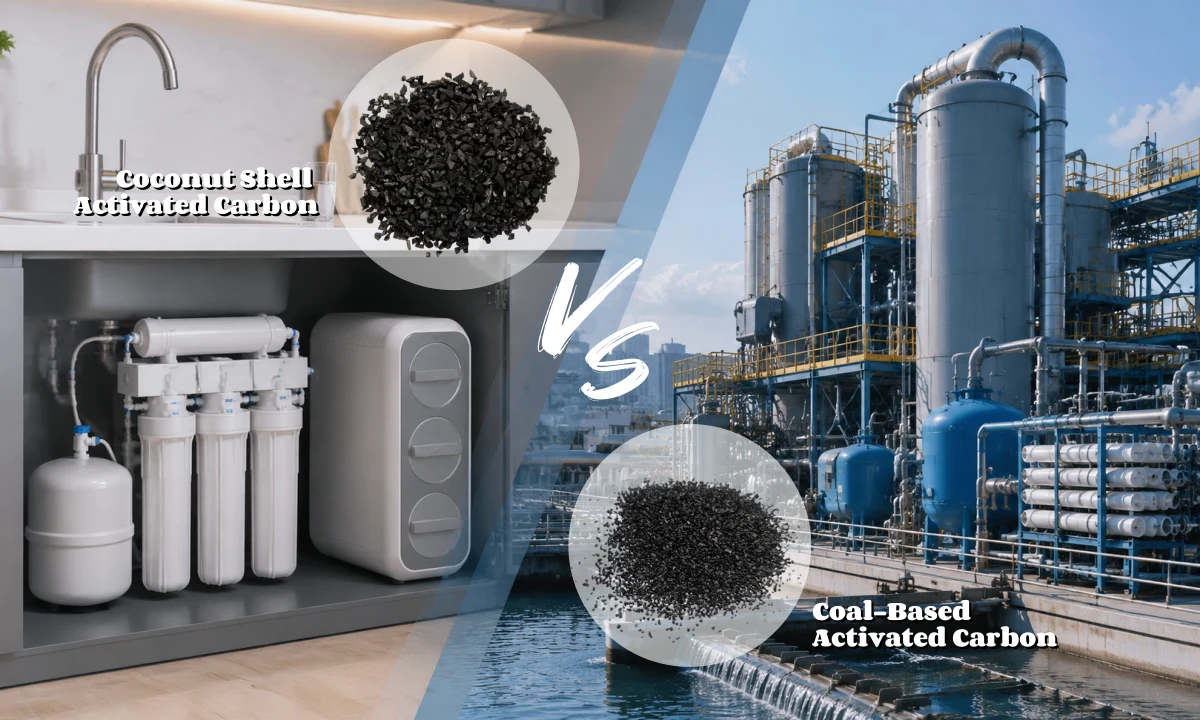
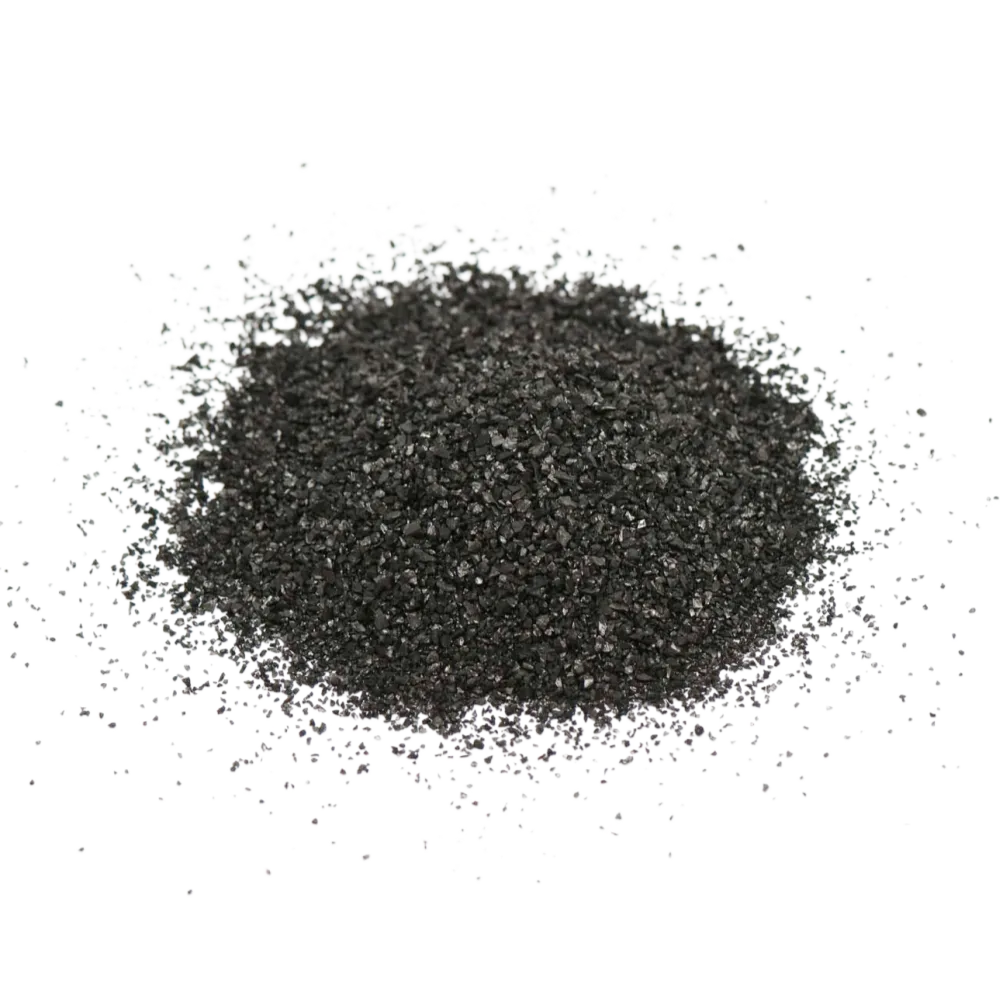
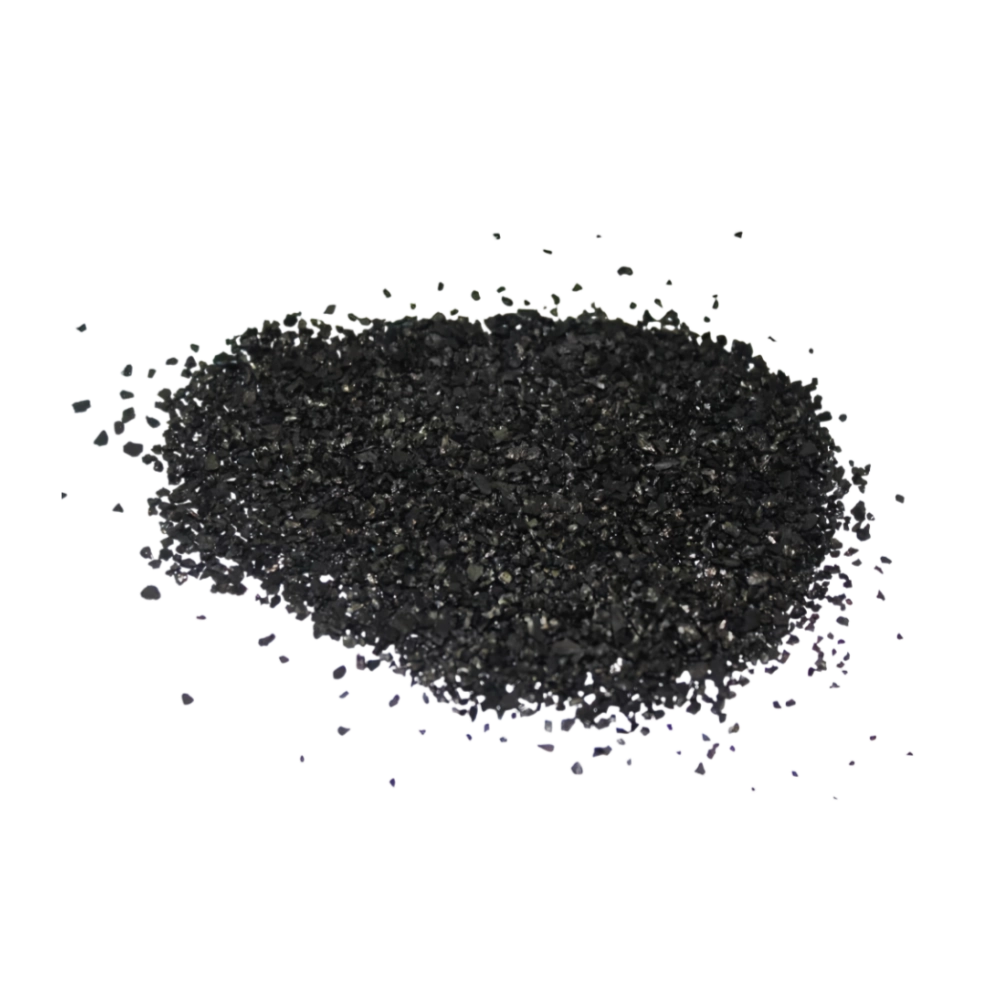
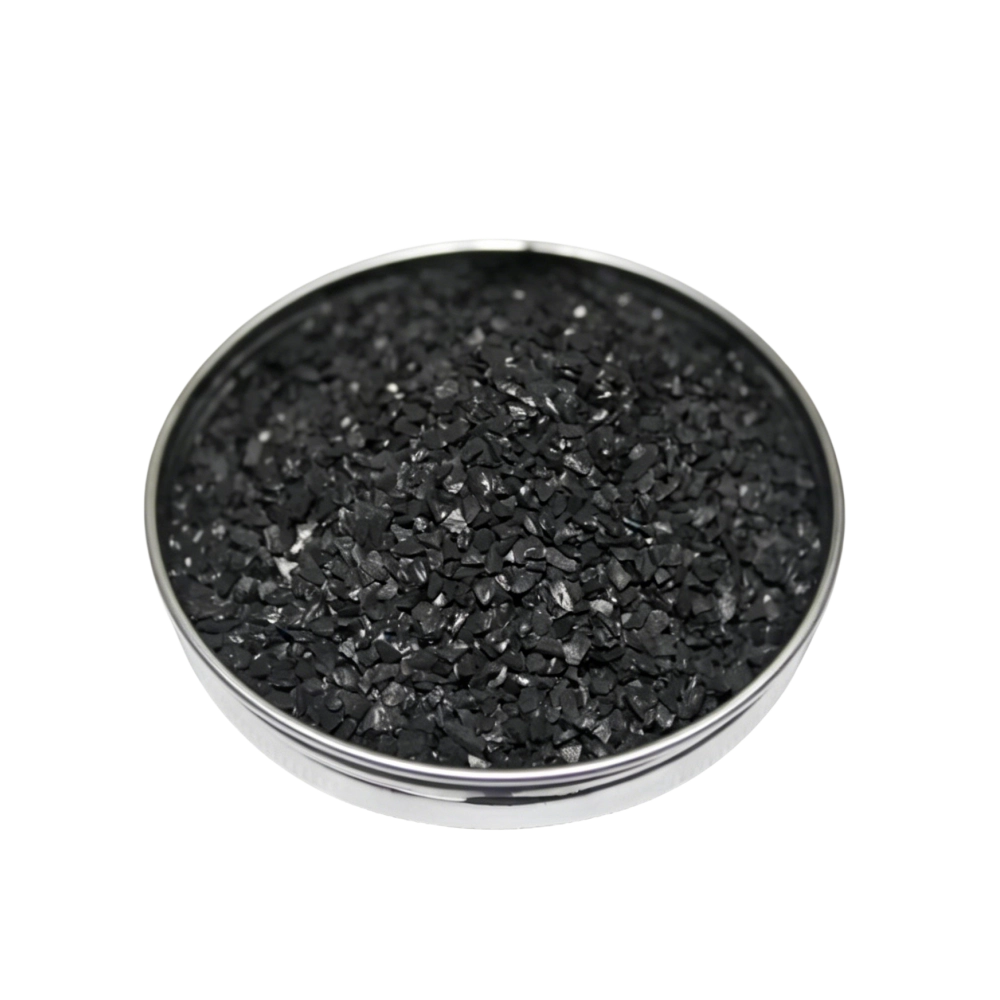
Coal-based pelletized carbon is commonly used for general industrial VOC and odor control because it offers practical gas-phase performance and multiple activity levels. Coconut-shell carbon provides high micropore development, hardness and purity, which may be useful for selected solvent vapors and demanding gas-purification applications. Final selection should be based on the target compounds and operating conditions.
What is the difference between 3 mm and 4 mm pellets?
Three-millimeter pellets generally provide faster mass transfer but may create greater pressure drop. Four-millimeter pellets can reduce airflow resistance and are often considered for high-flow or deeper-bed systems. The adsorber dimensions and blower capacity should be reviewed before selection.
Can one activated carbon remove all VOCs and inorganic gases?
Not reliably. Standard activated carbon mainly relies on physical adsorption. Streams containing ammonia, hydrogen sulfide, acid gases or other reactive contaminants may require impregnated carbon, separate treatment stages or a custom bed arrangement.
Request a VOC Activated Carbon Recommendation
PureStar supplies coal-based, coconut-shell, pelletized, granular and impregnated activated carbon for industrial air purification, VOC treatment, solvent recovery and odor control.
Send us your VOC composition, concentration, airflow, temperature, humidity, adsorber dimensions and required quantity. Our team will evaluate the operating conditions and recommend a suitable activated carbon grade.
Technical Reference
U.S. Environmental Protection Agency, “Monitoring by Control Technique – Activated Carbon Adsorber.” The guidance discusses adsorption capacity, breakthrough, regeneration and key operating indicators including outlet VOC concentration, temperature, airflow, moisture and pressure differential.