



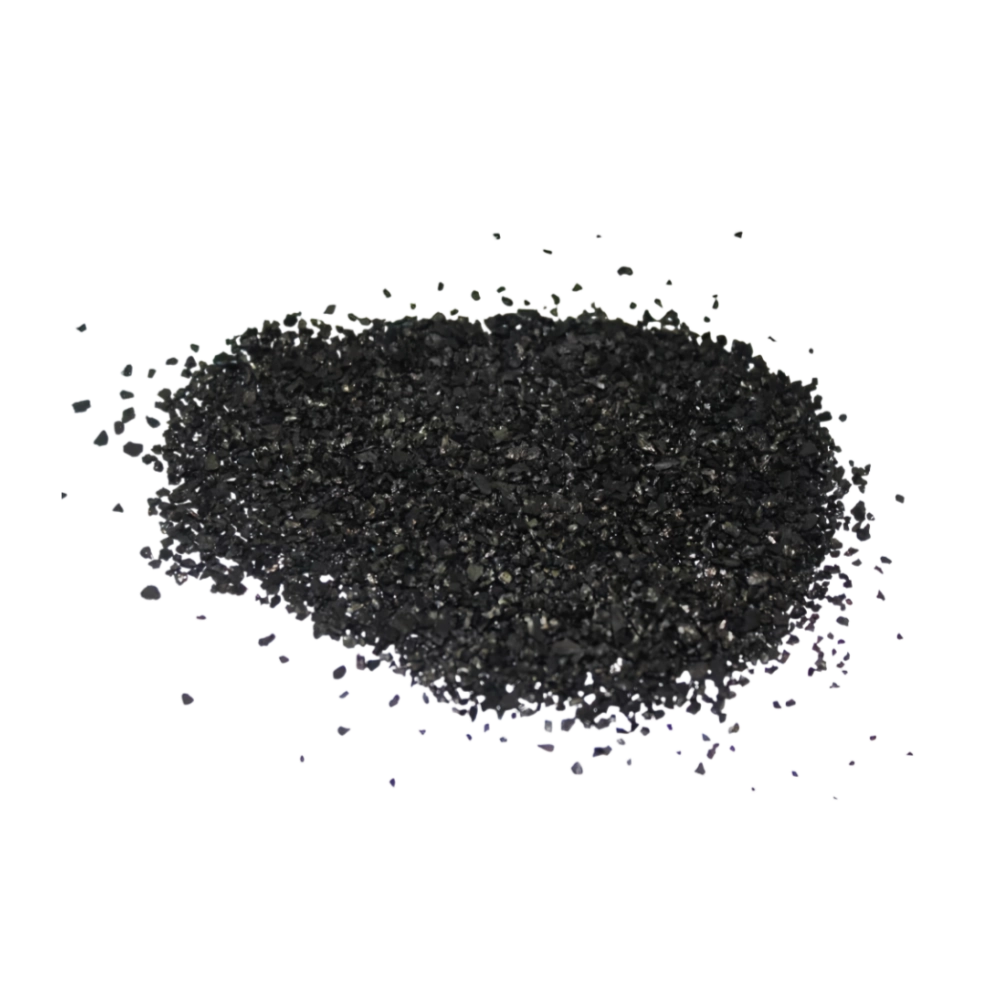
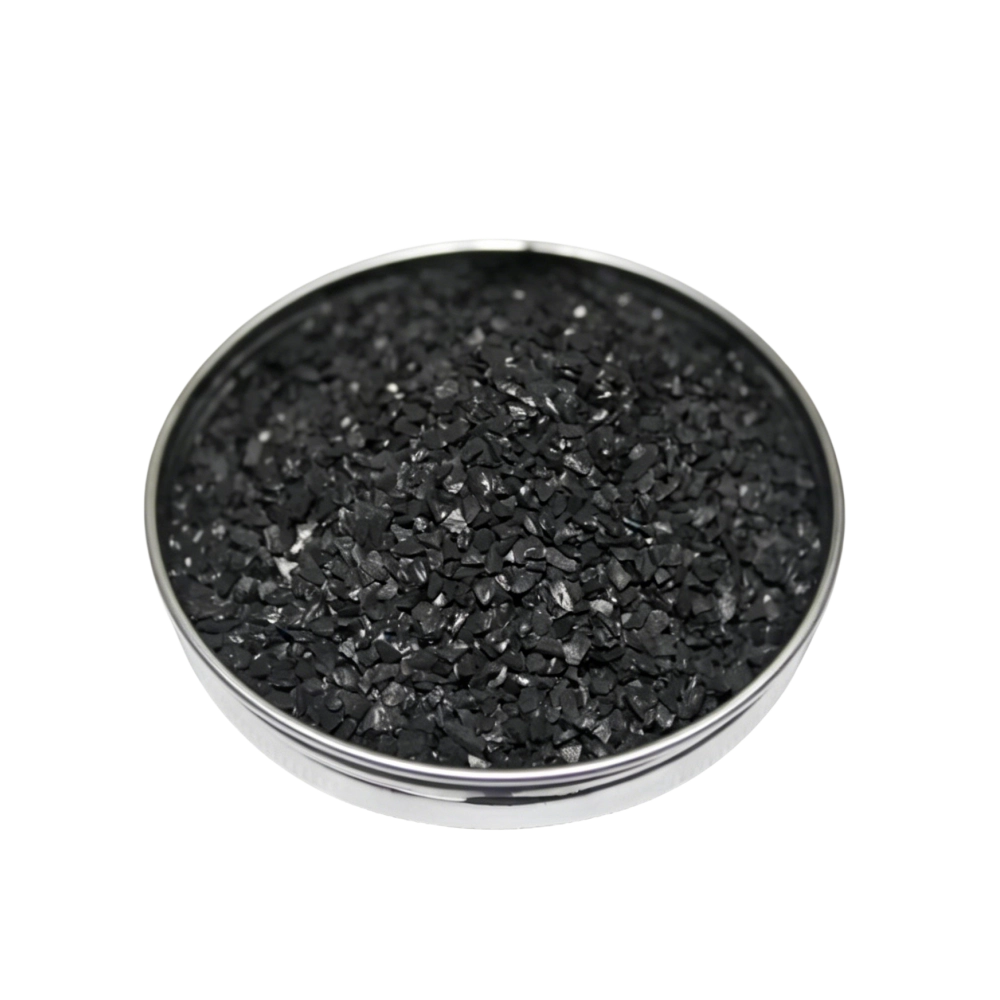
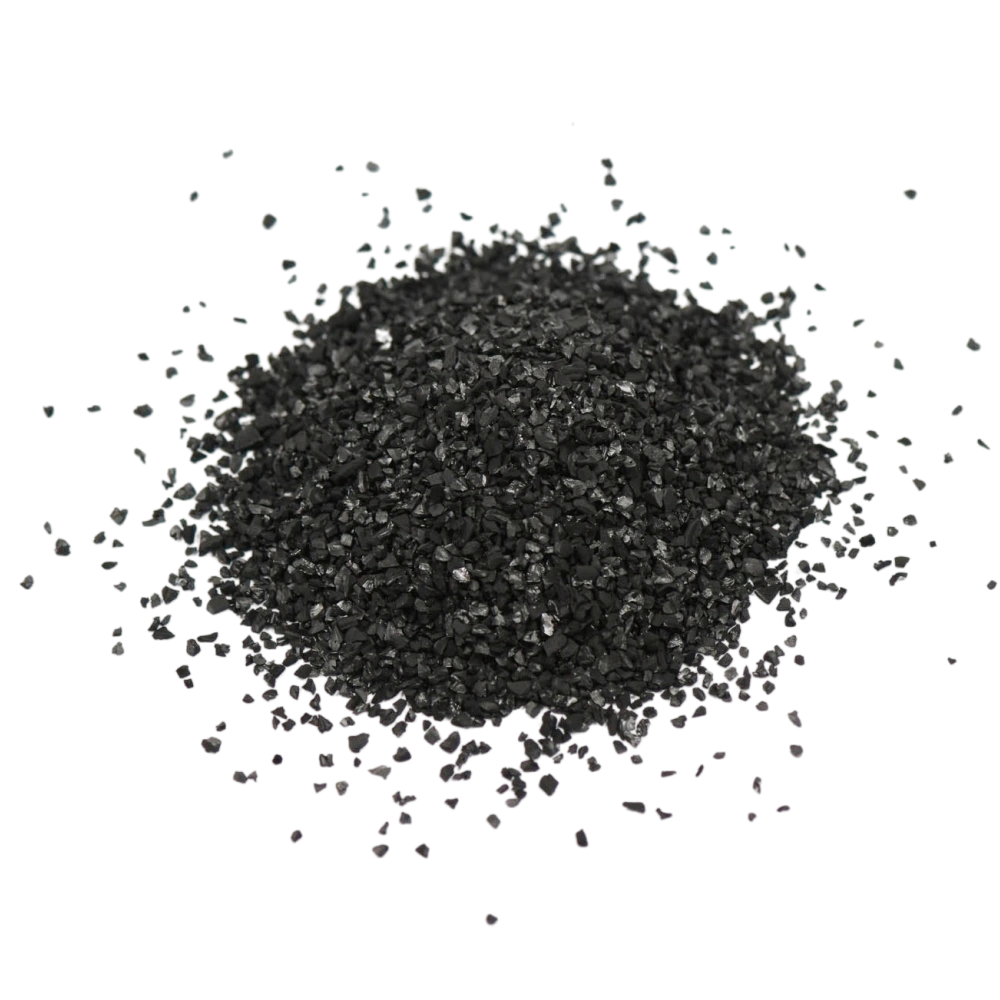
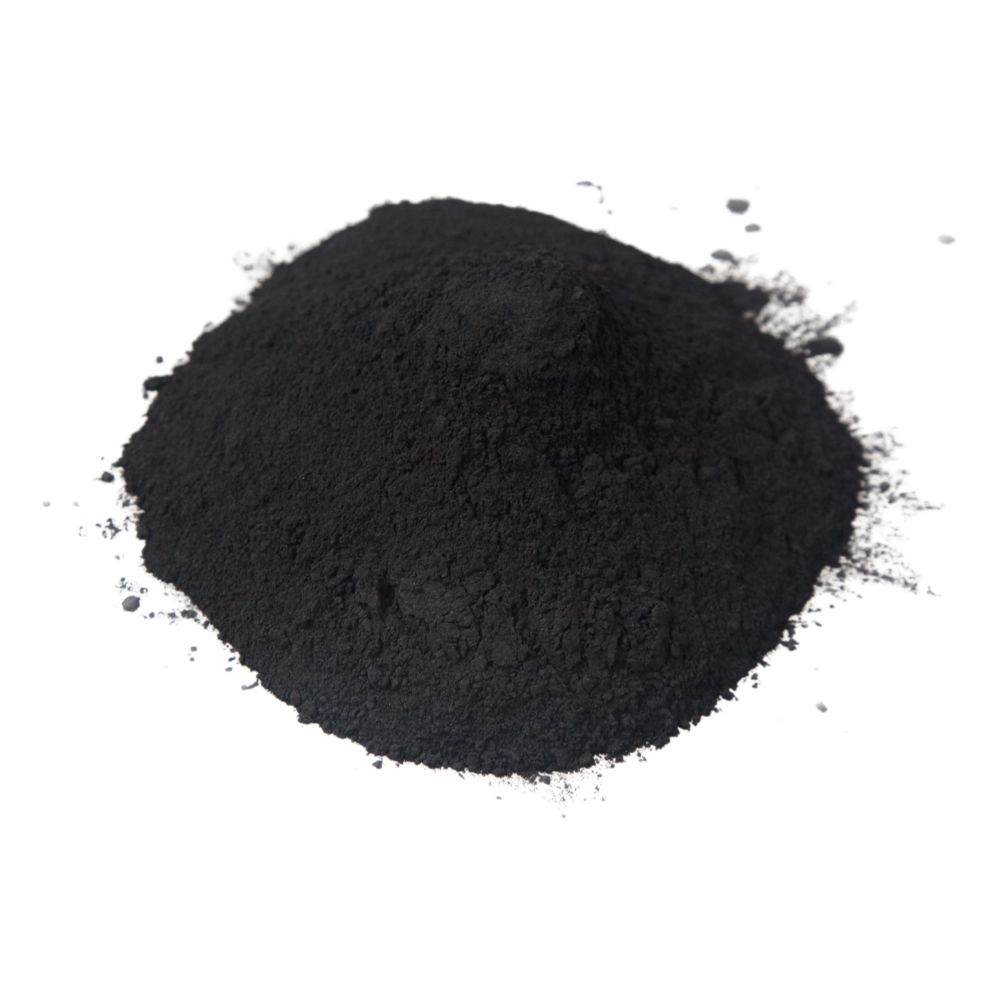
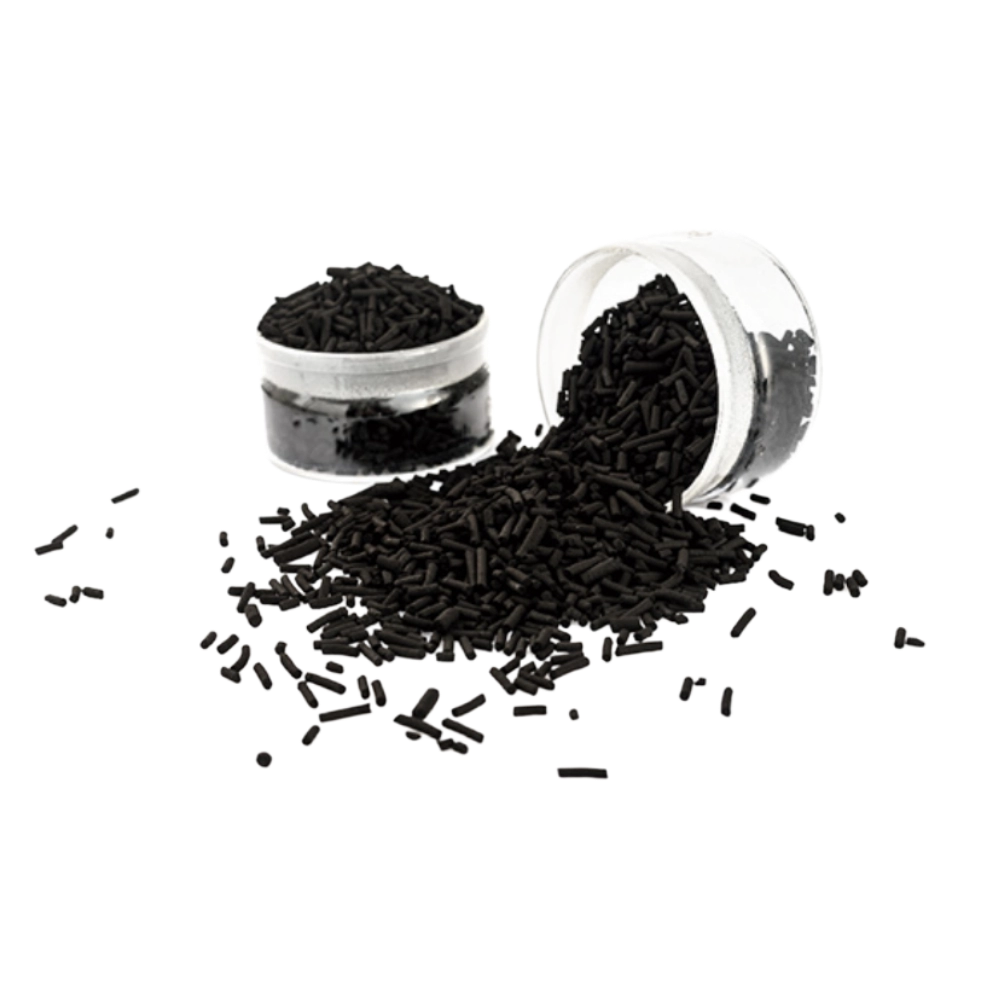
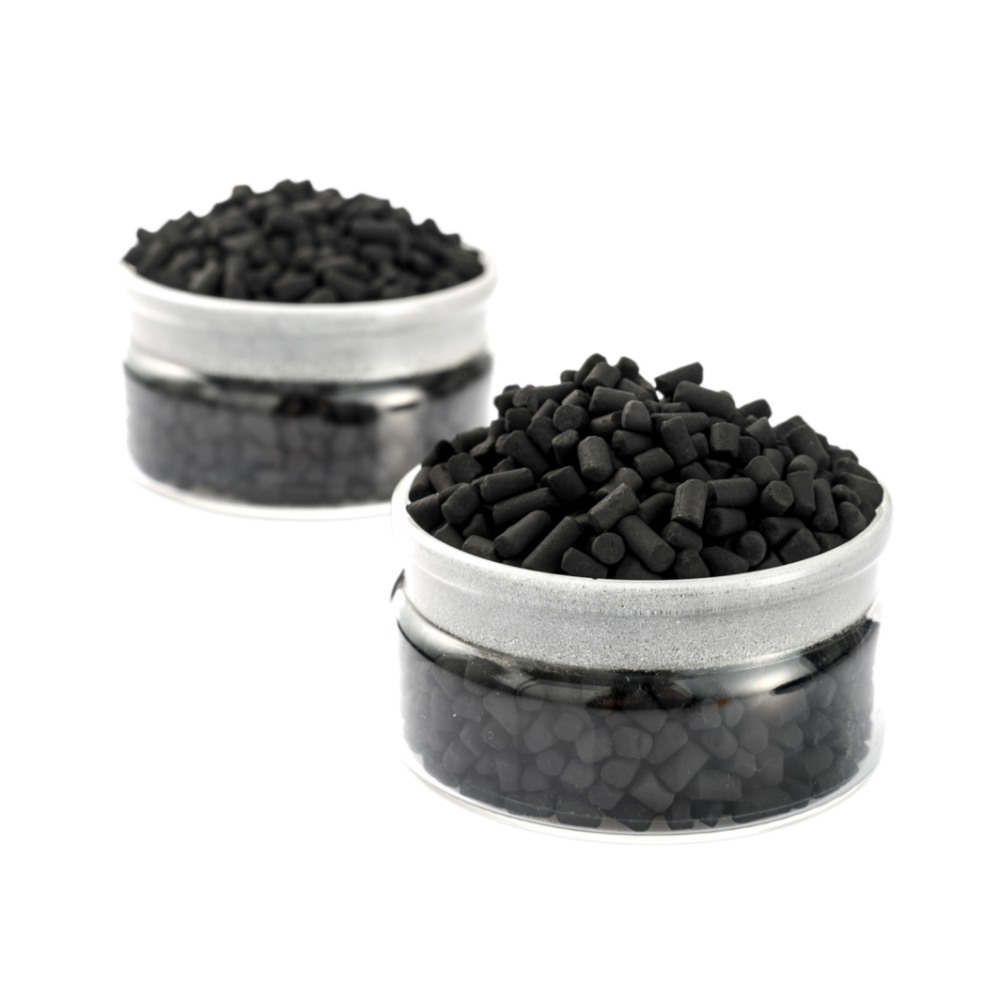
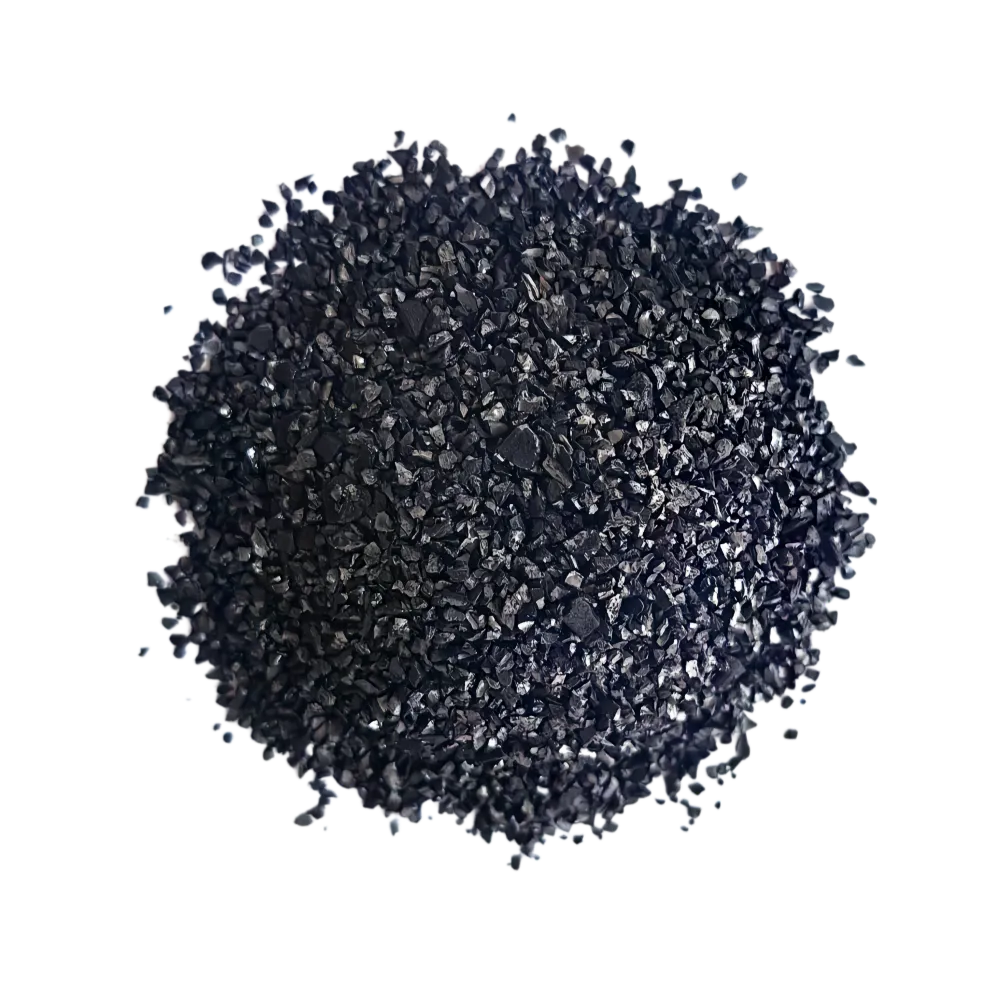
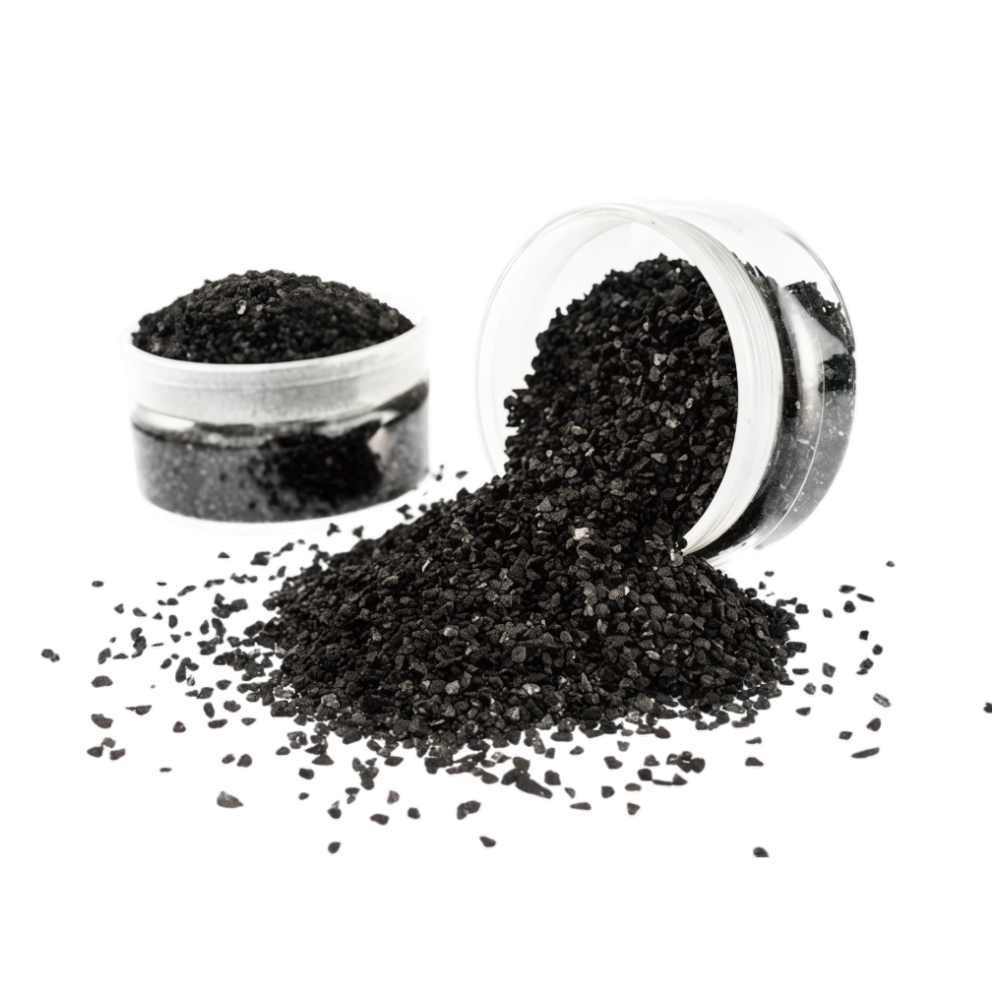
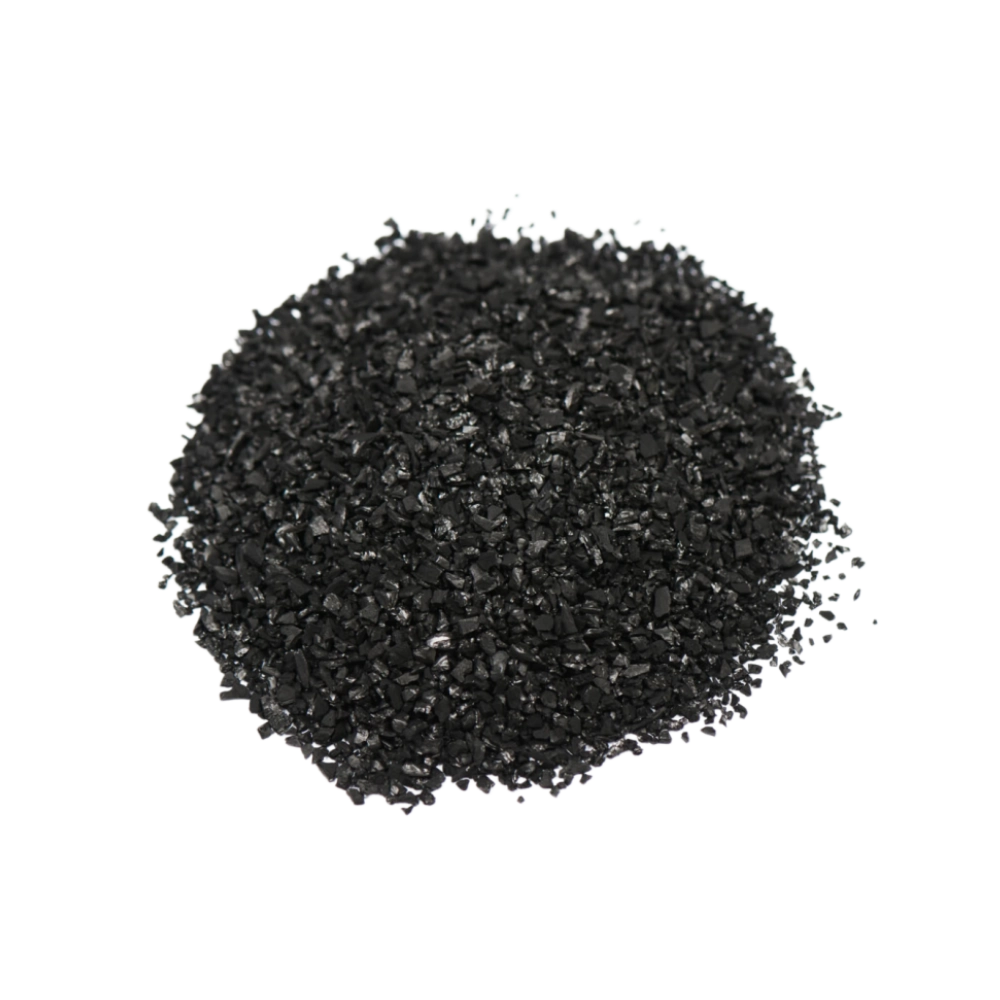
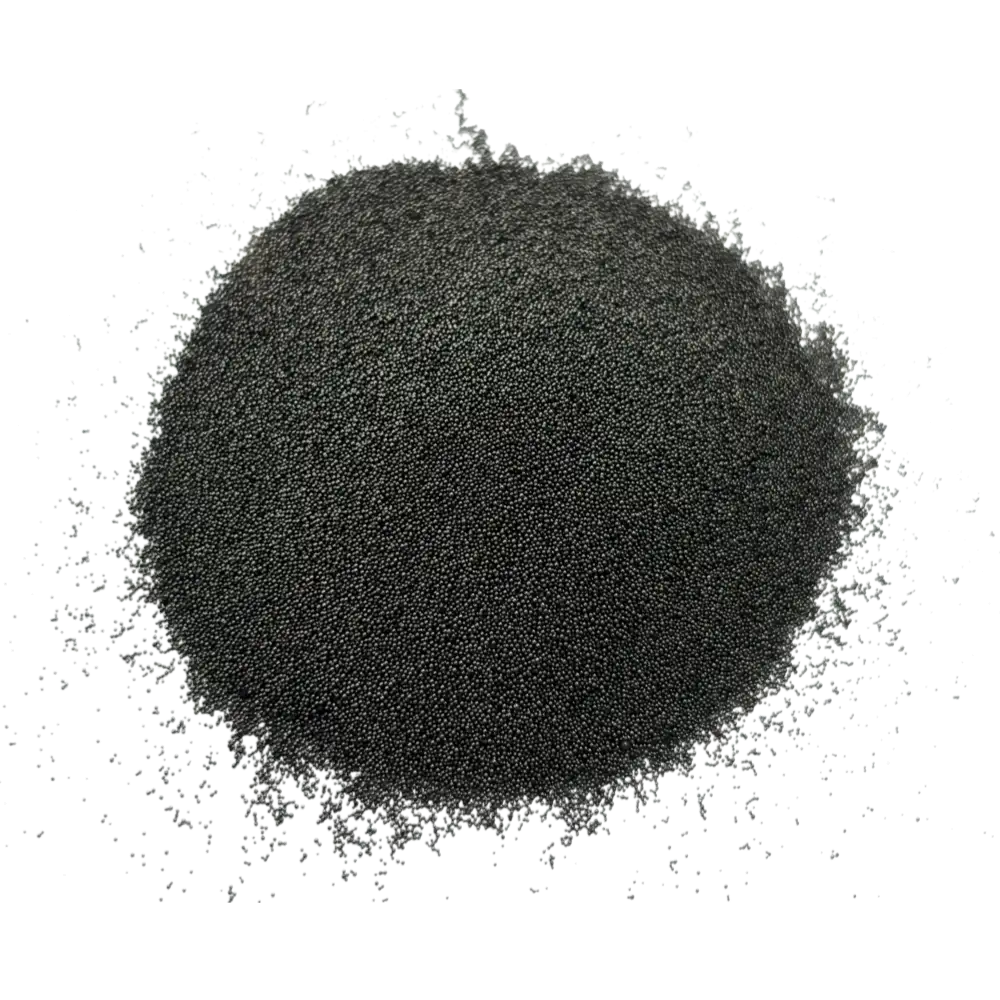
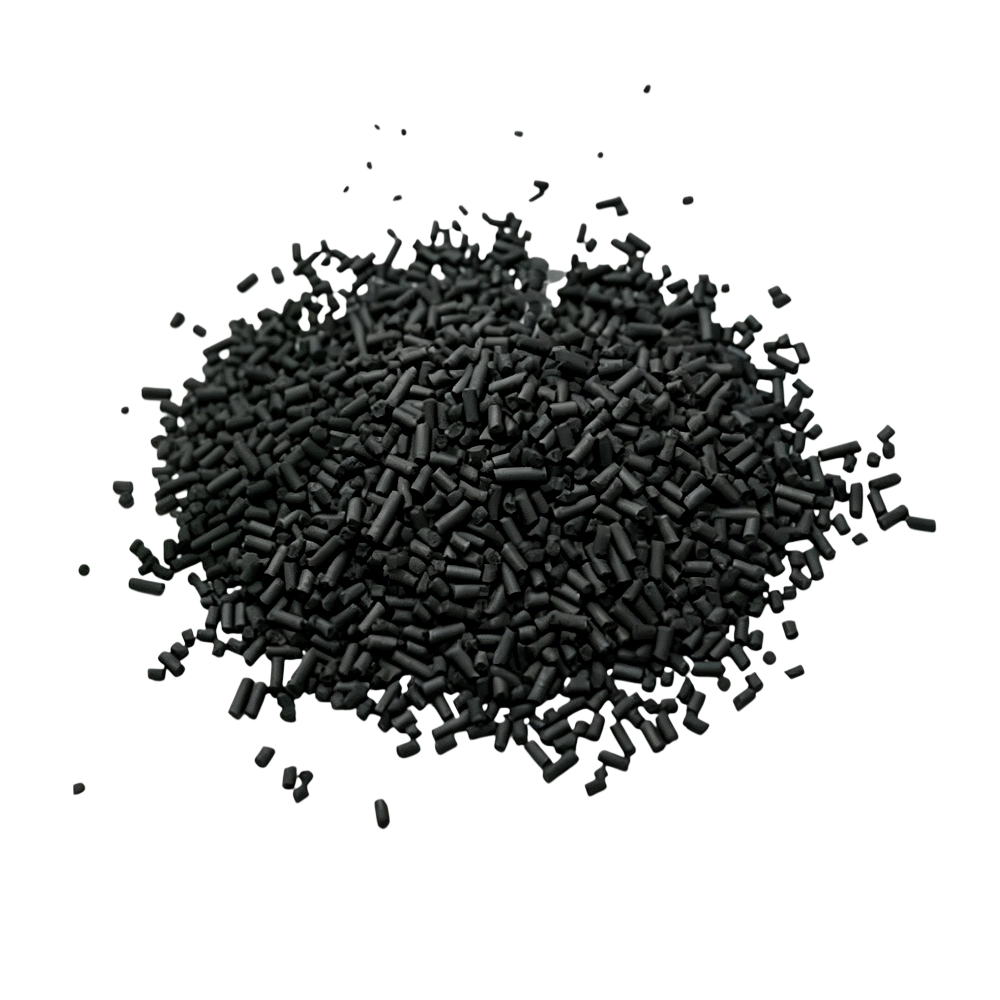
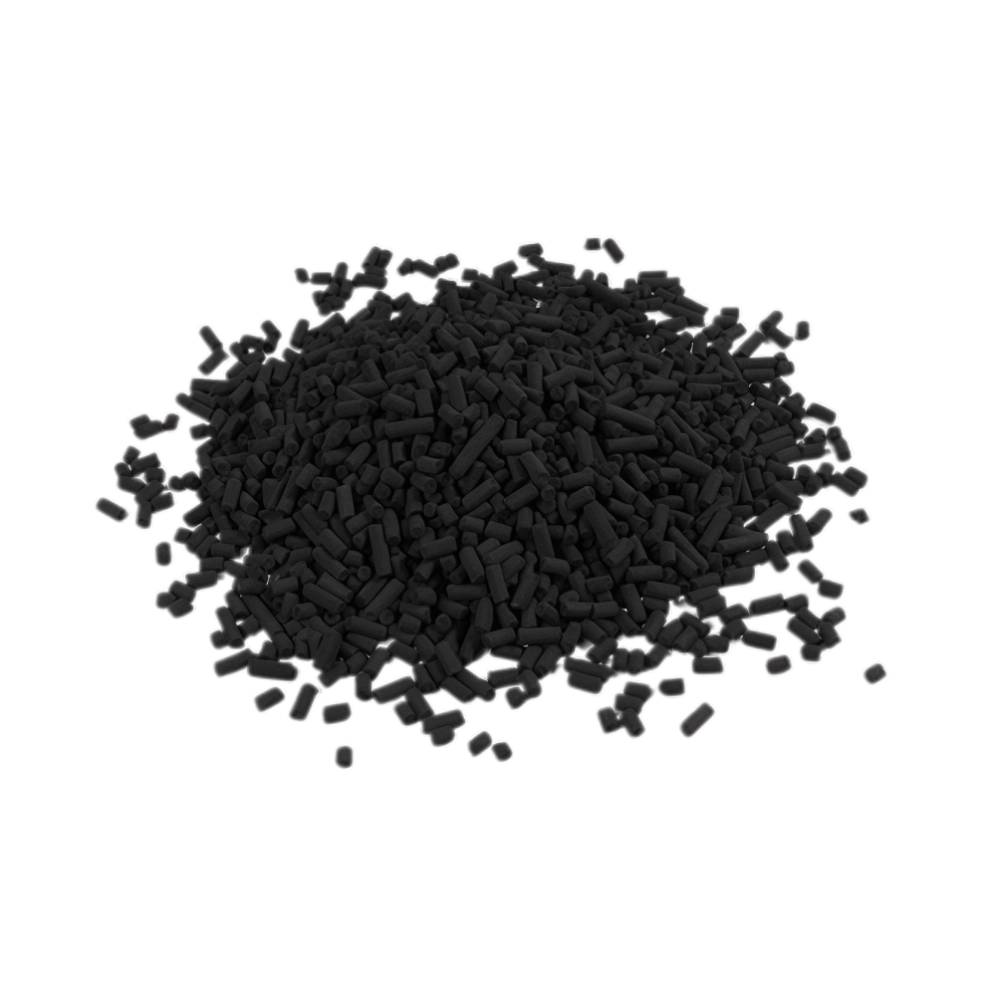
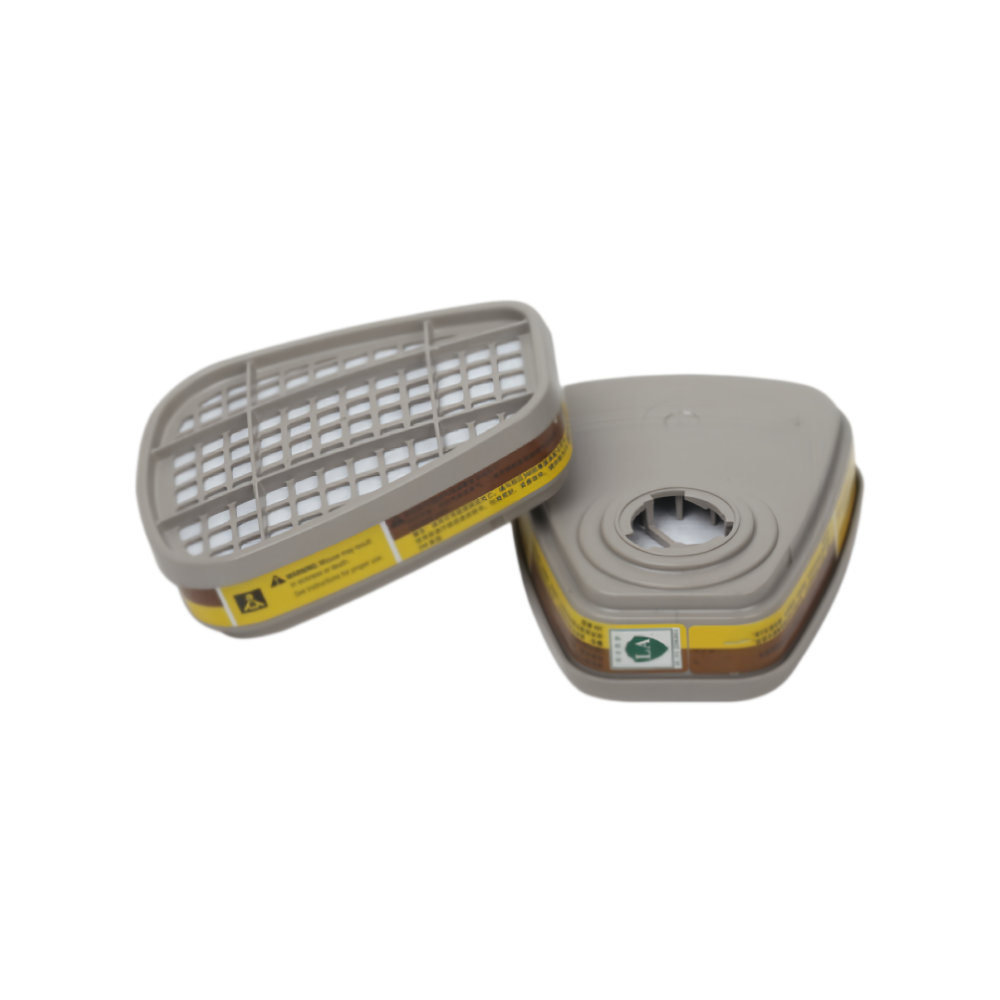
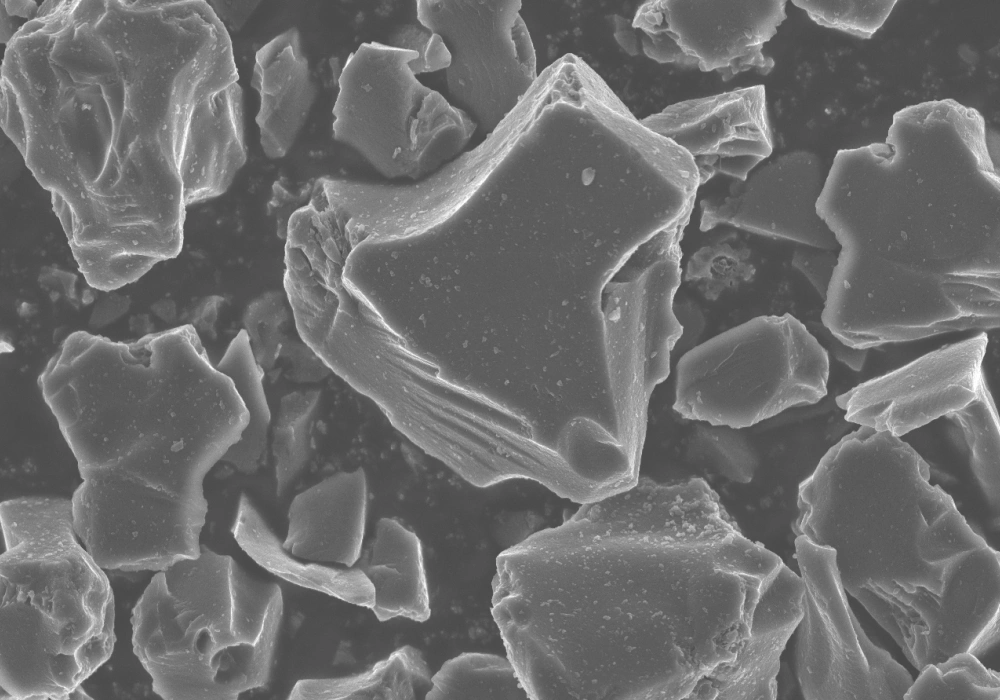
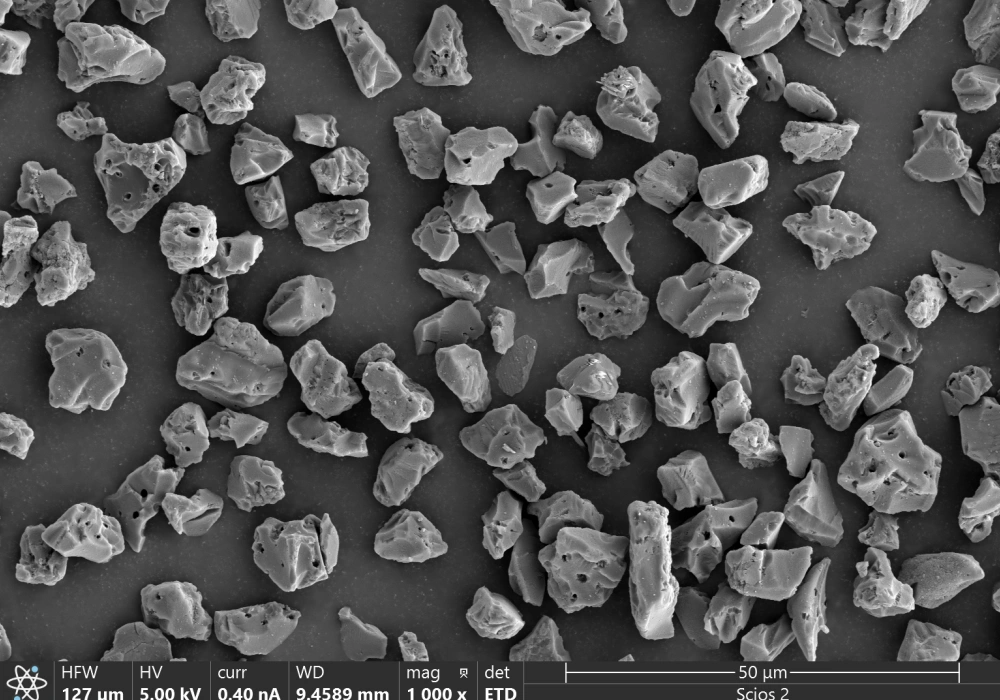



























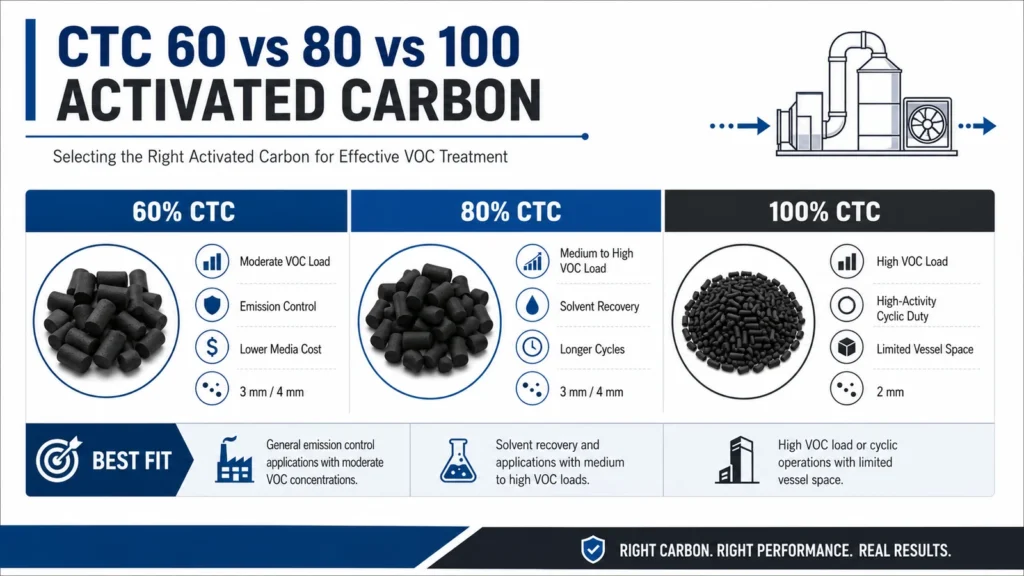
A higher CTC value usually indicates a higher gas-phase activation level. It does not mean that 100% CTC carbon will remove 100% of VOCs, last twice as long as a 50% grade or provide the lowest operating cost in every adsorber.
A plant handling moderate and intermittent solvent emissions may obtain better economics from a 60% CTC grade. A regenerable solvent recovery unit may benefit from 80% CTC. A compact system with continuous high organic loading may justify a 100% CTC product, provided the VOC composition, airflow, pressure drop and regeneration conditions support it.
This article compares 60%, 80% and 100% CTC activated carbon and explains how to select a suitable starting grade for an industrial VOC stream.
What Does CTC Activity Mean?
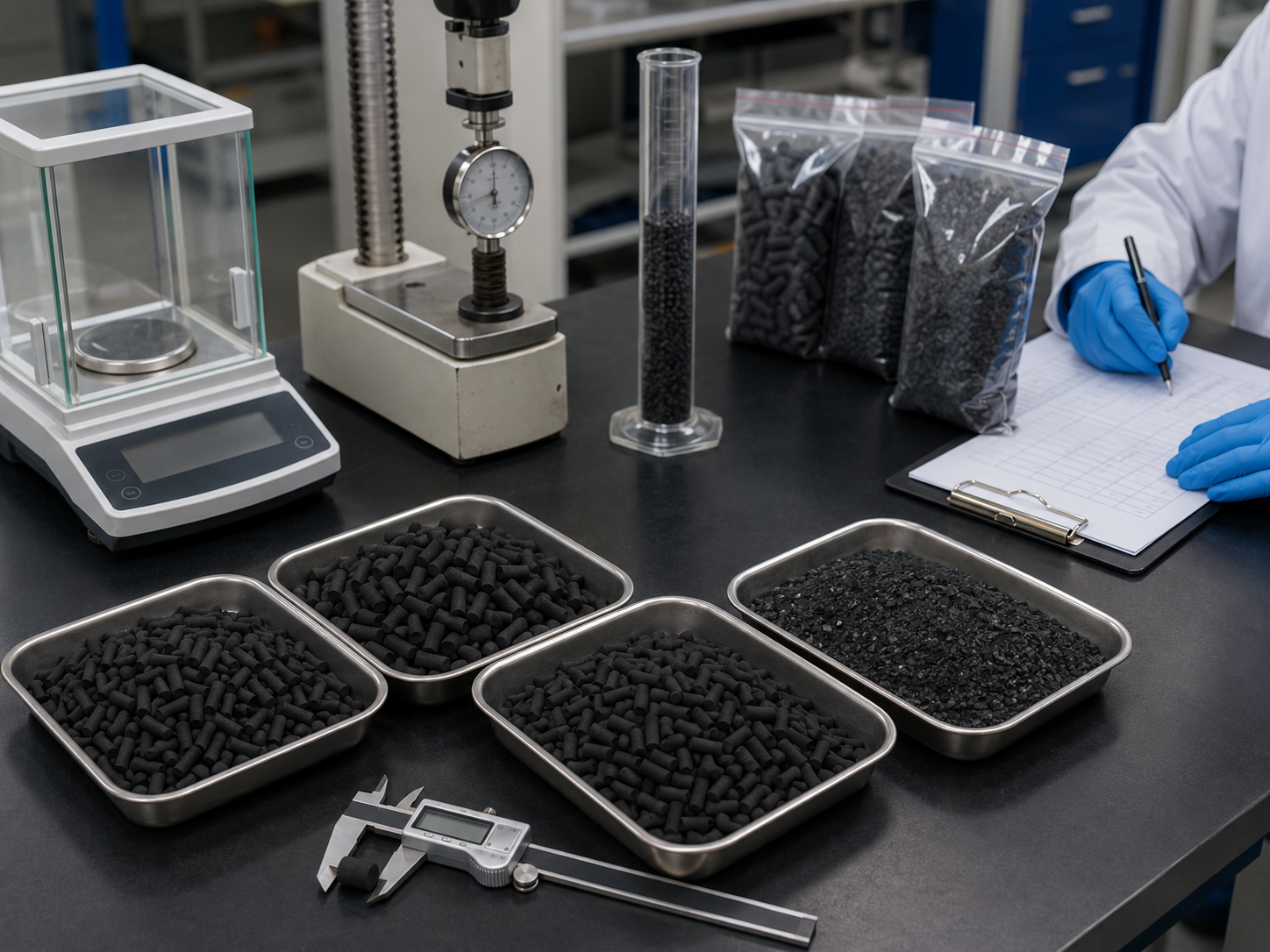
CTC activity is a standardized laboratory measurement used to indicate the activation level of gas-phase activated carbon.
Under ASTM D3467, carbon tetrachloride activity is calculated as the percentage ratio between the mass of carbon tetrachloride adsorbed and the mass of the activated carbon sample under specified test conditions.
CTC activity mainly indicates pore development and the degree of activation. It does not directly represent:
- VOC removal efficiency
- Breakthrough time
- Dynamic working capacity
- Solvent recovery yield
- Regeneration efficiency
- Carbon service life
- Mechanical strength
CTC should be treated as a product comparison and quality-control parameter within a related family of vapor-phase carbons.
Why CTC Activity Is Still Useful
Higher CTC activity generally indicates that more pore volume has been developed. For suitable organic vapors, this may create greater potential adsorption capacity.
However, higher activation may also affect:
- Bulk density
- Carbon mass loaded into a vessel
- Product cost
- Mechanical durability
- Regeneration behavior
- Pellet geometry
- Pressure drop
The correct purchasing question is not which carbon has the highest CTC value. It is which grade provides sufficient working capacity and acceptable pressure drop at the lowest total operating cost.
For broader application planning, review PureStar’s activated carbon solutions for industrial VOC treatment.
CTC 60 vs 80 vs 100: Practical Comparison
The following table provides preliminary positioning within the PureStar pelletized carbon range. These are not universal industry thresholds.
| Selection factor | 60% CTC | 80% CTC | 100% CTC |
|---|---|---|---|
| Typical duty | Industrial VOC and odor control | Solvent recovery and heavier VOC loading | High-activity cyclic solvent duty |
| VOC load | Moderate or variable | Medium to high | High or continuous |
| Operating model | Replaceable or off-site regenerated bed | Replaceable or regenerable bed | Usually regenerable |
| PureStar pellet size | 3 mm or 4 mm | 3 mm or 4 mm | P-100 is mainly a 2 mm grade |
| Relative media cost | Lower | Higher | Highest |
| Main selection logic | Cost-effective compliance | Capacity and recovery balance | Limited vessel space or expensive downtime |
60% CTC for Industrial VOC Control
PureStar’s PL-360/PL-460 60% CTC activated carbon is available in 3 mm and 4 mm pellet sizes for enhanced industrial VOC and odor-control applications.
A 60% CTC grade can be a suitable starting point when:
- VOC concentrations are moderate
- Production creates occasional peaks
- The main objective is emission compliance
- Captured solvent is not reused
- Carbon is replaced or regenerated off-site
- Media cost is an important consideration
- The vessel can use 3 mm or 4 mm pellets
Typical applications include printing exhaust, coating lines, adhesive production, resin manufacturing, chemical ventilation and intermittent solvent emissions.
The main benefit is a practical balance between gas-phase activity and media cost.
80% CTC for Solvent Recovery
PureStar’s PL-380/PL-480 80% CTC activated carbon is available in 3 mm and 4 mm configurations for solvent recovery, hydrocarbon vapor capture and regenerable gas-phase systems.
An 80% CTC grade may be appropriate when:
- VOC loading is medium to high
- Solvent is recovered and reused
- Longer adsorption cycles improve economics
- Frequent changeouts interrupt production
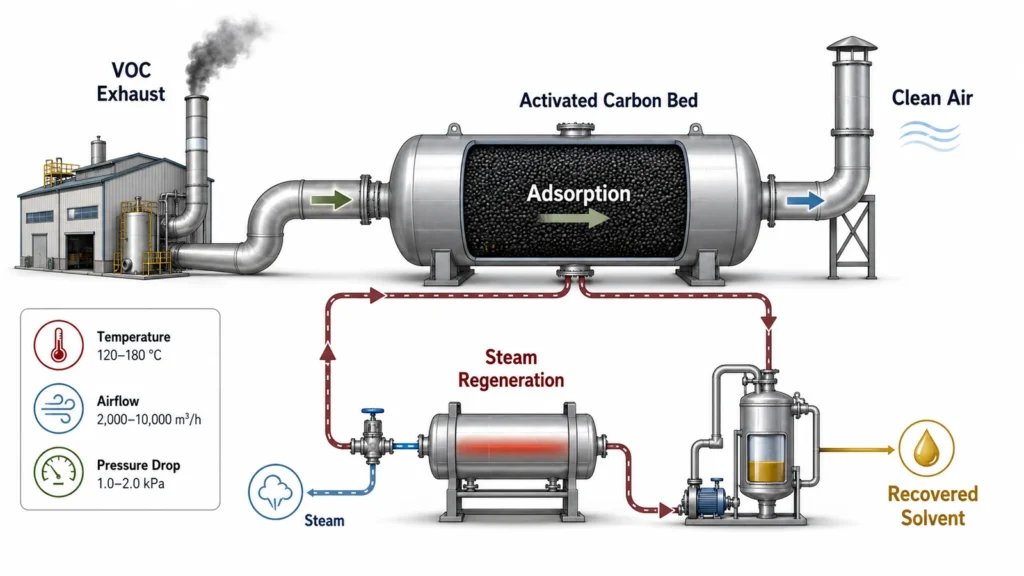
- Steam or thermal regeneration is available
- A 60% grade breaks through too quickly
Potential target streams include toluene, xylene, acetate esters, alcohols, coating solvents, printing solvents and hydrocarbon vapors.
The additional cost should be supported by measurable benefits such as longer cycles, fewer regenerations, lower labor requirements or increased solvent recovery.
100% CTC for Demanding Cyclic Duty
PureStar’s P-100 high-activity pellet carbon is specified above 100% CTC and positioned for solvent recovery, oil and gas vapor recovery and high-load VOC treatment.
A 100% CTC product may be considered when:
- Solvent loading is consistently high
- Available vessel volume is limited
- Regeneration cycles are expensive
- Production downtime has a high cost
- Recovered solvent has meaningful value
- The adsorber can accommodate a smaller pellet size
- Dynamic testing supports the upgrade
It should not be treated as a universal replacement for 60% or 80% CTC carbon.
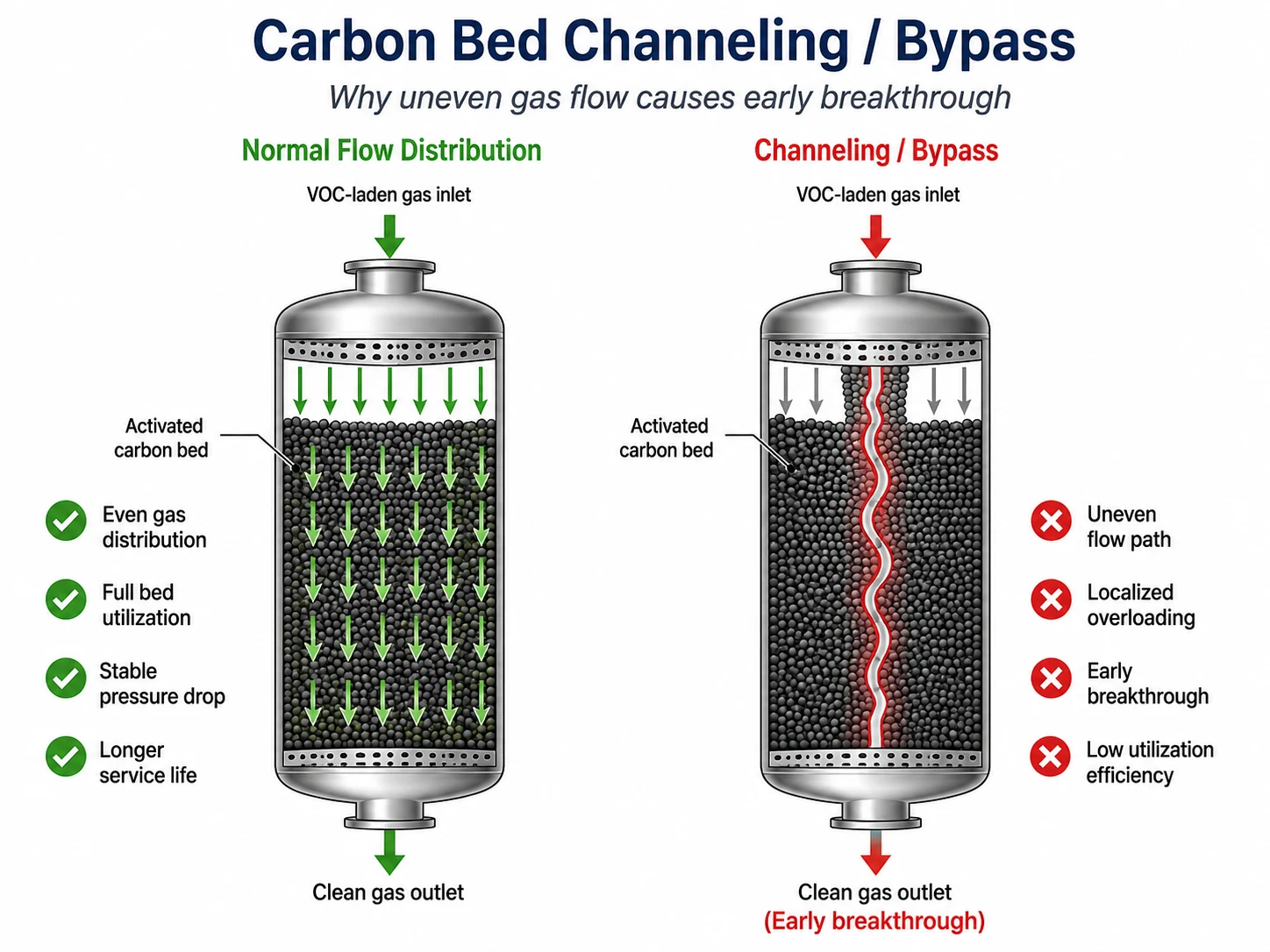
Early breakthrough may instead be caused by humidity, condensation, excessive airflow, insufficient contact time, channeling, fouling or a change in VOC composition.
What About 90% CTC?
PureStar also offers PL-390/PL-490 90% CTC activated carbon in 3 mm and 4 mm pellet sizes.
A 90% grade may be considered when:
- More activity is needed than an 80% grade provides
- A 3 mm or 4 mm pellet is preferable
- Pressure drop must be controlled in a large fixed bed
- The buyer does not want to move directly to P-100
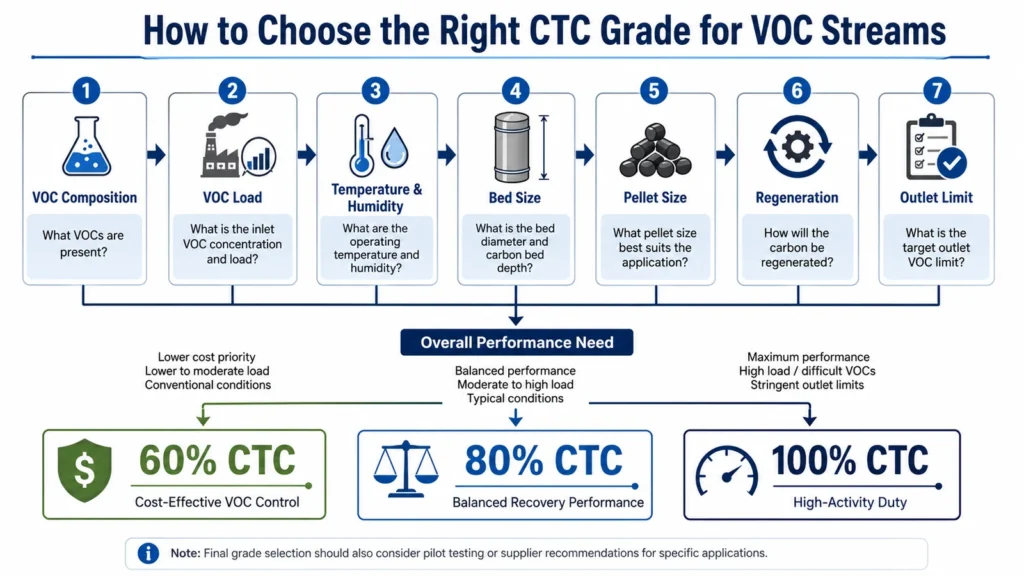
Seven Factors That Determine the Right Grade
1. VOC Composition
Two streams with the same total VOC concentration can produce different carbon service lives.
Adsorption depends on molecular size, boiling point, vapor pressure, polarity, concentration and competition between compounds.
Provide the chemical names, approximate proportions, normal composition, peak composition, SDS documents and available gas-analysis data.
2. Normal and Peak VOC Loading
Carbon consumption is driven by VOC mass entering the bed, not concentration alone.
VOC load, kg/h = airflow, m³/h × VOC concentration, mg/m³ ÷ 1,000,000
Example:
- Airflow: 15,000 m³/h
- Normal concentration: 300 mg/m³
15,000 × 300 ÷ 1,000,000 = 4.5 kg VOC/h
If the concentration rises to 900 mg/m³, the peak load becomes 13.5 kg/h. A grade selected from average concentration alone may break through early during repeated peaks.
3. Emission Control or Solvent Recovery
For single-pass emission control, buyers normally prioritize carbon cost, predictable breakthrough, pressure drop and simple replacement.
For regenerable solvent recovery, buyers should also evaluate working capacity, regeneration frequency, energy use, solvent recovery, carbon loss and production downtime.
4. Temperature and Moisture
Physical adsorption generally becomes less favorable as gas temperature rises.
Moisture may reduce usable capacity for some VOC streams. Condensation can block airflow, increase pressure drop, create channeling and cause pellet agglomeration.
A stable gas stream using 60% CTC carbon may outperform a poorly controlled wet stream using a premium grade.
5. Bed Dimensions and Pellet Size
Collect the vessel diameter, bed depth, carbon mass, airflow, available fan pressure, pressure differential and existing pellet size.
Smaller pellets generally improve mass transfer but increase airflow resistance. Larger pellets normally reduce pressure drop but still require sufficient bed depth and contact time.
6. Regeneration Method
For replaceable carbon, compare delivered media cost, freight, labor, disposal and actual service life.
For regenerable systems, also compare heating or steam demand, cooling time, solvent recovery, carbon attrition and downtime.
7. Breakthrough Requirement
One plant may replace carbon when the outlet reaches 10% of the inlet concentration. Another may have a much tighter absolute emission limit.
Always provide the normal inlet concentration, peak concentration, required outlet limit, breakthrough definition and monitoring method.
How PureStar Screens a VOC Application
Step 1: Confirm the Pollutants
Determine whether the gas contains only adsorbable organic vapors or also includes H₂S, ammonia, acid gases, oil mist, dust or condensable aerosols.
Reactive gases may require impregnated carbon rather than selection by CTC alone.
Step 2: Calculate the VOC Load
Use actual airflow and normal and peak concentration data. Do not rely only on monthly averages or original equipment-design values.
Step 3: Define the Operating Objective
Identify whether the application is single-pass treatment, replaceable adsorption, off-site regeneration, on-site regeneration or solvent recovery.
Step 4: Review Gas Conditions
Confirm temperature, relative humidity, dew-point margin, condensation risk, particulate loading and pretreatment.
Step 5: Match the Carbon to the Vessel
Review bed volume, bed depth, face velocity, contact time, pressure-drop limit and pellet diameter.
Step 6: Compare Total Operating Cost
Carbon cost per operating hour = delivered carbon cost ÷ actual operating life
For regenerable systems:
Total treatment cost = carbon makeup + regeneration energy + labor + downtime + unrecovered solvent
Step 7: Consider Dynamic Testing
Dynamic testing is particularly useful when the VOC mixture contains competing solvents, humidity is variable, breakthrough limits are strict or upgrading to a premium grade involves significant cost.
Quick Selection Matrix
| Operating condition | Practical starting point |
|---|---|
| Moderate VOC load without solvent recovery | 60% CTC |
| Variable coating or printing exhaust | 60% CTC, then verify peak load |
| Medium-to-high load with regeneration | 80% CTC |
| Solvent recovery requiring longer cycles | 80% or 90% CTC |
| High continuous loading in a compact vessel | Evaluate 90% or 100% CTC |
| High-value solvent and expensive downtime | Evaluate 100% CTC with dynamic data |
| Condensation, channeling or fouling | Correct the system before upgrading |
| H₂S, ammonia or acid gases | Select impregnated carbon |
Safety Note
Activated carbon systems handling concentrated organic vapors require appropriate engineering controls, including temperature monitoring, grounding, fire and explosion protection, pressure-drop monitoring and safe regeneration procedures.
Carbon selection does not replace adsorber design, fire-risk assessment or site-specific process safety review.
Frequently Asked Questions
Is 100% CTC always better than 80% CTC?
No. The higher CTC specification may not provide enough operating benefit to justify the additional cost in a moderate-load system.
Does 80% CTC last 33% longer than 60% CTC?
Not necessarily. CTC values do not convert directly into service-life percentages.
Is 60% CTC suitable for industrial VOC treatment?
Yes. It can be a practical choice for moderate or variable loading where the main objective is emissions control.
When should a plant consider 80% CTC?
Consider it when heavier VOC loading, regeneration or solvent recovery makes longer adsorption cycles economically valuable.
When is 100% CTC justified?
It may be justified in continuous high-load service, limited vessel space or solvent recovery systems with expensive downtime.
Why select 90% instead of 100% CTC?
A 90% grade offers additional activity while retaining 3 mm or 4 mm pellet options.
Can CTC predict capacity for a specific solvent?
Not by itself. Dynamic testing is preferable when solvent-specific capacity is important.
Should H₂S or ammonia carbon be selected by CTC?
Usually not. These gases commonly require impregnated carbon selected according to surface chemistry and reaction capacity.
Choose the Grade That Fits the Process
Choose 60% CTC for moderate or variable industrial VOC control where media cost and predictable replacement are the main concerns.
Evaluate 80% CTC when heavier loading, regeneration or solvent recovery makes longer cycles valuable.
Consider 90% CTC when additional activity is needed but 3 mm or 4 mm pellets remain preferable.
Evaluate 100% CTC when sustained high loading, limited vessel space or expensive downtime can justify a high-activity product.
Before upgrading, confirm that short service life is not caused by humidity, heat, channeling, fouling or increased airflow. Read more about why activated carbon beds break through early.
Order & Project Support
Send PureStar your VOC composition, normal and peak concentration, airflow, temperature, humidity, required outlet limit, adsorber dimensions, existing pellet size, current carbon grade and replacement or regeneration cycle.
PureStar can compare suitable CTC levels, pellet geometry and preliminary test requirements for your VOC stream.
Contact PureStar for VOC carbon selection support
Technical References
- ASTM D3467 – Carbon Tetrachloride Activity of Activated Carbon
- U.S. EPA – Monitoring Activated Carbon Adsorbers
- U.S. EPA – Carbon Adsorber Cost Manual
Final product selection should also consider the product COA, dynamic adsorption results and actual site operating records.