




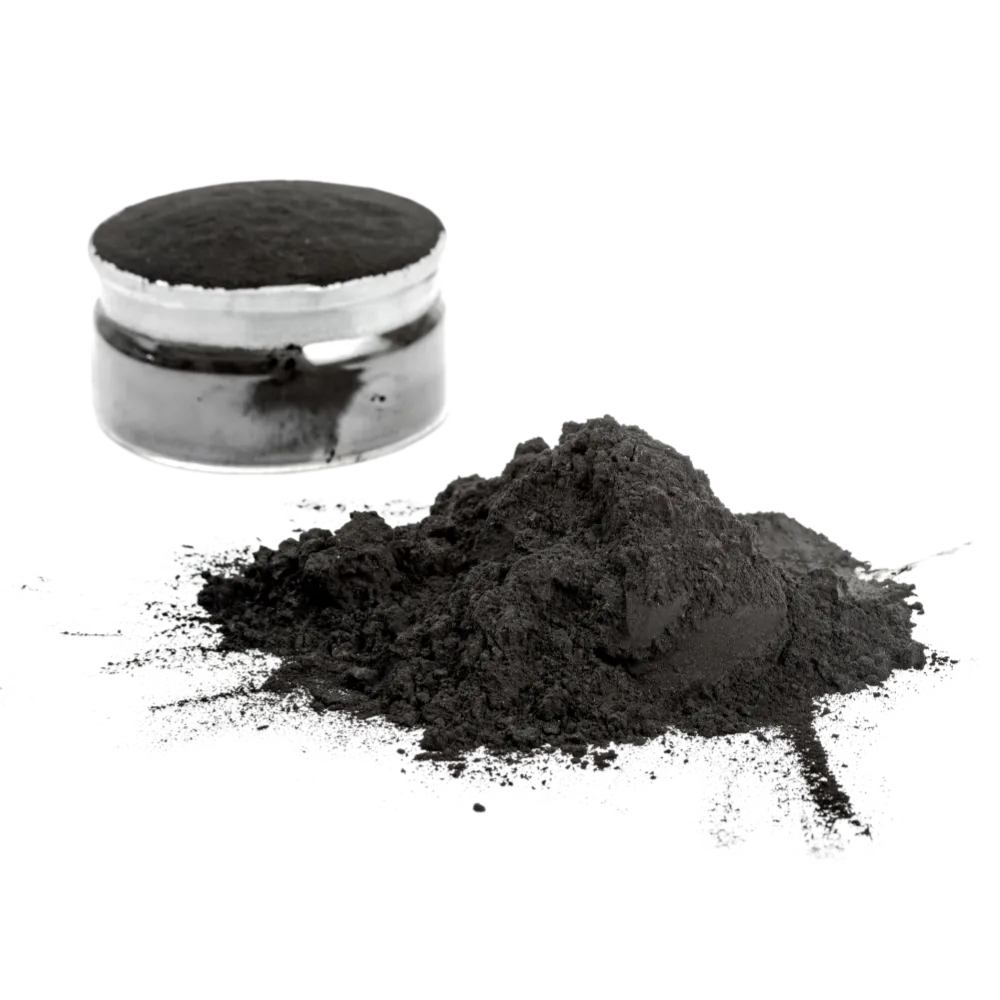
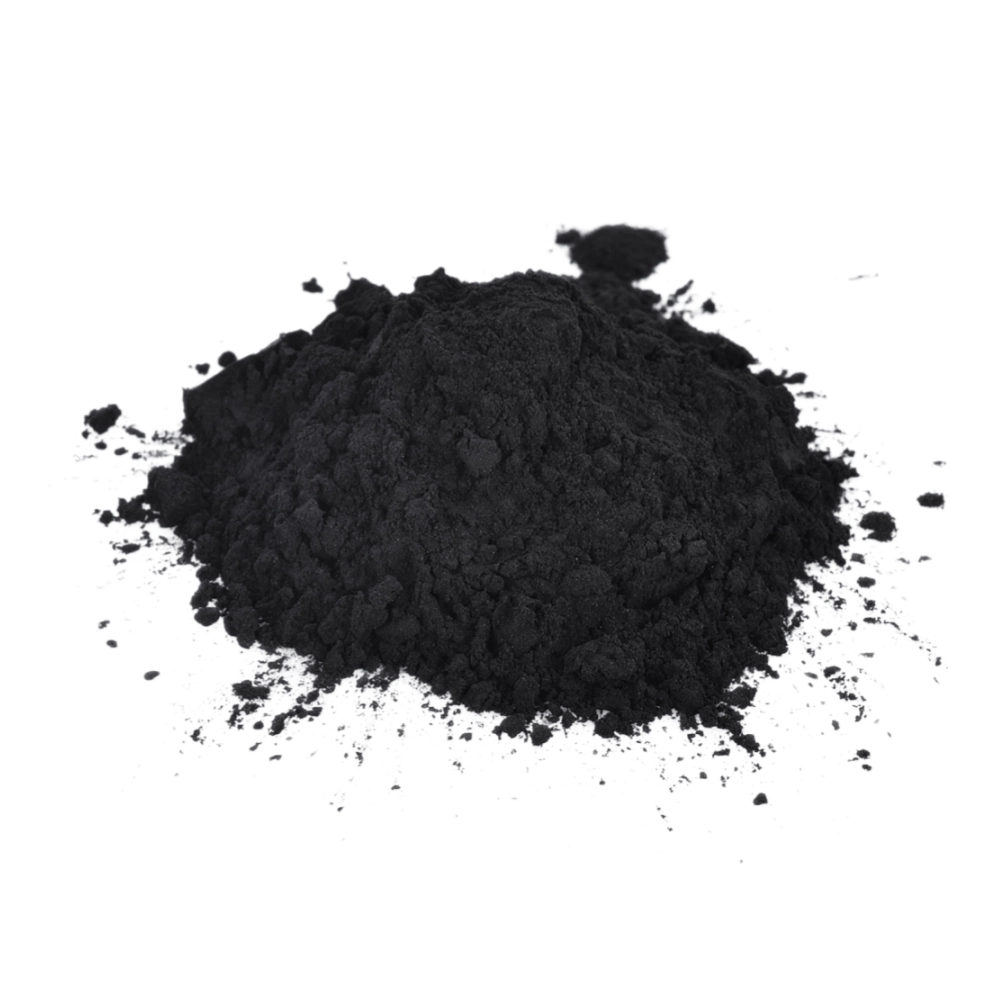
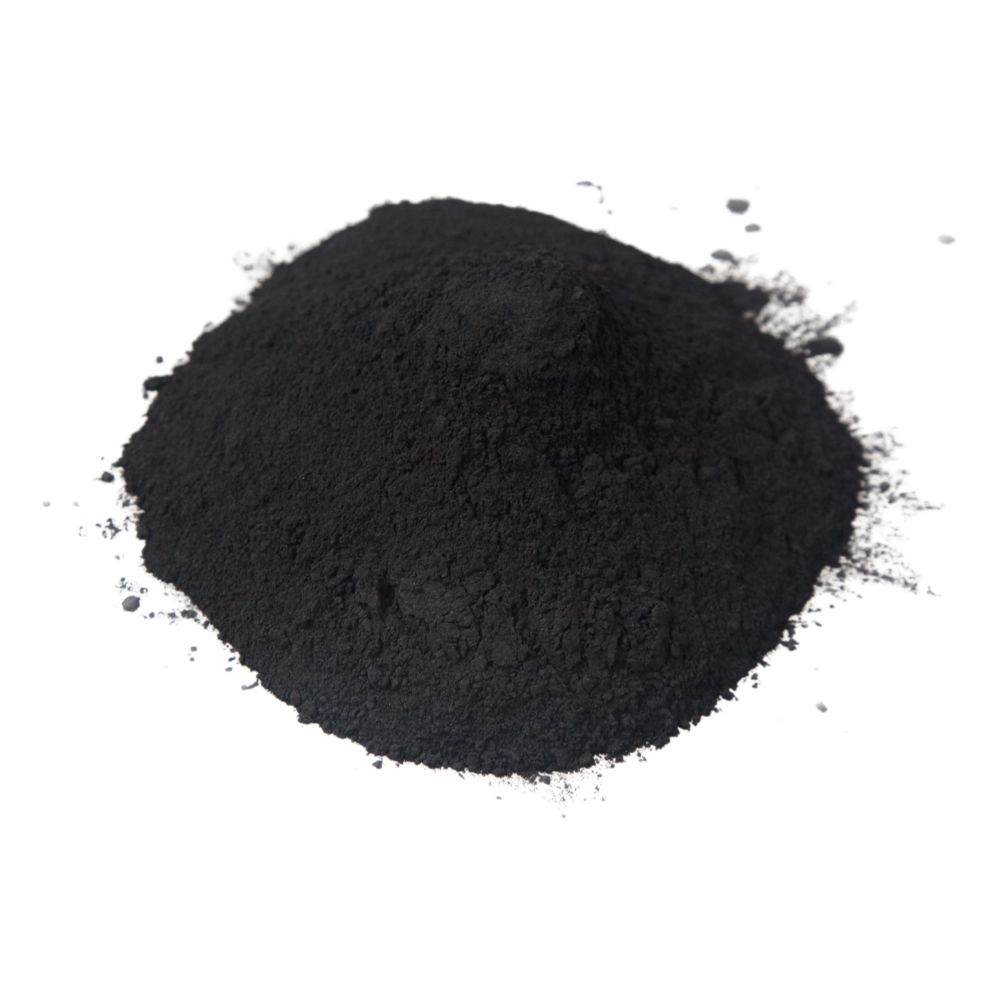



























Flip over almost any air purifier box and you'll see "activated carbon" printed somewhere on it. What the box usually doesn't tell you is how much carbon is inside — and in many cases, it's a thin coated sheet weighing a few grams. So is a thin layer activated carbon filter real filtration, or mostly marketing? The honest answer: it depends on three numbers.
Why "Activated Carbon" on the Label Doesn't Mean Much
Why do air purifiers use so little activated carbon? Mostly cost and space. A deep bed of granular carbon is several times more expensive than a sprayed layer, and it makes the unit bigger and heavier. Since most buyers never open the filter to check, a carbon-dusted nonwoven sheet still earns the same "activated carbon" claim on the packaging.
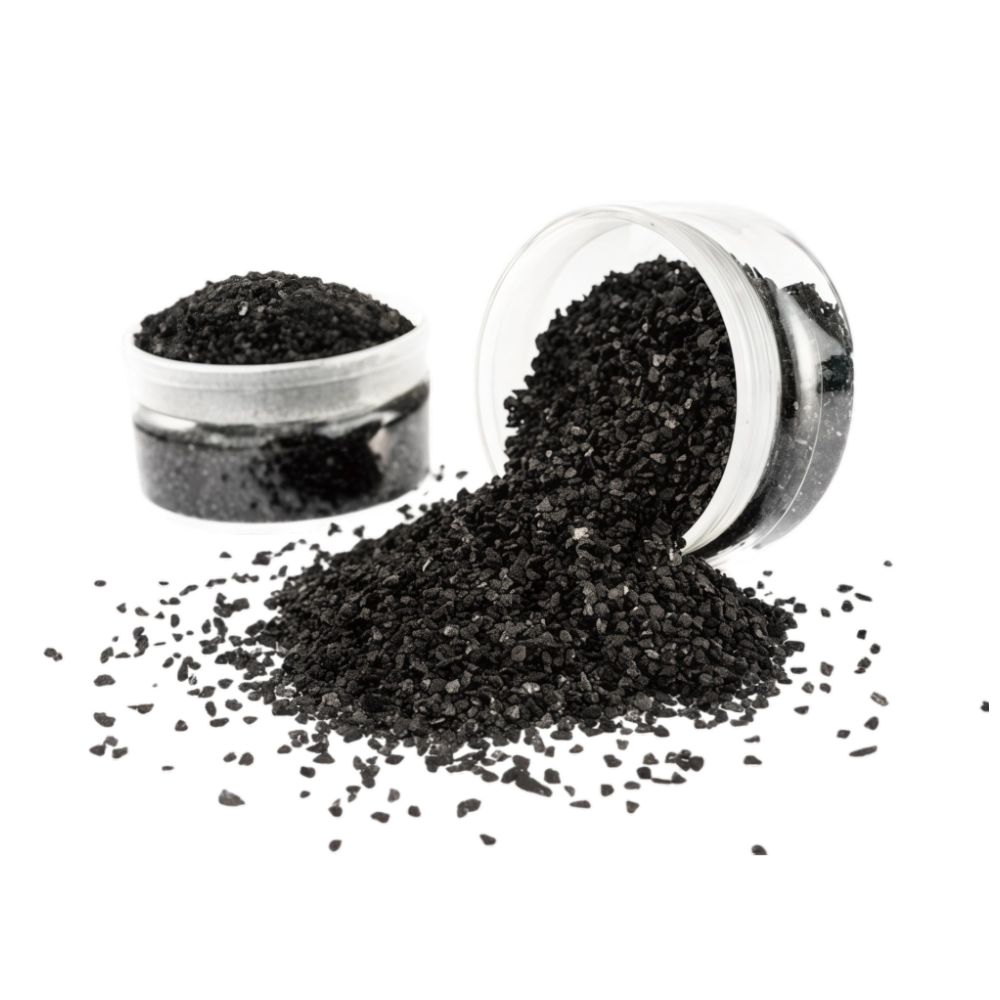
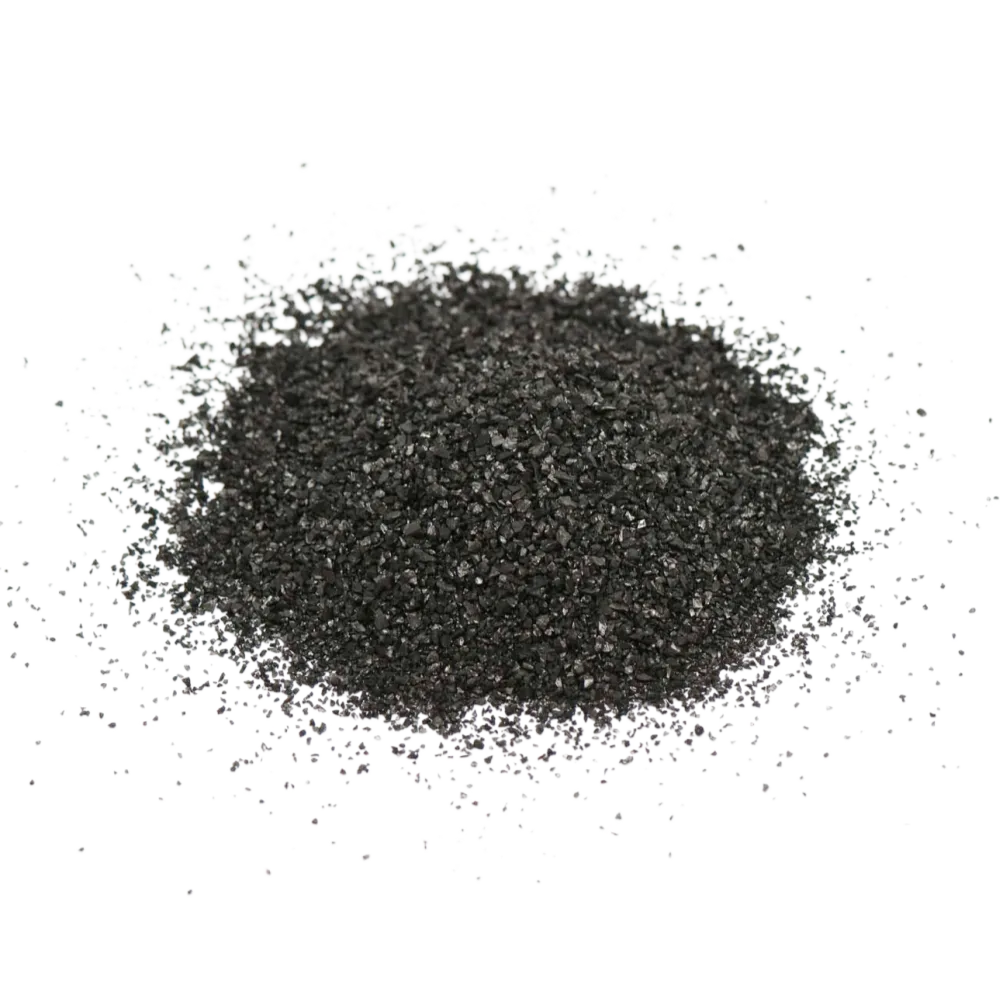
The problem is that a sprayed carbon sheet vs granular carbon fill are not the same thing at all. One holds grams of carbon with minimal air contact; the other holds hundreds of grams with deep, slow airflow through the bed.

How Activated Carbon Actually Works — and Why Thickness Matters
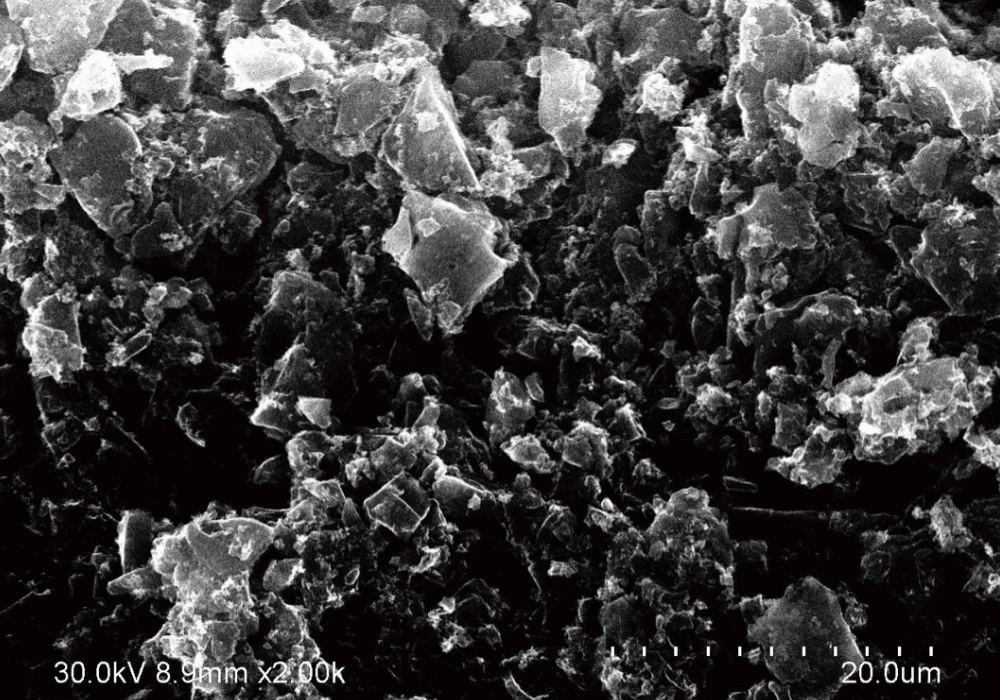
Activated carbon removes odors and VOCs through physical adsorption: gas molecules stick to the walls of millions of microscopic pores via van der Waals forces. For that to happen, two conditions must be met — there has to be enough carbon mass to hold the molecules, and the air has to spend enough time inside the bed for molecules to diffuse into the pores.
That's where thin layers fail twice:
- Not enough mass. A few grams of carbon saturate within days or weeks in a room with real odor sources.
- Not enough contact time. Air rushes through a thin sheet in a fraction of the time needed, so most molecules pass straight through.
When Does a Thin Layer Actually Work?
To be fair, a thin carbon layer isn't useless. In a small space with light, occasional odors — a closet, a car cabin, a litter box corner — it can take the edge off. But it works best as a supporting layer, not as your main defense against cooking smells, pet odors, new furniture off-gassing, or smoke.
Three Numbers That Tell You If a Carbon Filter Is Real
If you're wondering how much activated carbon does an air purifier need to actually work, these three figures matter more than any marketing claim:
| Parameter | Thin Layer Product | Effective Product | Why It Matters |
| Carbon weight | A few grams to tens of grams | A few hundred grams or more | Determines total adsorption capacity |
| Carbon bed depth | Under 0.5 inch | Around 1–2 inches | Activated carbon bed depth sets contact time and efficiency |
| Residence time | Extremely short | Roughly 0.1–0.5 seconds | Molecules need time to diffuse into micropores |
In short, thin carbon sheet vs deep carbon bed is really a question of capacity versus appearance.
Coconut Shell vs. Coal-Based Carbon: Which Fits Your Filter?
Carbon type matters too — but it's about fit, not which one is "better."
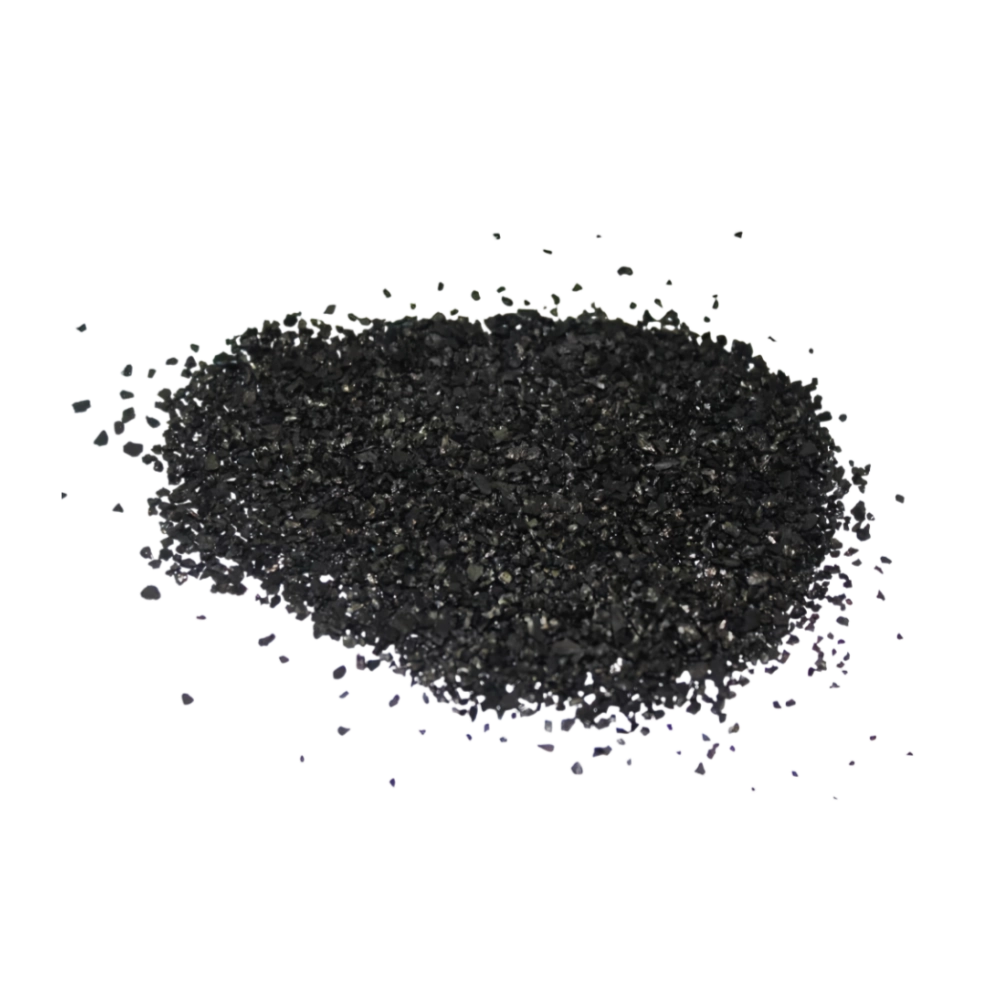
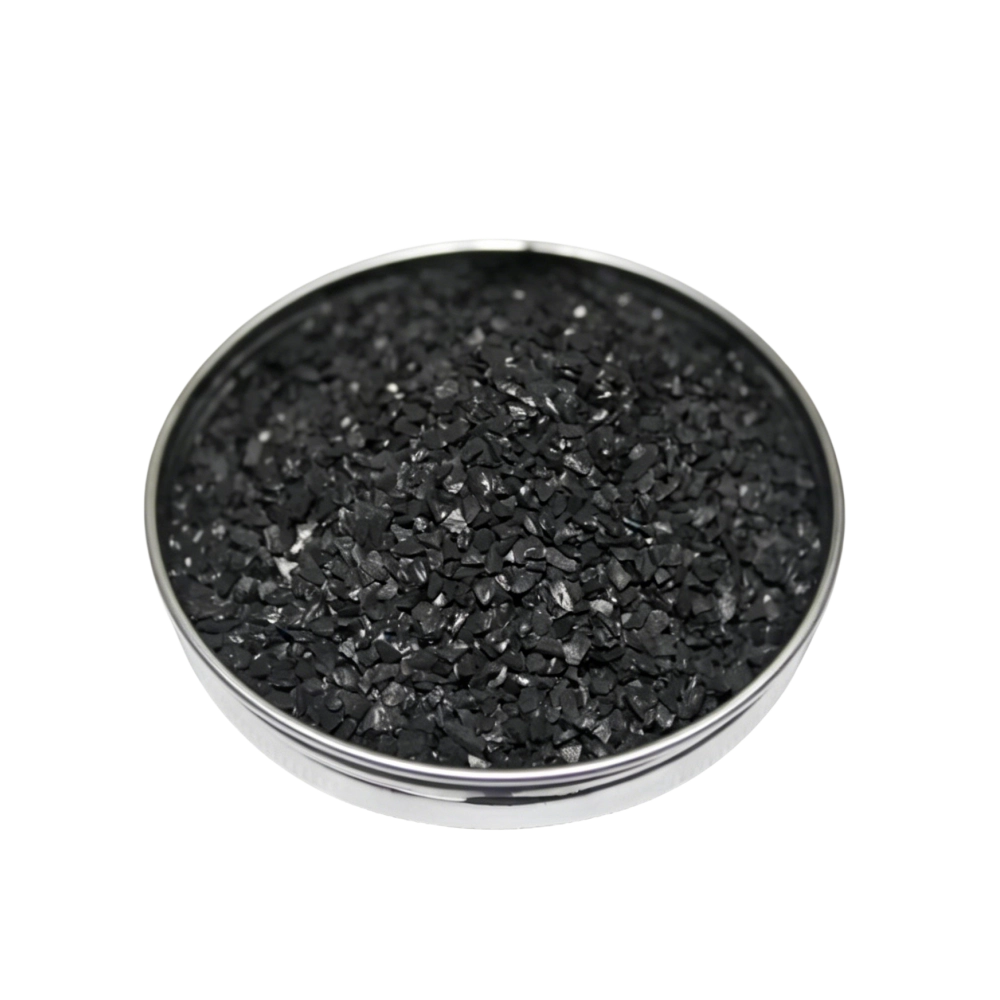
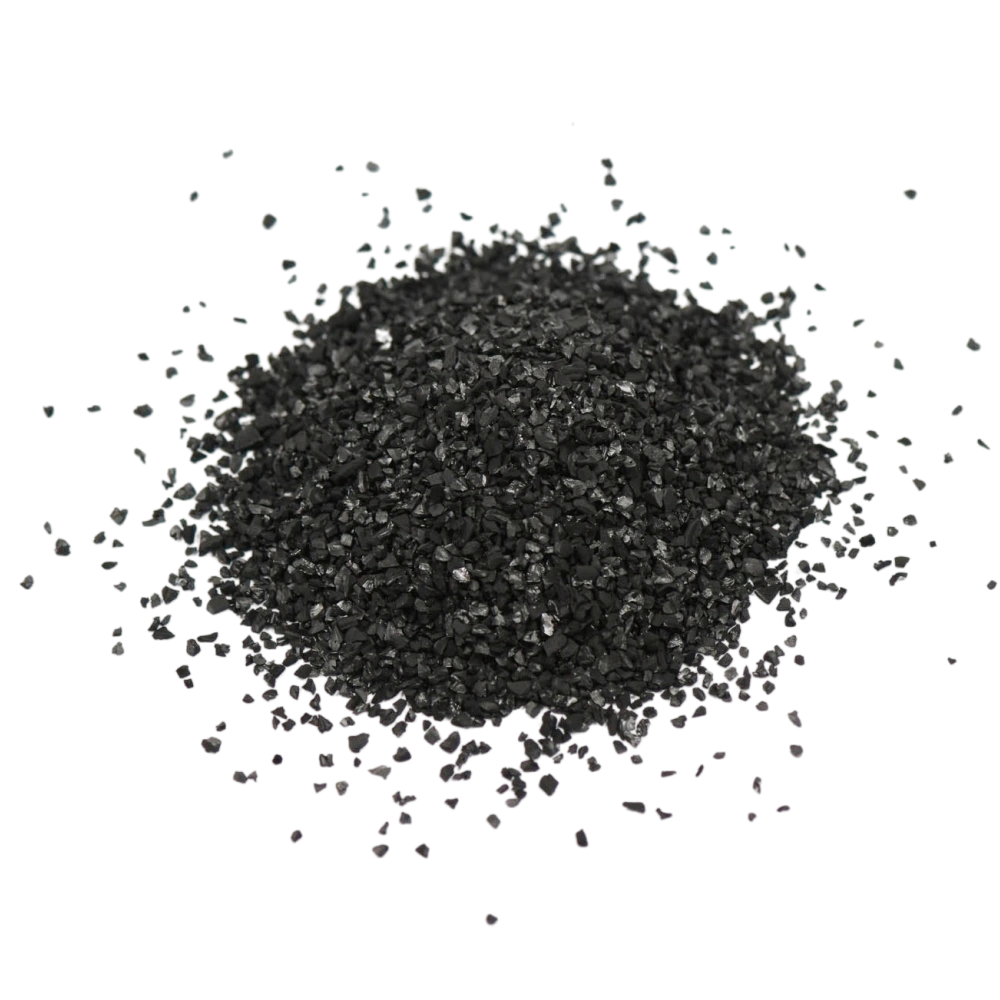
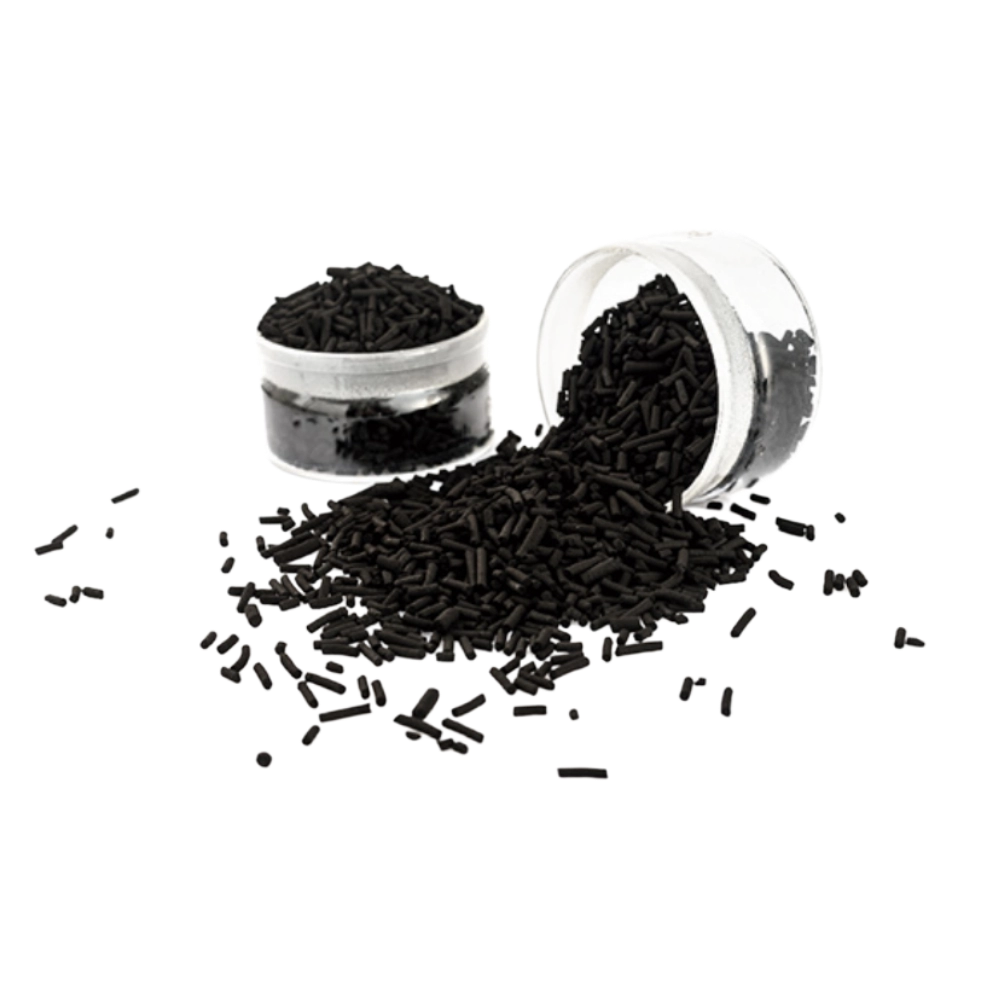
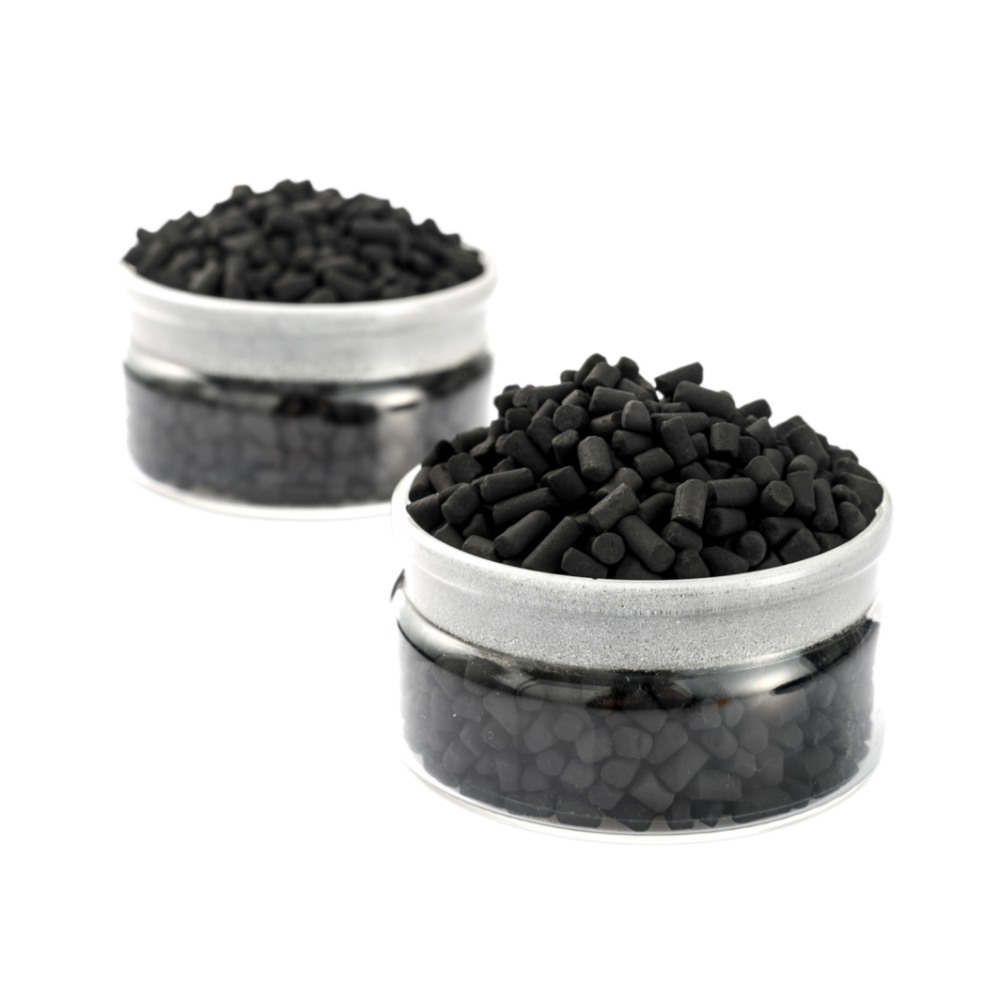
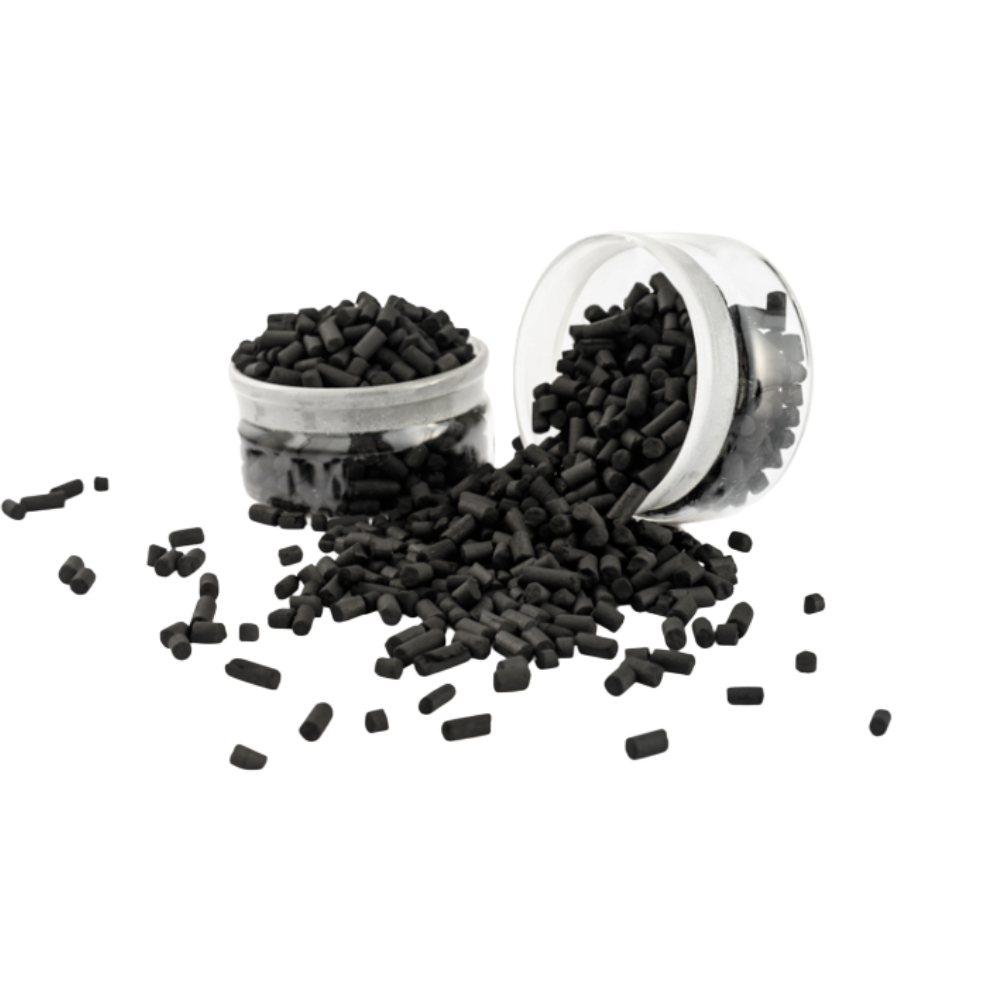
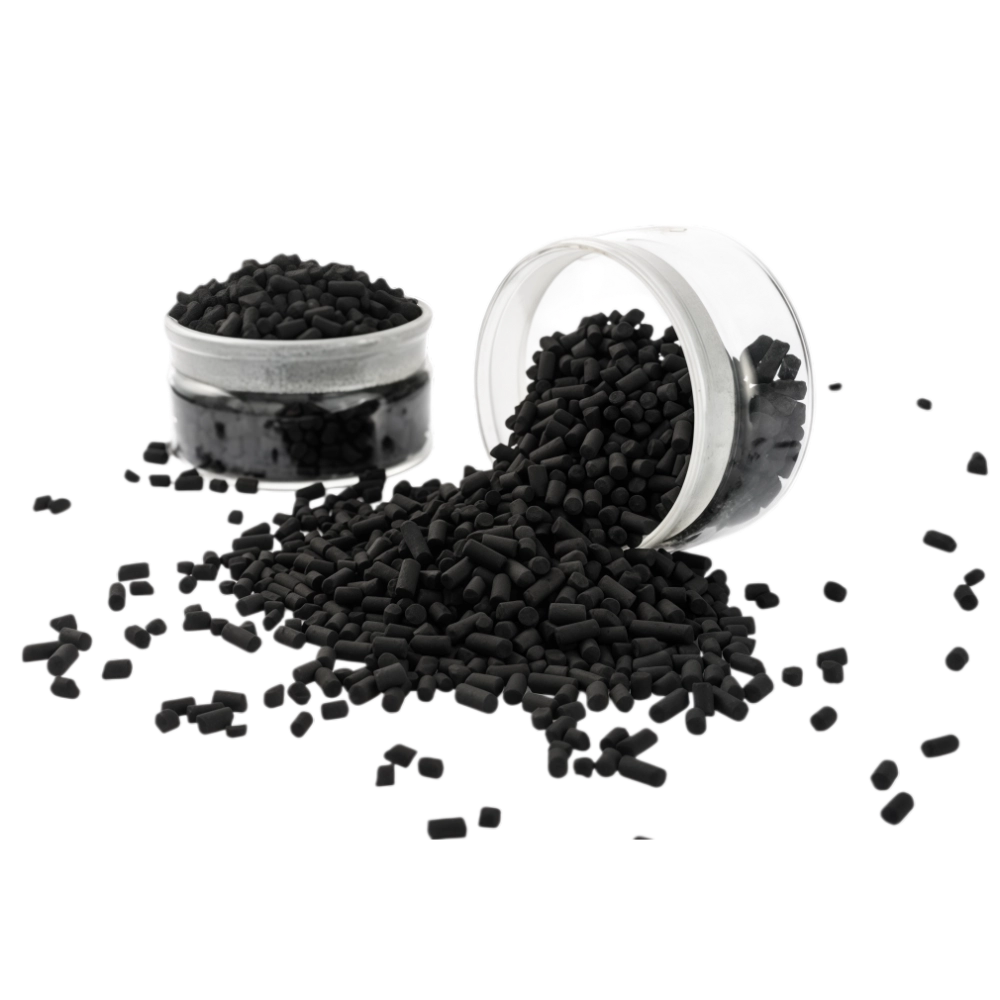
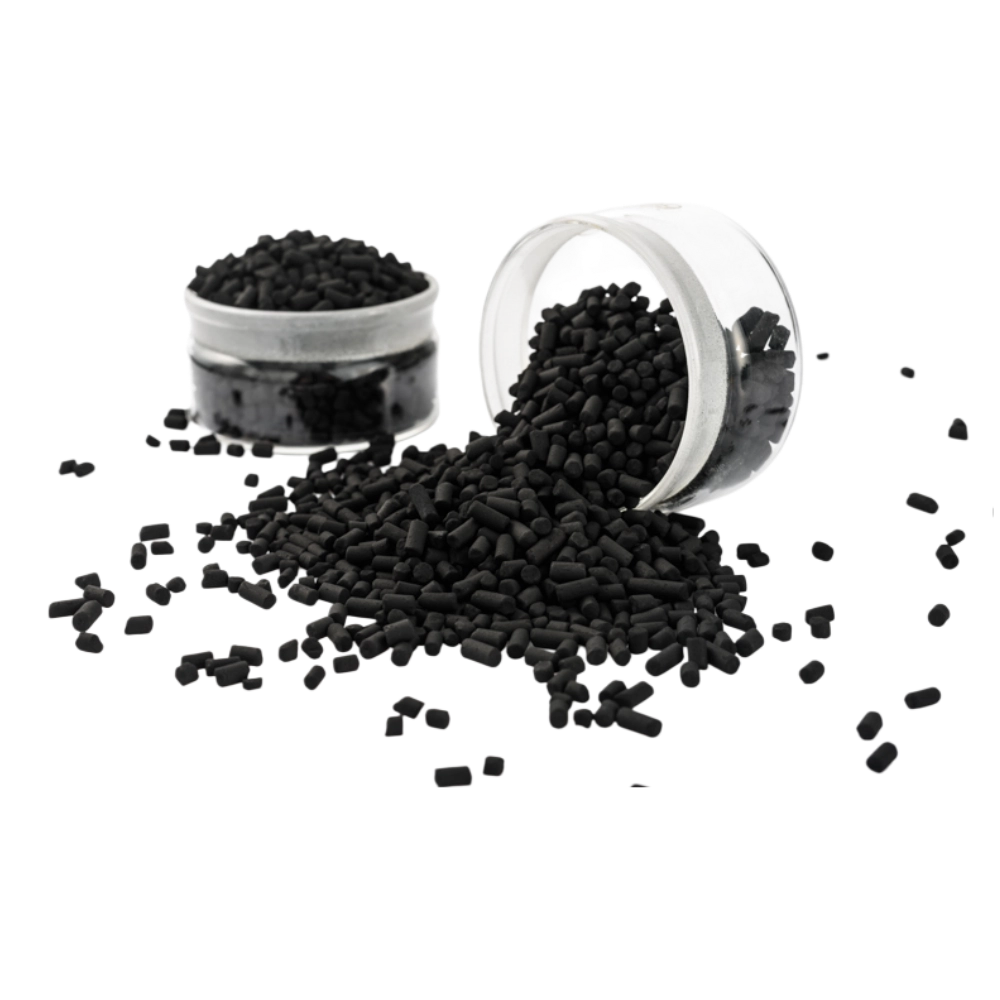
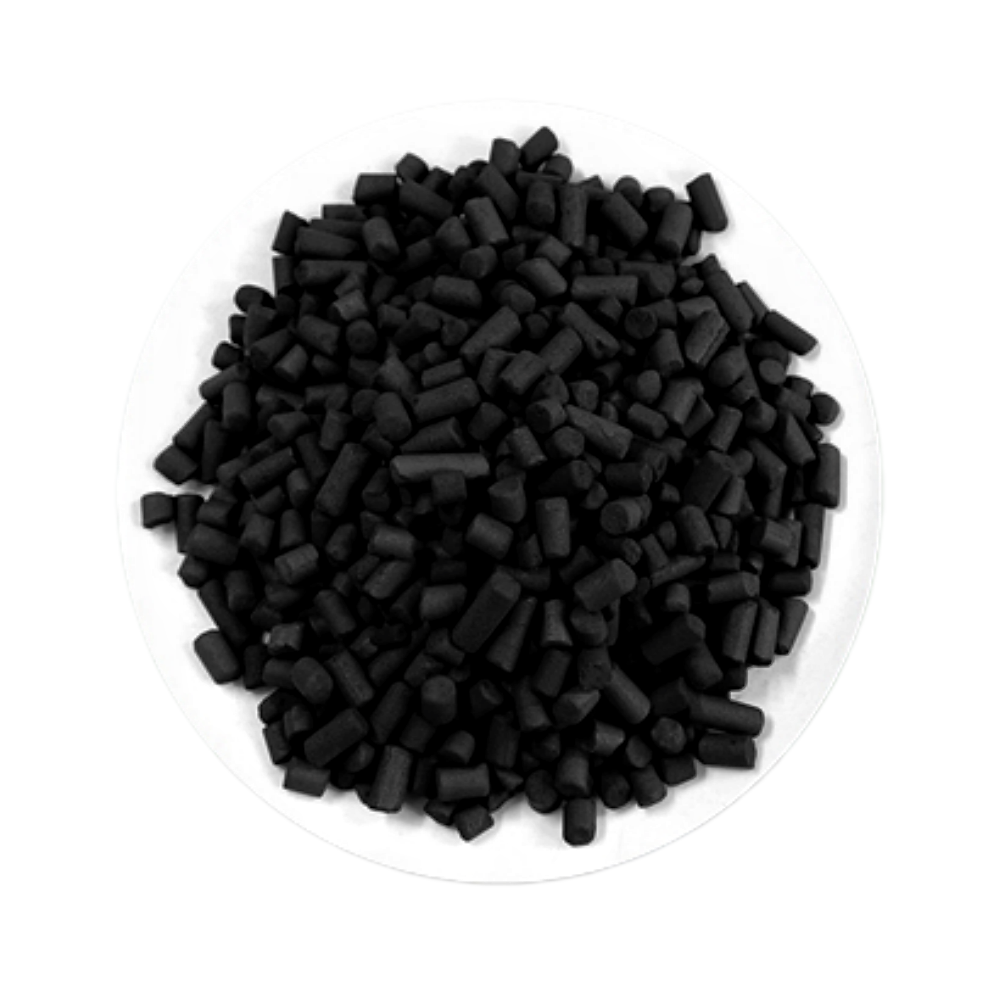
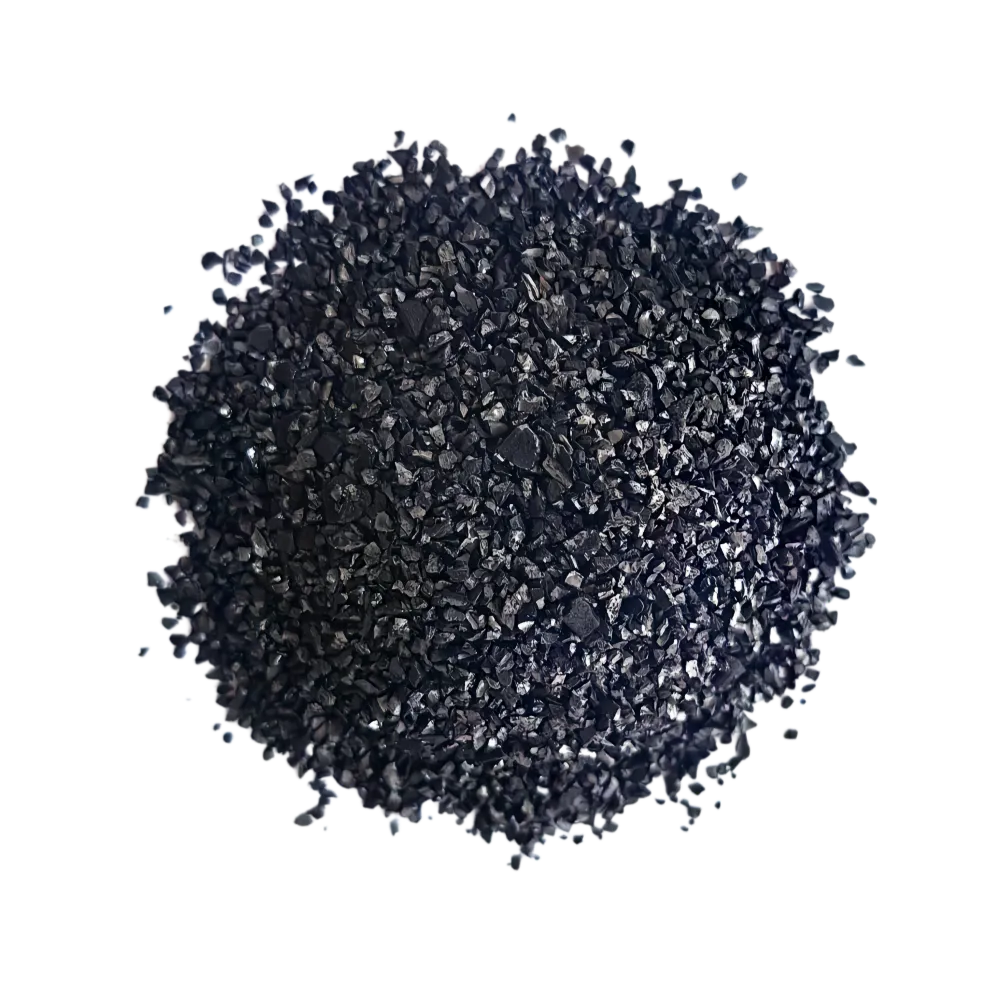
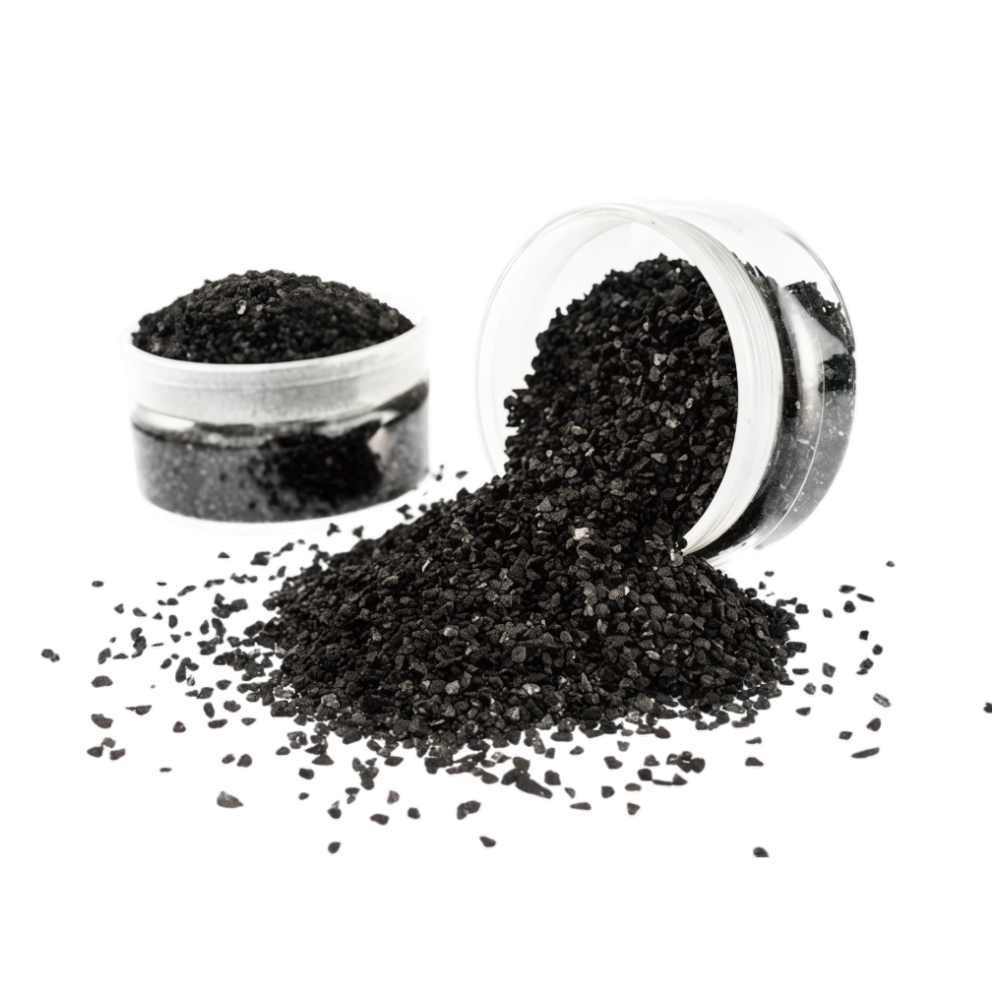
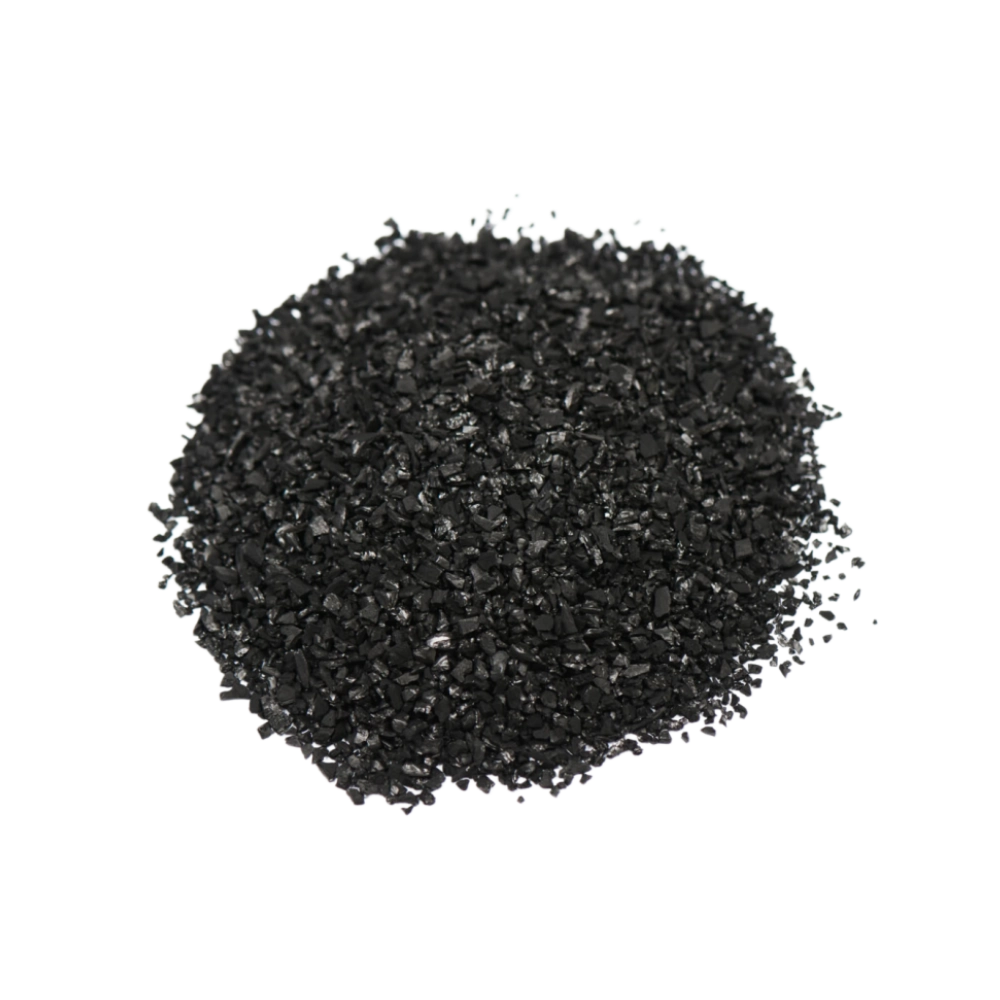
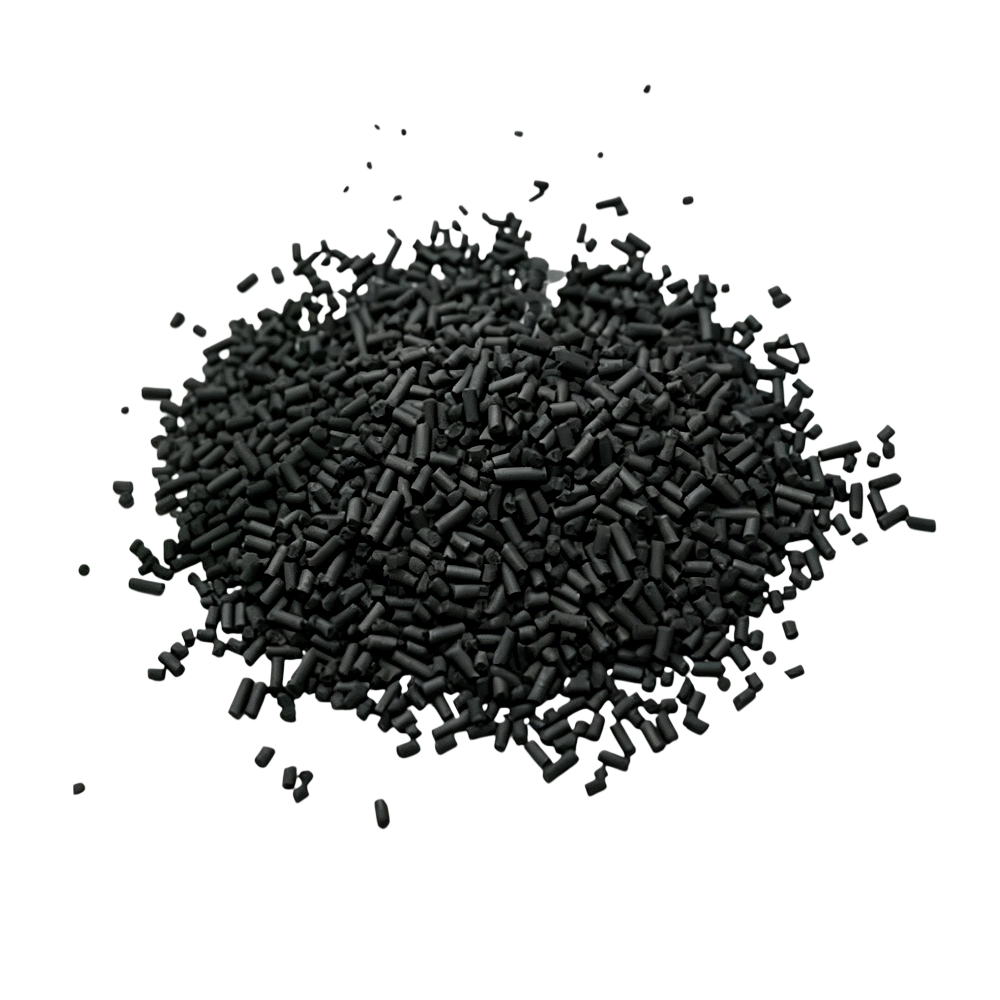
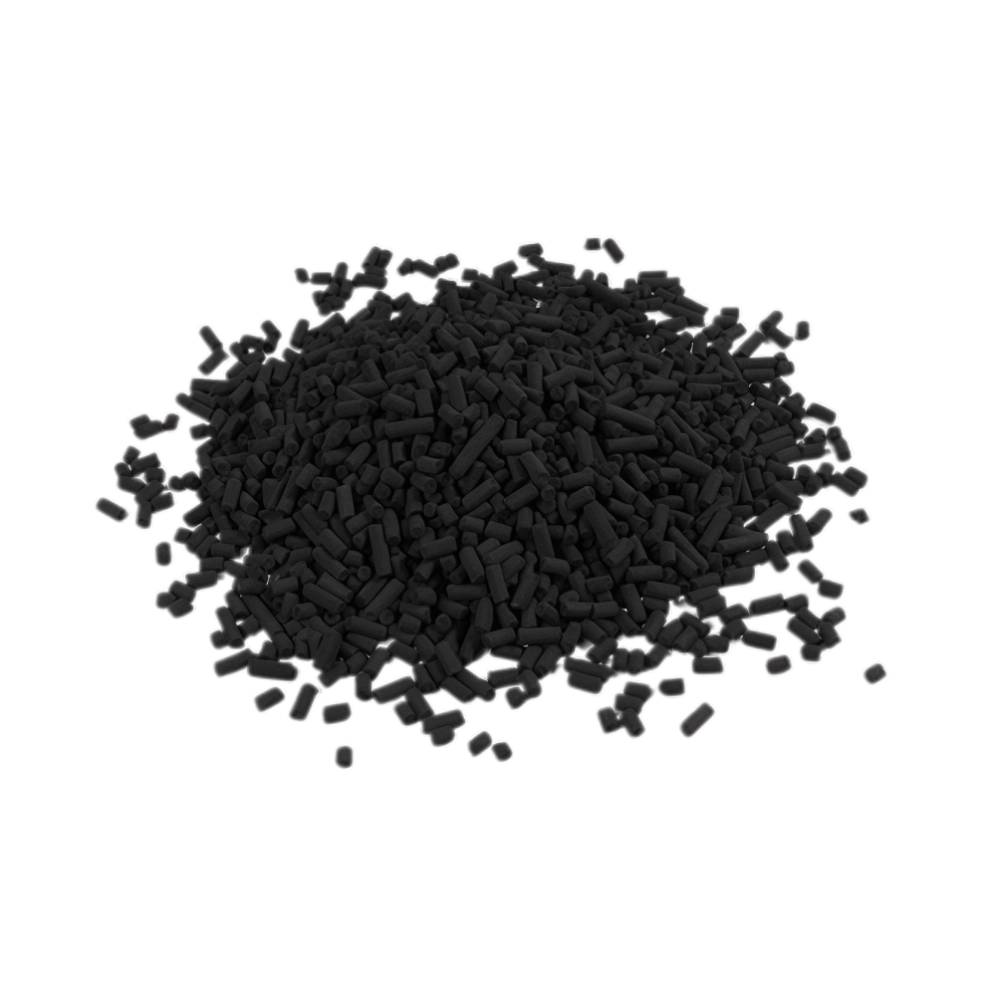
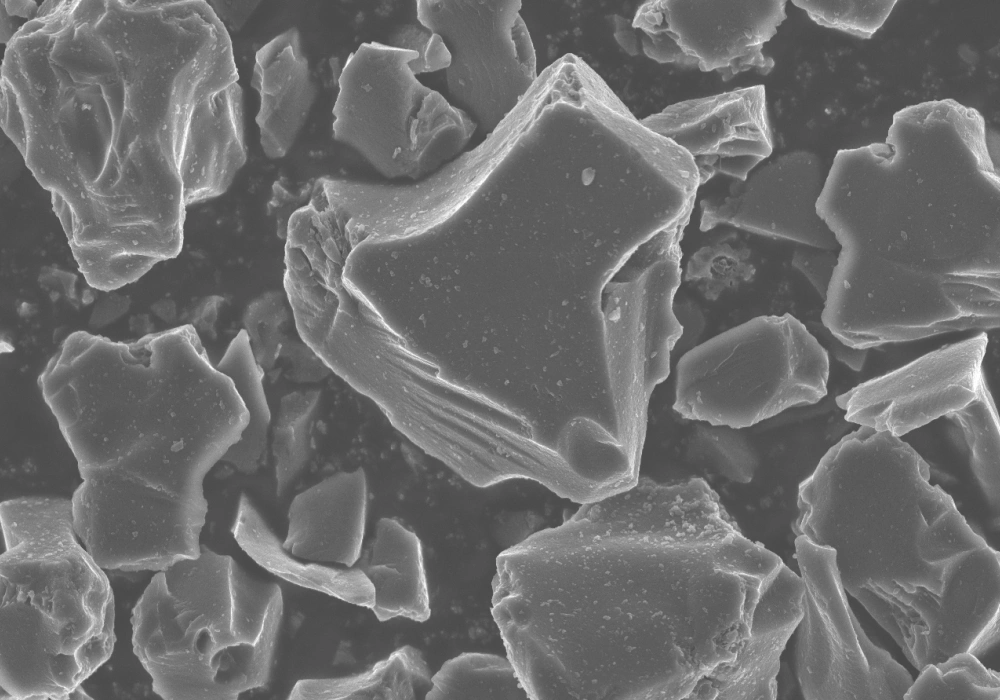
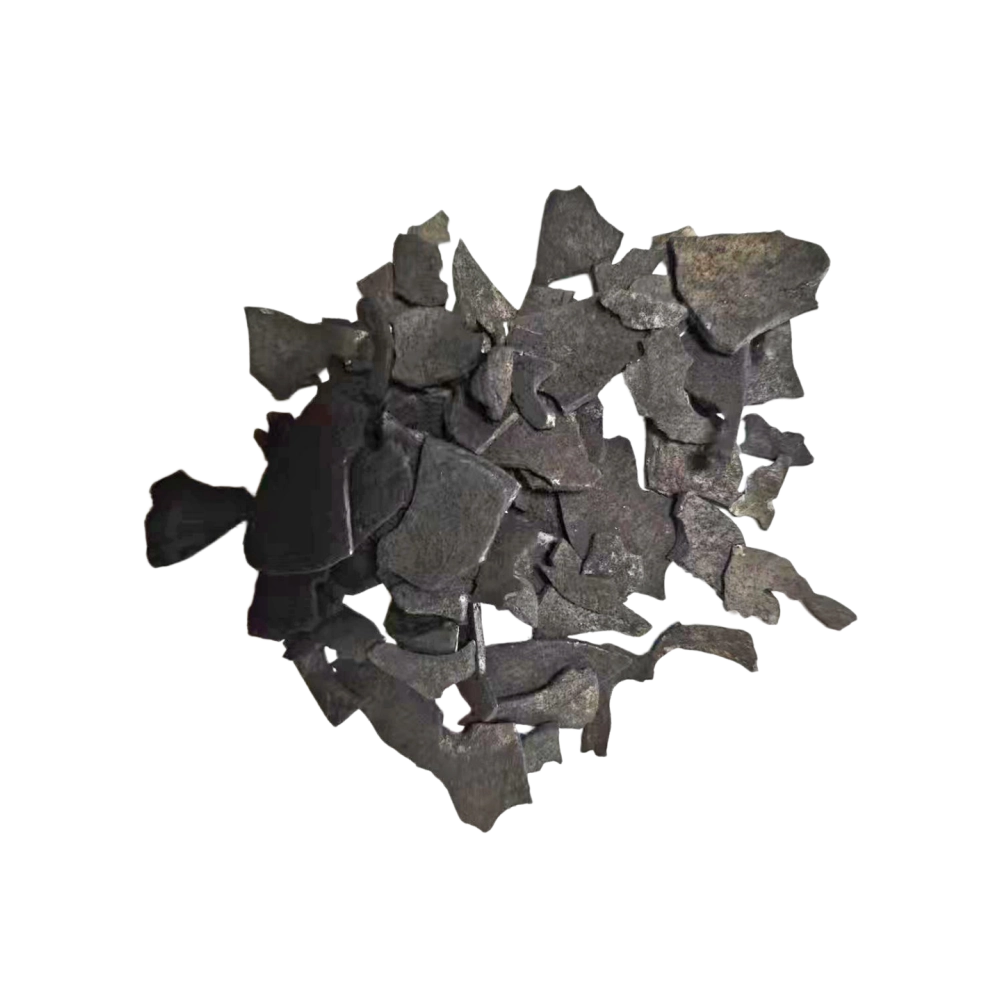
Coconut shell activated carbon for VOC removal is dominated by micropores (under 2 nm), which match the size of most household odor and VOC molecules. It's also low in ash and hard enough to resist dusting, making it a strong default for home air filters.Coal-based pelletized carbon has a wider pore distribution, higher mechanical strength, and lower pressure drop — better suited to continuous airflow in HVAC systems, fresh air units, and industrial exhaust treatment. Both have their place; the application decides.

Red Flags: How to Spot a "Marketing" Carbon Filter
Watch for these signs before you buy:
- Claims "contains activated carbon" but never states the carbon weight
- Uses a carbon-sprayed or carbon-impregnated fabric layer instead of loose granules
- The carbon layer is built in and can't be replaced separately
- No technical data at all — no CTC value, no iodine number, no specifications
What to Look For in a Real Carbon Air Filter
A genuinely effective carbon filter usually has:
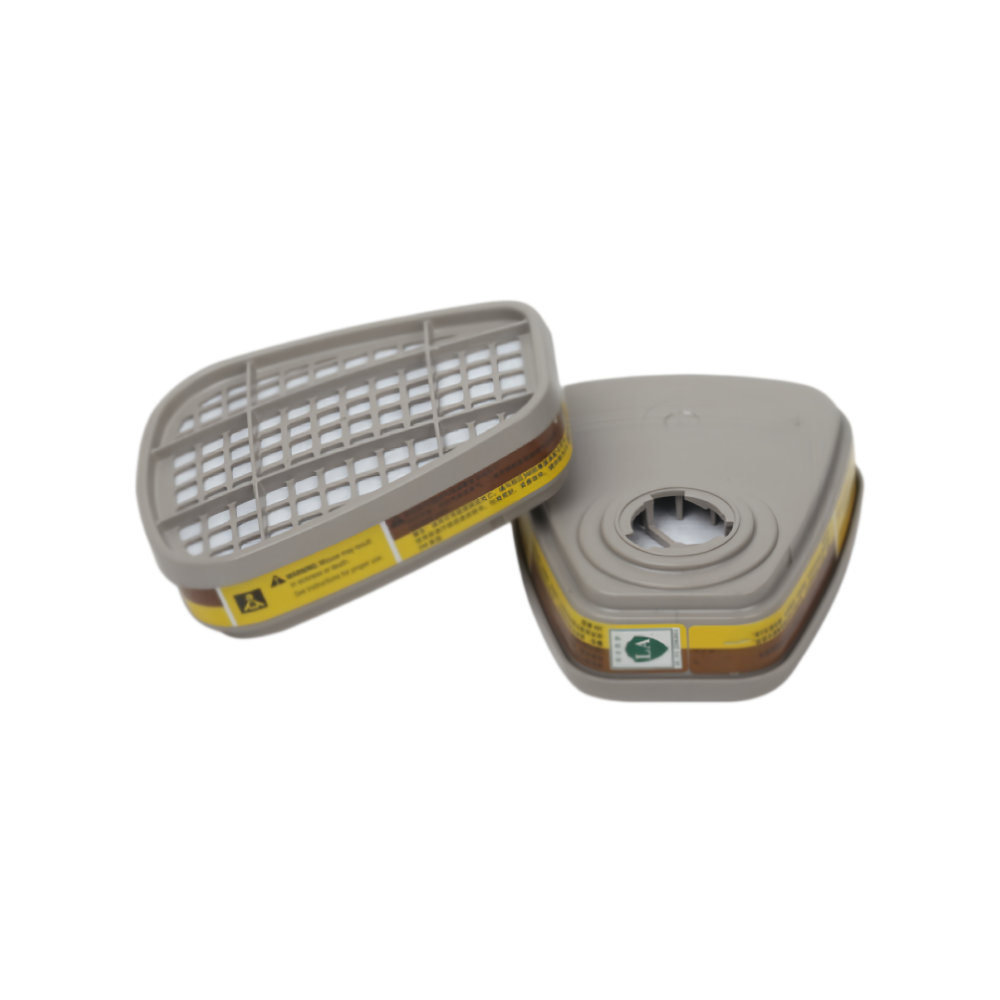
- A replaceable granular carbon filter cartridge, not a coated sheet
- A clearly stated carbon type, weight, and bed depth
- Enough mass for your actual use case — general odors, pet smells, or VOCs from renovations
One special note: ordinary carbon is weak against formaldehyde. If new furniture or renovation is your concern, look for an activated carbon filter for formaldehyde removal using impregnated carbon specifically designed for it.
The Same Rules Apply in Industrial Air Treatment
Mass, bed depth, and contact time aren't just residential concepts — industrial VOC and odor control follows exactly the same physics, just at a larger scale. From home air filters to solvent recovery systems, Purestar Carbon supplies coconut shell and coal-based activated carbon across the full range of air treatment applications.
If you have specific questions about a thin layer activated carbon filter or need help sizing carbon for a real application, feel free to reach out.
FAQ
Q: How much activated carbon does an air purifier actually need?
A: As a rule of thumb, a few hundred grams with around 1–2 inches of bed depth is the practical starting point for meaningful odor and VOC removal at home.
Q: How long does a thin carbon filter last?
A: Typically days to a few weeks, depending on odor intensity and room size — far shorter than most users expect.
Q: What are the signs your carbon filter is saturated?
A: Odors return, the outlet air starts to smell, or you've passed the recommended replacement interval. Saturated carbon doesn't change color, so time and smell are your best indicators.
Q: Is coconut shell carbon better than coal-based for home air purifiers?
A: For small-molecule household VOCs and odors, coconut shell's microporous structure is usually the better fit. Coal-based pellets excel in continuous-airflow and industrial settings.
Q: What is activated carbon contact time and why does it matter?
A: It's the time air spends inside the carbon bed. Without enough carbon filter contact time — typically 0.1 to 0.5 seconds — molecules pass through before they can be adsorbed.
Q: Does activated carbon remove formaldehyde?
A: Standard carbon has limited formaldehyde capacity. For renovation or new furniture scenarios, use impregnated carbon specifically formulated for formaldehyde.


