




























Industrial VOC Treatment
Activated Carbon for Industrial VOC Treatment &Solvent Recovery
Industrial VOC treatment sits at the intersection of regulatory compliance and economic recovery. Volatile organic compounds are not just pollutants; they are often valuable process inputs that escape into exhaust streams.
The facility that captures them efficiently gains a revenue stream; the one that merely destroys them incurs a cost. Activated carbon is the enabling technology for both paths, but only if the carbon is specified for the actual gas stream chemistry and flow dynamics.
The Challenge & PureStar Approach
The hidden vulnerability is system mismatch.
- A carbon that performs well in a bench-scale column may create excessive pressure drop in an industrial fixed bed, driving blower energy costs upward and reducing effective treatment capacity.
- High humidity can cause adsorption capacity to collapse for hydrophilic contaminants.
- Mixed streams containing both organic vapors and reactive inorganics rapidly expose the limitations of standard single-mechanism media.
The Operational Impact: Standard solutions often force operators into costly multi-stage trains or result in premium energy bills from struggling blowers.
The PureStar Solution
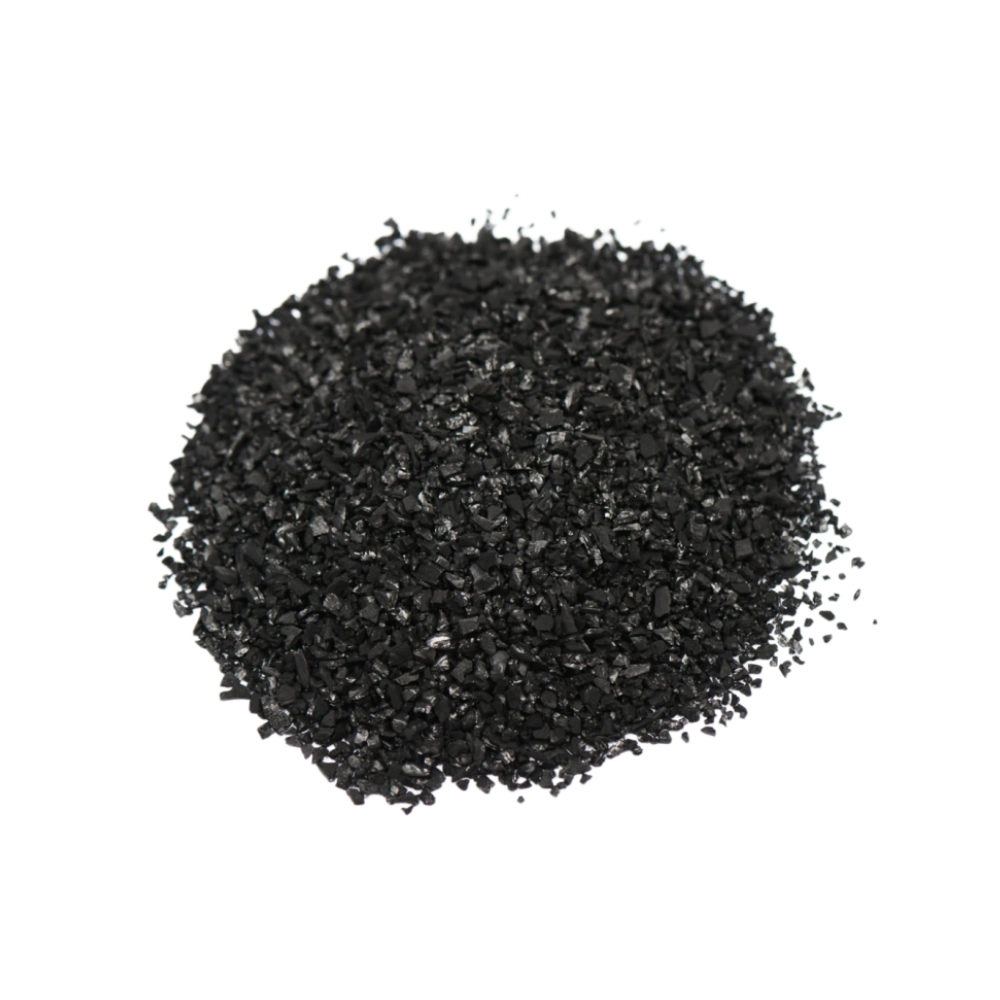
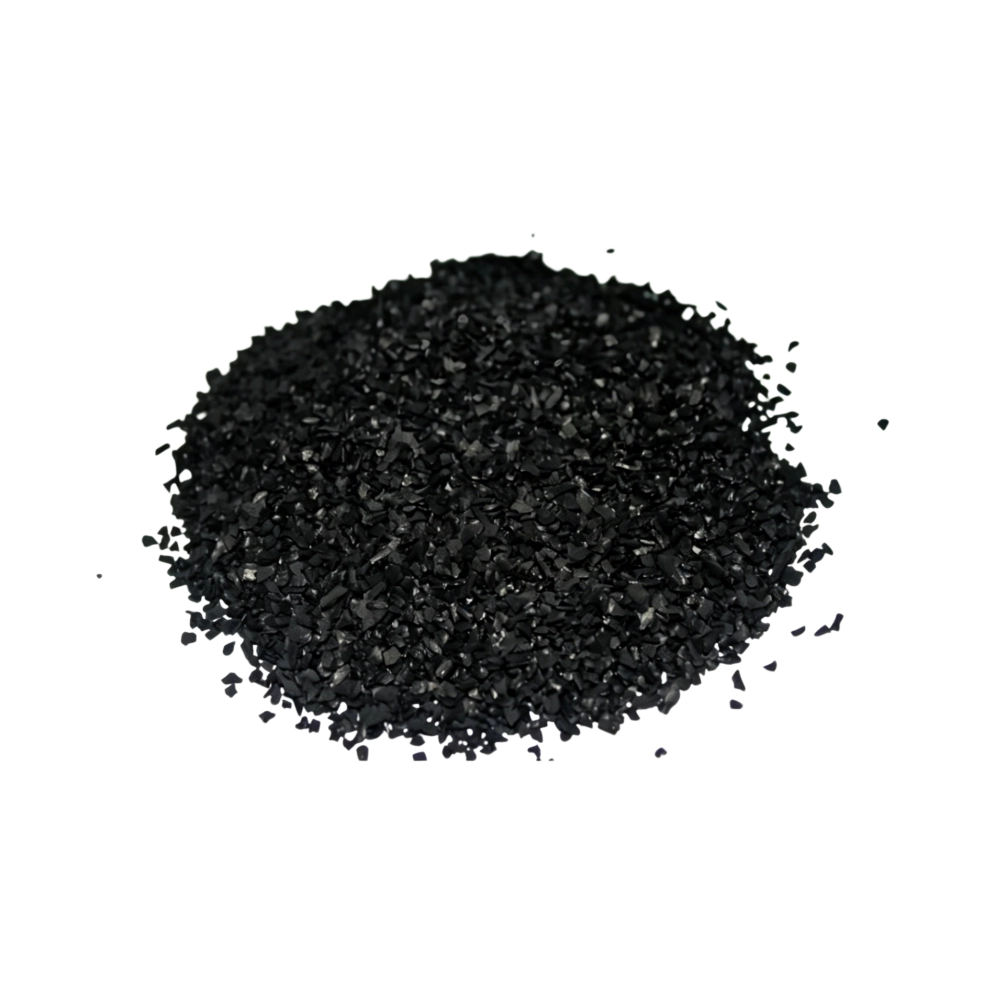
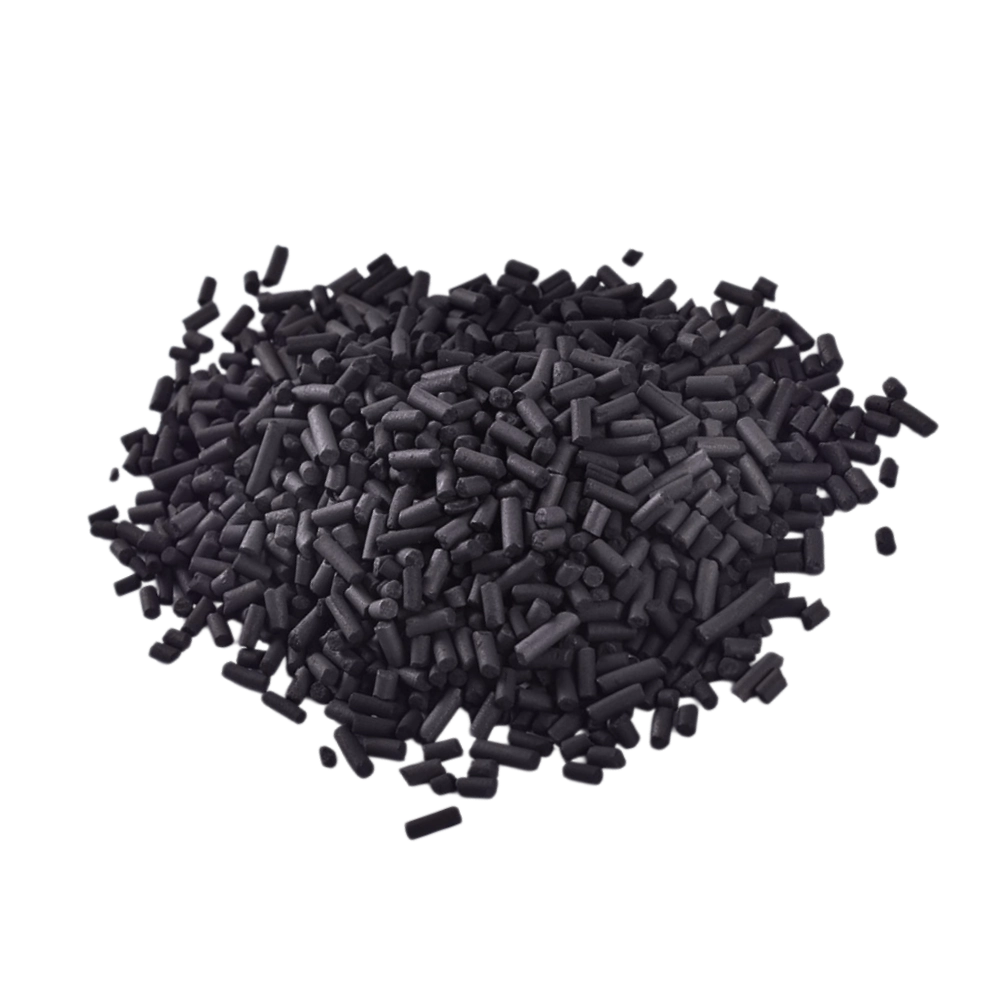
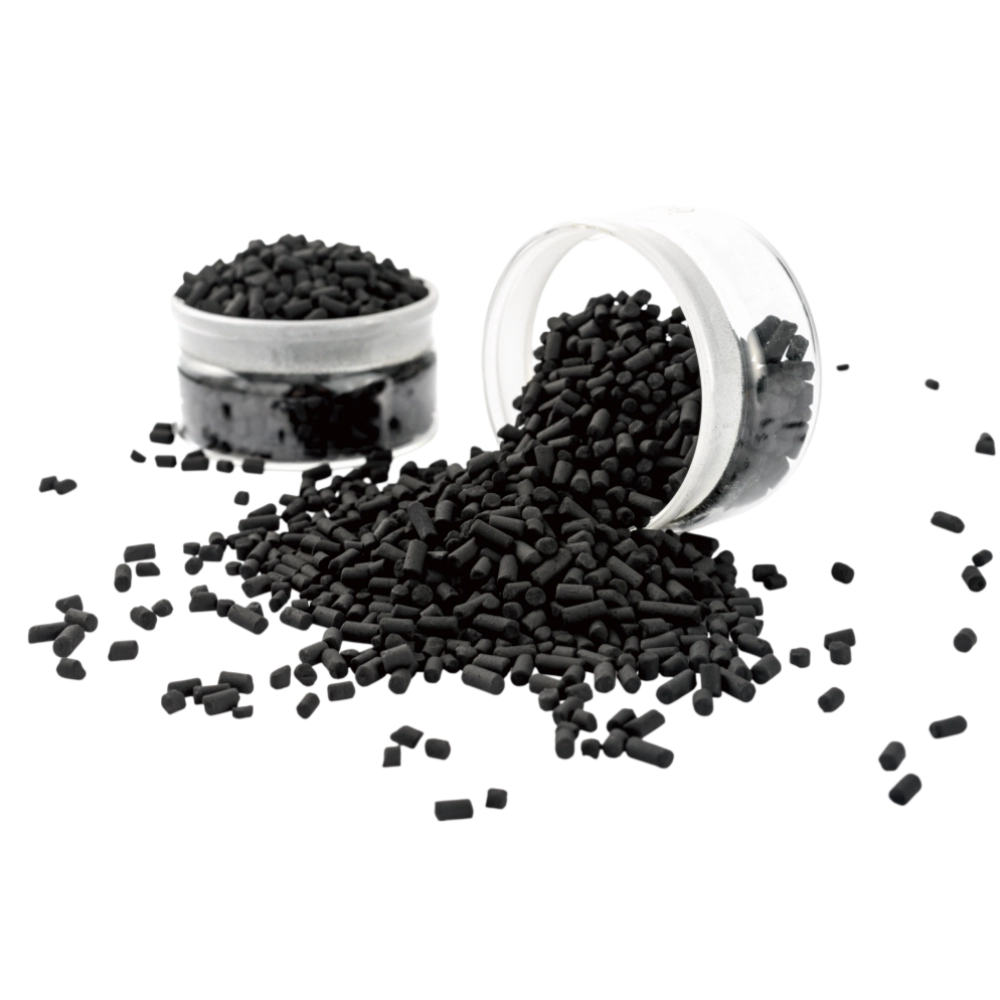
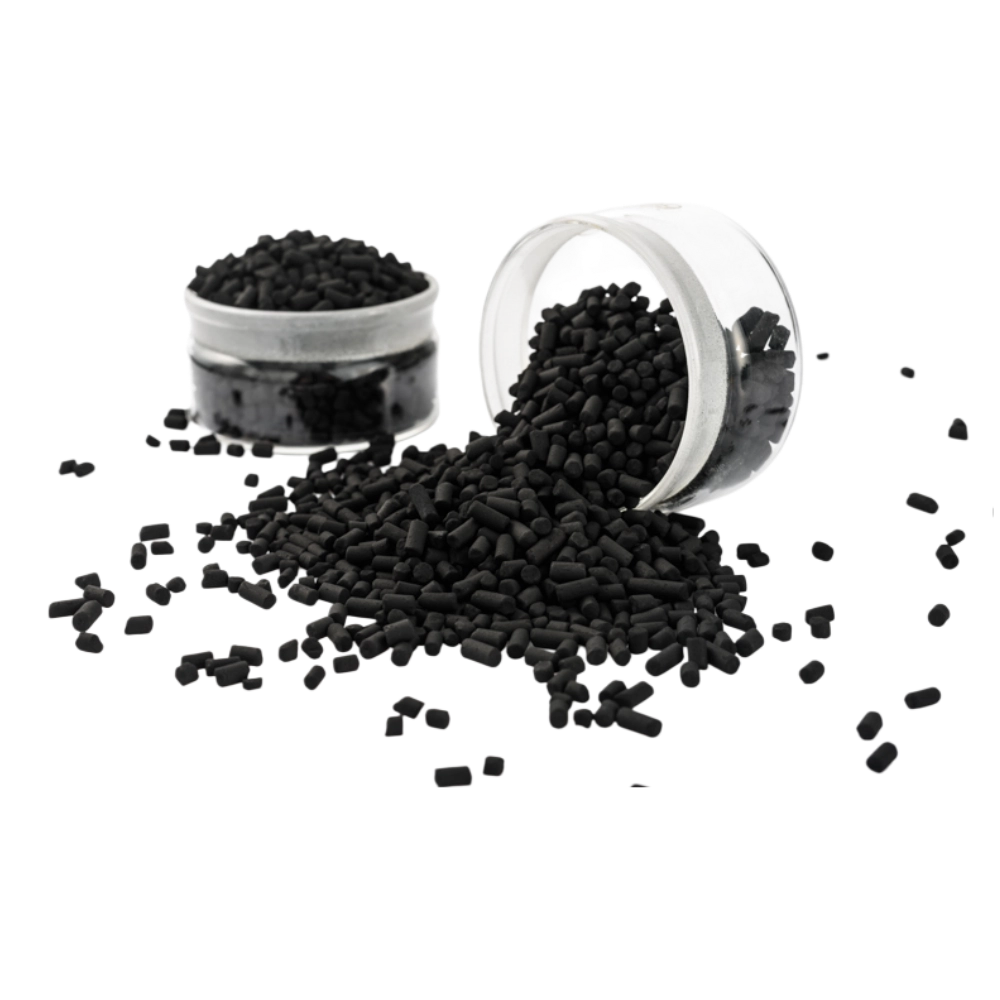
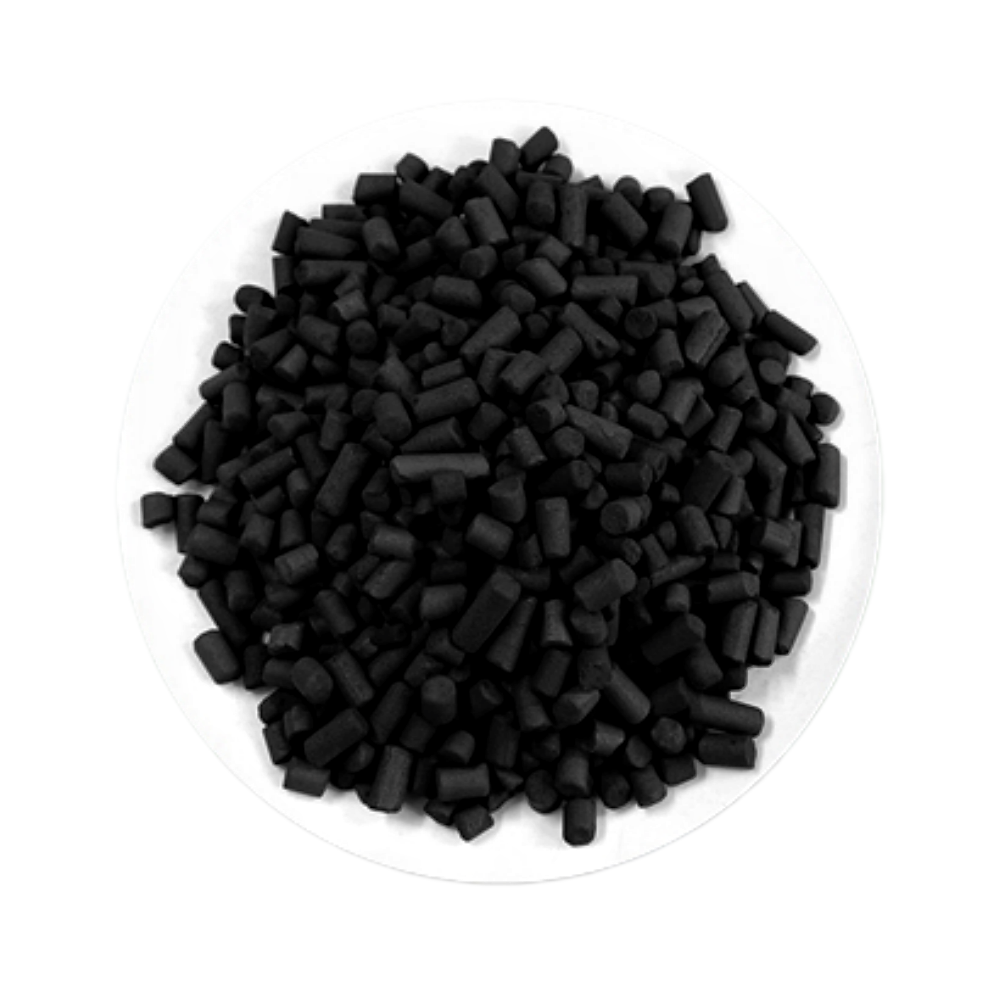
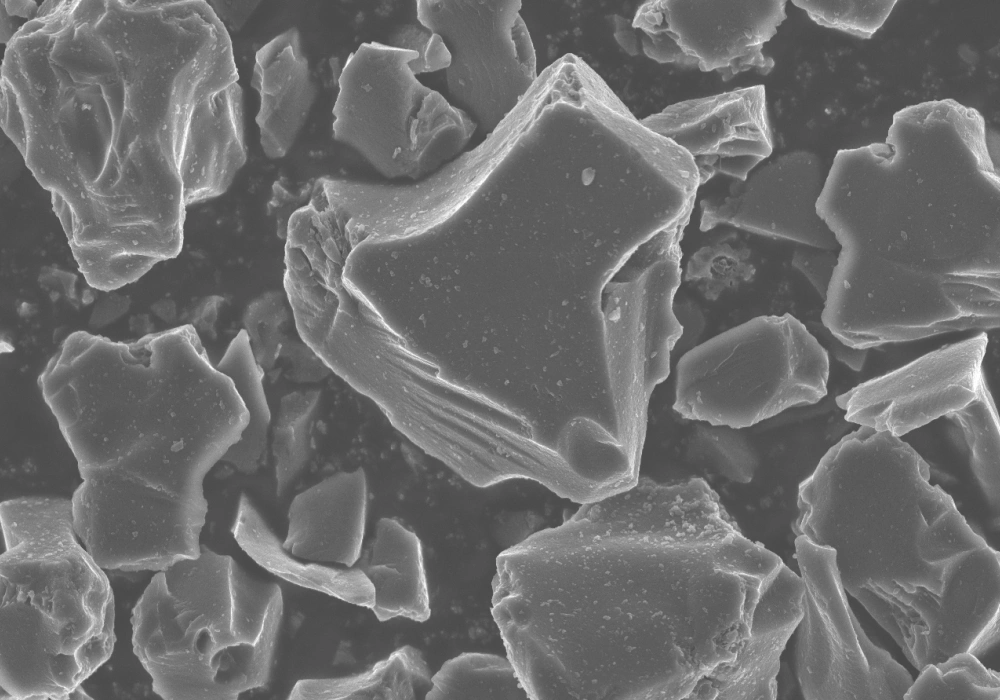
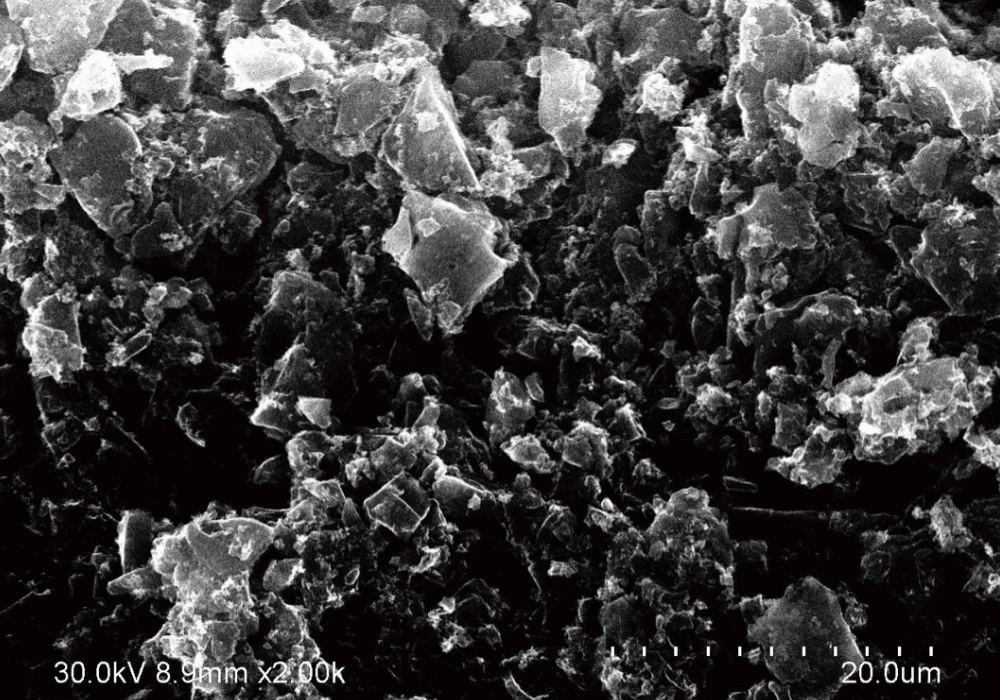
PureStar's industrial VOC grades are engineered around low-pressure-drop pellet geometry and humidity-tolerant pore structures:
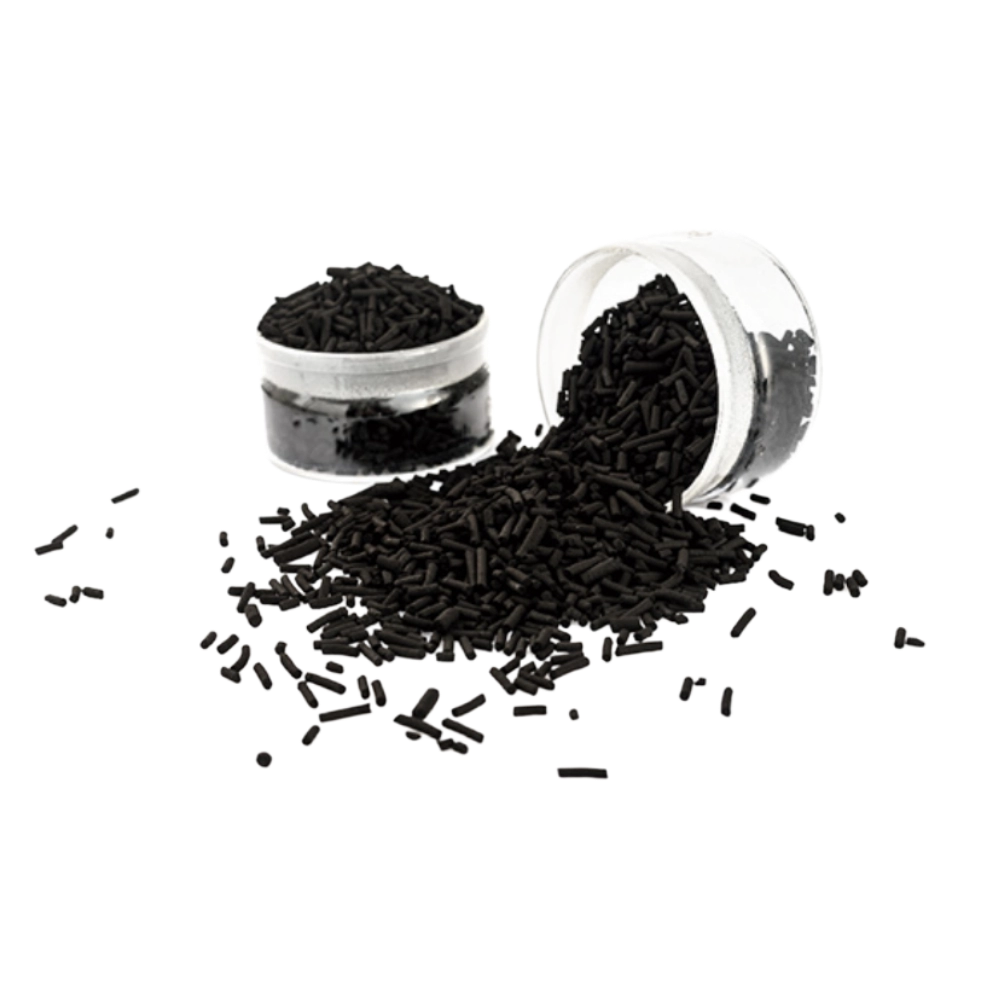
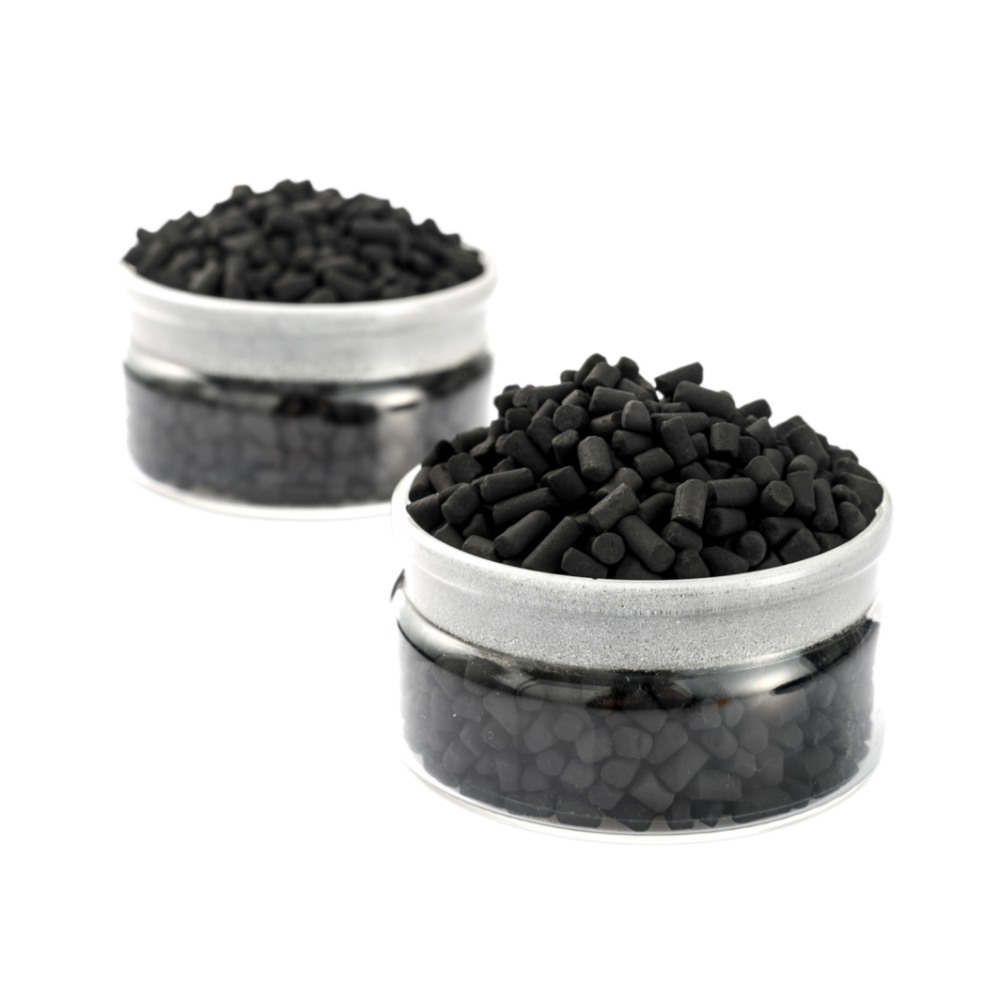
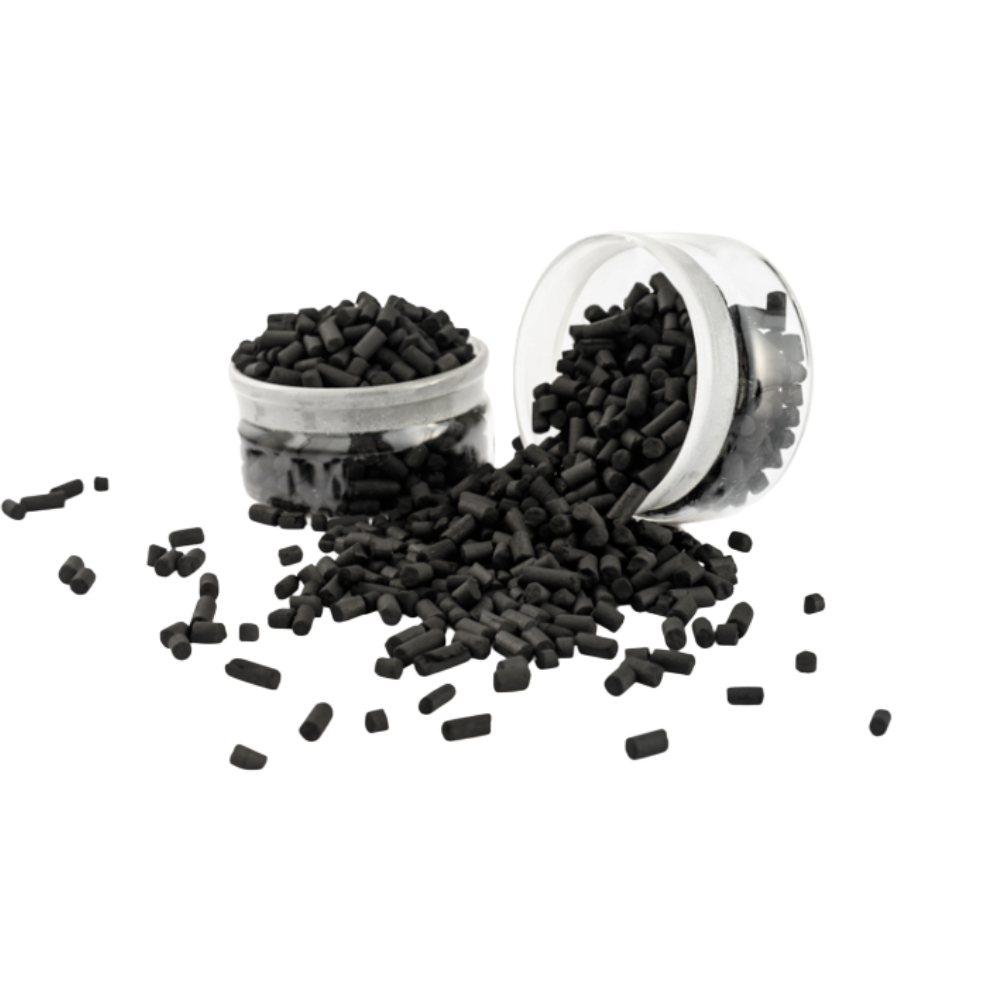
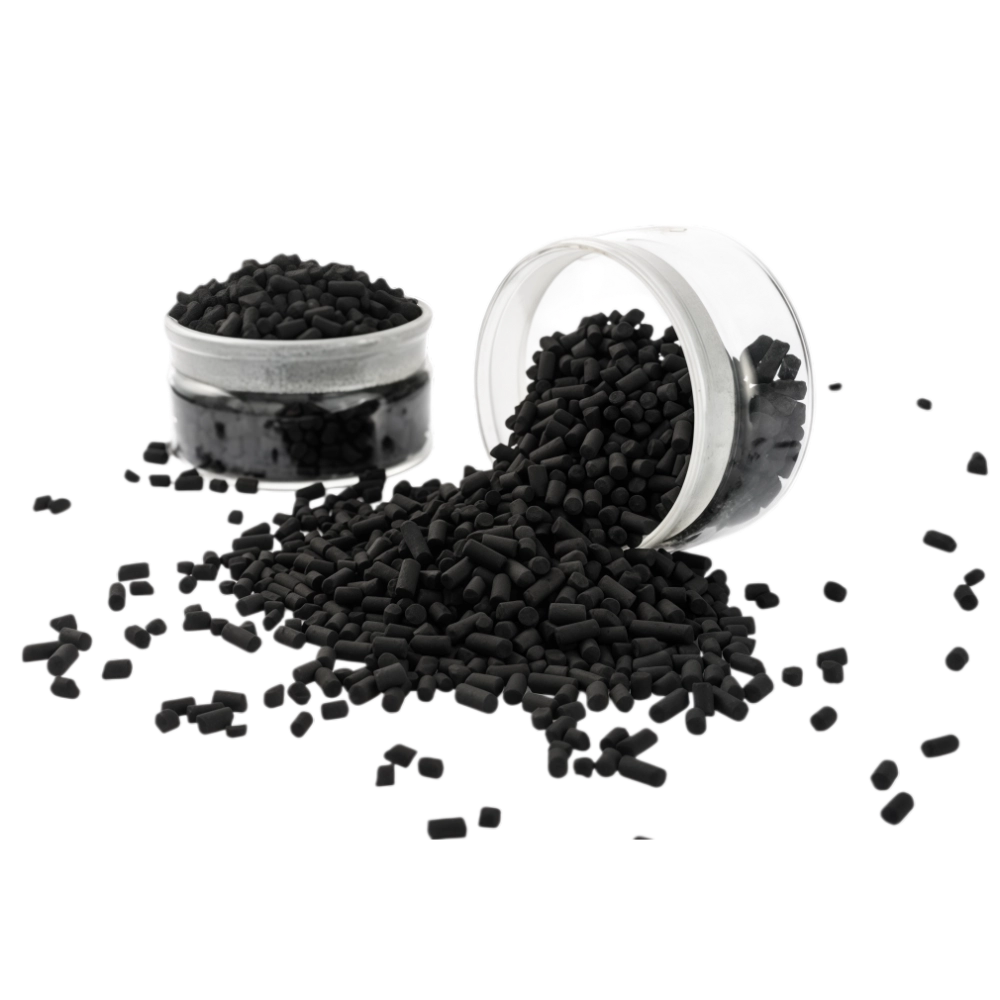
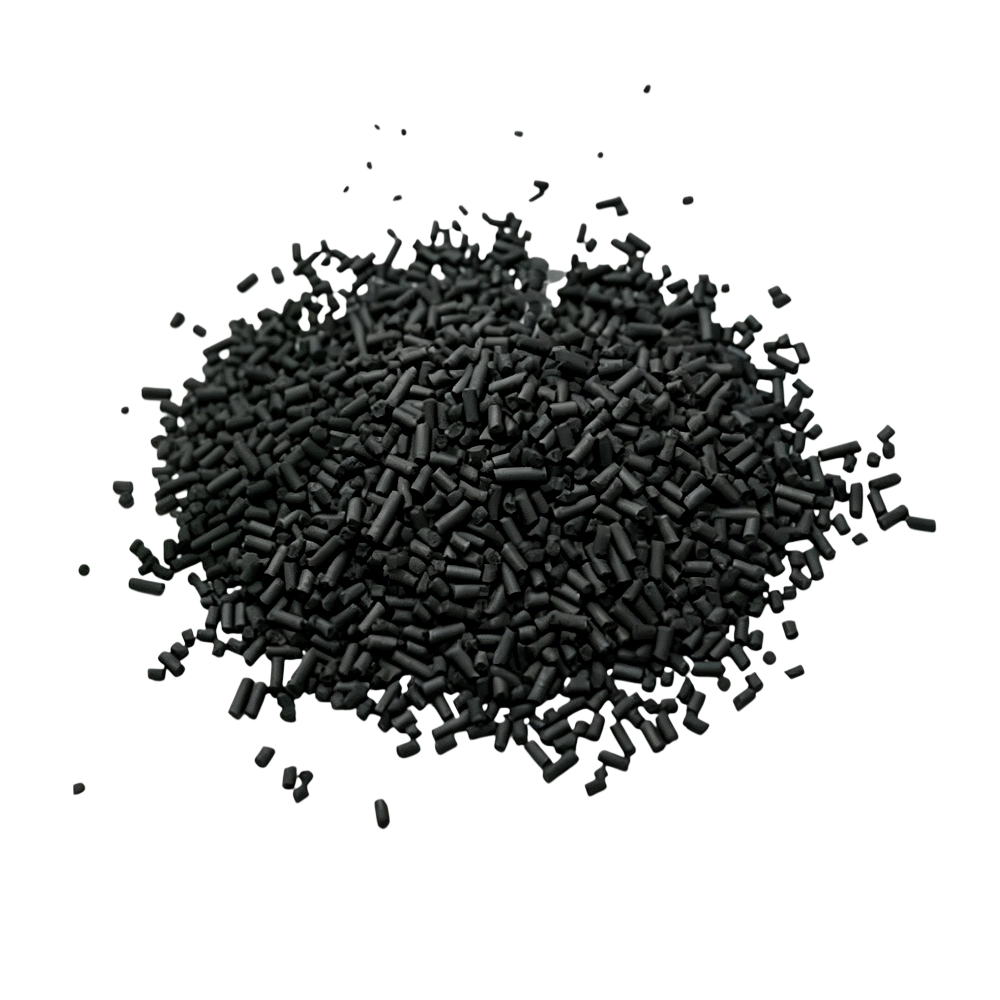
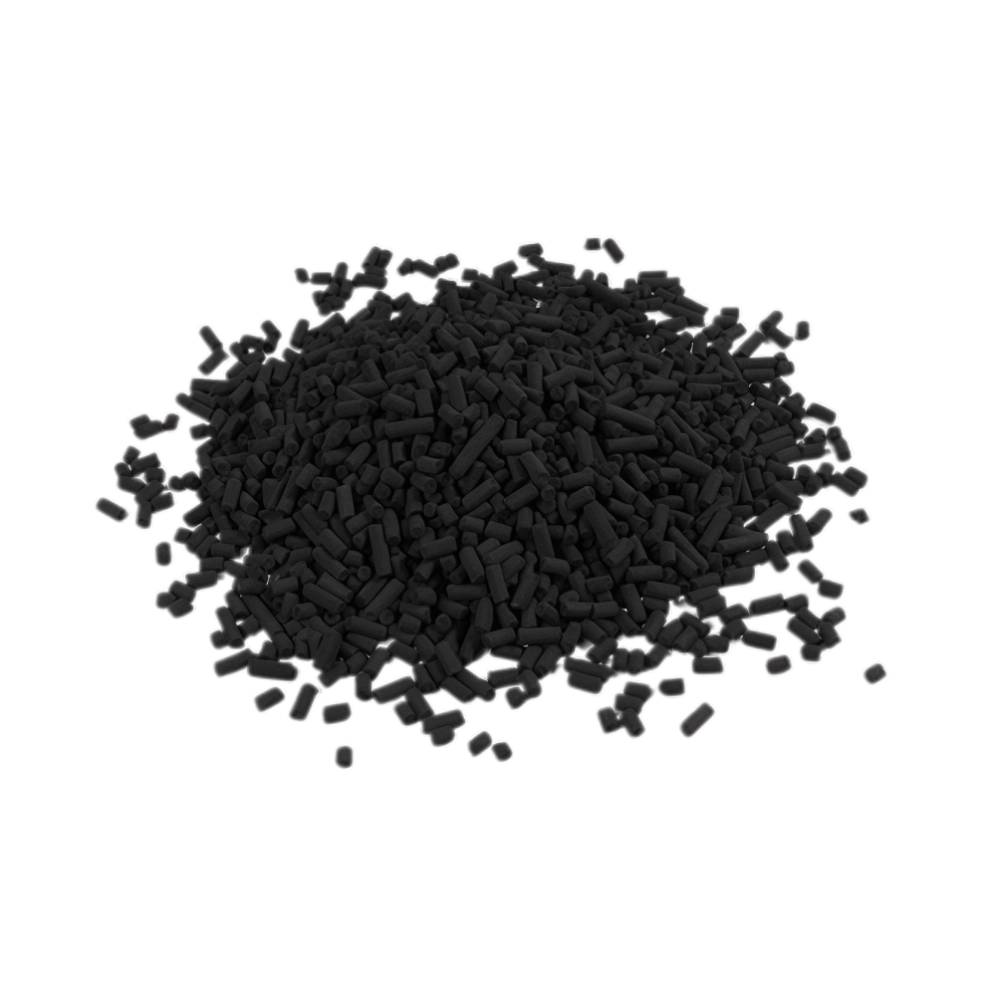
- Optimized Gas Flow Paths: Our extruded pellets maintain high mechanical integrity while optimizing gas flow channels, allowing plants to achieve their rated treatment capacity at significantly reduced blower power.
- Zoned Impregnation Strategies: For complex mixed-gas streams, we offer advanced impregnation designs that partition organic vapor adsorption and acid-gas chemisorption across optimized bed zones. This delivers multi-impurity control, maximizing single-bed utility and minimizing multi-stage capital expense.