





















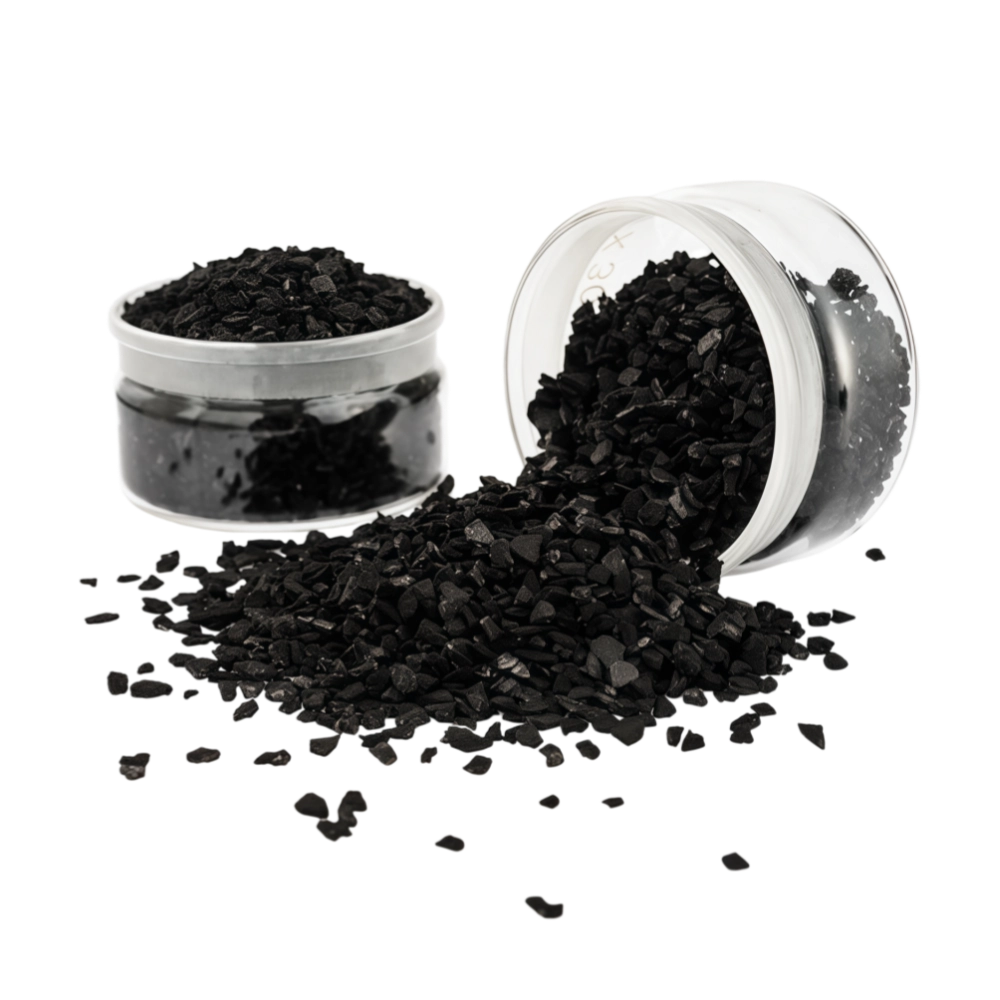
Product Overview
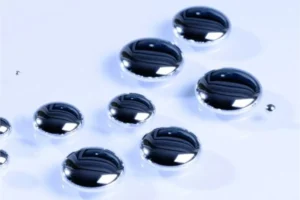
Mercury emissions from combustion sources are regulated under the Minamata Convention and national standards worldwide. Activated carbon injection (ACI) is the most widely deployed control technology, but not all carbons perform equally. Mercury capture efficiency depends on carbon properties, flue gas conditions, and the form of mercury present (elemental vs. oxidized).
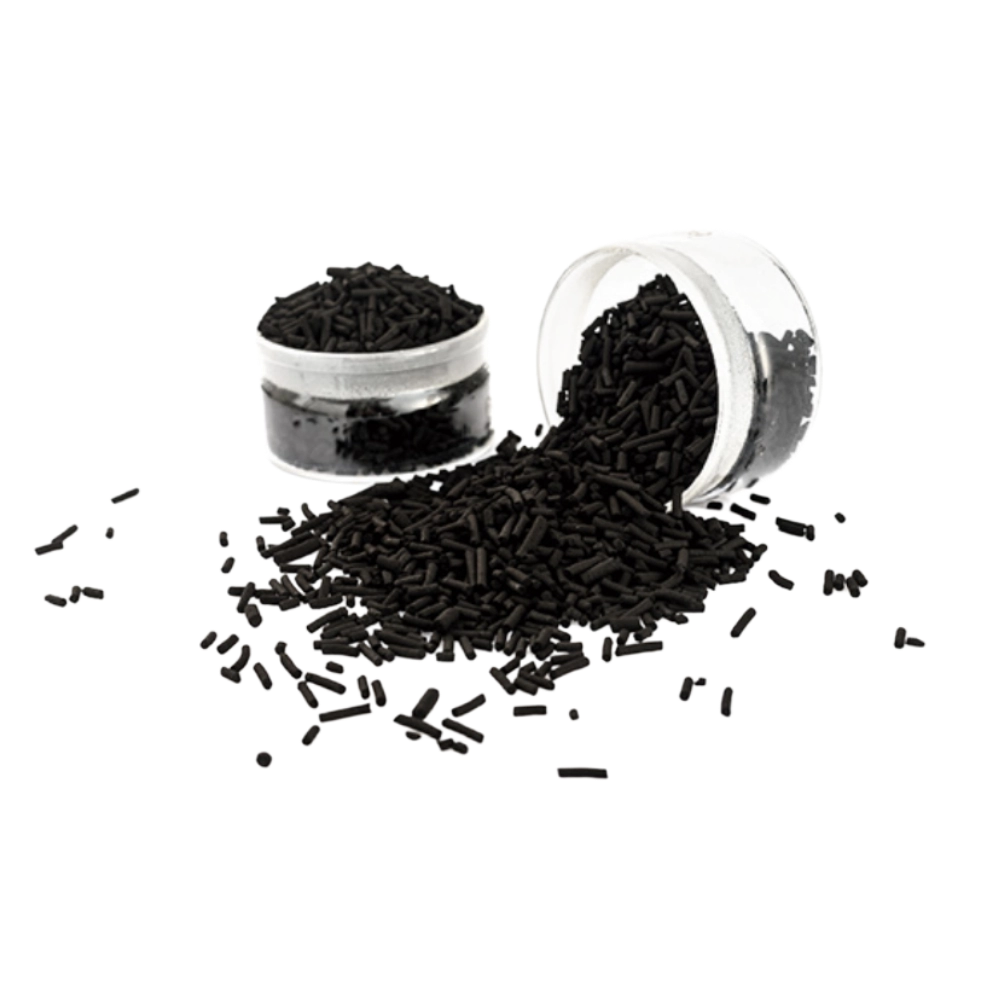
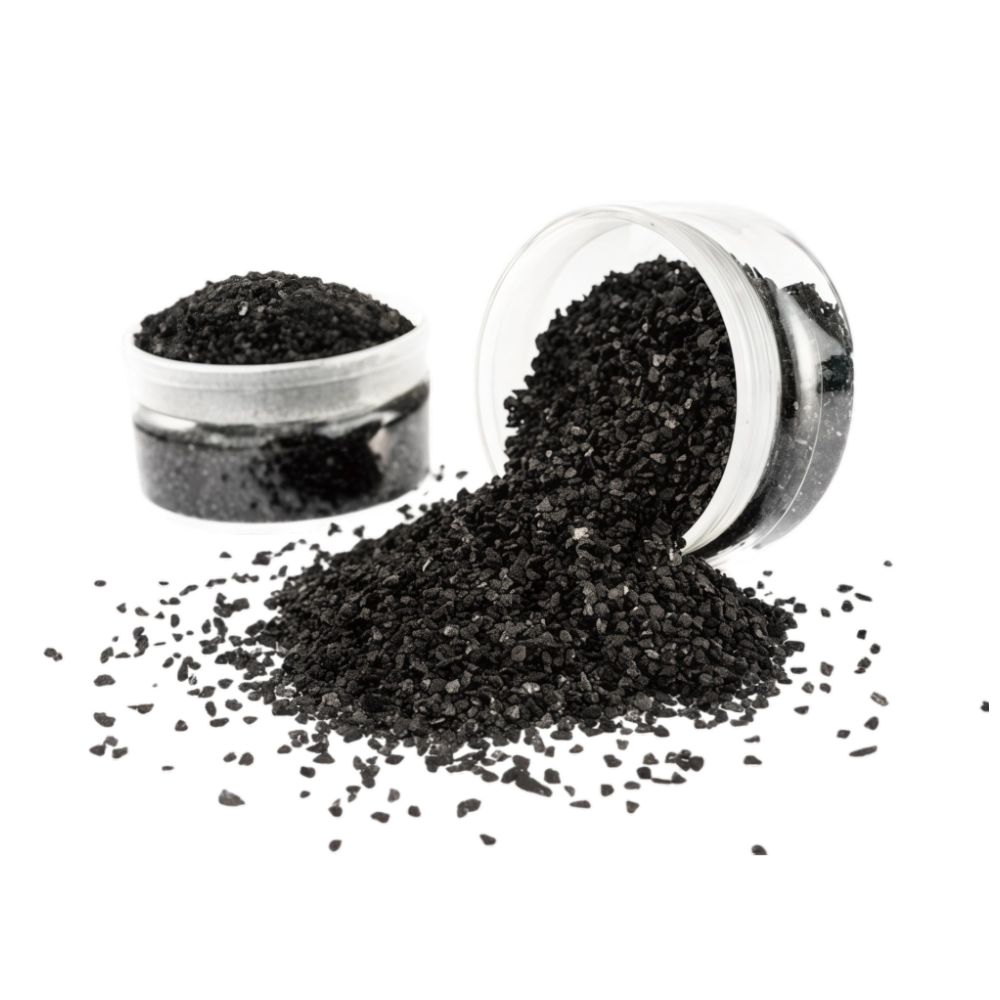
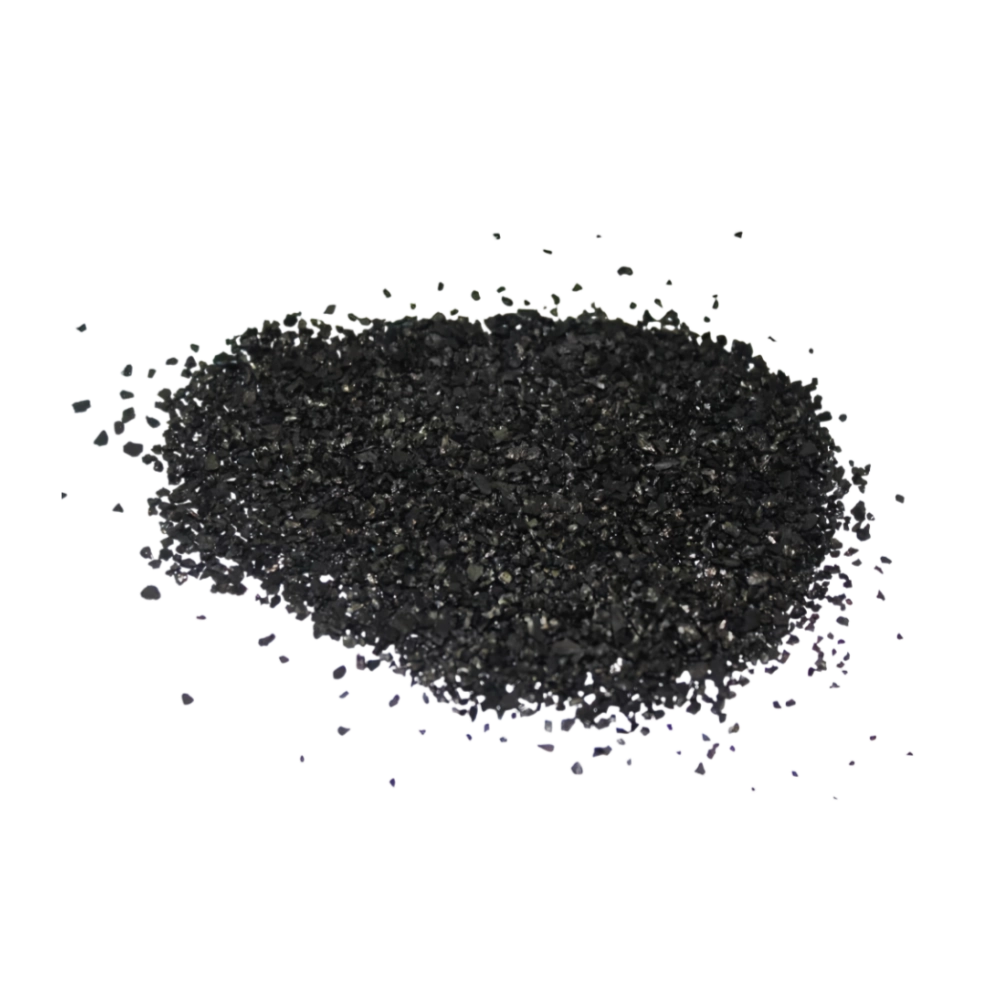
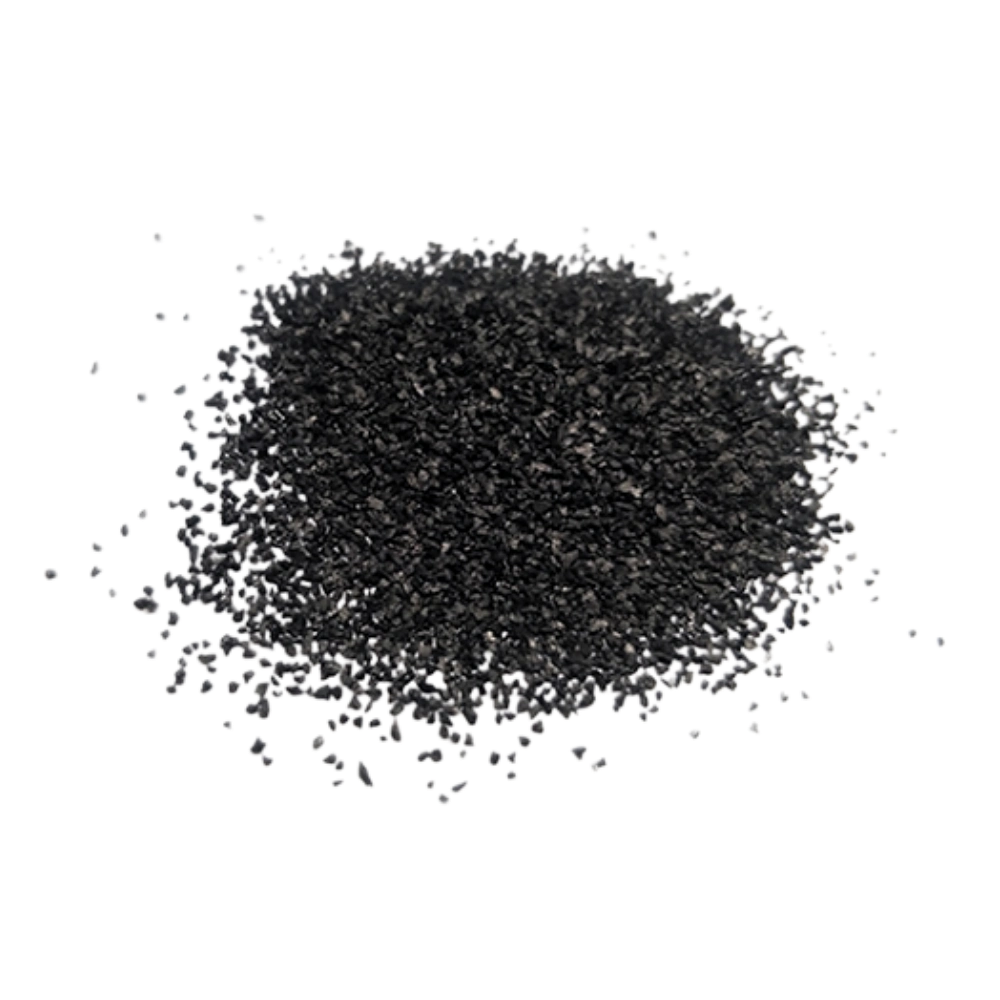
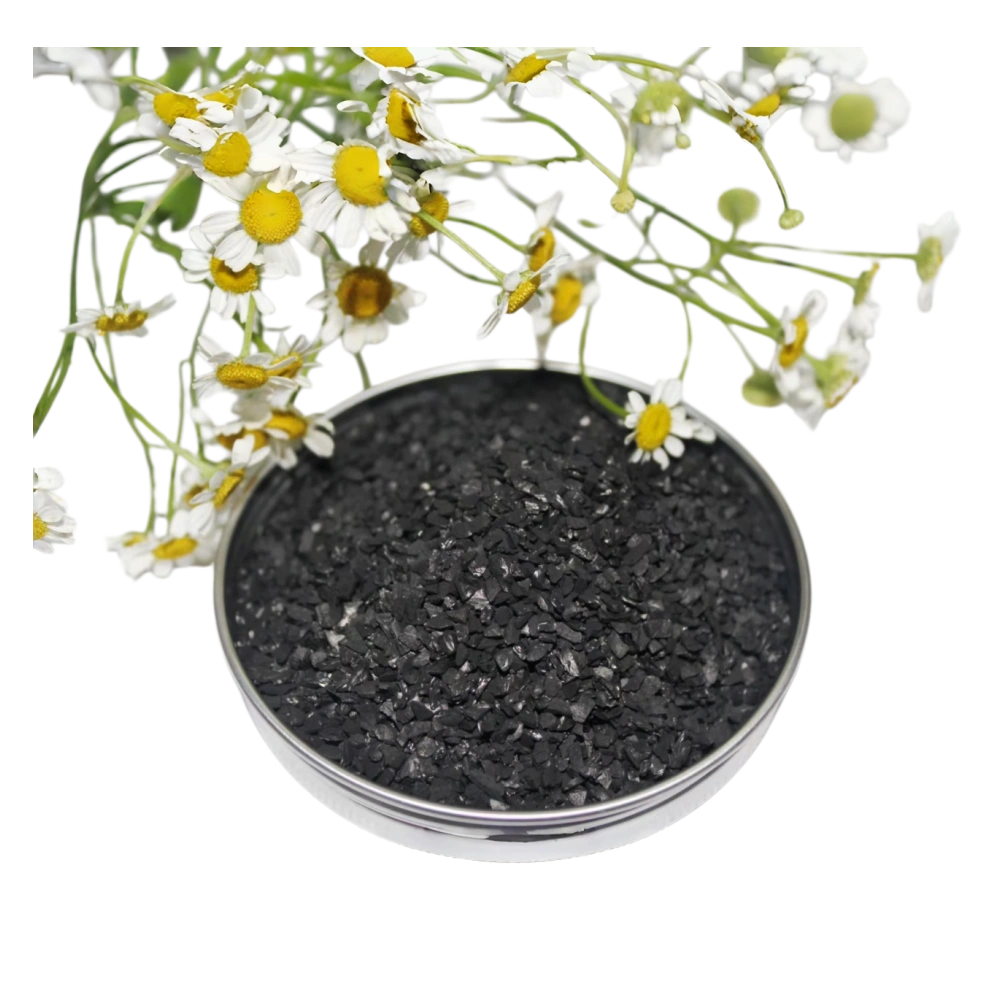
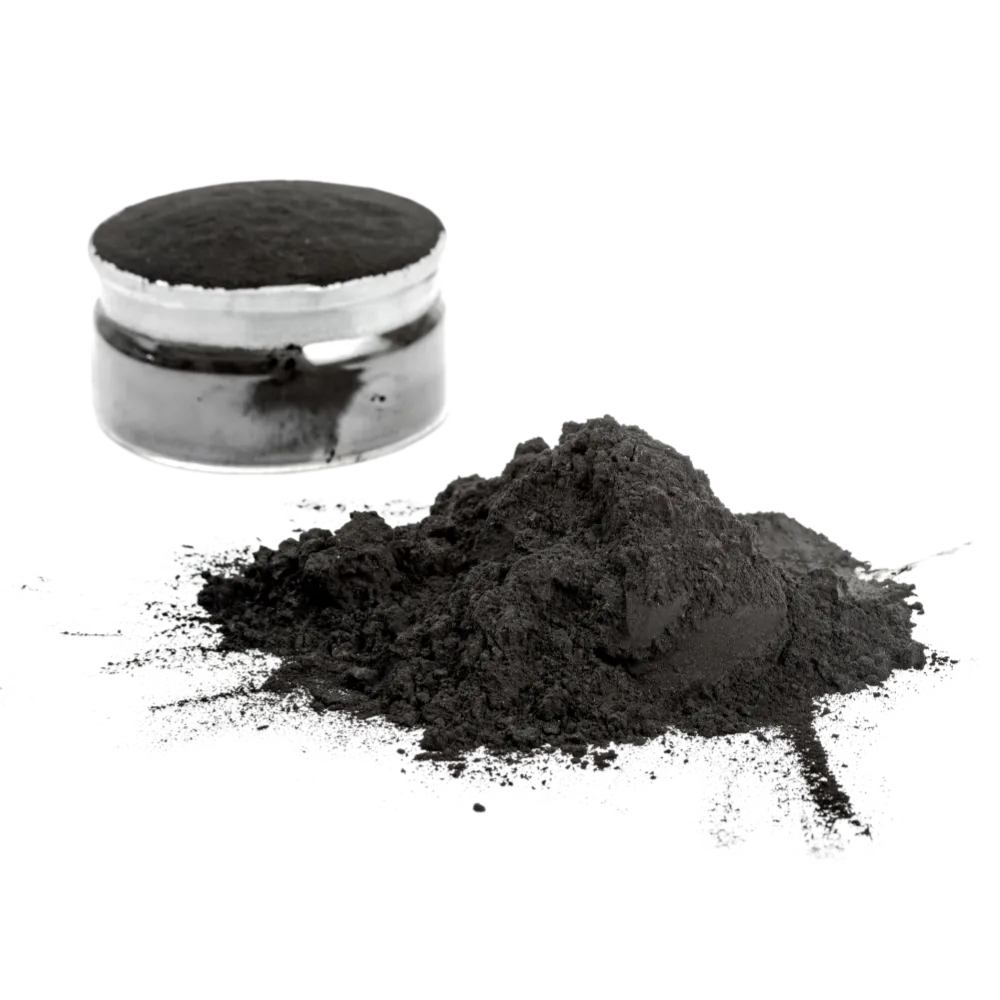
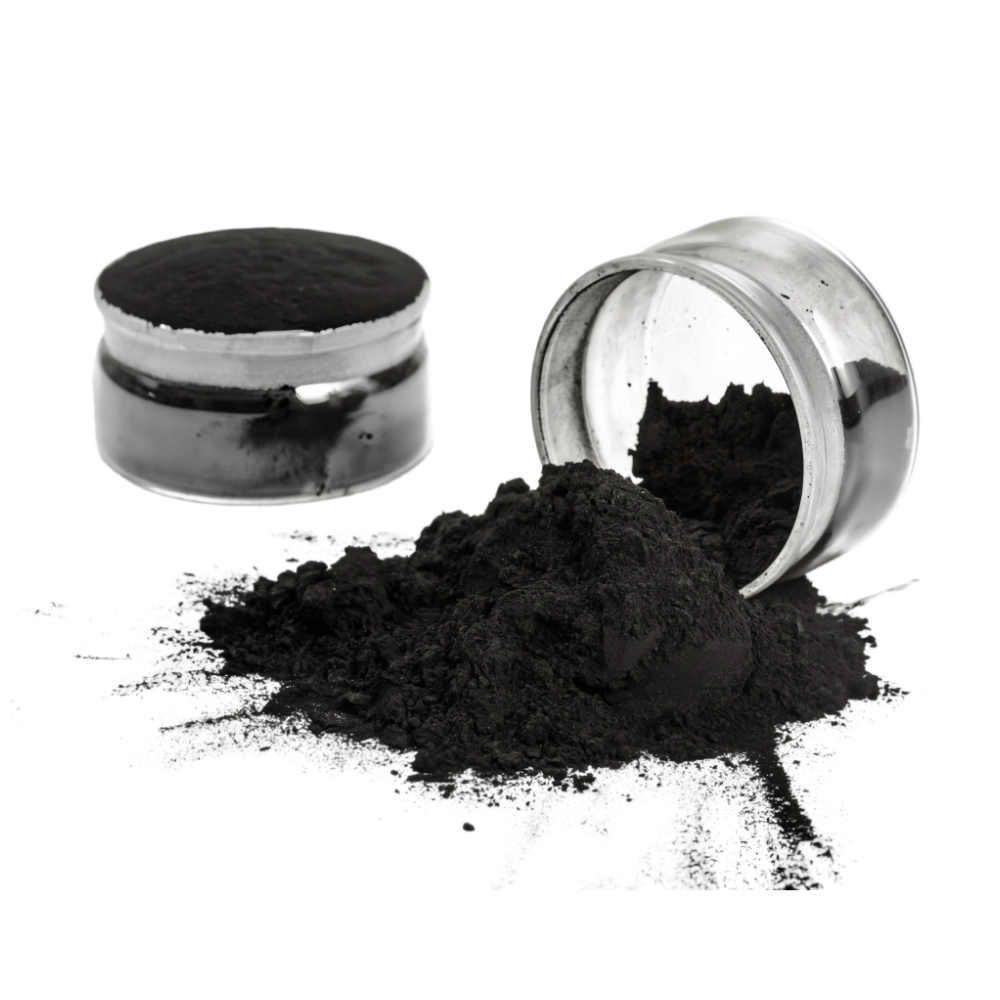
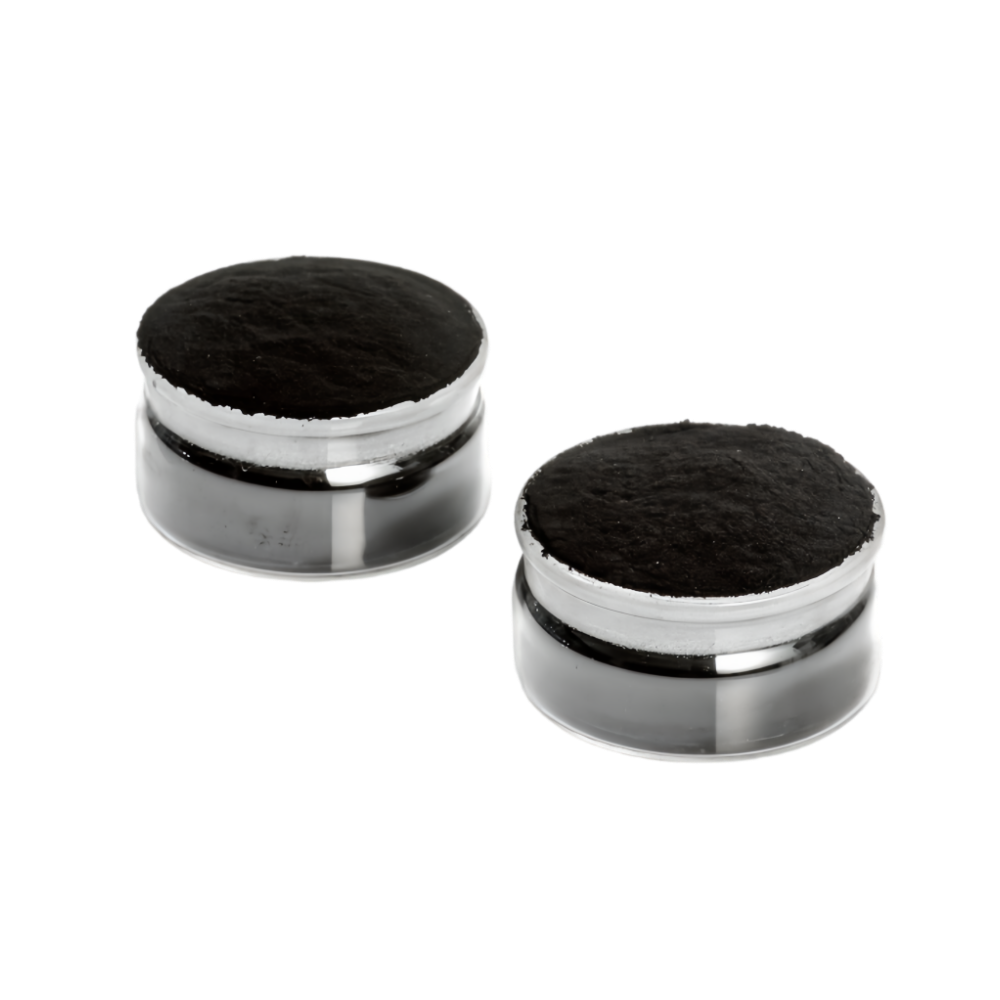
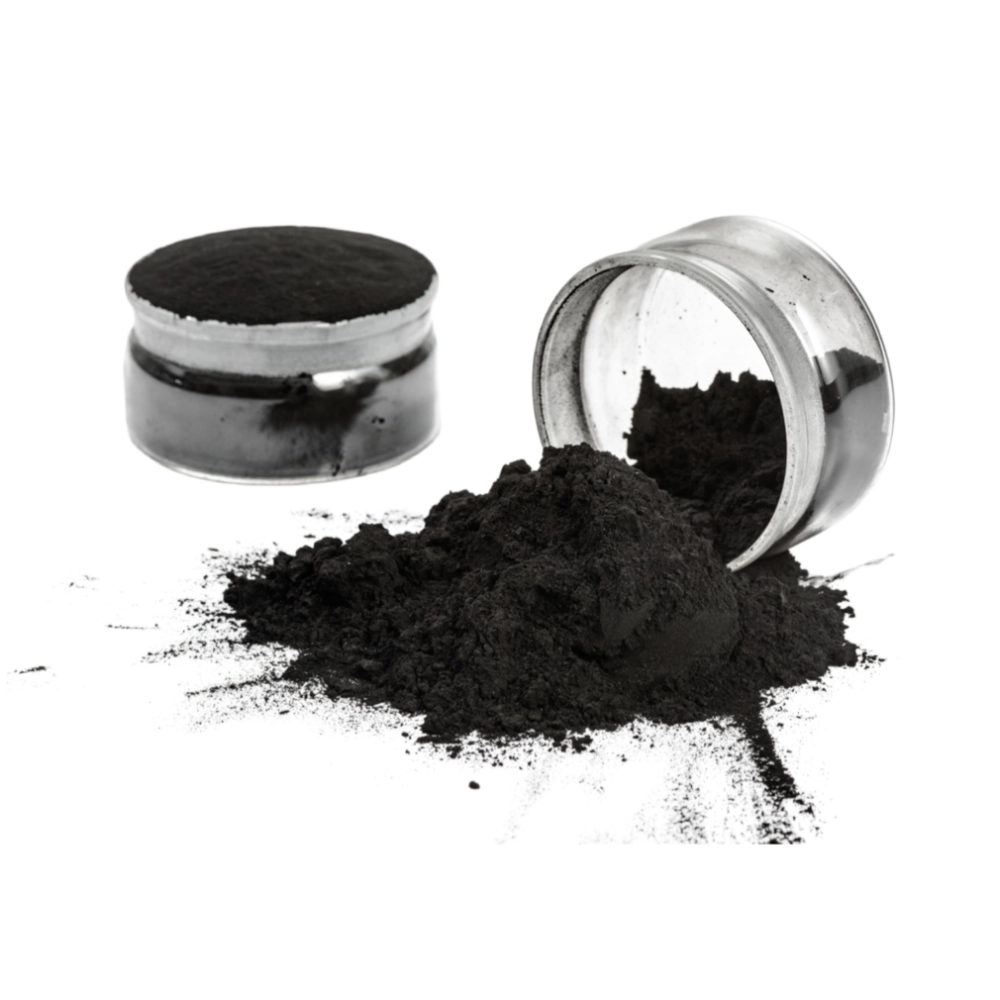
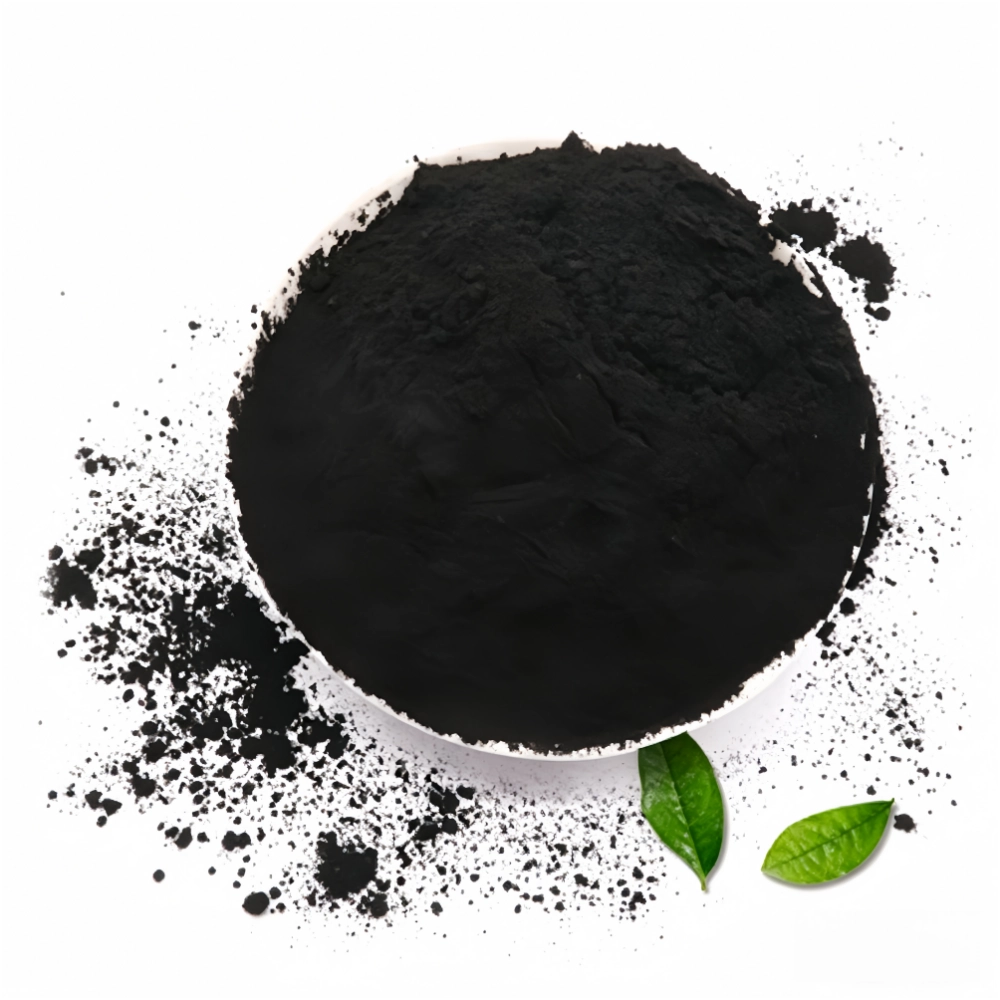
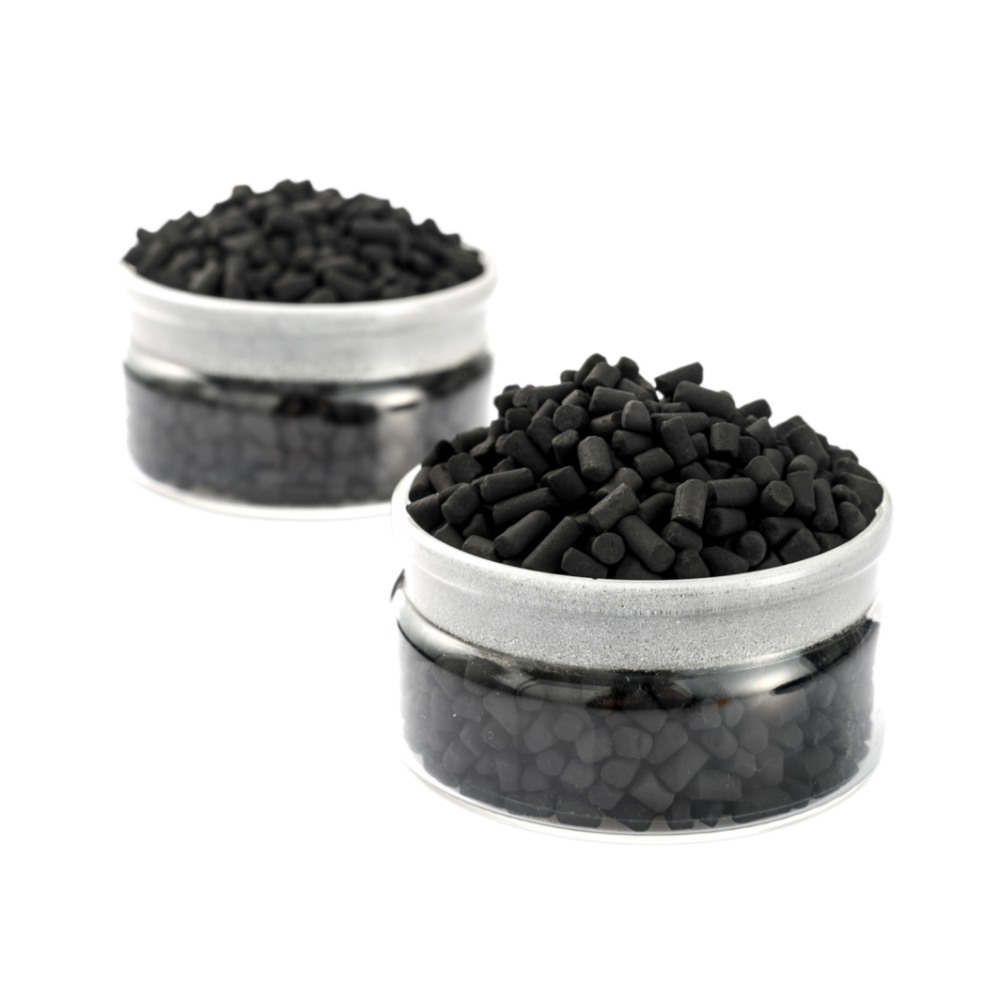
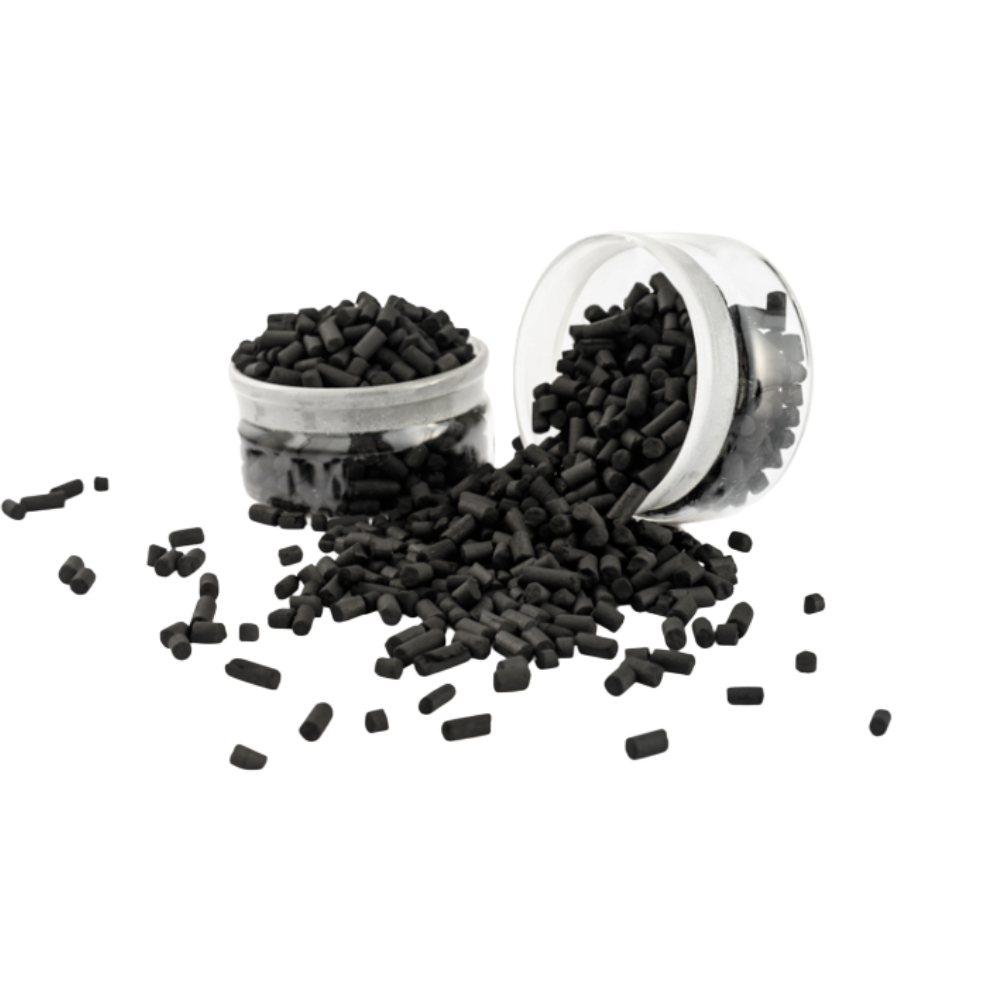
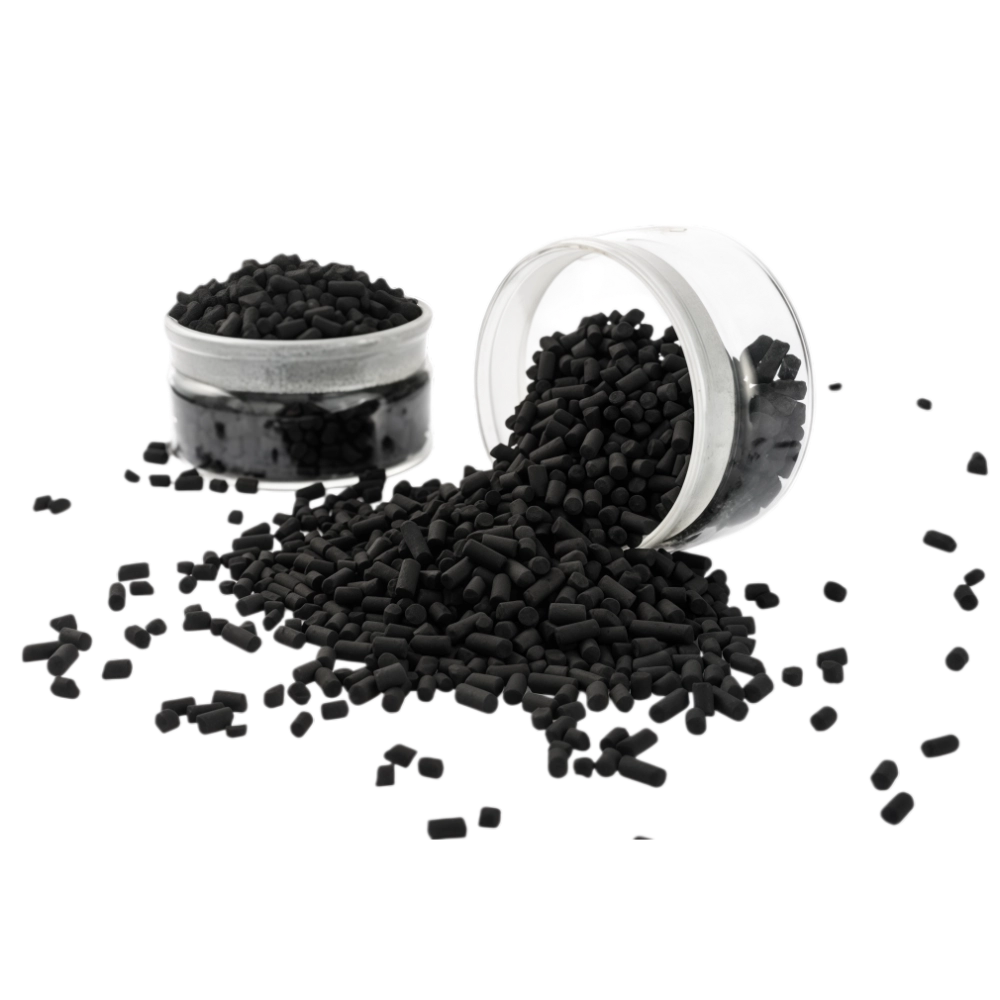
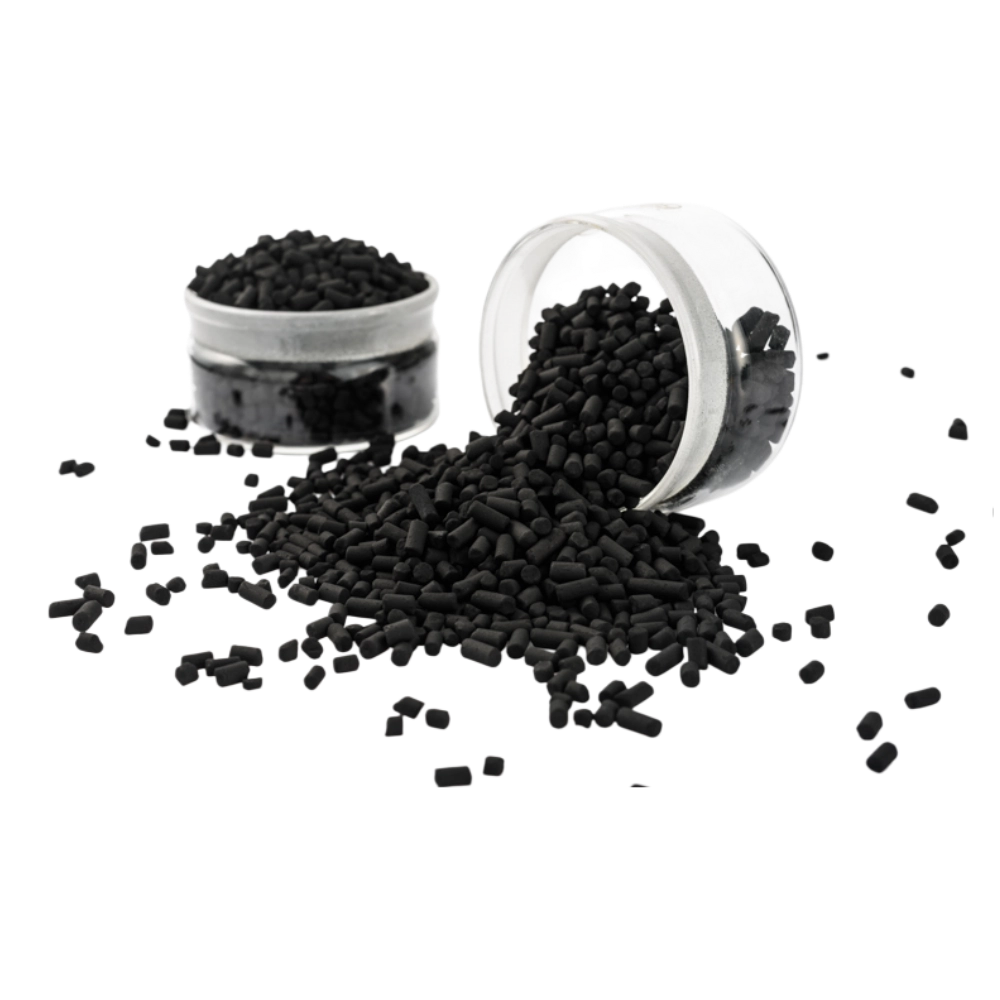
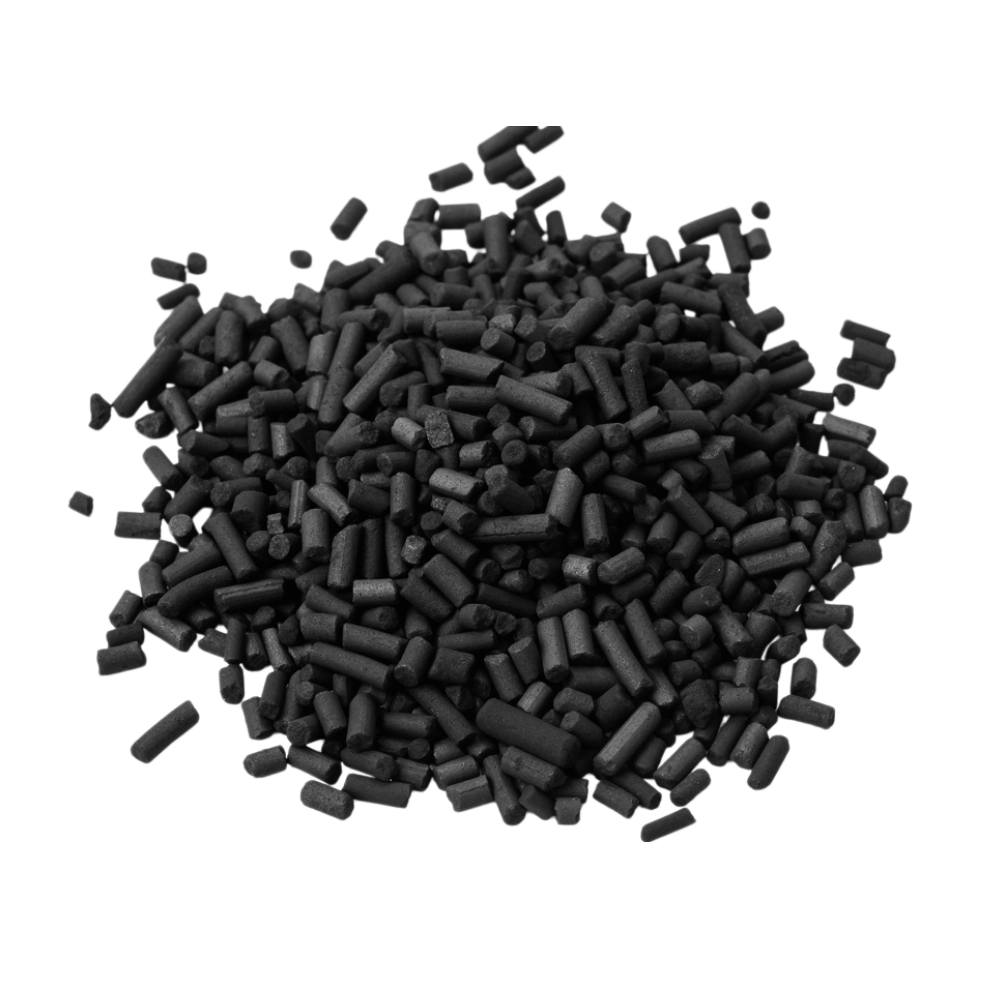
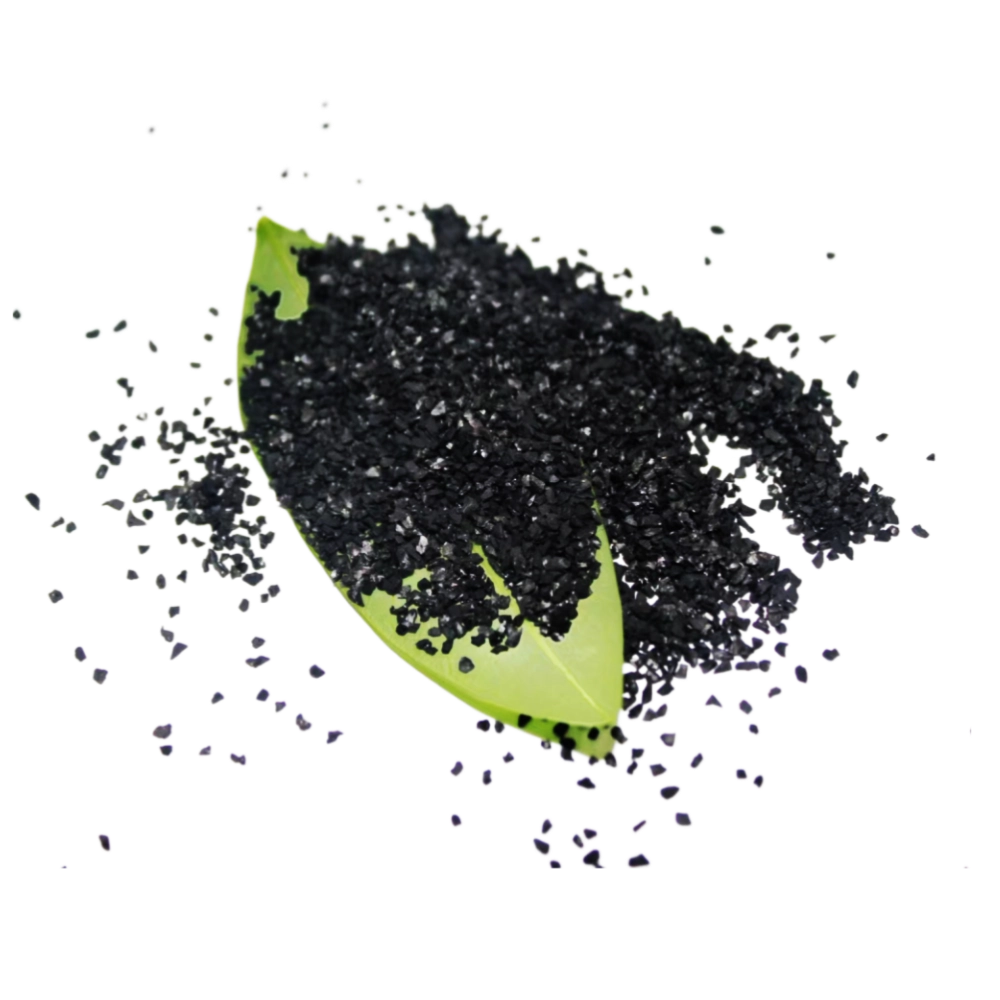
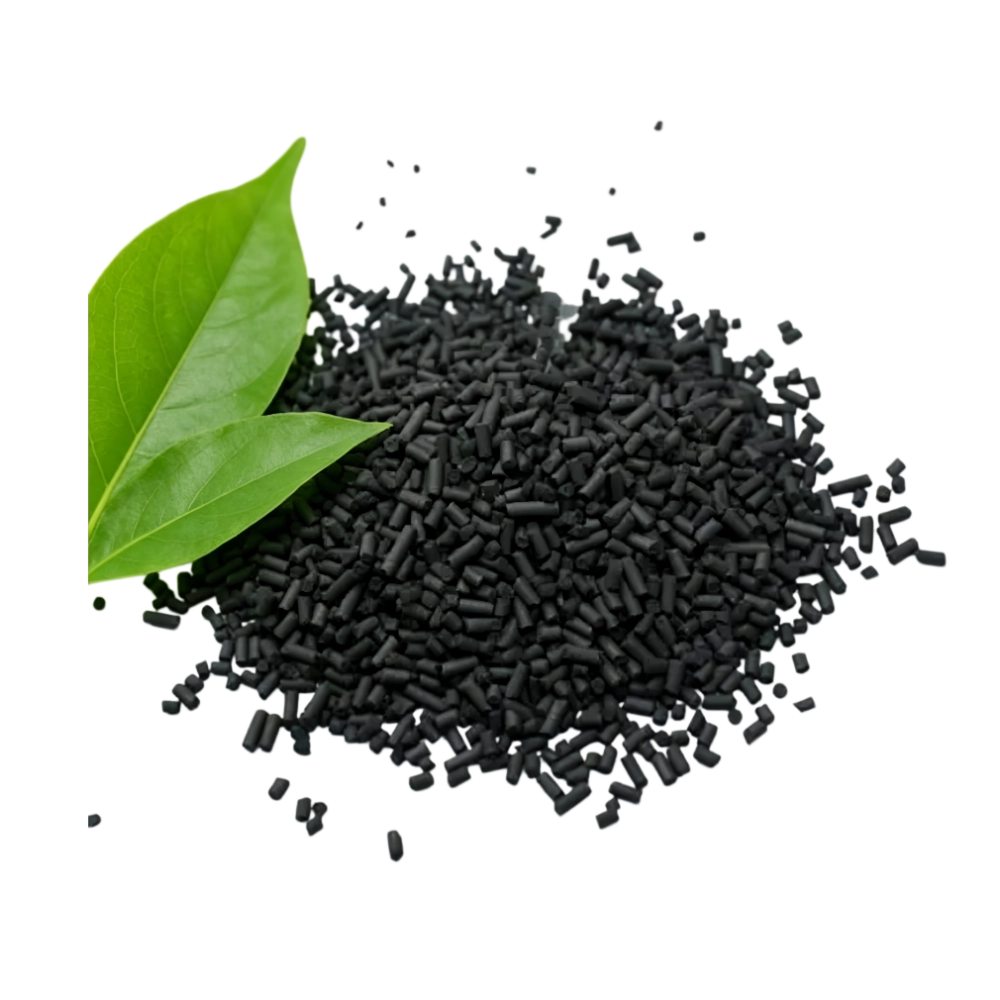
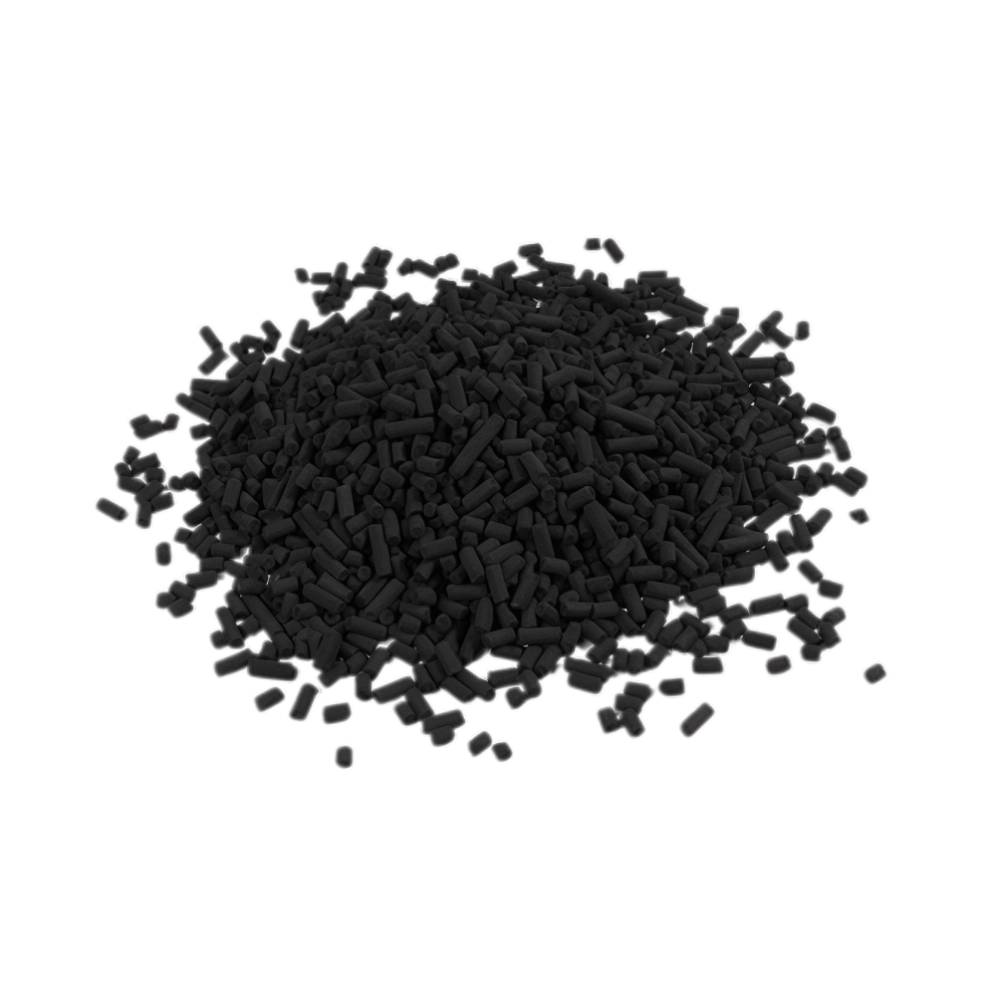
MF-Z is our mercury-optimized coconut shell carbon, formulated for consistent performance across the range of flue gas conditions encountered in real-world operation. The activation process is tuned to develop surface functional groups that promote mercury chemisorption, while the particle size distribution is optimized for pneumatic conveying and dispersion in ductwork.
Specifications
| Technical Specifications | MF-Z | Unit |
| Lodine adsorption value | > 1000 | mg/g |
| Moisture content | < 10 | %-wt |
| Ash content | < 5 | %-wt |
| Strength | > 95 | - |
| Ca | < 1 | % |
| Al | < 0.2 | % |
Key Application Areas
- Coal-fired power plants — compliance with MATS (Mercury and Air Toxics Standards)
- Cement kilns — mercury control in kiln exhaust and bypass systems
- Industrial boilers — solid fuel and waste combustion applications
- Municipal waste incinerators — mercury and dioxin co-control
- Steel manufacturing — sinter plant and electric arc furnace off-gas treatment
Performance Features
- Balanced Halogen Content: Optimized for both elemental and oxidized mercury capture without the corrosion risks of heavily halogenated carbons
- Low Resistivity: Ensures good dispersion in electrostatically charged flue gas streams
- High Surface Area: >1000 m²/g provides abundant adsorption sites for mercury at low concentrations
- Consistent Density: Predictable injection rates and residence time calculations