
















News
-
 23 2026.09
What Is Catalytic Activated Carbon?A Complete Guide to How It Works and Chloramine Removal
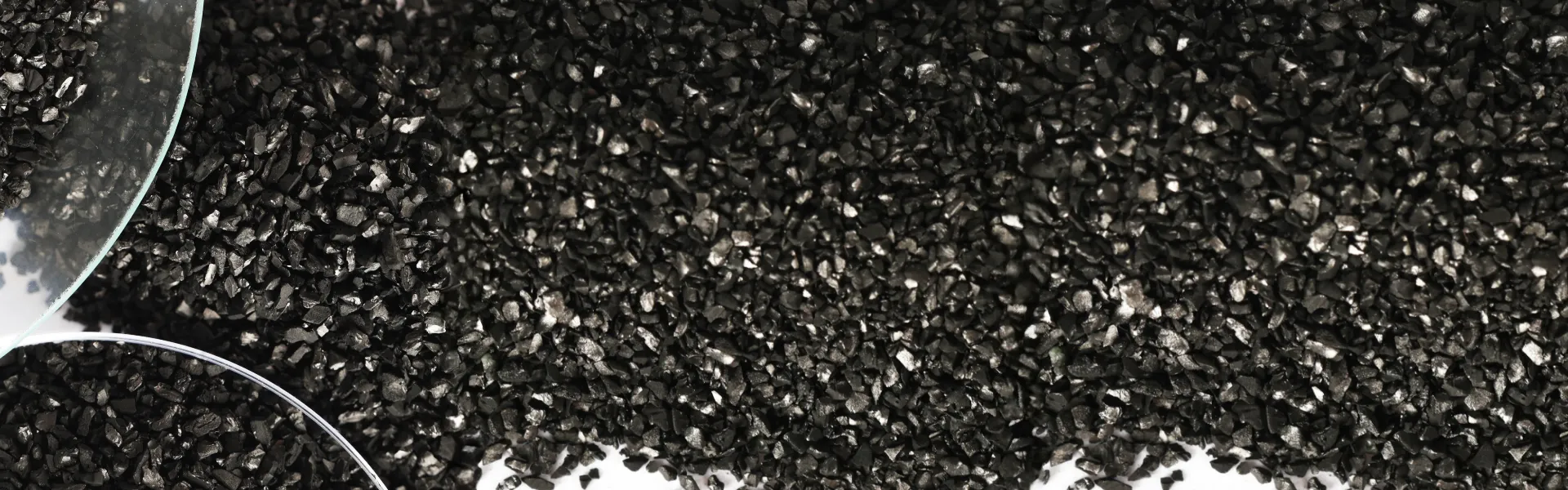
If you treat drinking water containing chloramine, you have probably discovered that standard activated carbon is not always enough. So, what is catalytic activated carbon? Catalytic activated carbon is a specially engineered form of activated carbon with enhanced surface properties that promote chemical reactions at the carbon surface. Unlike conventional activated carbon, which primarily removes contaminants through adsorption, catalytic activated carbon is commonly used when the target contaminant requires enhanced surface ...
view details
-
 18 2026.09
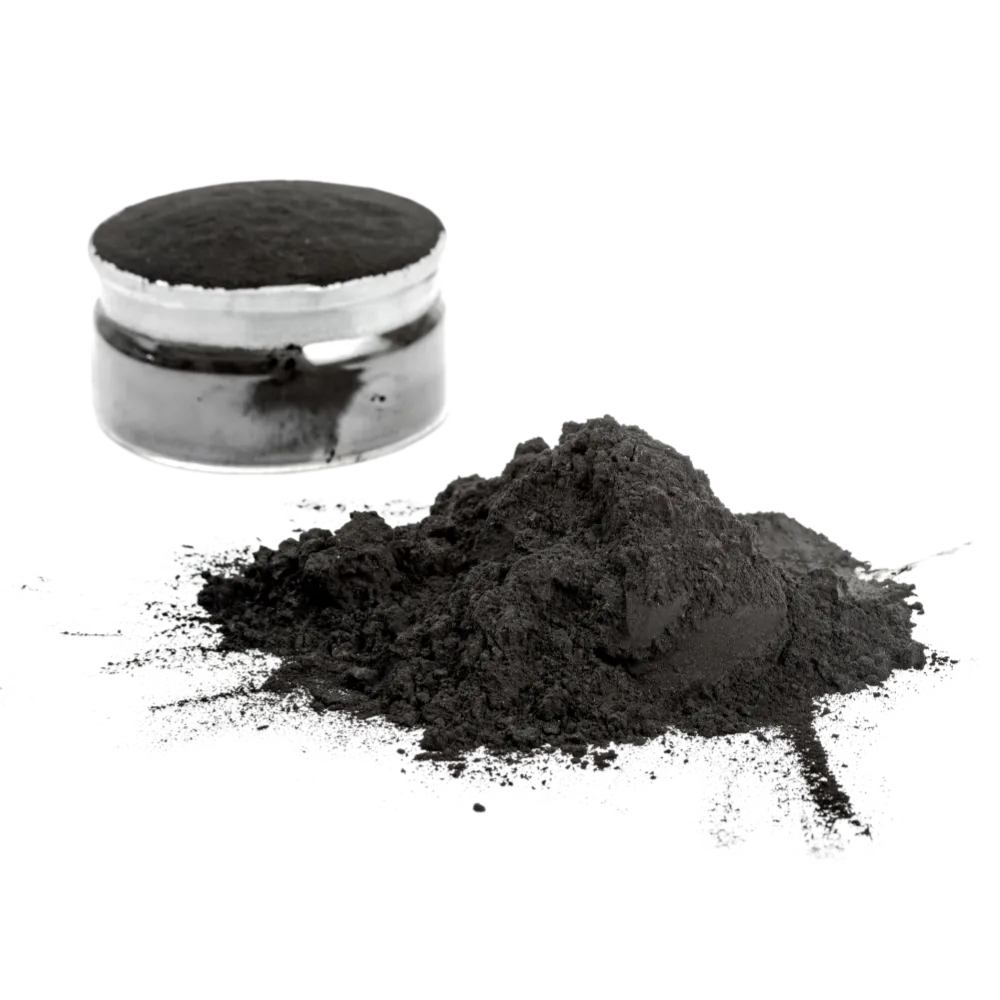
Why Do New Water Filter Cartridges Release Black Carbon Fines?
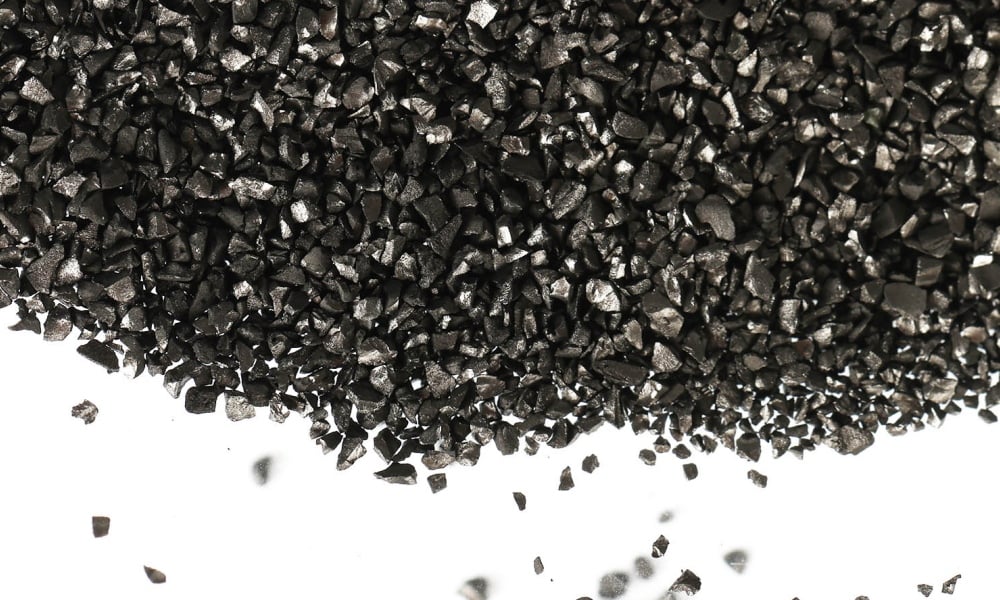
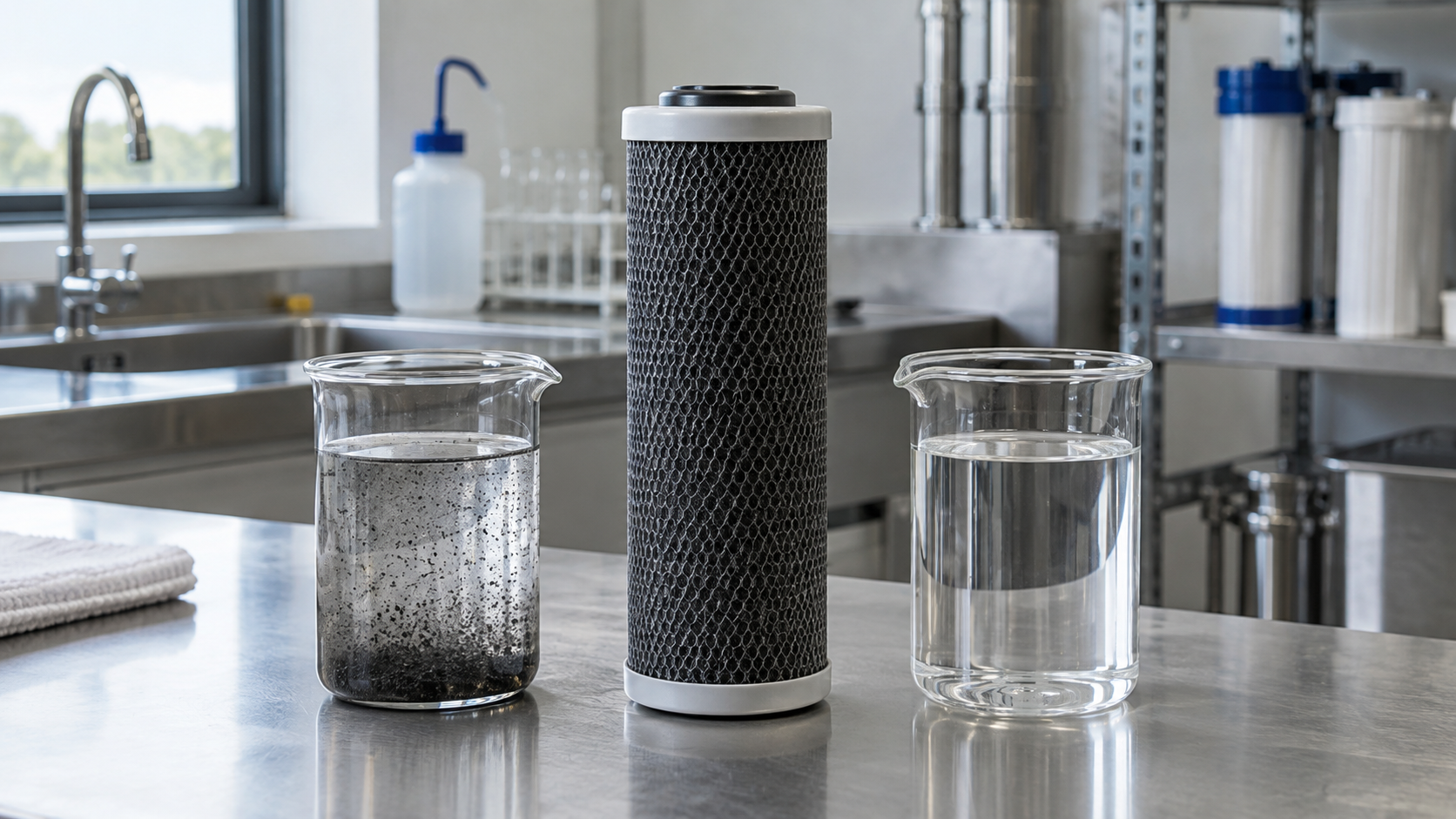
A new water filter is installed, but the first glass of water contains tiny black particles. For a consumer, that may mean a complaint or a returned cartridge. For a point-of-use (POU) filter manufacturer, it raises a more useful question: are the particles a normal start-up release, or evidence of a problem with the carbon media, cartridge assembly or downstream retention? Carbon fines are small particles of activated carbon that can be released from fresh granular activated carbon (GAC), including during initial flushing....
view details
-
 15 2026.09
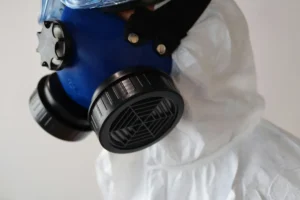
What Type of Activated Carbon Is Used in CBRN Filters?
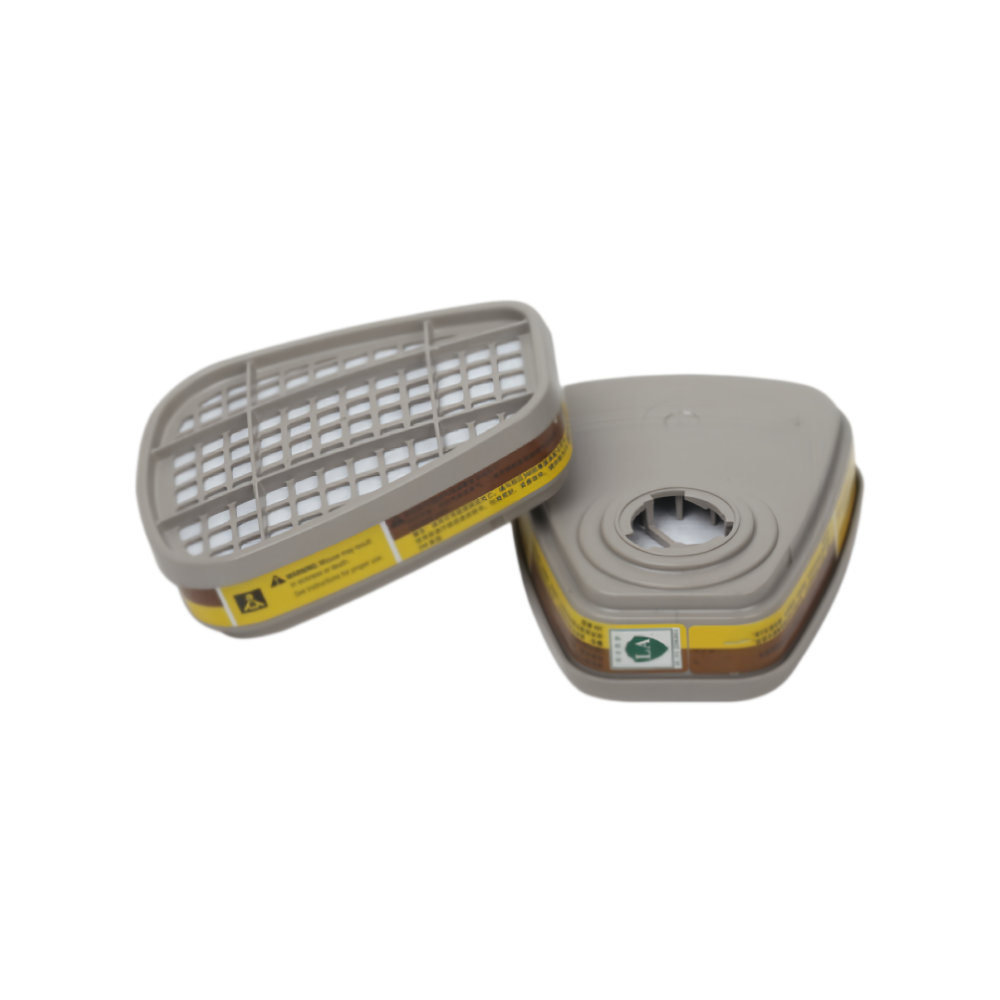
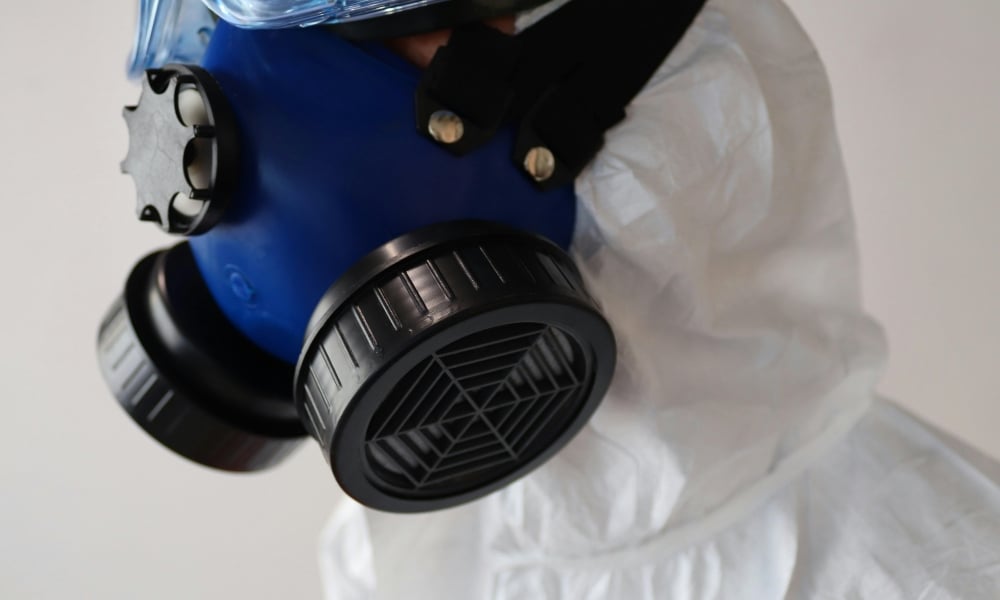
CBRN filters do not typically rely on ordinary activated carbon alone. Many CBRN filtration systems use specialized activated carbon, and often impregnated activated carbon, to remove gaseous and vapor-phase contaminants, while a separate particulate filtration stage addresses aerosols and particles. This article explains what type of activated carbon is used in CBRN filters, why impregnation matters, how CBRN filter media work, what contaminants activated carbon can address, and how engineers and buyers can select carbon m...
view details
-
 10 2026.09
Which Activated Carbon Should You Use for Different Industrial Exhaust Gases?
Activated Carbon Selection for Industrial Exhaust: VOC, H₂S, Odor & Solvent Recovery A 4 mm pelletized activated carbon may work well in one VOC adsorber but perform poorly in an H₂S or mixed-odor system. The problem is not always carbon quality. In many cases, the carbon chemistry or particle structure simply does not match the gas stream. For environmental engineering companies and exhaust treatment equipment manufacturers, activated carbon selection should therefore start with a simple question: This guide prov...
view details
-
 09 2026.09
Activated Carbon for Water Treatment: Don't Overlook pH
When engineers compare activated carbon for water treatment, the datasheet review usually starts with iodine number, CTC activity, and ash content. pH rarely makes the shortlist — until commissioning week, when effluent pH drifts a full unit above specification and the plant scrambles to add acid dosing it never budgeted for. The truth is that pH is not a minor footnote in activated carbon selection. It shapes adsorption efficiency, effluent stability, and compatibility with downstream processes. In this guide, we will walk thr...
view details
-
 04 2026.09
How to Read Activated Carbon Specifications: A Buyer's Guide
Two suppliers quote you an iodine number of 1000 mg/g. One is 20% cheaper. You take the cheaper one — and three months later, the bed is channeling, pressure drop has doubled, and the carbon needs replacing a year ahead of schedule. The difference was sitting in the seven lines of the specification you didn't read. An activated carbon specification is more than a headline adsorption number, and a Certificate of Analysis (COA) is more than a formality attached to the shipment. Together they are the only documents that tel...
view details