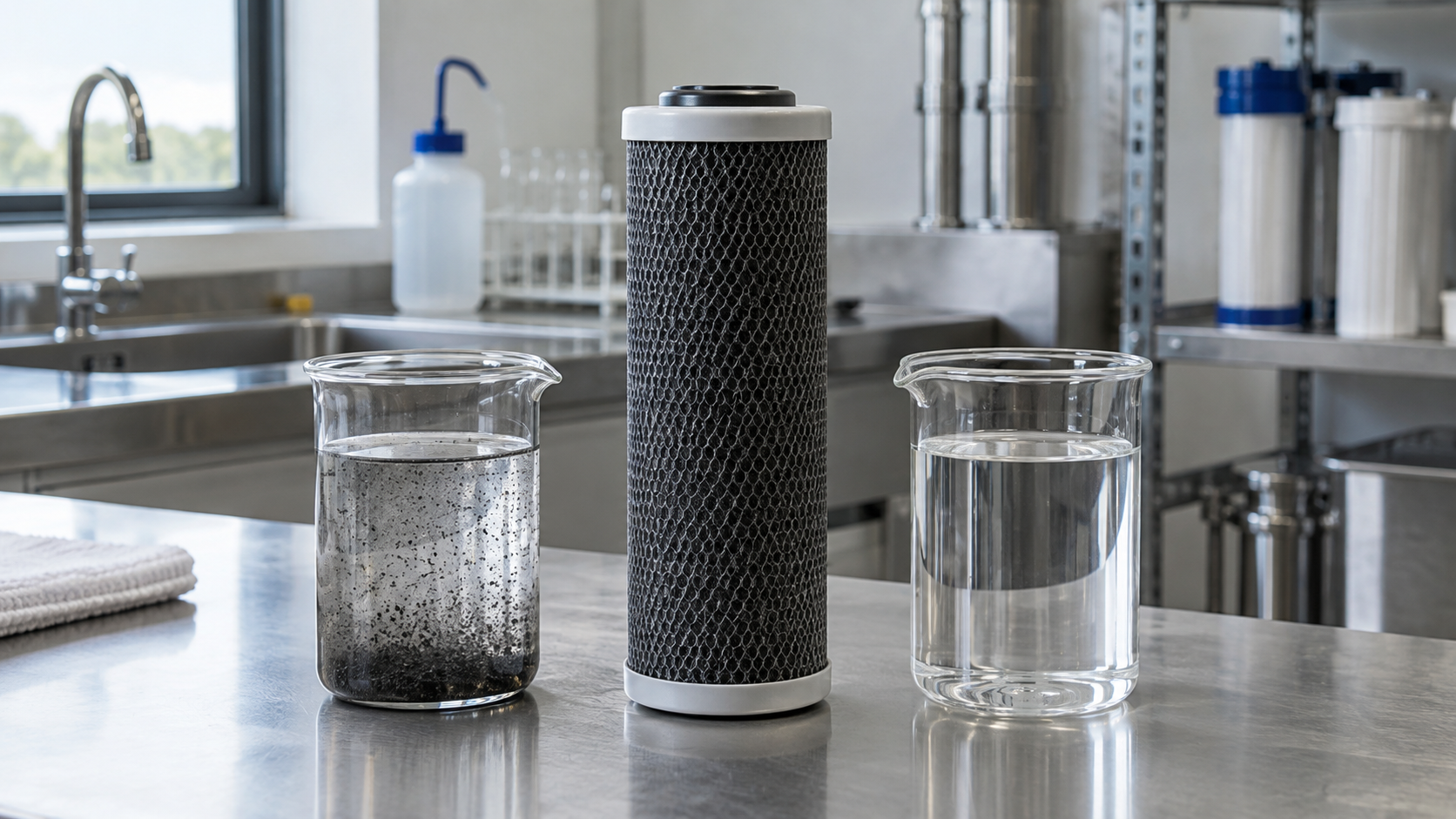











Why Activated Carbon Specifications Alone Cannot Predict Sugar Syrup Decolorization Performance
Two activated carbons can show similar numbers on a specification sheet and still behave differently in the same sugar syrup.
This is because sugar syrup decolorization is not controlled by one activated carbon parameter. Iodine number, methylene blue adsorption, surface area, ash and pH are useful screening tools, but none of them reproduces the complete interaction between the carbon, the color bodies and the actual refining process.
For sugar refiners and syrup processors, the more useful question is therefore not simply “Which carbon has the highest specification?” but “Which carbon performs best under our actual process conditions?”
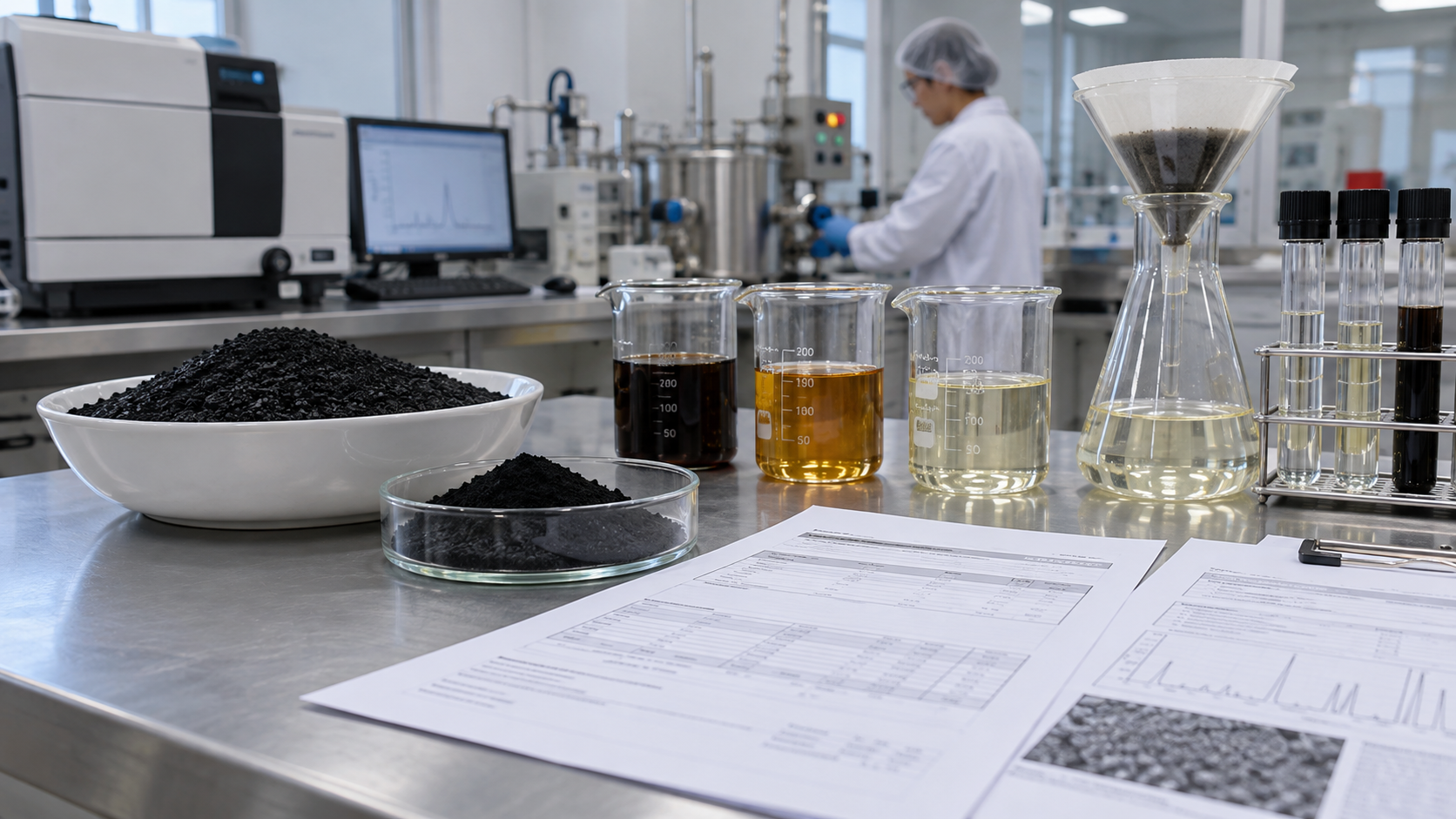
What an Activated Carbon Specification Can — and Cannot — Tell You
A TDS or COA is essential when comparing activated carbon grades. It helps confirm product consistency, adsorption indicators, purity and physical properties.
However, these values should be used as screening parameters rather than treated as a direct prediction of syrup decolorization performance.
| Parameter | What It Helps Indicate | What It Does Not Tell You Alone |
|---|---|---|
| Methylene Blue Adsorption | Useful indication of adsorption capacity toward relatively larger probe molecules | Actual removal of the specific color bodies in your syrup |
| Iodine Number | Common indicator associated with micropore development | Performance against all larger syrup color compounds |
| BET Surface Area | Total accessible surface measured by a defined test method | Whether that surface is distributed in pores accessible to the target impurities |
| pH | Surface chemistry and possible process compatibility | Overall adsorption capacity or finished syrup quality |
| Ash | General indication of inorganic residue | The identity and extractability of every mineral component |
| Particle Size | Contact, handling, filtration or fixed-bed hydraulic characteristics | Adsorption chemistry by itself |
If you are reviewing supplier documentation, our Activated Carbon COA Guide explains how these parameters should be interpreted before a trial.
1. Sugar Color Is a Mixture, Not a Single Test Molecule
Sugar and syrup streams can contain a complex mixture of natural pigments and compounds formed during processing, including polyphenolic materials, caramel-type compounds, melanoidins and other color precursors.
These compounds do not all have the same molecular size, polarity or affinity for the carbon surface. A laboratory adsorption test based on one probe molecule therefore represents only part of the adsorption behavior that may occur in a real syrup.
This is why two carbons with similar headline adsorption values can still produce different results when tested on an actual process stream.
2. Pore Distribution Matters More Than a Surface-Area Number Alone
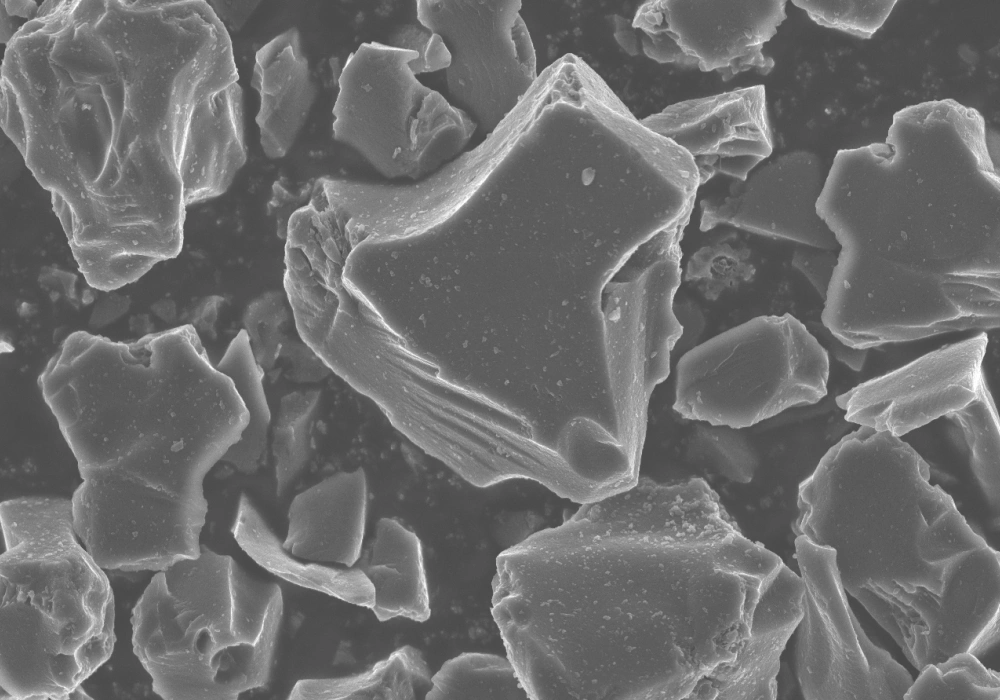
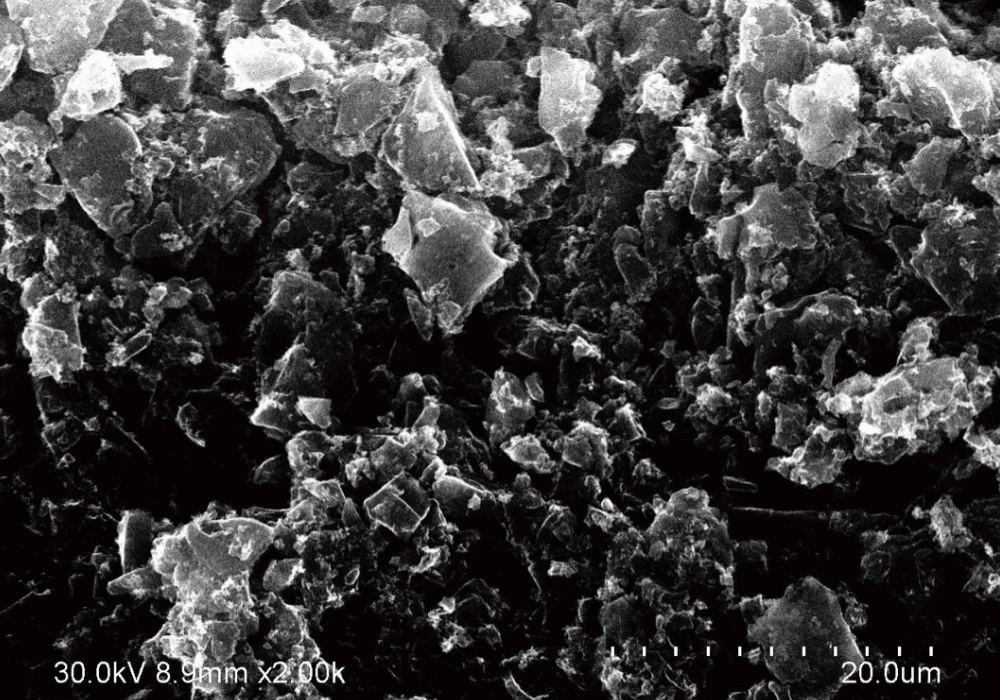
Activated carbon contains pores of different sizes. What matters in decolorization is not simply how much total surface exists, but whether the pore network is accessible to the impurities that need to be removed.
Research on activated carbon for sugar decolorization has shown that physical and chemical surface properties both influence performance. For granular carbon, developed mesopore and macropore structure can be important when treating the relatively complex color bodies found in sugar streams.
This is also why a carbon designed primarily for small-molecule adsorption should not automatically be assumed to be the best decolorization grade simply because it has a high iodine value or large BET surface area.
3. Methylene Blue Is Useful — but It Is Still a Screening Parameter
Methylene blue adsorption is particularly useful when comparing powdered activated carbons intended for decolorization because it provides information about adsorption of a larger probe molecule than iodine.
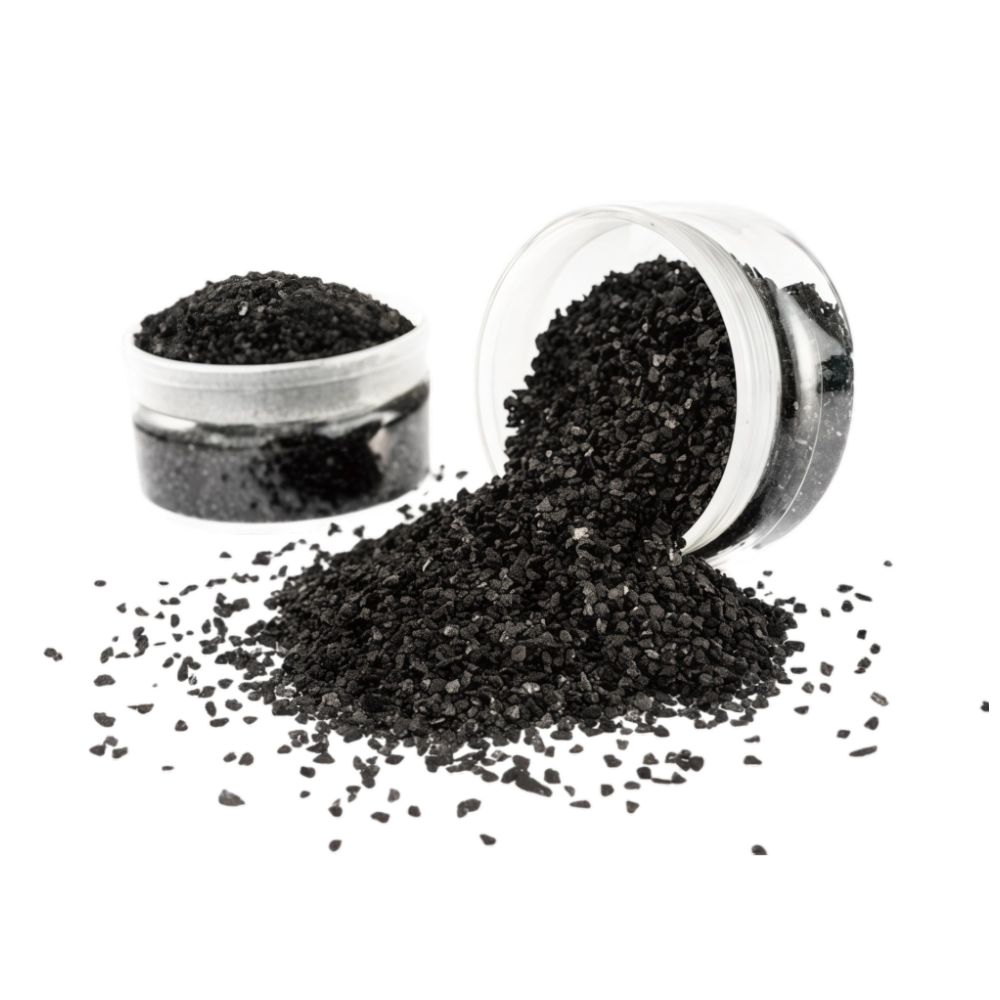
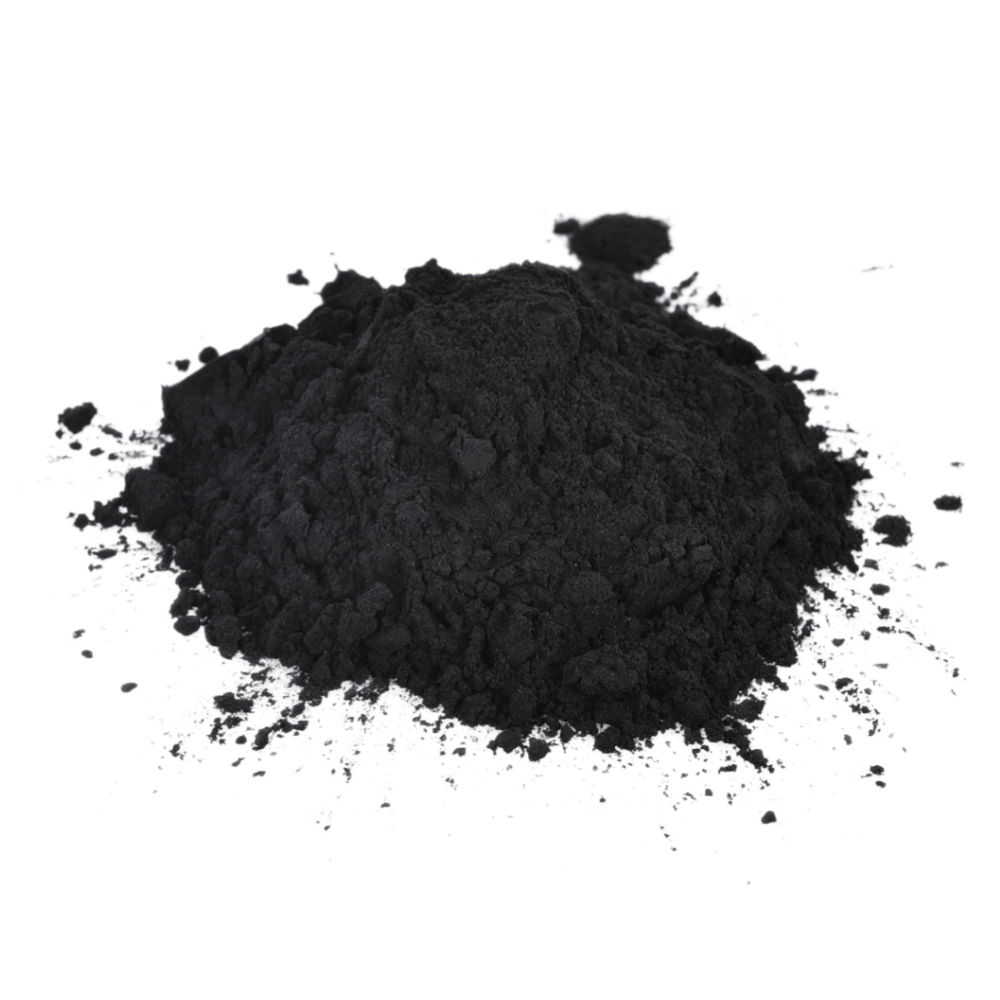
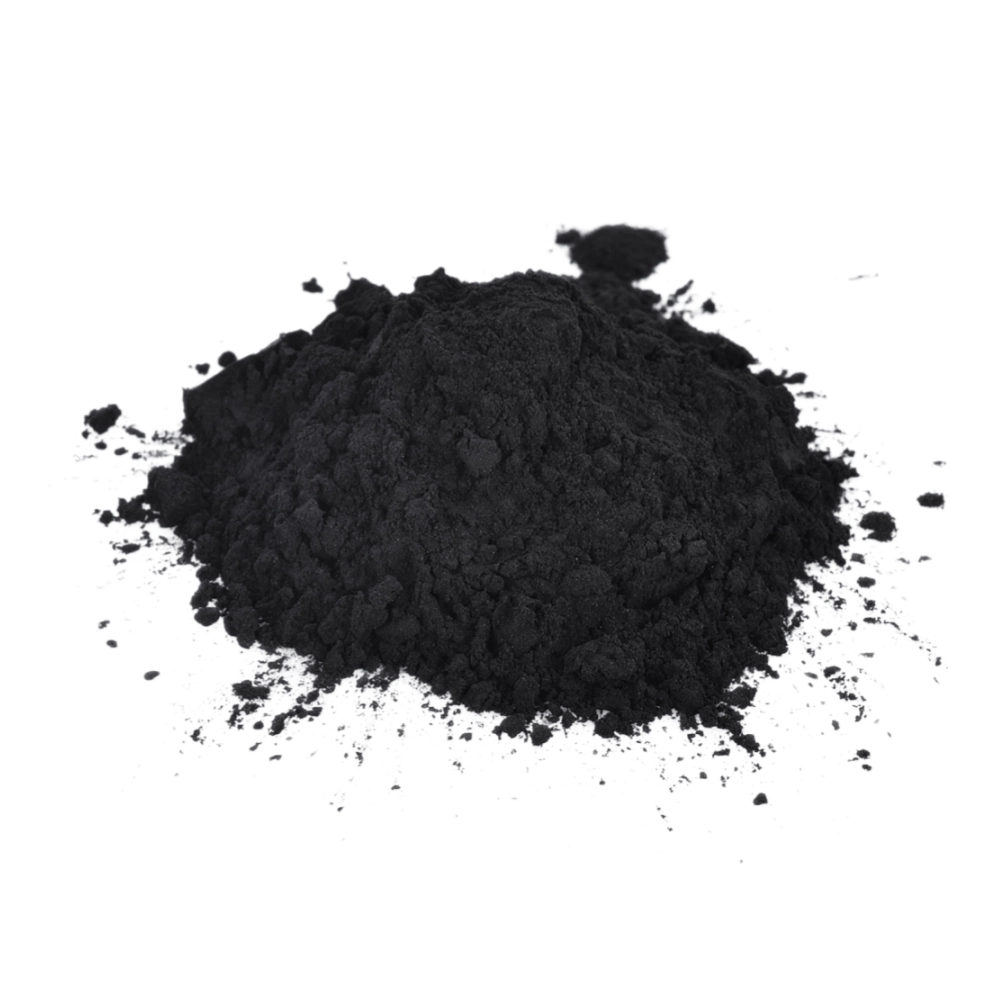
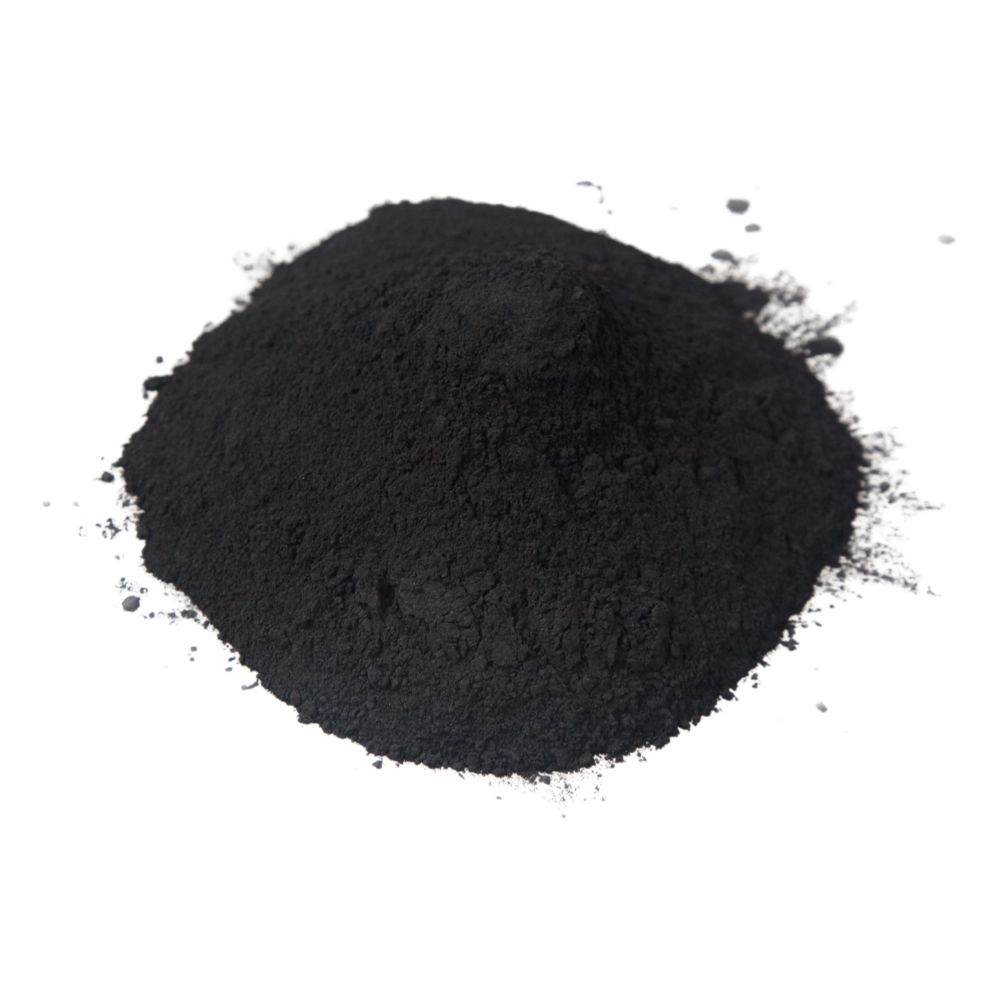
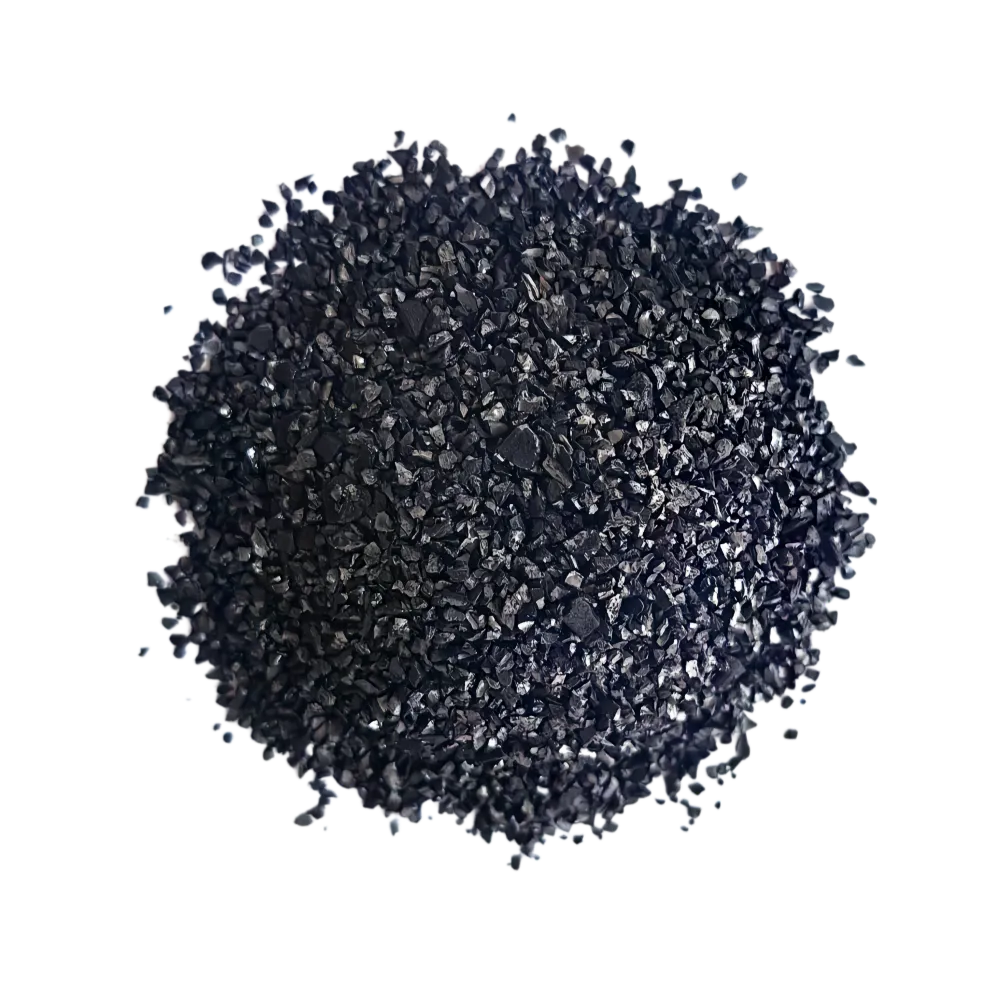
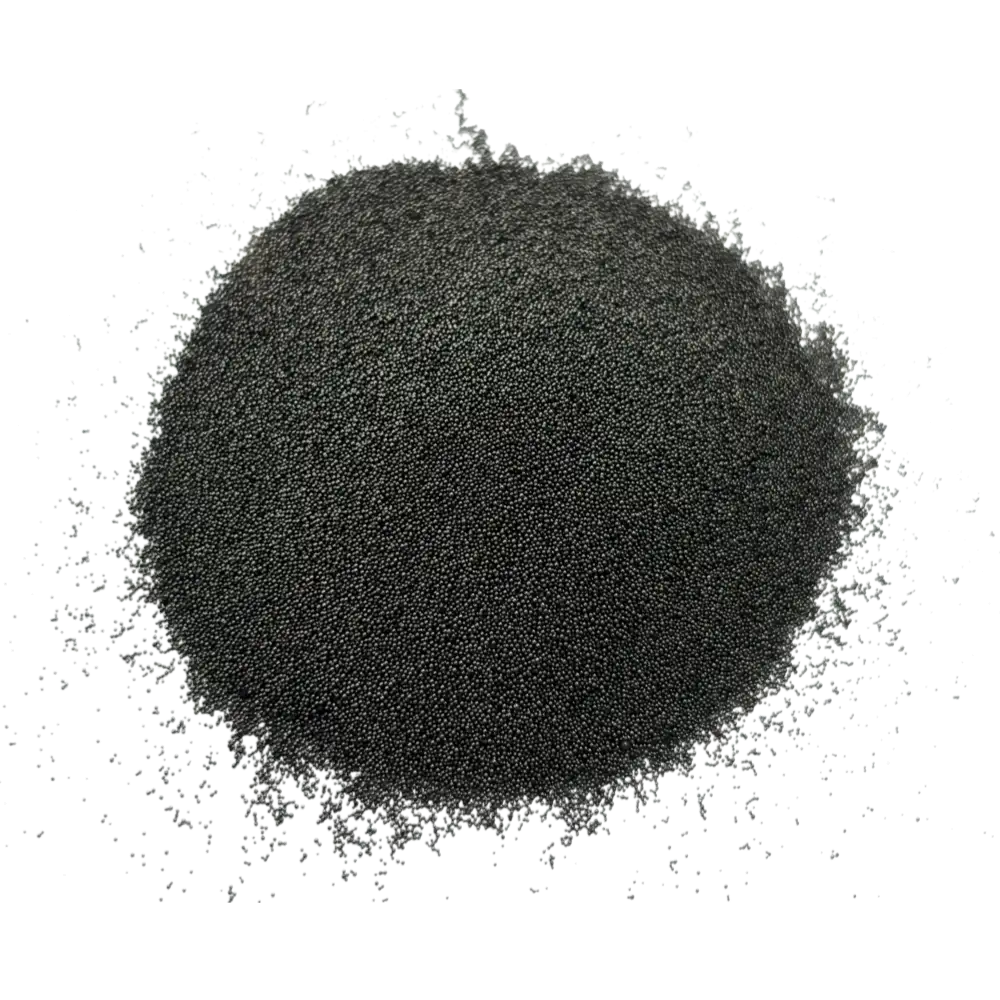
For example, Purestar's LPF wood-based powdered activated carbon is currently offered in three published grades:
- F-14: Methylene Blue >210 mg/g
- F-16: Methylene Blue >240 mg/g
- F-18: Methylene Blue >270 mg/g
These values provide a useful way to differentiate the grades before testing. They should not, however, be interpreted as a direct prediction that F-18 will always produce a proportionally better sugar color result than F-14 or F-16.
If a lower specification grade already reaches the required process target at an acceptable dosage and filtration rate, the higher laboratory adsorption number may not provide a meaningful operating advantage.
4. Surface Chemistry and pH Can Change the Process Response
Activated carbons produced from different raw materials and activation processes can have different surface chemistry.
For sugar processing, pH compatibility deserves attention because the treatment step should remove unwanted color without unnecessarily disturbing the chemistry of the syrup.
Purestar's LPF series, for example, has a published pH range of 2–5, while the FHM wood-based powdered carbon is produced by physical steam activation and is positioned as a neutral-pH option.
This does not mean acidic or neutral carbon is universally superior. It means the carbon should be evaluated against the pH requirements of the actual process and finished product.
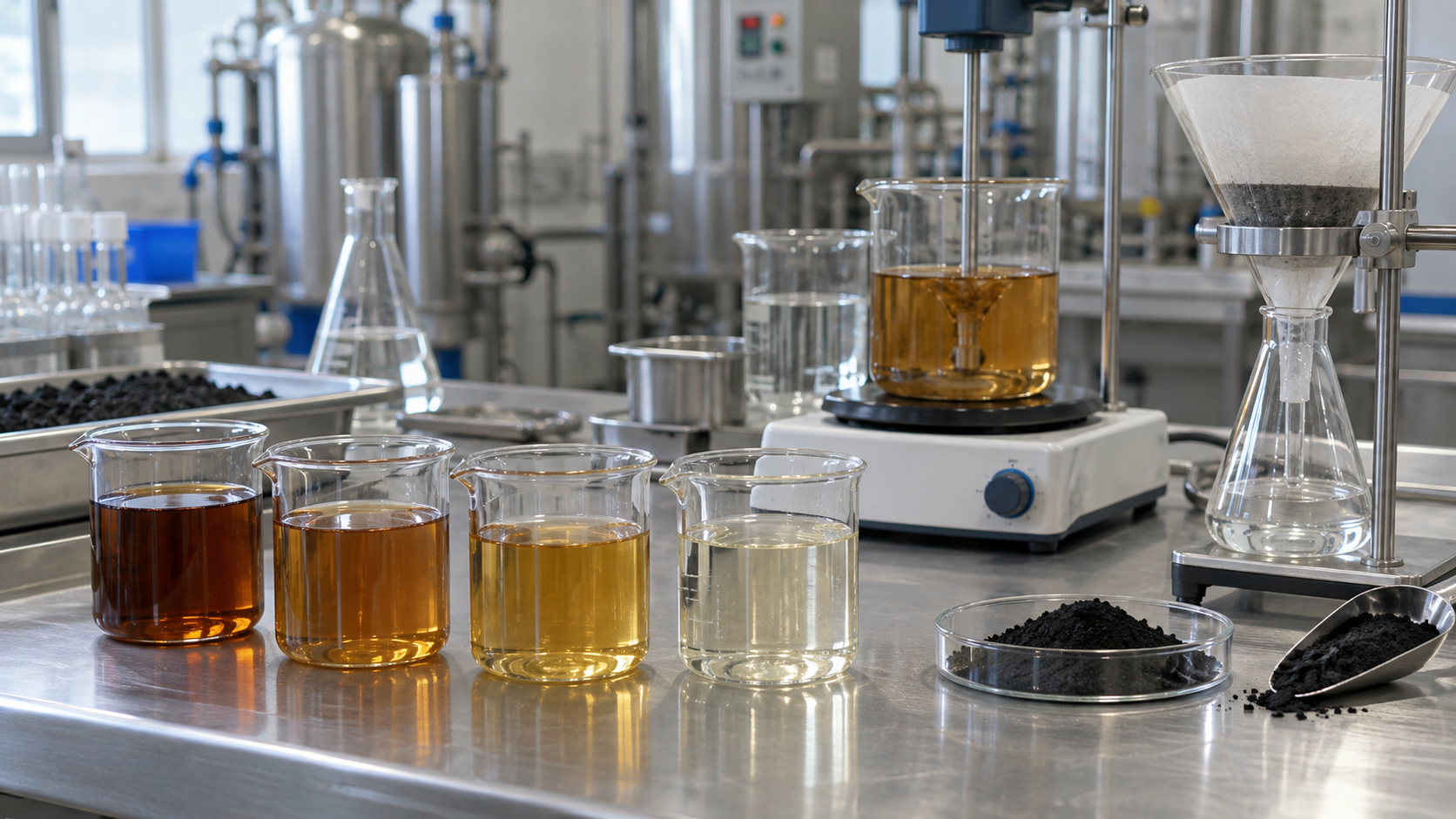
5. The Same Carbon Can Perform Differently at Different Process Conditions
Activated carbon performance is also influenced by how the treatment is operated.
- Dosage: determines how much adsorption capacity is available to the syrup.
- Contact time: affects how much opportunity color compounds have to diffuse into the pore structure.
- Temperature: influences syrup viscosity and adsorption behavior.
- Viscosity: can affect mass transfer and how easily impurities reach the carbon surface.
- Mixing: affects contact between powdered carbon and the liquid.
For this reason, comparing two activated carbons under different laboratory conditions can produce misleading conclusions. A meaningful comparison should keep the syrup batch, dosage, temperature, mixing and contact time as consistent as possible.
6. For Powdered Carbon, Filtration Is Part of Performance
A powdered activated carbon may adsorb color effectively, but it still has to be separated from the syrup after treatment.
Particle-size distribution, filter medium, syrup viscosity and cake behavior can affect filtration time and production throughput. A carbon that gives an attractive laboratory adsorption value but causes difficult separation may not provide the best overall result in production.
For this reason, a syrup decolorization trial should record both color performance and filtration behavior.
7. Powdered and Granular Carbon Should Not Be Compared the Same Way
The carbon form also changes which specifications matter most.
| Factor | Powdered Activated Carbon | Granular Activated Carbon |
|---|---|---|
| Typical process | Dosing, contact and filtration | Continuous or semi-continuous fixed bed |
| Important performance factors | Decolorization, dosage, pH, dispersion and filtration | Adsorption, particle size, hardness, bed hydraulics and service cycle |
| Mechanical strength | Usually less dominant than in a fixed bed | Important for handling and repeated bed operation |
| Evaluation method | Bench testing with actual syrup is particularly useful | Process and bed conditions must also be considered |
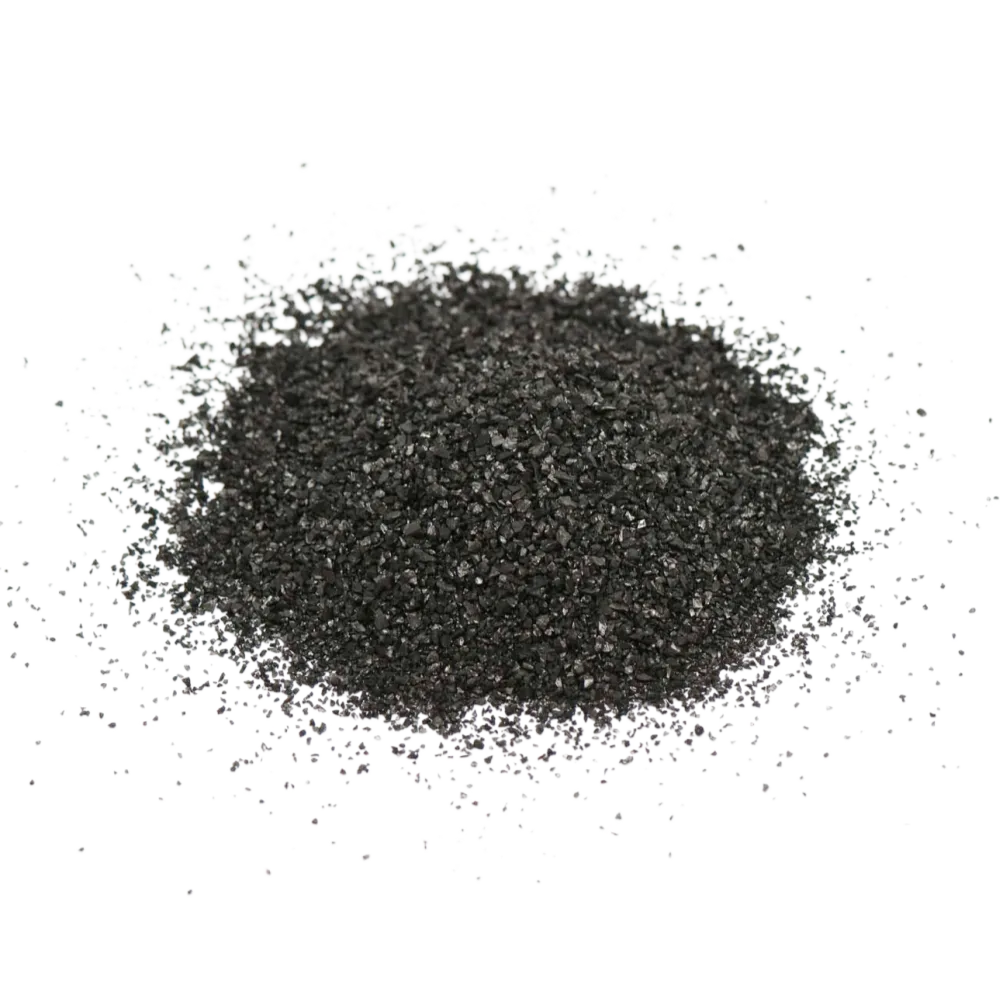
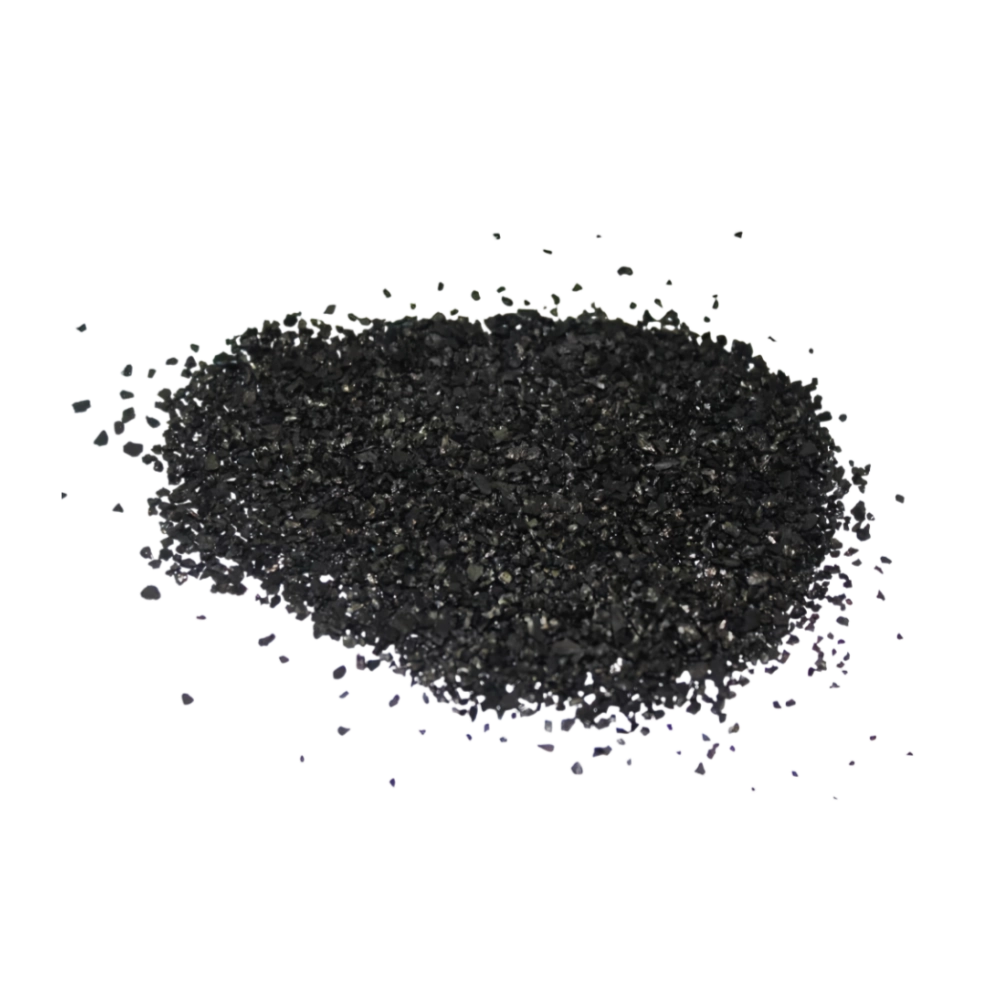
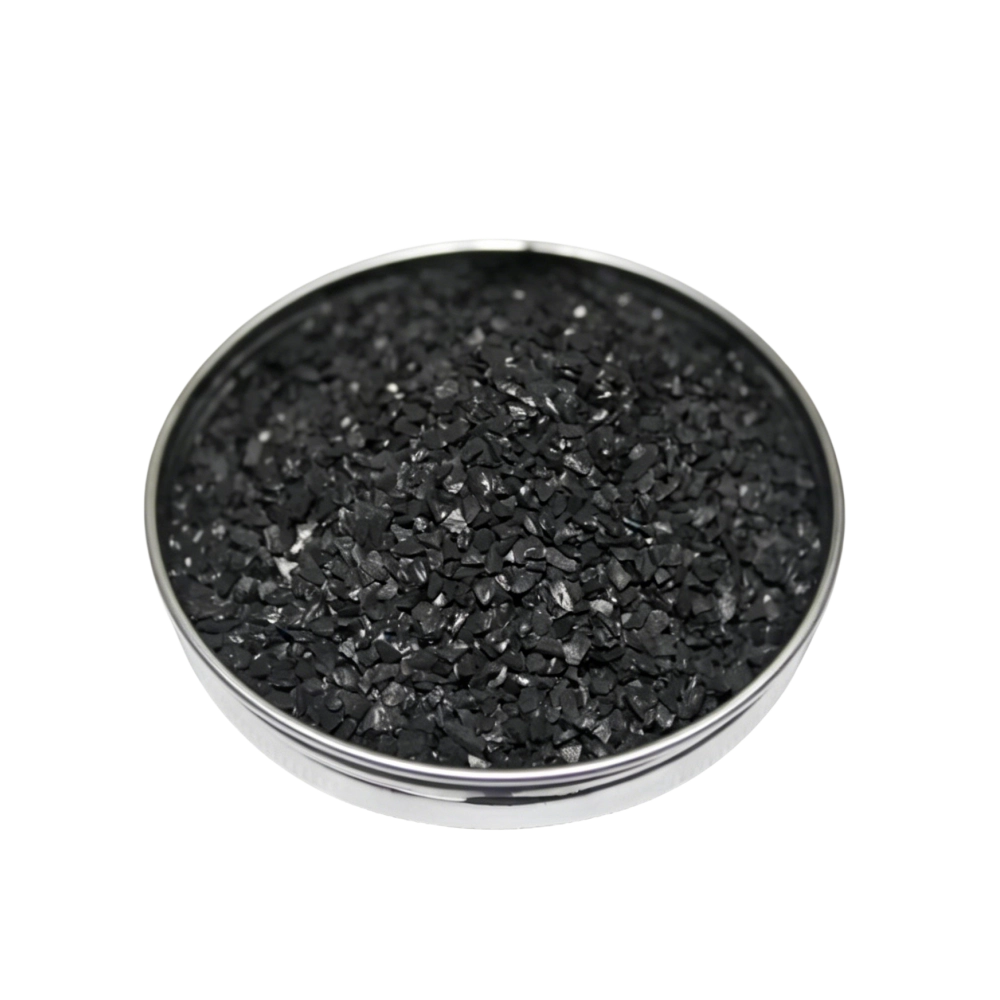
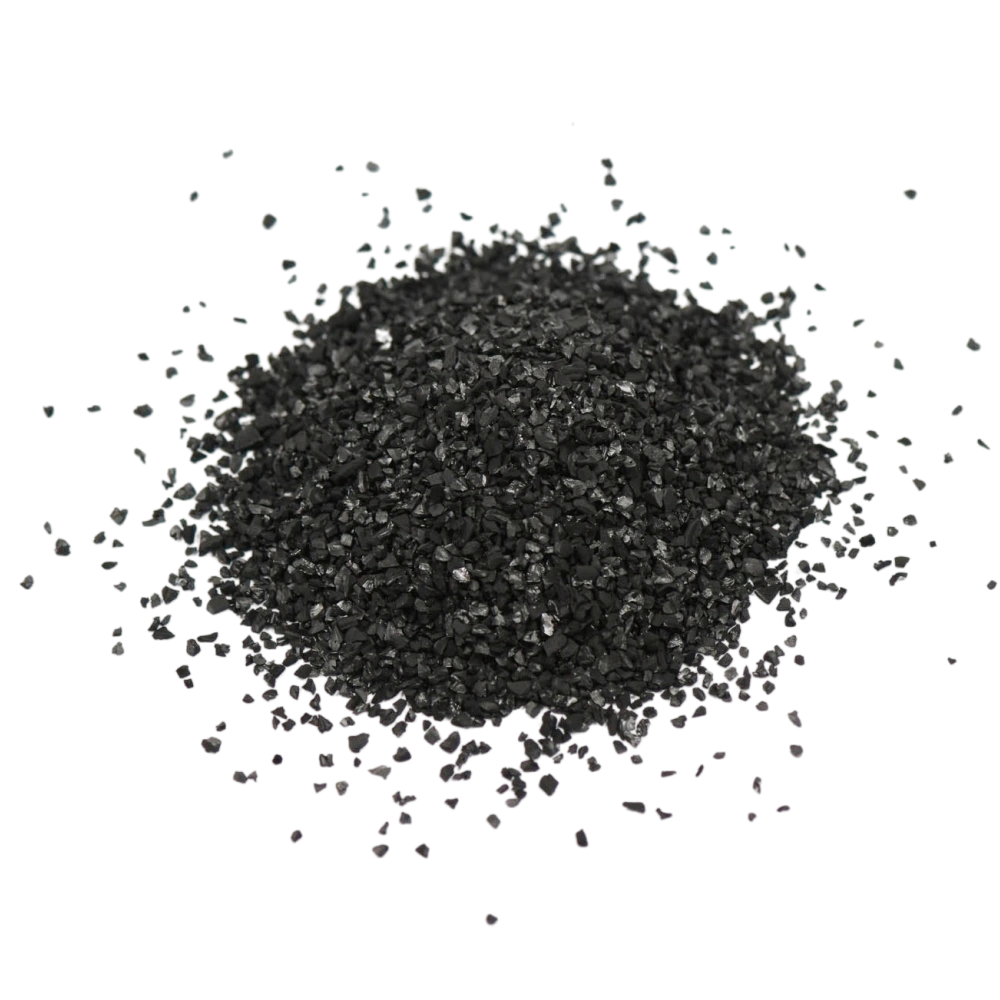
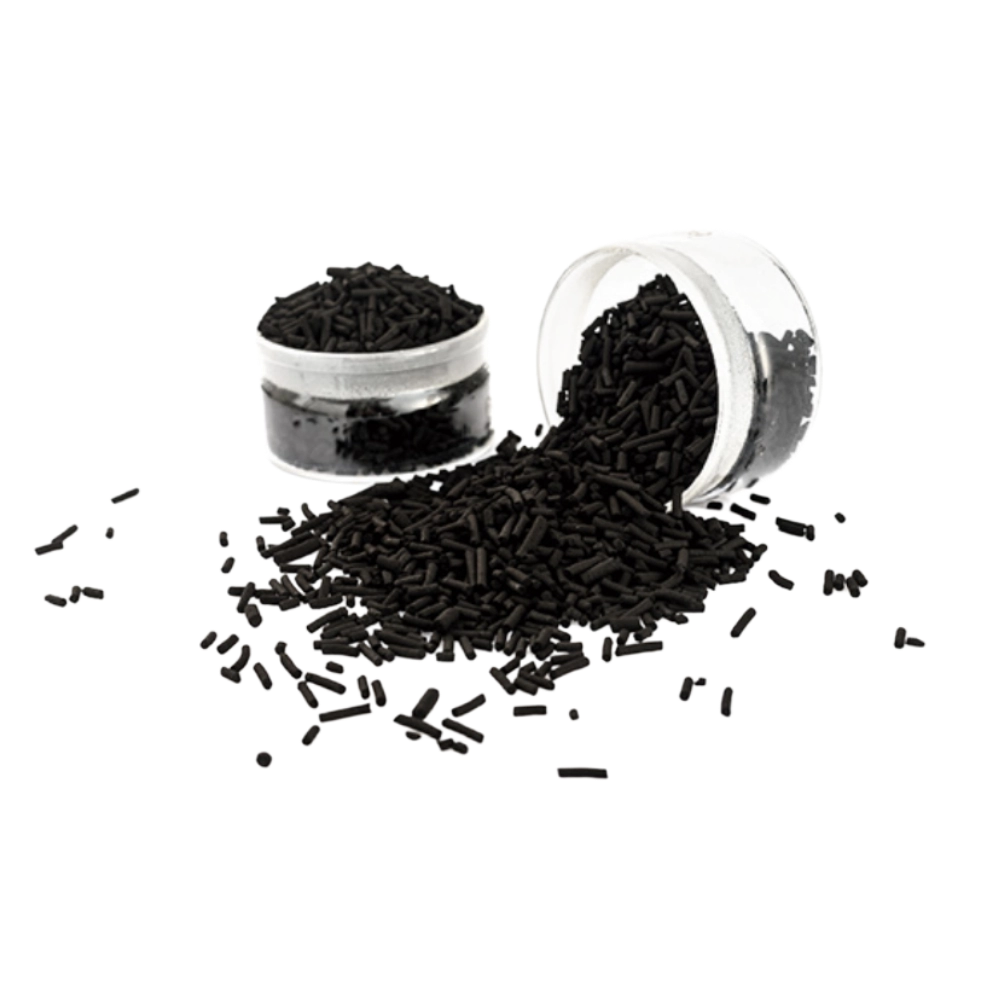
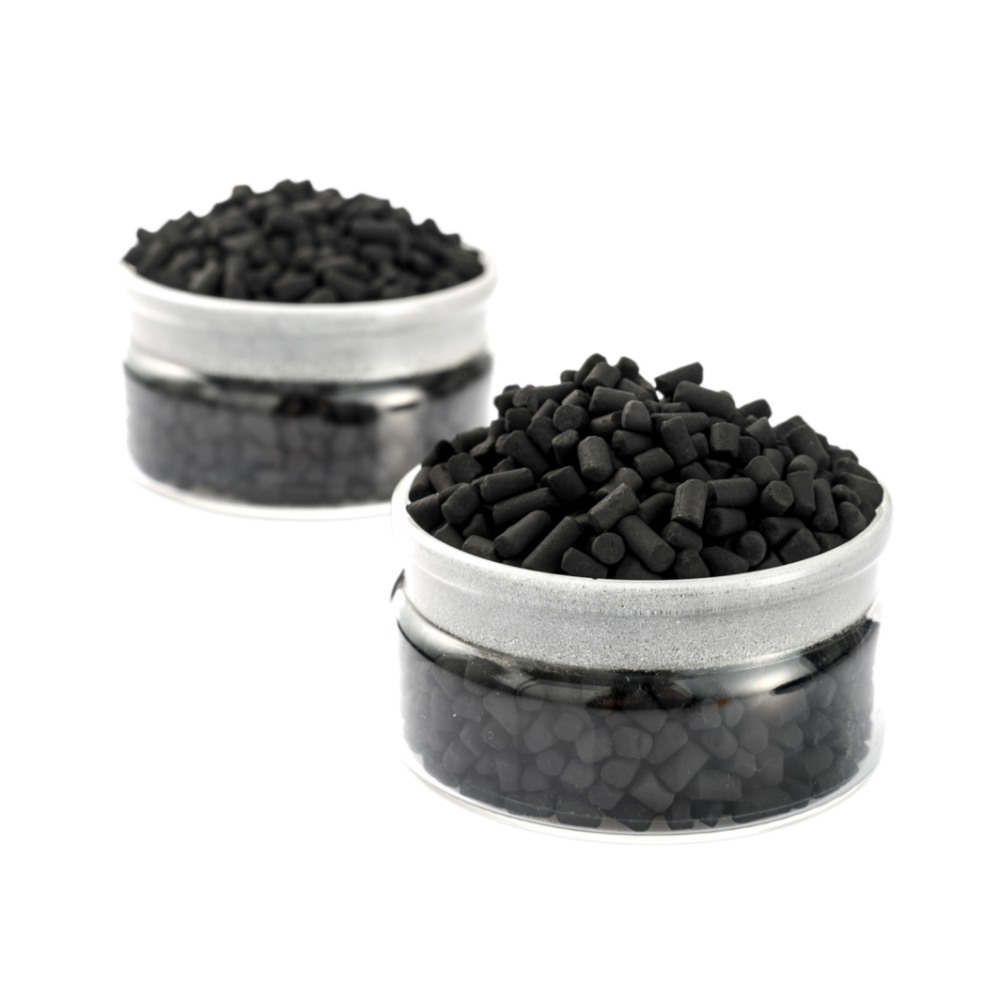
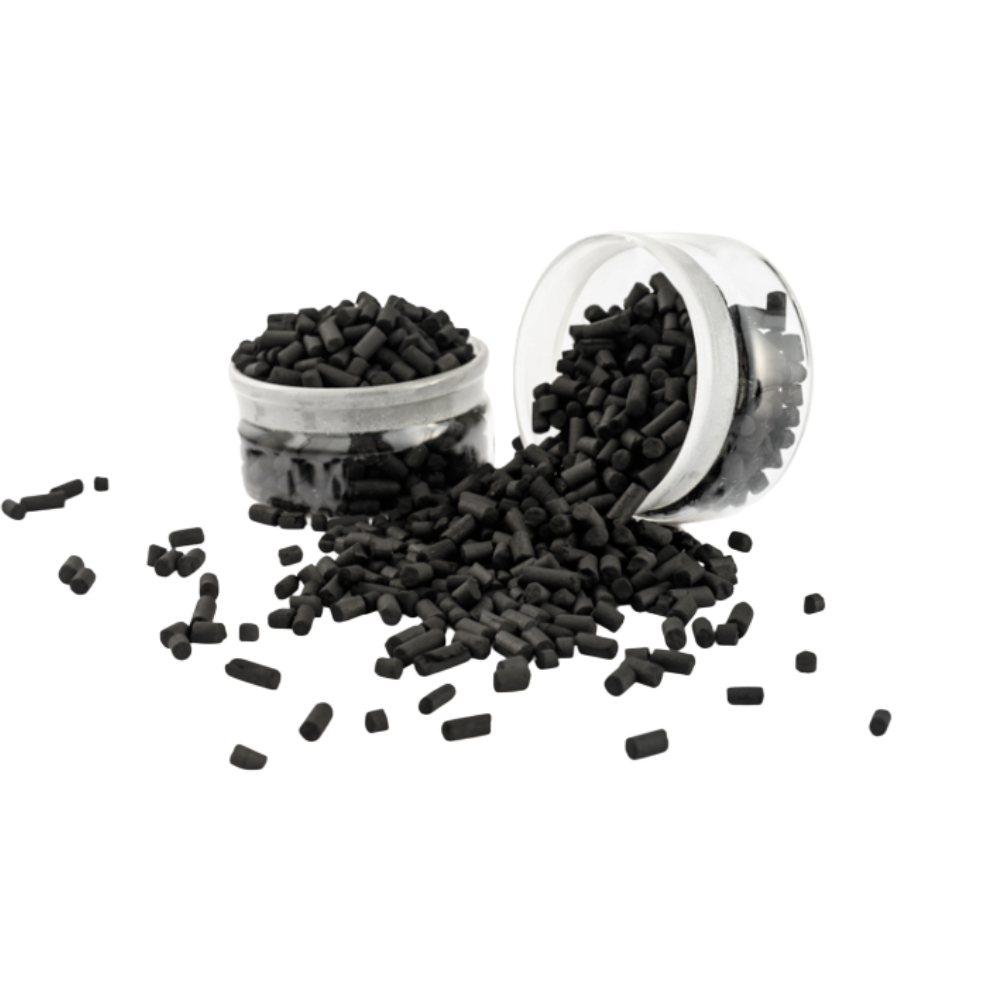
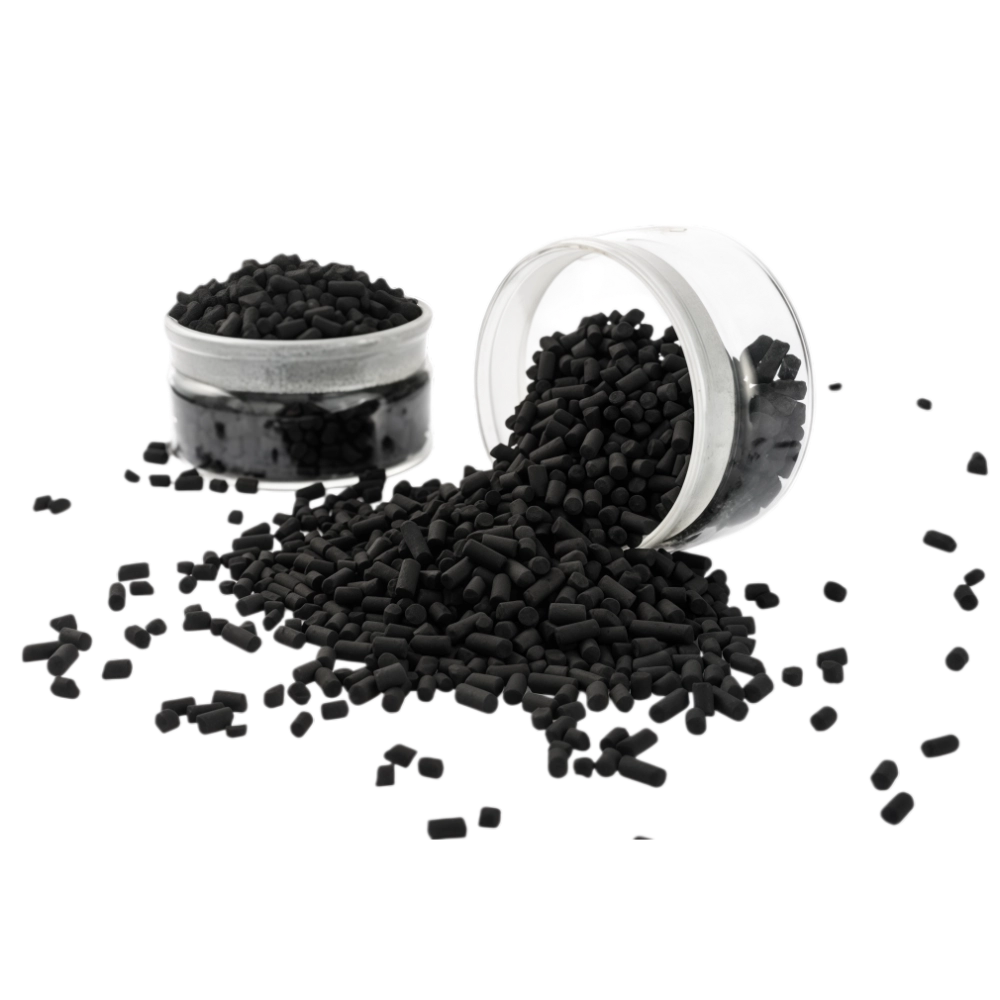
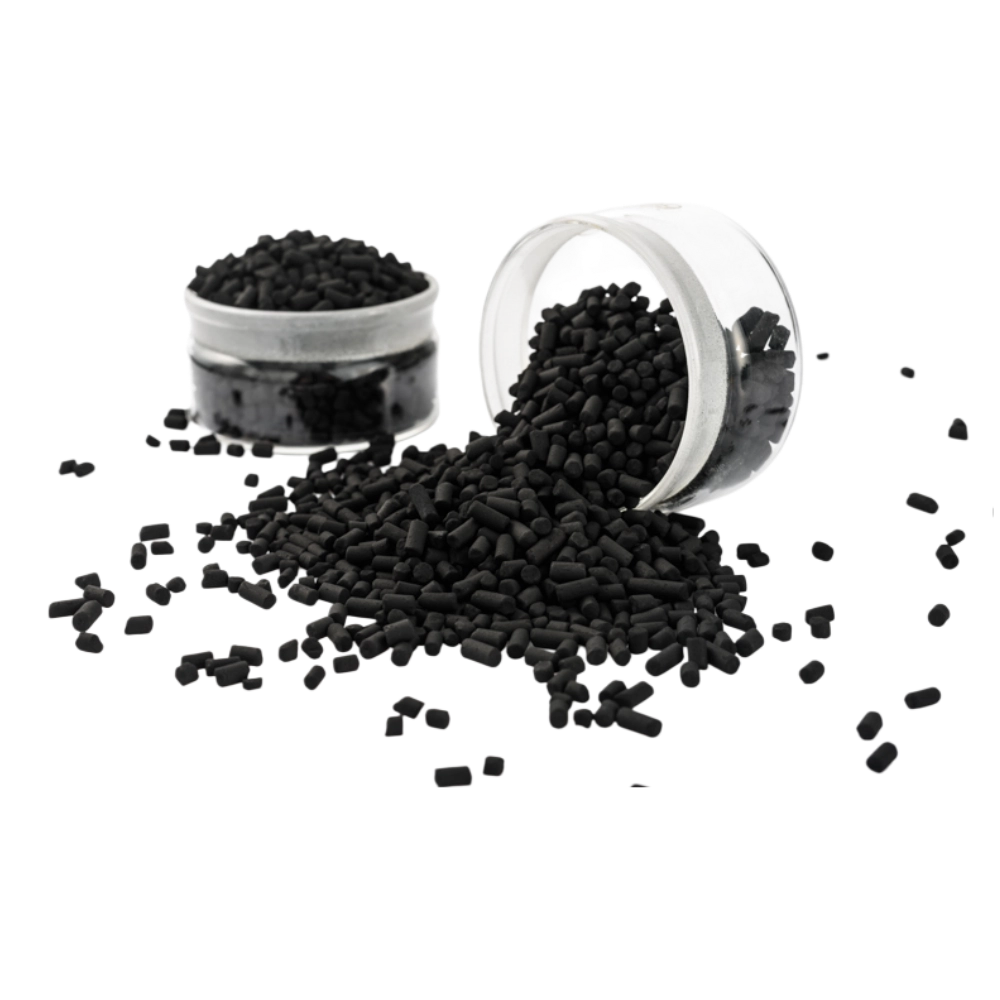
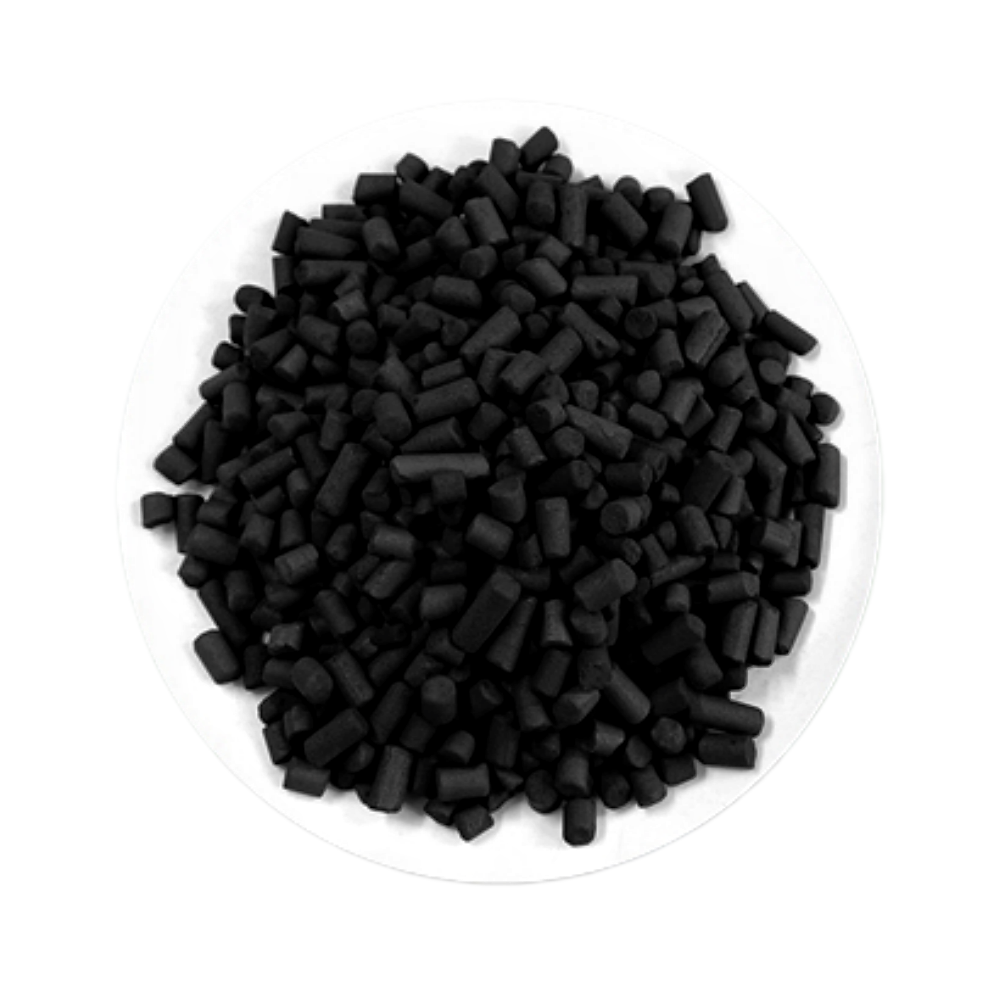
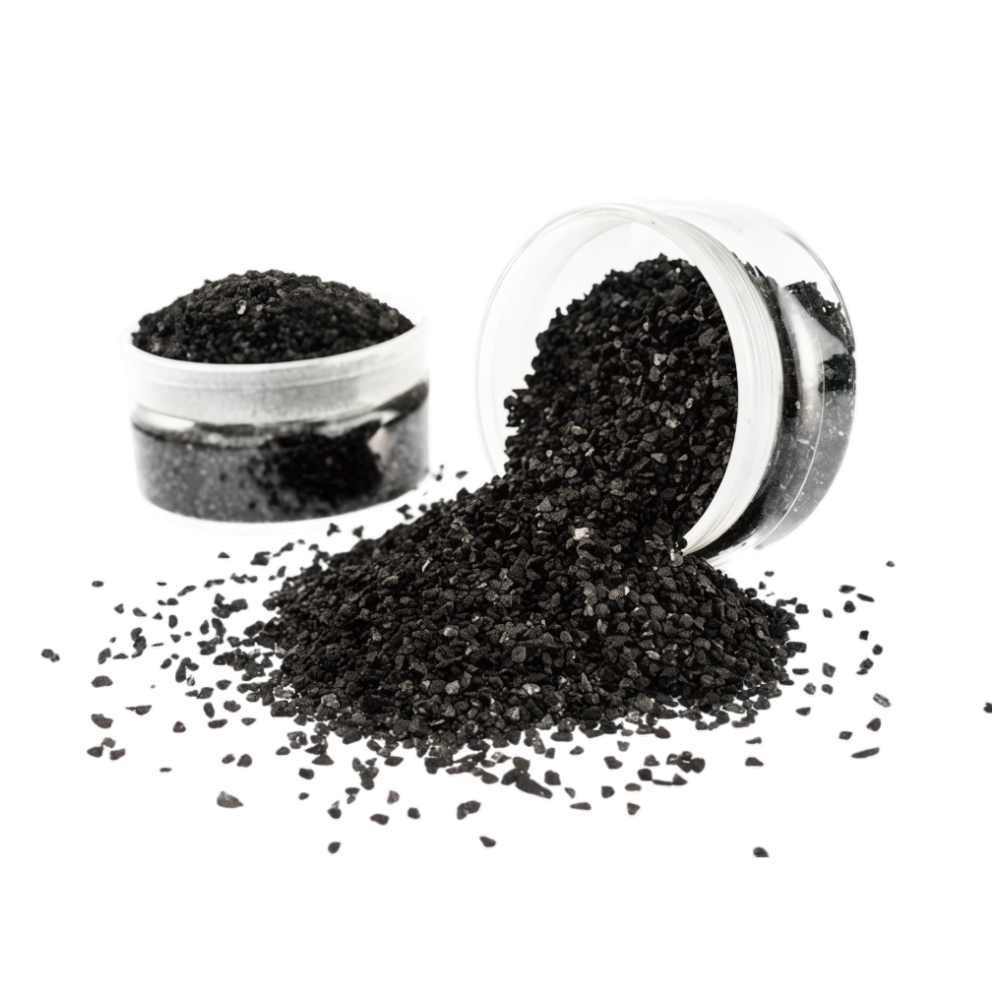
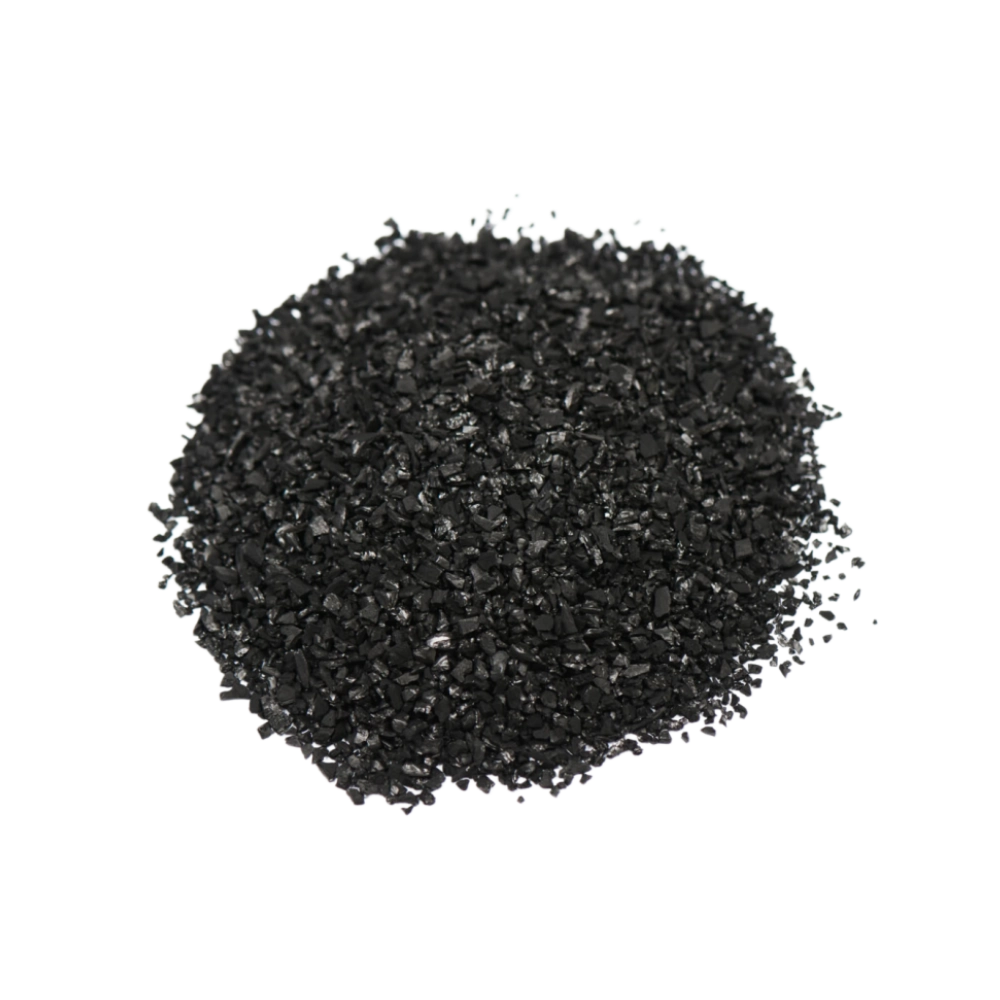
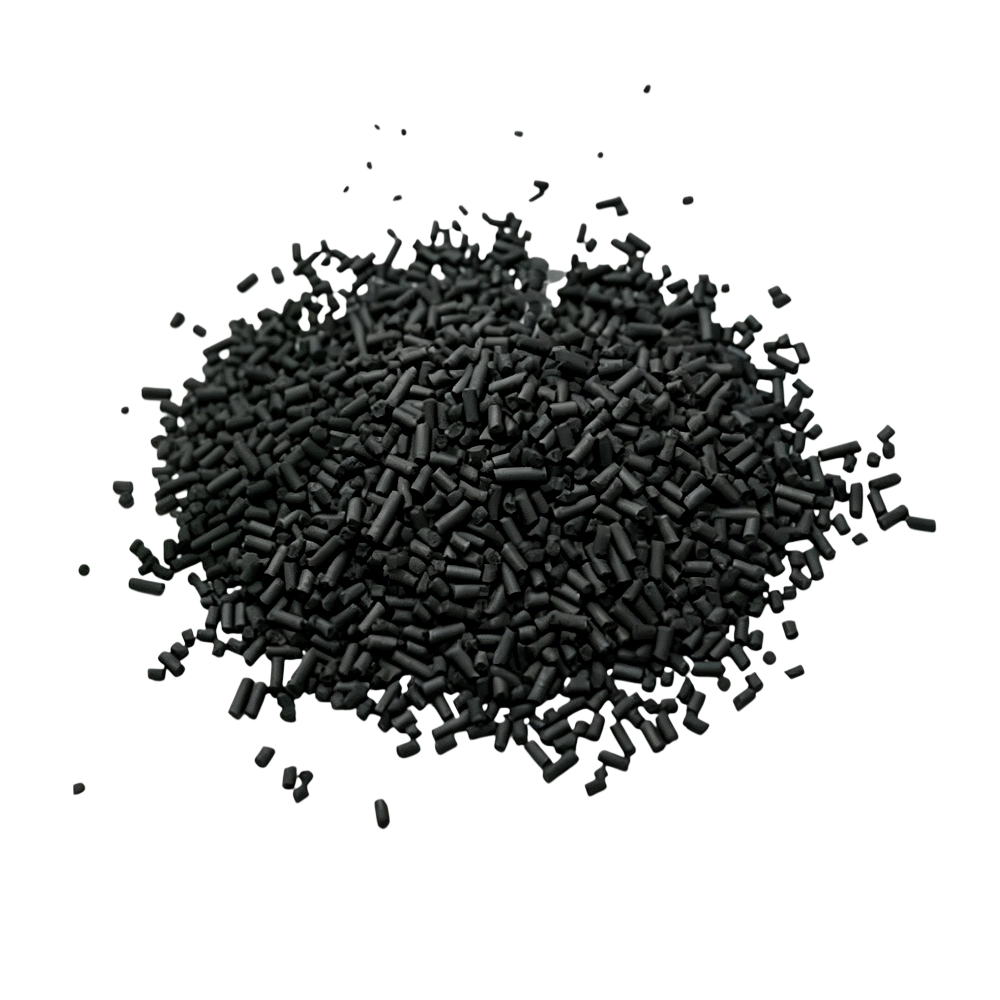
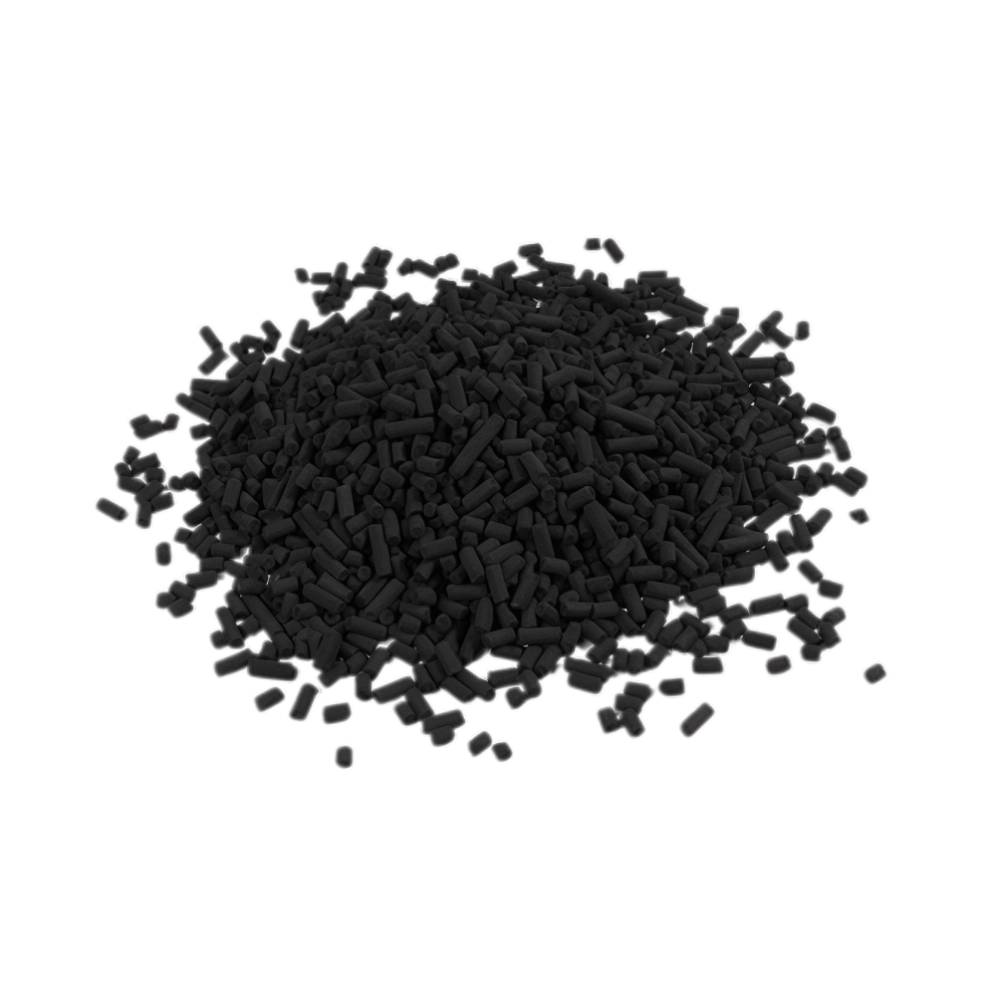
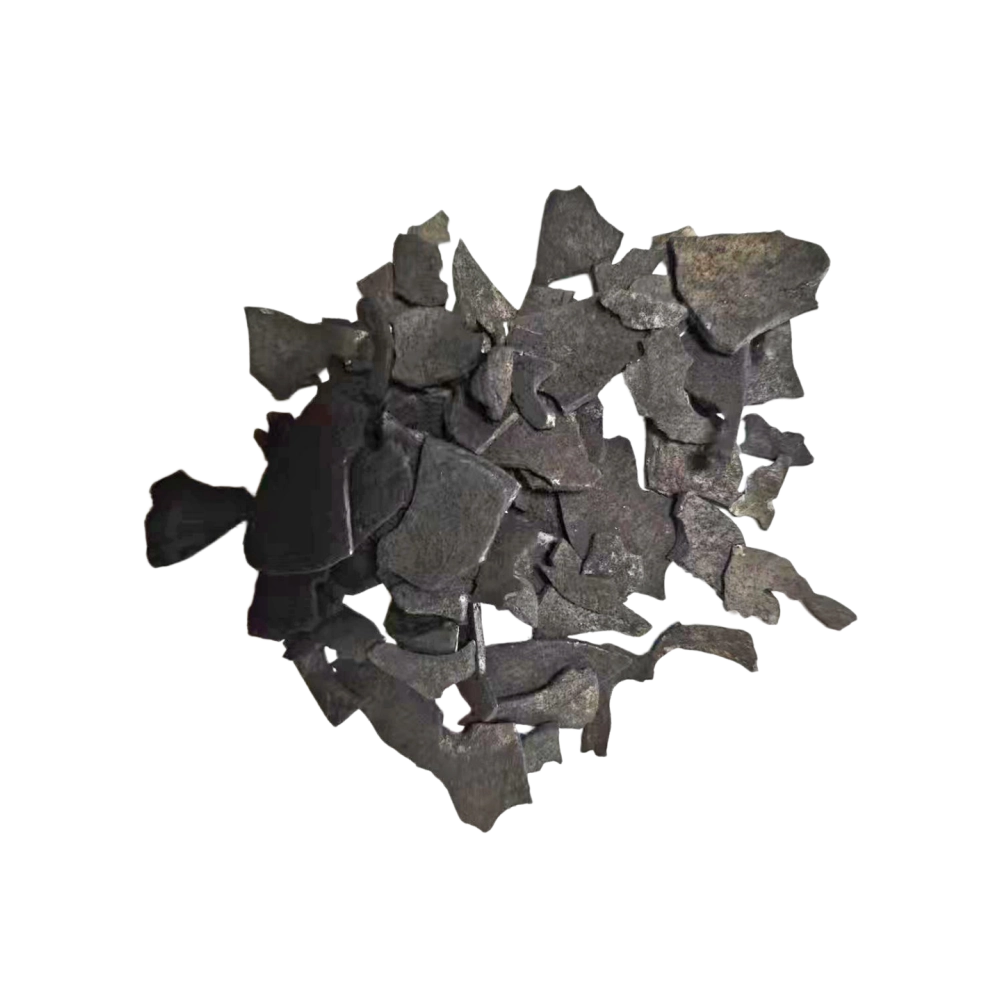
Purestar's LPF and FHM products are powdered wood-based options for batch decolorization evaluation. For fixed-bed processing, DC 830 and DC 1240 coal-based granular activated carbon provide another process route, with published iodine values above 950 mg/g, methylene blue above 160 mg/g and crush strength above 90%.
Learn more about the overall application on our Sugar & Syrup Decolorization page.
A Better Way to Compare Activated Carbon for Sugar Syrup
The specification sheet should be used to narrow the candidates. The final comparison should then move to a controlled test using the actual process liquid.
| Trial Item | Why Record It? |
|---|---|
| Initial and final color | Shows whether the required decolorization target is reached |
| Carbon dosage | Allows performance to be compared on an equal treatment basis |
| pH before and after | Checks compatibility with process chemistry |
| Temperature | Ensures each carbon is evaluated under comparable conditions |
| Contact time | Controls the available adsorption period |
| Filtration time | Highlights possible differences in downstream processing |
| Final clarity | Checks whether carbon fines or suspended material remain |
Use the same syrup batch, sample volume, temperature, mixing procedure, contact time and filtration method for each carbon being compared. Then adjust dosage only after the first equal-condition comparison.
What Should You Send Us for a Product Evaluation?
For a more useful starting recommendation, provide:
- Type of sugar or syrup
- Current color level and target color
- Current carbon grade, if any
- Current dosage
- Process pH
- Treatment temperature
- Contact time
- Filtration method
- Powdered or fixed-bed process
- Required quantity and destination
Purestar can then identify appropriate powdered or granular grades for further evaluation and provide available TDS and sample COA documentation.
Frequently Asked Questions
Does a higher methylene blue value always mean better sugar syrup decolorization?
No. Methylene blue is useful for screening decolorization carbons, but actual syrup performance also depends on pore distribution, surface chemistry, dosage, contact conditions and the composition of the syrup.
Can iodine number predict sugar decolorization performance?
Iodine number provides useful information about activated carbon adsorption characteristics, especially micropore-related activity, but it should not be used as a standalone predictor of sugar color removal.
Is BET surface area enough to compare decolorization carbons?
No. Total surface area does not show how that area is distributed among different pore sizes or whether the target color compounds can efficiently access those pores.
Why should filtration be included in a powdered carbon trial?
Because powdered carbon must be removed after adsorption. Filtration time, cake behavior and final clarity can affect plant throughput and should therefore be evaluated together with color removal.
Should I select powdered or granular activated carbon for sugar processing?
That depends mainly on the process design. Powdered carbon is normally dosed into the liquid and filtered afterward, while granular carbon is suited to fixed-bed treatment. The existing equipment and operating method should guide the first selection.