
















News
-
 03 2026.09
Coconut Shell Activated Carbon Mesh Size Guide: How Particle Size Affects Adsorption, Pressure Drop & System Design
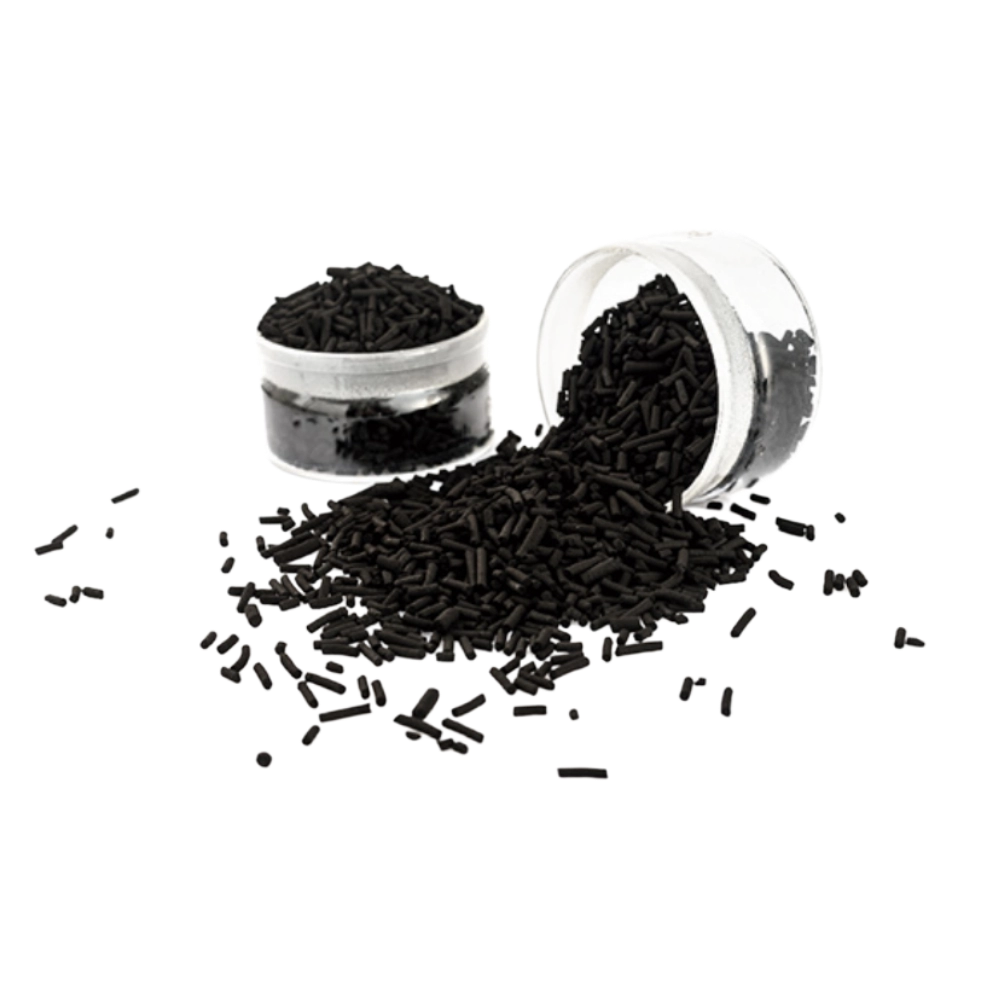
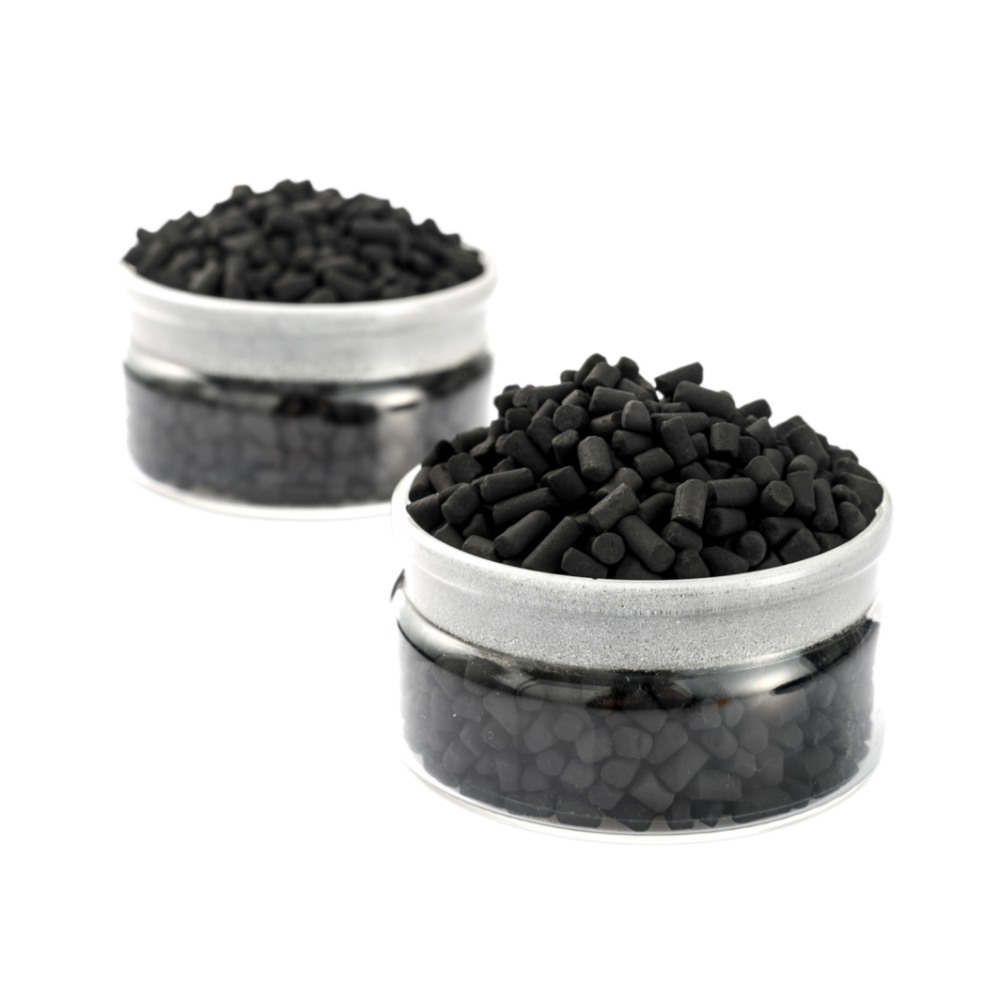
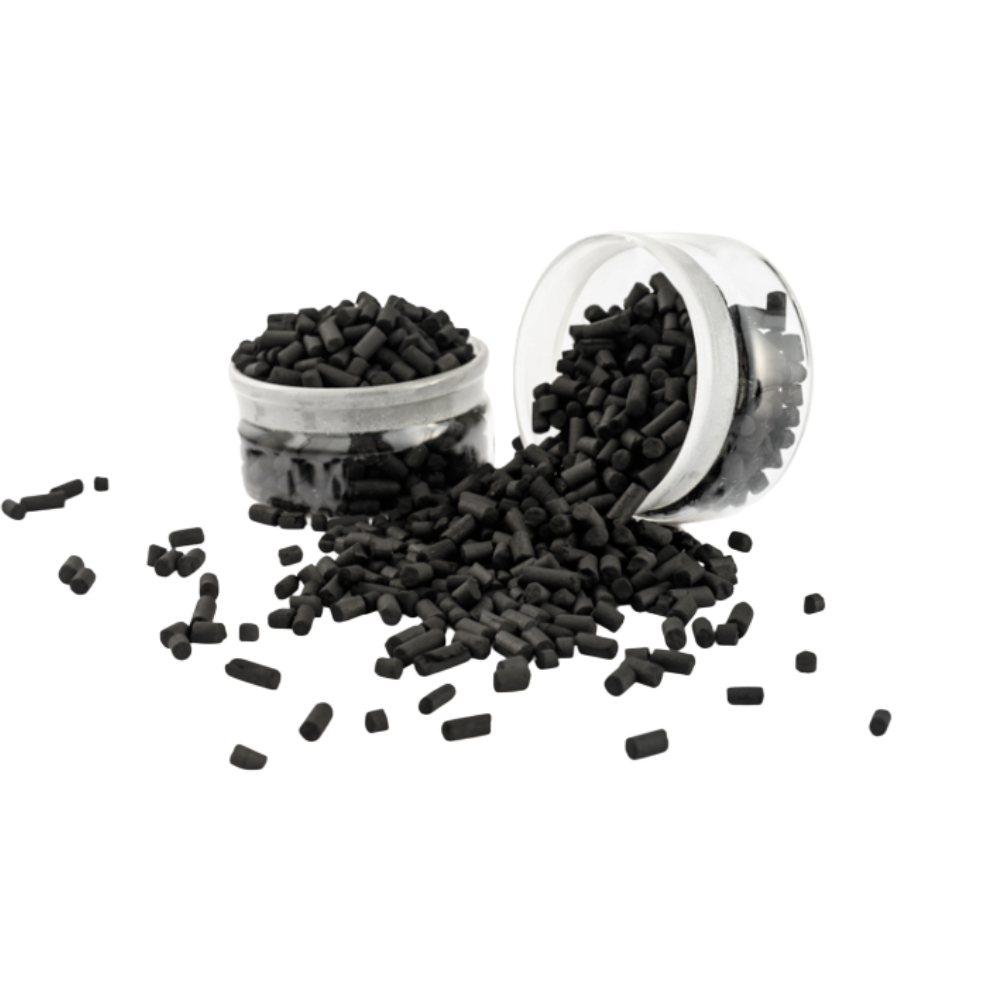
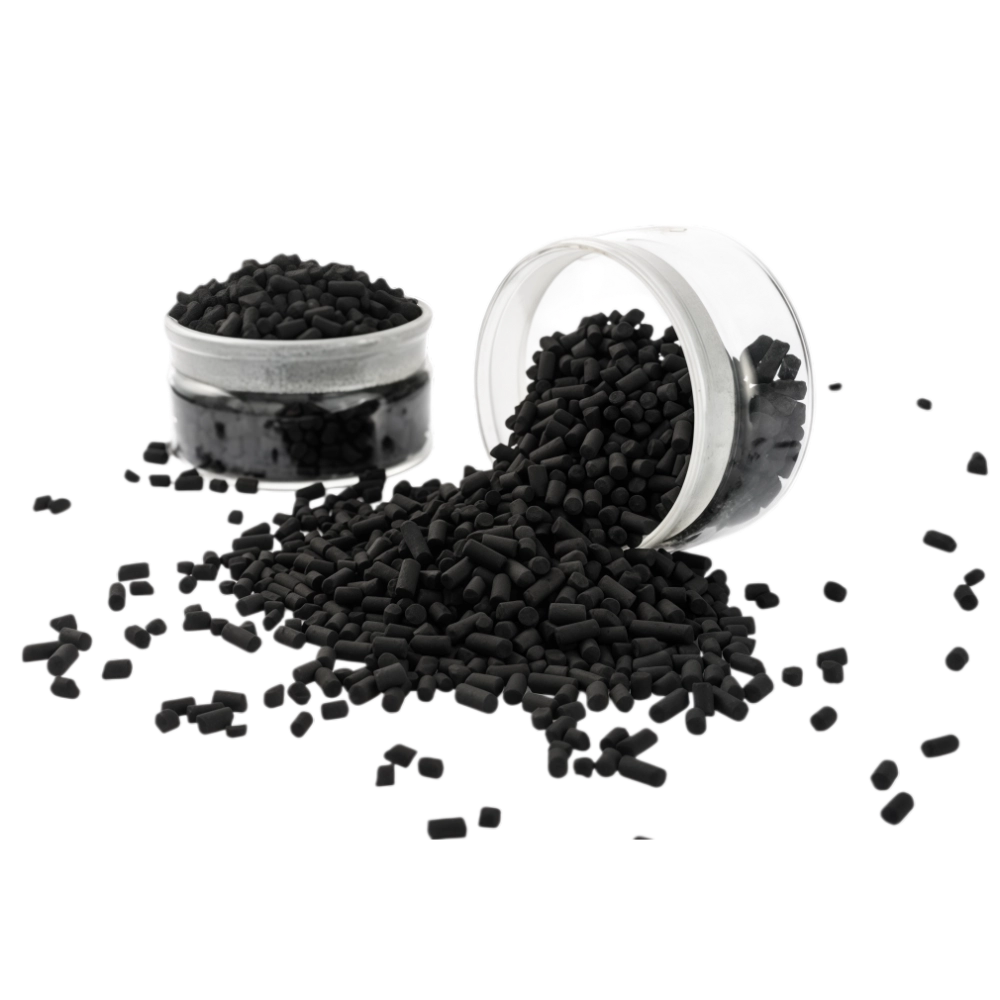
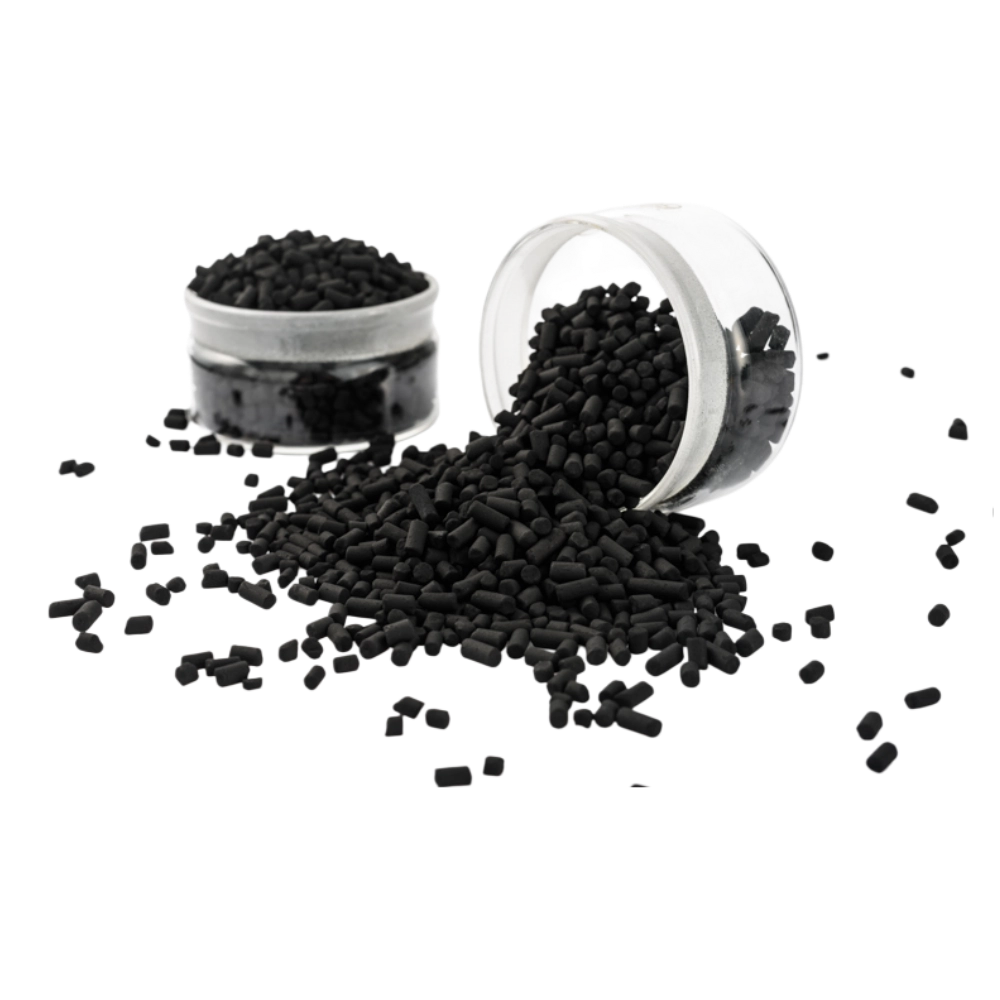
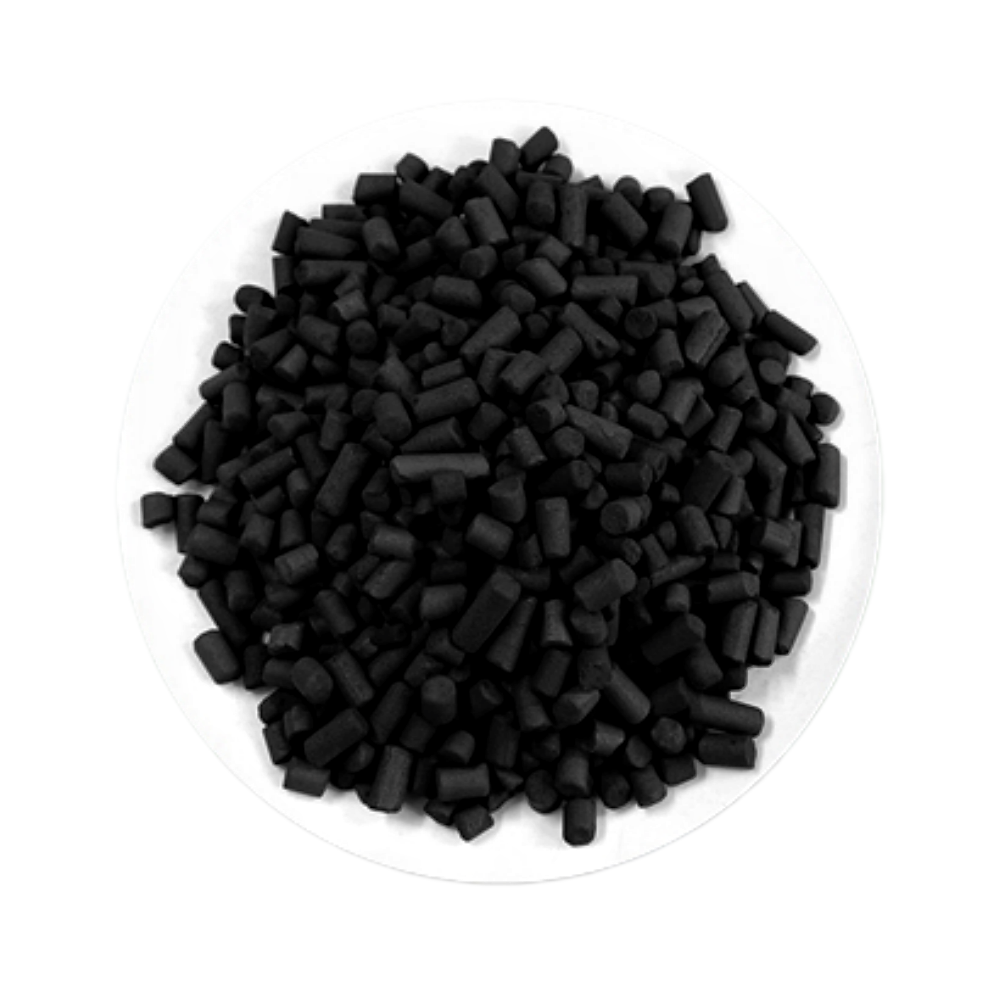
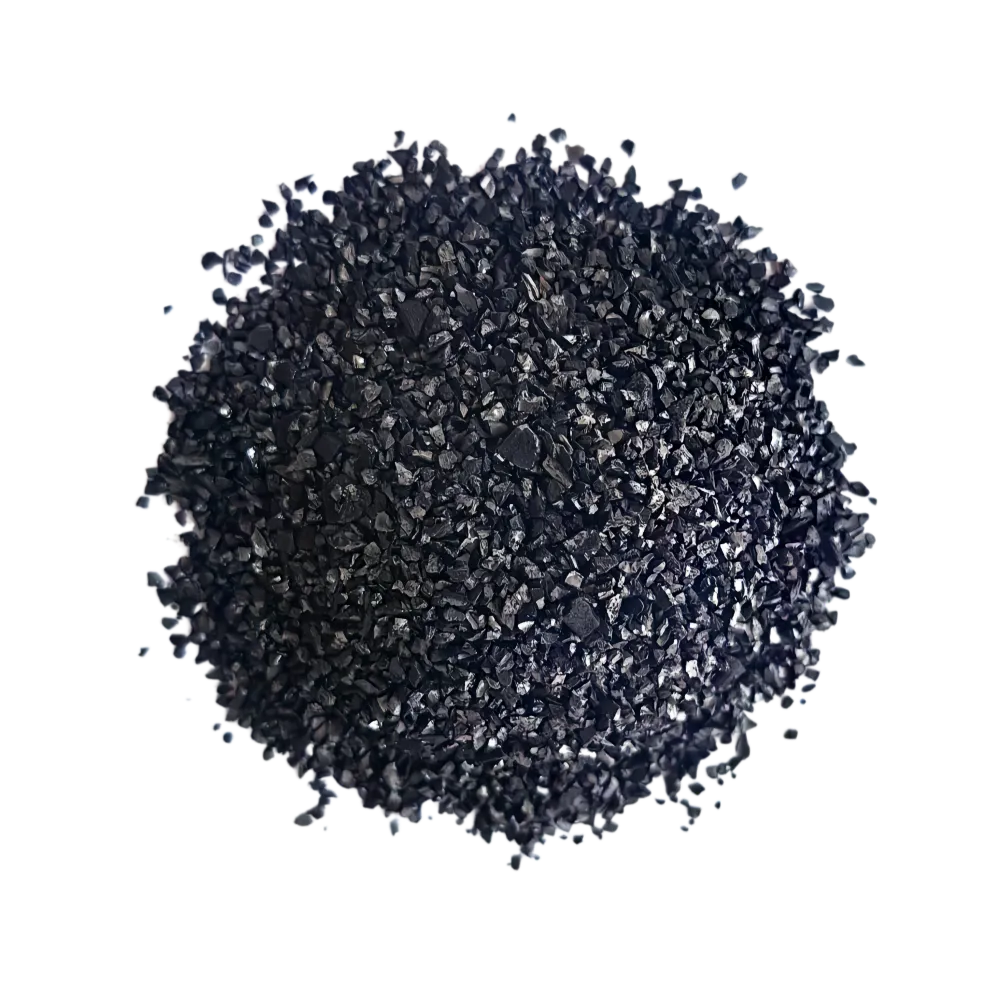
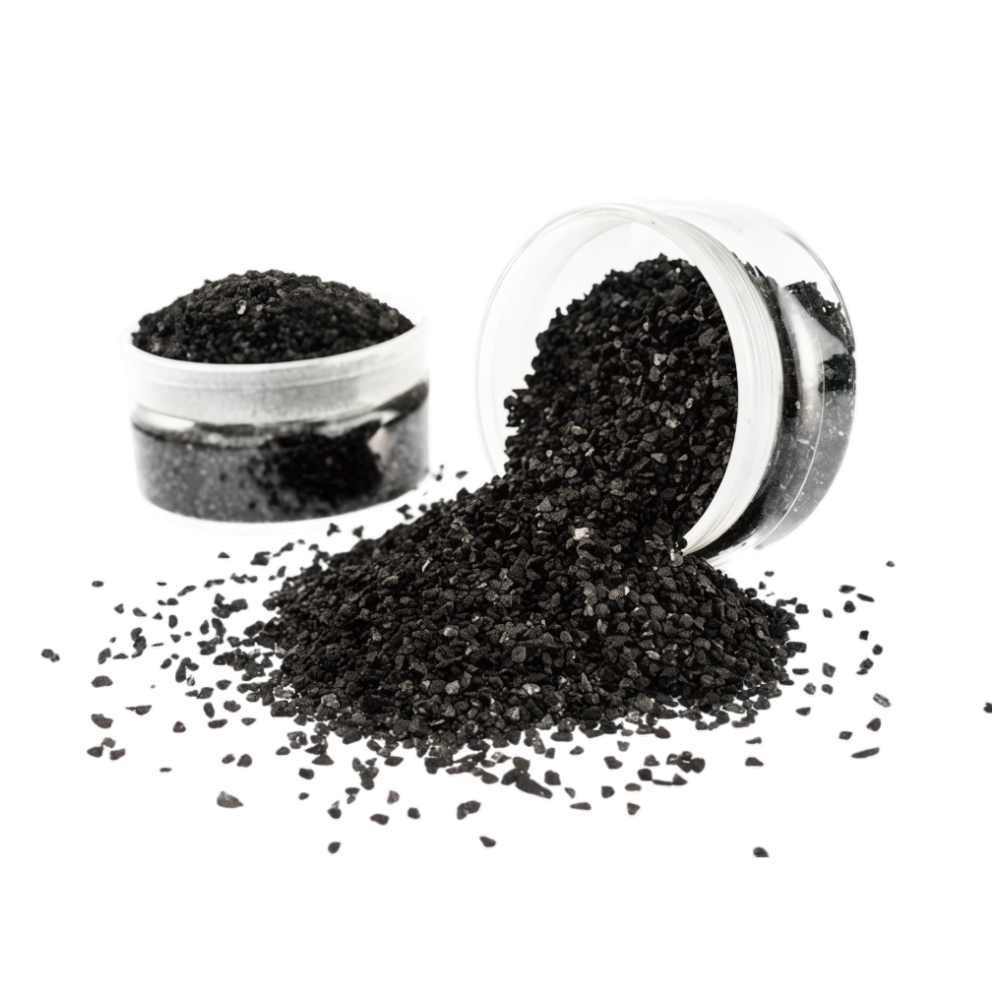
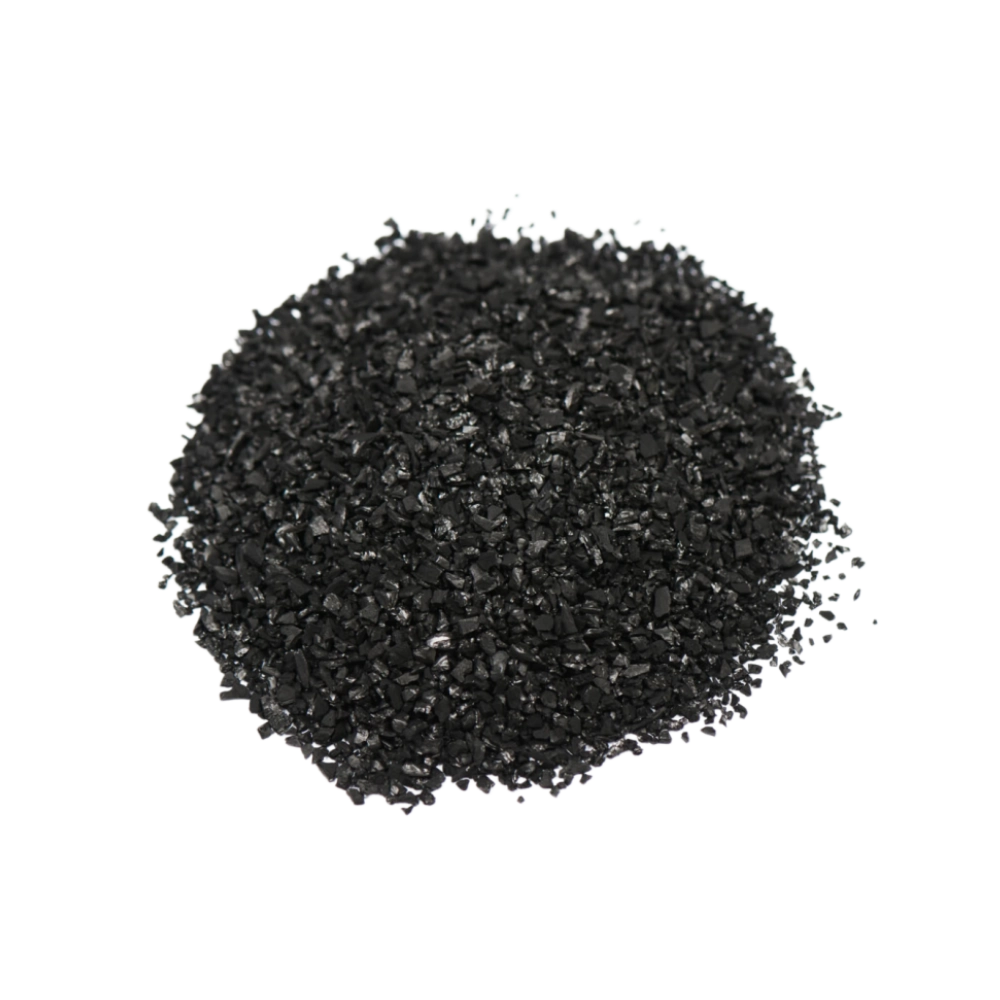
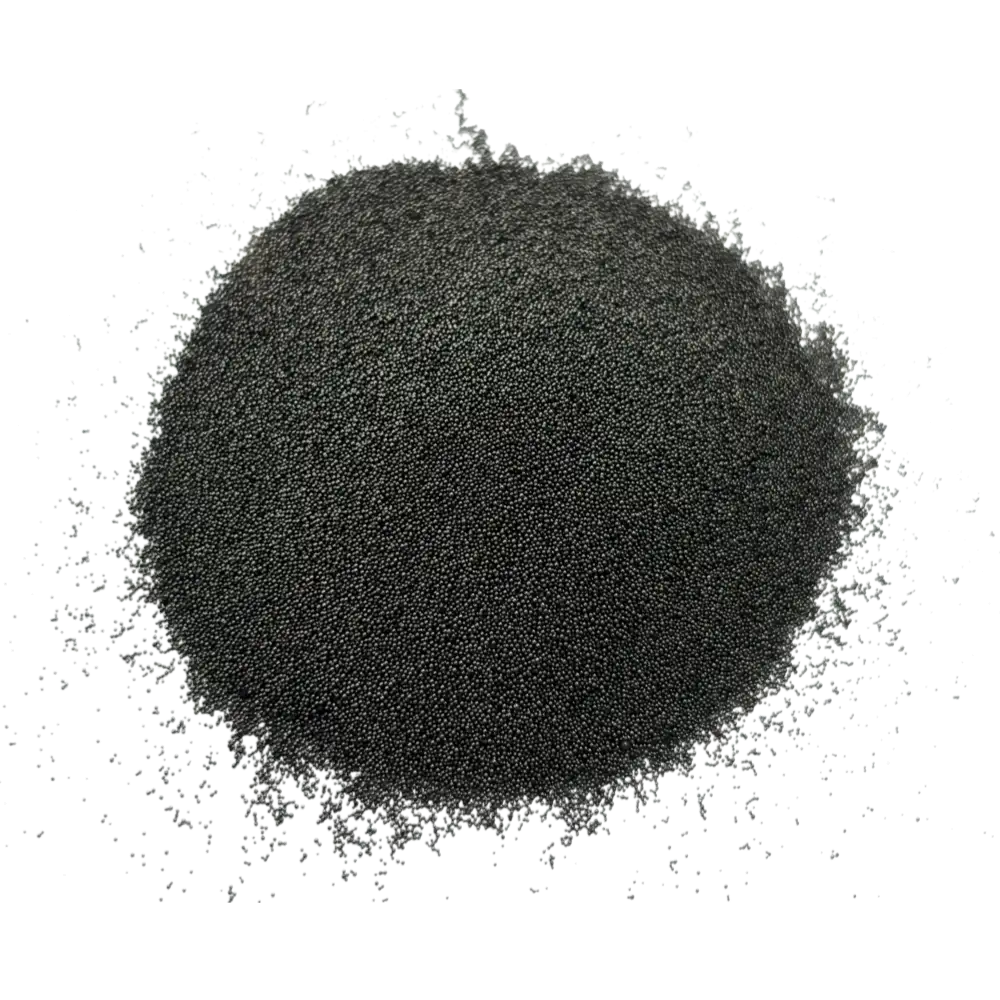
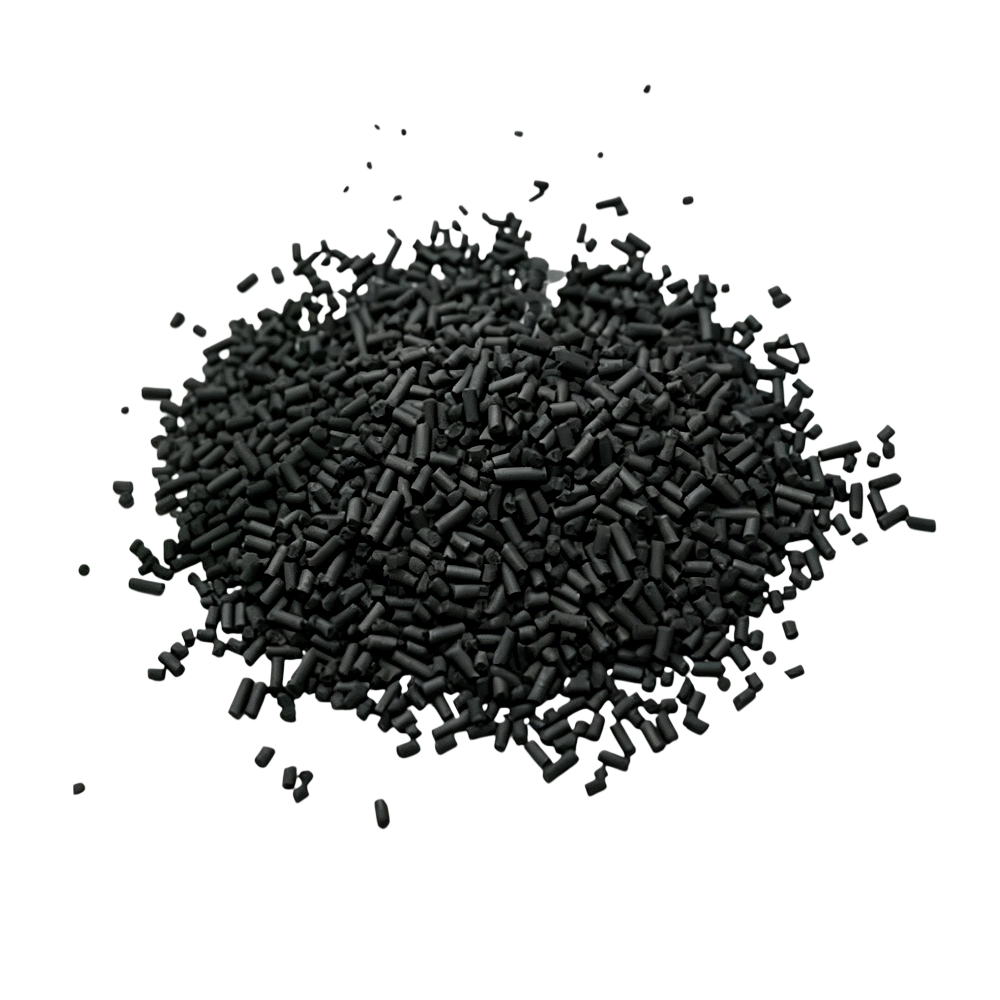
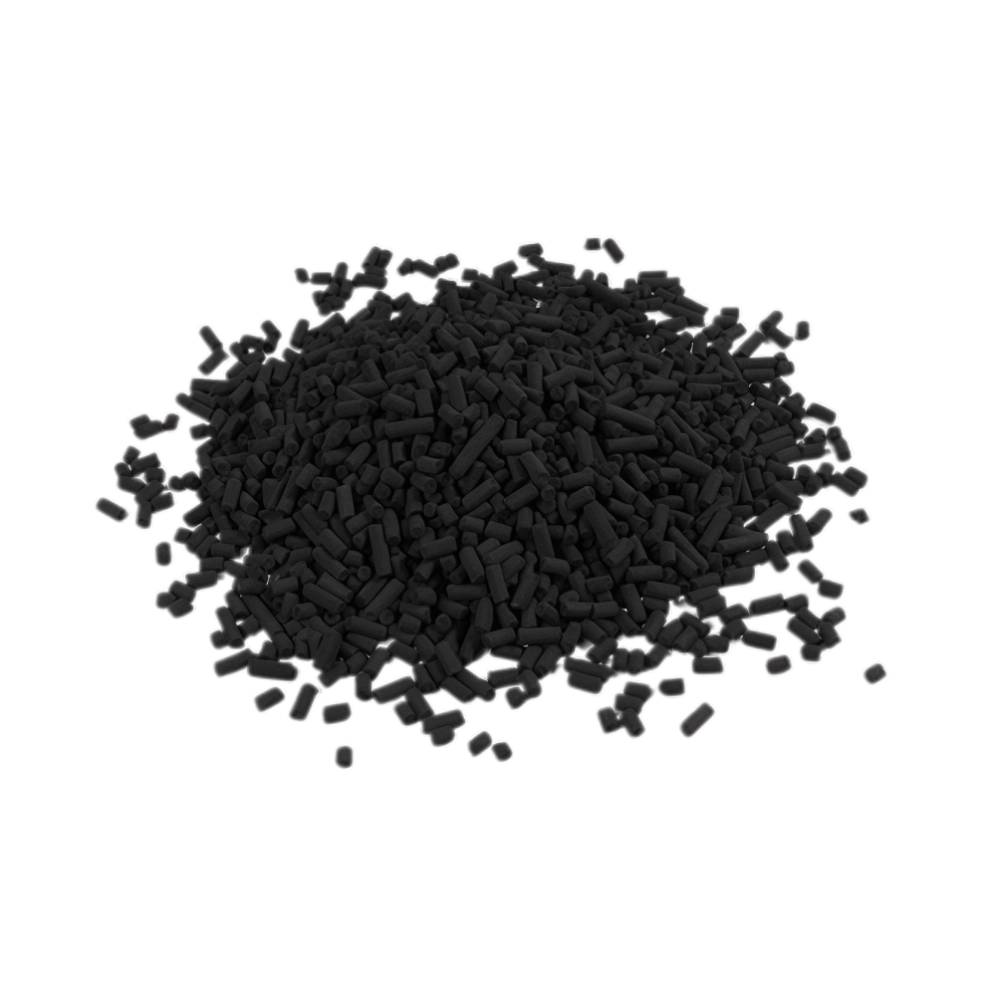
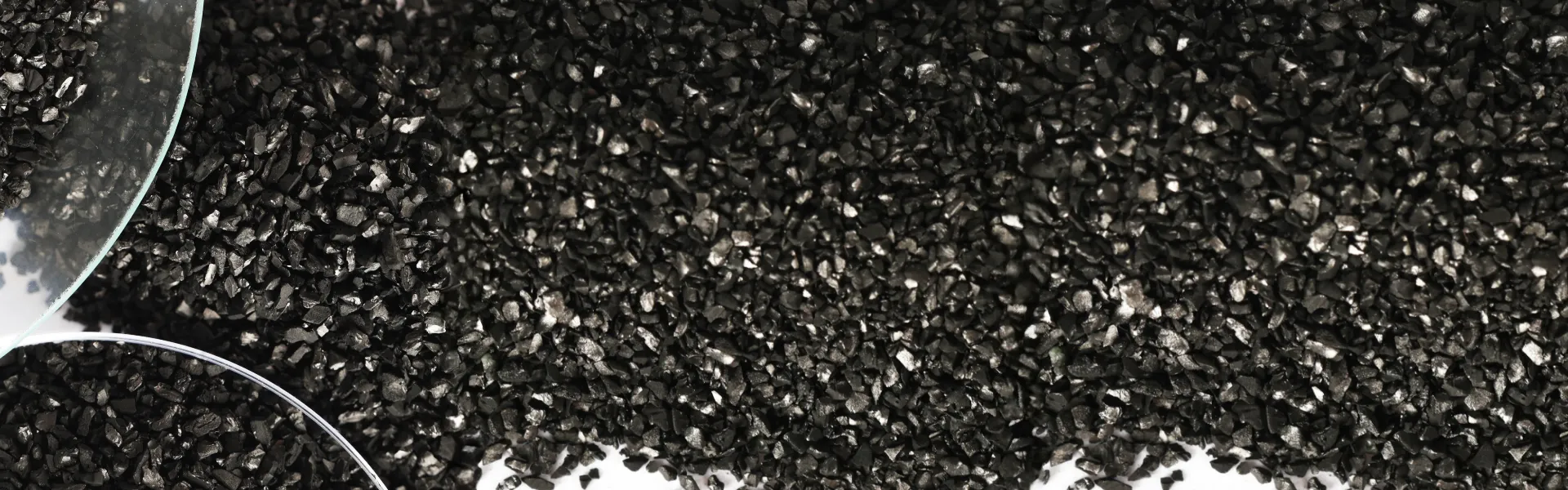
When engineers specify activated carbon for a water treatment plant, VOC abatement system, or gold recovery circuit, the conversation usually starts with iodine number, CTC value, or raw material. But once the media arrives on site, the specification that most directly determines whether the system performs—or fails—is mesh size. At Purestar, we manufacture coconut shell activated carbon across the full mesh spectrum, from coarse 4×8 granules to fine 20×50 fractions and extruded pellets. This guide explains how coconut shell ac...
view details
-
 28 2026.08
How to Select Activated Carbon for Gold Recovery: CIP vs CIL vs CIC
Activated carbon plays a critical role in modern gold recovery circuits. In CIP, CIL and CIC systems, its performance can directly affect gold adsorption efficiency, carbon consumption, fines generation and overall operating cost. For procurement teams, however, selecting gold recovery carbon based only on iodine number or price per tonne can be misleading. A suitable carbon must combine adsorption performance with mechanical strength, consistent particle size and resistance to repeated handling and regeneration. This gu...
view details
-
 27 2026.08
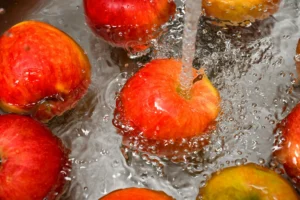
Activated Carbon for Food Preservation: Extending Shelf Life Safely
Activated carbon preserves food by physically trapping ethylene, moisture, and odor molecules inside its microporous structure. Unlike chemical preservatives, it leaves no residue and requires no complex equipment—making it increasingly attractive to food processors, cold-chain operators, and packaging engineers worldwide. As clean-label demand reshapes food safety standards, physical preservation methods are gaining traction across the global supply chain. Key Takeaways Global food waste exceeds 1.3 billion tons annual...
view details
-
 20 2026.08
Activated Carbon for Water Treatment: How to Select the Right Carbon Grade for Industrial Applications
Water treatment systems rely on activated carbon for removing organic compounds, improving water quality, and controlling unwanted taste and odor compounds. However, choosing the correct activated carbon grade is not simply a matter of selecting the product with the highest iodine number or surface area. The actual performance of activated carbon depends on several factors, including raw material, pore structure, target contaminants, water chemistry, contact time, and system design. For industrial users, selecting a suit...
view details
-
 20 2026.08
Activated Carbon Iodine Number & CTC Value: A Practical Selection Guide for Industrial Buyers
If your procurement sheet only lists "iodine 1000+" or "CTC 60%," you are missing half the story. These two numbers measure entirely different pore structures. Using the wrong specification is one of the most expensive mistakes in activated carbon procurement. This guide shows how to match the right parameter—and the right Purestar product—to your actual operating conditions. What Is Iodine Number? (ASTM D4607) Iodine number measures liquid-phase micropore capacity. Under ASTM D4607, carbon is saturated with iodine solution,...
view details
-
 12 2026.08
How to Select Granular Activated Carbon for PFAS Removal in Groundwater
PFAS contamination has become an important challenge in groundwater remediation and drinking water treatment. Granular activated carbon (GAC) is widely used to adsorb PFAS and other dissolved organic contaminants, but treatment performance can vary depending on the carbon type, PFAS composition and operating conditions. With EPA's Maximum Contaminant Level (MCL) for PFOA and PFOS set at 4 ppt, along with Hazard Index-based limits for PFHxS, PFNA, and GenX (HFPO-DA)—and compliance deadlines approaching for many water utiliti...
view details