



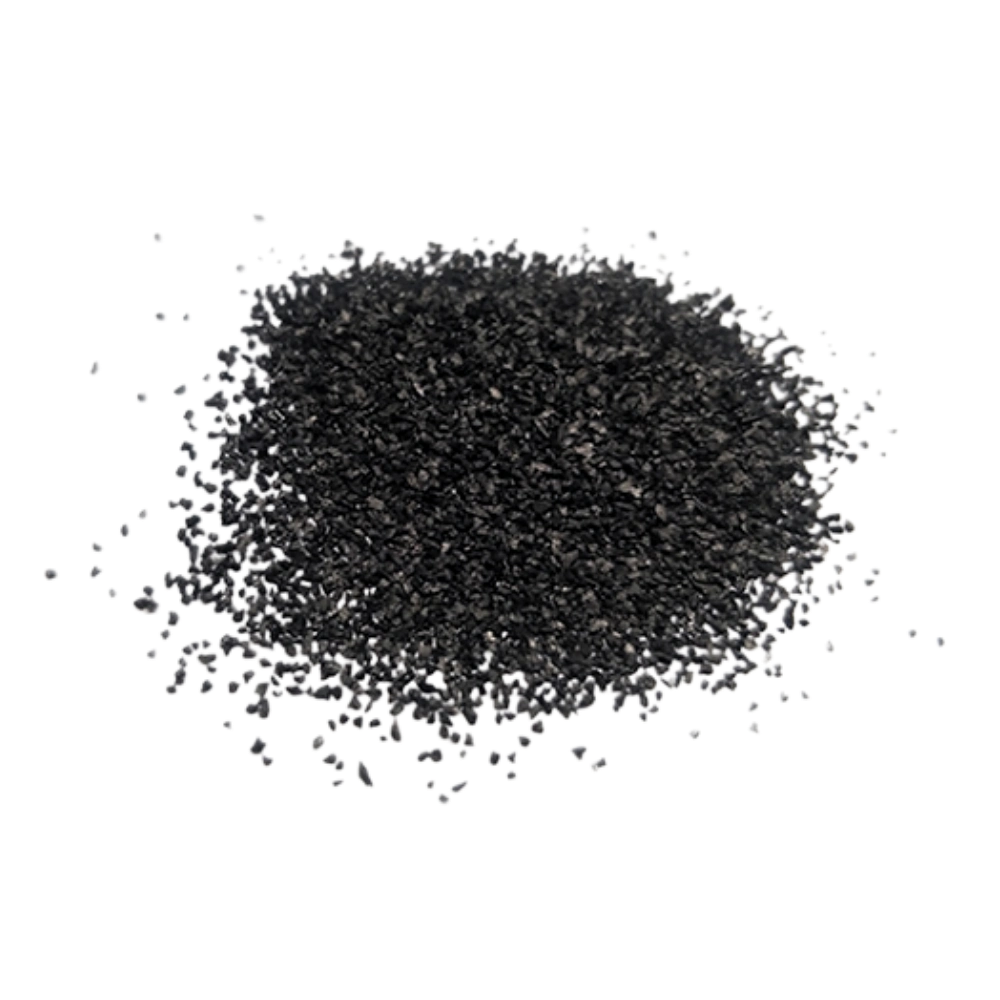
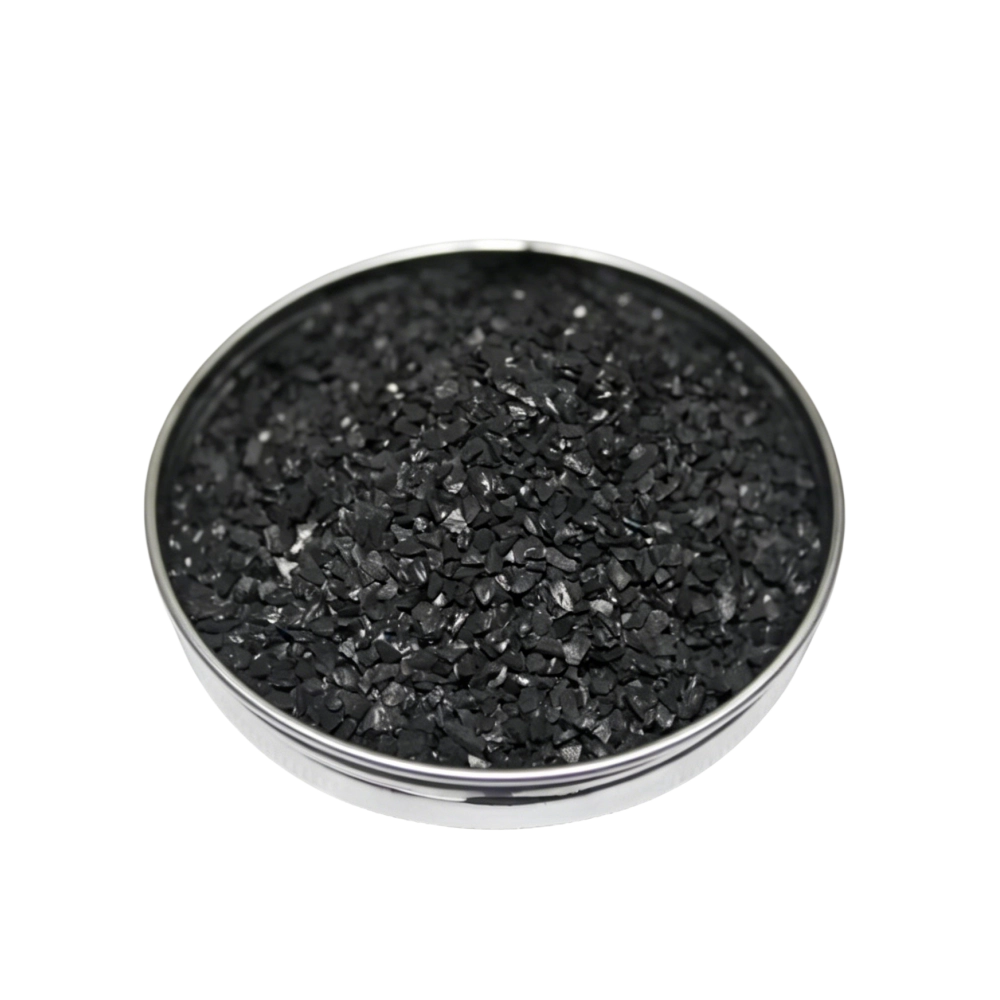
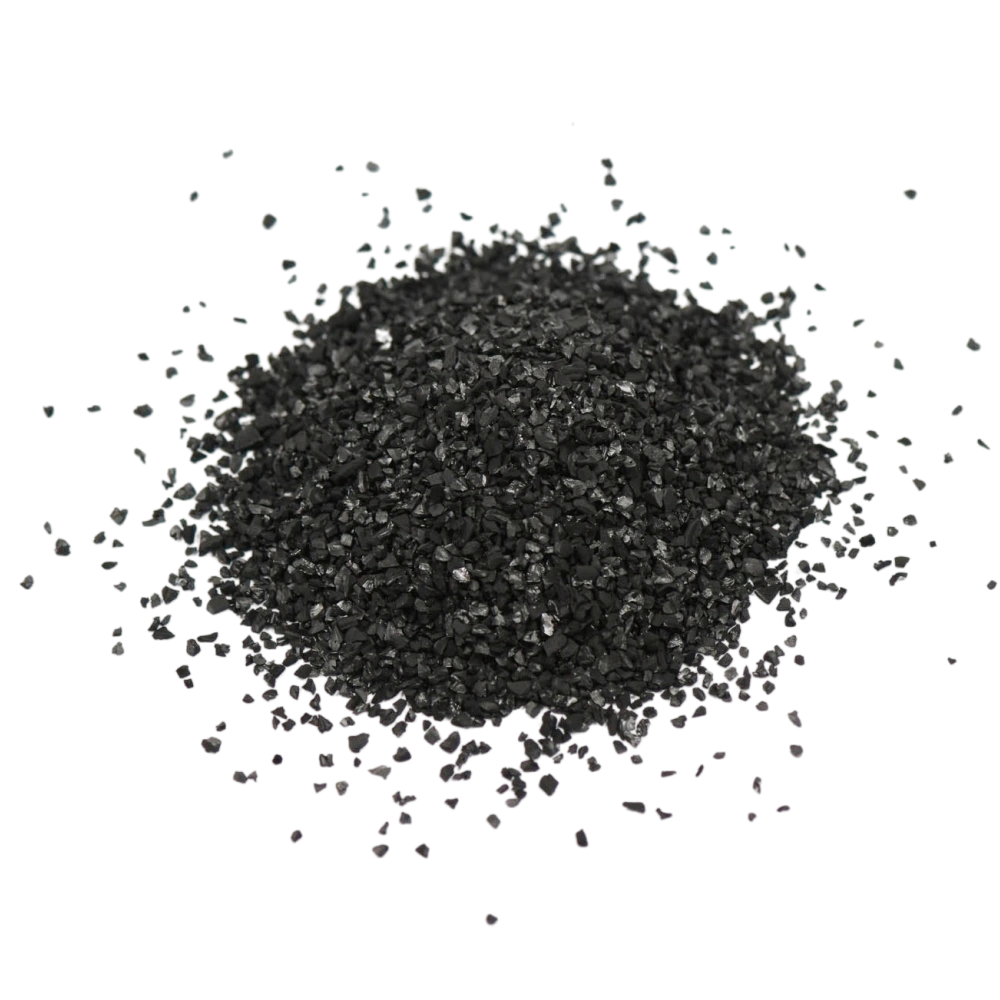
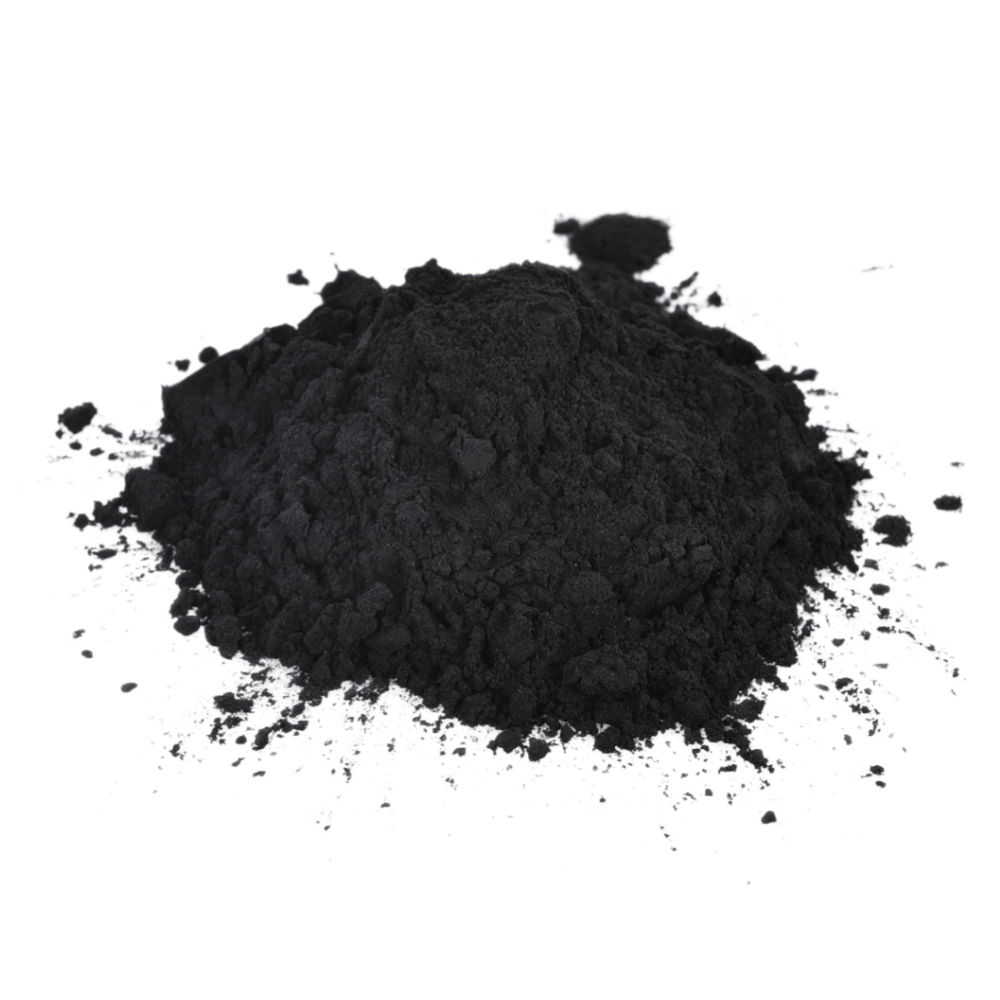












Granular Activated Carbon
About Granular Activated Carbon
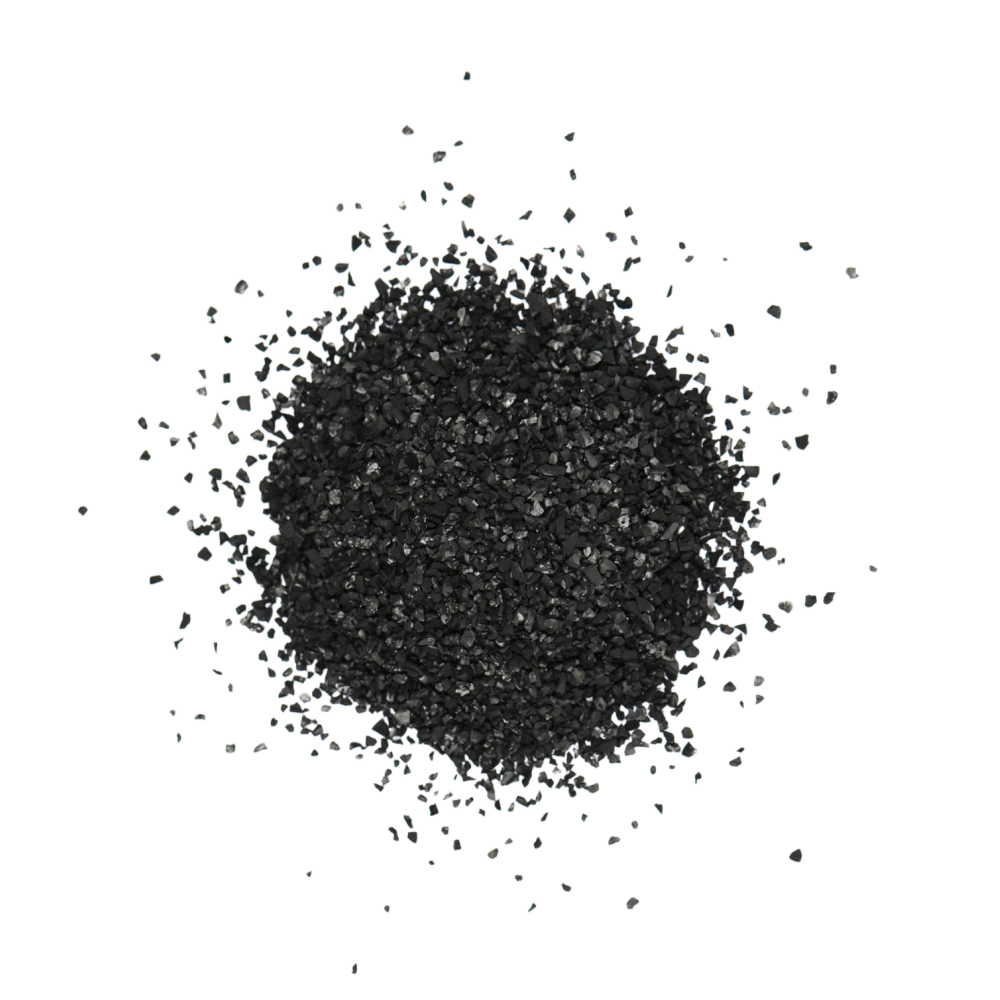
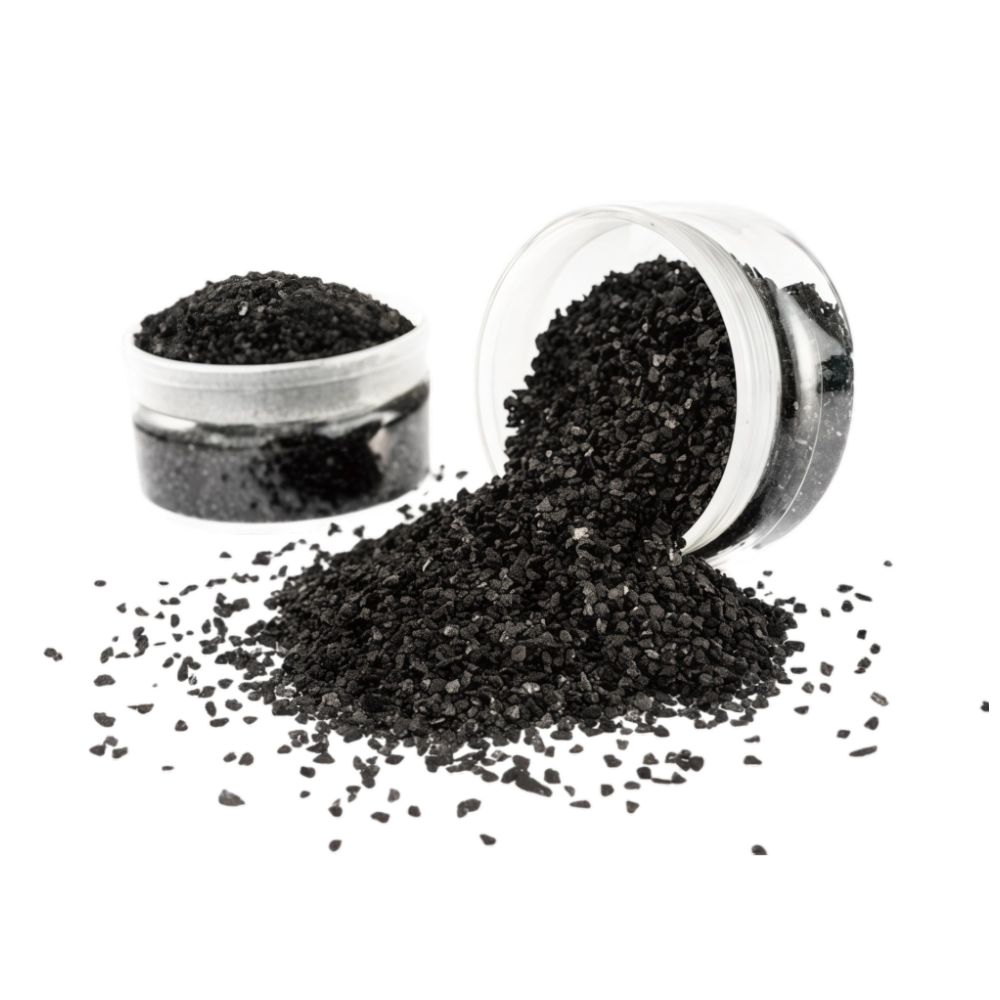
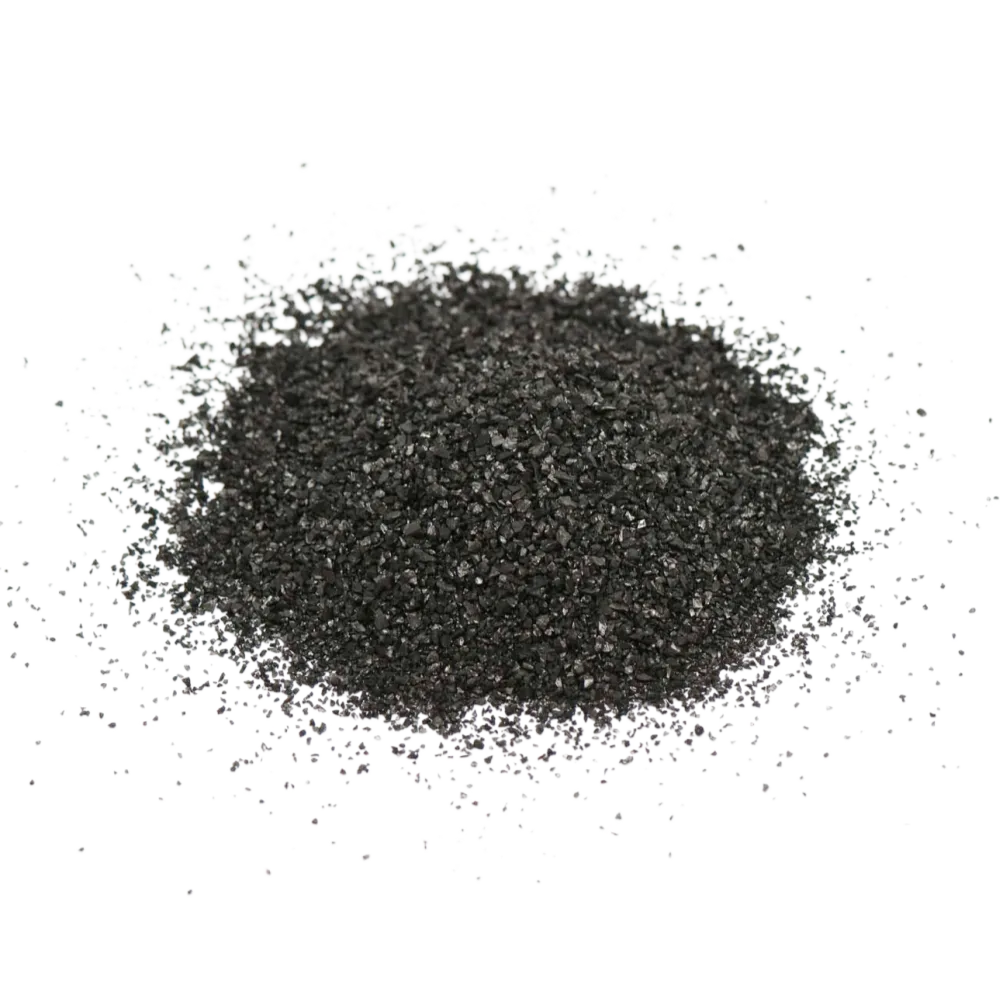
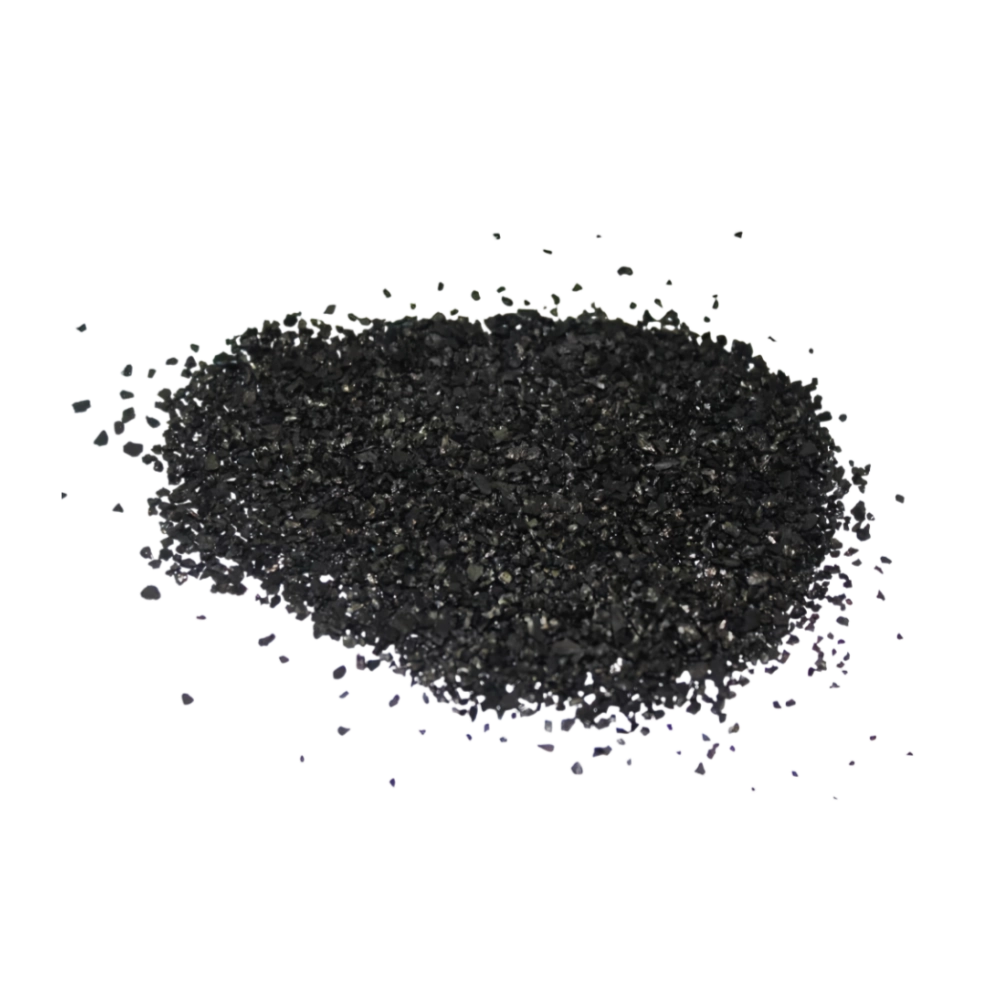
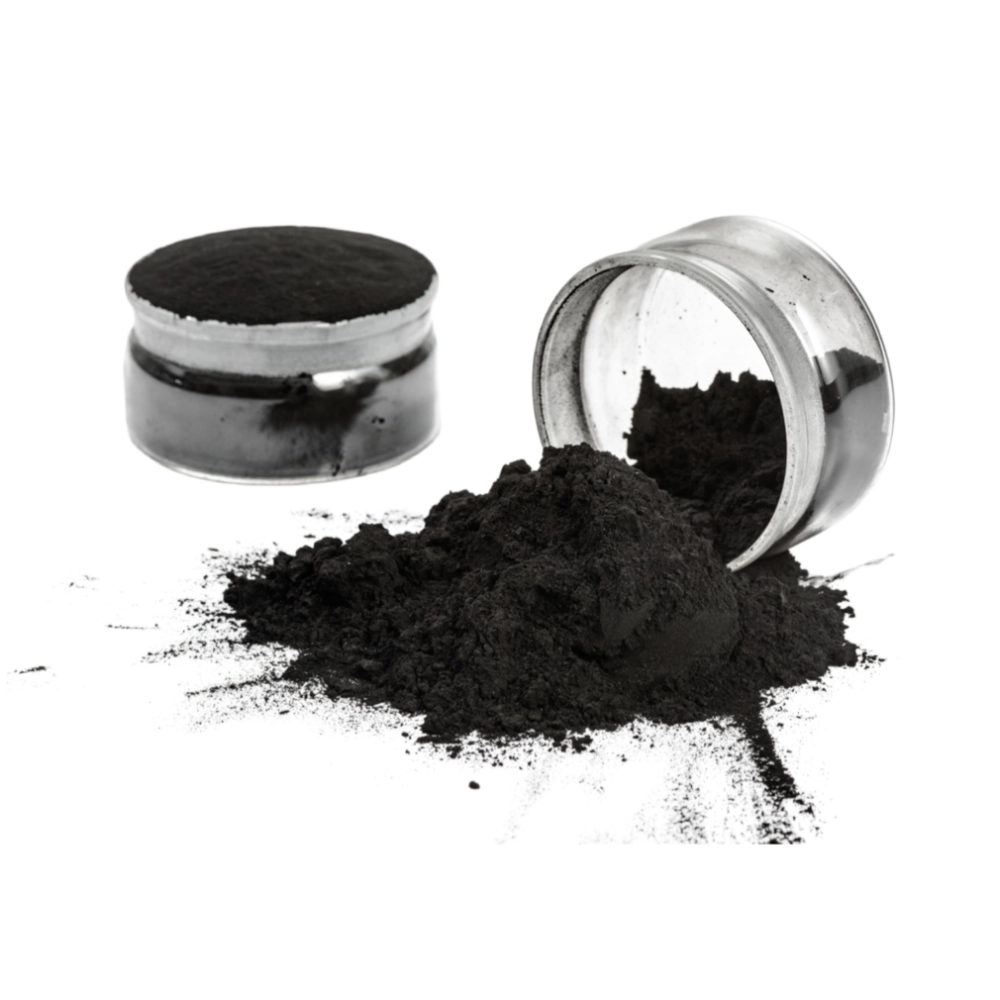
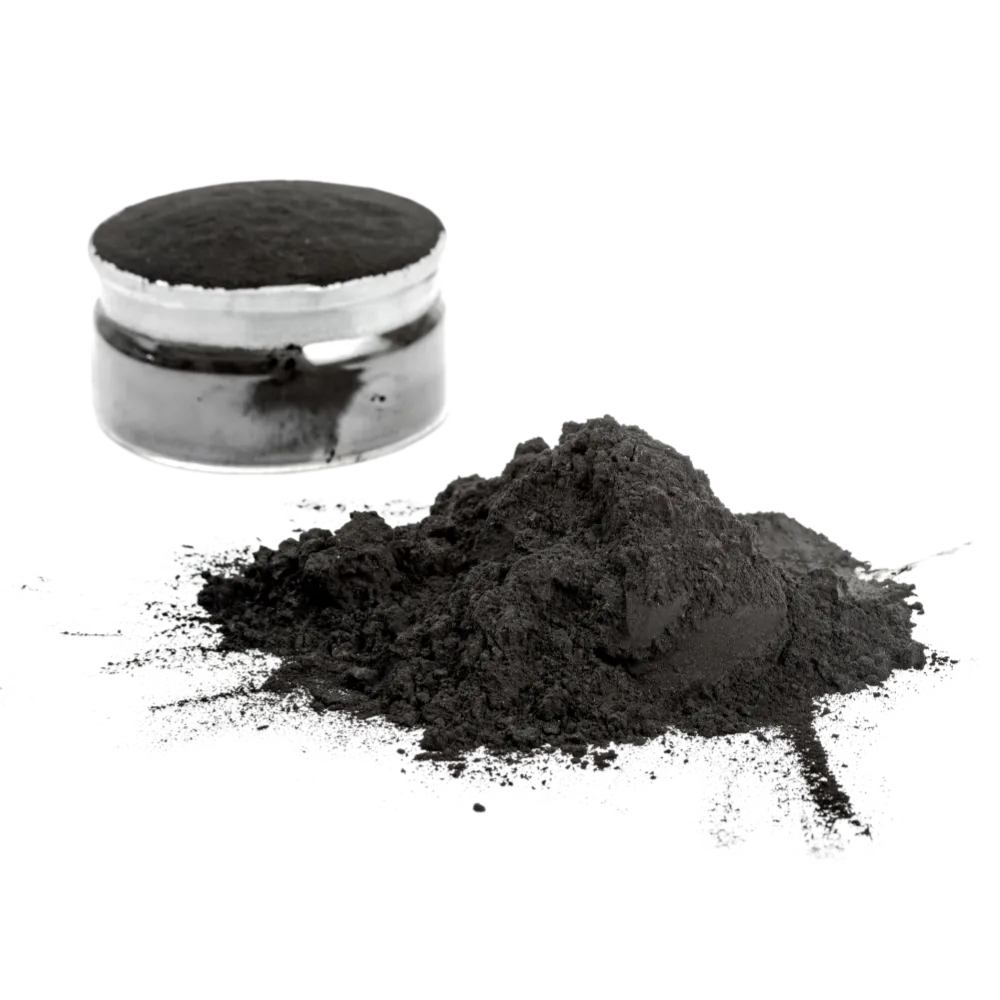
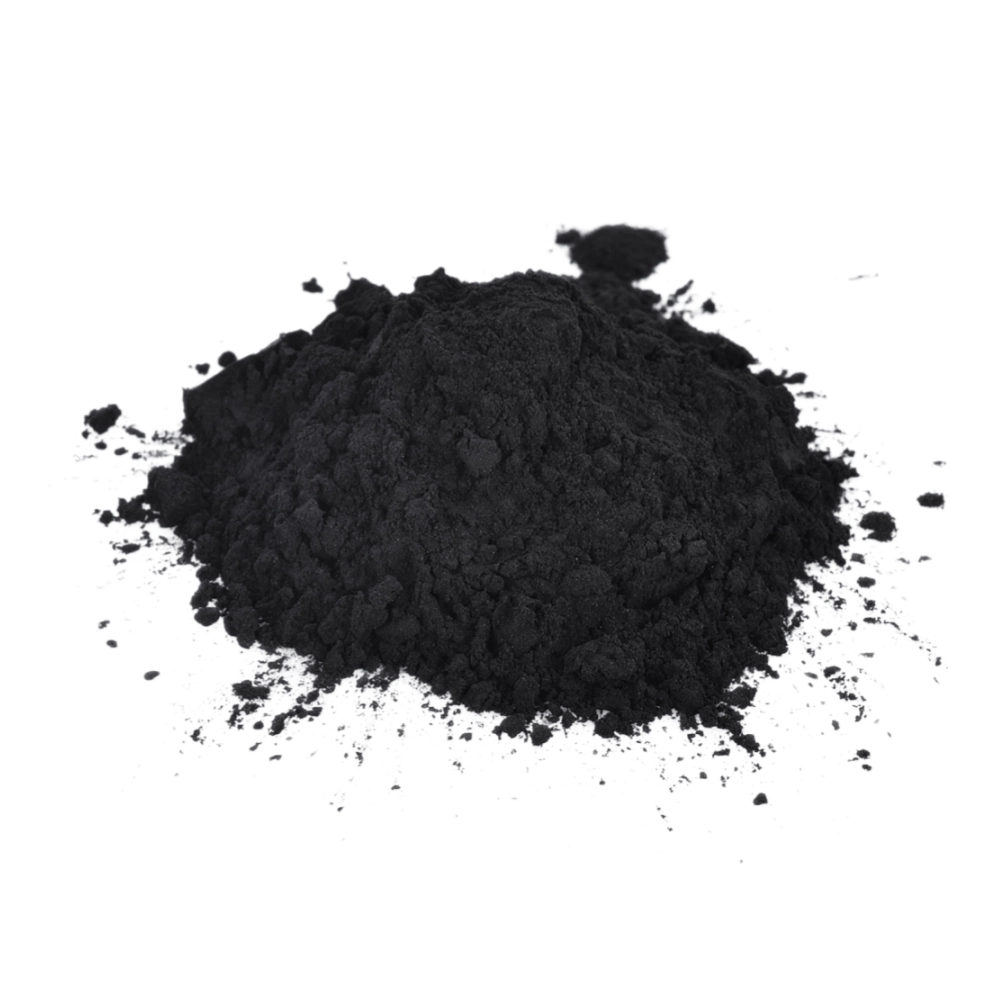
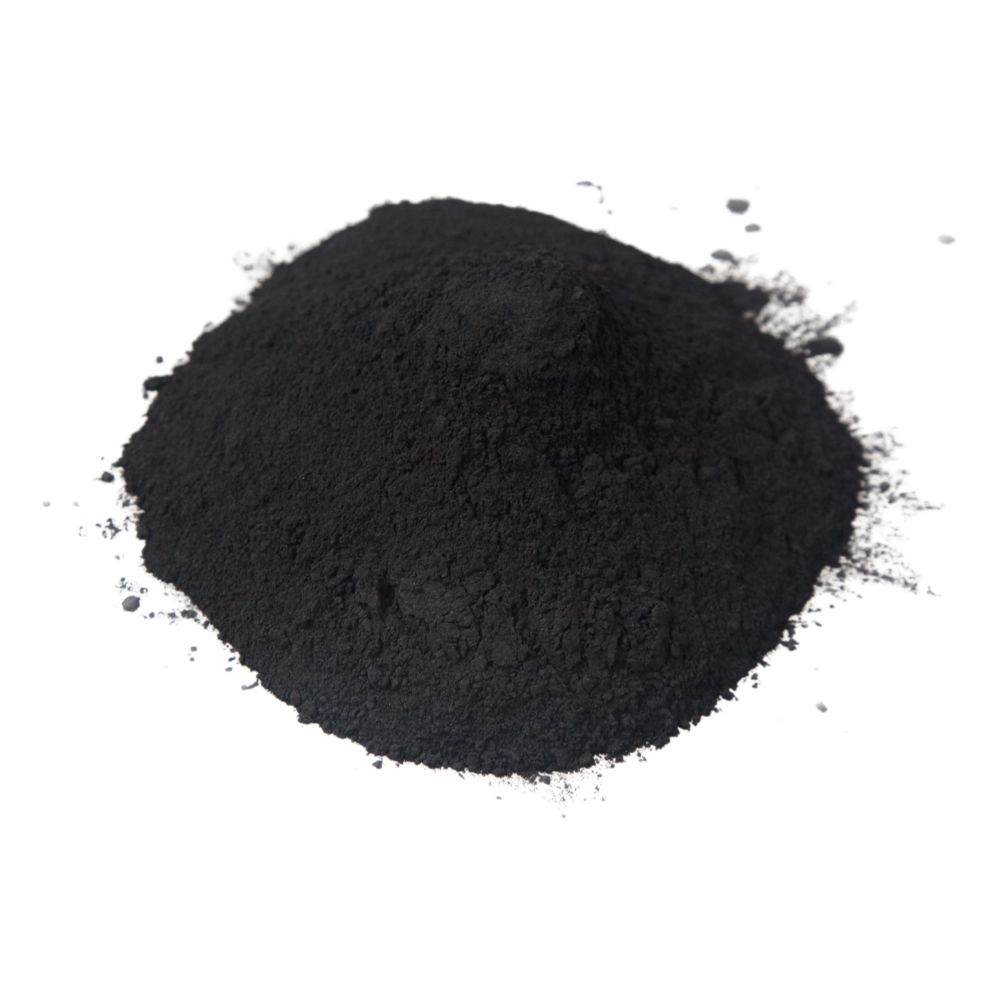
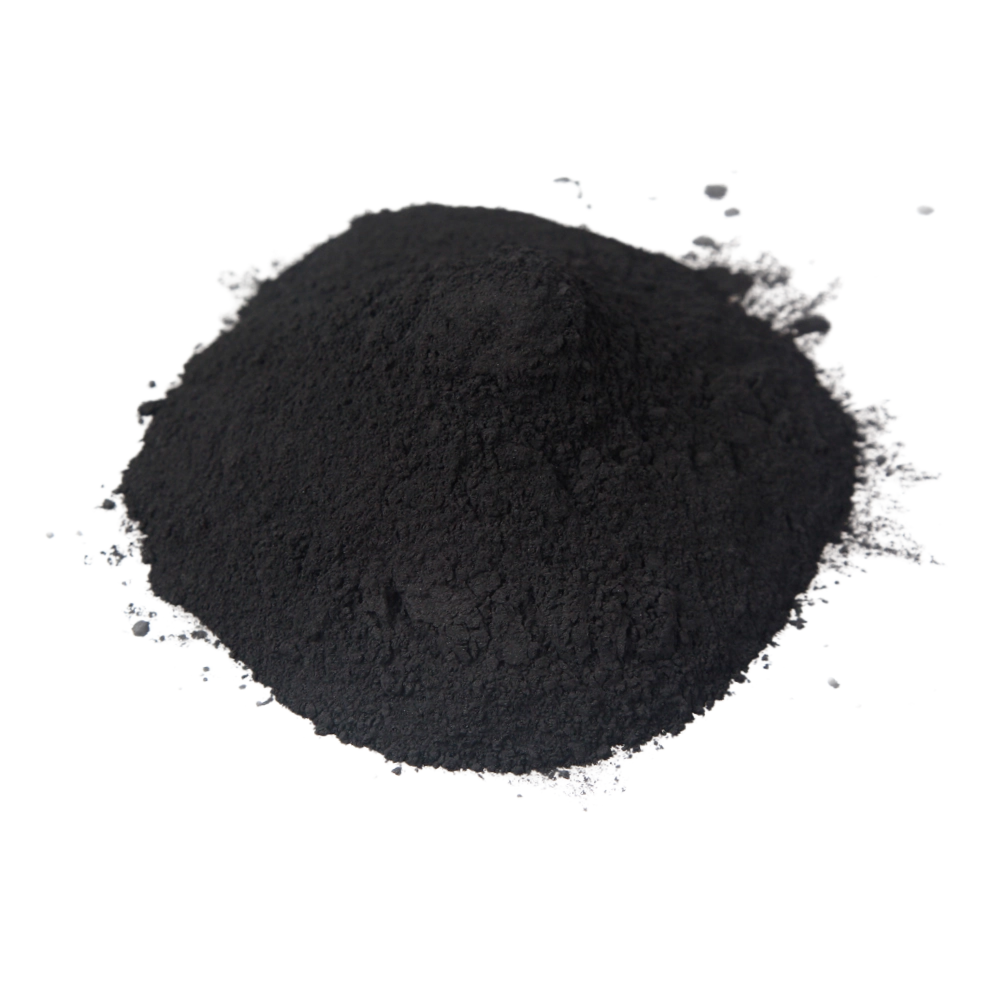
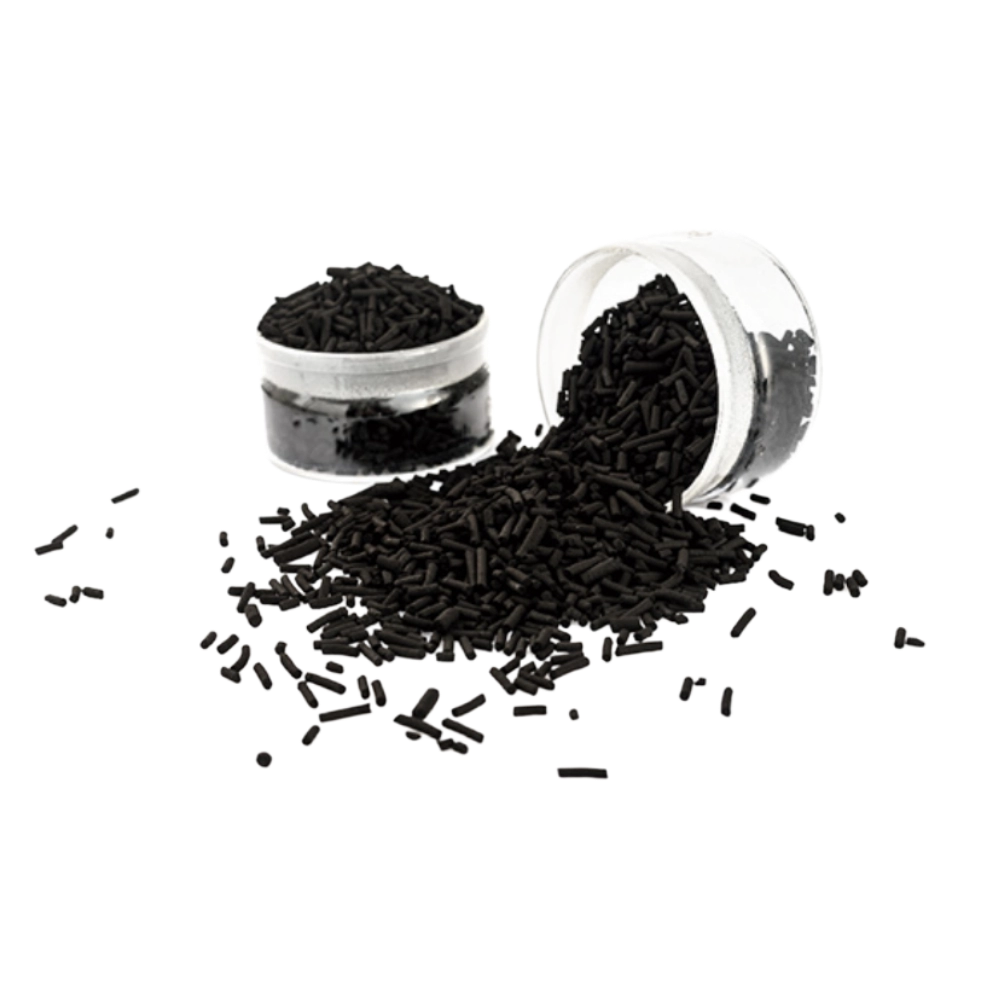
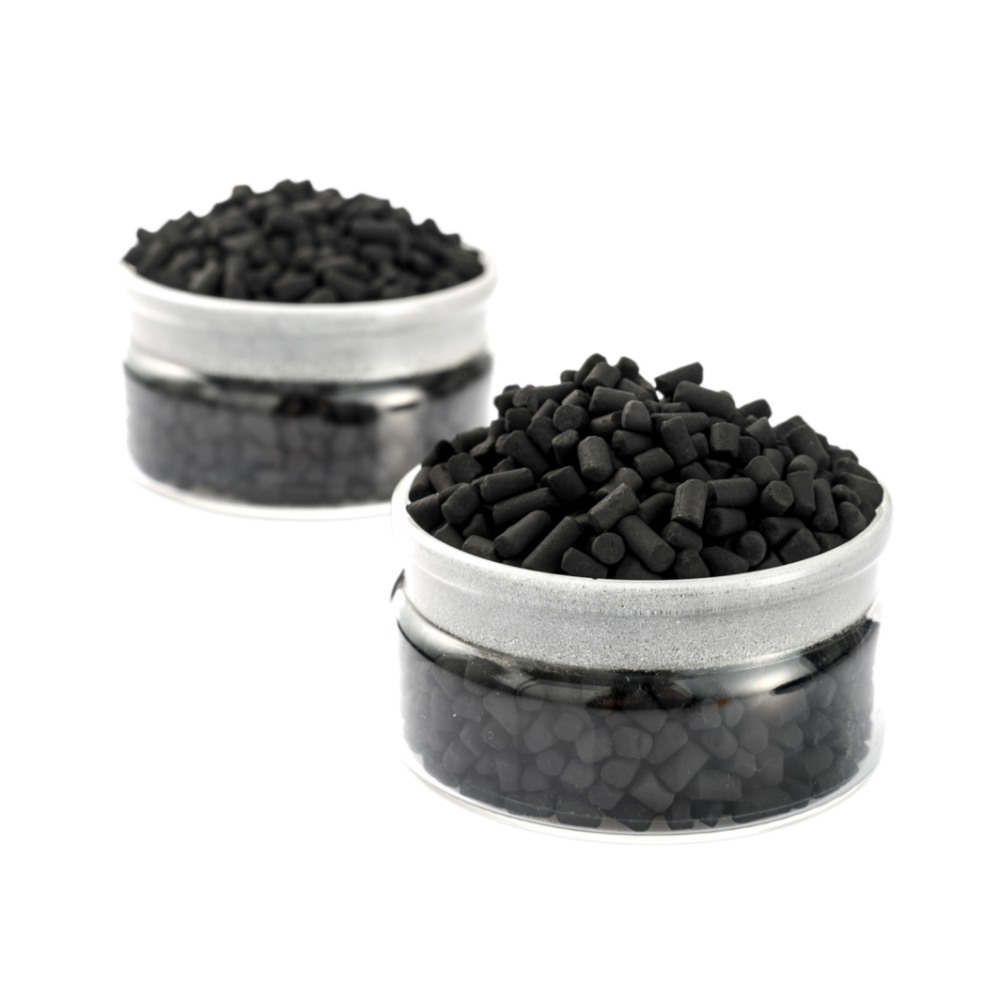
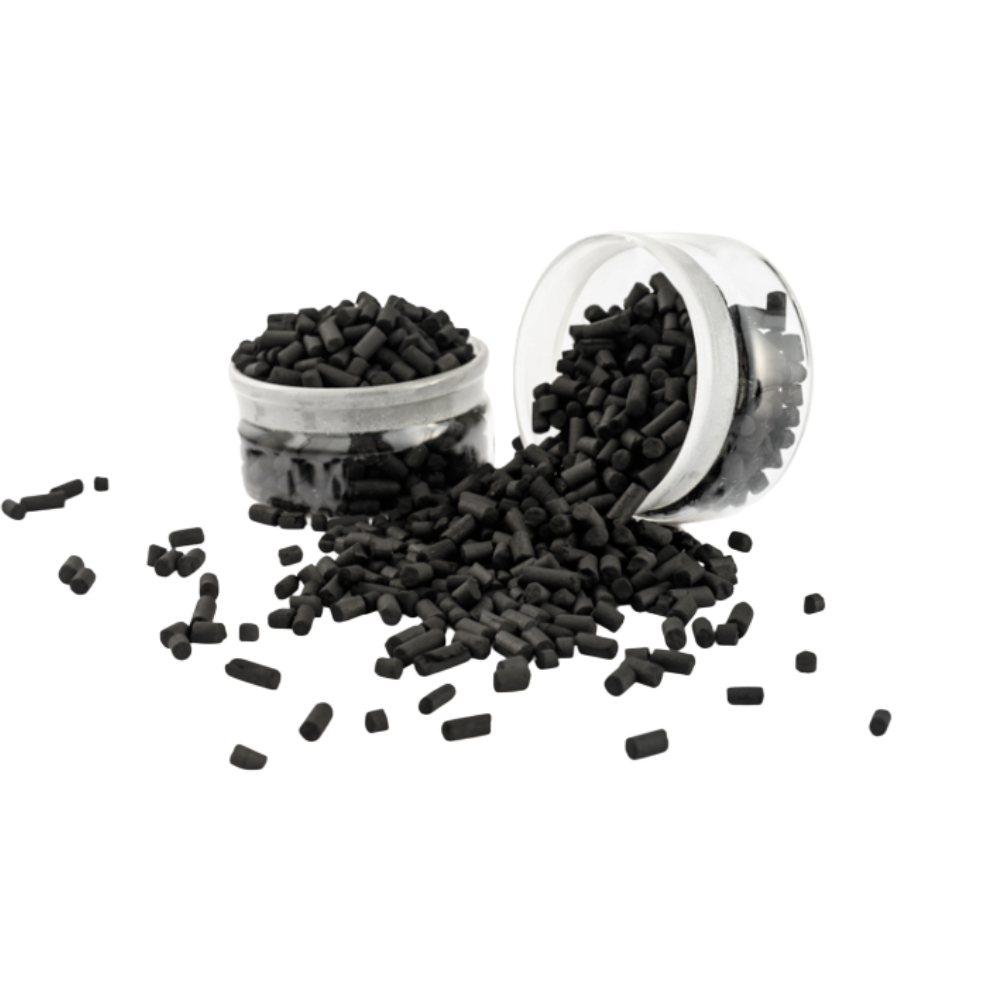
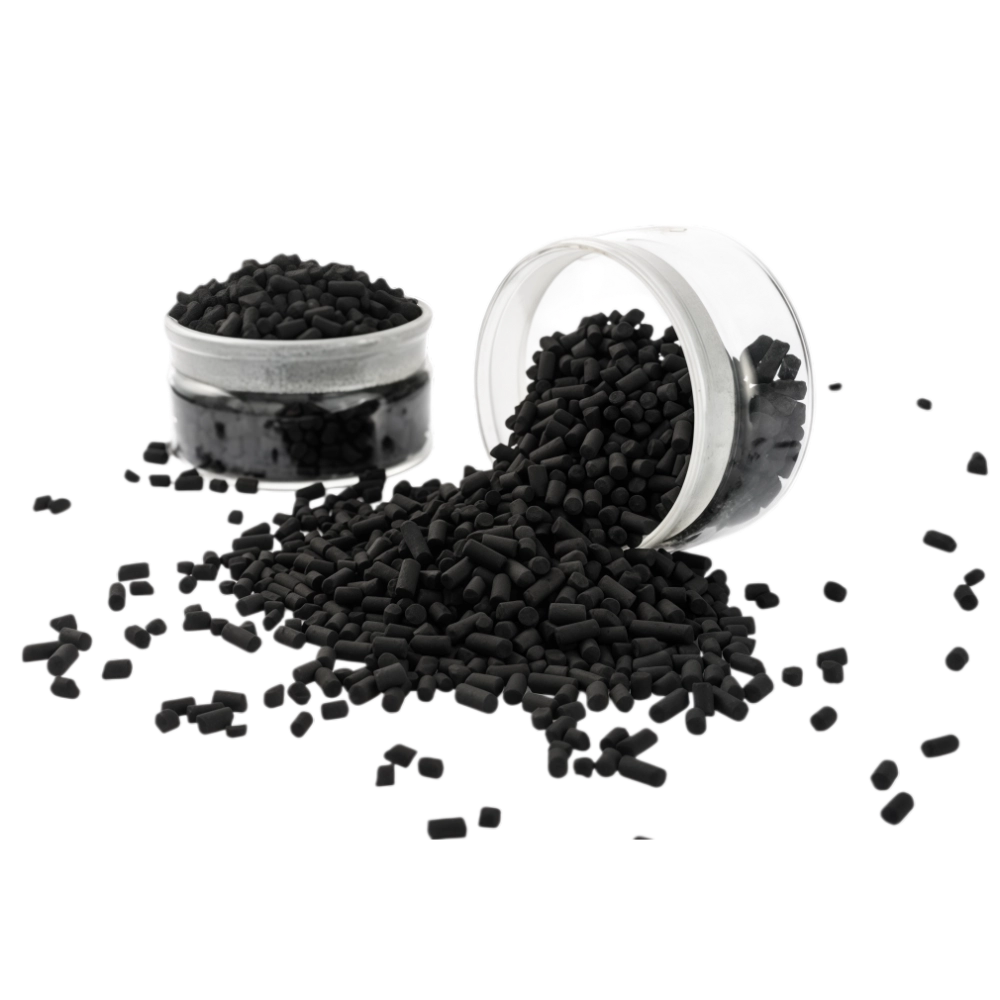
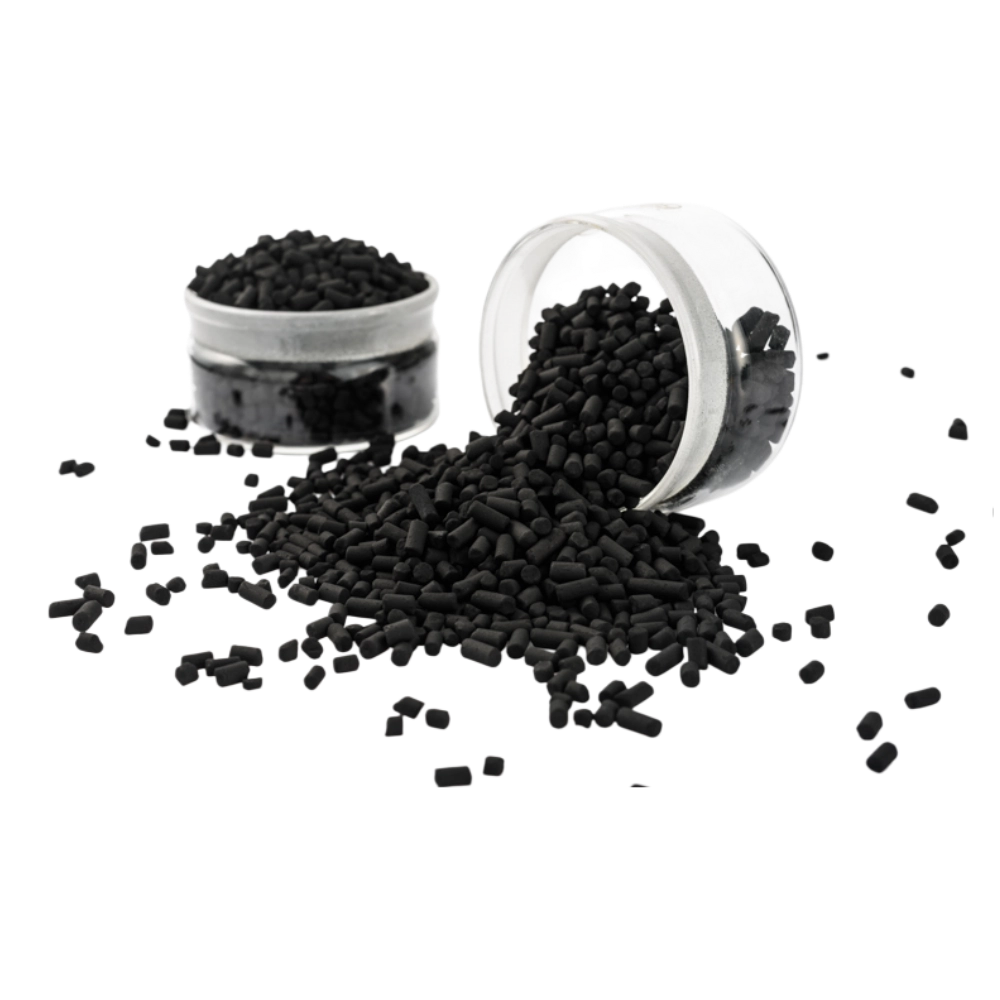
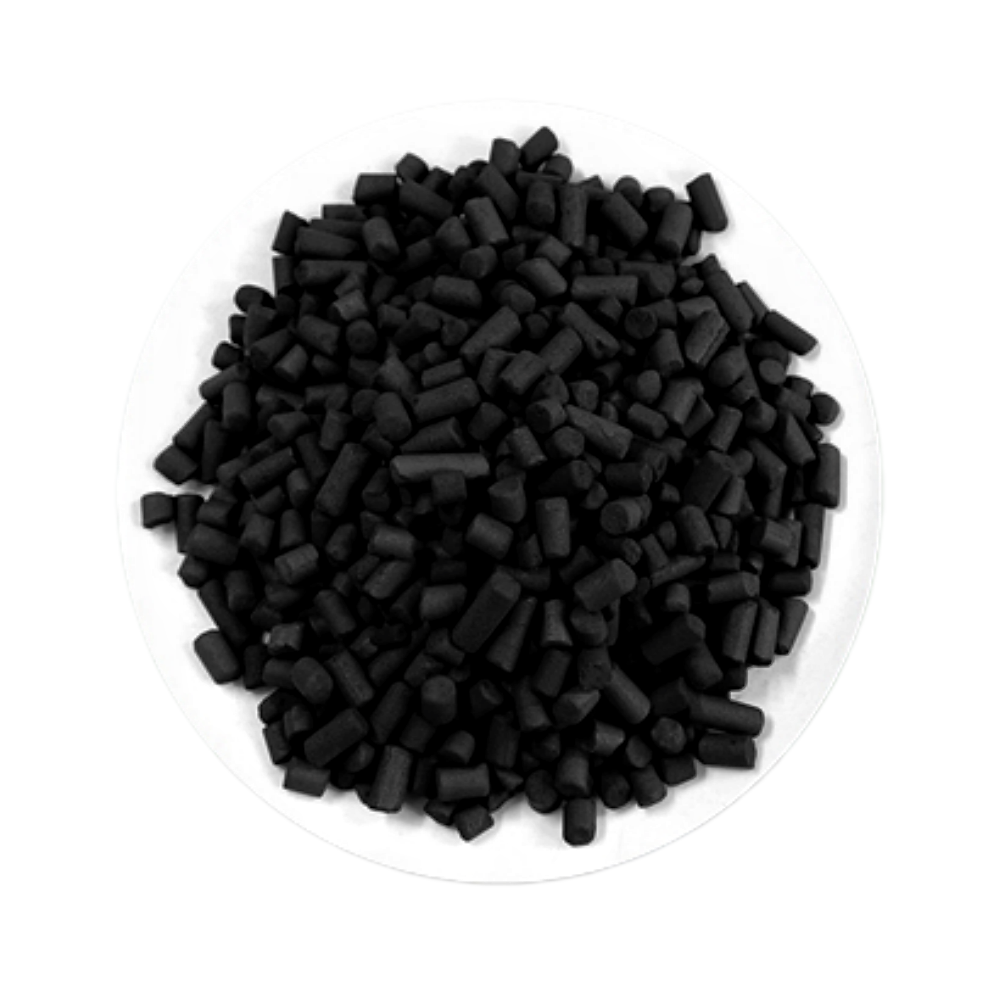
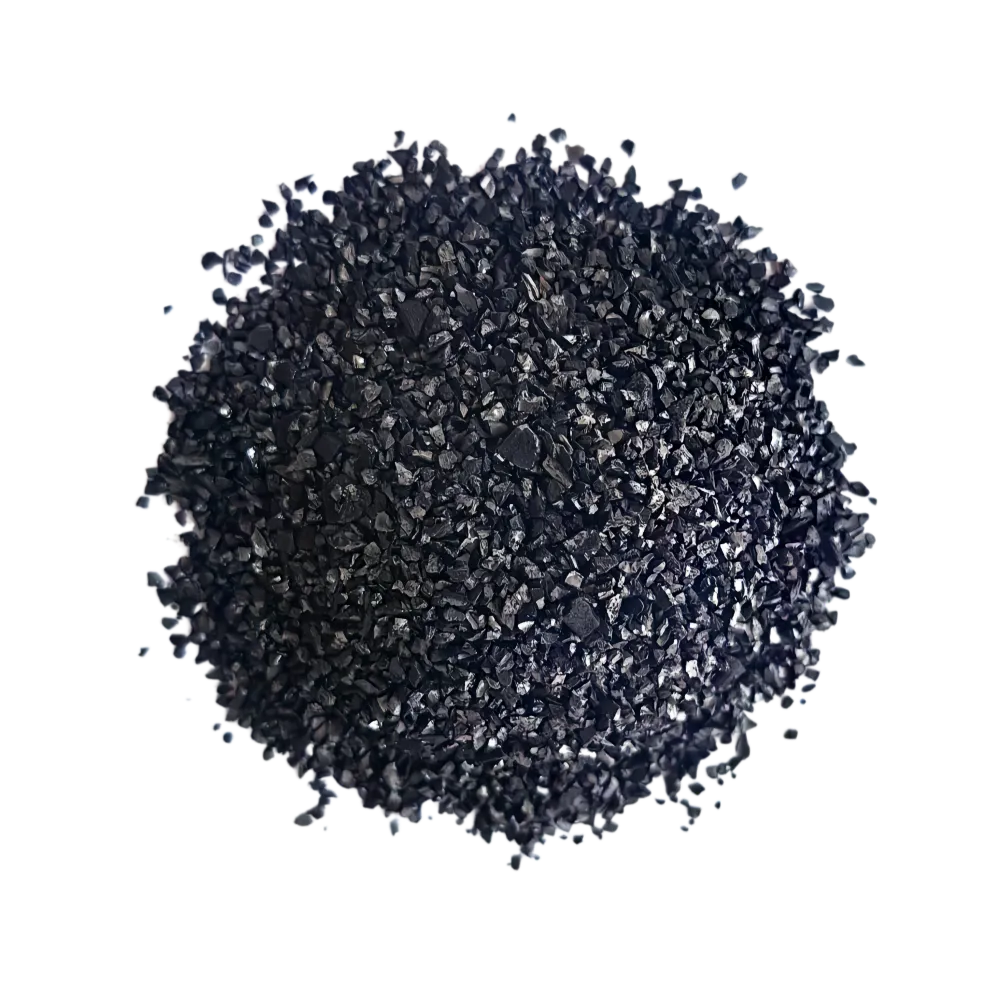
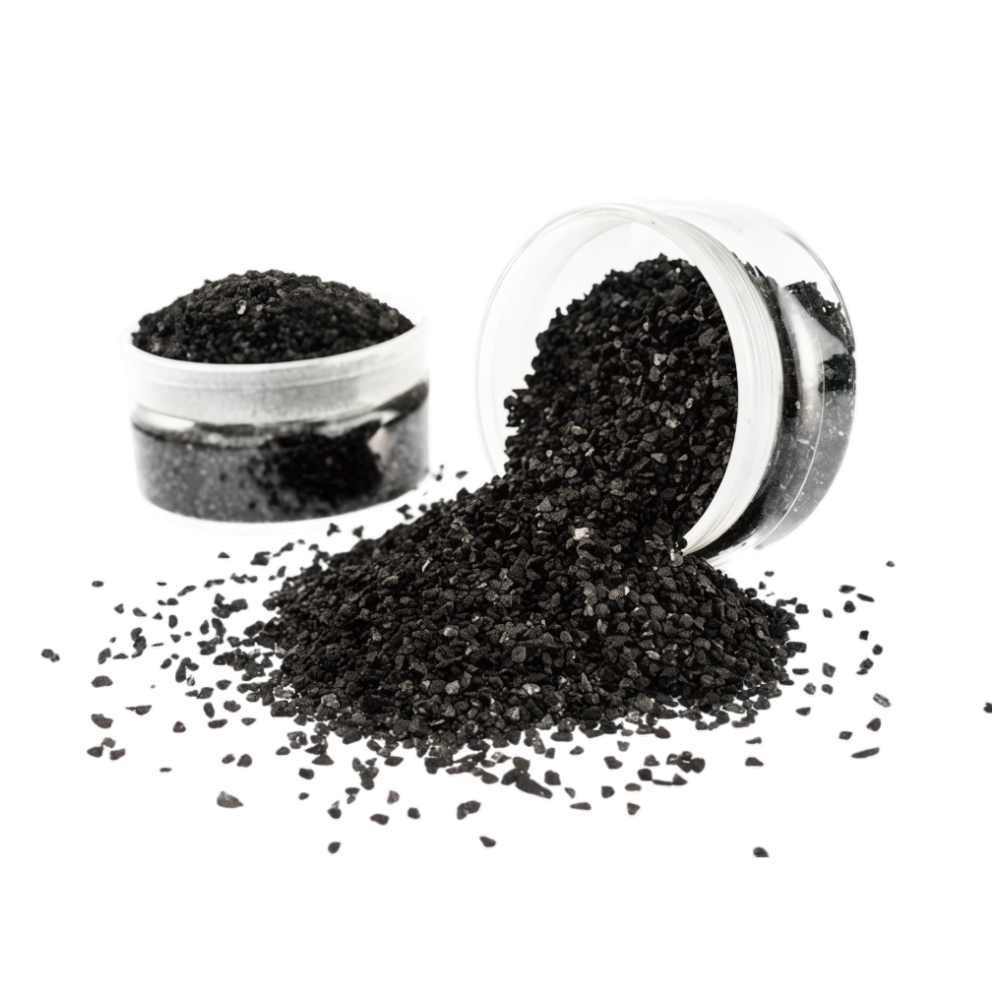
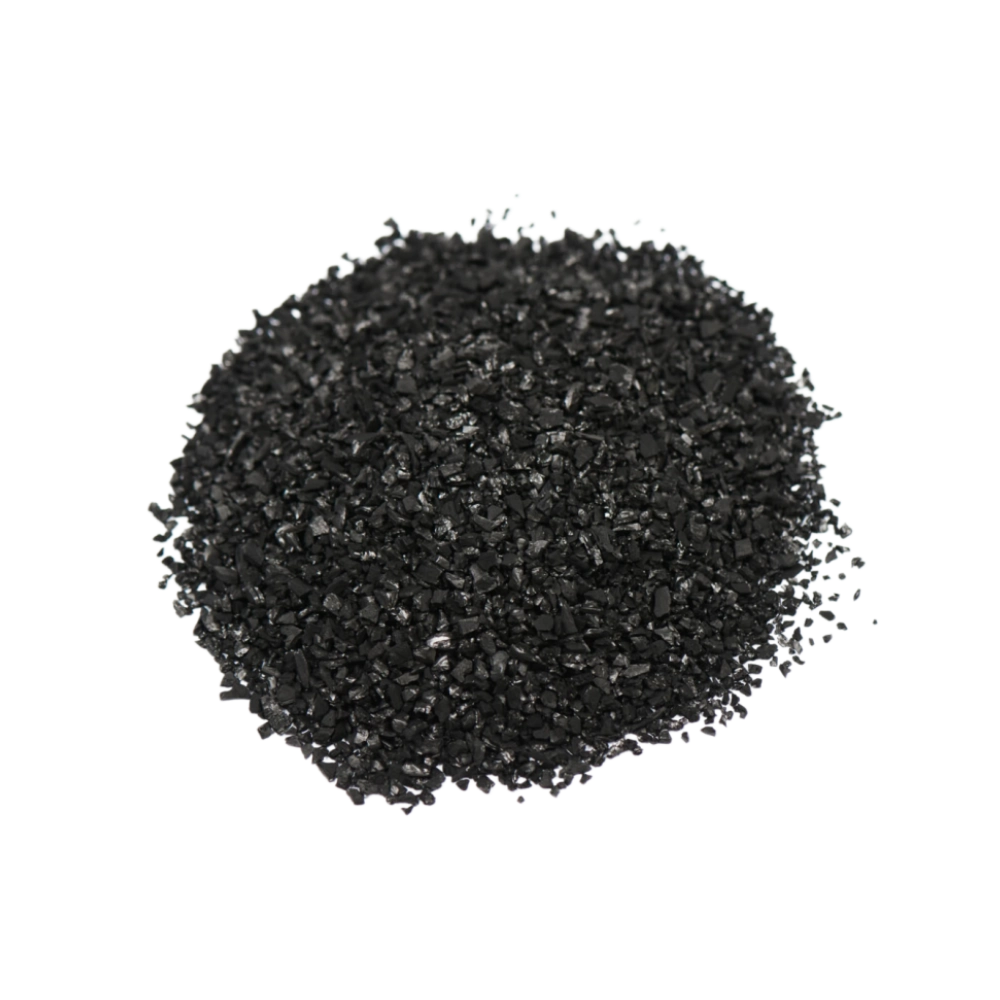
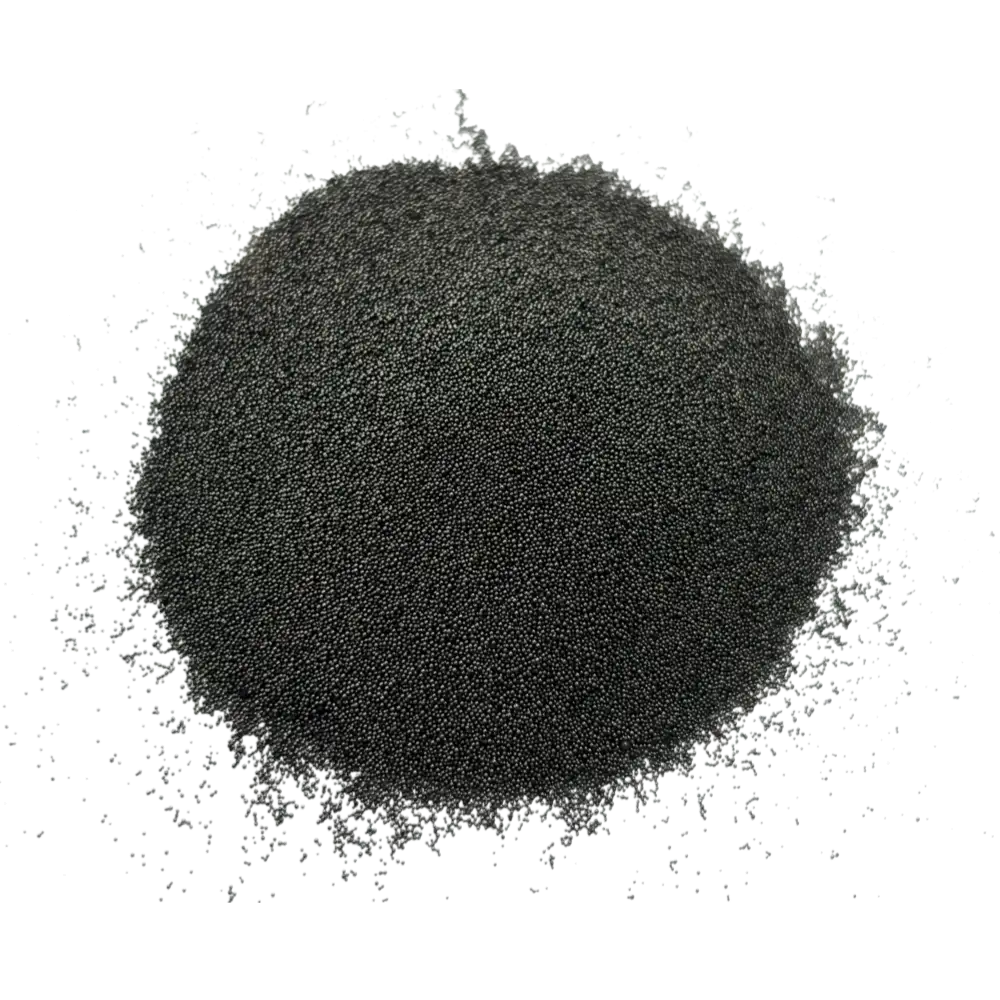
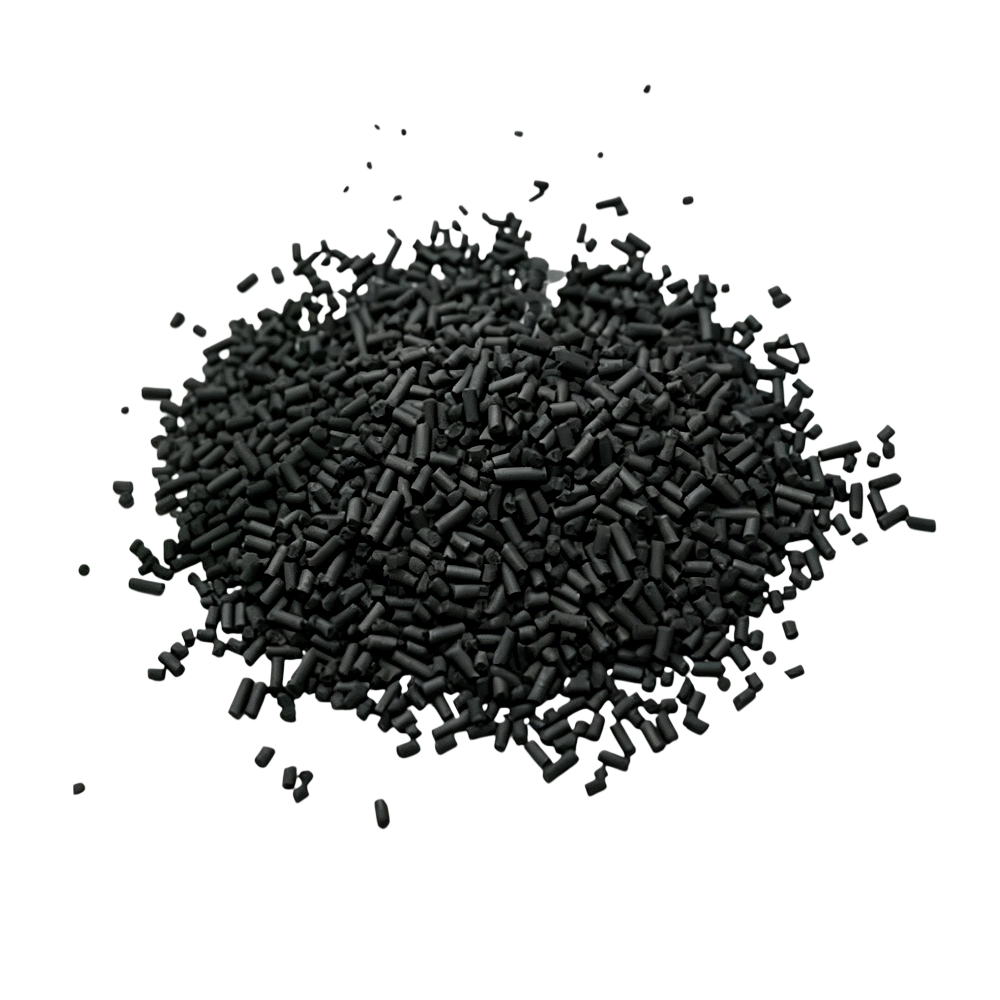
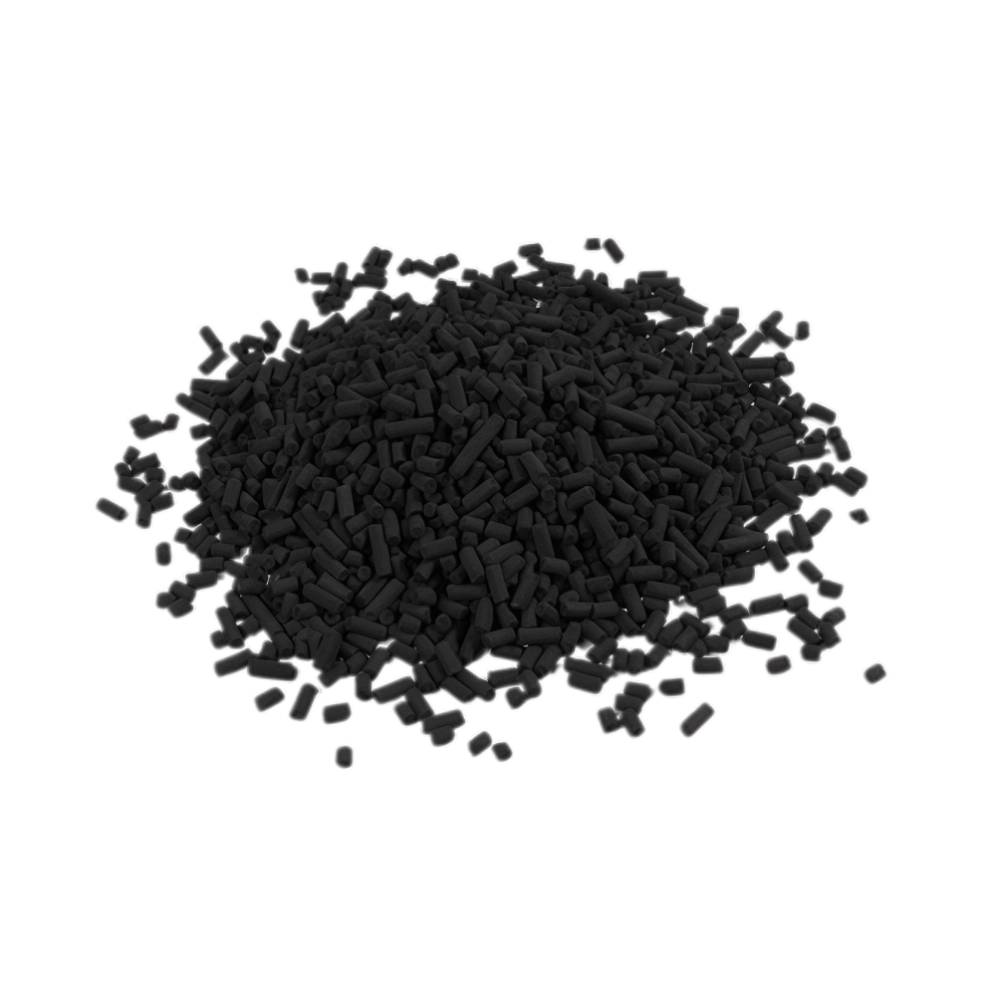
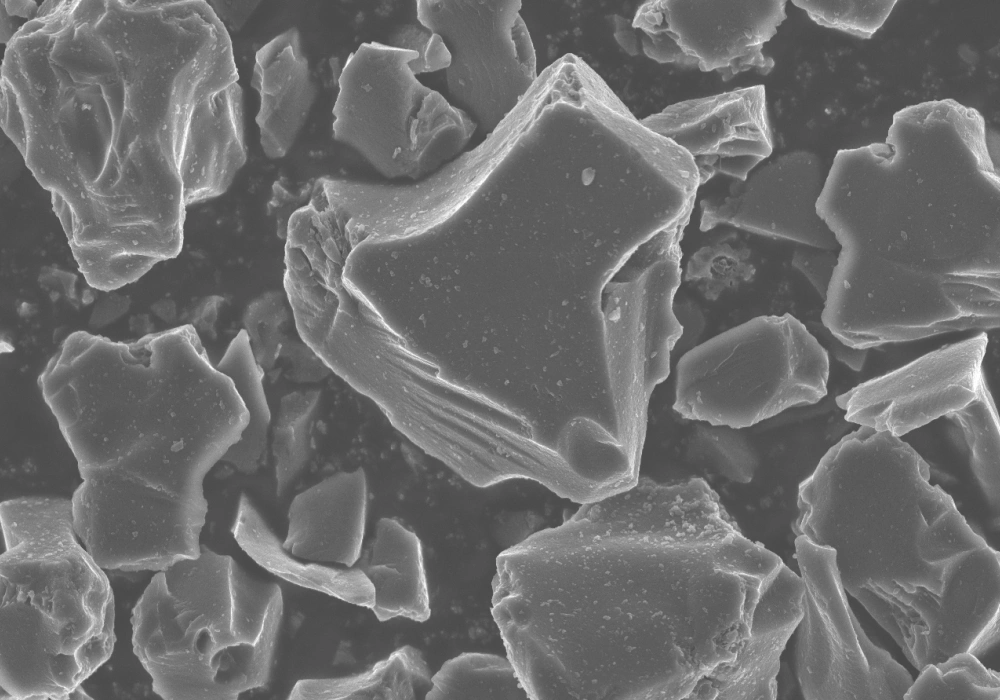
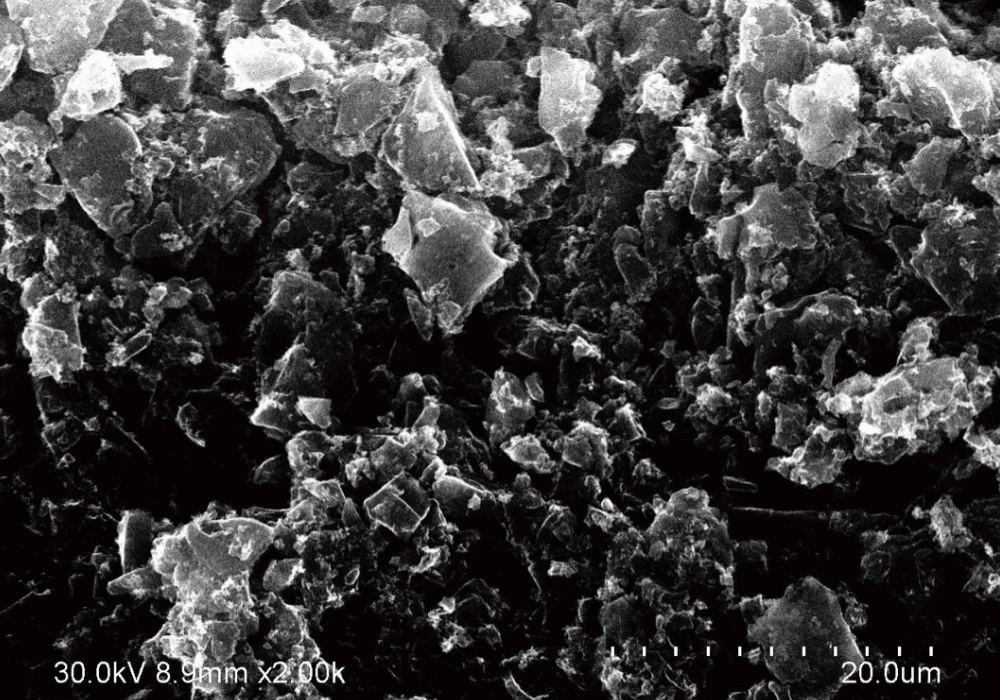
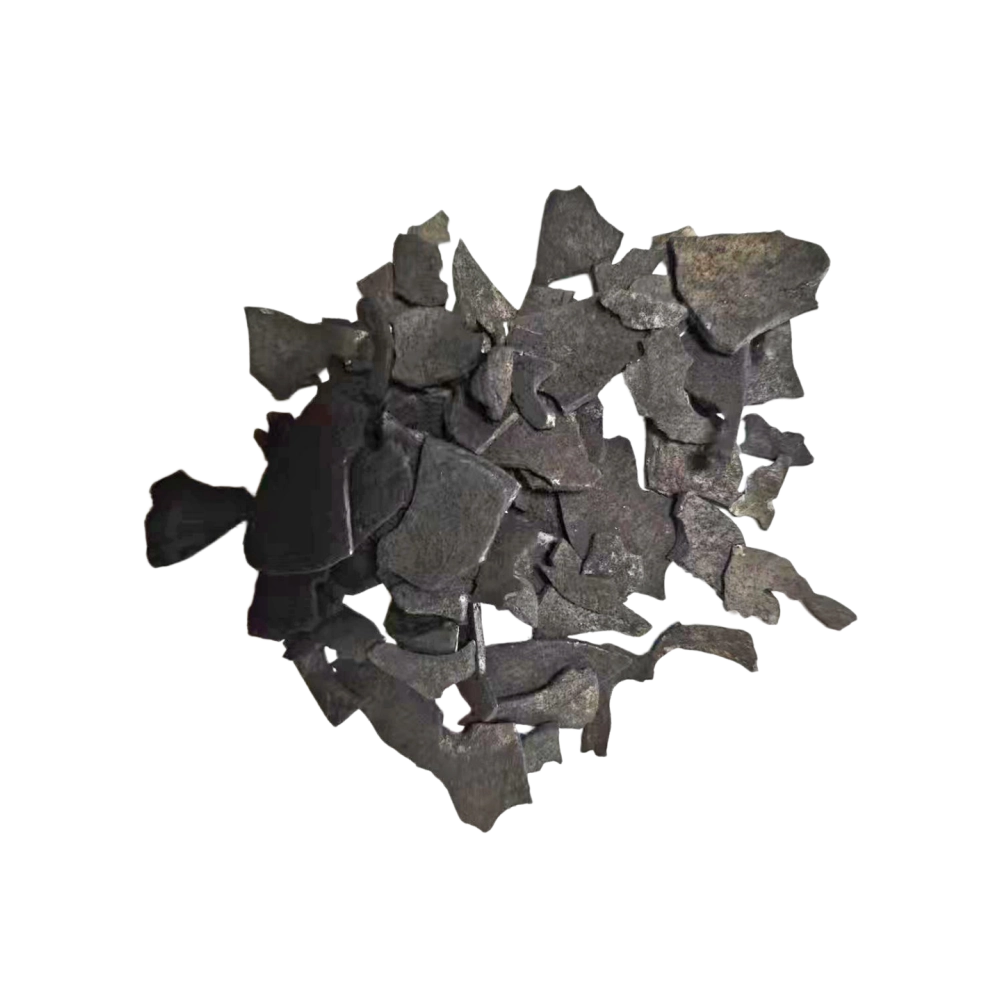
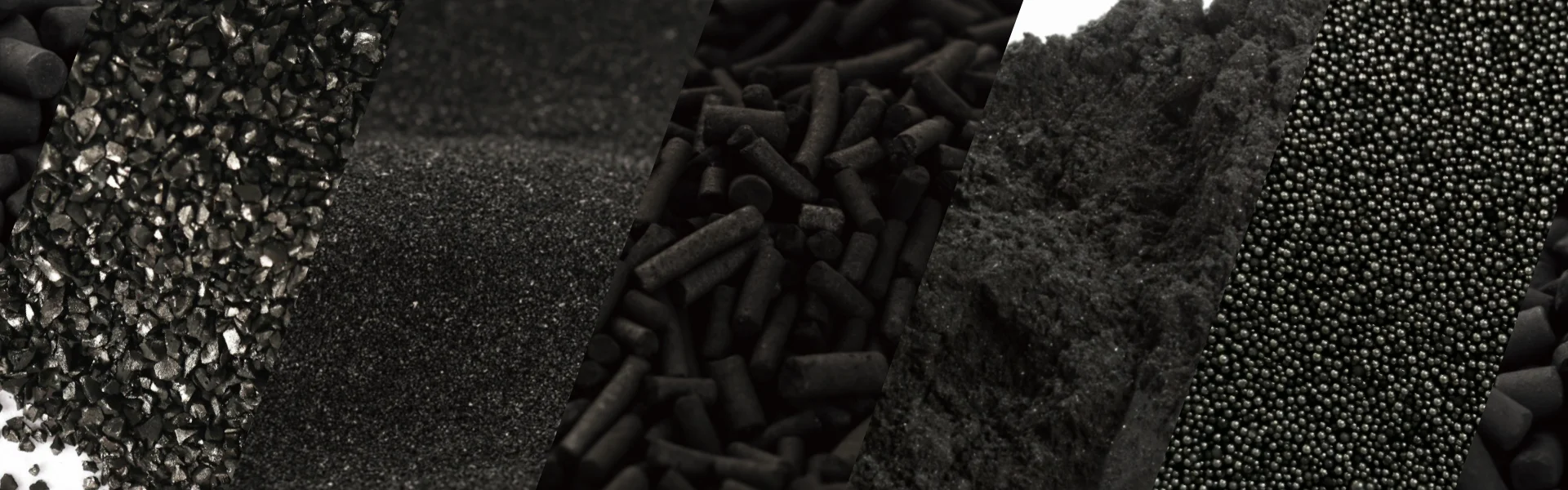
Purestar granular activated carbon is produced in coal-based and coconut shell grades through controlled carbonization and steam activation. The hard, durable granular structure is built for fixed-bed and fluidized-bed systems where long bed life and consistent effluent quality matter.
What Sets This Grade Apart
- High hardness and low attrition extend running cycles and reduce change-out frequency
- Coal grades for high-volume industrial and municipal streams; coconut grades for low-ash purity requirements
- NSF-certified and food-contact options available for drinking water and food processing
- Custom mesh sizes to fit standard and hybrid system configurations
Why Source from Purestar
We maintain a fully traceable supply chain with documented quality system (ISO 9001) and consistency that operators can plan around. Our applications team supports load sizing and grade selection, backed by extensive production data and proven engineering technology center.






Recommended Solutions
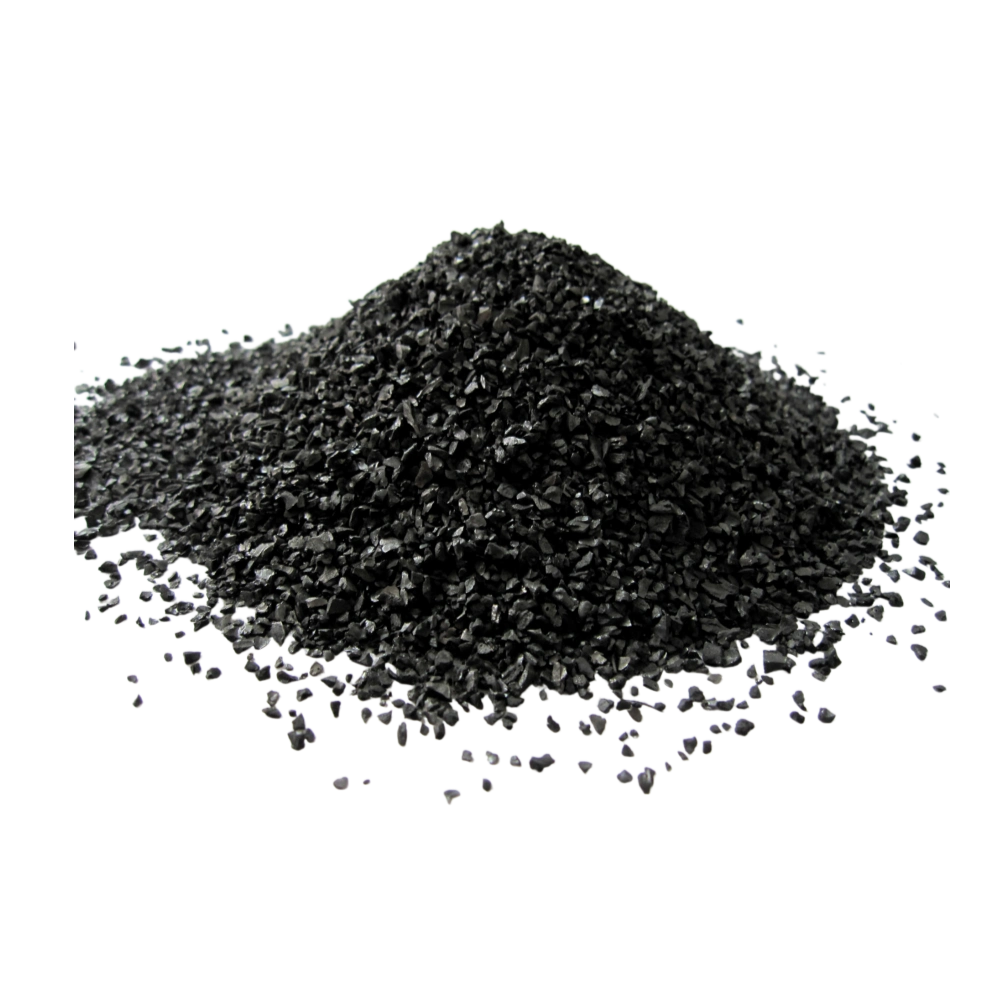
High-Iodine Coal Granular Carbon for Drinking & Ultra-Pure Water
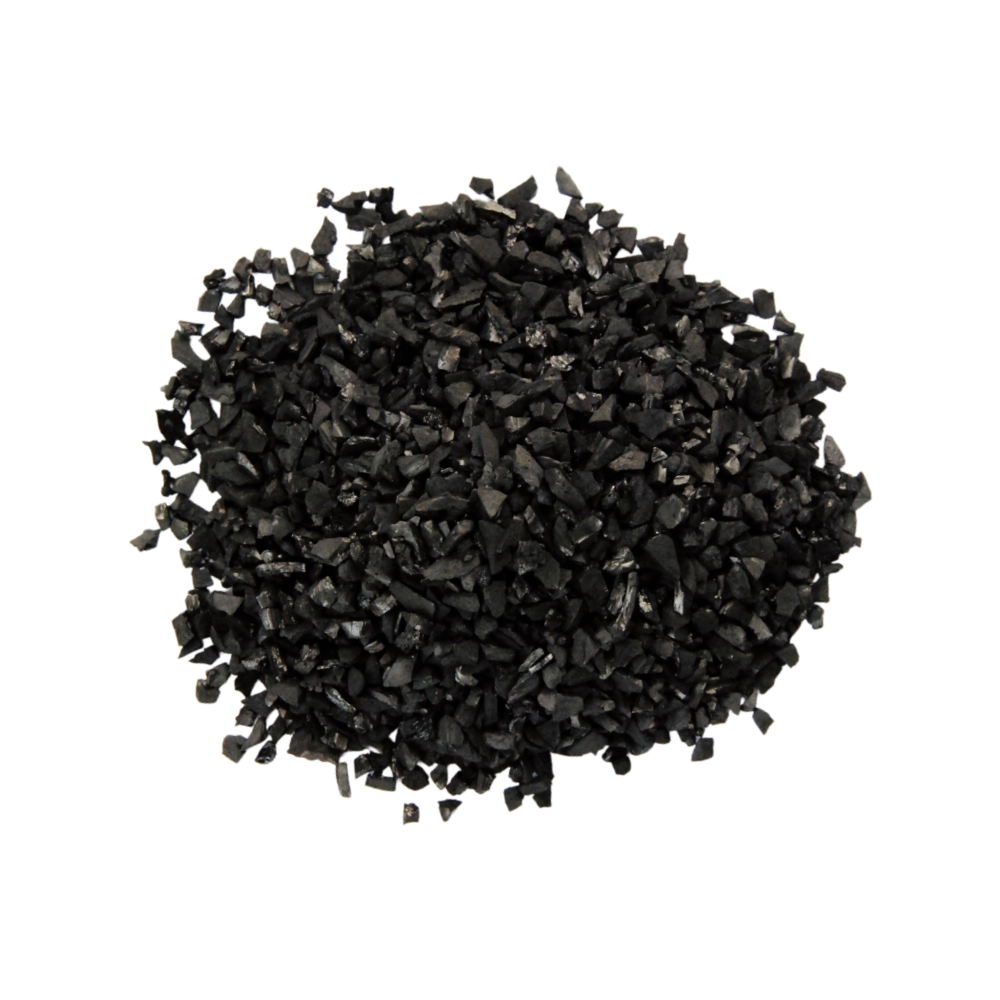
Acid-Washed High-Iodine Carbon for Ultra-Pure & POE Water
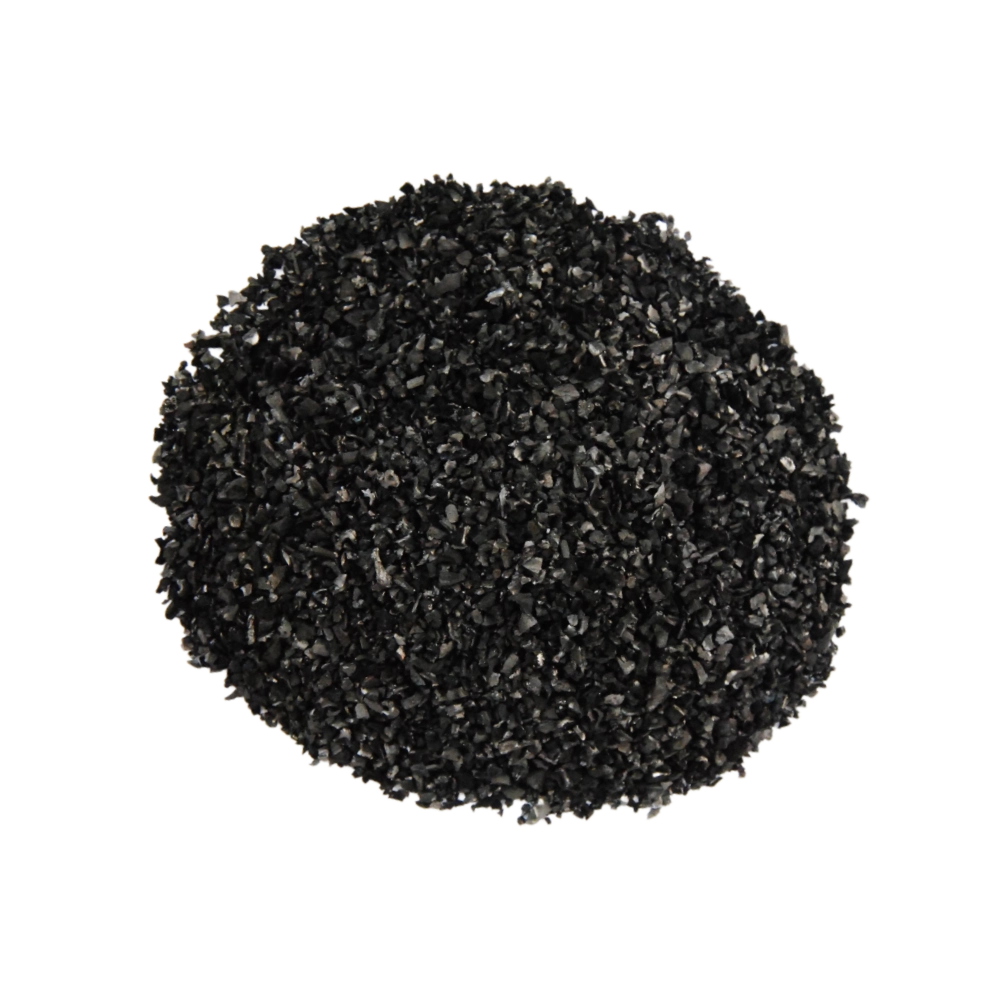
High-Iodine Coal Granular Carbon for Process & Reclaimed Water
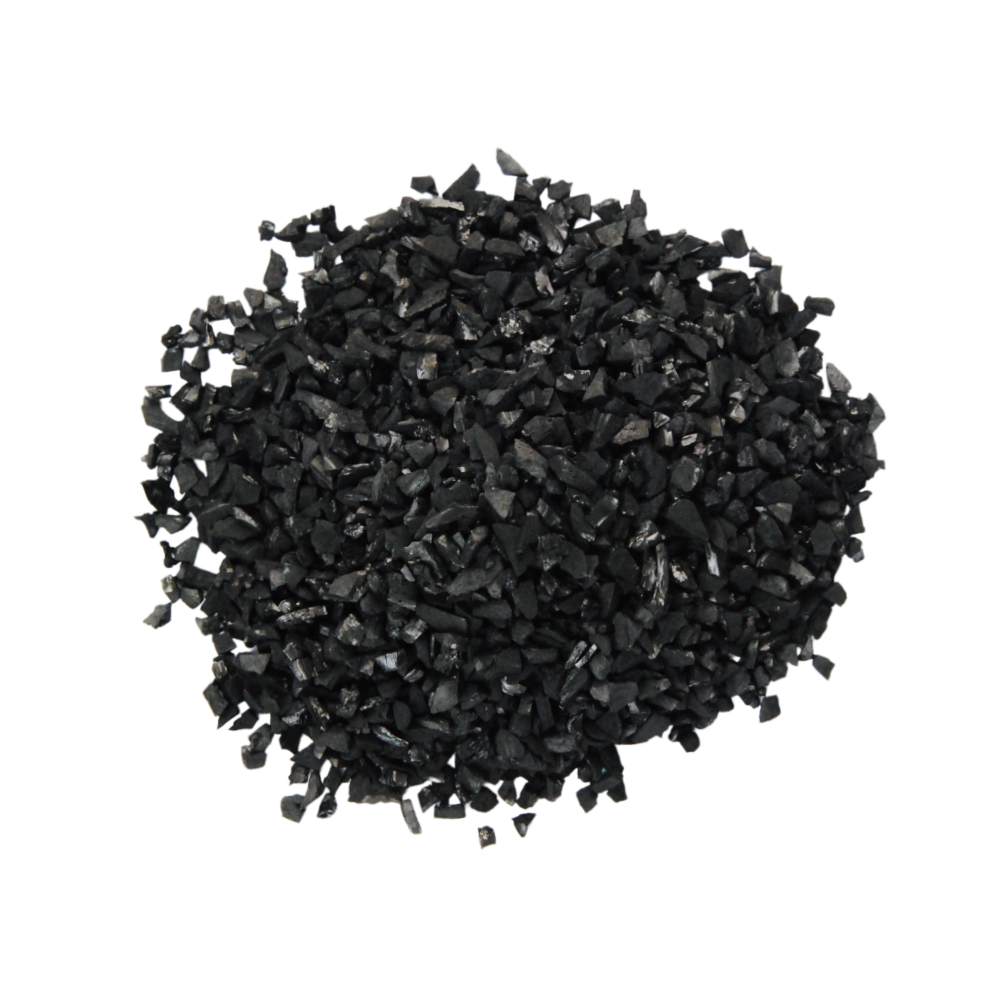
WT Coal Granular Carbon | Municipal & Industrial Wastewater Treatment

High-Purity Coconut Shell Granular Carbon | Lithium Battery Oil Extraction
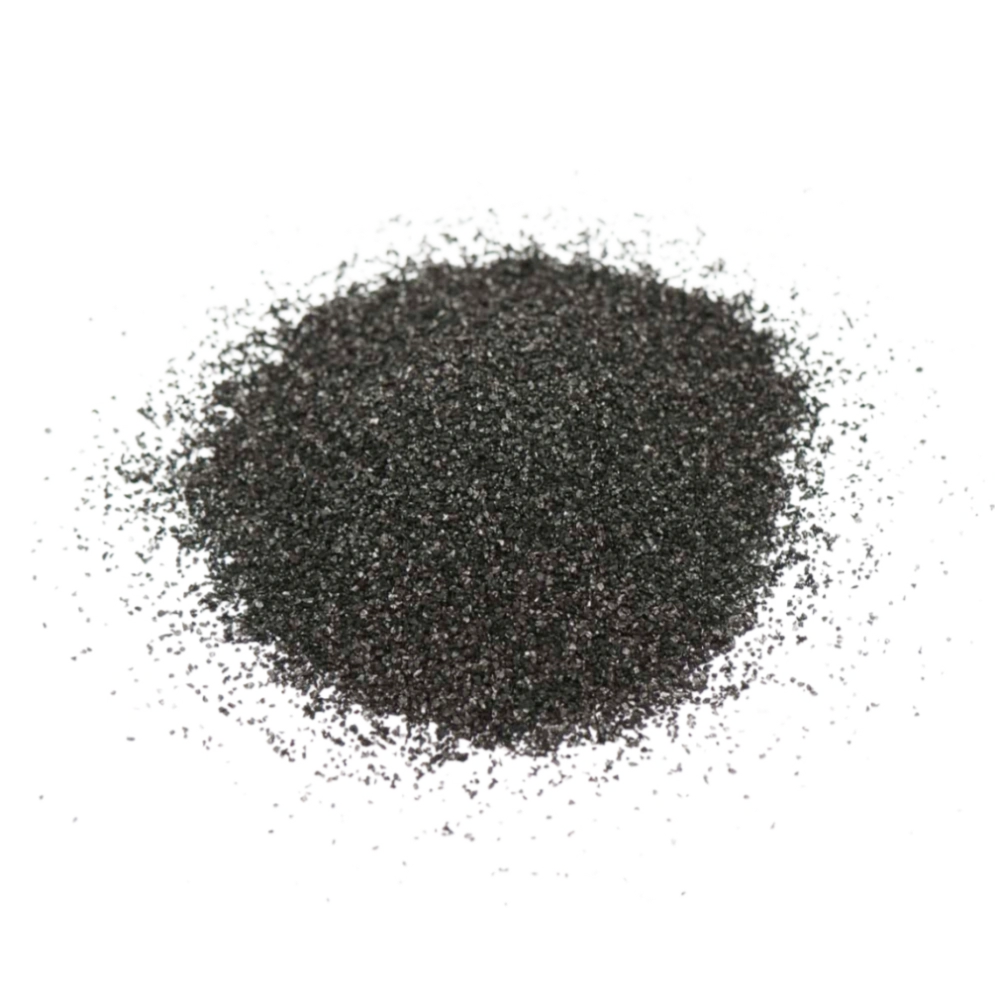
Acid-Washed Coconut Shell Carbon for POU & Ultra-Pure Water
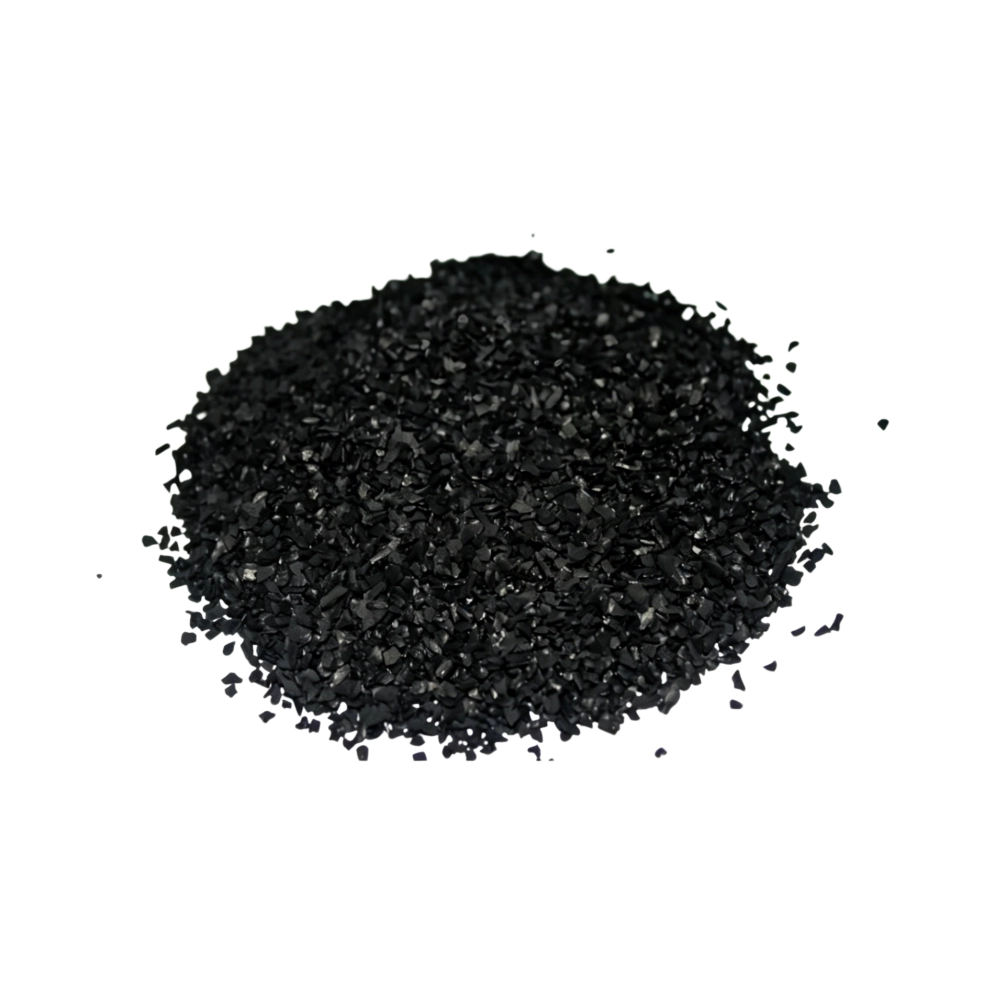
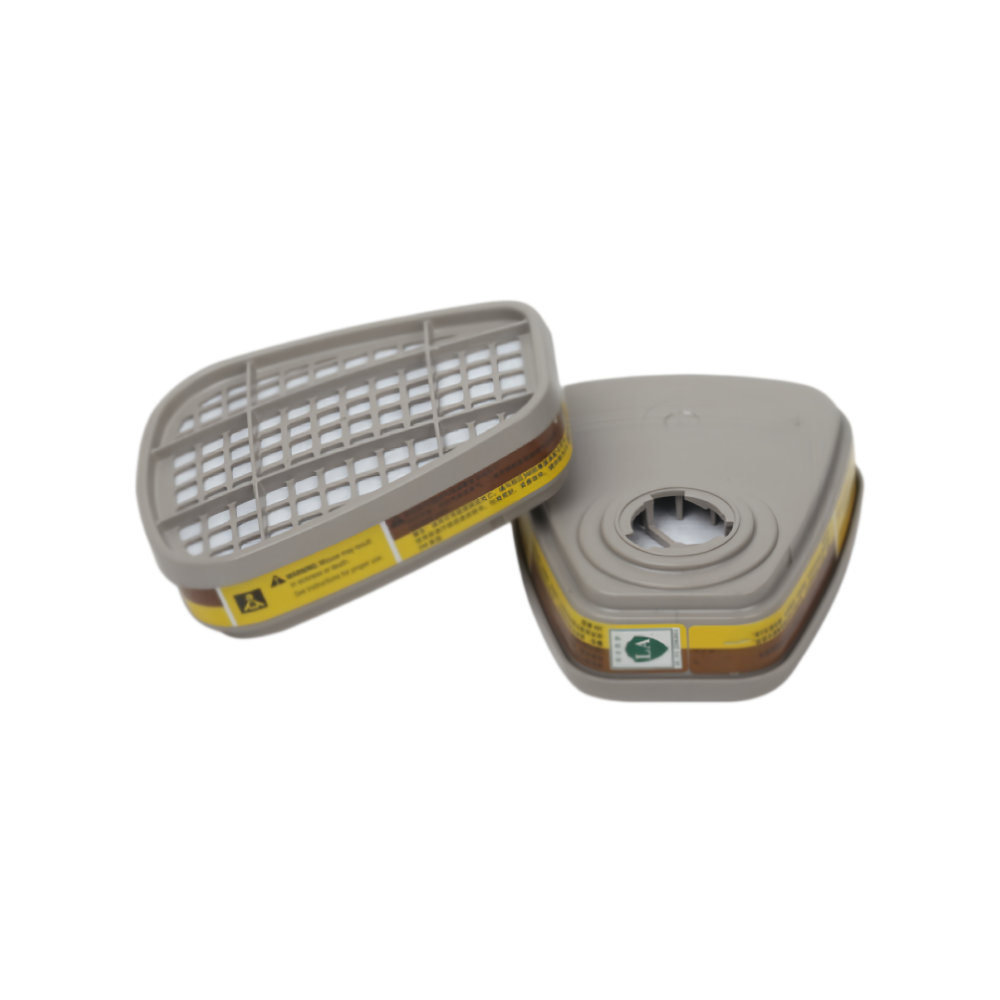
High-Purity Coconut Shell Carbon for Gas-Phase Air Purification