


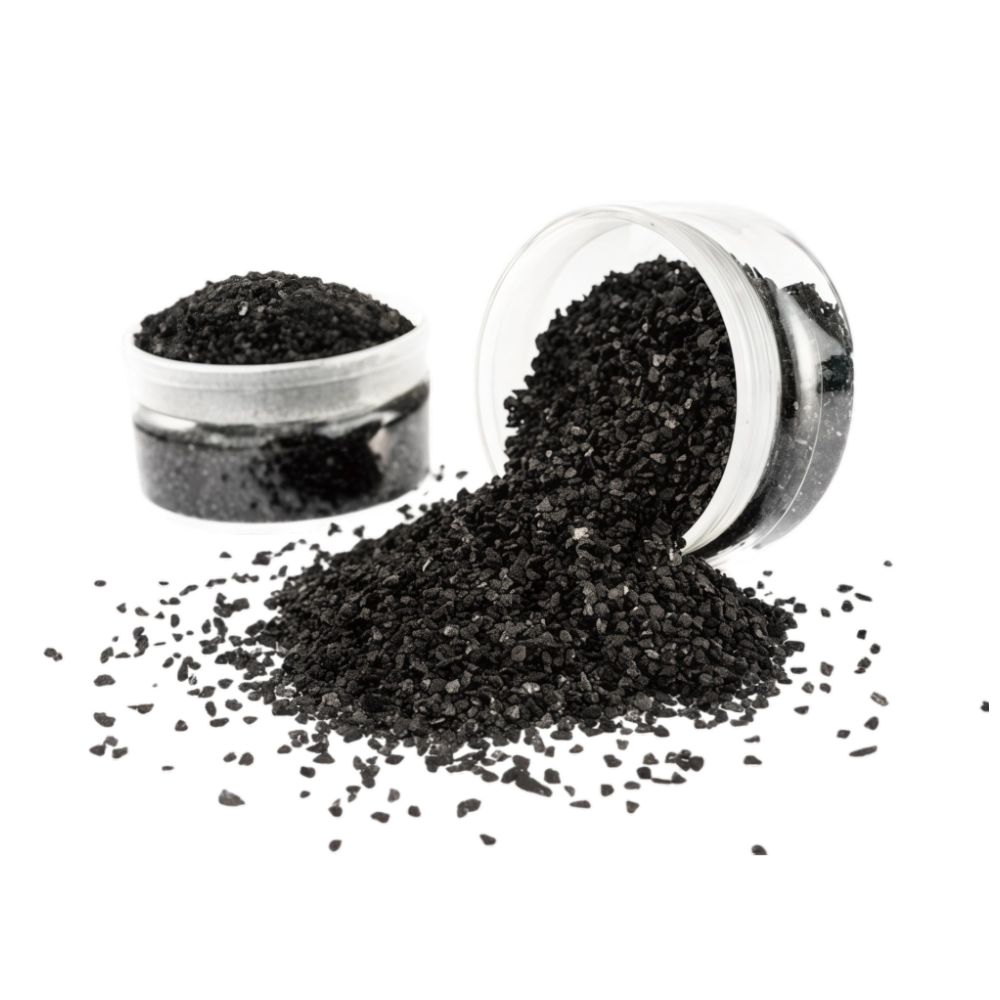
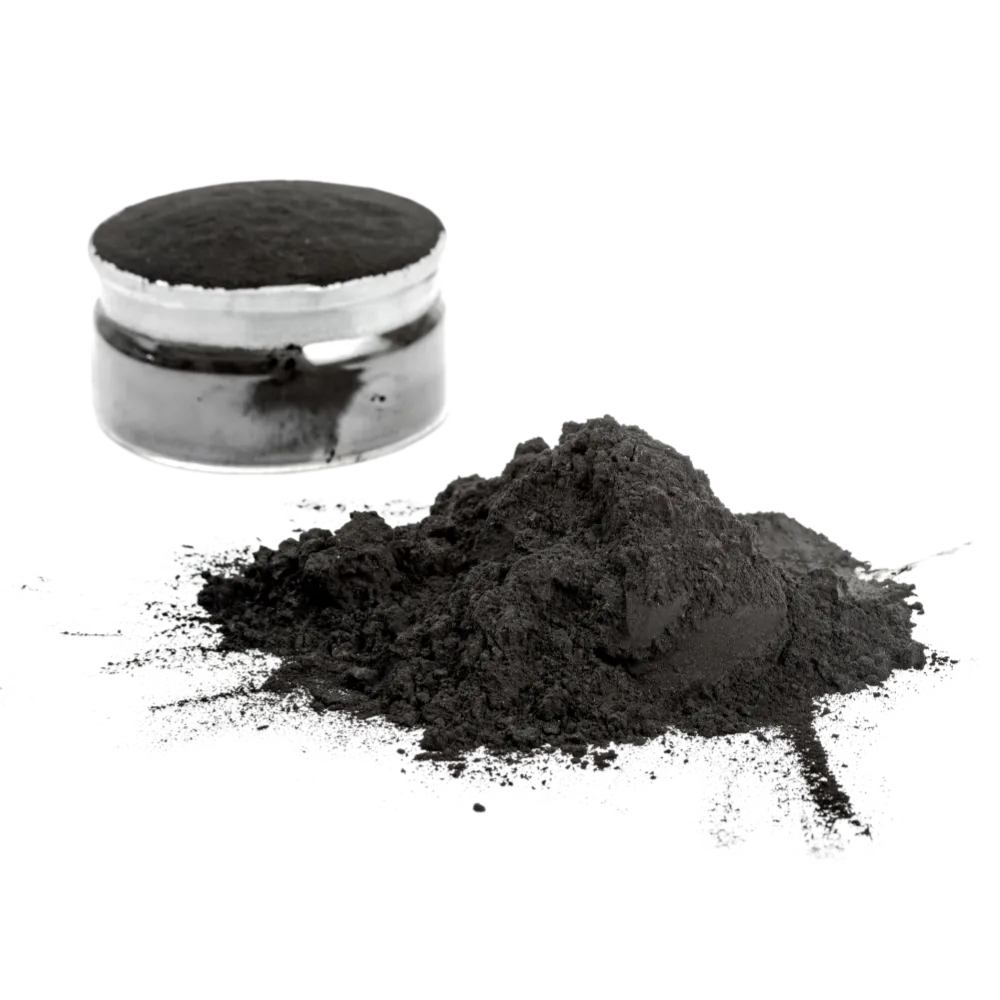
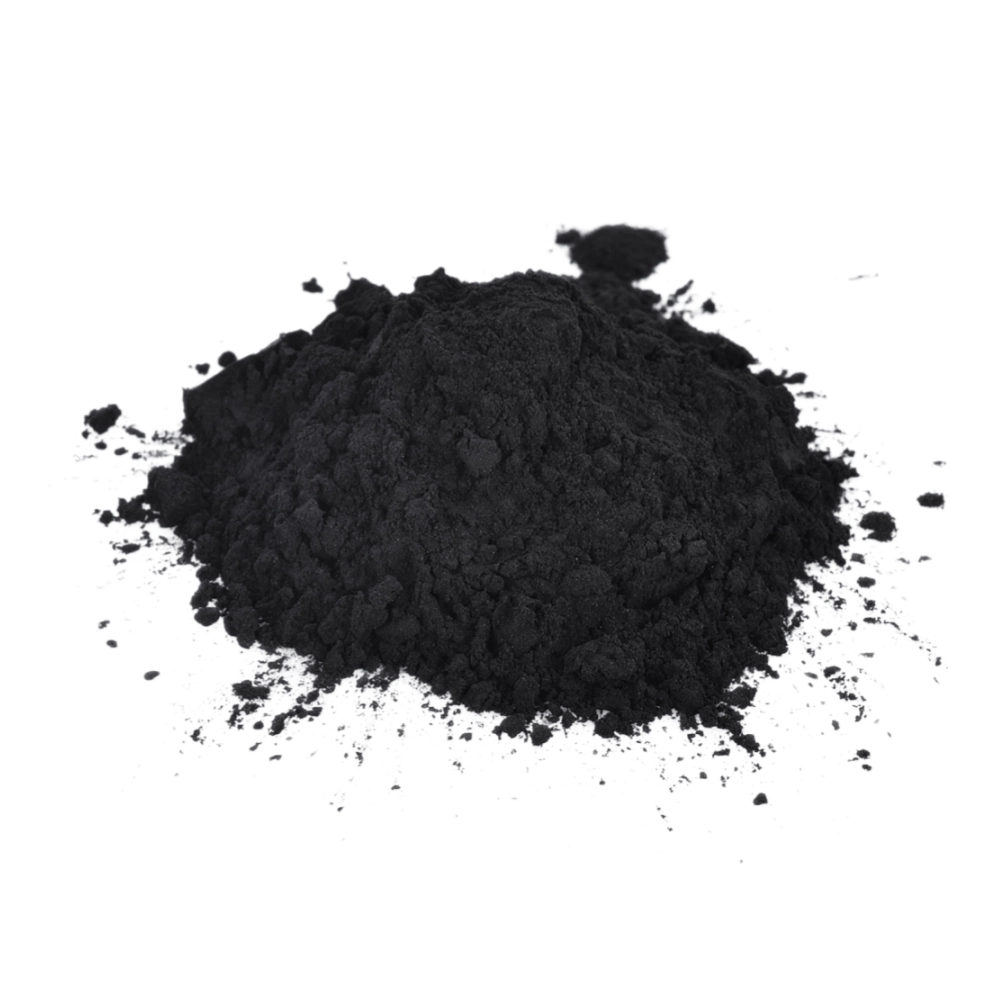
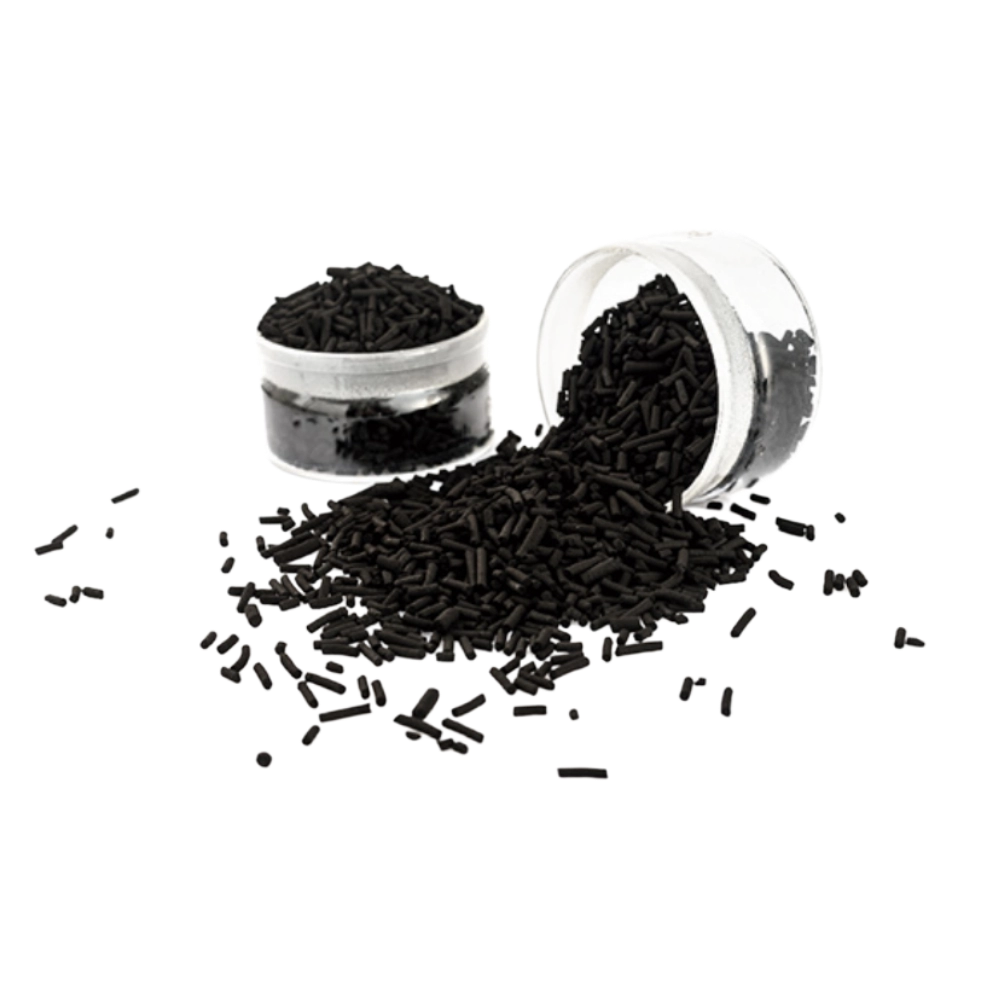
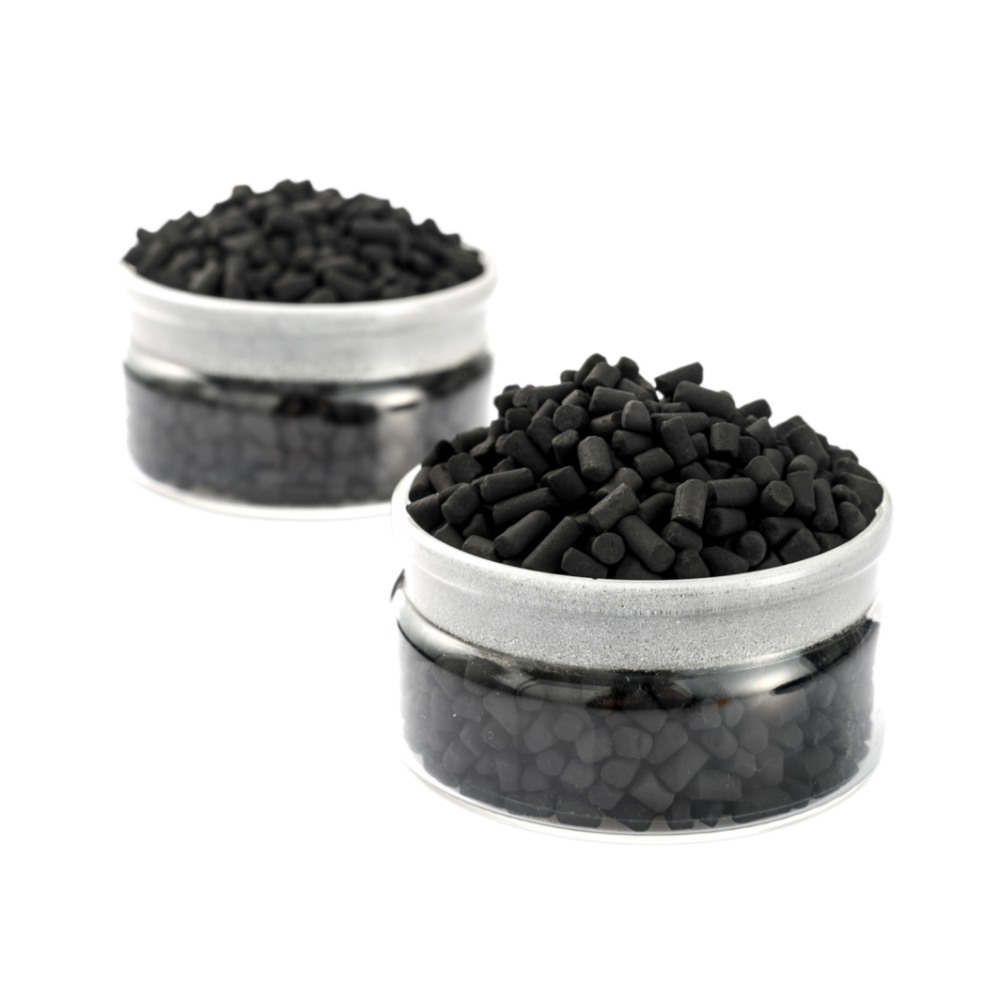
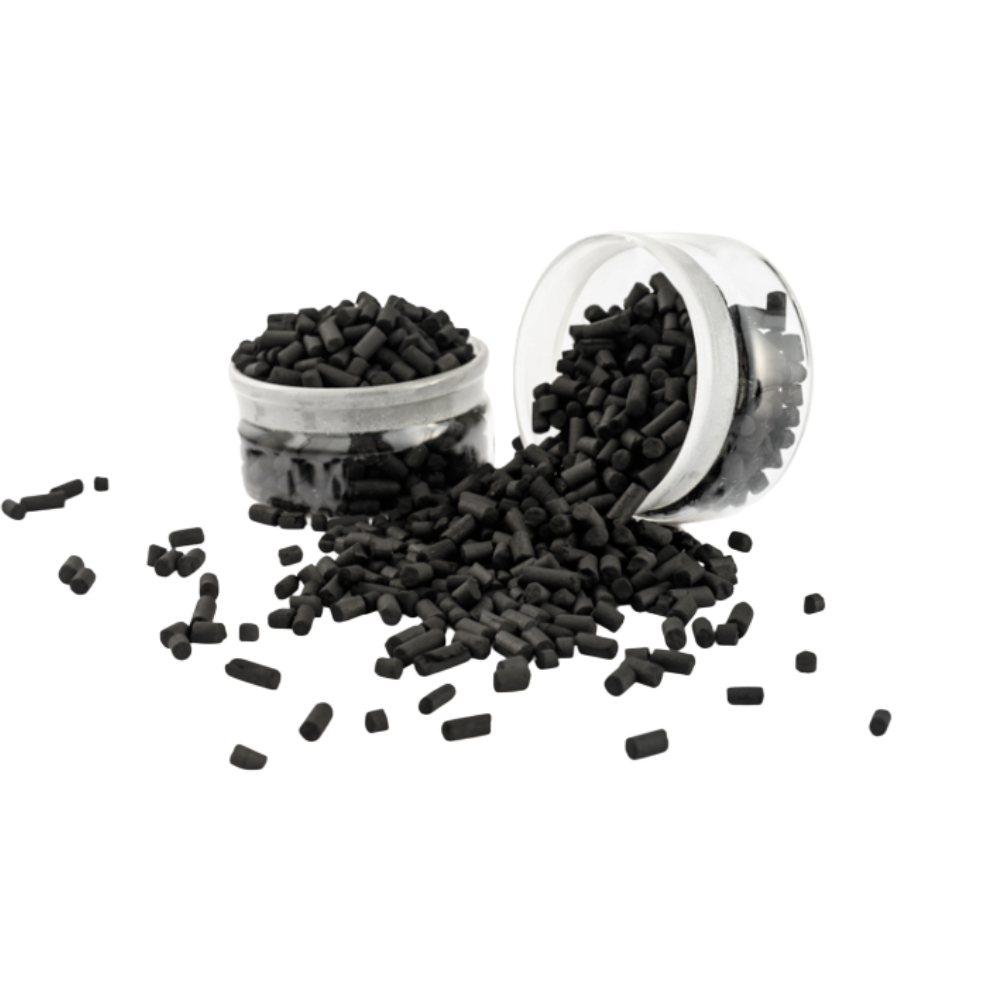
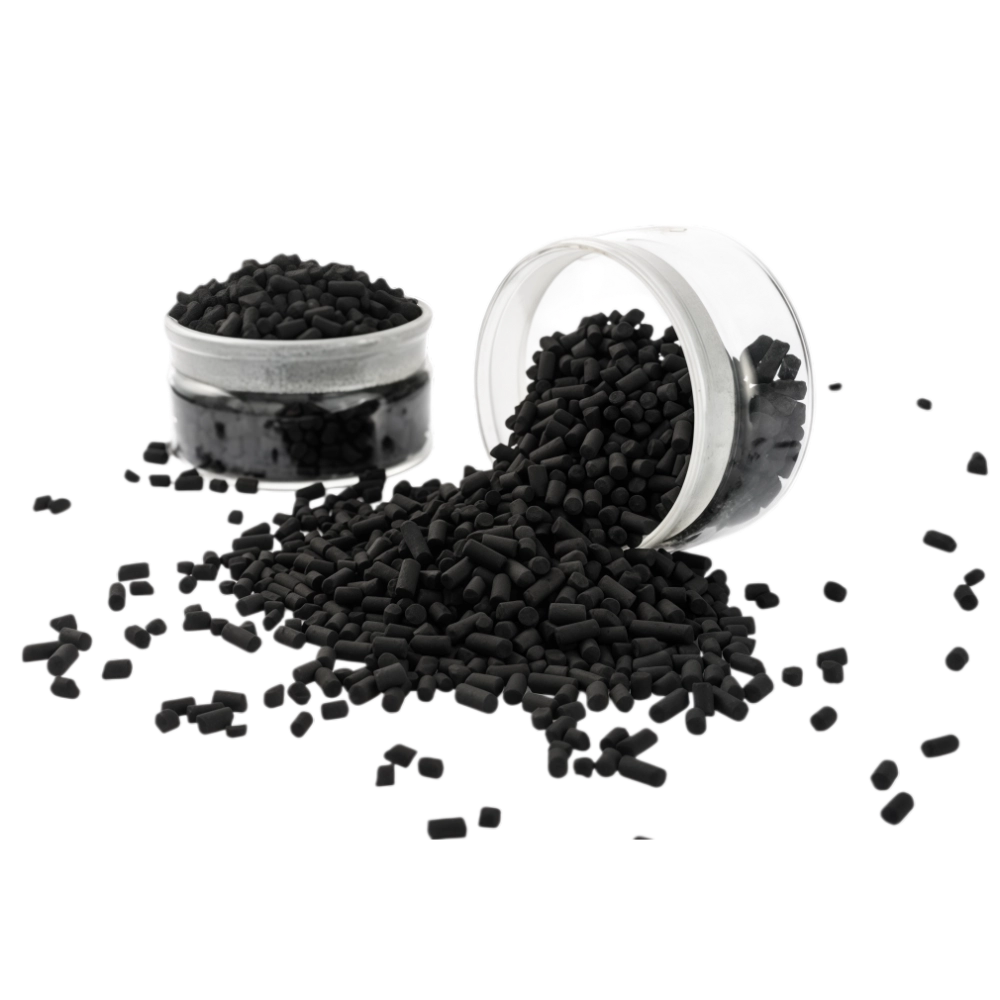
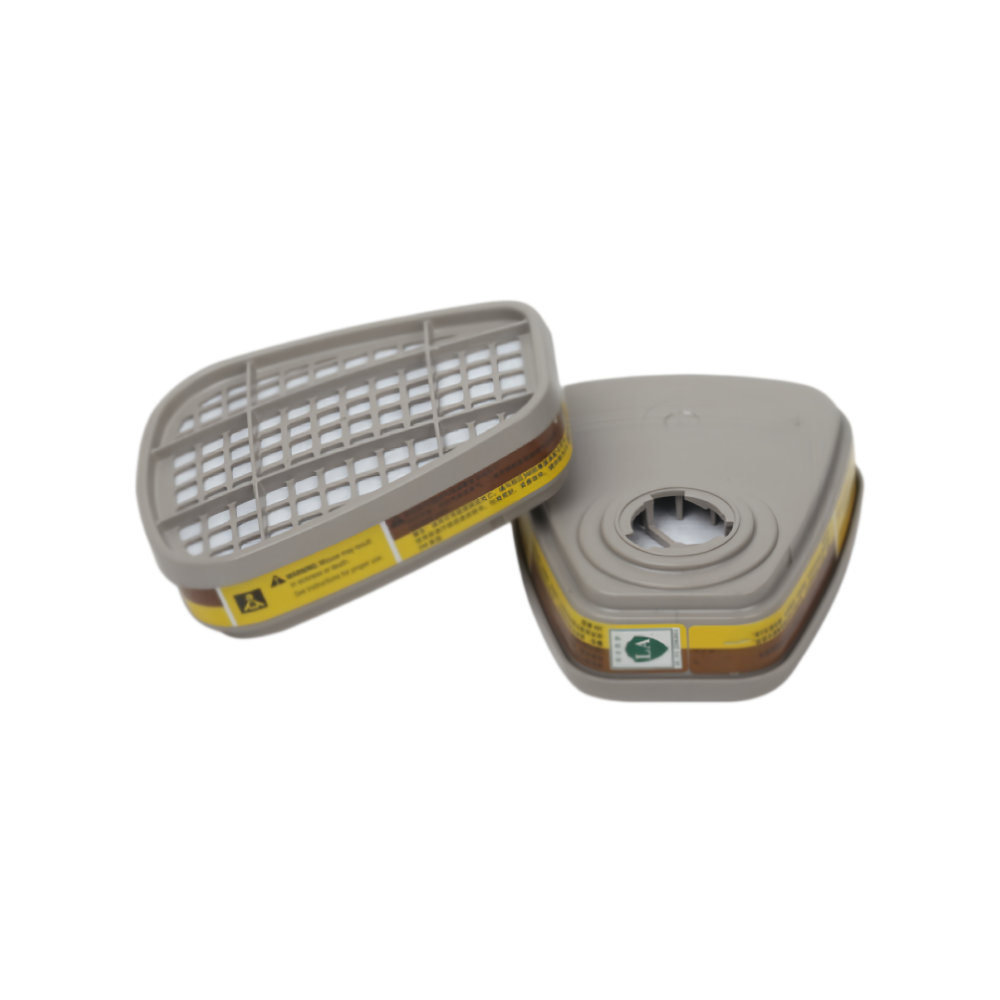




















CBRN filters do not typically rely on ordinary activated carbon alone. Many CBRN filtration systems use specialized activated carbon, and often impregnated activated carbon, to remove gaseous and vapor-phase contaminants, while a separate particulate filtration stage addresses aerosols and particles.
This article explains what type of activated carbon is used in CBRN filters, why impregnation matters, how CBRN filter media work, what contaminants activated carbon can address, and how engineers and buyers can select carbon media for specific CBRN filter applications.
What Is a CBRN Filter?
CBRN stands for chemical, biological, radiological and nuclear.
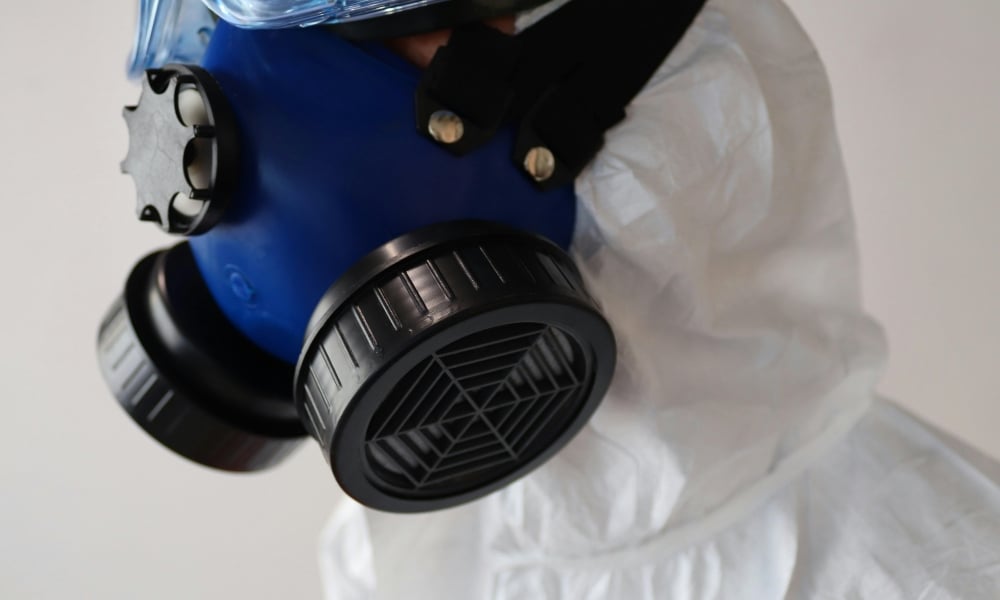
A CBRN filter, also referred to as a CBRN canister or CBRN filter canister in respiratory protection systems, is generally a specialized filtration system rather than a simple activated carbon filter.
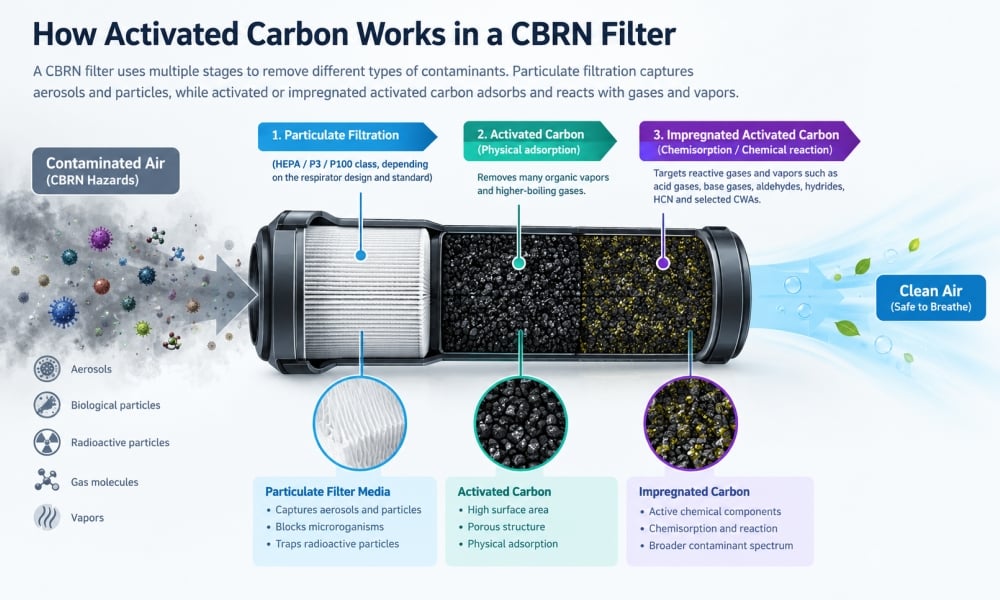
A typical CBRN filtration system may integrate two main functional stages:
Particulate Filtration
A high-efficiency particulate filtration stage is used to capture aerosols, dust, microorganisms and radioactive particles, depending on the respirator design and applicable standard.
Gas-Phase Filtration
Activated or impregnated activated carbon is used as the gas-phase filter media for a range of toxic gases and vapors.
This division is important because CBRN hazards can exist in different physical forms. Particulate contaminants are primarily addressed by the particulate filtration stage, while activated carbon is used mainly for gases and vapors.
Understanding this division is the starting point for understanding what type of activated carbon is used in a CBRN filter.
What Type of Activated Carbon Is Used in CBRN Filters?
Two broad categories of activated carbon are relevant to CBRN filter design: standard activated carbon and impregnated activated carbon.
In many CBRN gas-phase filtration applications, impregnated activated carbon is preferred when protection against reactive gases and vapors is required.
Standard Activated Carbon
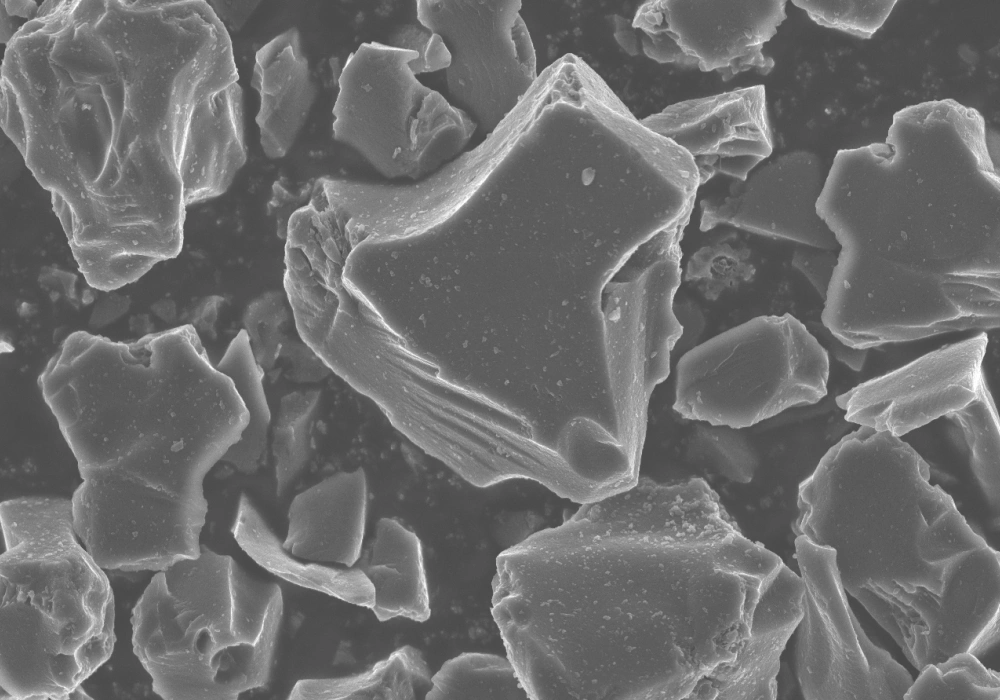
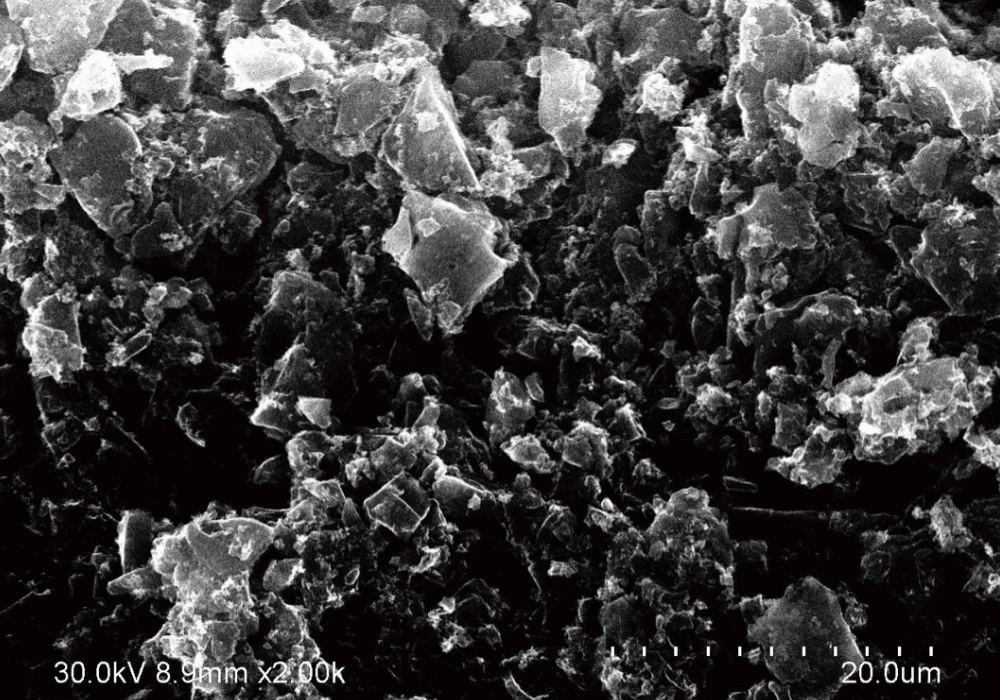
Standard activated carbon is a highly porous adsorbent with a large internal surface area. Its pore network captures gas and vapor molecules mainly through physical adsorption.
This makes activated carbon effective for many organic vapors and a wide range of industrial contaminants.
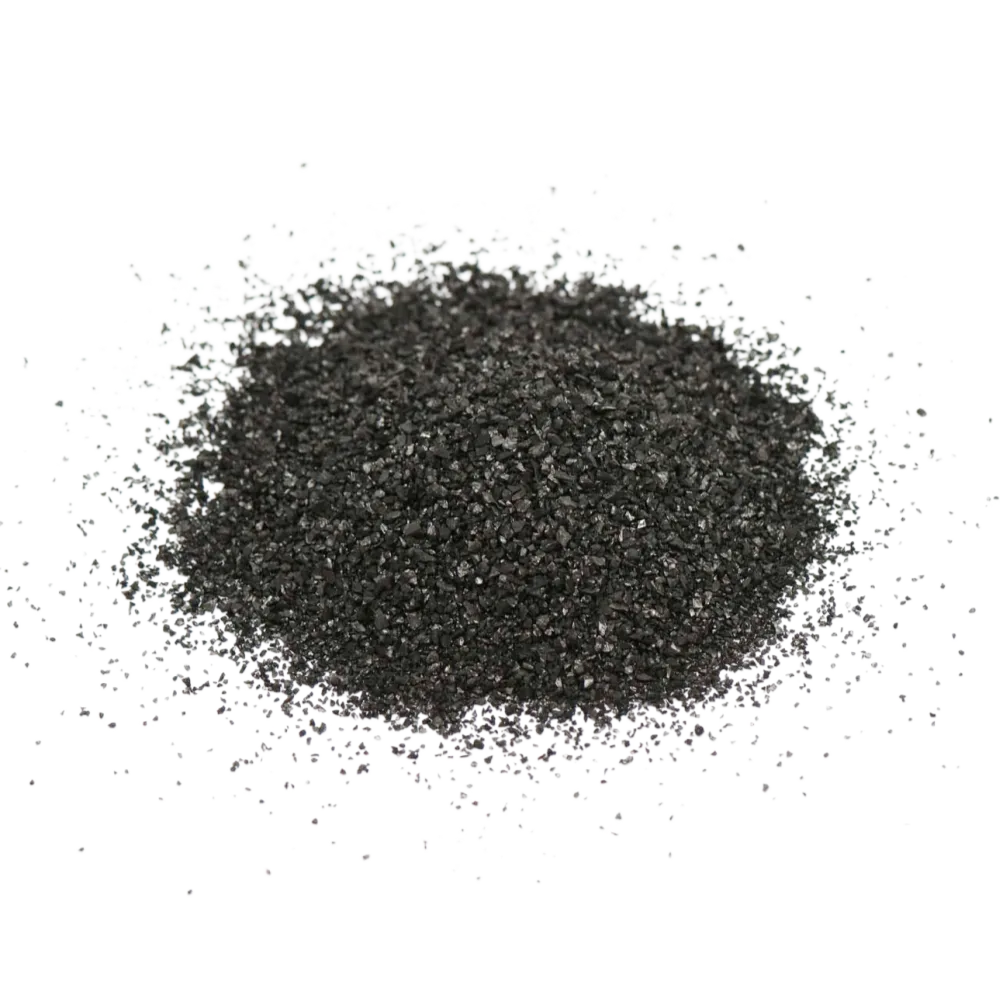
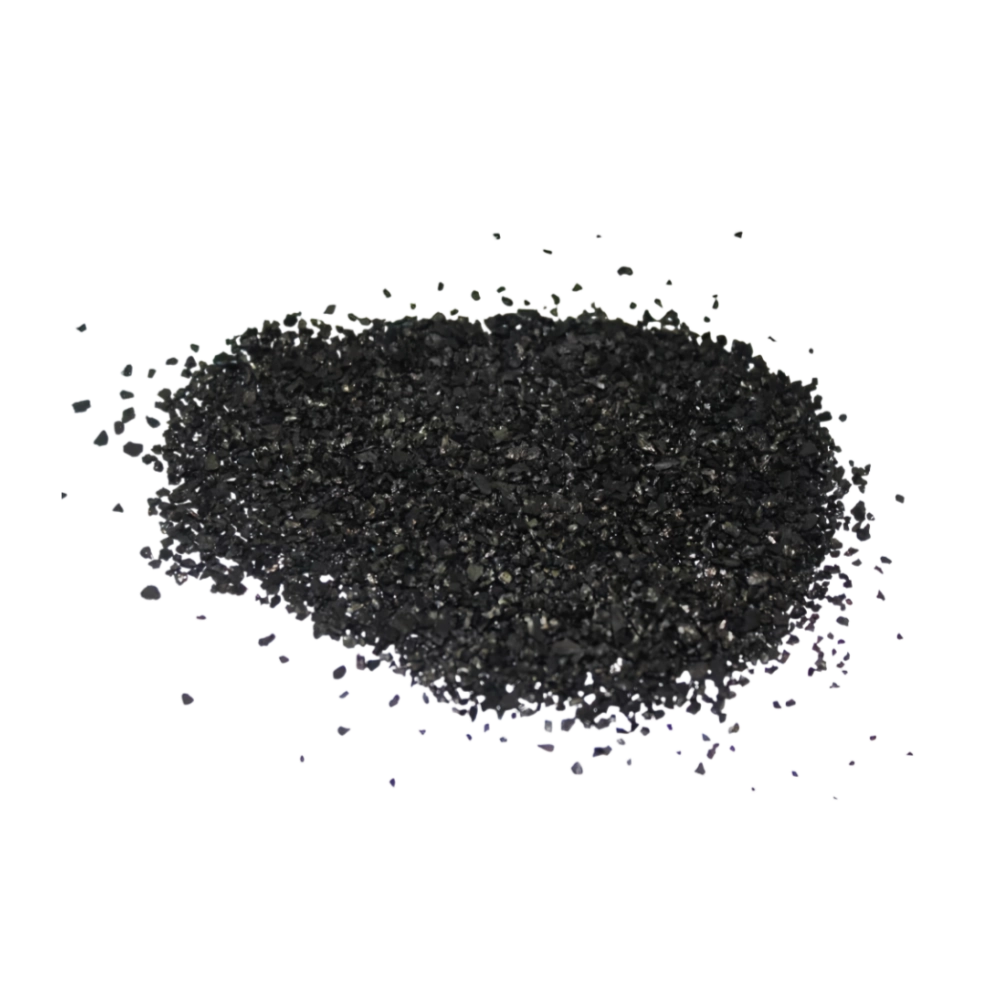
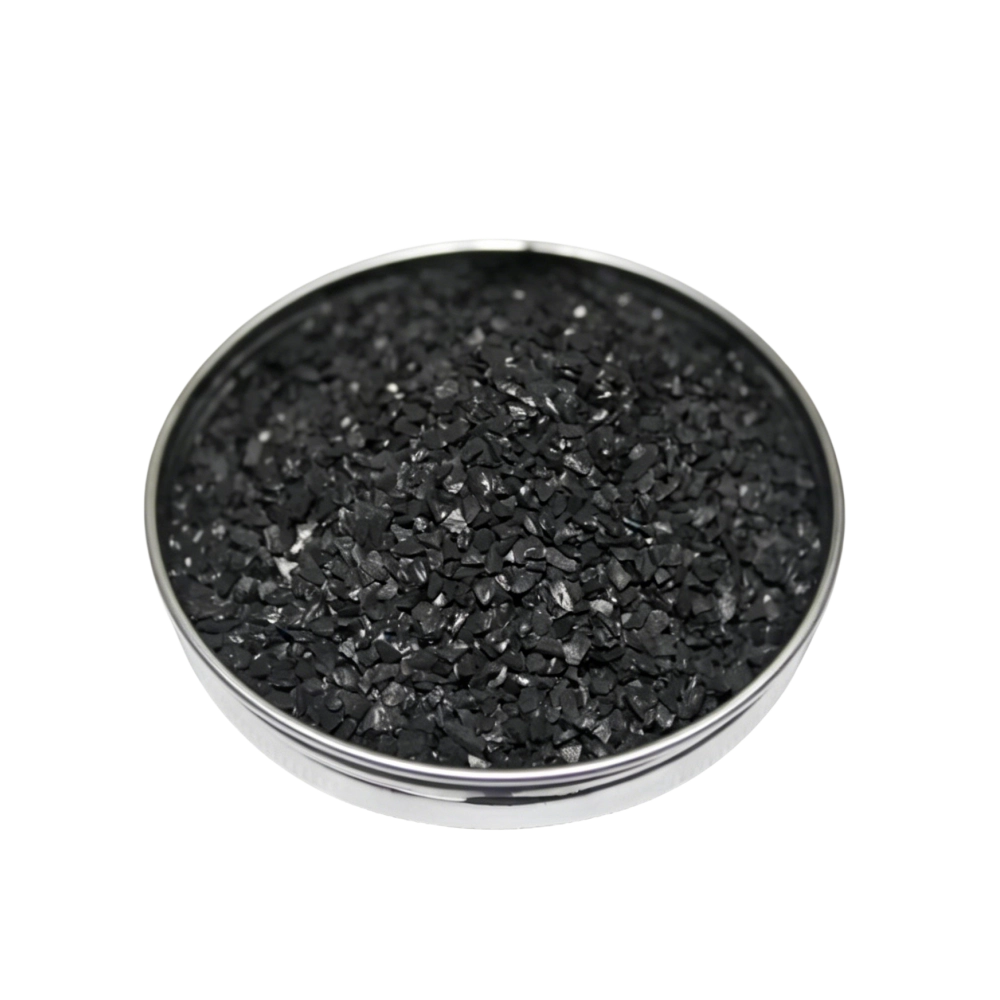
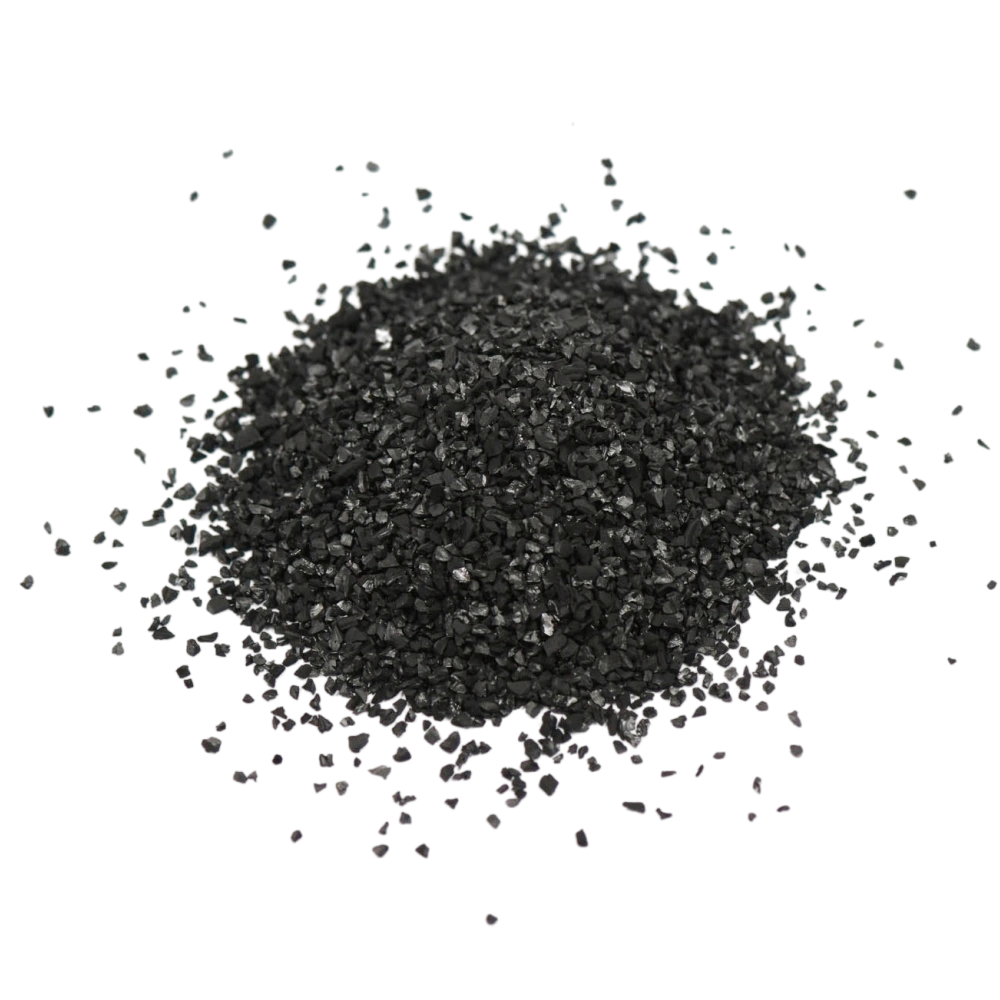
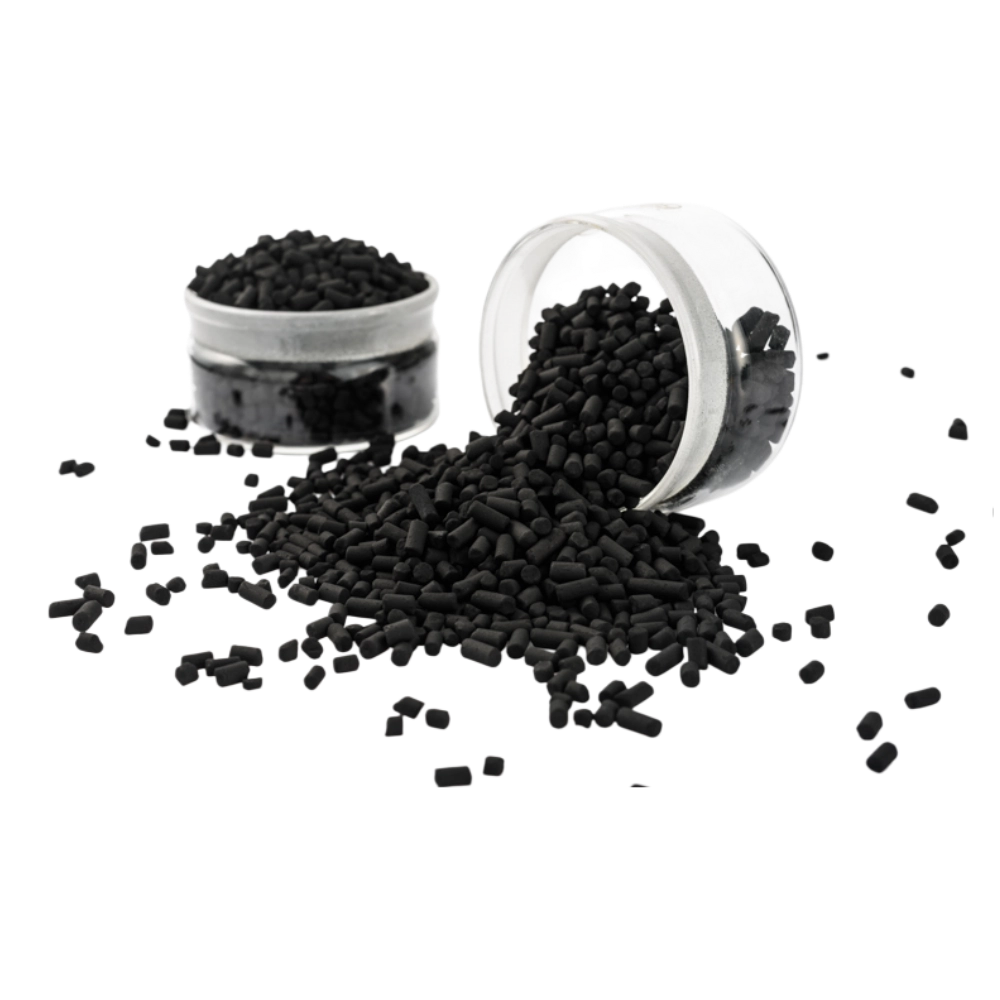
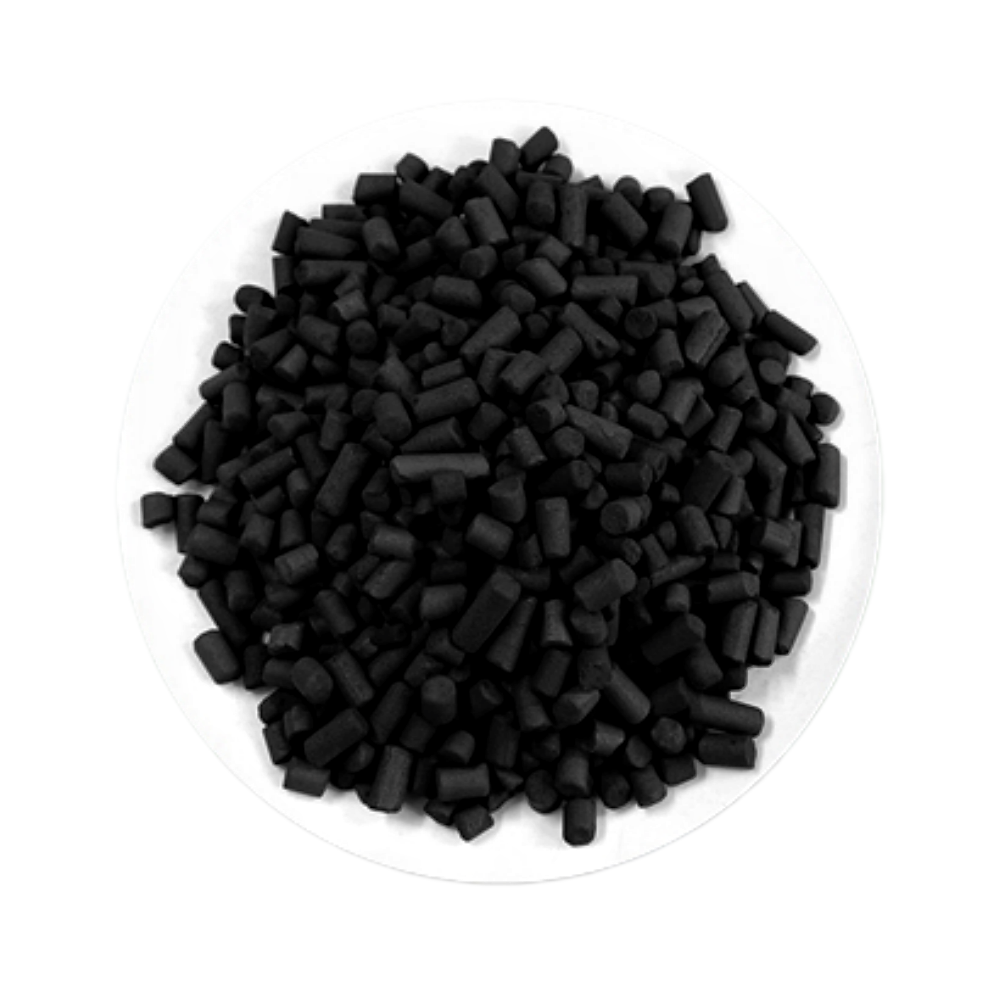
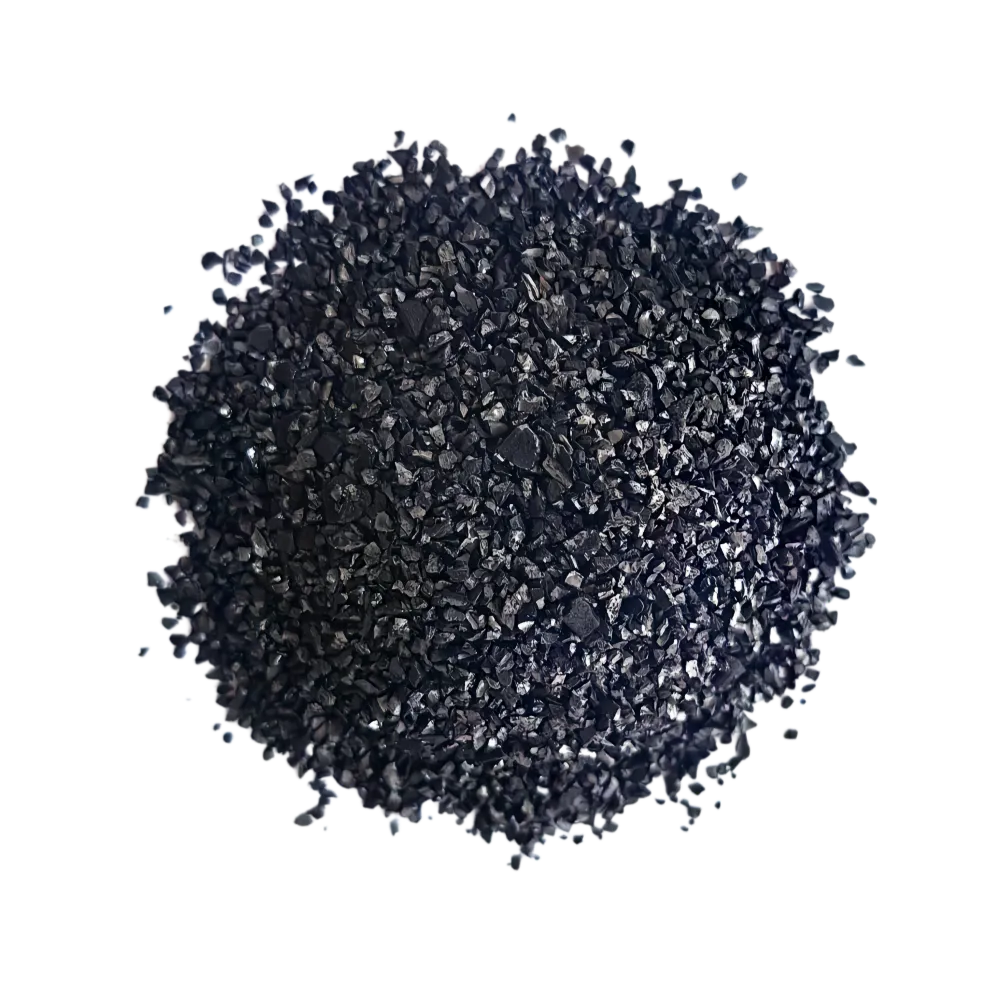
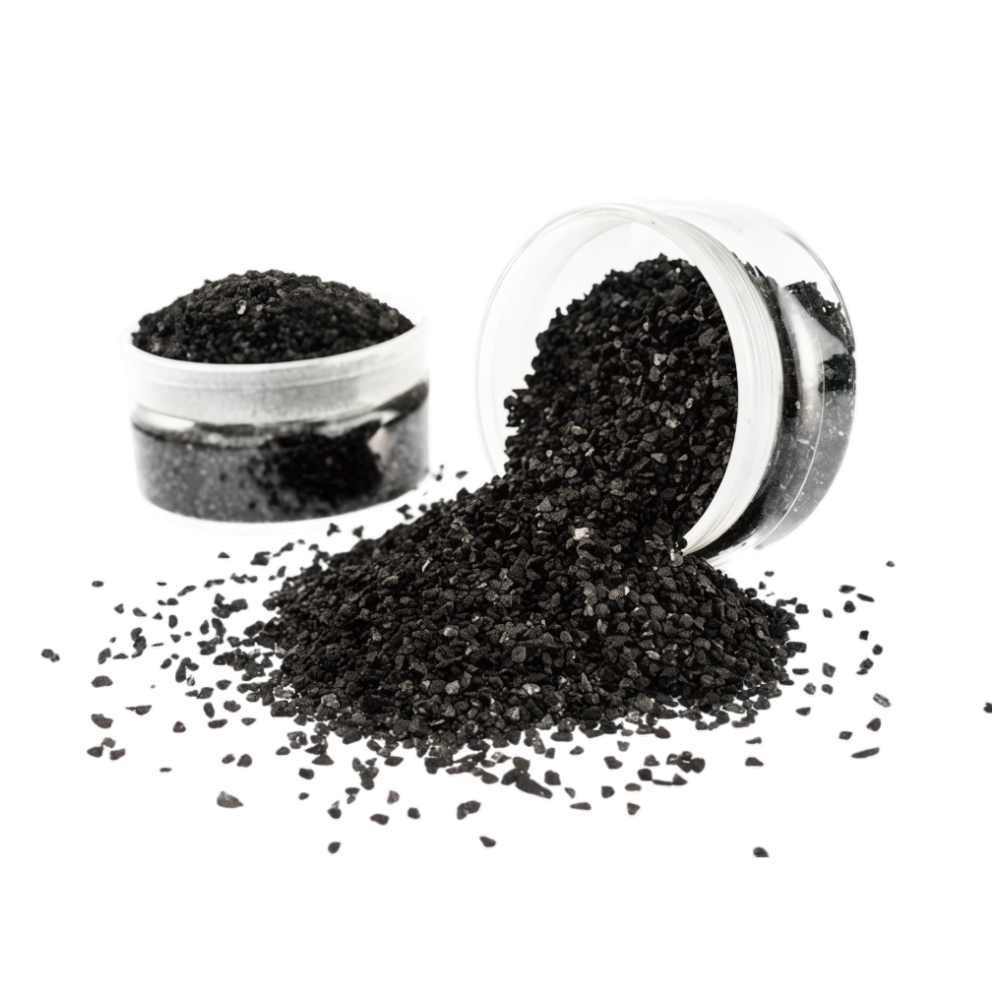
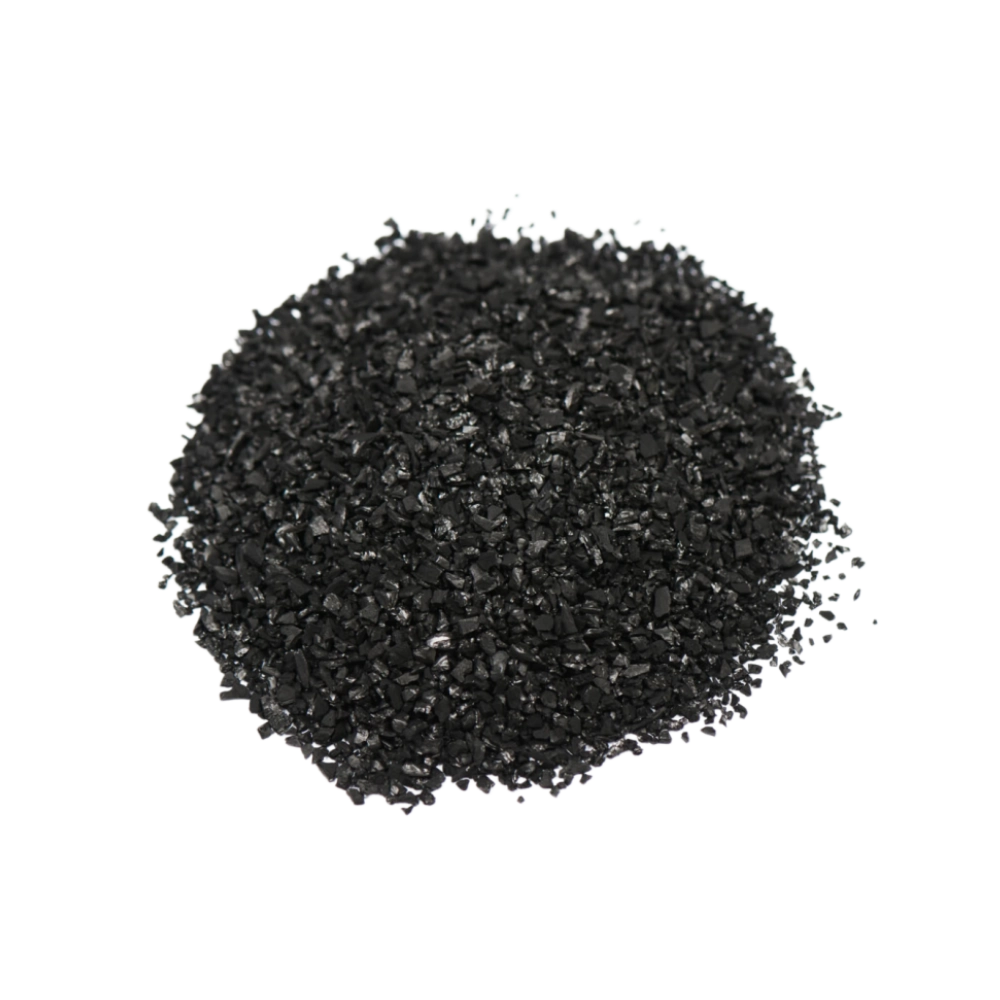
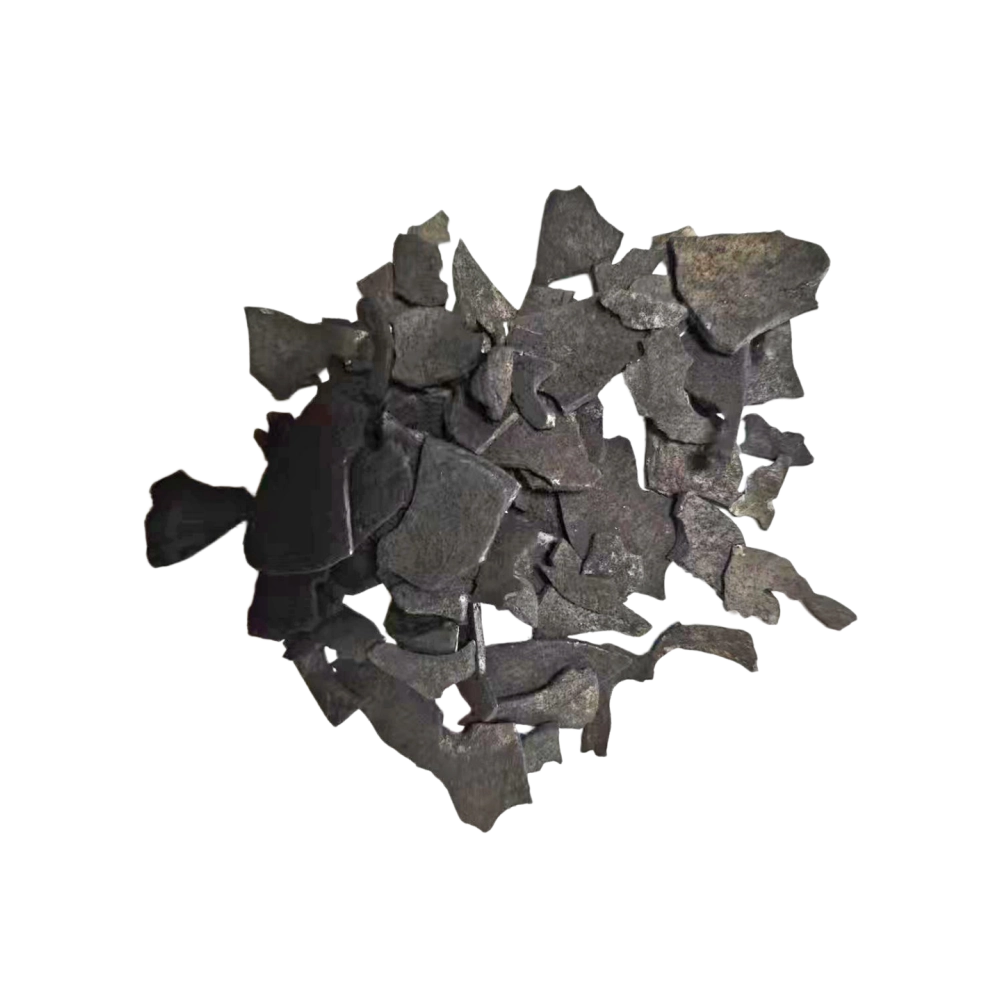
Base carbons used for gas-phase filtration may include coconut shell or coal-based granular activated carbon. Particle size and mesh selection influence adsorption kinetics, pressure drop and the overall performance of the filter bed.
However, standard activated carbon has limitations. Its performance can be reduced for certain small, polar, low-boiling or highly reactive contaminants, particularly under challenging temperature and humidity conditions.
Impregnated Activated Carbon
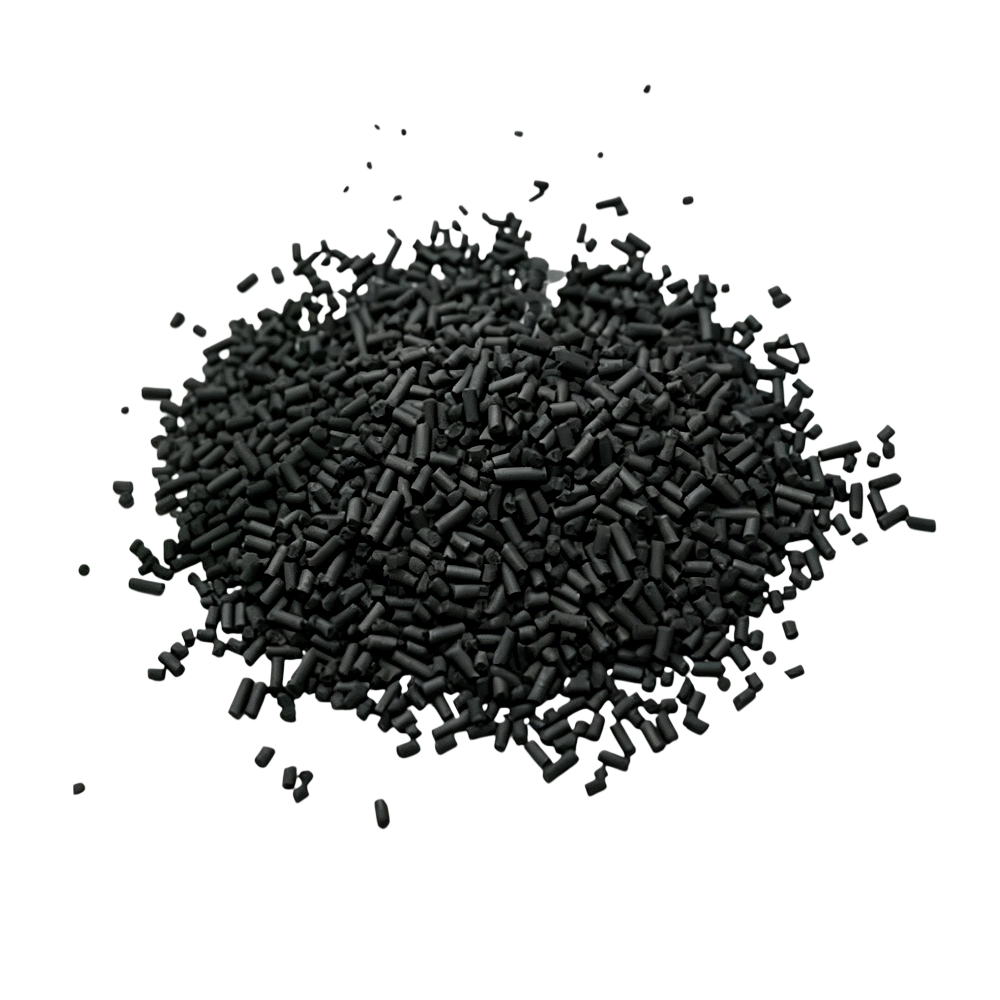
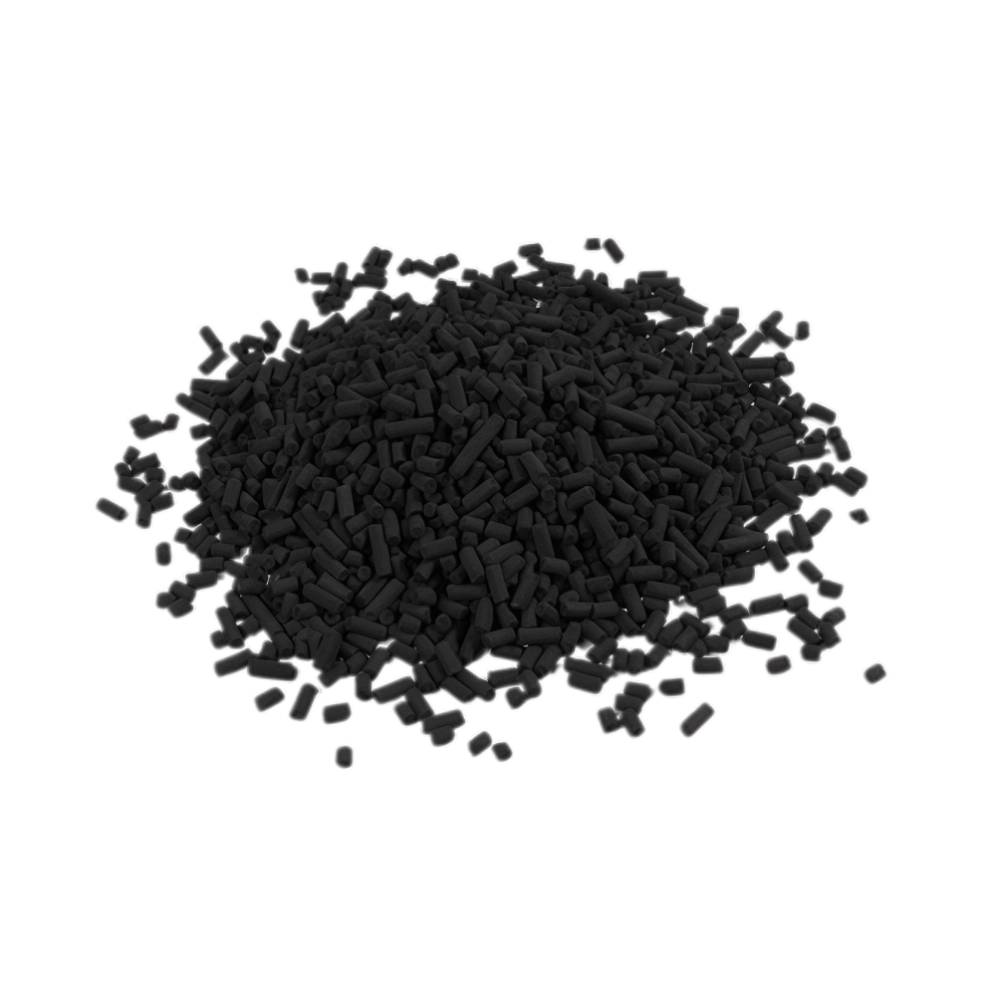
Impregnated activated carbon starts with a porous activated carbon base and adds active chemical components to the carbon surface.
Depending on the target contaminants, impregnation systems may include metal compounds and organic additives such as triethylenediamine (TEDA).
These active components provide additional surface chemistry that can promote chemisorption or chemical reactions with specific contaminants that may not be reliably retained by physical adsorption alone.
Impregnated activated carbon is widely used in CBRN filtration, particularly where protection against reactive gases and vapors is required.
Different impregnation systems are engineered for different contaminant classes, which is why CBRN filter media must be selected according to the target gases, vapors and required performance.
Chrome-free impregnated activated carbon formulations have also been developed to address performance and regulatory considerations associated with chromium-containing chemistries.
Why Is Impregnated Activated Carbon Used for CBRN Protection?
The main reason is the difference between physical adsorption and chemical interaction.
Standard activated carbon captures many contaminants through its pore structure. This mechanism is effective for a broad range of organic vapors, but some small, polar or chemically reactive gases may be more difficult to retain.
Impregnation adds specific chemical functionality to the carbon surface.
Depending on the formulation, impregnated activated carbon can:
- provide additional chemisorption or catalytic reaction sites;
- improve removal of selected reactive gases and vapors;
- increase effective capacity for specific target contaminants;
- reduce the likelihood of desorption under intended service conditions;
- improve performance for selected contaminants under higher humidity conditions.
In practical terms, physical adsorption provides a broad adsorption mechanism, while impregnation adds targeted surface chemistry for contaminants that require a different removal mechanism.
How Does Activated Carbon Work in a CBRN Filter?
Activated carbon in a CBRN filter works through a combination of physical adsorption and, for impregnated grades, chemical interaction.
Physical Adsorption
Physical adsorption is driven primarily by intermolecular forces between contaminant molecules and the carbon surface.
Micropores provide strong adsorption environments where suitable vapor molecules can accumulate within the pore network.
This mechanism is especially important for many organic vapors and other compounds that are strongly adsorbed by the carbon pore structure.
Physical adsorption is reversible to some extent, and performance can change with temperature, contaminant concentration and humidity.
Chemisorption
Chemisorption involves a chemical interaction between the contaminant and active sites associated with the impregnated carbon surface.
The contaminant may react with an impregnant or other active component, creating a stronger form of capture than physical adsorption alone.
Under the intended service conditions, these chemical interactions are generally much less reversible than physical adsorption.
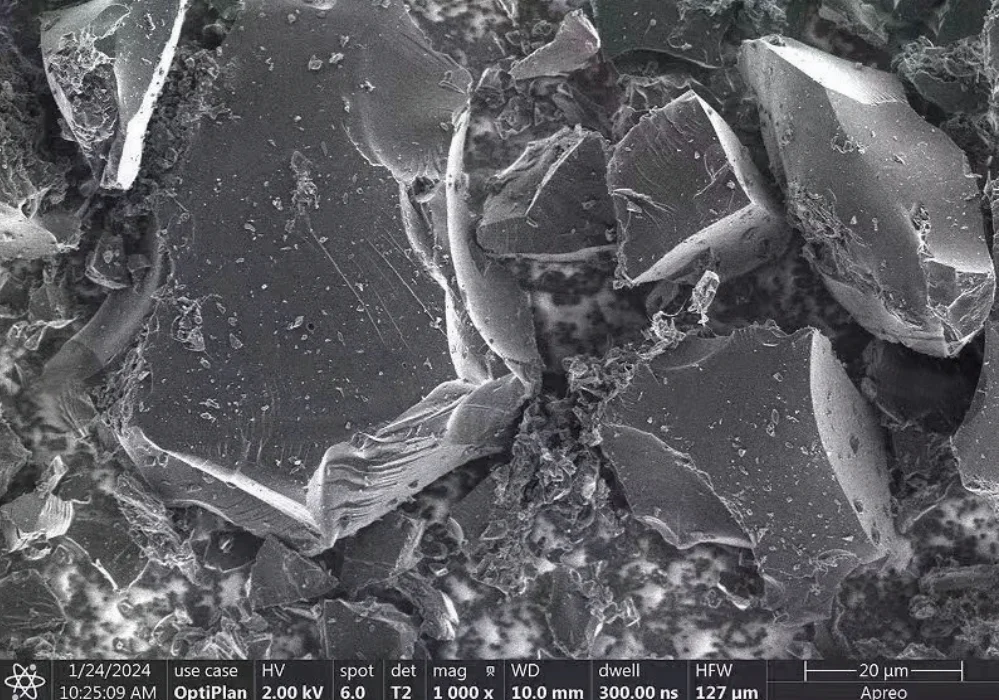
The Role of Pore Structure
Pore structure strongly affects both adsorption capacity and mass transfer.
Micropores provide many of the adsorption sites used for molecular capture, while mesopores can act as transport pathways that help molecules move through the carbon particle.
A suitable pore-size distribution must therefore be matched to the target contaminants, adsorption mechanism and impregnation requirements.
Two activated carbons with similar surface area can perform differently in a CBRN filter because their pore structures, surface chemistry and impregnation characteristics may differ.
The Role of Impregnation
Impregnation is not a single treatment. It refers to a family of surface-modification chemistries developed for different contaminant classes.
Different formulations may be designed for organic vapors, acid gases, basic gases, aldehydes, hydrides, nitrogen oxides, hydrogen cyanide or radioactive iodine species.
This is why the term "activated carbon for CBRN filters" should not be interpreted as a single universal carbon grade.
Activated Carbon vs. Particulate Filtration in CBRN Filters
A CBRN filter is typically a combination of particulate filtration and gas/vapor adsorption rather than a single-media filter.
| Filtration component | Main function |
|---|---|
| Particulate filter (HEPA / P3 / P100) | Captures aerosols, microorganisms and radioactive particles |
| Activated carbon | Adsorbs gases and organic vapors |
| Impregnated activated carbon | Enhances removal of selected reactive gases and vapors through chemisorption |
In many CBRN respirator designs, the particulate and gas/vapor filtration functions are integrated into the same canister or cartridge.
The key point is that CBRN protection depends on multiple filtration functions working together.
Activated carbon primarily addresses the gas and vapor phase, while particulate filtration addresses particulate hazards.
What Contaminants Can Activated Carbon Remove in CBRN Filters?
It would be misleading to say that activated carbon removes every CBRN threat. Its role is specific and depends on the carbon grade, impregnation chemistry, filter design and test conditions.
Chemical Contaminants and Toxic Industrial Chemicals
With the appropriate base carbon and impregnation system, CBRN filter media may be designed to address contaminants such as:
- organic vapors, including solvents, fuels and many volatile organic compounds;
- acid gases such as chlorine, sulfur dioxide and hydrogen sulfide;
- basic gases such as ammonia and amines;
- aldehydes such as formaldehyde;
- selected hydrides, nitrogen oxides and hydrogen cyanide with appropriate impregnation chemistry.
Chemical Warfare Agents
CBRN canisters may be designed and tested against specific chemical warfare agents under applicable performance requirements.
Impregnated activated carbon is important in these applications because its surface chemistry can be engineered for highly reactive toxic compounds.
Protection against specific chemical warfare agents depends on the complete filter or canister design, impregnation chemistry, test conditions and applicable certification or military requirements.
Biological, Radiological and Nuclear Hazards
Activated carbon primarily addresses gaseous and vapor-phase contaminants.
Biological aerosols and radioactive particles are particulate hazards and require an appropriate particulate filtration stage or other system components rather than carbon adsorption alone.
One important radiological application involves radioactive iodine and organic iodides, which can exist in gaseous form. Specially impregnated activated carbon is widely used to capture these species in nuclear air-cleaning applications.
How to Select Activated Carbon for CBRN Filters
For filter manufacturers and system designers, carbon selection should be driven by the required performance rather than by a generic product name.
1. Target Contaminants
First identify the gases and vapors the filter must remove.
The target contaminant determines whether standard activated carbon is sufficient or whether a specific impregnation chemistry is required.
2. Adsorption Capacity
Evaluate adsorption capacity for the actual target contaminants under representative concentration, temperature and humidity conditions.
Generic activated carbon indicators such as iodine number or CTC can be useful for material characterization, but they do not by themselves determine CBRN filter performance.
3. Pore Structure
Pore-size distribution influences adsorption capacity, adsorption kinetics and mass transfer.
The pore structure should be appropriate for the molecular size and adsorption characteristics of the target contaminants.
4. Impregnation Chemistry
Different impregnation systems are designed for different contaminant classes.
Metal-based systems, TEDA and other additives should therefore be selected according to the required removal mechanism and target hazard profile.
5. Particle Size
Smaller particles can provide faster mass transfer, but they can also increase pressure drop.
Mesh size must therefore balance adsorption kinetics with breathing resistance or blower load.
6. Humidity Resistance
Water vapor can compete for adsorption sites and influence adsorption behavior.
The interaction between base carbon, pore structure and impregnation chemistry should therefore be evaluated under the expected humidity conditions.
7. Pressure Drop
Bed depth, particle size, packing density and carbon form all influence pressure drop.
For respirator applications, pressure drop must be considered together with required adsorption performance.
8. Service Life and Breakthrough
The required breakthrough time under the specified test atmosphere is a key design parameter.
Carbon quantity, carbon properties, filter geometry and operating conditions all influence service life.
9. Testing and Certification Requirements
Testing and certification requirements depend on the intended respirator or filtration system, target market and application.
Examples include NIOSH CBRN approval requirements in the United States and applicable European or military standards.
The carbon media and the finished filter or canister should be evaluated against the relevant test conditions rather than relying on a generic carbon specification alone.
Which Activated Carbon Form Is Suitable for CBRN Filters?
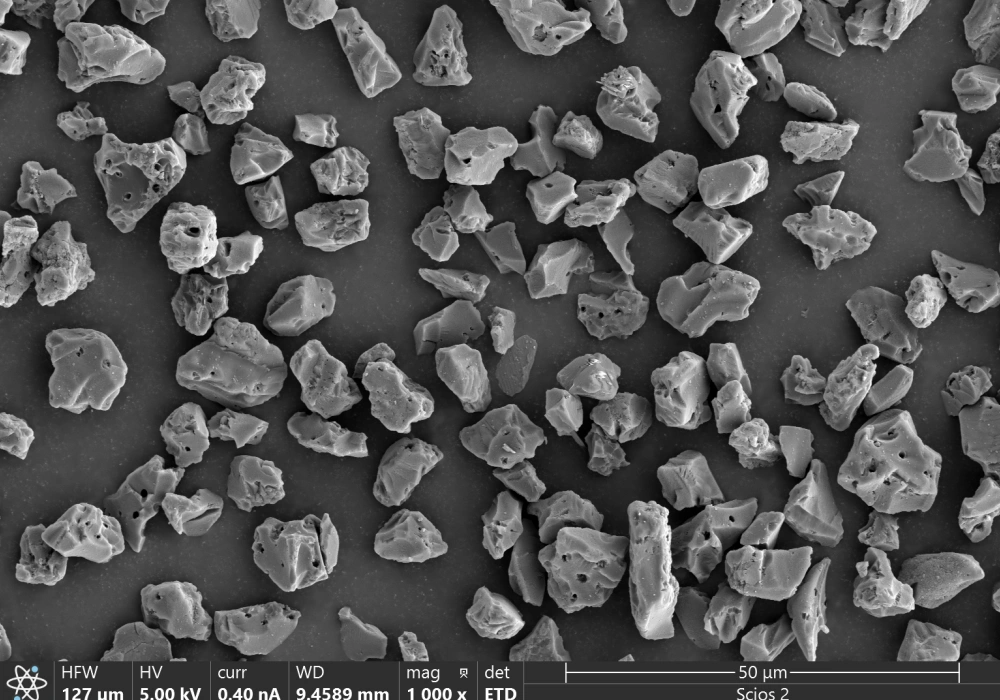
Granular activated carbon is widely used in packed-bed gas-phase filtration because it can provide a useful balance between adsorption capacity, mass transfer and pressure drop.
Impregnated granular activated carbon is therefore an important choice for many CBRN gas-phase filtration applications.
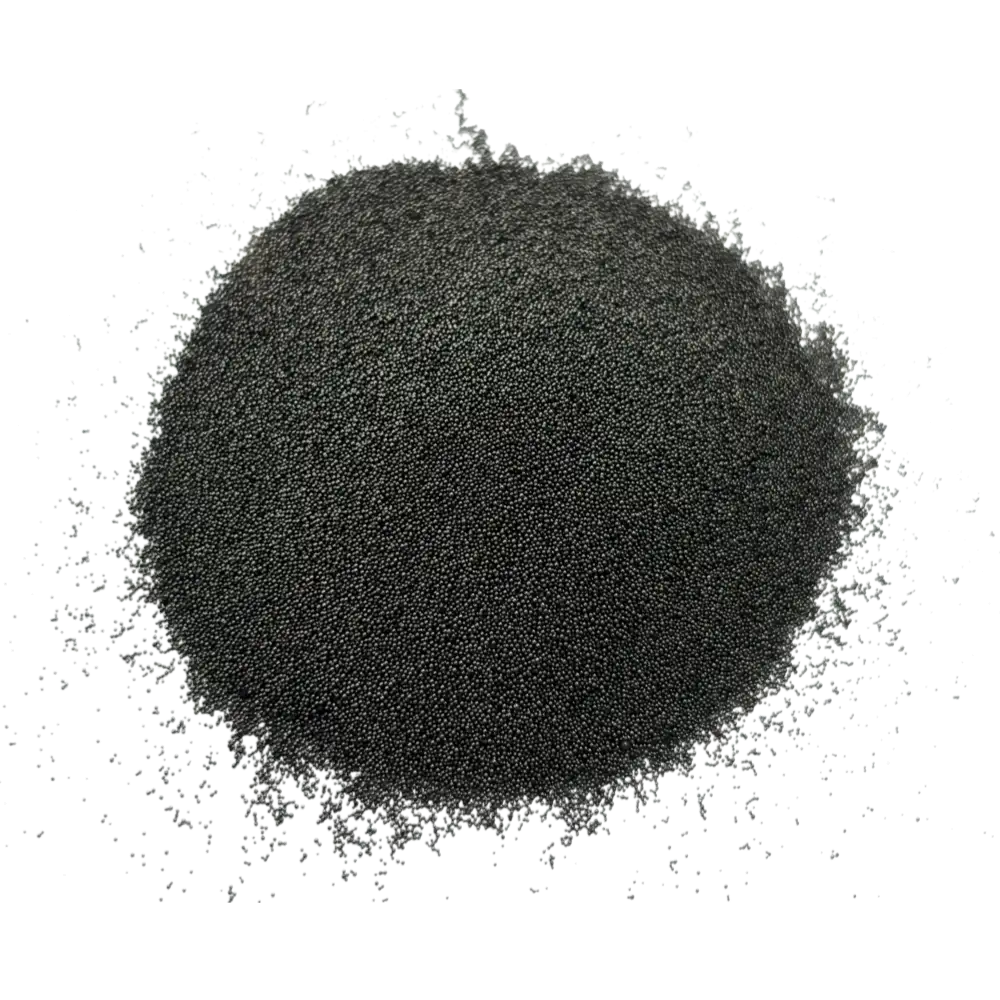
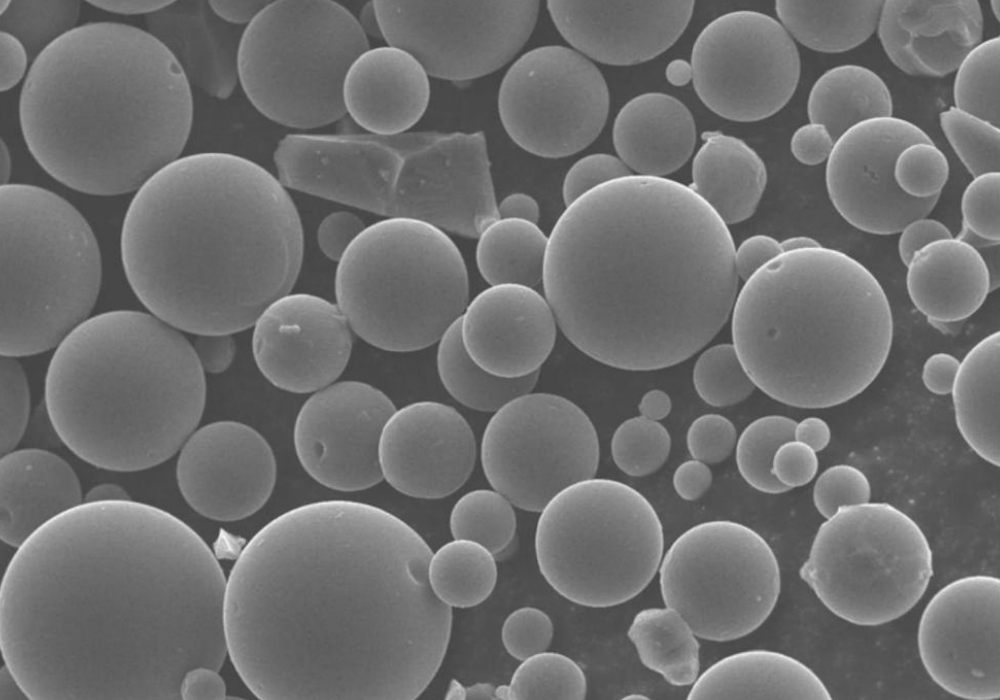
Other carbon forms, including spherical activated carbon or carbon cloth, may be used in specialized respirator or protective-system designs where specific pressure-drop, mechanical or form-factor requirements exist.
There is no single universal "CBRN carbon."
The appropriate carbon grade depends on the target contaminants, filter design, pore structure, particle size, impregnation chemistry, humidity conditions and performance requirements.
Purestar supplies granular activated carbon and impregnated activated carbon for gas-phase filtration applications, with customizable base-carbon properties, mesh size and impregnation options for specific filter-media requirements.
Performance and suitability should be evaluated according to the target contaminant, filter design and applicable testing requirements.
Applications of Activated Carbon in CBRN Protection
Activated and impregnated activated carbon are used in a range of gas-phase filtration and protective-system applications, including:
- gas masks and respirators;
- CBRN filter canisters and cartridges;
- collective protection systems;
- protective shelters and safe rooms;
- emergency response and civil defense equipment;
- military and defense-related filtration systems.
For an overview of where activated carbon is used across these systems, see our CBRN protection applications page.
Frequently Asked Questions
What type of activated carbon is used in CBRN filters?
Many CBRN gas-phase filtration systems use impregnated activated carbon, often based on granular activated carbon treated with specific active compounds. The impregnation provides additional chemical functionality for selected reactive gases and vapors, while a separate particulate filtration stage addresses aerosols and particles.
Is regular activated carbon suitable for CBRN protection?
Regular activated carbon can adsorb many gases and organic vapors, but it may not provide sufficient protection against certain small, polar or highly reactive contaminants.
For this reason, specialized impregnated activated carbon is often used where the target hazard requires additional surface chemistry and verified performance.
What is impregnated activated carbon?
Impregnated activated carbon is activated carbon whose surface has been treated with selected chemical compounds that provide additional reaction or adsorption sites.
Common impregnation systems may contain metal compounds and organic additives such as TEDA, depending on the target contaminants and required performance.
What is the difference between activated carbon and impregnated carbon?
Standard activated carbon relies mainly on physical adsorption within its pore structure.
Impregnated activated carbon combines the porous structure of activated carbon with additional surface chemistry, allowing the material to target specific reactive contaminants through chemisorption or other chemical interactions.
What is CBRN filter media?
CBRN filter media refers to the materials used within a filtration system to remove hazardous contaminants associated with chemical, biological, radiological and nuclear threats.
In gas-phase filtration, activated or impregnated activated carbon is commonly used for gases and vapors, while a separate particulate filtration stage addresses aerosols and particles.
The exact media configuration depends on the target contaminants, filter design and applicable performance requirements.
What is the difference between a CBRN filter and a regular activated carbon filter?
A regular activated carbon filter is generally designed for adsorption of gases and vapors through the carbon pore structure.
A CBRN filter is a specialized protective system that may combine particulate filtration with activated or impregnated carbon designed and tested for specific hazardous contaminants.
CBRN protection therefore depends on the complete filter or respirator configuration rather than activated carbon alone.
Does activated carbon remove biological or radioactive particles?
Activated carbon primarily addresses gases and vapors.
Biological aerosols and radioactive particles are particulate hazards and therefore require an appropriate particulate filtration stage.
A major exception is radioactive iodine and certain gaseous iodine compounds, which can be captured using specially impregnated activated carbon.
How do you select activated carbon for a CBRN filter?
Start with the target contaminants and the applicable performance and testing requirements.
Then evaluate adsorption capacity, pore structure, impregnation chemistry, particle size, humidity resistance, pressure drop, service life and the design of the complete filter or canister.
The appropriate carbon grade is the one that is suitable for the specific application and verified under the relevant test conditions.
Conclusion
CBRN filters are designed around different filtration functions: particulate media address particulate hazards, while activated carbon is used primarily for gases and vapors.
Within the gas-phase filtration stage, impregnated activated carbon can provide additional surface chemistry for selected reactive toxic gases that may not be adequately controlled by standard activated carbon alone.
The right CBRN filter media therefore depend on the target contaminants, carbon properties, impregnation chemistry, filter design, operating conditions and applicable testing requirements.
For CBRN filter manufacturers and system designers, selecting the carbon grade should begin with the required performance rather than a generic product name.
If you are developing or sourcing activated carbon or impregnated activated carbon for CBRN filter applications, the Purestar team can help evaluate base carbon, mesh size and impregnation options for your specific filter-media requirements.
Contact us to discuss your filter design.

