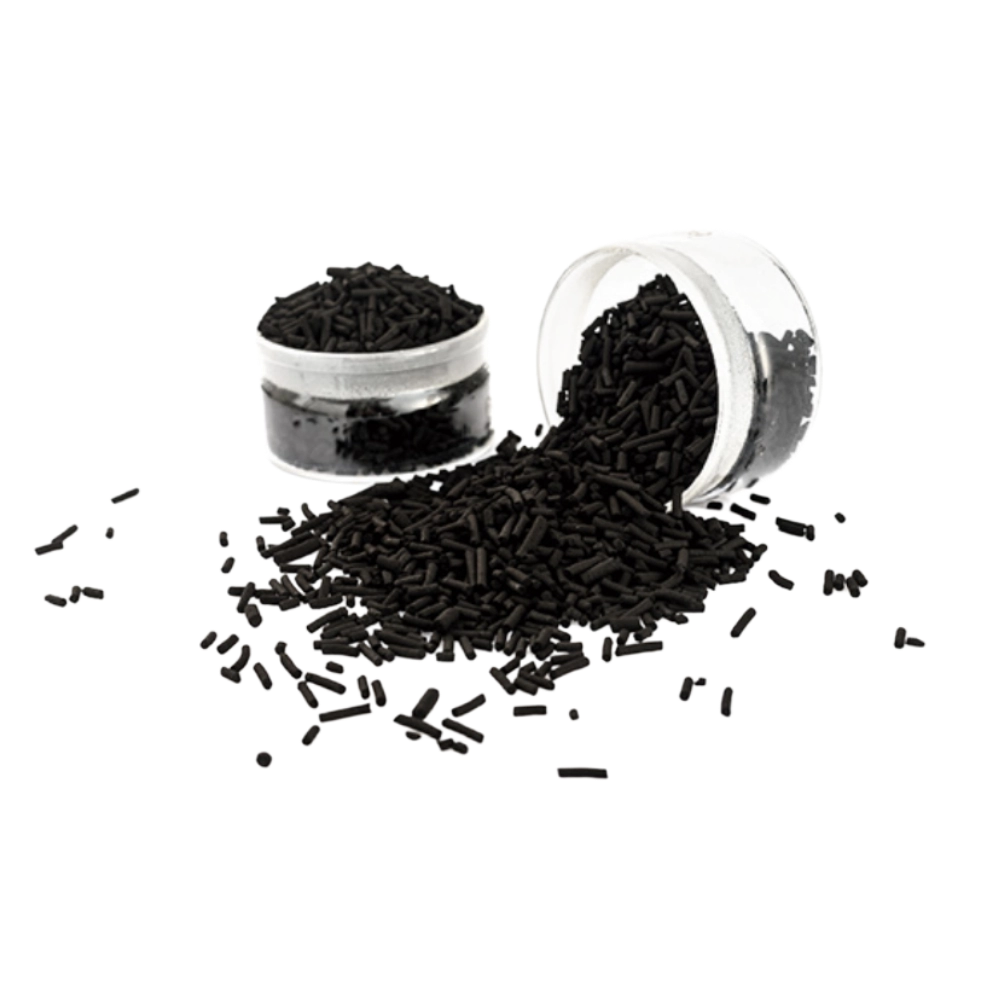
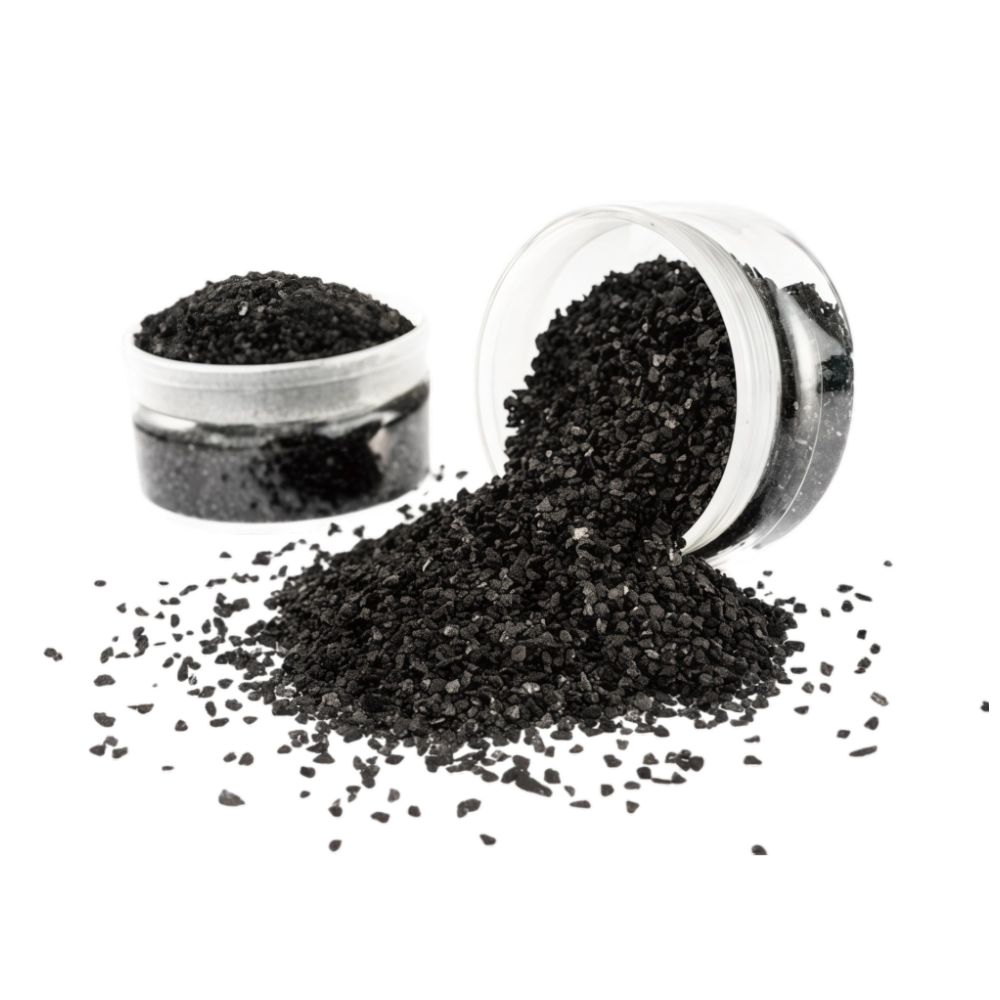
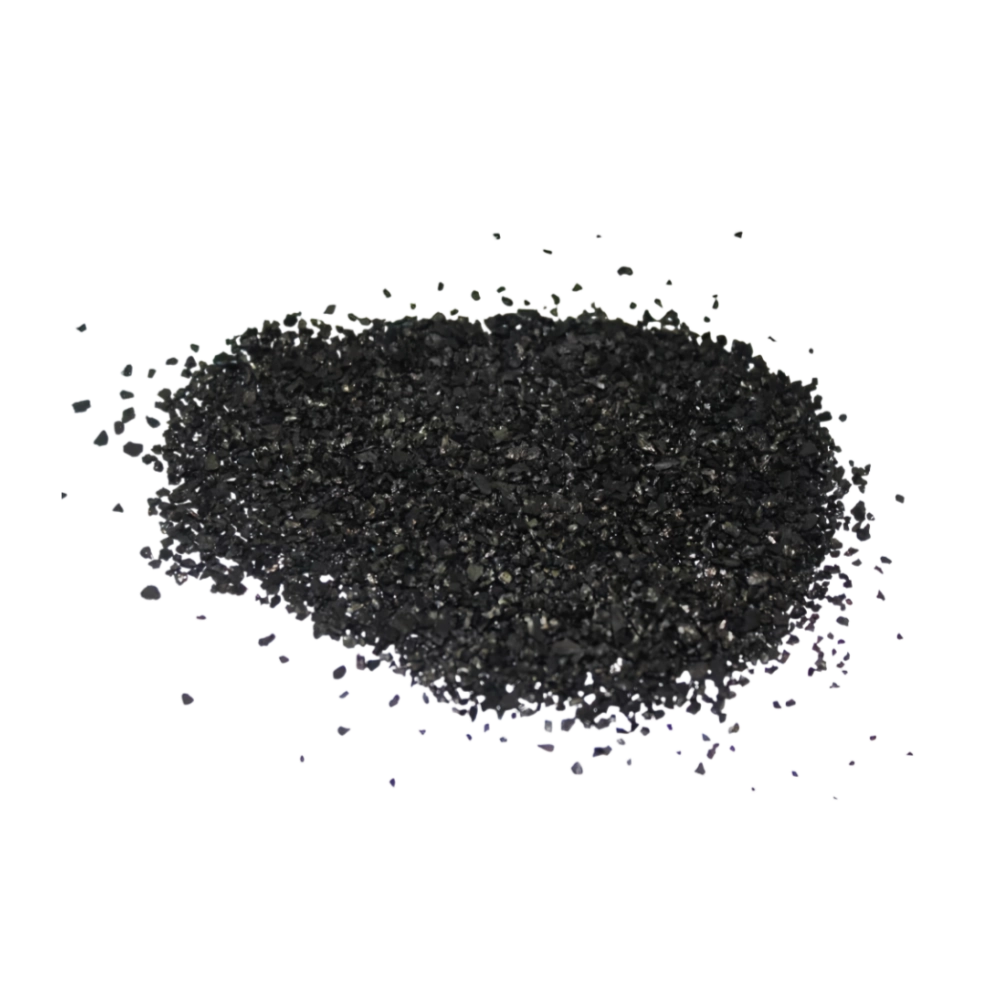
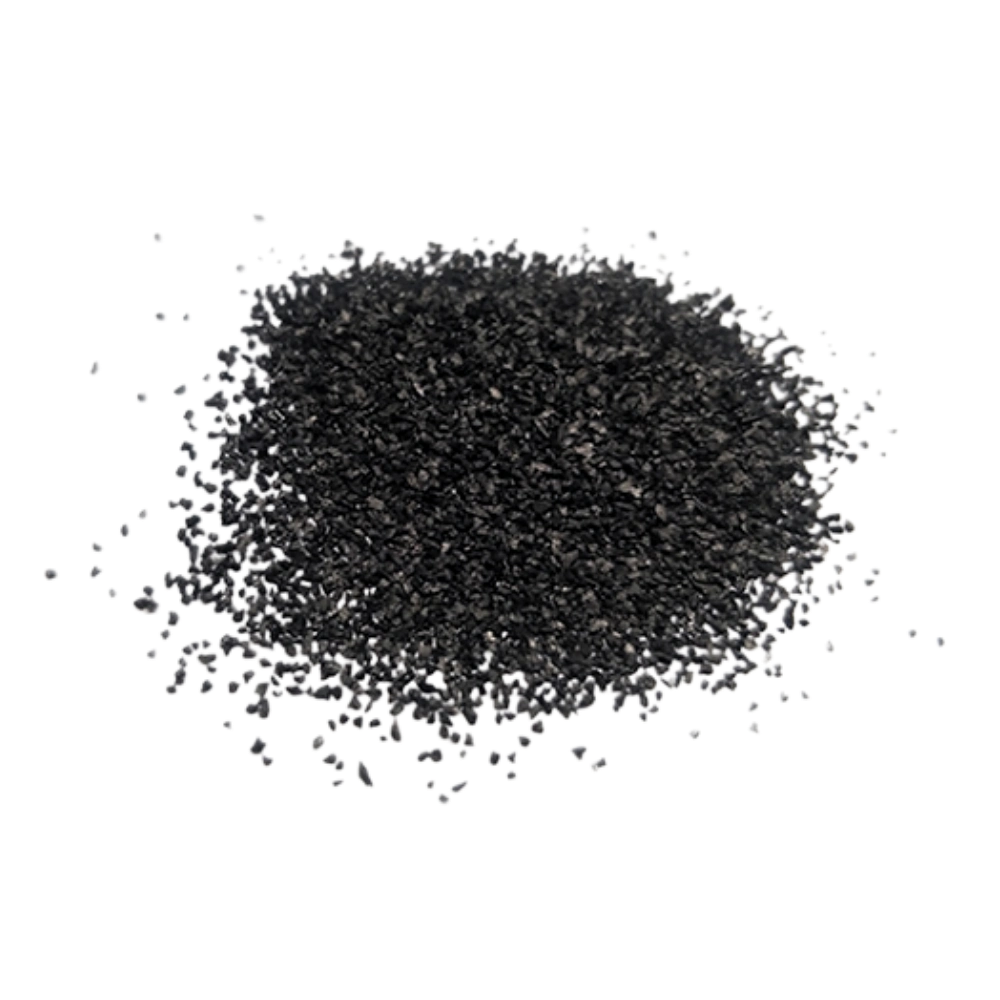
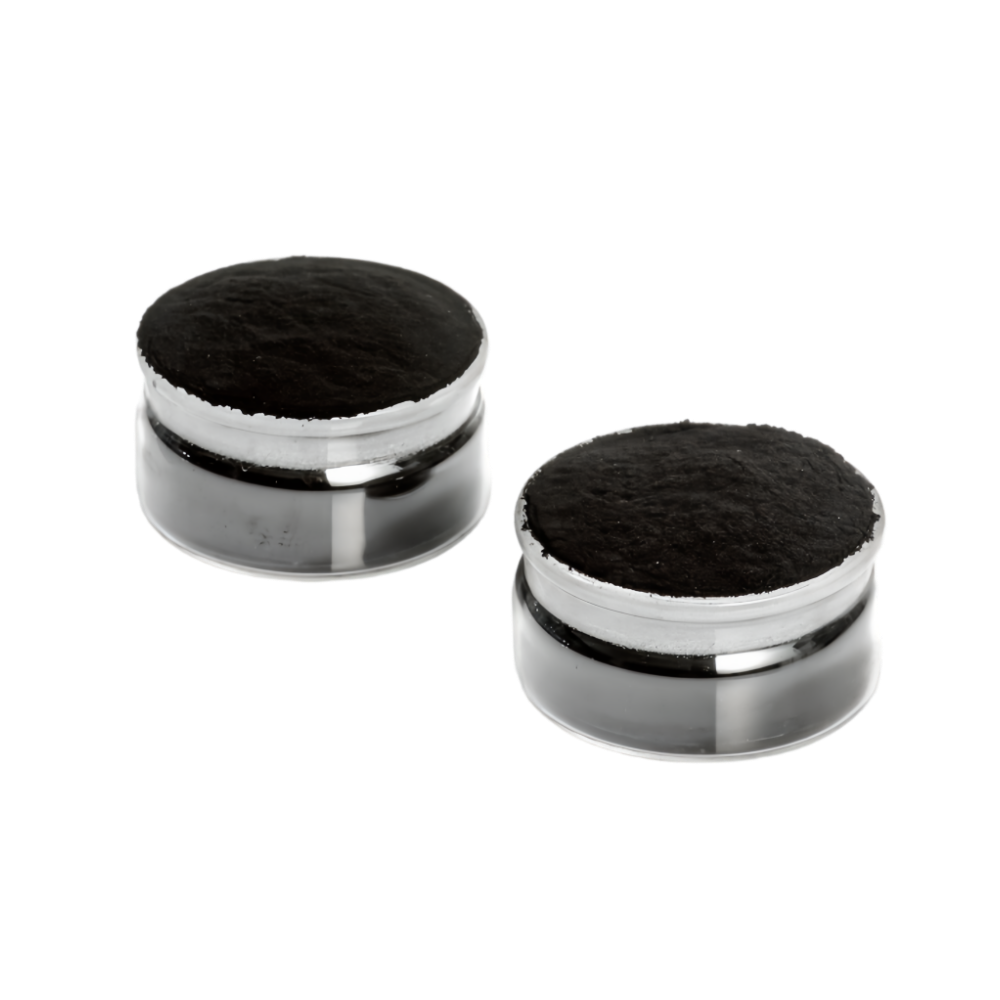
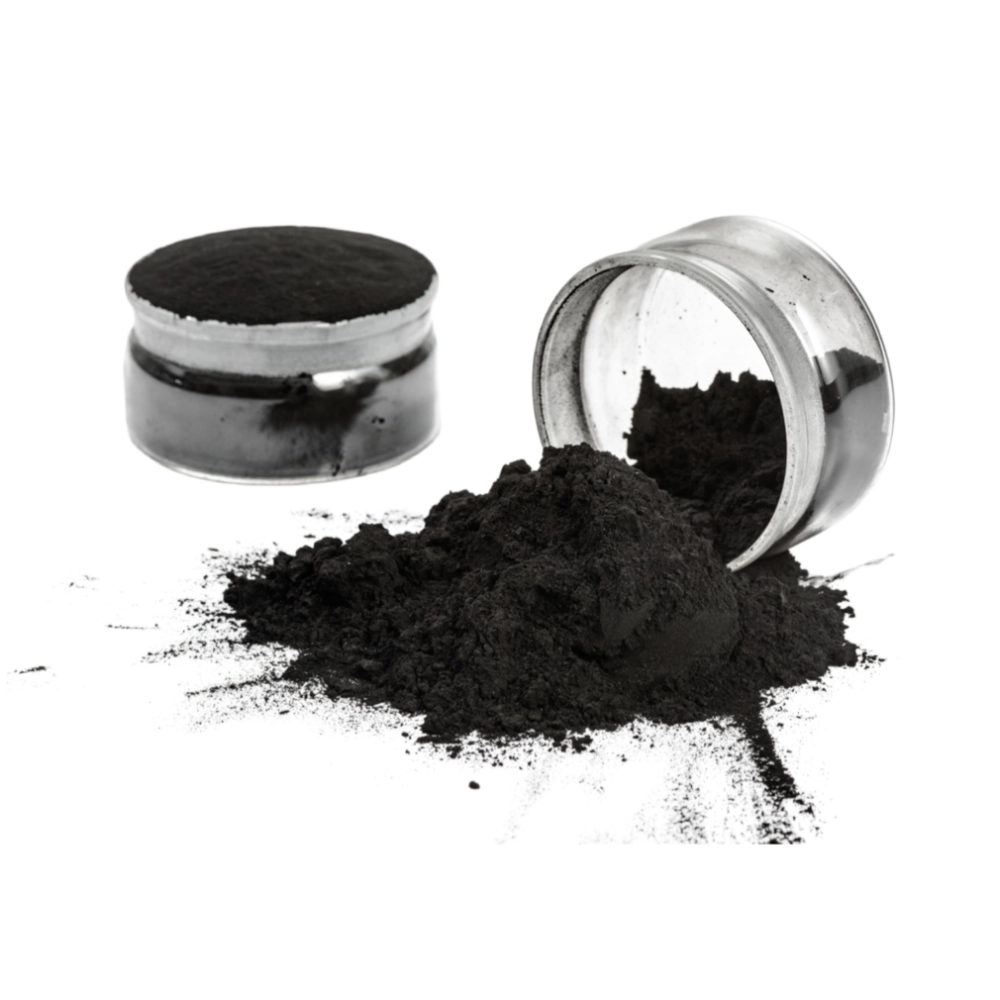
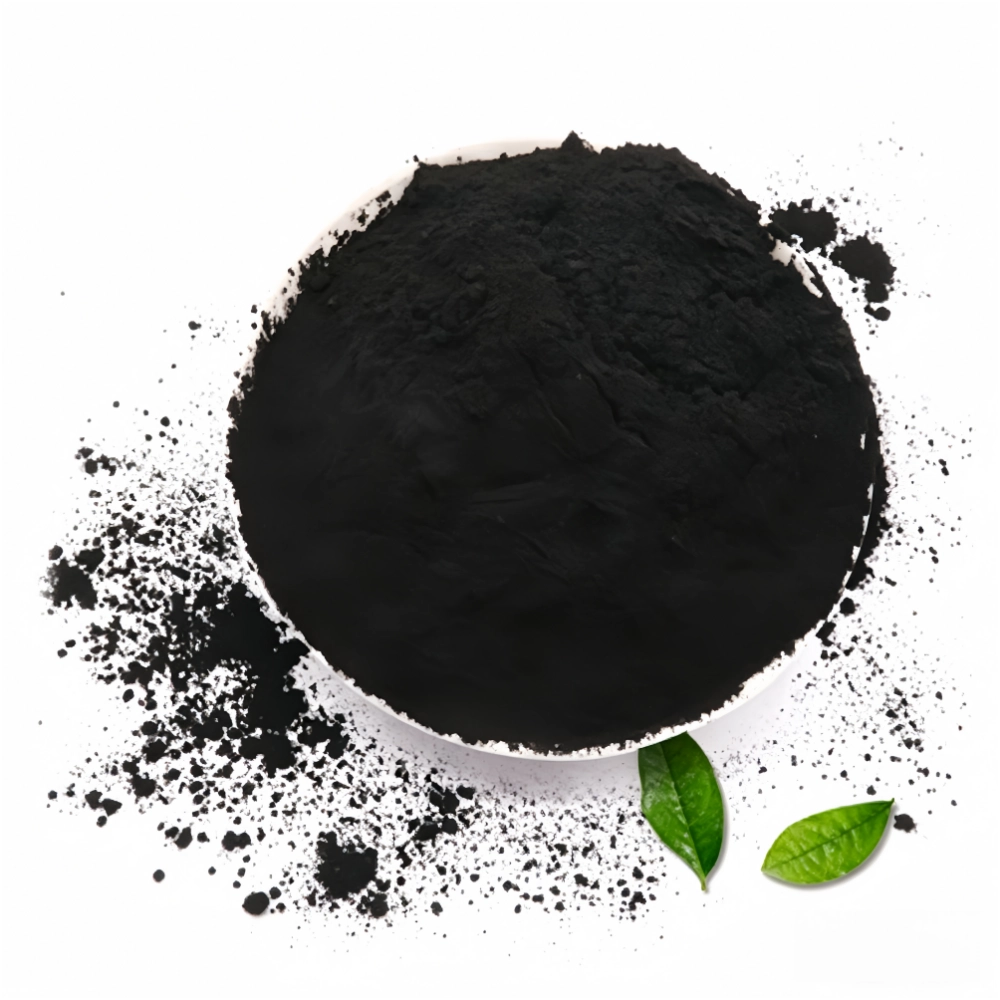
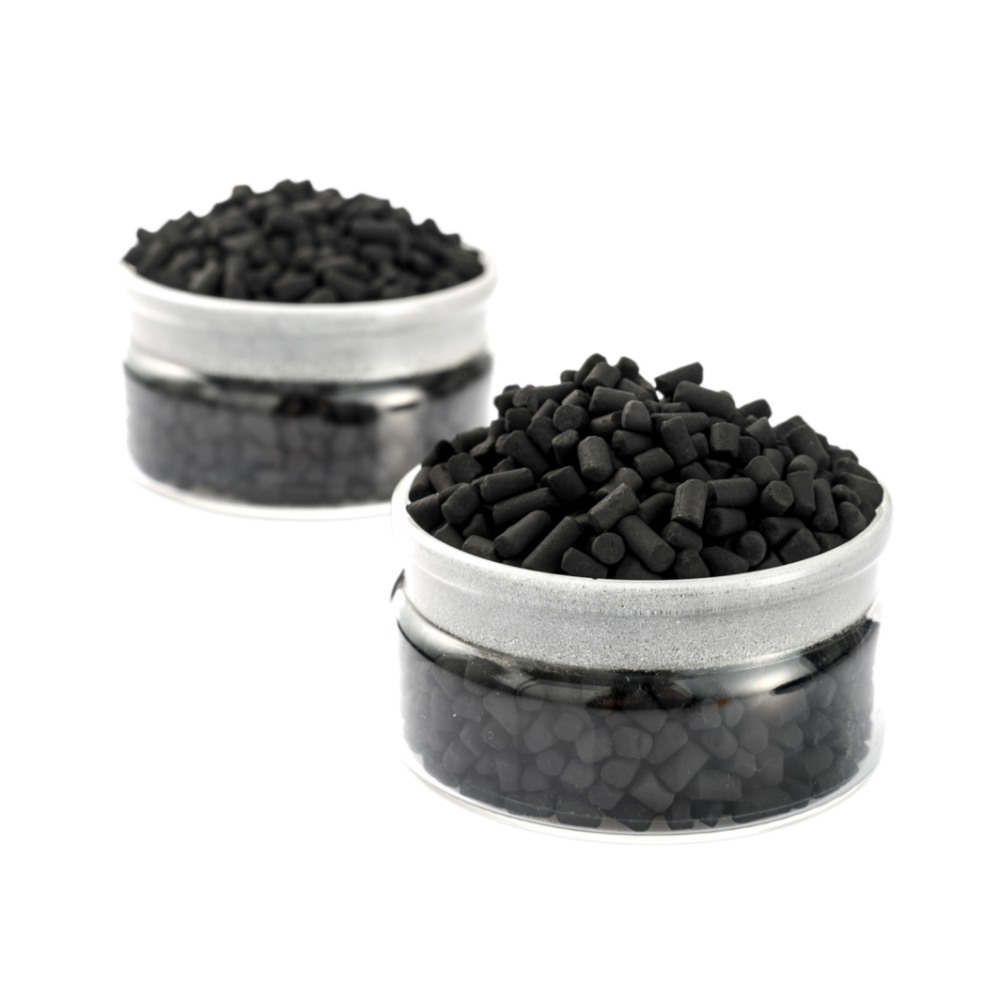
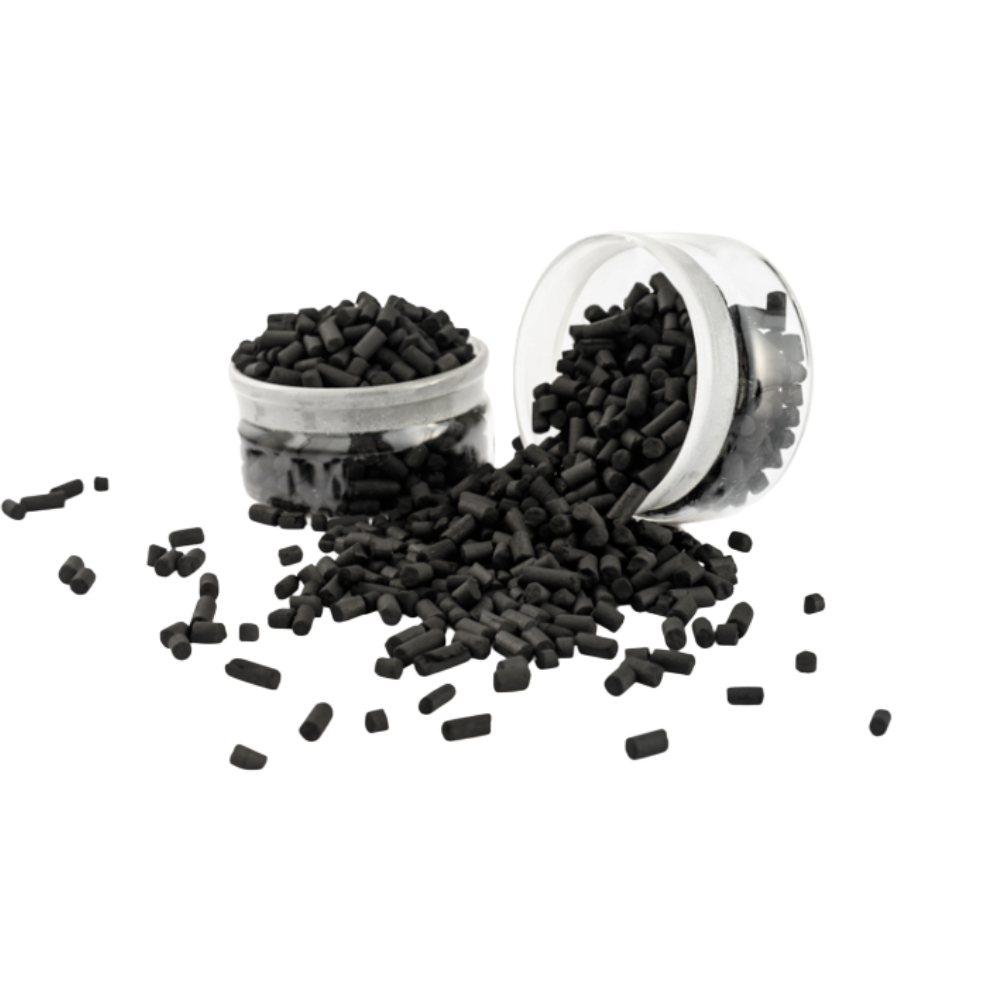
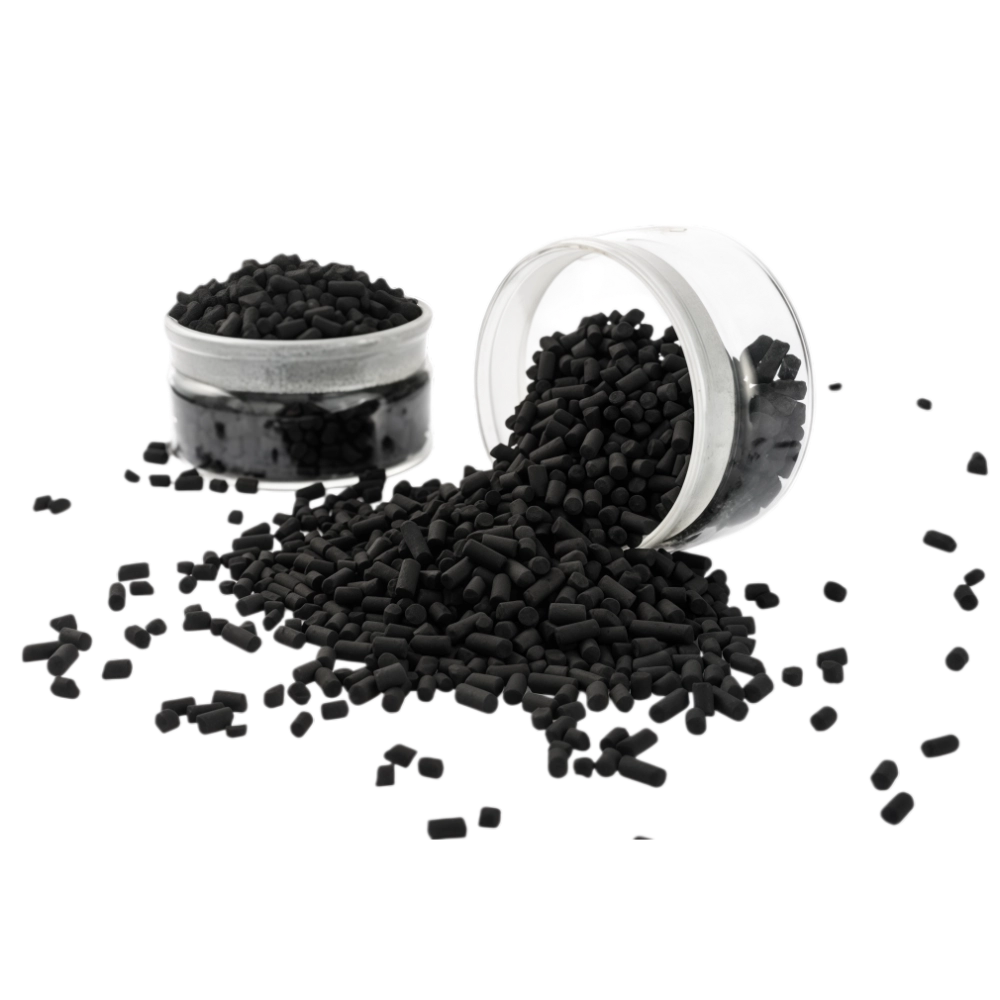
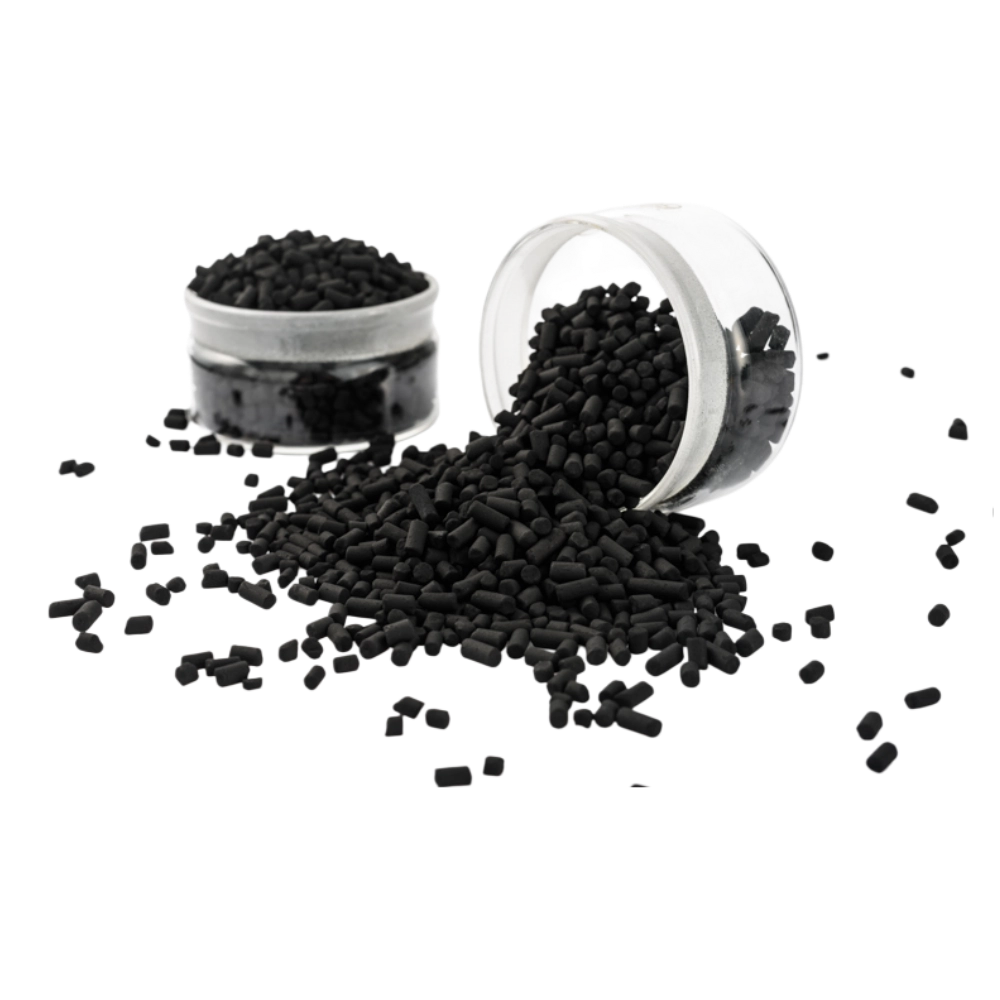
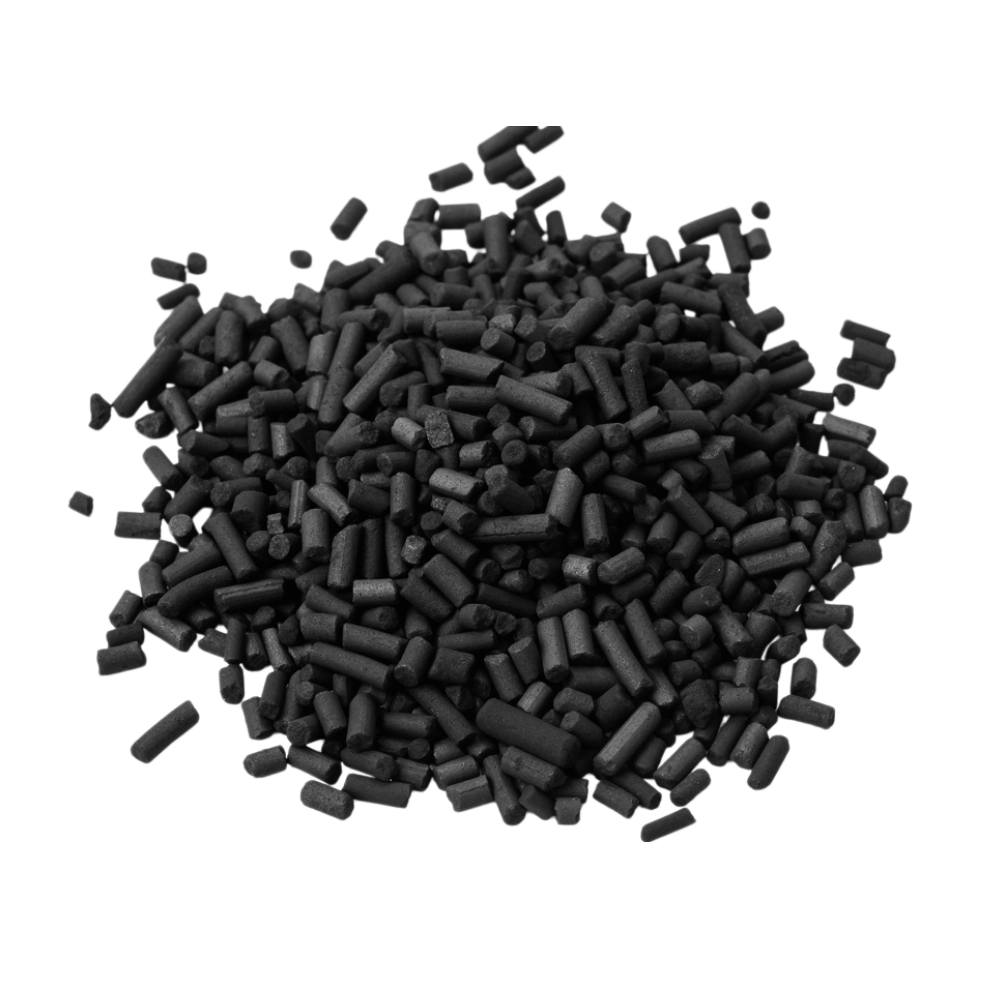
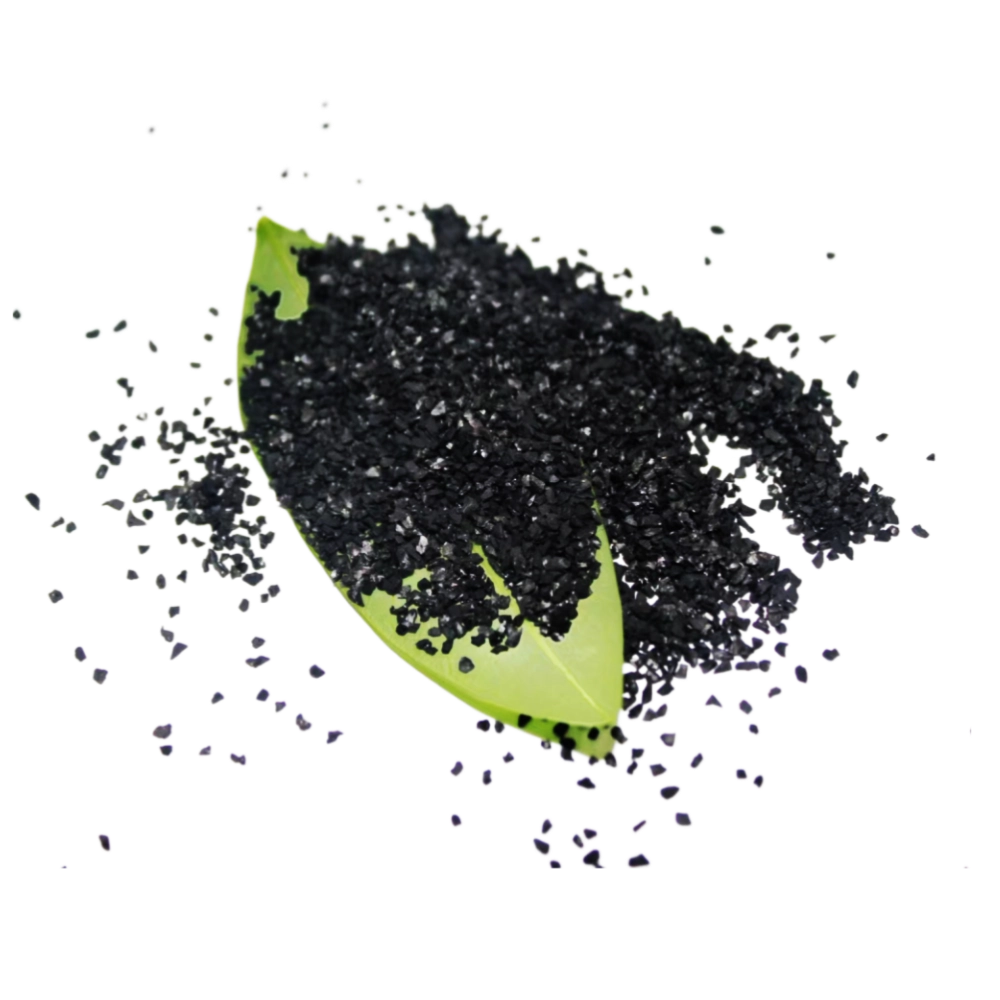
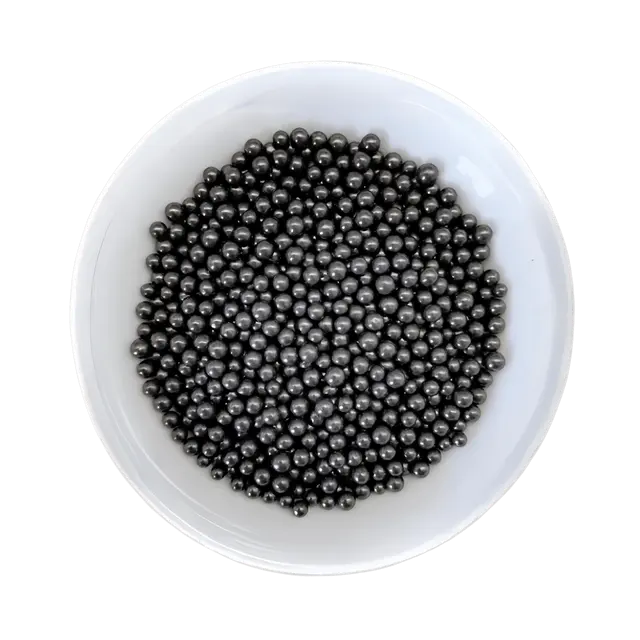
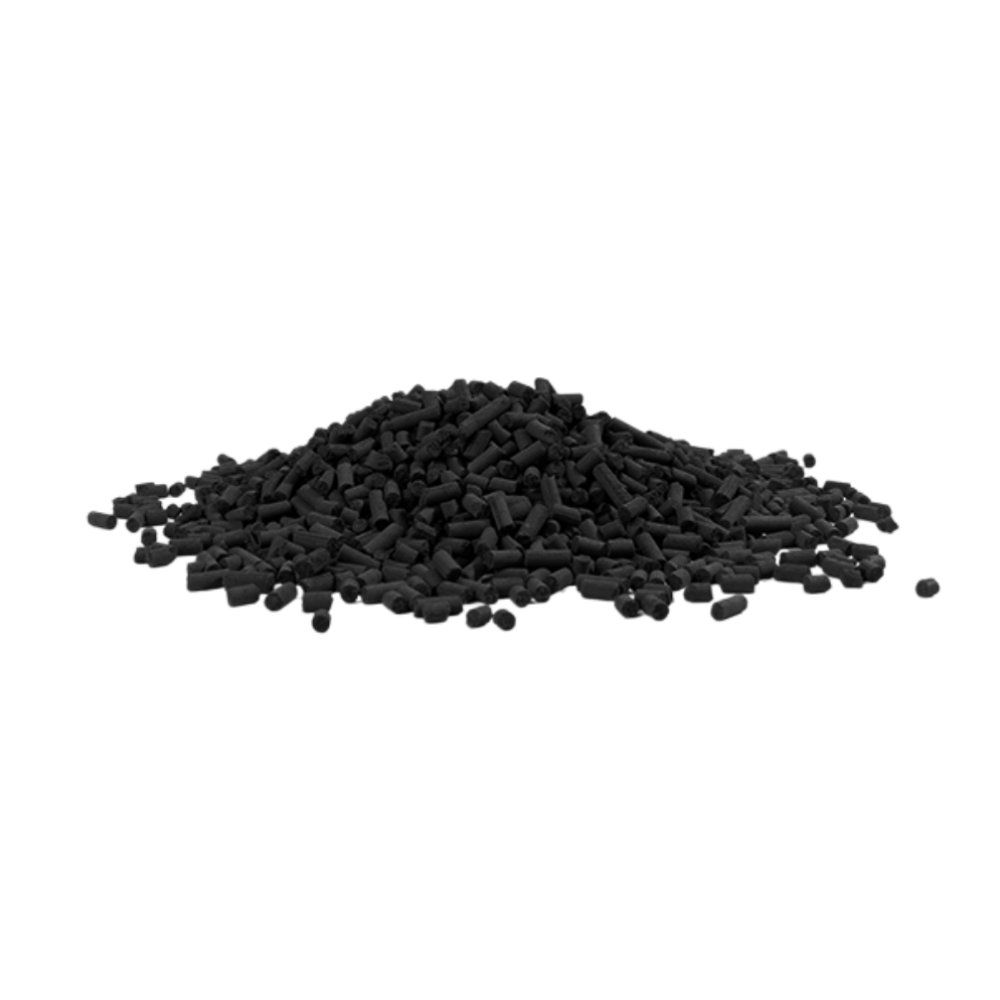
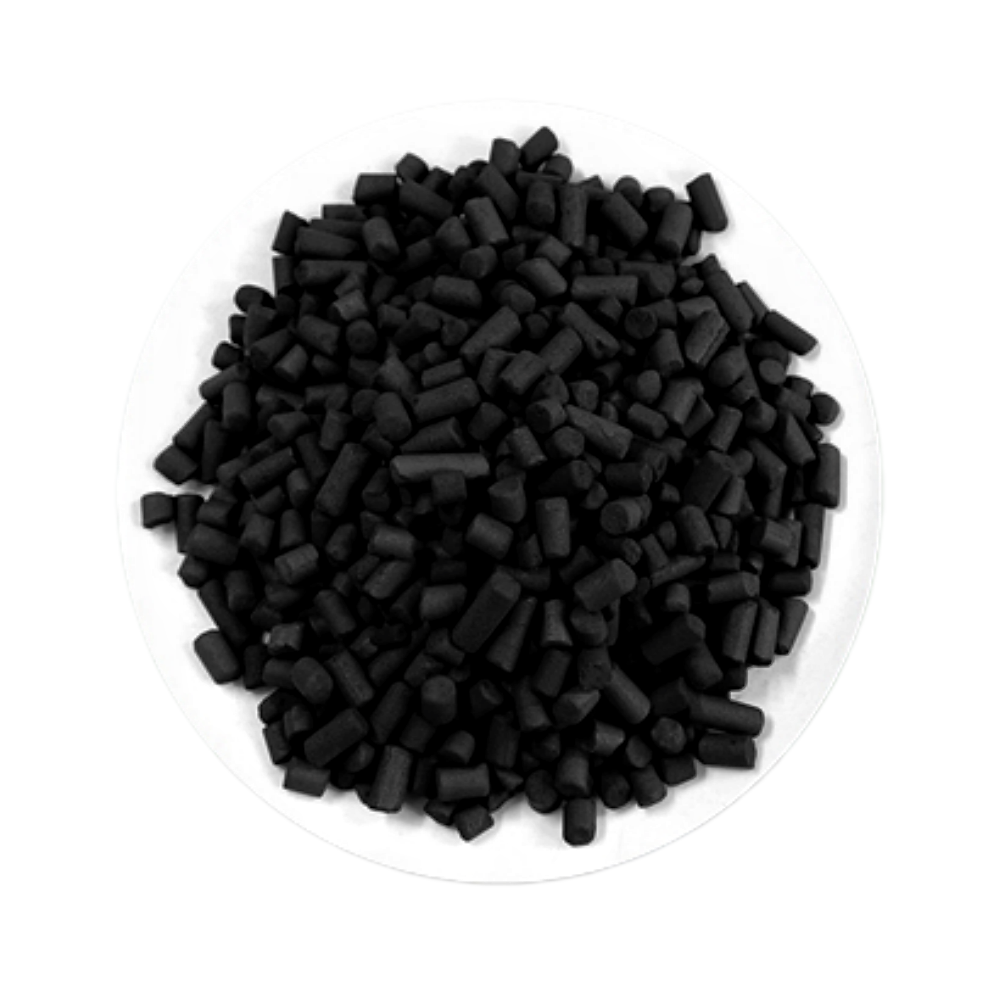
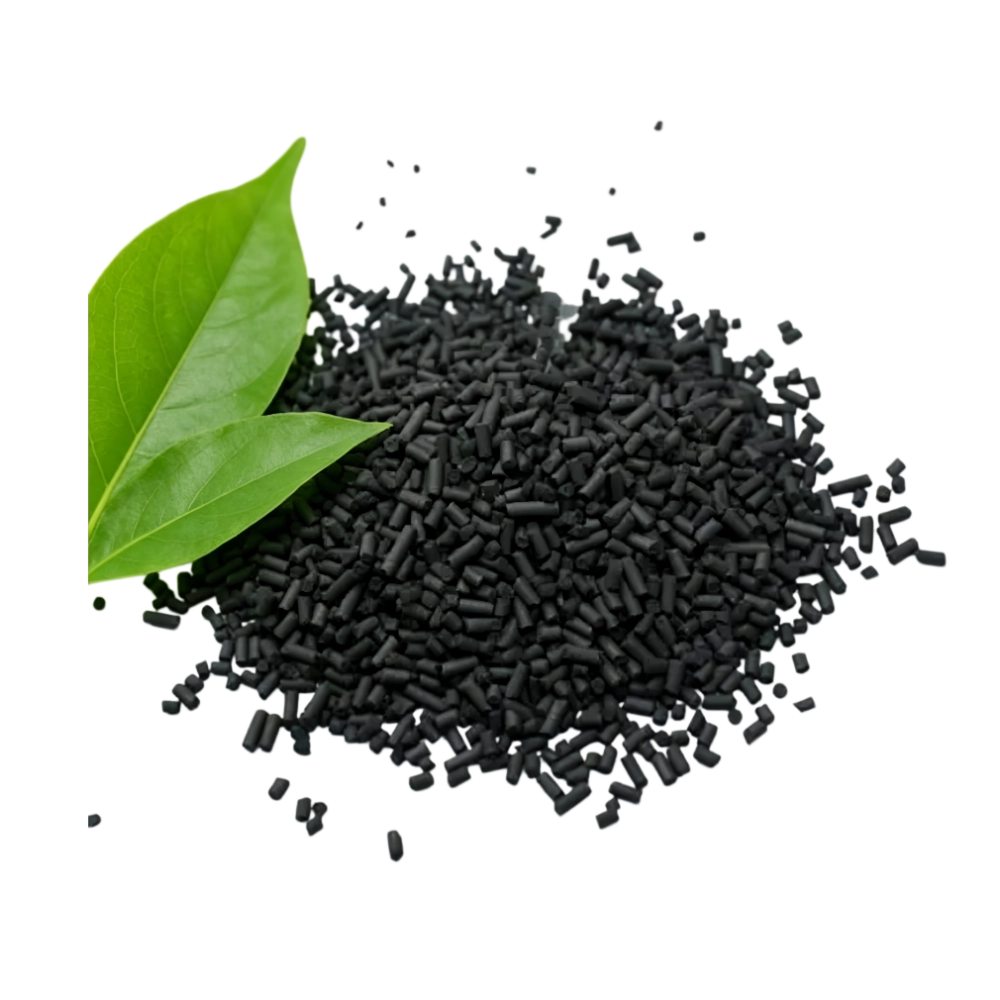
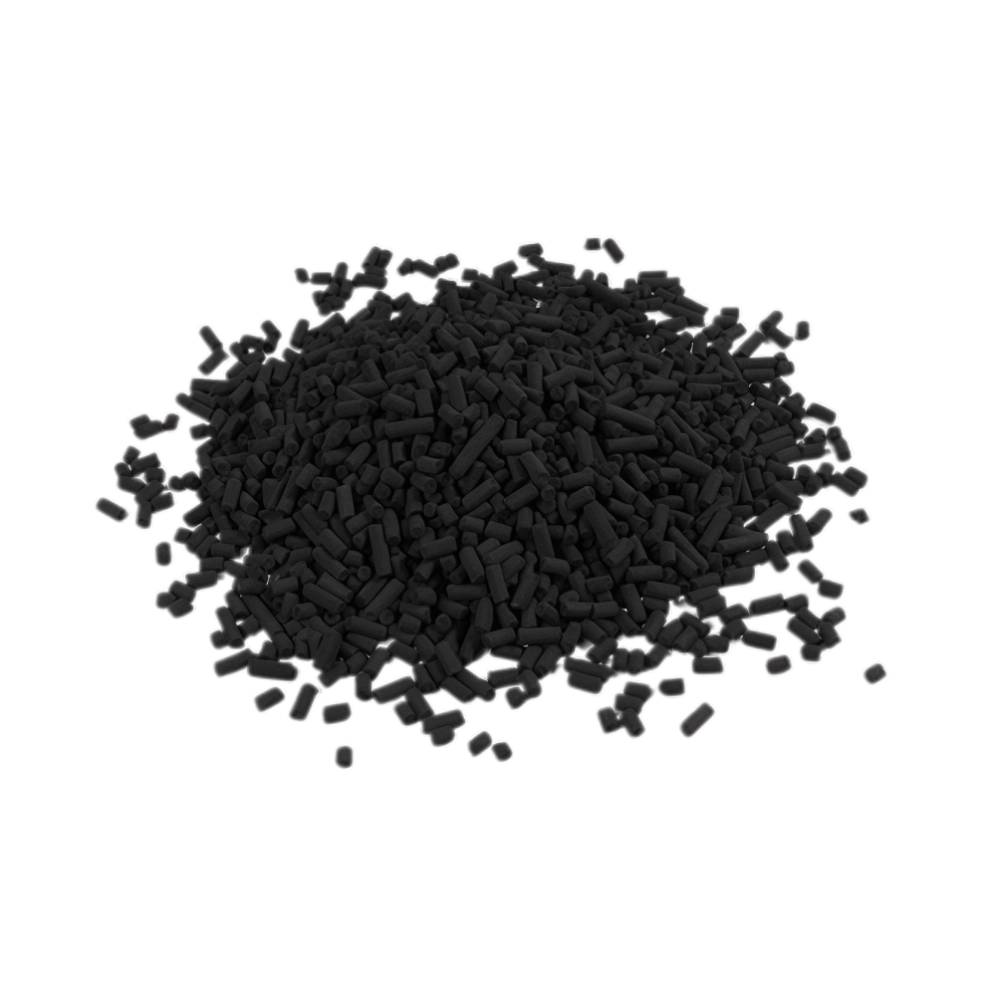
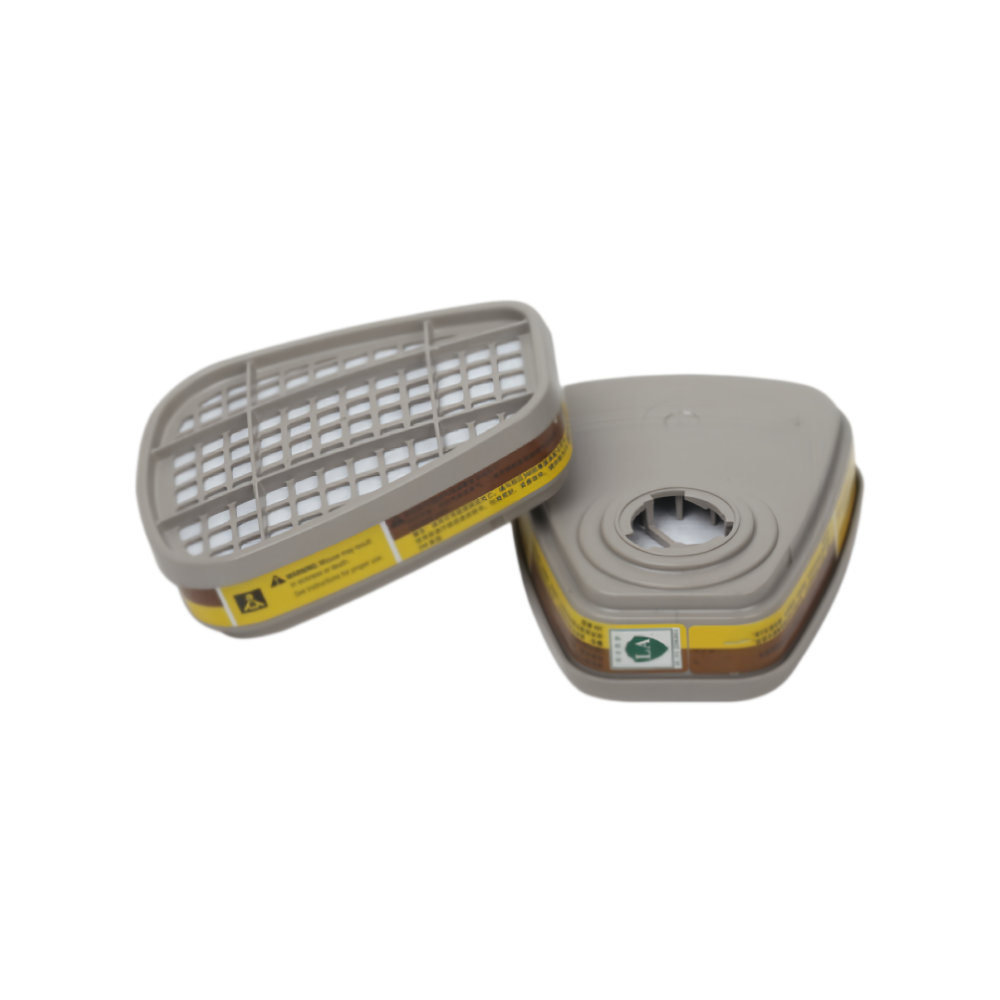
Chloride ions are the enemy in many high-tech manufacturing processes. In electronics, they cause corrosion of fine conductors. In battery production, they degrade electrolyte performance. In specialty chemicals, they catalyze unwanted side reactions. Standard activated carbons—even high-purity grades—can contain residual chloride from the activation process or raw material.
LC-A0 solves this problem through an extended post-treatment washing protocol that reduces extractable chloride to levels undetectable by standard test methods. The "LC" designation certifies low-chloride performance; "A0" indicates our highest purity tier within this product family.
Specifications
Technical Specifications
LC-A0
Unit
Iodine sorption value
> 1000's
mg/g
Moisture content
< 10
%-wt
Ash content
< 5
%-wt
Stacking density
> 440
kg/m³
PH
5-8
-
Intensity
> 95
%
Specific area
> 1000's
m²/g
Key Application Areas
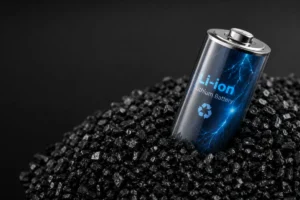
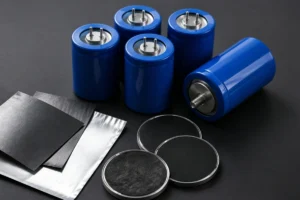
Lithium-ion battery manufacturing — electrolyte purification and dry room air filtration
Semiconductor fabrication — wet process chemical purification
Printed circuit board production — rinse water and process bath treatment
Aerospace and defense electronics — conformal coating and cleaning operations
Nuclear-grade applications — where chloride stress corrosion is a concern
Quality Assurance
Every batch of LC-A0 is tested for total chloride content and extractable chloride using ion chromatography. Certificates of analysis include chloride data, giving you documentation for quality audits and customer requirements.
Q
Why is low chloride critical in electronics manufacturing?
A
Chloride ions cause corrosion of fine conductors in electronics, degrade electrolyte performance in battery production, and catalyze unwanted side reactions in specialty chemicals. Standard activated carbons can contain residual chloride from activation processes. LC-A0 reduces extractable chloride to below 50 ppm through extended post-treatment washing.
Q
How is chloride content verified for each batch?
A
Every batch undergoes testing for total chloride content and extractable chloride using ion chromatography. Certificates of analysis include chloride data, providing documentation for quality audits and customer requirements. The "LC" designation certifies low-chloride performance, while "A0" indicates the highest purity tier within this product family.
Q
What specific electronics applications use LC-A0?
A
LC-A0 serves lithium-ion battery manufacturing for electrolyte purification and dry room air filtration, semiconductor fabrication for wet process chemical purification, printed circuit board production for rinse water and process bath treatment, aerospace and defense electronics for conformal coating operations, and nuclear-grade applications where chloride stress corrosion is a concern.
Q
Does low-chloride treatment affect adsorption capacity?
A
No. LC-A0 maintains iodine number exceeding 1000 mg/g and specific surface area comparable to standard high-purity grades. The extended washing protocol targets specifically soluble chloride salts without removing the micropore structure responsible for organic contaminant adsorption. Ash content remains below 3% and bulk density stays within 400–500 kg/m³.
Packaging & Shipping
Packaging:
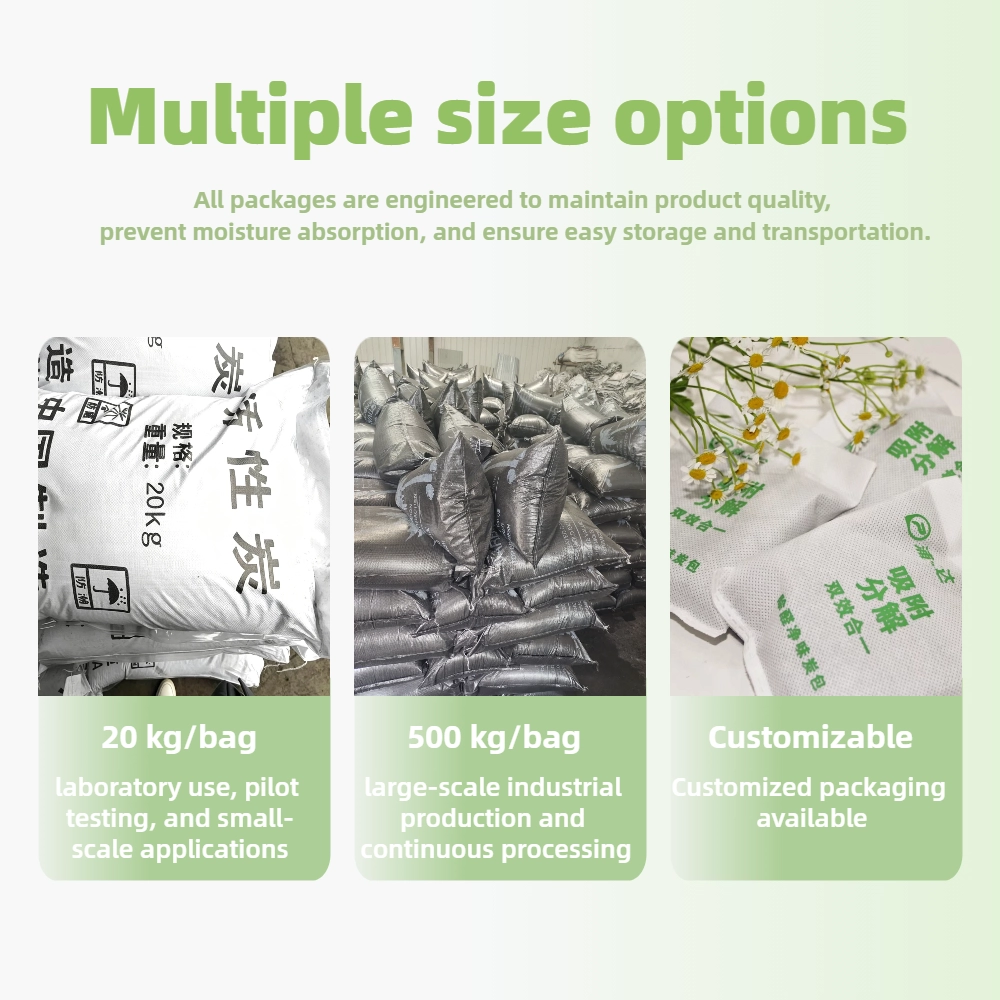
To meet diverse customer requirements, our activated carbon is available in multiple packaging options:
20 kg/bag – Ideal for laboratory use, pilot testing, and small-scale applications.
500 kg/bag – Bulk packaging designed for large-scale industrial production.
Customized packaging available upon request.
All packages are engineered to maintain quality and prevent moisture absorption.