














Product Overview
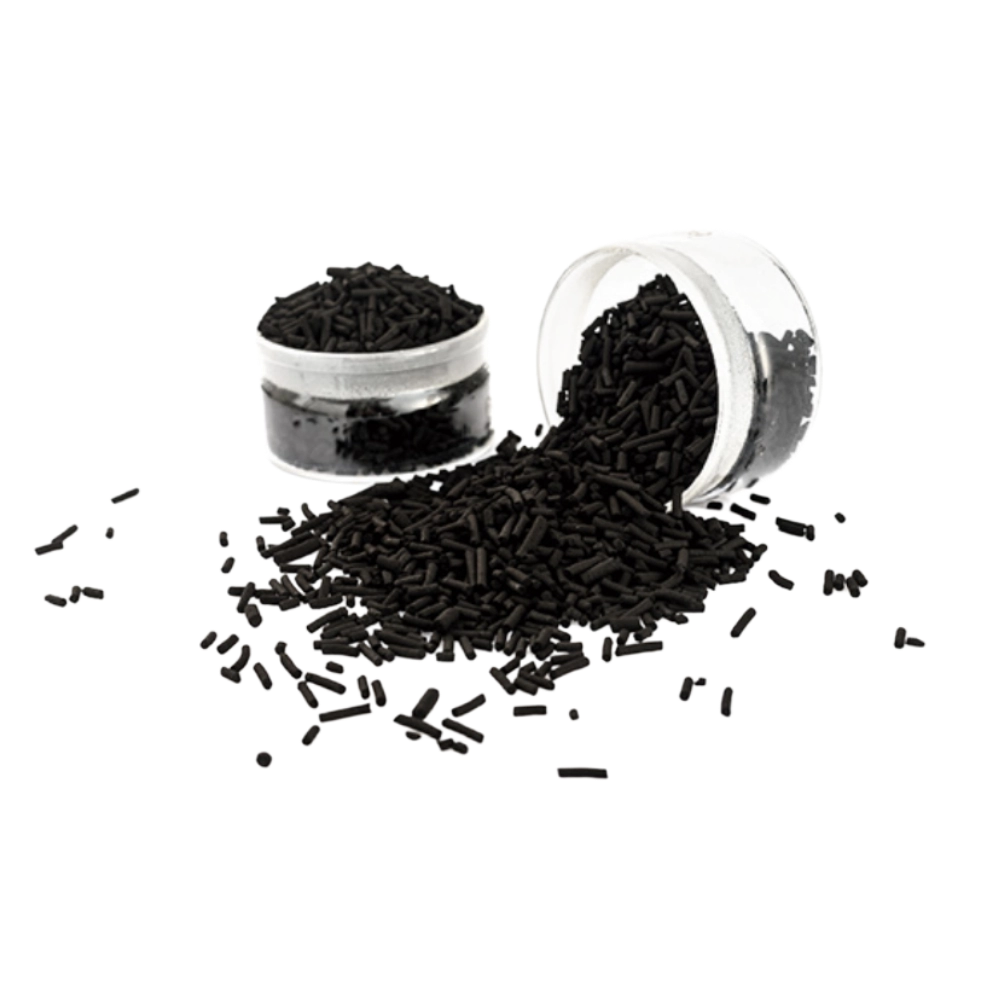
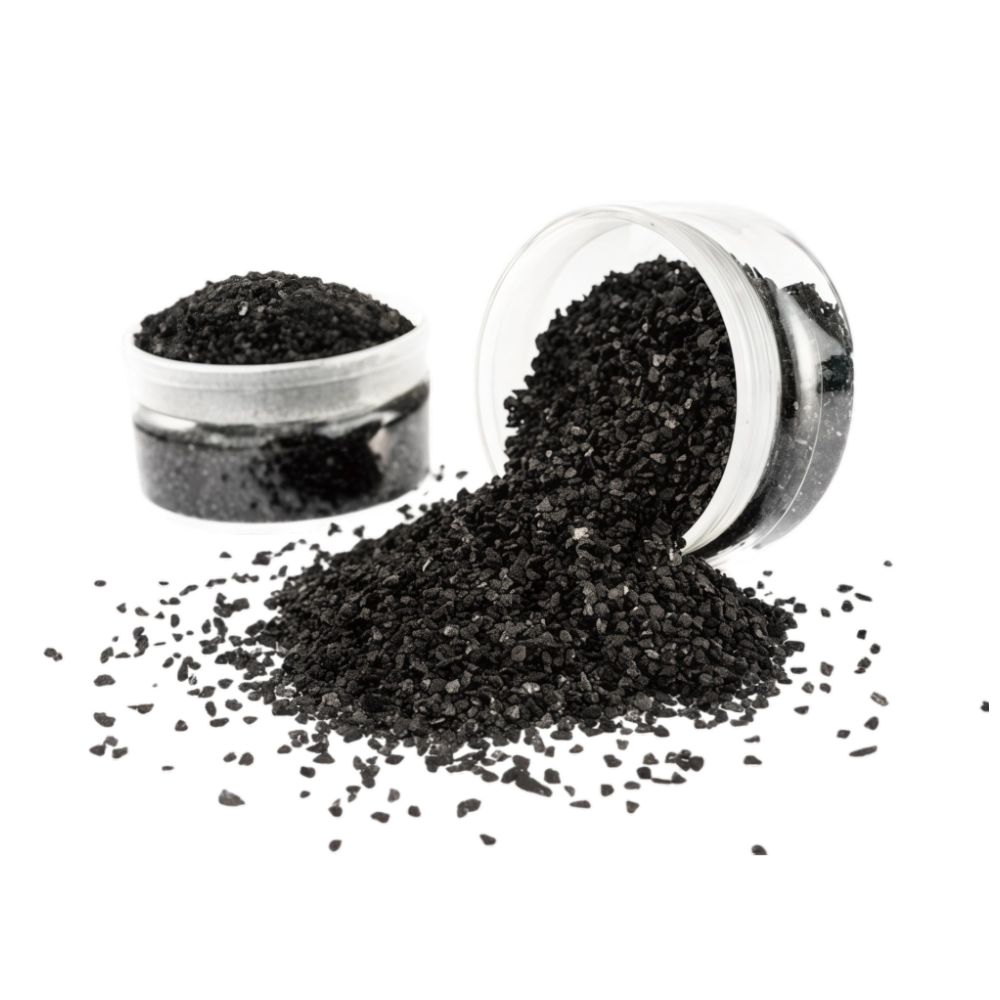
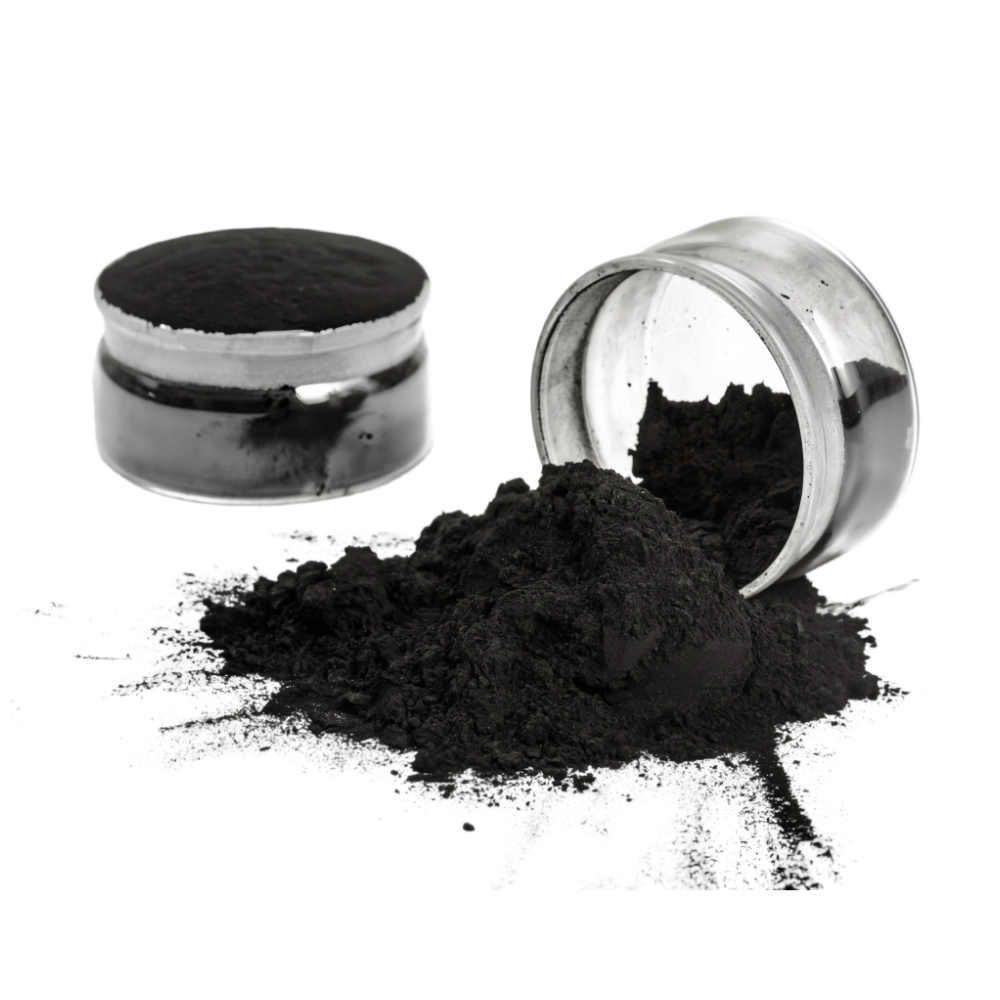
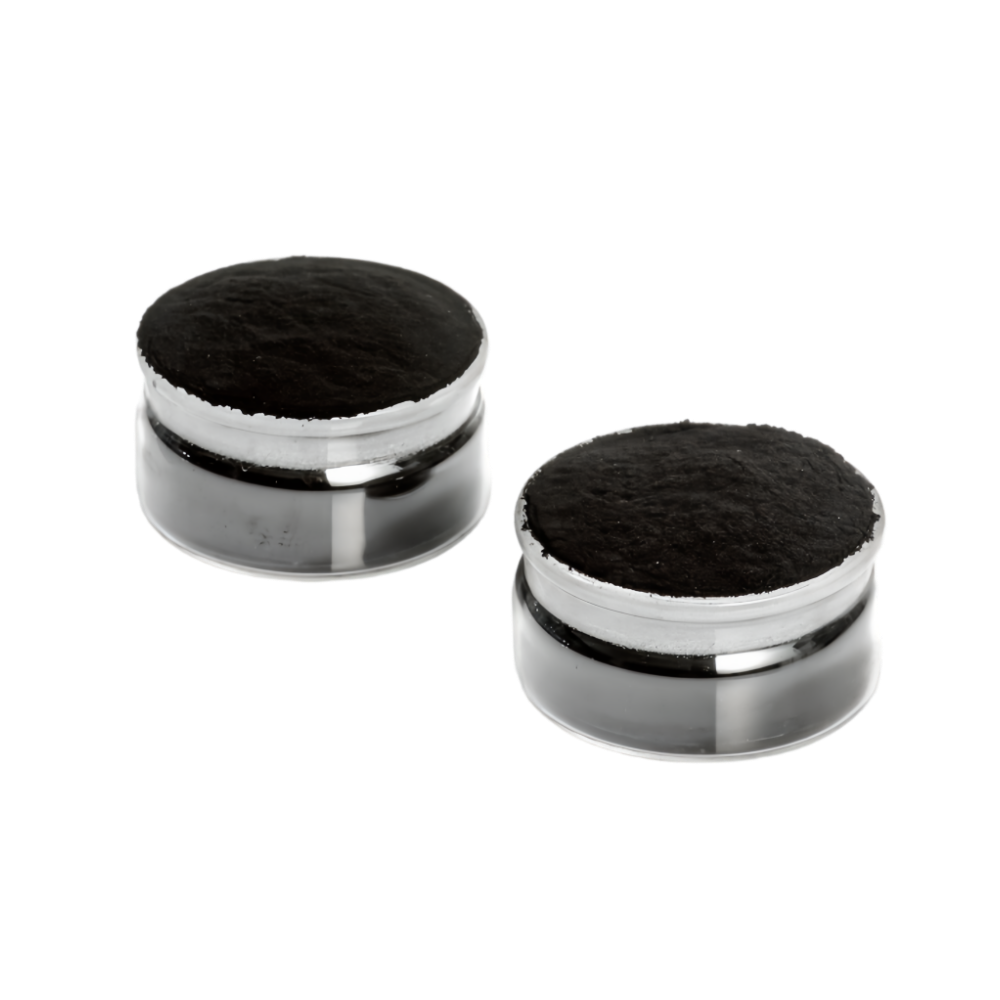
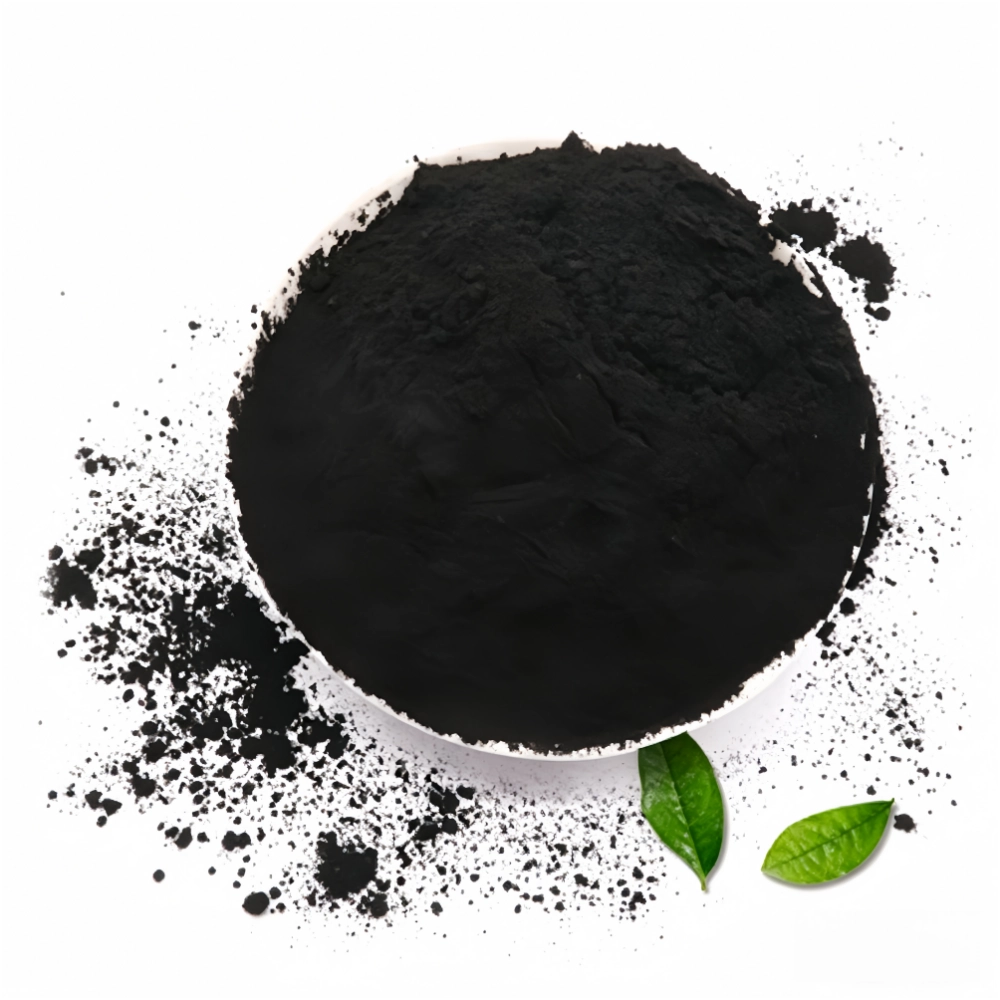
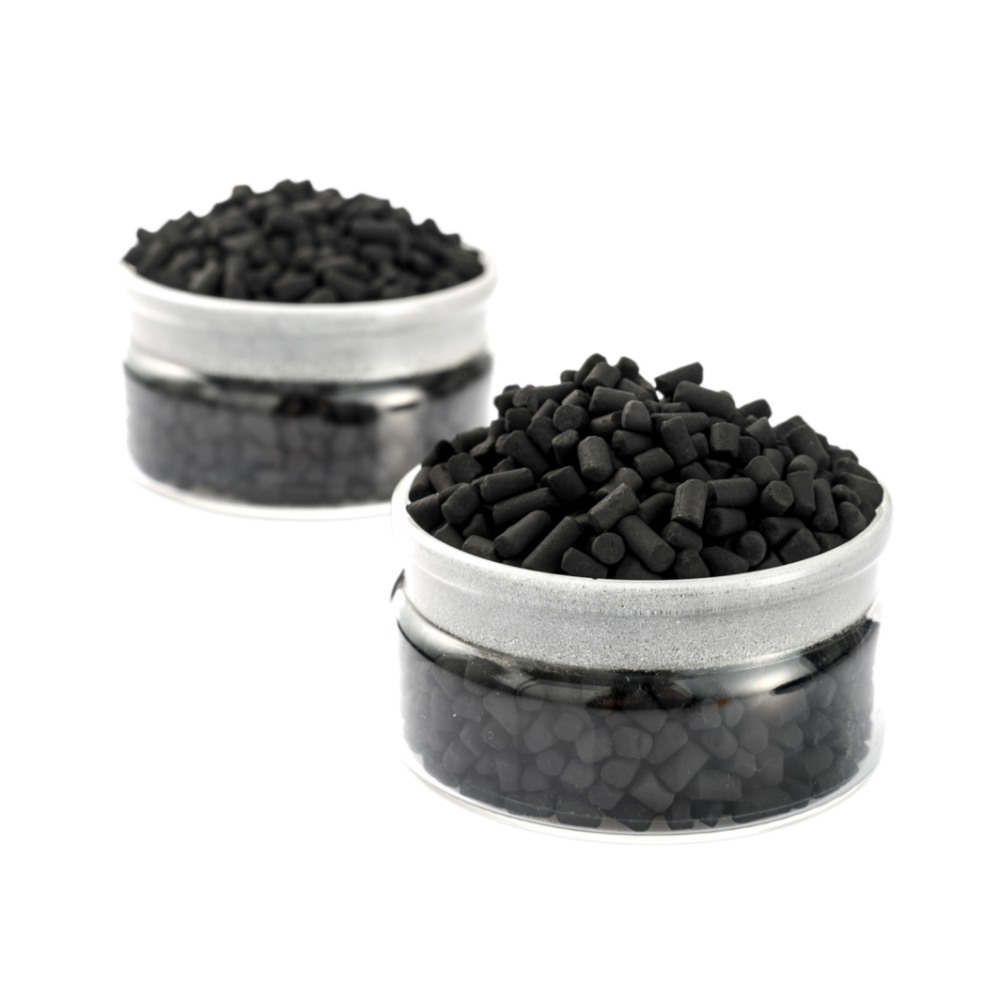
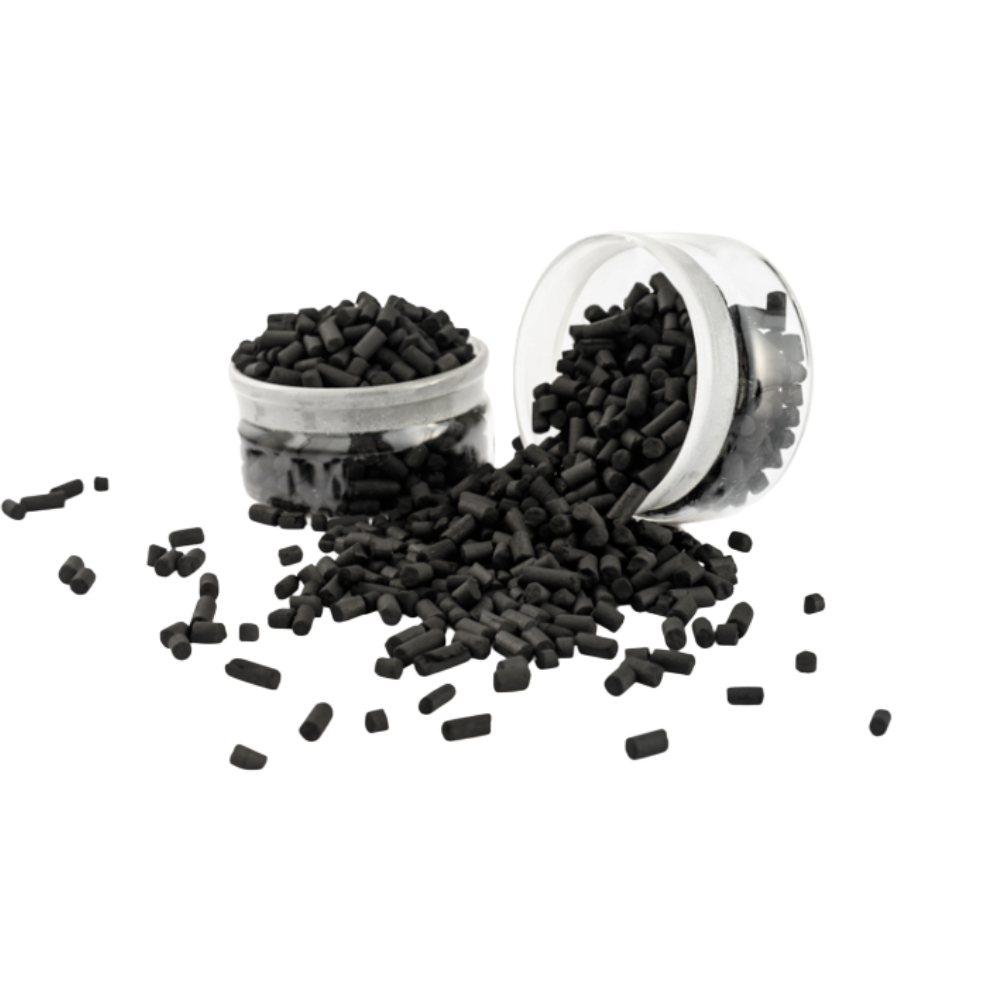
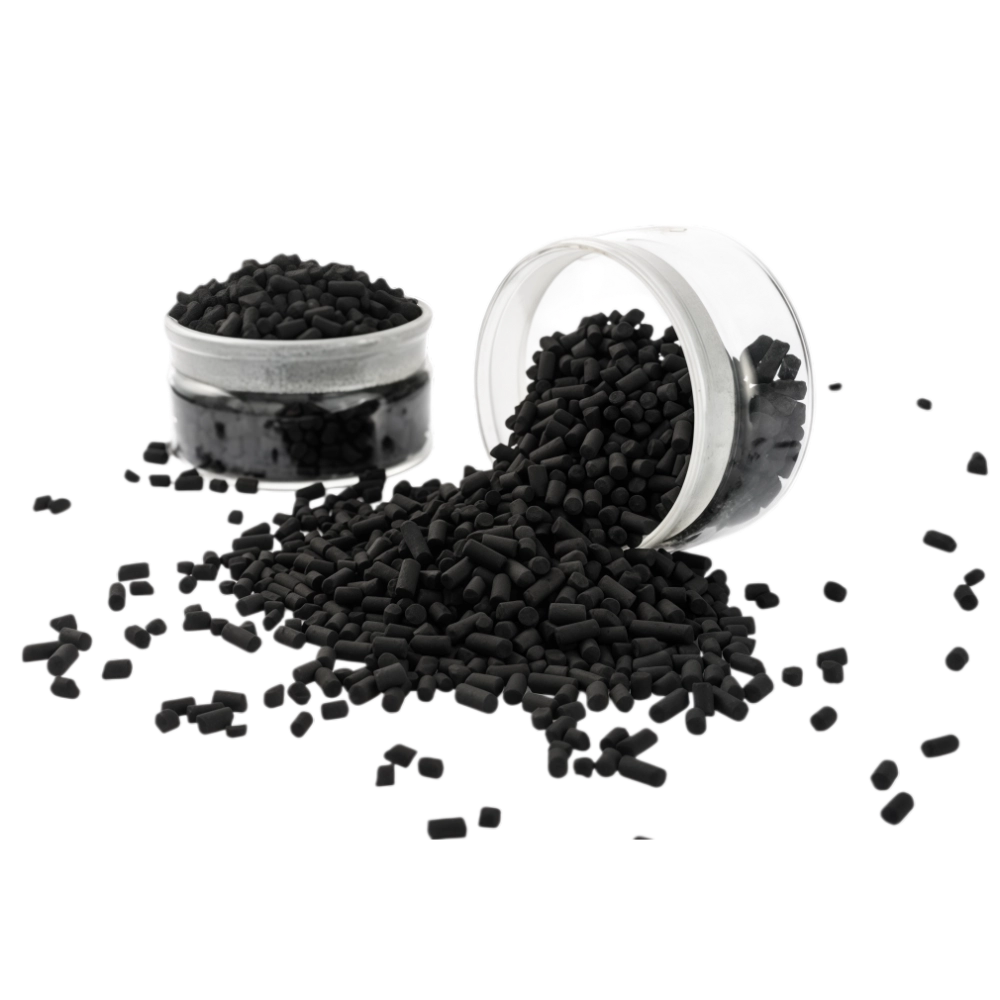
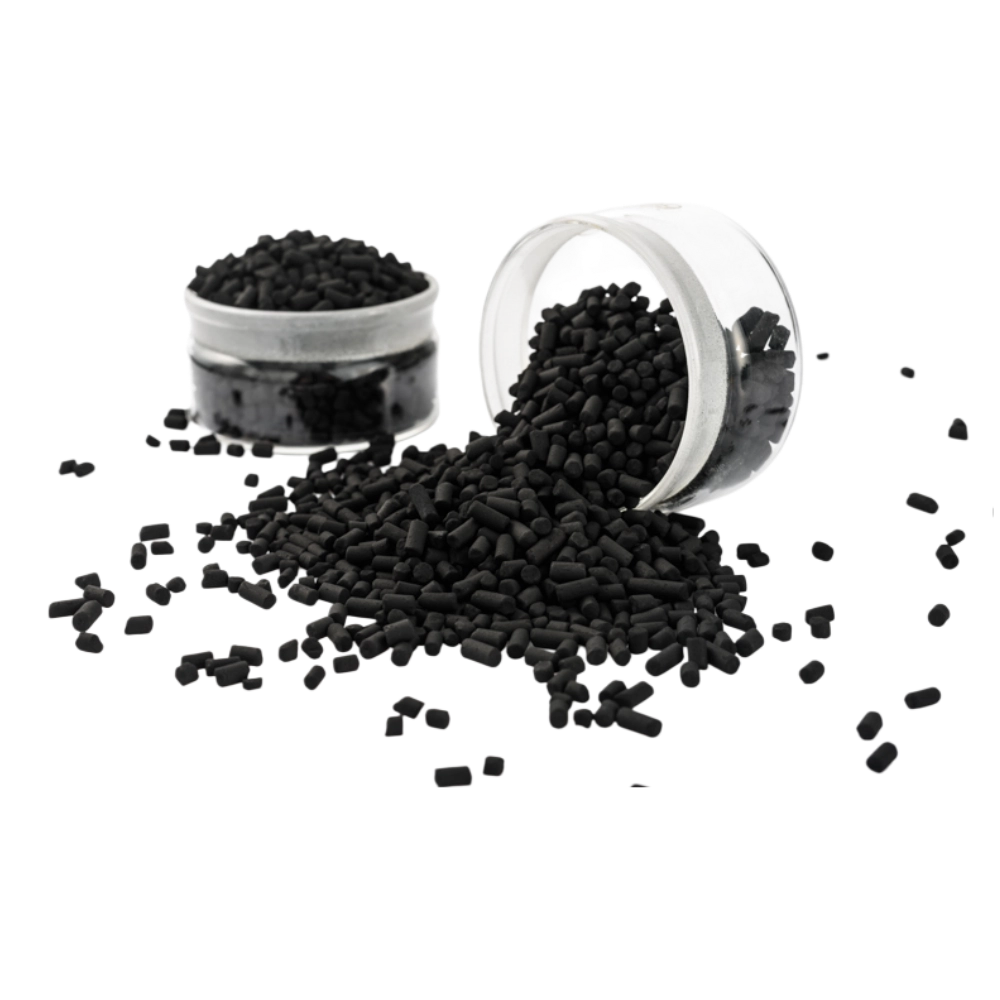
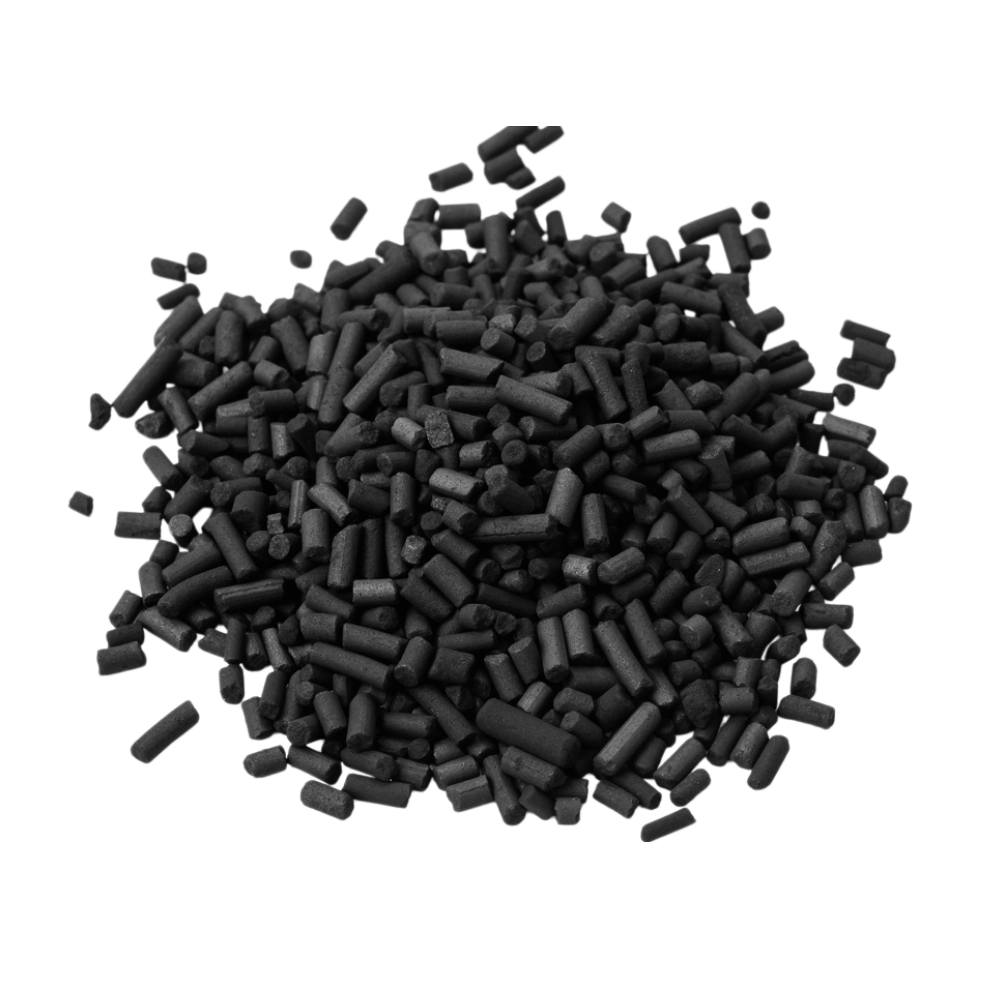
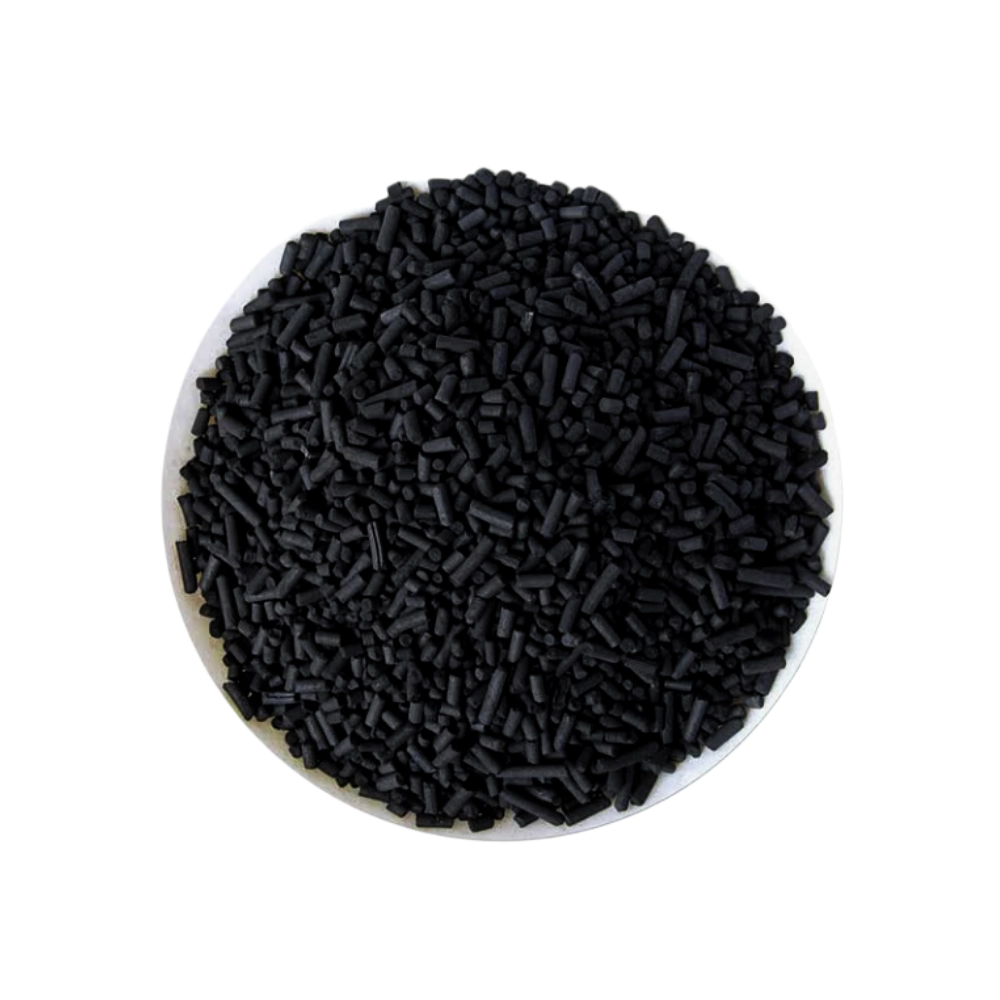
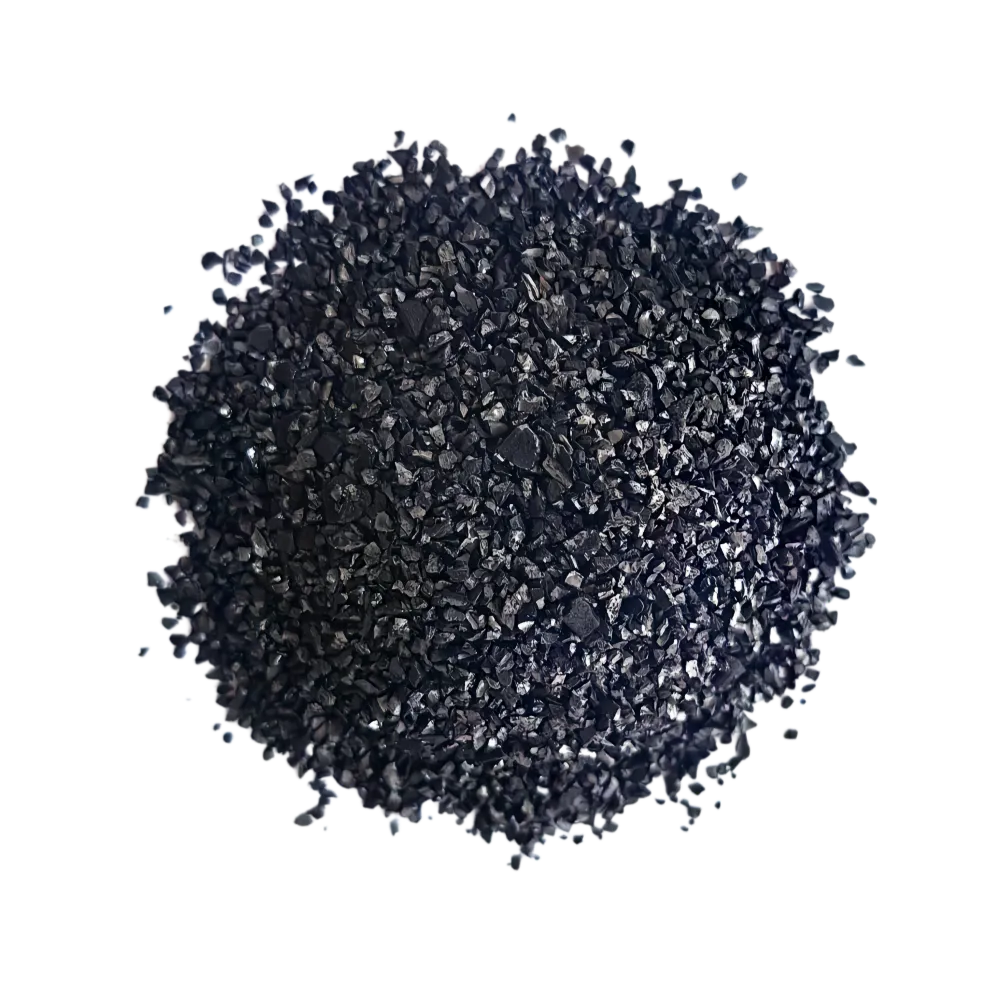
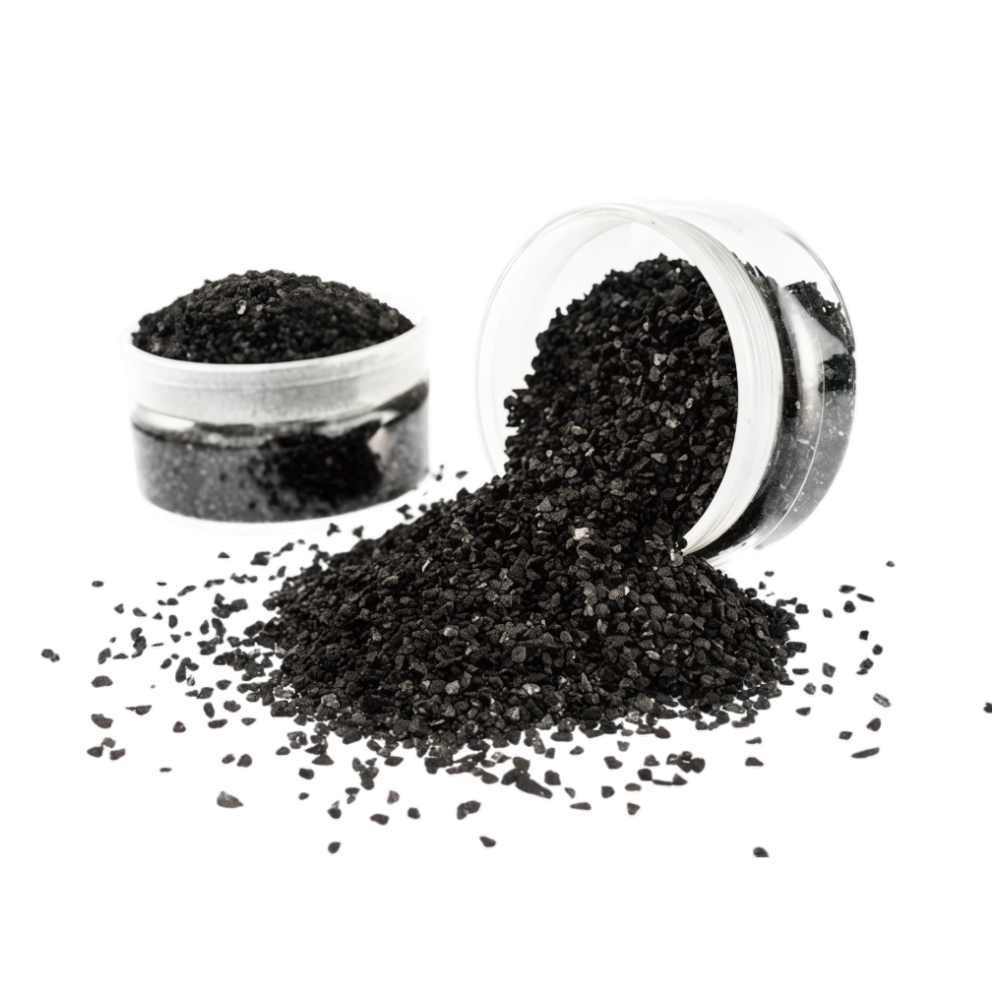
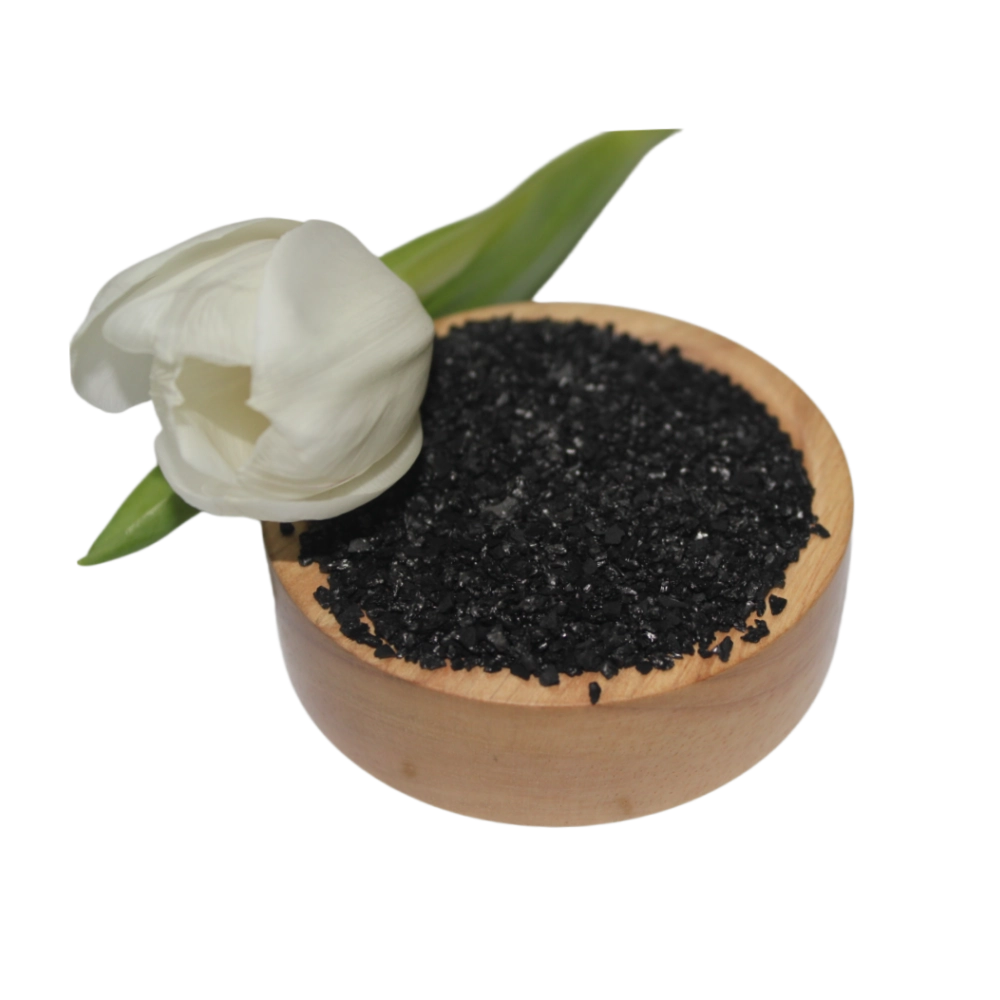
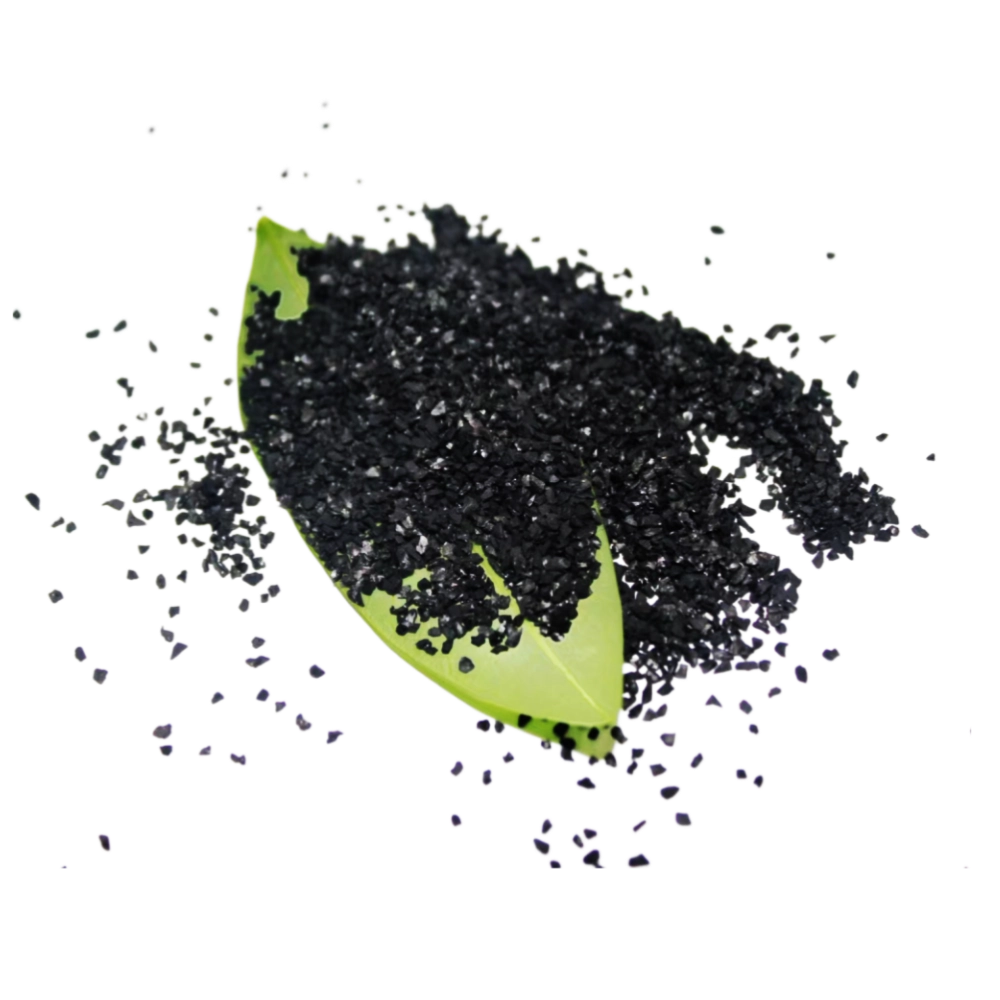
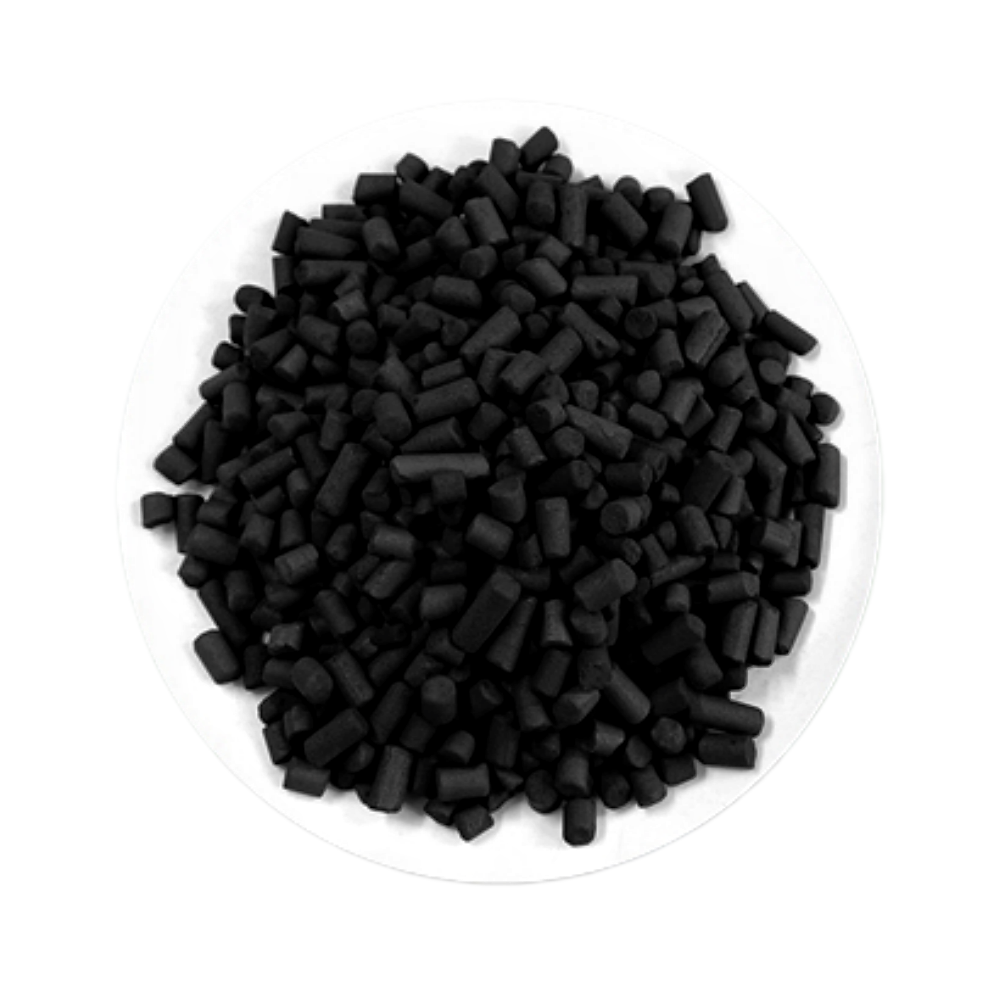
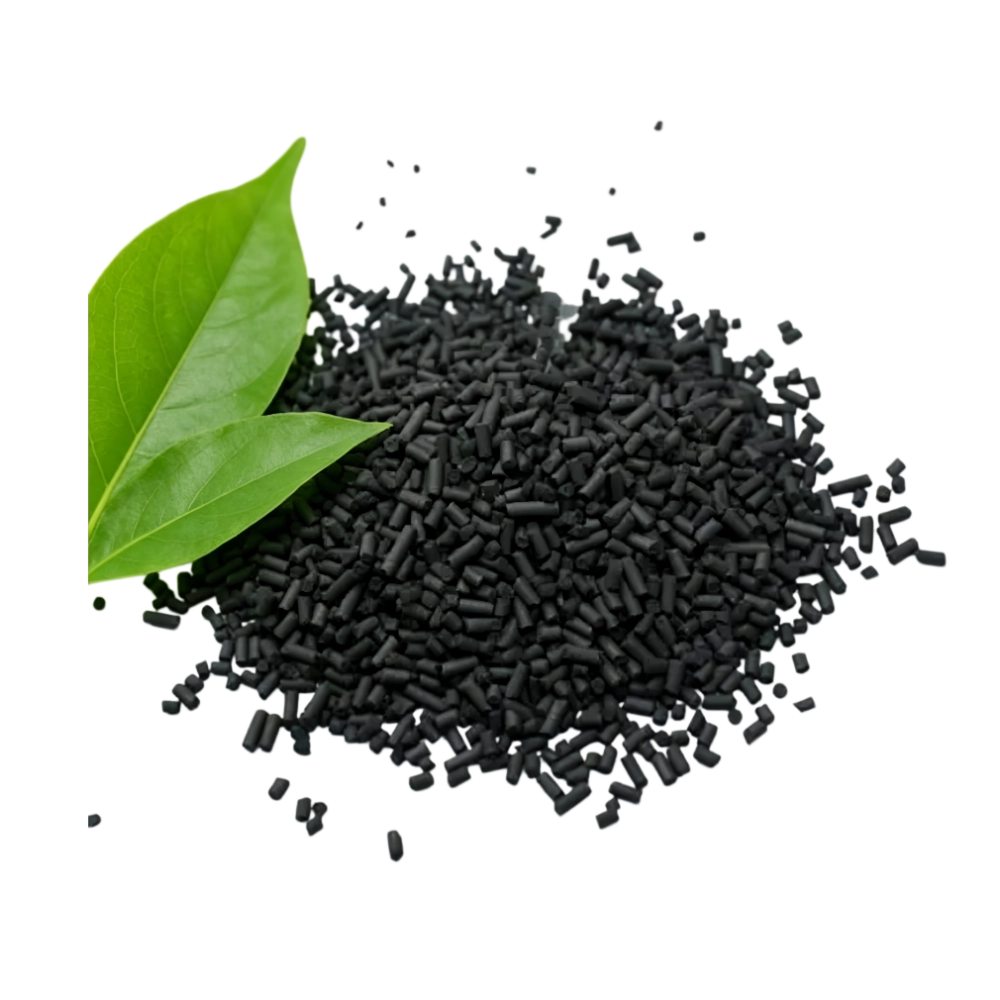
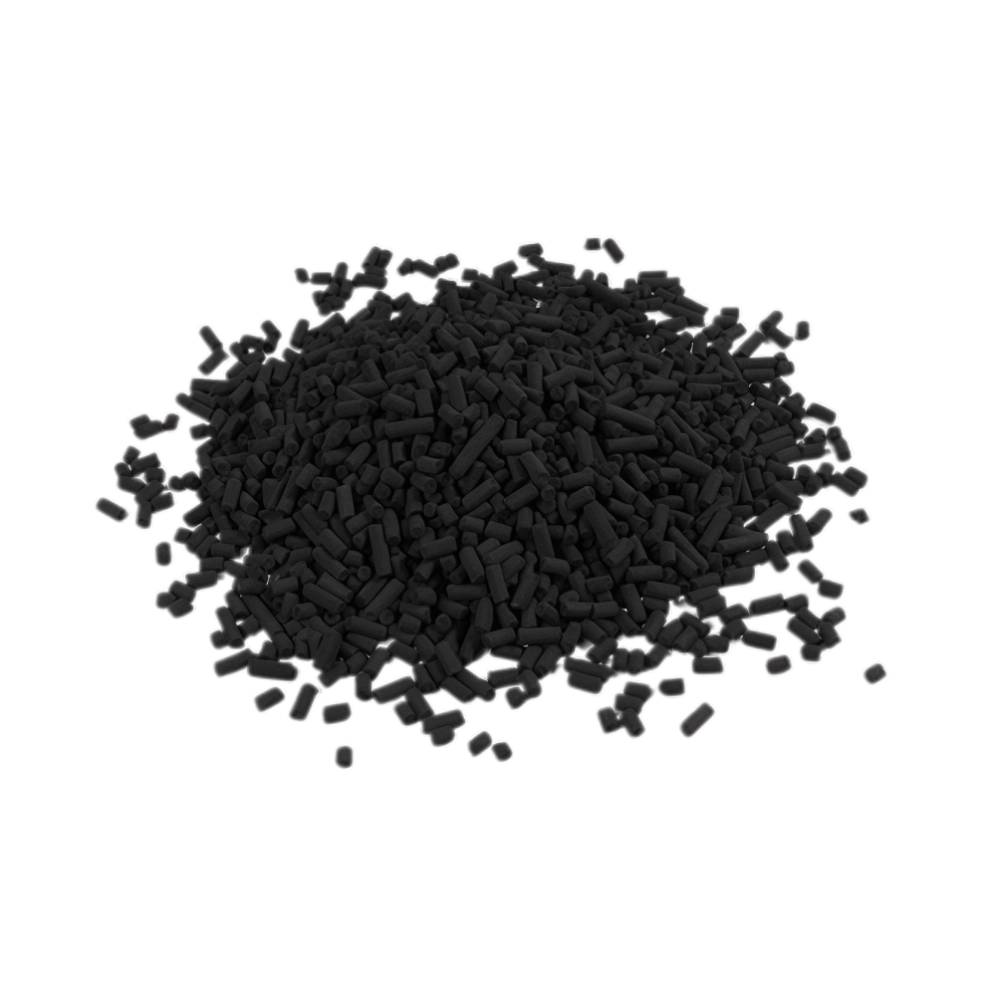
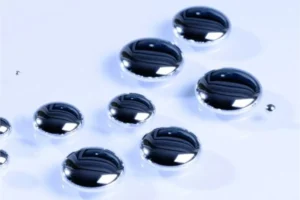
Elemental mercury (Hg⁰) presents a unique capture challenge: it is insoluble, volatile, and barely interacts with untreated carbon surfaces. MF-ZS solves this by starting with a high-activity coconut shell base and integrating sulfur through controlled impregnation, creating dedicated chemisorption sites across the pore network.
Rather than relying on physical mixing, the sulfur is chemically anchored to the coconut shell carbon matrix. This ensures the active phase remains fixed during pneumatic conveying, storage, and injection—no segregation, no dusting hazards, and no premature depletion. Once deployed in flue gas or process streams, these sulfur sites oxidize elemental mercury and bind it as stable mercuric sulfide (HgS), a compound that stays locked within the carbon structure through handling, transport, and final disposal.
Specifications
| Technical Specifications | MF-ZS | Unit |
| Iodine adsorption value | > 1000 | mg/g |
| Moisture content | < 10 | %-wt |
| Ash content | < 5 | %-wt |
| Hardness | > 95 | - |
| Fe | < 0.1 | % |
| Mg | < 0.05 | % |
Key Application Areas
- Coal-fired power generation — enhanced Hg⁰ capture in low-chlorine flue gas where standard activated carbon injection underperforms
- Cement manufacturing — control of mercury re-emission from kiln dust recycle loops and preheater exhaust
- Precious metals roasting — capture of mercury volatilized during gold ore thermal processing
- Chlor-alkali remediation — containment and removal of residual mercury from decommissioned cell rooms and contaminated buildings
- Natural gas treatment — removal of trace mercury from hydrocarbon gas streams to protect downstream catalysts and pipelines
Advantages Over Standard ACI Carbons
MF-ZS is purpose-built for conditions where Hg⁰ is the primary species:
- Coconut Shell Base Structure: Hard, low-ash coconut shell carbon withstands pneumatic attrition and maintains particle integrity during injection and transport
- Chemically Bound Sulfur Phase: Sulfur is grafted to the surface, not dry-blended, eliminating handling risks and ensuring uniform activity throughout the bed or injection plume
- Superior Low-Chlorine Performance: Delivers 30–50% higher elemental mercury capture than standard unimpregnated ACI carbons in flue gas with limited natural halogen content
- Stable Waste Form: Captured mercury converts to insoluble HgS, dramatically reducing leaching potential in landfill disposal compared to physically adsorbed mercury
- Lower Carbon Usage Rates: Higher intrinsic capture efficiency per unit mass translates to reduced injection quantities, lower fly ash burden, and decreased material costs over the operating cycle
- Full-Scale Validation: Proven in utility-scale trials under real flue gas conditions, not just laboratory spiked-gas tests