PSD-MAC Chloramine Removal Carbon | Catalytic Water Treatment
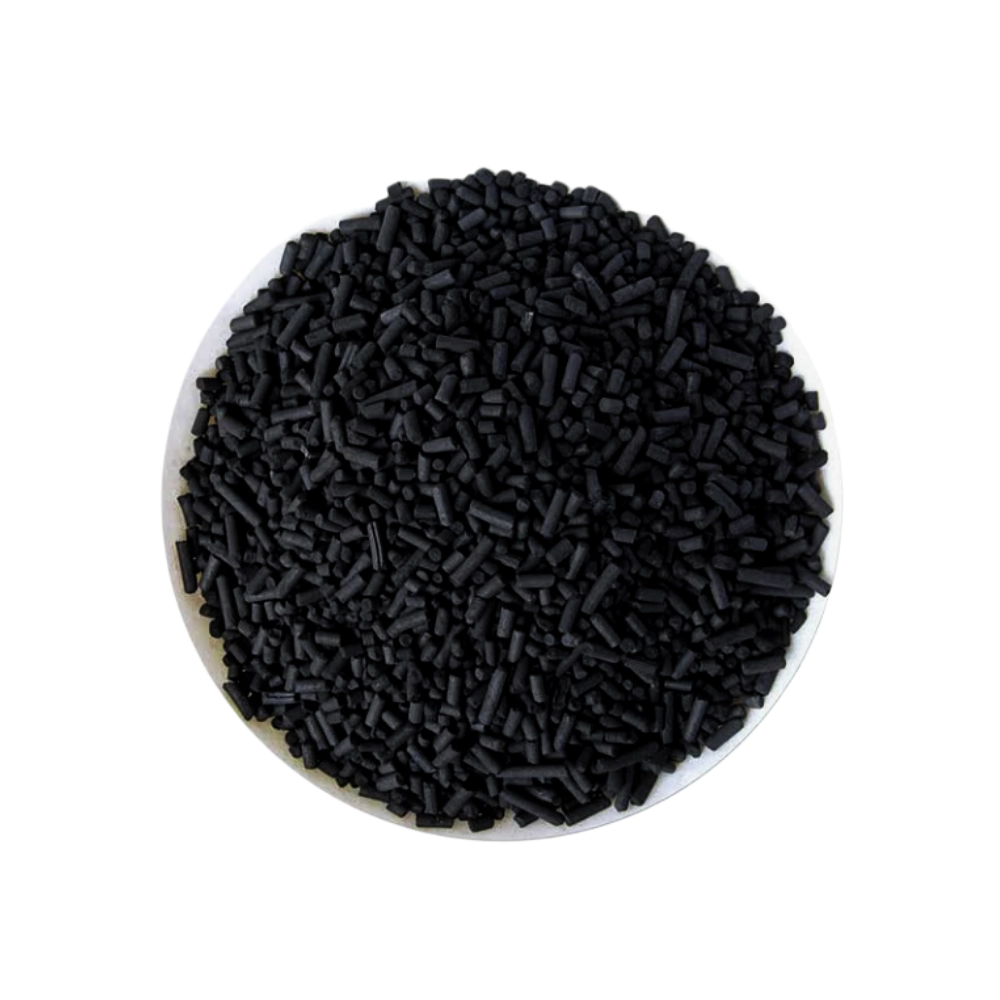
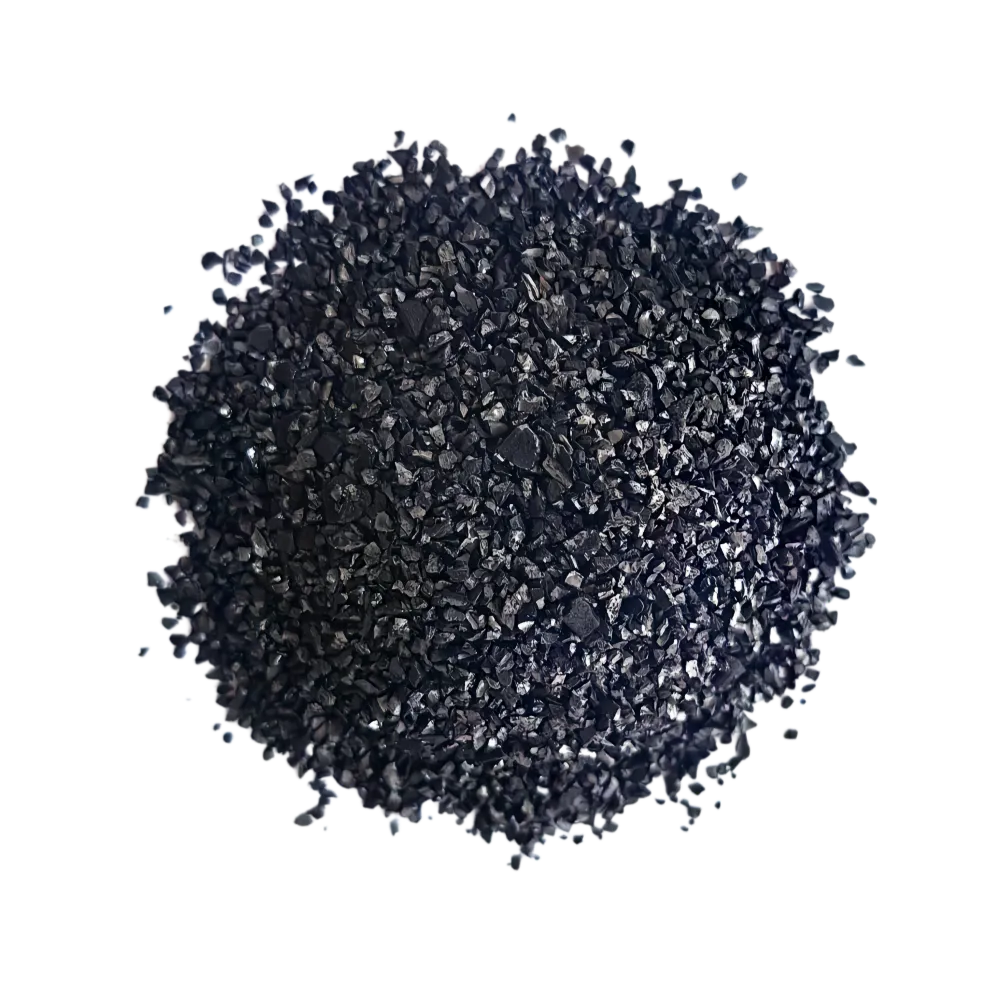
Catalytic activated carbon effectively removing chloramines, bromates, and hydrogen peroxide from municipal and industrial water supplies. Enhanced catalytic performance.
Chloramine disinfection is increasingly common in municipal water systems, but it creates headaches for industrial users, aquariums, and residential customers. Standard activated carbon struggles with chloramine because the bond between chlorine and ammonia is stable—requiring catalytic breakdown rather than simple adsorption.
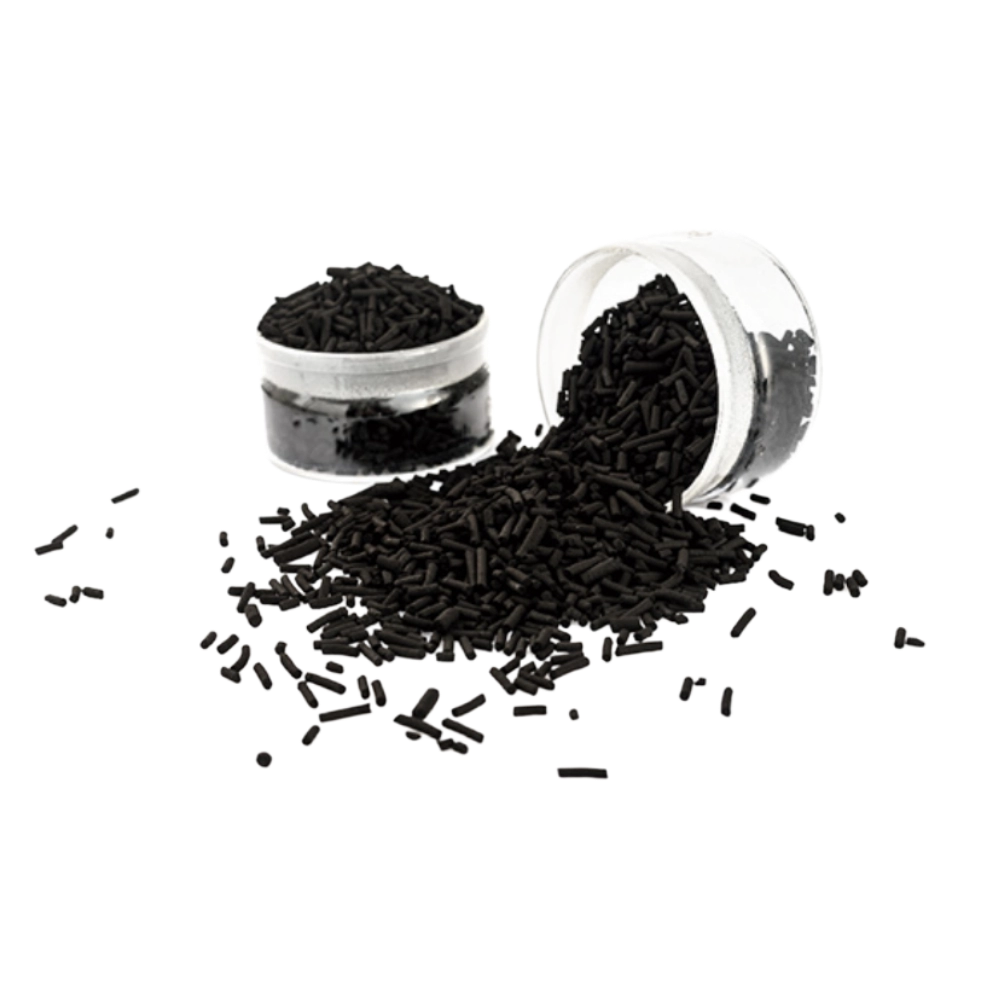
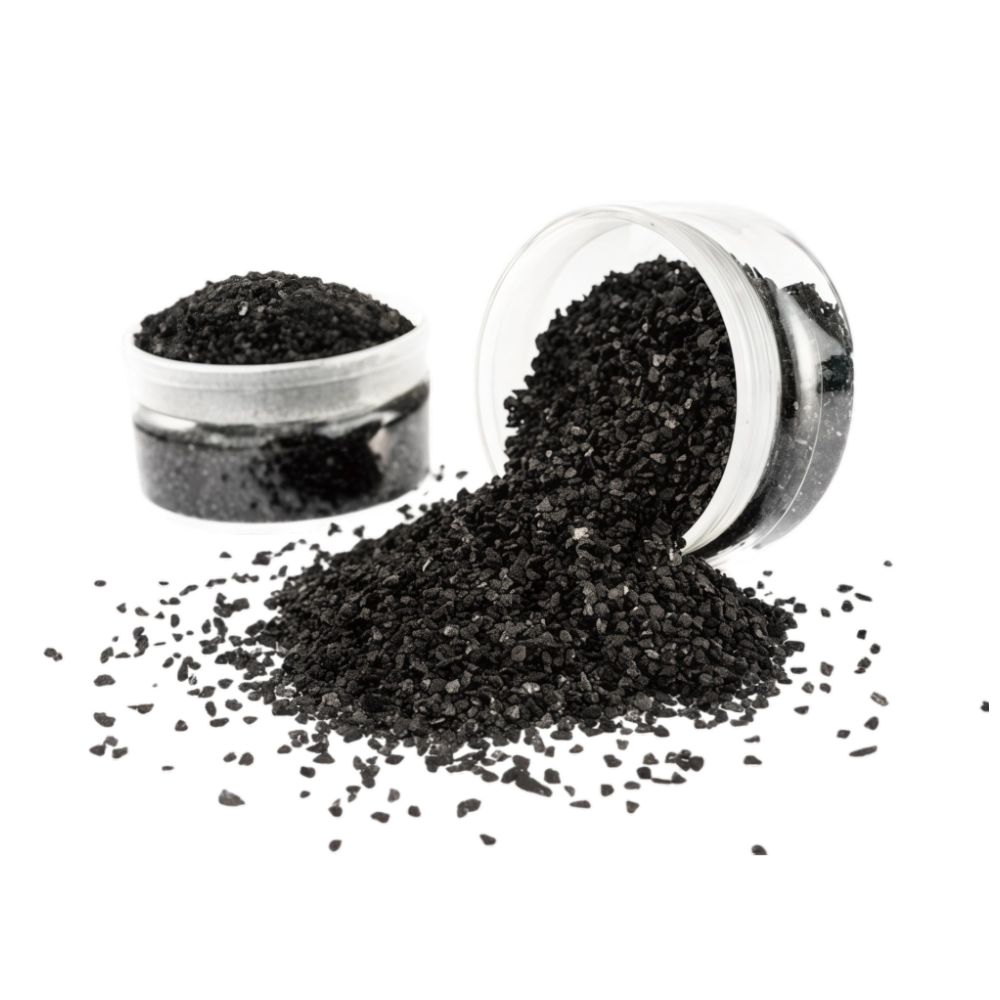
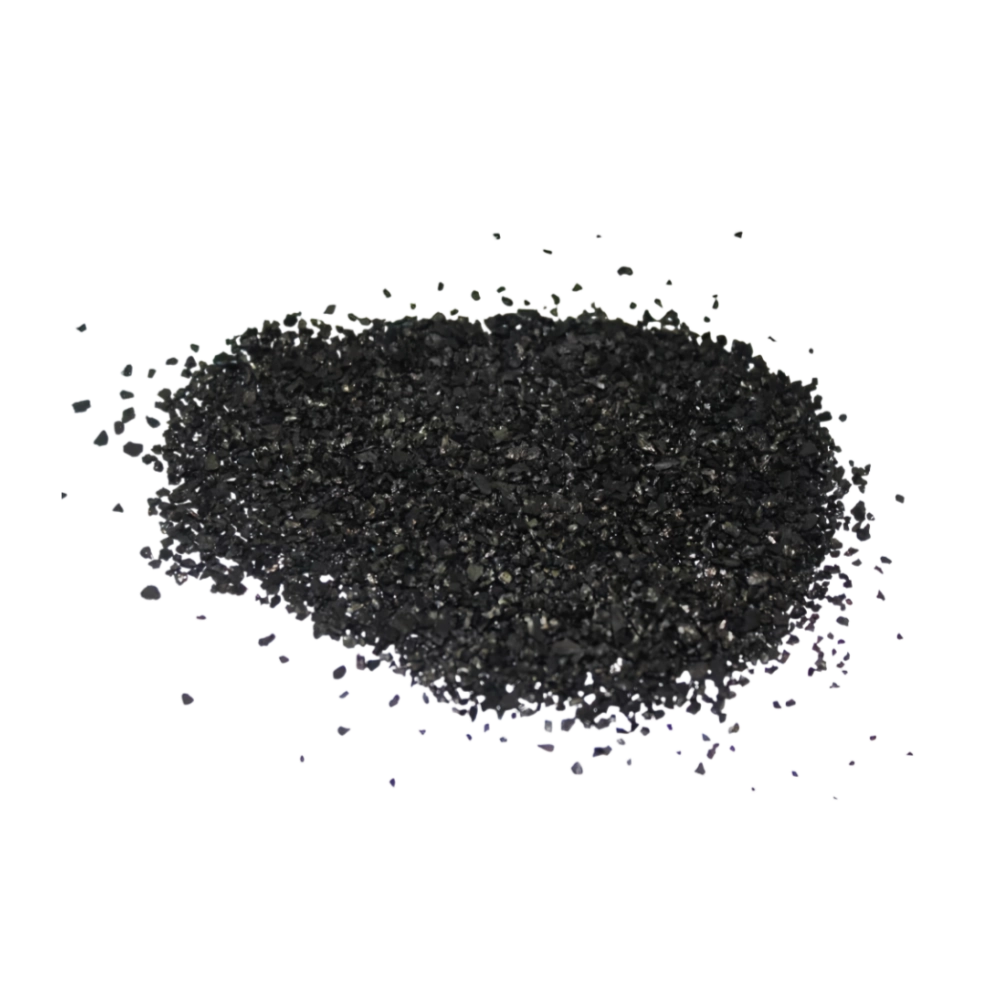
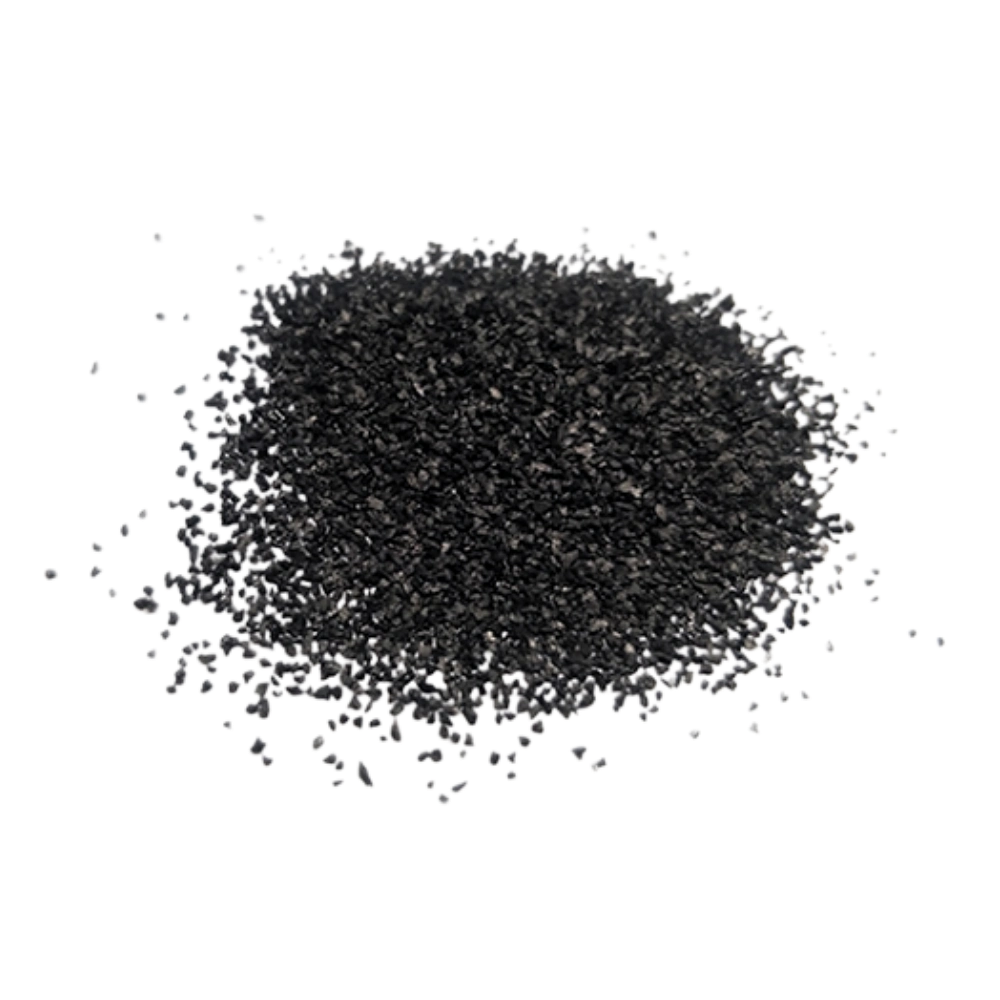
PSD-MAC addresses this challenge head-on. Through a specialized activation process that creates a catalytically active surface, PSD-MAC accelerates the decomposition of chloramines into harmless chloride and nitrogen gas. The same catalytic sites also target bromates and hydrogen peroxide—contaminants that resist conventional treatment.
Specifications
Technical Specifications
PSD-MAC
Unit
PH
6-8.5
-
Moisture content
< 10
%-wt
Ash
< 3
%-wt
Packing density
400-500
kg/m³
Lntensity
> 90
%
Lodine value
> 1000
mg/g
Methylene blue
> 9
ml/0.1g
Key application areas
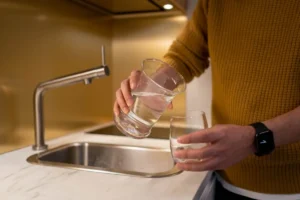
Municipal tap water treatment — chloramine removal for taste, odor, and corrosion control
Household drinking water systems — protection for families on chloraminated supplies
Aquarium and aquaculture — safe water conditioning for sensitive aquatic life
Beverage production — ensures consistent product flavor by removing chloramine-related off-tastes
Dialysis centers — critical for patient safety where chloramine must be completely eliminated
Catalytic Performance
Catalytic Performance (Hydrogen Peroxide Concentration): 10min <5% This means PSD-MAC can reduce hydrogen peroxide concentrations by over 95% within 10 minutes of contact—demonstrating the high catalytic activity of the surface.
Q
How does PSD-MAC remove chloramines through catalytic action?
A
Standard activated carbon struggles with chloramines because the chlorine-ammonia bond is stable and requires catalytic breakdown rather than simple adsorption. PSD-MAC uses a specialized activation process creating a catalytically active surface that accelerates chloramine decomposition into harmless chloride and nitrogen gas. The same catalytic sites also target bromates and hydrogen peroxide.
Q
What catalytic performance does PSD-MAC demonstrate?
A
PSD-MAC can reduce hydrogen peroxide concentrations by over 95% within 10 minutes of contact, demonstrating high catalytic activity. The pH range of 6–8.5 covers typical municipal water conditions. The carbon maintains strength exceeding 90% and iodine value exceeding 1000 mg/g, ensuring concurrent organic contaminant removal alongside catalytic chloramine breakdown.
Q
What applications require chloramine-specific treatment?
A
Municipal tap water treatment removes chloramine for taste, odor, and corrosion control. Household drinking water systems protect families on chloraminated supplies. Aquarium and aquaculture operations require safe water conditioning for sensitive aquatic life. Beverage production ensures consistent product flavor by removing chloramine-related off-tastes. Dialysis centers require complete chloramine elimination for patient safety.
Q
How does PSD-MAC compare to standard carbon for chloramine removal?
A
Standard carbon relies on physical adsorption for chloramine, which rapidly depletes capacity and requires frequent replacement. PSD-MAC's catalytic action does not consume adsorption sites, leaving the full pore structure available for organic contaminant removal. This dual-function capability reduces system complexity and operating costs compared to using separate treatment steps.
Packaging & Shipping
Packaging:
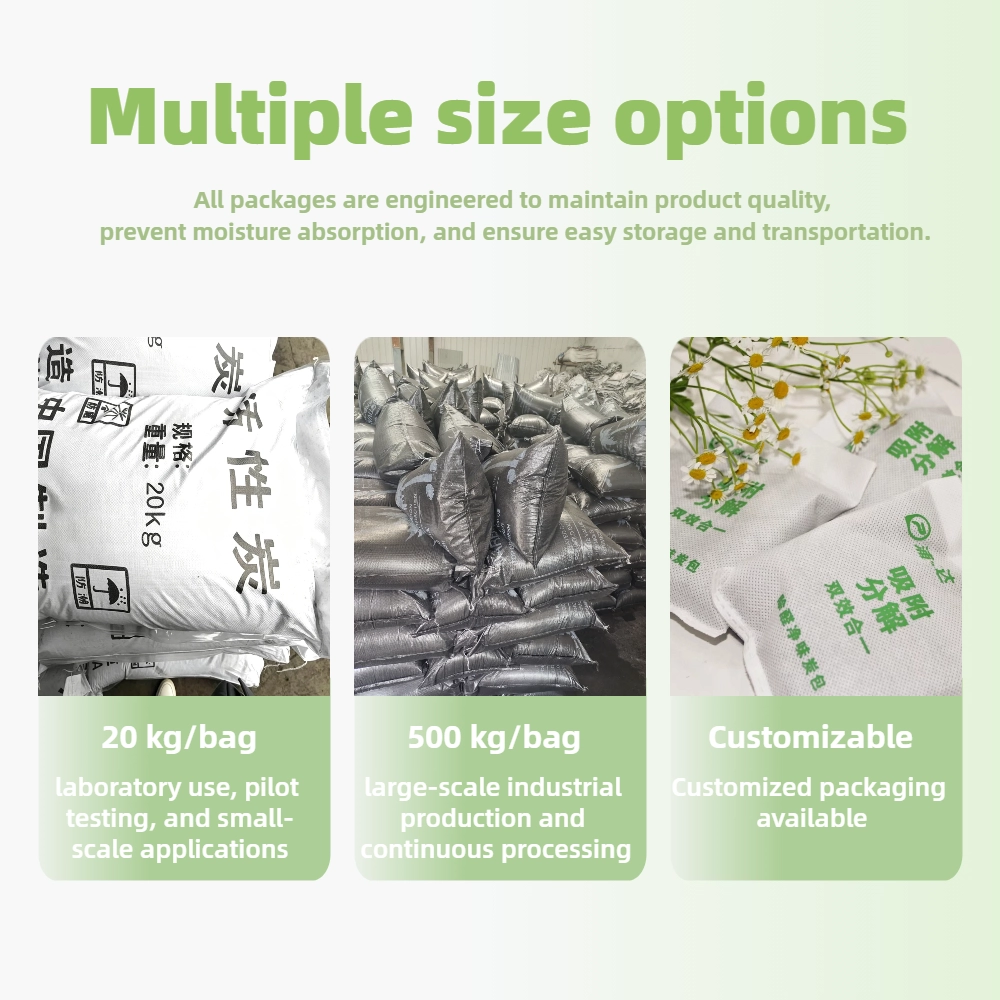
To meet diverse customer requirements, our activated carbon is available in multiple packaging options:
20 kg/bag – Ideal for laboratory use, pilot testing, and small-scale applications.
500 kg/bag – Bulk packaging designed for large-scale industrial production.
Customized packaging available upon request.
All packages are engineered to maintain quality and prevent moisture absorption.