




















Coconut Shell Activated Carbon Mesh Size Guide: How Particle Size Affects Adsorption, Pressure Drop & System Design
When engineers specify activated carbon for a water treatment plant, VOC abatement system, or gold recovery circuit, the conversation usually starts with iodine number, CTC value, or raw material. But once the media arrives on site, the specification that most directly determines whether the system performs—or fails—is mesh size.
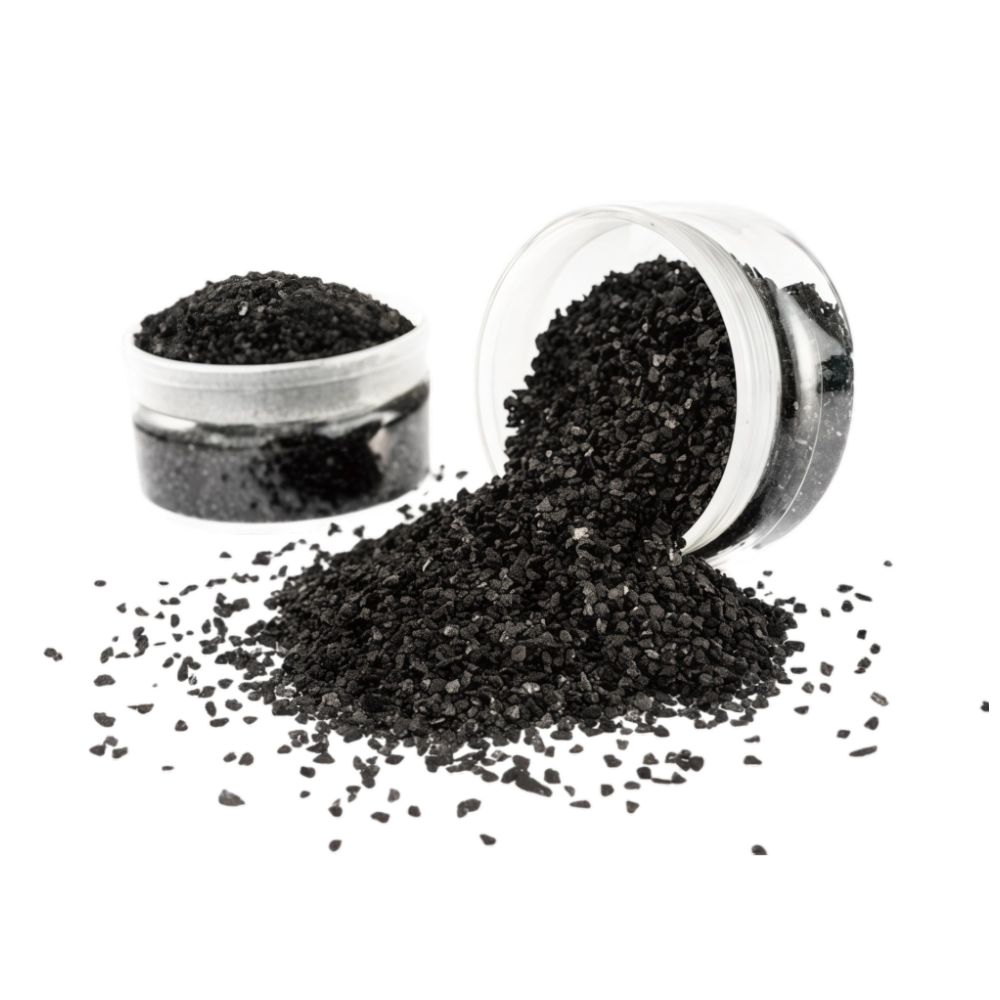
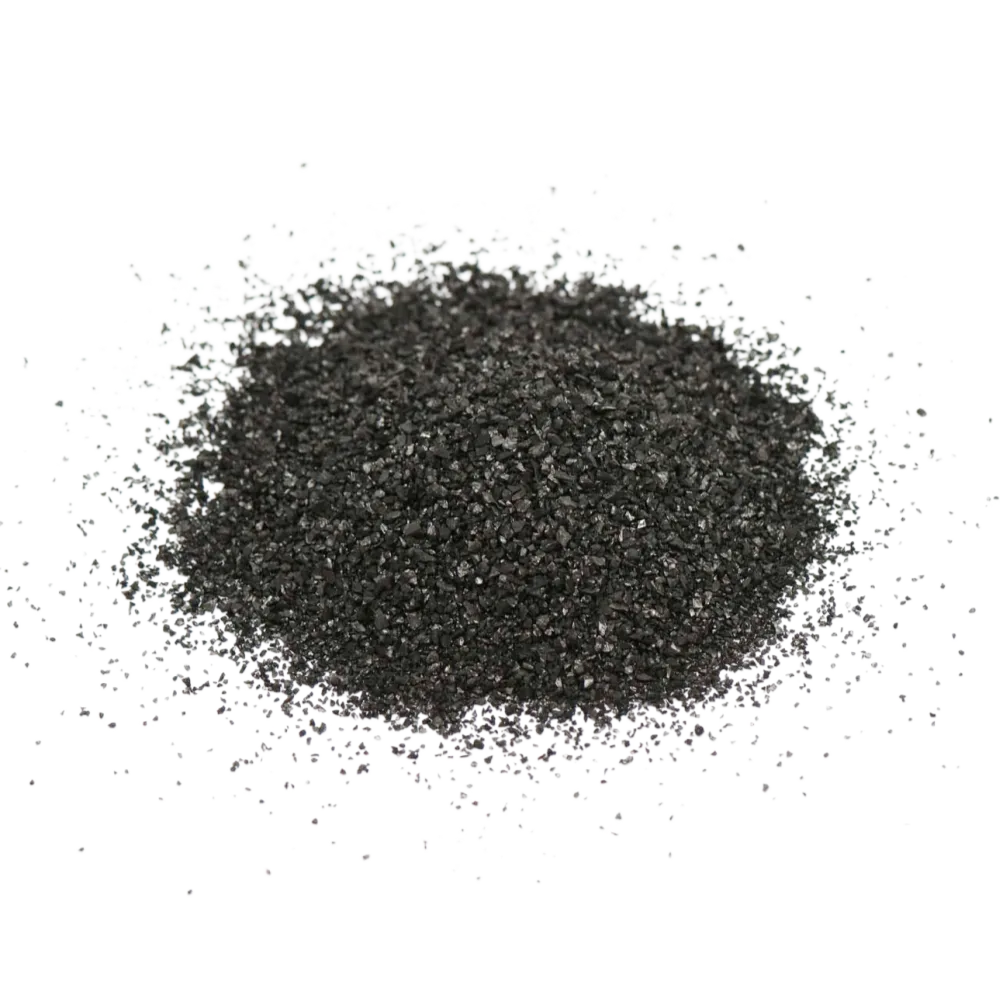
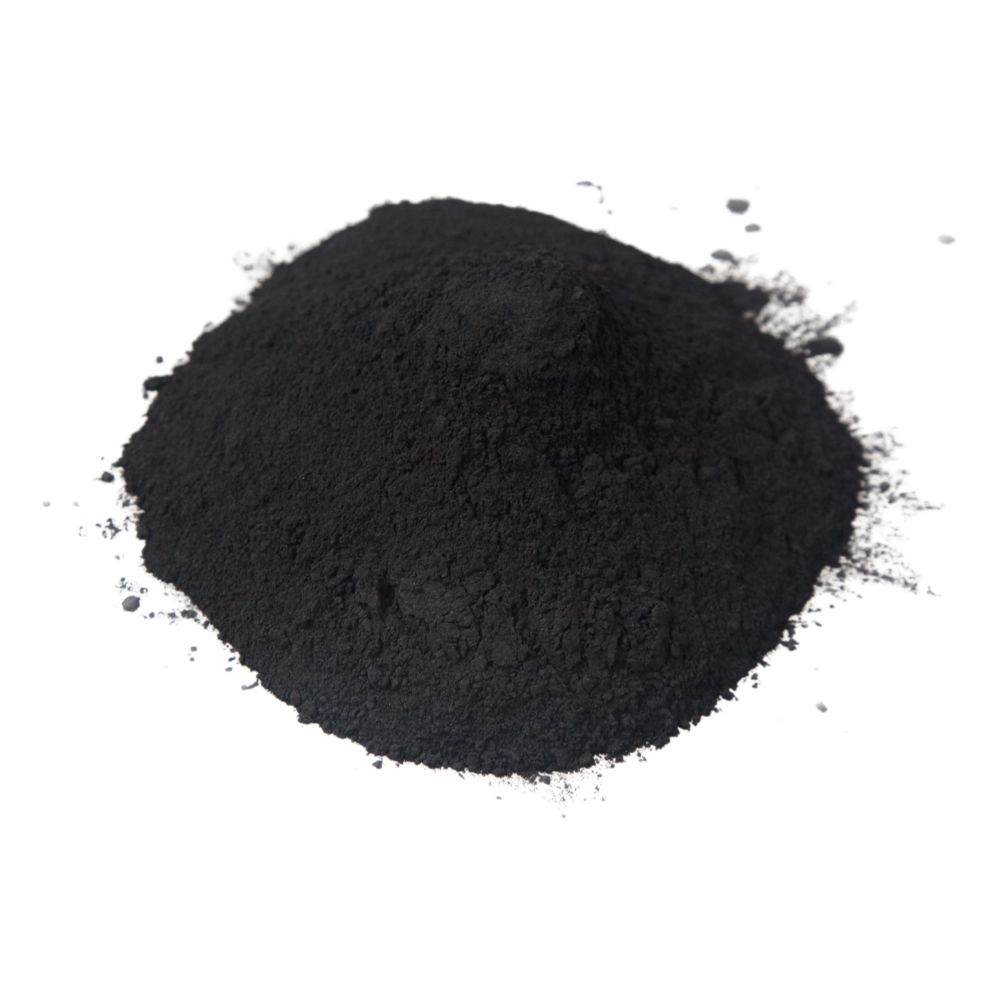
At Purestar, we manufacture coconut shell activated carbon across the full mesh spectrum, from coarse 4×8 granules to fine 20×50 fractions and extruded pellets. This guide explains how coconut shell activated carbon mesh size influences adsorption kinetics, pressure drop, backwash loss, and ultimately, total cost of ownership. It is written for process engineers, procurement managers, and system designers who need to make evidence-based media selections.
Table of Contents
What Is Activated Carbon Mesh Size?
Activated Carbon Mesh Size: The Sieve Standard (AWWA B604)
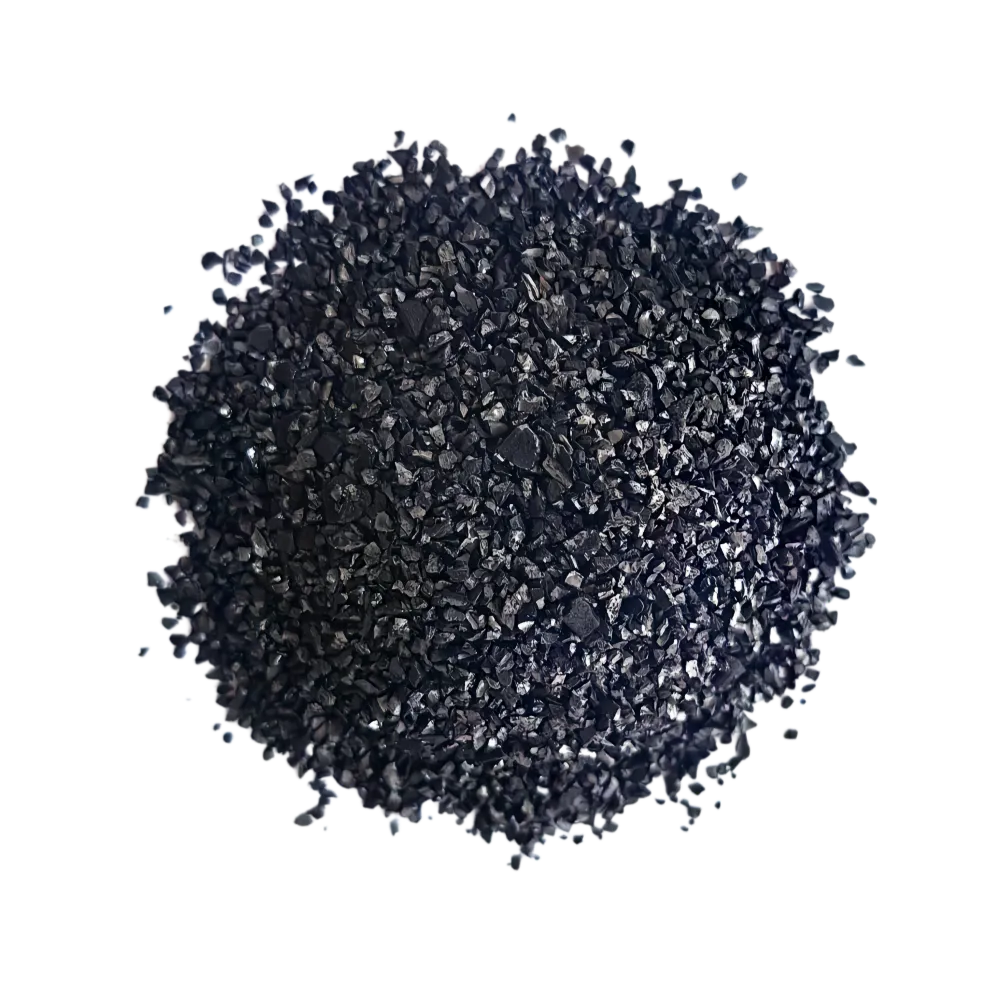
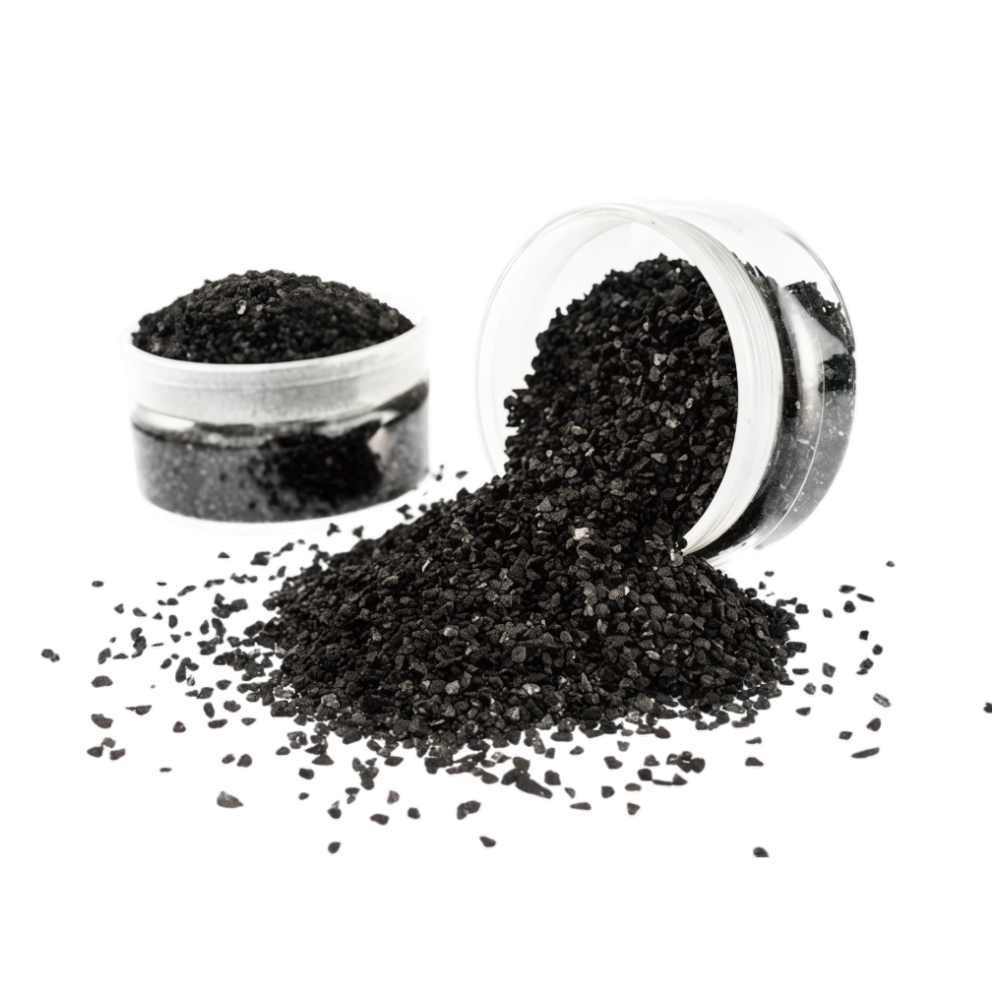
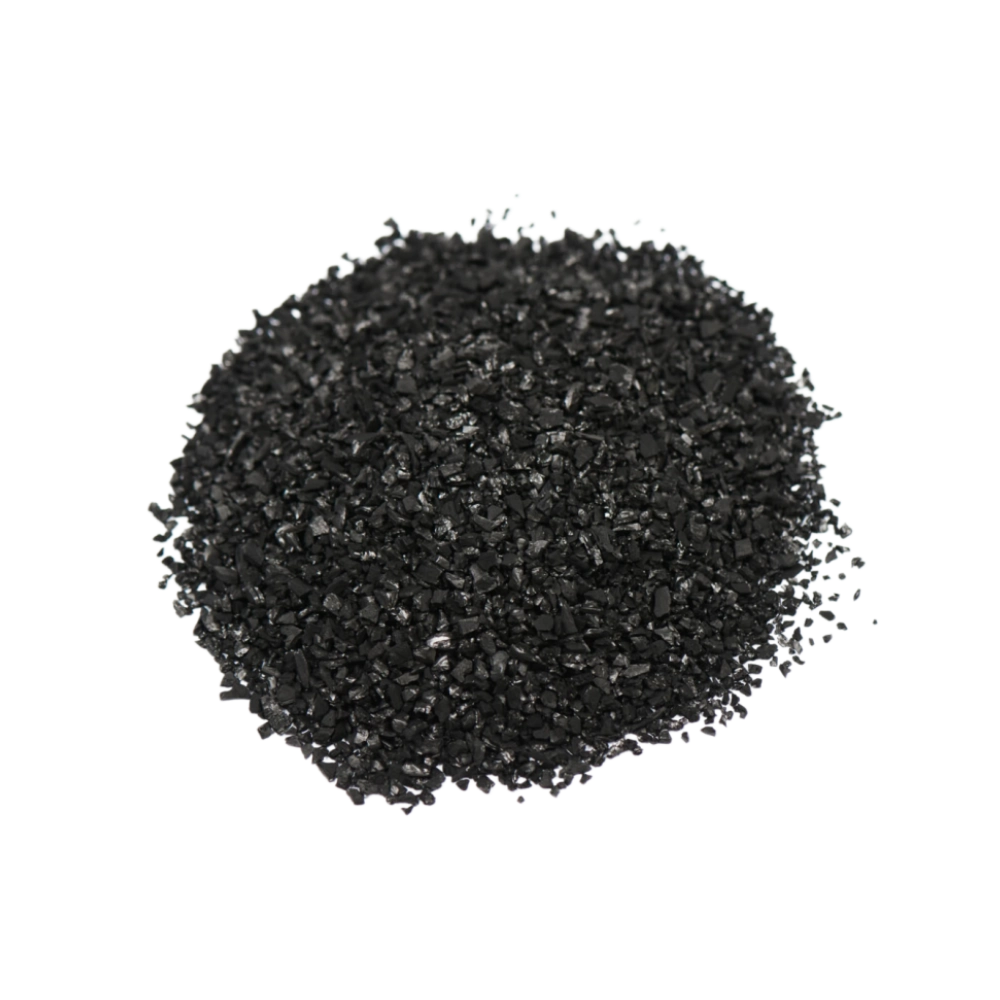
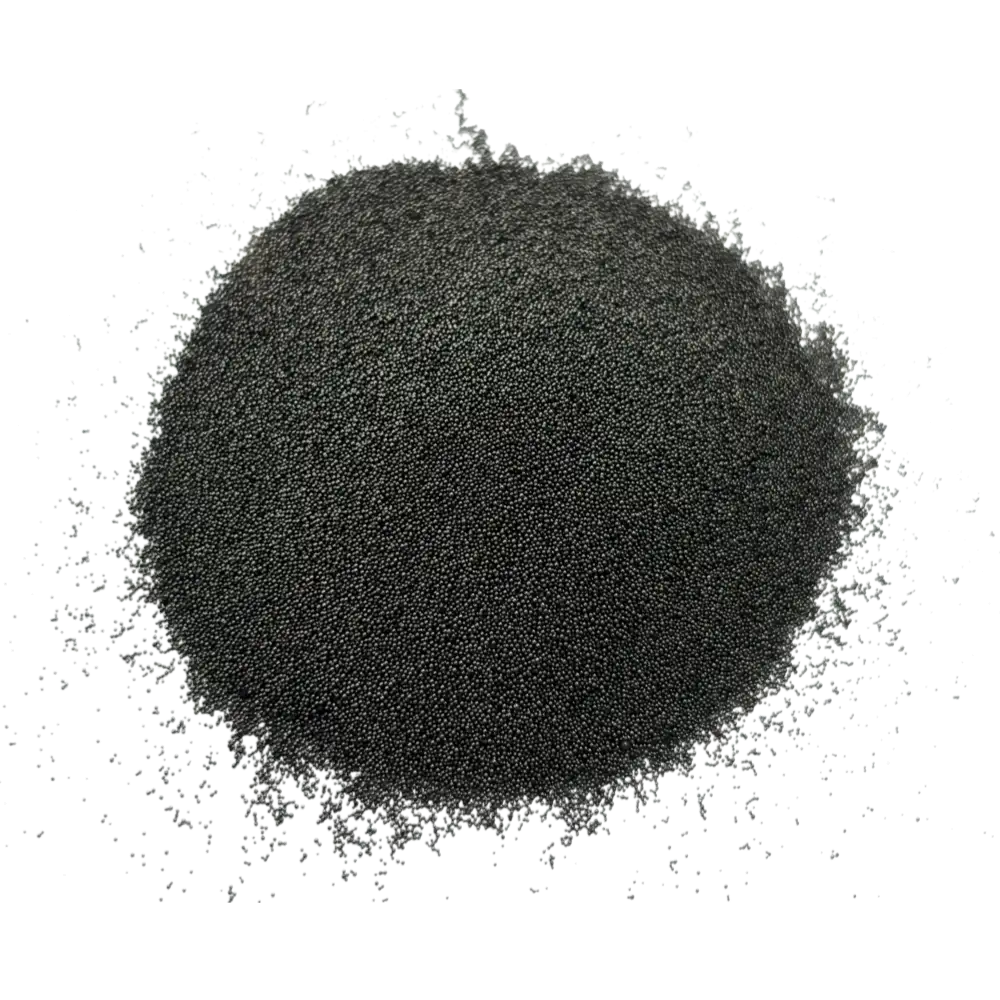
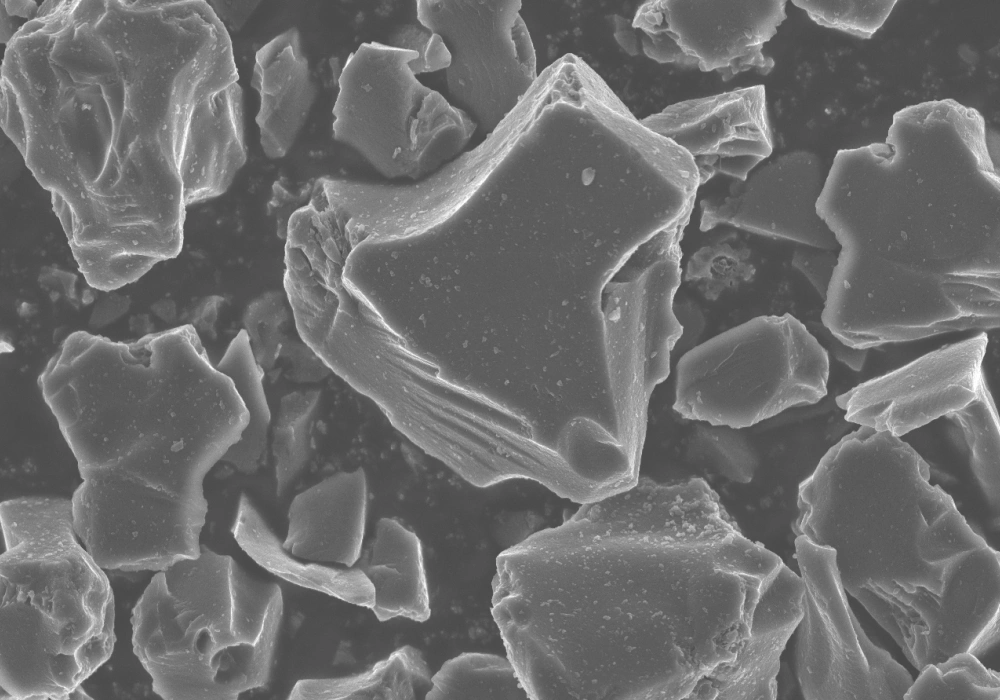
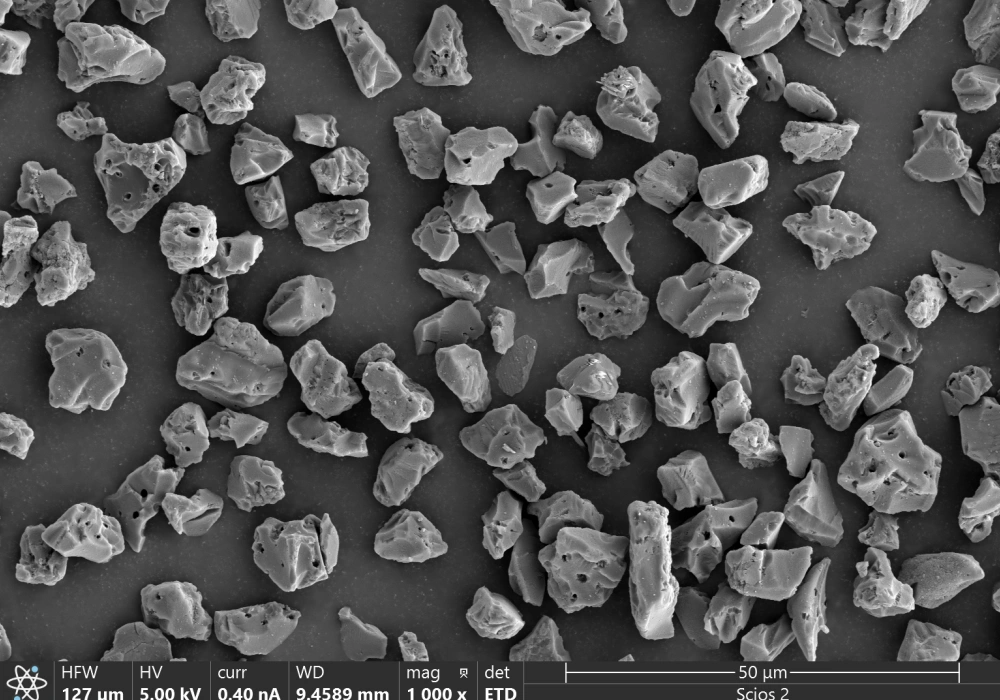
Mesh size is not a single diameter. It is a sieve range. A designation such as 8×30 mesh means that the granules pass through a No. 8 sieve (8 openings per linear inch) but are retained on a No. 30 sieve. In practical terms, 90–95% of the particles fall between approximately 0.6 mm and 2.4 mm.
This "90% within range" rule comes from AWWA B604, the standard for granular activated carbon used in water treatment plant applications. It also defines two critical parameters that most buyers overlook:
- Effective Size (ES): The particle diameter at which 10% of the sample is finer (D10). AWWA B604 typically requires an ES between 0.55 mm and 0.75 mm for standard GAC.
- Uniformity Coefficient (UC): The ratio D60/D10. A UC below 1.9 indicates a narrow particle distribution, which translates to predictable pressure drop and stable fluidization during backwash.
ASTM E11 governs the test sieves themselves. Without an ASTM E11-compliant sieve analysis, a COA claiming "8×30" is essentially unverifiable. When evaluating suppliers, always request the full sieve curve, not just the mesh designation.
Activated Carbon Mesh Size vs. Particle Size vs. Mean Diameter
These three terms are often used interchangeably, but they describe different things:
- Mesh size is a range (e.g., 8×30, 12×40).
- Particle size refers to the physical dimension of an individual granule.
- Mean diameter is a statistical average, usually reported as D50 on a COA.
For granular activated carbon (GAC), mesh is the standard unit. For pelletized or extruded activated carbon, manufacturers specify diameter in millimeters (e.g., 4.0 mm) because the cylindrical shape does not map neatly to square sieve apertures.

Why Activated Carbon Mesh Size Matters: The Engineering Triangle
The effectiveness of coconut shell activated carbon is not determined by surface area alone. In real systems, you must balance three competing forces:
Adsorption Kinetics — Smaller Activated Carbon Particles Are Faster, Not Necessarily Better
Adsorption in GAC is controlled by intraparticle diffusion. Contaminants must travel from the bulk fluid, through the boundary film, and into the pore structure of the granule.
- Smaller particles (higher mesh numbers like 12×40 or 20×50) shorten the diffusion path. This improves the adsorption rate and reduces the empty bed contact time (EBCT) required to reach target removal.
- Larger particles (lower mesh numbers like 4×8 or 8×30) have longer diffusion paths. They require longer EBCT to reach the same effluent concentration, but their equilibrium adsorption capacity is essentially identical—capacity is a function of pore structure and surface area, not particle size.
Engineering implication: If your system has limited contact time (e.g., a polishing bed or POU filter), finer mesh improves performance. If you have ample contact time (e.g., a municipal contactor with 10+ minutes EBCT), coarser mesh performs equally well on a capacity basis.
Pressure Drop — The Hidden Cost of Fine Activated Carbon Mesh Size
As activated carbon mesh size decreases, the void fraction in the packed bed decreases, and frictional resistance increases. Using the Ergun equation as a framework, pressure drop scales inversely with particle diameter.
In practical terms:
- At a superficial liquid velocity of 10 gpm/ft² (24 m/h), 12×40 mesh carbon generates approximately 1.8–2.5× the pressure drop of 8×30 mesh carbon in the same bed depth.
- At 20 gpm/ft², that ratio can exceed 3×.
Engineering implication: Fine mesh in a high-flow industrial system can trigger pump overload, bypass valve opening, or premature channeling. The "better" adsorption kinetics are meaningless if the system cannot sustain the hydraulic load.
Backwash Elutriation: The Hidden Cost of Fine Activated Carbon Mesh Size
During backwash, fluidization velocity must be sufficient to expand the bed and release trapped solids. However, if the upflow velocity exceeds the terminal settling velocity of the carbon particles, they are literally washed out of the vessel.
- 20×50 mesh fractions have significantly lower settling velocities than 8×30 mesh fractions. In a poorly designed backwash system, annual carbon loss on 20×50 can run 15–30% higher than on 8×30.
- Fine fractions also generate more fines and dust during shipping and handling, which can clog underdrain systems or foul downstream membranes.
ASTM D-3802 (Ball-Pan Hardness) and ASTM D-5159 (Dust Content) are the relevant quality metrics here. A high-quality 12×40 carbon should show a Ball-Pan Hardness number above 90% and minimal dust fraction.
Activated Carbon Mesh Size Engineering Triangle: Picking Two of Three
No single activated carbon mesh size optimizes all three variables simultaneously. System design is a trade-off:
| Priority | Optimize For | Sacrifice | Typical Mesh Choice |
|---|---|---|---|
| High flow + low energy | Low pressure drop | Adsorption rate | 4×8, 6×12, pelletized (4 mm) |
| Short contact time + high precision | Fast adsorption kinetics | Low pressure drop, low attrition loss | 12×40, 20×50 |
| Long campaign life + low OPEX | Low backwash loss | Adsorption rate | 8×30, 6×12 |
Understanding this triangle is the difference between a media specification that works on paper and one that works for ten years on site.
Activated Carbon Mesh Size Breakdown: What Each Range Actually Does
4×8 Mesh Activated Carbon — The Vapor-Phase Heavyweight
- Particle range: ~2.36 mm to 4.75 mm
- Best for: High-flow vapor streams, large-scale VOC abatement, solvent recovery, HVAC air purification, gold CIP/CIL circuits requiring maximum abrasion resistance
- Why: The coarsest standard GAC grade. Extremely low pressure drop at high gas velocities, excellent mechanical strength, and easy fluidization during thermal reactivation
- Purestar product mapping: coconut shell vapor-phase GAC for VOC recovery and coconut shell solvent recovery carbon
6×12 Mesh Activated Carbon — The Bridge Spec
- Particle range: ~1.70 mm to 3.35 mm
- Best for: Gold CIP/CIL (widely specified), biogas upgrading, medium-flow VOC recovery, applications where 4×8 is too coarse and 8×30 is too fine
- Why: Splits the difference between coarse vapor-phase grades and standard liquid-phase GAC. Lower pressure drop than 8×30, faster adsorption kinetics than 4×8. The go-to mesh for gold extraction circuits worldwide
- Purestar product mapping: coconut shell gold recovery carbon
8×30 Mesh Activated Carbon — The Liquid-Phase Standard
- Particle range: ~0.60 mm to 2.36 mm
- Best for: Municipal drinking water, industrial wastewater, general dechlorination, TOC reduction
- Why: The most widely used standard because it sits at the "sweet spot" of the engineering triangle—reasonable kinetics, manageable pressure drop, and moderate backwash loss
- EBCT recommendation: 7–15 minutes for most water treatment plant applications
- Purestar product mapping: NSF-certified coconut shell GAC for water treatment. Our coconut shell GAC is certified to NSF/ANSI/CAN 61 for water treatment plant applications, with 17 mesh sizes listed under NSF Certificate C0162655.
- Note: NSF/ANSI/CAN 61 certification covers water treatment plant applications. It has not been evaluated for point-of-use (POU) or whole-house systems.
12×40 Mesh Activated Carbon — The Precision Player
- Particle range: ~0.4 mm to 1.7 mm
- Best for: Drinking water polishing, taste & odor control (geosmin, 2-MIB), low-concentration micropollutants, home water filters
- Why: Higher external surface area per unit volume improves reaction speed for dilute contaminants. However, it requires careful backwash design to prevent elutriation
- EBCT recommendation: 5–10 minutes
- Purestar product mapping: coconut shell GAC for drinking water polishing
20×50 Mesh Activated Carbon & Finer — The Specialists
- Particle range: ~0.30 mm to 0.85 mm
- Best for: Ultra-pure water polishing, rapid decolorization, fixed-bed polishing where EBCT is severely constrained
- Why: Maximum adsorption rate, but pressure drop and attrition penalties are significant. Typically used in shallow polishing beds or as a sacrificial guard layer
- Purestar product mapping: super-grade coconut shell GAC for ultra-pure water
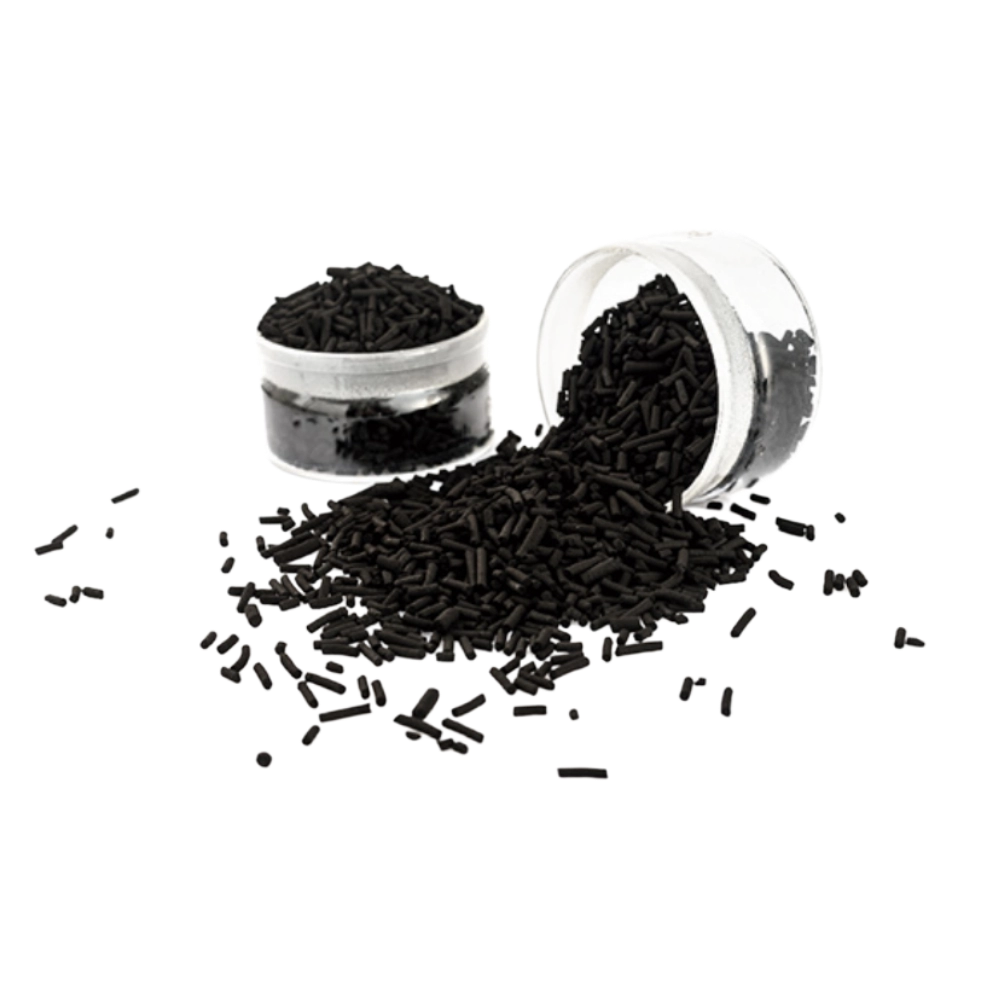
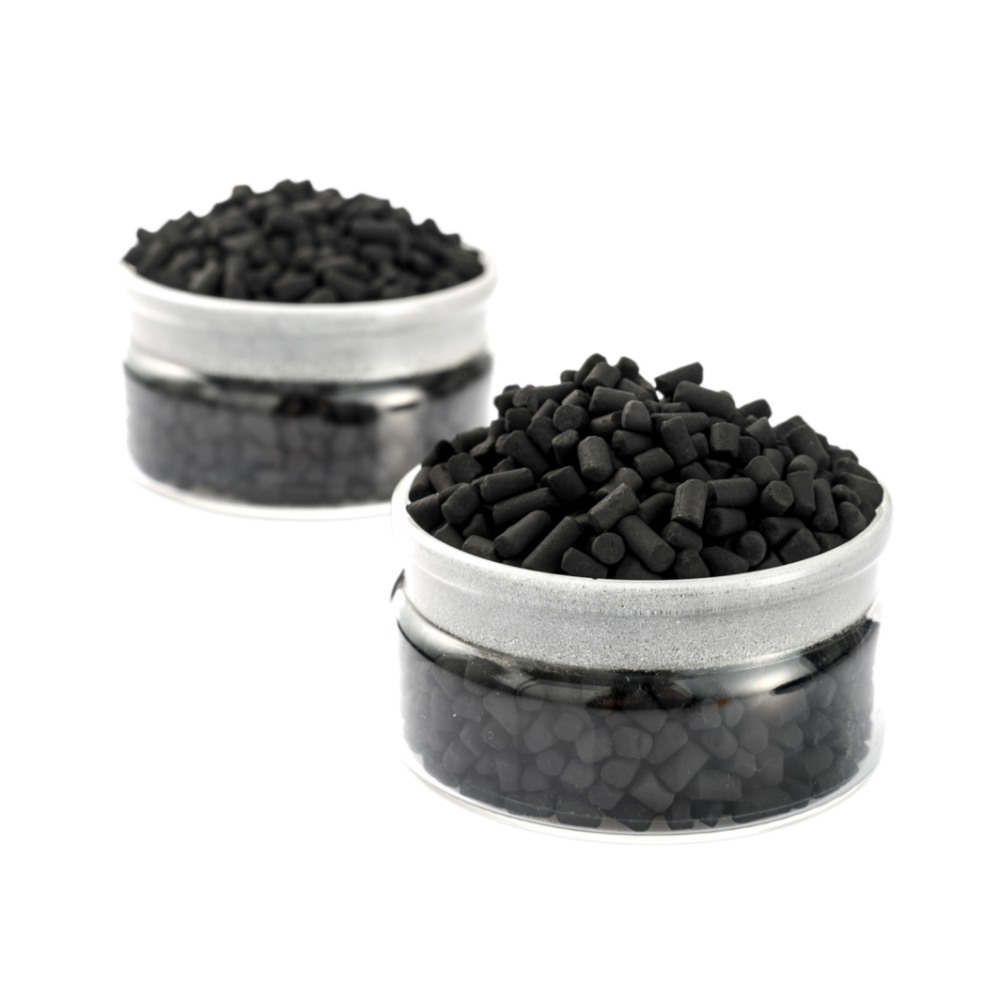
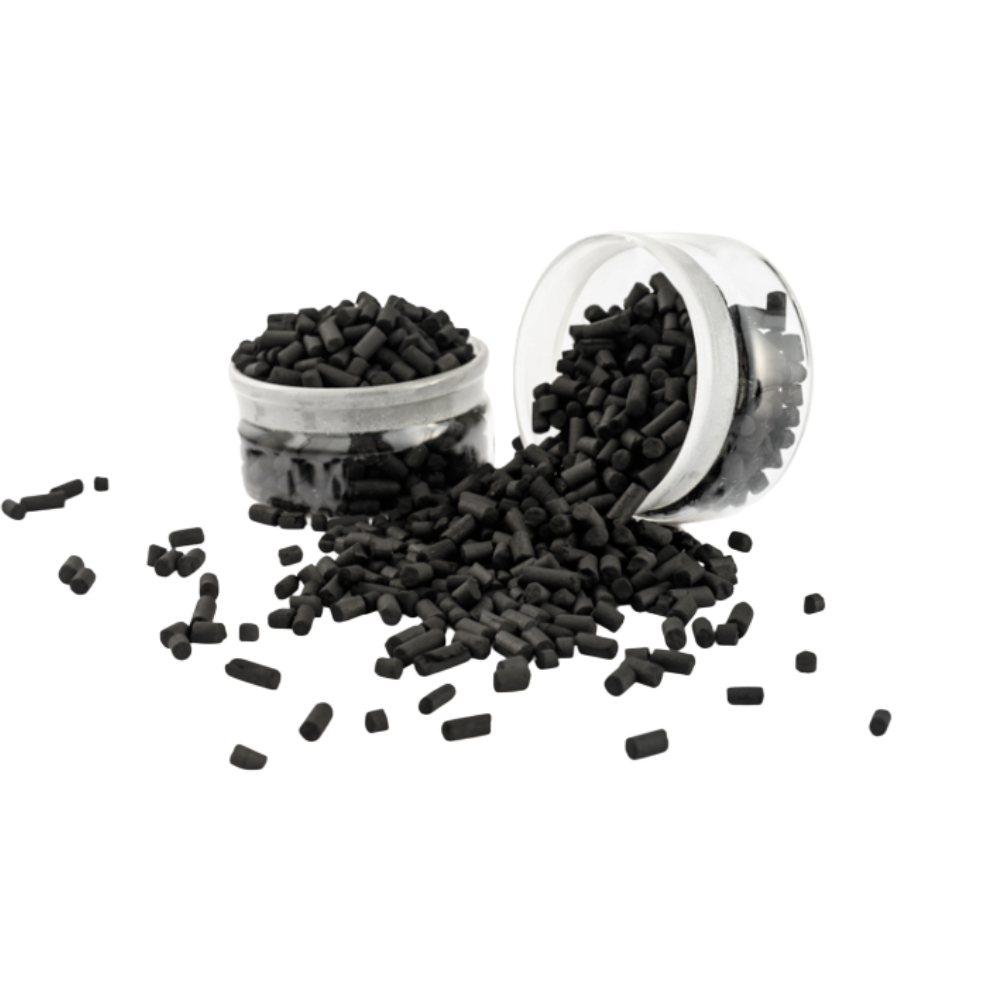
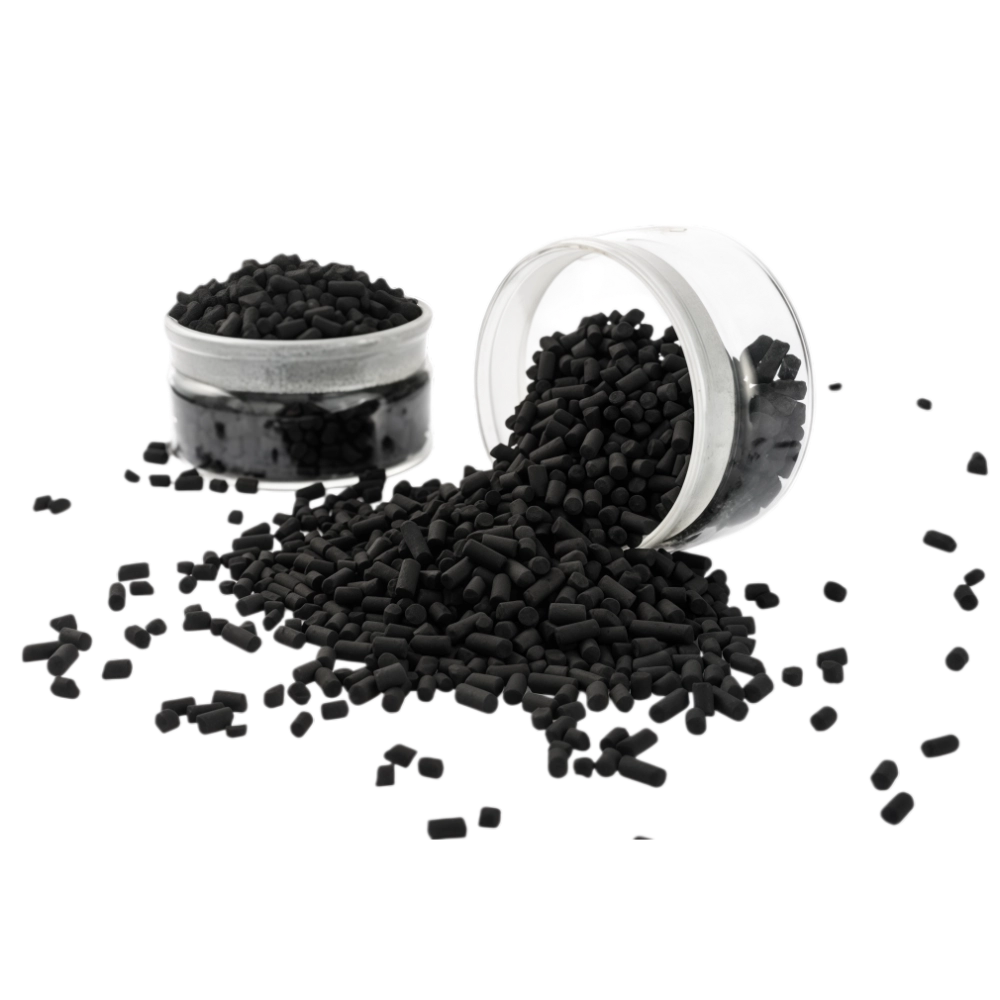
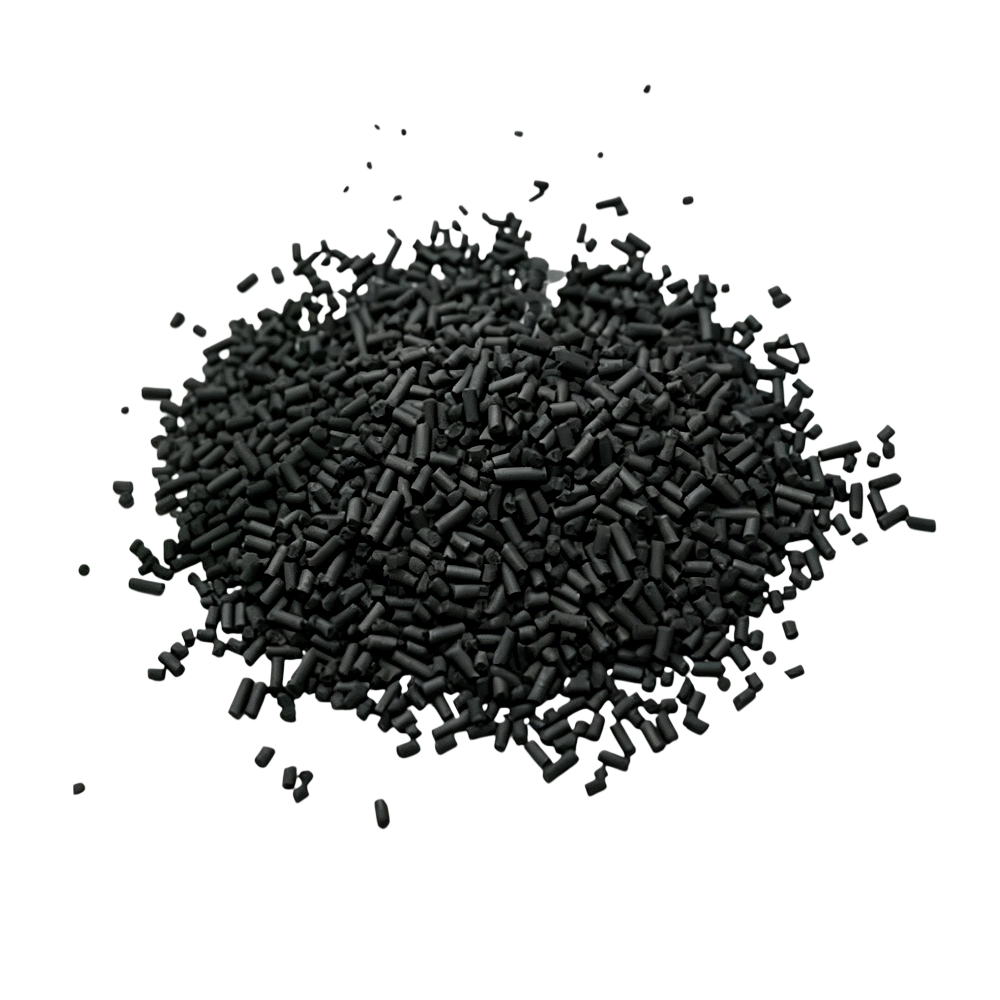
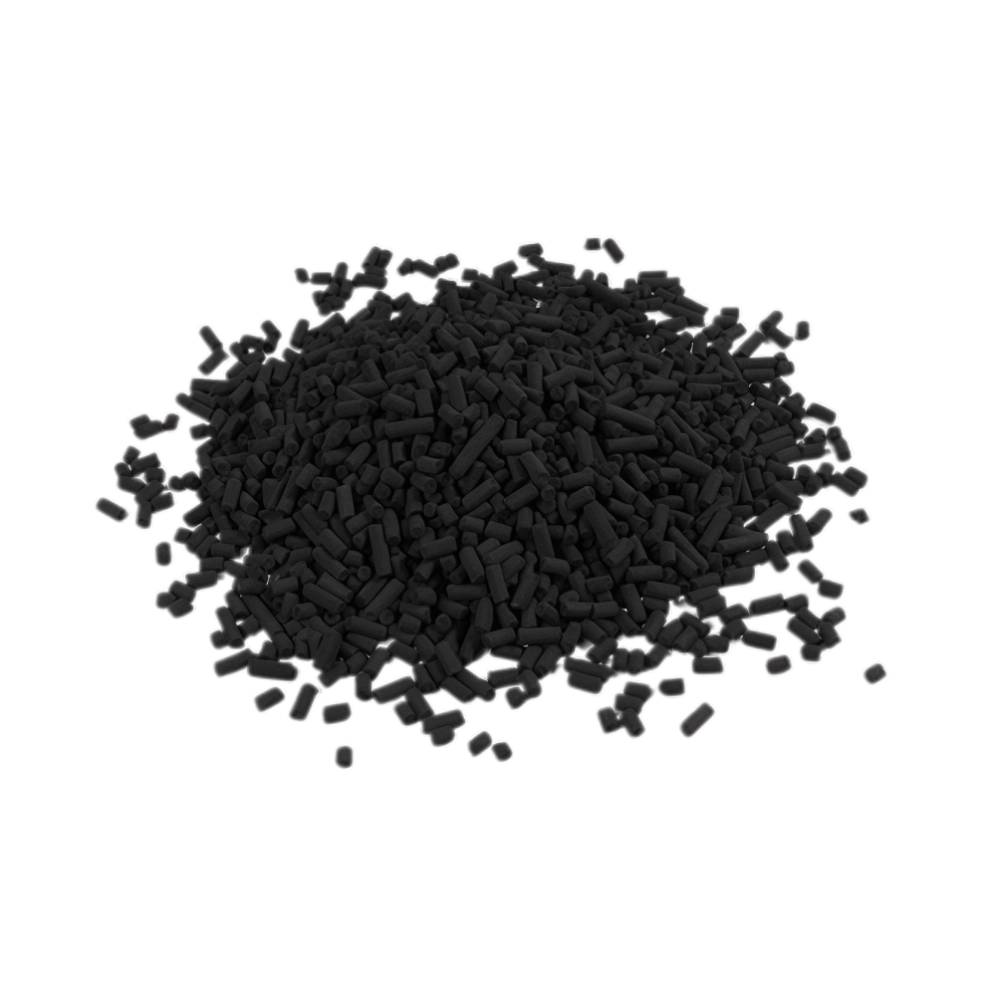
Pelletized / Extruded Activated Carbon — When Consistency Matters
- Size notation: Diameter in mm (e.g., 4.0 mm, 3.0 mm) rather than mesh
- Best for: Air treatment, CBRN protection, fixed-bed reactors, any application where dust is unacceptable
- Why: Uniform cylindrical shape creates consistent void spaces, extremely low pressure drop, and virtually no fines generation
- Purestar product mapping: extruded coconut shell carbon for VOCs and air filtration
Activated Carbon Mesh Size Selection by Application
| Application | Typical Contaminants | Recommended Mesh Size | Critical Constraints |
|---|---|---|---|
| Municipal drinking water | Chlorine, chloramines, TOC | 8×30, 12×40 | EBCT ≥ 7 min; NSF/ANSI/CAN 61 for plant applications |
| Industrial wastewater (pre-treatment) | COD, color, heavy metals | 8×30, 6×12 | High organic load; frequent backwash required |
| Home / POU water filters | Chlorine, taste, VOCs | 12×40 | Low allowable pressure drop; gravity or pump-limited flow |
| VOC vapor recovery | BTEX, solvents, fuel vapors | 4×8, 6×12, pelletized (4 mm) | High gas velocity; minimal pressure drop |
| Gold recovery (CIP/CIL) | Gold-cyanide complex | 6×12, 8×30 | High abrasion resistance; sharp kinetics |
| Ultra-pure water polishing | Trace organics, ions | 20×50 | Short EBCT; extreme purity requirement |
| Biogas / H₂S removal | Hydrogen sulfide, mercaptans | 4×8, 8×30 | High humidity; often requires impregnated carbon |
How to Read a COA for Activated Carbon Mesh Size
A Certificate of Analysis (COA) tells you whether the carbon you ordered matches the carbon you received. Here are the four mesh-related data points to verify:
Sieve Analysis for Activated Carbon Mesh Size Verification
Look for the full sieve distribution, not just the nominal mesh range. A quality 8×30 should show:
- 90% retained between the No. 8 and No. 30 sieves
- UC (D60/D10) < 1.9
- Minimal "tails" (fines below No. 30 or overs above No. 8)
Effective Size (ES) in Activated Carbon Mesh Specifications
ES (D10) controls interstitial velocity and backwash expansion. For standard water treatment GAC, an ES between 0.55 mm and 0.75 mm ensures that backwash can fluidize the bed without blowing media into the wash-water trough.
Ball-Pan Hardness & Dust Content by Mesh Size
- Ball-Pan Hardness: >90% is the industry benchmark for coconut shell GAC. Lower hardness means higher attrition during transport, loading, and backwash.
- Dust Content: Expressed as wt% passing a fine sieve or pan. High dust clogs underdrains and creates pressure spikes during initial startup.
Iodine Number vs. Mesh Size — Don't Confuse Quality with Geometry
Iodine number measures micropore volume (adsorption capacity). Mesh size measures particle geometry (system hydraulics). A high-iodine carbon in the wrong mesh size will still cause system failure. Always specify both.
Common Activated Carbon Mesh Size Mistakes
Mistake 1: "Smaller Mesh Size Is Always Better"
A municipal plant switched from 8×30 to 20×50 to improve chlorine removal. Within three months, pressure drop doubled, and annual carbon makeup increased by 35%. The lesson: adsorption rate is only one variable. If your EBCT is already adequate, finer mesh adds cost without proportional benefit.
Mistake 2: Ignoring Backwash Design When Selecting Fine Mesh
A 12×40 carbon bed was installed in a vessel designed for 8×30. The backwash rate, calculated for 8×30 fluidization, was insufficient to expand the 12×40 bed. Result: rapid fouling, mud-balling, and premature breakthrough. Match mesh size to backwash velocity.
Mistake 3: Mixing Mesh Sizes in the Same Vessel
An operator topped off an 8×30 bed with 12×40 to "boost performance." The smaller granules migrated to the bottom during backwash, creating a reverse-graded bed. Channeling and early breakthrough followed within weeks. Do not mix mesh sizes in the same active bed unless the system is specifically designed for stratified media.
Mistake 4: Buying on Price Without Checking Uniformity Coefficient
A low-cost 8×30 import showed a UC of 2.4 (vs. the AWWA-recommended <1.9). The excessive fines caused erratic pressure drop and required a 50% increase in backwash frequency. The apparent savings were erased in the first quarter.
Activated Carbon Mesh Size Selection Tool: A Quick Decision Framework
Use this flowchart to narrow your options before requesting a quote:

For complex multi-contaminant streams or non-standard hydraulic constraints, contact our applications engineers for a pilot column evaluation.
Frequently Asked Questions (FAQ) About Activated Carbon Mesh Size
Q1: What is the difference between 8×30 and 12×40 activated carbon?
8×30 has larger granules (0.6–2.4 mm) and is used in standard liquid-phase treatment. 12×40 has smaller granules (0.4–1.7 mm), offering faster adsorption kinetics but higher pressure drop and greater backwash loss. Choose 8×30 for general duty and 12×40 when contact time is short or contaminant concentrations are very low.
Q2: Is smaller activated carbon mesh size always better?
No. Smaller mesh improves adsorption speed but increases pressure drop, backwash elutriation, and dust generation. The "best" mesh size is the one that balances kinetics, hydraulics, and operating cost for your specific system.
Q3: What mesh size is best for drinking water treatment?
For municipal water treatment plant applications, 8×30 and 12×40 are the most common choices. 8×30 is the standard for full-scale contactors. 12×40 is used for polishing or when space constraints limit EBCT.
Q4: How does mesh size affect pressure drop in GAC filters?
Pressure drop increases as particle size decreases. At typical water treatment flow rates, 12×40 generates roughly 1.8–2.5× the head loss of 8×30. This must be factored into pump sizing and vessel pressure ratings.
Q5: Can I mix different mesh sizes in the same carbon bed?
No. Mixing mesh sizes (e.g., blending 8×30 and 12×40) causes stratification during backwash, leading to channeling and premature contaminant breakthrough. Use a single mesh size per vessel, or design a stratified system with proper underdrain separation.
Q6: What is the best activated carbon mesh size for VOC removal?
For vapor-phase VOC removal, use 4×8, 6×12, or pelletized carbon (4 mm). These larger sizes minimize pressure drop across the bed while providing sufficient surface area for volatile organic compound adsorption.
Q7: Does mesh size affect activated carbon iodine number?
No. Iodine number is a function of internal pore structure and activation degree, not particle size. A 4×8 and a 12×40 carbon made from the same batch can have identical iodine numbers but very different hydraulic performance.
The mesh size recommendations in this guide are based on typical engineering practice and ASTM/AWWA standards. Actual system performance depends on vessel design, flow rate, contaminant loading, and backwash protocol. Contact Purestar applications engineers for project-specific evaluations.
Ready to Select the Right Coconut Shell Activated Carbon Mesh Size?
Choosing the correct activated carbon mesh size is not a catalog decision—it is a system design decision. At Purestar, we produce coconut shell GAC, extruded pellets, and powdered carbon across every mesh size referenced in this guide, with full ASTM-compliant COAs and NSF/ANSI/CAN 61 certification for water treatment plant applications.
Get technical support:
- Request a Quote — Tell us your flow rate, contaminant, and EBCT; we will recommend the mesh size and product series.
- Request a Sample — Run a pilot column test with Purestar activated carbon samples.
- Speak to an Engineer — Our applications team can review your vessel design and backwash parameters to confirm mesh compatibility.
Contact Purestar today to ensure your next activated carbon specification performs as designed—not just in the lab, but for years in the field.


