














What Is Catalytic Activated Carbon?A Complete Guide to How It Works and Chloramine Removal
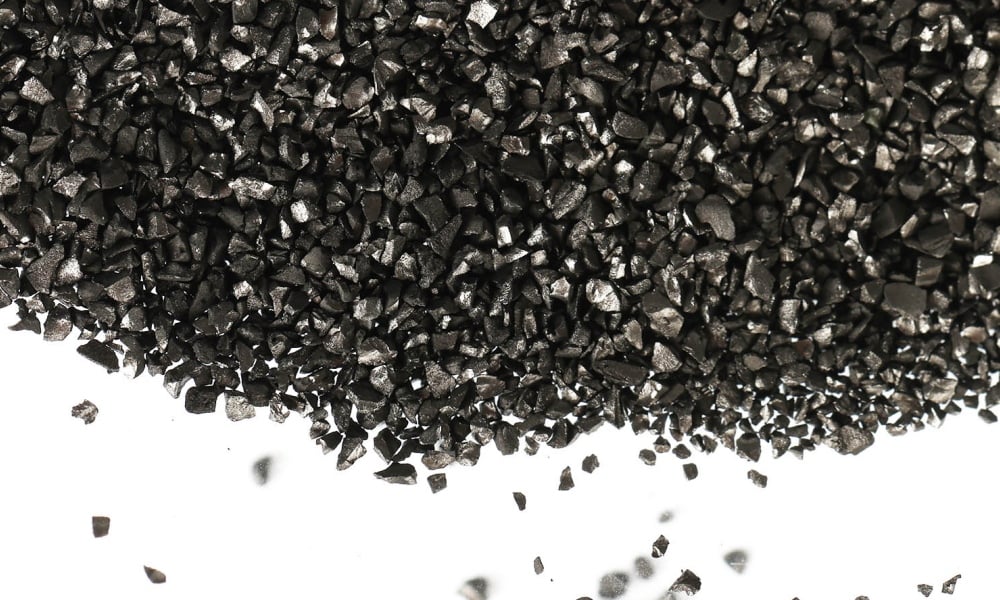
If you treat drinking water containing chloramine, you have probably discovered that standard activated carbon is not always enough. So, what is catalytic activated carbon? Catalytic activated carbon is a specially engineered form of activated carbon with enhanced surface properties that promote chemical reactions at the carbon surface. Unlike conventional activated carbon, which primarily removes contaminants through adsorption, catalytic activated carbon is commonly used when the target contaminant requires enhanced surface reactivity — such as chloramine in drinking water treatment. In this guide, you will learn what makes a carbon "catalytic," how catalytic carbon works, how it removes chloramine, where it is used, which factors affect its performance, and how to select the right grade for your system.
What Is Catalytic Activated Carbon?
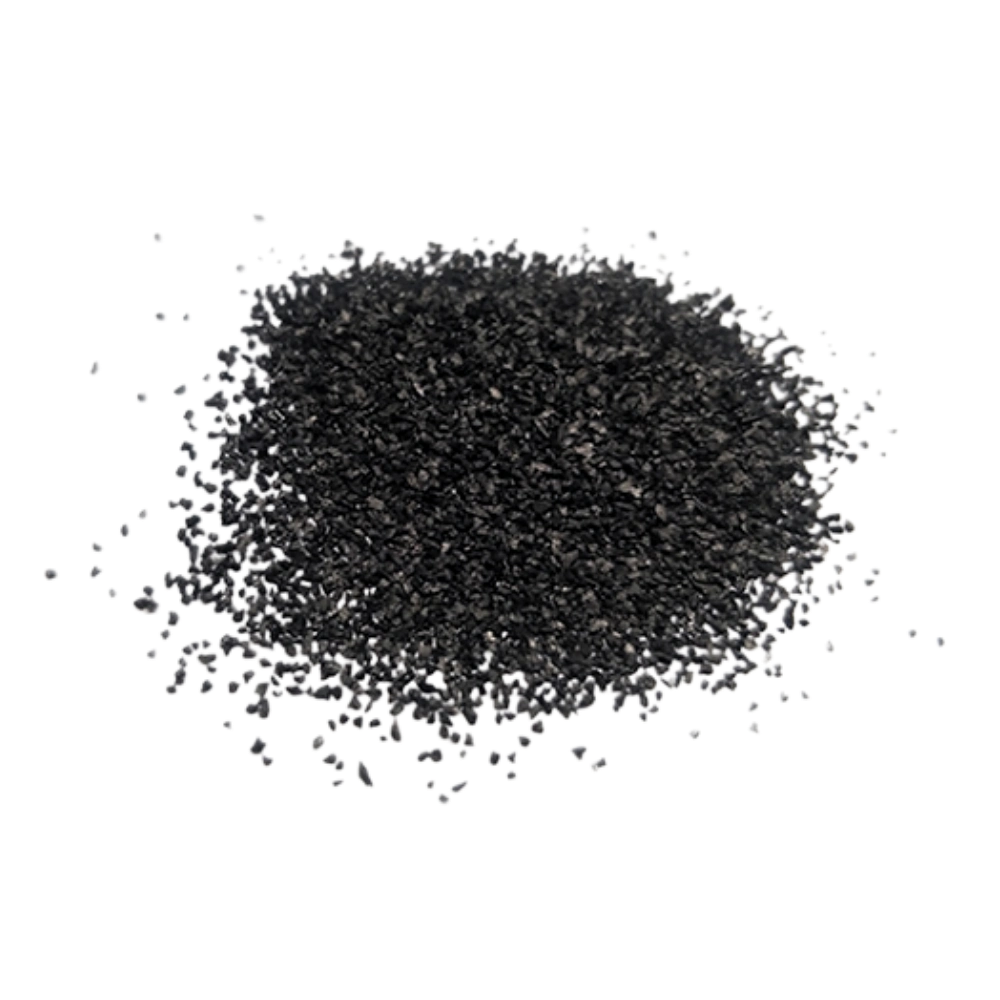
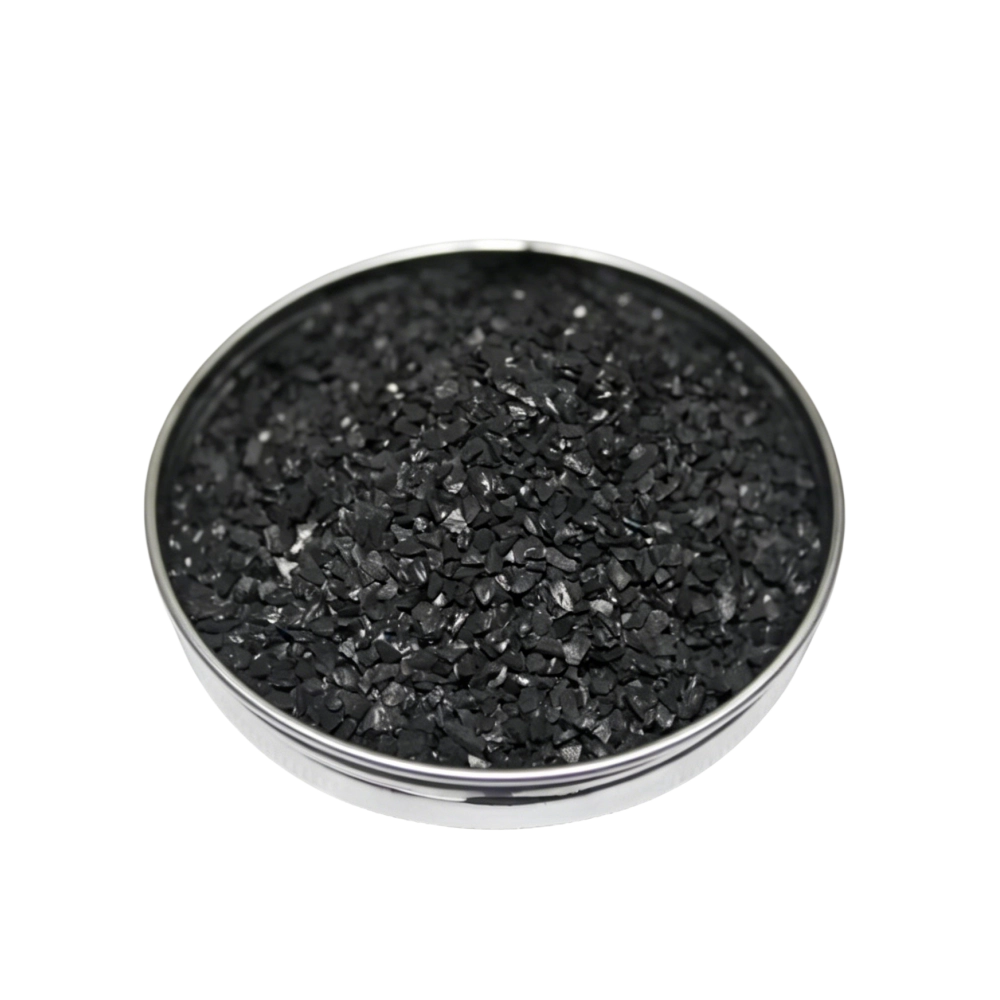
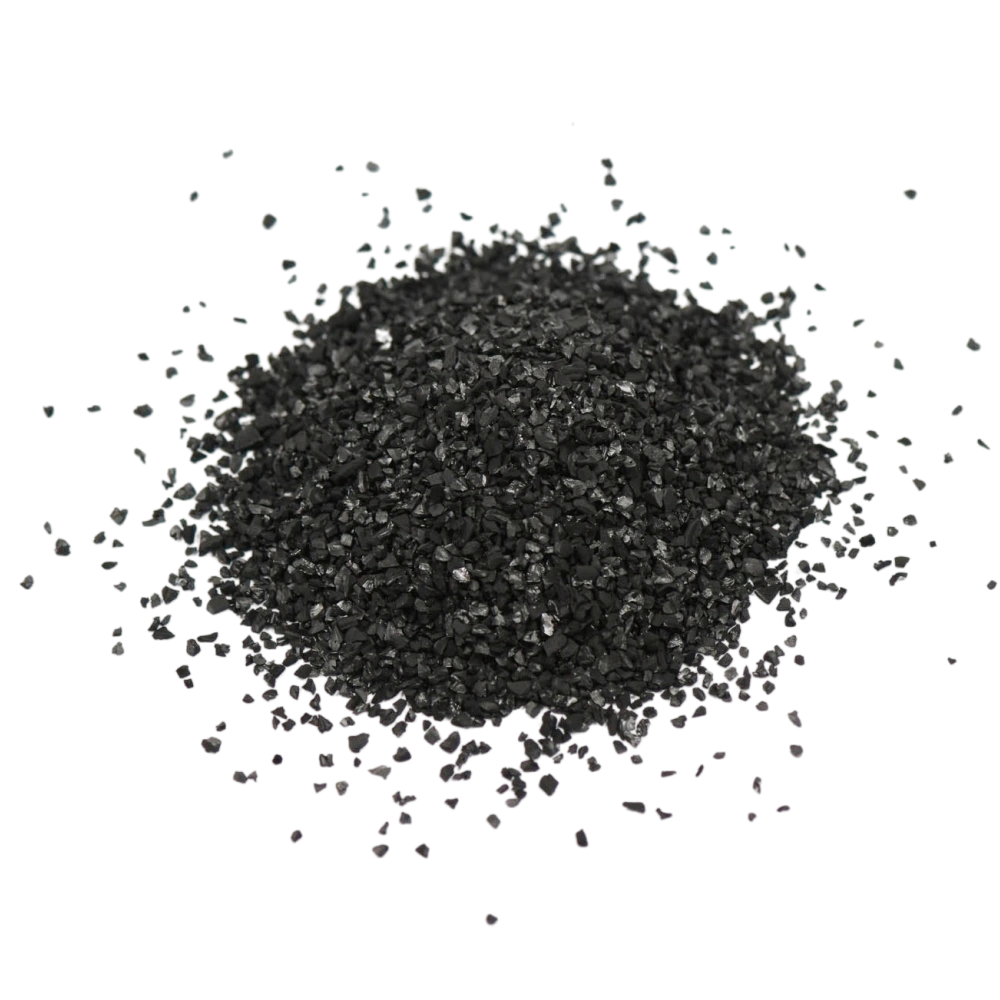
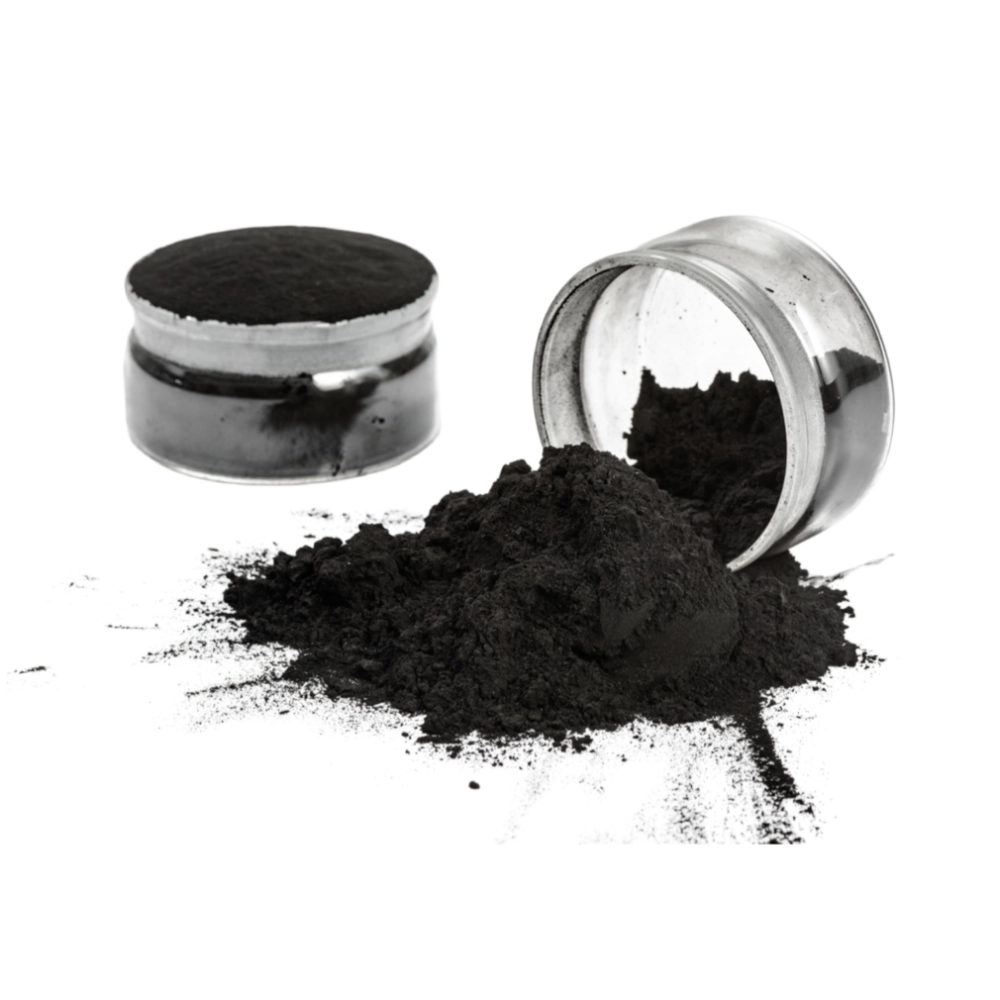
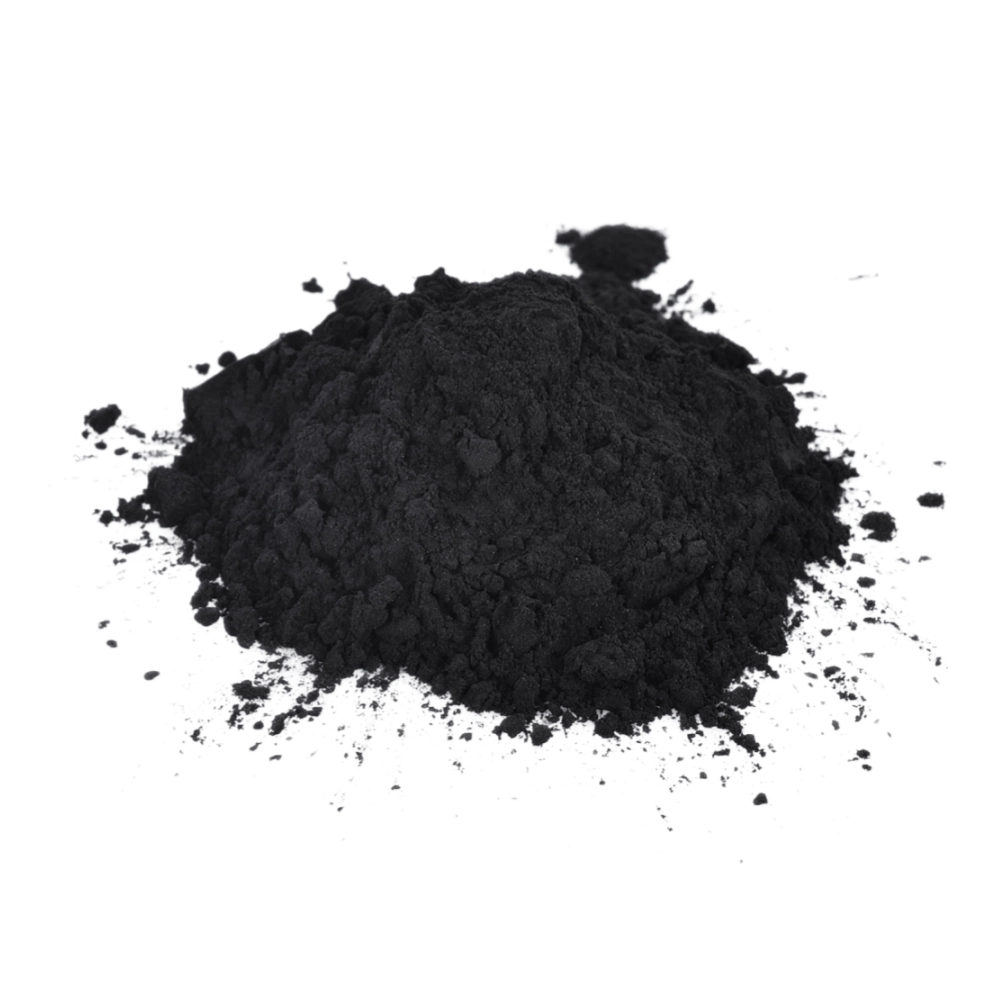
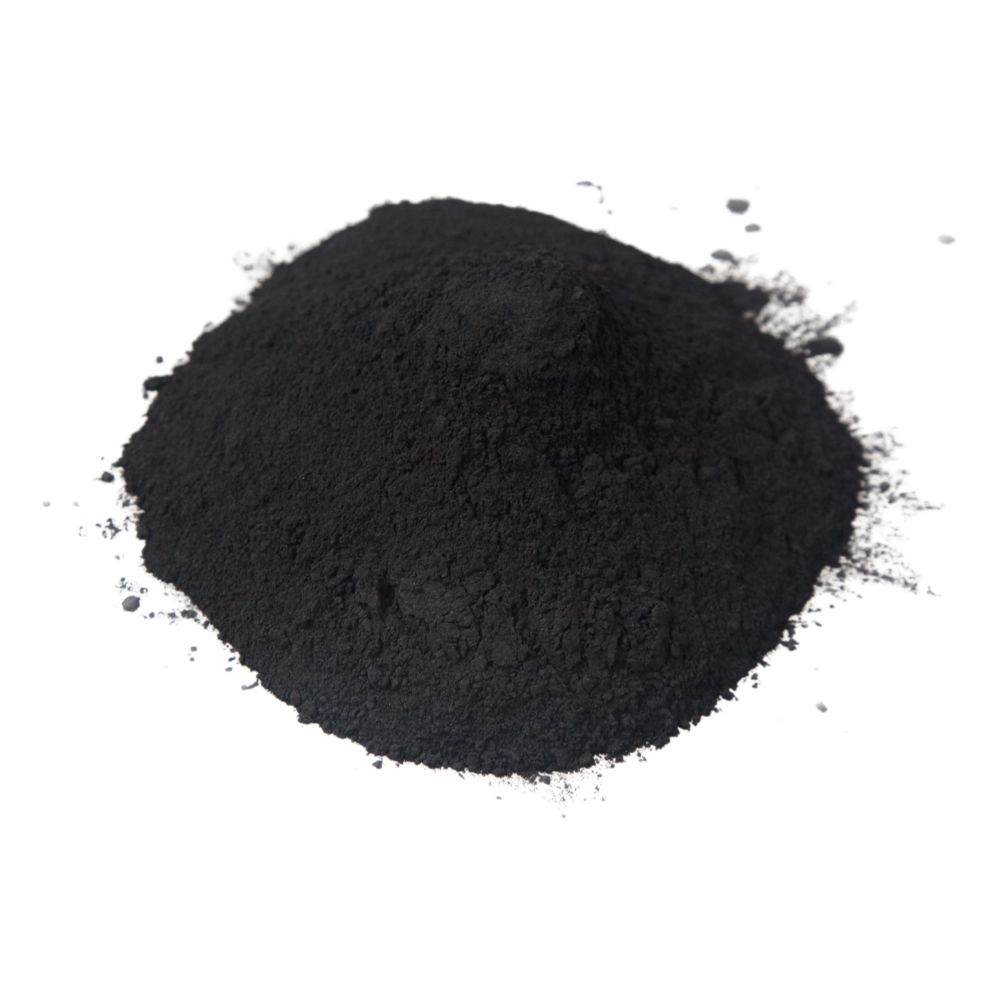
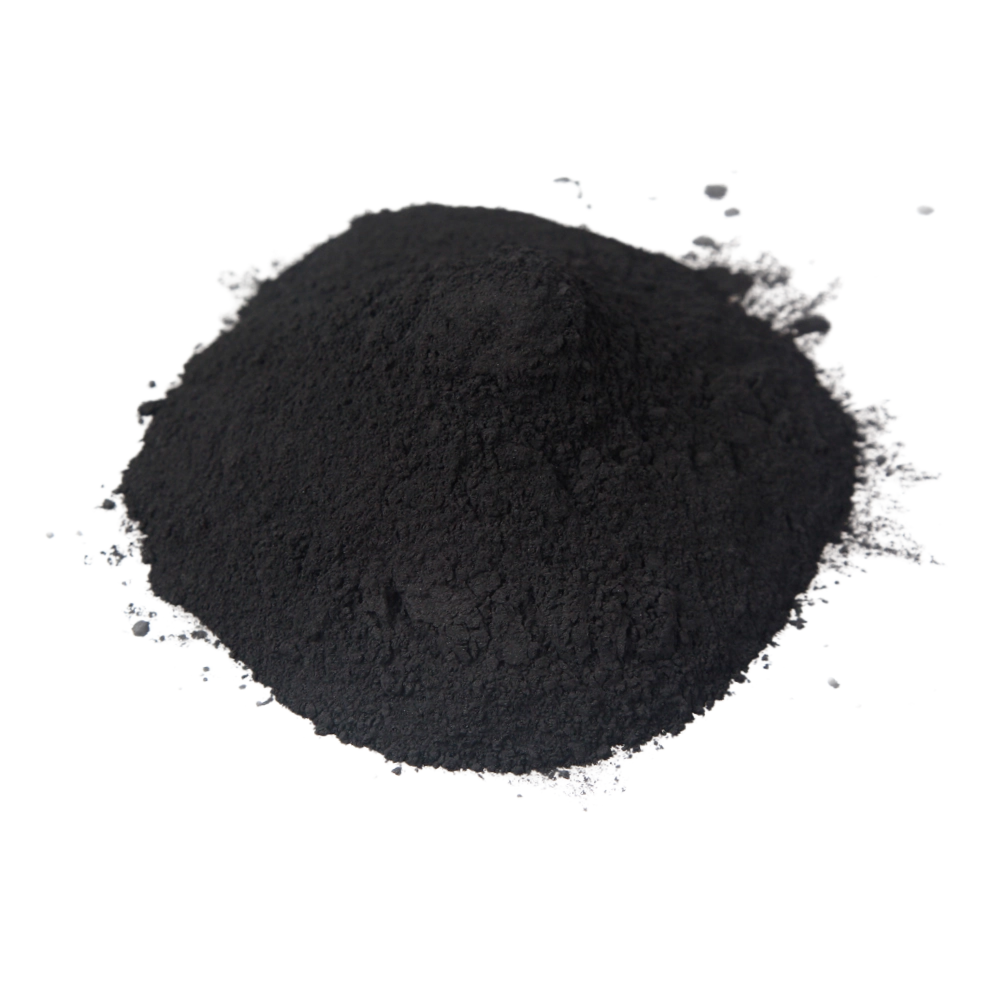
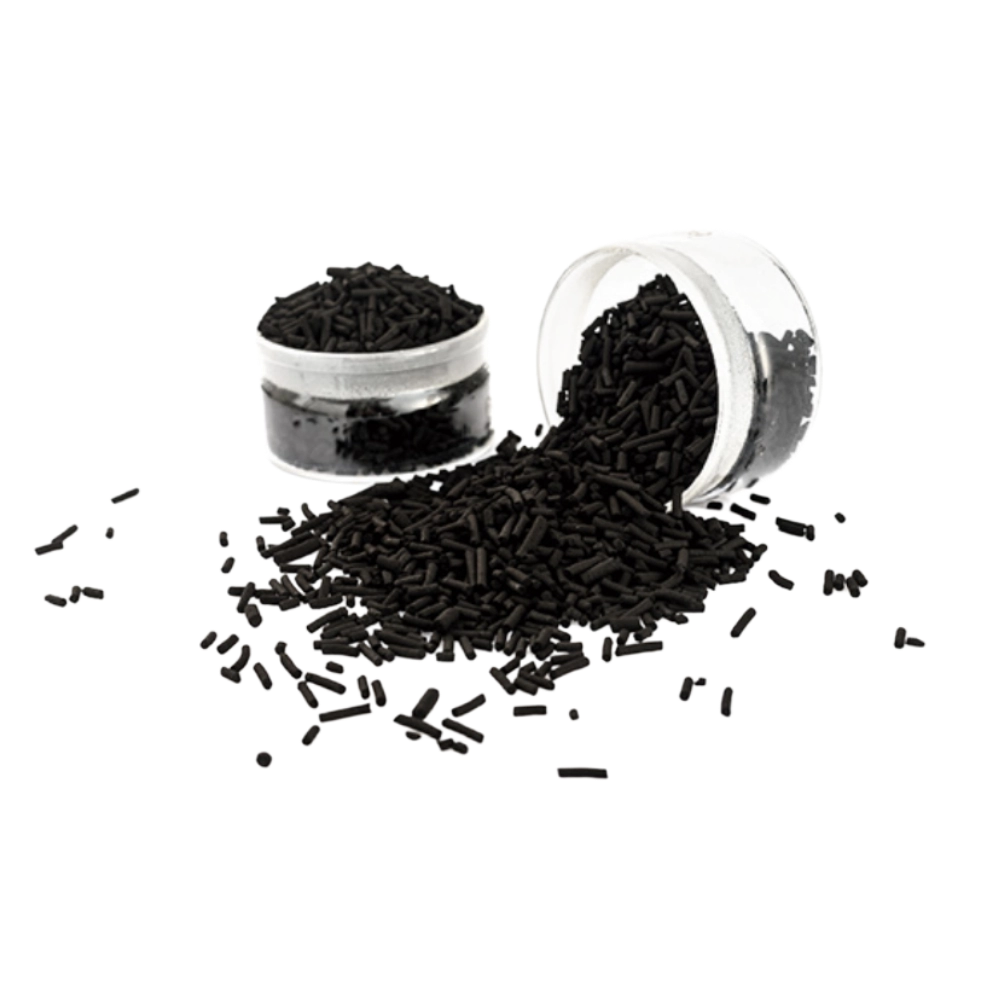
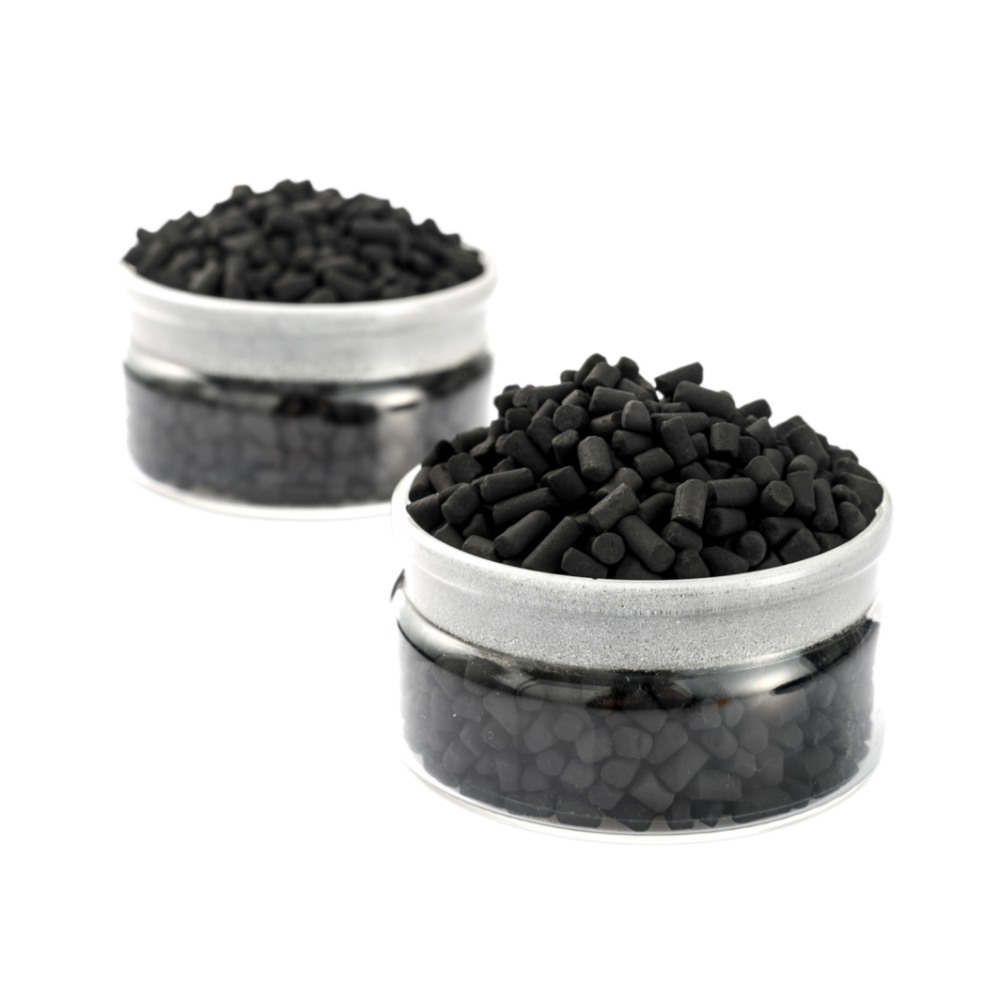
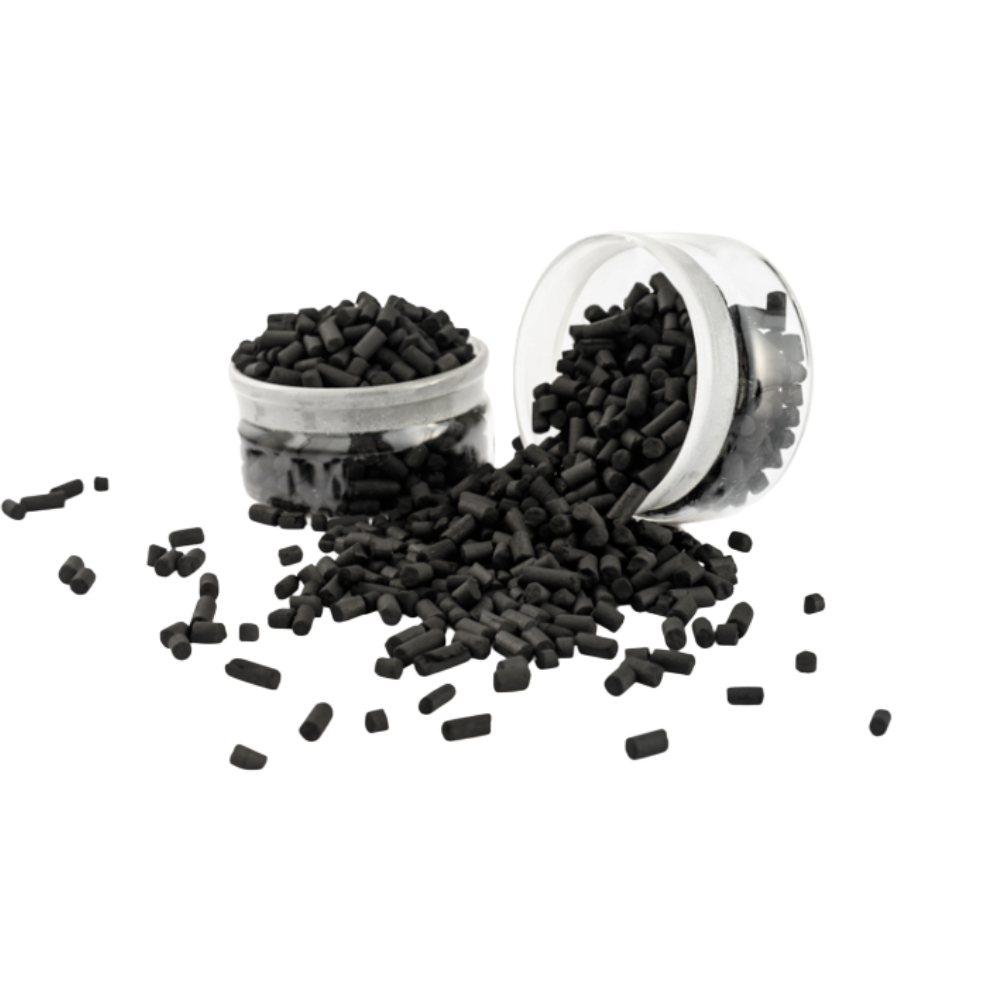
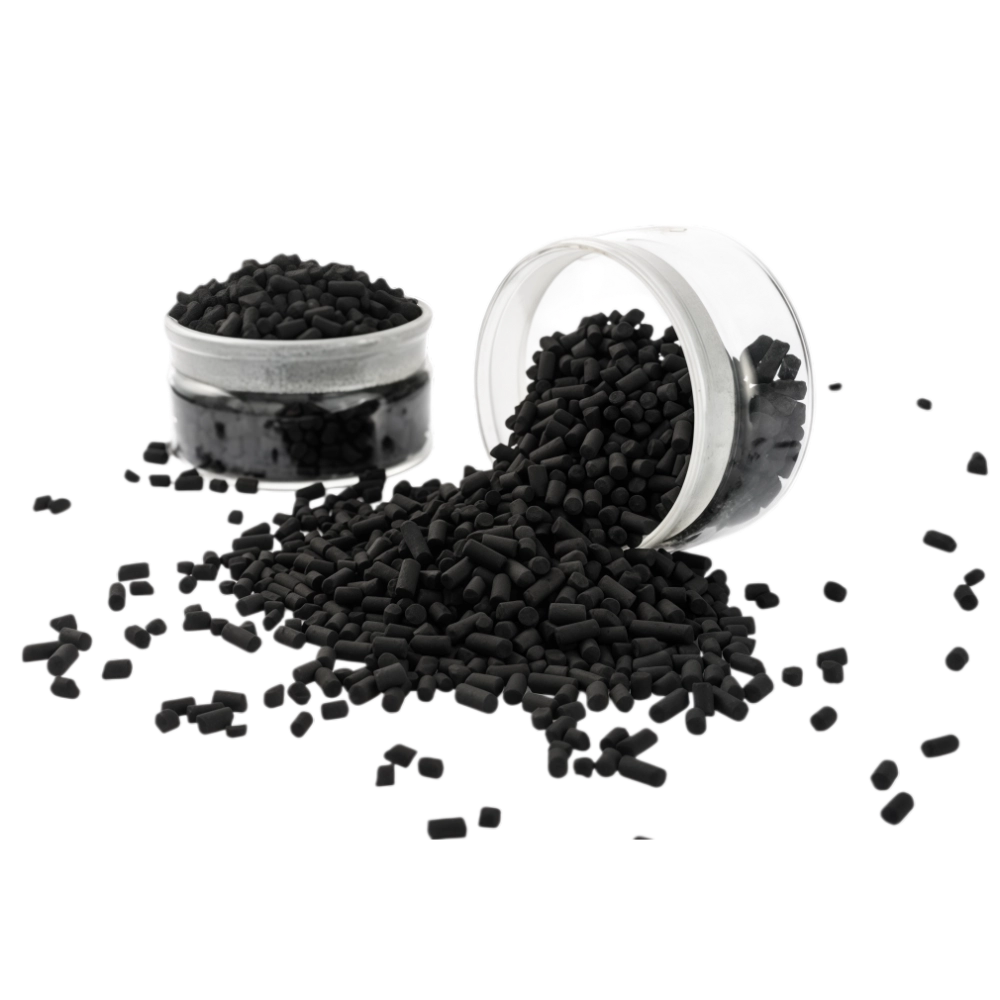
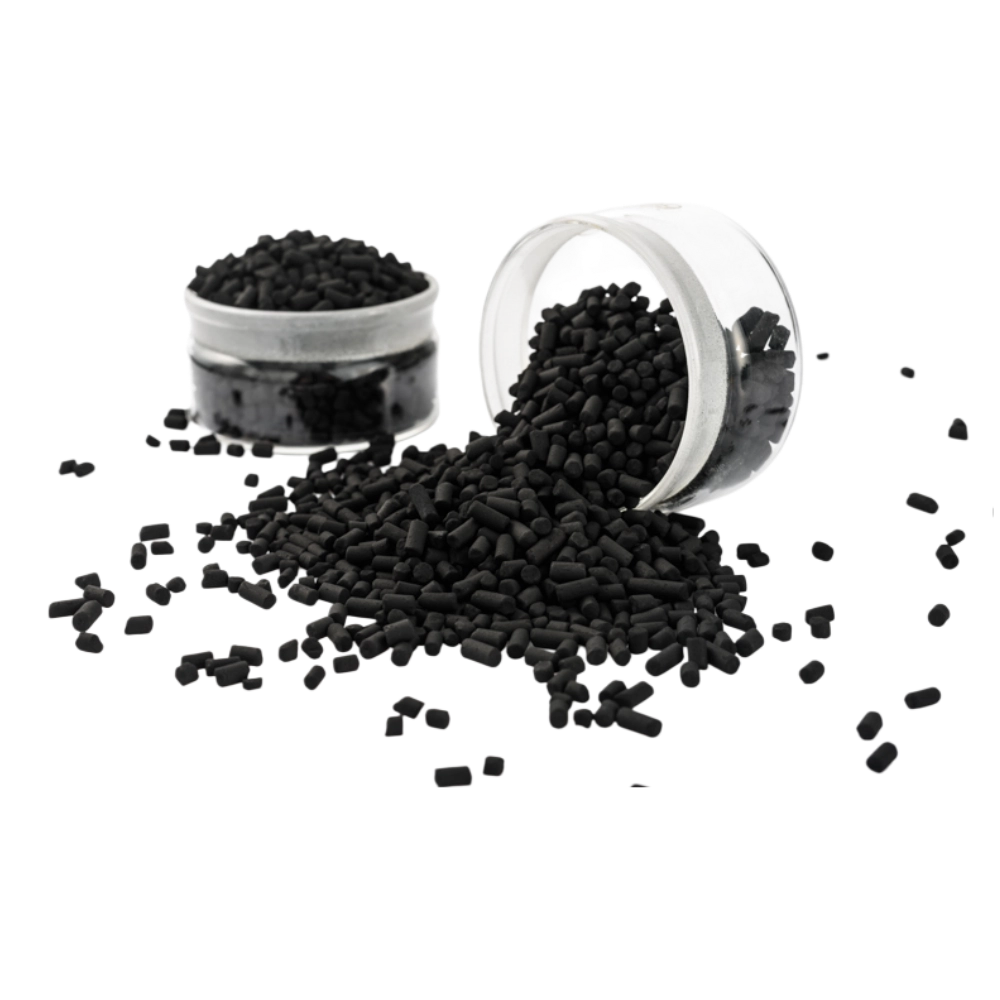
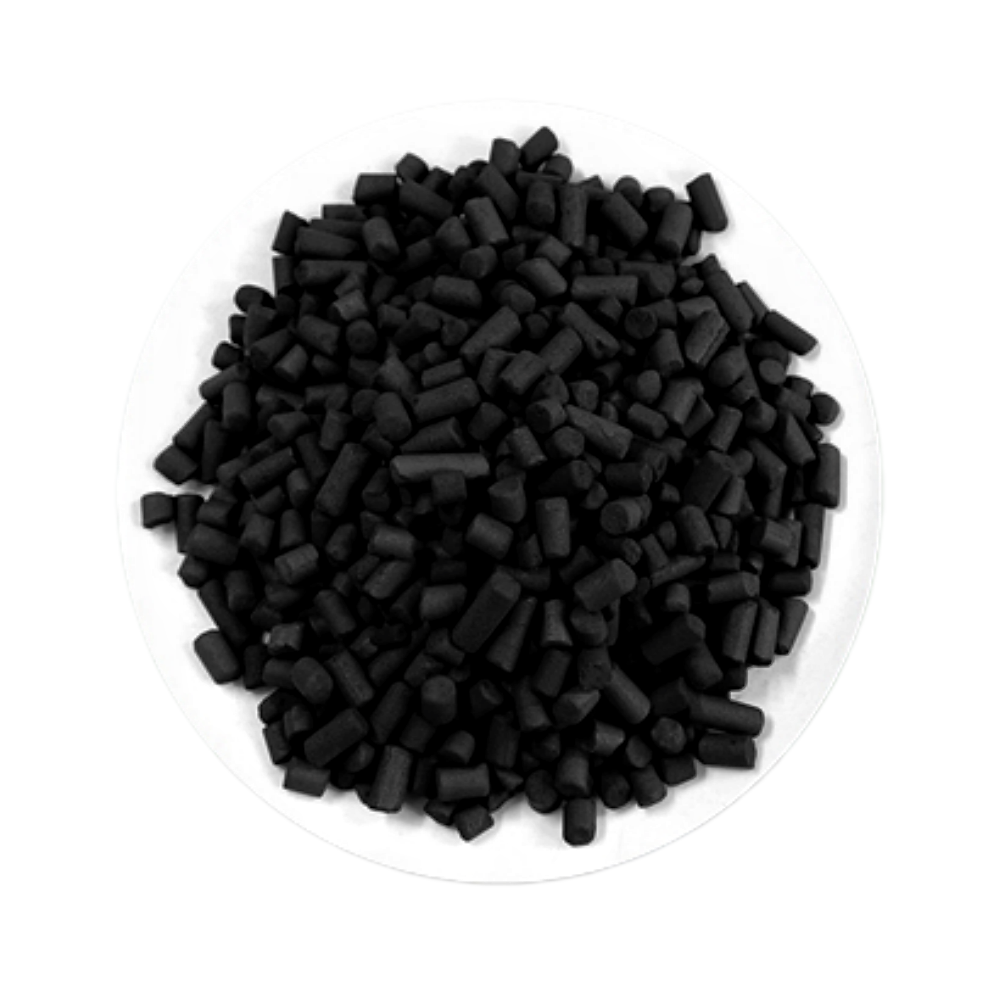
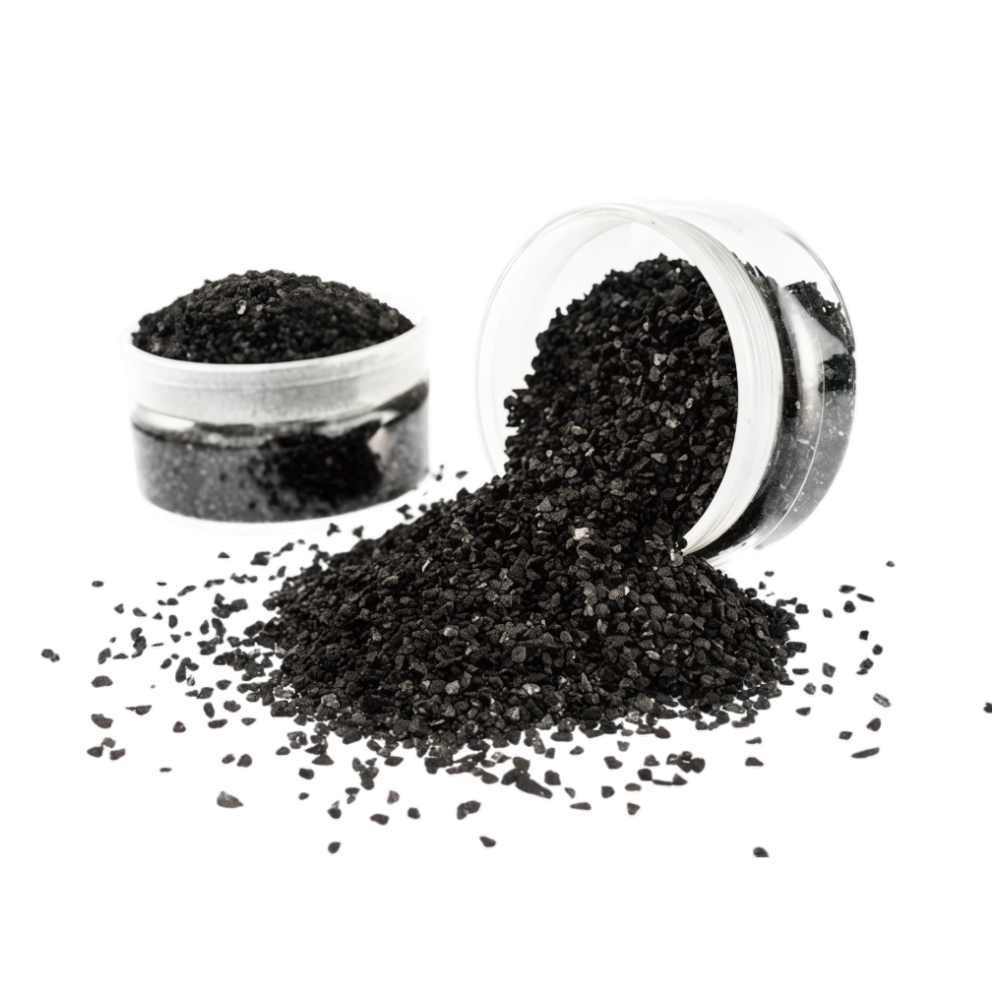
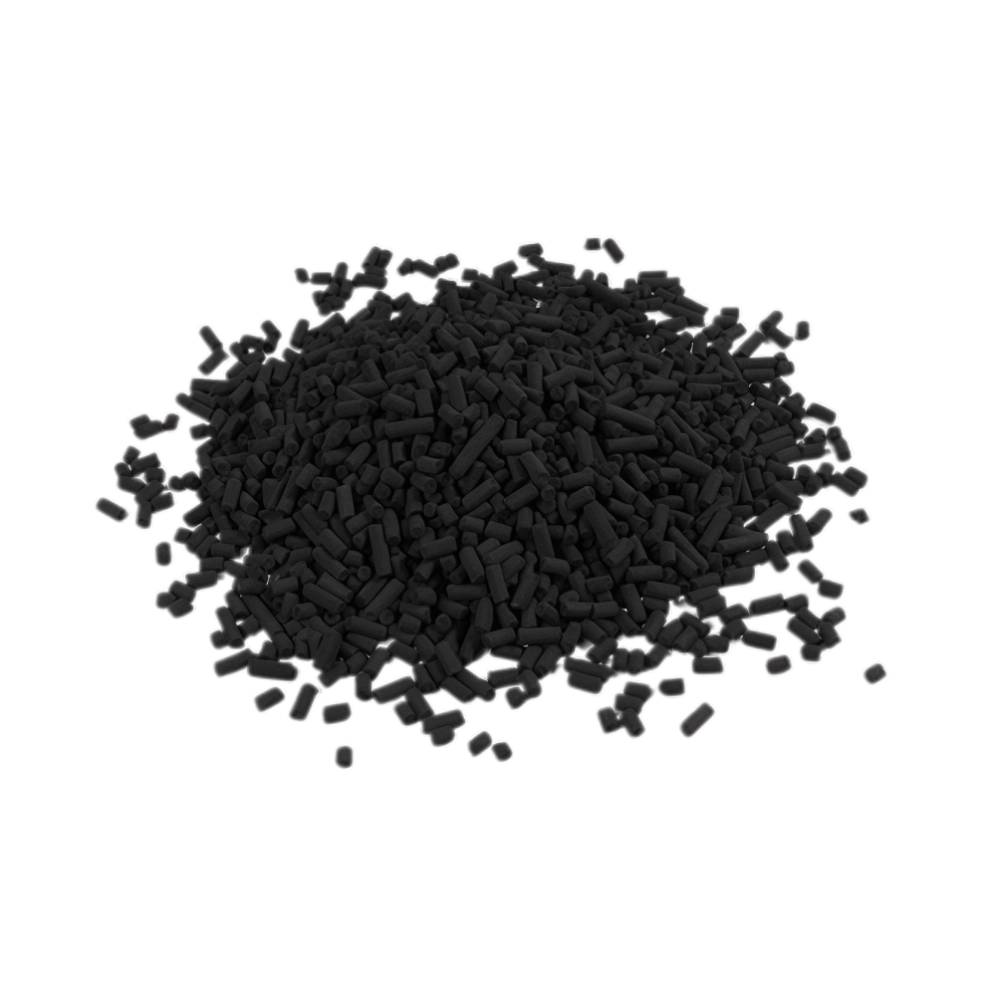
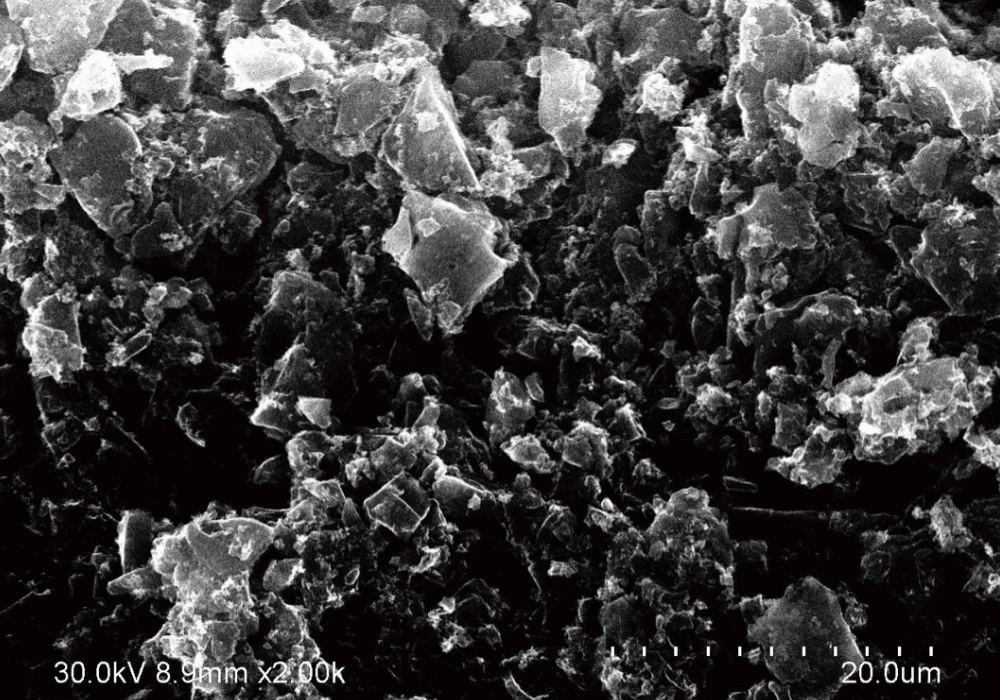
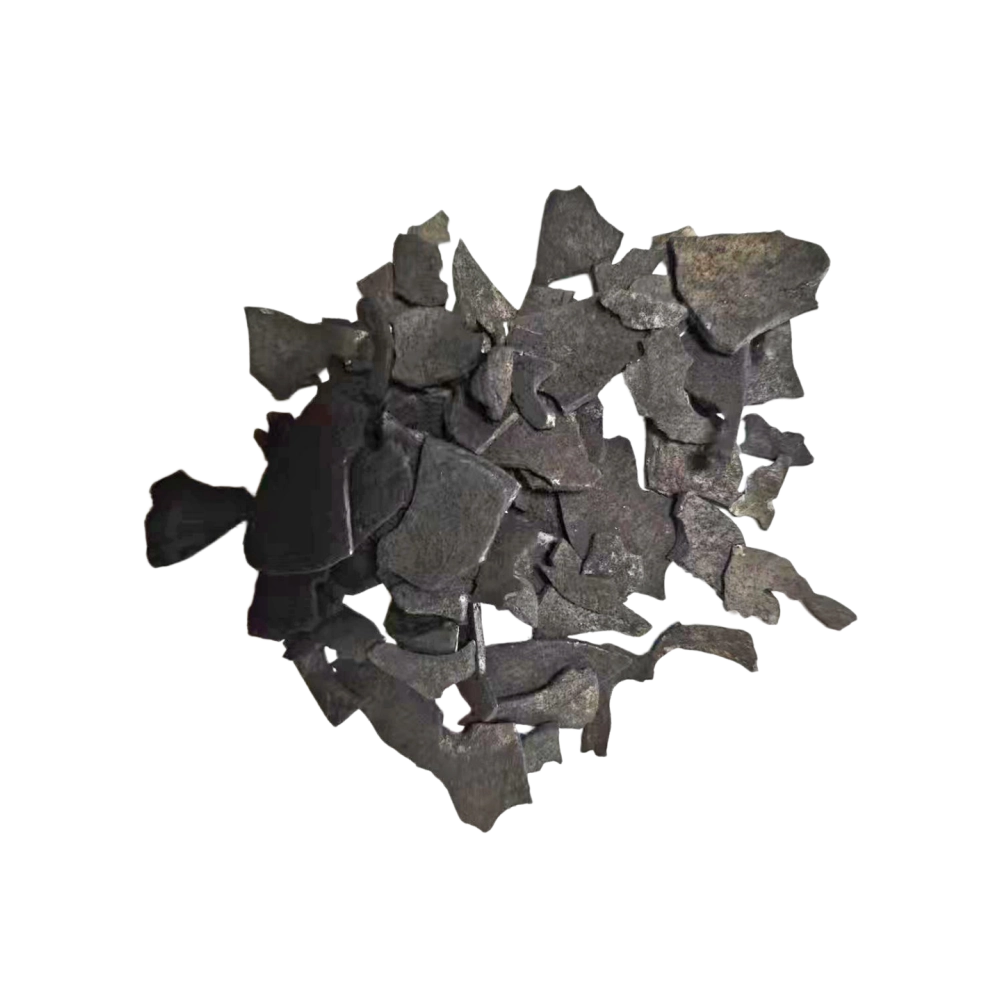
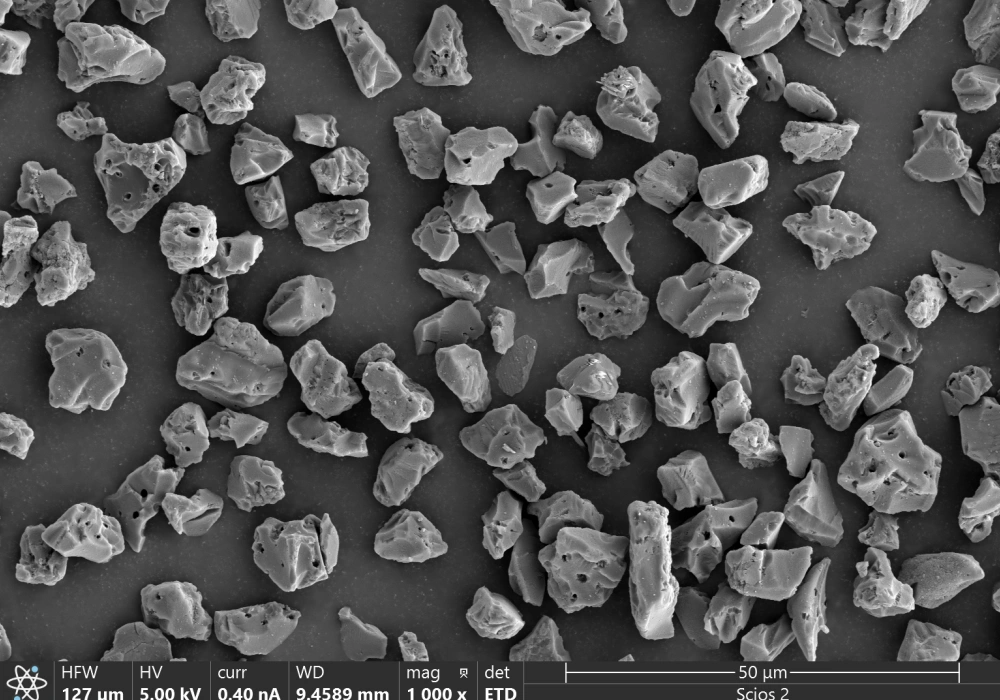
Catalytic activated carbon — often shortened to catalytic carbon, or called catalytic GAC when supplied as catalytic granular activated carbon — is an activated carbon whose surface has been modified or optimized to support specific chemical reactions in addition to ordinary adsorption. It is still a highly porous adsorbent with a large internal surface area, but its surface chemistry is engineered so that certain contaminants can be transformed directly at the carbon surface, rather than only being trapped in the pores.This is why catalytic carbon media is widely specified in applications where adsorption alone is slow or insufficient — most notably chloramine removal in municipal and industrial water treatment.
What Makes Carbon "Catalytic"?
Several surface properties determine whether an activated carbon behaves catalytically:
- Surface chemistry — the type and distribution of surface functional groups (for example, oxygen-containing groups) that create active sites for reactions.
- Oxidation/reduction properties — the ability of the carbon surface to accept or donate electrons, which drives redox reactions with contaminants such as chlorine and chloramine.
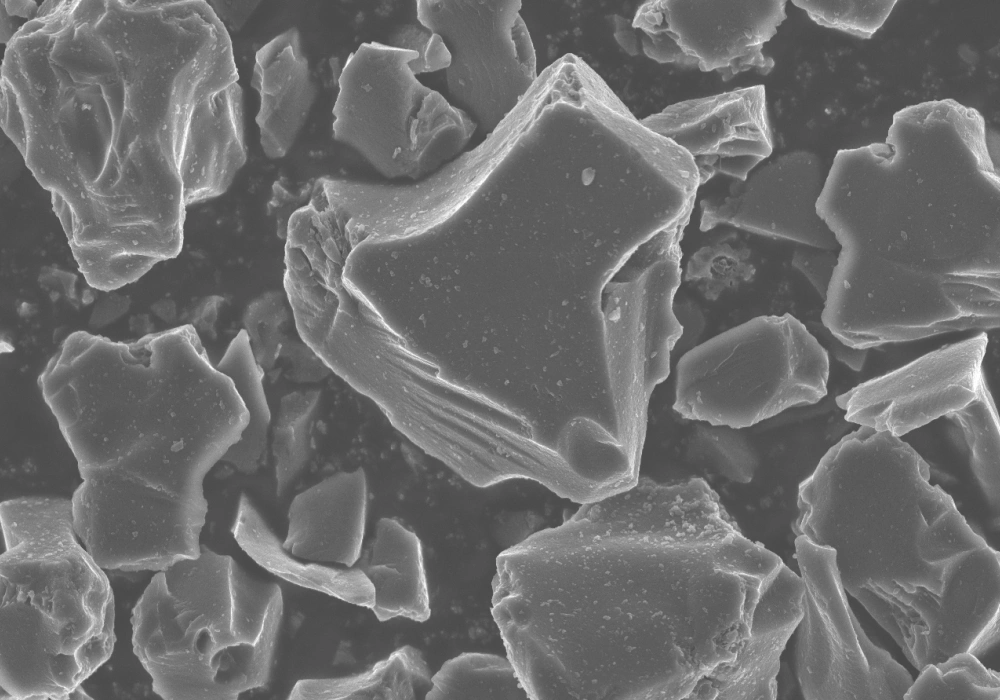
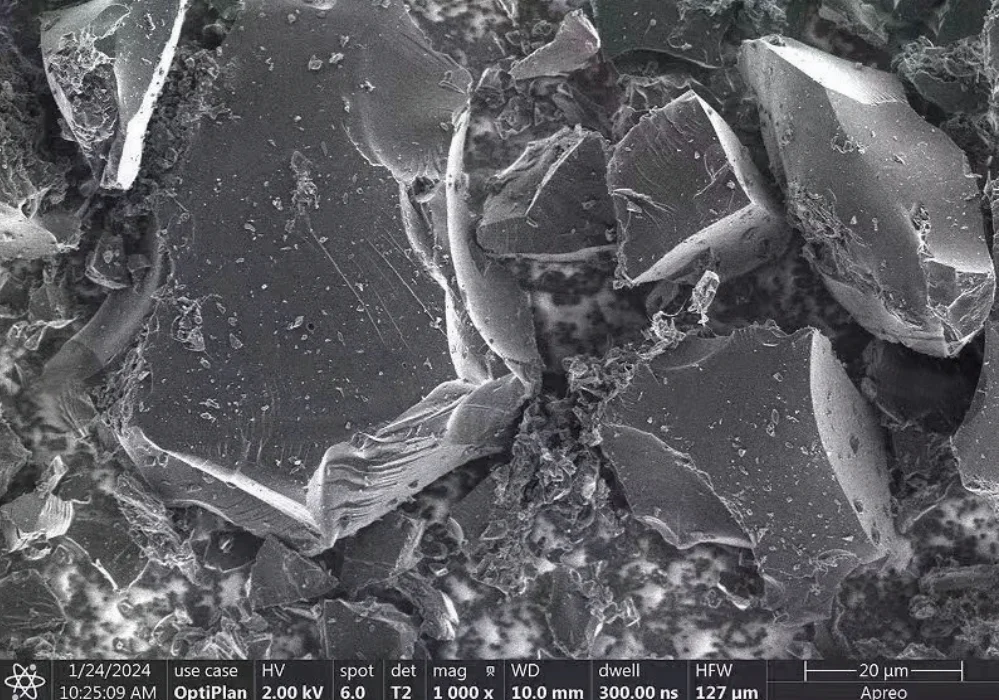
- Pore structure — a well-developed network of micropores and mesopores that still provides high adsorption capacity and brings contaminants into contact with the surface.
- Surface reactivity — the overall rate at which target reactions proceed on the carbon, which is what manufacturers actually enhance during production.
You do not need to dive into complex catalytic chemistry to specify the media. What matters in practice is that the carbon surface has been engineered for higher reactivity toward your target contaminant.
Is Catalytic Carbon Still Activated Carbon?
Yes. Catalytic activated carbon is based on activated carbon, but its surface properties are modified or optimized to provide enhanced catalytic activity for specific reactions. It retains the porous structure and adsorption function of activated carbon, while its surface properties are optimized to provide enhanced reactivity for specific reactions. Catalytic activity therefore complements adsorption rather than replacing it.
How Does Catalytic Activated Carbon Work?
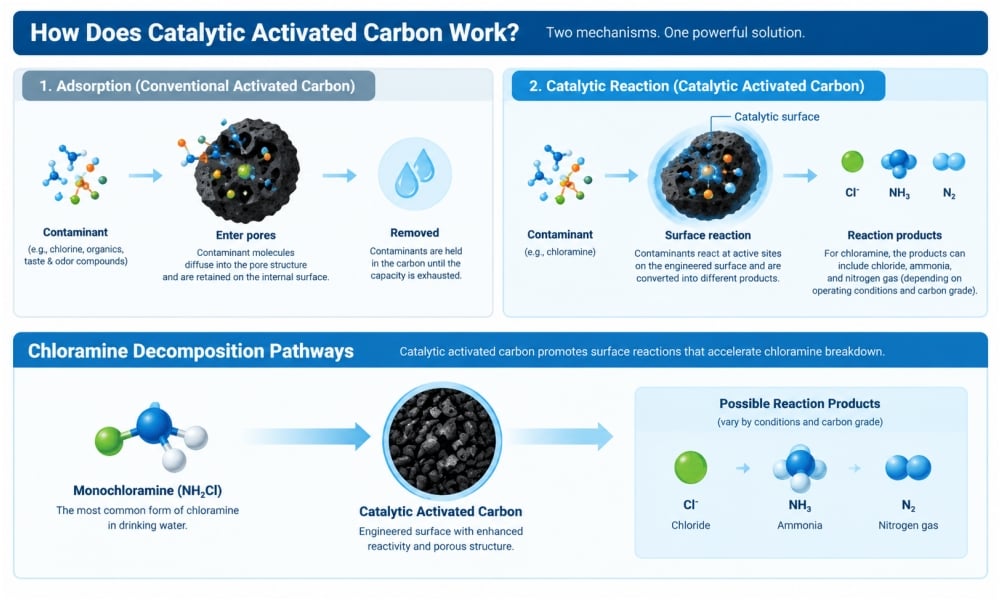
So how does catalytic carbon work in practice? The overall process can be simplified into one flow:
Contaminant → Carbon Surface → Surface Reaction → Reaction Products
To understand what this means, it helps to compare the two mechanisms side by side:
- Adsorption (conventional activated carbon): contaminant → pores → adsorption. The contaminant molecules diffuse into the pore structure and are physically held on the internal surface. For many organic contaminants, adsorption is the primary removal mechanism: molecules enter the pore structure and are retained on the internal surface.
- Catalytic reaction (catalytic activated carbon): contaminant → catalytic surface → surface reaction → reaction products. For reactive contaminants such as chloramine, surface reactions at active sites can transform the contaminant into different products. Depending on the carbon grade and operating conditions, chloramine conversion can produce nitrogen gas and ammonia, with chloride also formed during the reaction process.
One point is often misunderstood: catalytic carbon is not a "permanent" media that never gets consumed. In real systems, performance still depends on surface condition, contaminant loading, flow rate, and contact time. Foulants can block active sites, and the surface chemistry gradually changes in service. Like any filter media, catalytic carbon filtration systems still require monitoring, and the media will eventually need replacement or reactivation.
How Does Catalytic Activated Carbon Remove Chloramine?
Chloramine removal is the most common reason engineers specify catalytic carbon. To see why, you first need to understand the difference between chlorine and chloramine.
Free chlorine (hypochlorous acid/hypochlorite) is highly reactive. Standard activated carbon removes it quickly through a surface redox reaction, and even small filters with short contact times perform well. Chloramine — most commonly monochloramine (NH₂Cl), formed when ammonia is added to chlorinated water — is far more stable. On conventional activated carbon, monochloramine decomposes slowly, so you would need impractically long contact times or very large beds to remove it reliably.
So, does catalytic carbon remove chloramine? Yes — this is exactly what it is designed for. The engineered surface of catalytic activated carbon promotes the catalytic decomposition of chloramine, accelerating the reaction that breaks monochloramine down into chloride, ammonia, and nitrogen. In simplified form:
The exact reaction pathways are more complex than a single balanced equation can show. Research has demonstrated that monochloramine can be transformed on activated carbon surfaces, with nitrogen gas and ammonia among the observed products depending on operating conditions.Because the reaction rate on catalytic carbon is much higher than on standard carbon, chloramine removal with activated carbon becomes practical at normal flow rates and empty bed contact times. This is why catalytic carbon is commonly specified for chloramine reduction in municipal and industrial water treatment, beverage processing, and other systems where chloramine control is required.
The table below summarizes how the two media compare against common contaminants:
| Contaminant | Conventional GAC | Catalytic Activated Carbon |
|---|---|---|
| Free chlorine | Commonly effective | Effective |
| Chloramine | More difficult | Specifically used for enhanced removal |
| Organic compounds | Adsorption | Adsorption + surface effects |
| Taste & odor | Common application | Common application |
Catalytic Activated Carbon vs Regular Activated Carbon
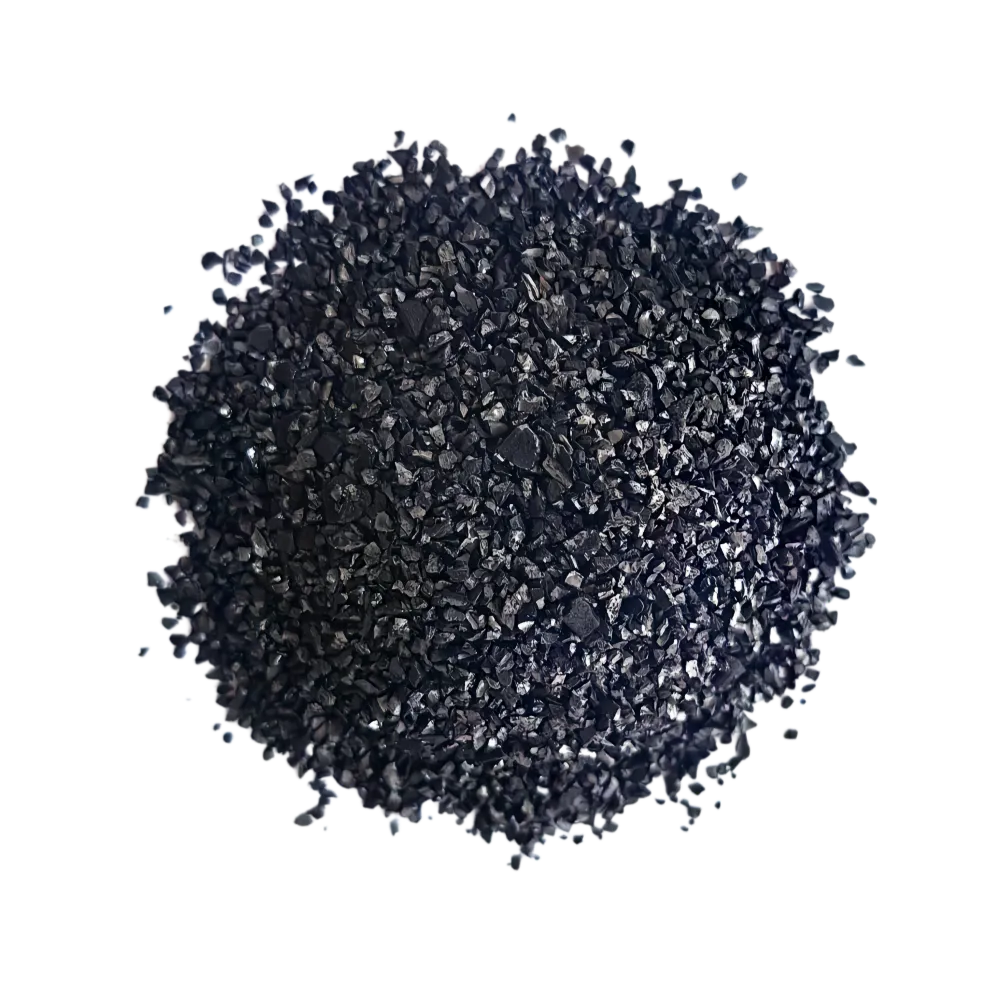
Both conventional and catalytic activated carbons can be produced from common carbonaceous raw materials such as coal, coconut shell, and wood. The difference lies in what happens at the surface. Regular activated carbon relies almost entirely on adsorption: contaminants are captured in the pores. Catalytic activated carbon combines adsorption with enhanced surface reactions, so it can handle contaminants that adsorb poorly or react too slowly on standard carbon.
For many organic contaminants, taste, and odor compounds, conventional activated carbon may already provide effective adsorption, making catalytic grades unnecessary when enhanced surface reactivity is not required. The gap appears with chloramine, hydrogen sulfide, and certain specialty applications, where enhanced surface reactivity can provide an advantage for specific treatment targets. Catalytic grades typically cost more per ton, so the decision should be driven by your target contaminant and required contact time — not by the assumption that "catalytic" is always better.
| Feature | Regular Activated Carbon | Catalytic Activated Carbon |
|---|---|---|
| Primary mechanism | Adsorption | Adsorption +enhanced surface reaction |
| Chlorine removal | Yes | Yes |
| Chloramine removal | Limited / grade-dependent | Common target application |
| Surface chemistry | Standard | Engineered / optimized |
| Typical applications | Water, air, organics | Chloramine, H₂S and specialty treatment |
What Is Catalytic Activated Carbon Used For?
Catalytic carbon is used in applications where enhanced surface reactivity provides an advantage over conventional activated carbon. The main applications include:
Drinking Water Treatment
In residential and commercial POU/POE filters, catalytic carbon cartridges and beds remove chloramine, chlorine, taste, and odor from municipal supplies. Catalytic carbon is widely used in residential and commercial POU/POE filtration systems to reduce chloramine, chlorine, taste, and odor from treated water.
Chloramine Removal
As covered above, catalytic decomposition of chloramine is the defining application — from whole-house filters to food and beverage plants that must eliminate chloramine before it affects product quality or damages RO membranes.
Municipal Water Treatment
Water utilities use catalytic granular activated carbon in large contactors to control chloramine, disinfection by-product precursors, and taste-and-odor compounds, often as part of a multi-barrier treatment train.
Industrial Water Treatment
Process water, boiler feedwater, and electronics manufacturing all require dechlorination and chloramine control to protect downstream equipment, ion exchange resins, and reverse osmosis membranes.
Hydrogen Sulfide Removal
Catalytic carbon also oxidizes hydrogen sulfide (H₂S) in water and air streams, controlling the "rotten egg" odor in well water and wastewater applications. This is a specialized use with its own design rules, which we cover separately in Catalytic Activated Carbon for Hydrogen Sulfide Removal.
Gas Purification
In vapor-phase service, catalytic grades treat air streams containing H₂S, mercaptans, and other reactive compounds in sewage treatment, biogas, and industrial ventilation.
What Determines Catalytic Activated Carbon Performance?
Not all catalytic carbon performs the same, and even the right media can underperform in a poorly designed system. The main factors are:
- Surface catalytic activity — the intrinsic reactivity of the carbon, often verified by chloramine removal testing rather than iodine number alone.
- Pore structure — the balance of micropores and mesopores that transports contaminants to active sites.
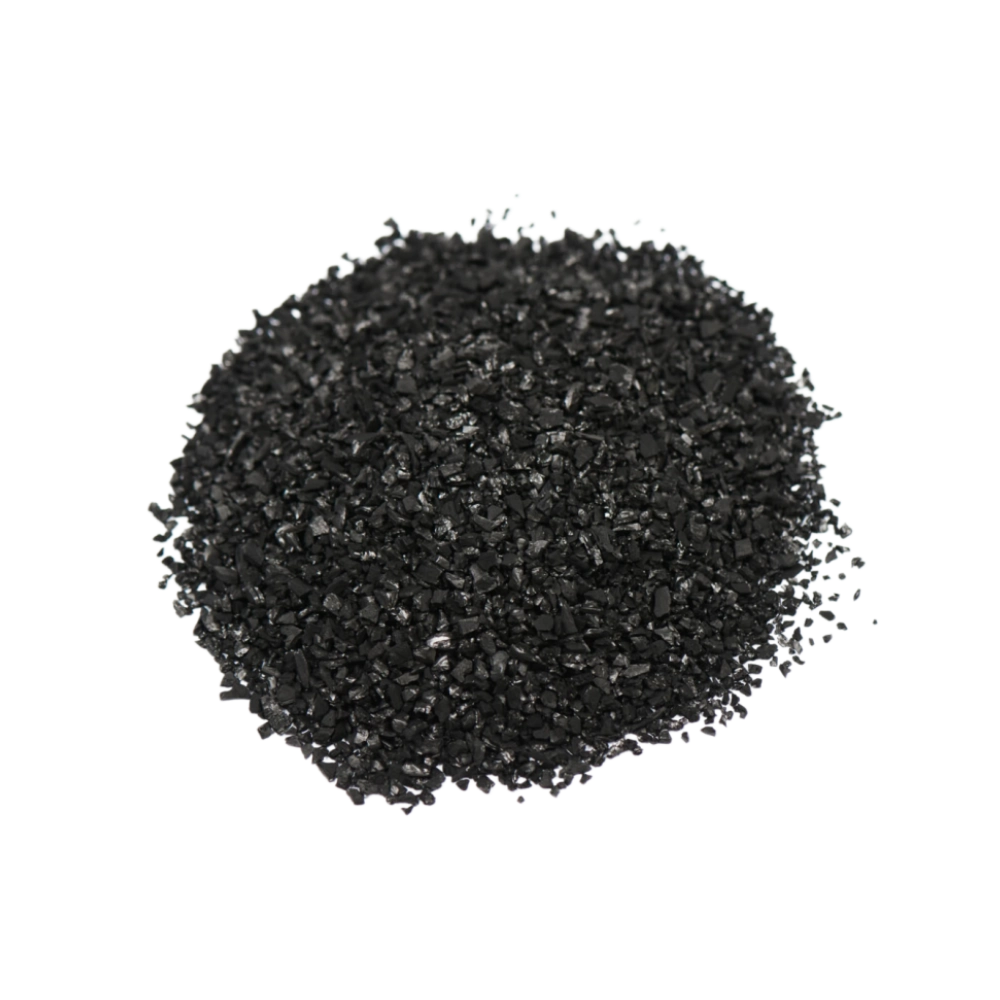
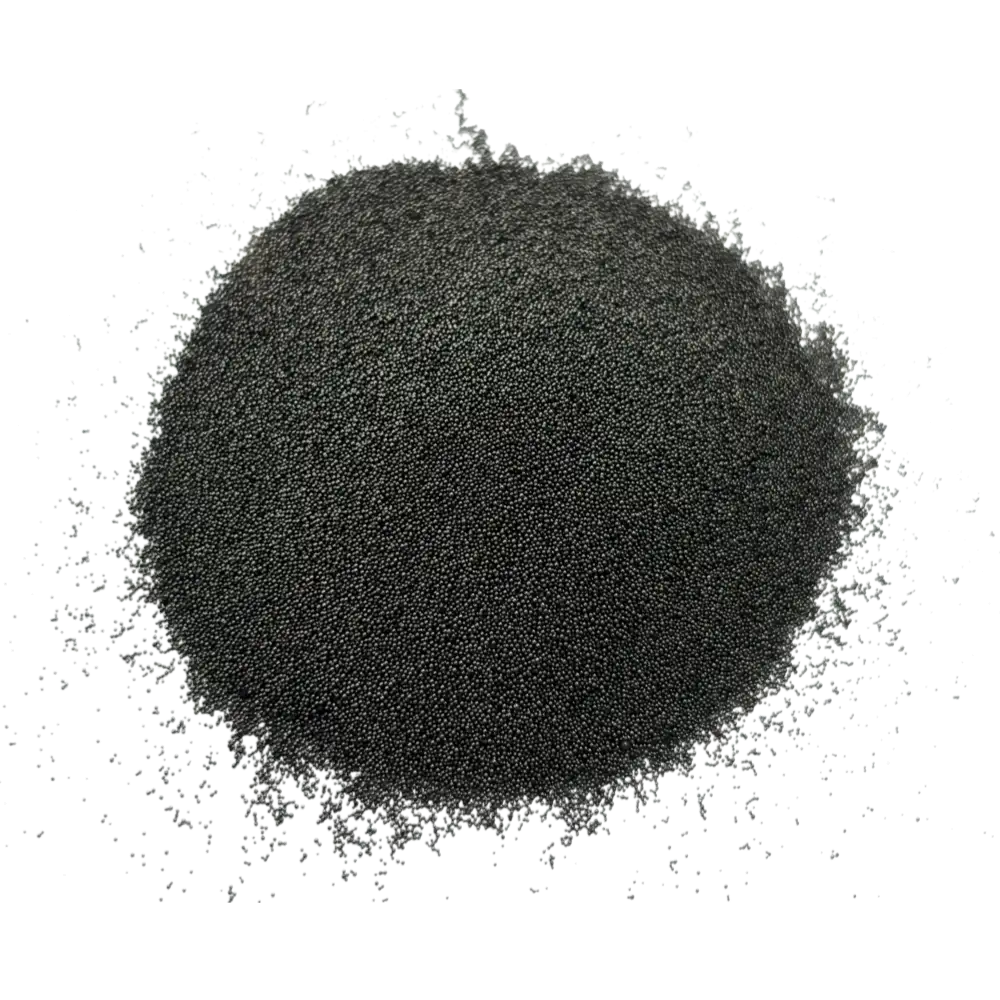
- Particle size and mesh size — smaller particles react faster but create higher pressure drop; common grades include 12×40 and 8×30 mesh.
- Contact time (EBCT) — empty bed contact time (EBCT) is one of the most important design parameters for chloramine removal.; insufficient EBCT is the most common cause of poor performance.
- Influent concentration — higher chloramine levels consume capacity faster and may require deeper beds.
- Water chemistry — pH, temperature, hardness, and competing contaminants all influence reaction rates and media life.
- Carbon dosage and bed depth — determines both treatment capacity and the practical contact time at your flow rate.
How to Choose Catalytic Activated Carbon
Selecting the right catalytic carbon is a process of matching the media to your actual operating conditions — not picking the product with the most impressive datasheet. A practical selection sequence looks like this:
- Application — drinking water, municipal, or industrial process water? Certification requirements (such as NSF/ANSI 61) follow from this.
- Target contaminant — chloramine, chlorine, H₂S, or organics? This determines whether you need a catalytic grade at all.
- Water chemistry — pH, temperature, and background contaminants shape both performance and media life.
- Flow rate and EBCT — size the bed so the empty bed contact time meets the chloramine removal requirement at your peak flow.
- Particle size — balance reaction kinetics against pressure drop; 12×40 mesh is a common commercial grade for catalytic GAC used in water treatment.
- Carbon grade — compare catalytic activity data, raw material (coconut shell vs coal-based), and certifications across suppliers.
Need help selecting catalytic activated carbon for chloramine removal? Contact Purestar's technical team — we can review your water quality data, recommend the right grade and mesh size, and provide samples for pilot testing.
FAQ
What is catalytic activated carbon?
Catalytic activated carbon is a specially engineered form of activated carbon with enhanced surface properties that promote chemical reactions at the carbon surface, in addition to ordinary adsorption. It is commonly used when the target contaminant — such as chloramine — requires enhanced surface reactivity.
Does catalytic carbon remove chloramine?
Yes. Chloramine removal is the most common application of catalytic carbon. Its engineered surface accelerates the catalytic decomposition of monochloramine into chloride, ammonia, and nitrogen, making removal practical at normal flow rates and contact times.
Is catalytic carbon the same as activated carbon?
Yes and no. Catalytic carbon is still activated carbon, so it retains the porous structure and adsorption function of activated carbon. However, its surface properties are optimized to provide enhanced catalytic activity for specific reactions. but its surface chemistry has been modified or optimized to provide enhanced catalytic activity for specific reactions.
What is catalytic carbon used for?
Its main uses are chloramine removal, drinking water treatment (POU/POE filters), municipal and industrial water treatment, hydrogen sulfide removal, and gas purification.
Does catalytic carbon remove chlorine?
Yes. Free chlorine can be effectively reduced by activated carbon, while catalytic grades may also provide enhanced surface reactivity for other target contaminants. If chlorine is the only treatment target, a conventional activated carbon grade may be sufficient depending on the system design. If chlorine is your only target, however, a conventional grade may be more economical.
Can catalytic carbon remove VOCs?
Catalytic carbon retains the adsorption capacity of conventional activated carbon, so it can remove many volatile organic compounds. However, catalytic activity is not the mechanism for VOC removal — adsorption is — so a standard high-iodine carbon is usually the more cost-effective choice for VOC-only applications.
How long does catalytic activated carbon last?
Service life depends on influent contaminant levels, flow rate, contact time, and water chemistry. Service life varies significantly with influent contaminant concentration, flow rate, EBCT, water chemistry, bed depth, and carbon grade. For critical systems, breakthrough monitoring and application-specific testing are recommended to determine replacement intervals.
How do you choose catalytic carbon for water treatment?
Start from your application and target contaminant, then check water chemistry, flow rate, and required EBCT, and finally select particle size and carbon grade. When in doubt, ask your supplier to evaluate your water quality data and run a pilot test before full-scale design.
Conclusion
Catalytic activated carbon is a specialized form of activated carbon designed to provide enhanced surface reactivity in addition to adsorption. It is particularly useful for applications where conventional activated carbon may not provide sufficient reaction kinetics, with chloramine removal being one of its most important applications.
Choosing the right catalytic carbon depends on more than the carbon itself. Target contaminants, water chemistry, flow rate, empty bed contact time (EBCT), particle size, bed depth, and required certifications all need to be considered when designing a treatment system.
For chloramine and other reactive contaminants, the right carbon grade and system design can make a significant difference in treatment performance and media life.
Need Help Choosing Catalytic Activated Carbon?
Selecting catalytic activated carbon for chloramine removal requires matching the carbon grade to your actual water quality and operating conditions.
Purestar can help evaluate key parameters such as target contaminants, flow rate, water chemistry, EBCT, particle size, and application requirements to identify a suitable catalytic activated carbon grade.
Contact our technical team to discuss your application, request product information, or arrange samples for evaluation.